HOT PRODUCTS
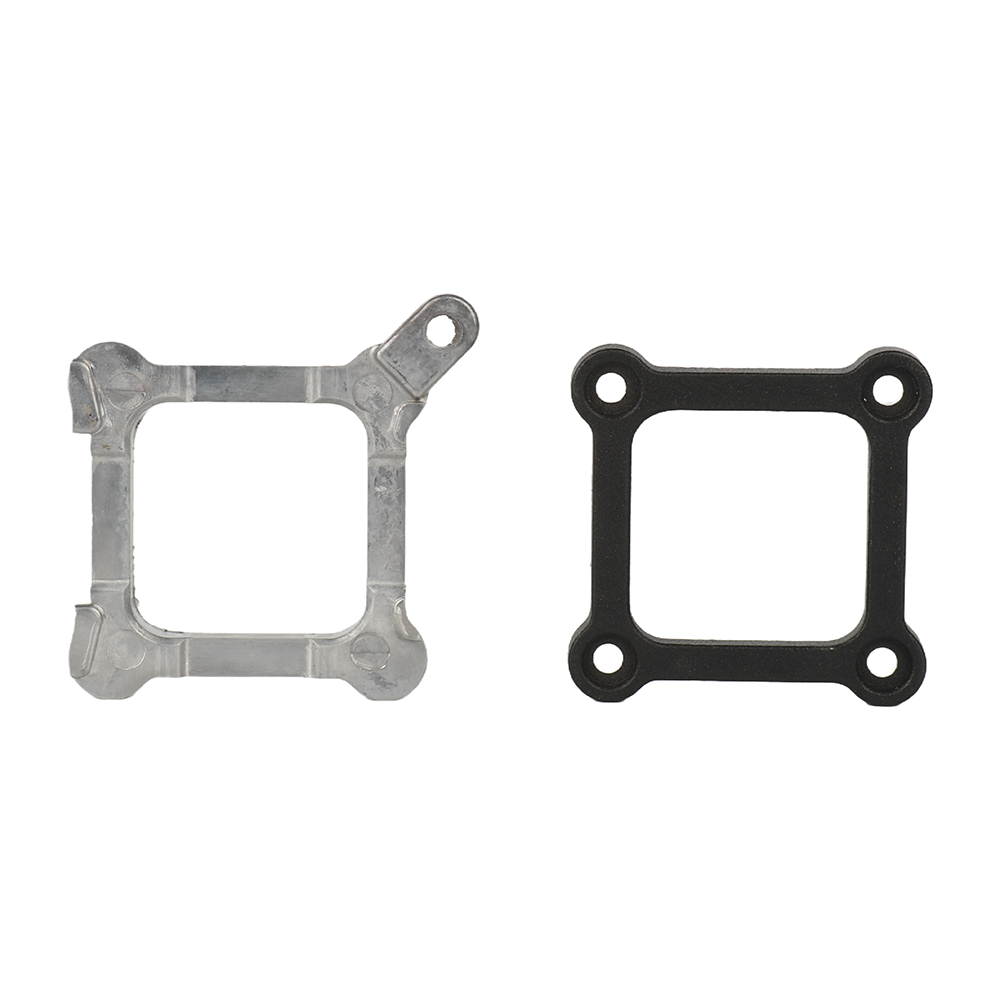
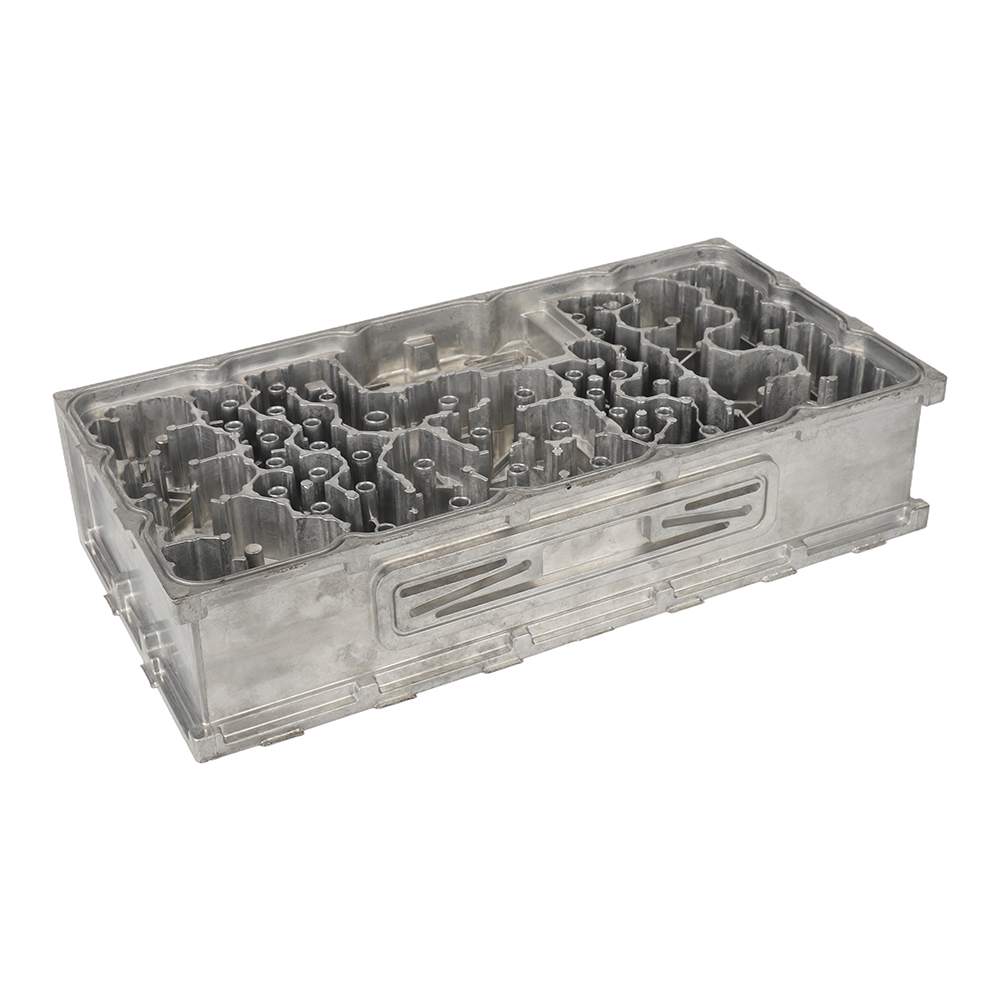
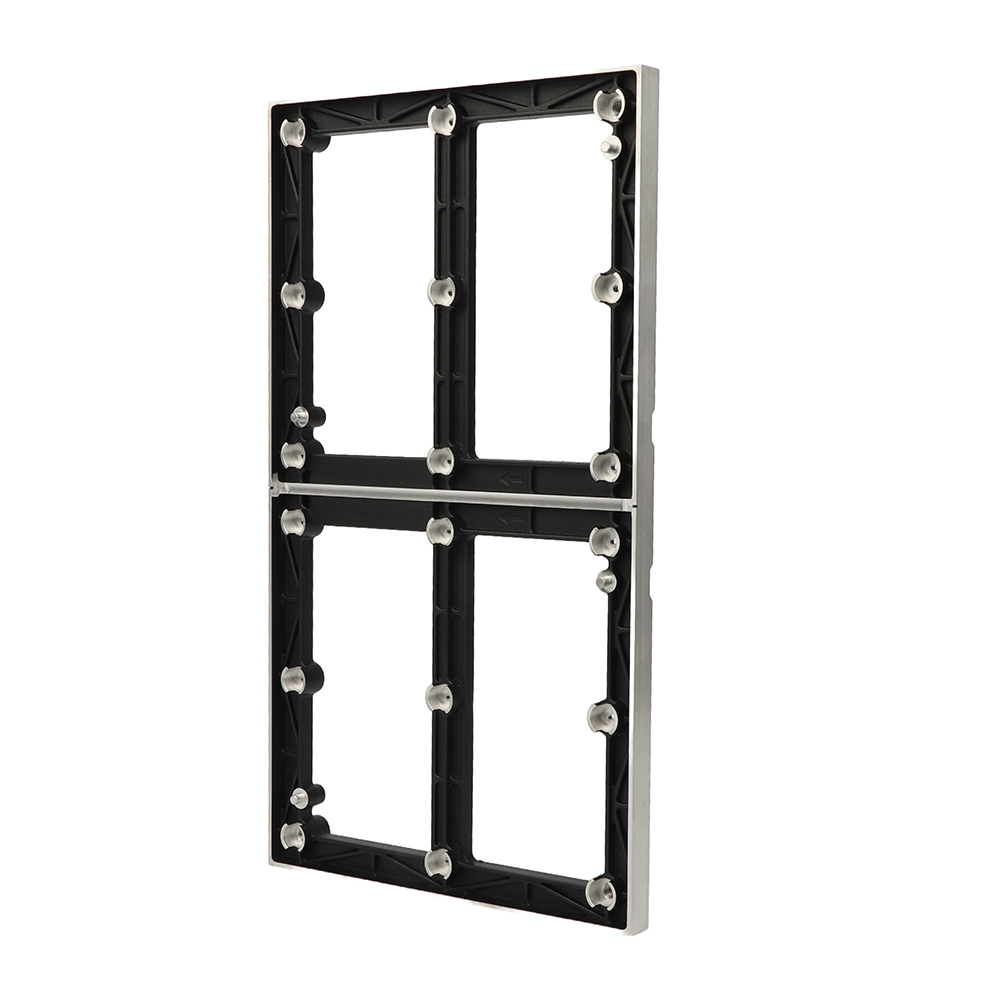
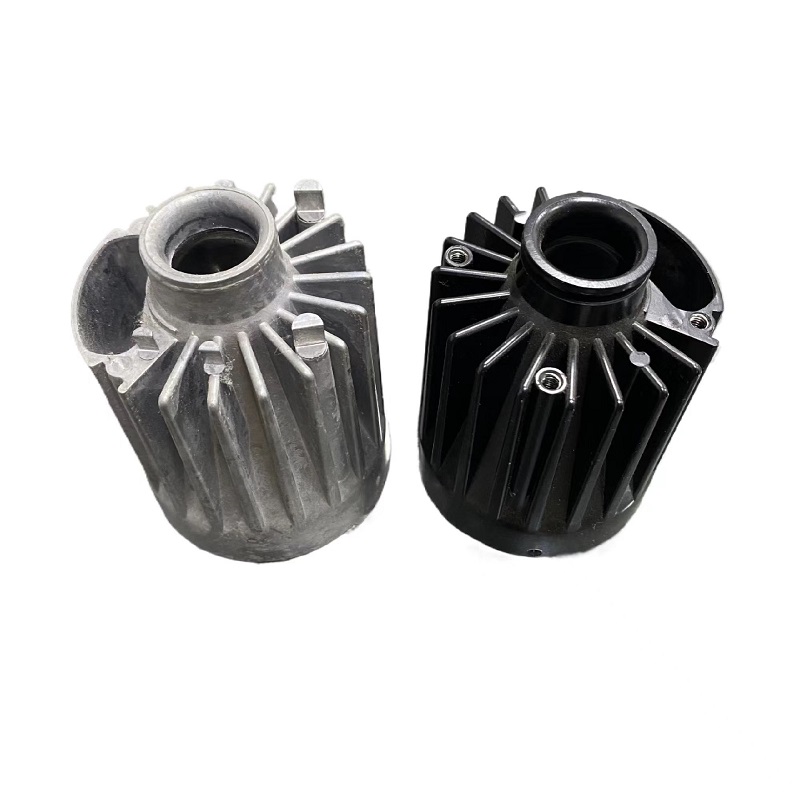
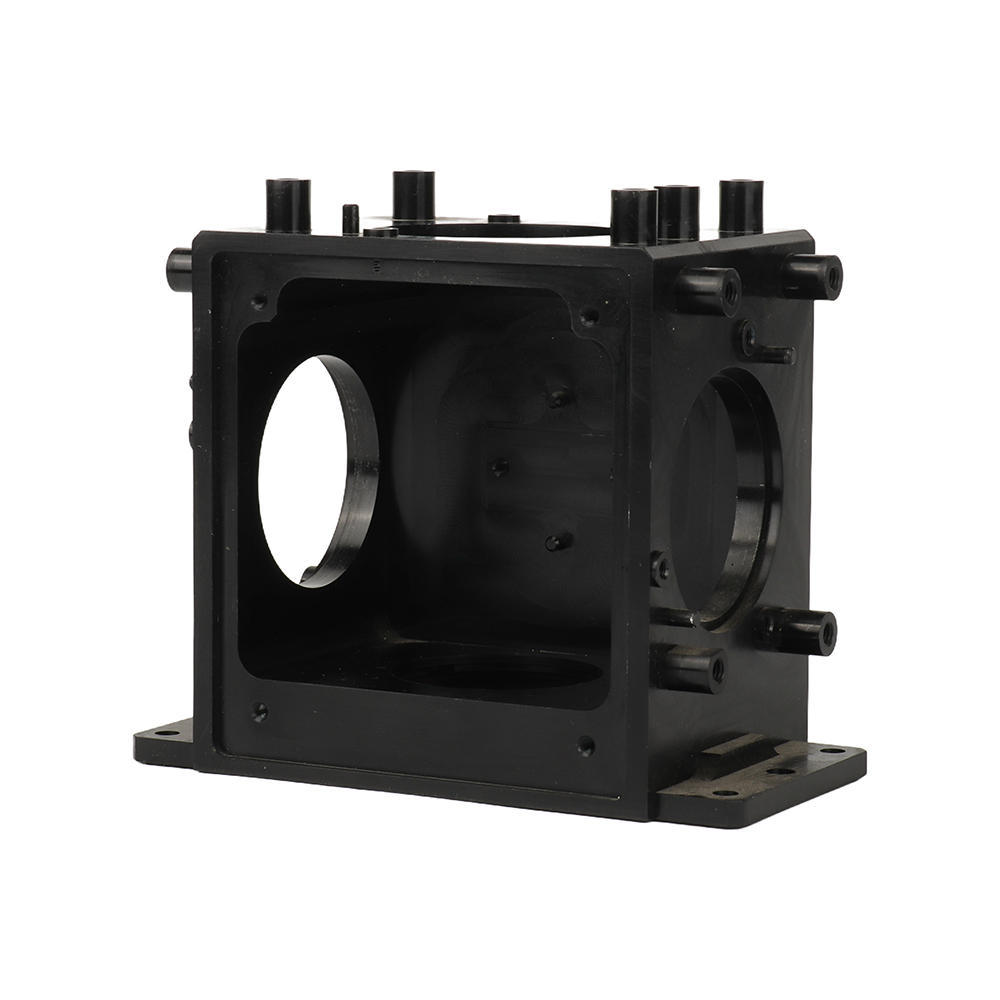
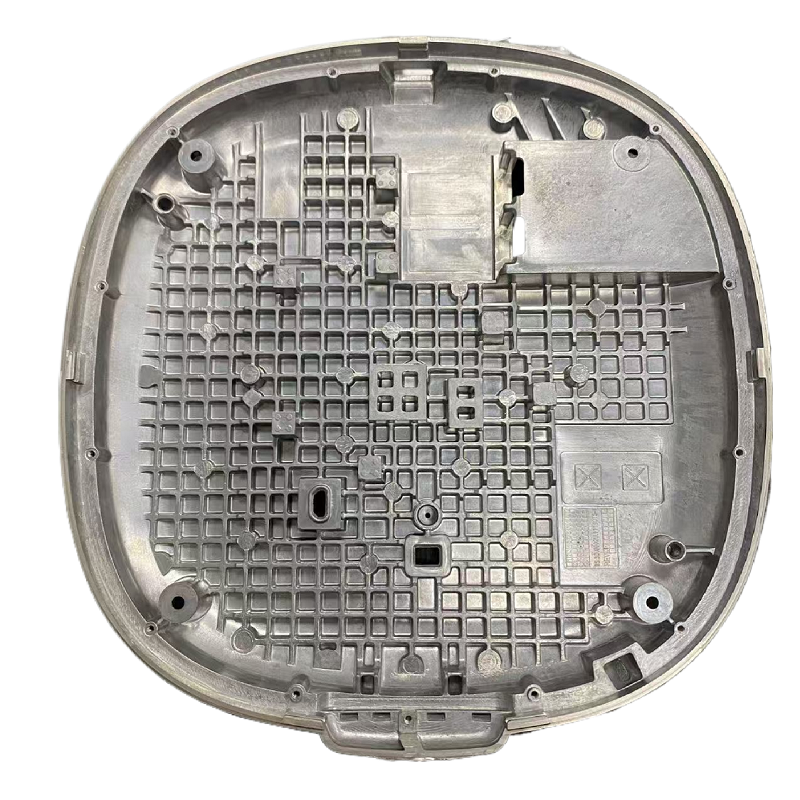
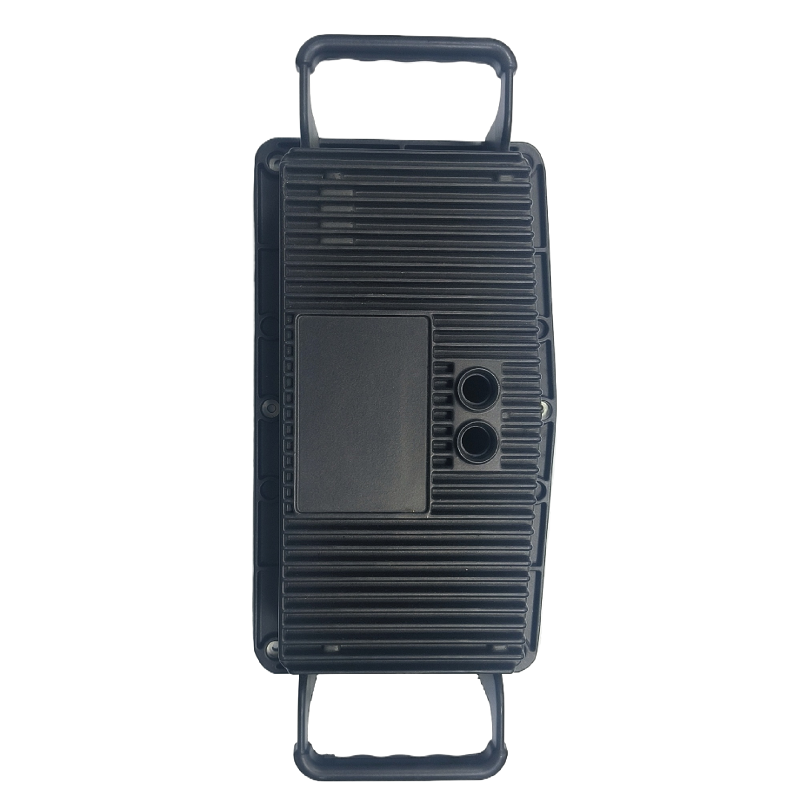
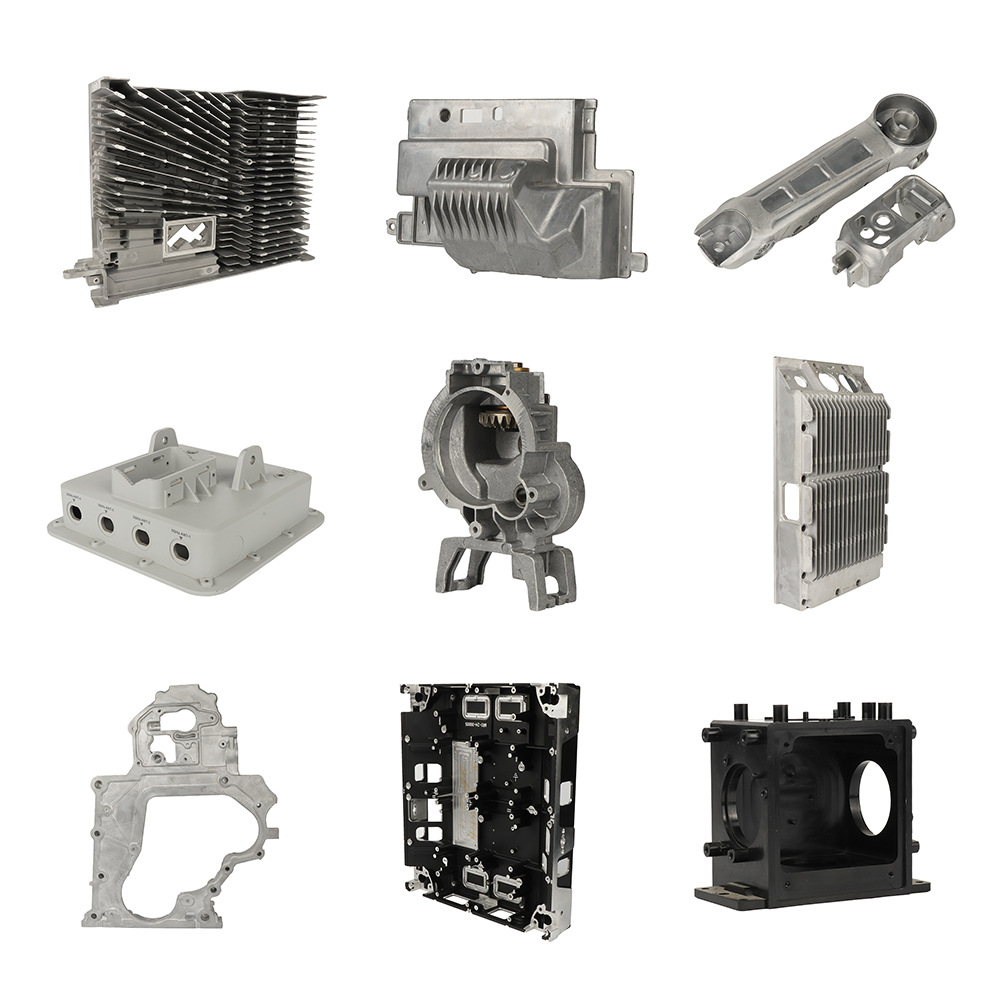
Custom machined parts | How is custom machined parts? A Complete Guide to Precision, Advantages & FAQs
How Custom Machined Parts Work: A Complete Guide to Precision, Advantages & FAQs
1. What Are Custom Machined Parts?
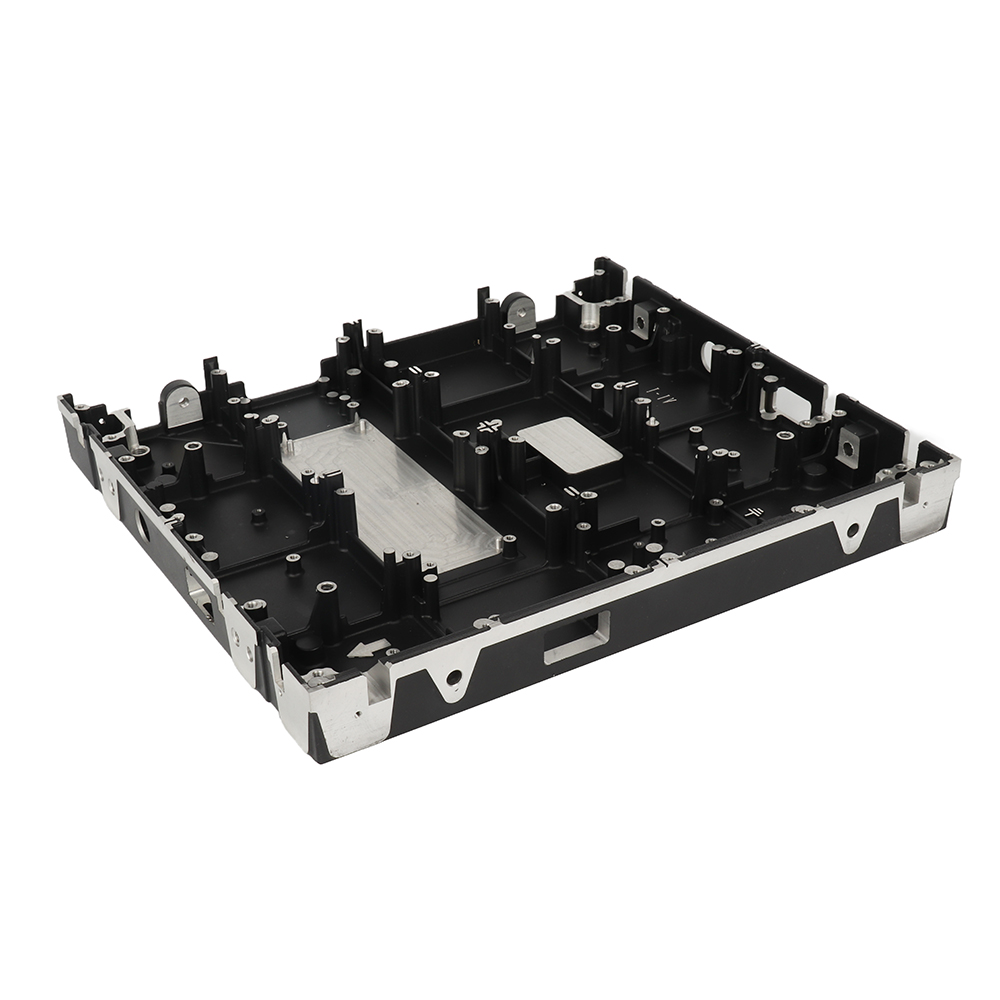
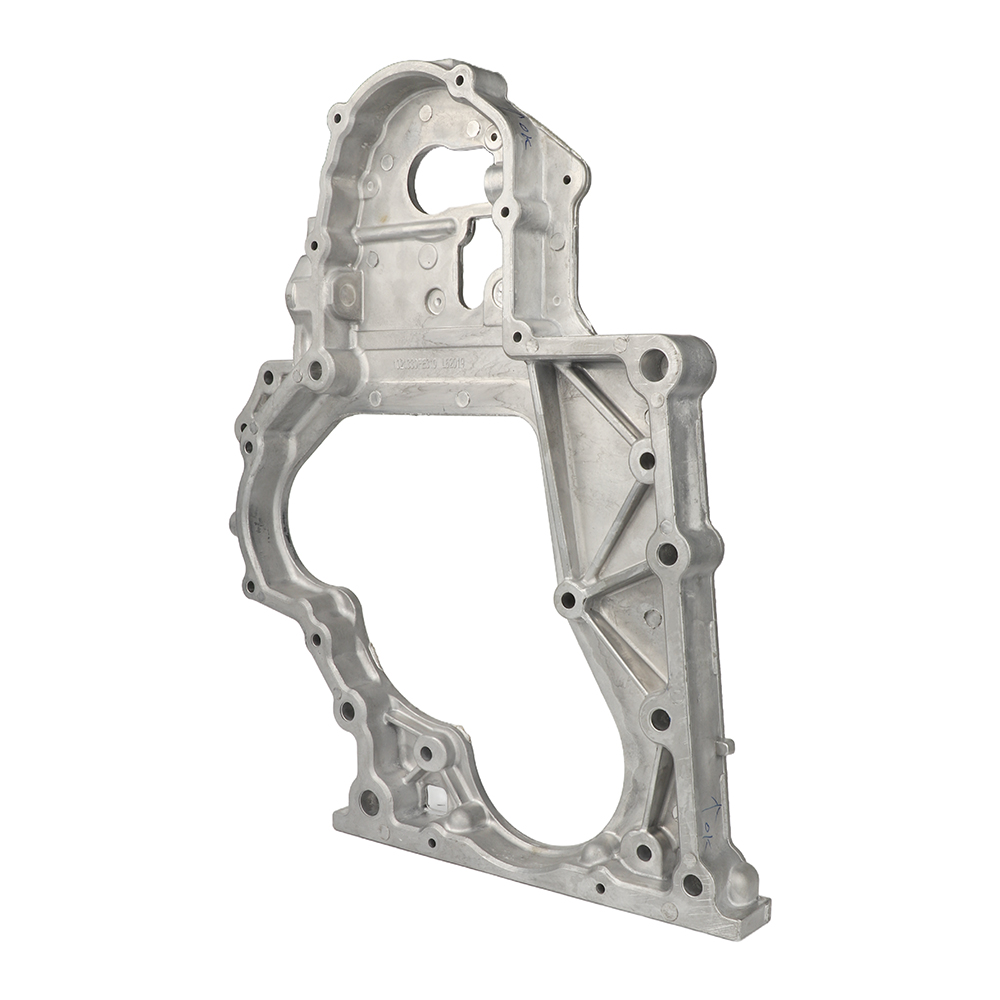
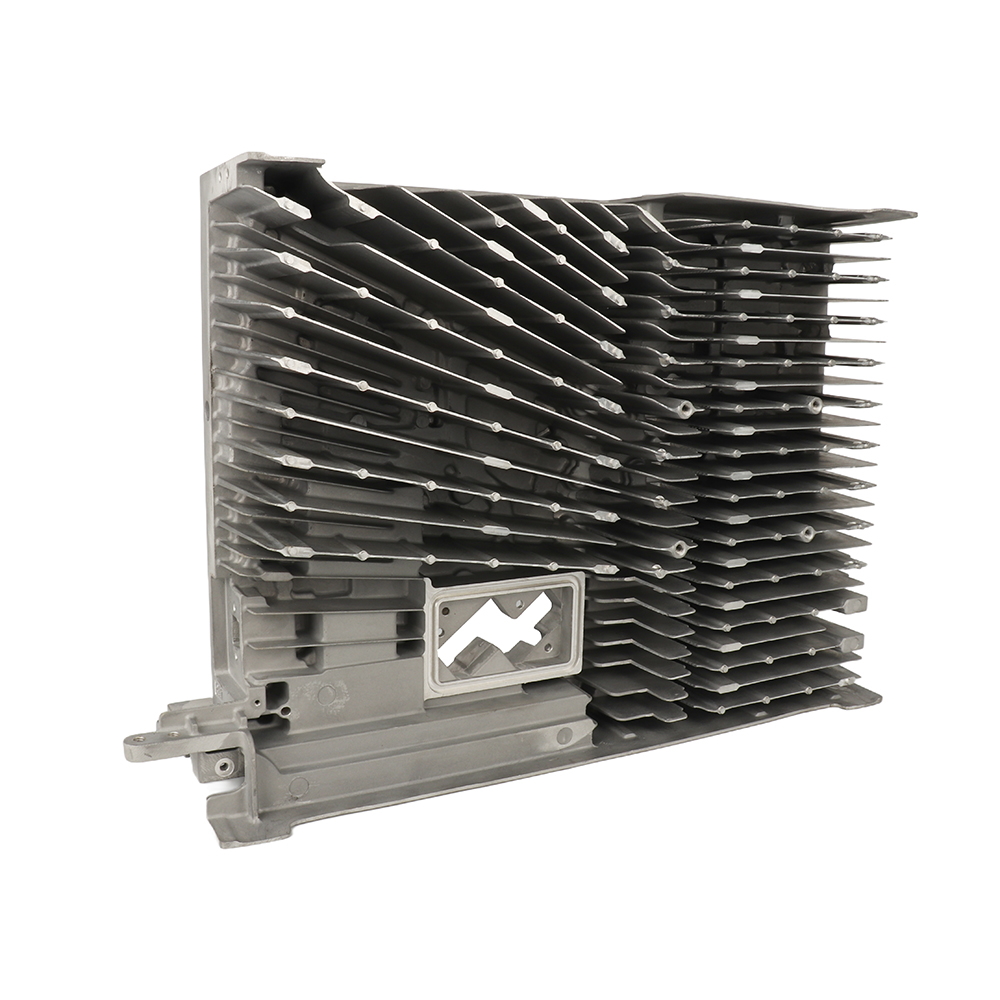
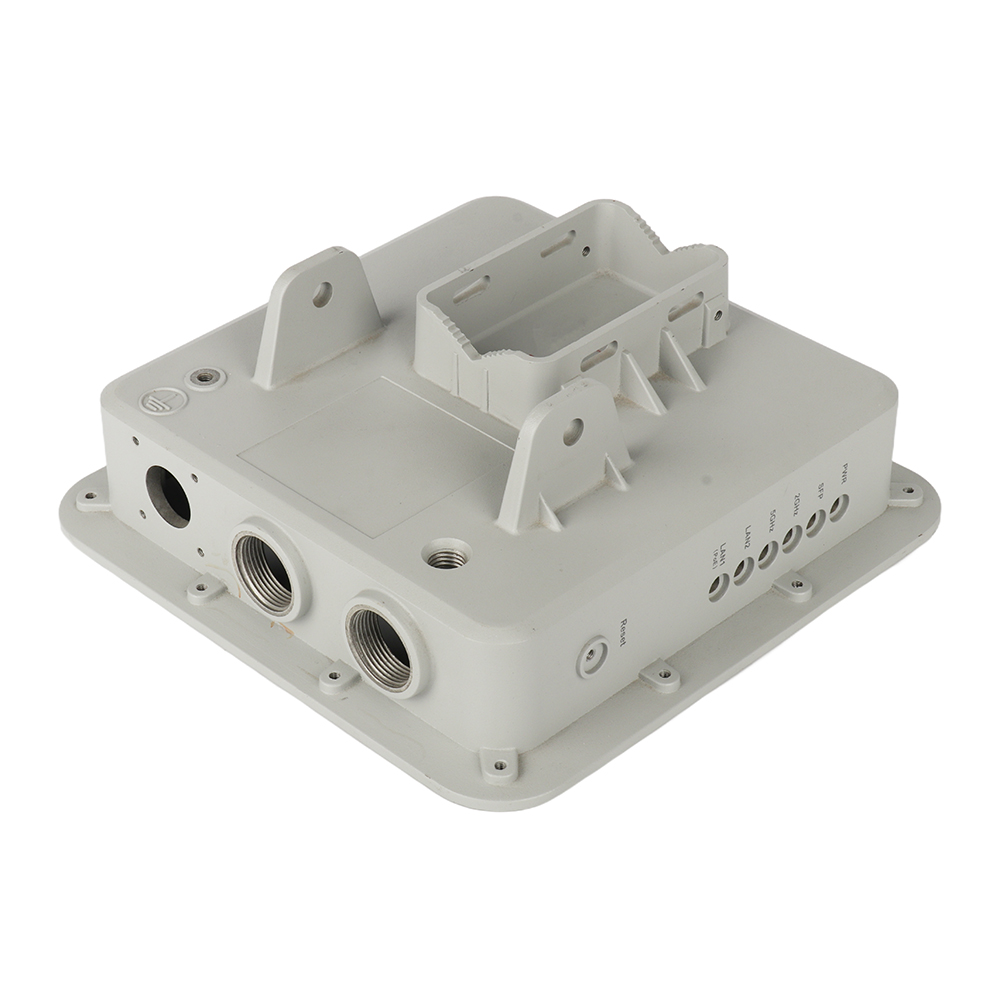
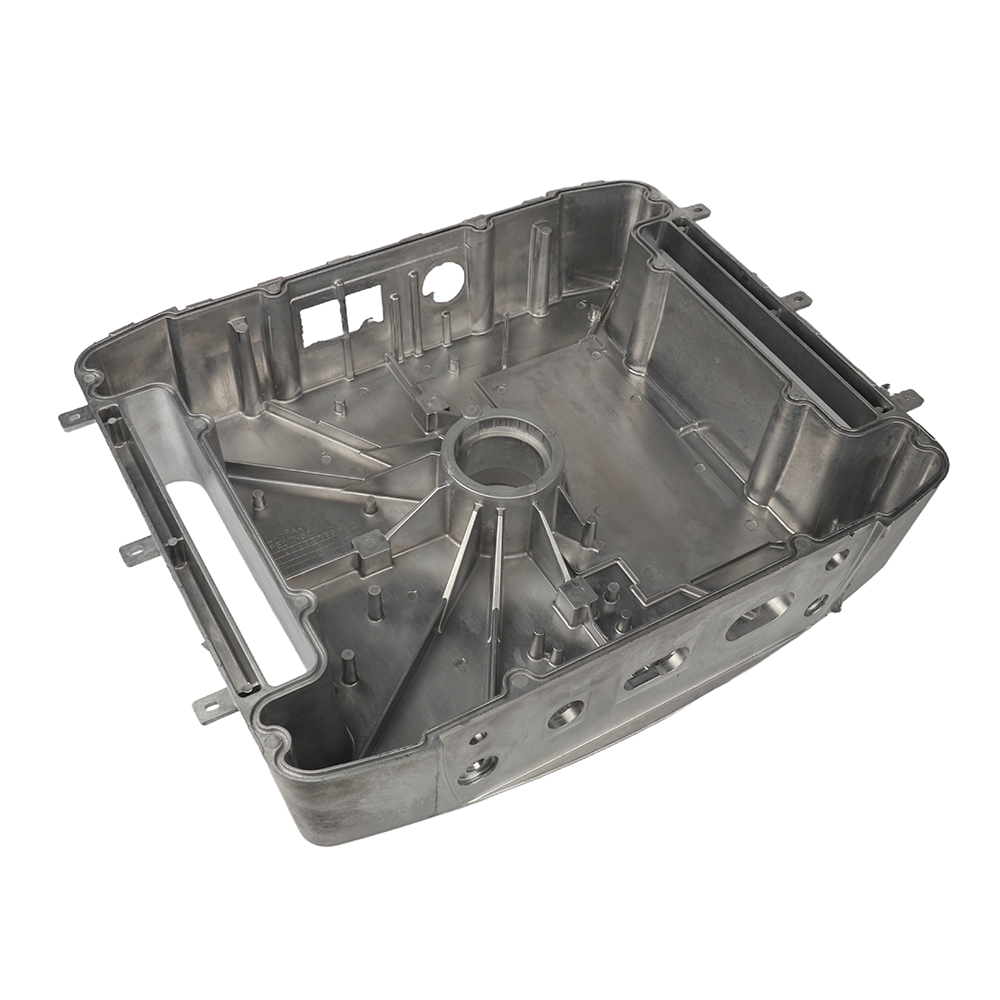
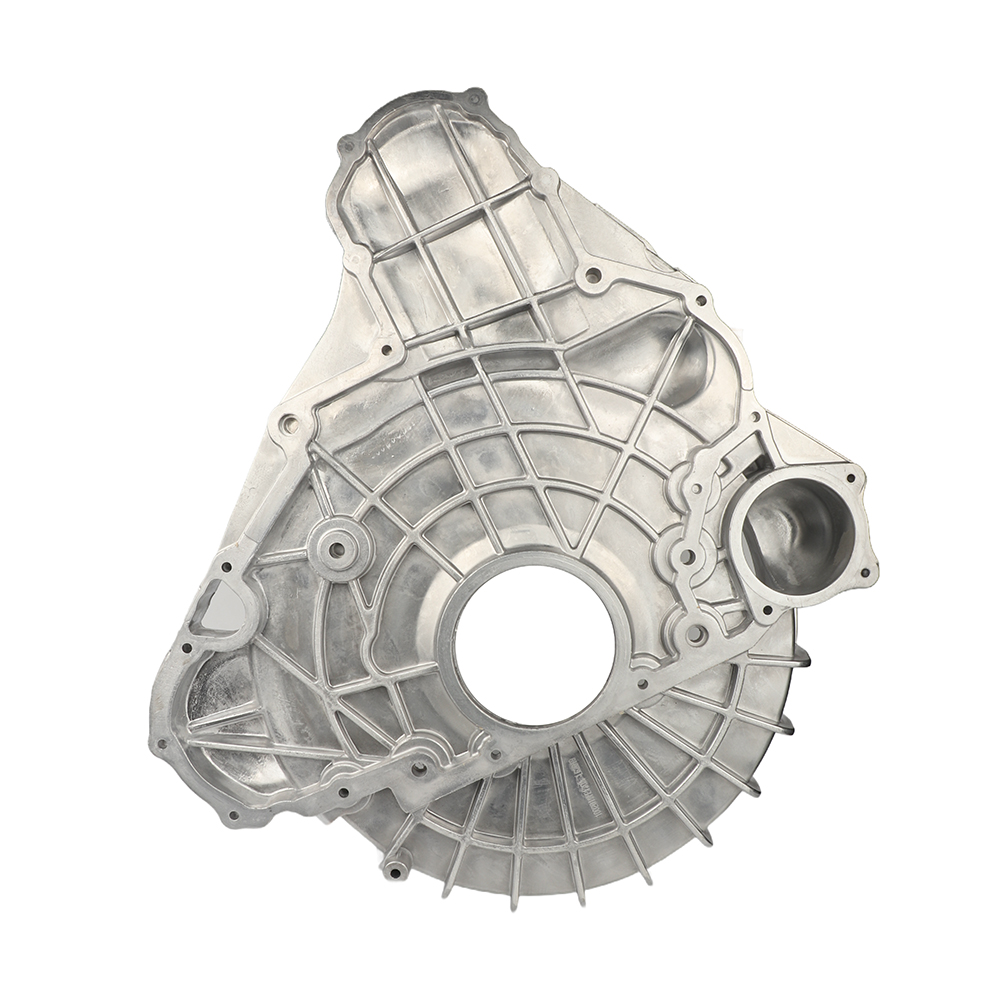
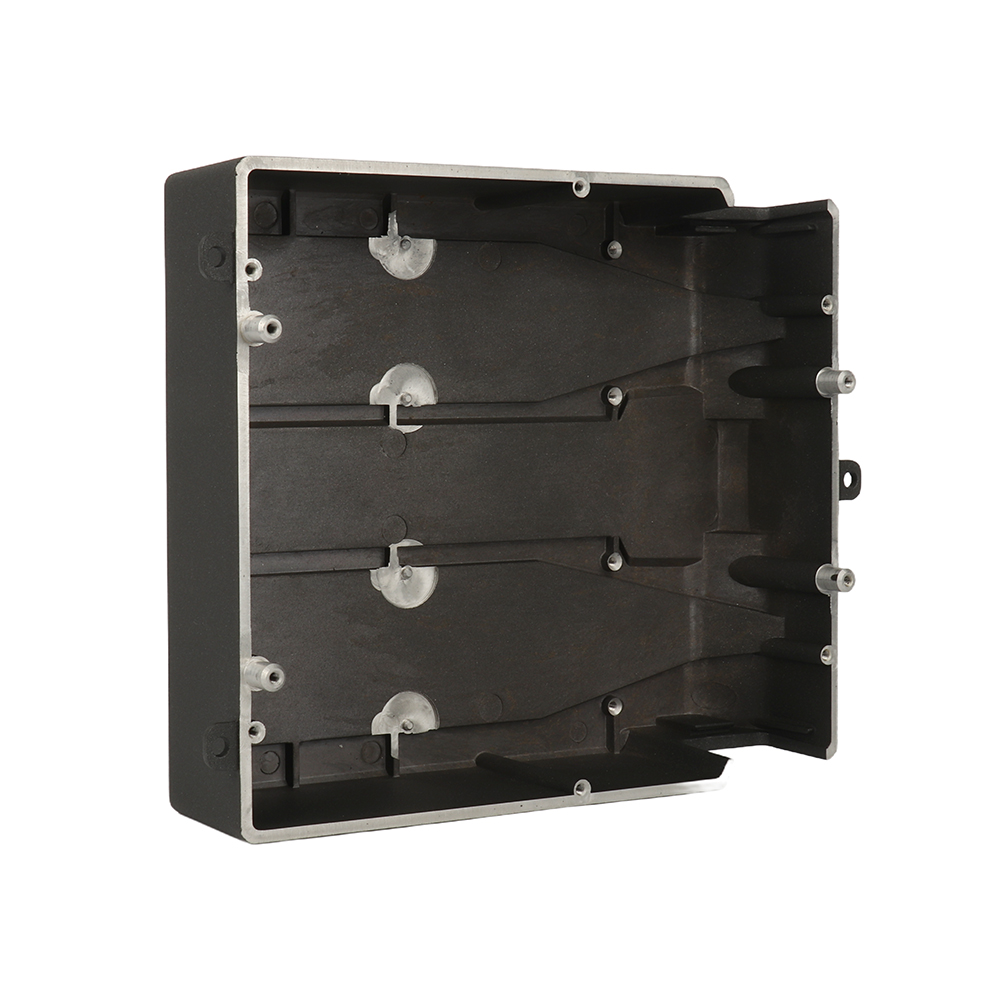
Custom machined parts are specialized components manufactured to meet unique, specific requirements of a project, industry, or application—unlike standard off-the-shelf parts that are mass-produced for general use. These parts are tailored to fit exact dimensions, tolerances, materials, and functional needs, making them indispensable in industries where one-size-fits-all solutions fail to deliver optimal performance.
From aerospace components to medical devices, automotive parts to industrial machinery, custom machined parts bridge the gap between generic components and specialized applications. They are crafted through subtractive manufacturing processes, where raw materials are precisely cut, shaped, and finished to match custom design specifications, ensuring perfect fit, functionality, and durability.
2. How Are Custom Machined Parts Made?
The production of custom machined parts follows a structured, precision-driven process, with variations based on the machining method (e.g., CNC, manual, or traditional). Below is the standard workflow:
2.1 Design & Engineering
The process begins with understanding the client’s unique needs—including dimensions, tolerances, material preferences, and functional goals. Engineers create detailed CAD (Computer-Aided Design) models to visualize the part, ensuring all specifications are accurately captured. This step is critical, as any design flaw can impact the final part’s performance.
2.2 Material Selection
Custom machined parts can be made from a wide range of materials, including metals (aluminum, steel, titanium, brass), plastics (PEEK, ABS, nylon), composites, and even specialty alloys. The choice depends on the application’s requirements—such as strength, corrosion resistance, heat tolerance, or weight. For example, aerospace parts often use titanium for its high strength-to-weight ratio, while medical parts may use biocompatible plastics.
2.3 Machining Process
The core step involves shaping the raw material into the desired form using machining techniques. The two most common methods are:
- Traditional Custom Machining: Relies on manual operation of machines (e.g., lathes, milling machines) by skilled technicians. Suitable for simple parts or small batches but dependent on the operator’s expertise.
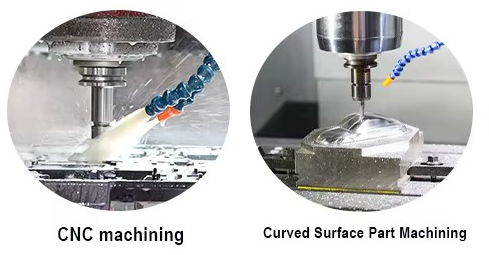
- CNC Custom Machining: Uses computer numerical control (CNC) machines, which follow pre-programmed CAD instructions to automate cutting, drilling, and shaping. This method is ideal for complex parts, tight tolerances, and consistent mass production.
2.4 Finishing & Quality Control
After machining, parts undergo finishing processes (e.g., polishing, coating, anodizing) to enhance durability, appearance, or functionality. Quality control is then performed to verify dimensions, tolerances, and material integrity—ensuring the part meets the client’s exact specifications. Advanced tools like coordinate measuring machines (CMMs) are used to achieve precision checks.
3. Custom CNC Machined Parts vs. Traditional Custom Machined Parts: Pros & Cons
While both methods produce custom machined parts, CNC machining has become the preferred choice for most industries due to its superior precision and efficiency. Below is a detailed comparison to highlight their differences, with a focus on CNC’s advantages:
3.1 Custom CNC Machined Parts: Pros & Cons
Pros
- Unmatched Precision: CNC machines operate with computer-controlled accuracy, achieving tolerances as tight as ±0.001 inches. This is critical for complex parts where even minor deviations can cause system failure.
- Consistency & Repeatability: Once programmed, CNC machines produce identical parts batch after batch, eliminating human error. This is ideal for large production runs or parts that require uniform performance.
- Complex Geometry Capability: CNC machines (especially 5-axis models) can handle intricate shapes, curves, and features that are impossible or difficult to achieve with traditional machining. This includes undercuts, complex holes, and 3D contours.
- Efficiency & Speed: CNC machines operate 24/7 with minimal human intervention, reducing production time and labor costs. They also minimize material waste by optimizing cutting paths.
- Material Versatility: CNC machines can work with almost all machining materials, from soft plastics to hard metals like titanium and stainless steel, without compromising precision.
Cons
- Higher Initial Investment: CNC machines and programming software are more expensive to purchase and maintain than traditional manual machines. This can be a barrier for small businesses with limited budgets.
- Programming Expertise Required: Operating CNC machines requires skilled programmers who can translate CAD designs into accurate machine code. This may require additional training for staff.
3.2 Traditional Custom Machined Parts: Pros & Cons
Pros
- Lower Initial Cost: Manual machines are cheaper to buy and maintain, making them suitable for small businesses or one-off, simple parts.
- Flexibility for Small Batches: For very small production runs (e.g., 1-5 parts), traditional machining can be faster than CNC, as it avoids the need for programming setup.
Cons
- Human Error Risk: Dependence on manual operation means inconsistencies in part quality, especially for complex or high-tolerance parts. Even skilled technicians may make small errors that affect performance.
- Limited Complexity: Traditional machines struggle with intricate shapes and tight tolerances, making them unsuitable for advanced applications like aerospace or medical devices.
- Lower Efficiency: Manual machining is slower, requires constant human supervision, and cannot operate 24/7. This increases production time and labor costs for large batches.
- Material Limitations: Traditional machines are less effective with hard or brittle materials, as they require more manual force and precision control.
4. Key Benefits of Custom CNC Machined Parts
When it comes to custom machined parts, CNC machining stands out as the most reliable and efficient method for modern industries. Its benefits extend beyond precision and consistency—here are the top advantages that make it a worthwhile investment:
4.1 Enhanced Performance & Reliability
CNC-machined custom parts are designed to fit perfectly into their intended application, reducing friction, wear, and failure risks. The tight tolerances ensure that parts work seamlessly with other components, improving overall system performance and longevity. For example, in automotive applications, custom CNC parts like engine components or transmission parts deliver consistent performance under high heat and stress.
4.2 Cost Savings in the Long Run
While CNC machining has a higher upfront cost, it reduces long-term expenses by minimizing waste, rework, and downtime. The consistency of CNC parts eliminates the need for costly adjustments or replacements, and the efficiency of the process reduces labor costs. For large production runs, these savings quickly offset the initial investment.
4.3 Faster Time-to-Market
CNC machines can be programmed quickly, and their 24/7 operation speeds up production. This is especially beneficial for prototyping—CNC machining can turn a CAD design into a physical prototype in days, allowing businesses to test and iterate on their products faster. This agility helps companies stay competitive in fast-paced industries.
4.4 Scalability
CNC machining easily scales from small prototype batches to large-scale production. Once the program is set up, increasing production volume requires minimal additional effort, making it ideal for businesses that need to expand their output without sacrificing quality. This scalability is a key advantage over traditional machining, which struggles to maintain consistency at scale.
4.5 Compliance with Industry Standards
Industries like aerospace, medical, and defense have strict regulatory standards for parts. CNC machining’s precision and documentation capabilities (e.g., traceability of materials and processes) make it easy to comply with these standards. Custom CNC parts can be manufactured to meet ISO, FDA, or aerospace-specific certifications, ensuring safety and reliability.
5. Expert Insights on Custom Machined Parts
To gain a deeper understanding of custom machined parts and the value of CNC machining, we spoke with industry experts who share their perspectives:
Expert 1: Sarah Mitchell, Senior CNC Engineer with 15+ Years of Experience
“Custom machined parts are the backbone of innovation in manufacturing. What sets CNC machining apart is its ability to turn complex designs into functional, consistent parts—something traditional methods simply can’t match. In industries like aerospace, where a 0.001-inch deviation can be catastrophic, CNC’s precision isn’t just an advantage; it’s a necessity. Over the years, I’ve seen businesses reduce downtime by 40% and improve part reliability by 60% by switching to custom CNC machined parts.”
Expert 2: Michael Chen, CEO of a Leading Custom Machining Company
“Clients often ask why custom CNC parts are worth the investment, and the answer is simple: they solve problems that standard parts can’t. Whether it’s a medical device that needs biocompatible materials and tight tolerances or an industrial machine that requires a unique shape, custom machined parts are tailored to fit the exact need. CNC machining makes this process efficient and scalable, allowing even small businesses to access high-quality, custom components that drive their success. The key is partnering with a provider who understands both design and machining—this ensures the final part meets all requirements without unnecessary costs.”
Expert 3: Dr. Emily Rodriguez, Materials Science Specialist
“The material flexibility of custom CNC machining is a game-changer. Unlike traditional machining, CNC machines can handle everything from lightweight aluminum to high-strength titanium, and even advanced composites. This means engineers can select the optimal material for their application—whether it’s corrosion resistance for marine parts or heat tolerance for automotive engines—without compromising on precision. Custom machined parts are no longer limited by material constraints, opening up new possibilities for product design and performance.”
6. Common FAQs About Custom Machined Parts
We’ve compiled the most frequently asked questions about custom machined parts to help you make informed decisions for your project:
Q1: What is the typical lead time for custom machined parts?
A: Lead time varies based on the complexity of the part, batch size, and machining method. For custom CNC parts, prototyping can take 1-3 days, while small to medium batches (10-100 parts) typically take 5-10 days. Large batches (1000+) may take 2-4 weeks. Traditional custom machining usually takes longer due to manual operation.
Q2: What materials are best for custom machined parts?
A: The best material depends on your application. Common options include: Metals: Aluminum (lightweight, cost-effective), steel (strong, durable), titanium (high strength-to-weight, corrosion-resistant), brass (excellent for electrical components).Plastics: PEEK (heat-resistant, biocompatible), ABS (impact-resistant), nylon (wear-resistant). Consult with a machining expert to select the material that balances performance and cost.
Q3: How tight of a tolerance can custom CNC machined parts achieve?
A: Custom CNC machined parts can achieve tolerances as tight as ±0.0005 inches (0.0127 mm) for high-precision applications. Standard tolerances for most industries are ±0.001 to ±0.005 inches. Traditional custom machining typically only achieves tolerances of ±0.01 inches or more, making CNC ideal for high-precision needs.
Q4: Are custom machined parts more expensive than standard parts?
A: Yes, custom machined parts are generally more expensive upfront than standard off-the-shelf parts. However, they offer long-term cost savings by reducing rework, downtime, and inefficiencies. For applications where standard parts don’t fit or perform, custom parts are a cost-effective solution. CNC machining also helps reduce costs for large batches by optimizing efficiency.
Q5: Can custom CNC machined parts be used for prototyping?
A: Absolutely! Custom CNC machining is an excellent option for prototyping. It allows you to create functional, high-precision prototypes that closely mimic the final production part. This is critical for testing fit, function, and performance before investing in large-scale production. CNC prototyping is faster and more accurate than traditional prototyping methods, helping you iterate on designs quickly.
Q6: What industries use custom machined parts the most?
A: Custom machined parts are used across nearly every industry, including: Aerospace: Engine components, landing gear parts, avionics housings.Medical: Surgical instruments, implantable devices, diagnostic equipment parts.Automotive: Engine parts, transmission components, custom fixtures.Industrial: Machinery parts, tooling, conveyor components.Electronics: Enclosures, connectors, heat sinks. Any industry that requires specialized, high-precision components relies on custom machined parts.
7. Conclusion
Custom machined parts are essential for industries that demand precision, functionality, and uniqueness—filling the gap left by standard off-the-shelf components. Among the various machining methods, custom CNC machined parts stand out for their unmatched precision, consistency, efficiency, and scalability, making them the preferred choice for modern manufacturing.
While traditional custom machining has its place for simple, small-batch parts, CNC machining offers long-term value by reducing costs, improving performance, and accelerating time-to-market. As industry experts note, the ability to tailor parts to exact specifications—combined with CNC’s technical capabilities—drives innovation and success across sectors like aerospace, medical, and automotive.
Whether you’re prototyping a new product, scaling production, or need a specialized component for a critical application, custom machined parts—especially CNC-machined ones—are a reliable, future-proof solution.
Laptop keyboard | What is CNC housing ? Focus on Laptop Keyboard Advantages & Uses
What does cnc machining stand for? A Complete Guide for Beginners
Related Article