HOT PRODUCTS
Aluminum cnc machining parts | What is the difference between aluminum CNC machining parts and die-cast parts?
What is the difference between aluminum CNC machining parts and die-cast parts?
Table of Contents
- Introduction: Aluminum CNC Machining Parts & Die-Cast Parts Overview
- Product Focus: Aluminum CNC Machining Parts (ADC12 Material & General Parameters)
- Core Functions of Aluminum CNC Machining Parts & Die-Cast Parts
- Key Differences Between Aluminum CNC Machining Parts and Die-Cast Parts
- Unmatched Benefits of Aluminum CNC Machining Parts
- Unique Advantages of Die-Cast Parts
- Expert Insights on Aluminum CNC Machining vs. Die-Casting
- Frequently Asked Questions (FAQs) About the Two Parts
- Conclusion: Industry Trends & How to Choose a Qualified Hardware Supplier
- Xinghang Precision Hardware: Your Trusted Partner with Bulk Discounts
Introduction: Aluminum CNC Machining Parts & Die-Cast Parts Overview
In the field of aluminum hardware processing, aluminum CNC machining parts and die-cast parts are two core processing technologies, widely used in industrial equipment, automotive, telecom, and precision machinery industries. While both are made of aluminum (such as the commonly used ADC12 aluminum alloy), they differ significantly in processing principles, product characteristics, application scenarios, and performance advantages.
This blog focuses on aluminum CNC machining parts, details their parameters, material advantages, and core functions, systematically compares the differences between CNC machining parts and die-cast parts, analyzes the unique benefits of each, shares expert insights, answers industry common questions, and summarizes industry trends and supplier selection guidelines—helping you make informed decisions for your hardware procurement needs.
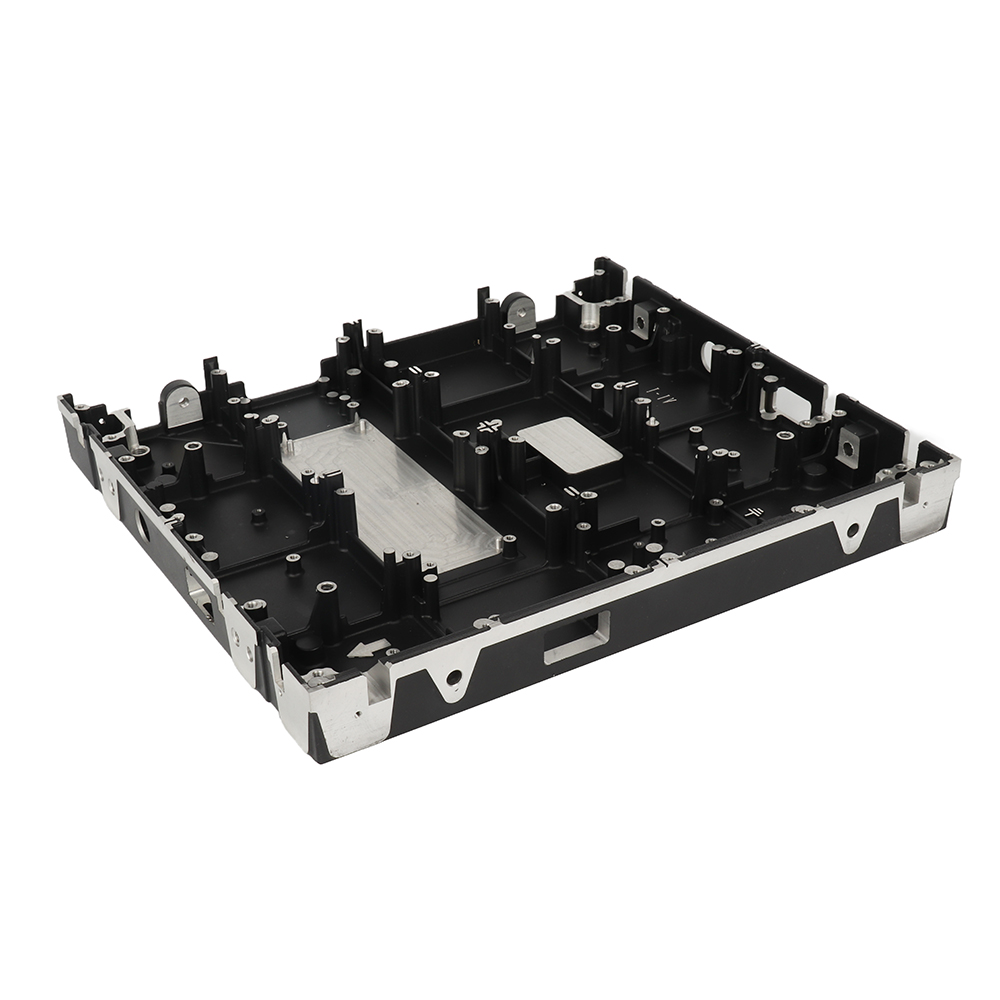
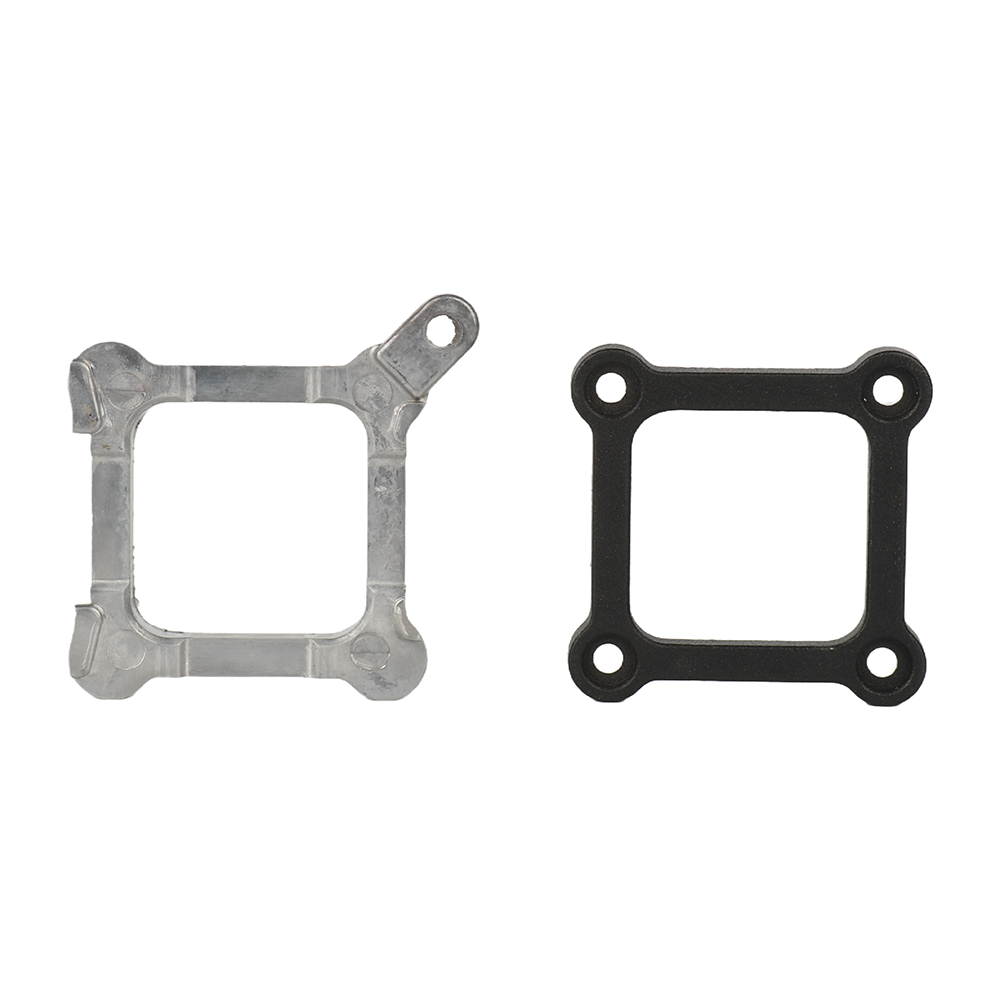
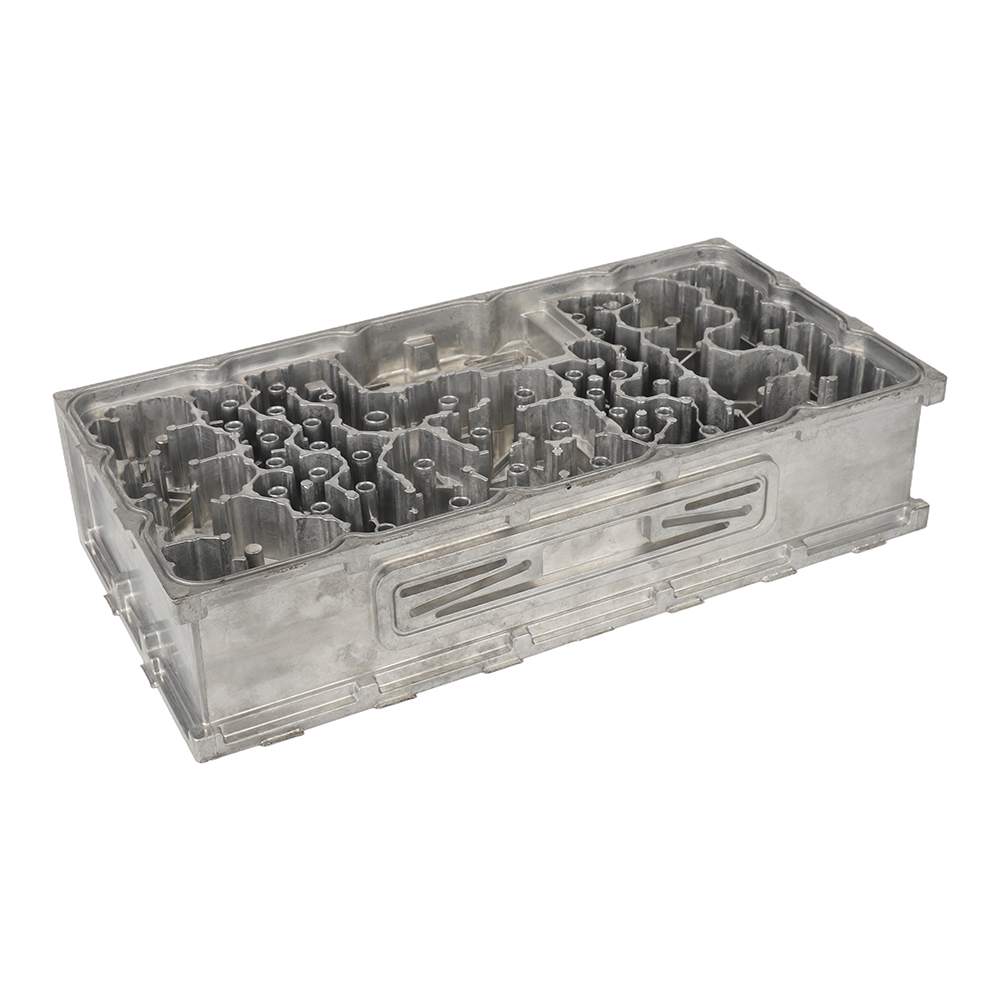
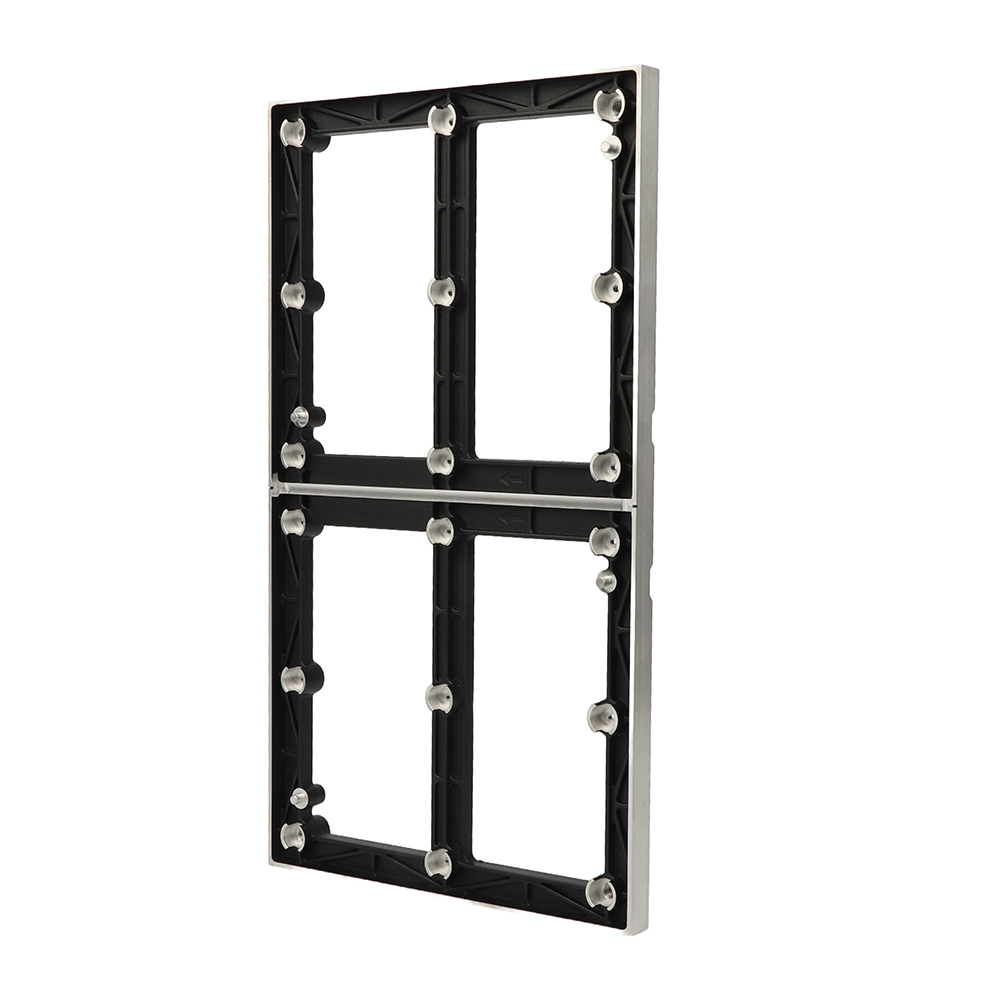
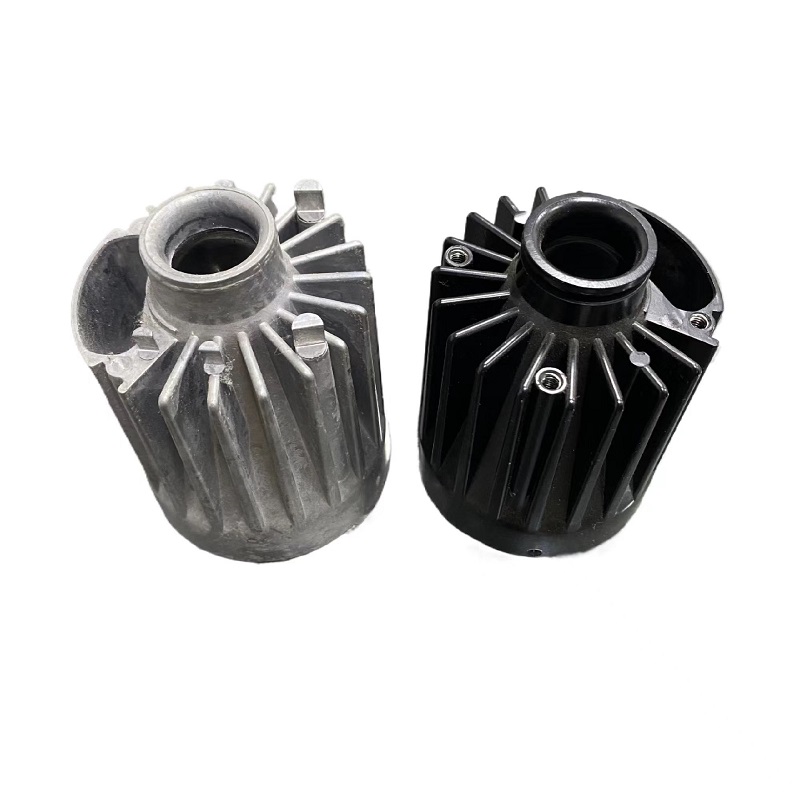
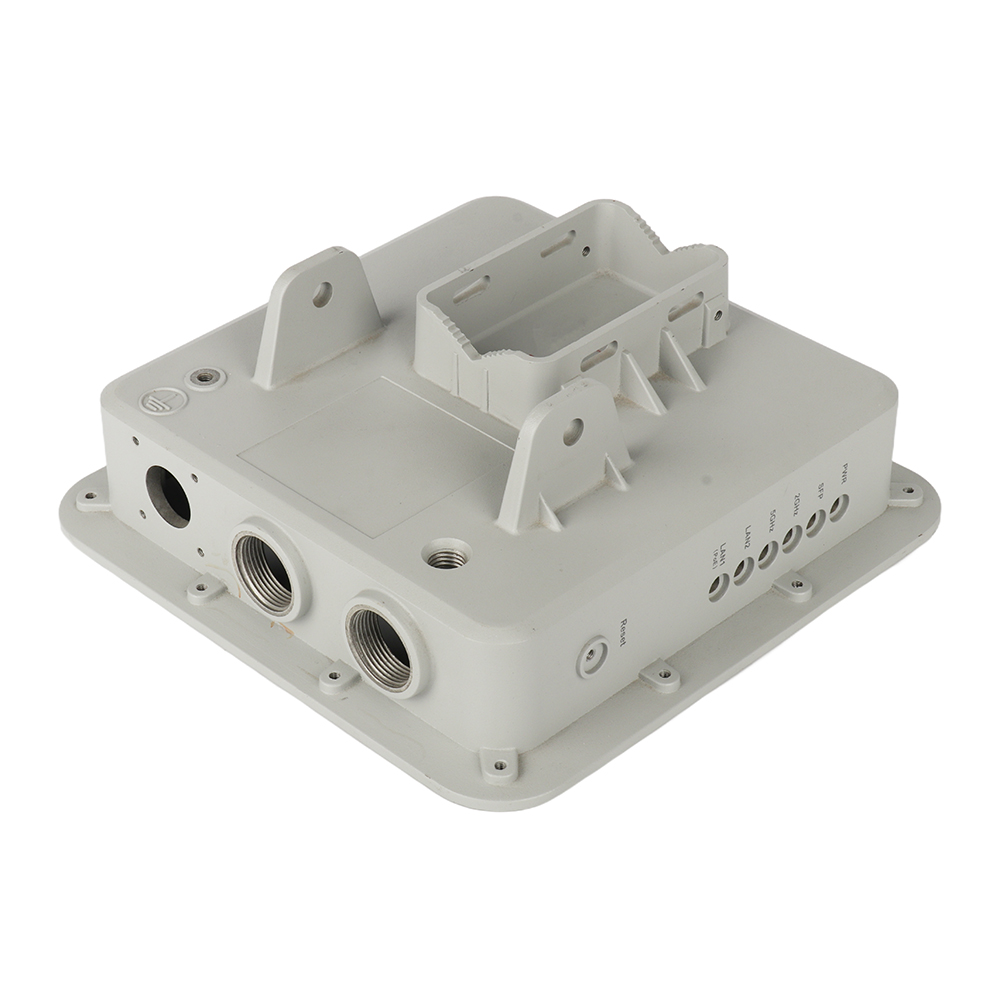
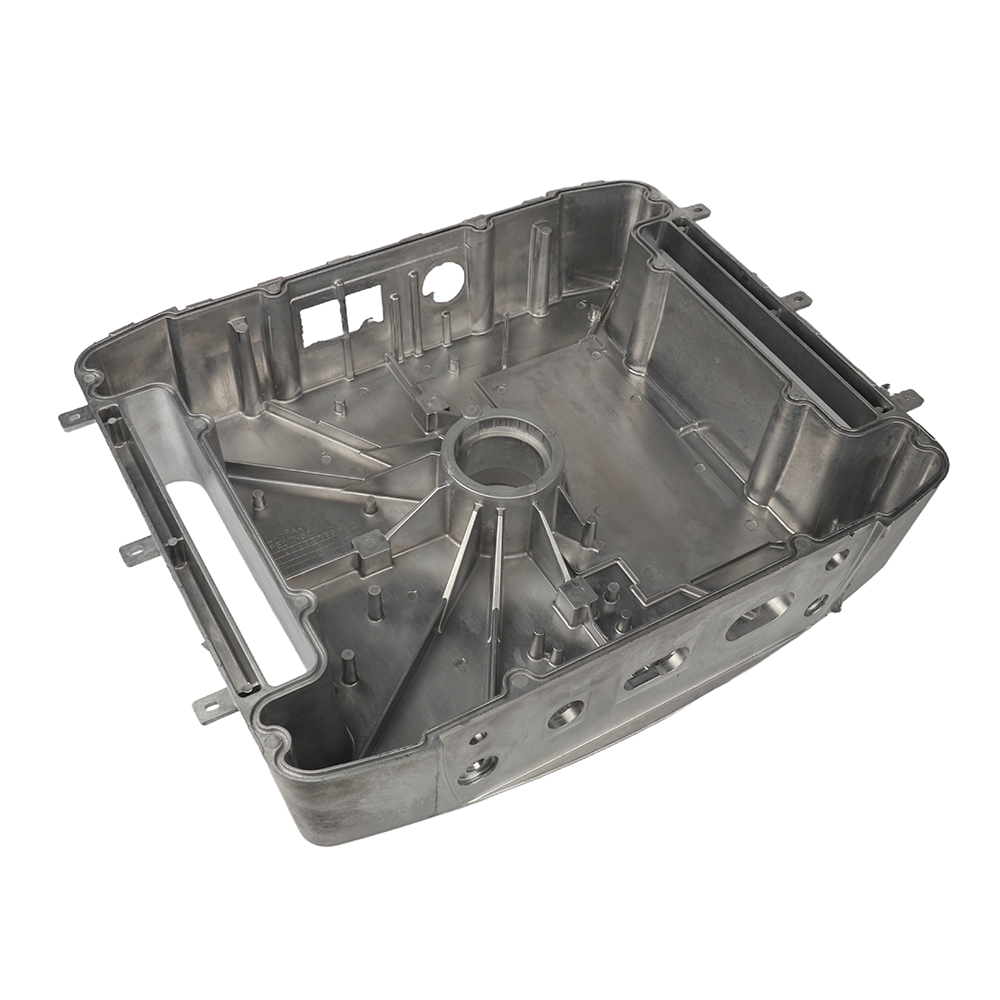
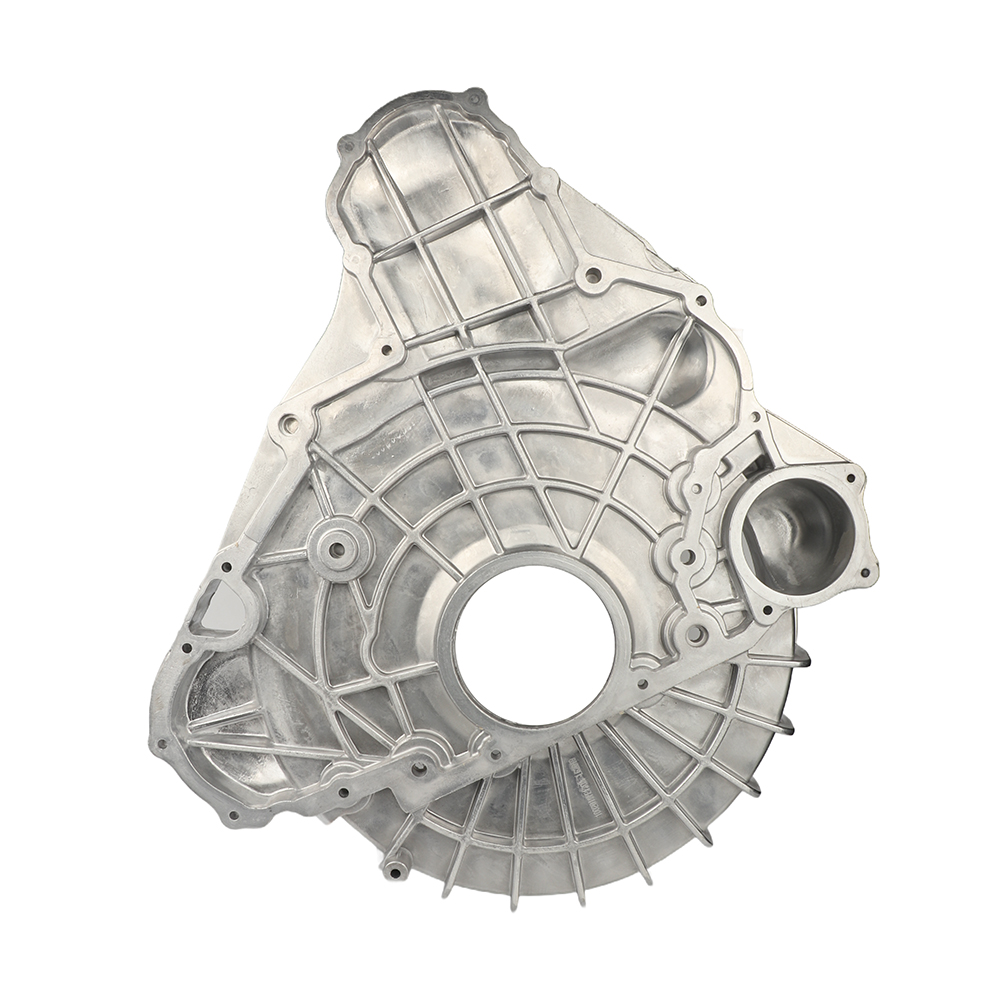
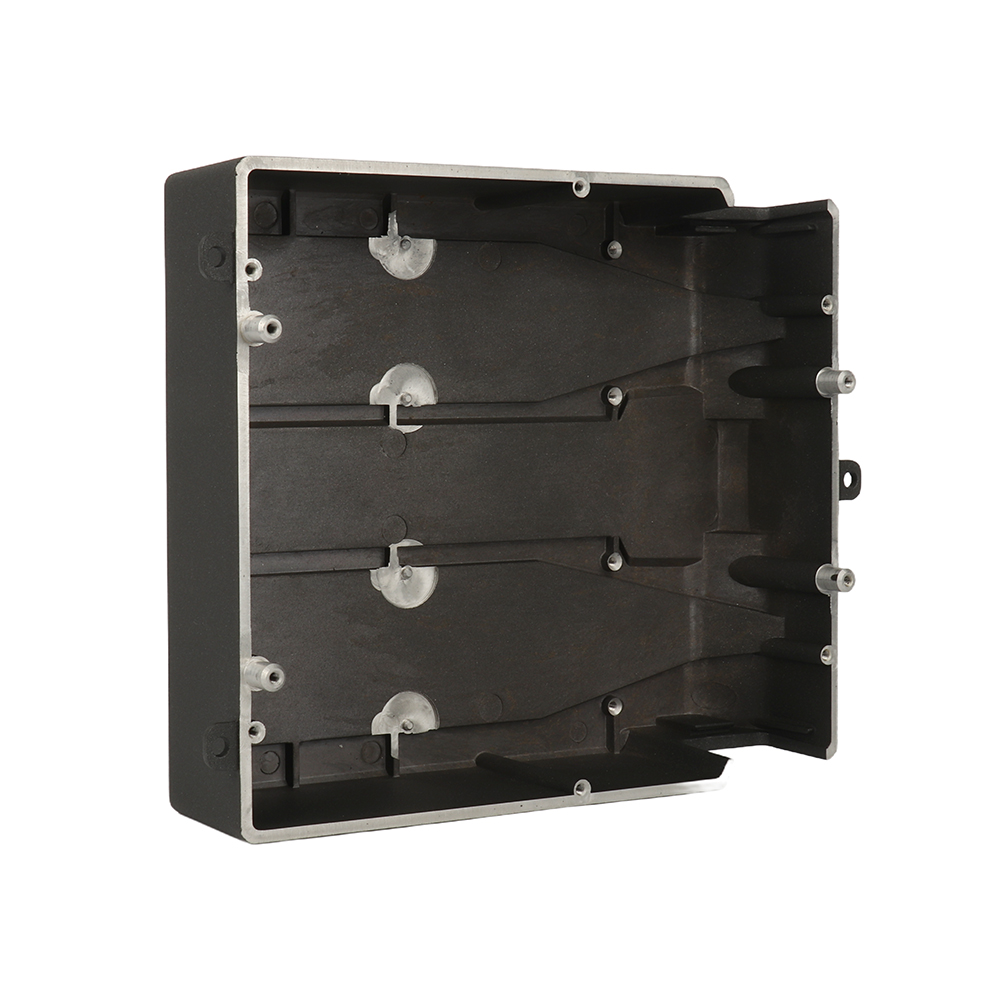
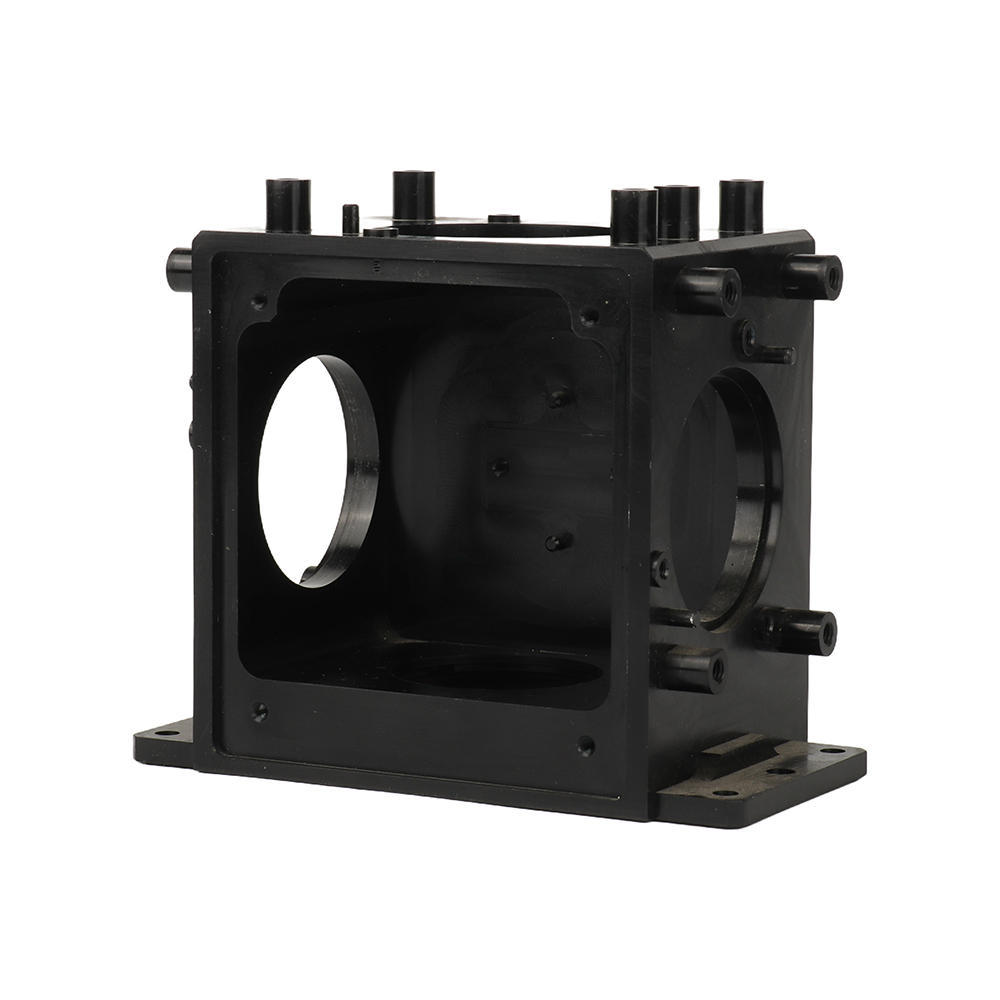
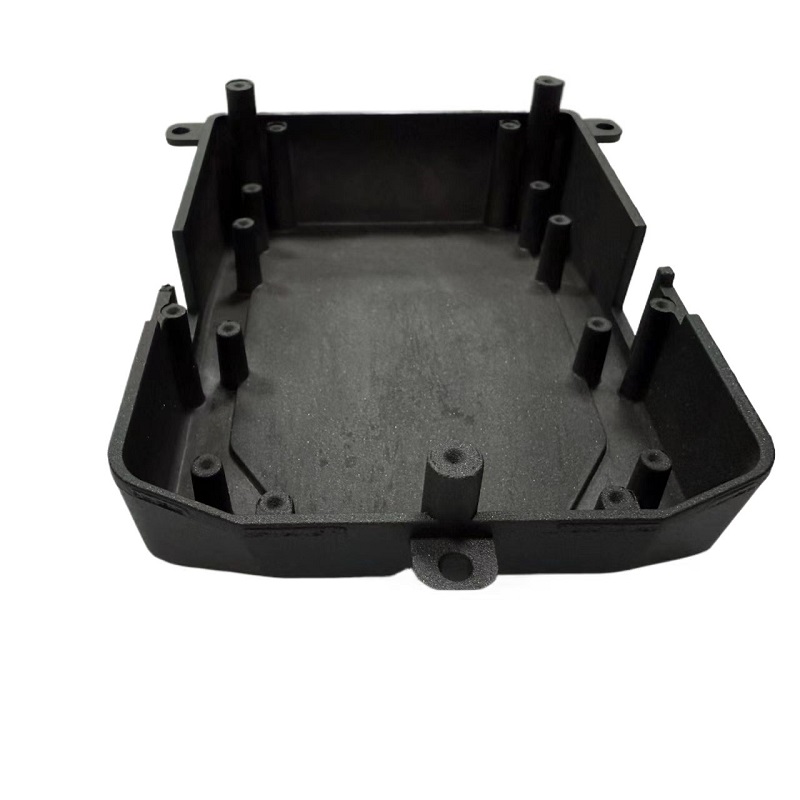
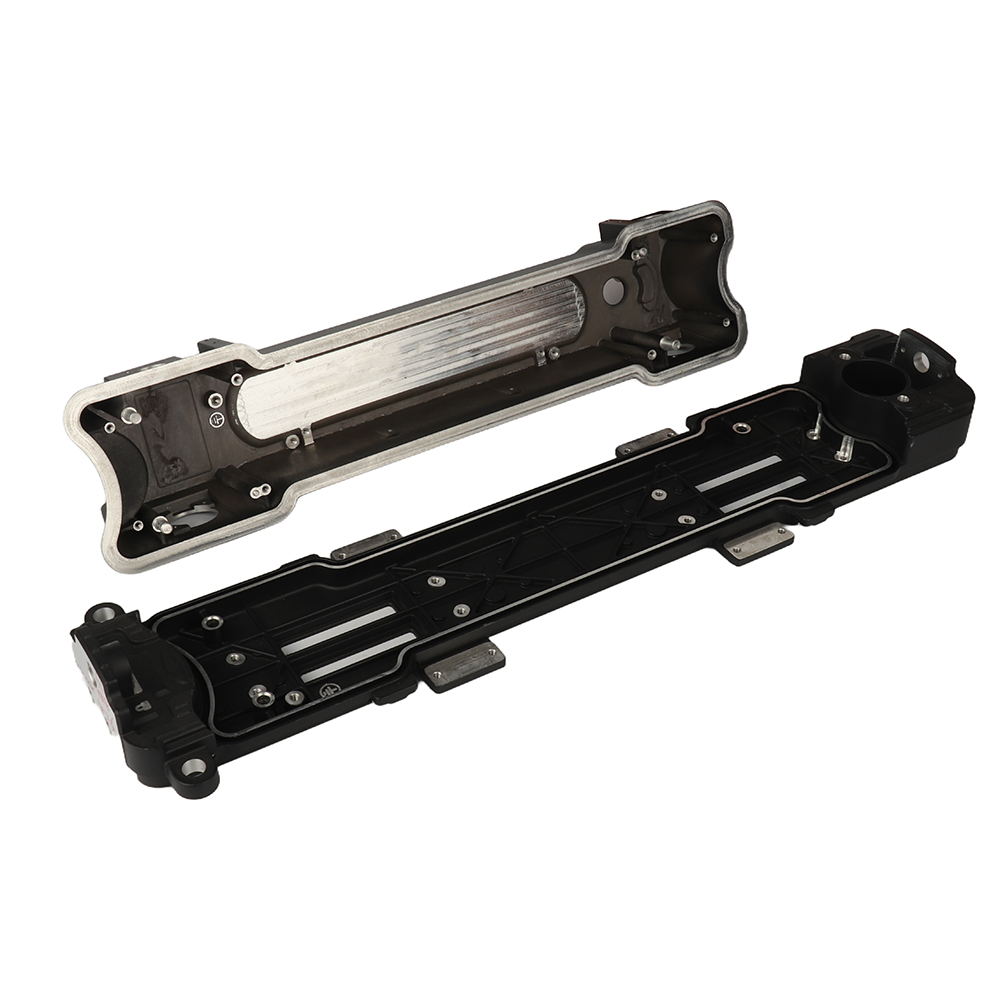
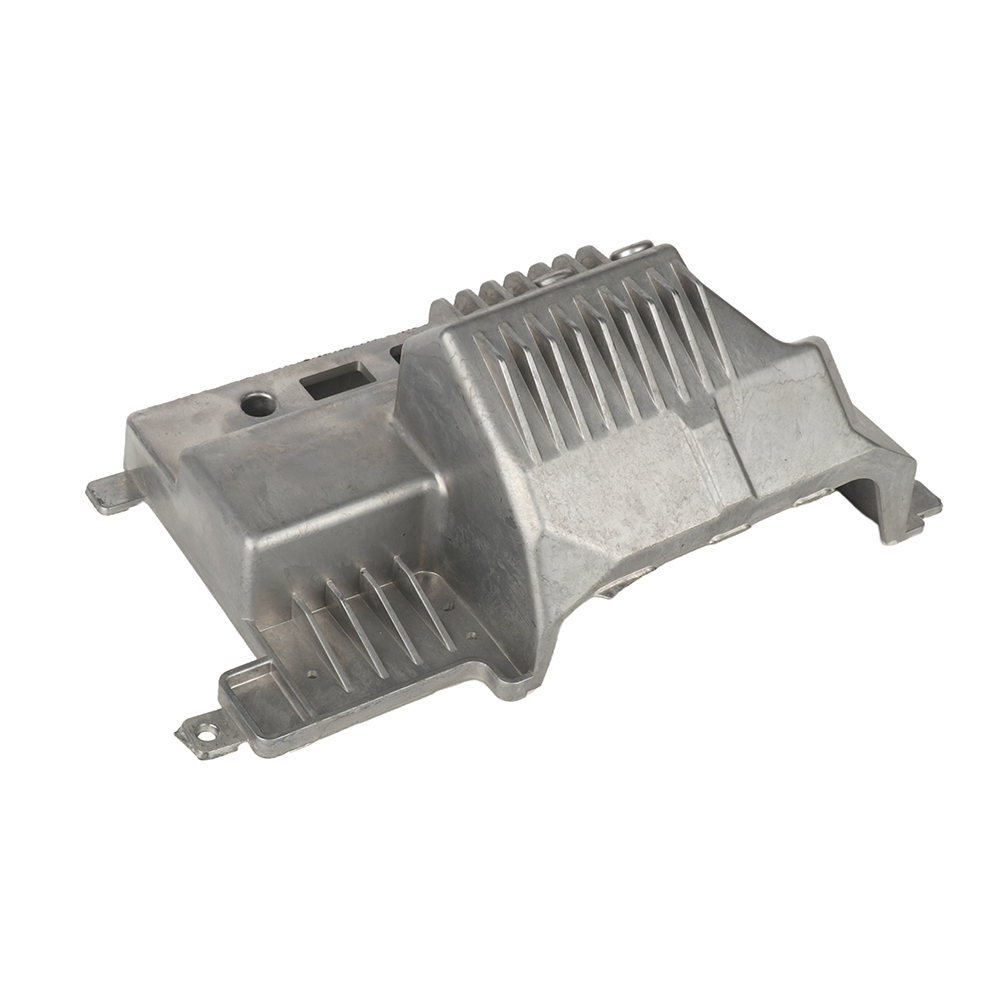
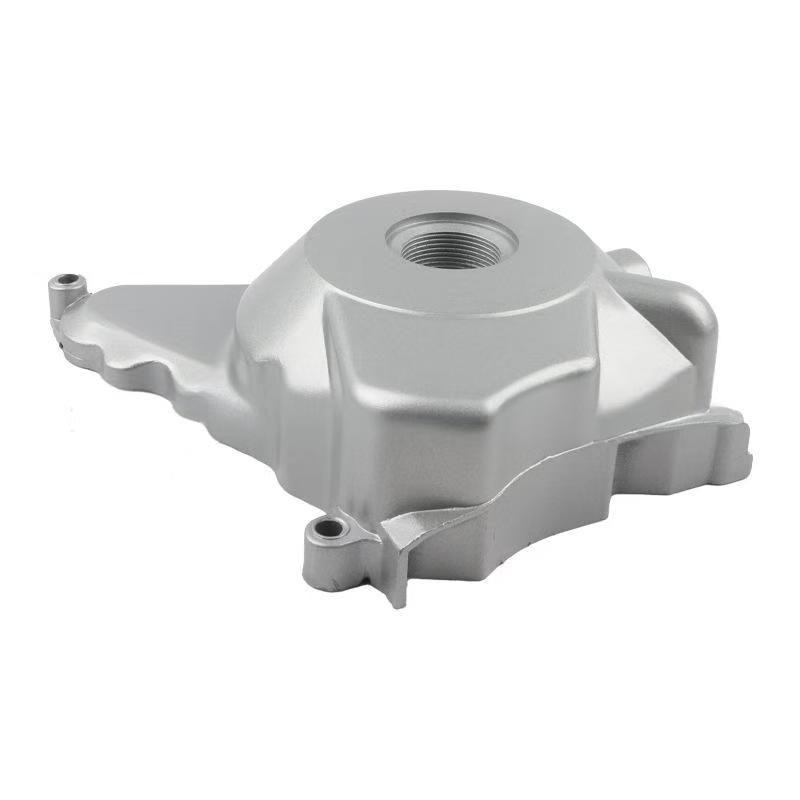
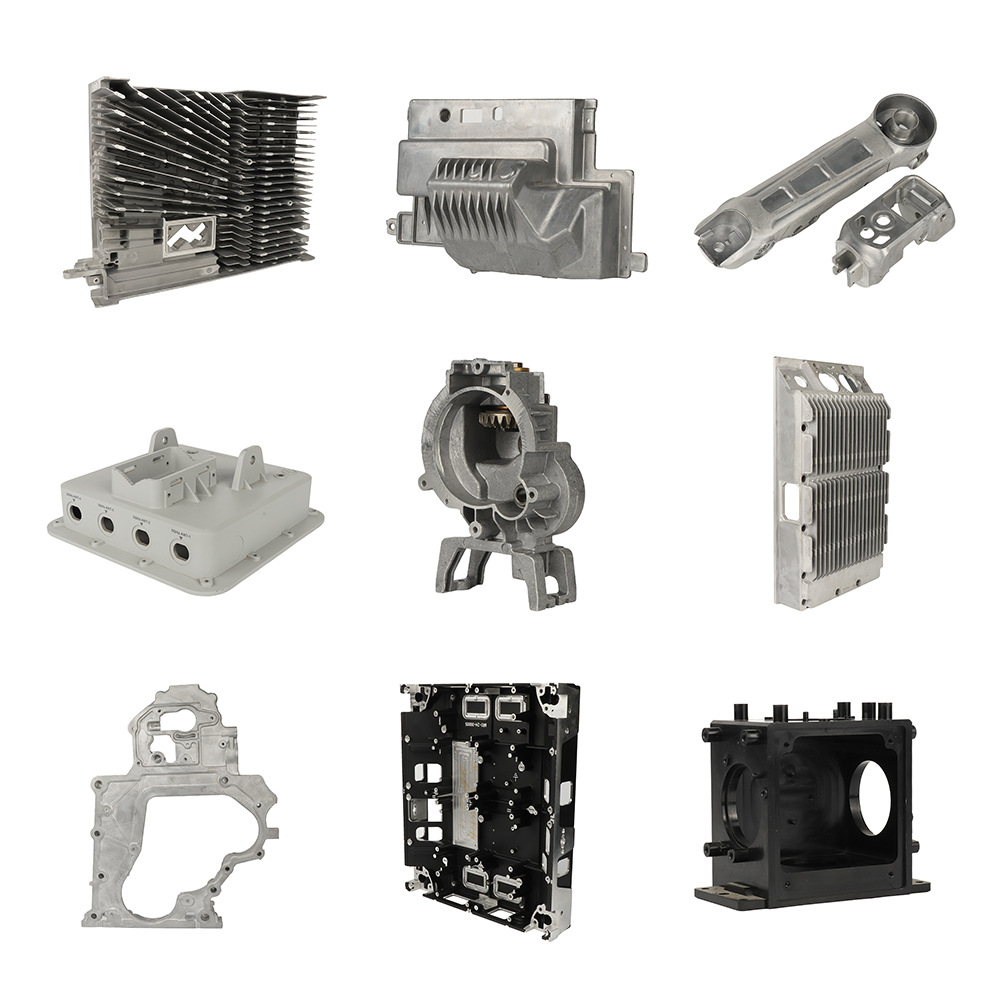
Below is a generic image of aluminum CNC machining parts (for reference, replace with actual product images in practical use):
Product Focus: Aluminum CNC Machining Parts (ADC12 Material & General Parameters)
Product Introduction
Aluminum CNC machining parts are high-precision components processed by Computer Numerical Control (CNC) equipment, using aluminum alloys (primarily ADC12) as the core material. They are characterized by ultra-high dimensional accuracy, smooth surface finish, and strong adaptability to complex structures—tailored to meet the high-precision requirements of various industrial applications. Unlike die-cast parts, CNC machining parts are formed by removing excess material from a solid aluminum blank, ensuring consistent quality and precise fit for specialized equipment.
Core Material: ADC12 Aluminum Alloy
ADC12 aluminum alloy is the preferred material for aluminum CNC machining parts, renowned for its excellent machinability, moderate mechanical strength, and cost-effectiveness. It is a die-cast aluminum alloy with a balanced composition, making it suitable for both CNC machining and die-casting processes—though its performance is fully optimized in CNC machining to achieve higher precision and surface quality. Key characteristics of ADC12 aluminum for CNC machining include good cutting performance, high dimensional stability, and easy post-processing (e.g., anodizing, spraying).
General Parameters of Aluminum CNC Machining Parts (ADC12 Material)
| Parameter Category | Specific Parameters (ADC12 CNC Machining) | Remarks (Customizable) |
| Material Composition | Aluminum (Al) ≥ 85%, Silicon (Si) 9.6-12.0%, Copper (Cu) 1.5-3.5% | Consistent with standard ADC12 specifications |
| Mechanical Properties | Tensile strength ≥ 200MPa, Yield strength ≥ 110MPa, Elongation ≥ 3% | Optimizable via post-processing (e.g., T6 heat treatment) |
| Dimensional Tolerance | ±0.005-0.05mm (higher precision than die-cast parts) | Adjustable based on application precision requirements |
| Surface Roughness | Ra ≤ 0.8-3.2μm (smoother than die-cast parts) | Mirror finish (Ra ≤ 0.4μm) available for high-end applications |
| Processing Method | CNC turning, milling, drilling, tapping, engraving | Combined processing for complex geometries |
| Working Temperature Range | -40℃ to 120℃ | Customizable for extreme environment use |
| Surface Treatment | Anodizing, powder coating, electroplating, polishing | Tailored to corrosion resistance and aesthetic needs |
Core Functions of Aluminum CNC Machining Parts & Die-Cast Parts
Core Functions of Aluminum CNC Machining Parts
- High-Precision Matching: Designed for equipment components that require tight fit and high accuracy, such as precision gears, connectors, and sensor housings, ensuring stable equipment operation.
- Complex Structure Implementation: Capable of processing complex shapes, internal cavities, and fine structures that are difficult to achieve with die-casting, supporting innovative equipment design.
- Surface Quality Assurance: Provides a smooth, burr-free surface, reducing friction and wear, and improving the overall performance and service life of the equipment.
- Customization Flexibility: Can be tailored to unique design requirements, even for small-batch orders, without the need for expensive molds.
Core Functions of Die-Cast Parts
- Mass Production Efficiency: Suitable for large-batch production of components with simple to medium complexity, such as motor enclosures and telecom shells, reducing unit production costs.
- Structural Integrity: One-piece die-casting forms a seamless structure, ensuring good mechanical strength and impact resistance.
- Cost-Effectiveness for Bulk Orders: Lower unit cost when produced in large quantities, making it ideal for standard components with fixed specifications.
- Basic Protection: Provides effective physical protection for internal components, such as dust, moisture, and vibration resistance, suitable for general industrial applications.
Key Differences Between Aluminum CNC Machining Parts and Die-Cast Parts
1. Processing Principle
Aluminum CNC Machining Parts: Adopt a "subtractive manufacturing" method—removing excess material from a solid aluminum blank (ADC12) using CNC equipment (turning, milling, drilling) to form the desired shape and size. It is a precision processing method that focuses on accuracy and surface quality.
Die-Cast Parts: Adopt an "additive manufacturing" method—melting ADC12 aluminum alloy and injecting it into a pre-designed mold under high pressure, then cooling and solidifying to form the part. It is a forming method that focuses on efficiency and mass production.
2. Precision & Surface Quality
Aluminum CNC Machining Parts: High dimensional precision (tolerance up to ±0.005mm), smooth surface finish (Ra ≤ 0.8μm), no burrs or defects, suitable for high-precision application scenarios.
Die-Cast Parts: Moderate precision (tolerance ±0.05-0.10mm), surface may have burrs or shrinkage defects, requiring post-processing (grinding, polishing) to improve surface quality.
3. Production Efficiency & Batch Adaptability
Aluminum CNC Machining Parts: Low production efficiency for single parts, but flexible for small-batch (10-1000 pieces) and custom orders, no need for mold investment.
Die-Cast Parts: High production efficiency for large-batch (1000+ pieces) orders, but requires expensive mold development, not suitable for small-batch or custom orders.
4. Cost Structure
Aluminum CNC Machining Parts: No mold cost, high unit processing cost, suitable for small-batch, high-precision orders.
Die-Cast Parts: High initial mold cost, low unit processing cost, suitable for large-batch, standard-specification orders.
5. Application Scenarios
Aluminum CNC Machining Parts: Used in high-precision equipment, such as aerospace components, precision sensors, medical equipment, and custom industrial parts.
Die-Cast Parts: Used in mass-produced standard components, such as motor enclosures, telecom shells, automotive parts, and household appliance components.
Unmatched Benefits of Aluminum CNC Machining Parts
1. Superior Precision & Dimensional Stability
Aluminum CNC machining parts achieve ultra-high precision through computer-controlled processing, with minimal dimensional deviation and strong stability—even for complex structures, they can maintain consistent accuracy across all parts. This is crucial for equipment that requires tight fit and stable operation, such as precision machinery and electronic components.
2. Excellent Surface Quality & Aesthetics
CNC machining removes material evenly, resulting in a smooth, burr-free surface that requires little to no post-processing. The surface can be further optimized through polishing, anodizing, or other treatments, enhancing both aesthetics and corrosion resistance—making them ideal for high-end equipment and visible components.
3. Flexibility in Customization & Small-Batch Production
Unlike die-casting, which requires mold development, aluminum CNC machining can directly process custom parts based on design drawings, even for small-batch orders (as few as 10 pieces). This flexibility allows businesses to quickly respond to market changes and meet unique design needs without high upfront investment.
4. Adaptability to Complex Geometries
CNC equipment can process complex shapes, internal cavities, fine holes, and irregular structures that are difficult or impossible to achieve with die-casting. This enables the development of more advanced, innovative equipment, giving businesses a competitive edge in the market.
5. Reliable Performance with ADC12 Material
Using ADC12 aluminum alloy for CNC machining combines the material’s excellent machinability with the precision of CNC processing, resulting in parts with good mechanical strength, corrosion resistance, and thermal conductivity. ADC12’s balanced composition ensures that CNC parts can withstand harsh industrial environments while maintaining stable performance.
Unique Advantages of Die-Cast Parts
1. High Efficiency for Mass Production
Die-casting can produce hundreds or thousands of parts per day once the mold is developed, significantly higher than CNC machining efficiency. This makes it ideal for large-batch orders, reducing production time and unit costs.
2. Cost-Effectiveness for Bulk Orders
Although die-casting requires high initial mold investment, the unit cost of parts decreases significantly with increasing batch size. For businesses with large-scale production needs, die-cast parts are more cost-effective than CNC machining parts.
3. Seamless Structural Integrity
One-piece die-casting forms a seamless structure, eliminating gaps and joints that may weaken the part’s strength. This makes die-cast parts more resistant to impact, vibration, and environmental damage, suitable for protective enclosures and structural components.
Expert Insights on Aluminum CNC Machining vs. Die-Casting
We invited Dr. Michael Chen, a senior hardware processing engineer with 20+ years of experience in aluminum CNC machining and die-casting technology, and a consultant for global industrial manufacturers, to share his professional insights:
“Aluminum CNC machining parts and die-cast parts are not competitors, but complementary solutions that meet different industrial needs. The core difference lies in their processing principles: CNC machining focuses on precision and flexibility, while die-casting focuses on efficiency and mass production.
For high-precision, small-batch, or custom parts—such as precision sensors, aerospace components, or specialized industrial parts—aluminum CNC machining parts are the best choice. Their ultra-high precision and surface quality ensure optimal equipment performance, and the flexibility to avoid mold costs makes them ideal for innovative projects. ADC12 aluminum alloy is particularly well-suited for CNC machining, as its machinability allows for tight tolerances and smooth finishes.
For large-batch, standard-specification parts—such as motor enclosures, telecom shells, or automotive components—die-cast parts are more cost-effective. Their high production efficiency and structural integrity meet the needs of mass production, while ADC12 material ensures durability and reliability.
The key for businesses is to clarify their needs: if precision and customization are priorities, choose CNC machining; if efficiency and cost-effectiveness for bulk orders are priorities, choose die-casting. And when selecting a supplier, it’s crucial to find one with expertise in both technologies, as well as a deep understanding of ADC12 material—this ensures that you get the right product for your application.”
Frequently Asked Questions (FAQs) About the Two Parts
Q1: Which is better, aluminum CNC machining parts or die-cast parts?
A1: There is no absolute "better" option—they are suitable for different scenarios. Aluminum CNC machining parts are better for high-precision, small-batch, custom parts; die-cast parts are better for large-batch, standard-specification parts. The choice depends on your precision requirements, batch size, and cost budget.
Q2: Why is ADC12 aluminum alloy commonly used for both CNC machining and die-casting?
A2: ADC12 aluminum alloy has a balanced composition: it has good fluidity for die-casting (easy to fill molds) and excellent machinability for CNC processing (easy to cut and shape). It also offers moderate mechanical strength and cost-effectiveness, making it a versatile choice for both technologies.
Q3: Can aluminum CNC machining parts be used for mass production?
A3: Yes, but it is not cost-effective. CNC machining has low production efficiency for single parts, so the unit cost remains high even for mass production. For large-batch orders (1000+ pieces), die-cast parts are more economical.
Q4: Do aluminum CNC machining parts require post-processing?
A4: Generally, they require minimal post-processing. CNC machining produces a smooth, burr-free surface, but additional treatments (anodizing, polishing, electroplating) can be done based on application needs (e.g., corrosion resistance, aesthetics).
Q5: How to decide whether to choose CNC machining or die-casting for my project?
A5: Consider three key factors: 1) Precision requirements: Choose CNC machining if tolerance ≤ ±0.05mm; 2) Batch size: Choose die-casting for 1000+ pieces, CNC machining for fewer than 1000 pieces; 3) Customization needs: Choose CNC machining for unique designs, die-casting for standard designs.
Q6: What is the lead time for aluminum CNC machining parts and die-cast parts?
A6: Aluminum CNC machining parts: 3-7 days for small batches (10-100 pieces), 10-15 days for large batches (100-1000 pieces); die-cast parts: 2-4 weeks for mold development, 5-10 days for mass production (1000+ pieces).
Conclusion: Industry Trends & How to Choose a Qualified Hardware Supplier
Industry Trends of Aluminum CNC Machining Parts & Die-Cast Parts
Driven by industrial upgrading, intelligent manufacturing, and the demand for high-precision equipment, the aluminum hardware processing industry is experiencing two key trends:
- High Precision & Intelligence for CNC Machining: With the development of 5G, aerospace, and medical equipment, aluminum CNC machining parts are moving toward higher precision (tolerance ≤ ±0.001mm) and intelligence—integrating AI-driven quality control and digital design to improve efficiency and consistency.
- Green & Efficient Die-Casting: Stricter environmental policies are promoting the use of recyclable ADC12 aluminum and low-pollution die-casting processes. Automated die-casting lines are also becoming more popular, reducing labor costs and improving production efficiency.
- Complementary Development: More businesses are adopting both technologies—using CNC machining for high-precision custom parts and die-casting for mass-produced standard parts—to meet diverse project needs.
Industry reports predict that the global aluminum CNC machining market will grow at a CAGR of 7.8% from 2024 to 2030, while the die-casting market will grow at a CAGR of 6.5%, driven by increasing demand from industrial and automotive sectors.
How to Choose a Qualified Hardware Processing Supplier
Choosing the right supplier is critical for the quality, cost, and timely delivery of aluminum CNC machining parts and die-cast parts. Here are 5 key criteria to consider:
- Certifications: Ensure the supplier has ISO9001 (quality management), TS16949 (automotive industry), RoHS (environmental protection), and ISO14001 (environmental management) certifications to guarantee product quality and compliance.
- Technical Expertise: Prioritize suppliers with experience in both aluminum CNC machining and die-casting, especially in ADC12 material processing. Check if they have advanced equipment, independent design teams, and full-process quality testing capabilities.
- Customization & Batch Adaptability: The supplier should be able to handle both small-batch custom CNC parts and large-batch die-cast parts, flexibly meeting your project needs.
- Pricing & Bulk Discounts: Choose a supplier with reasonable pricing and attractive bulk discount policies—the more you purchase, the more discounts you get—to reduce production costs.
- After-Sales Service: Look for a supplier with 24-hour technical support, timely delivery, and a reliable after-sales guarantee (e.g., quality feedback, technical guidance) to solve any issues during production.
Xinghang Precision Hardware: Your Trusted Partner with Bulk Discounts
If you are looking for a high-quality, cost-effective supplier for aluminum CNC machining parts and die-cast parts, Xinghang Precision Hardware is your ideal choice. With 10+ years of experience in aluminum hardware processing, we specialize in ADC12 aluminum CNC machining and die-casting, strictly complying with ISO9001, TS16949, RoHS, and ISO14001 certifications, and serving customers worldwide.
Our Advantages
- Professional Technical Team: 20+ senior engineers with rich experience in CNC machining, die-casting, and ADC12 material processing, able to provide tailored solutions for your unique needs.
- Advanced Production Equipment: Automated CNC machining centers, precision die-casting lines, and full-process testing tools to ensure the precision, consistency, and quality of parts.
- Attractive Bulk Discounts: The more you purchase in bulk, the more discounts you get—we offer flexible and preferential pricing for both CNC machining parts and die-cast parts, helping you reduce production costs significantly.
- One-Stop Service: From design optimization, sample production, and mass production to delivery and after-sales support, we provide a full-service solution to save you time and effort.
- Proven Track Record: We have successfully delivered high-quality CNC machining parts and die-cast parts to hundreds of industrial customers, earning trust for our quality, reliability, and cost-effectiveness.
Contact Us
For more information about aluminum CNC machining parts, die-cast parts, ADC12 material parameters, to get a customized quote, or to learn more about our bulk discount policy, please contact us:
- Mobile/WeChat: +86 18819502691
- Email: liqine@xinghangcn.com
Xinghang Precision Hardware is committed to providing you with high-quality aluminum CNC machining parts and die-cast parts, professional technical support, and favorable bulk discounts—helping you achieve success in your industrial projects and build a win-win partnership!
CNC machining companies | Xinghang Precision Hardware | Top CNC Machining Companies for High-Quality Industrial Components
Aluminum machining part | What are aluminum CNC parts? A Complete Guide to Aluminum Machining Parts
Related Article