HOT PRODUCTS
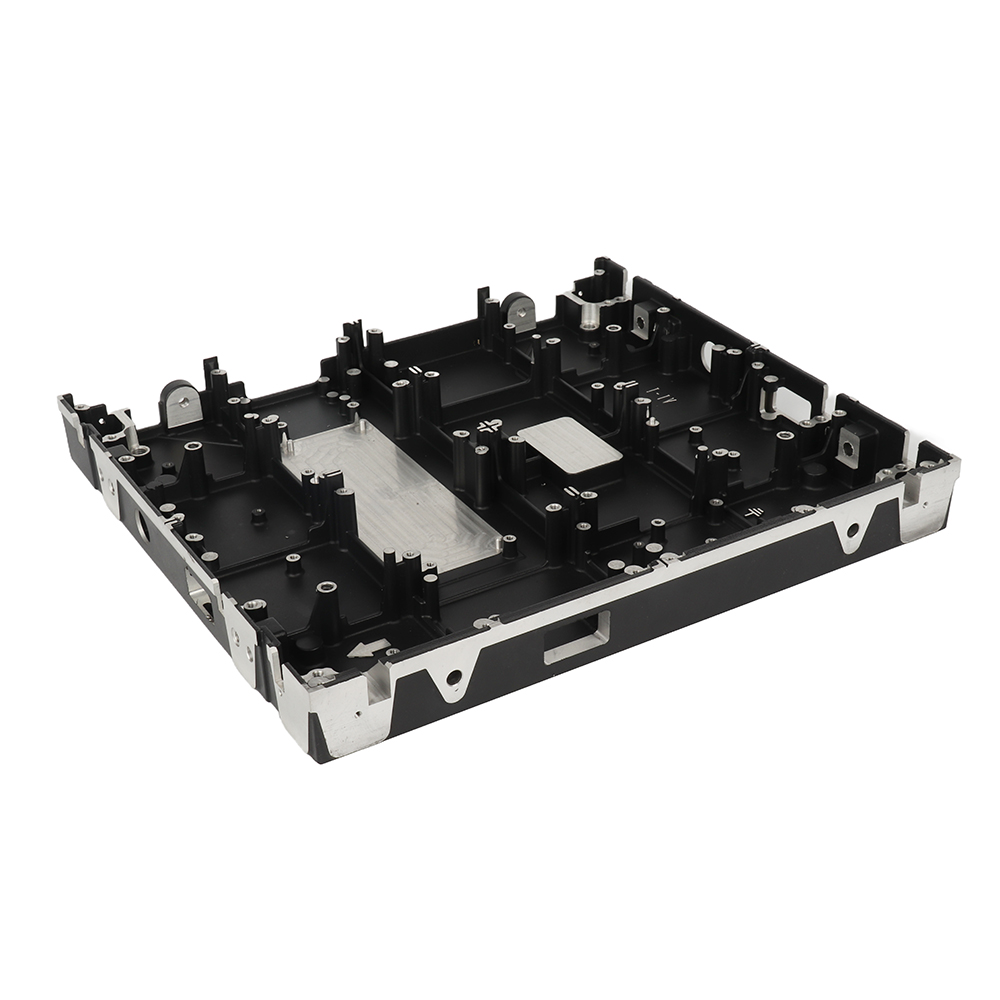
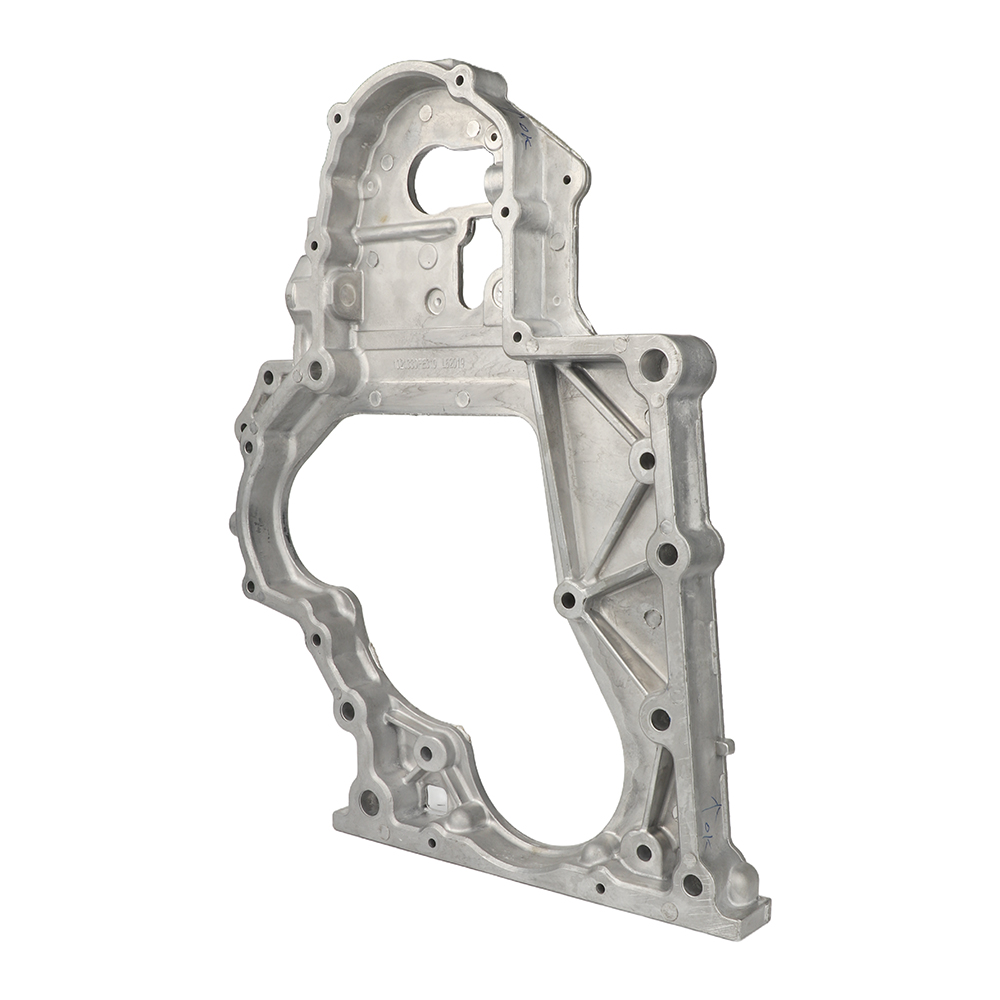
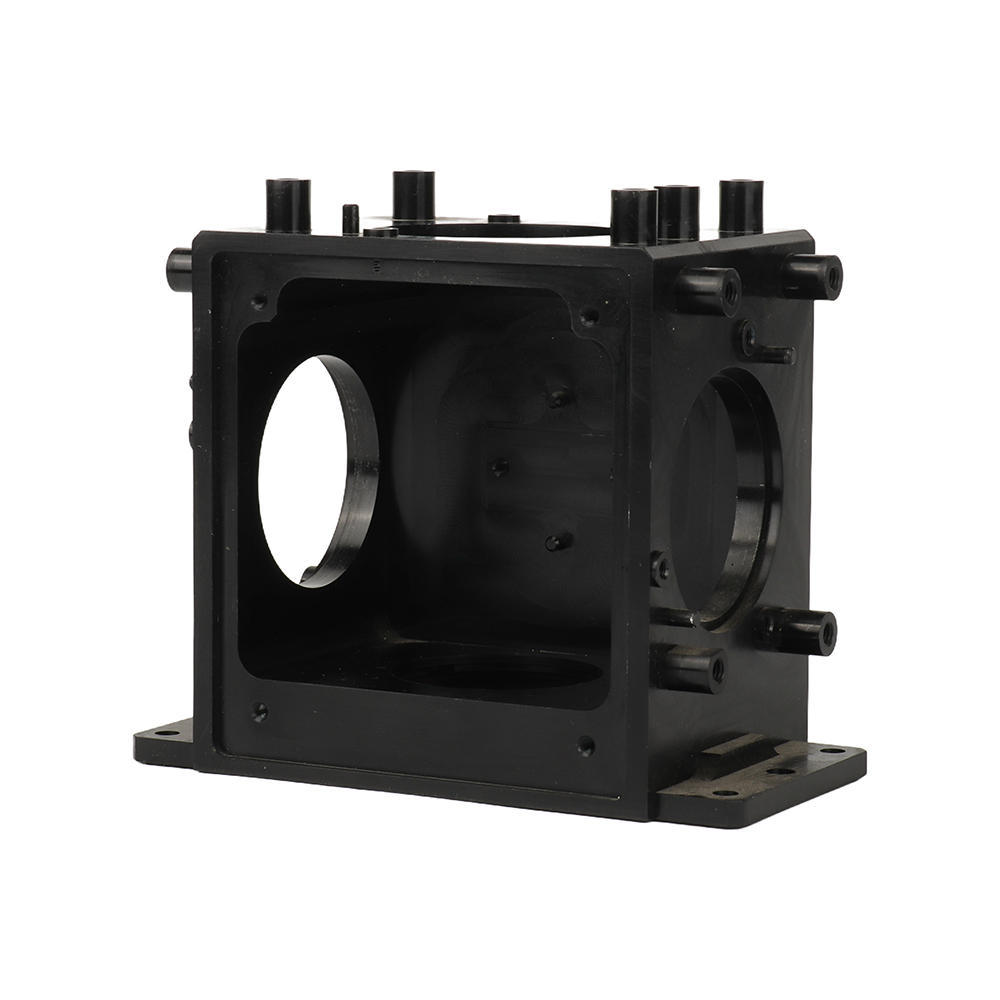
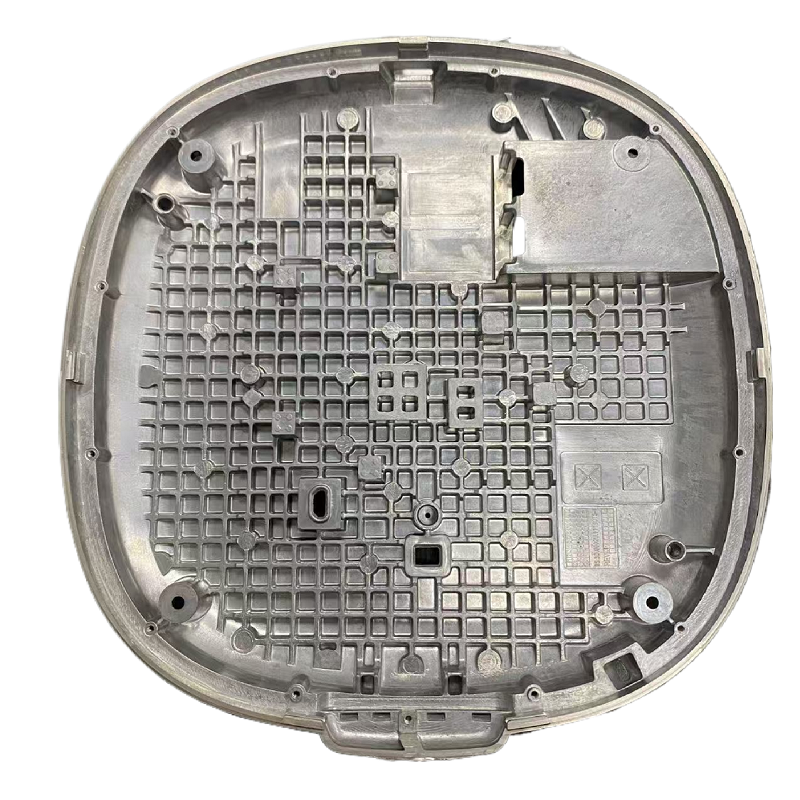
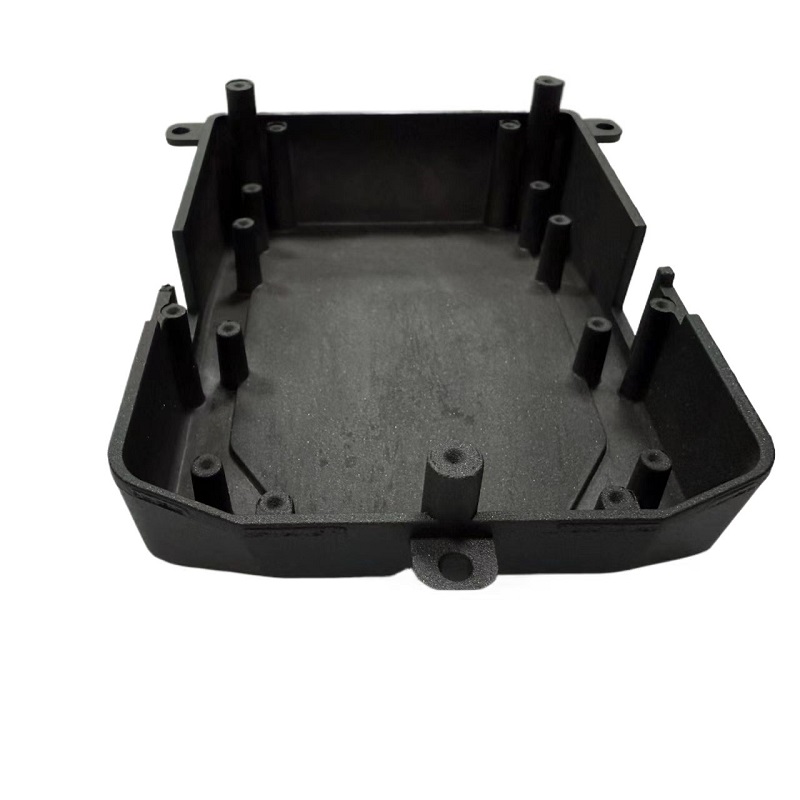
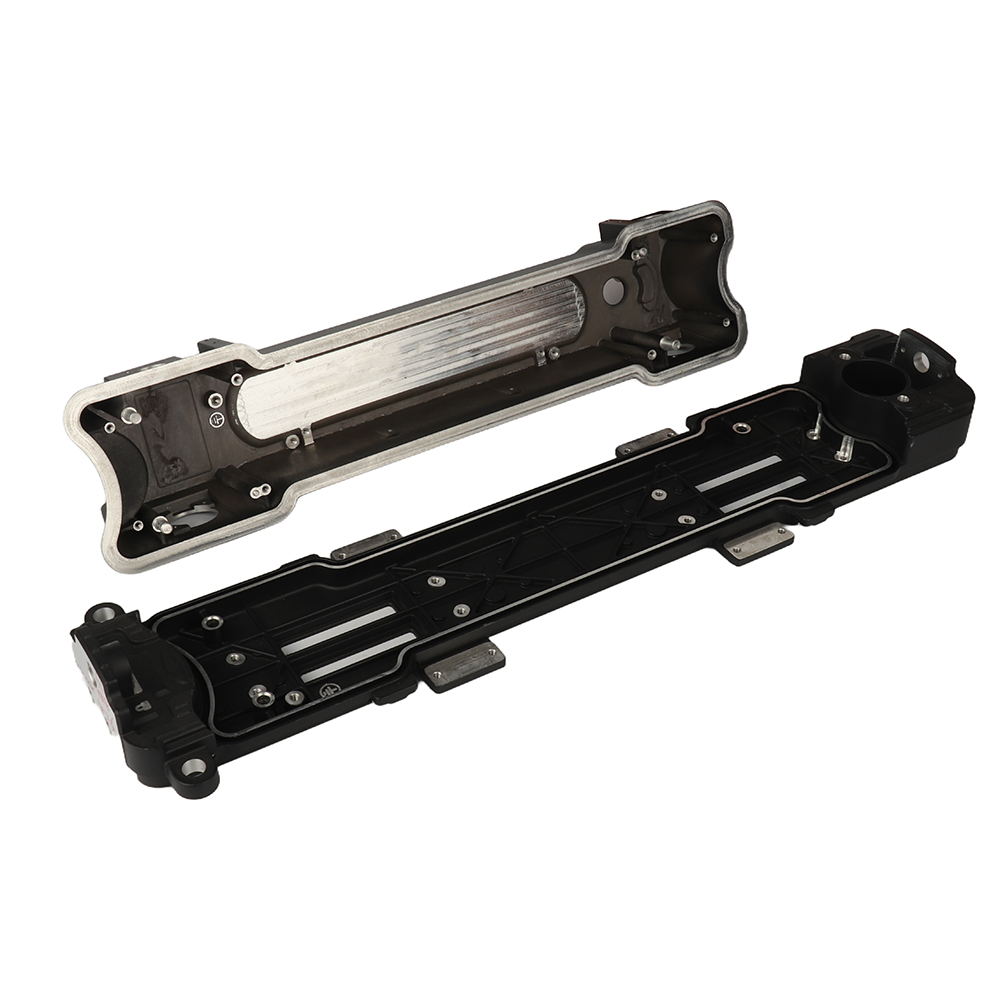
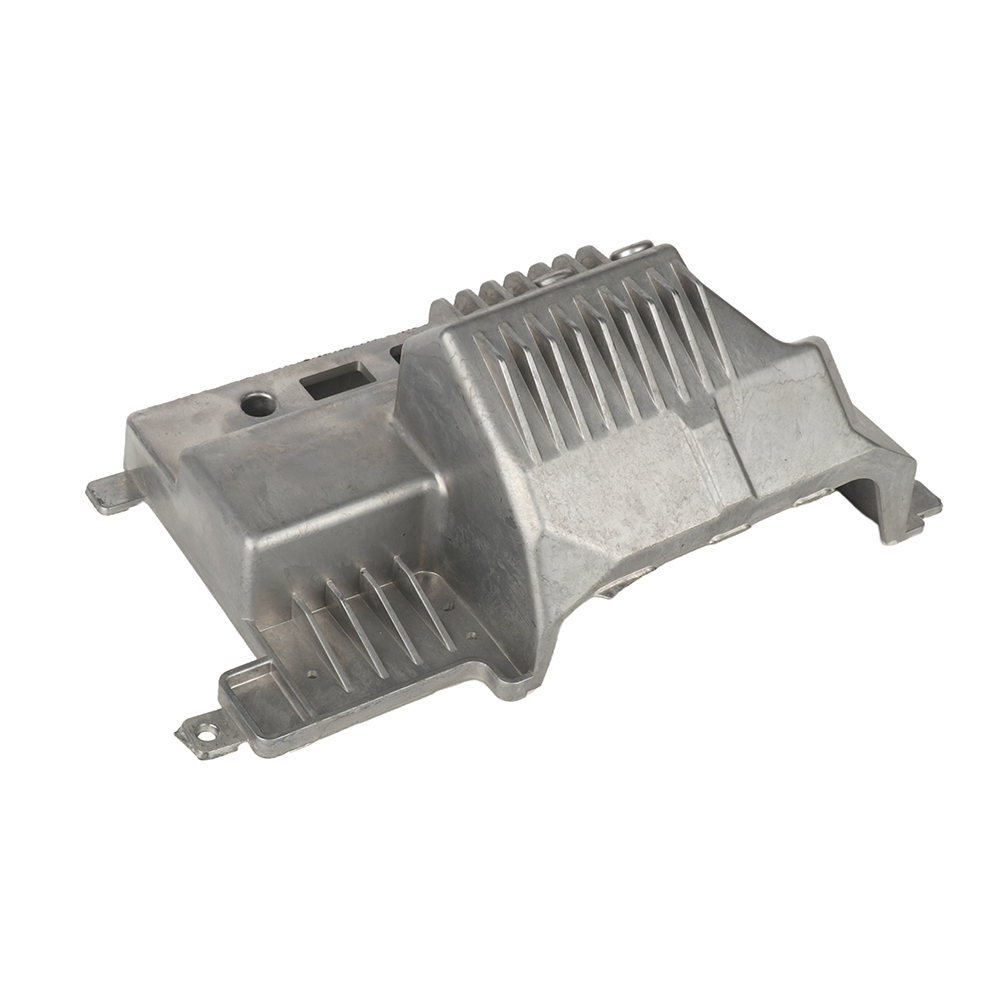
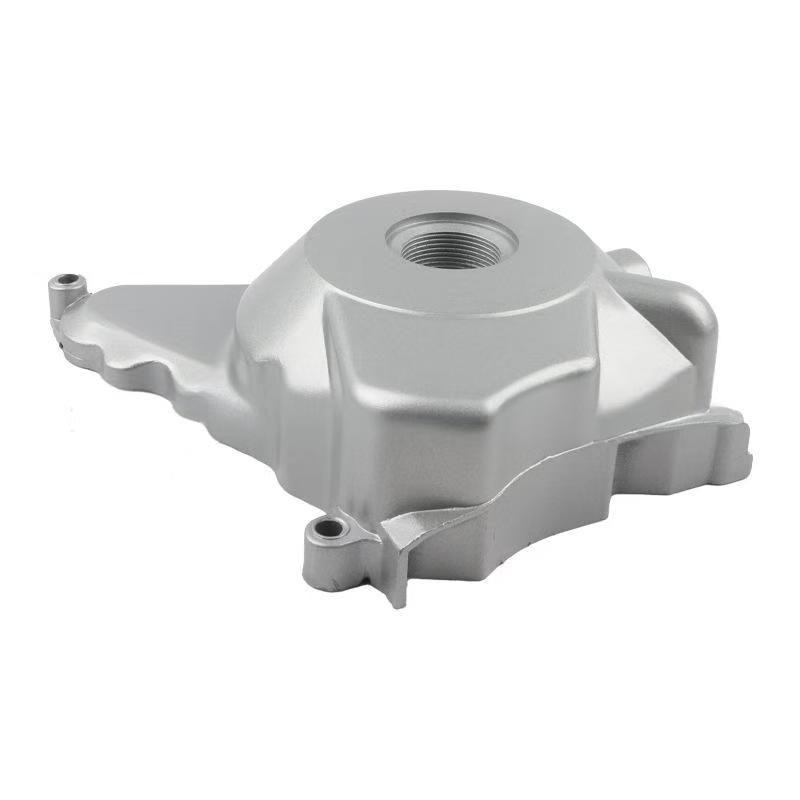
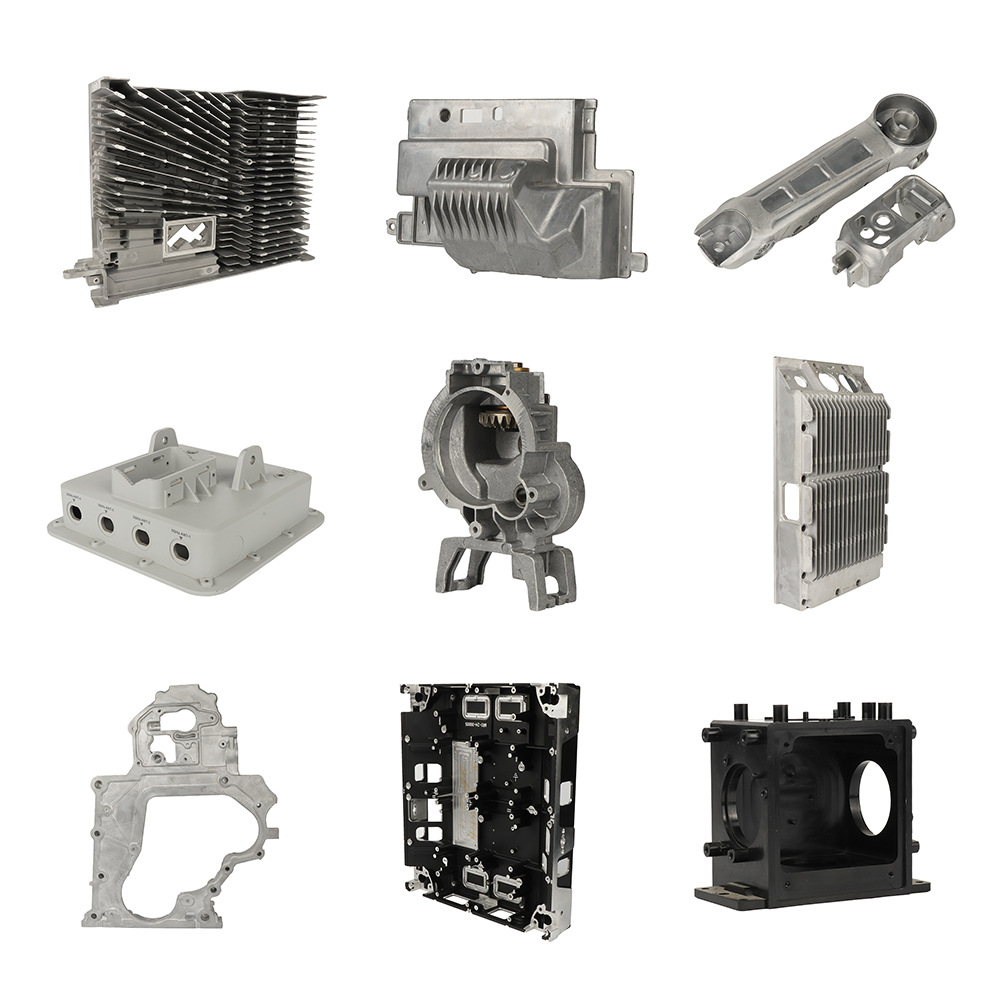
Aluminum heat sink plate | What is aluminum heatsink cnc machining manufacturer? Key Focuses, Roles & Benefits
What is Aluminum Heatsink CNC Machining Manufacturer? Key Focuses, Roles & Benefits
Table of Contents
- 1. Introduction: Aluminum Heatsink CNC Machining & Its Industrial Significance
- 2. What is an Aluminum Heatsink CNC Machining Manufacturer?
- 3. Key Focuses of Aluminum Heatsink CNC Machining
- 4. Core Roles of Aluminum Heatsink CNC Machining Manufacturers
- 5. Key Benefits of Aluminum Heatsink CNC Machining
- 6. Expert Insights on Aluminum Heatsink CNC Machining
- 7. Frequently Asked Questions (FAQs) About Aluminum Heatsink CNC Machining
- 8. Conclusion
1. Introduction: Aluminum Heatsink CNC Machining & Its Industrial Significance
In the era of rapid technological advancement, electronic devices, industrial equipment, and automotive electronics are becoming more powerful and miniaturized—leading to a critical challenge: heat dissipation. Excessive heat buildup can damage components, reduce performance, and shorten the lifespan of products.Aluminum Heatsink has emerged as the most widely used cooling solution, thanks to its excellent thermal conductivity, lightweight properties, and cost-effectiveness. And Aluminum Heatsink CNC Machining Manufacturers are the backbone of this cooling ecosystem, leveraging Computer Numerical Control (CNC) technology to produce high-precision, custom aluminum heatsinks tailored to diverse industrial needs.
Unlike traditional machining methods, CNC machining enables unparalleled precision, consistency, and flexibility in aluminum heatsink production—making it the preferred choice for high-performance applications. This blog explores the definition of an Aluminum Heatsink CNC Machining Manufacturer, the key focuses of aluminum heatsink CNC machining, its core roles in various industries, unique benefits, expert insights, and common FAQs, providing a comprehensive overview of this vital sector.

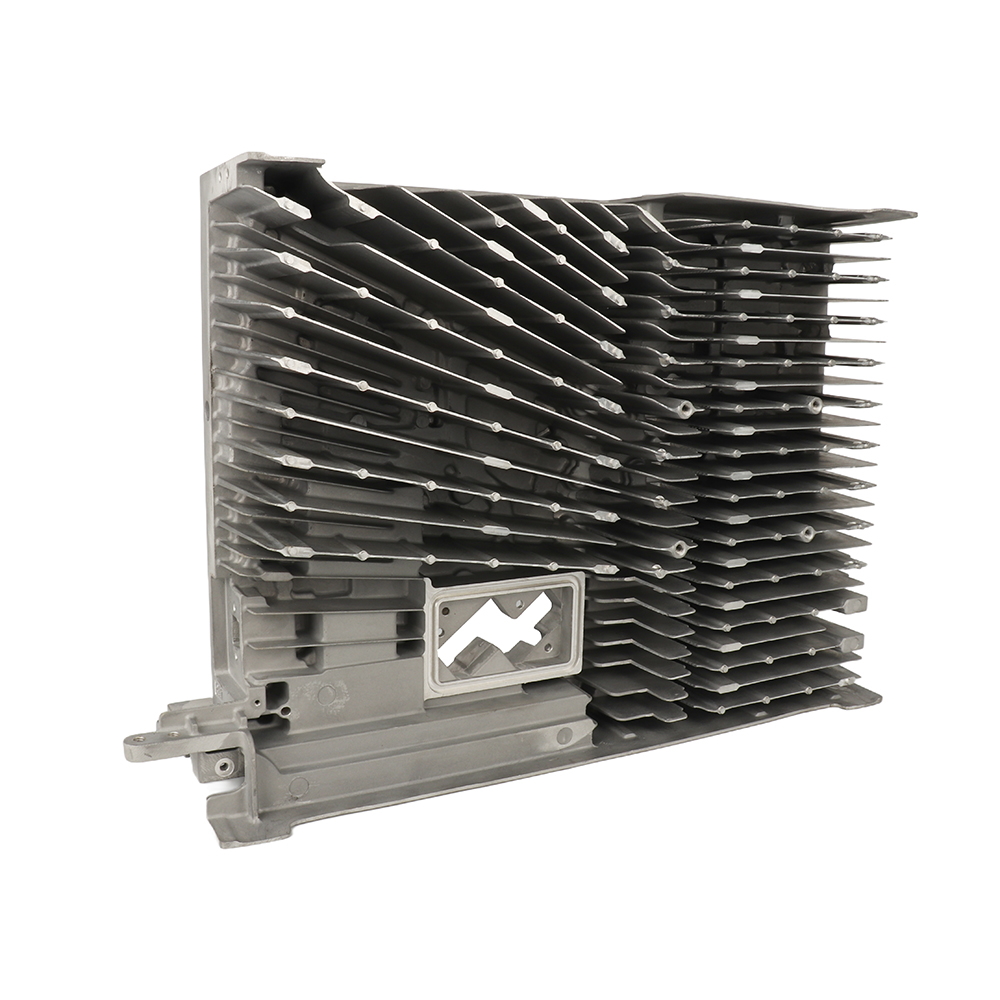
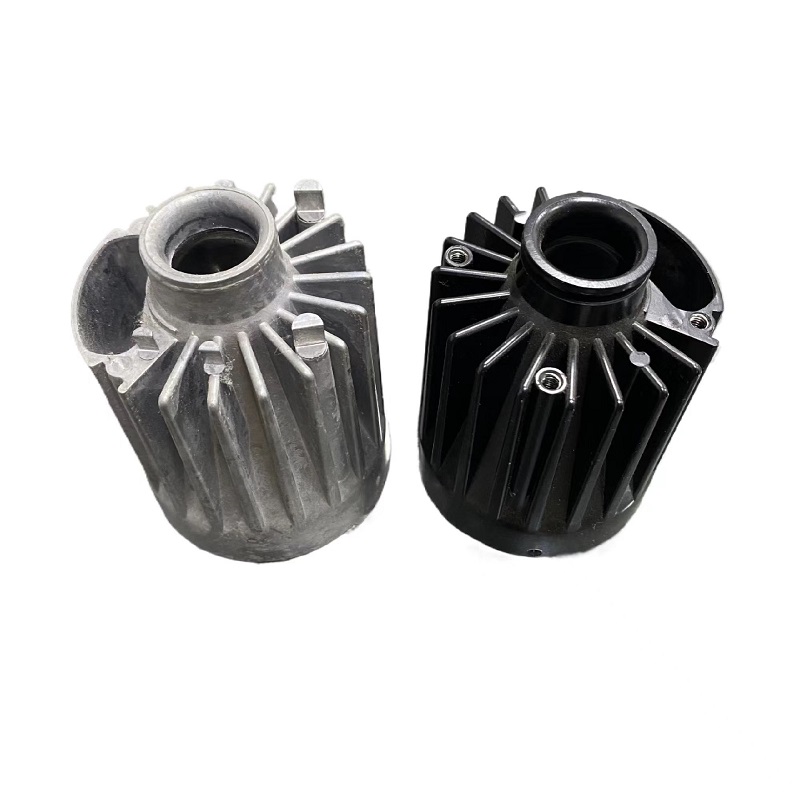
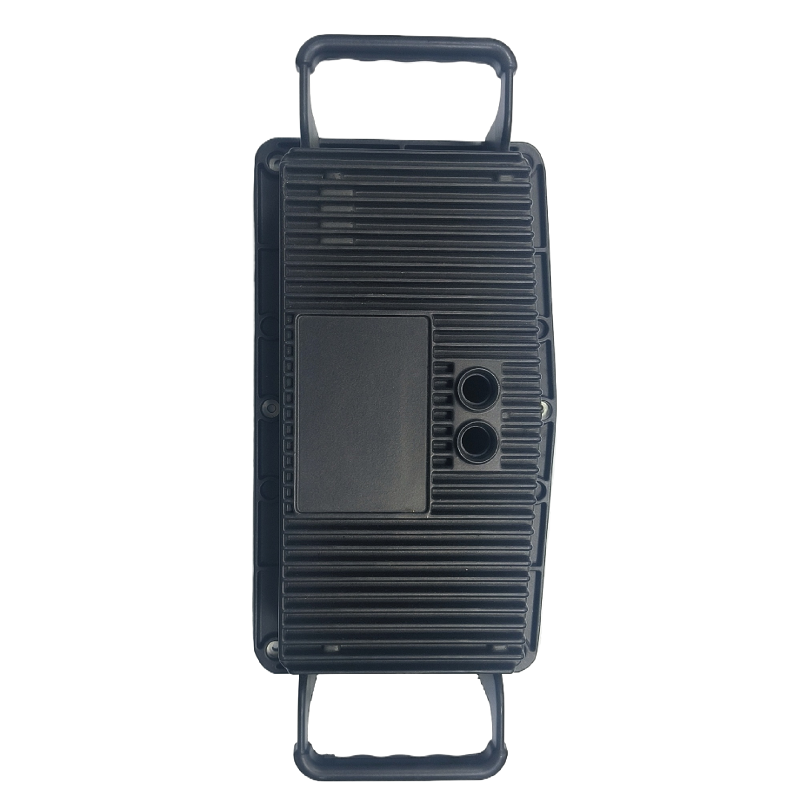
General Aluminum Heatsink with Fin Structure for Efficient Heat Dissipatio
2. What is an Aluminum Heatsink CNC Machining Manufacturer?
2.1 Basic Definition of Aluminum Heatsink CNC Machining Manufacturer
An Aluminum Heatsink CNC Machining Manufacturer is a professional enterprise specializing in the design, development, and production of Aluminum Heatsink using CNC machining technology. These manufacturers integrate computer-controlled precision equipment, professional engineering teams, and strict quality management systems to convert raw aluminum materials into high-quality heatsinks that meet the thermal management needs of various industries. Unlike general machining factories, they focus exclusively on aluminum heatsink production, mastering the unique processing techniques and thermal optimization methods of aluminum materials to ensure each product’s performance and reliability.
The core mission of such manufacturers is to provide customized and general Aluminum Heatsink solutions—covering standard models for mass applications and custom designs for special scenarios—helping clients solve heat dissipation problems and improve product stability.
2.2 Core Competencies of a Reliable Manufacturer
A reliable Aluminum Heatsink CNC Machining Manufacturer must possess four core competencies to stand out in the industry:
- CNC Machining Expertise: Proficiency in operating multi-axis CNC machines, with the ability to control machining accuracy within ±0.01mm, ensuring the dimensional stability of Aluminum Heatsink fins, holes, and other key structures.
- Thermal Design Capability: Having professional thermal engineers who can optimize fin structure, material selection, and surface treatment based on the client’s heat dissipation requirements, maximizing the thermal performance of Aluminum Heatsink.
- Material Mastery: Deep understanding of the properties of different aluminum alloys (such as 6061 and 6063), able to select the most suitable material according to application scenarios to balance thermal conductivity, cost, and machinability.
- Quality Control System: Establishing a full-process quality inspection mechanism, from raw material incoming inspection to finished product testing, ensuring each Aluminum Heatsink meets industry standards and client requirements.
3. Key Focuses of Aluminum Heatsink CNC Machining
3.1 Precision Machining & Dimensional Stability (Core Focus)
Precision is the core of Aluminum Heatsink CNC Machining. Unlike traditional machining, CNC machining uses computer programming to control the cutting tool’s movement, avoiding human errors and ensuring consistent precision of each Aluminum Heatsink. The key focus here is to control the dimensional tolerance of critical structures—such as fin thickness, spacing, and mounting hole positions—within a very small range (usually ±0.01~±0.05mm). This ensures that the heatsink can fit perfectly with electronic components, avoiding gaps that affect heat transfer efficiency.
Dimensional stability is equally important. High-quality Aluminum Heatsink must maintain its shape and size under long-term high-temperature operation, without deformation or warping. Manufacturers achieve this by optimizing machining parameters, selecting high-quality aluminum materials, and performing post-machining heat treatment to eliminate internal stress.
3.2 Aluminum Material Selection & Optimization
The performance of Aluminum Heatsink is directly determined by the selected aluminum material. Manufacturers focus on selecting aluminum alloys with excellent thermal conductivity, lightweight properties, and machinability. The most commonly used materials are 6061 and 6063 aluminum alloys: 6061 aluminum alloy has good strength and thermal conductivity (around 200 W/m·K), suitable for general industrial and electronic Aluminum Heatsink; 6063 aluminum alloy has better surface finish and thermal conductivity, suitable for high-precision and aesthetically required heatsinks.
In addition to material selection, manufacturers also optimize the material through processes such as alloying and heat treatment, further improving its thermal conductivity and mechanical properties. For example, annealing treatment can reduce the hardness of aluminum materials, making them easier to machine, while maintaining their thermal performance. Compared with copper, aluminum offers a better balance of thermal efficiency, weight, and cost, making it the preferred material for most heatsink applications.
3.3 Fin Design & Thermal Performance Enhancement
The fin structure is the core part of Aluminum Heatsink that determines its heat dissipation efficiency. CNC machining allows manufacturers to design and process complex fin shapes (such as straight fins, curved fins, and serrated fins) that cannot be achieved by traditional machining. The key focus here is to balance fin density, thickness, and height: increasing fin density can expand the heat dissipation area, but excessive density will block airflow; reducing fin thickness can save material, but too thin fins will affect structural strength.
Manufacturers also enhance the thermal performance of Aluminum Heatsink through surface treatment processes. Common treatments include anodizing, which forms a protective layer on the surface of the heatsink, improving corrosion resistance and heat radiation performance; and thermal conductive coating, which further improves the heat transfer efficiency between the heatsink and electronic components. Anodizing can also improve the surface radiation rate, enhancing natural convection heat dissipation effect.
3.4 Quality Control & Compliance
Quality control runs through the entire production process ofAluminum Heatsink CNC Machining. Manufacturers focus on three key links: raw material inspection (testing the purity, thermal conductivity, and mechanical properties of aluminum materials), in-process inspection (checking the precision and dimensional stability of each machining step), and finished product testing (testing the heat dissipation performance, surface finish, and corrosion resistance of the heatsink).
In addition, reliable manufacturers also comply with international and industry standards, such as ISO 9001 quality management system, RoHS environmental protection standards, and ASTM standards for aluminum materials. This ensures that the produced Aluminum Heatsink can be used in global markets and meet the environmental and safety requirements of different industries.
4. Core Roles of Aluminum Heatsink CNC Machining Manufacturers
4.1 Role in Electronics Cooling Industry
The electronics industry is the largest application field of Aluminum Heatsink, and manufacturers play a vital role in this industry. With the miniaturization and high-powerization of electronic devices (such as CPUs, GPUs, and power modules), the demand for heat dissipation is increasing. Aluminum Heatsink CNC Machining Manufacturers provide high-precision, high-efficiency Aluminum Heatsink for electronic products, helping to solve the problem of excessive heat buildup, ensuring the stable operation of electronic components, and improving the performance and service life of electronic products.
For example, in 5G communication equipment, the high-power modules generate a lot of heat, and the Aluminum Heatsink produced by CNC machining can efficiently dissipate heat, ensuring the stable operation of 5G base stations in harsh outdoor environments. In LED lighting systems, custom aluminum heatsinks also play a key role in extending the lifespan of LED chips.
4.2 Role in Customization for Diverse Applications
Different industries and products have different requirements for Aluminum Heatsink—such as size, shape, heat dissipation efficiency, and installation method. Aluminum Heatsink CNC Machining Manufacturers play the role of "custom solution provider", according to the specific needs of clients, designing and producing customized Aluminum Heatsink.
Whether it is the automotive industry (needing lightweight and high-temperature resistantAluminum Heatsink for engine and battery systems), the aerospace industry (needing high-precision and corrosion-resistant heatsinks for avionics), or the medical industry (needing sterile and stable heatsinks for medical equipment), manufacturers can provide targeted solutions through CNC machining technology. This customization capability also supports rapid prototyping and small-batch production, meeting the needs of new product development.
4.3 Role in Promoting Energy Efficiency & Product Longevity
Aluminum Heatsink produced by CNC machining not only improves the heat dissipation efficiency of products but also promotes energy efficiency and extends product longevity. On the one hand, efficient heat dissipation can reduce the energy consumption of cooling systems (such as fans), because the better the heat dissipation effect of the heatsink, the lower the working load of the cooling system, thereby saving energy. On the other hand, reducing the operating temperature of electronic components and industrial equipment can significantly extend their service life, reducing the frequency of product replacement and maintenance, and achieving the goal of energy conservation and environmental protection.
For example, in new energy vehicles, the Aluminum Heatsink for battery management systems (BMS) can effectively control the temperature of the battery pack, not only ensuring the safety of the battery but also improving the energy conversion efficiency of the battery and extending the service life of the battery pack.
5. Key Benefits of Aluminum Heatsink CNC Machining
Compared with traditional machining methods (such as stamping and casting), Aluminum Heatsink CNC Machining has significant advantages, bringing multiple benefits to manufacturers and clients:
5.1 High Precision & Consistency
CNC machining is controlled by computer programs, which can achieve high precision that traditional machining cannot match, ensuring that eachAluminum Heatsink has the same size and performance. This consistency is crucial for mass production, avoiding the problem of uneven product quality caused by human errors, and reducing the rejection rate. The machining error can be controlled within 0.01mm, suitable for high-precision application scenarios such as aerospace and 5G base stations.
5.2 Flexibility & Customization Capability
CNC machining can easily adjust the program to produce Aluminum Heatsink of different sizes, shapes, and structures, without the need to replace molds (unlike casting), which greatly reduces the cost and cycle of custom production. Whether it is a small-batch custom order or a large-batch mass production, CNC machining can meet the needs, providing greater flexibility for product design and development. It also supports complex geometries such as non-constant cross-sections and multi-directional fins that are difficult to achieve with extrusion or die casting.
5.3 Excellent Thermal Performance of Aluminum Heatsink
Through precise machining and optimized design, the Aluminum Heatsink produced by CNC machining has a larger heat dissipation area and better heat transfer efficiency. The smooth surface and precise dimensional control of the heatsink can reduce the contact thermal resistance between the heatsink and electronic components, ensuring that heat is quickly transferred and dissipated. Aluminum’s inherent thermal conductivity, combined with CNC-machined fin structures, creates a cost-effective and efficient cooling solution.
5.4 Cost-Effectiveness & Time-Saving
Although the initial investment of CNC equipment is relatively high, in the long run, CNC machining can reduce labor costs (fewer operators are needed), reduce material waste (precise cutting reduces scrap), and shorten the production cycle (high machining efficiency). For clients, this means lower procurement costs and faster delivery time. Additionally, the high pass rate (up to 98% or more) of CNC-machined aluminum heatsinks further reduces overall costs.
5.5 Durability & Reliability
The Aluminum Heatsink produced by CNC machining has high structural strength and good corrosion resistance (after surface treatment), which can adapt to harsh working environments (such as high temperature, humidity, and corrosion) and maintain stable performance for a long time. This durability reduces the maintenance cost of products and improves the reliability of the entire system. For example, hardcoat anodizing can make aluminum heatsinks withstand 1500+ hours of salt spray testing, ensuring long-term use in harsh environments.
6. Expert Insights on Aluminum Heatsink CNC Machining
To gain a deeper understanding of the industry, we invited two industry experts to share their insights on Aluminum Heatsink CNC Machining and the role of manufacturers:
6.1 Expert Opinion 1: Sarah Johnson, Senior Thermal Engineer with 15 Years of Experience
“With the rapid development of the electronics and new energy industries, the demand for Aluminum Heatsink is growing exponentially, and the requirements for precision and thermal performance are getting higher and higher. CNC machining is the key technology to meet these requirements—it not only ensures the precision of the heatsink but also allows for more flexible design of fin structures, which is crucial for improving heat dissipation efficiency. A reliable Aluminum Heatsink CNC Machining Manufacturer should not only master machining technology but also have professional thermal design capabilities, because the thermal performance of the heatsink is not only determined by machining but also by design. In the future, with the popularization of 5G, AI, and new energy vehicles, the customization and precision requirements of Aluminum Heatsink will be further improved, and manufacturers that can provide integrated solutions (design + machining + testing) will have more competitive advantages.”
6.2 Expert Opinion 2: Michael Lee, CEO of a Leading Aluminum Heatsink CNC Machining Enterprise
“The core value of Aluminum Heatsink CNC Machining Manufacturers lies in ‘solving heat dissipation problems for clients’. Many clients only pay attention to the price of Aluminum Heatsink, but ignore the precision and thermal performance, which will lead to product failures in the later stage. Our focus is to balance cost, precision, and thermal performance, providing clients with the most suitable solutions. In recent years, we have found that the application of Aluminum Heatsink is expanding from traditional electronics to new fields such as aerospace, medical equipment, and industrial automation. This requires us to continuously upgrade our CNC equipment and technical capabilities, master the processing technology of new aluminum materials, and meet the diverse needs of different industries. At the same time, environmental protection is also an important direction—we are committed to developing more energy-saving and environmentally friendly machining processes, reducing energy consumption and waste, and promoting the sustainable development of the industry.”
7. Frequently Asked Questions (FAQs) About Aluminum Heatsink CNC Machining
Below are the most common questions about Aluminum Heatsink and CNC machining, answered by industry experts:
Q1: What is the difference between CNC-machined Aluminum Heatsink and cast Aluminum Heatsink?
A1: The main differences lie in precision, structure, and thermal performance. CNC-machined Aluminum Heatsink has higher precision (tolerance within ±0.01~±0.05mm) and a smoother surface, which can improve heat transfer efficiency; it can also process complex fin structures that cast heatsinks cannot achieve. Cast heatsinks have lower precision, rough surface, and limited fin design, but their production cost is lower for large-batch, simple-structured products. CNC machining is more suitable for high-precision, custom, and small-batch needs, while casting is suitable for mass-produced, simple heatsinks.
Q2: What aluminum materials are commonly used for CNC-machined Aluminum Heatsink?
A2: The most commonly used materials are 6061 and 6063 aluminum alloys. 6061 aluminum alloy has good strength and thermal conductivity, suitable for general industrial and electronic Aluminum Heatsink; 6063 aluminum alloy has better surface finish and thermal conductivity, suitable for high-precision and aesthetically required heatsinks. For special scenarios (such as high-temperature environments), 5052 aluminum alloy (with better corrosion resistance) or 7075 aluminum alloy (with higher strength) can also be used. These alloys balance thermal conductivity, machinability, and cost effectively.
Q3: How to improve the heat dissipation performance of CNC-machined Aluminum Heatsink?
A3: There are three main ways: ① Optimize the fin design: increase the fin density and heat dissipation area (while ensuring airflow), and design reasonable fin shapes (such as serrated fins) to improve heat exchange efficiency; ② Perform surface treatment: anodizing, thermal conductive coating, etc., can improve the heat radiation performance and reduce contact thermal resistance; ③ Select high-quality aluminum materials: materials with higher thermal conductivity can accelerate heat transfer. Additionally, ensuring precise dimensional control to avoid gaps between the heatsink and components also helps improve heat dissipation.
Q4: What is the lead time for custom CNC-machined Aluminum Heatsink?
A4: The lead time depends on the complexity of the product, order quantity, and design cycle. For simple-structured, small-batch (less than 100 pieces) custom Aluminum Heatsink, the lead time is usually 3~7 days (including design, machining, and testing); for complex-structured, large-batch (more than 1000 pieces) orders, the lead time is usually 10~15 days. Reliable manufacturers will optimize the production process to shorten the lead time while ensuring quality. Rapid prototyping can also be completed in 1~2 days for urgent sample needs.
Q5: Is CNC-machined Aluminum Heatsink suitable for high-temperature environments?
A5: Yes. Aluminum has good high-temperature resistance, and after heat treatment and surface treatment (such as anodizing), the Aluminum Heatsink can withstand high temperatures of 200~300℃, which is suitable for high-temperature environments such as automotive engines, industrial furnaces, and power modules. For ultra-high-temperature environments (above 300℃), manufacturers can select special aluminum alloys and add heat-resistant coatings to further improve the high-temperature resistance of the heatsink. The monolithic construction of CNC-machined heatsinks also enhances their resilience in high-temperature and high-vibration environments.
Q6: Does anodizing affect the thermal performance of Aluminum Heatsink?
A6: Anodizing forms a thin non-conductive oxide layer on the aluminum surface. Although this layer has lower thermal conductivity than the aluminum substrate, it improves the surface radiation rate, which can enhance heat dissipation performance in natural convection environments. In forced convection scenarios, the impact of anodizing on thermal performance is minimal, while the corrosion resistance and surface aesthetics of the heatsink are significantly improved. Therefore, anodizing is a common and beneficial surface treatment for aluminum heatsinks.
8. Conclusion
Aluminum Heatsink CNC Machining Manufacturers are the core force driving the development of the thermal management industry, and Aluminum Heatsink is the key component to solve the heat dissipation problem of various products. Through precise CNC machining technology, these manufacturers focus on precision, material optimization, fin design, and quality control, playing an irreplaceable role in the electronics, automotive, aerospace, and other industries.
The benefits of Aluminum Heatsink CNC Machining—high precision, flexibility, excellent thermal performance, cost-effectiveness, and durability—make it the preferred choice for modern thermal management solutions. With the continuous advancement of technology, the demand for Aluminum Heatsink will continue to grow, and Aluminum Heatsink CNC Machining Manufacturers will also continue to upgrade their technical capabilities, providing more high-quality, customized solutions for global clients, and promoting the sustainable development of the thermal management industry.
CNC machine automation | What is CNC machine tool automation? Key Focuses, Roles & Benefits
CNC medical parts | What are medical cnc parts? Key Focuses, Roles & Benefits of New Medical CNC Components
Related Article