HOT PRODUCTS
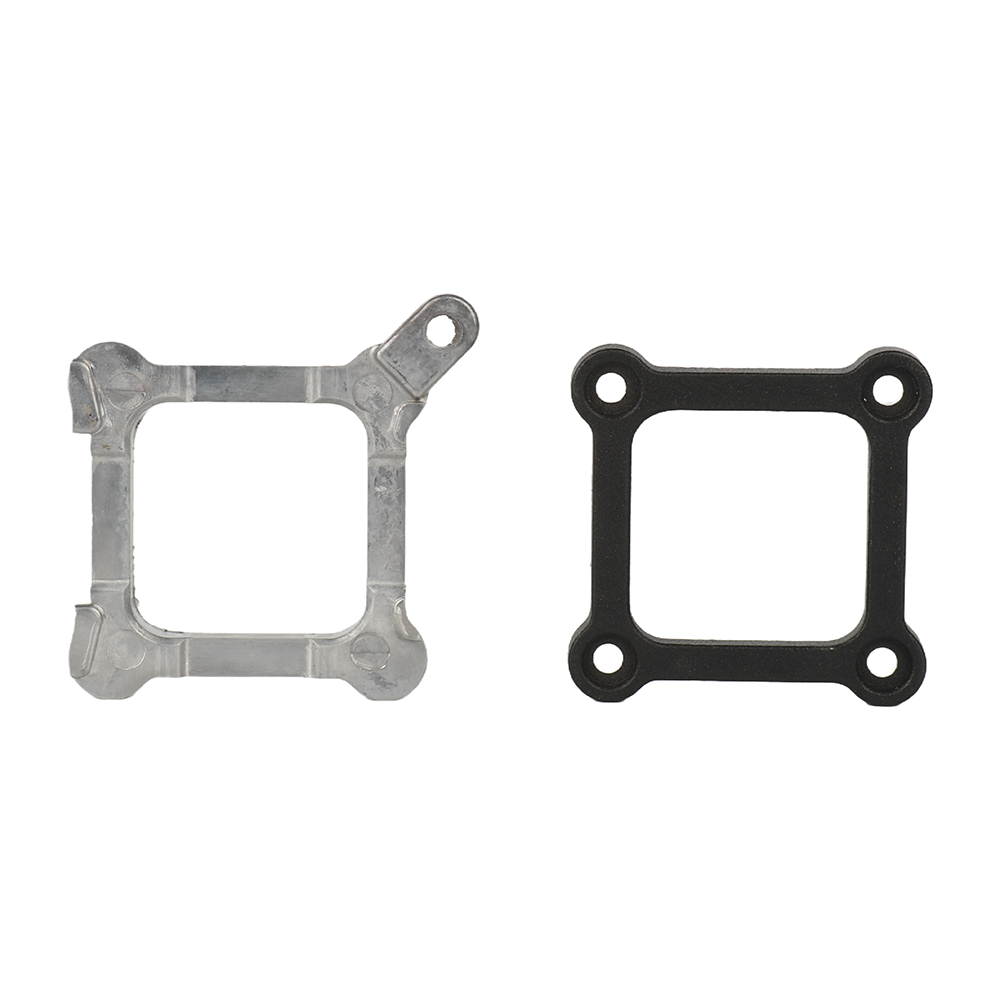
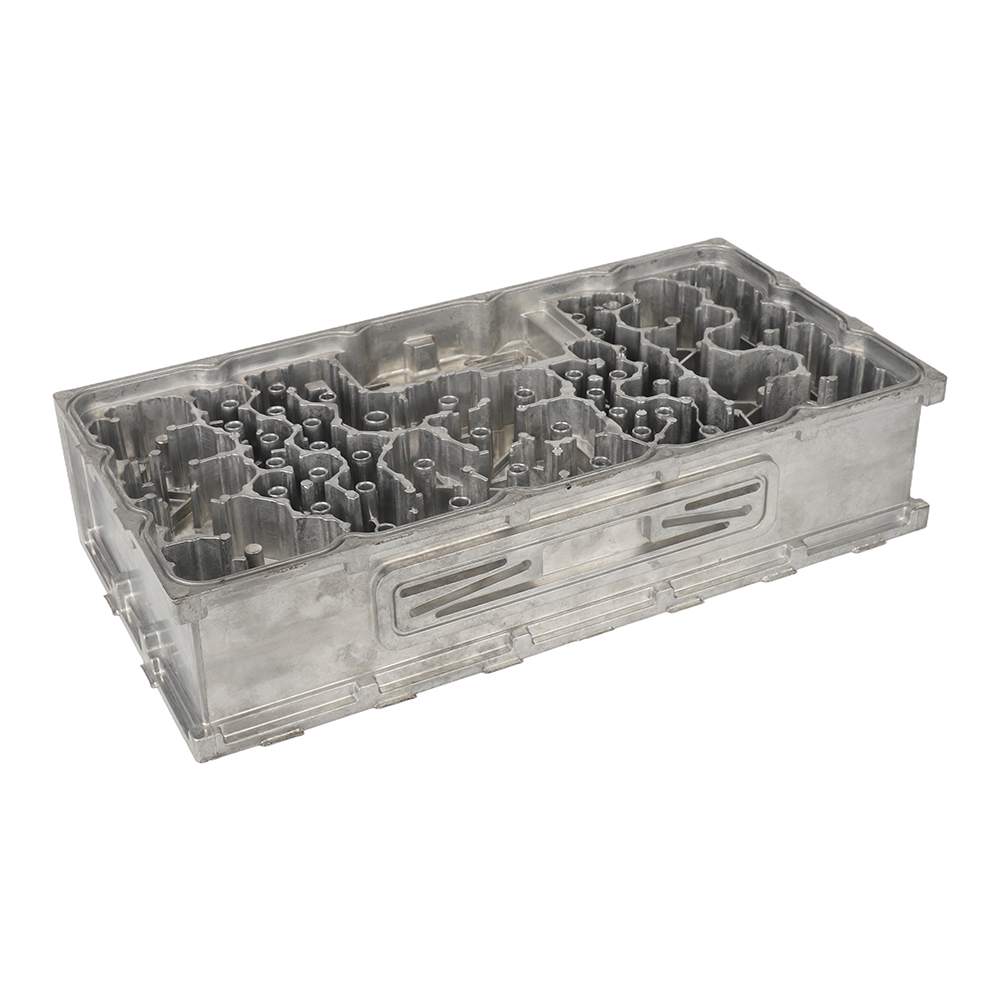
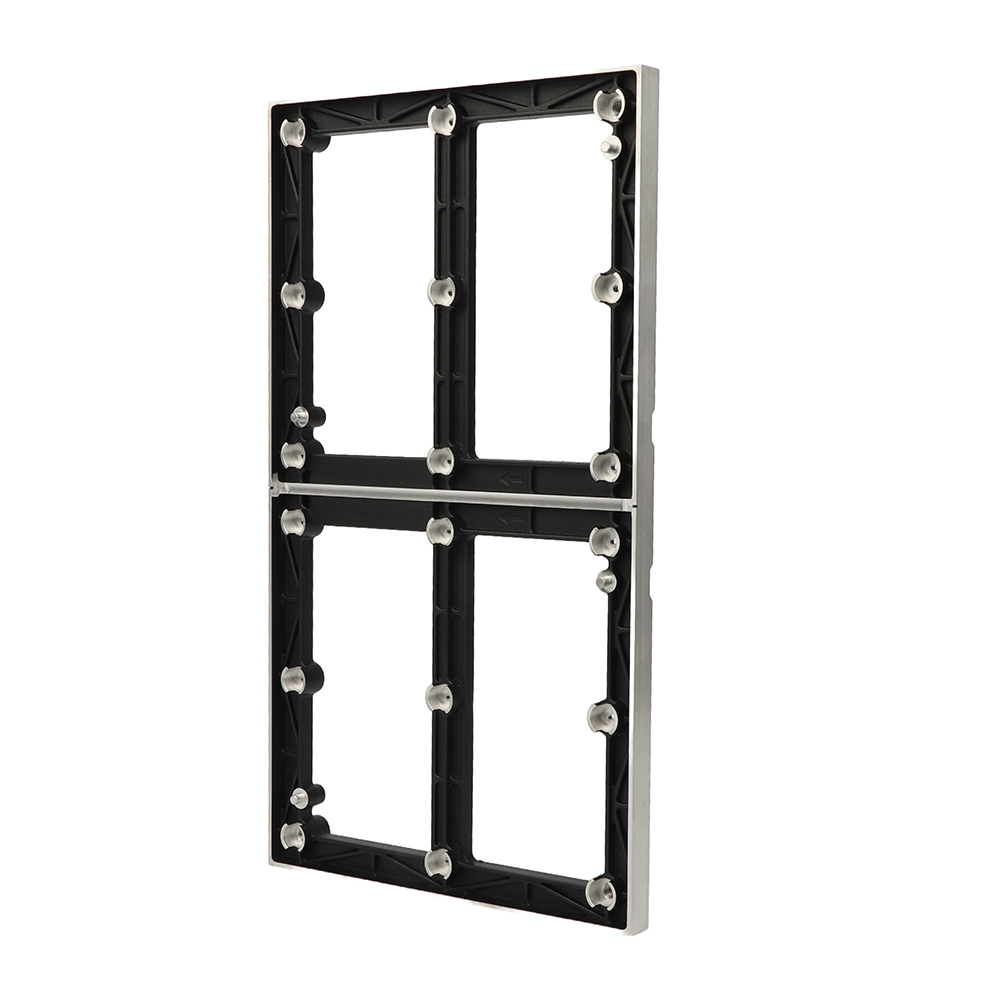
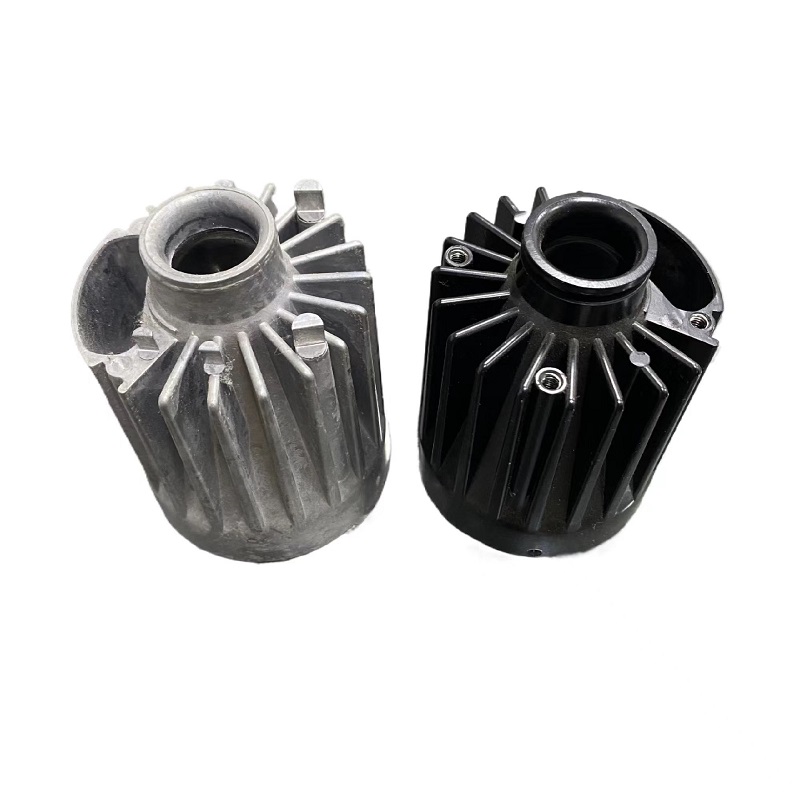
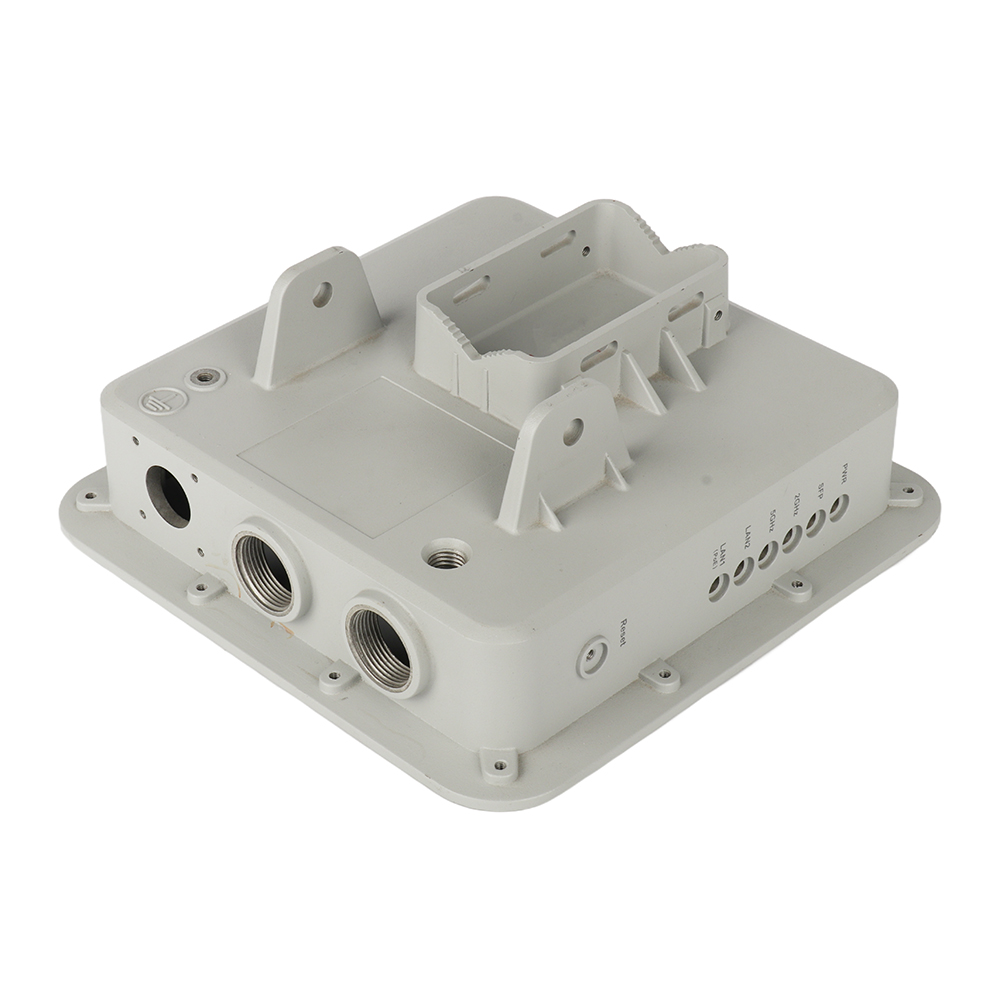
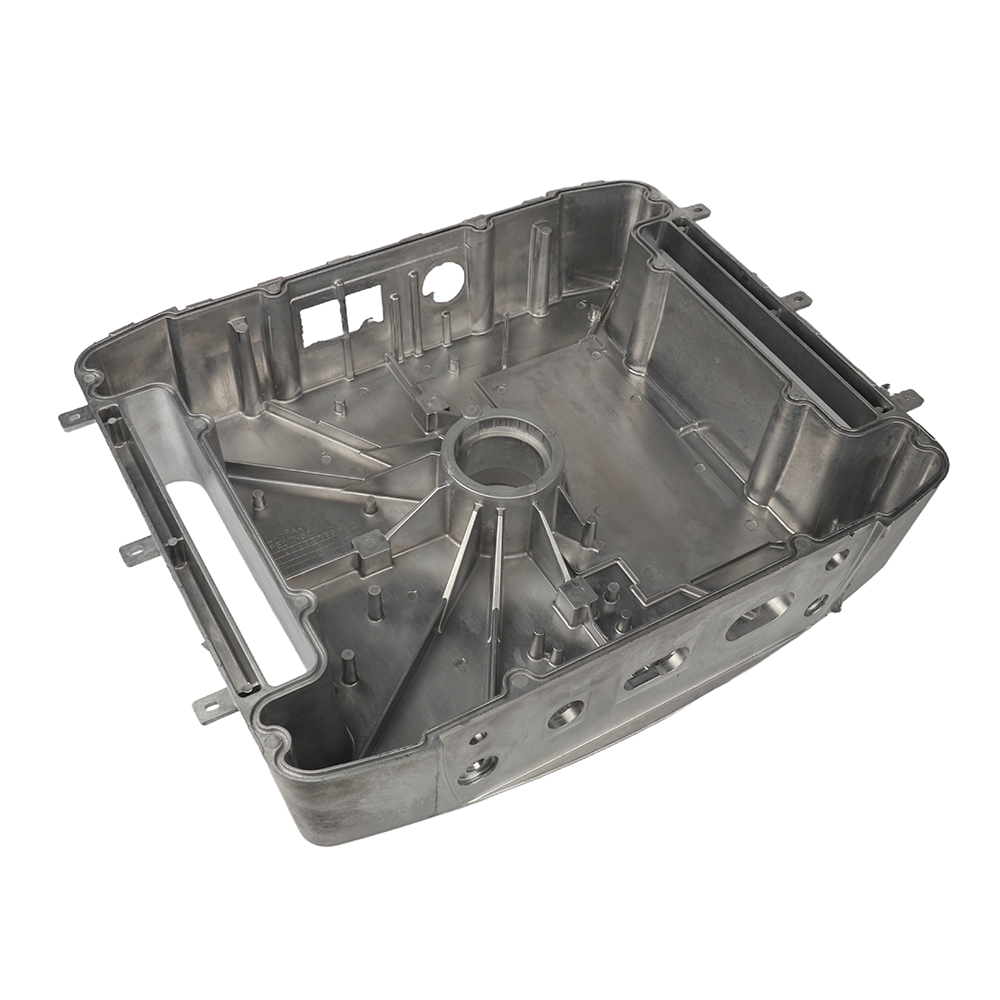
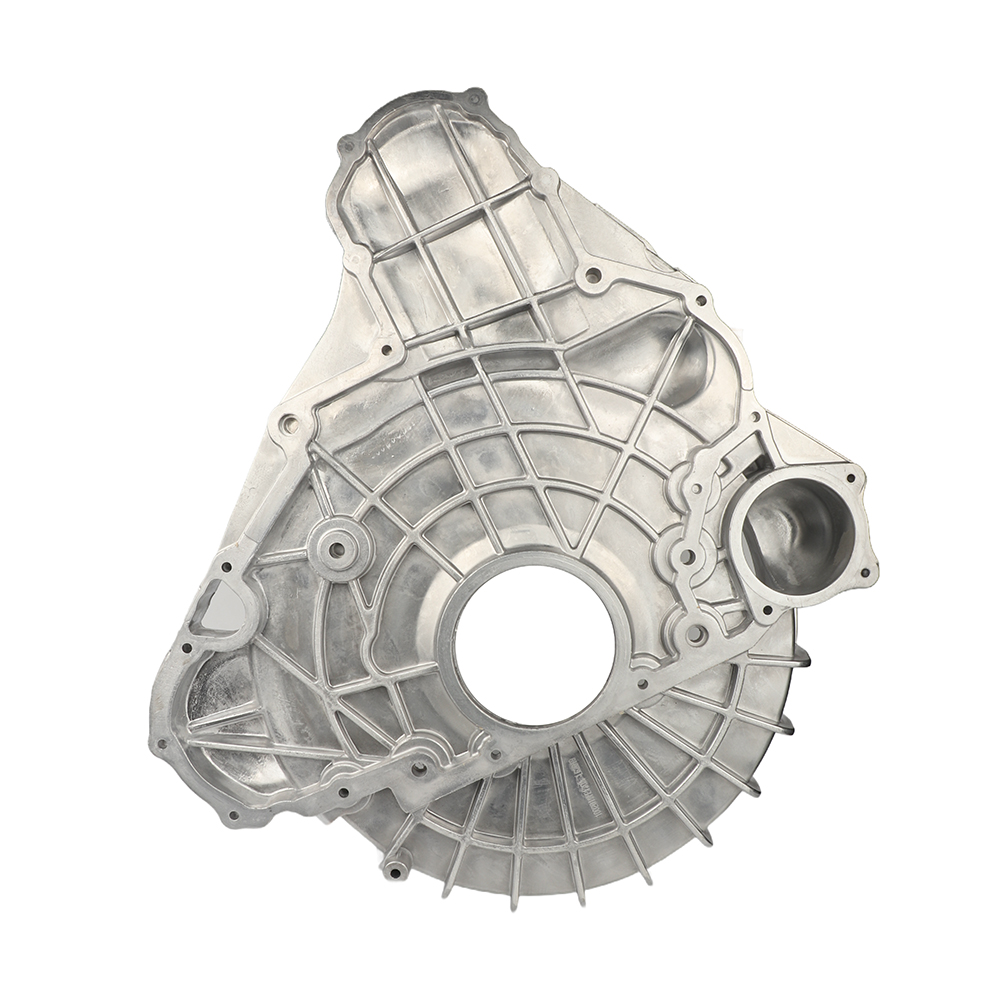
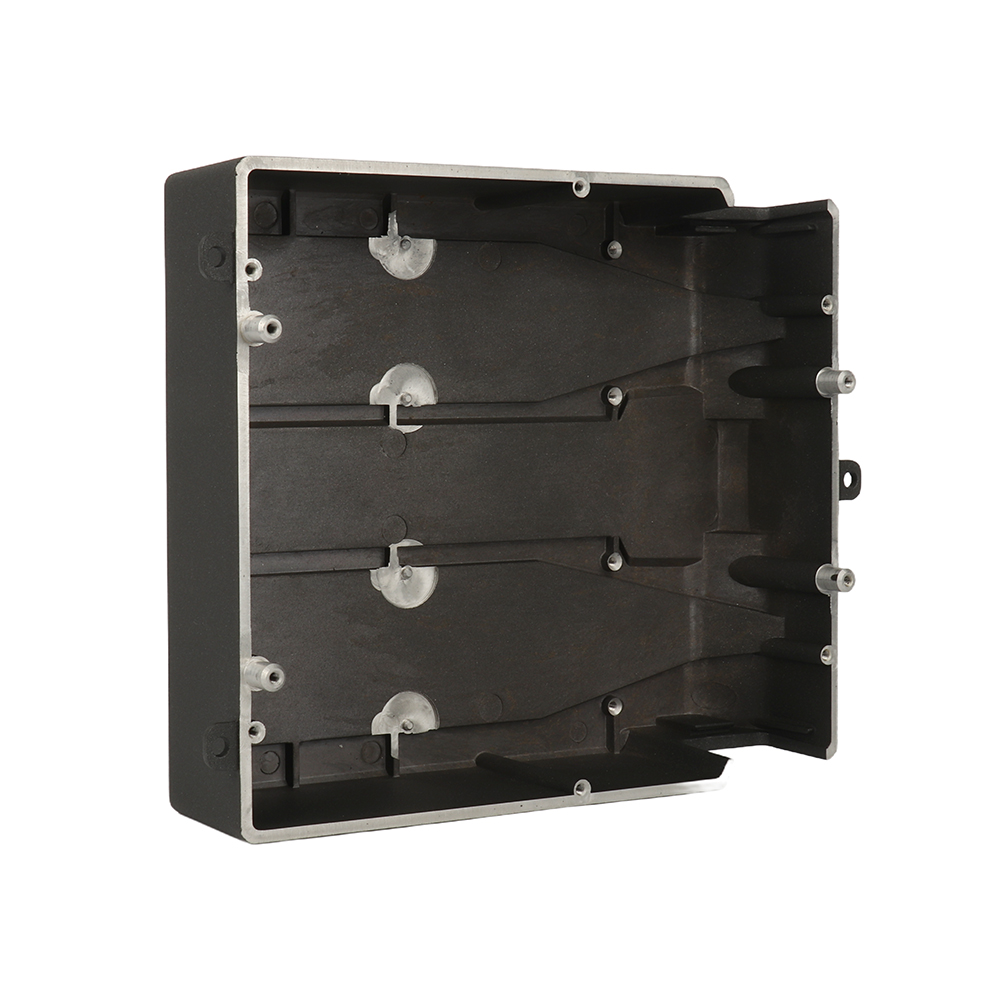
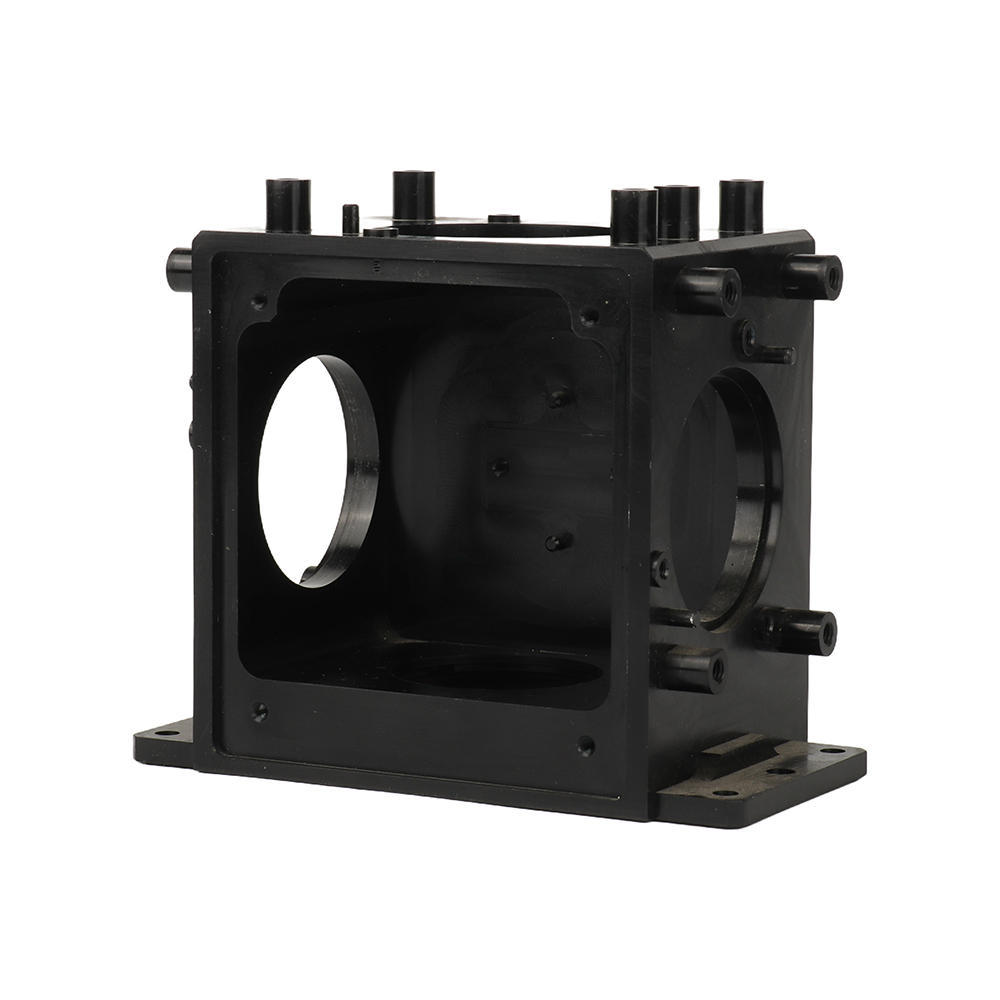
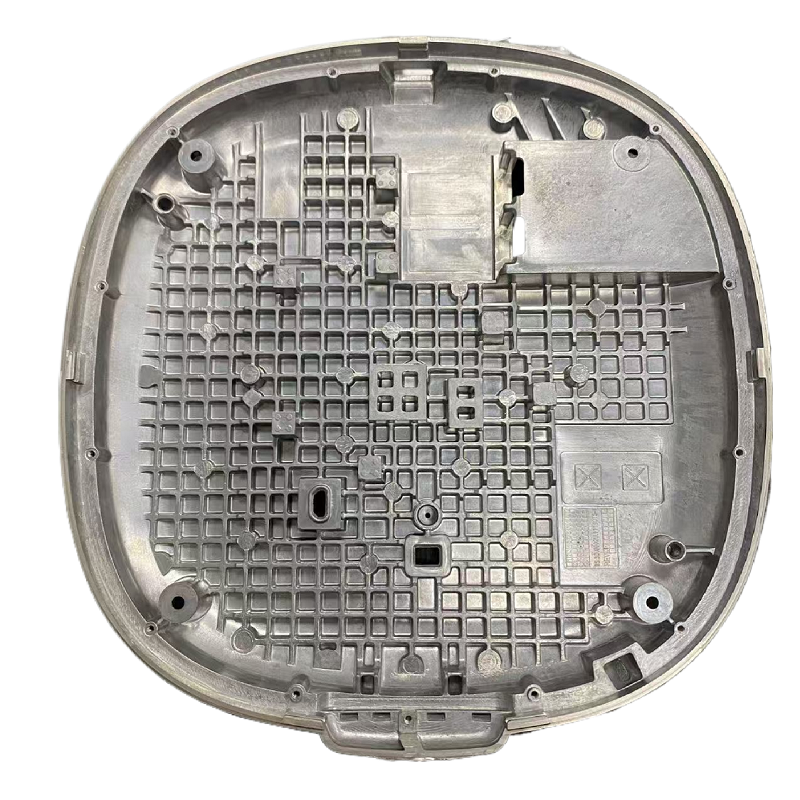
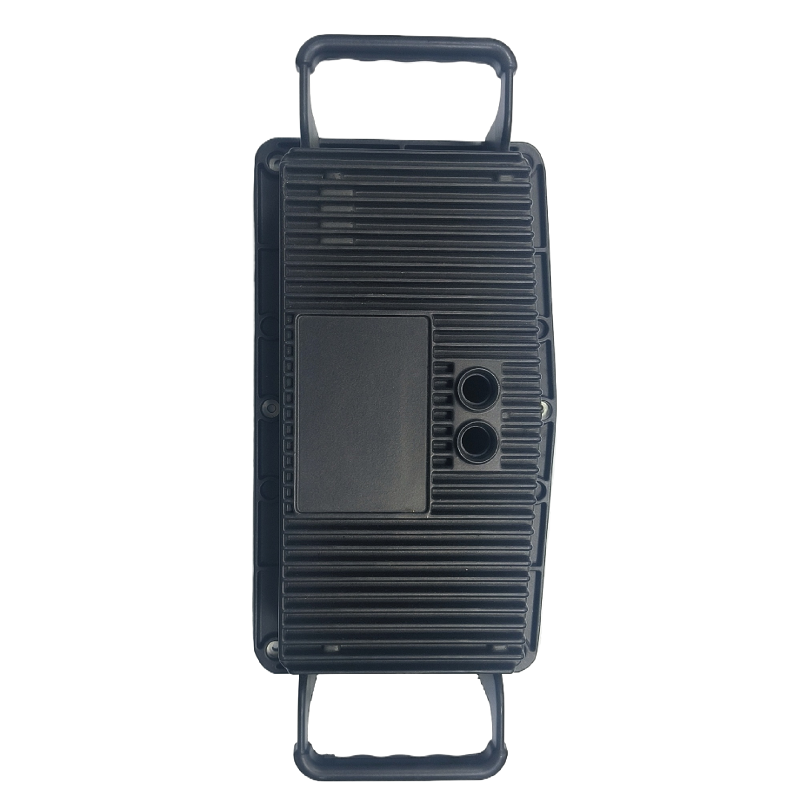
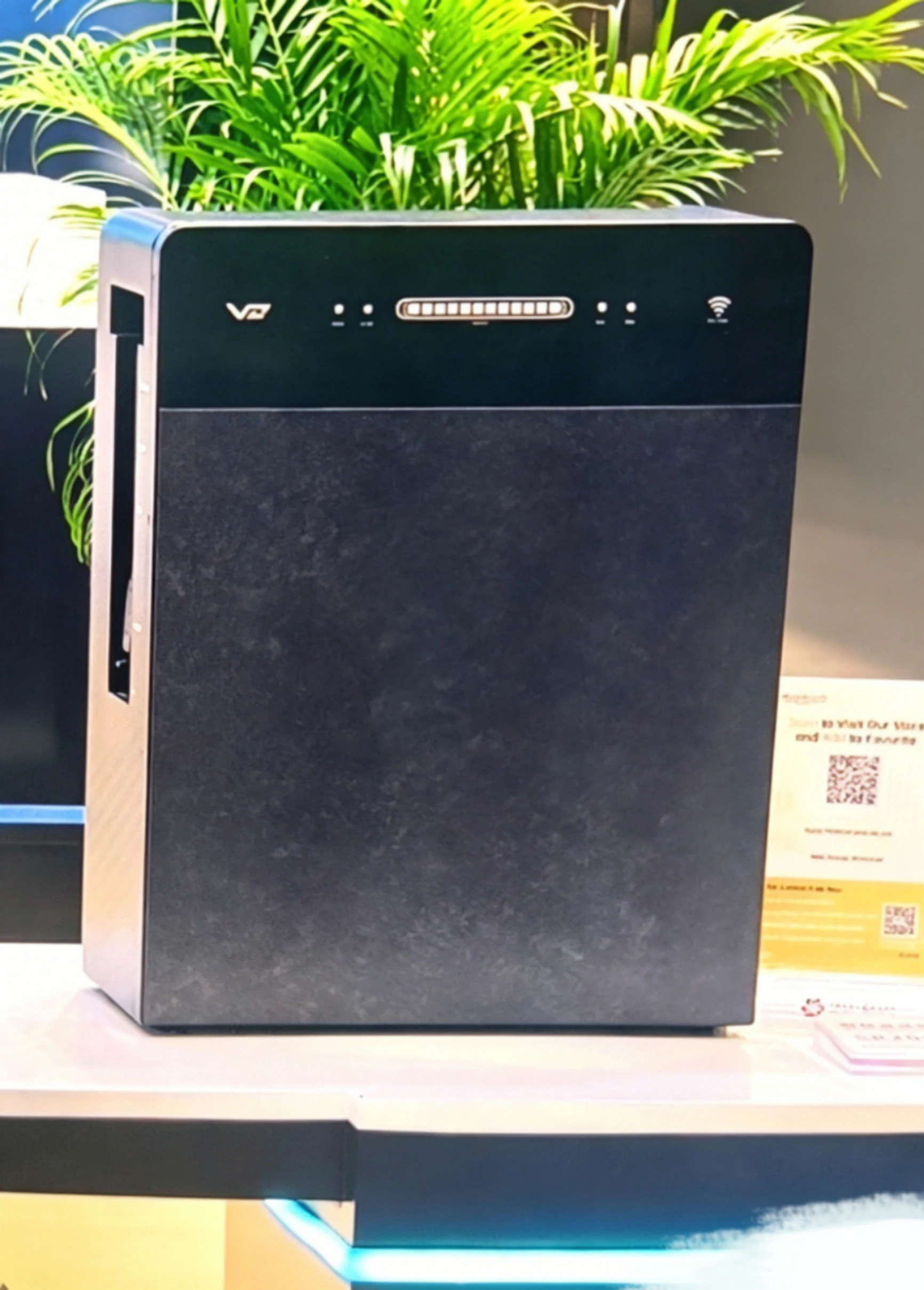
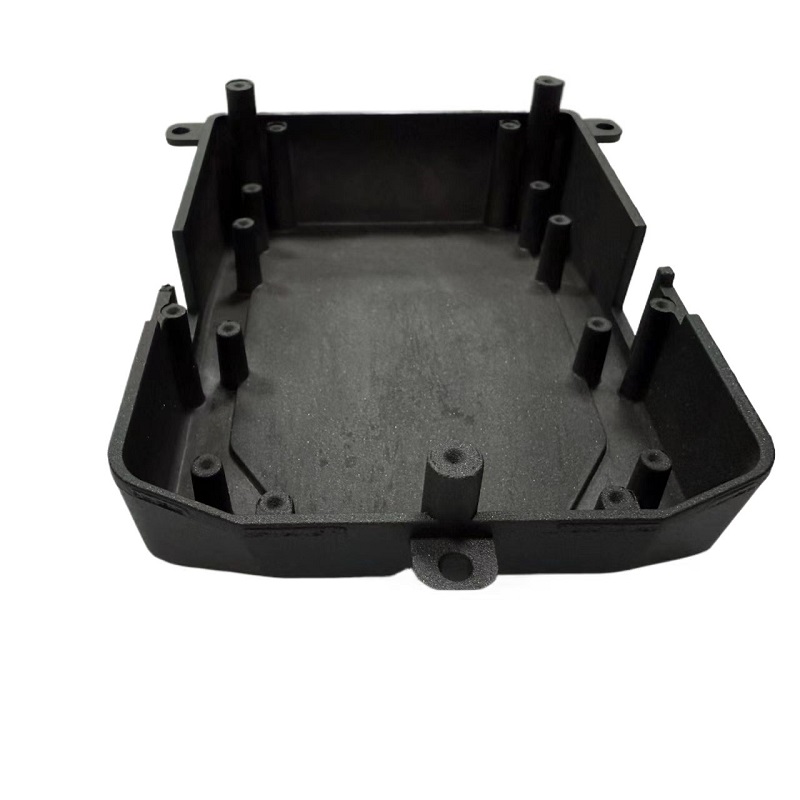
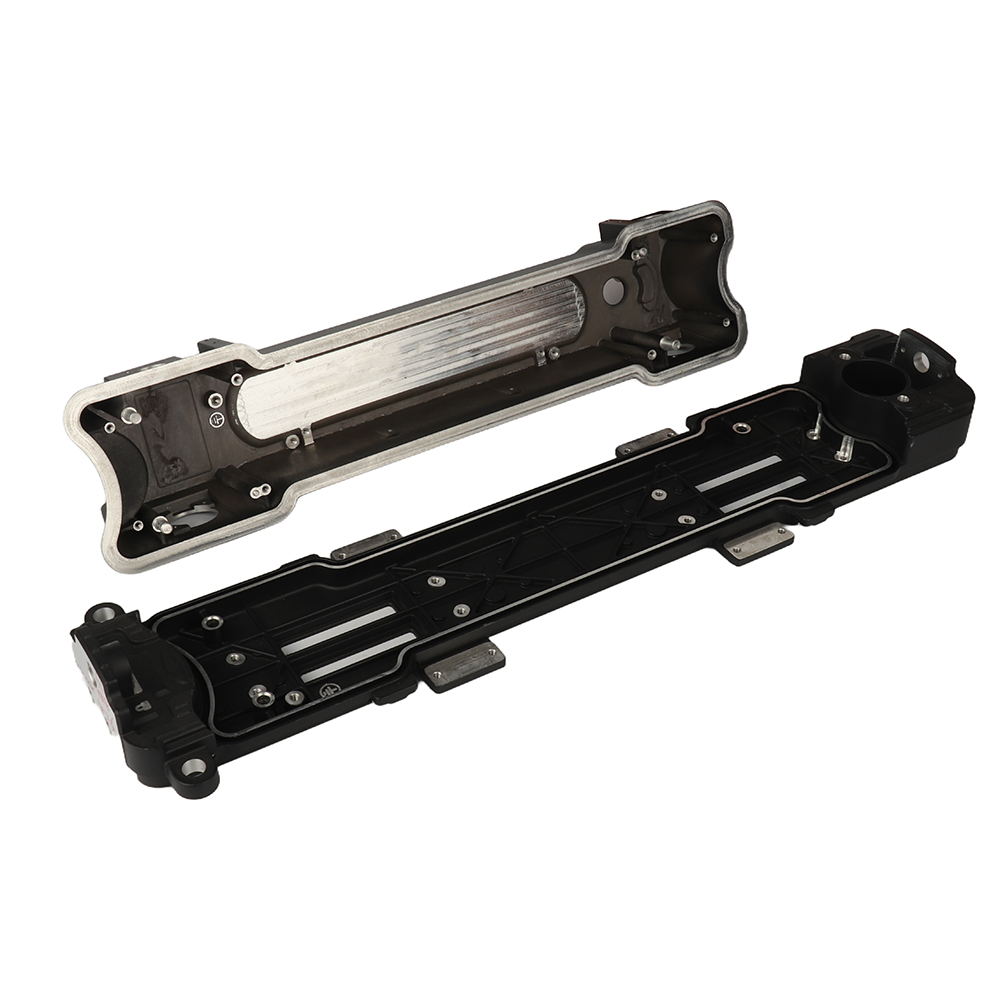
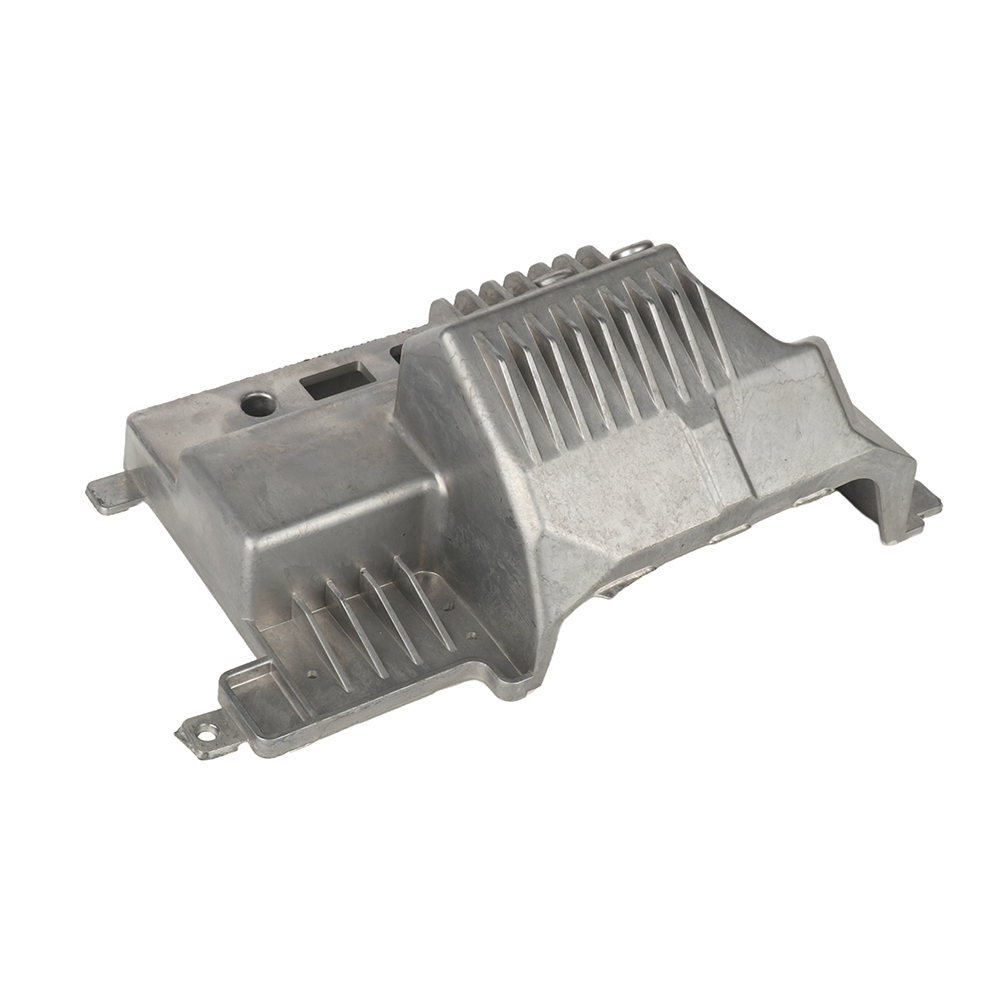
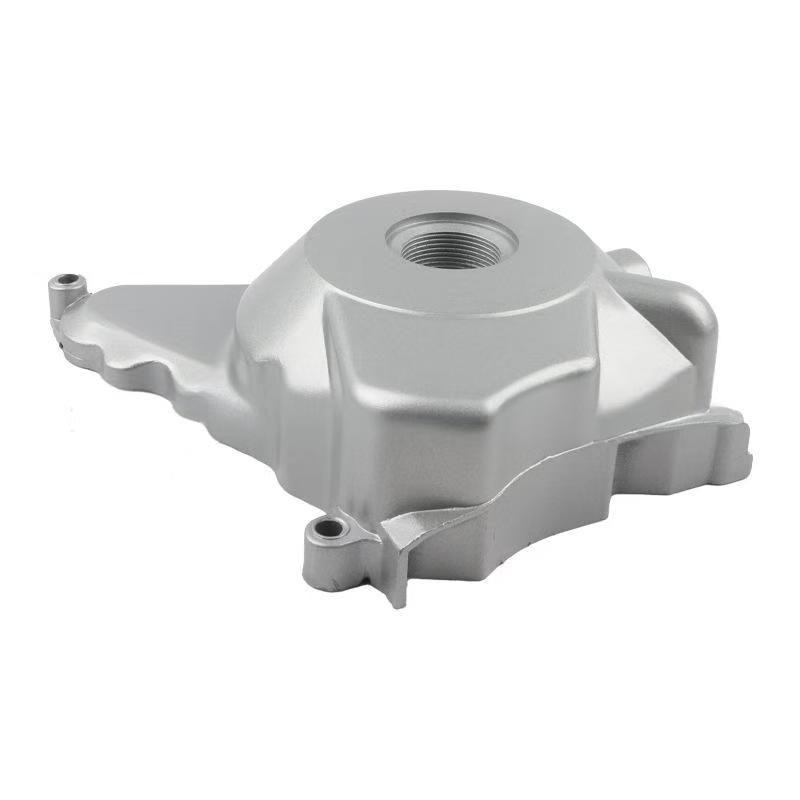
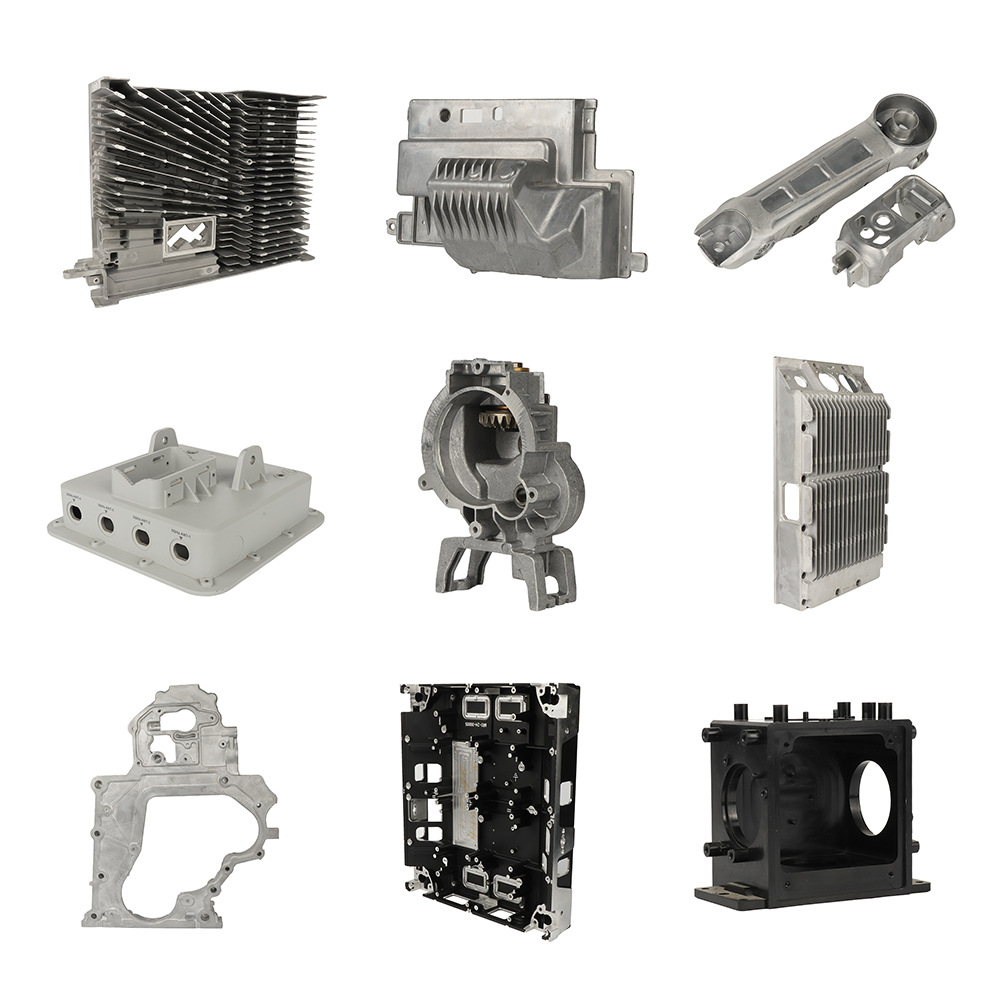
Aluminum machining part | What are aluminum CNC parts? A Complete Guide to Aluminum Machining Parts
What are Aluminum CNC Parts? A Complete Guide to Aluminum Machining Parts
1. Introduction: What Are Aluminum CNC Parts?
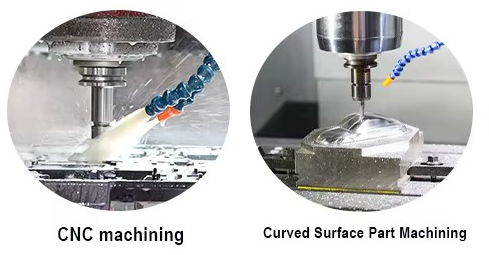
In the modern manufacturing industry, aluminum CNC parts have become indispensable core components in various fields, from aerospace and automotive to electronics and daily necessities. Simply put, aluminum CNC parts are precision components processed from aluminum and its alloys using Computer Numerical Control (CNC) technology. Unlike traditional manual processing, CNC machining relies on pre-programmed computer instructions to control machine tools (such as milling machines, lathes, and drilling machines), achieving high-precision, high-efficiency, and consistent processing of aluminum parts. Among them,aluminum machining parts — the finished products of aluminum CNC processing — are widely favored for their unique material properties and processing advantages, becoming a key driving force for the development of many industries.
2. Aluminum Machining Parts: Product Introduction
Aluminum machining parts refer to all precision components made by cutting, milling, drilling, turning, and other CNC processing techniques using aluminum and its alloys as raw materials. They cover a wide range of types and specifications, adapting to the diverse needs of different industries. Here are the key classifications and characteristics of common aluminum machining parts:
2.1 Common Types of Aluminum Machining Parts
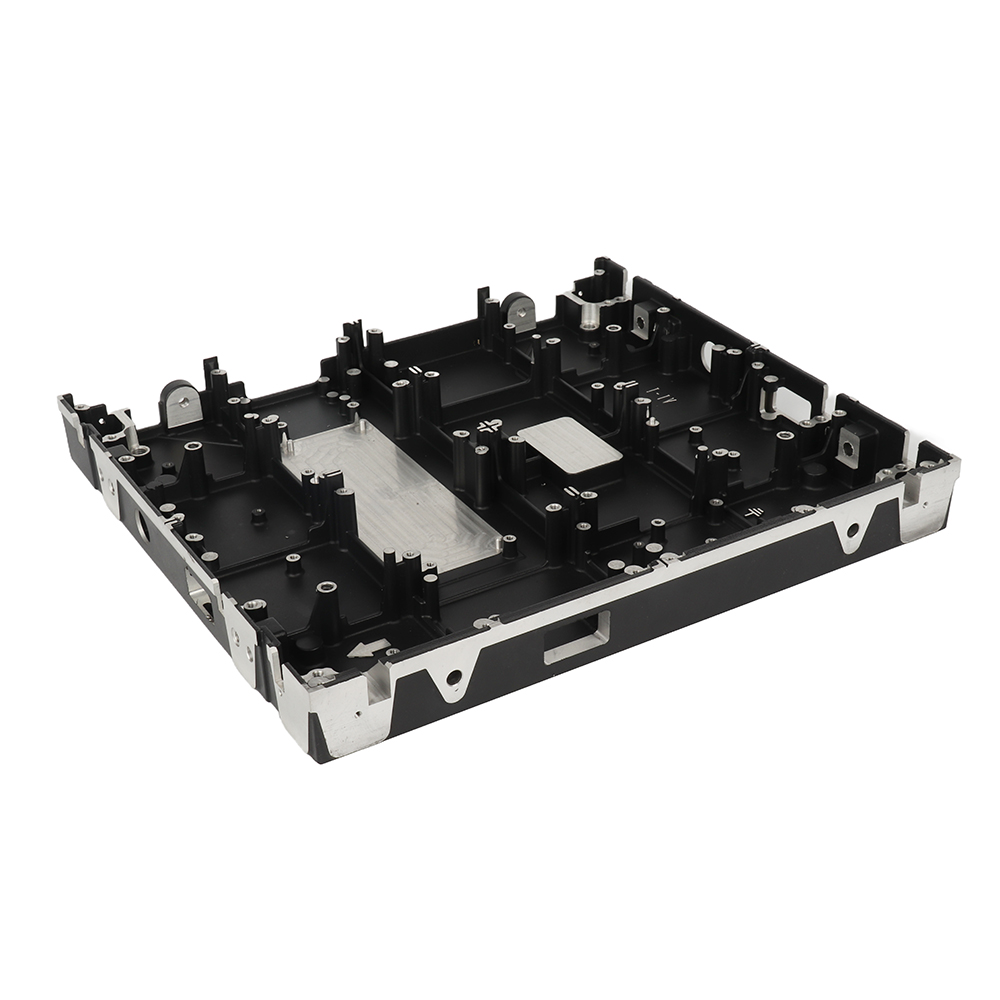
- Aluminum CNC Milling Parts: Processed by CNC milling machines, they are suitable for producing parts with complex shapes, such as brackets, enclosures, and structural components. They have the advantages of high dimensional accuracy and smooth surface finish, and are widely used in automotive and electronic products.
- Aluminum CNC Turning Parts: Machined by CNC lathes, they are mainly used for cylindrical, conical, and other rotating parts, such as shafts, sleeves, and screws. The processing precision can reach ±0.005mm, meeting the strict requirements of precision equipment.
- Aluminum Drilling & Tapping Parts: Focus on hole processing and thread forming, such as threaded holes, through holes, and blind holes. They are essential components in assembly structures, ensuring the stability and firmness of product connections.
- Custom Aluminum Machining Parts: According to the specific drawings and requirements of customers, personalized processing is carried out to meet the special needs of special industries (such as aerospace, medical devices) for part shape, size, and performance.
2.2 Core Characteristics of Aluminum Machining Parts
Aluminum machining parts inherit the excellent properties of aluminum materials and are optimized through CNC precision processing, showing the following core characteristics:
- High Precision: Relying on CNC technology, the processing error is controlled within a small range (usually ±0.005mm - ±0.01mm), ensuring the interchangeability and assembly performance of parts.
- Stable Quality: Automated processing avoids the errors caused by manual operation, and the consistency of batch products is high, reducing the scrap rate effectively.
- Diverse Specifications: It can adapt to the processing needs of parts of different sizes, shapes, and complexities, from small precision components (such as electronic connectors) to large structural parts (such as automotive frames).
- Excellent Material Properties: It retains the light weight, corrosion resistance, thermal conductivity, and electrical conductivity of aluminum, and combines the mechanical strength required for practical applications through alloy selection and processing optimization.

3. Key Functions of Aluminum Machining Parts
Aluminum machining parts play an irreplaceable role in various fields, and their functions are closely related to the application scenarios. The key functions are mainly reflected in the following aspects:
3.1 Structural Support Function
In automotive, aerospace, and construction industries, aluminum machining parts (such as brackets, frames, and supports) bear the weight of the product and the external force, ensuring the structural stability and safety of the whole product. For example, aluminum alloy brackets in automotive bodies can reduce the overall weight while providing sufficient support strength, improving the fuel efficiency of the vehicle.
3.2 Precision Transmission Function
In precision equipment (such as electronic instruments, medical devices, and industrial machinery), aluminum machining parts (such as shafts, gears, and sleeves) are responsible for transmitting power and motion, ensuring the accuracy and smoothness of the equipment operation. The high precision of CNC processing ensures that the transmission error is minimized, avoiding equipment failure caused by transmission deviation.
3.3 Sealing & Protection Function
Many aluminum machining parts (such as enclosures, gaskets, and covers) play a role in sealing and protecting internal components, preventing dust, water, and other impurities from entering the product, and extending the service life of the product. For example, aluminum enclosures of electronic products not only protect internal circuits but also have good heat dissipation performance, ensuring the stable operation of electronic components.
3.4 Connection & Fixing Function
Aluminum machining parts such as screws, nuts, and connecting plates are used to connect different components of the product, ensuring the integrity and firmness of the product structure. The precision thread and size design make the connection more reliable, avoiding loosening during use.
4. Core Advantages of Aluminum Machining Parts
Compared with machining parts made of other materials (such as steel, copper, and plastic), aluminum machining parts have obvious advantages, which are the key reasons for their wide application in various industries:
4.1 Light Weight & High Strength-to-Weight Ratio
The density of aluminum is only about 2.7g/cm³, which is 1/3 of that of steel. Aluminum machining parts can significantly reduce the overall weight of the product while ensuring sufficient mechanical strength. This advantage is particularly important in aerospace, automotive, and other fields that pursue lightweight, as it can reduce energy consumption and improve product performance. For example, using aluminum machining parts in aircraft can reduce the take-off weight and increase the range; in automotive, it can reduce fuel consumption and emissions. Standard structural aluminum alloys have a tensile strength ranging from 200 to over 570 MPa, showing excellent strength-to-weight ratio.
4.2 Excellent Machinability
Aluminum is a metal that is easy to machine. It has good cutting performance, can be processed at high speed, and the tool wear is small, which greatly improves the processing efficiency and reduces the processing cost. For example, the typical cutting speed of 6061 aluminum can reach 300 to 600 surface meters per minute, and the processing cycle is short, which is suitable for mass production. In addition, aluminum can be processed into various complex shapes through CNC technology, meeting the diverse design needs of products.
4.3 Good Corrosion Resistance
Aluminum can form a dense oxide film on the surface in the air, which can effectively prevent the internal metal from being corroded by the external environment (such as moisture, acid, and alkali). After surface treatment (such as anodizing, powder coating), the corrosion resistance of aluminum machining parts can be further improved, making them suitable for use in harsh environments (such as marine, chemical, and outdoor equipment).
4.4 Excellent Thermal & Electrical Conductivity
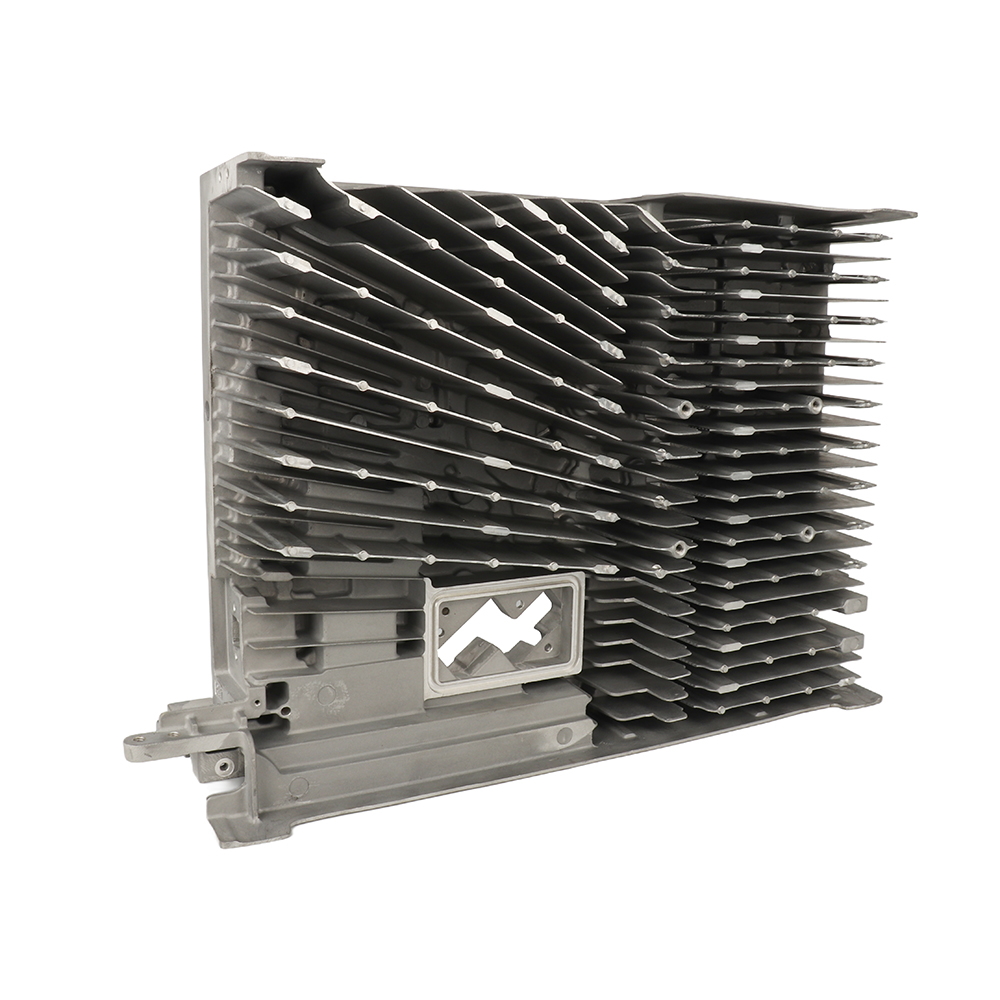
Aluminum has good thermal and electrical conductivity, second only to copper. Aluminum machining parts are widely used in electronic, electrical, and heat dissipation fields. For example, aluminum heat sinks in electronic products can quickly dissipate the heat generated by the equipment, ensuring the stable operation of the equipment; aluminum conductive parts can reduce the loss of electrical energy, improving the efficiency of the circuit.
4.5 Cost-Effective & Environmentally Friendly
Aluminum is rich in reserves, low in raw material cost, and the processing process is relatively simple, which makes the overall cost of aluminum machining parts lower than that of copper and other metal parts. At the same time, aluminum is 100% recyclable, and the recycling process consumes less energy, which is in line with the concept of green and sustainable development. With the increasing emphasis on environmental protection globally, aluminum machining parts have become a more environmentally friendly choice for manufacturing industries.
5. Expert Opinions on Aluminum CNC Machining
We invited Dr. Michael Smith, a senior engineer with 20 years of experience in the field of CNC machining and a consultant for many well-known manufacturing enterprises, to share his views on aluminum CNC parts and aluminum machining parts:
“Aluminum CNC machining has become the backbone of modern manufacturing, and aluminum machining parts are changing the design and production mode of various industries. The biggest advantage of aluminum lies in its balanced combination of light weight, machinability, and cost performance — it can meet the precision requirements of high-end equipment and control the production cost effectively. In the next 5-10 years, with the development of Industry 4.0 technologies such as IoT and AI, aluminum CNC machining will become more intelligent and efficient, and aluminum machining parts will be more widely used in emerging fields such as new energy and intelligent manufacturing. For enterprises, choosing high-quality aluminum machining parts is not only to ensure product quality but also to enhance market competitiveness.”
Dr. Smith also emphasized: “The key to aluminum CNC machining lies in the combination of material selection and processing technology. For example, 6061 aluminum alloy is suitable for general-purpose parts due to its excellent machinability and cost-effectiveness, while 7075 aluminum alloy is more suitable for high-stress applications such as aerospace due to its high strength. Only by selecting the right alloy and optimizing the processing parameters can we produce aluminum machining parts that meet the application requirements.”
6. FAQ: Common Questions About Aluminum CNC Parts
We have sorted out the most common questions about aluminum CNC parts and aluminum machining parts in the industry, and given professional answers to help you better understand related products:
Q1: What are the most commonly used aluminum alloys for aluminum machining parts?
A1: The most commonly used aluminum alloys are 6061, 7075, 5052, and 2024. Among them, 6061 is the most versatile, suitable for general-purpose parts such as brackets, enclosures, and automotive parts, with good machinability, corrosion resistance, and weldability; 7075 is a high-strength aluminum alloy, suitable for aerospace and other high-stress applications; 5052 has excellent corrosion resistance, suitable for marine and electronic enclosures; 2024 has high fatigue resistance, suitable for aerospace fuselage and automotive suspension parts.
Q2: Can aluminum machining parts achieve high precision? What is the maximum precision that can be achieved?
A2: Yes. Relying on advanced CNC equipment (such as 5-axis CNC machines) and strict quality control, aluminum machining parts can achieve high precision. The general processing precision can reach ±0.005mm - ±0.01mm, and even higher precision can be achieved for some special parts through special processing techniques. The precision is mainly affected by factors such as equipment accuracy, tool quality, and processing parameters.
Q3: What surface treatments can be done on aluminum machining parts?
A3: Common surface treatments include anodizing, powder coating, polishing, and passivation. Anodizing can enhance corrosion resistance and can be colored to improve the appearance; powder coating can form a protective layer with good wear resistance and aesthetic performance; polishing can make the surface of the part smooth and shiny, suitable for parts with high appearance requirements; passivation can further improve corrosion resistance, especially for parts used in harsh environments.
Q4: What is the cost of aluminum machining parts? What factors affect the cost?
A4: The cost of aluminum machining parts varies greatly, generally ranging from $5 to $500 per part. The main influencing factors include: part size and complexity (the larger the size and the more complex the shape, the higher the cost); processing precision (the higher the precision, the higher the cost); batch size (mass production can reduce the unit cost); material selection (high-strength aluminum alloys are more expensive than ordinary aluminum); surface treatment requirements (complex surface treatments will increase the cost).
Q5: Why is it necessary to make aluminum CNC prototypes before mass production?
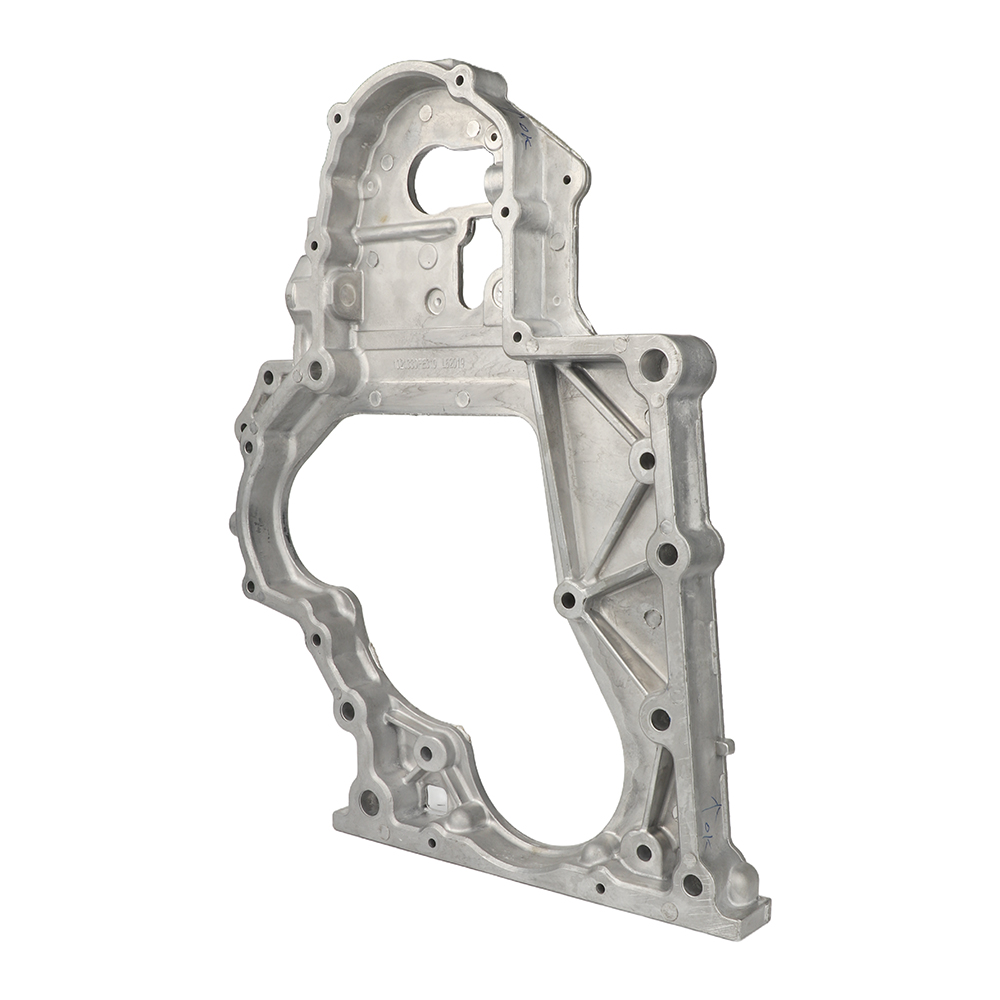
A5: Prototyping is essential because it allows manufacturers to test the part's fit, function, and manufacturability before committing to high-volume production. CNC aluminum prototypes replicate the final product's mechanical and aesthetic properties, making them ideal for functional testing. For example, in the automotive sector, engine housings can be tested for heat resistance and assembly compatibility before mass production. This reduces costly design changes later in the cycle and ensures faster time-to-market, especially in regulated industries such as medical devices.
7. Industry Trends & How to Choose a High-Quality Hardware Processing Supplier
7.1 Industry Trends of Aluminum Machining Parts
According to the latest industry report, the global aluminum machining market size was estimated at USD 13,750.00 million in 2024 and is projected to reach USD 26,500.00 million by 2032, with a compound annual growth rate (CAGR) of 8.5% from 2025 to 2032. The future development trends of aluminum machining parts are mainly reflected in the following aspects:
- Intelligent Machining: With the integration of Industry 4.0 technologies such as IoT, AI, and robotic automation, aluminum CNC machining will become more intelligent. Intelligent equipment can realize real-time monitoring, fault early warning, and process optimization, improving processing efficiency and product quality, and reducing manual intervention.
- Lightweight Development: With the increasing emphasis on energy conservation and environmental protection, the demand for lightweight products in automotive, aerospace, and other industries will continue to grow, which will drive the further development of aluminum machining parts — more high-strength, lightweight aluminum alloy materials will be used, and the processing technology will be further optimized.
- Customization & Personalization: With the diversification of market demand, the demand for customized aluminum machining parts will increase. Manufacturers need to provide personalized processing services according to the specific needs of customers, which puts forward higher requirements for the flexibility and responsiveness of processing equipment and technology.
- Sustainable Development: The recyclability of aluminum will be further valued, and more manufacturers will adopt recycled aluminum as raw materials to reduce environmental impact. At the same time, energy-saving and emission-reduction technologies in the processing process will be widely promoted to achieve green manufacturing.
7.2 How to Choose a High-Quality Hardware Processing Supplier
Choosing a high-quality hardware processing supplier is crucial to ensuring the quality, delivery time, and cost of aluminum machining parts. When selecting a supplier, you should focus on the following aspects:
- Processing Capacity: Check whether the supplier has advanced CNC equipment (such as 5-axis CNC machines), professional processing technology, and a complete production line, which can meet the processing needs of different types and precisions of aluminum machining parts.
- Quality Control System: A reliable supplier should have a strict quality control system, from raw material inspection, processing process monitoring to finished product testing, to ensure that each batch of products meets the quality requirements.
- Experience & Reputation: Choose suppliers with rich industry experience and good market reputation. You can check the supplier's cooperative customers, project cases, and customer evaluations to understand their service level and product quality.
- Delivery Capacity: Ensure that the supplier has sufficient production capacity and a reasonable production schedule to deliver products on time, avoiding delays in the customer's production progress.
- After-Sales Service: A good after-sales service is an important guarantee. The supplier should provide timely technical support, solve product quality problems encountered by customers in use, and provide personalized solutions according to customer needs.
7.3 Recommendation: Xinghang Precision Hardware
If you are looking for a high-quality aluminum CNC parts and aluminum machining parts supplier, Xinghang Precision Hardware is your best choice. We have been engaged in the field of CNC machining for many years, with rich industry experience, advanced processing equipment, and a strict quality control system, committed to providing customers with high-precision, high-quality, and cost-effective aluminum machining parts.
Our advantages:
- Advanced equipment: We have a full set of advanced CNC equipment, including 5-axis CNC milling machines, CNC lathes, and drilling machines, which can meet the processing needs of various complex and high-precision aluminum parts.
- Strict quality control: From raw material selection to finished product delivery, we have a complete quality inspection process, and each product is tested strictly to ensure that the quality meets the customer's requirements.
- Rich experience: We have served customers in aerospace, automotive, electronics, medical, and other industries, with mature processing technology and rich project experience, and can provide personalized processing solutions according to customer needs.
- Perfect after-sales service: We have a professional after-sales team, which can provide timely technical support and solve various problems encountered by customers in use.
Contact us now to get a free quote and technical consultation:
Mobile/WeChat: +86 18819502691
Email: liqine@xinghangcn.com
8. Conclusion
Aluminum CNC parts, especially aluminum machining parts, with their unique advantages of light weight, high precision, good corrosion resistance, and cost-effectiveness, have become core components in modern manufacturing and are widely used in various fields such as aerospace, automotive, electronics, and medical devices. With the development of intelligent manufacturing and lightweight trends, the demand for aluminum machining parts will continue to grow, and the processing technology will be further upgraded, moving towards intelligence, precision, and greenization.
Choosing a high-quality hardware processing supplier is the key to ensuring the quality and efficiency of aluminum machining parts. Xinghang Precision Hardware, with its advanced equipment, strict quality control, rich experience, and perfect after-sales service, is committed to becoming your reliable partner in the field of aluminum CNC machining. Whether you need standard or customized aluminum machining parts, we can provide you with professional solutions to help your enterprise develop better.
Aluminum cnc machining parts | What is the difference between aluminum CNC machining parts and die-cast parts?
Custom machining | How to place an order for custom CNC processing? Ultimate Custom Machining Guide
Related Article