Home /News /CNC machining /CNC machined components manufacturers | A Complete Guide to Precision & Quality | About Xinghang Precision Hardware /
HOT PRODUCTS
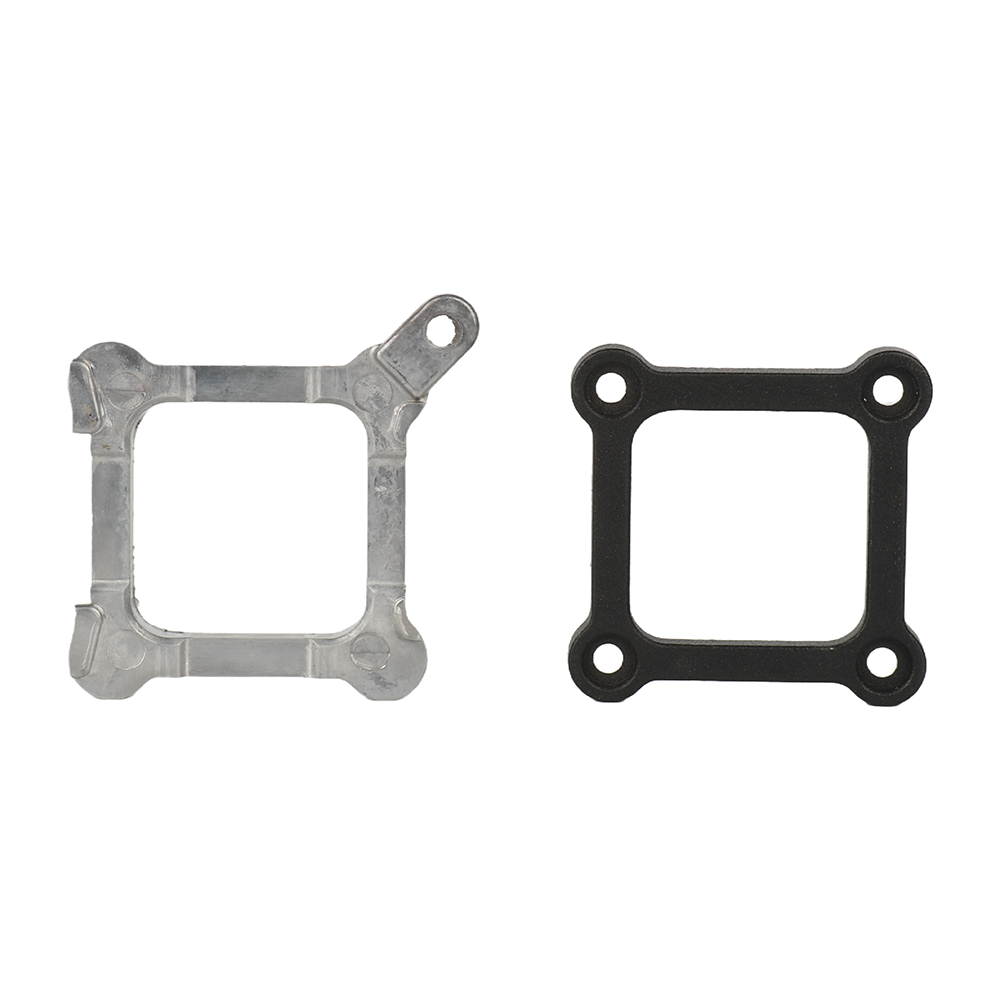
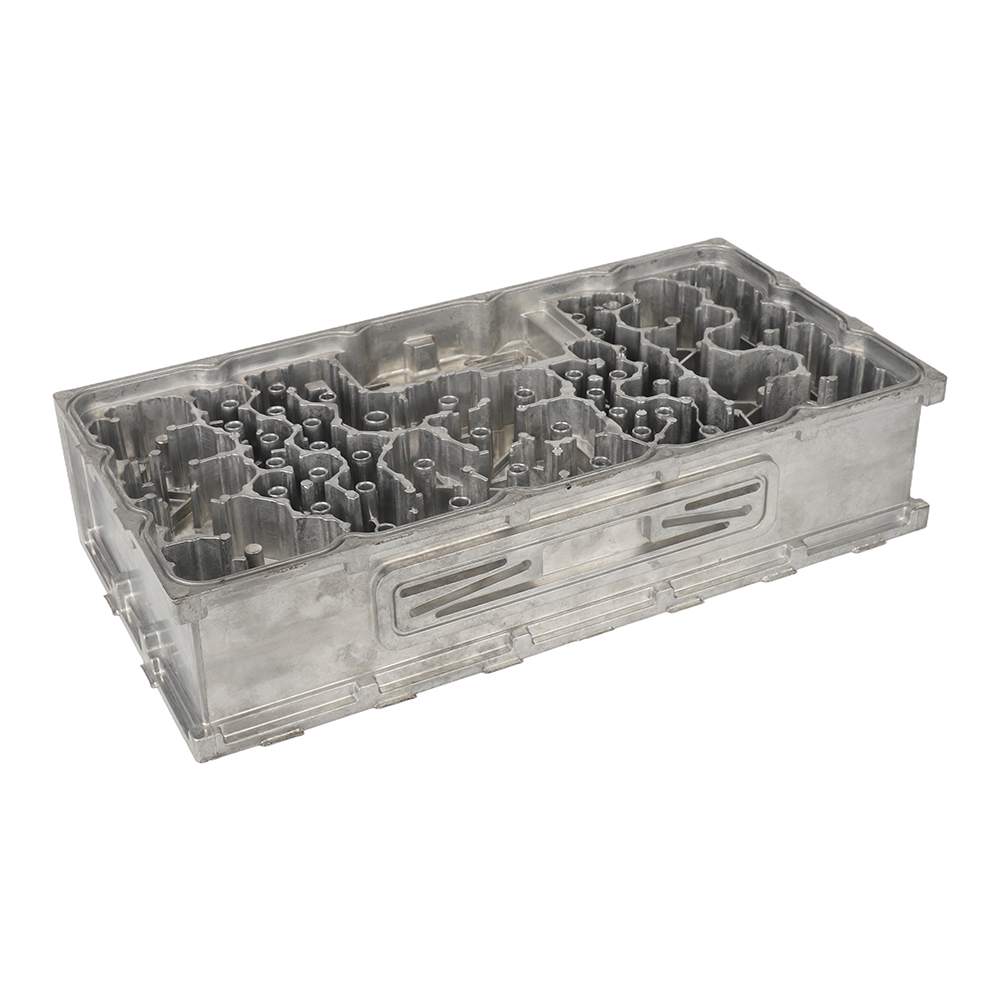
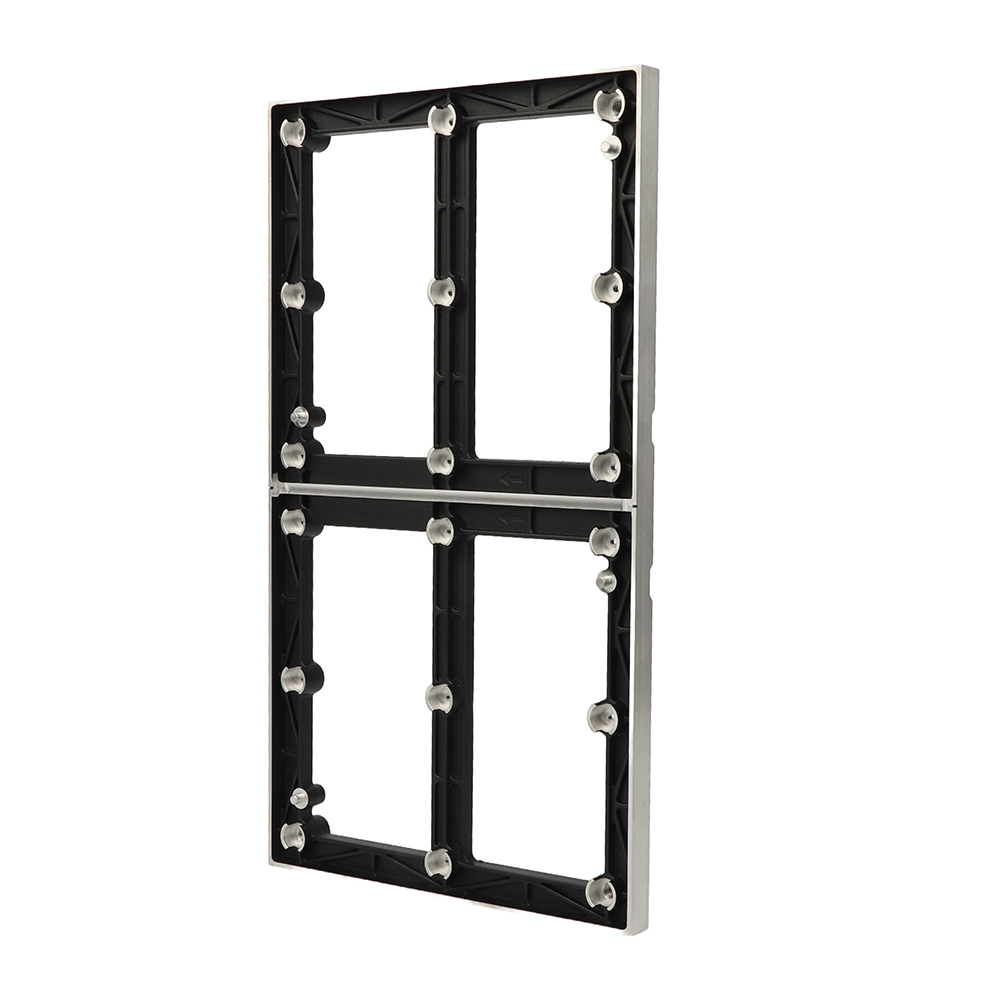
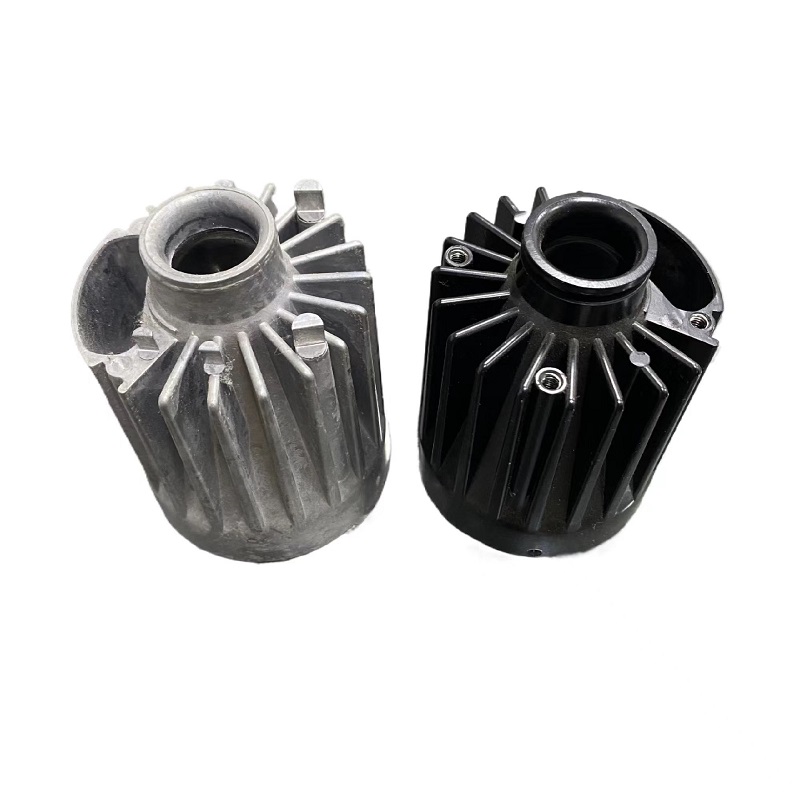
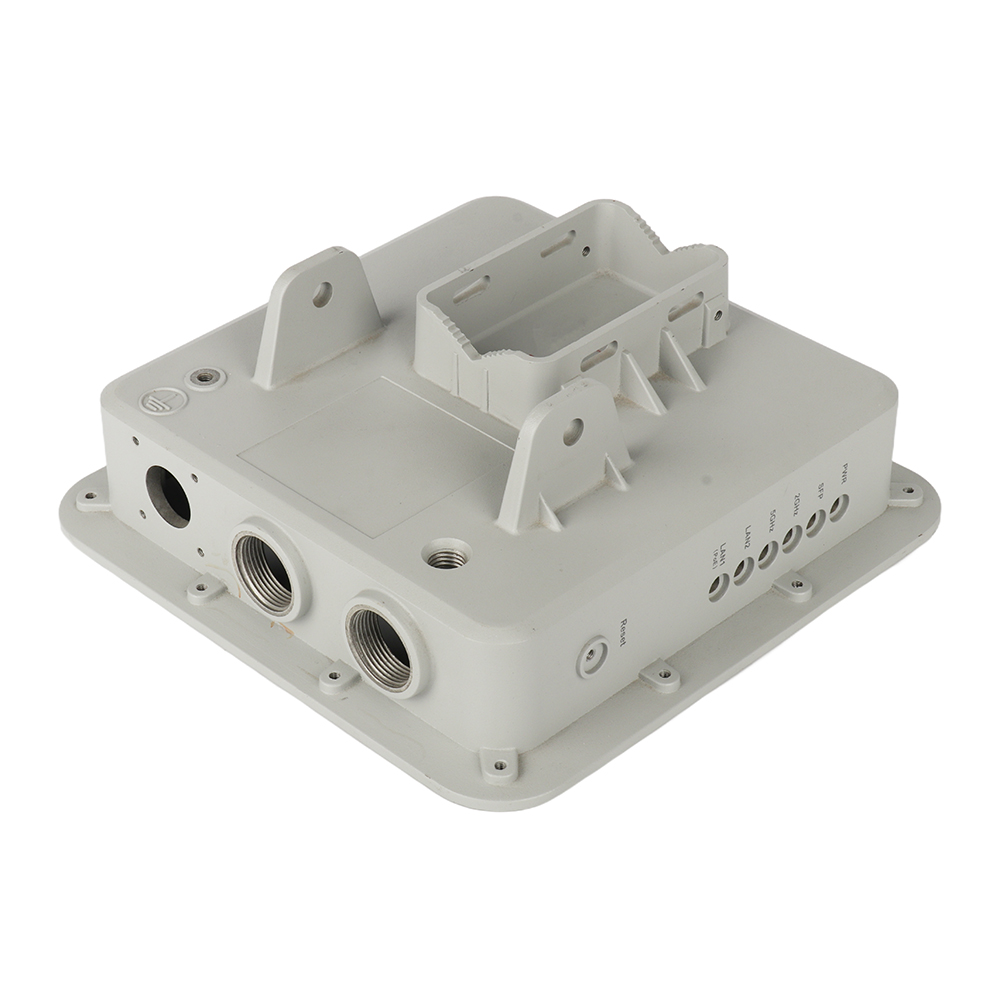
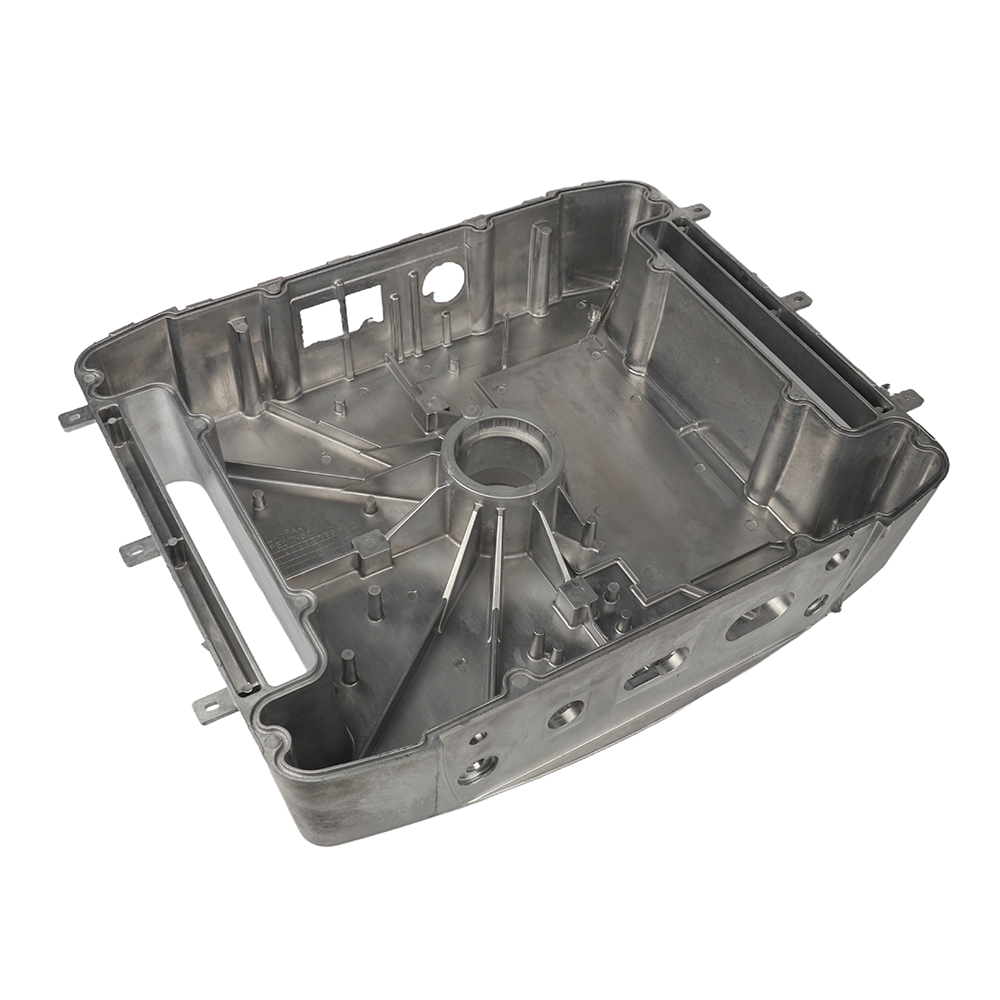
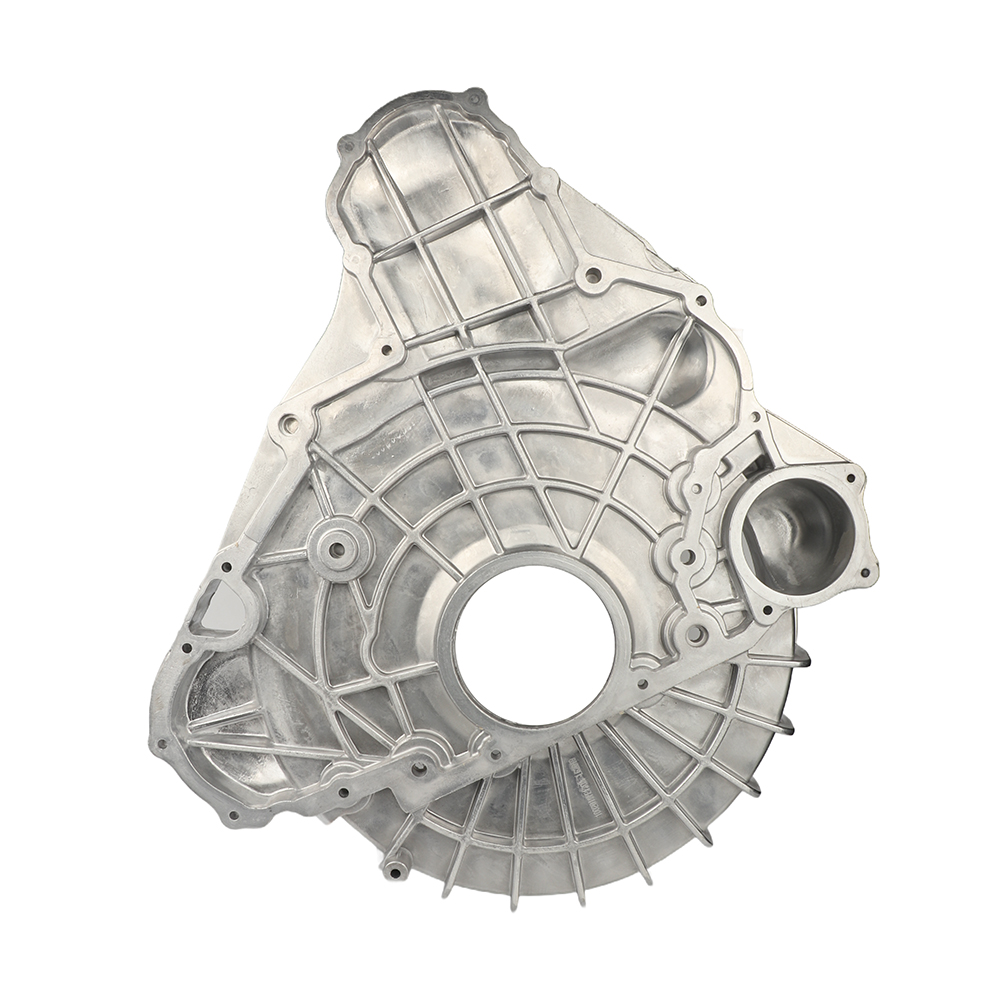
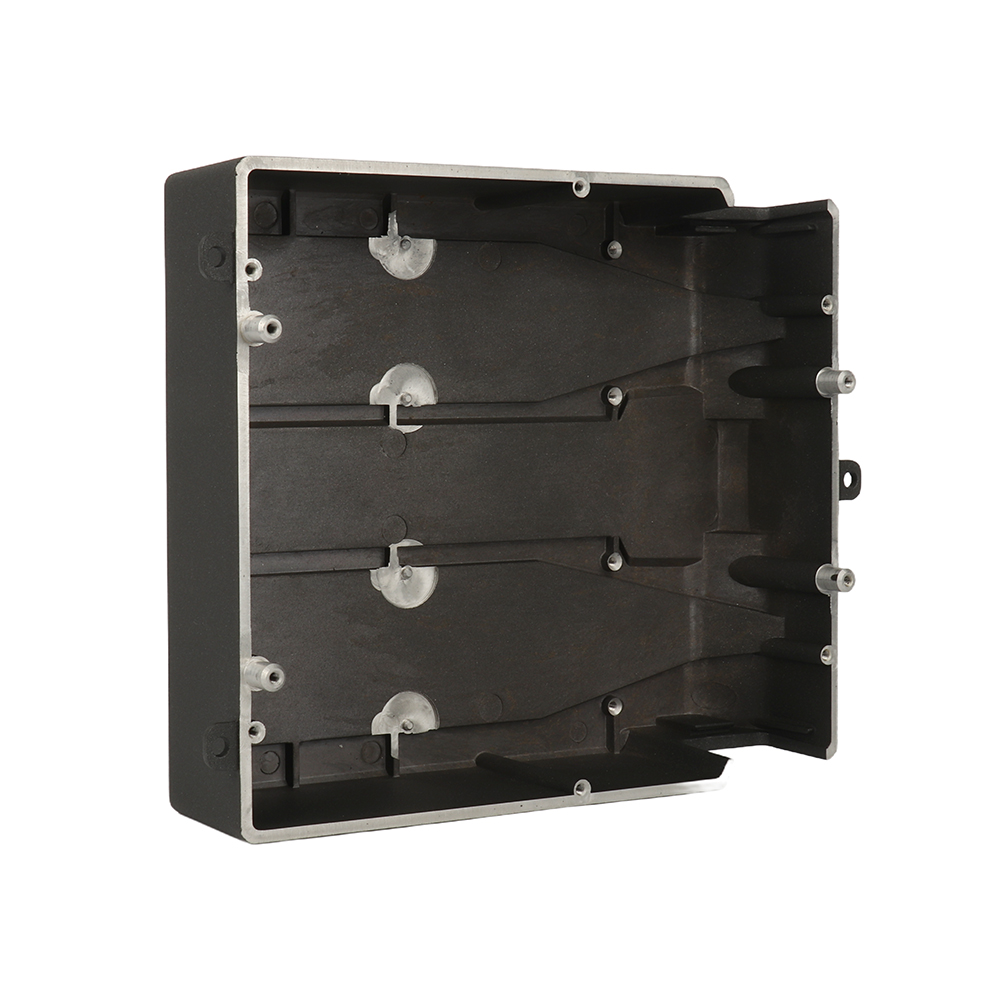
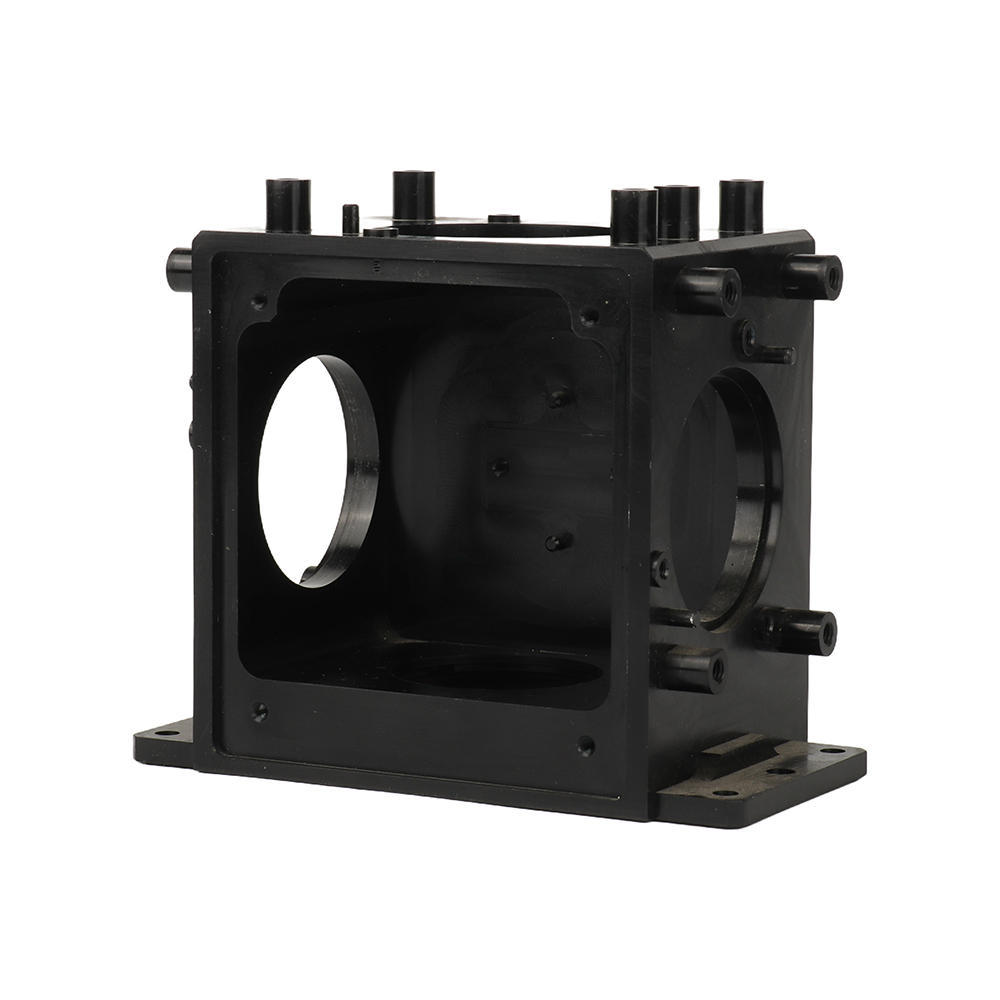
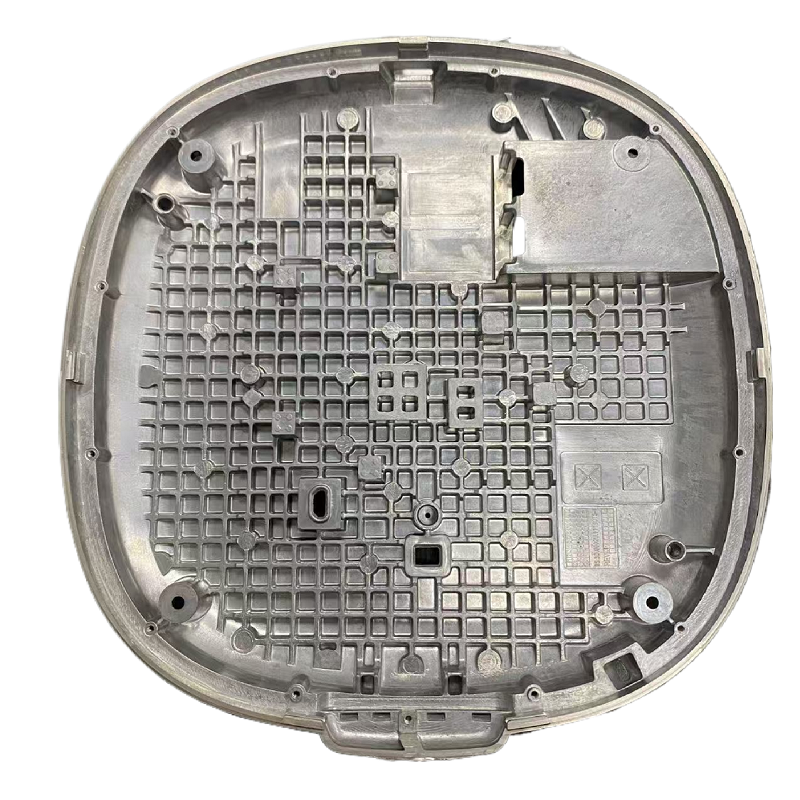
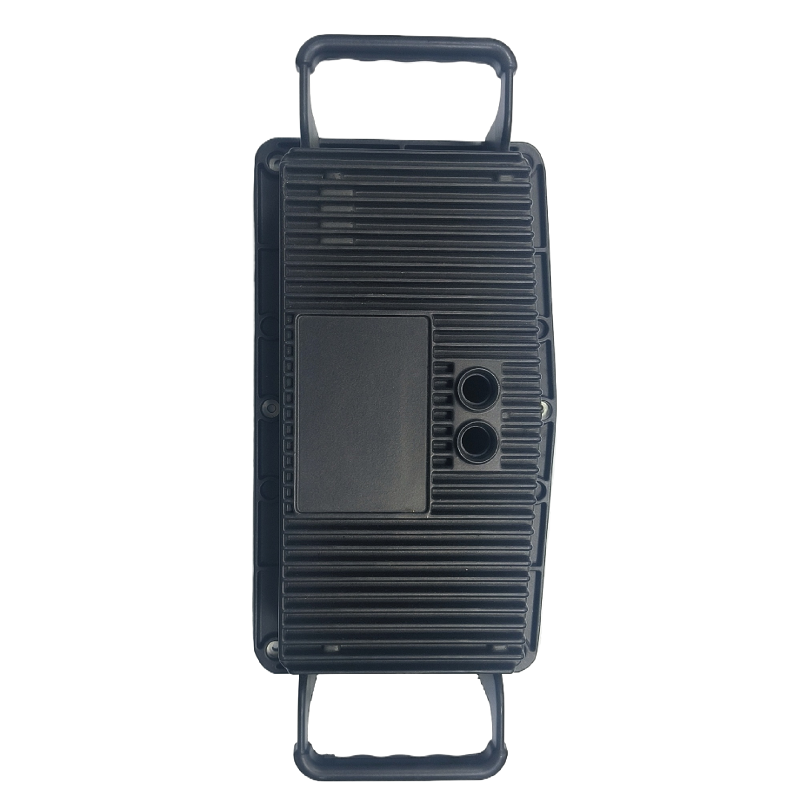
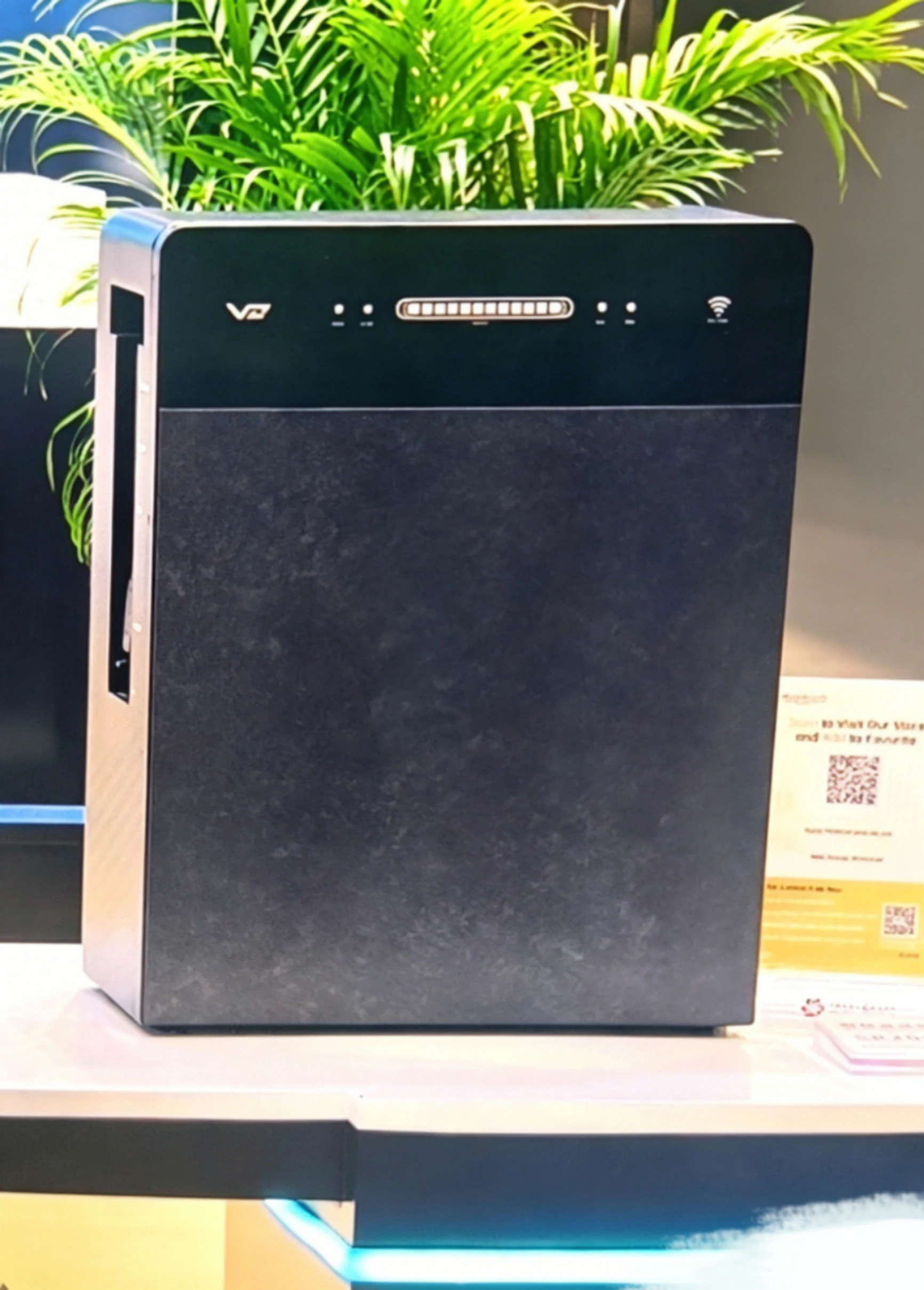
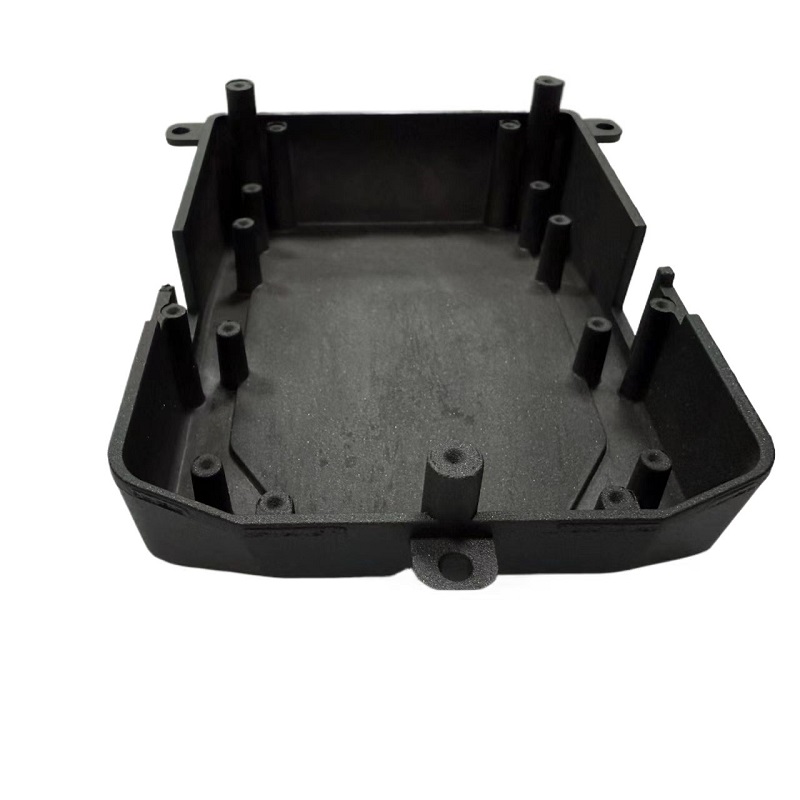
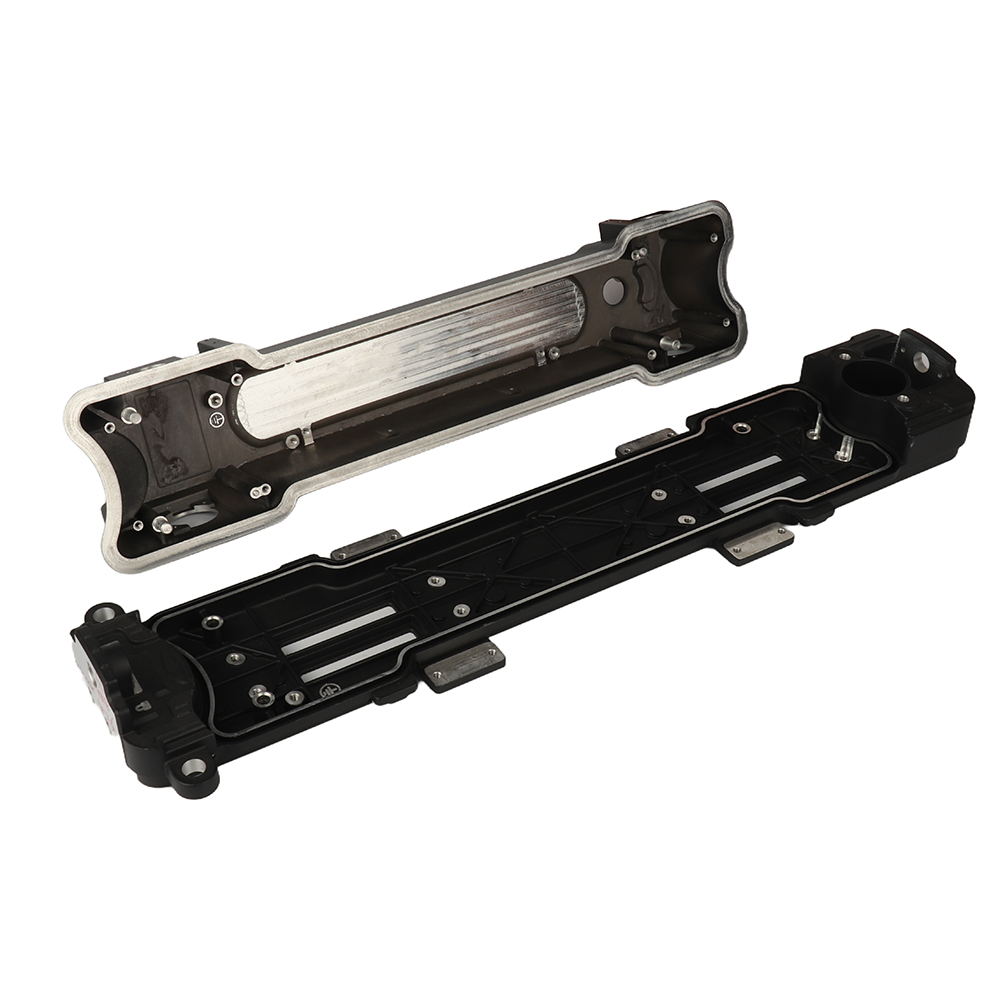
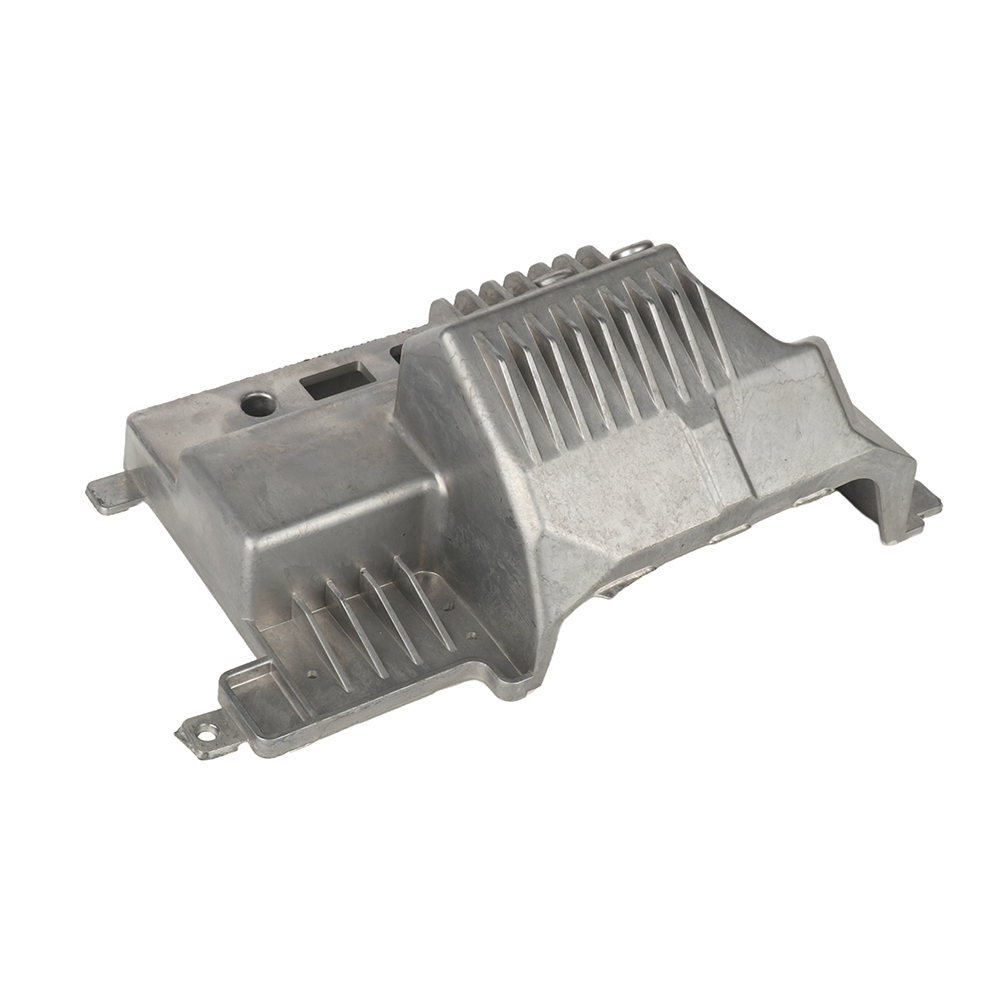
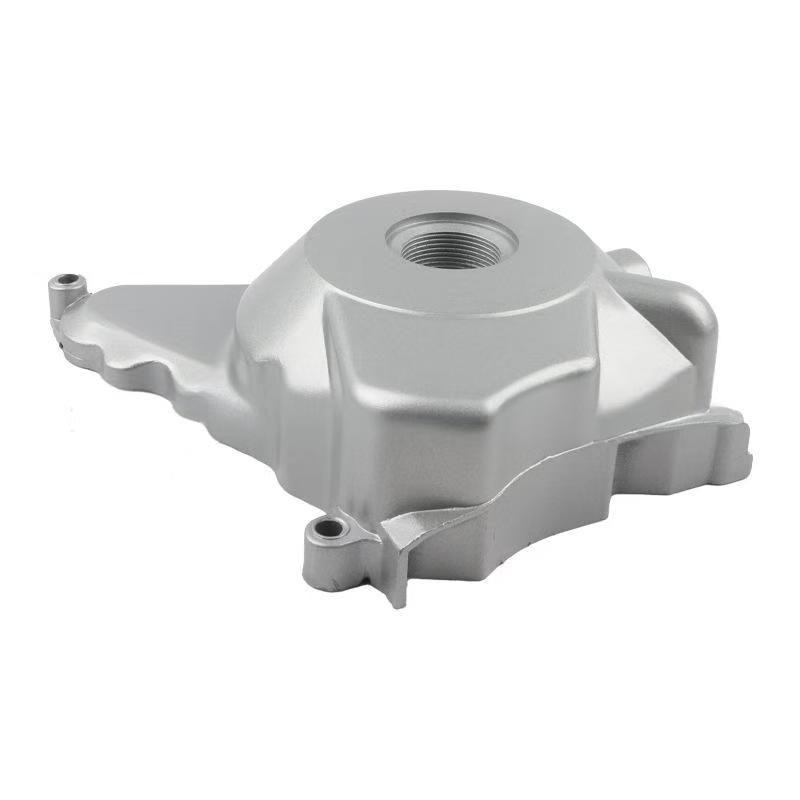
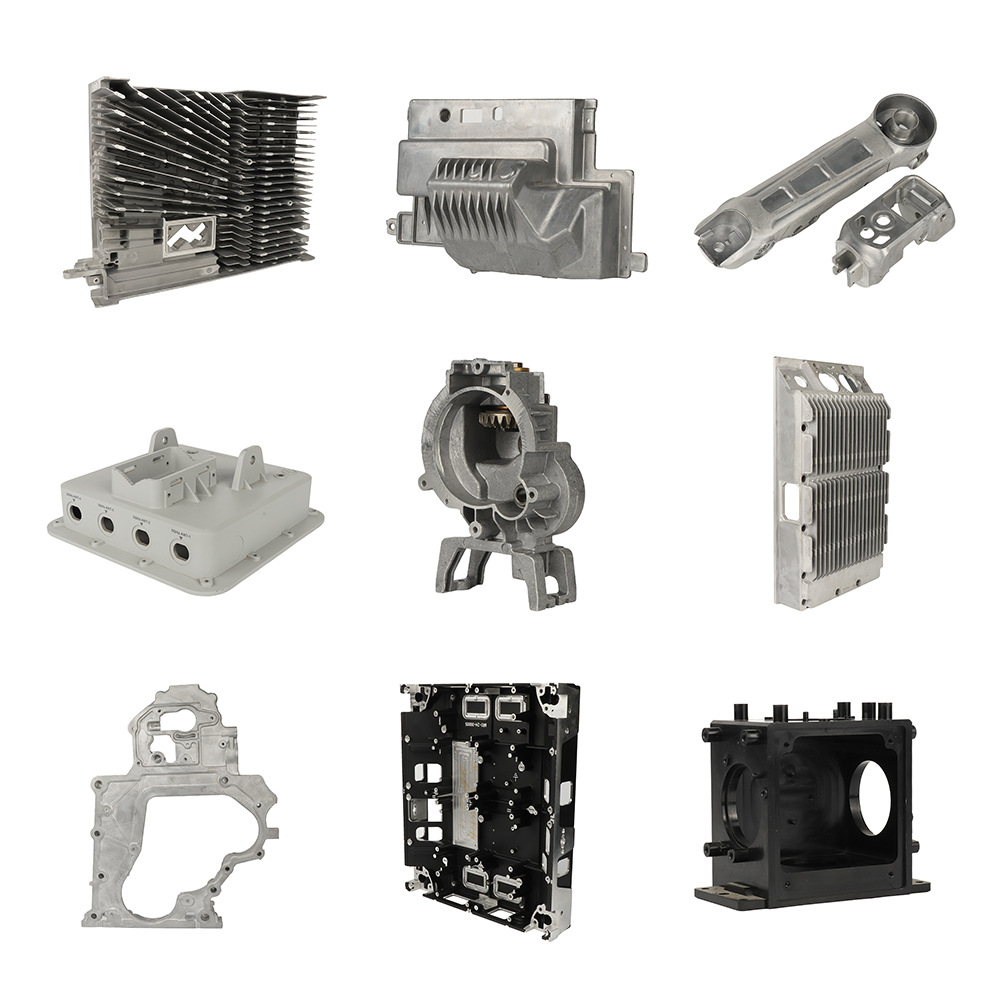
CNC machined components manufacturers | A Complete Guide to Precision & Quality | About Xinghang Precision Hardware
2026-04-29
CNC Machined Components Manufacturers: A Complete Guide to Precision & Quality
Table of Contents
- 1. Introduction: What Are CNC Machined Components & Why Choose Reliable Manufacturers?
- 2. Core Definition & Key Features of CNC Machined Components
- 3. Pros & Cons of CNC Machined Components (vs. Traditional Machining)
- 4. Unique Benefits of CNC Machined Components for Industrial Applications
- 5. Xinghang Precision Hardware: Top CNC Machined Components Manufacturer
- 6. Expert Insights on CNC Machined Components & Manufacturer Selection
- 7. FAQs About CNC Machined Components & Manufacturers
- 8. Conclusion: Industry Trends & How to Choose a Quality CNC Machining Supplier
1. Introduction: What Are CNC Machined Components & Why Choose Reliable Manufacturers?
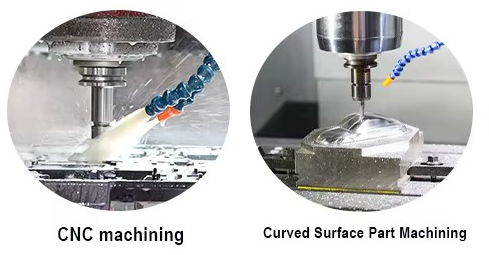
In the precision manufacturing industry, CNC machined components are the backbone of countless industrial, commercial, and technological applications—from automotive parts to electronic enclosures, and from medical devices to industrial equipment. CNC (Computer Numerical Control) machining uses computer-programmed tools to create high-precision, consistent components with complex geometries, outperforming traditional manual machining in accuracy and efficiency.
The quality of CNC machined components directly depends on the manufacturer’s expertise, equipment, and production processes. Choosing a reliable CNC machined components manufacturer is critical to ensuring product performance, durability, and cost-effectiveness. This blog explores the core of CNC machined components, their pros and cons, key benefits, and guides you in selecting the right manufacturer—with a focus on Xinghang Precision Hardware, a trusted leader in the industry.
2. Core Definition & Key Features of CNC Machined Components
CNC machined components are precision-manufactured parts produced using CNC machining technology—where computer software controls the movement of cutting tools to shape raw materials (such as aluminum, zinc, magnesium, steel, and plastic) into custom-designed components. Unlike traditional manual machining, CNC machining eliminates human error, ensuring consistent quality across every part.
Key features of high-quality CNC machined components include:
-
Micron-Level Precision: CNC machines operate with extreme accuracy (tolerances as low as ±0.001mm), ensuring components fit perfectly with other assembly parts.
-
Consistency & Repeatability: Computer programming ensures every component is identical, even in large-volume production runs.
-
Complex Geometry Compatibility: CNC machining can produce components with intricate designs, thin walls, and precise features that are impossible to achieve with manual machining.
-
Versatility: Suitable for a wide range of materials (aluminum, zinc, magnesium, steel, etc.) and industries, from automotive to medical.
-
Customizability: Fully tailored to meet specific design requirements, including size, shape, and functional features.
3. Pros & Cons of CNC Machined Components (vs. Traditional Machining)
To understand the value of CNC machined components, it’s essential to compare them with traditional manual machining. Below is a detailed comparison of their pros and cons, highlighting why CNC machining is the preferred choice for modern manufacturing.
3.1 Pros of CNC Machined Components
-
Superior Precision: CNC machines are controlled by computer programs, eliminating human error and achieving tolerances far beyond manual machining (±0.001mm vs. ±0.1mm for manual machining).
-
Higher Efficiency: CNC machines can operate 24/7 without fatigue, reducing production time and increasing output—ideal for large-volume orders.
-
Consistent Quality: Every component is identical, ensuring uniformity in assembly and reducing defects.
-
Complex Design Capability: CNC machining can produce intricate, custom designs (e.g., internal grooves, threaded holes, and complex curves) that manual machining cannot achieve.
-
Reduced Labor Costs: Automated operation requires fewer skilled workers, lowering long-term labor expenses.
-
Material Versatility: Works with a wide range of materials, including aluminum, zinc, magnesium, steel, and plastic, adapting to diverse industry needs.
3.2 Cons of CNC Machined Components
-
Higher Initial Investment: CNC machines and programming software require a larger upfront cost compared to manual machining tools.
-
Skilled Programming Requirement: CNC machining requires trained programmers to create and optimize machining programs, adding to labor costs for small manufacturers.
-
Longer Setup Time for Small Batches: For small production runs, the time to program and set up the CNC machine may be longer than manual machining, increasing per-unit costs.
3.3 Key Takeaway: CNC Machining vs. Traditional Machining
While CNC machining has higher initial costs, its precision, efficiency, and consistency make it more cost-effective for medium to large production runs and complex components. For small batches or simple designs, traditional machining may be more economical—but for industrial applications requiring reliability and precision, CNC machined components are unmatched.
4. Unique Benefits of CNC Machined Components for Industrial Applications
Beyond their precision and efficiency, CNC machined components offer distinct benefits that make them indispensable for modern industrial applications. These benefits address the core needs of manufacturers—reliability, durability, and cost-effectiveness:
-
Enhanced Durability: CNC machining creates components with smooth surfaces and consistent material density, reducing wear and tear and extending their service life. This is critical for industrial equipment that operates in harsh environments.
-
Reduced Waste: Precise cutting paths minimize material waste, lowering raw material costs—especially for expensive materials like aluminum and magnesium alloys.
-
Faster Time-to-Market: Automated CNC machining speeds up production, allowing manufacturers to meet tight deadlines and respond quickly to market demands.
-
Improved Assembly Efficiency: The high precision of CNC machined components ensures a perfect fit with other parts, reducing assembly time and errors.
-
Scalability: CNC machining easily scales from small-batch prototypes to large-volume production, making it suitable for both R&D and mass manufacturing.
-
Compliance with Industry Standards: High-quality CNC machined components meet strict industry standards (e.g., ISO9001, IATF16949), ensuring compatibility with global industrial applications.
5. Xinghang Precision Hardware: Top CNC Machined Components Manufacturer
When it comes to reliable CNC machined components manufacturers, Xinghang Precision Hardware stands out as a high-tech manufacturing enterprise with years of expertise in precision machining. Established in 2017, we are committed to providing customers with high-quality precision hardware manufacturing solutions, backed by advanced equipment, integrated production capabilities, and strict quality control.
5.1 Company Overview
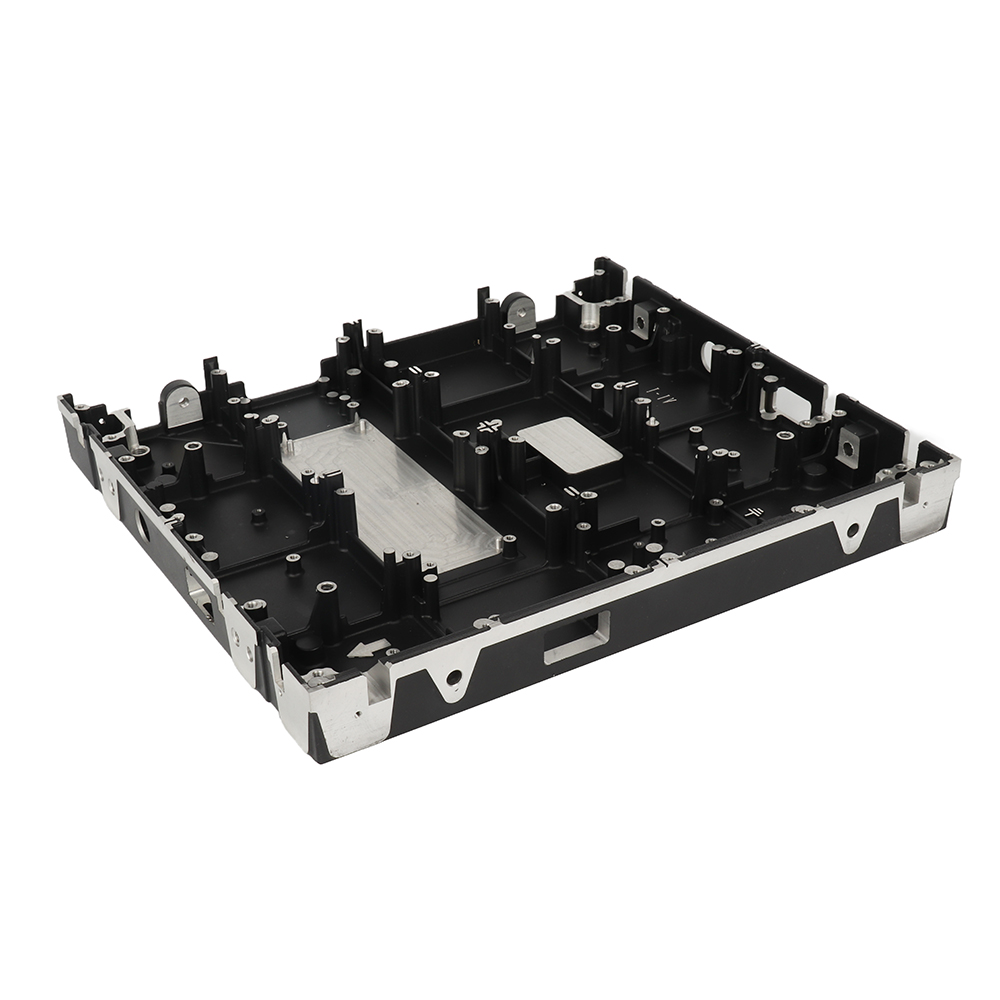
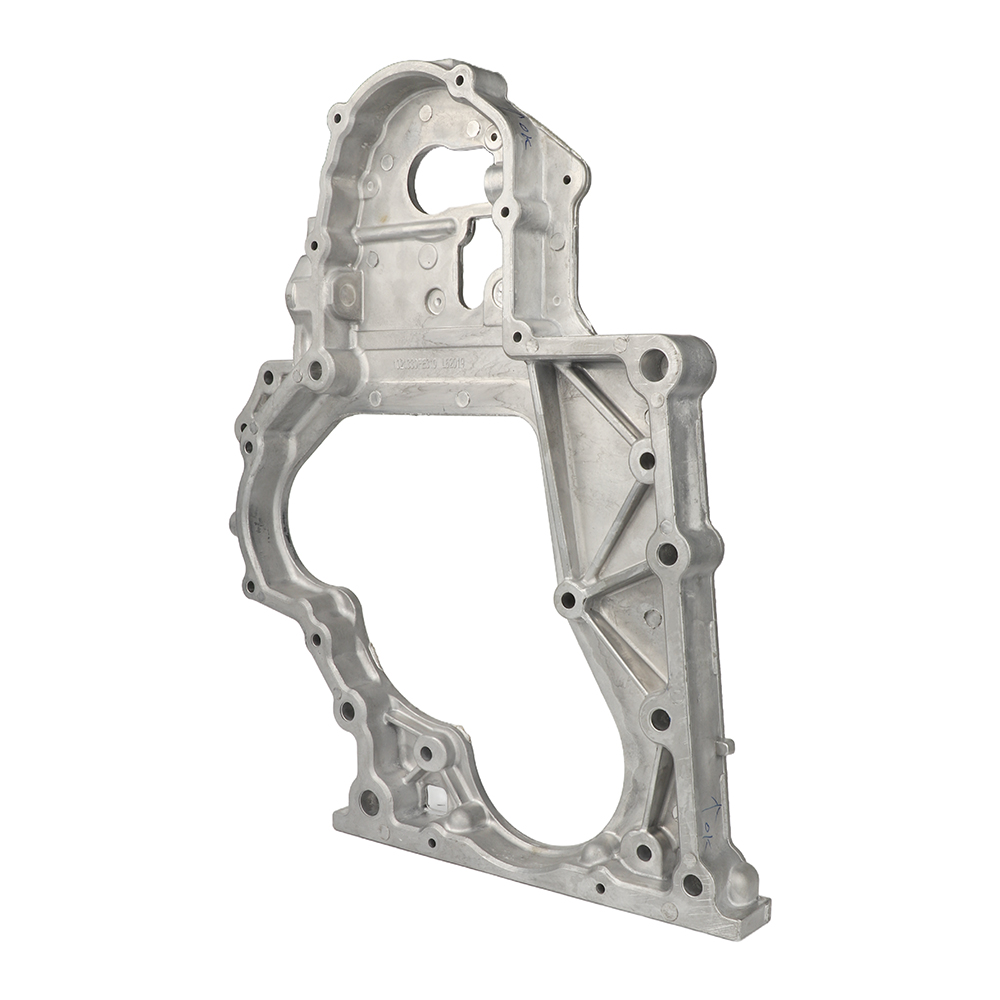
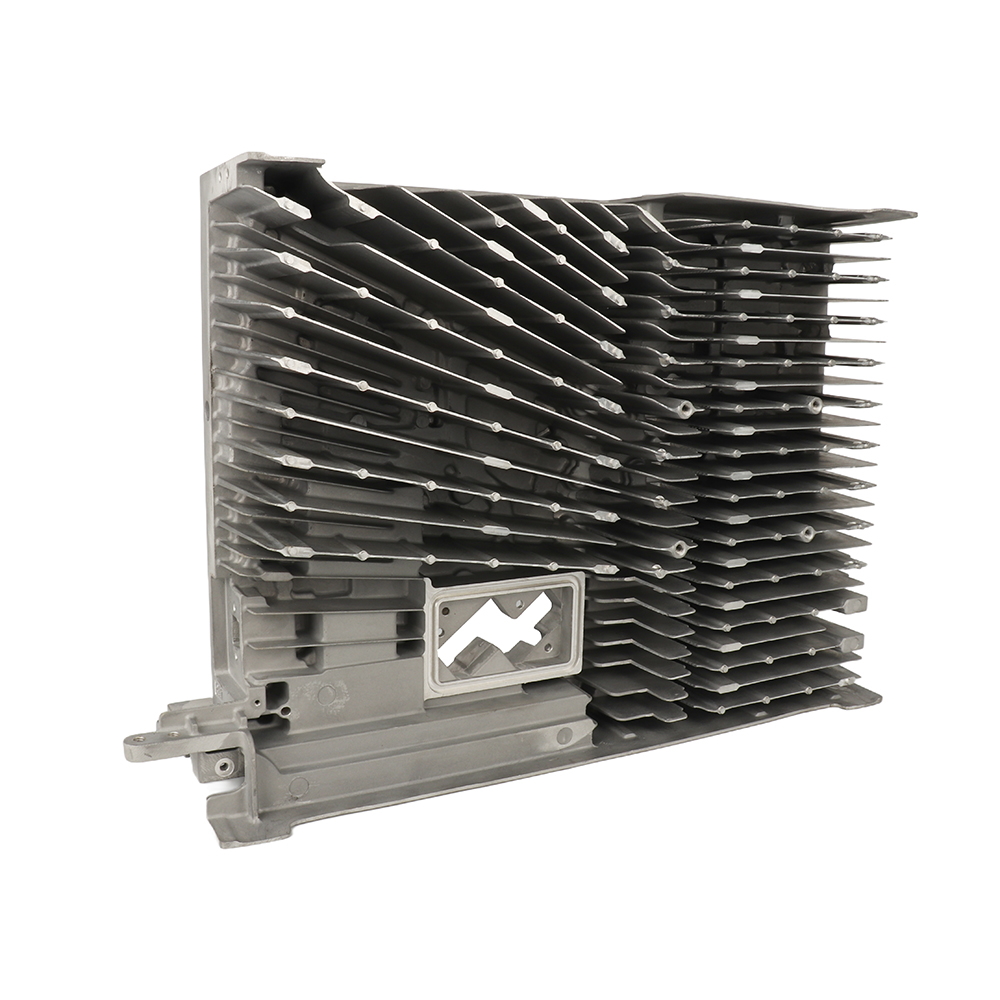
Located in Dongguan—a major global manufacturing hub—Xinghang Precision Hardware boasts a modern factory with a total area of 9,410 square meters. We are a high-tech manufacturing enterprise that integrates R&D design, mold manufacturing, aluminum-zinc-magnesium alloy die-casting, precision machining, surface treatment, and assembly into a one-stop service. This integrated approach ensures full control over every step of production, from raw material selection to the final CNC machined component.
5.2 Our CNC Machining Capabilities
-
Advanced Equipment: Equipped with nearly 100 high-speed vertical CNC machines, we can handle a wide range of component sizes and complexities, ensuring micron-level precision and consistent quality.
-
Material Expertise: Specialized in machining aluminum, zinc, and magnesium alloys—materials widely used in industrial, automotive, and electronic applications—we ensure components meet the highest durability and performance standards.
-
Customization Capabilities: Our R&D team tailors CNC machined components to your specific design requirements, including complex geometries, tight tolerances, and custom features (e.g., threaded holes, mounting points).
-
Strict Quality Control: Backed by ISO9001/TS16949/RoHS/ISO14001 certifications, we implement 100% inspection throughout production to ensure zero defective products reach our customers.
-
Integrated Production: By combining die-casting, precision machining, surface treatment, and assembly, we streamline the production process, reduce lead times, and lower costs for our customers.
5.3 Product Highlights
| Product Details | Specifications |
|---|---|
| Product Name | CNC Machined Components |
| Place of Origin | Guangdong, China |
| Brand Name | XingHang |
| Materials | Aluminum, Zinc, Magnesium Alloys |
| Manufacturing Process | R&D Design → Mold Manufacturing → Die-Casting → CNC Machining → Surface Treatment → Assembly |
| Certification | ISO9001/TS16949/RoHS/ISO14001 |
| Application | Industrial Equipment, Automotive, Electronics, Medical Devices, Renewable Energy |
| Key Features | High Precision, Consistent Quality, Customizable, Durable, Corrosion-Resistant |
6. Expert Insights on CNC Machined Components & Manufacturer Selection
To gain deeper insights into the value of CNC machined components and how to choose the right manufacturer, we interviewed John Peterson, a senior precision manufacturing expert with over 20 years of experience in CNC machining and industrial component production, and a consultant for global manufacturing firms.
“CNC machined components are the foundation of modern industrial manufacturing—their precision and consistency directly impact the performance and reliability of end products,” says Peterson. “The difference between a good component and a great one lies in the manufacturer’s expertise: their equipment, quality control, and integrated production capabilities. Many manufacturers offer CNC machining, but only a few—like Xinghang—can deliver consistent, high-quality components at scale, thanks to their one-stop production model and focus on precision.”
Peterson also emphasized: “When selecting a CNC machined components manufacturer, precision and reliability are non-negotiable. A good manufacturer should have advanced CNC equipment, strict quality control processes, and the ability to handle custom designs. Xinghang’s integrated approach—combining die-casting, CNC machining, and surface treatment—sets them apart, as it eliminates the risks of working with multiple vendors and ensures consistent quality from start to finish.”
He added: “The future of CNC machining is automation and integration. Manufacturers that invest in advanced CNC technology and integrated production will lead the industry, as they can deliver faster, more cost-effective, and higher-quality components. Xinghang’s focus on these areas makes them a trusted partner for businesses seeking reliable CNC machined components.”
7. FAQs About CNC Machined Components & Manufacturers
Q1: What is the difference between CNC machined components and traditional machined components?
A: CNC machined components are produced using computer-programmed machines, offering higher precision (±0.001mm), consistent quality, and the ability to create complex designs. Traditional machined components rely on manual operation, which is slower, less precise (±0.1mm), and prone to human error. CNC machining is ideal for large-volume, complex components, while traditional machining is better for small batches or simple designs.
Q2: What materials can be used for CNC machined components?
A: CNC machining supports a wide range of materials, including aluminum, zinc, magnesium, steel, stainless steel, copper, plastic, and titanium. At Xinghang, we specialize in aluminum, zinc, and magnesium alloys—materials known for their lightweight, durability, and suitability for industrial applications.
Q3: Can CNC machined components be customized?
A: Yes—CNC machined components are fully customizable. At Xinghang, we tailor components to your specific design requirements, including size, shape, tolerances, and functional features (e.g., threaded holes, grooves, mounting points). Our R&D team works with you to optimize designs for CNC machining, ensuring precision and cost-effectiveness.
Q4: What is the typical lead time for CNC machined components?
A: Lead time depends on the complexity of the component and order volume. For simple components and small batches, lead time is 7–10 days. For complex designs and large-volume orders, lead time is 10–15 days—faster than the industry average. We also offer expedited production for urgent orders.
Q5: How do manufacturers ensure the quality of CNC machined components?
A: Reliable manufacturers (like Xinghang) implement strict quality control processes, including 100% inspection of all components, dimensional accuracy checks, surface quality inspections, and compliance with industry certifications (ISO9001, TS16949). Advanced equipment and integrated production also ensure consistent quality across every part.
Q6: What are the key factors to consider when choosing a CNC machined components manufacturer?
A: Key factors include: 1) advanced CNC equipment and technical expertise; 2) integrated production capabilities (to avoid third-party risks); 3) strict quality control and relevant certifications; 4) customization capabilities; 5) timely delivery; and 6) after-sales support. These factors ensure you receive high-quality, reliable components.
Q7: Are CNC machined components cost-effective for small businesses?
A: While CNC machining has higher initial setup costs, it can be cost-effective for small businesses—especially for medium batches or complex components. The reduced waste, faster production, and consistent quality lower long-term costs. At Xinghang, we offer flexible pricing for small batches, making CNC machined components accessible to businesses of all sizes.
Q8: What industries use CNC machined components the most?
A: CNC machined components are widely used in industries such as automotive, industrial equipment, electronics, medical devices, renewable energy, aerospace, and telecommunications. Their precision and durability make them suitable for any application requiring reliable, high-quality components.
8. Conclusion: Industry Trends & How to Choose a Quality CNC Machining Supplier
8.1 Trends in the CNC Machining Industry
The CNC machining industry is evolving rapidly, driven by technological advancements and changing industrial demands. Key trends shaping the industry include:
-
Automation & Smart Manufacturing: The adoption of automated CNC machines, robotic arms, and AI-driven programming is increasing, reducing human error, boosting efficiency, and enabling 24/7 production.
-
Integration of Production Processes: Manufacturers are moving toward one-stop services (R&D, die-casting, CNC machining, surface treatment) to streamline production, reduce lead times, and ensure consistent quality.
-
Customization as a Core Requirement: Businesses are seeking tailored CNC machined components to fit unique application needs, driving demand for manufacturers with strong R&D and customization capabilities.
-
Sustainability & Eco-Friendliness: With global focus on green manufacturing, manufacturers are using recyclable materials (e.g., aluminum alloys) and optimizing machining processes to reduce waste and energy consumption.
-
Precision Enhancement: The demand for higher precision (micron-level tolerances) is growing, especially in industries like medical devices and aerospace, driving manufacturers to invest in advanced CNC equipment.
8.2 How to Choose a Quality CNC Machined Components Manufacturer
Selecting the right CNC machined components manufacturer is critical to your business’s success. Follow these key steps to choose a reliable supplier:
-
Check Technical Capabilities: Ensure the manufacturer has advanced CNC equipment, expertise in your required materials (e.g., aluminum, zinc alloys), and the ability to handle complex designs and tight tolerances.
-
Verify Integrated Production: Choose a manufacturer with one-stop services (R&D, die-casting, CNC machining, surface treatment) to avoid delays and quality issues from third-party vendors.
-
Review Certifications: Ensure the manufacturer holds ISO9001/TS16949/RoHS/ISO14001 certifications, guaranteeing compliance with global quality and environmental standards.
-
Assess Quality Control: Look for manufacturers with strict quality control processes (100% inspection) to ensure consistent, defect-free components.
-
Evaluate Customization & After-Sales Support: Choose a manufacturer that offers custom solutions and dedicated after-sales support to address any issues and adjust designs as needed.
-
Check Delivery Times: Ensure the manufacturer can meet your deadlines, with lead times faster than the industry average.
8.3 Choose Xinghang Precision Hardware: Your Trusted CNC Machined Components Manufacturer
For businesses seeking high-quality, reliable CNC machined components, Xinghang Precision Hardware is your ideal partner. Established in 2017, we have built a reputation for excellence in precision machining, backed by our modern 9,410-square-meter factory, integrated production capabilities, advanced CNC equipment, and strict quality control.
Our one-stop service—from R&D design to assembly—ensures full control over every step of production, delivering consistent, high-precision components tailored to your needs. We specialize in aluminum, zinc, and magnesium alloy CNC machined components, meeting the demands of industrial, automotive, and electronic applications.
Backed by ISO9001/TS16949/RoHS/ISO14001 certifications, we are committed to delivering superior products and services, with timely delivery, competitive pricing, and dedicated after-sales support. Whether you need small-batch prototypes or large-volume production, we have the expertise and capability to exceed your expectations.
To discuss your CNC machined components requirements or request a quote, contact us today:
Mobile/WeChat: +86 18819502691
Email: liqine@xinghangcn.com
Email: liqine@xinghangcn.com
CNC housing | What is a CNC machined laptop shell? Focus, Benefits & Top Supplier Guide
CNC machined components | What are CNC machined aluminum components? A Complete Guide
Related Article

What are CNC machined aluminum electronic parts & their core functions CNC machined aluminum electronic parts are precision metal components processed by multi-axis CNC equipment, widely used in electronic products.
Electronic parts | Where to find high-quality CNC machined aluminum parts for electronics?

CNC machined aluminum parts for semiconductor equipment are precision metal components manufactured by aluminum die casting, then finished via CNC machining.
semiconductor equipment | What are cnc machined aluminum parts for semiconductor equipment?