HOT PRODUCTS
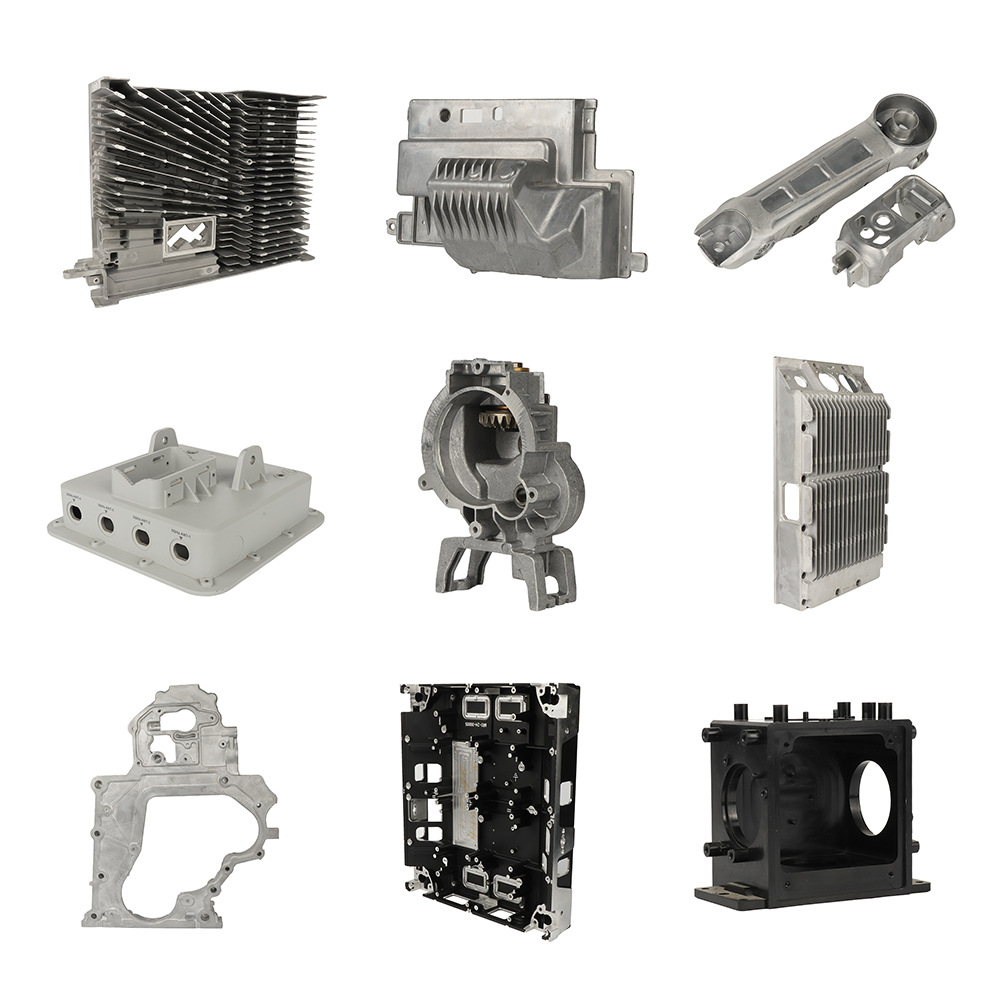
Custom aluminum parts | What is CNC Machining Services? Focus on Custom Aluminum Parts
What is CNC Machining Services? Focus on Custom Aluminum Parts
Table of Contents
- 1. Introduction: What is CNC Machining Services?
- 2. Core Focus of Custom Aluminum Parts in CNC Machining
- 3. Key Roles of Custom CNC Aluminum Parts in Various Industries
- 4. Key Benefits of Custom CNC Machining Aluminum Parts
- 5. Expert Opinions on Custom CNC Aluminum Machining
- 6. Industry FAQs About Custom Aluminum Parts in CNC Machining
- 7. Conclusion
1. Introduction: What is CNC Machining Services?
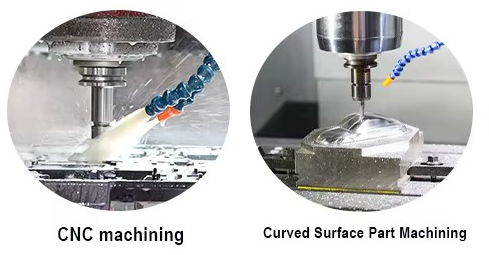
CNC (Computer Numerical Control) Machining Services refer to a precision manufacturing process that uses computerized controls and advanced machinery to shape raw materials into high-precision, custom components. Unlike traditional manual machining, CNC machining eliminates human error, ensures consistent quality, and enables the production of complex geometries that are difficult or impossible to achieve with manual tools.
At its core, CNC machining services translate digital designs (from CAD/CAM software) into physical parts through precise, automated movements of cutting tools—including milling, turning, drilling, and grinding. When applied to aluminum, this process unlocks endless customization possibilities, allowing manufacturers to create custom aluminum parts tailored to specific size, shape, tolerance, and performance requirements.

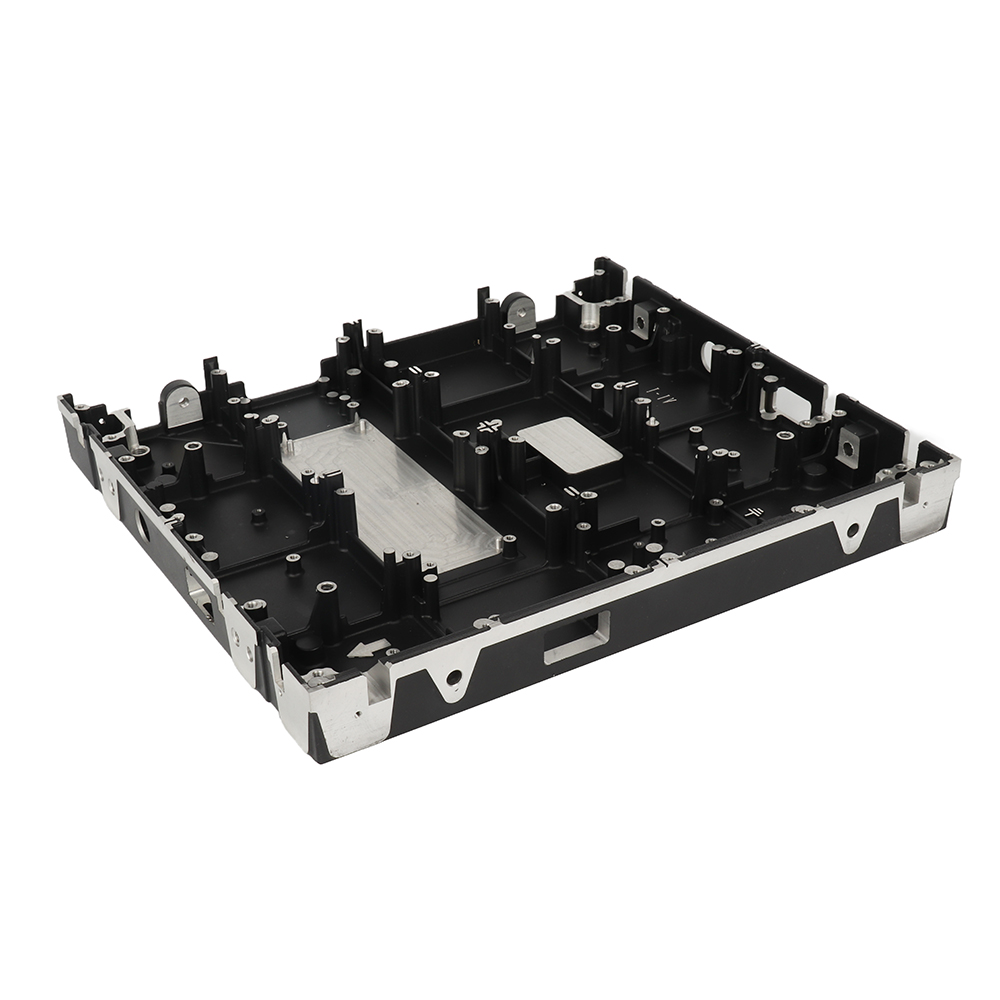
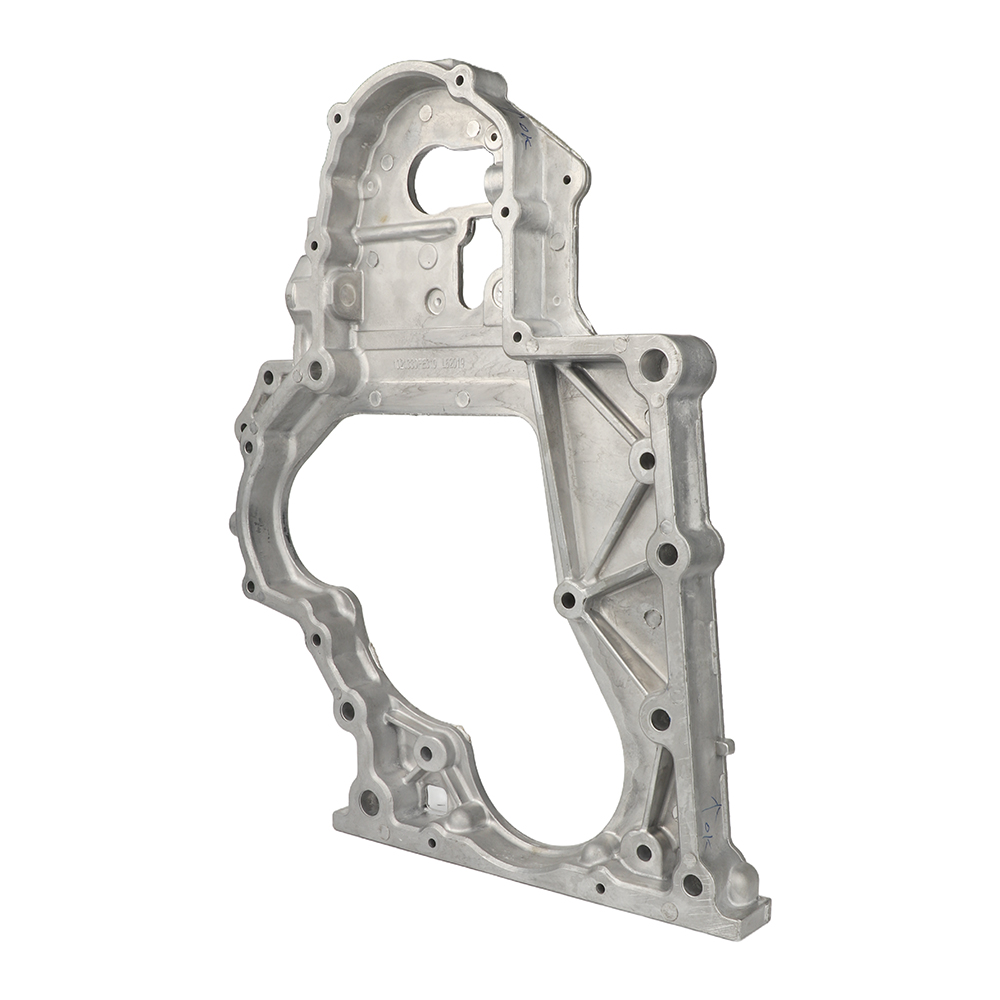
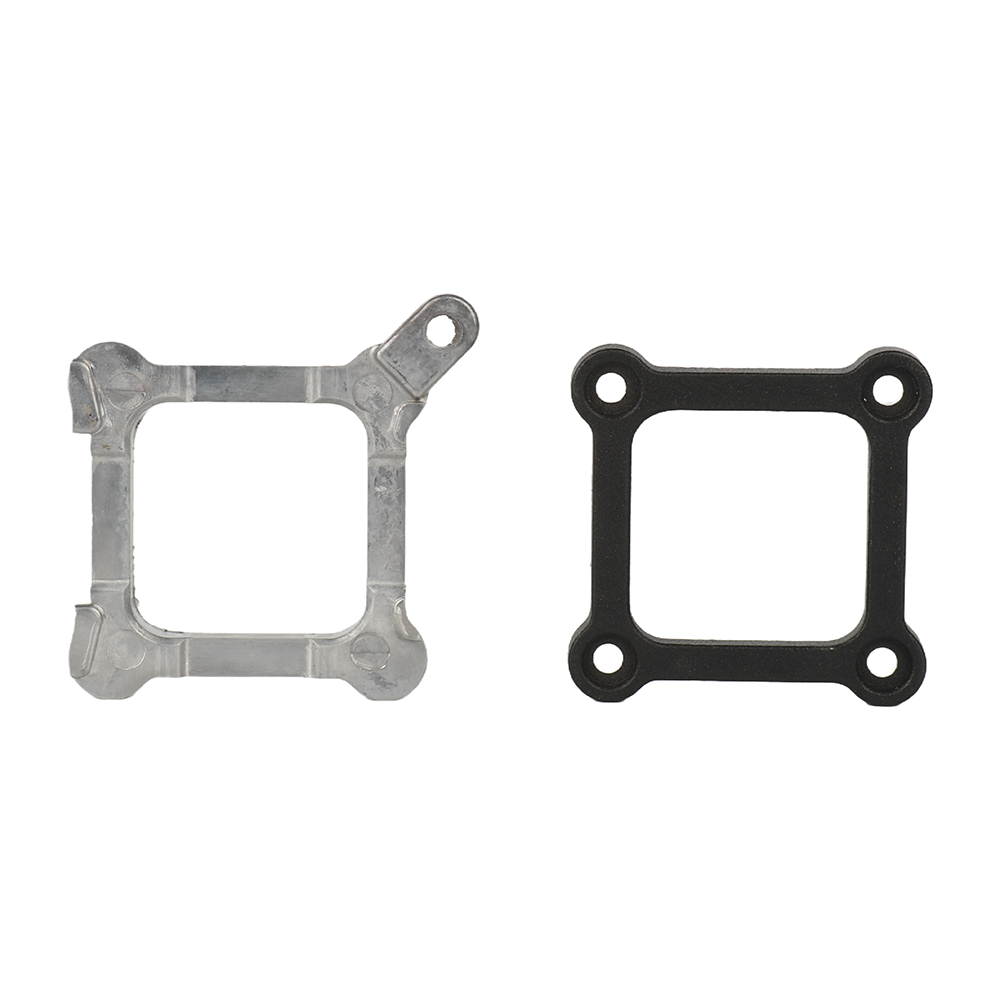
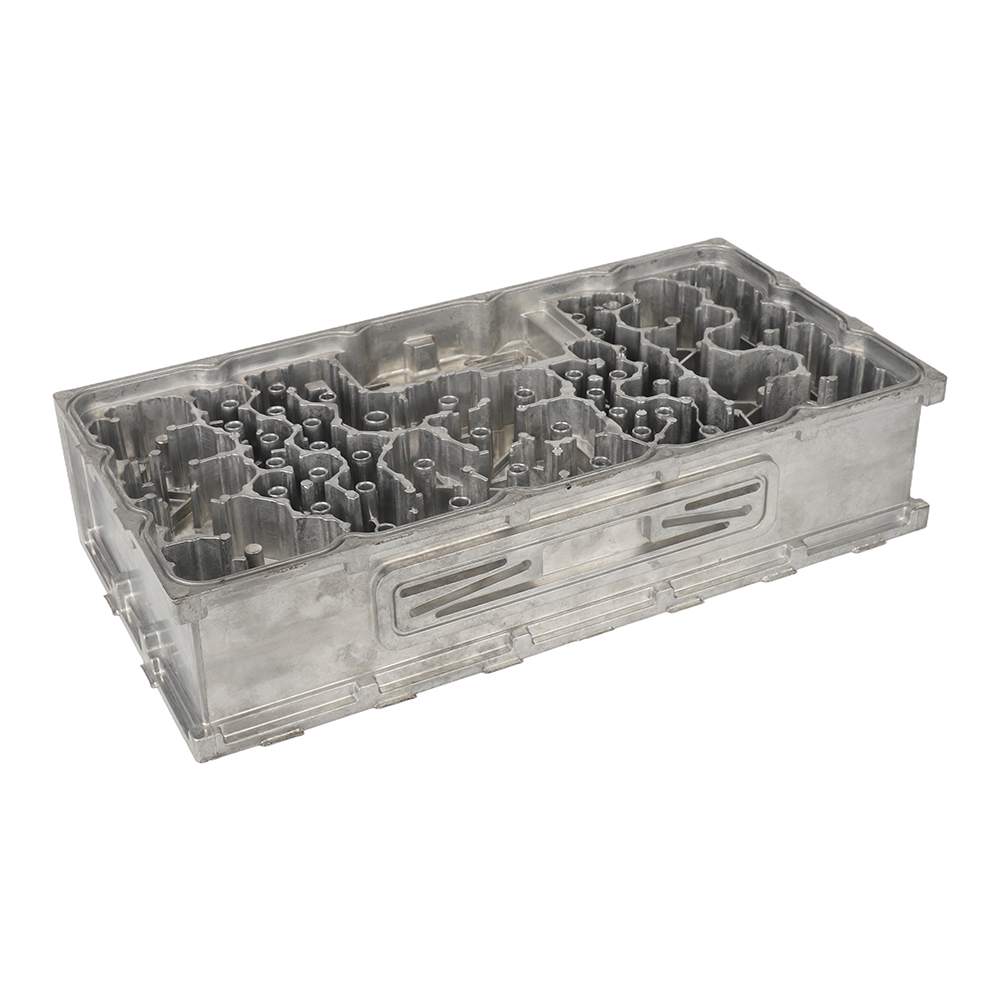
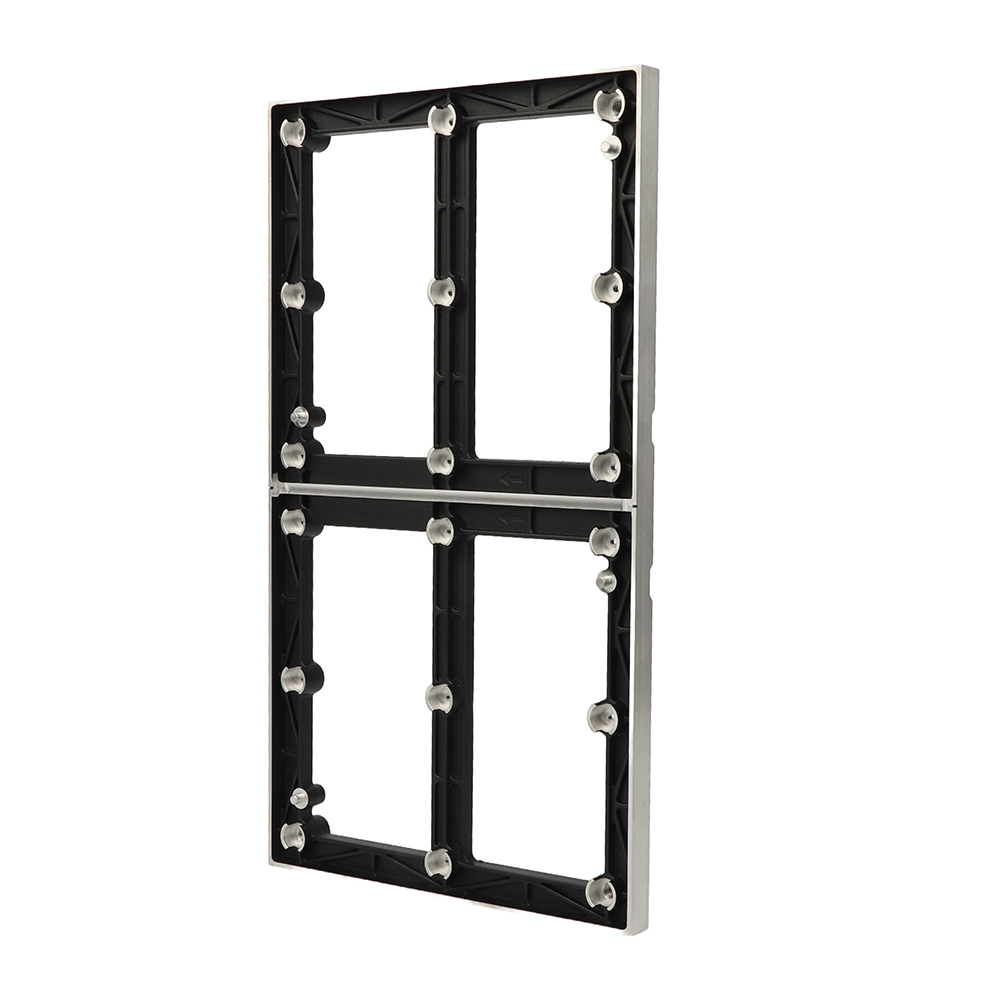
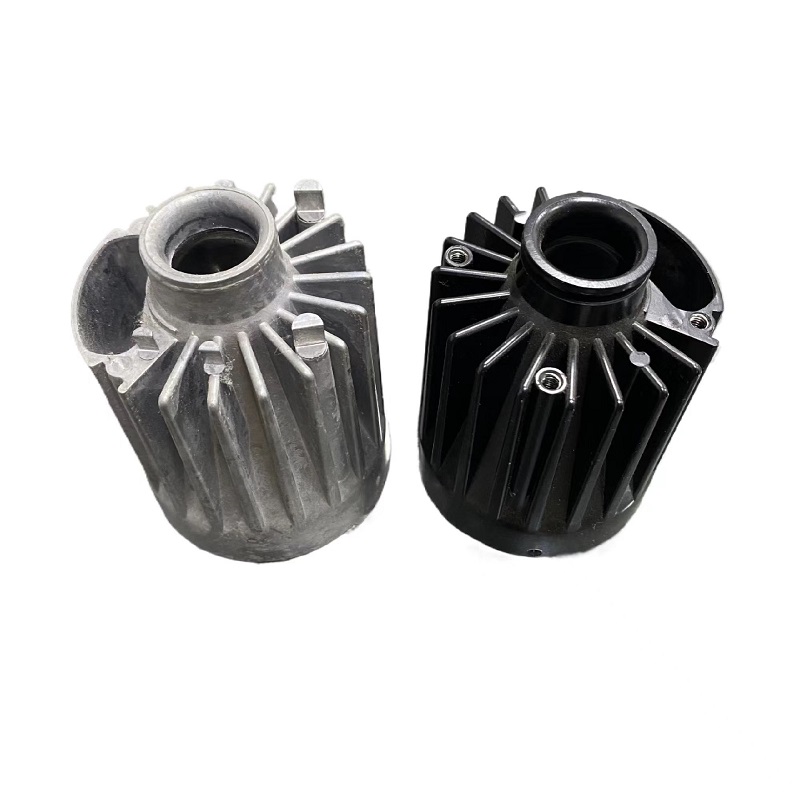
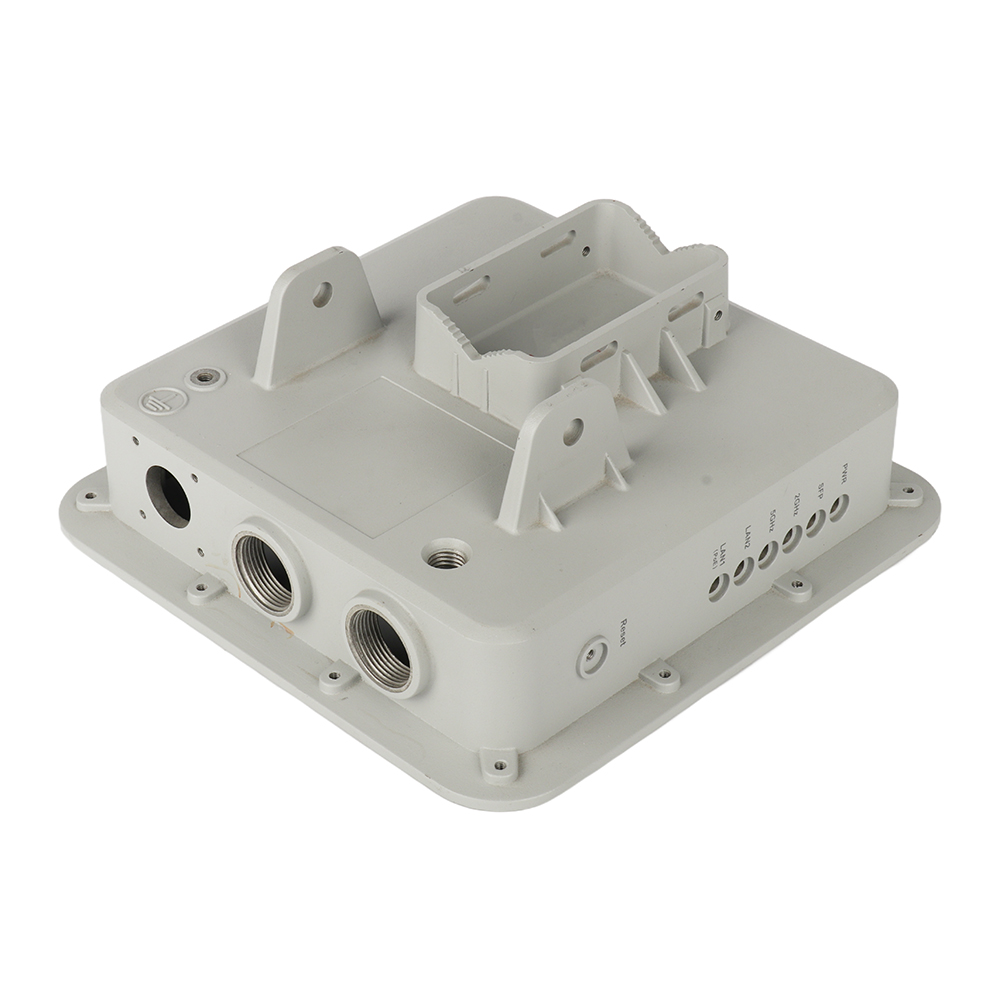
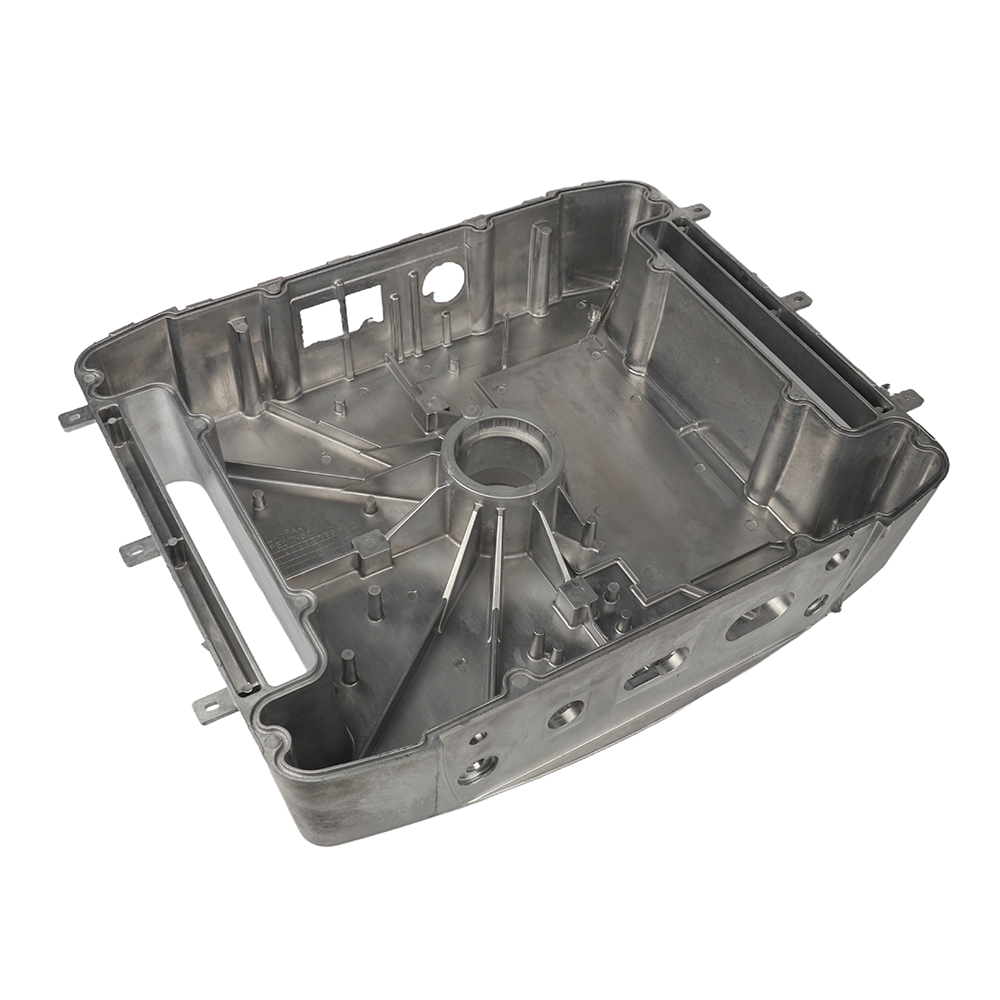
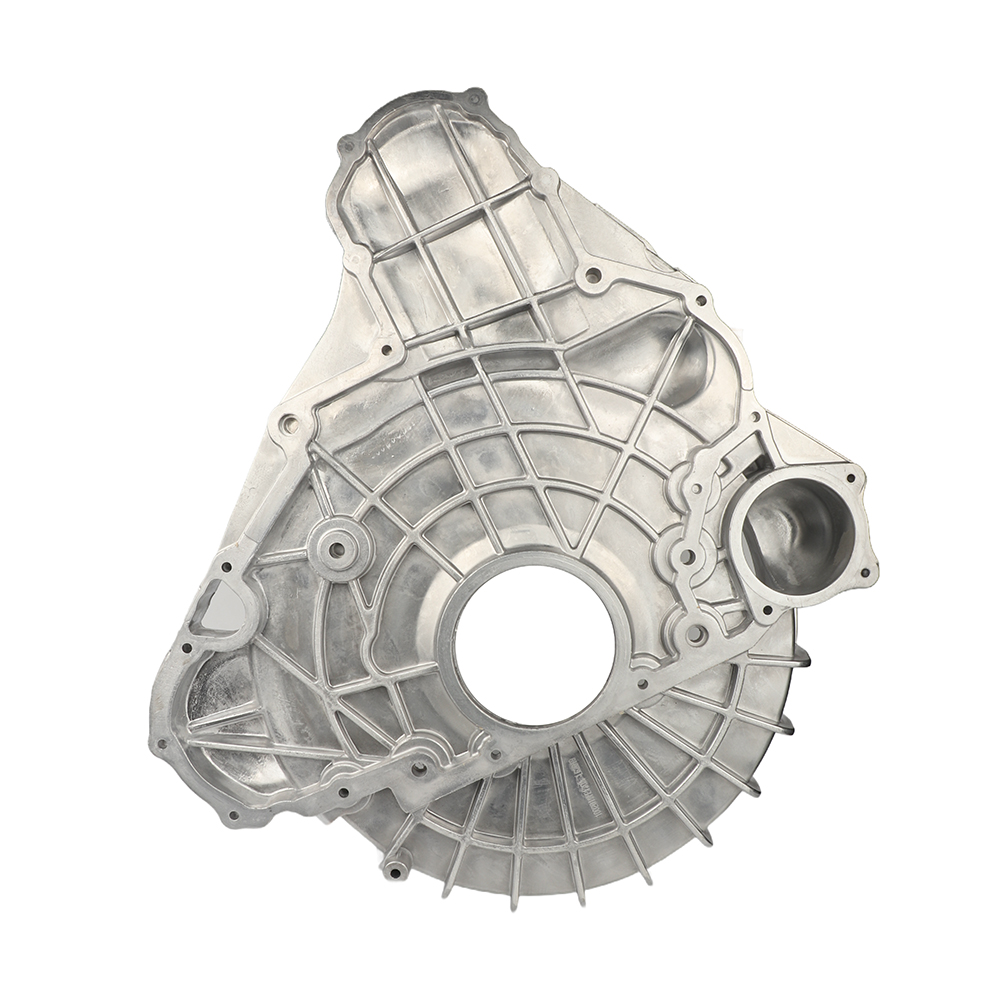
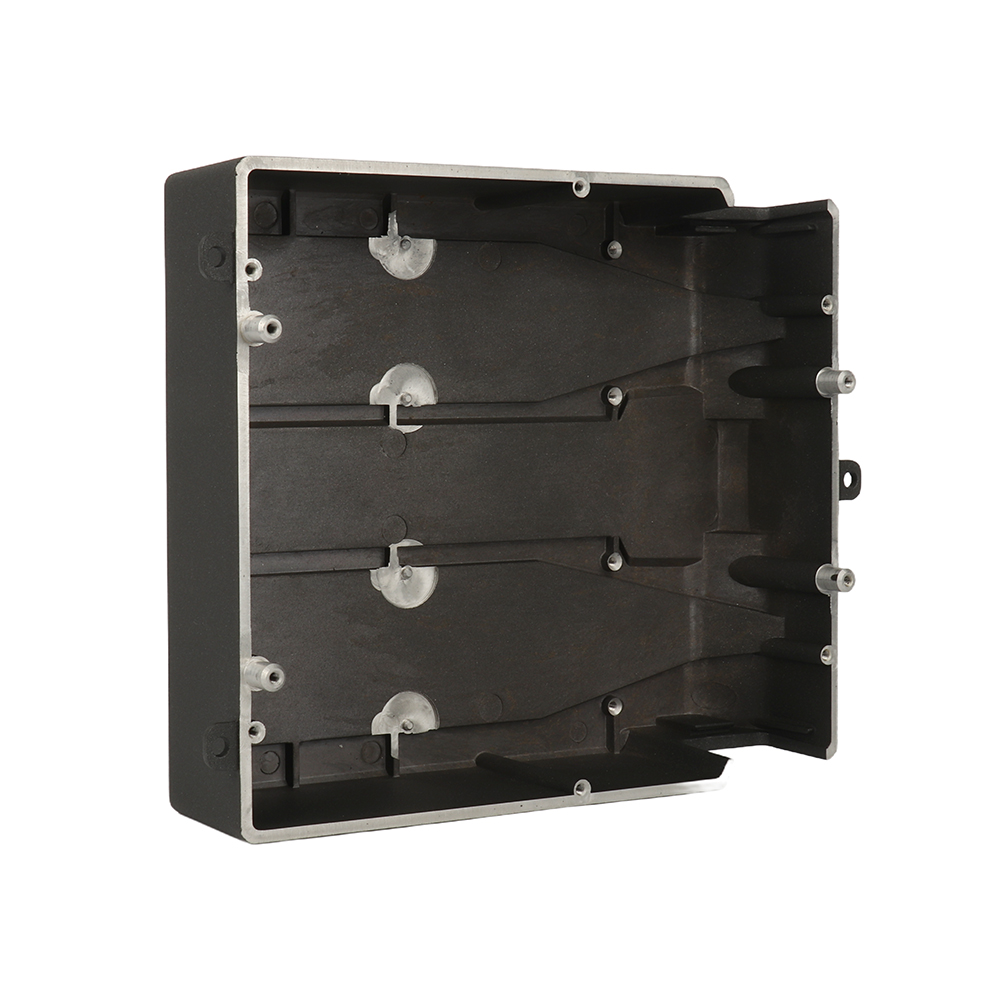
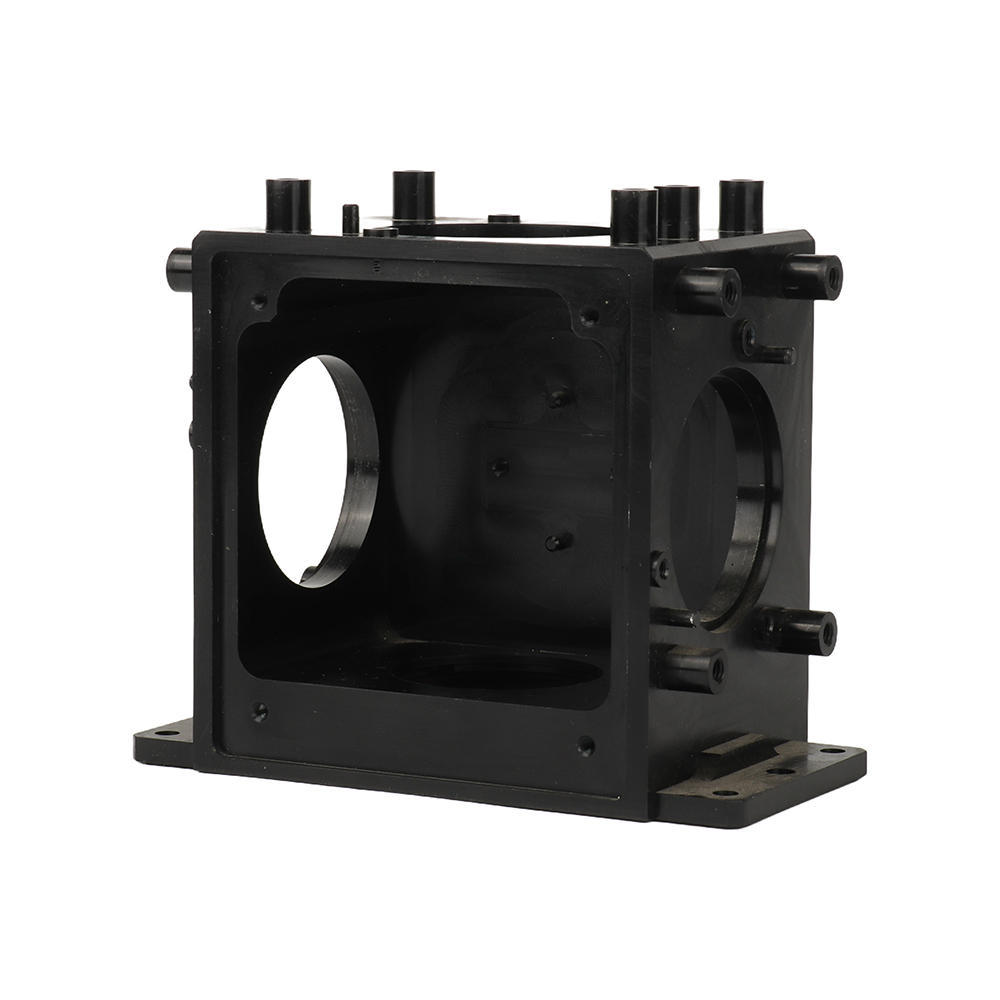
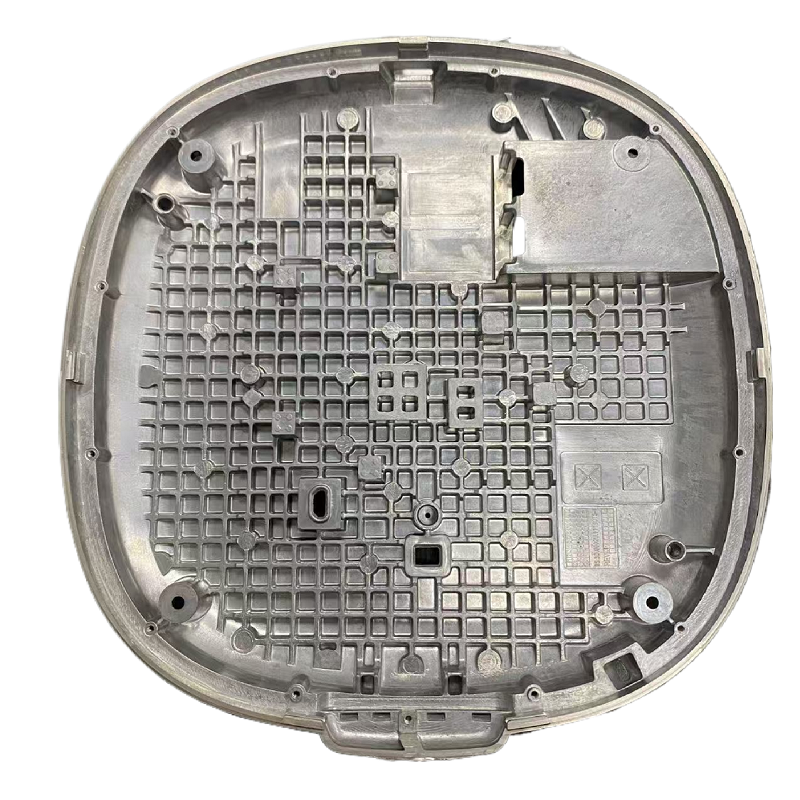
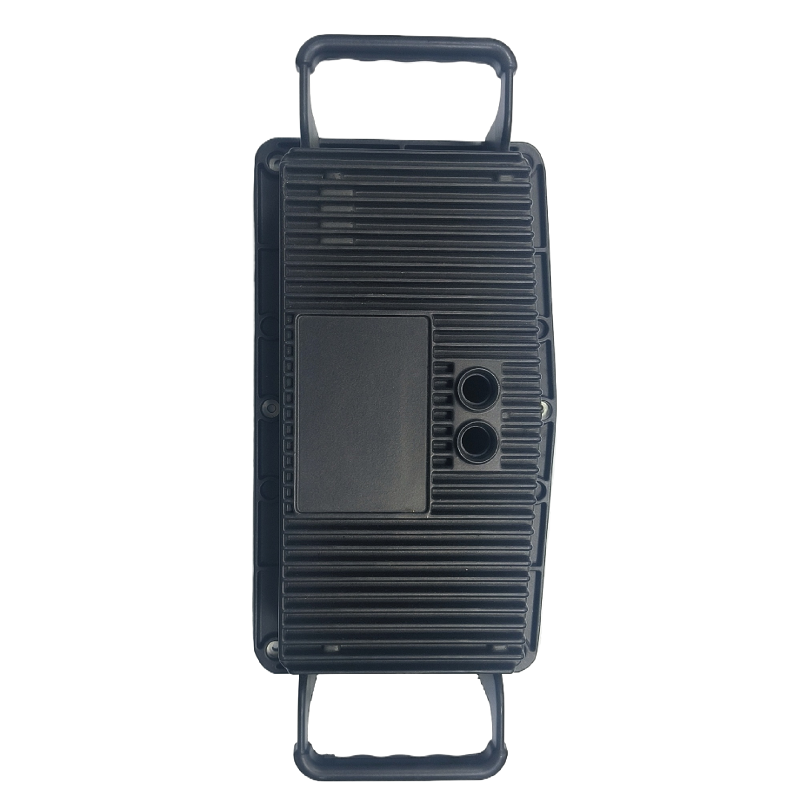
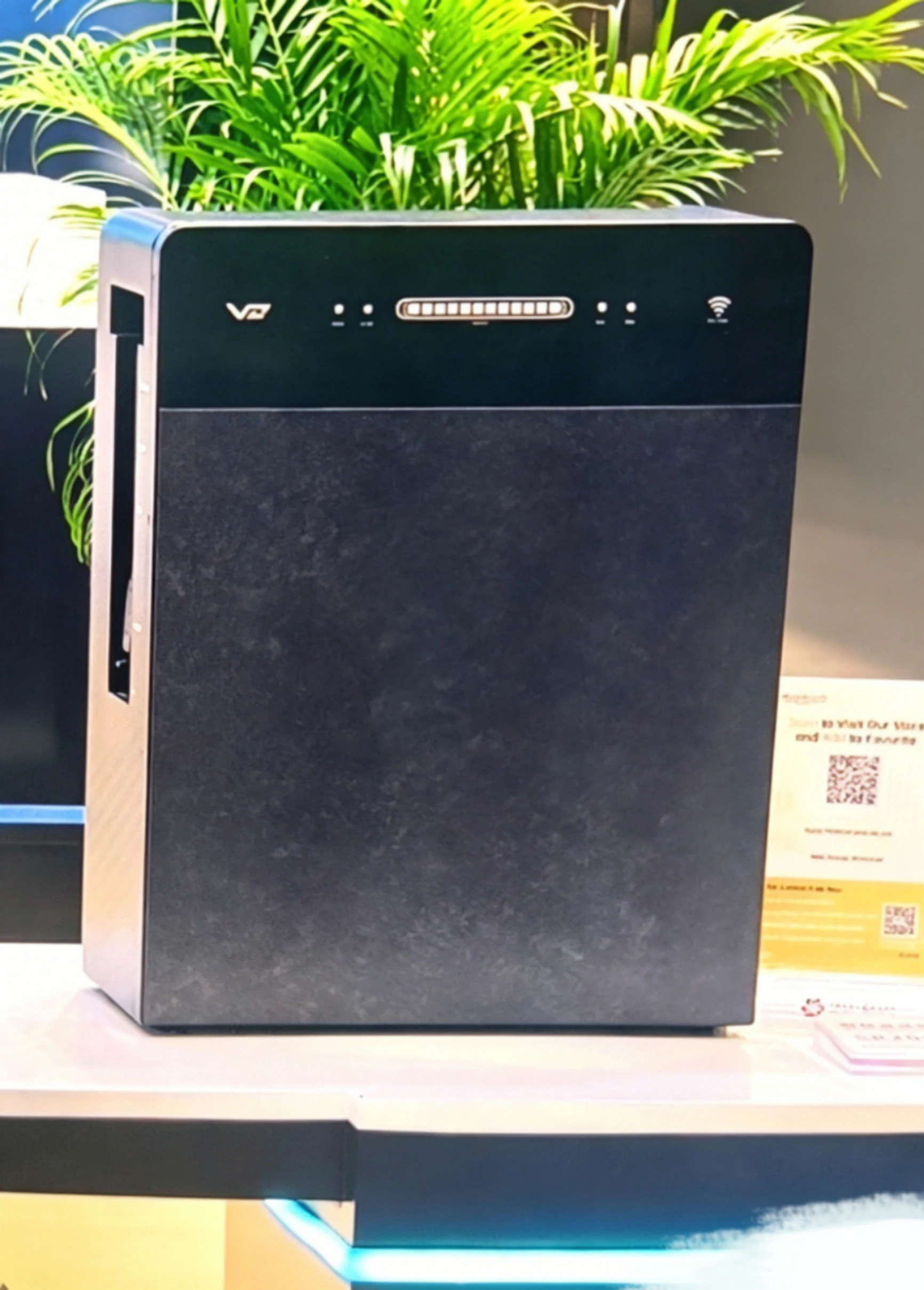
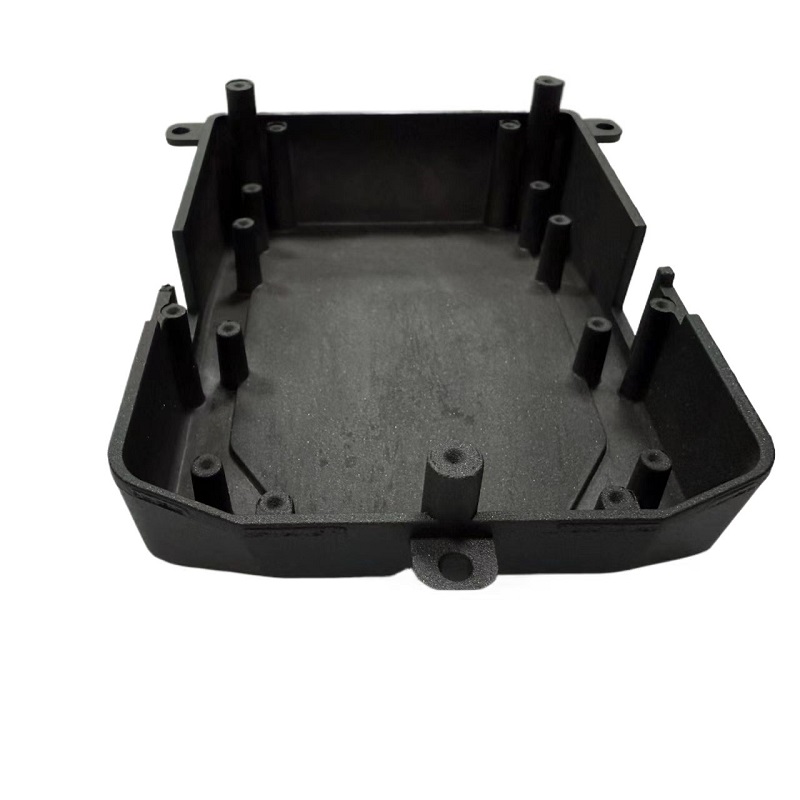
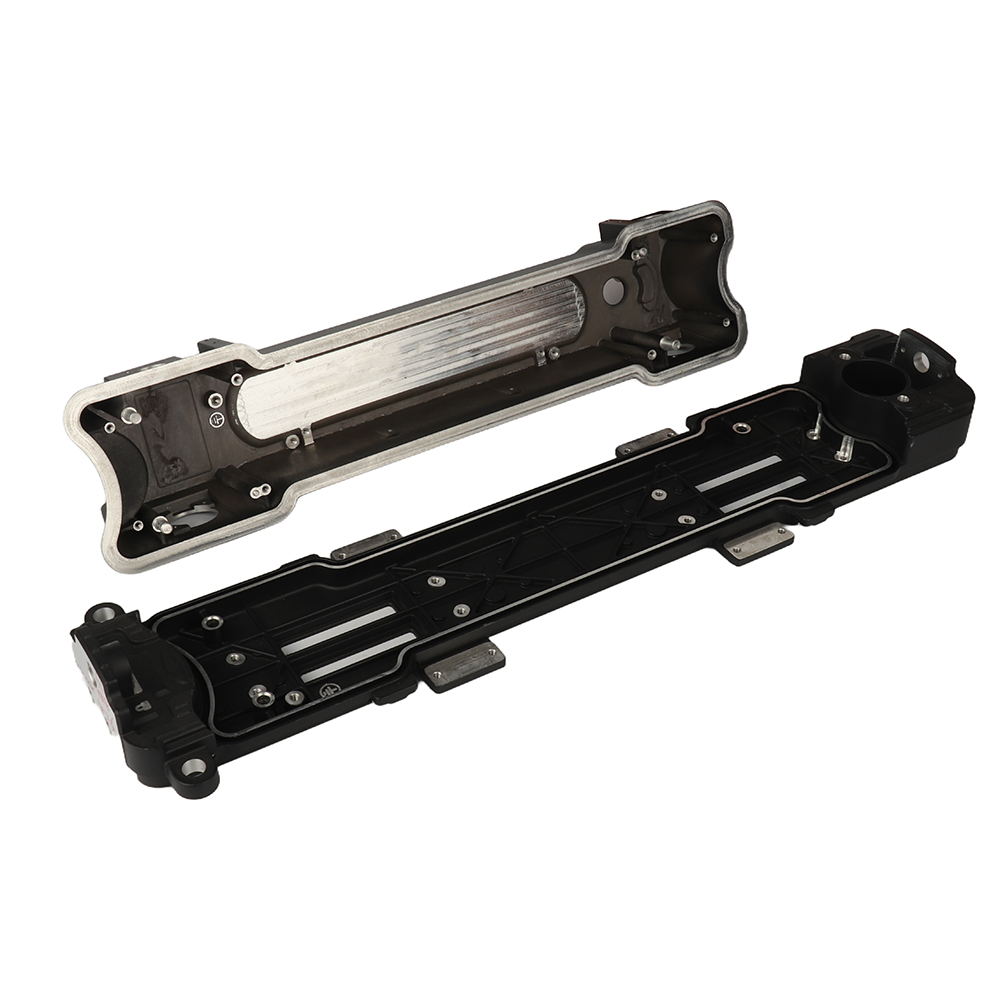
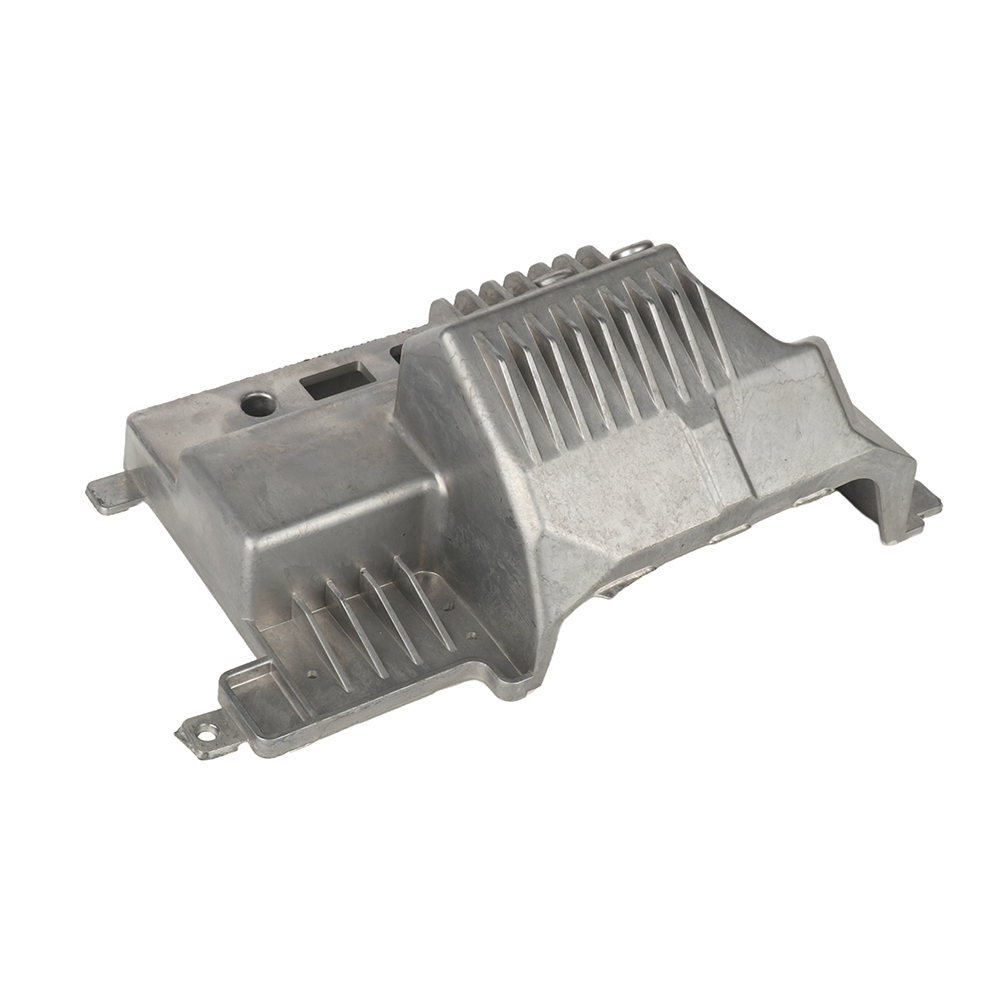
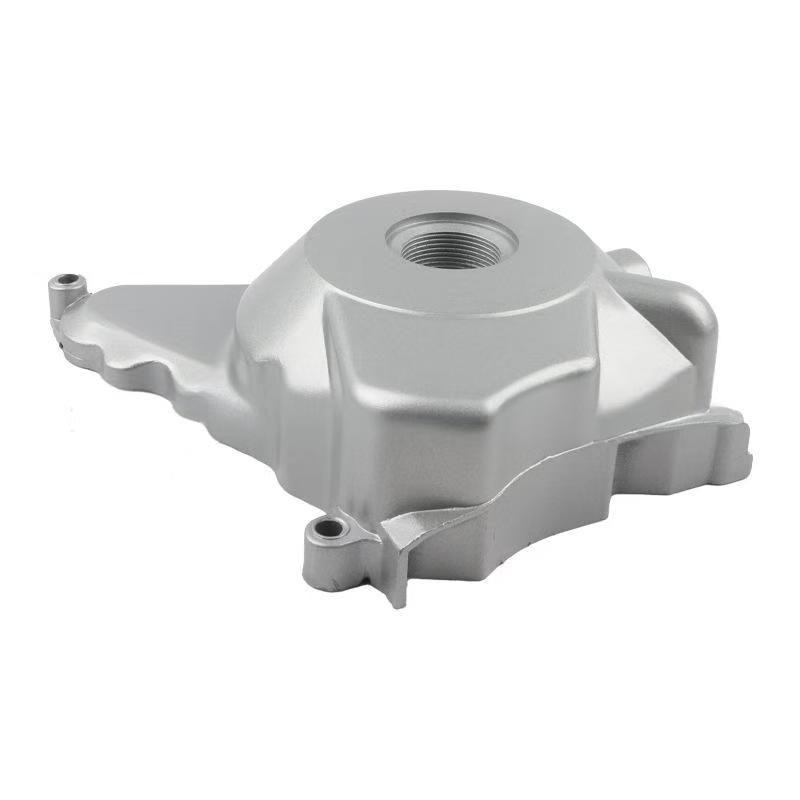
General Custom CNC Aluminum Parts (Various Shapes and Sizes for Industrial Use
2. Core Focus of Custom Aluminum Parts in CNC Machining
2.1 Key Priorities in Custom CNC Aluminum Machining
The core focus of custom aluminum parts in CNC machining lies in balancing precision, material performance, and customization flexibility to meet the unique needs of different industries:
- Precision Control: Strict control of cutting parameters to avoid deformation, with typical tolerances up to ±0.01mm and surface roughness as low as Ra0.4-0.8μm.
- Material Matching: Professional selection of aluminum alloys (6061-T6, 7075-T6, 5052, 2024) based on application scenarios and performance requirements.
- Process Optimization: 5-axis machining, vacuum clamping, and high-speed cutting for complex structures like thin-walled and deep-cavity parts.
2.2 Core Processing Steps for Custom Aluminum Parts
- Design & Programming: Engineers analyze 2D/3D designs and generate CNC program codes to guide machine movements.
- Material Preparation: Aluminum blanks are cut to size with surface oxide layers and burrs removed.
- CNC Machining: Automated tools perform milling, turning, drilling, or tapping with real-time parameter monitoring.
- Post-Processing: Deburring, cleaning, and surface treatments (anodizing, sandblasting, powder coating) to enhance performance.
- Quality Inspection: CMM and precision tools verify dimensional accuracy and surface quality compliance.
3. Key Roles of Custom CNC Aluminum Parts in Various Industries
Custom CNC aluminum parts play an irreplaceable role in modern manufacturing, thanks to aluminum’s lightweight, high thermal conductivity, and corrosion resistance, combined with CNC’s precision.
3.1 Aerospace Industry
In aerospace, custom CNC aluminum parts are used for aircraft brackets, engine components, and cabin structures. Their high strength-to-weight ratio reduces aircraft weight, improving fuel efficiency and flight safety.
3.2 Automotive Industry
The automotive industry relies on custom CNC aluminum parts to achieve lightweighting and energy conservation. Components such as battery housings and chassis parts balance durability and weight reduction for new energy vehicles.
3.3 Electronics Industry
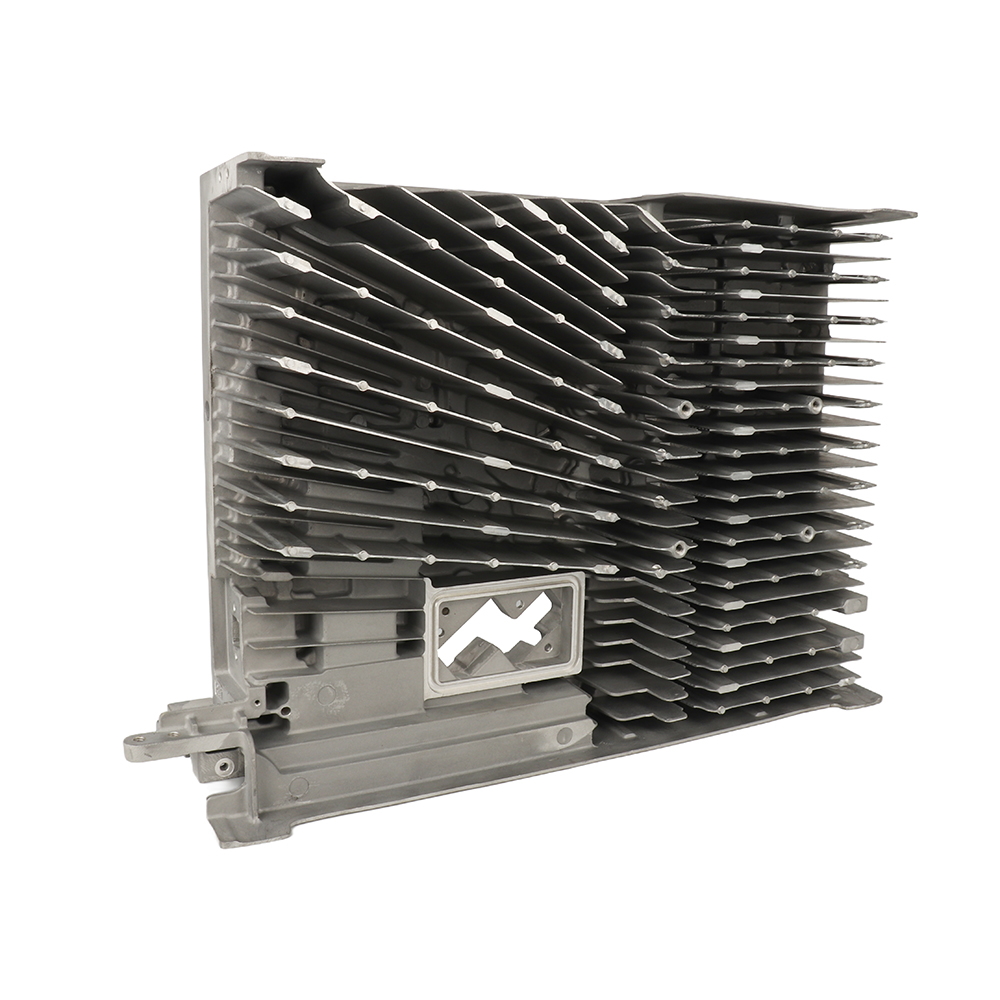
In electronics, custom CNC aluminum parts are essential for heat sinks and device enclosures. Aluminum’s excellent thermal conductivity dissipates heat efficiently, extending the service life of electronic components.
3.4 Medical Industry
Medical equipment requires custom CNC aluminum parts that meet strict hygiene and precision standards. Parts such as surgical instrument components and diagnostic equipment housings ensure safety and reliability in clinical use.
4. Key Benefits of Custom CNC Machining Aluminum Parts
Choosing custom CNC machining aluminum parts offers numerous advantages over standard parts or other materials:
4.1 High Precision & Consistency
CNC machining eliminates human error, ensuring every custom aluminum part meets identical dimensional and quality standards even in large-batch production.
4.2 Cost-Effective Production
Aluminum’s excellent machinability reduces processing time and tool wear. Custom CNC machining minimizes material waste, and aluminum’s recyclability further lowers long-term costs.
4.3 Flexibility in Customization
CNC machining handles complex designs and tight tolerances, creating tailored parts for unique project requirements for both prototypes and mass production.
4.4 Superior Material Performance
Aluminum’s lightweight, corrosion resistance, and high thermal conductivity, combined with CNC precision, deliver parts that outperform steel and iron alternatives.
4.5 Fast Turnaround Time
Automated CNC machining and aluminum’s easy machinability shorten production cycles, with small-batch parts deliverable in as little as 1-3 days.
5. Expert Opinions on Custom CNC Aluminum Machining
Industry experts emphasize the growing importance of custom CNC aluminum parts in driving manufacturing innovation:
5.1 Sarah Chen, Senior CNC Engineer
“Custom CNC aluminum machining bridges design flexibility and precision. Aluminum’s unique properties and CNC technology unlock complex, high-quality components for aerospace, automotive, and electronics industries.”
5.2 Michael Zhang, CEO of Precision Technology
“As industries move toward lightweighting and precision, custom CNC aluminum parts become a cornerstone of innovation, solving specific challenges with consistency, reliability, and cost-effectiveness.”
5.3 Lisa Wang, Material Science Specialist
“Material selection and process optimization define success. Advanced CNC technology produces thin-walled, deep-cavity aluminum parts with unprecedented precision, opening new design possibilities.”
6. Industry FAQs About Custom Aluminum Parts in CNC Machining
Q1: What are the most commonly used aluminum alloys?
A: 6061-T6 (versatile), 7075-T6 (high-strength), 5052 (corrosion-resistant), 2024 (strength-to-weight ratio). Choice depends on application and environment.
Q2: What tolerances can be achieved?
A: Typical ±0.01mm to ±0.05mm; precision components reach ±0.005mm with advanced CNC equipment.
Q3: What surface treatments are available?
A: Anodizing, sandblasting, powder coating, laser engraving — all enhance corrosion resistance, wear resistance, and appearance.
Q4: How long does production take?
A: Small batches (1-100): 1-3 days; Medium (100-1000): 3-7 days; Large (1000+): 7-15 days.
Q5: Cost-effective for small batches?
A: Yes. No expensive molds needed; aluminum’s fast machinability reduces costs for prototypes and small runs.
Q6: Suitable for high-temperature environments?
A: Yes. 7075-T6 withstands up to 150°C; specialized alloys handle up to 300°C for high-temperature applications.
7. Conclusion
CNC Machining Services are a cornerstone of modern precision manufacturing, and custom aluminum parts stand out as one of the most versatile and in-demand products. With core focus on precision, material matching, and process optimization, these parts deliver unparalleled value across aerospace, automotive, electronics, and medical industries.
Their key benefits—high precision, cost-effectiveness, customization flexibility, superior performance, and fast turnaround—make them indispensable for innovative businesses. As smart technology advances, custom CNC aluminum parts will continue enabling complex, high-performance component solutions.
Small batch | Cnc aluminum parts | What are small-batch CNC aluminum products? Key Focus, Benefits & FAQs
Semiconductor part | What are semiconductor CNC aluminum parts
Related Article