HOT PRODUCTS
Custom machining | How to place an order for custom CNC processing? Ultimate Custom Machining Guide
2026-05-12
How to Place an Order for Custom CNC Processing? Ultimate Custom Machining Guide
Table of Contents
- Basic Overview of Custom Machining
- Core Functions & Key Points of Custom CNC Processing
- Unbeatable Benefits of Custom CNC Machining Parts
- Step-by-Step Guide to Place a Custom CNC Processing Order
- Professional Expert Opinion on Custom CNC Machining
- Frequently Asked Questions About Custom CNC Processing
- Industry Trends & High-Quality Hardware Supplier Selection
- Conclusion
1. Basic Overview of Custom Machining
1.1 Clear Definition of Custom CNC Machining
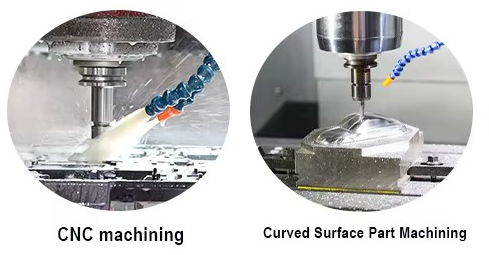
Custom CNC machining is a high-precision subtractive manufacturing technology that uses computer numerical control machine tools to cut, mill, drill, and shape raw materials into customized mechanical parts. Different from standardized mass-produced parts, it can tailor product size, structure, surface treatment and performance parameters according to customers’ unique drawings and technical requirements. It is one of the most indispensable processing technologies in modern precision manufacturing industry.
1.2 Common Product Types & Appearance
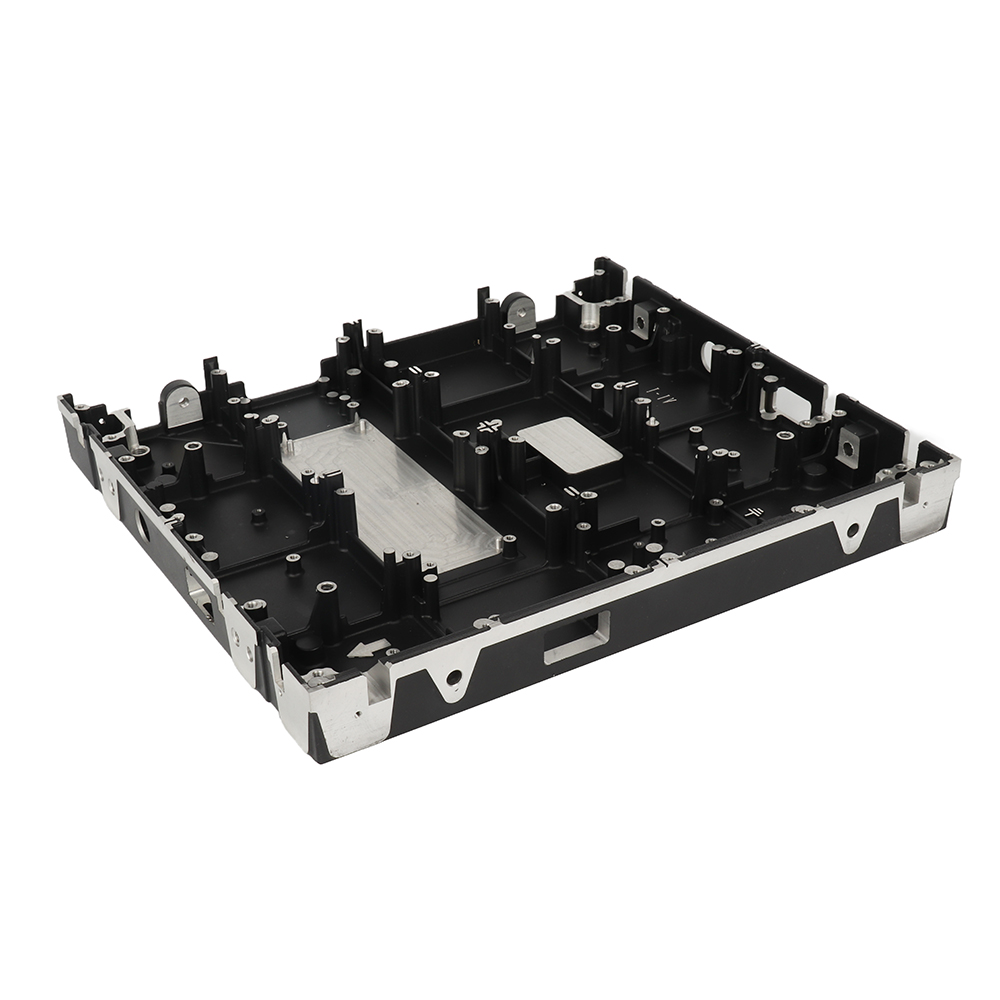
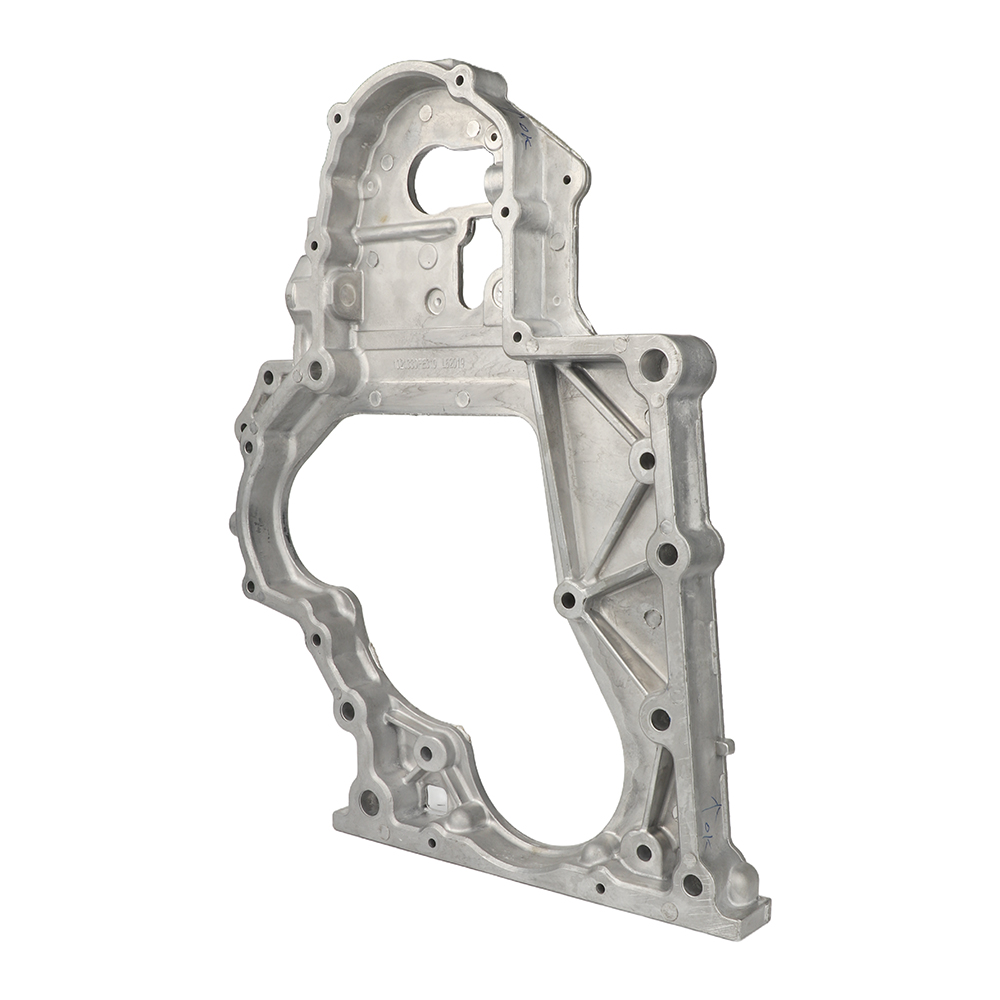
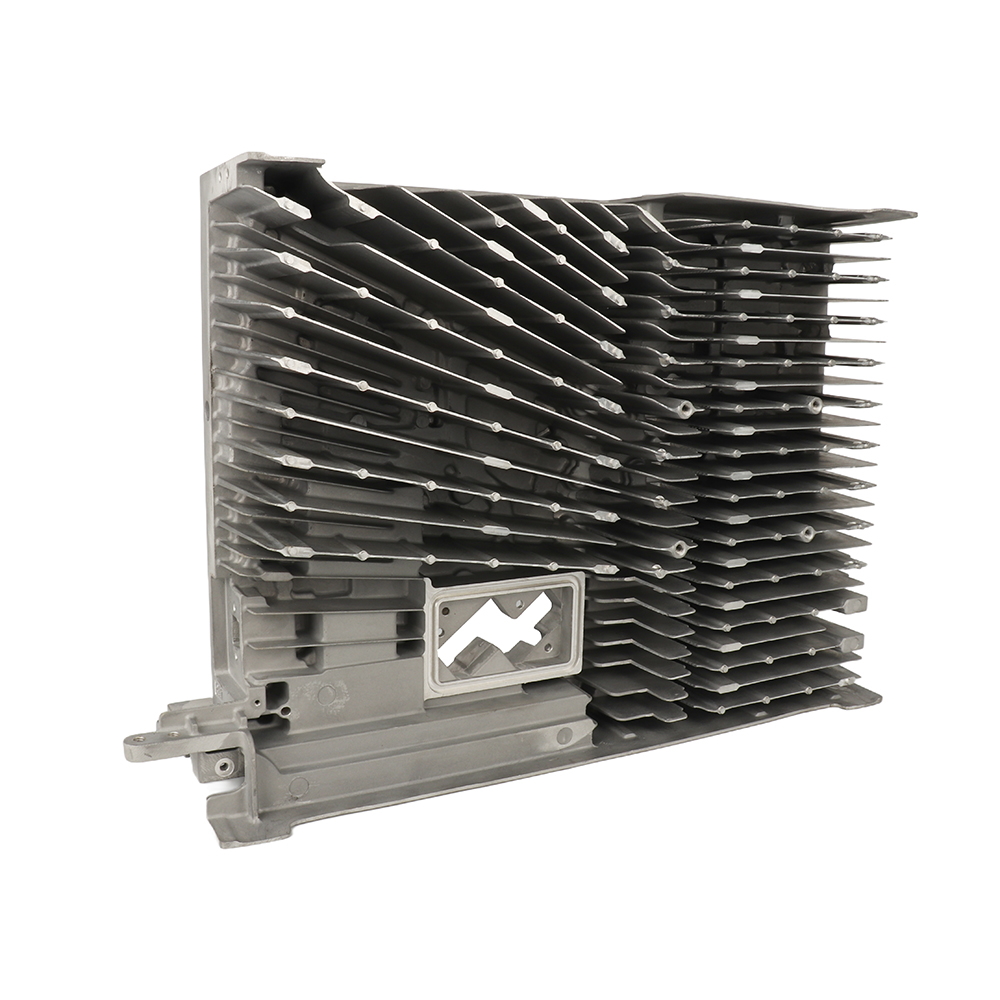
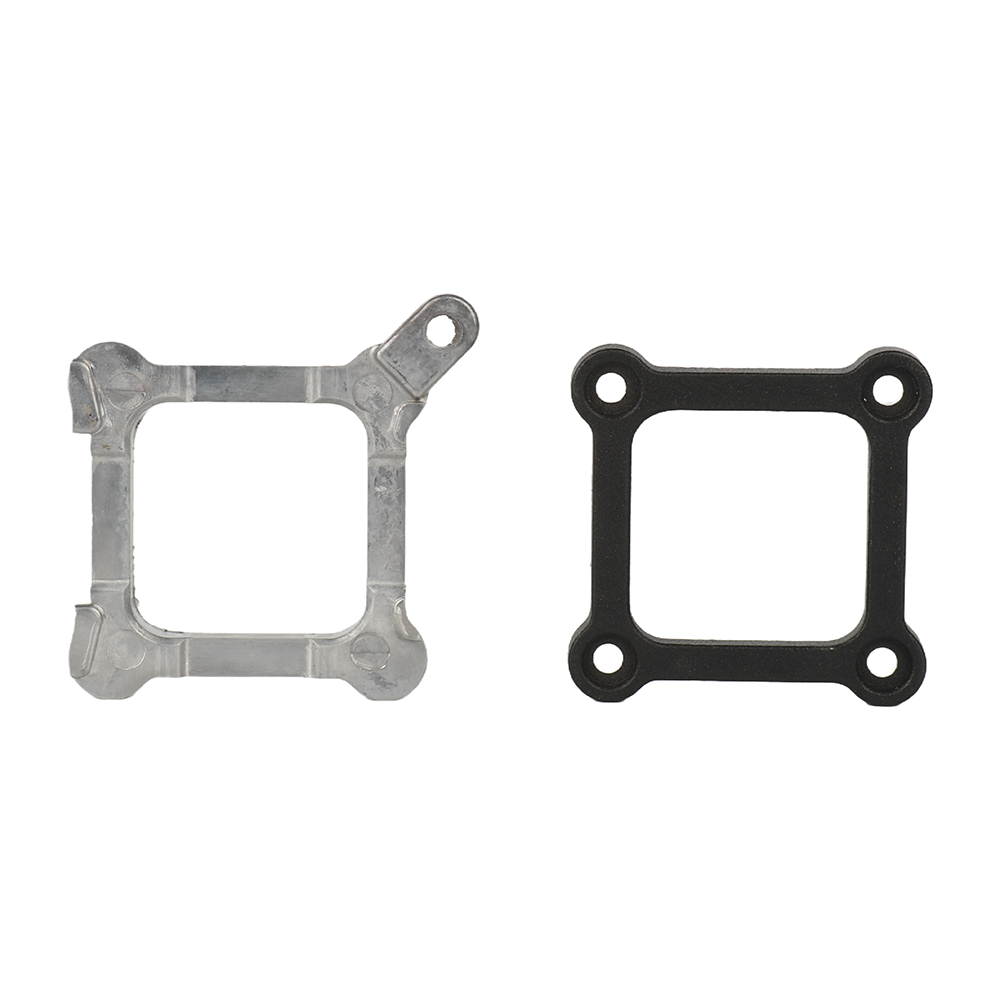
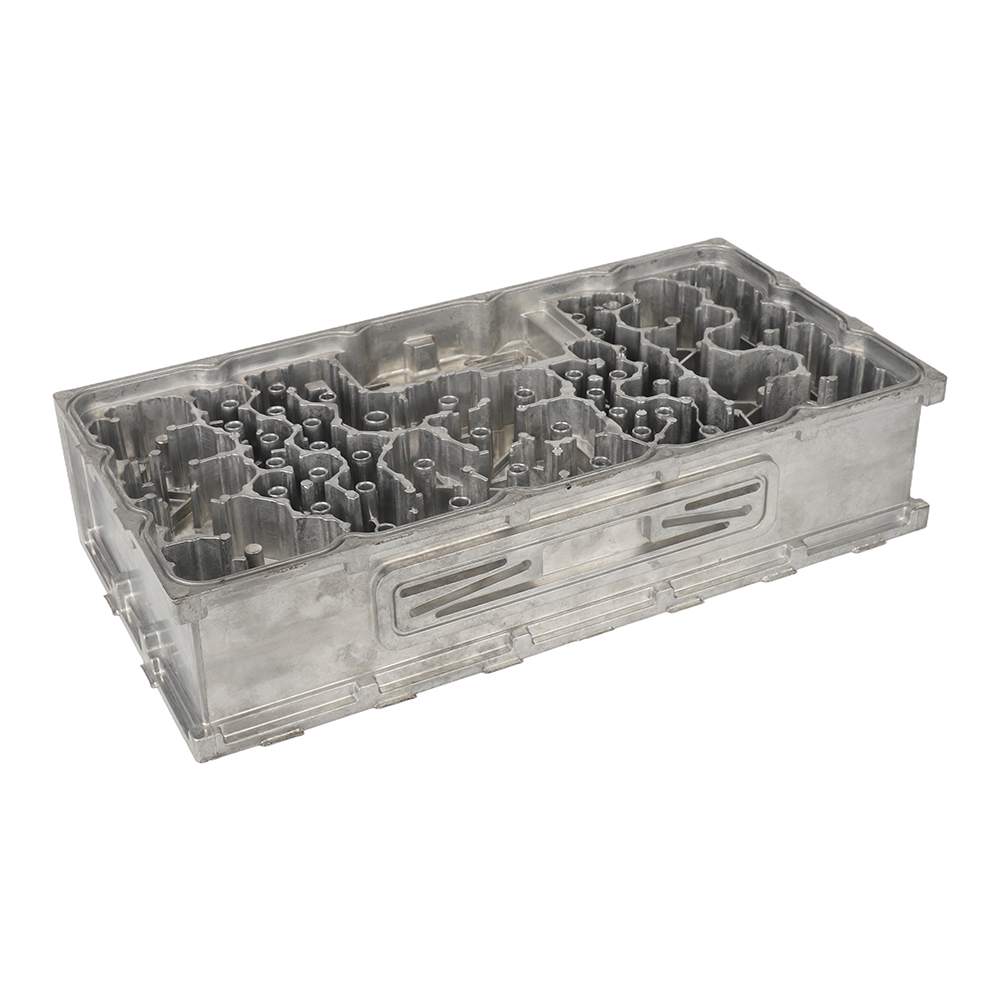
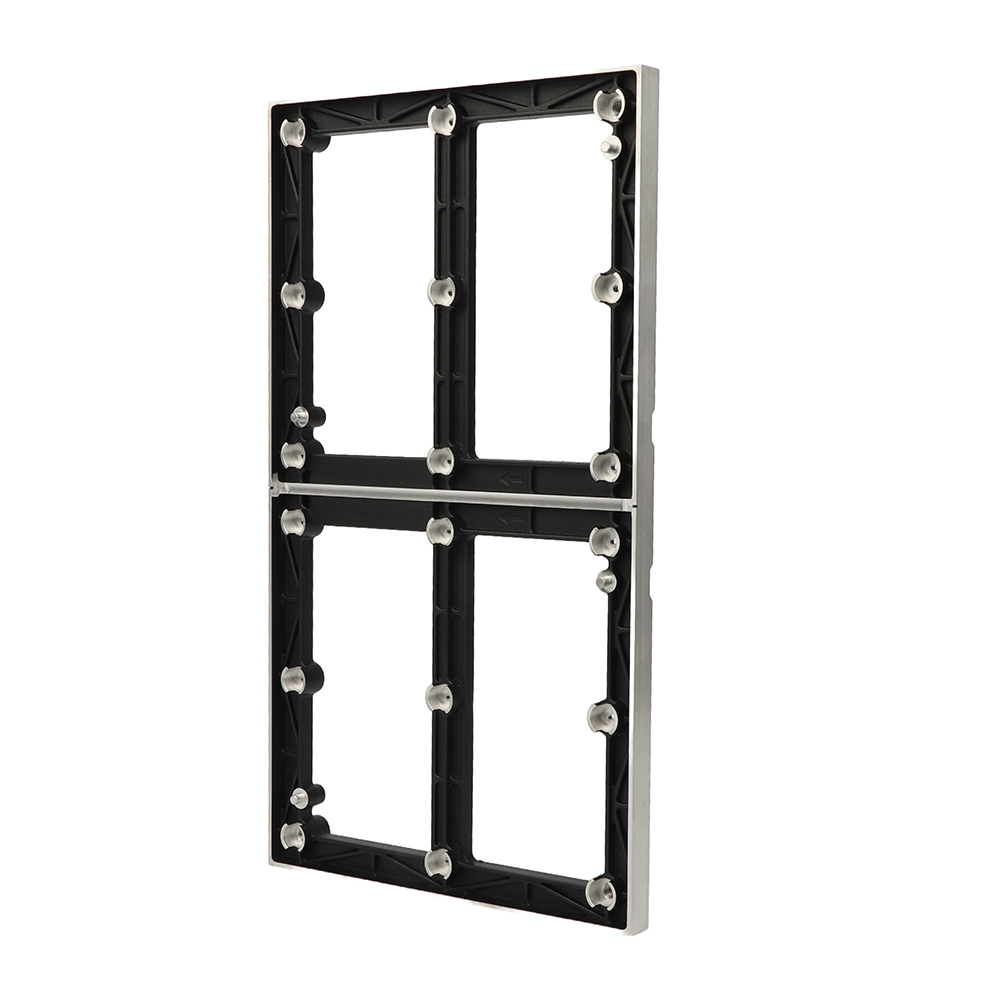
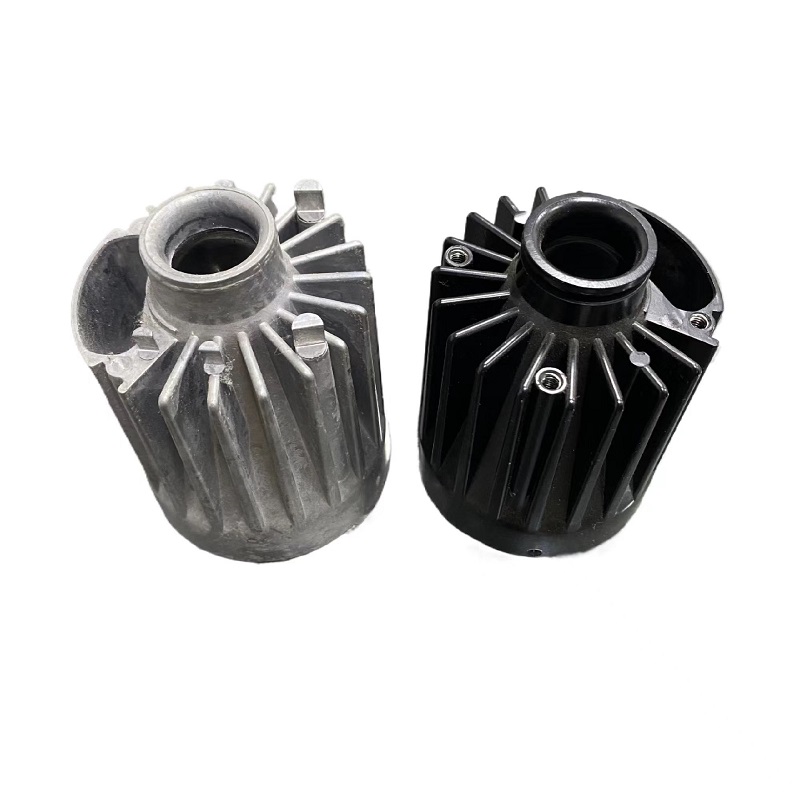
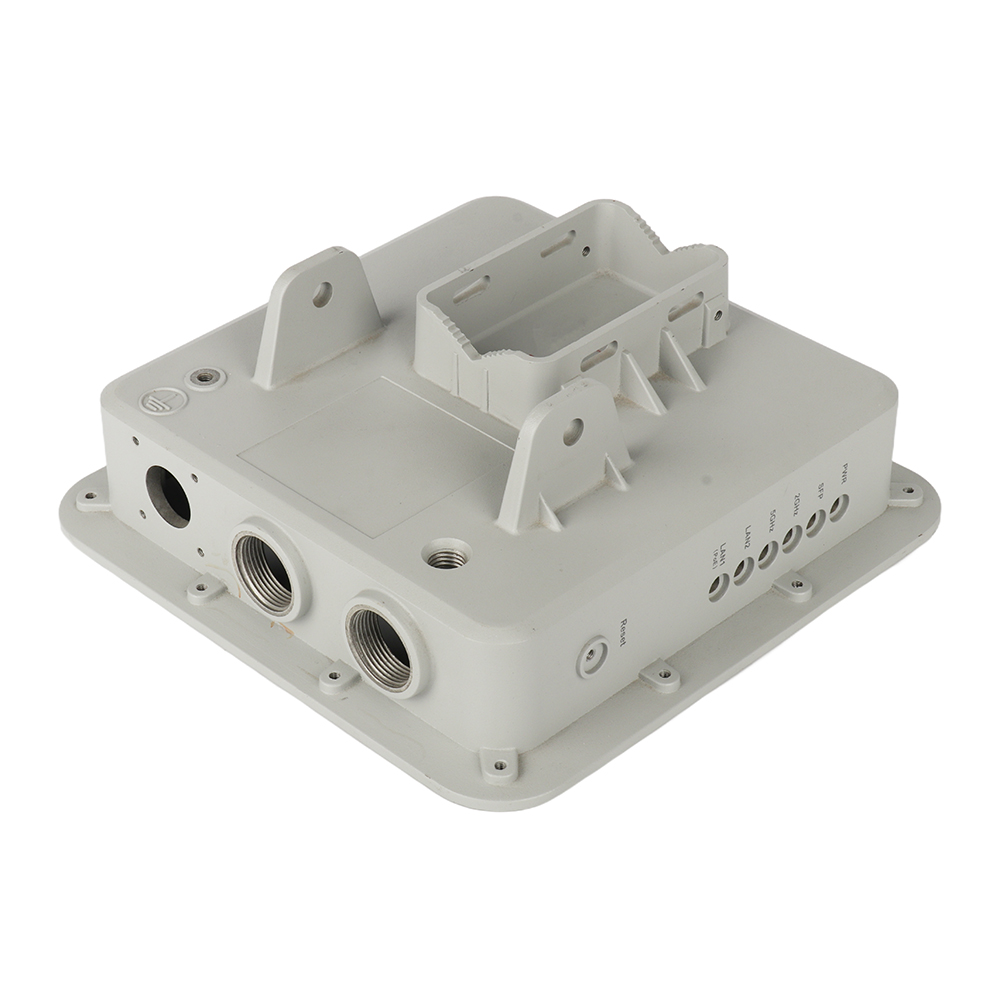
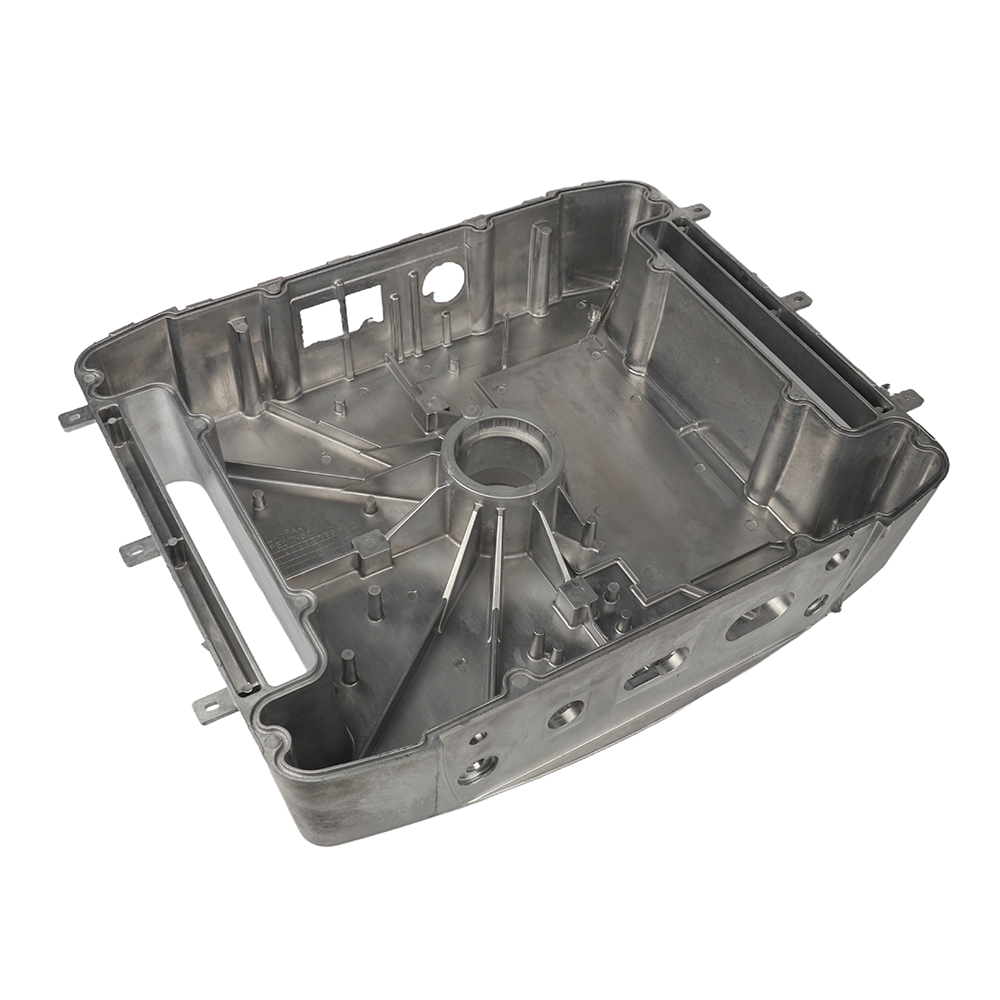
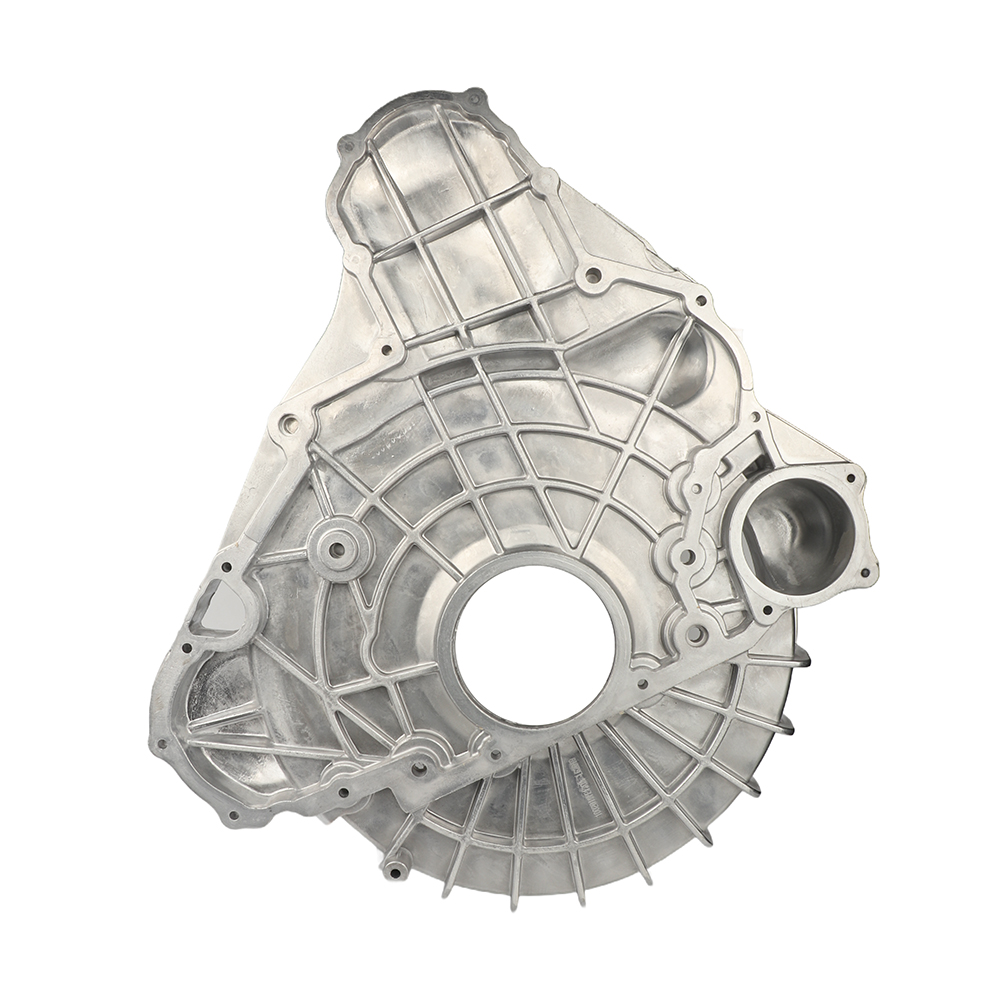
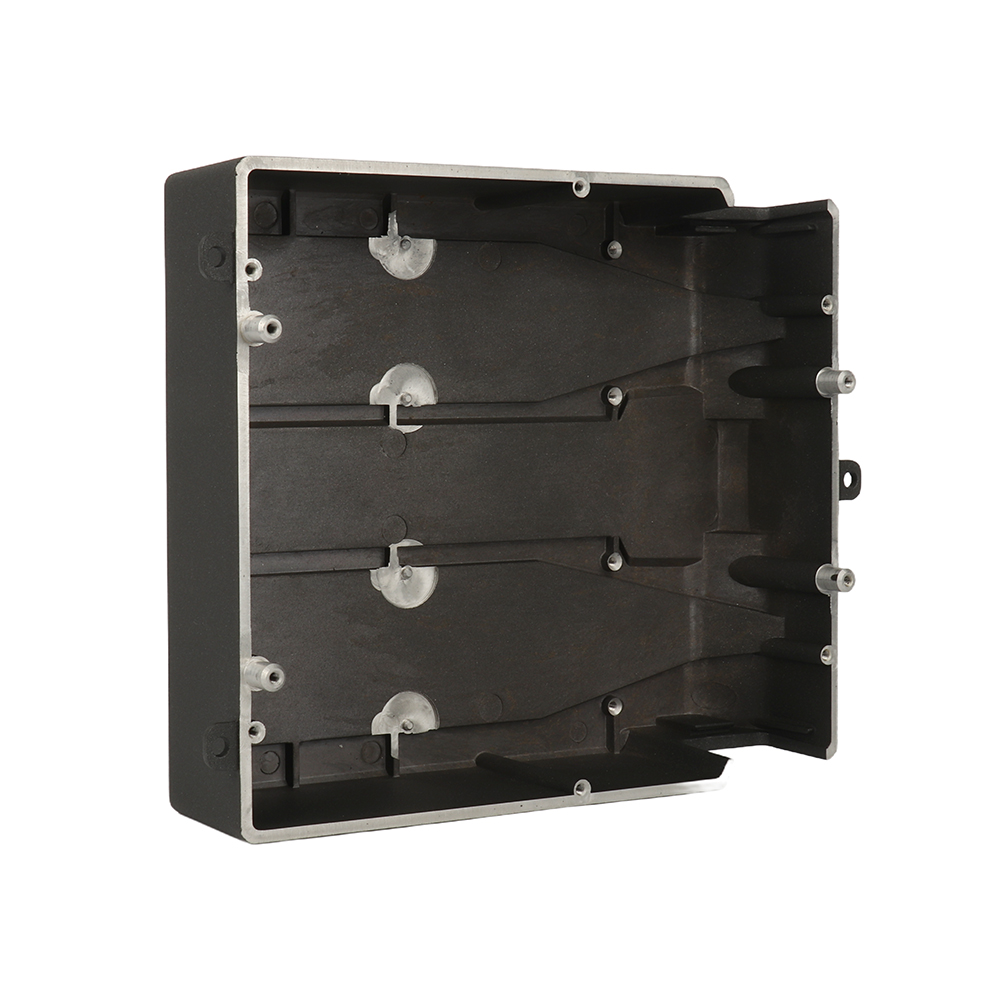
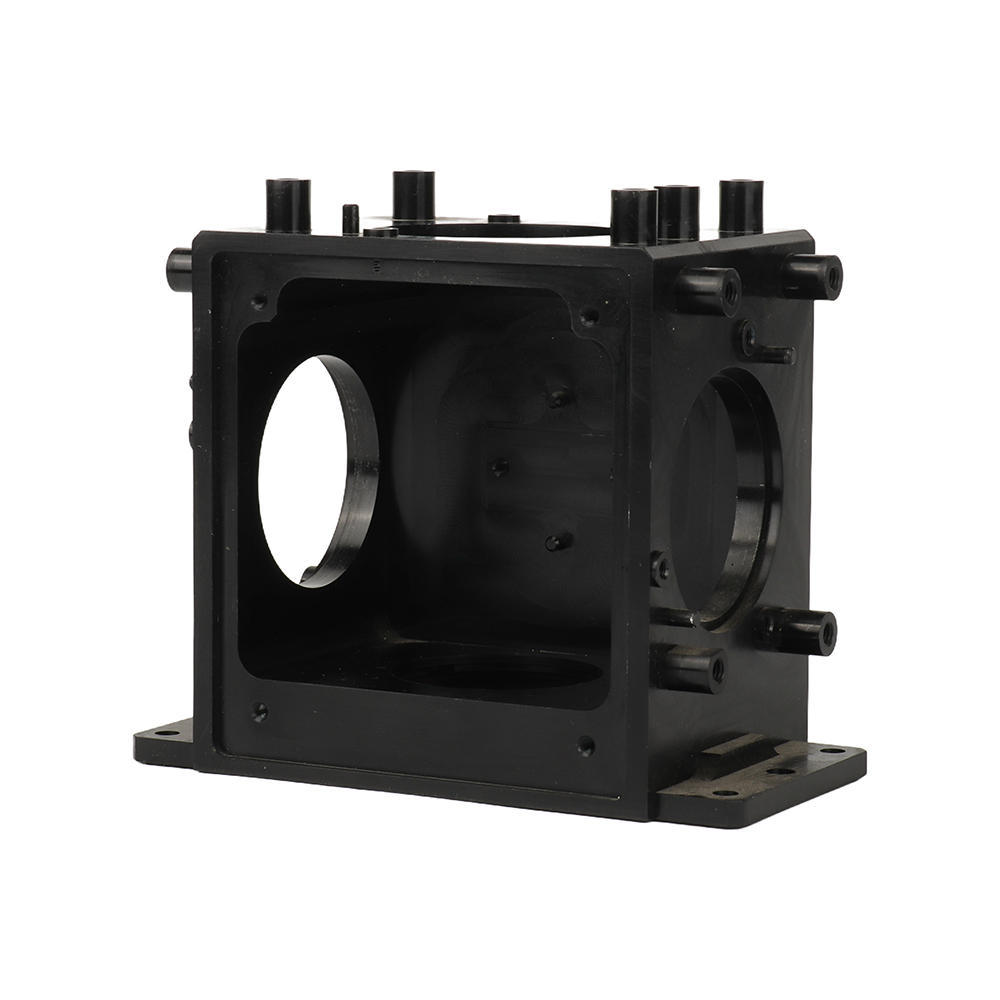
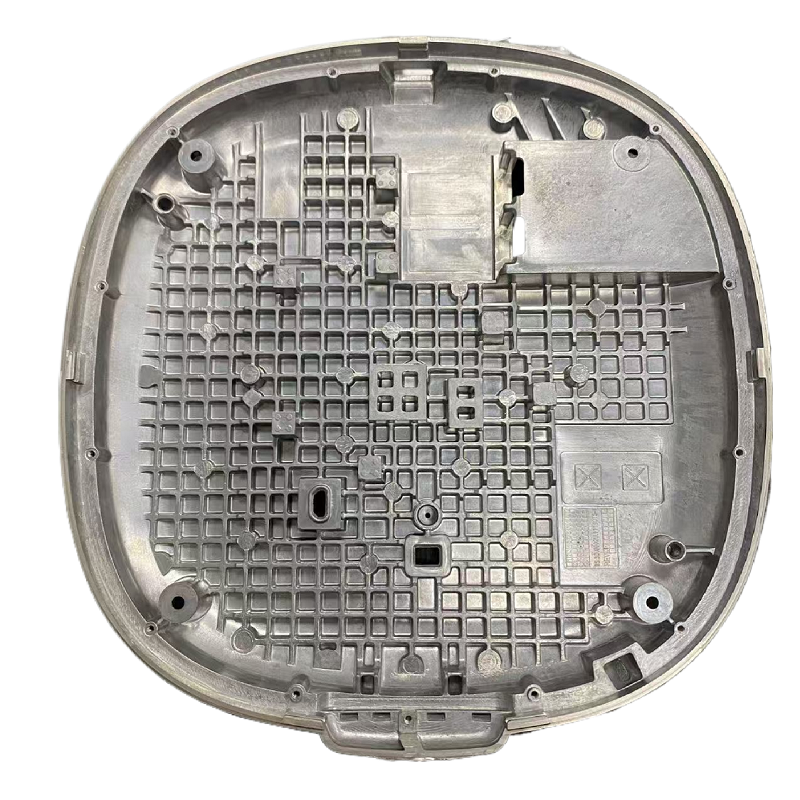
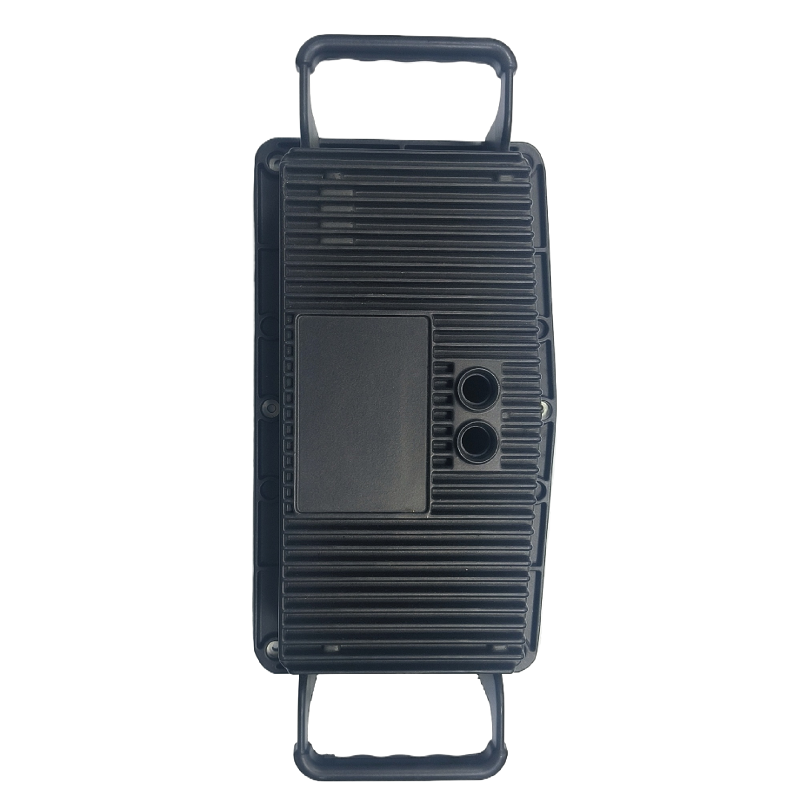
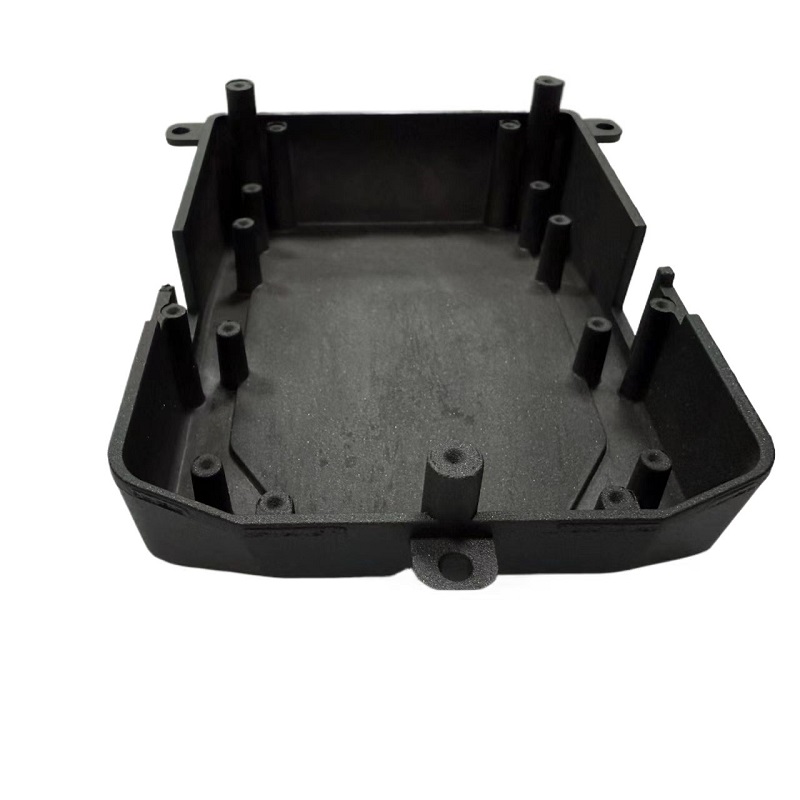
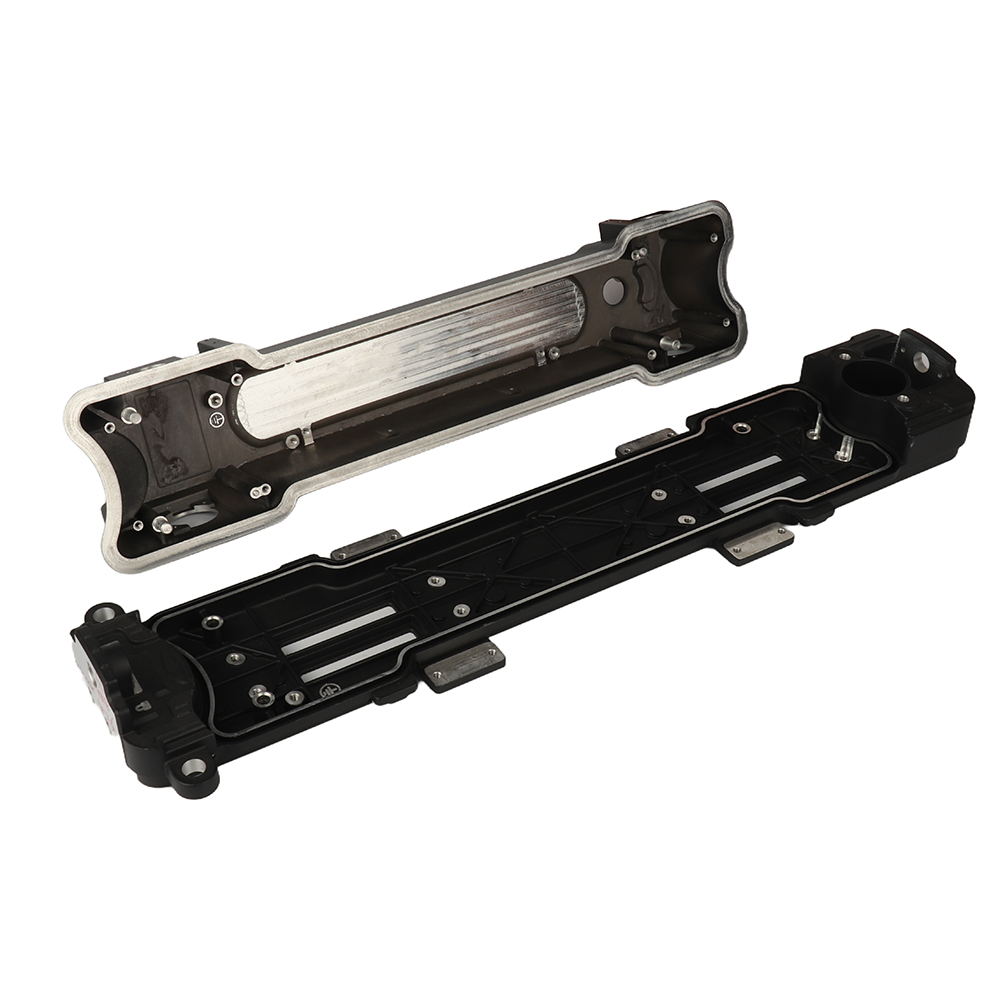
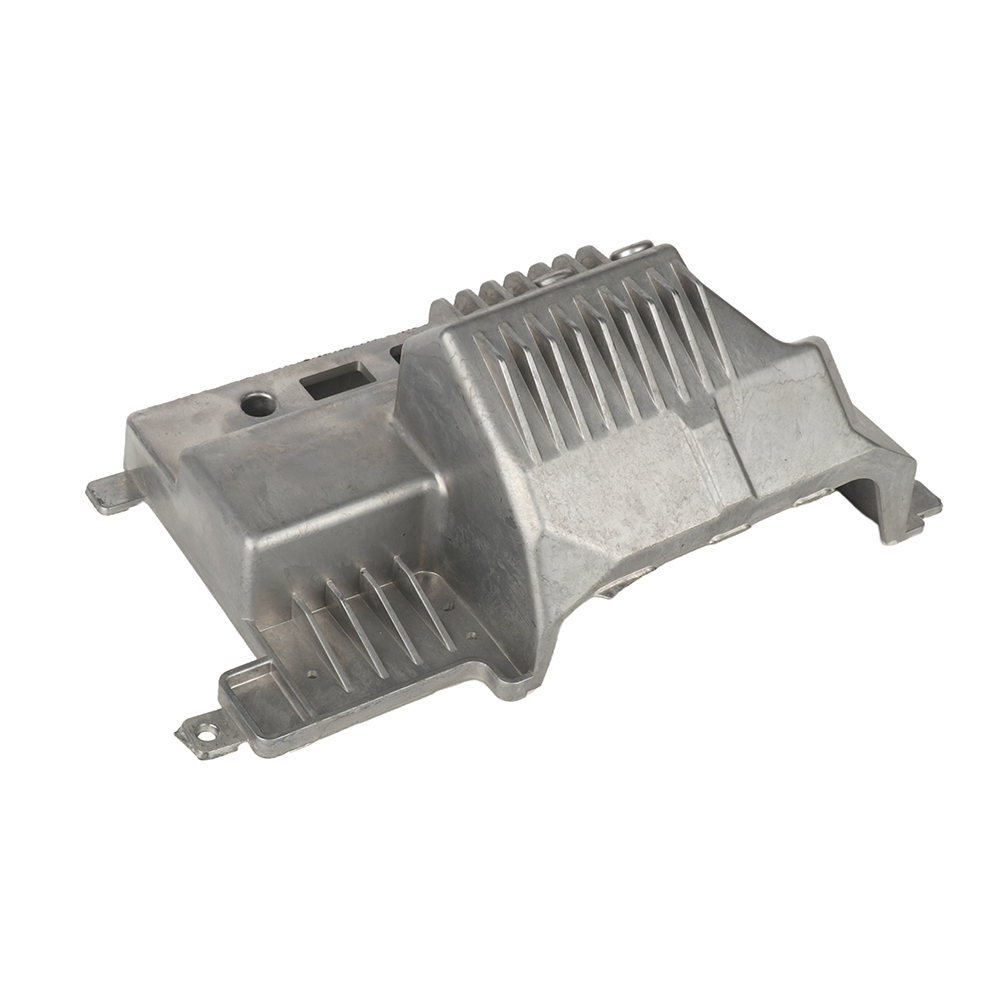
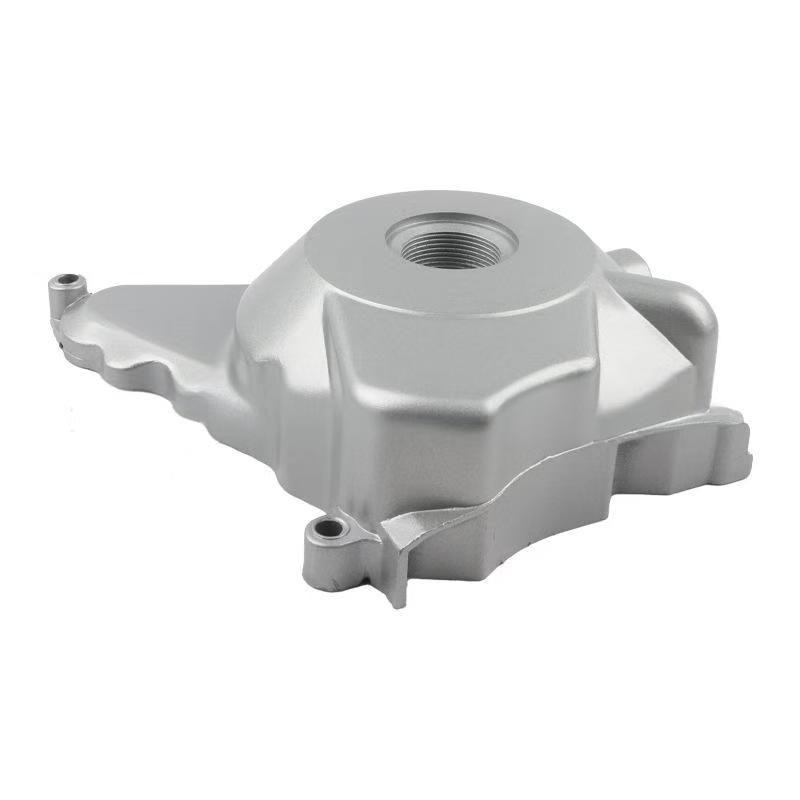
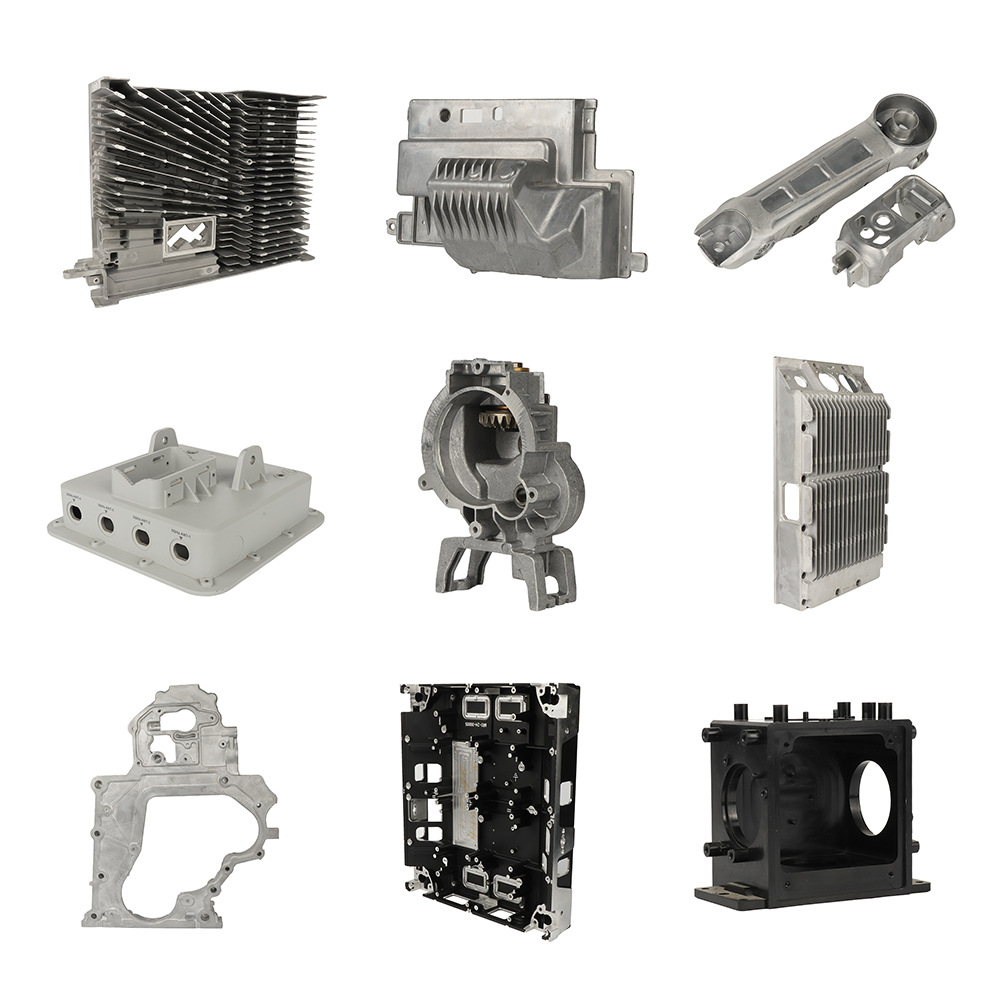
[Image: Universal Custom Machining Parts Display] — This picture displays mainstream custom CNC machining parts, including metal precision shafts, aluminum alloy structural brackets, stainless steel connectors, and irregular customized hardware accessories. These finished products feature smooth cutting surface, no burrs, compact structure and high fitting accuracy. The common raw materials cover aluminum alloy, stainless steel, copper, carbon steel and engineering plastic.
1.3 Main Application Scenarios
Custom CNC processed parts are widely used in high-precision industrial fields with strict technical requirements. The core application scenarios include automotive precision parts, communication hardware, medical electronic components, industrial automation equipment, aerospace accessories and smart home hardware. Among them, automotive and communication industries occupy the largest market share, accounting for 58% of the total demand for custom CNC machining. With the upgrading of intelligent manufacturing, the application demand in aerospace and new energy industries is growing rapidly year by year.
2. Core Functions & Key Points of Custom CNC Processing
2.1 Core Functional Values of Custom CNC Machining
2.1.1 Dimensional Precision Guarantee Function
Professional custom CNC processing realizes micron-level precision processing through intelligent CNC programming and high-performance machine tools. The dimensional tolerance of conventional customized parts can be controlled within ±0.01mm, which meets the assembly requirements of high-end precision equipment. It effectively avoids assembly failure and equipment jitter caused by dimensional deviation.
2.1.2 Structural Optimization & Matching Function
CNC processing supports complex irregular structure molding, including special-shaped grooves, threaded holes, curved surfaces and asymmetric structures. It can perfectly match the unique assembly logic of customers’ equipment, solve the matching pain points of standard parts, and improve the overall integration and stability of mechanical equipment.
2.1.3 Surface Performance Customization Function
According to usage environments, custom CNC parts can be processed with anodizing, sandblasting, polishing, electroplating and passivation. These treatments enhance the surface hardness, corrosion resistance and aesthetics of parts, adapting to harsh working conditions such as high humidity, high temperature and salt spray.
2.2 Key Control Points of Custom CNC Processing
2.2.1 Raw Material Selection Standard
Raw material selection is the primary key to ensure part quality. Manufacturers need to select qualified raw materials according to customer usage scenarios: aluminum alloy for lightweight heat dissipation parts, stainless steel for wear-resistant and anti-corrosion parts, and high-strength carbon steel for load-bearing structural parts. Unqualified inferior materials will lead to part deformation and short service life.
2.2.2 Processing Technology Control
In the processing process, it is necessary to optimize CNC programming parameters, reasonably select cutting tools and control spindle speed. Strictly implement deburring, rounding and precision inspection processes to ensure that each customized part has smooth surface, accurate hole position and consistent structural size.
3. Unbeatable Benefits of Custom CNC Machining Parts
3.1 Ultra-High Machining Precision & Stability
Different from traditional manual cutting and stamping processing, custom CNC machining adopts fully automatic digital control. The machine tool runs stably with low processing error, and the batch consistency of customized parts is higher than 99.5%. It can maintain stable mechanical performance under long-term high-load operation.
3.2 Strong Customization Flexibility
CNC processing has no mold opening restrictions, which can realize personalized customization of complex curved surfaces, special-shaped structures and non-standard sizes. Whether it is small batch prototype trial production or large batch customized production, it can meet customer requirements without extra mold development cost.
3.3 Excellent Material Adaptability
Custom CNC processing is compatible with dozens of metal and non-metal materials. It can process hard metals such as titanium alloy and tungsten steel, as well as soft materials such as brass and plastic. Customers can freely select materials according to equipment use temperature, load-bearing pressure and environmental requirements.
3.4 Comprehensive Cost-Effectiveness
Although the unit processing fee of customized CNC parts is slightly higher than standard parts, its high durability, low failure rate and strong environmental adaptability greatly reduce equipment maintenance and replacement costs. The service life of high-quality CNC customized parts is more than 8 times that of ordinary stamped parts.
4. Step-by-Step Guide to Place a Custom CNC Processing Order
4.1 Step 1: Sort Out Detailed Customization Requirements
Before placing an order, customers need to sort out clear customization information, including 2D/3D processing drawings, raw material requirements, dimensional tolerance standards, surface treatment methods, usage environment and order quantity. Clear technical documents can avoid processing errors and repeated modifications.
4.2 Step 2: Contact Supplier & Technical Communication
Send the sorted technical documents to the formal processing supplier, and conduct one-on-one technical communication with the engineer. The supplier needs to evaluate the processing feasibility, optimize the unreasonable structural design for customers, and confirm the processing difficulty and production cycle.
4.3 Step 3: Quotation Confirmation & Sample Production
After confirming the processing scheme, the supplier will issue a detailed quotation including processing fee, material fee and surface treatment fee. For mass orders, customers can apply for free sample trial production. After the sample passes precision inspection and assembly test, the formal mass production plan will be confirmed.
4.4 Step 4: Sign Contract & Arrange Production
Both parties sign a formal processing cooperation contract, clarifying delivery cycle, quality inspection standard, after-sales warranty and breach of contract liability. The supplier arranges raw material procurement, CNC programming, formal processing and production according to the contract requirements.
4.5 Step 5: Quality Inspection & Delivery Arrangement
After production, all customized parts will pass dimensional tolerance detection, surface defect inspection and hardness test. Qualified products will be packaged with anti-collision and moisture-proof measures. The supplier provides delivery tracking information and completes the handover of inspection reports and product documents.
5. Professional Expert Opinion on Custom CNC Machining
By Jason Liu, Senior Mechanical Processing Engineer of Global Hardware Manufacturing Research Center: "In 2026, custom CNC machining has become the core supporting technology of high-end intelligent manufacturing. With the upgrading of new energy, medical and communication industries, the market has higher requirements for the precision, surface finish and customization diversity of CNC parts. Many buyers only focus on the processing price while ignoring material quality and processing tolerance, which leads to equipment failure risk. It is recommended that purchasers choose suppliers with complete inspection equipment and mature processing technology. Priority should be given to manufacturers that can provide one-stop services such as drawing optimization, sample customization and after-sales maintenance to ensure product stability and delivery efficiency."
Experts suggest that for customers who place custom CNC orders for the first time, it is necessary to confirm the material certification and tolerance detection standard of the supplier. For parts used in high-temperature and high-precision equipment, it is forbidden to use recycled inferior raw materials. It is better to complete sample testing in advance to reduce the risk of mass production defects.
6. Frequently Asked Questions About Custom CNC Processing
Q1: What is the minimum customization quantity for CNC processing?
A1: Formal professional suppliers support 1 piece sample customization and small-batch trial production. There is no mandatory minimum order quantity. Whether it is a single prototype part or tens of thousands of mass-produced parts, customized processing services can be provided.
Q2: What is the highest machining tolerance of custom CNC parts?
A2: Ordinary CNC processing can achieve ±0.02mm tolerance, and high-precision five-axis CNC equipment can control the tolerance within ±0.005mm, which fully meets the processing requirements of aerospace and medical ultra-precision parts.
Q3: What common surface treatment methods are available for CNC parts?
A3: The mainstream surface treatments include sandblasting, anodizing, mirror polishing, electroplating, blackening and laser marking. Customers can customize color, gloss and anti-corrosion performance according to usage scenarios.
Q4: How long is the customized production cycle?
A4: The sample production cycle is 3-8 working days according to part complexity; the mass production delivery cycle is 15-35 working days. High-quality suppliers can provide priority delivery services for urgent orders to shorten the production cycle reasonably.
Q5: How to judge the quality of custom CNC processing manufacturers?
A5: High-quality manufacturers have complete processing equipment (three-axis/five-axis CNC machine tools), professional quality inspection laboratories, and complete industry certification. Their products have smooth surfaces without burrs, uniform coating and stable tolerance. It is recommended to check factory qualification and sample quality before cooperation.
7. 2026 Industry Trends & High-Quality Hardware Supplier Selection
7.1 2026 Latest Custom CNC Machining Industry Trends
7.1.1 High Precision & Intelligent Upgrading
Driven by intelligent manufacturing, the custom CNC machining industry is developing towards five-axis linkage processing, intelligent programming and green low-carbon production. Automated production lines reduce manual processing errors, and intelligent detection equipment improves the accuracy of dimensional inspection. High-precision and lightweight customized parts will become the mainstream market demand.
7.1.2 Market Development Trend
The market demand for high-end customized CNC parts continues to expand, especially in new energy vehicles, medical devices and aerospace fields. The industry has raised stricter standards for material environmental protection, processing precision and surface finish, and low-quality small processing factories will be gradually eliminated by the market.
7.2 Core Standards for Selecting Excellent Hardware Processing Suppliers
First, verify the supplier’s equipment configuration, including the quantity and model of CNC machine tools and testing equipment; second, check enterprise qualifications and long-term cooperative brand cases; third, evaluate technical team capability and after-sales service response speed. Avoid manufacturers with insufficient equipment and irregular processes.
7.3 Reliable Supplier Recommendation: Xinghang Precision Hardware
Xinghang Precision Hardware is a professional hardware processing manufacturer integrating custom CNC machining, die-casting production and precision parts customization, with more than 10 years of industrial hardware manufacturing experience. The factory is equipped with three-axis/five-axis high-precision CNC machine tools, automatic polishing equipment and professional precision inspection laboratory. We strictly control the processing tolerance within ±0.01mm to ensure batch product consistency.
We support OEM/ODM personalized customization, covering aluminum alloy, stainless steel, copper and other metal materials. The products are widely exported to Europe, Southeast Asia, the Middle East and other regions, serving communication, new energy, medical and industrial automation industries. Adhering to the principle of high quality and transparent price, we provide one-stop services including drawing optimization, sample production, mass processing and customized surface treatment.
Mobile/WeChat: +86 18819502691
Email: liqine@xinghangcn.com
Email: liqine@xinghangcn.com
Welcome global customers to consult product samples, customize processing solutions and negotiate long-term cooperative projects.
8. Conclusion
8.1 Summary of Custom CNC Processing Advantages & Order Process
To sum up, custom CNC machining has irreplaceable advantages such as high precision, strong customization, diverse materials and high cost performance. Its core functions include dimensional tolerance control, structural personalized matching and surface performance optimization. The complete ordering process covers requirement sorting, technical communication, sample confirmation, contract signing, production processing and quality inspection delivery, which standardizes the cooperation process between customers and suppliers.
8.2 2026 Industry Development Prospect
In 2026 and the next few years, the custom CNC machining industry will continue to move towards intelligence, high precision and environmental protection. The market demand for high-end non-standard customized parts will keep growing. Formal manufacturers with advanced equipment, complete qualifications and perfect service system will occupy the dominant position in the industry.
8.3 Purchasing & Cooperation Suggestions
When purchasing custom CNC processing parts, enterprises should stay away from low-cost inferior manufacturers and choose regular powerful processing suppliers.Xinghang Precision Hardware is your reliable global customized hardware processing partner. With mature processing technology, strict quality control system and thoughtful one-stop service, we provide cost-effective CNC customization solutions for all walks of life. Feel free to contact us via the above contact information to obtain free samples and factory inspection services.
Aluminum machining part | What are aluminum CNC parts? A Complete Guide to Aluminum Machining Parts
Precision cnc machining | What is precision CNC machining ? Definition, Benefits & Industry Guide
Related Article

What are CNC machined aluminum electronic parts & their core functions CNC machined aluminum electronic parts are precision metal components processed by multi-axis CNC equipment, widely used in electronic products.
Electronic parts | Where to find high-quality CNC machined aluminum parts for electronics?

CNC machined aluminum parts for semiconductor equipment are precision metal components manufactured by aluminum die casting, then finished via CNC machining.
semiconductor equipment | What are cnc machined aluminum parts for semiconductor equipment?