HOT PRODUCTS
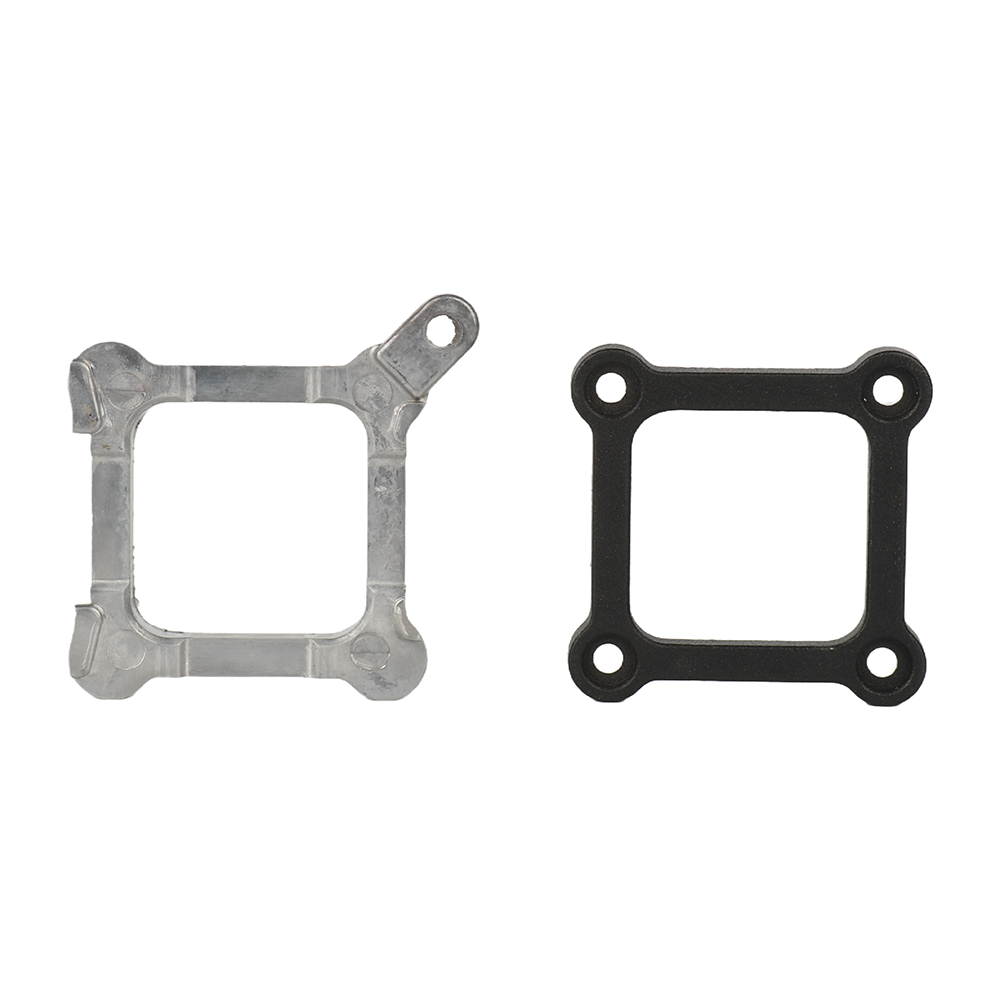
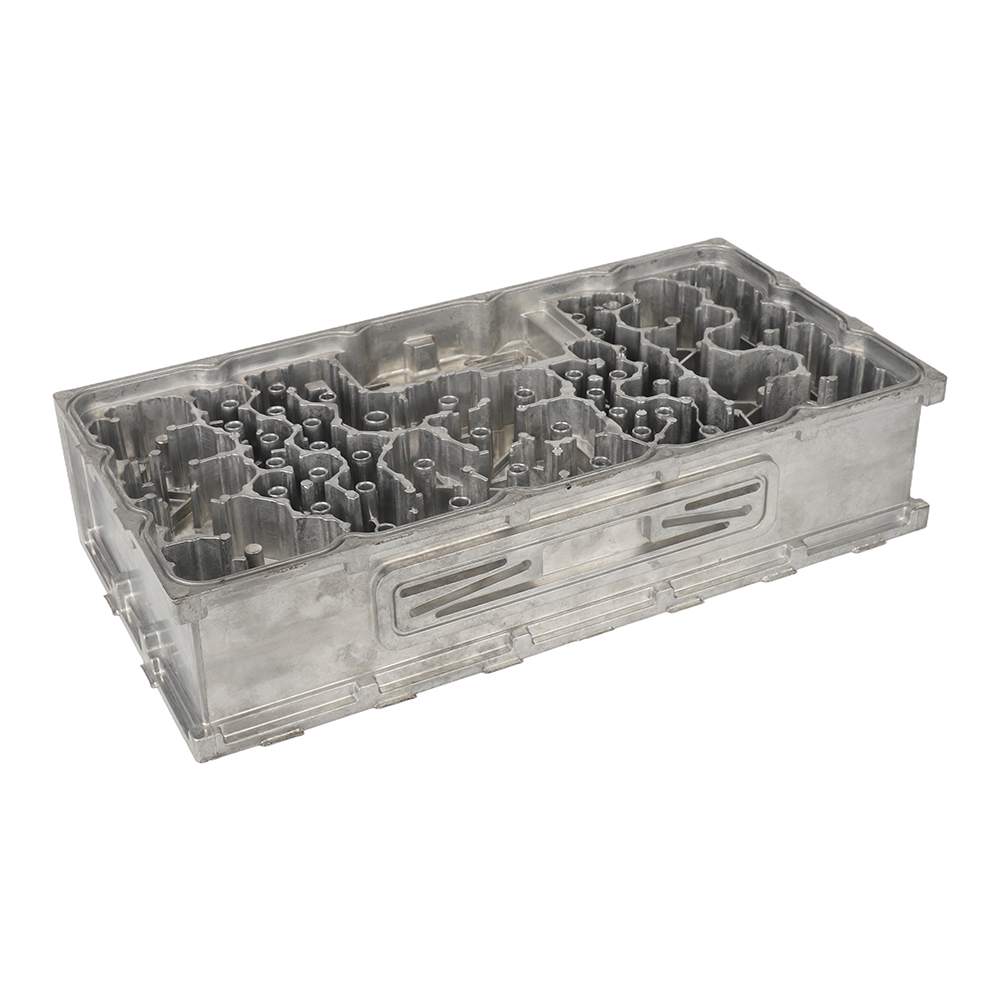
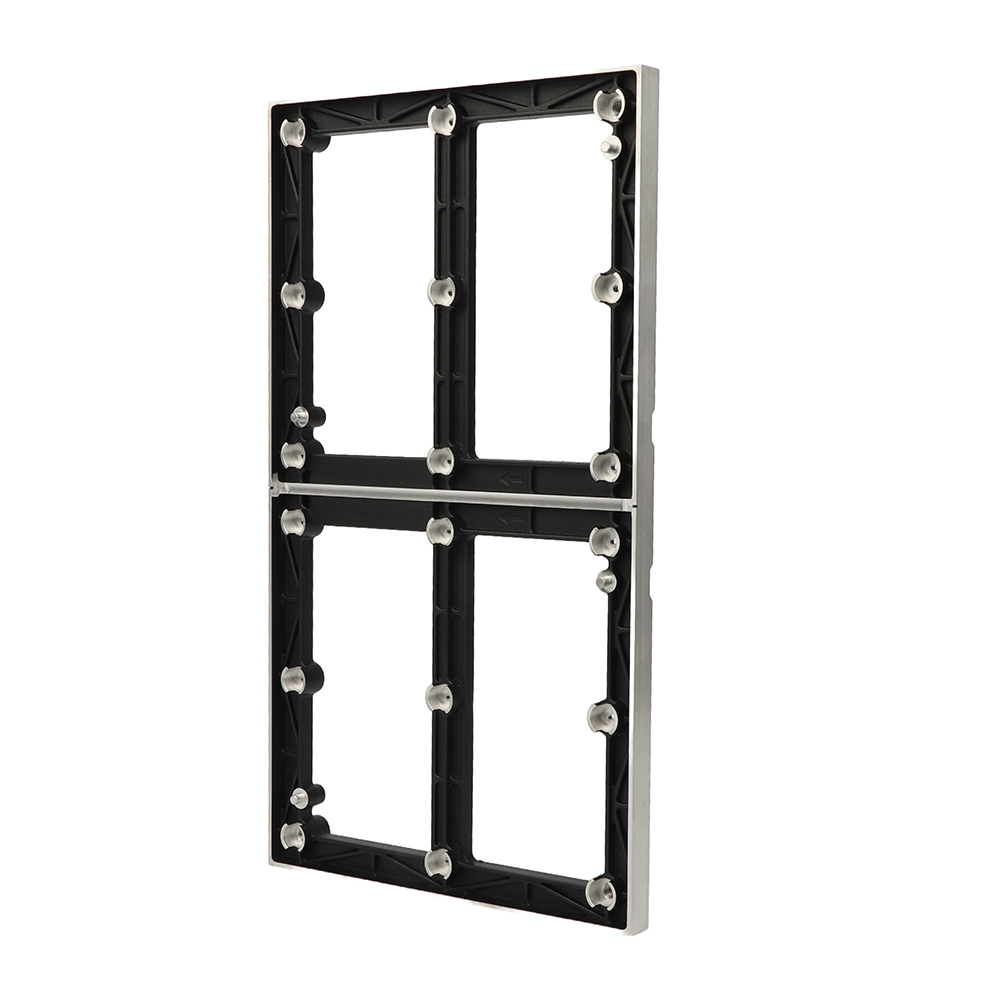
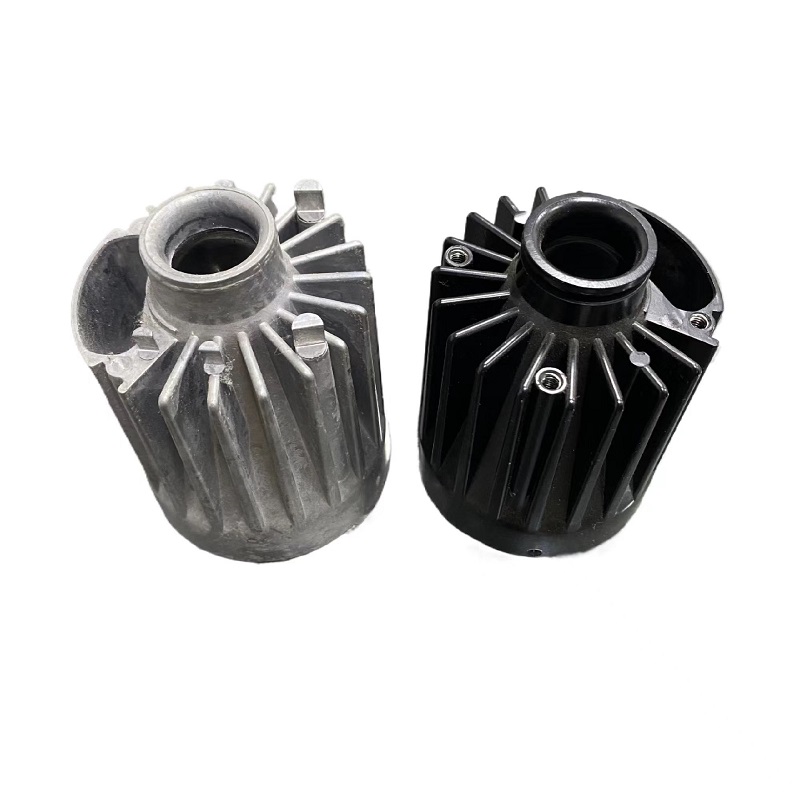
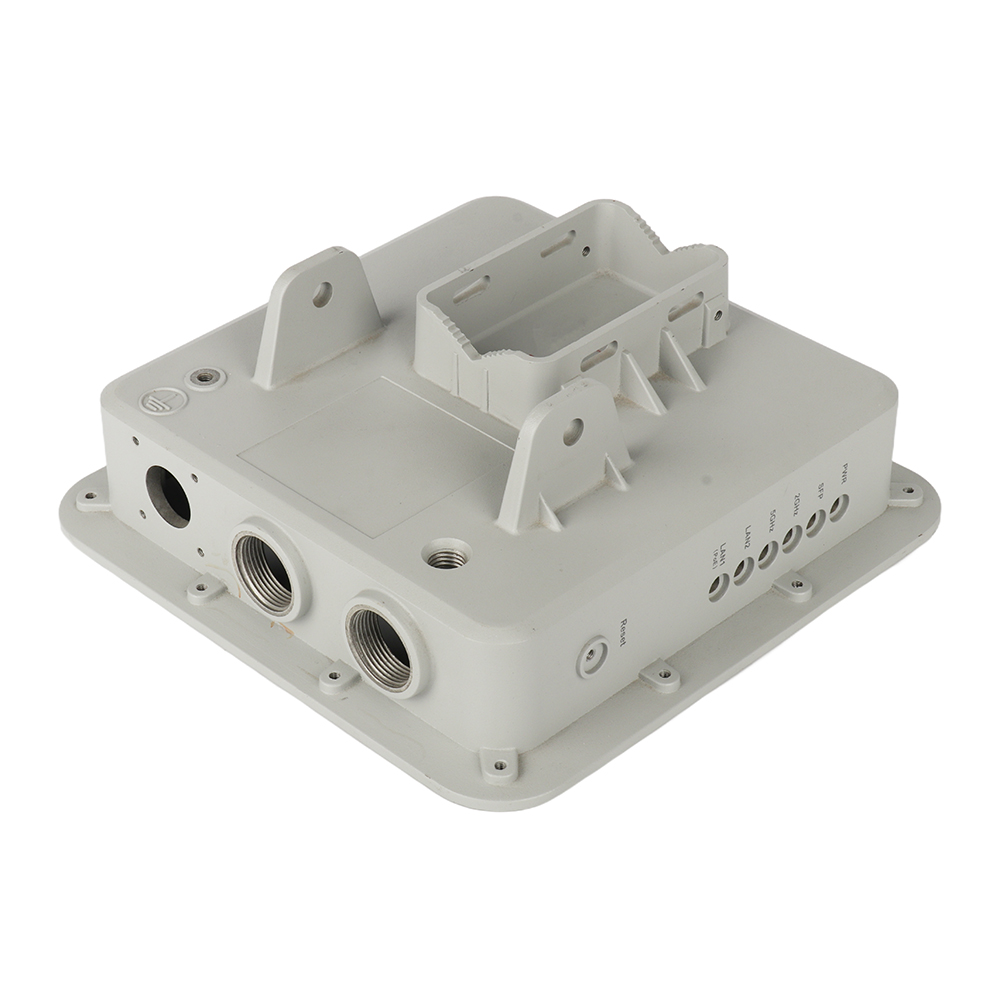
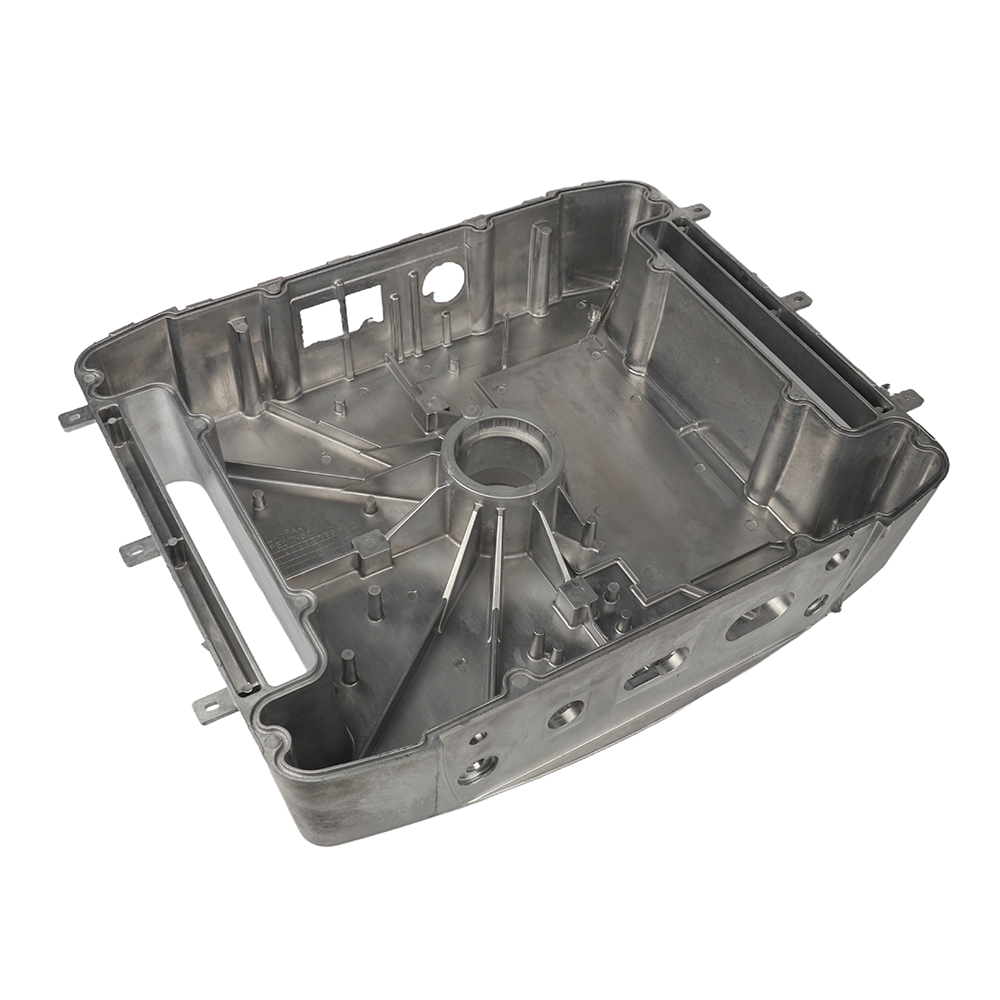
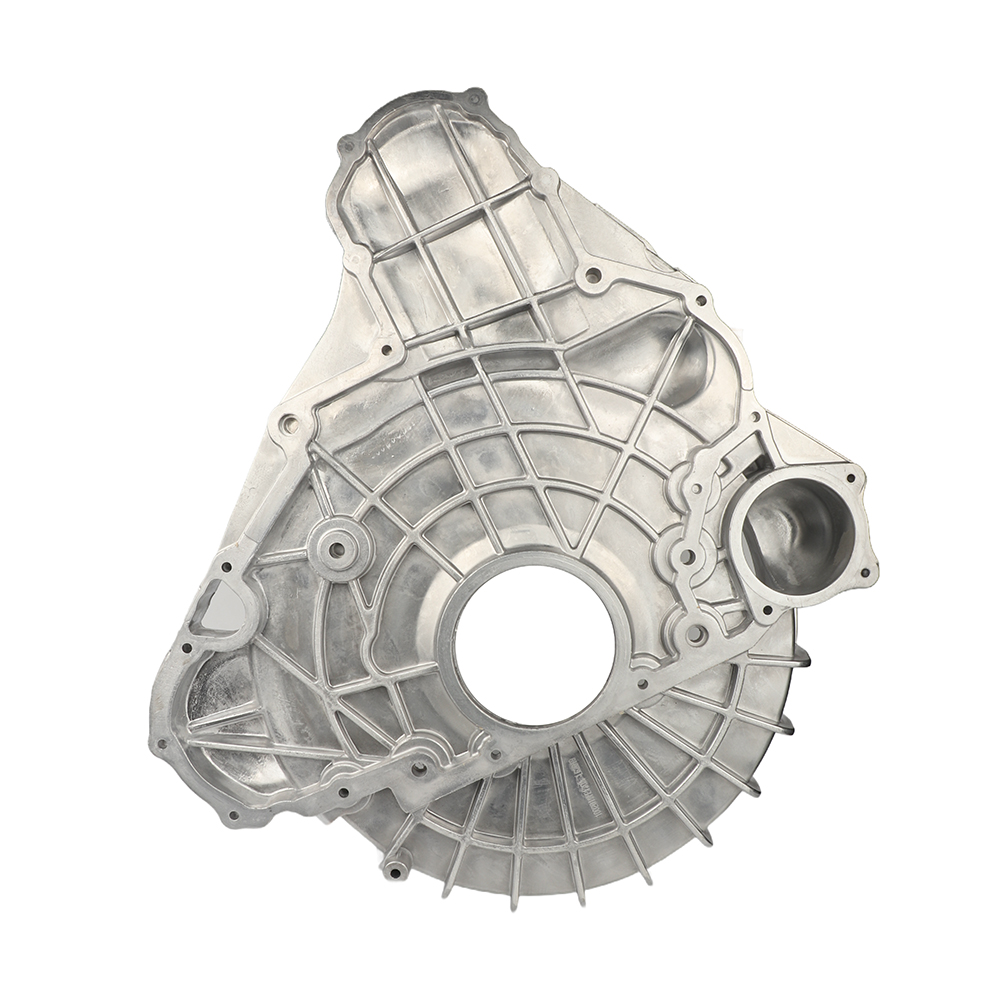
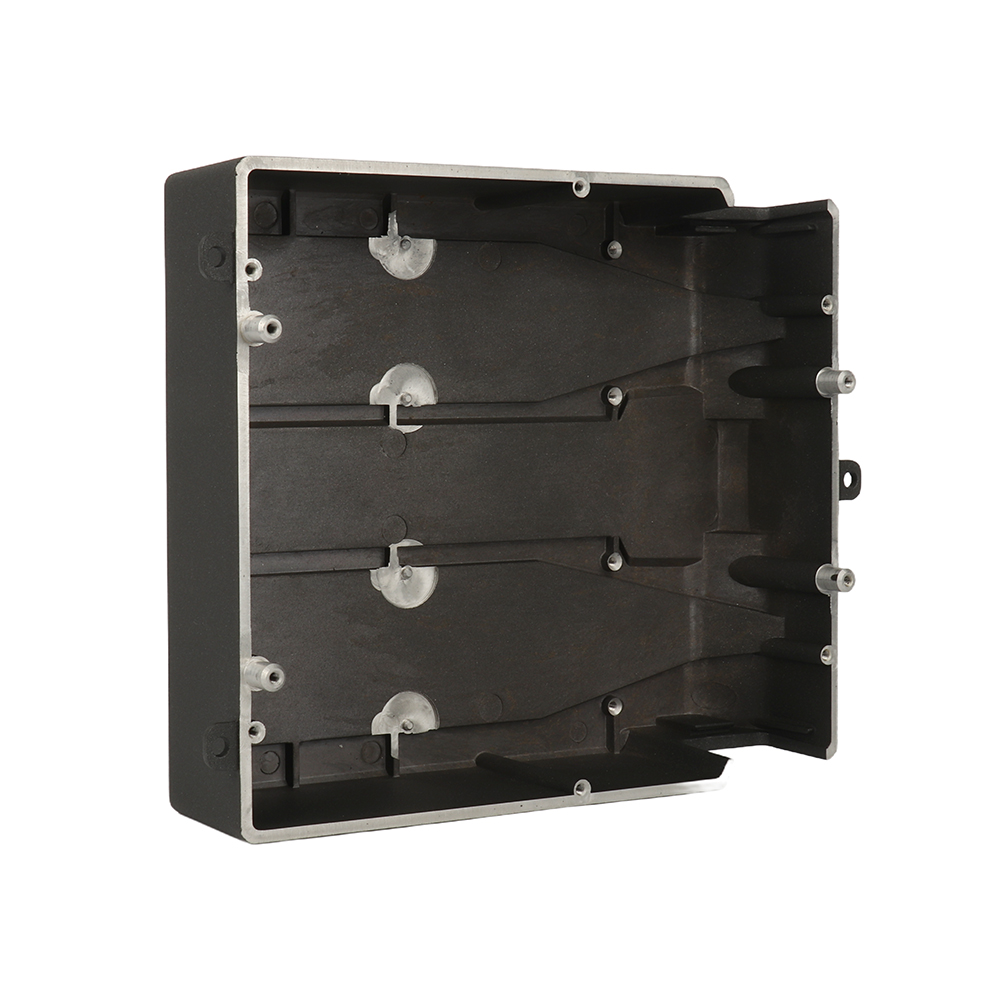
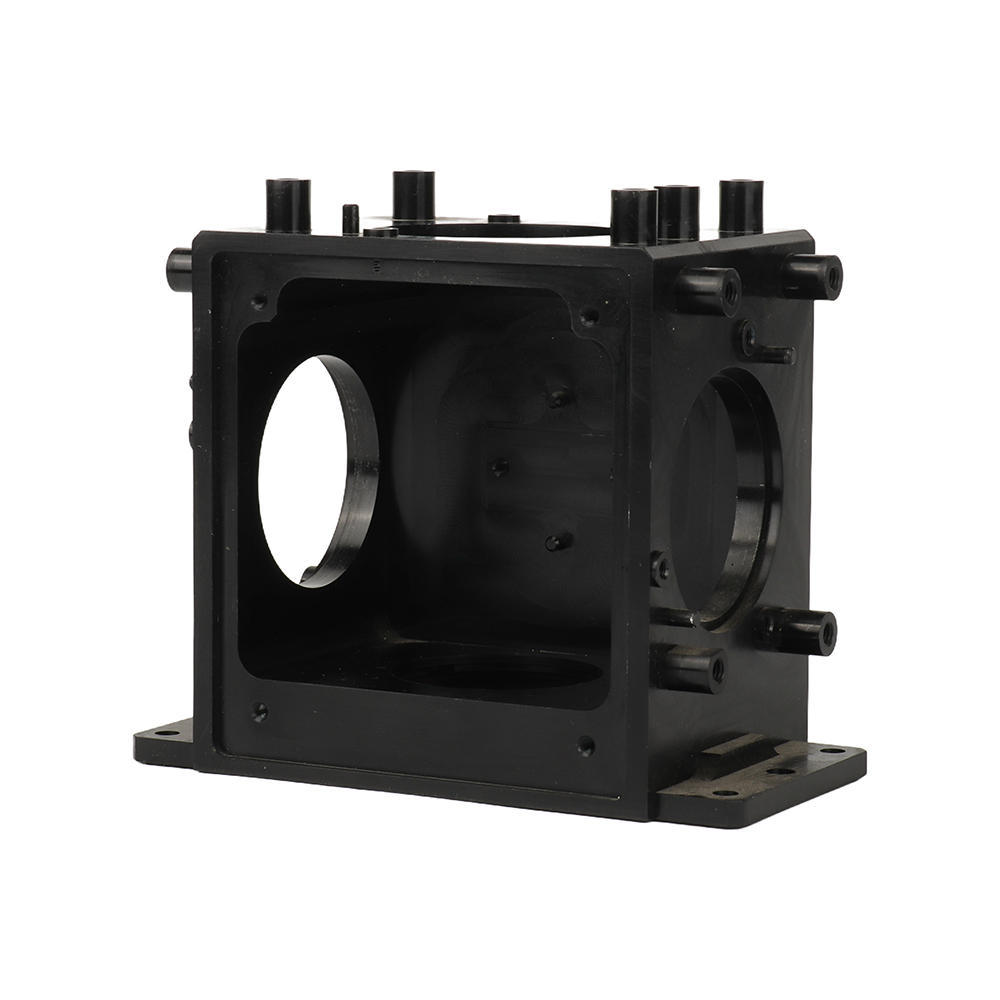
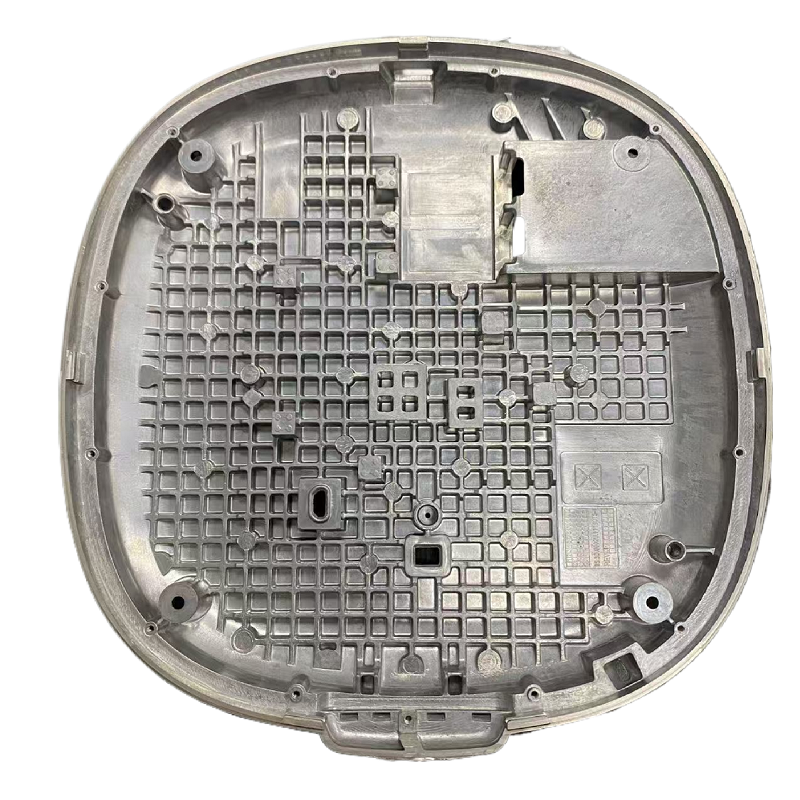
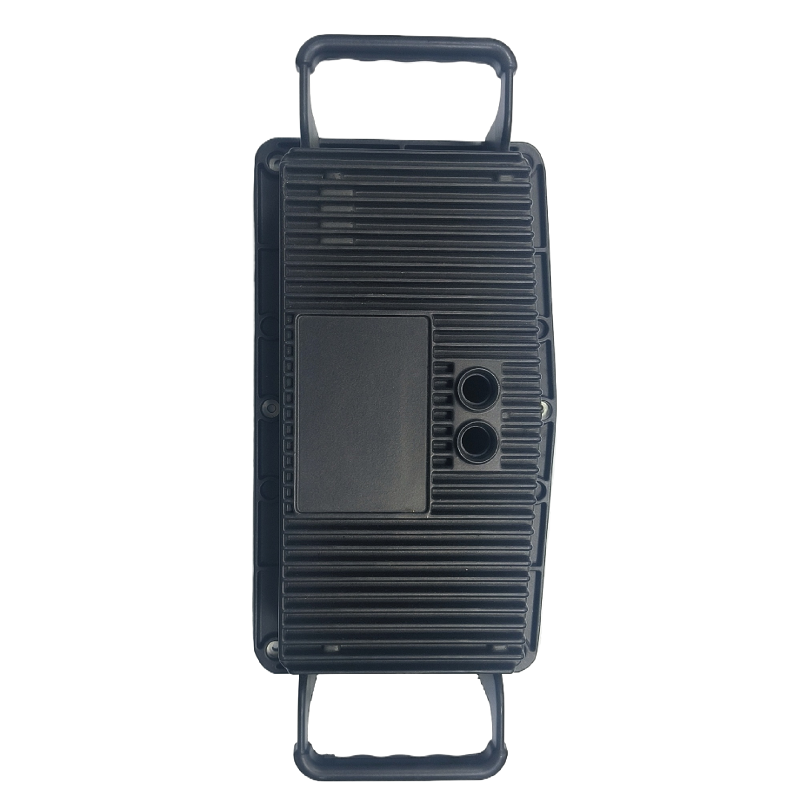
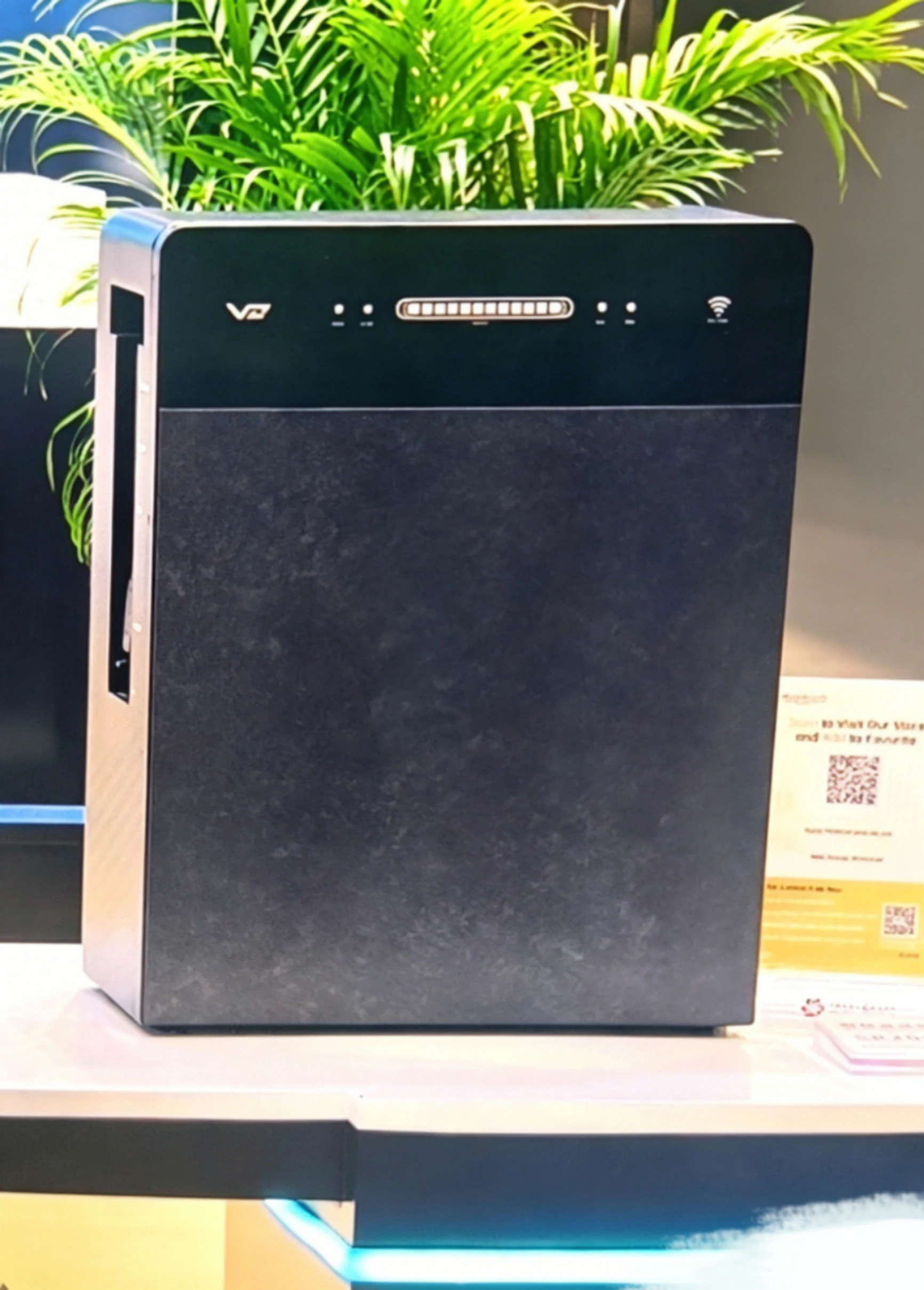
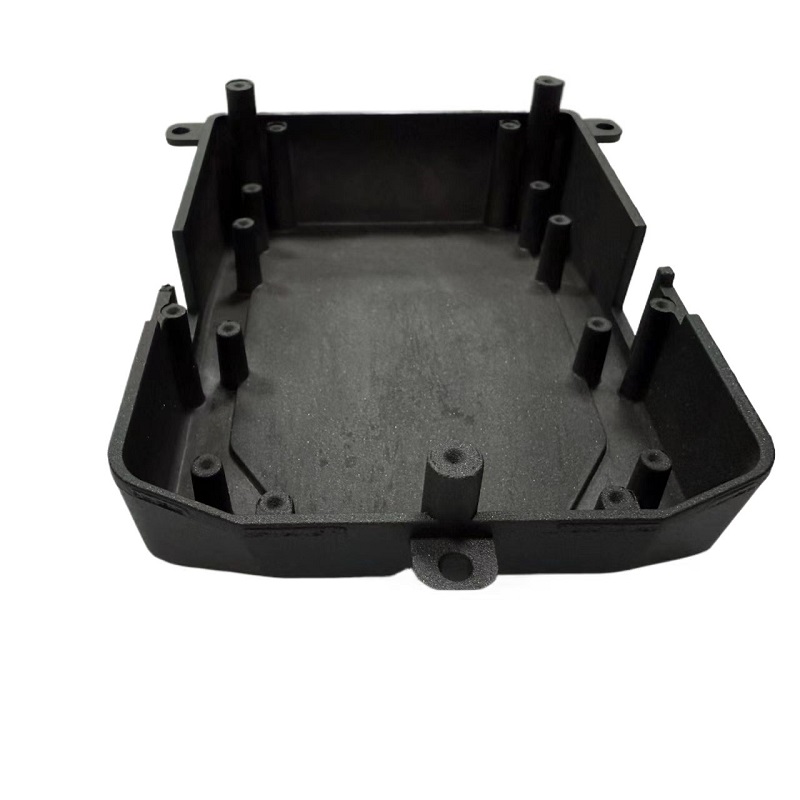
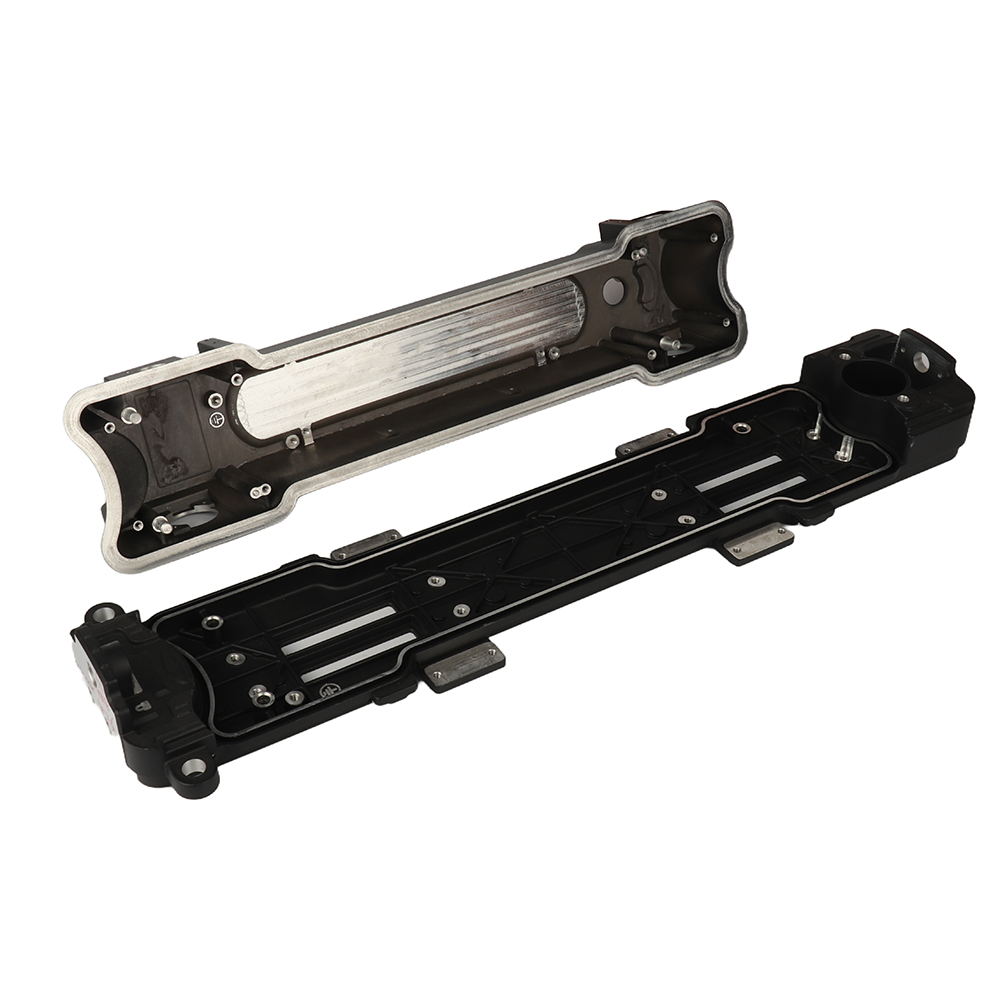
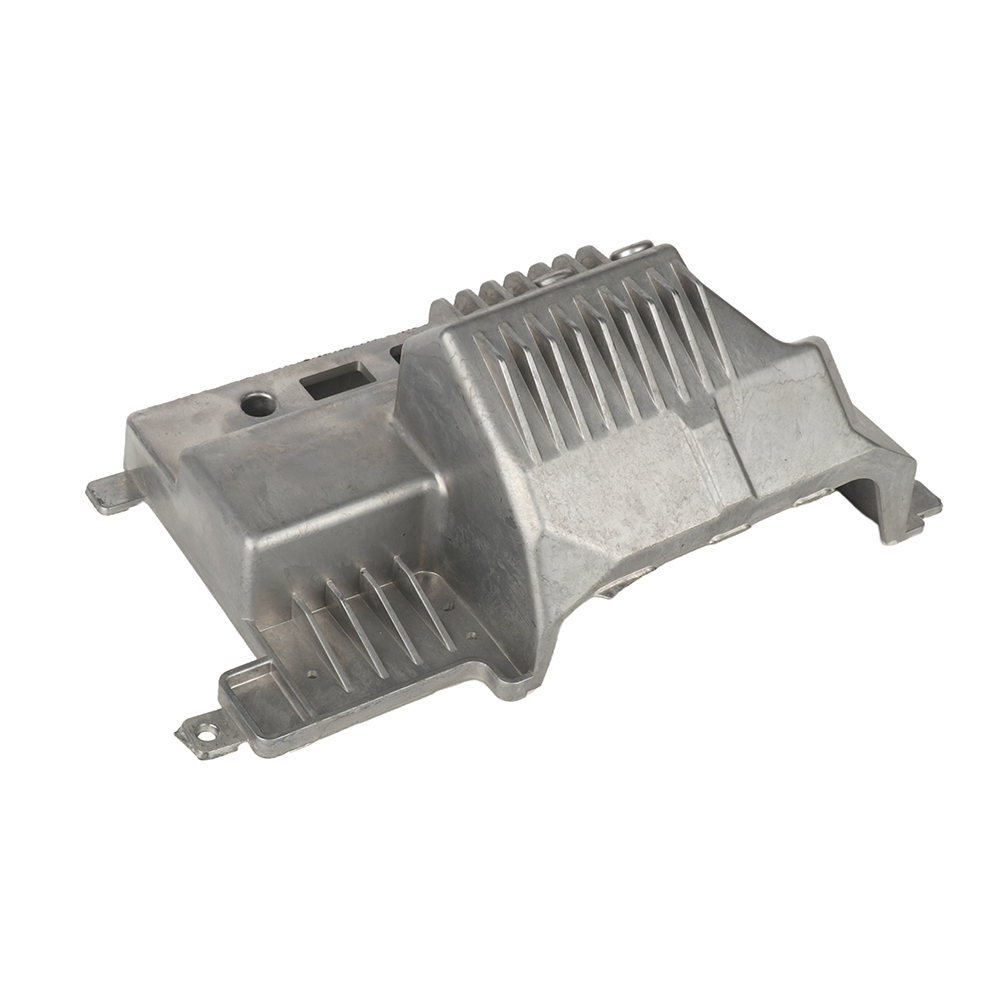
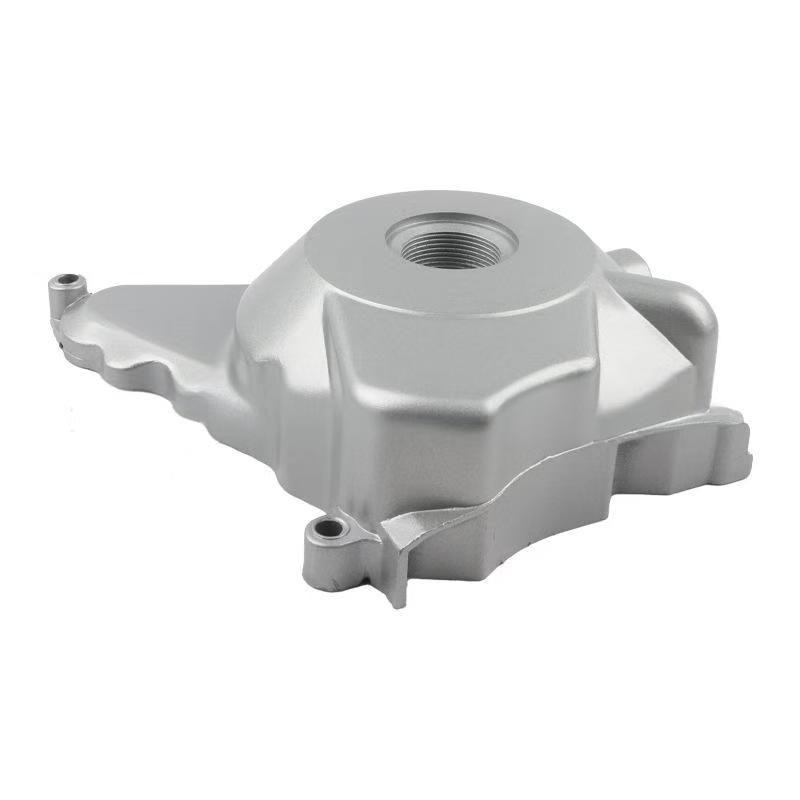
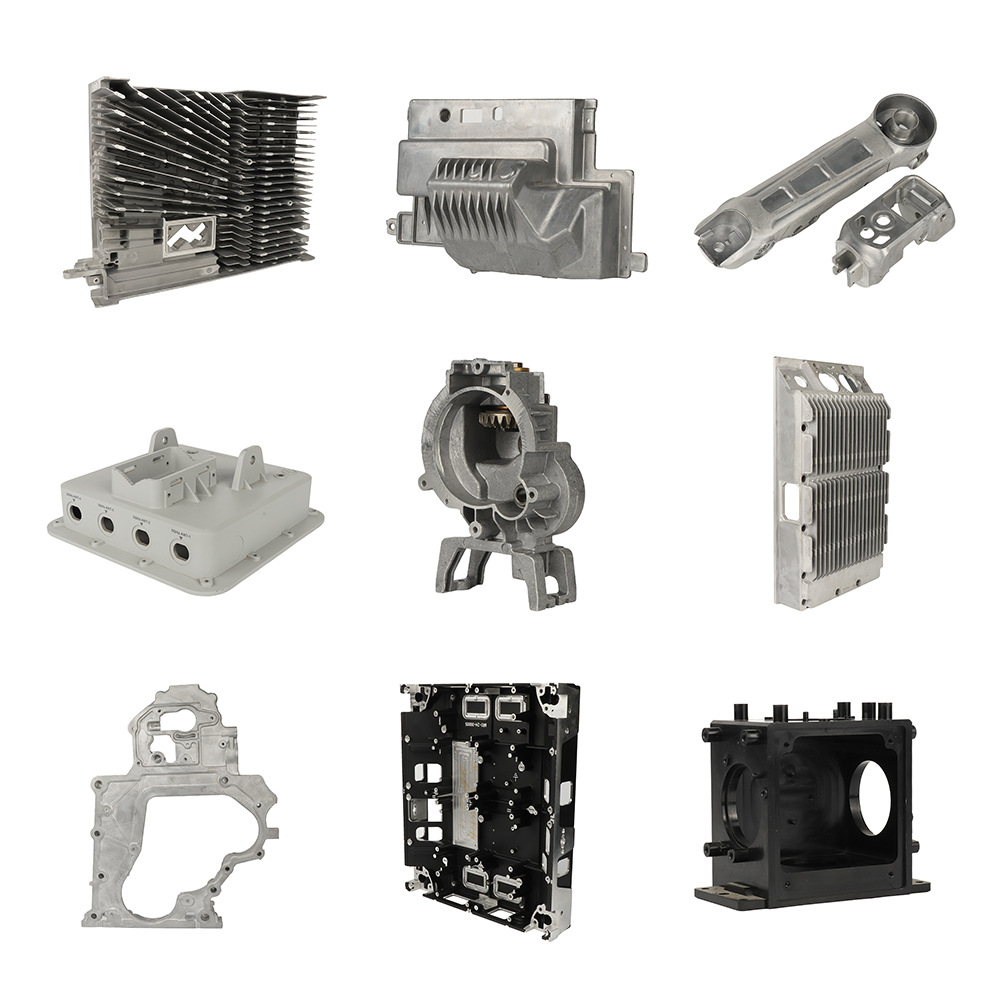
Precision cnc machining | What is precision CNC machining ? Definition, Benefits & Industry Guide
2026-05-11
What is Precision CNC Machining? Definition, Benefits & Industry Guide
Table of Contents
- Overview of Precision CNC Machining
- Core Working Principles of Precision CNC Machining
- Key Functions of Precision CNC Machining
- Major Benefits of Precision CNC Machining
- Common Machining Types & Applicable Materials
- Professional Expert Opinion on Precision CNC Machining
- FAQs About Precision CNC Machining
- 2026 Industry Trends & Supplier Selection Guide
- Conclusion
1. Overview of Precision CNC Machining
1.1 Basic Definition
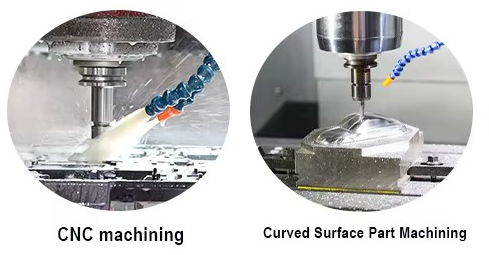
Precision CNC machining is an advanced automated manufacturing technology that utilizes computer numerical control equipment to produce high-tolerance, high-quality mechanical parts. Different from ordinary CNC processing, it focuses on ultra-precise dimensional control, fine surface treatment and strict production standards, with a tolerance range usually controlled within ±0.01mm. This sophisticated processing method has become an indispensable manufacturing technology for high-end industrial fields.
1.2 Core Product Introduction
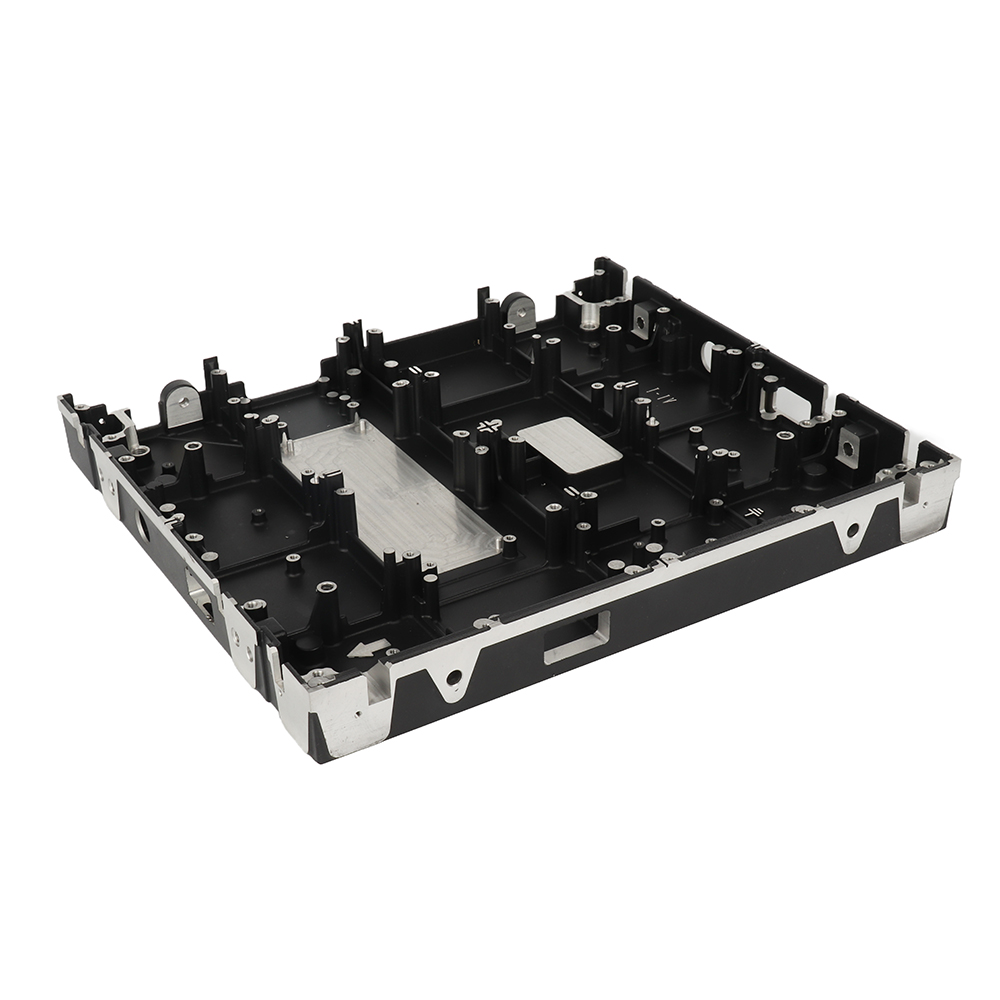
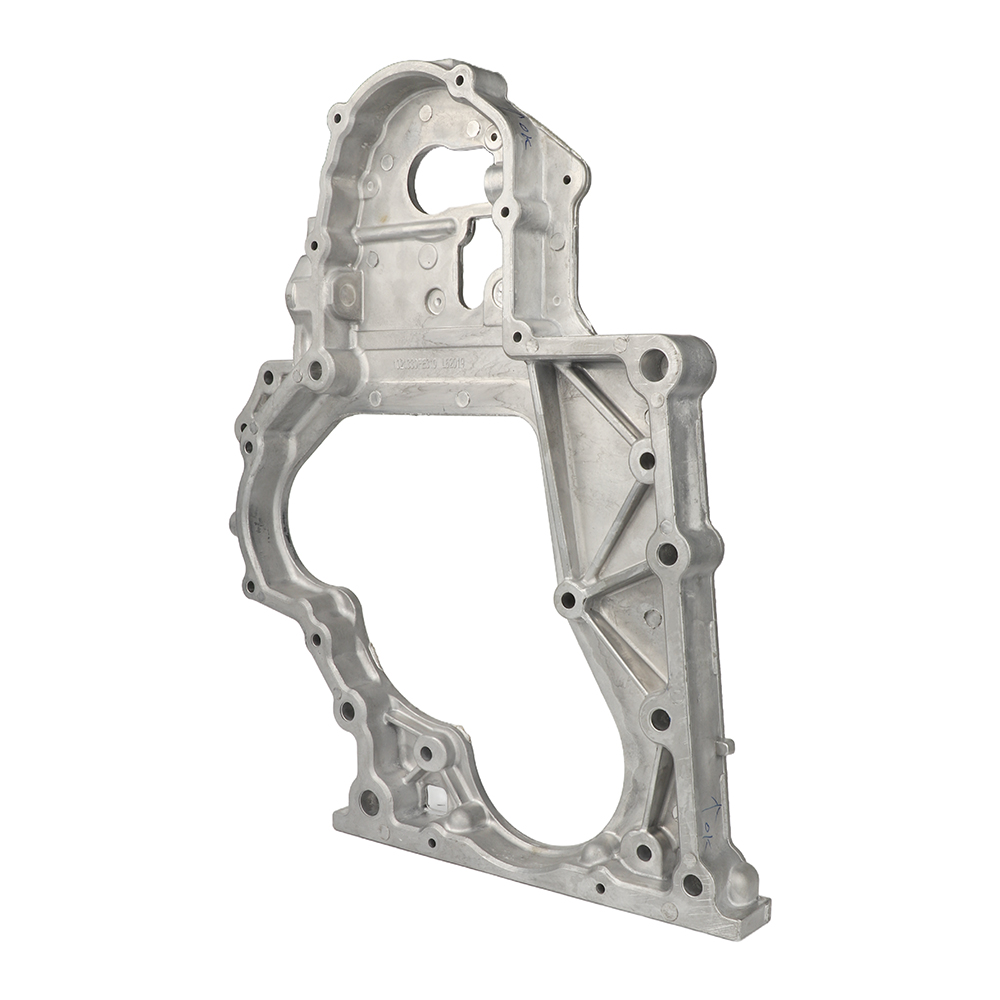
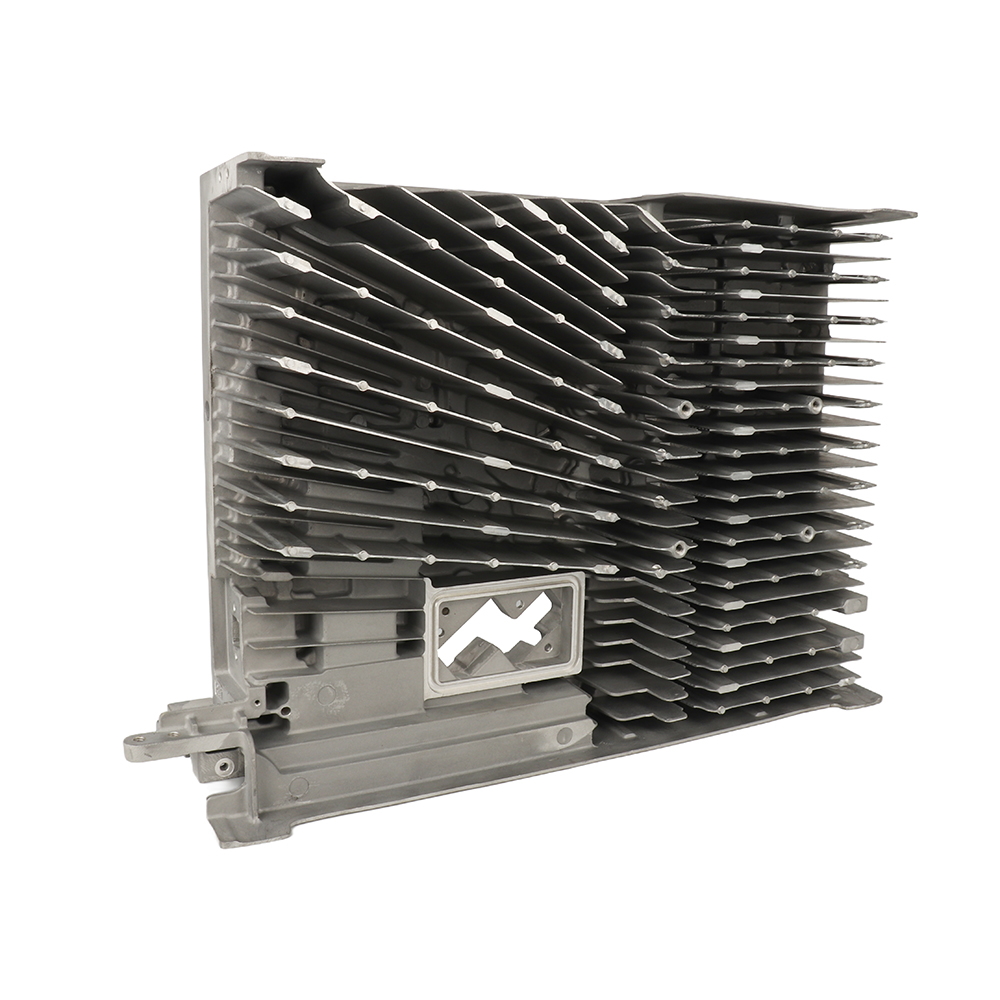
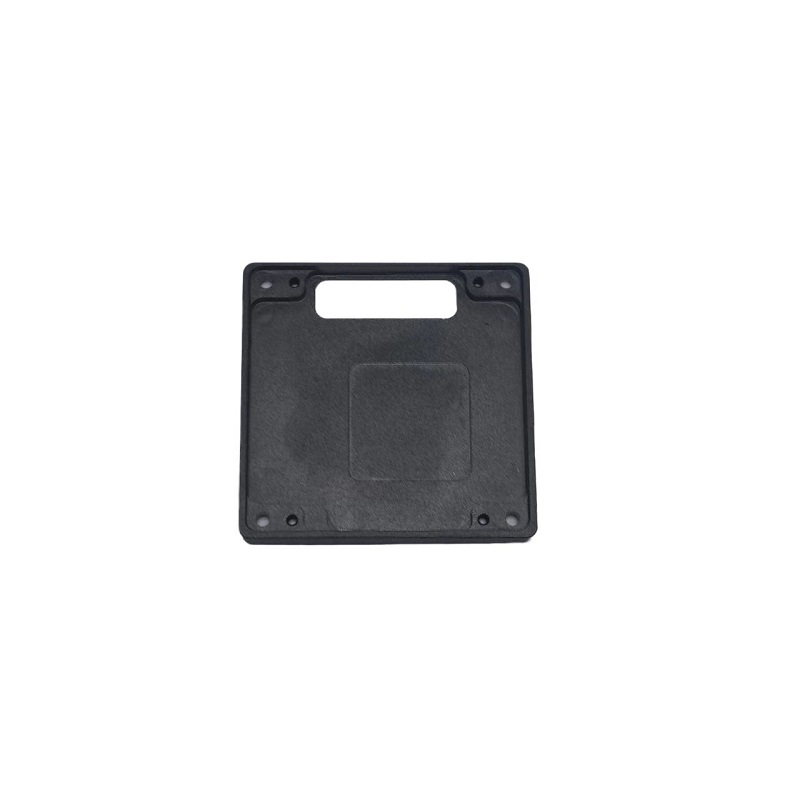
The mainstream products of precision CNC machining cover diversified customized metal components. Typical products include smart lock precision accessories, automotive electronic parts, communication hardware, medical instrument components, and aerospace miniature parts. All products adopt integrated processing technology, featuring smooth surface, stable structure and strong compatibility, which can meet OEM and ODM personalized customization needs of global industrial buyers.
1.3 Common Application Scenarios
With excellent precision and durability, precision CNC machined parts are widely used in high-standard industries. The main application fields include intelligent hardware, automobile manufacturing, communication equipment, medical devices, industrial automation and aerospace. In particular, the demand for precision micro parts in smart lock and consumer electronics industries has increased year by year.
2. Core Working Principles of Precision CNC Machining
2.1 Complete Processing Logic
2.1.1 Digital Modeling & Programming
Engineers draw 2D/3D drawings according to customer requirements, optimize structural design, and convert design data into executable CNC machining codes to ensure accurate equipment operation.
2.1.2 Automated Precision Cutting
The CNC equipment automatically cuts and shapes raw materials according to preset parameters. Technicians dynamically adjust cutting speed and tool pressure to avoid dimensional errors.
2.1.3 Finishing & Strict Inspection
Complete surface treatment such as polishing and electroplating after forming. All finished parts pass high-precision instrument detection to meet industrial precision standards.
3. Key Functions of Precision CNC Machining
3.1 Dimensional Tolerance Control
Precision CNC machining realizes micron-level dimensional accuracy, effectively solving assembly deviation problems of standard parts. It ensures seamless fitting between components and avoids equipment jamming caused by size errors.
3.2 Structural Performance Optimization
Manufacturers optimize part structure based on usage scenarios, such as strengthening anti-collision and pressure-resistant structures of hardware accessories. The optimized structure greatly improves the stability and service life of terminal products.
3.3 Scenario-Based Material Matching
Select high-quality raw materials according to product usage environment. Stainless steel is used for anti-rust parts, aluminum alloy for lightweight shells, and brass for conductive accessories, realizing targeted performance upgrading.
4. Major Benefits of Precision CNC Machining
4.1 Ultra-High Machining Accuracy
4.1.1 Micro Machining Technology Support
Equipped with professional micro machining production lines, the processing accuracy can reach 0.01mm. It perfectly meets the ultra-precision assembly requirements of smart locks, medical devices and other high-end equipment.
4.2 Superior Durability & Stability
4.2.1 High-Quality Raw Material Guarantee
All parts are made of qualified metal materials, with excellent wear resistance, corrosion resistance and high temperature resistance. After fine surface treatment, the service life of parts is effectively extended.
4.3 Strong Customization Flexibility
4.3.1 Diversified Customization Services
Support non-standard size, special-shaped structure and personalized logo customization. One-stop processing from drawing optimization to finished products breaks the limitation of industrial standard parts.
4.4 Standardized Quality Certification
4.4.1 Authoritative International Certifications
Formal precision processing manufacturers own ISO9001, TS16949, RoHS and ISO14001 certifications. All products comply with global industrial standards, suitable for overseas export and high-standard procurement.
5. Common Machining Types & Applicable Materials
5.1 Main Machining Types
Precision CNC machining supports diversified composite processing to meet different structural production needs:
- Broaching: Precision grooving and inner hole processing for metal parts
- Drilling: High-precision hole opening for assembly connectors
- Milling: Plane and special-shaped surface cutting of metal shells
- Turning: Rotary processing of shaft and cylindrical parts
- Other Processes: Grinding, tapping, bending and composite finishing
5.2 Applicable High-Quality Materials
Select stable and durable metal materials for customized precision parts:
- Aluminum Alloy: Lightweight and heat-dissipating, suitable for equipment shells
- Brass & Copper: Good conductivity, for internal conductive components
- Stainless Steel: High hardness and anti-rust, for anti-theft structural parts
- Hardened Metals: High pressure resistance, for heavy-duty industrial parts
6. Professional Expert Opinion on Precision CNC Machining
We interviewed David Carter, a senior mechanical processing engineer with 15 years of experience in the precision manufacturing industry. He specializes in CNC process optimization and material performance research, and shared targeted industry insights:
"In the intelligent manufacturing era, precision CNC machining is the core cornerstone of high-end hardware production. Many purchasers blindly pursue low costs while ignoring precision and material quality, leading to frequent equipment failures. Certified raw materials, mature micro machining technology and complete international certifications are three key indicators of high-quality parts. For manufacturing enterprises, choosing factory-direct suppliers with one-stop customization capability can effectively reduce procurement costs and shorten R&D cycles."
The expert pointed out that in 2026, the precision CNC machining industry will focus on high precision, green production and intelligent customization. Enterprises should reject inferior rough-processed parts to avoid potential operational risks.
7. FAQs About Precision CNC Machining
Q1: What is the accuracy range of precision CNC machining?
Standard precision CNC parts can achieve a tolerance of ±0.01mm. For ultra-micro parts, the accuracy can be optimized to ±0.005mm, fully meeting the assembly needs of high-precision electronic and medical equipment.
Q2: Which materials are the most cost-effective for precision parts?
Aluminum alloy is the first choice for lightweight and low-cost shell parts; stainless steel is suitable for anti-corrosion and anti-wear structural parts; brass is recommended for conductive connecting parts. Material selection should match the actual usage environment.
Q3: Can customized logos and surface treatments be provided?
Yes. Professional manufacturers support personalized services including laser logo printing, sandblasting, oxidation, electroplating and painting, to meet brand customization and appearance optimization requirements.
Q4: What certifications do qualified precision parts need?
High-standard precision CNC parts must have ISO9001 quality certification, ISO14001 environmental certification and RoHS material certification. TS16949 certification is an essential qualification for industrial hardware manufacturing.
Q5: What is the general production cycle of customized parts?
Conventional precision parts take 3-7 working days; complex special-shaped micro parts take 7-15 working days. Mass orders support batch rapid production to ensure on-time delivery.
8. 2026 Industry Trends & Supplier Selection Guide
8.1 2026 Precision CNC Machining Industry Trends
8.1.1 Popularization of Micro & Ultra-High Precision Processing
Driven by the miniaturization of smart hardware, micro machining will become the mainstream industry standard. Manufacturers continue to upgrade processing equipment to meet ultra-fine assembly requirements.
8.1.2 Green & Low-Carbon Manufacturing Upgrade
Global environmental protection policies promote the application of environmentally friendly raw materials and pollution-free surface treatment. Manufacturers with ISO14001 certification have stronger market competitiveness.
8.1.3 Intelligent Production & Customized Service
Automated production lines and intelligent detection systems reduce manual errors. OEM personalized customization has become the mainstream procurement mode for medium and large manufacturing enterprises.
8.2 Standards for Selecting High-Quality Hardware Processing Suppliers
8.2.1 Complete Authoritative Certifications
Prioritize suppliers with complete international certifications. Standardized production processes can effectively ensure stable product quality and avoid defective parts affecting terminal equipment performance.
8.2.2 Independent Production & R&D Capacity
Choose factories with automated CNC production lines and professional technical teams. Integrated production realizes full-process quality control from raw materials to finished products.
8.2.3 Customization Capability & After-Sales Service
Excellent suppliers provide one-stop services such as drawing optimization, personalized processing and technical consultation, with perfect after-sales guarantee.
8.3 Recommended Supplier: Xinghang Precision Hardware
Xinghang Precision Hardware is a professional precision CNC machining manufacturer located in Guangdong, China, with more than 10 years of customized metal parts production experience. The company owns automated CNC production lines and advanced micro machining equipment, focusing on high-precision hardware accessories for smart locks, consumer electronics and industrial equipment.
Core Competitive Advantages: Four international authoritative certifications, 99.8% product qualification rate, daily output of 8,000+ precision parts, factory direct sales without middlemen markup. We provide OEM/ODM personalized customization services, and products are exported to Southeast Asia, Europe, America and other regions.
8.4 Cooperation Contact Information
Mobile/WeChat: +86 18819502691
E-mail: liqine@xinghangcn.com
E-mail: liqine@xinghangcn.com
Welcome global buyers to consult customized solutions, factory inspection and sample testing. We provide free sample service and exclusive wholesale discount for long-term cooperative customers.
9. Conclusion
Precision CNC machining is an irreplaceable advanced manufacturing technology in the modern hardware industry. It has outstanding advantages such as ultra-high machining accuracy, diverse material adaptation, strong durability and flexible customization, solving various assembly and performance pain points of industrial standard parts. Complete processing procedures and strict quality inspection systems ensure the stability and consistency of every customized part.
In 2026, the precision CNC machining industry will keep developing toward micro-precision, green intelligence and personalized customization. Manufacturing enterprises need to abandon low-cost and low-quality procurement concepts and select formal certified processing suppliers. As a reliable Chinese manufacturer, Xinghang Precision Hardware adheres to the service tenet of high precision, stable quality and cost-effective price, providing global customers with one-stop precision CNC parts processing solutions.
For technical consultation, sample testing and long-term bulk cooperation, please feel free to contact us through the above contact methods. Xinghang Precision Hardware will always provide professional and efficient customized manufacturing services for global buyers.
Custom machining | How to place an order for custom CNC processing? Ultimate Custom Machining Guide
CNC part | What is the process to customize CNC parts? A Complete Guide
Related Article

What are CNC machined aluminum electronic parts & their core functions CNC machined aluminum electronic parts are precision metal components processed by multi-axis CNC equipment, widely used in electronic products.
Electronic parts | Where to find high-quality CNC machined aluminum parts for electronics?

CNC machined aluminum parts for semiconductor equipment are precision metal components manufactured by aluminum die casting, then finished via CNC machining.
semiconductor equipment | What are cnc machined aluminum parts for semiconductor equipment?