HOT PRODUCTS
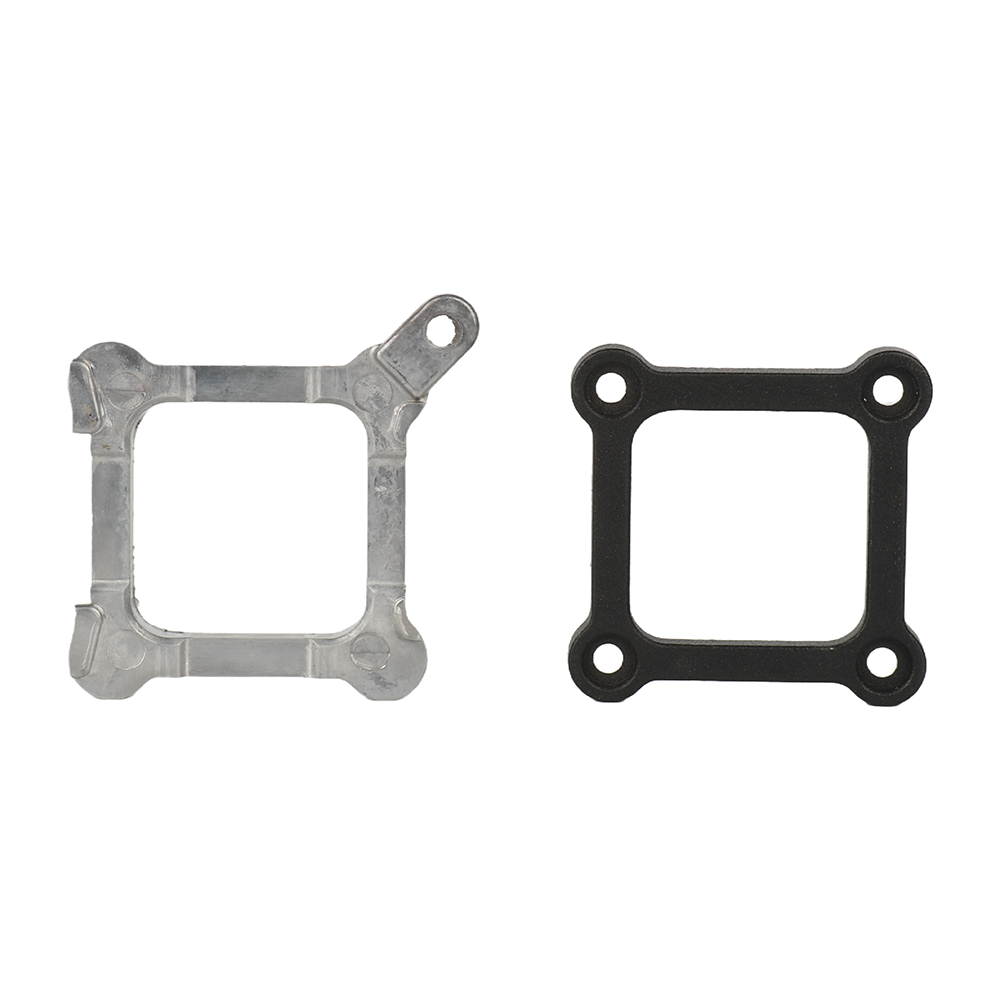
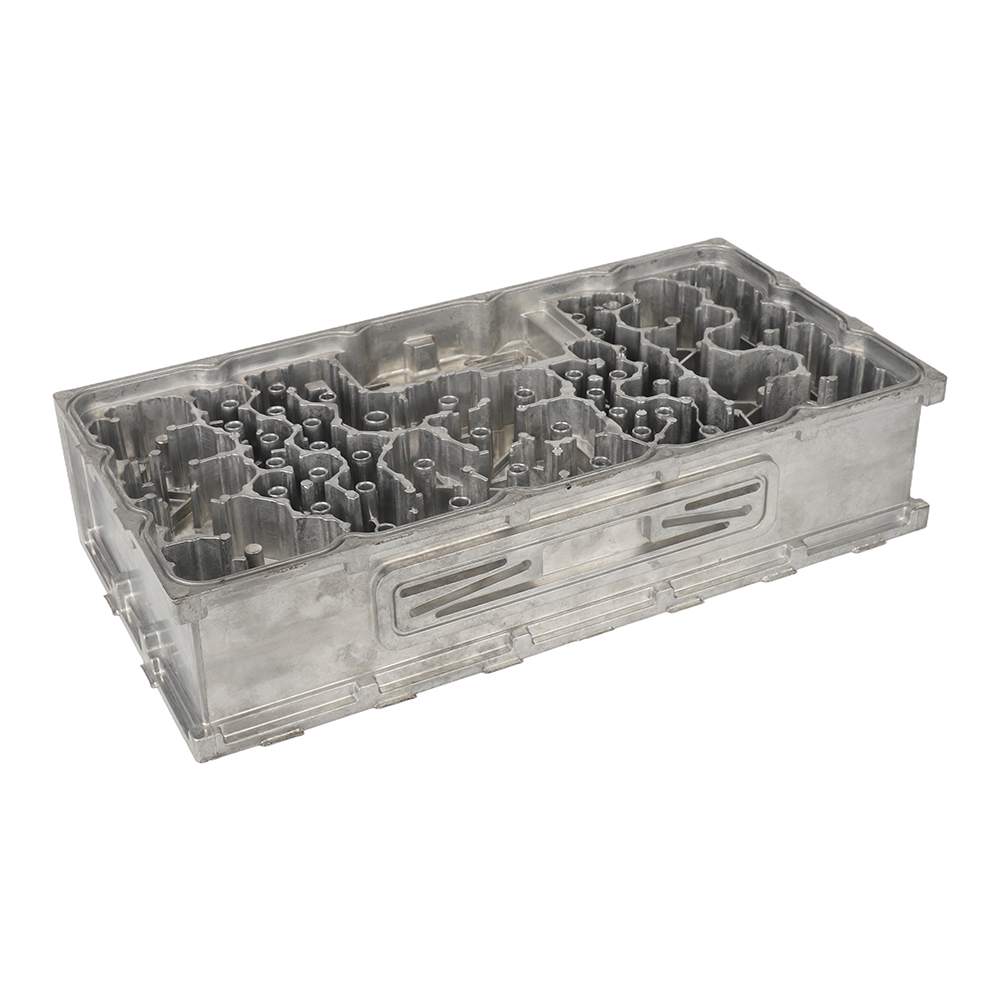
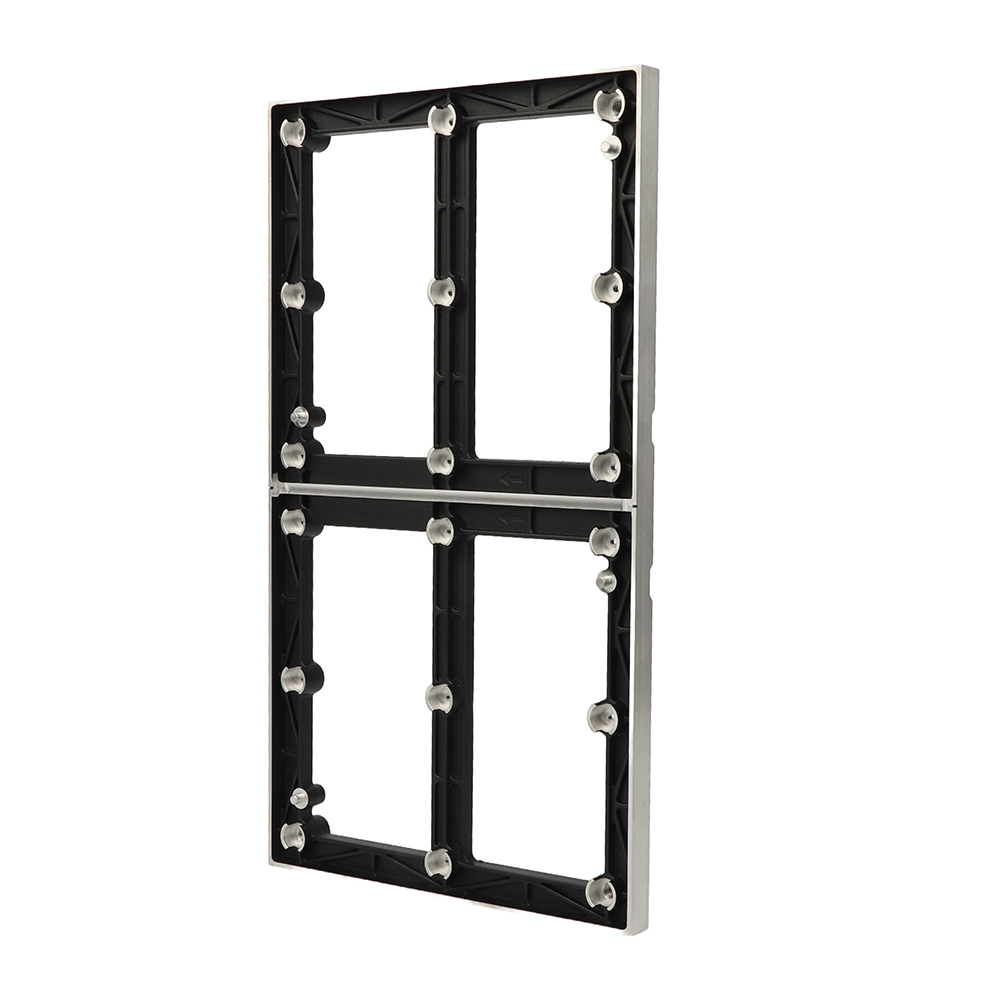
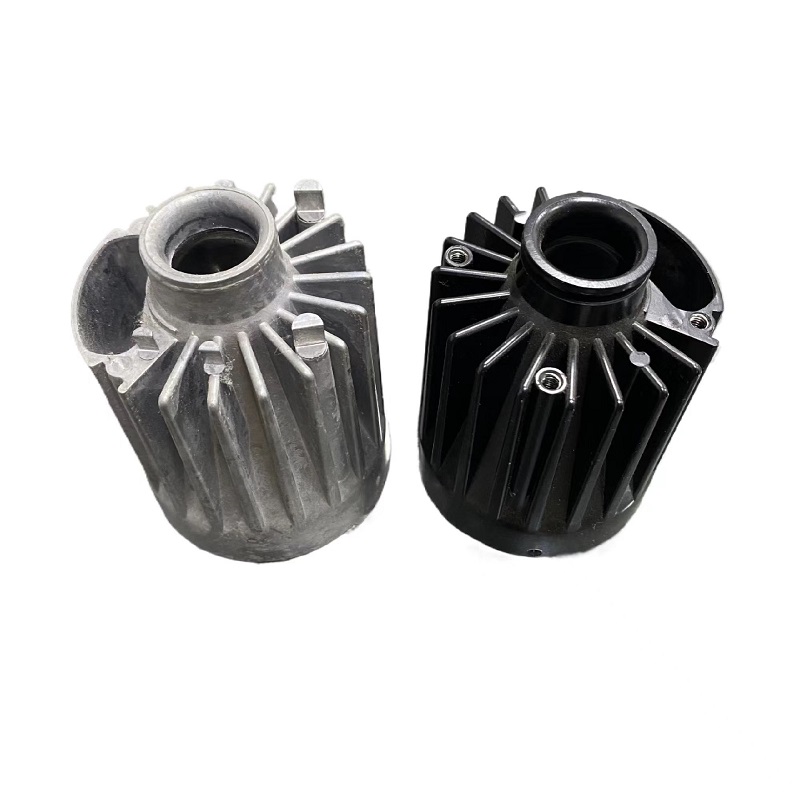
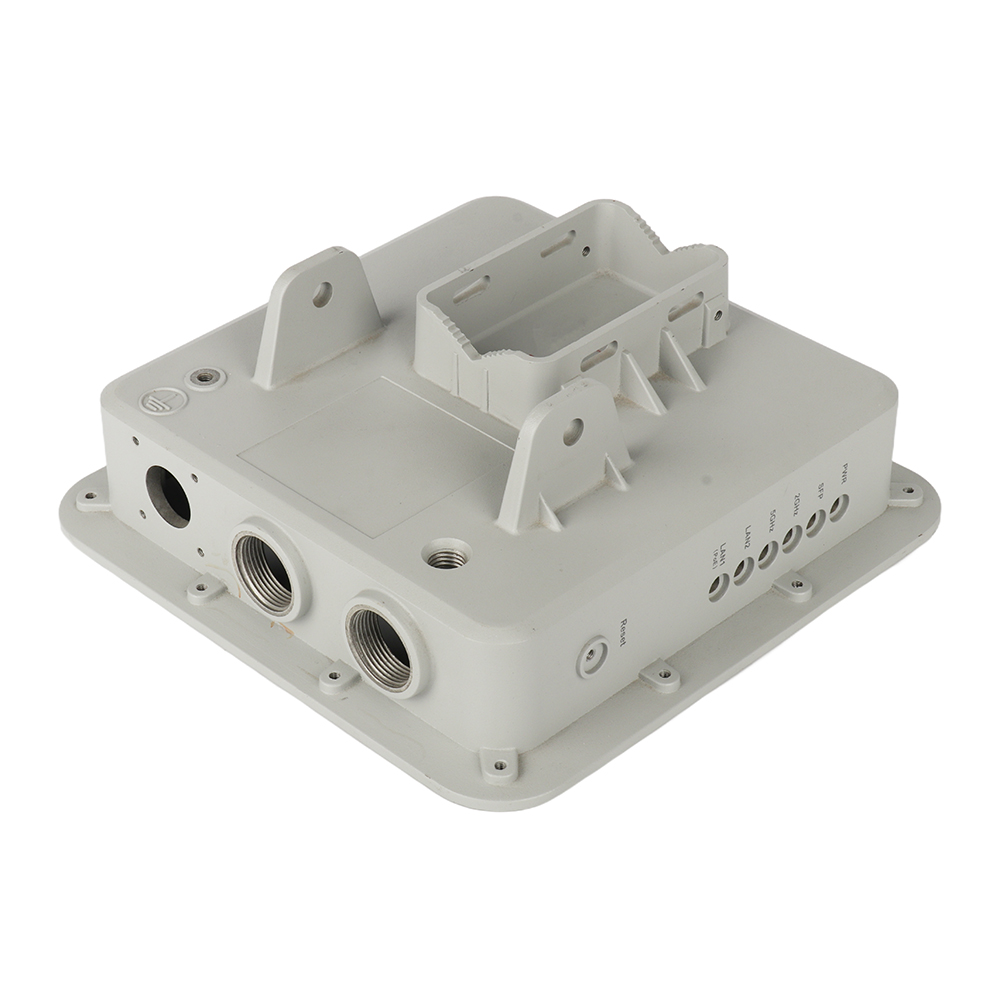
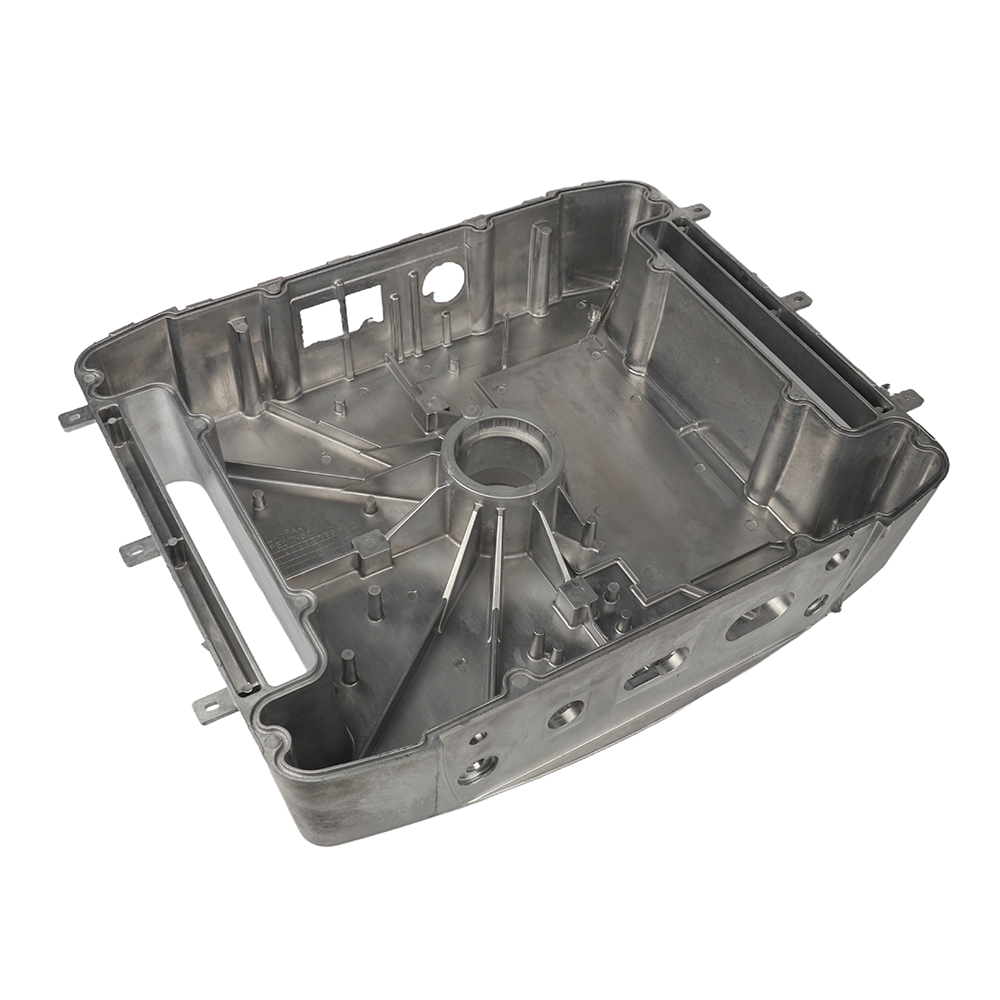
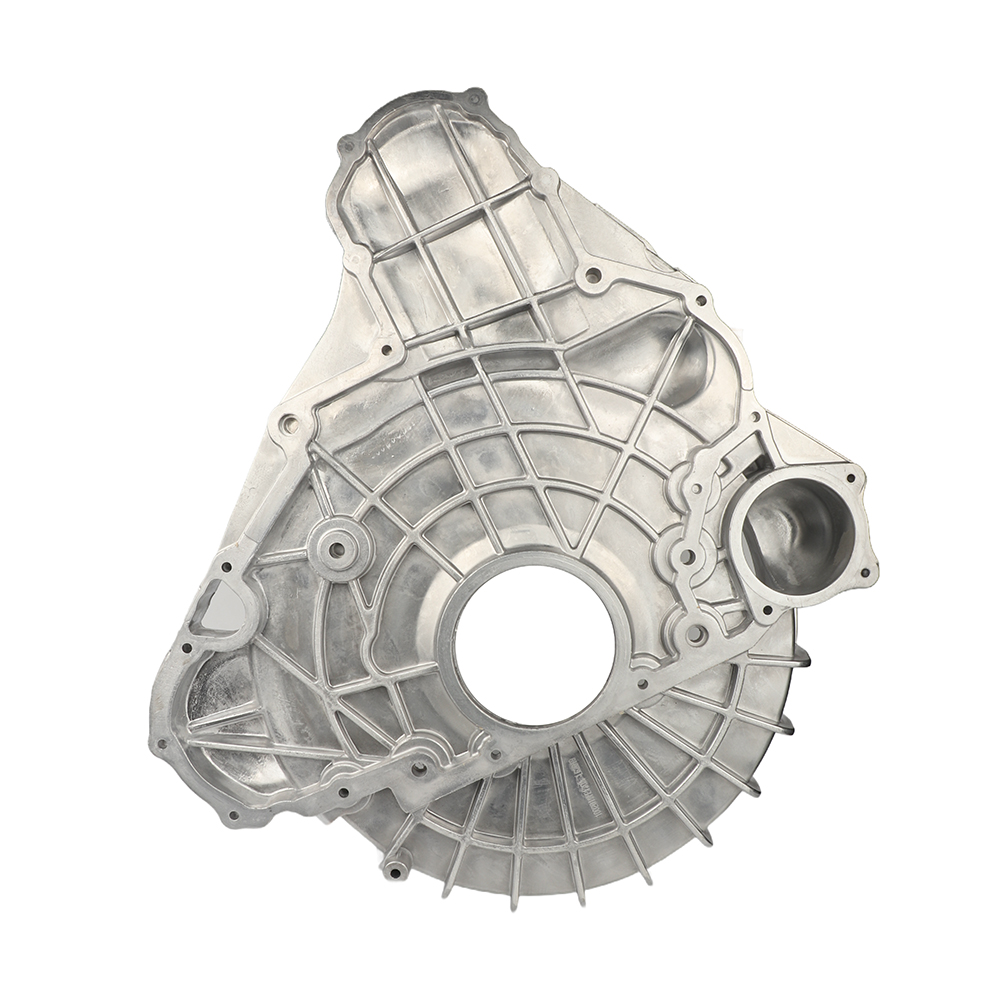
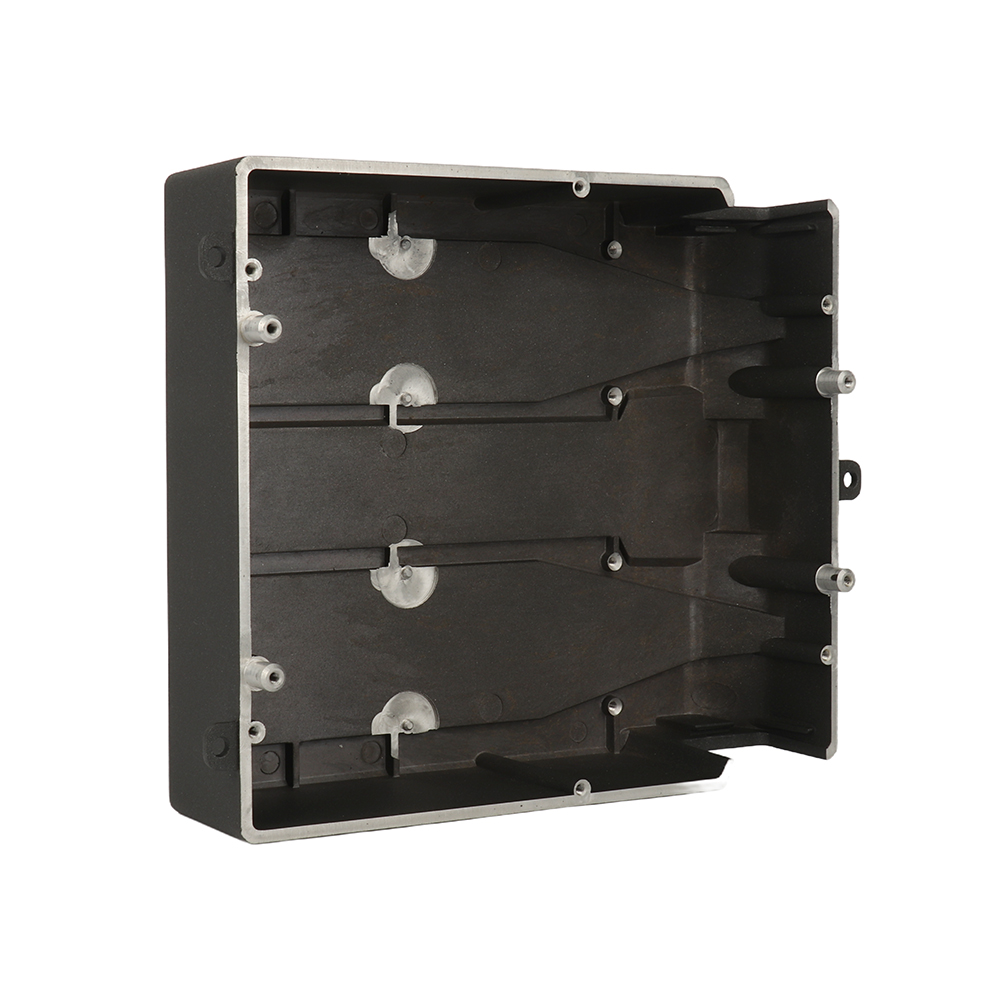
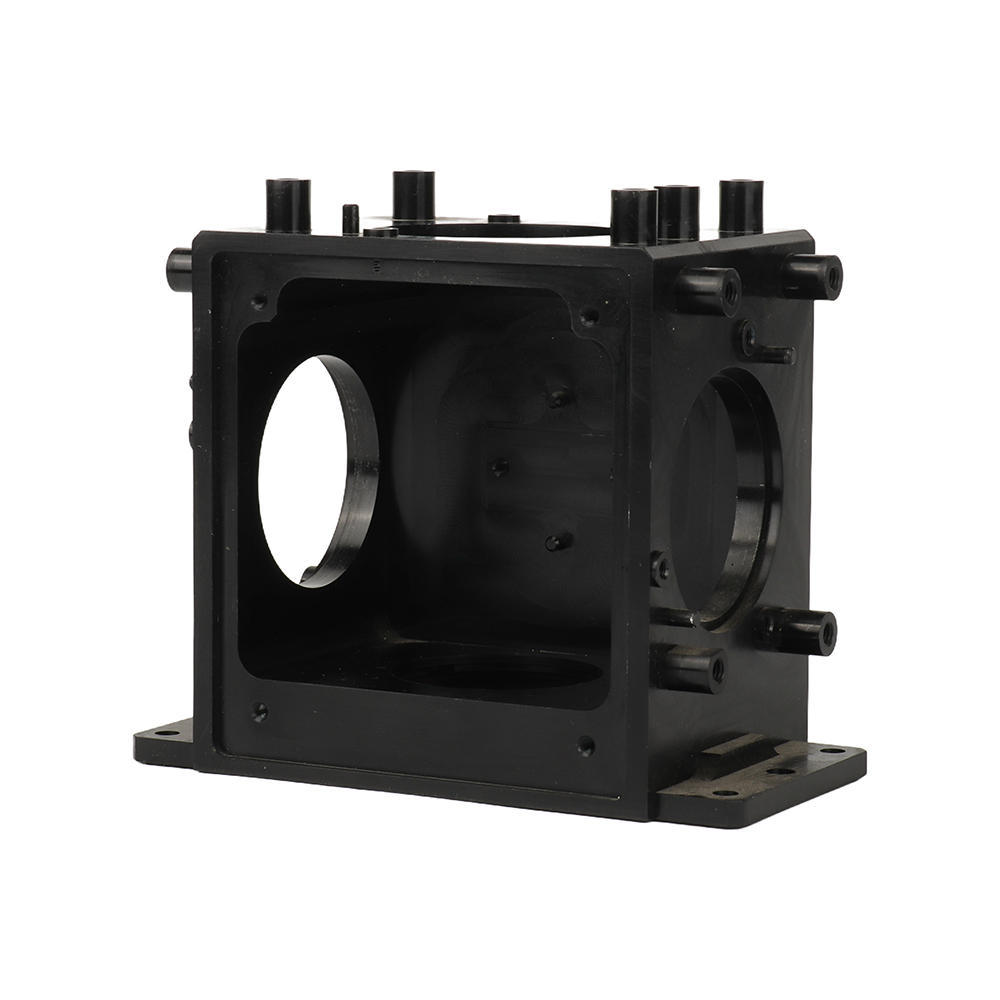
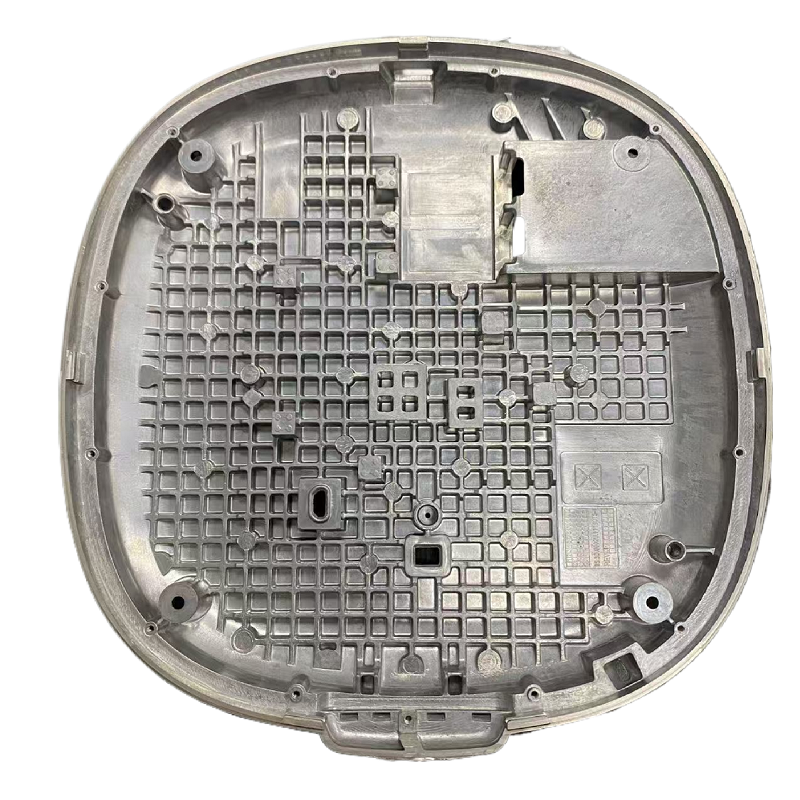
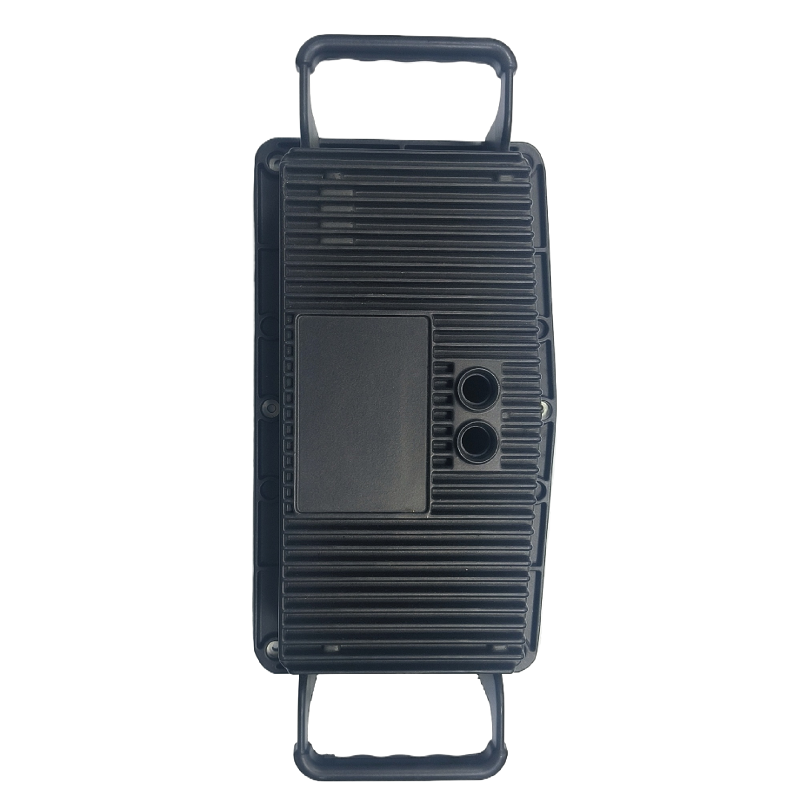
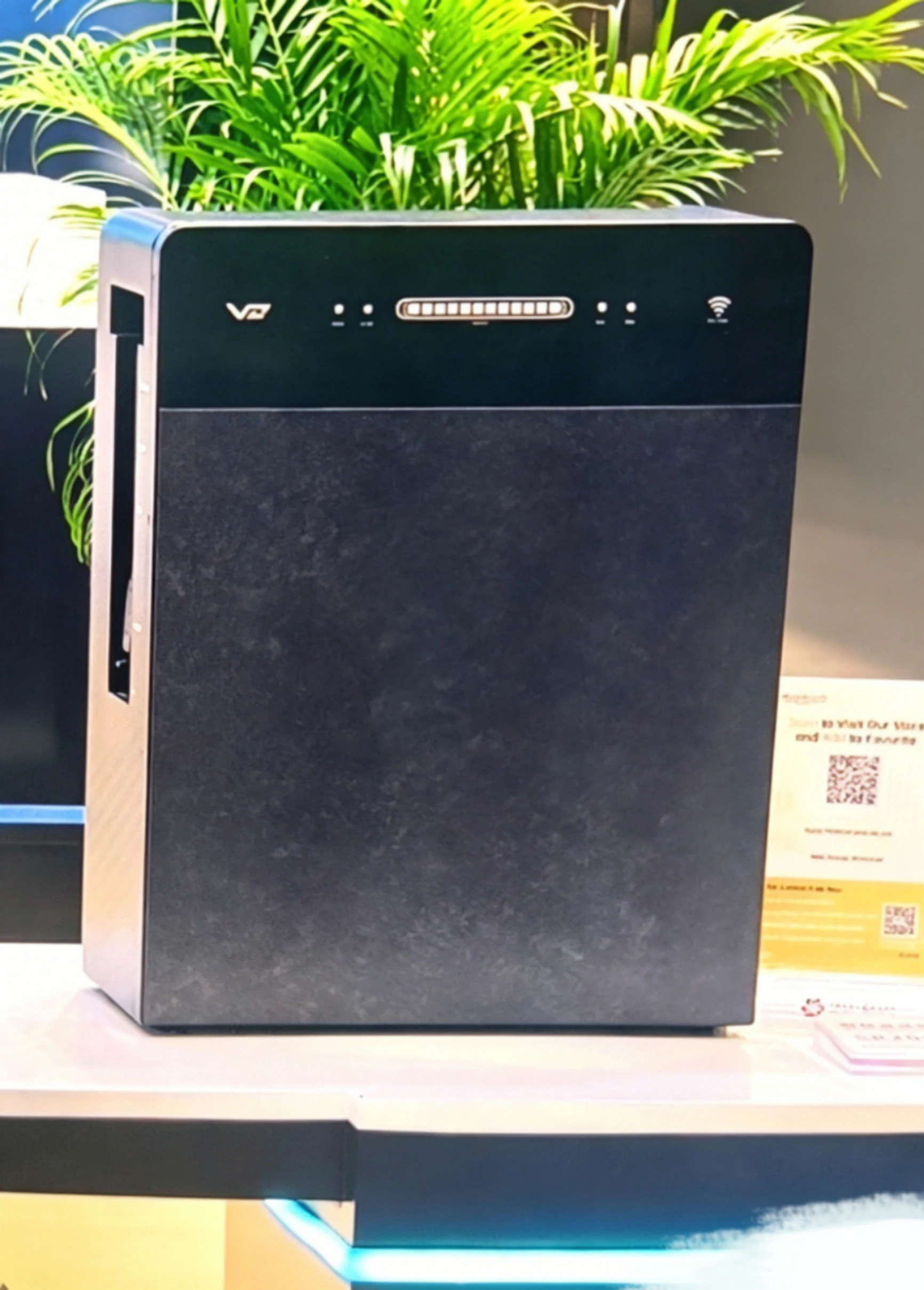
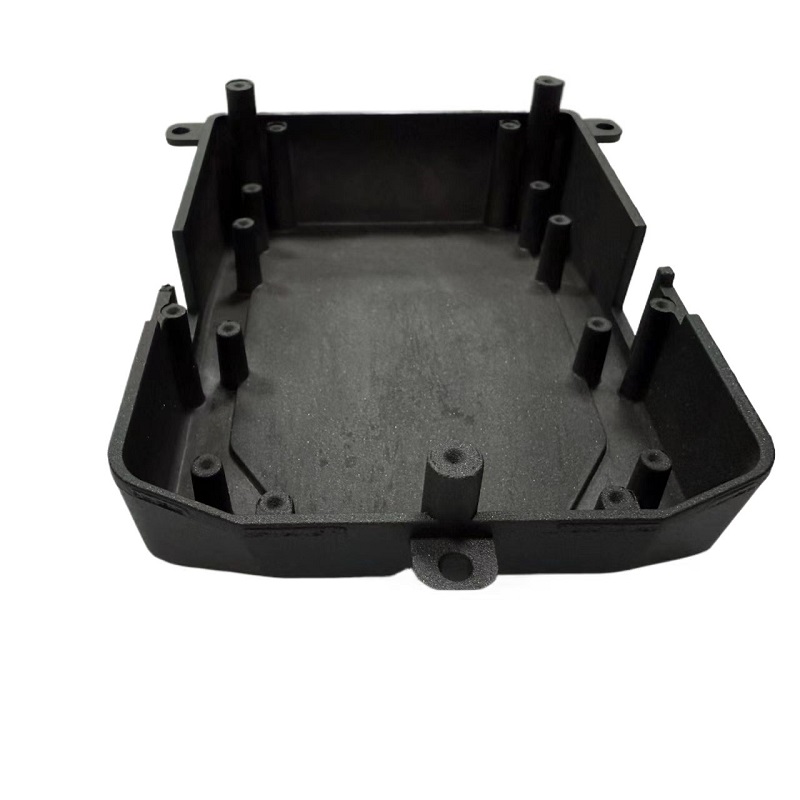
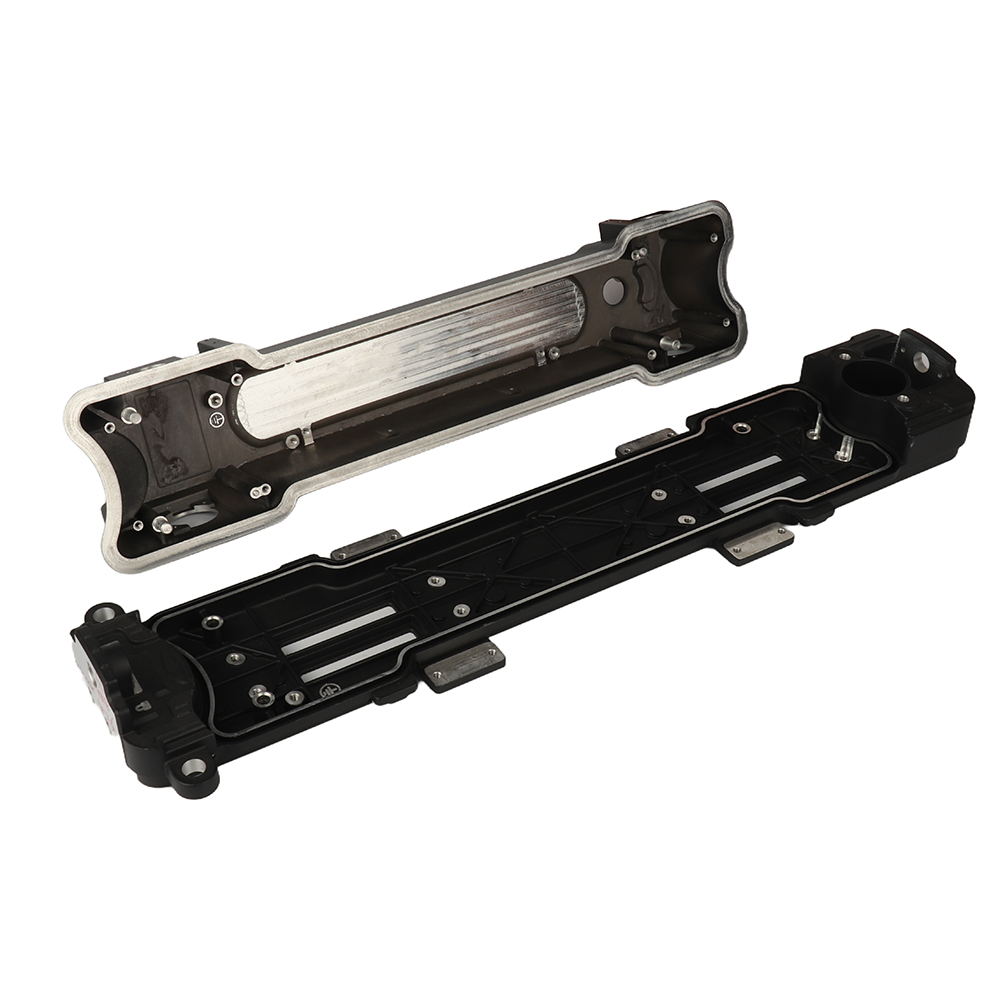
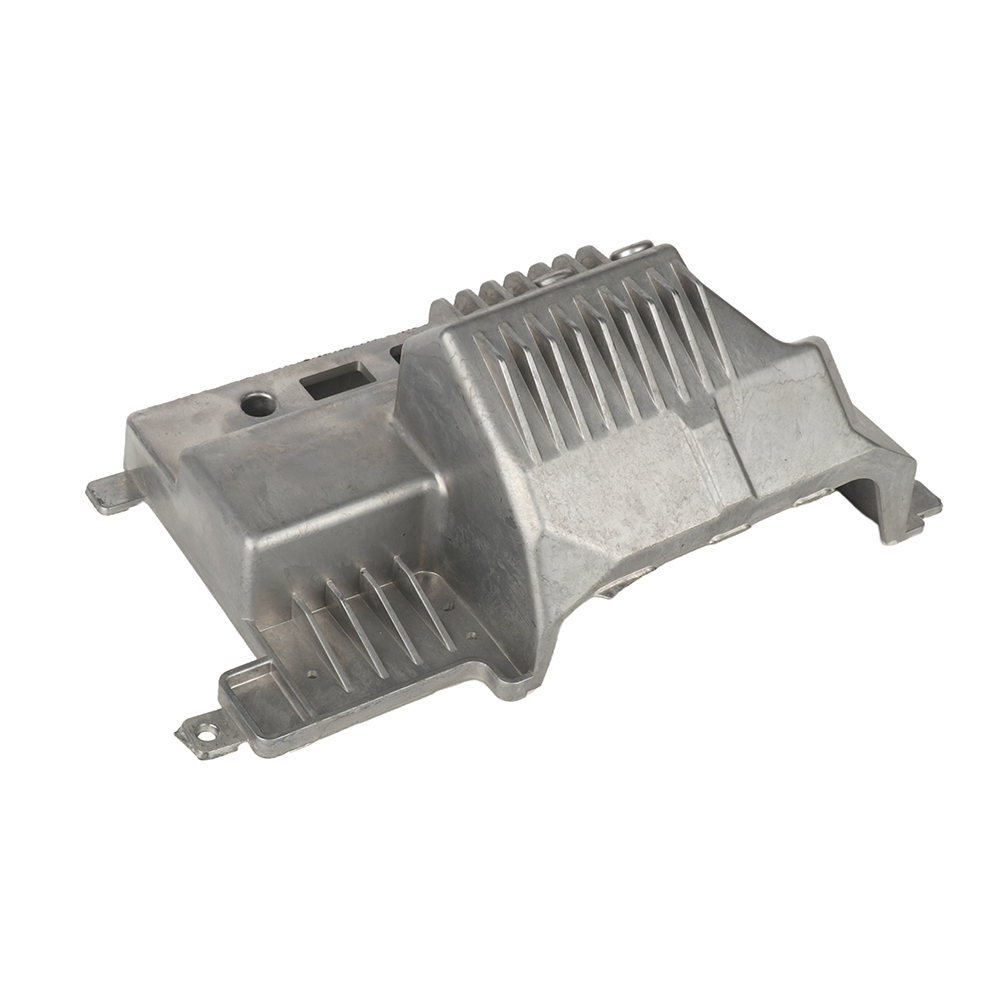
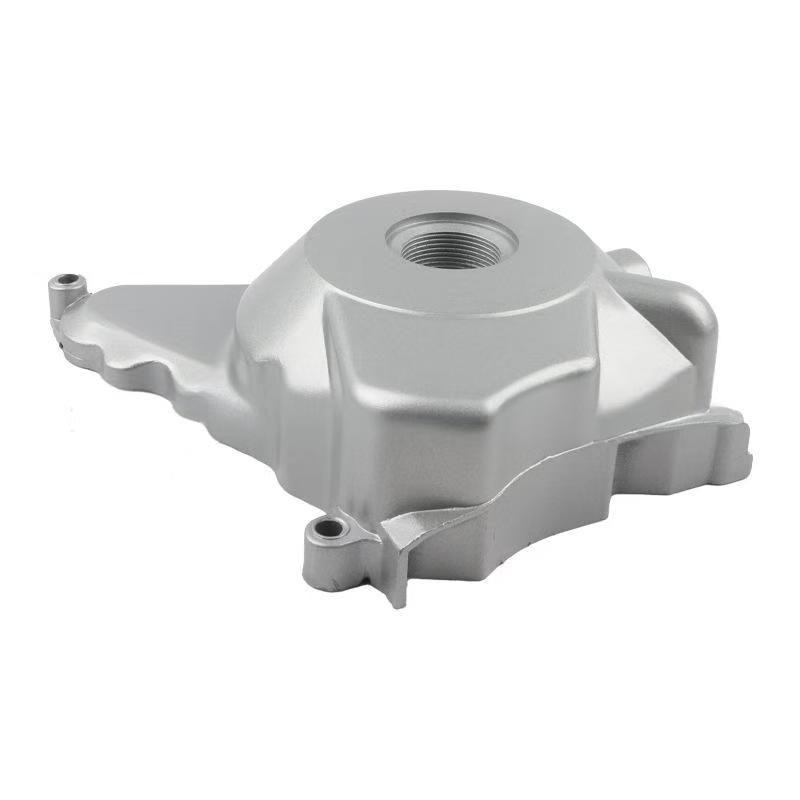
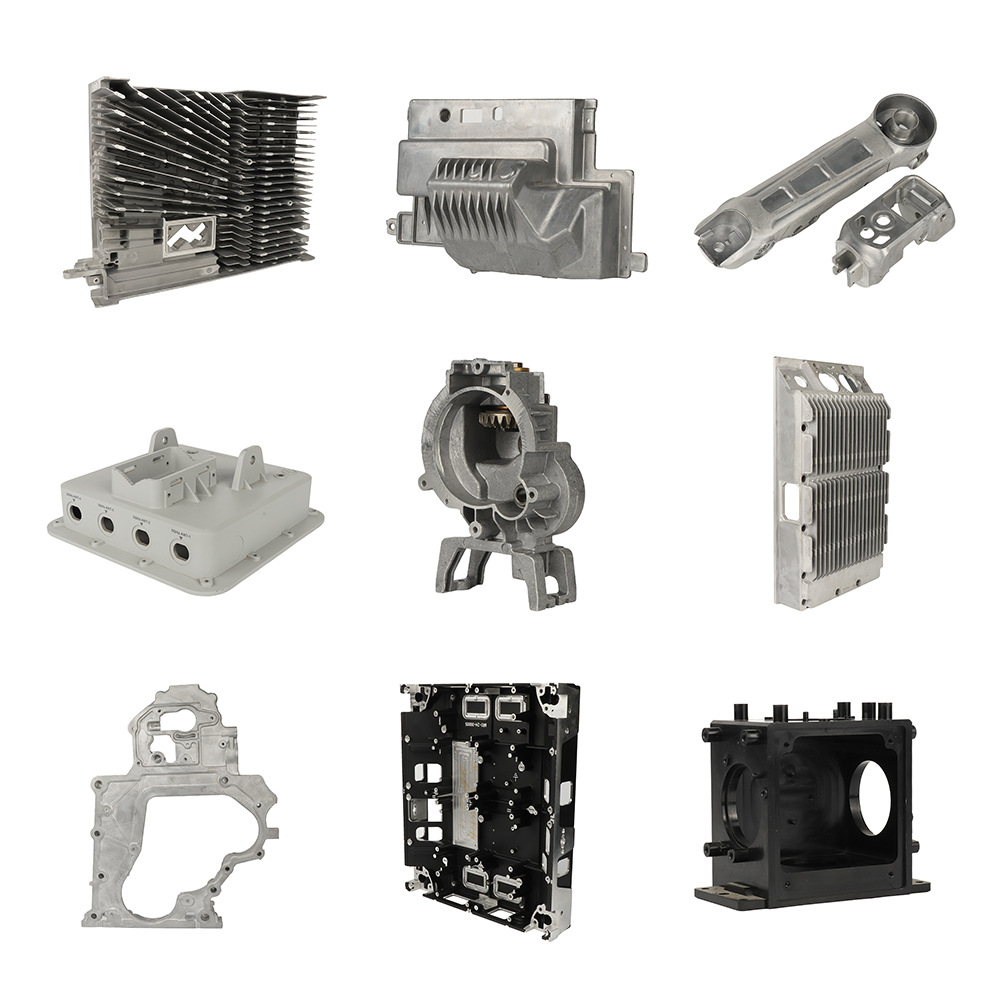
Aluminum precision parts | What applications use aluminum precision parts? A Complete Guide
2026-06-04
What Applications Use Aluminum Precision Parts? A Complete Guide
Table of Contents
- 1. Introduction to Aluminum Precision Parts
- 2. Core Parameter Specifications of ADC12 Aluminum Precision Parts
- 3. Core Functions and Key Roles of Aluminum Precision Parts
- 4. Unique Advantages of Aluminum Precision Parts
- 5. Main Application Fields of Aluminum Precision Parts
- 6. Industry Expert Viewpoints on Aluminum Precision Machining
- 7. Frequently Asked Questions (FAQs)
- 8. Industry Development Trends & How to Choose a Qualified Hardware Supplier
- 9. Cooperate With Us – Xinghang Precision Hardware
- 10. Conclusion
1. Introduction to Aluminum Precision Parts
1.1 Definition of Aluminum Precision Parts
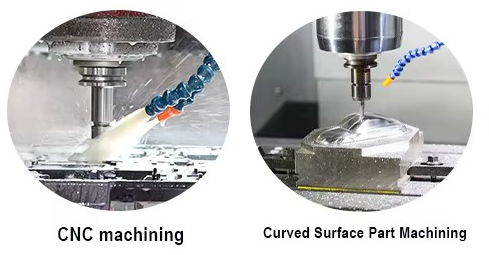
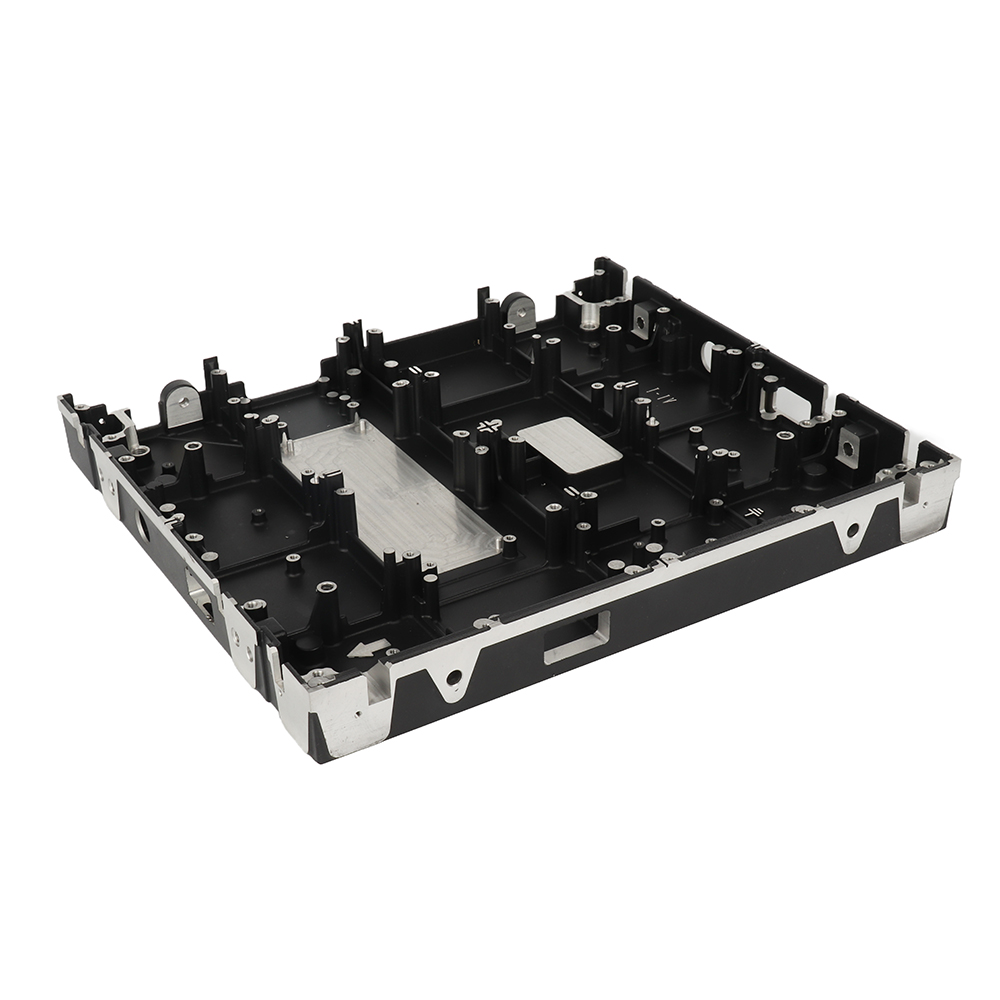
Aluminum precision parts are high-precision industrial components manufactured through advanced processing technologies including CNC precision machining, high-pressure die casting, fine milling, and professional surface treatment. Different from ordinary aluminum structural parts, these products feature ultra-high dimensional accuracy, stable mechanical performance, and flawless surface finish, strictly complying with industrial high-standard tolerance requirements.
As a core lightweight hardware component in modern manufacturing, aluminum precision parts effectively solve the dual industrial demands of equipment lightweighting and structural stability. Among various aluminum alloy materials, ADC12 aluminum alloy has become the most mainstream and preferred material for mass production of aluminum precision parts due to its excellent castability, balanced mechanical strength, and superior cost performance, widely adopted in high-end precision manufacturing fields worldwide.
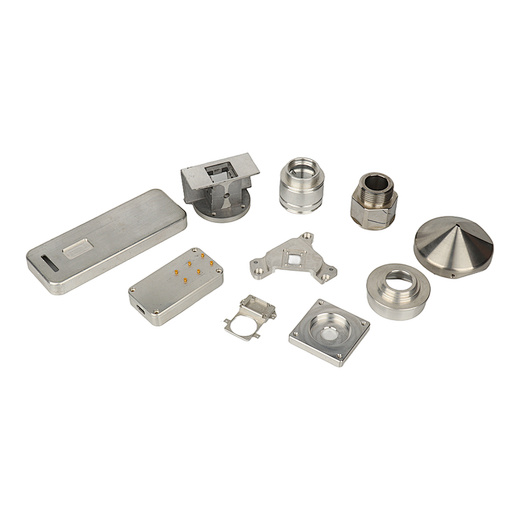
2. Core Parameter Specifications of ADC12 Aluminum Precision Parts
2.1 Basic Material Overview of ADC12 Alloy
ADC12 aluminum alloy is a high-silicon aluminum-silicon-copper alloy that conforms to the JIS H5302 Japanese Industrial Standard. It is specially developed for high-pressure die casting and precision secondary machining, with stable chemical properties, excellent fluidity during casting, and low shrinkage rate. It can perfectly adapt to complex part shaping and long-term stable industrial operation, making it the dominant material for commercial-grade aluminum precision parts.
2.2 Complete Parameter Specification Table
| Parameter Item | Specific Specifications |
|---|---|
| Alloy Implementation Standard | JIS H5302 (Japanese Industrial Standard) |
| Silicon (Si) Content | 9.6% - 12.0% |
| Copper (Cu) Content | 1.5% - 3.5% |
| Tensile Strength | 270 - 310 MPa |
| Hardness | 85 - 95 HB |
| Elongation | 2% - 3% |
| Thermal Expansion Coefficient | 23.5 μm/m·K |
| Precision Tolerance | ±0.01mm - ±0.05mm (customizable for ultra-high precision) |
| Optional Surface Treatment | Anodizing, sandblasting, electroplating, passivation, laser engraving |
| Main Processing Technology | CNC precision machining, high-pressure die casting, fine milling, deburring |
With standardized and stable parameter indicators, ADC12 aluminum precision parts maintain consistent dimensional accuracy and mechanical stability in complex working environments such as high temperature, friction, and high-frequency operation, fully meeting high-intensity industrial production and equipment operation requirements.
3. Core Functions and Key Roles of Aluminum Precision Parts
3.1 Structural Support Function
Aluminum precision parts act as the core structural support components of precision equipment. Relying on their high hardness and stable structural strength, they can bear the assembly pressure, vibration and load of various precision equipment. Compared with plastic parts, they have stronger structural stability and durability, effectively avoiding structural deformation or damage during long-term equipment operation, and ensuring the overall structural integrity of mechanical and electronic equipment.
3.2 Heat Dissipation and Thermal Stability Function
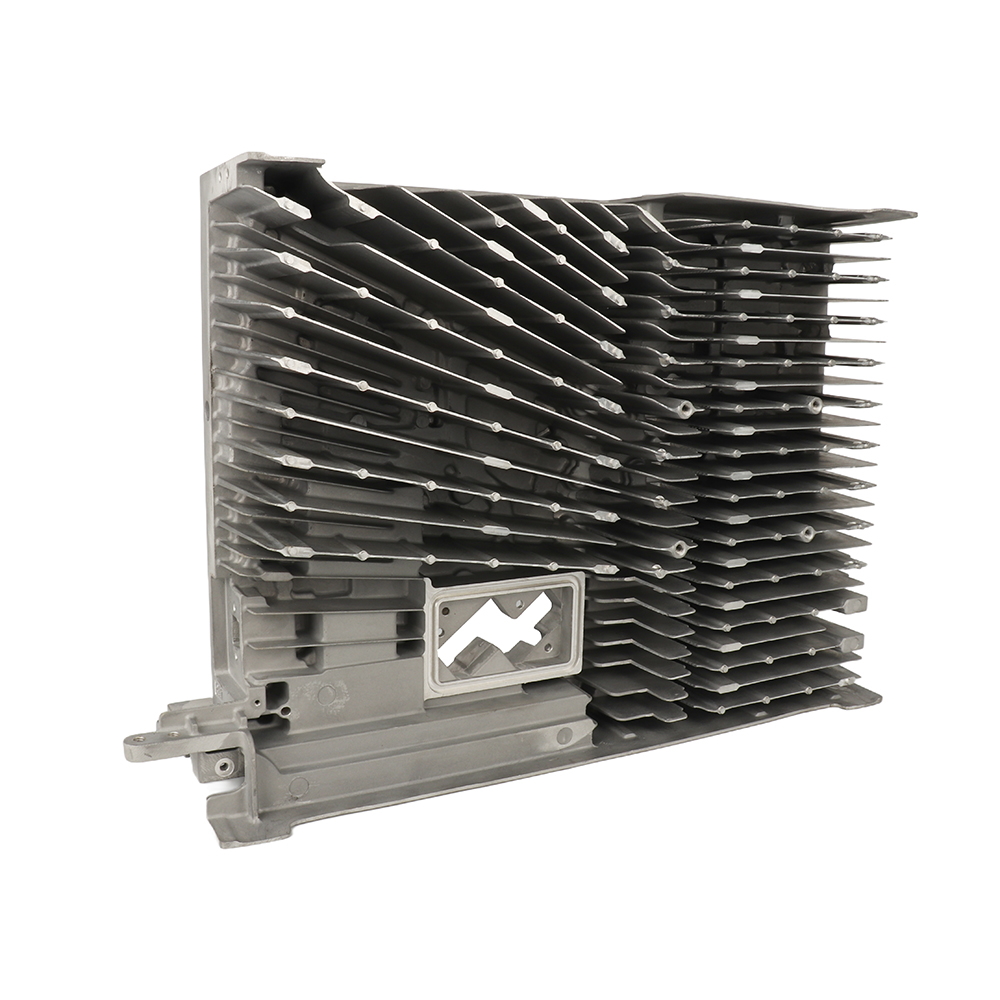
Aluminum alloy materials have excellent thermal conductivity, which is one of the core functions of aluminum precision parts. In electronic equipment, new energy equipment and automotive electronic systems, these parts can quickly export internal heat generated by equipment operation, reduce equipment operating temperature, avoid performance attenuation or component burnout caused by overheating, and greatly improve the continuous working stability and service life of equipment.
3.3 Precision Assembly and Positioning Role
With ultra-high machining tolerance of ±0.01mm, aluminum precision parts realize zero-gap precision assembly between equipment components. They play an accurate positioning role in automated equipment, precision instruments and aerospace accessories, effectively reducing assembly errors, improving equipment operation accuracy, and ensuring the high-precision operation of intelligent and automated equipment.
3.4 Lightweight Energy-Saving Role
Replacing traditional steel and iron parts with high-strength aluminum precision parts can greatly reduce the overall weight of equipment. In automotive, aerospace and rail transit fields, lightweight design effectively reduces equipment energy consumption, improves operating efficiency and load capacity, and conforms to the global industrial energy-saving and emission-reduction development concept.
4. Unique Advantages of Aluminum Precision Parts
4.1 Ultra-High Dimensional Precision and Stability
Different from ordinary aluminum parts with large tolerance errors, aluminum precision parts adopt CNC five-axis linkage precision processing technology, with controllable tolerance within ±0.01mm. The ADC12 alloy material has low thermal deformation rate and stable chemical properties, which can maintain unchanged dimensional accuracy in long-term high-temperature and high-frequency working environments, avoiding equipment failure caused by part deformation.
4.2 Excellent Lightweight and High-Strength Performance
Aluminum alloy density is only 1/3 of steel, but ADC12 aluminum precision parts have tensile strength up to 270-310 MPa and hardness of 85-95 HB, realizing the perfect combination of lightweight and high strength. It can reduce equipment weight without sacrificing structural safety, which is an irreplaceable advantage in lightweight manufacturing scenarios.
4.3 Strong Corrosion Resistance and Long Service Life
After professional surface treatments such as anodizing and passivation, aluminum precision parts have excellent oxidation resistance and corrosion resistance. They can adapt to humid, dusty and weak acid-base working environments, effectively avoiding rust and corrosion damage. The service life is 3-5 times longer than ordinary iron parts, greatly reducing equipment maintenance and replacement costs.
4.4 High Cost Performance and Customization Flexibility
ADC12 aluminum alloy has low raw material cost and mature mass production technology. While ensuring high precision and high quality,aluminum precision parts have lower comprehensive cost than stainless steel precision parts. In addition, they support personalized customization of size, tolerance, surface technology and appearance, which can meet the differentiated needs of various industries and special equipment.
4.5 Good Processability and Environmental Protection
Aluminum precision parts are easy to process, form and post-process, with high production efficiency and short delivery cycle. Moreover, aluminum alloy materials are 100% recyclable, green and environmentally friendly, in line with the current global green manufacturing and sustainable development industrial standards.
5. Main Application Fields of Aluminum Precision Parts
5.1 New Energy Automobile Industry
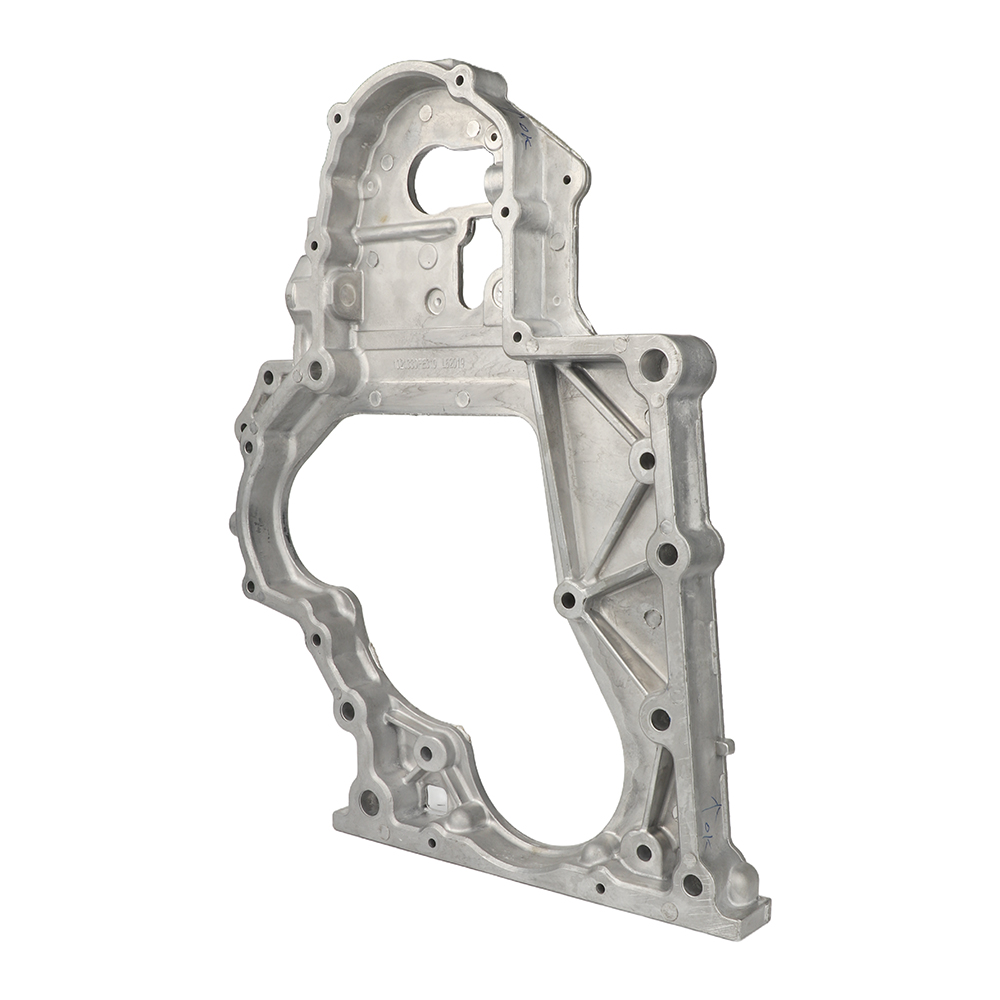
The new energy automobile industry is the largest application scenario of aluminum precision parts. With the rapid development of automotive lightweighting, the average aluminum usage per vehicle has reached 250kg in 2025. Aluminum precision parts are widely used in auto engine accessories, battery housing, heat dissipation modules, chassis structural parts and electronic control system parts, realizing vehicle weight reduction, energy saving and consumption reduction, and improving driving stability.
5.2 Consumer Electronics and 3C Industry
In 3C electronic products such as smartphones, tablets, notebooks and smart wearables, ultra-precision aluminum parts are used for middle frames, heat dissipation brackets, structural accessories and precision connecting parts. Their high precision, lightweight and good heat dissipation performance effectively optimize product appearance and user experience, and ensure the stable operation of electronic equipment.
5.3 Industrial Automation Equipment
Automated production lines, robotic arms, precision bearings and automated testing equipment require a large number of high-precision aluminum structural parts. These parts ensure the precise movement and stable operation of automation equipment, improve production line operation accuracy and production efficiency, and are the basic guarantee for intelligent industrial production.
5.4 Aerospace and Precision Instrumentation
In the aerospace field, aluminum precision parts are applied to aircraft lightweight structural parts, instrument brackets and navigation system accessories, relying on their lightweight and high-strength advantages. In precision instruments and medical equipment, ultra-high tolerance aluminum parts ensure the detection accuracy and operational safety of precision medical devices and experimental instruments.
5.5 Communication and Intelligent Equipment
5G communication base station heat dissipation parts, intelligent monitoring equipment structural parts, and smart home precision accessories all adopt ADC12 aluminum precision parts. Their excellent heat dissipation and structural stability ensure the long-term stable operation of communication and intelligent terminal equipment.
6. Industry Expert Viewpoints on Aluminum Precision Machining
Senior manufacturing industry expert Dr. Zhang, a precision machining technology researcher pointed out: "With the upgrading of global high-end manufacturing, the industry's requirements for hardware parts are shifting from simple structural bearing to high precision, high stability and lightweight integration. Aluminum precision parts represented by ADC12 alloy have become the mainstream choice for mid-to-high-end manufacturing due to their comprehensive performance advantages."
He emphasized that "the future competition of aluminum precision parts is not only material competition, but also processing precision and quality stability competition. Enterprises with mature CNC precision processing technology, strict quality inspection system and mass production capacity will occupy the core market share. At the same time, customized service capability and fast delivery capacity have become important indicators for downstream customers to select suppliers."
In addition, industry market analysts said that "the domestic die-cast aluminum market scale has exceeded 180 billion yuan in 2025, with an annual compound growth rate of 7.3%. Driven by new energy, intelligent manufacturing and electronic consumption upgrading, the market demand for high-quality aluminum precision parts will continue to grow steadily in the next five years."
7. Frequently Asked Questions (FAQs)
Q1: Why is ADC12 the most popular material for aluminum precision parts?
ADC12 aluminum alloy has balanced mechanical properties, excellent casting and machining performance, and stable chemical properties. Compared with other aluminum alloys, it has higher cost performance, better fluidity during mass production, lower defect rate, and can meet the precision requirements of most industrial scenarios, so it is widely used in mass production of aluminum precision parts.
Q2: What is the precision range of customized aluminum precision parts?
The conventional precision tolerance of our aluminum precision parts is ±0.01mm to ±0.05mm. We can provide ultra-high precision customization with tolerance up to ±0.005mm according to customer's special equipment and usage requirements, fully meeting the needs of high-end precision equipment and instruments.
Q3: What surface treatment options are available for aluminum precision parts?
We provide multiple surface treatment processes including anodizing, sandblasting, electroplating, passivation and laser engraving. Different processes can improve the corrosion resistance, wear resistance and appearance texture of parts, and customers can choose according to product usage scenarios and appearance requirements.
Q4: Are aluminum precision parts suitable for long-term high-temperature operation?
Yes. ADC12 aluminum precision parts have stable thermal expansion coefficient and excellent thermal stability. They can maintain stable structural accuracy and mechanical performance in continuous high-temperature working environments, and will not deform or fail easily, suitable for long-term high-intensity operation of automotive, electronic and industrial equipment.
Q5: What is the delivery cycle for mass customized aluminum precision parts?
For conventional standard aluminum precision parts, we support spot delivery within 3 working days. For customized mass orders, the delivery cycle is 7-15 working days according to product complexity and order quantity. We have independent production workshops and complete production lines to ensure efficient and stable delivery.
8. Industry Development Trends & How to Choose a Qualified Hardware Supplier
8.1 2026 Aluminum Precision Parts Industry Development Trends
8.1.1 High Precision and Ultra-Miniaturization
With the miniaturization and precision upgrading of electronic equipment and intelligent equipment, aluminum precision parts are developing towards ultra-small size and higher precision. The industry precision standard is gradually upgraded from the current 0.03mm to 0.01mm, and ultra-high precision processing technology will become the core competitive threshold of the industry.
8.1.2 Integrated Die-Casting Molding Technology
Integrated die-casting technology has become a key development trend of the industry. It can reduce assembly gaps and part errors, improve the overall structural integrity and stability of equipment, and is widely applied in new energy vehicles and large intelligent equipment manufacturing.
8.1.3 Green and Low-Carbon Manufacturing
Green environmental protection and low-carbon production have become the mandatory development direction of the industry. More enterprises adopt recyclable processing technologies and environmentally friendly surface treatment processes to reduce production pollution, which is in line with global sustainable development policies.
8.1.4 Customized and Intelligent Production
Downstream customers have increasingly differentiated product demands. The industry is gradually transforming from single standardized mass production to customized intelligent production, realizing flexible production of multi-variety, small-batch and large-batch orders.
8.2 Key Standards for Choosing a Qualified Aluminum Precision Parts Supplier
8.2.1 Complete Processing and Quality System
Excellent suppliers must have complete CNC precision machining equipment, independent mold development capacity and standardized quality management system. They need to support full-process inspection of product size, hardness and tolerance to ensure zero defective delivery of products.
8.2.2 Rich Industry Service Experience
Priority should be given to suppliers with long-term service experience in new energy, electronics, automation and other fields. Mature suppliers can accurately understand customer demand and provide professional processing solutions to avoid product quality problems caused by process errors.
8.2.3 Stable Mass Production and Delivery Capacity
Qualified suppliers need to have independent production workshops and sufficient production capacity to meet large-batch order demands, and ensure stable delivery cycles. Avoid cooperating with small workshops with unstable production capacity and delayed delivery.
8.2.4 Flexible Customization and Cost-Effective Pricing
Excellent suppliers support personalized customization of various parameters and processes, and have transparent and reasonable pricing mechanisms. They will not pursue low prices at the cost of quality, and can provide long-term cost-effective procurement solutions for customers.
9. Cooperate With Us – Xinghang Precision Hardware
9.1 Our Core Advantages
Xinghang Precision Hardware is a professional manufacturer focusing on R&D, processing and customization of ADC12 aluminum precision parts. We have advanced CNC five-axis processing equipment, high-pressure die-casting production lines and a professional quality inspection team, committed to providing global customers with high-precision, high-stability aluminum precision parts processing services.
We strictly implement industrial production standards, all products meet JIS H5302 and international precision manufacturing standards, and support customized production of various sizes, tolerances and surface processes. With years of industry experience, we have served hundreds of enterprises in new energy, electronics, automation and other fields, and won consistent customer recognition with stable quality and efficient service.
9.2 Preferential Cooperation Policy
To reward new and old customers for their trust and support, we launch a bulk order discount policy: the more you order in bulk, the more favorable the price. For large-batch long-term cooperative orders, we can provide exclusive customized pricing, priority delivery, free sample testing and free after-sales maintenance services, helping customers reduce procurement costs comprehensively.
9.3 Contact Information
Welcome global customers to consult, customize and cooperate! We provide one-stop precision parts processing solutions for you.
Phone / Whatsapp / WeChat: +86 18819502691
Email: liqine@xinghangcn.com
10. Conclusion
Aluminum precision parts (ADC12), as indispensable core components of modern high-end manufacturing, rely on their unique advantages of high precision, lightweight, high strength and strong corrosion resistance, and are widely used in new energy vehicles, 3C electronics, industrial automation, aerospace and many other fields. Their stable structural support, efficient heat dissipation and precise assembly functions provide solid technical support for the upgrading and iteration of various industrial equipment.
Driven by the global lightweight manufacturing and intelligent upgrading trend, the aluminum precision parts industry will continue to develop towards higher precision, integrated molding, green environmental protection and intelligent customization. In the increasingly competitive market, choosing a qualified and reliable precision hardware supplier is the key to ensuring product quality and long-term stable development of enterprises.
Xinghang Precision Hardware always adheres to the service concept of "quality first, customer foremost", provides high-quality customized aluminum precision parts and intimate after-sales service for global customers. With flexible bulk preferential policies, we sincerely invite customers from all over the world to carry out long-term in-depth cooperation and create win-win industrial development!
aluminum cnc turning parts | What are aluminum CNC turning parts? Full Guide
CNC machining parts manufacturer | How to find a professional CNC machining parts manufacturer?
Related Article

What are CNC machined aluminum electronic parts & their core functions CNC machined aluminum electronic parts are precision metal components processed by multi-axis CNC equipment, widely used in electronic products.
Electronic parts | Where to find high-quality CNC machined aluminum parts for electronics?

CNC machined aluminum parts for semiconductor equipment are precision metal components manufactured by aluminum die casting, then finished via CNC machining.
semiconductor equipment | What are cnc machined aluminum parts for semiconductor equipment?