HOT PRODUCTS
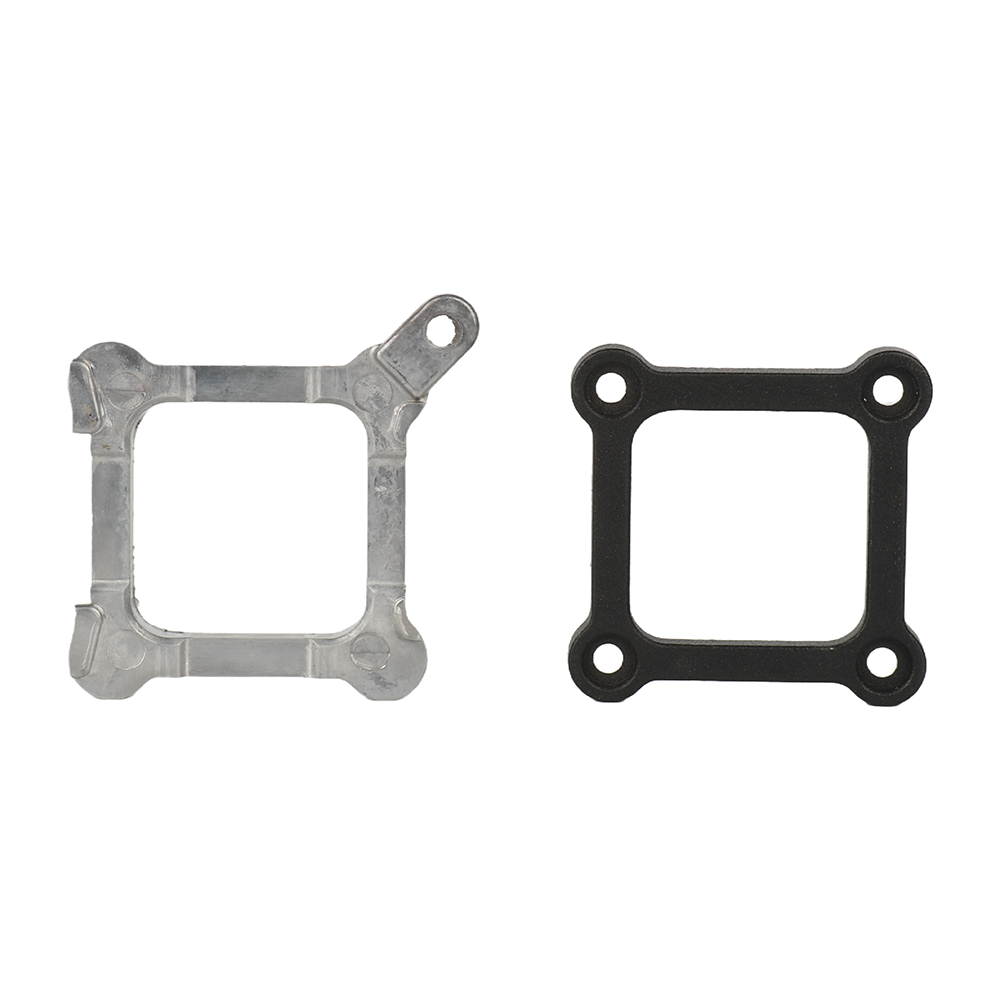
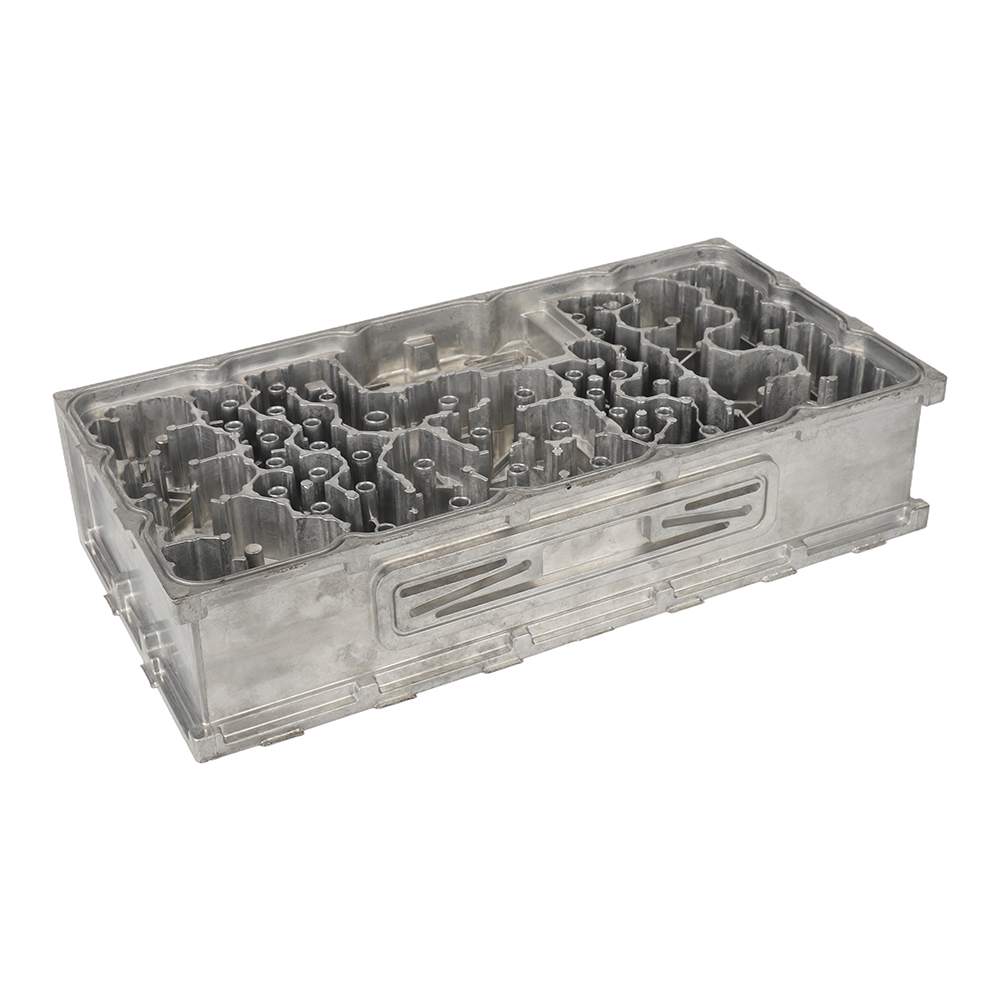
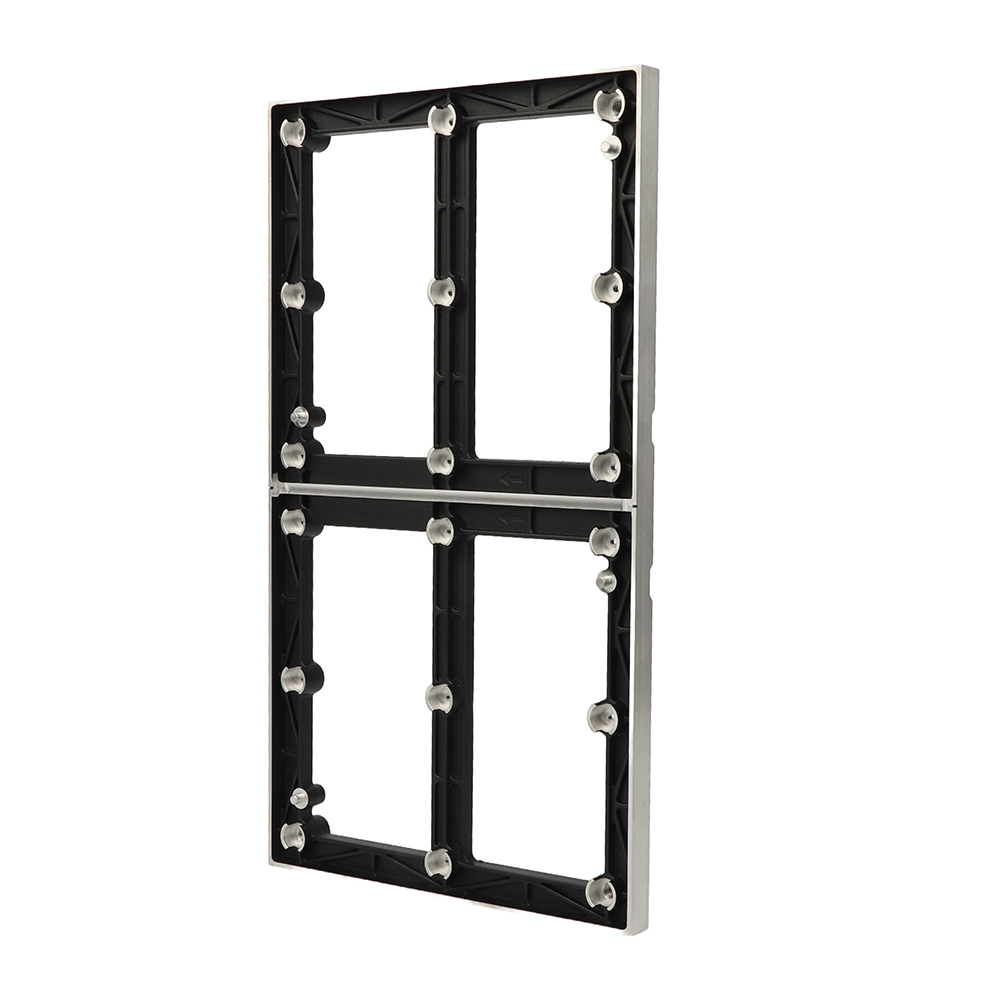
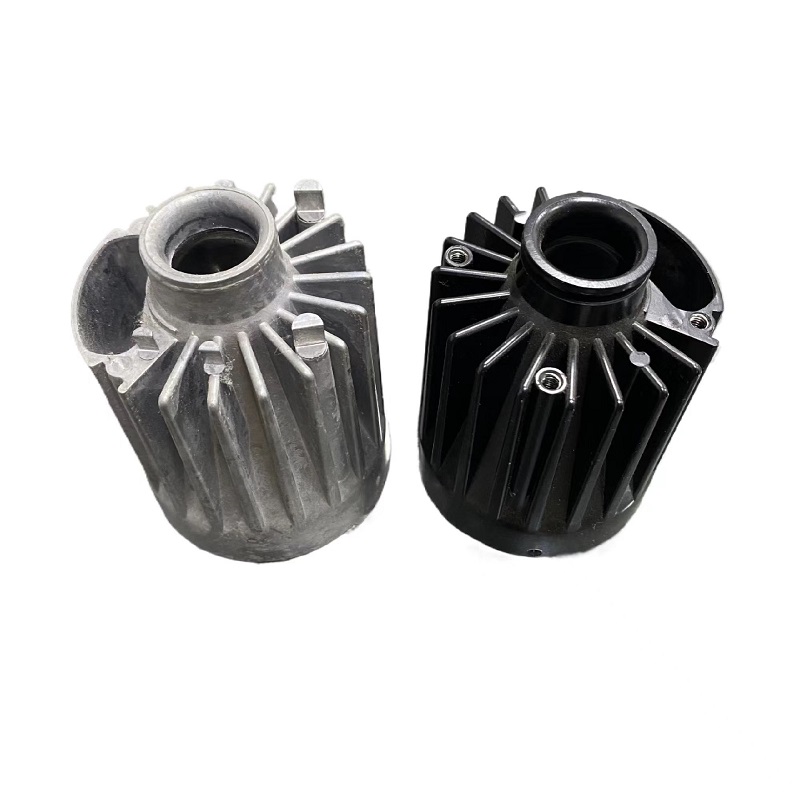
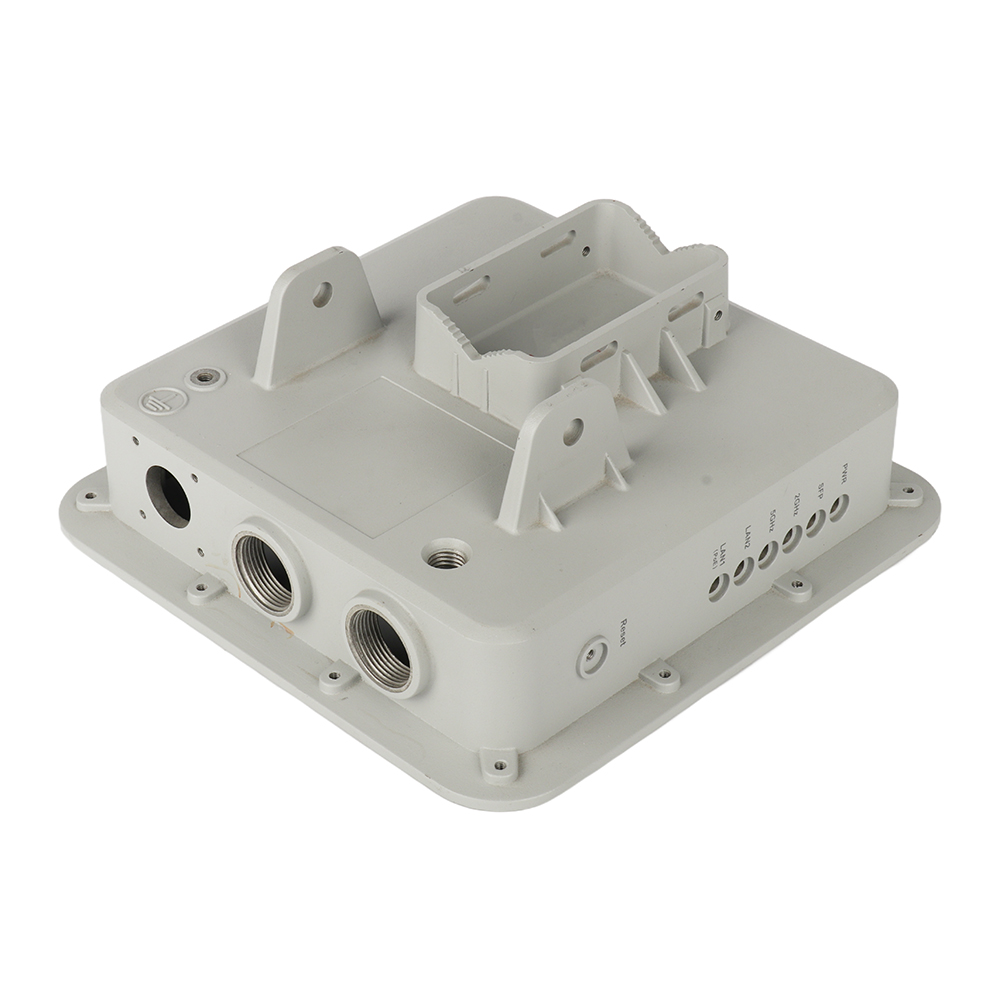
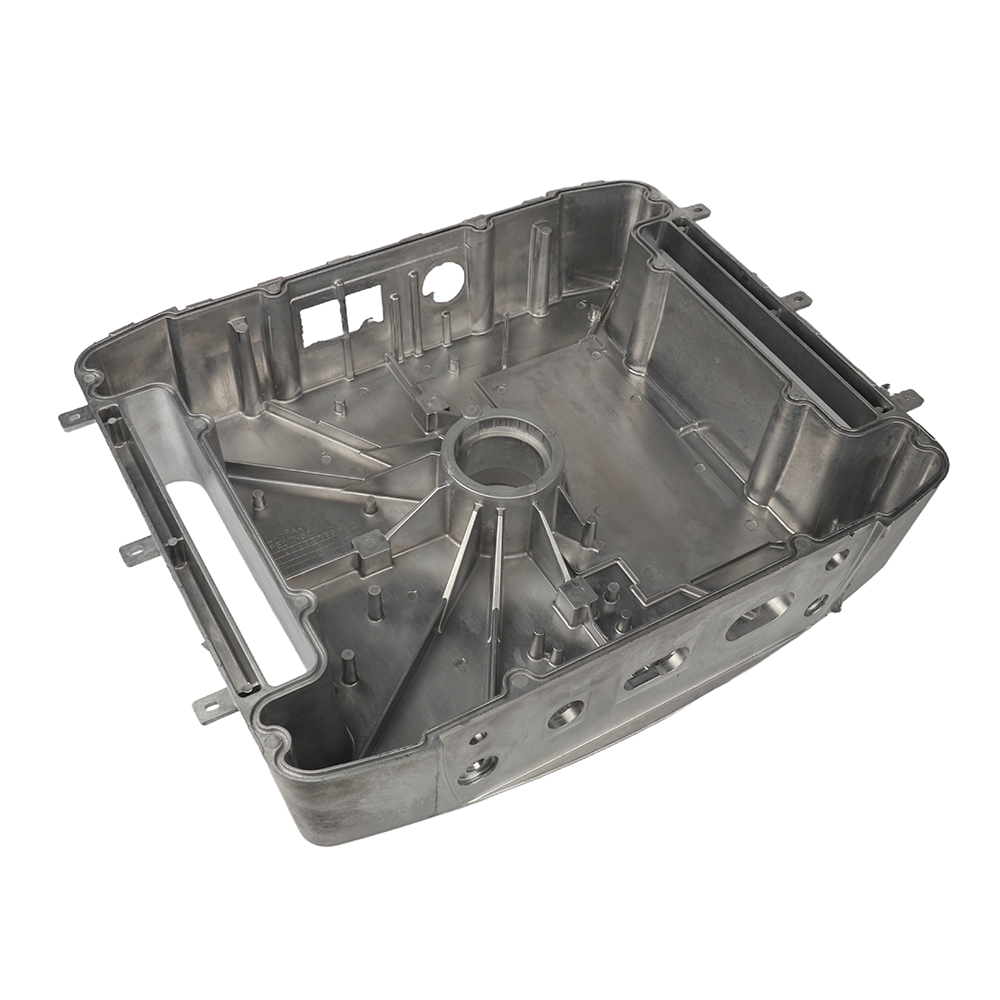
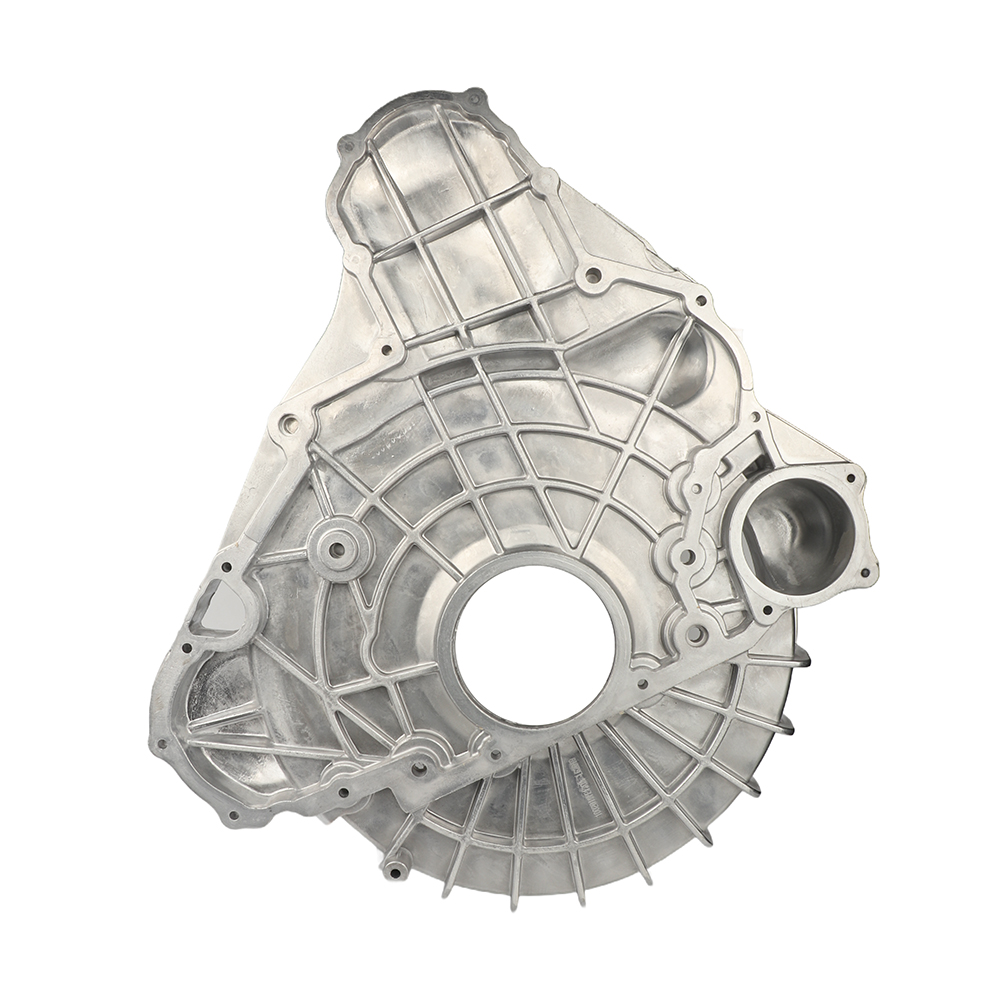
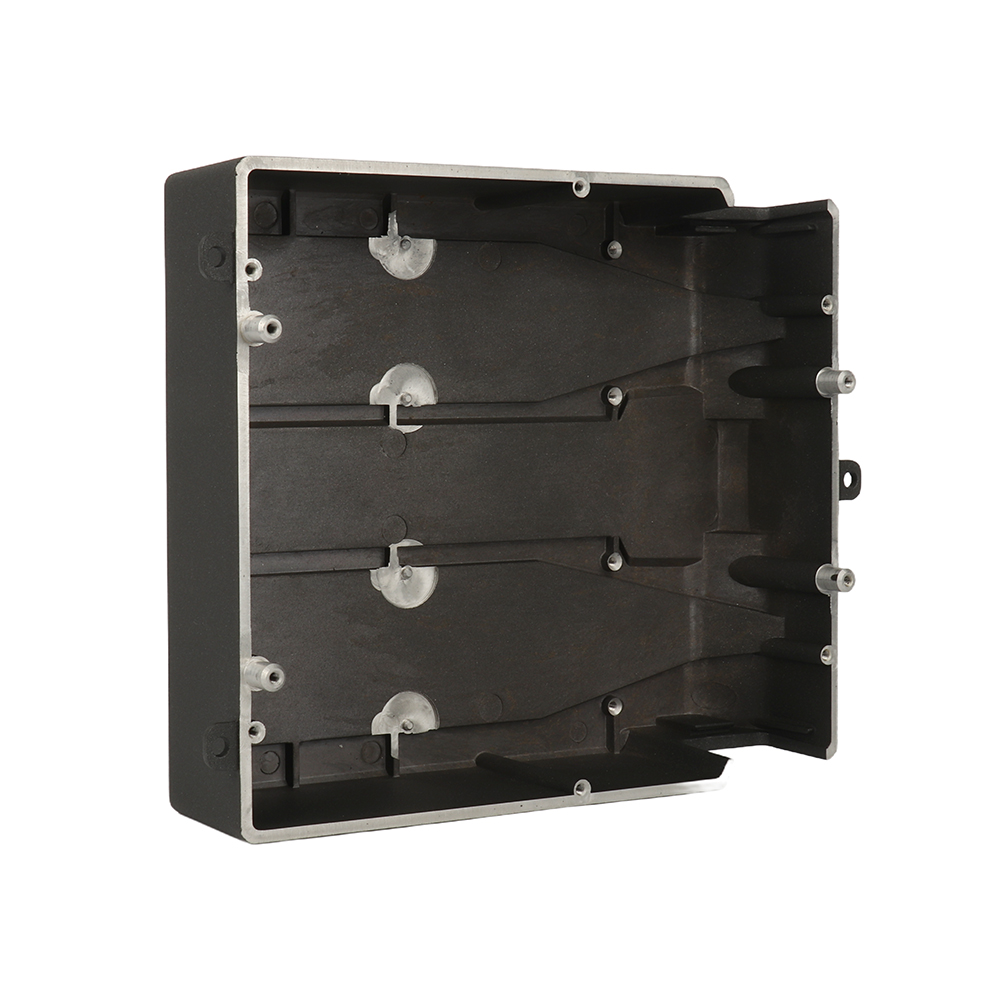
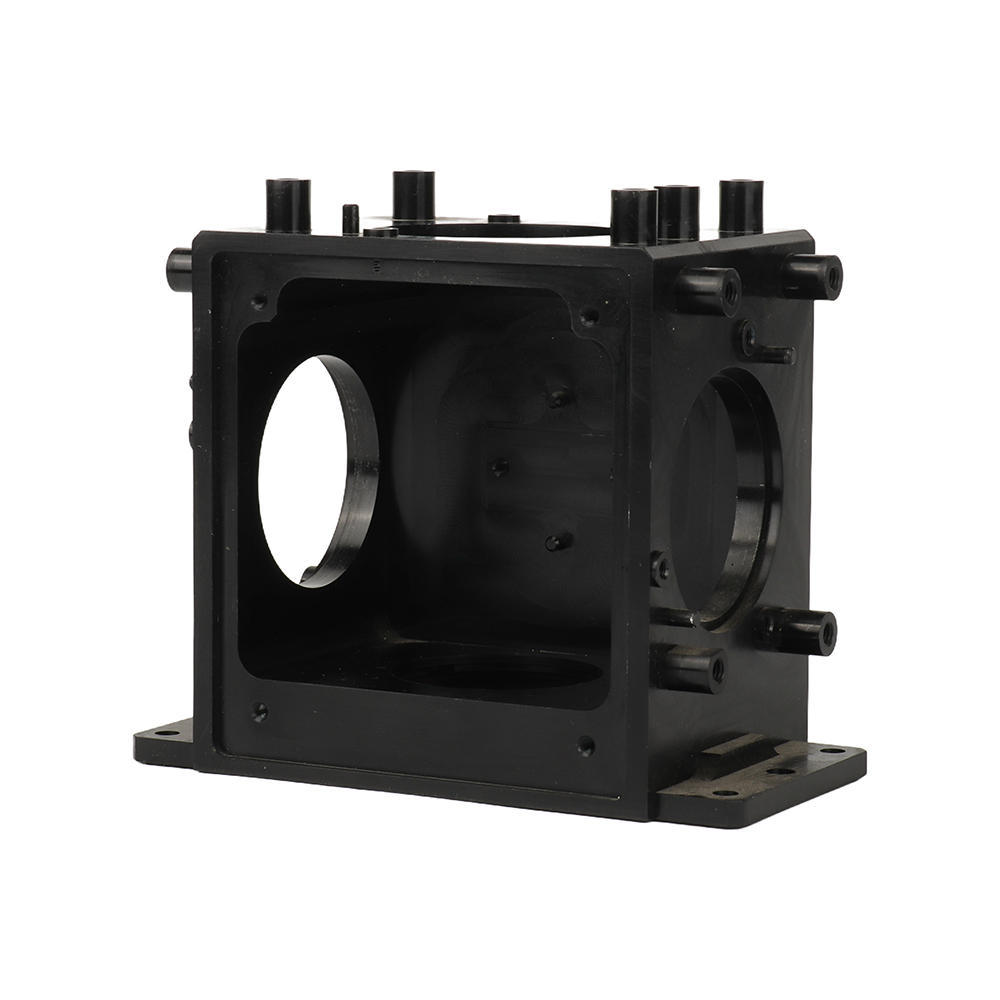
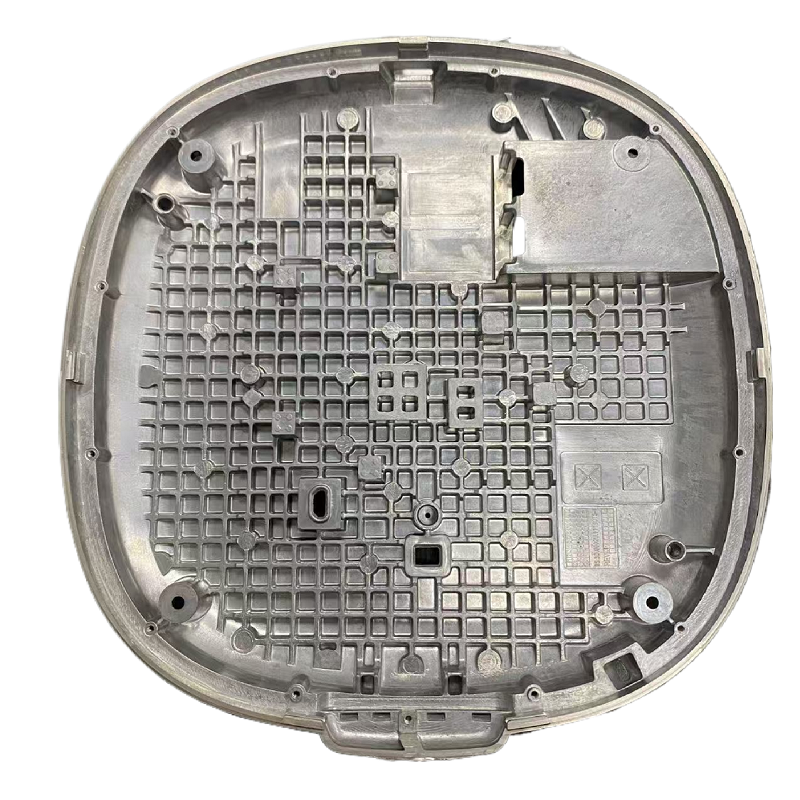
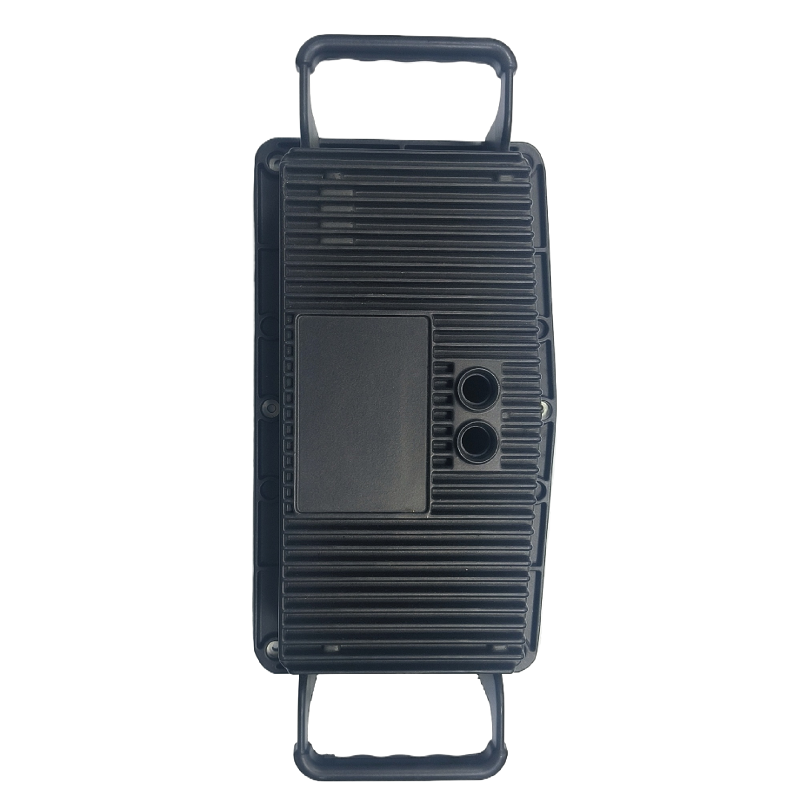
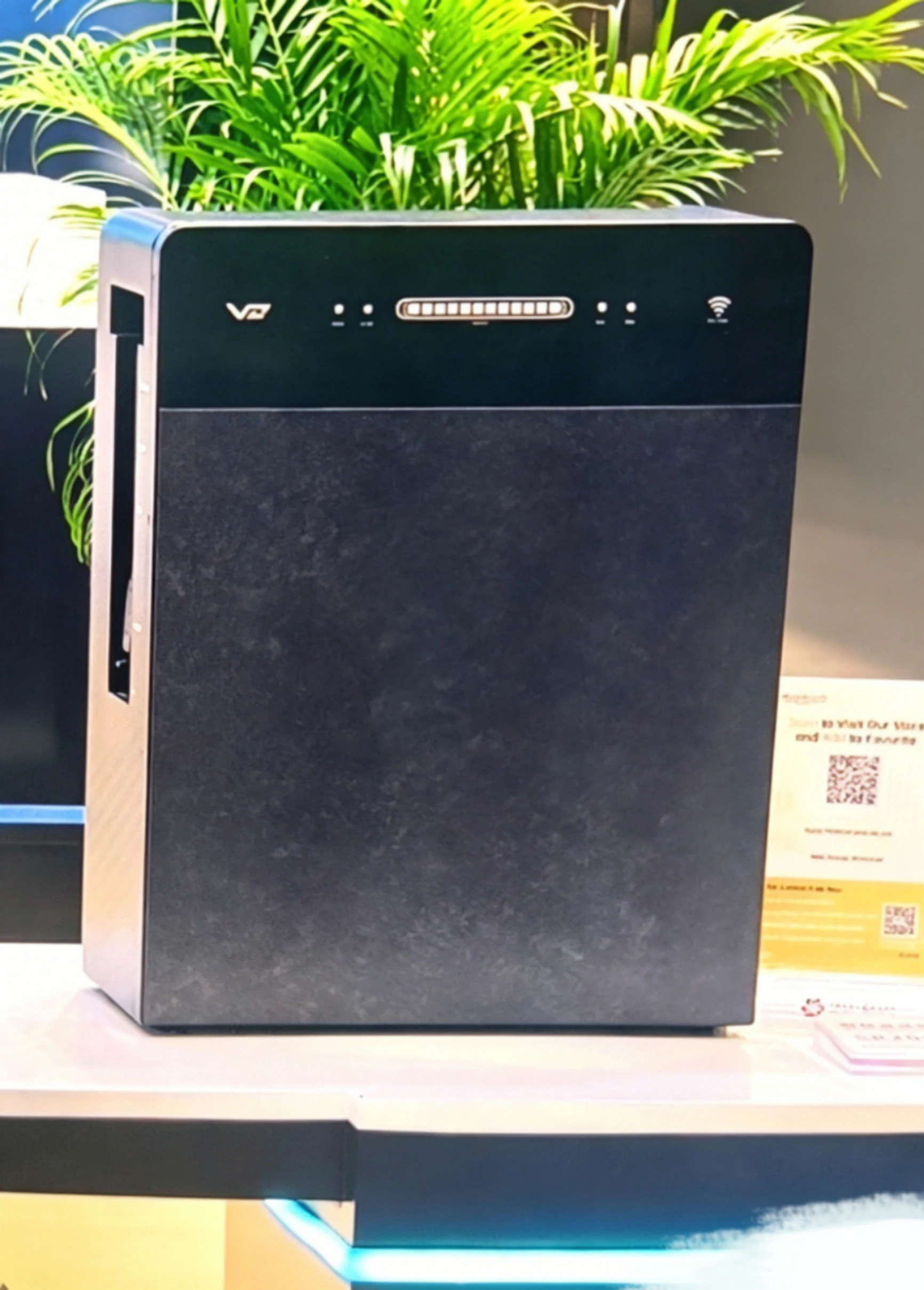
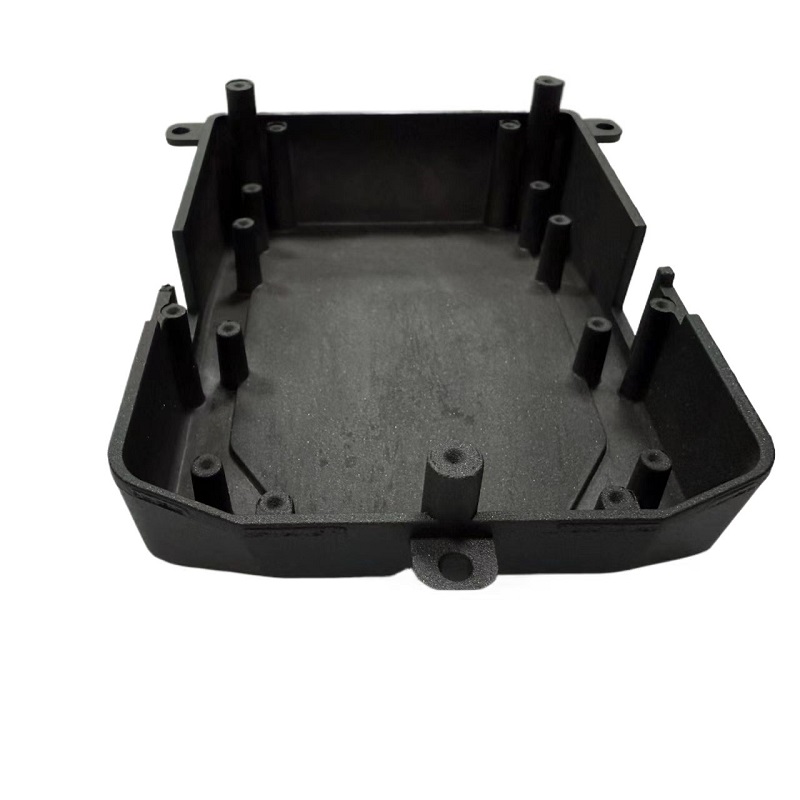
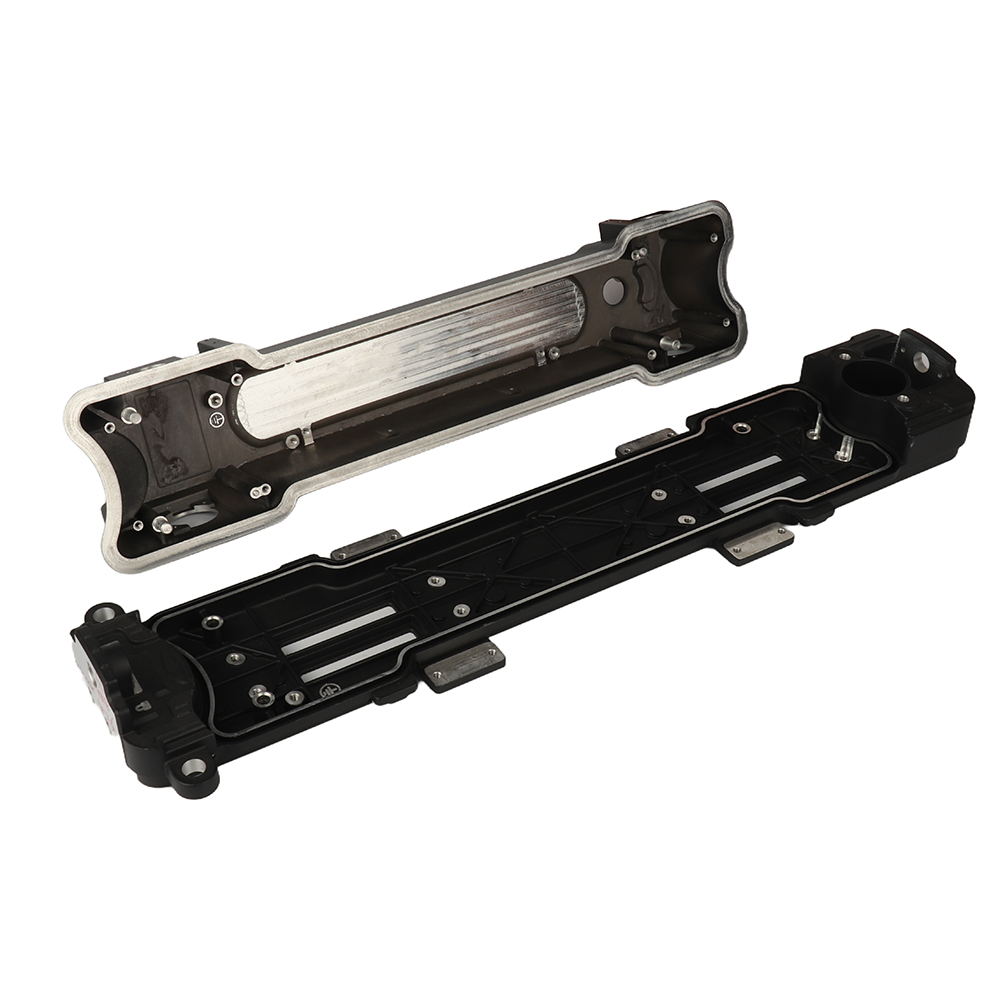
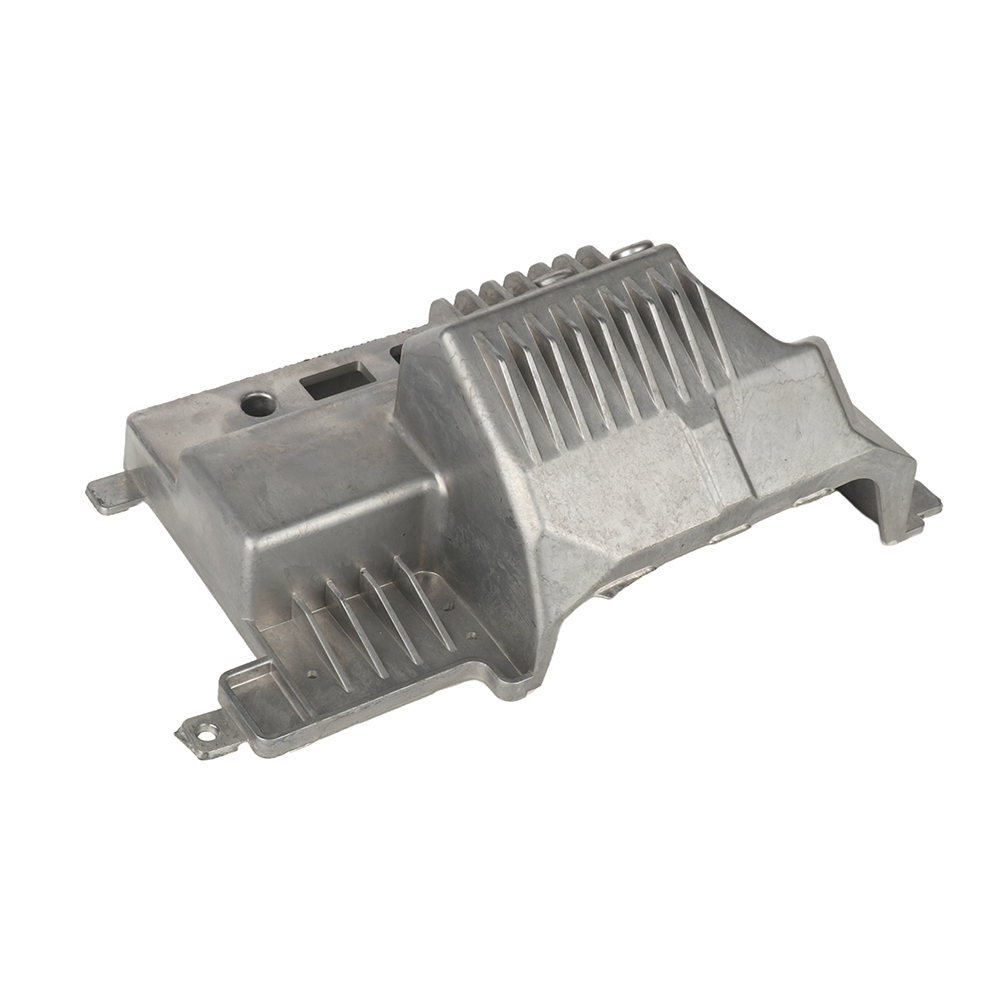
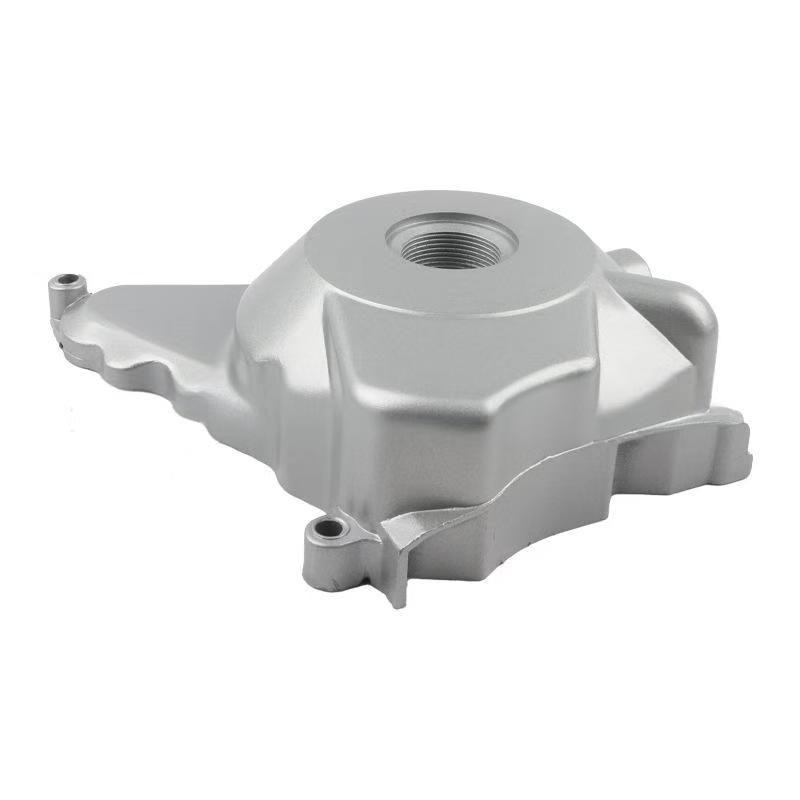
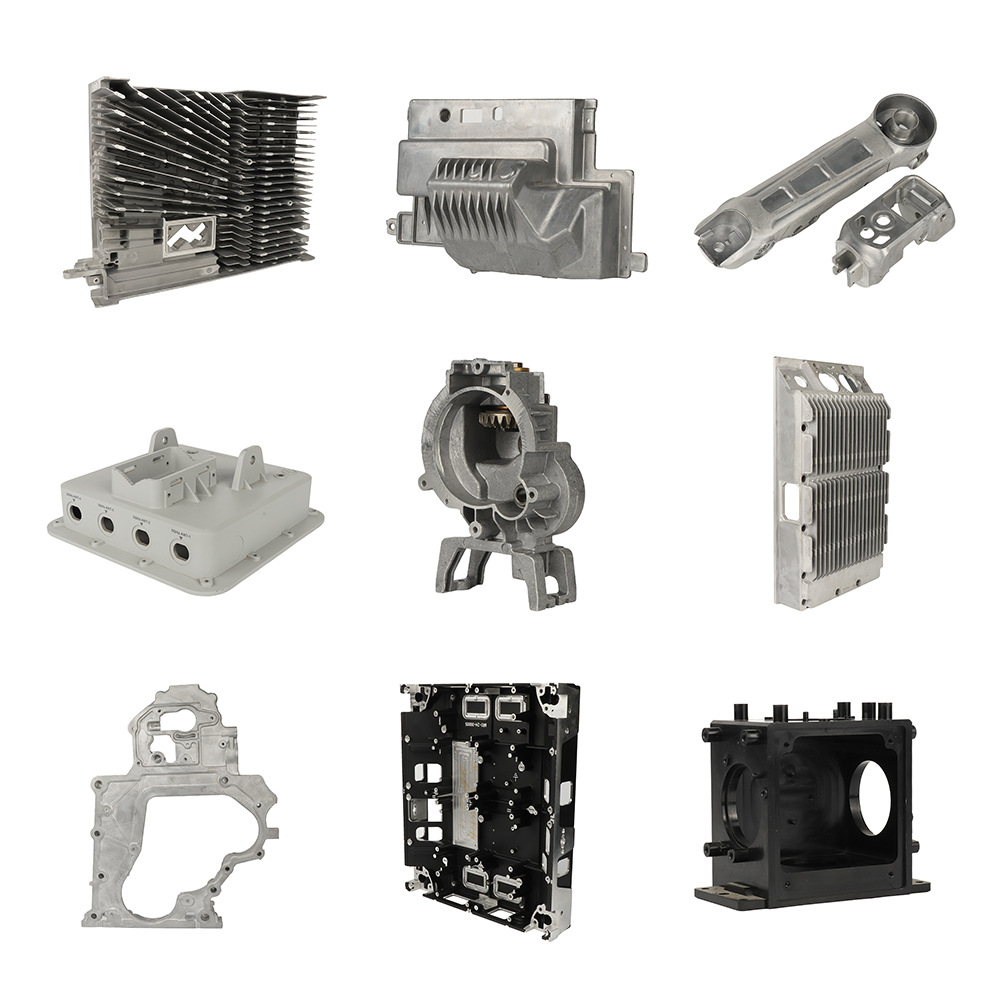
CNC machined components | What are CNC machined aluminum components? A Complete Guide
What are CNC Machined Aluminum Components? A Complete Guide
Table of Contents
1. Introduction: What Are CNC Machined Aluminum Components?
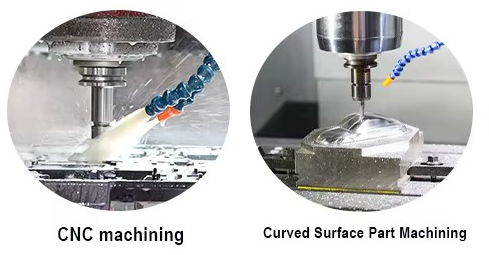
In the modern manufacturing landscape, CNC machined components have become the backbone of precision production, and when paired with aluminum—a lightweight, versatile metal—they create solutions that power countless industries. But what exactly are CNC machined aluminum components? Simply put, they are precision parts crafted by shaping aluminum stock using CNC (Computer Numerical Control) machining technology, a process that uses computer-programmed instructions to control cutting tools with unparalleled accuracy.
Unlike traditional manual machining, CNC machining eliminates human error, ensuring consistent, repeatable results even for the most complex designs. Aluminum, with its unique combination of strength, light weight, and machinability, is the perfect material to pair with CNC technology, making CNC machined aluminum components indispensable in sectors ranging from aerospace and automotive to electronics and medical devices.
2. The Purpose and Functions of CNC Machined Aluminum Components
The core purpose of CNC machined aluminum components is to deliver high-precision, reliable parts that meet the strict requirements of modern applications. Their functions vary by industry, but they all revolve around enabling efficiency, durability, and performance. Below are the key purposes and functions:
2.1 Core Purpose
To produce aluminum parts with tight tolerances (often as low as ±0.001 inches) and consistent quality, replacing manual machining processes that are slower, less accurate, and prone to variation. This precision ensures that components fit seamlessly into larger assemblies, reducing downtime and improving overall product reliability.
2.2 Key Functions
2.2.1 Structural Support
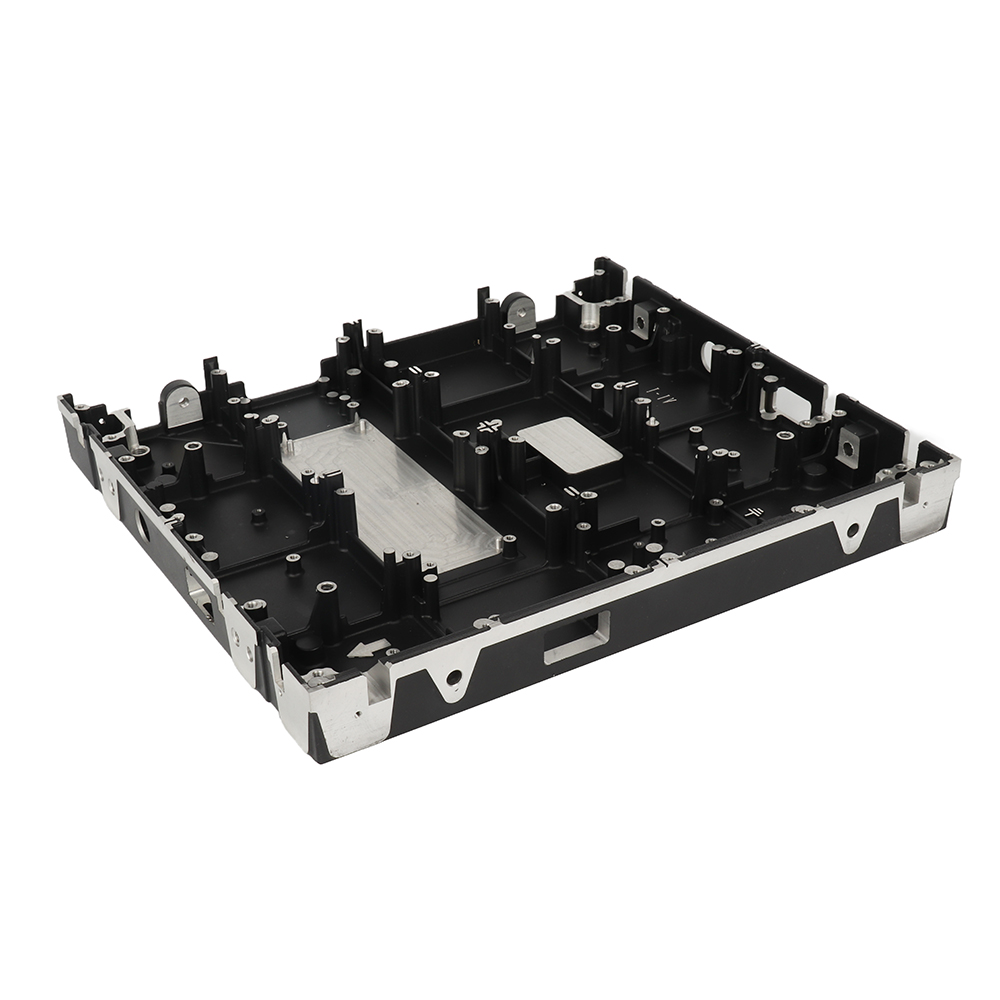
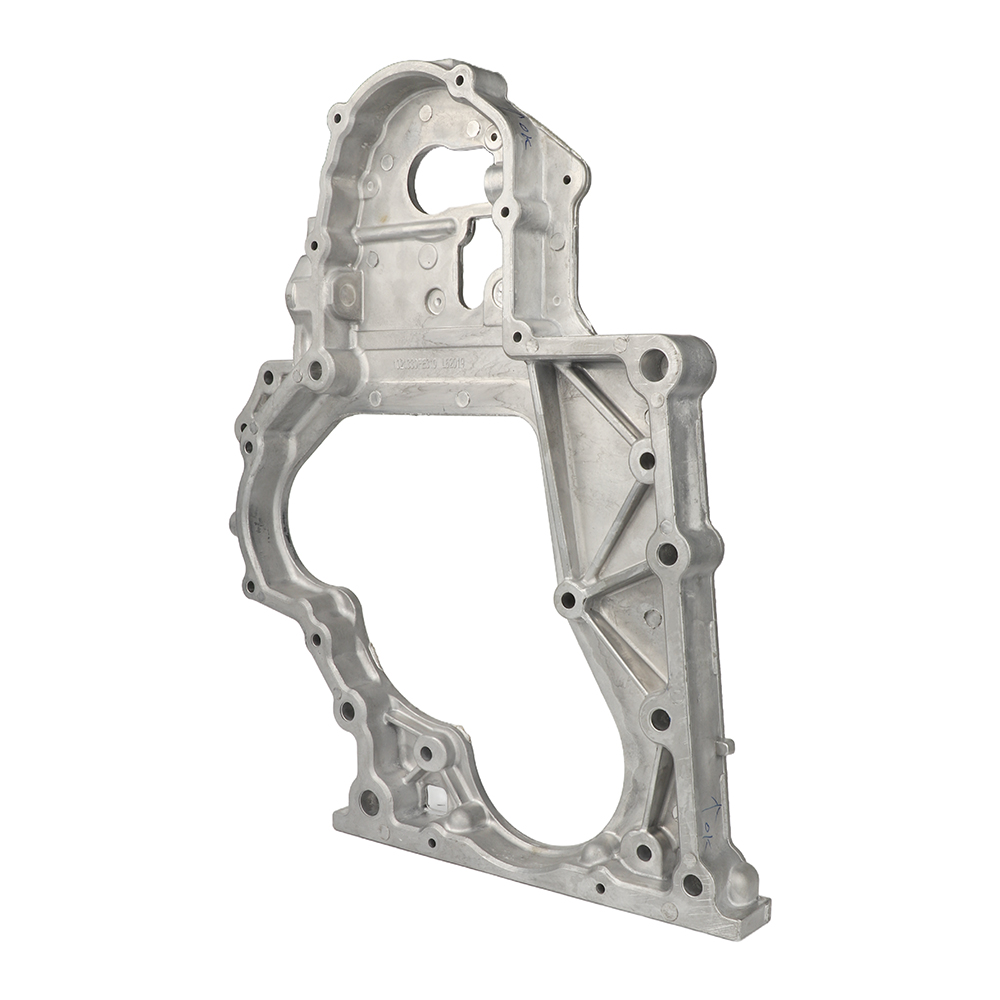
Many CNC machined aluminum components act as structural elements, such as brackets, frames, and housings. Aluminum’s high strength-to-weight ratio means these parts provide robust support without adding unnecessary weight—critical for applications like aerospace and electric vehicles (EVs) where weight reduction is a priority.
2.2.2 Functional Performance
Components like gears, shafts, and connectors are designed to facilitate movement, power transmission, or signal transfer. CNC machining ensures these parts have precise dimensions, allowing for smooth operation and minimal wear over time. For example, CNC machined aluminum gears in industrial machinery reduce friction and extend equipment lifespan.
2.2.3 Thermal and Electrical Conductivity
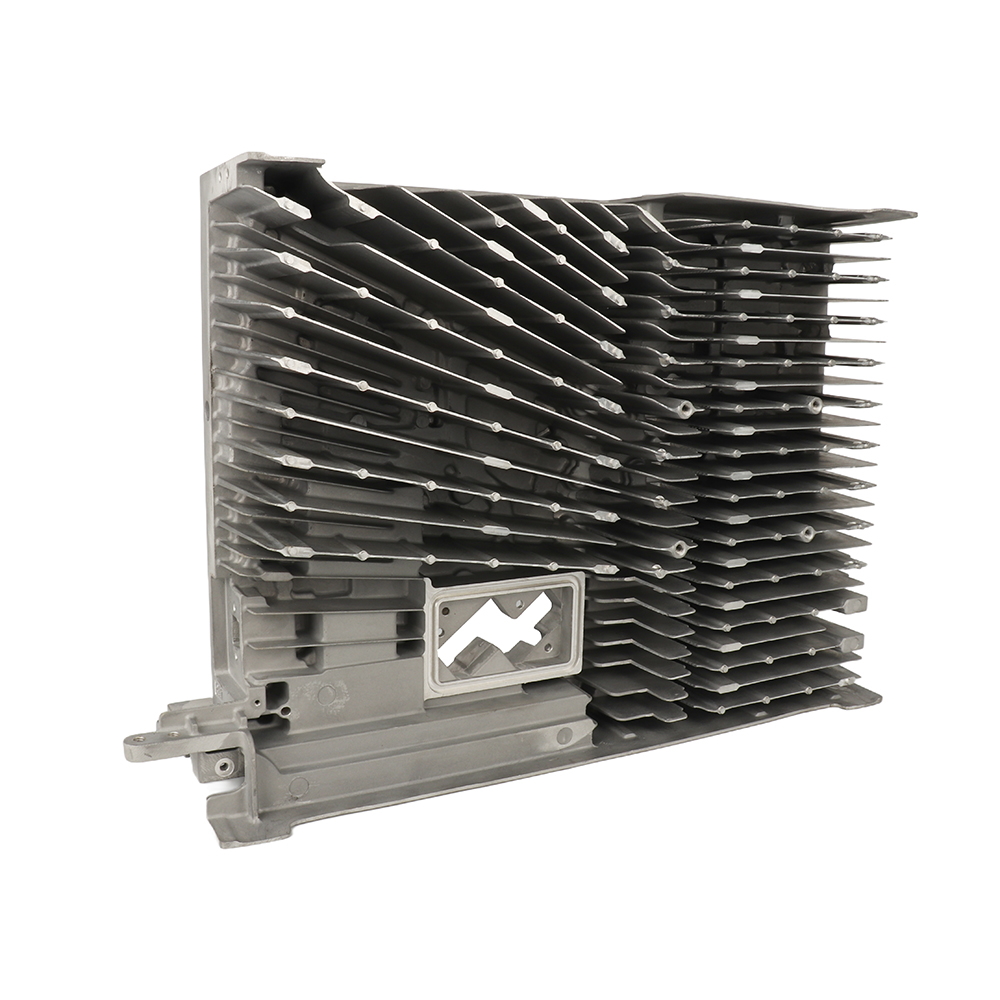
Aluminum’s excellent thermal and electrical conductivity makes CNC machined components ideal for heat sinks, electrical enclosures, and connectors. These parts efficiently dissipate heat (critical for electronics) or conduct electricity, ensuring optimal performance of devices from smartphones to industrial equipment.
2.2.4 Customization for Specialized Needs
CNC machining allows for full customization of aluminum components, from simple shapes to complex geometries that would be impossible to achieve with manual methods. This flexibility means manufacturers can create parts tailored to unique application requirements, whether it’s a custom medical device component or a specialized automotive part.
3. Key Benefits of CNC Machined Aluminum Components
When aluminum is paired with CNC machining, the result is a component that offers a unique blend of advantages—far exceeding what traditional machining or other materials can provide. Below are the most significant benefits, with a focus on why CNC machined components stand out:
3.1 Unmatched Precision and Consistency
CNC machined components are produced using computer-controlled tools that follow pre-programmed designs with extreme accuracy. This eliminates human error and ensures that every part is identical, even in large production runs. For industries like aerospace or medical, where even minor deviations can be catastrophic, this consistency is non-negotiable. Aluminum’s machinability further enhances this precision, as it cuts cleanly and predictably under CNC control.
3.2 Lightweight Yet Durable
Aluminum is 30% lighter than steel but offers impressive strength—especially when alloyed (e.g., 6061-T6 or 7075-T6). CNC machined aluminum components leverage this strength-to-weight ratio to reduce the overall weight of products without sacrificing durability. This is a game-changer for EVs, aircraft, and portable electronics, where weight reduction improves efficiency, range, and usability.
3.3 Cost-Effective Production
While CNC machining requires an initial investment in programming and equipment, it reduces long-term costs in several ways: faster production times (CNC machines operate 24/7 with minimal supervision), less material waste (precision cutting minimizes scrap), and lower labor costs (fewer operators needed). Aluminum’s machinability also reduces tool wear, further cutting down on maintenance and replacement costs.
3.4 Versatility and Customization
CNC machines can handle virtually any design, from simple flat parts to complex 3D geometries with intricate details. This versatility means CNC machined aluminum components can be tailored to almost any industry or application—from automotive engine parts to medical implants. Aluminum’s compatibility with surface treatments (e.g., anodizing, powder coating) also allows for customization of appearance and functionality, such as improved corrosion resistance or color matching.
3.5 Excellent Corrosion Resistance
Aluminum naturally forms a protective oxide layer that resists rust and corrosion. When combined with CNC machining (which creates smooth, uniform surfaces), this resistance is enhanced—making CNC machined aluminum components suitable for outdoor, marine, or harsh industrial environments. For applications like marine equipment or outdoor electronics, this durability ensures long service life with minimal maintenance.

4. Expert Insights on CNC Machined Components
To gain a deeper understanding of the value of CNC machined aluminum components, we spoke with industry experts who have decades of experience in manufacturing and engineering.
4.1 Expert Opinion 1: Precision as a Competitive Advantage
“In today’s manufacturing landscape, precision is what separates successful products from the rest,” says Michael Chen, Senior Manufacturing Engineer with 25 years of experience in CNC machining. “CNC machined components—especially those made from aluminum—offer the level of accuracy that modern industries demand. For aerospace applications, where tolerances are measured in thousandths of an inch, CNC machining of aluminum isn’t just a choice—it’s a necessity. Aluminum’s light weight and machinability allow us to create parts that are both strong and precise, reducing fuel consumption in aircraft while ensuring safety.”
4.2 Expert Opinion 2: The Future of Customization
Sarah Liu, CEO of a leading CNC manufacturing firm, adds: “The biggest advantage of CNC machined aluminum components is their flexibility. As industries move toward customization—whether it’s personalized medical devices or niche automotive parts—CNC technology allows us to quickly adapt to new designs without retooling extensively. Aluminum’s versatility makes it the perfect material for this shift, as it can be machined into complex shapes while maintaining strength and affordability. We’re seeing more companies adopt CNC machined aluminum components because they offer a balance of performance, cost, and customization that no other process can match.”
4.3 Expert Opinion 3: Sustainability and Efficiency
“Sustainability is a top priority for manufacturers today, and CNC machined aluminum components align perfectly with this goal,” notes David Wang, Materials Science Specialist. “Aluminum is 100% recyclable, and CNC machining produces minimal waste compared to other manufacturing methods. Additionally, the lightweight nature of aluminum components reduces energy consumption in end products—from EVs to appliances. When you combine that with the efficiency of CNC machining, you get a sustainable, cost-effective solution that benefits both businesses and the environment.”
5. Common FAQs About CNC Machined Aluminum Components
We’ve compiled the most frequently asked questions aboutCNC machined aluminum components to help clarify common misconceptions and provide actionable insights.
5.1 What is the difference between CNC machined aluminum components and traditional machined aluminum components?
The key difference is precision and consistency. Traditional machining relies on manual operation, which is prone to human error and variation between parts. CNC machined components use computer programming to control cutting tools, ensuring every part is identical and meets tight tolerances. CNC machining is also faster, more efficient, and capable of handling complex designs that traditional methods cannot achieve.
5.2 What aluminum alloys are most commonly used for CNC machined components?
The most popular alloys are 6061-T6, 7075-T6, 5052, and 2024. 6061-T6 is the most versatile—it offers good strength, machinability, and corrosion resistance, making it ideal for general-purpose components. 7075-T6 is a high-strength alloy used in aerospace and military applications. 5052 has excellent corrosion resistance, suitable for marine and outdoor use, while 2024 offers high fatigue resistance for aerospace fuselages and automotive suspension parts.
5.3 What tolerances can CNC machined aluminum components achieve?
CNC machined aluminum components can achieve tolerances as tight as ±0.001 inches (0.0254 mm) for most applications. For specialized high-precision parts (e.g., medical implants, aerospace components), tolerances can be even tighter—down to ±0.0005 inches (0.0127 mm). The exact tolerance depends on the design, aluminum alloy, and CNC machine capabilities.
5.4 Are CNC machined aluminum components expensive?
While the initial setup cost for CNC machining (programming, tooling) is higher than traditional machining, the long-term cost is lower. CNC machining reduces labor costs, material waste, and production time—especially for large production runs. For small batches or custom parts, the cost is competitive because CNC machines can be reprogrammed quickly without retooling. Aluminum’s affordability and machinability also help keep costs low compared to other materials like steel or titanium.
5.5 What industries use CNC machined aluminum components the most?
The top industries include aerospace (structural parts, engine components), automotive (EV parts, brackets, gears), electronics (heat sinks, enclosures), medical (implants, surgical tools), and industrial machinery (connectors, frames). Any industry that requires precision, lightweight, and durable components relies on CNC machined aluminum components.
5.6 Can CNC machined aluminum components be recycled?
Yes! Aluminum is 100% recyclable without losing its strength or quality. CNC machining produces scrap aluminum (e.g., chips from cutting), which can be collected and recycled into new aluminum stock. This makes CNC machined aluminum components a sustainable choice for manufacturers looking to reduce their environmental impact.
6. Conclusion
CNC machined aluminum components are the cornerstone of modern precision manufacturing, offering a unique combination of precision, durability, versatility, and cost-effectiveness. From their role in structural support and functional performance to their countless benefits—including lightweight design, customization, and sustainability—these components power industries and drive innovation.
As experts highlight, the precision and flexibility of CNC machined components, paired with aluminum’s inherent advantages, make them an indispensable solution for today’s manufacturing challenges. Whether you’re in aerospace, automotive, electronics, or medical devices, CNC machined aluminum components deliver the reliability and performance needed to stay competitive.
If you’re considering integrating CNC machined aluminum components into your product, the key takeaway is clear: they offer a balance of quality, efficiency, and customization that no other manufacturing process can match.
CNC machined components manufacturers | A Complete Guide to Precision & Quality | About Xinghang Precision Hardware
Aluminum precision | What are CNC turning parts? Focus on Aluminum Precision, Benefits & FAQs
Related Article