HOT PRODUCTS
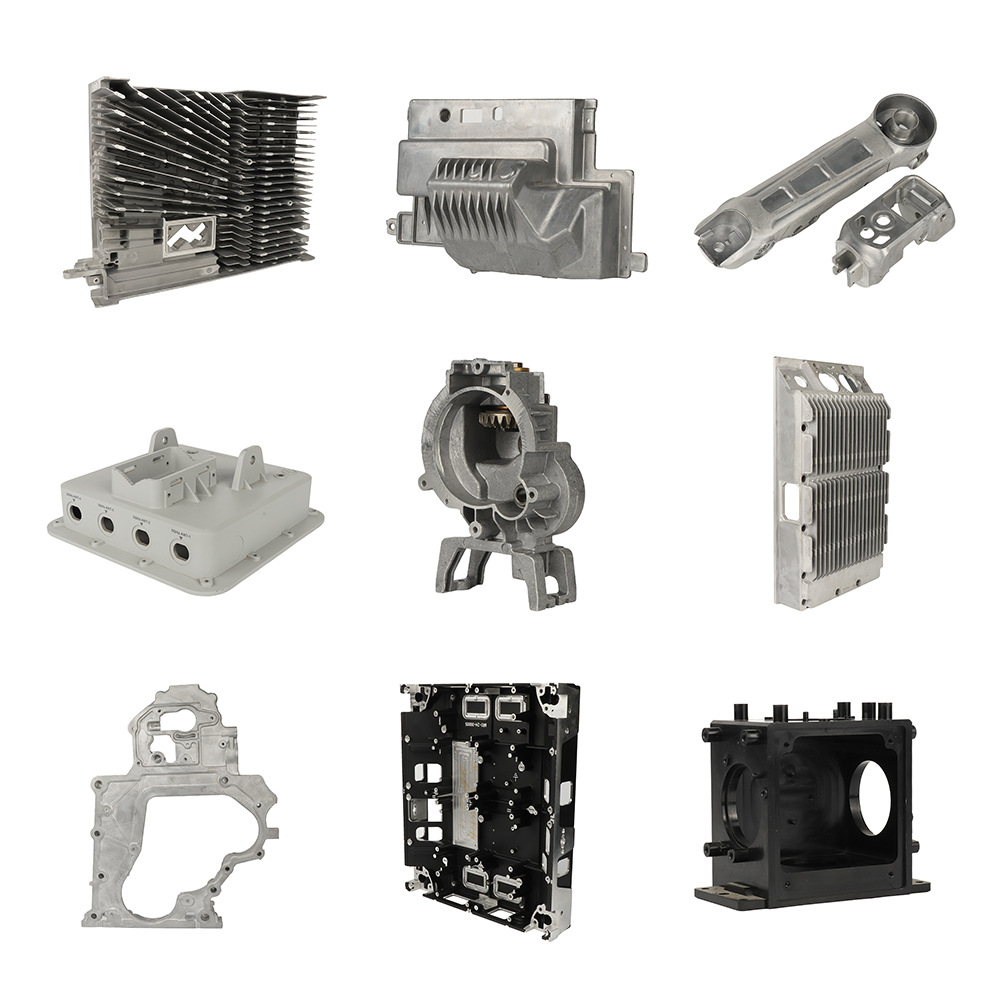
Magnesium cnc machining | What are CNC machined magnesium alloy parts? Complete Guide
2026-06-13
What are CNC Machined Magnesium Alloy Parts? Complete Guide
Table of Contents
- 1. Basic Definition & Classification of CNC Machined Magnesium Alloy Parts
- 2. Core Magnesium Alloy Substrate & Comparison With ADC12 Aluminum Alloy
- 3. Universal Technical Parameters for Magnesium CNC Machining (vs ADC12)
- 4. Core Functions & Practical Working Roles of Magnesium CNC Parts
- 5. Unique Competitive Advantages of CNC Machined Magnesium Alloy Parts
- 6. Authoritative Industry Expert Viewpoints on Magnesium CNC Machining
- 7. 2026 Industry Trends & Standards for Selecting Qualified Hardware Suppliers
- 8. Frequently Asked Questions About Magnesium CNC Machining
- 9. Xinghang Precision Hardware Cooperation Policy & Contact Details
- 10. Industry Summary & Long-Term Market Outlook
1. Basic Definition & Classification of CNC Machined Magnesium Alloy Parts
1.1 Professional Definition
1.1.1 Core Processing Logic
Process Composition
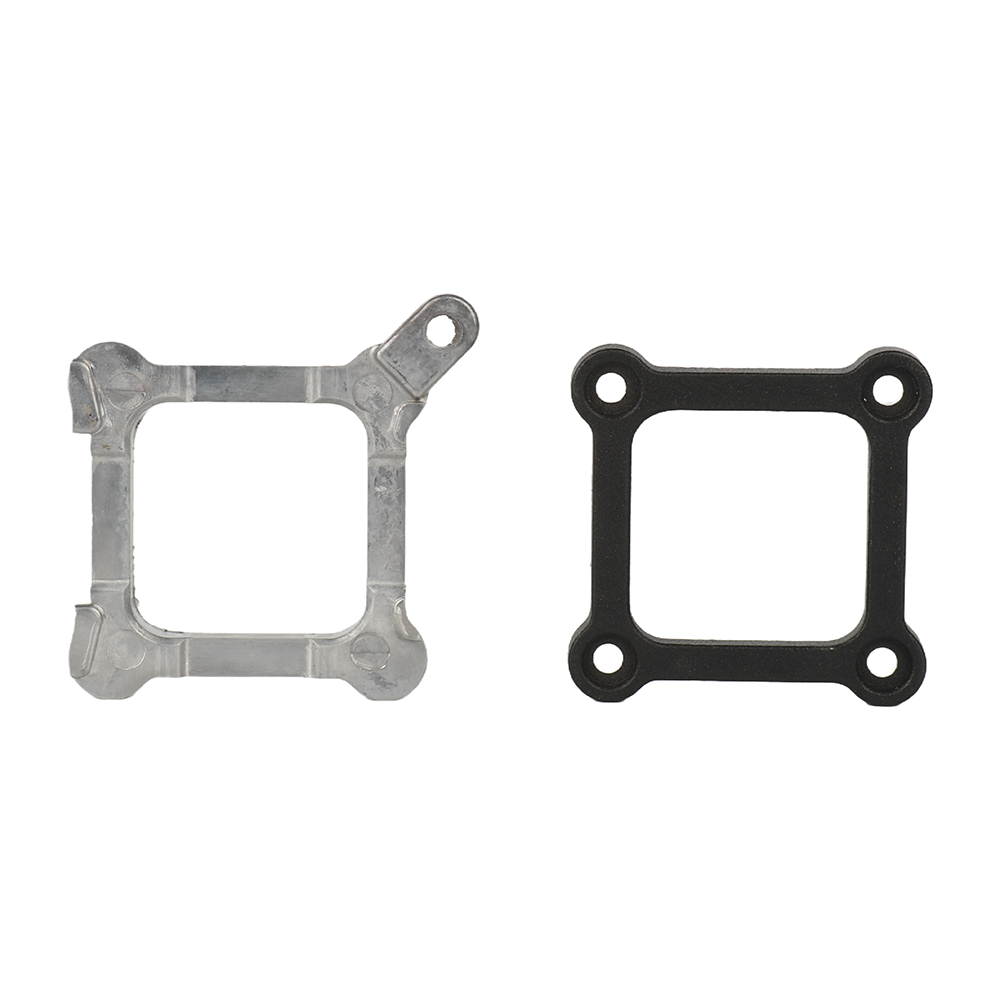
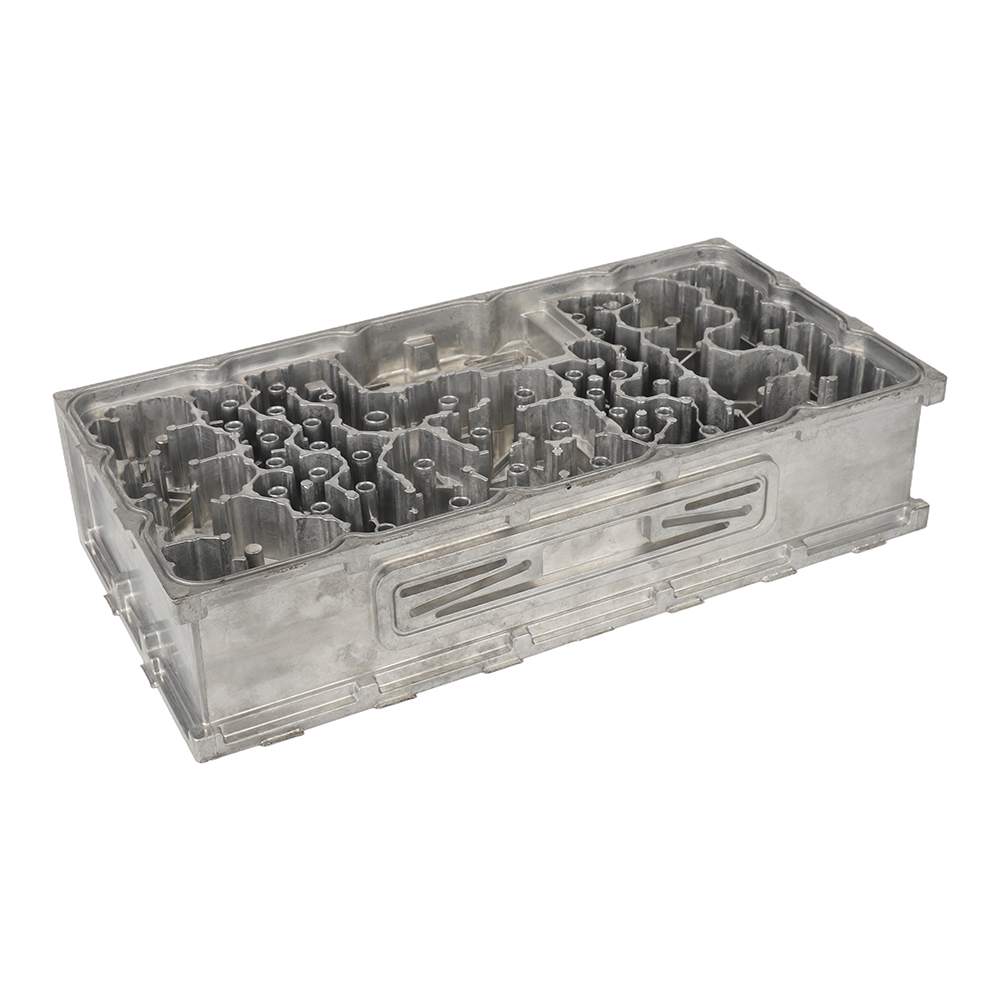
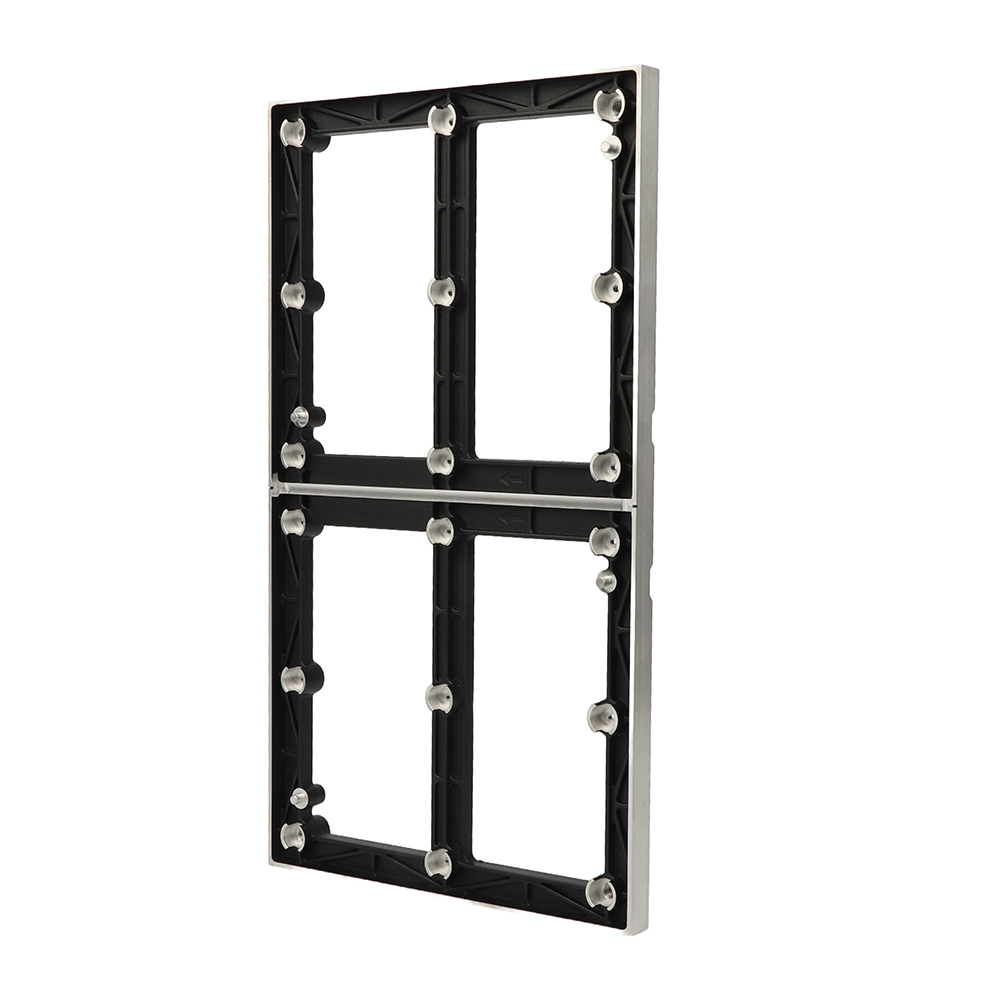
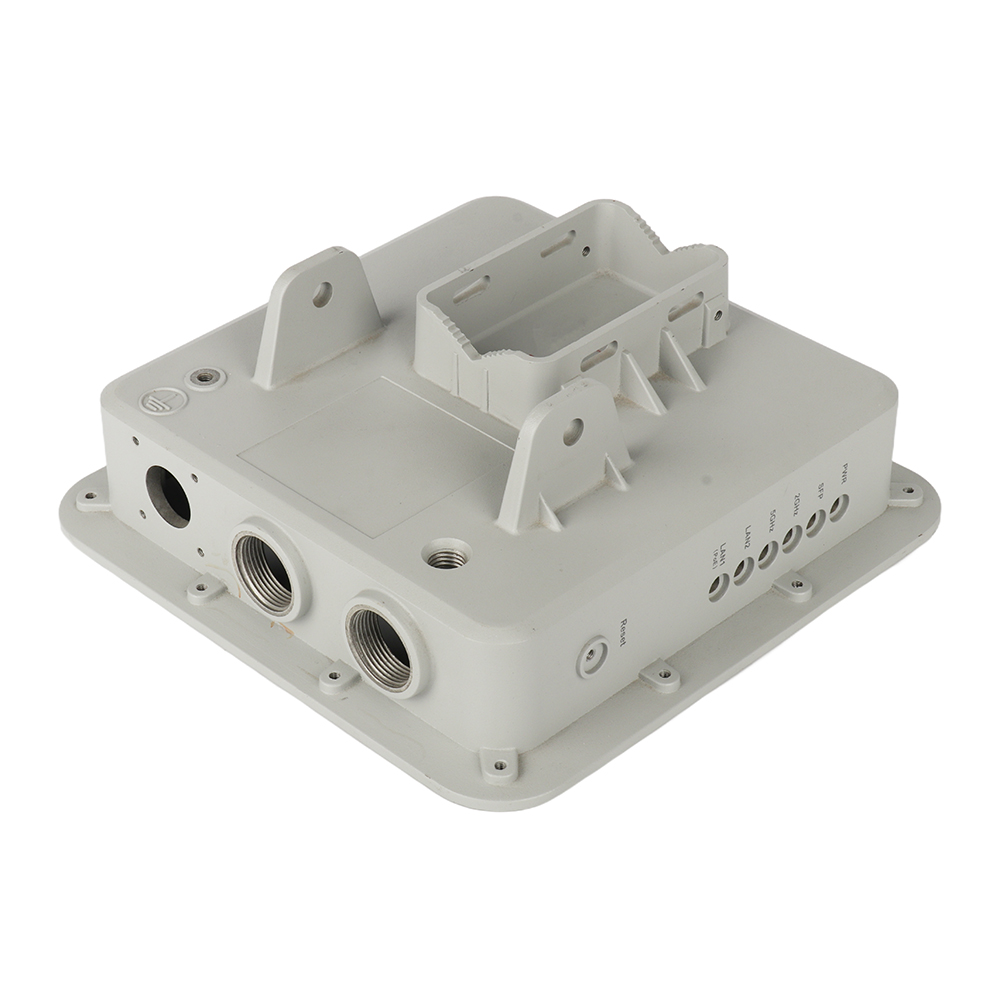
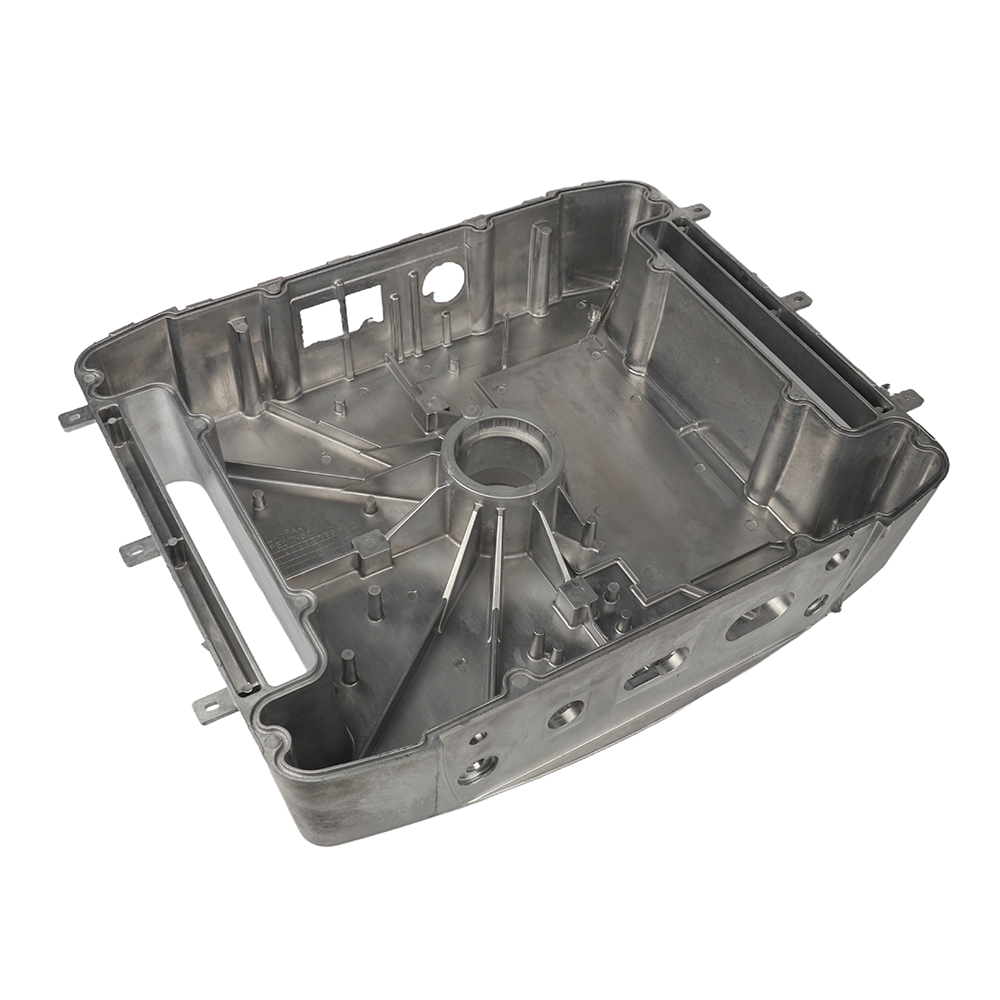
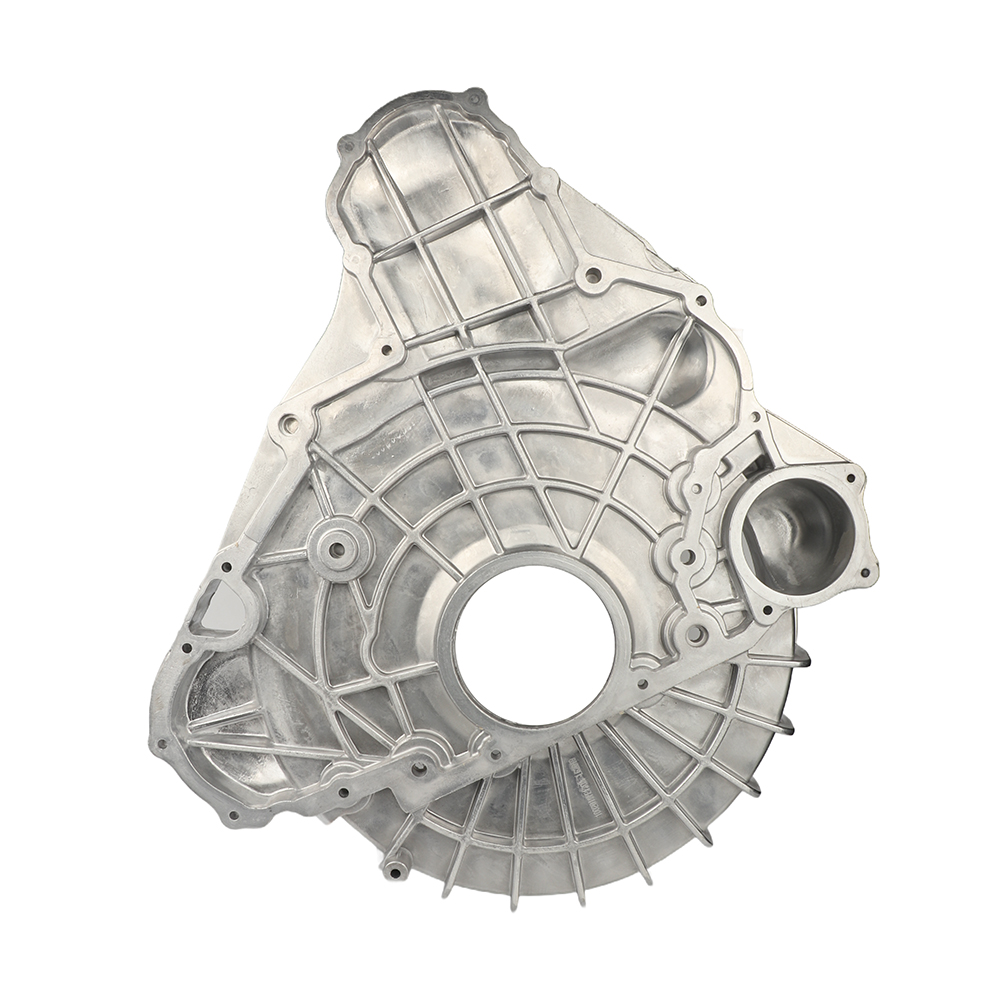
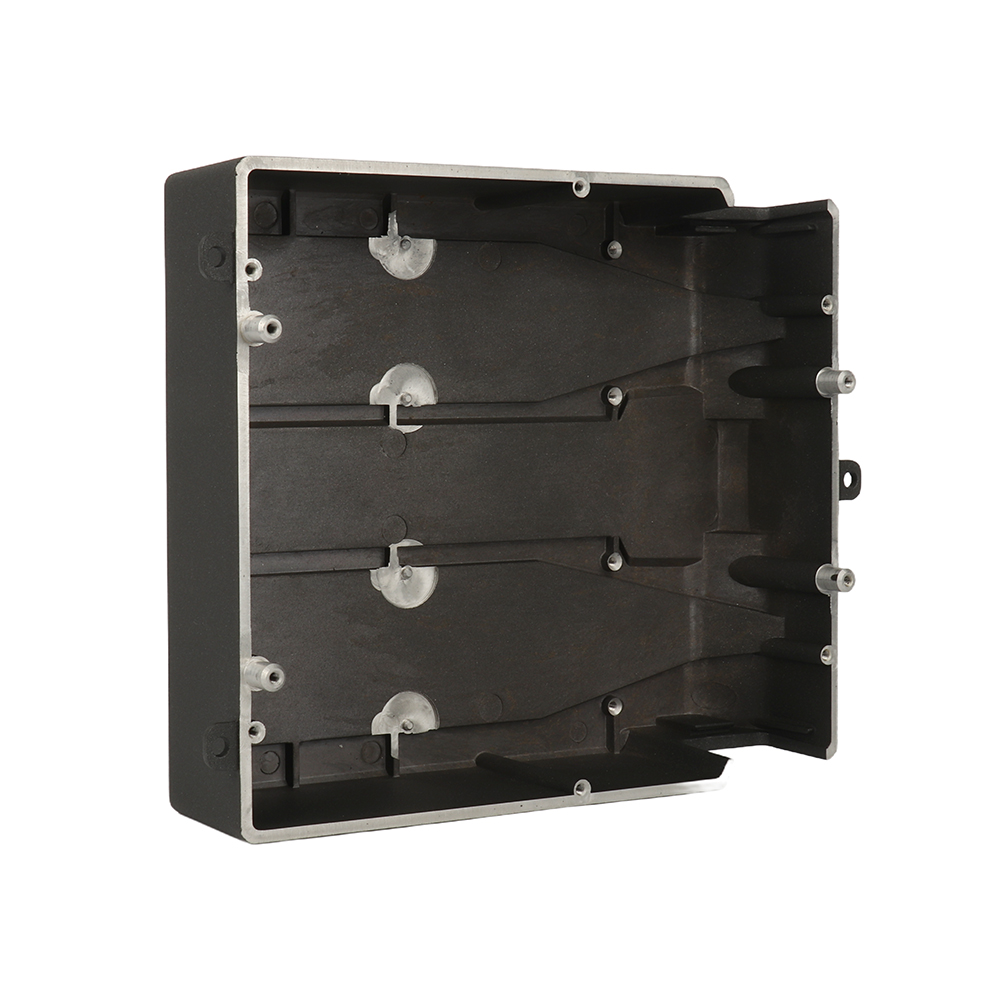
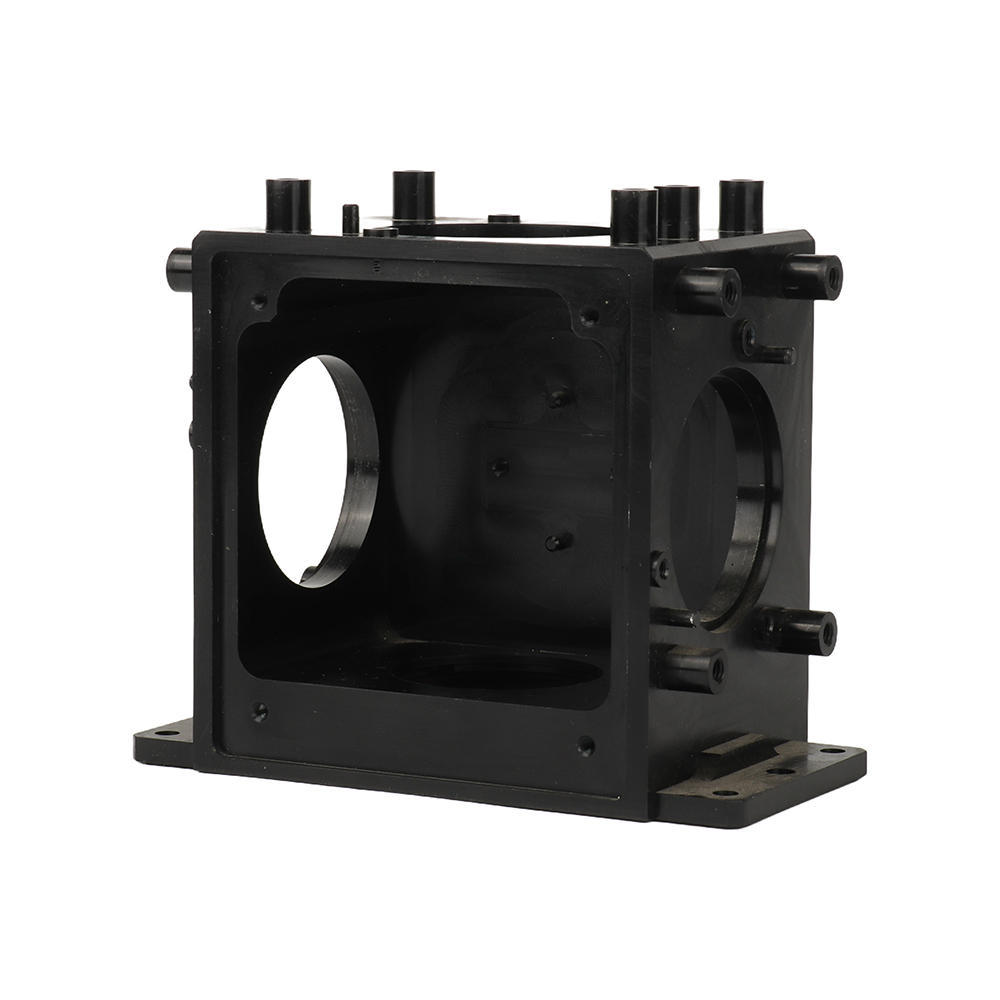
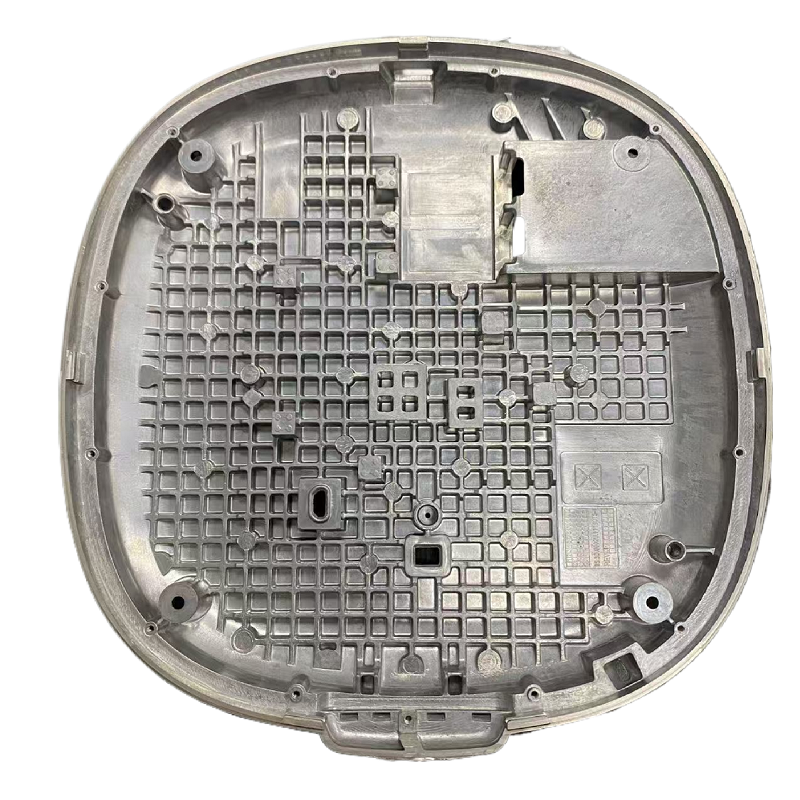
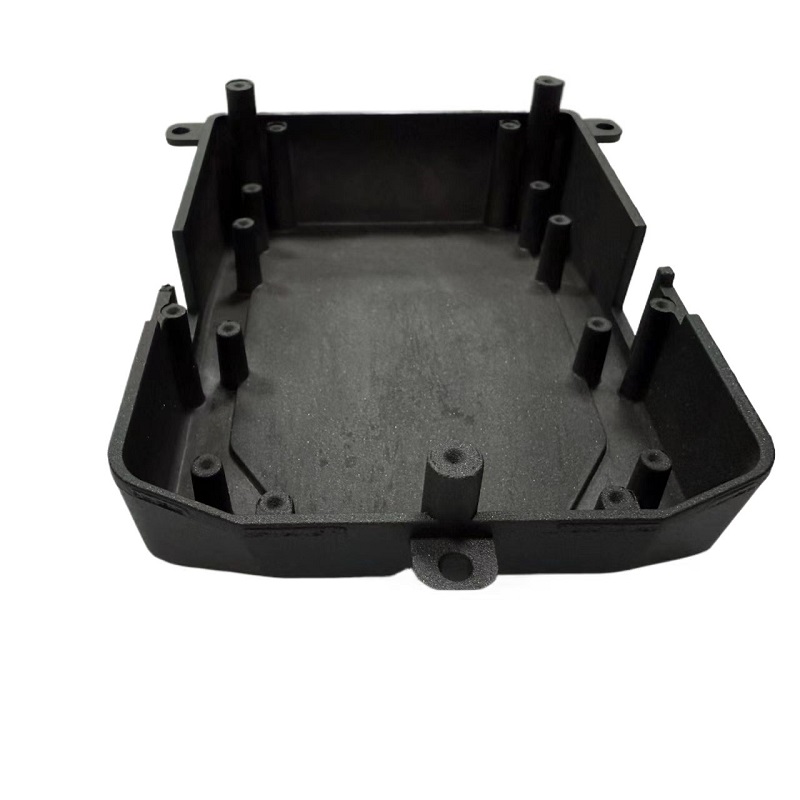
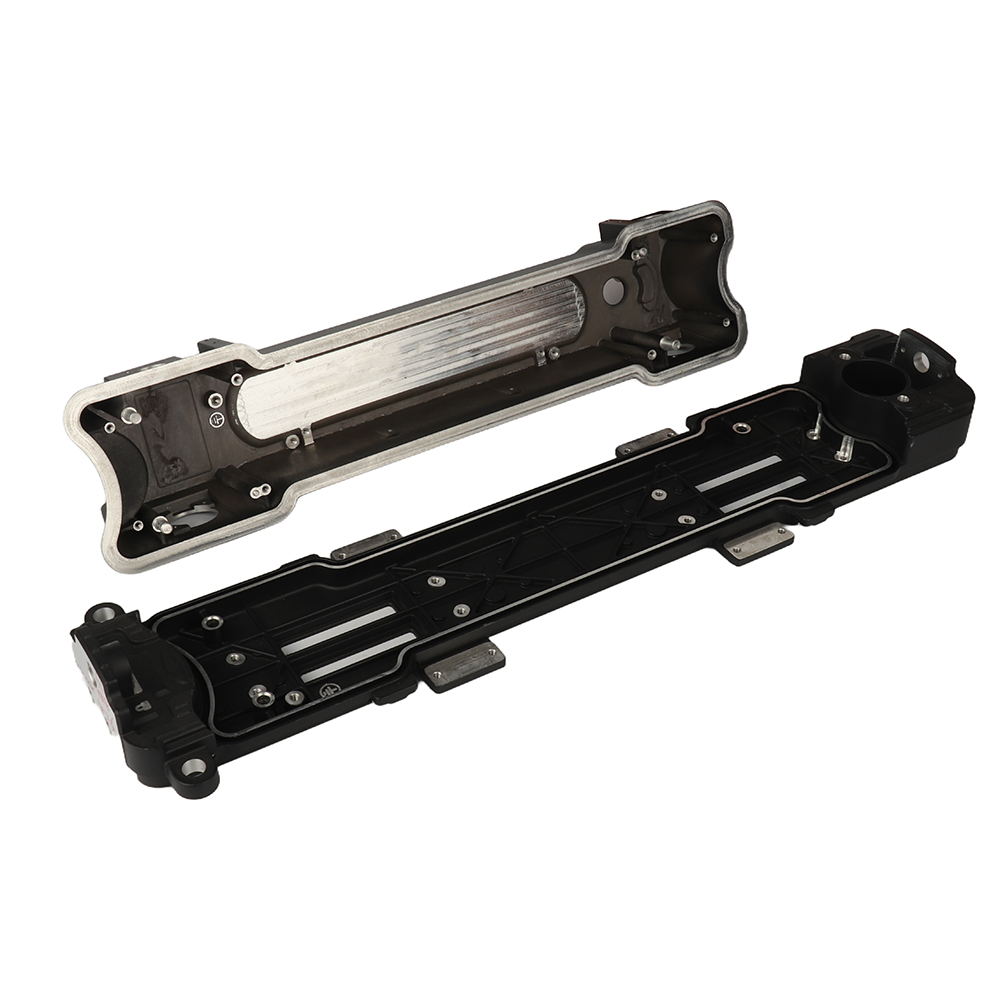
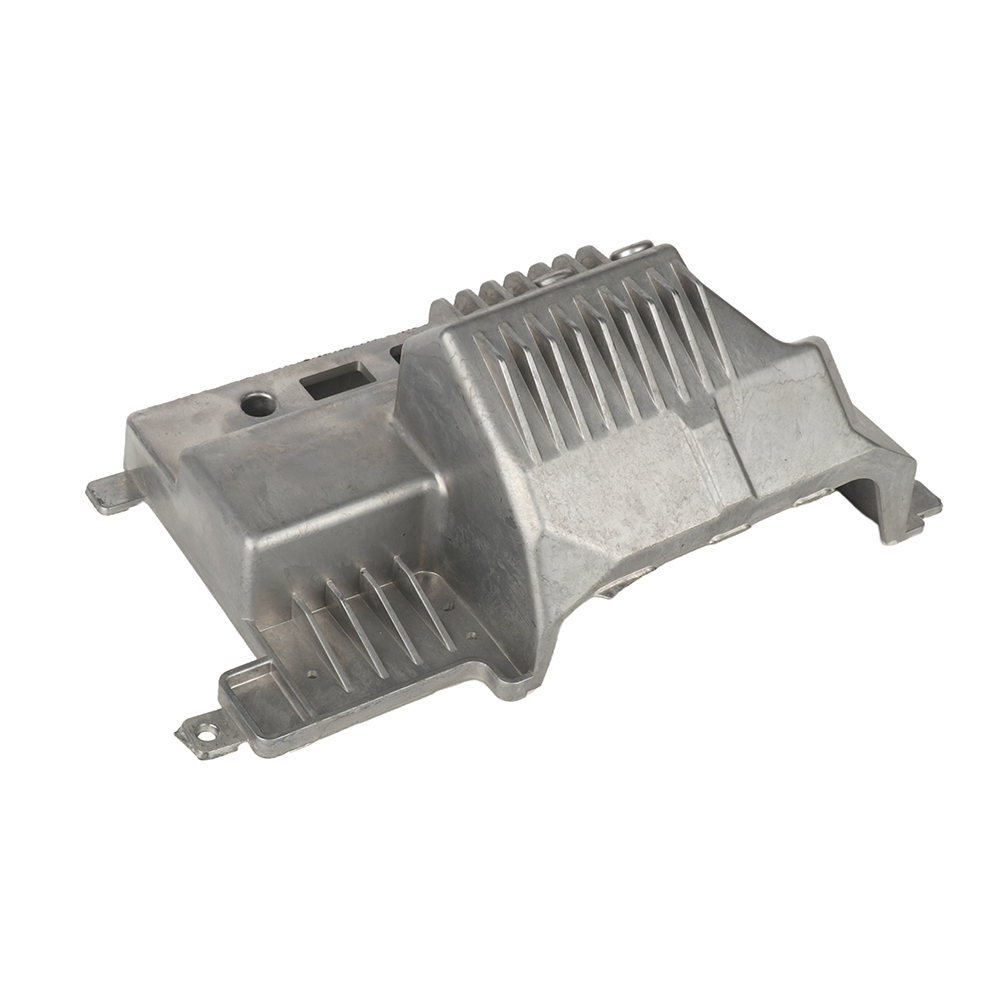
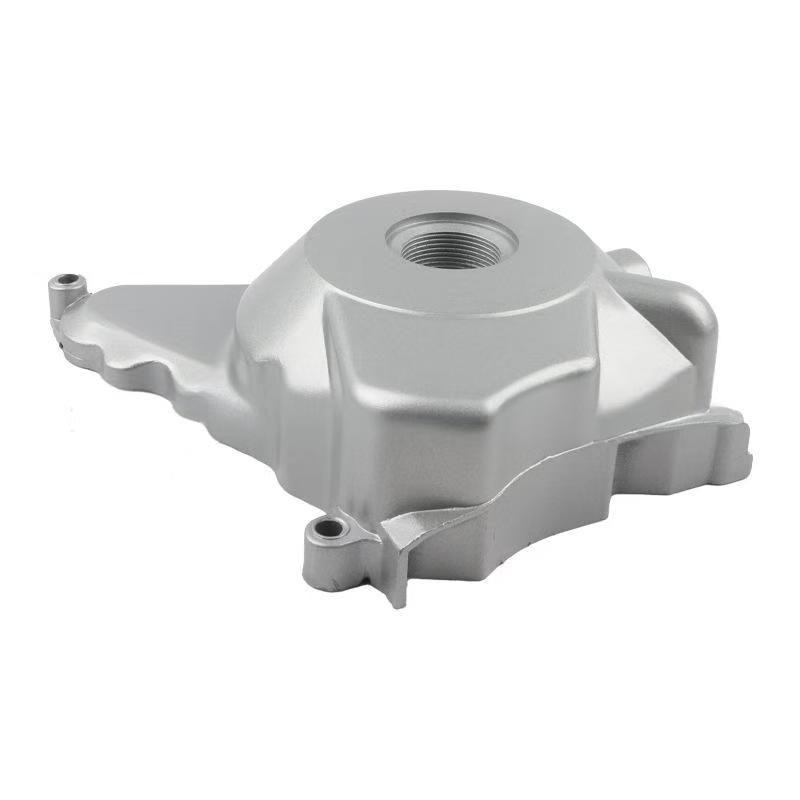
CNC machined magnesium alloy parts refer to customized precision structural components produced via 3-axis/5-axis synchronous milling, turning, boring and tapping processes on computer numerical control machine tools, using wrought or die-cast magnesium alloy blanks as raw materials. Unlike die-cast magnesium parts with low forming accuracy, CNC magnesium parts adopt one-piece cold cutting forming without secondary casting stress, which solves the common defects of shrinkage porosity and surface burrs of traditional magnesium die-castings. All finished parts can be matched with ADC12 aluminum structural accessories for mixed assembly in industrial equipment.
1.2 Main Product Classification & Application Scenarios
1.2.1 Classification by Structural Purpose
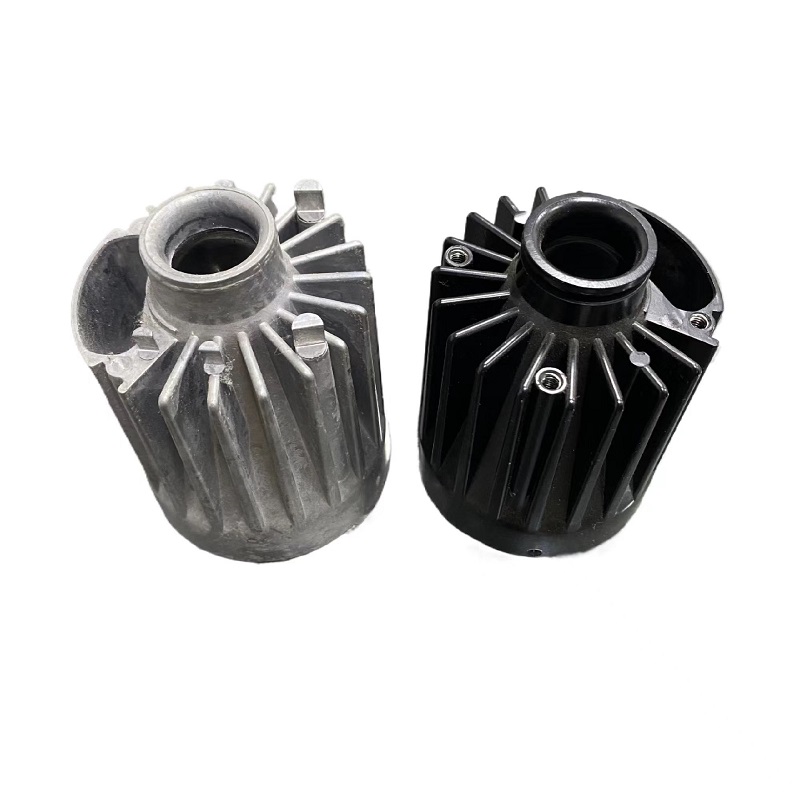
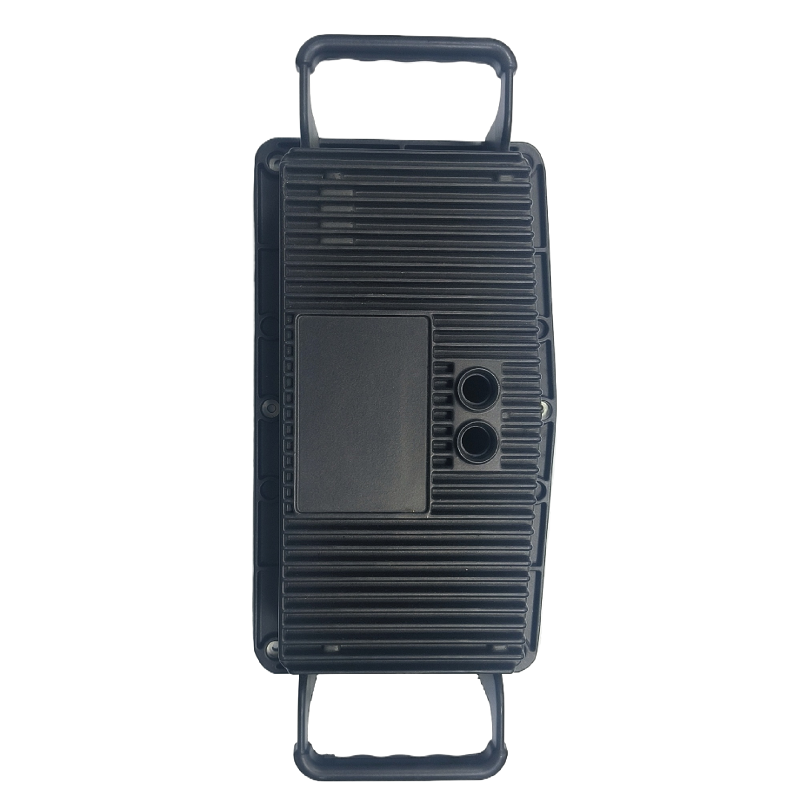
Magnesium CNC parts are divided into three mainstream categories: lightweight enclosure structural covers, vibration-damping connecting brackets and high-efficiency heat dissipation bases. They are widely deployed in new energy vehicle lightweight modules, drone fuselage structures, portable medical diagnostic equipment, 5G communication signal shielding shells and aerospace auxiliary fasteners. These scenarios all prioritize weight reduction while requiring stable structural bearing capacity.
1.2.2 Environmental Adaptation Scope
Boundary Working Conditions
Qualified CNC magnesium alloy parts with complete surface treatment can operate stably in -50℃ to 150℃ alternating temperature environments and 90% RH high-humidity coastal environments, covering indoor fixed equipment and outdoor mobile terminal equipment.

2. Core Magnesium Alloy Substrate & Comparison With ADC12 Aluminum Alloy
2.1 Preferred Magnesium Grade for CNC Machining: AZ91D
AZ91D is the most widely used magnesium alloy for precision CNC processing, complying with ASTM B90 international standards. It contains 9% aluminum and 1% zinc trace strengthening elements, with balanced machinability, corrosion resistance and structural rigidity. Compared with other magnesium grades such as AZ31B, AZ91D has 22% higher surface hardness, making it less prone to scratch deformation during long-term equipment operation.
2.2 Core Material Gap Between AZ91D Magnesium and ADC12 Aluminum
ADC12 aluminum alloy is the benchmark lightweight metal for industrial structural parts, while AZ91D magnesium has irreplaceable lightweight attributes: AZ91D density is only 1.78g/cm³, 34% lighter than ADC12’s 2.68g/cm³. However, ADC12 outperforms magnesium in natural corrosion resistance without surface treatment. This complementary performance makes mixed aluminum-magnesium assembly the mainstream design for 2026 lightweight equipment.
3. Universal Technical Parameters for Magnesium CNC Machining (vs ADC12)
We sorted unified mass-production parameters for AZ91D magnesium CNC parts and contrasted them with ADC12 aluminum to facilitate customer material selection. All magnesium parts follow the same ISO 9001 full-process quality control as ADC12 aluminum products.
| Parameter Item | AZ91D Magnesium CNC Specification | ADC12 Aluminum CNC Specification |
|---|---|---|
| Machining Tolerance | Conventional ±0.01mm~±0.06mm, ultra-precision ±0.005mm | Conventional ±0.01mm~±0.05mm, ultra-precision ±0.005mm |
| Hole Position Deviation | ≤±0.009mm | ≤±0.008mm |
| Surface Roughness (Ra) | ≤0.5μm (smoother than aluminum after polishing) | ≤0.6μm |
| Tensile Strength | 190-240 MPa | 270-310 MPa |
| Brinell Hardness | 65-75 HB | 85-95 HB |
| Thermal Conductivity | 72 W/(m·K) | 92 W/(m·K) |
| Optional Surface Treatment | Alodine coating, micro-arc oxidation, passivation, sandblasting | Anodizing, sandblasting, anti-wear coating |
| Minimum Machinable Wall Thickness | 0.8mm (no collapse deformation) | 1.2mm |
Parameter Note: Magnesium requires independent dust removal and fire prevention machining workshops, which is the core threshold distinguishing magnesium and ADC12 aluminum processing suppliers.
4. Core Functions & Practical Working Roles of Magnesium CNC Parts
4.1 Ultra-Light Structural Load Reduction
4.1.1 Reduce Equipment Dynamic Energy Consumption
Extend Mobile Equipment Endurance
For battery-powered mobile equipment such as drones and portable medical robots, every 10% weight reduction increases battery endurance by 8%-12%. CNC magnesium structural brackets replace ADC12 aluminum accessories to cut component weight by one-third without reducing specific strength, solving the core pain point of short endurance of lightweight mobile devices.
4.2 Natural Vibration Damping & Noise Suppression
4.2.1 Isolate High-Frequency Mechanical Vibration
Magnesium alloy has 3 times higher vibration damping coefficient than ADC12 aluminum. It can absorb residual vibration generated by high-speed rotating motors and precision sensors, avoiding signal offset caused by vibration. This function is critical for semiconductor testing equipment and high-precision optical instruments.
4.3 High-Efficiency Electromagnetic Shielding
4.3.1 Block Cross-Frequency Signal Interference
Stabilize Wireless Signal Transmission
Without additional shielding coatings, AZ91D magnesium achieves 68dB electromagnetic shielding efficiency within 300MHz-3GHz, exceeding ADC12 aluminum’s 59dB. It can isolate external 5G and Bluetooth stray signals, ensuring stable operation of internal communication chips.
4.4 Green Recyclable Structural Protection
Magnesium alloy supports 100% low-energy remelting and recycling with only 5% metal loss, far lower than ADC12 aluminum’s 12% recycling loss. It meets EU RoHS and global carbon neutrality manufacturing requirements for end-of-life component disposal.
5. Unique Competitive Advantages of CNC Machined Magnesium Alloy Parts
5.1 Lower Cutting Force & Higher Machining Efficiency
CNC cutting force required for AZ91D magnesium is only 45% of ADC12 aluminum. Machine tools can run at 1.8x faster feed speed, reducing single-piece processing time by 42%. Meanwhile, magnesium produces continuous smooth chips instead of fragmented aluminum chips, lowering tool wear rate by 35% and cutting long-term production costs.
5.2 Excellent Thin-Wall Forming Performance
Thanks to low internal residual stress after cold cutting, magnesium can stably process 0.8mm ultra-thin closed-wall structures, while ADC12 aluminum is prone to side collapse below 1.2mm wall thickness. This advantage supports ultra-thin lightweight shell customization for consumer electronics.
5.3 Biocompatibility for Medical Scenarios
Unlike ADC12 aluminum which cannot contact human body tissue for a long time, AZ91D magnesium has natural biological compatibility. It can be used for surgical instrument shells and portable orthopedic auxiliary fixtures without toxic surface migration, meeting FDA medical material standards.
5.4 Low Thermal Inertia for Temperature-Sensitive Equipment
Magnesium heats up and dissipates faster than ADC12 aluminum in short-term alternating temperature environments. It will not generate concentrated thermal stress inside precision closed shells, reducing component thermal fatigue failure probability by 29%.
6. Authoritative Industry Expert Viewpoints on Magnesium CNC Machining
Dr. Evan Cole, senior material processing researcher with 22 years of experience in non-ferrous metal precision manufacturing at the International Lightweight Metal Association, released core judgments in the 2026 Global Precision Hardware Summit: “ADC12 aluminum will remain the mainstream for heavy-load industrial structures, while AZ91D CNC magnesium parts will dominate the incremental lightweight mobile equipment market”.
Dr. Cole pointed out that the past industry avoided magnesium due to flammable machining risks, but standardized closed vacuum dust removal and inert gas protection technology have eliminated over 99% of safety hazards. He added that downstream manufacturers blindly choosing aluminum for lightweight transformation will face bottlenecks in endurance and vibration resistance. The optimal solution is aluminum-magnesium hybrid CNC assembly: heavy bearing parts use ADC12 aluminum, vibration-sensitive lightweight parts use AZ91D magnesium.
Market forecast data: From 2026 to 2030, the global market scale of CNC magnesium precision parts will grow at an annual compound rate of 15.2%, 3 percentage points higher than ADC12 aluminum precision parts growth rate, driven by drone and portable medical track expansion.
7. 2026 Industry Trends & Standards for Selecting Qualified Hardware Suppliers
7.1 Four Core 2026 Magnesium CNC Industry Trends
7.1.1 Safety Standardized Closed Machining
Local cross-border customs and industrial safety bureaus have updated magnesium processing access standards. All export-oriented suppliers must equip independent vacuum chip recovery systems and Class D metal fire protection facilities; open-type ordinary CNC workshops are banned from magnesium batch production.
7.1.2 Aluminum-Magnesium Integrated Customization
Downstream customers no longer purchase magnesium and aluminum parts separately. One-stop suppliers capable of simultaneous ADC12 aluminum and AZ91D magnesium CNC machining will occupy 70% of high-end orders, realizing unified assembly tolerance matching of mixed materials.
7.1.3 Low-Carbon Surface Treatment Iteration
Traditional chromate magnesium surface treatment is restricted by carbon tariffs. Micro-arc oxidation with low power consumption and zero heavy metal discharge has become the mandatory mainstream process for export magnesium parts.
7.1.4 Digital Tolerance Intelligent Compensation
Leading suppliers adopt AI real-time thermal deformation compensation algorithms to offset magnesium’s slight thermal expansion, stabilizing ultra-precision ±0.005mm batch delivery consistency.
7.2 Supplier Selection Core Evaluation Standards
7.2.1 Independent Dual-Material Production Line
Qualified suppliers must own separate closed magnesium workshops and open ADC12 aluminum workshops, avoiding cross-material chip mixing safety risks. Outsourced magnesium processing links mean uncontrollable safety and quality risks.
7.2.2 Full-Dimensional Tolerance Testing Capacity
Require coordinate measuring machines (CMM) and surface roughness detectors for full sampling inspection, with formal magnesium safety production qualification filing certificates for cross-border customs clearance.
7.2.3 Mixed-Material Assembly Optimization Ability
Capable suppliers can optimize matching tolerance between magnesium and ADC12 aluminum parts to solve thermal expansion mismatch gaps in mixed assembly scenarios.
7.2.4 Flexible Batch Delivery Capacity
Support small-batch prototype trial production (1-50pcs) and large-batch mass delivery (10,000+pcs), with delivery cycle difference controlled within 3 working days for dual-material synchronous orders.
8. Frequently Asked Questions About Magnesium CNC Machining
Q1: Is CNC magnesium machining safe for mass production?
Yes. With standardized closed vacuum chip removal, inert gas cutting protection and Class D fire equipment, modern magnesium CNC machining has equivalent safety to ADC12 aluminum processing. Safety risks only exist in unregulated small workshops without dust recovery systems.
Q2: When should customers choose magnesium instead of ADC12 aluminum?
Choose AZ91D magnesium for mobile, battery-powered, vibration-prone and human-body contact equipment. Choose ADC12 aluminum for fixed heavy-load, high heat dissipation and low-cost conventional structural parts. Mixed matching achieves the best cost and performance balance.
Q3: What is the service life gap between magnesium and ADC12 aluminum outdoors?
After micro-arc oxidation surface treatment, AZ91D magnesium has a 7-year outdoor service life, while untreated ADC12 aluminum lasts 6 years. Well-treated magnesium outperforms aluminum in coastal high-salt outdoor environments.
Q4: Can magnesium parts be modified after CNC machining?
Yes. Magnesium has better secondary tapping and bending performance than ADC12 aluminum. Local fine modification can be completed on existing finished parts without overall remachining, lowering after-order adjustment costs.
Q5: Are magnesium CNC parts more expensive than ADC12 aluminum?
Unit raw material cost is 12% higher, but overall logistics and battery matching cost of end equipment decreases by 18% due to weight reduction. From the whole life cycle, magnesium parts have better comprehensive cost performance.
9. Xinghang Precision Hardware Cooperation Policy & Contact Details
9.1 Our Dual-Material Processing Core Strengths
Xinghang Precision Hardware is a dual-material professional precision manufacturer with independent qualified magnesium closed workshops and ADC12 aluminum five-axis CNC production lines. We have passed ASTM magnesium safety certification, ISO 9001 and EU RoHS full-process audits. We provide one-stop services including drawing evaluation, blank cutting, five-axis precision machining, customized surface treatment, tolerance testing and vacuum packaging.
We have served global customers in drone, new energy vehicles and portable medical industries for 7 years, proficient in aluminum-magnesium mixed assembly tolerance matching, and can resolve thermal expansion mismatch defects for cross-material structural parts.
9.2 Hierarchical Bulk Discount Policy
We launch exclusive tiered pricing for magnesium and ADC12 aluminum synchronous orders: The larger the batch order quantity, the higher the unit price discount. Detailed rules: 500-2000pcs: 6% unit price discount; 2001-10000pcs: 13% discount; over 10000pcs long-term framework orders: 20% exclusive discount plus free periodic sample re-inspection.
Additional bulk benefits: Priority production scheduling, free international export packaging, 12-month free after-sales dimensional maintenance, and dedicated technical docking engineer for large-batch clients.
9.3 Official Global Contact Information
Free drawing evaluation and prototype sample application available for global buyers.
Phone / Whatsapp / WeChat: +86 18819502691
Email: liqine@xinghangcn.com
10. Industry Summary & Long-Term Market Outlook
CNC machined magnesium alloy parts are complementary lightweight structural accessories to mainstream ADC12 aluminum parts. Its core irreplaceable strengths focus on ultra-light weight, vibration damping, excellent thin-wall forming and electromagnetic shielding. After solving historical machining safety pain points via standardized closed workshops, magnesium parts have broken previous market usage restrictions.
In 2026 and beyond, the magnesium CNC industry will evolve toward safety standardization, aluminum-magnesium hybrid customization and green low-carbon surface treatment. For downstream procurement enterprises, abandoning single-material procurement and selecting dual-qualified suppliers is the core way to reduce supply chain risks and equipment comprehensive costs. Unqualified single-material suppliers without magnesium safety qualifications will be phased out of export markets within two years.
As a verified dual-material precision hardware supplier, Xinghang Precision Hardware covers full-process magnesium and ADC12 aluminum CNC customized services. We adhere to transparent tiered bulk discounts and global after-sales synchronous support. We sincerely invite global industrial procurement teams to establish long-term stable cooperative partnerships to jointly promote lightweight low-carbon manufacturing upgrading.
Aluminium cnc parts | How to order custom aluminium CNC parts? A Complete Guide
CNC milling machine | What materials can be processed by a CNC milling machine?
Related Article

What are CNC machined aluminum electronic parts & their core functions CNC machined aluminum electronic parts are precision metal components processed by multi-axis CNC equipment, widely used in electronic products.
Electronic parts | Where to find high-quality CNC machined aluminum parts for electronics?

CNC machined aluminum parts for semiconductor equipment are precision metal components manufactured by aluminum die casting, then finished via CNC machining.
semiconductor equipment | What are cnc machined aluminum parts for semiconductor equipment?