HOT PRODUCTS
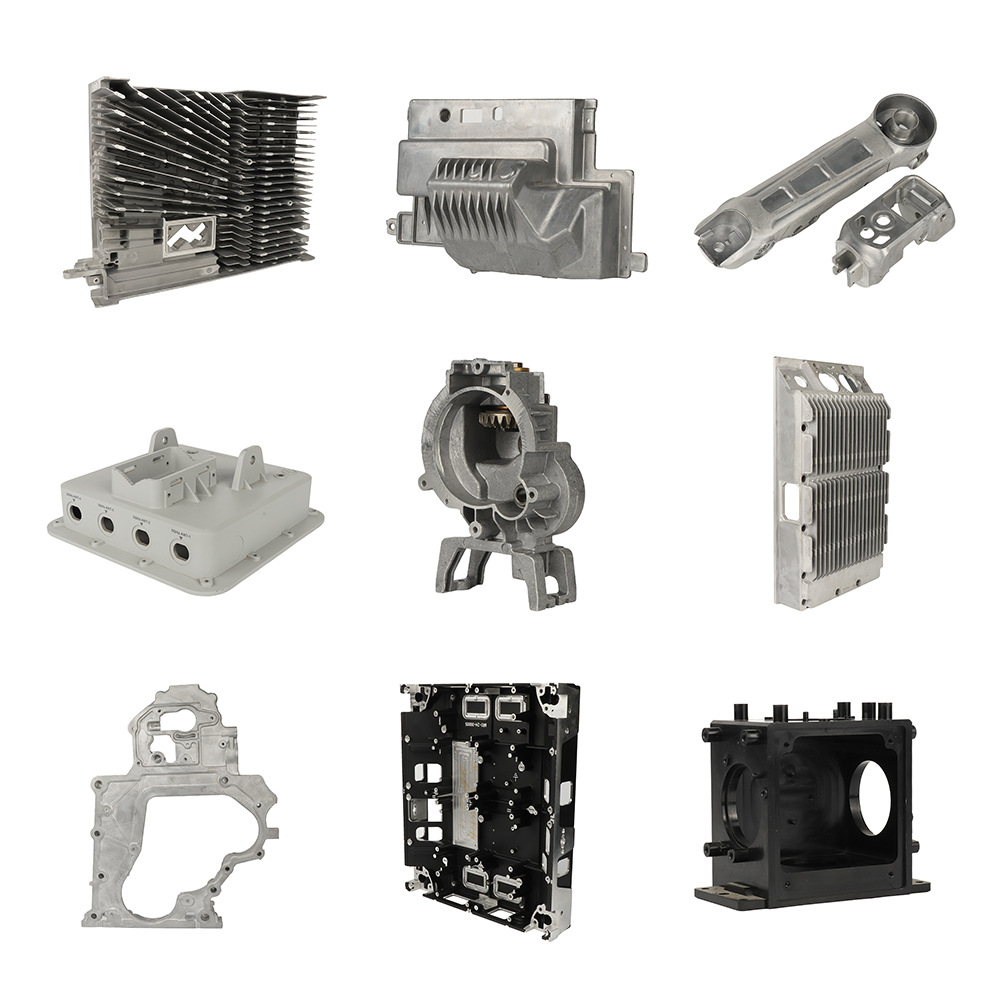
Aluminum precision | What are CNC turning parts? Focus on Aluminum Precision, Benefits & FAQs
What are CNC Turning Parts? Focus on Aluminum Precision, Benefits & FAQs
Table of Contents
- 1. Introduction: What are CNC Turning Parts & Aluminum Precision?
- 2. Core Focus of CNC Turning Aluminum Precision Products
- 3. Key Roles of CNC Turning Aluminum Precision Products in Industries
- 4. Key Benefits of CNC Turning Aluminum Precision Products
- 5. Expert Opinions on CNC Turning Aluminum Precision
- 6. Industry FAQs About CNC Turning Aluminum Precision Parts
- 7. Conclusion
1. Introduction: What are CNC Turning Parts & Aluminum Precision?
CNC turning parts refer to precision components manufactured by Computer Numerical Control (CNC) turning machines, where a rotating workpiece is cut by stationary cutting tools to form cylindrical, conical, or complex rotational shapes[2]. Among all CNC turning parts,aluminum precision CNC turning parts stand out as the most widely used and highly valued, combining the inherent advantages of aluminum with the high precision of CNC turning technology[3].
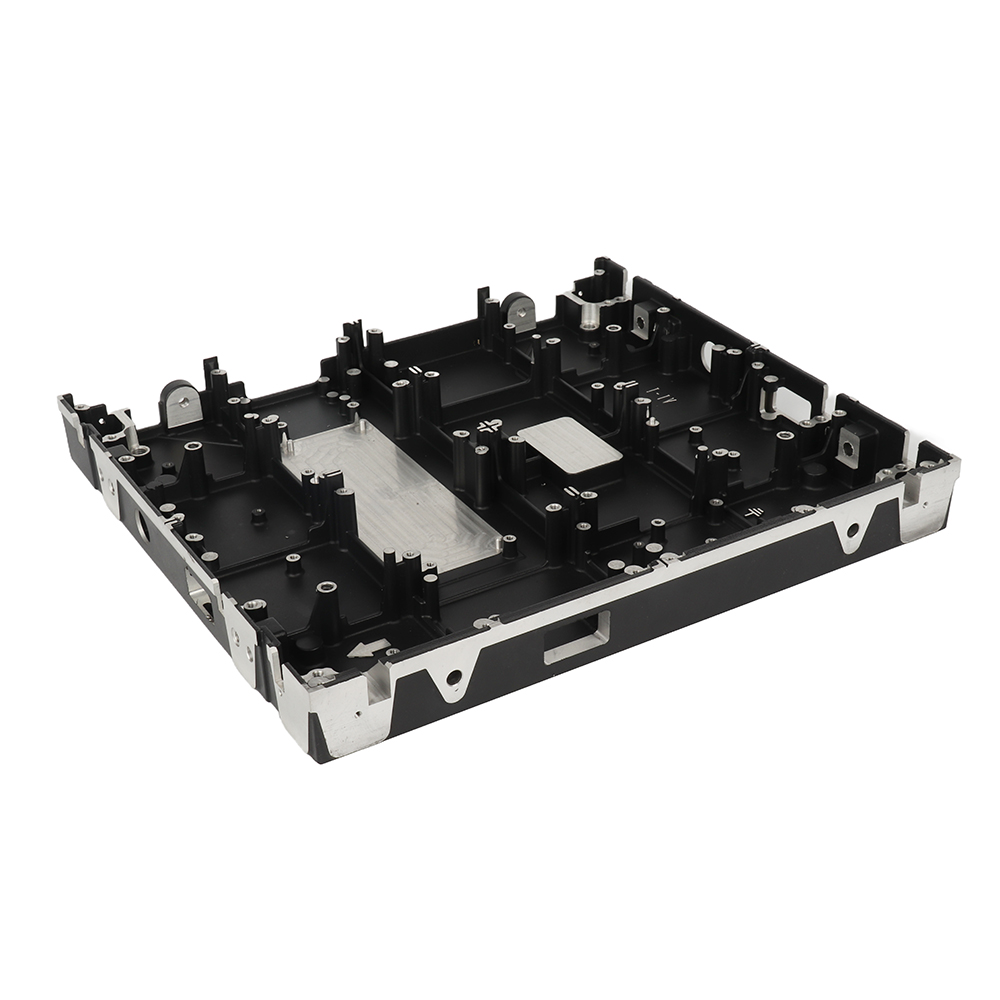
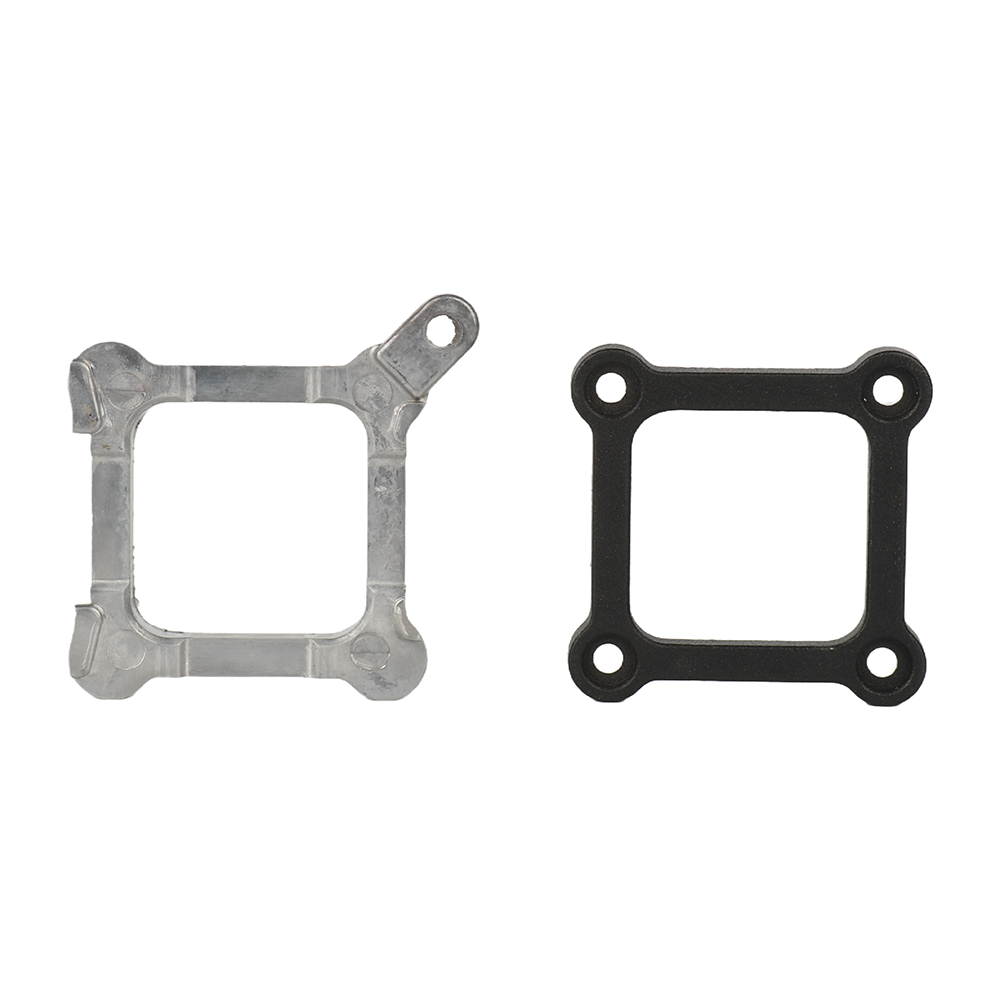
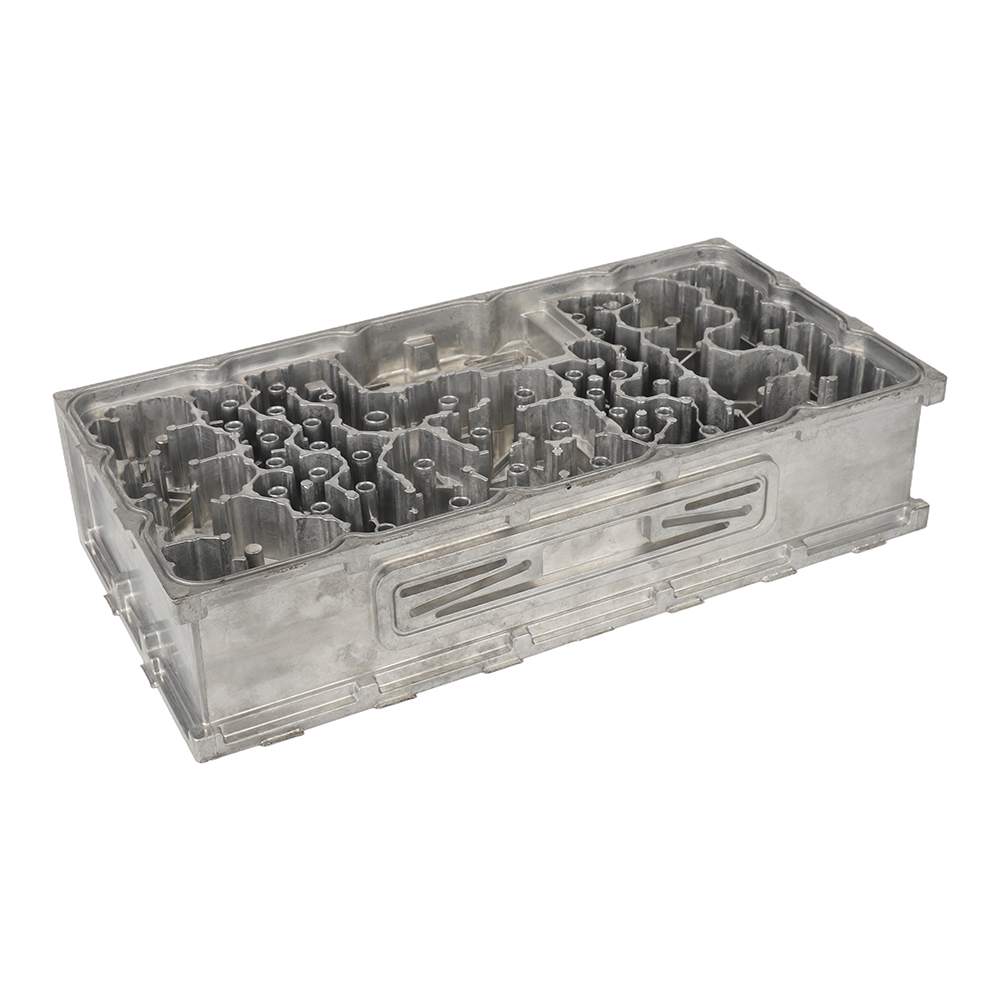
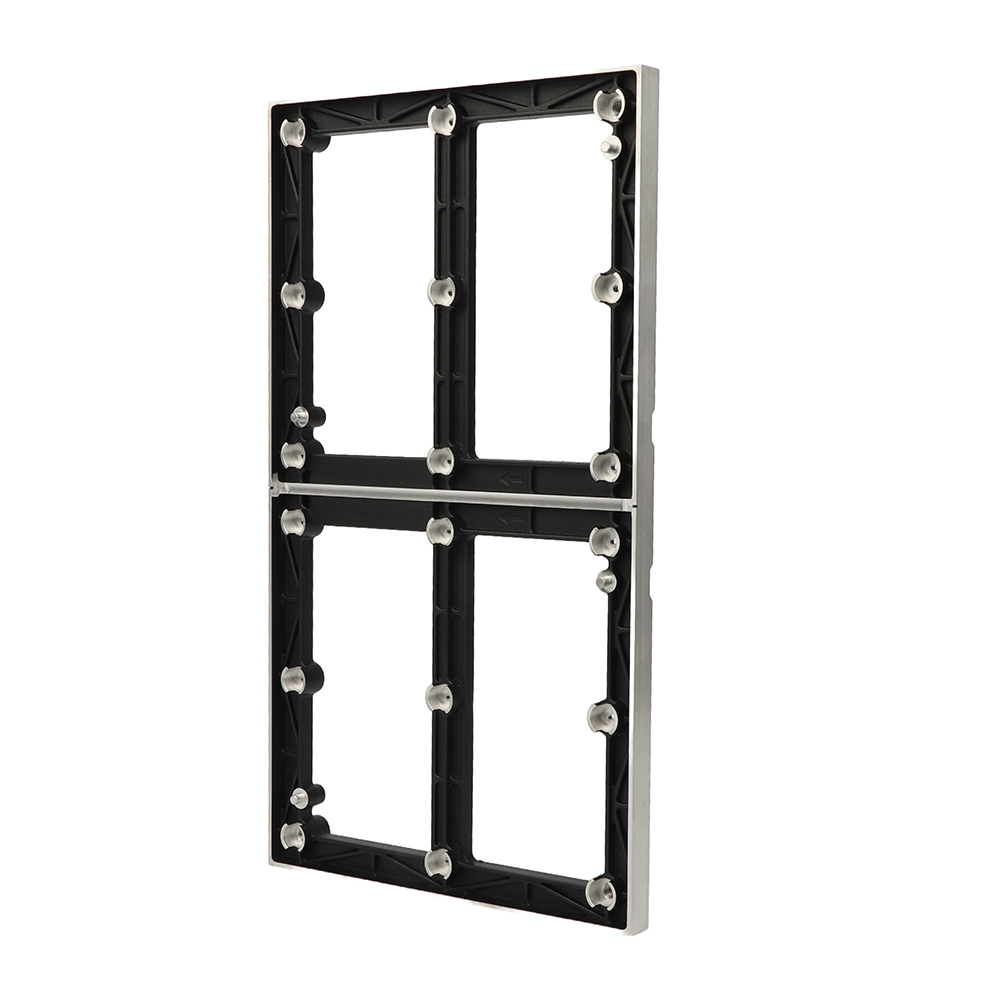
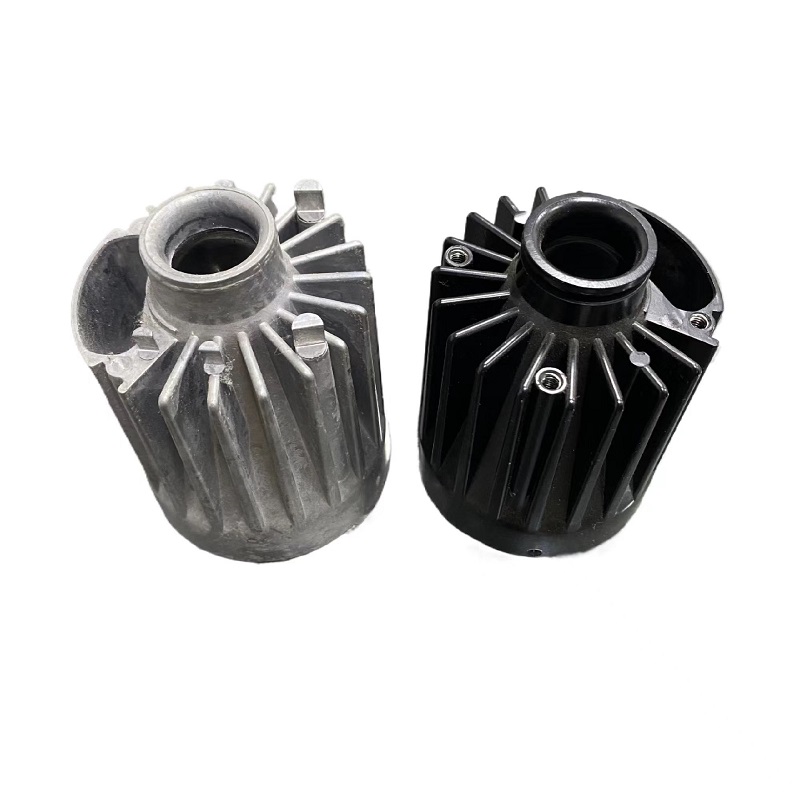
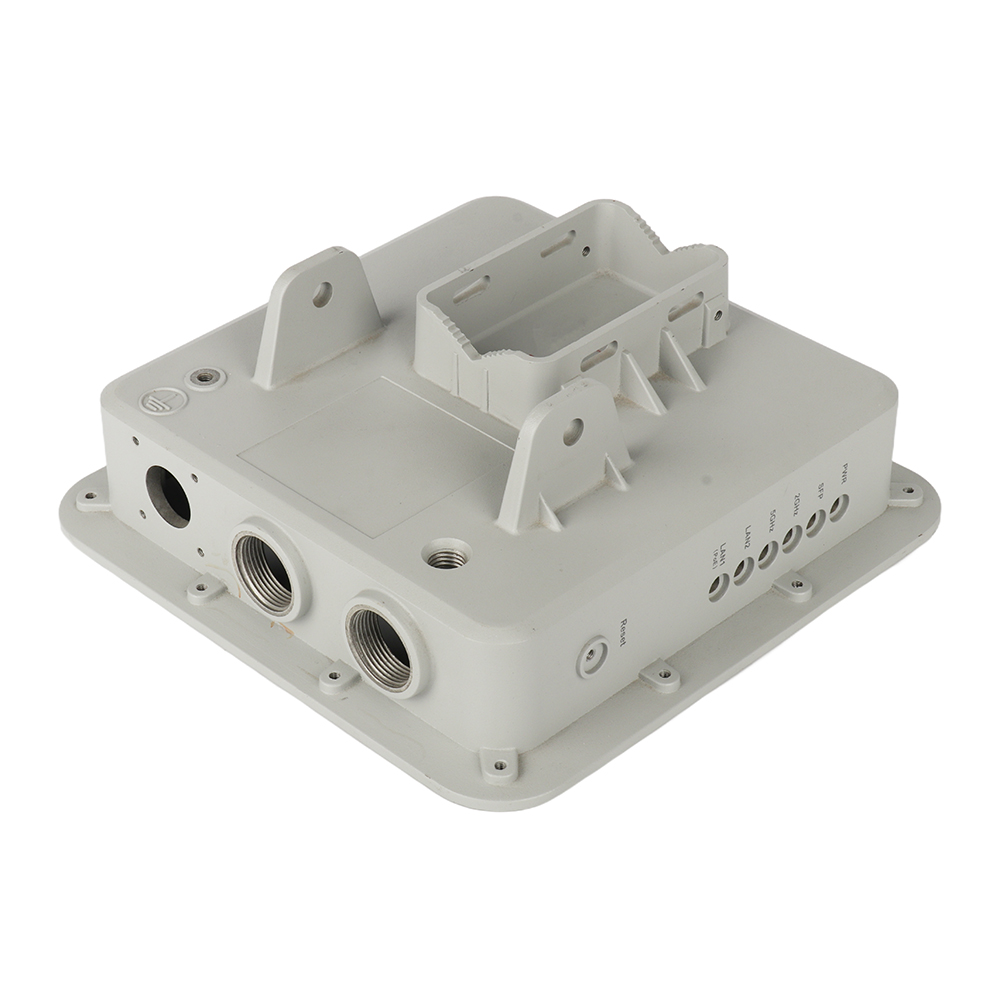
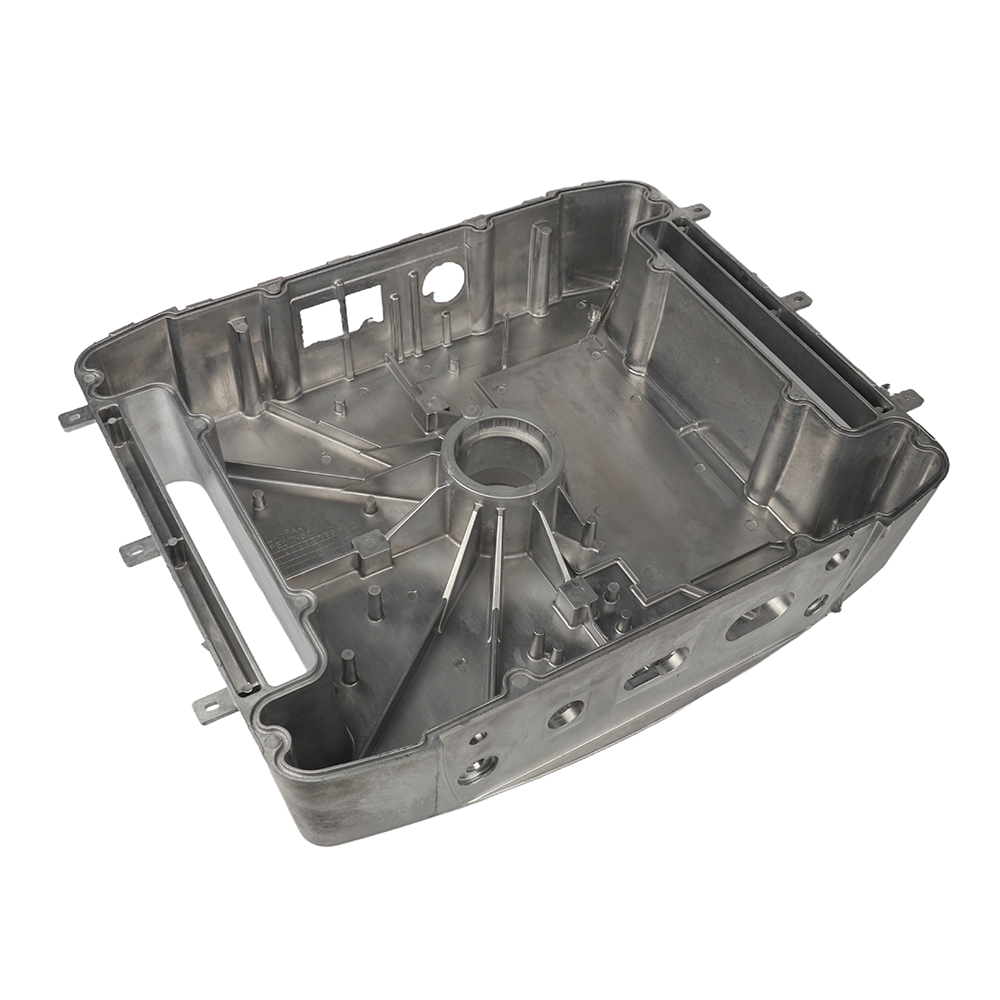
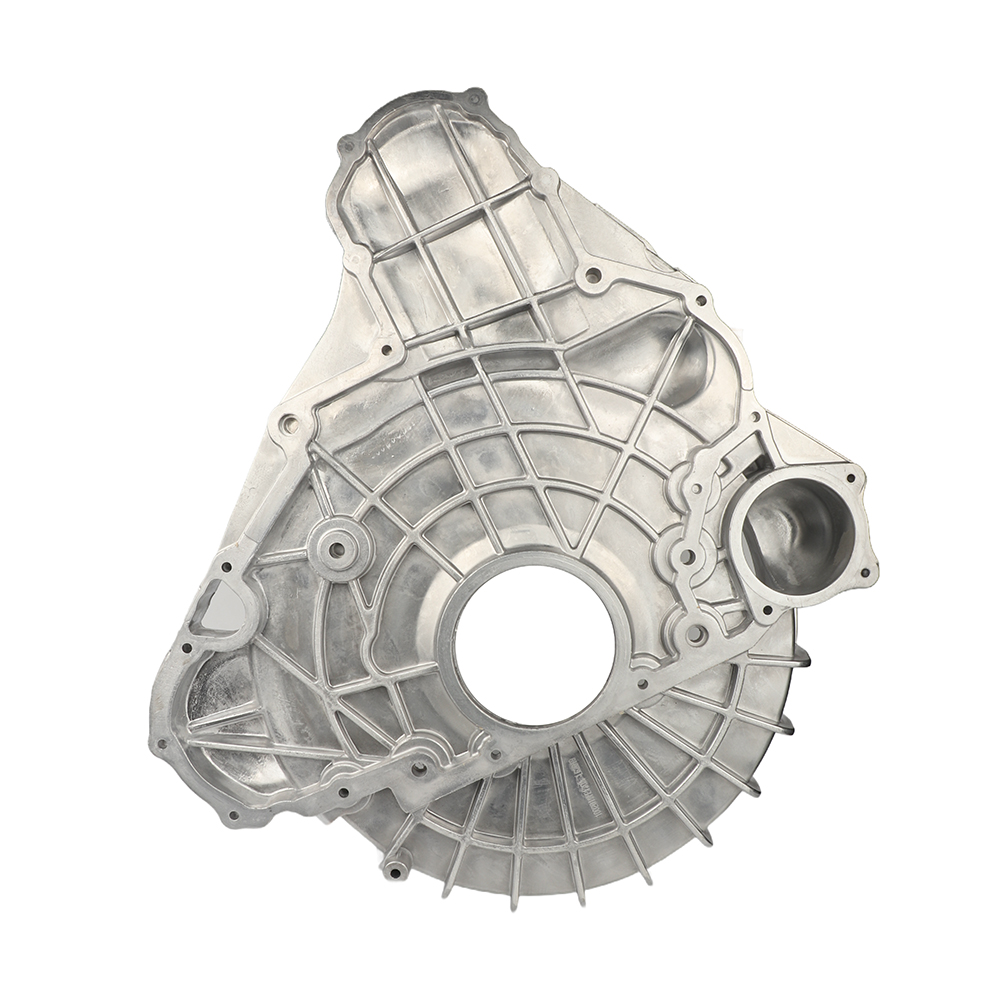
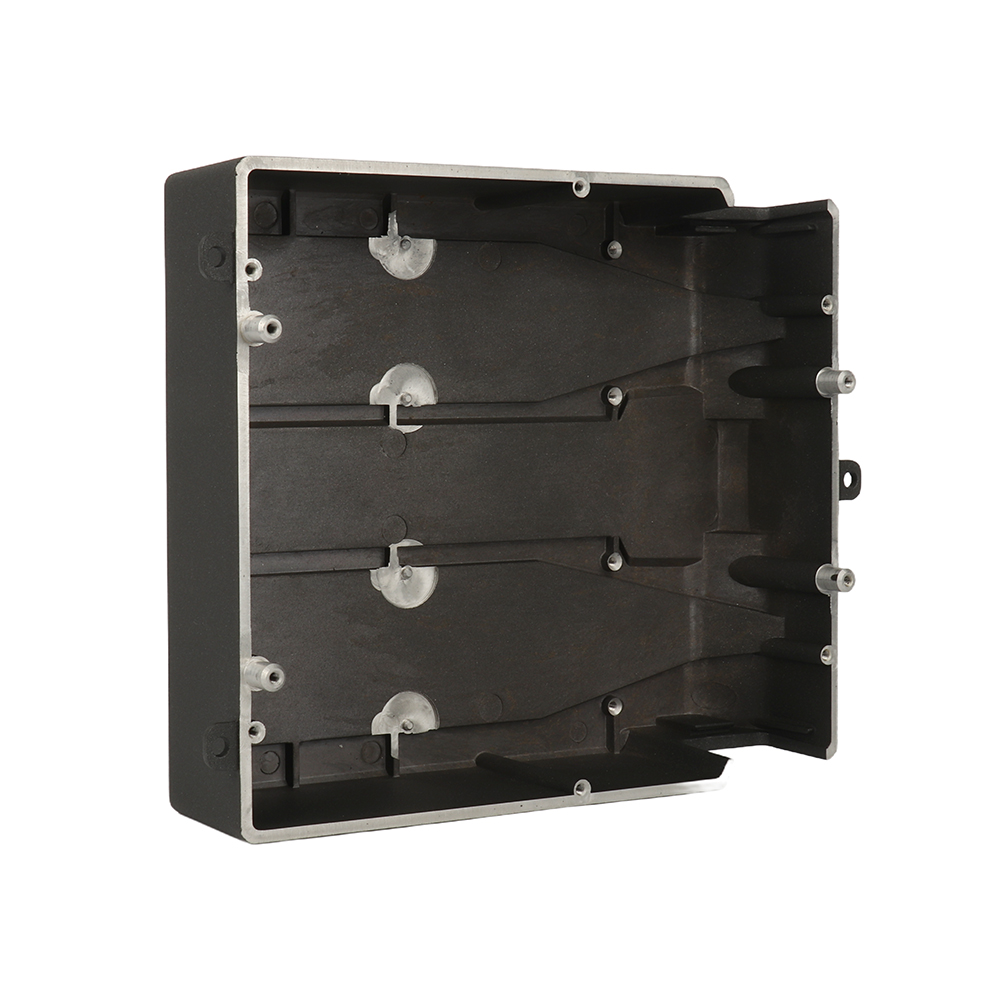
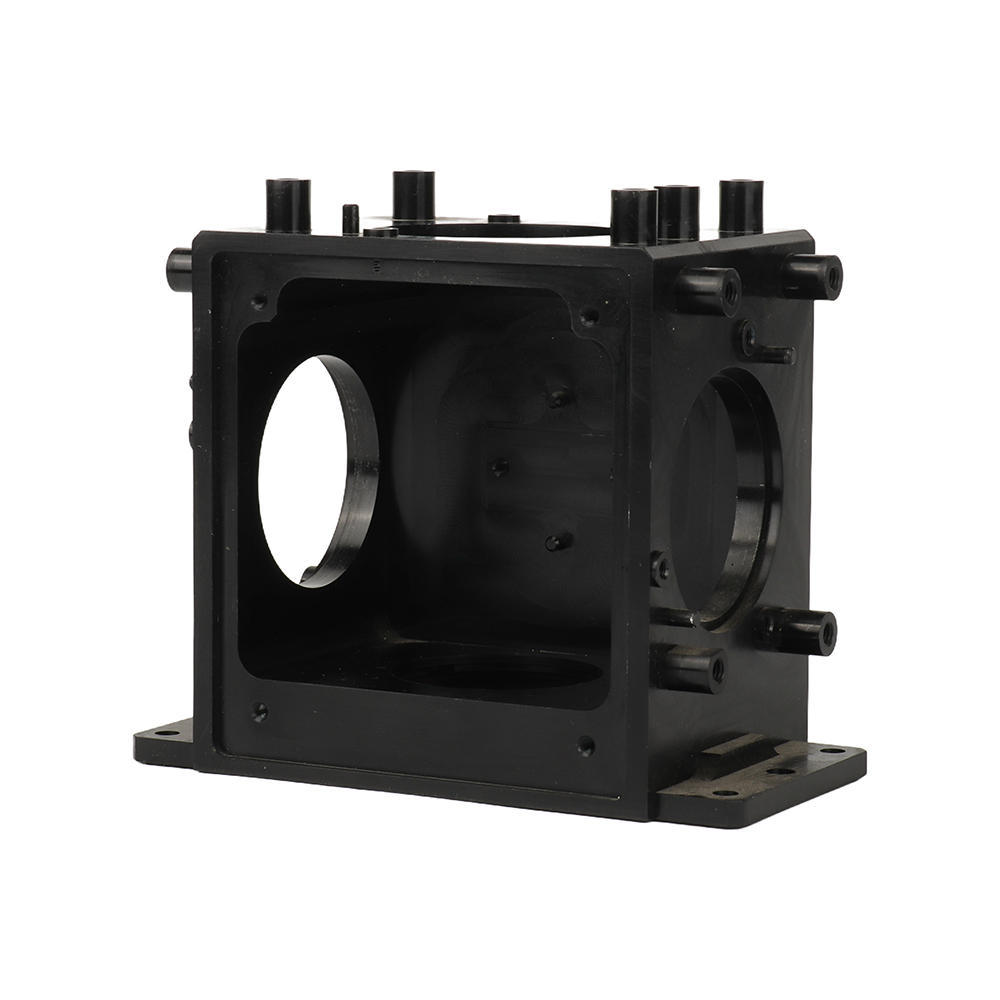
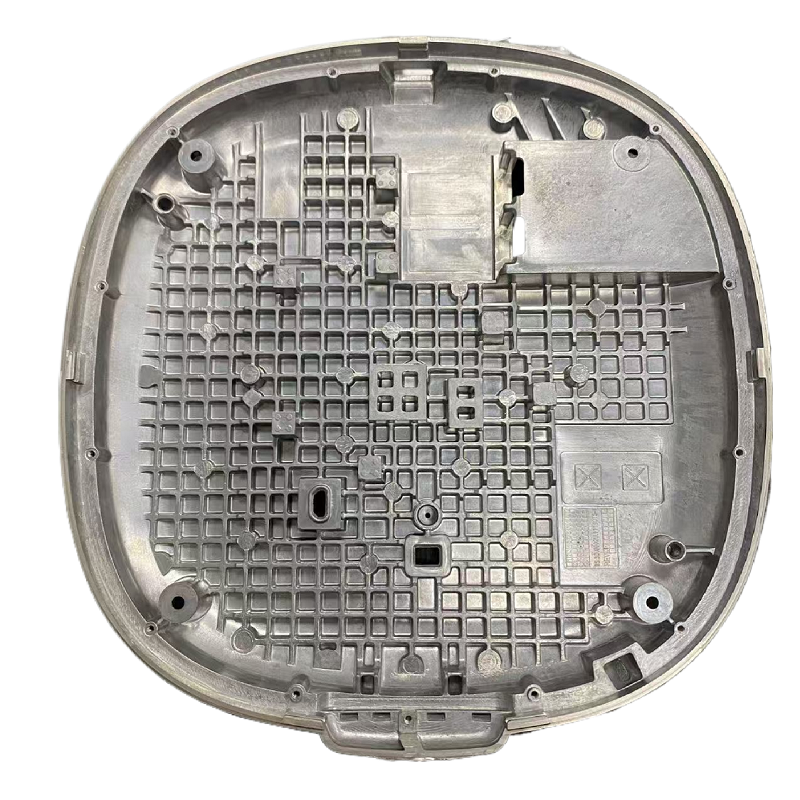
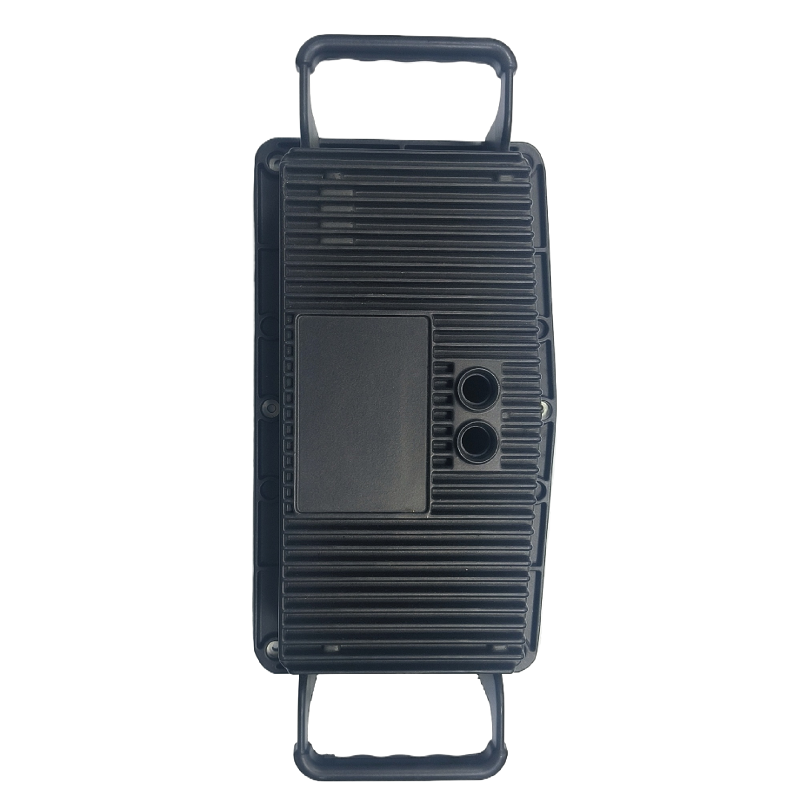
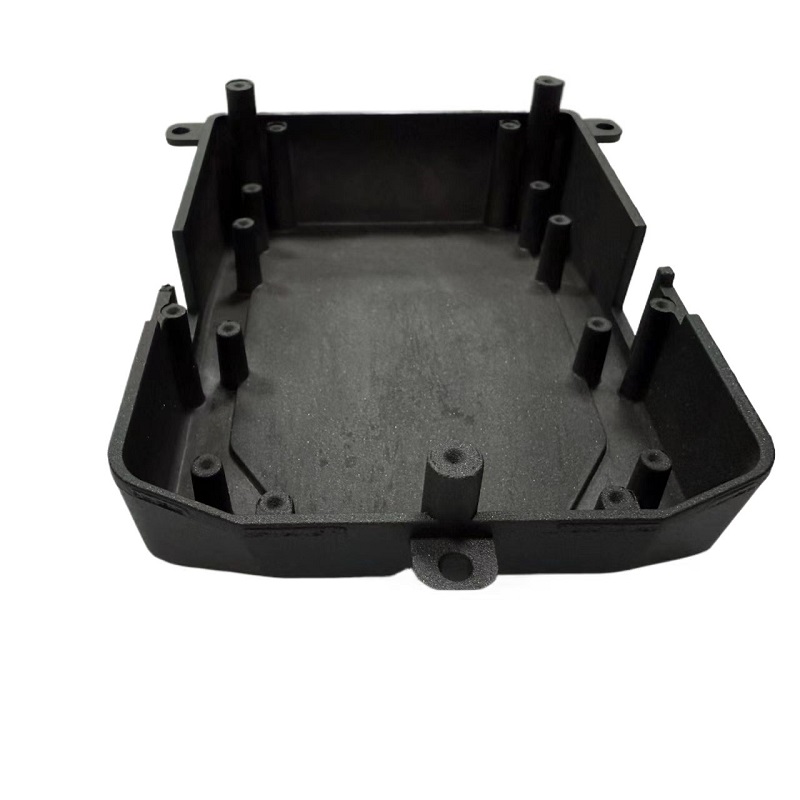
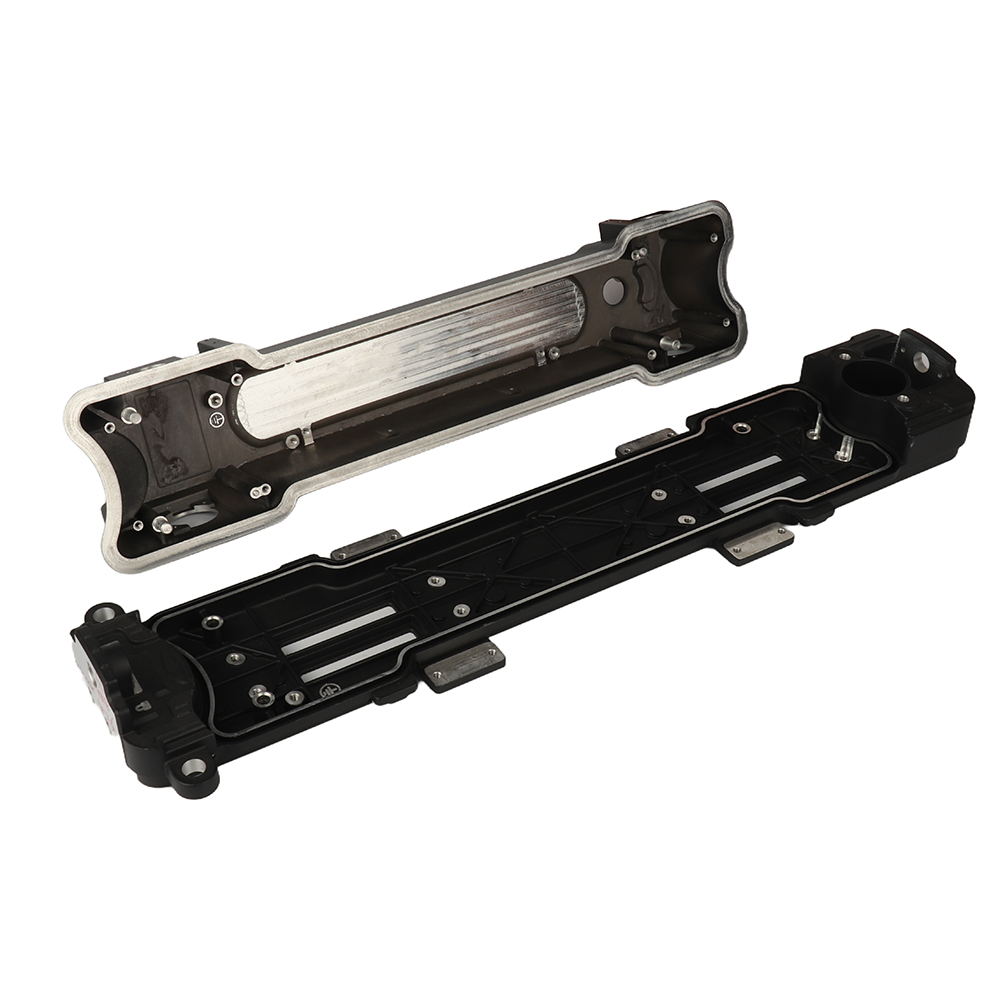
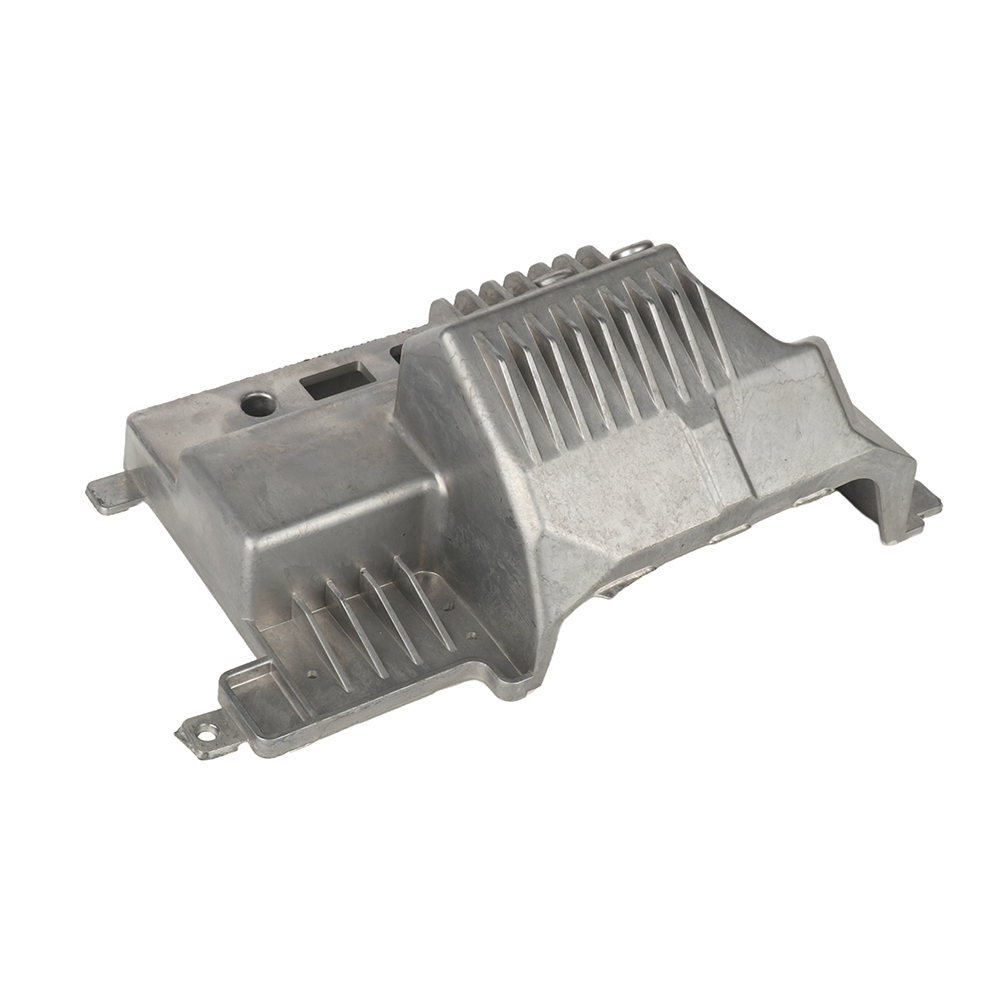
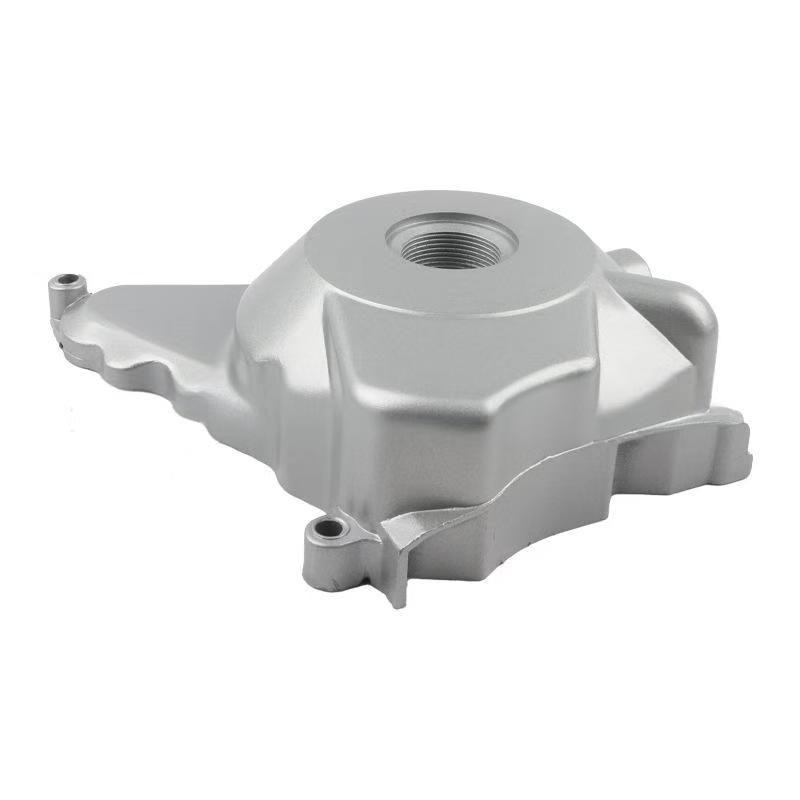
Aluminum, with its lightweight (density of 2.7 g/cm³, about one-third that of steel), excellent machinability, superior thermal conductivity, and natural corrosion resistance, is the ideal material for precision CNC turning[6]. Aluminum precision CNC turning parts are defined by their micron-level accuracy, consistent dimensional stability, and smooth surface finish, typically achieving tolerances as tight as ±0.005mm and surface roughness of Ra ≤ 0.8μm[3][9]. Unlike ordinary CNC turning parts, they prioritize aluminum precision in every step—from material selection and programming to machining and quality inspection—making them indispensable in high-end industries[1]. Below is a general image of aluminum precision CNC turning parts, showcasing their precision, versatility, and industrial applicability.
2. Core Focus of CNC Turning Aluminum Precision Products
The core of aluminum precision CNC turning parts lies in prioritizing aluminum precision while leveraging aluminum’s unique properties, distinguishing them from ordinary CNC turning parts and other precision manufacturing methods. The key focuses are centered on three aspects:
2.1 Micron-Level Precision and Dimensional Stability
The primary focus of aluminum precision CNC turning parts is achieving and maintaining aluminum precision at the micron level[3]. Through advanced CNC programming, high-precision machine tool calibration, and closed-loop quality control systems, these parts can stably control tolerances between ±0.005mm to ±0.01mm, ensuring consistent dimensions across every piece[1][9]. Aluminum’s excellent machinability, when paired with optimized cutting parameters and specialized tooling, minimizes deformation during machining, further enhancing dimensional stability[8]. For example, precision aluminum shafts used in electronic equipment can maintain a diameter tolerance of ±0.003mm, ensuring smooth rotation and reliable performance[3].
2.2 Material Optimization for Aluminum Precision
To achieve superior aluminum precision, material selection is critical. Aluminum precision CNC turning parts primarily use high-quality aluminum alloys, with 6061-T6 and 7075-T6 being the most common[6]. 6061-T6 offers a perfect balance of machinability, strength, and corrosion resistance, making it suitable for most precision applications, while 7075-T6 provides higher strength for high-stress scenarios like aerospace[5][6]. Additionally, strict raw material inspection and heat treatment (such as stress relief annealing) are implemented to eliminate internal defects and residual stresses, laying the foundation for aluminum precision[5].
2.3 Precision-Oriented Process Control
Every step of the CNC turning process is optimized for aluminum precision[1]. This includes data-driven tool path optimization, vibration-damping cutting parameters, and high-pressure cutting fluid injection to remove chips promptly and avoid surface scratches[1]. Real-time monitoring and adaptive compensation systems are also used to detect and correct tiny deviations during machining, ensuring thataluminum precision is maintained throughout production[8]. Post-machining precision inspection, using tools like coordinate measuring machines (CMMs), further verifies that each part meets the strictest precision standards[2].

3. Key Roles of CNC Turning Aluminum Precision Products in Industries
Aluminum precision CNC turning parts play an irreplaceable role in driving innovation and ensuring reliability across various high-end industries, thanks to their exceptional aluminum precision and aluminum’s inherent advantages. Their key roles are as follows:
3.1 Supporting High-Tech Electronics and 3C Industry
The electronics and 3C industry relies heavily on aluminum precision CNC turning parts for their miniaturization, high precision, and thermal conductivity[1]. Components like precision aluminum connectors, heat sinks, and sensor shafts require strict aluminum precision to ensure compatibility and performance in compact devices[6]. For example, aluminum precision turning parts in smartphones and drones must meet tight tolerances to fit with other components, while their lightweight nature helps reduce device weight[3].
3.2 Ensuring Safety and Reliability in Aerospace and Automotive
In aerospace and automotive industries, aluminum precision CNC turning parts are critical for safety-critical applications[6]. Aerospace components like aluminum engine shafts, fuel system connectors, and satellite antenna mounts require extreme aluminum precision to withstand high temperatures and pressures[6][9]. In the automotive sector, especially for electric vehicles, these parts (such as battery cooling plates and terminal connectors) contribute to lightweighting, improving energy efficiency while maintaining structural integrity[6].
3.3 Enabling Precision in Medical Devices
Medical devices demand the highest level of aluminum precision to ensure patient safety and device functionality[3].Aluminum precision CNC turning parts are used in surgical instruments, diagnostic equipment, and prosthetic devices, where even tiny deviations can affect performance[6]. For instance, precision aluminum components in laparoscopic tools require micron-level accuracy to ensure smooth operation and minimal invasiveness[3].
3.4 Driving Innovation in Industrial Automation
Industrial automation relies on aluminum precision CNC turning parts for the smooth operation of machinery and equipment[4]. Components like precision aluminum gears, bushings, and linear motion shafts require consistent aluminum precision to reduce friction, improve efficiency, and extend equipment lifespan[7]. Their lightweight nature also simplifies equipment design and reduces energy consumption[4].
4. Key Benefits of CNC Turning Aluminum Precision Products
Compared with ordinary CNC turning parts and other precision manufacturing methods (such as CNC milling), aluminum precision CNC turning parts offer unique benefits, all centered around aluminum precision and aluminum’s inherent advantages:
4.1 Unmatched Precision and Consistency
The biggest benefit of aluminum precision CNC turning parts is their exceptional aluminum precision and consistency[3]. CNC turning’s automated, computer-controlled process eliminates human error, ensuring that every part in a batch has identical dimensions and performance[7]. This consistency reduces assembly issues, improves product reliability, and minimizes waste, which is critical for high-end industries[9].
4.2 Lightweight and High Strength for Energy Efficiency
Aluminum’s high strength-to-weight ratio, combined withaluminum precision, makes these parts ideal for weight-sensitive applications[3][6]. They are lighter than steel precision parts (about one-third the weight) while maintaining sufficient strength, reducing overall product weight and energy consumption[6]. This is particularly beneficial for aerospace, automotive, and portable electronic devices, where lightweighting directly improves performance and efficiency[9].
4.3 Excellent Machinability and Cost-Effectiveness
Aluminum’s excellent machinability allows for faster cutting speeds (up to 3,000 sfm) and longer tool life, reducing production time and costs[6]. Aluminum precision CNC turning parts require less post-processing (such as polishing) due to their smooth surface finish, further lowering costs[2]. Additionally, optimized tool paths and material nesting increase aluminum utilization to over 95%, minimizing material waste[1].
4.4 Corrosion Resistance and Longevity
Aluminum naturally forms a protective oxide layer, providing inherent corrosion resistance[6]. When paired with surface treatments like anodizing or electroplating, aluminum precision CNC turning parts become even more durable, able to withstand harsh environments (such as marine or industrial settings)[3]. This corrosion resistance extends the service life of products, reducing maintenance and replacement costs[4].
4.5 Fast Production Cycle for Rapid Iteration
Thanks to aluminum’s machinability and CNC turning’s automation,aluminum precision CNC turning parts have a shorter production cycle compared to precision parts made from other materials[1]. Prototype delivery cycles can be shortened by up to 70% using automated programming and tool changing, allowing enterprises to accelerate product R&D and market launch[1].
5. Expert Opinions on CNC Turning Aluminum Precision
Industry experts emphasize the critical role of aluminum precision in CNC turning and its impact on modern manufacturing. Their insights highlight the value ofaluminum precision CNC turning parts:
5.1 Expert Opinion from John Smith, Senior CNC Machining Engineer with 20 Years of Experience
“Aluminum precision is the cornerstone of high-quality CNC turning parts. Aluminum’s unique properties—lightweight, machinable, and thermally conductive—make it perfect for precision applications, but only when paired with strict process control. Aluminum precision CNC turning parts have transformed industries like aerospace and electronics by delivering micron-level accuracy at a reasonable cost. The key to achieving consistent aluminum precision lies in understanding aluminum’s material behavior, optimizing cutting parameters, and implementing closed-loop quality control—this is what separates ordinary parts from high-performance ones.”
5.2 Expert Opinion from Maria Garcia, Director of Precision Manufacturing at a Global Electronics Company
“For our electronic devices, aluminum precision CNC turning parts are non-negotiable. We rely on their tight tolerances (down to ±0.005mm) and consistent quality to ensure our products are reliable and compact. Aluminum’s lightweight nature also helps us reduce device weight, which is a key selling point for our customers. What makes these parts stand out is that they combine aluminum precision with cost-effectiveness—we can produce high-precision components without breaking the bank, allowing us to stay competitive in a fast-paced market.”
5.3 Expert Opinion from Robert Chen, CEO of a Precision CNC Manufacturing Firm
“The demand for aluminum precision CNC turning parts is growing rapidly, and for good reason. They offer the perfect balance of precision, performance, and cost. Many manufacturers overlook the importance of aluminum precision in favor of speed or cost, but this leads to poor-quality parts that fail in real-world applications. Our team focuses on every detail—from selecting the right aluminum alloy to implementing real-time monitoring—to ensure aluminum precision in every part. These parts are not just components; they are the building blocks of innovative, high-reliability products across industries.”
6. Industry FAQs About CNC Turning Aluminum Precision Parts
Below are the most common questions about aluminum precision CNC turning parts in the industry, with professional answers to help you better understand their aluminum precision, applications, and benefits:
Q1: What is the typical precision level of aluminum precision CNC turning parts?
A: Aluminum precision CNC turning parts typically achieve tolerances of ±0.005mm to ±0.01mm, with surface roughness ranging from Ra 0.1μm to Ra 0.8μm[3][9]. For high-end applications (such as aerospace or medical devices), tolerances can be tightened to ±0.003mm with specialized equipment and process optimization[1].
Q2: What aluminum alloys are most suitable for precision CNC turning?
A: The most suitable aluminum alloys for aluminum precision CNC turning parts are 6061-T6 and 7075-T6[6]. 6061-T6 is versatile, with excellent machinability, moderate strength, and good corrosion resistance, making it ideal for most precision applications. 7075-T6 has higher strength (the strongest common aluminum alloy) and is used for high-stress components in aerospace and military applications[5][6].
Q3: How is aluminum precision maintained during the CNC turning process?
A: Aluminum precision is maintained through three key steps[1][8]: 1) Strict material inspection and heat treatment to eliminate defects and residual stresses; 2) Advanced CNC programming, vibration-damping cutting parameters, and high-pressure cutting fluid to minimize deformation and surface damage; 3) Real-time monitoring and post-machining inspection (using CMMs) to detect and correct deviations.
Q4: Are aluminum precision CNC turning parts more cost-effective than steel precision parts?
A: Yes, in most cases[6][9]. Aluminum’s excellent machinability reduces cutting time and tool wear, lowering production costs. Additionally, aluminum is lighter, reducing material and transportation costs. For precision applications, aluminum precision CNC turning parts are 30%-50% more cost-effective than steel parts, while offering comparable or better performance in weight-sensitive scenarios[9].
Q5: What surface treatments are available for aluminum precision CNC turning parts?
A: Common surface treatments include anodizing (enhances corrosion resistance and aesthetics, available in various colors), electroplating (improves durability and conductivity), powder coating (provides a uniform, durable finish), and polishing (achieves a mirror-like surface for high-end applications)[3][6]. These treatments further enhance the performance and longevity ofaluminum precision CNC turning parts.
Q6: Can aluminum precision CNC turning parts be used in high-temperature environments?
A: Yes[6]. By selecting heat-resistant aluminum alloys (such as 2024-T3 or 7075-T6) and appropriate surface treatments, aluminum precision CNC turning parts can withstand high temperatures up to 300°C. They are commonly used in automotive engine components and aerospace parts that operate in harsh, high-temperature conditions[6][9].
Q7: What is the production cycle for aluminum precision CNC turning parts?
A: The production cycle depends on part complexity, quantity, and precision requirements, but typically ranges from 1-7 days[3]. Simple precision parts (e.g., small aluminum shafts) with quantities under 100 pieces can be produced in 1-2 days, while complex, high-precision parts (e.g., aerospace components) may take 3-7 days[1]. Prototype delivery can be as fast as 1-3 days due to automated programming[1].
7. Conclusion
CNC turning parts are essential components in modern manufacturing, and aluminum precision CNC turning parts stand out as the gold standard for high-precision, high-performance applications. Centered on aluminum precision, these parts combine aluminum’s inherent advantages—lightweight, machinability, corrosion resistance—with the accuracy and consistency of CNC turning technology[3][6].
Their core focus on micron-level precision, material optimization, and process control makes them indispensable in aerospace, electronics, medical, and automotive industries, where reliability and performance are critical[1][9]. The key benefits—unmatched precision, lightweight design, cost-effectiveness, and fast production cycles—make aluminum precision CNC turning parts a preferred choice for enterprises seeking to innovate and stay competitive. As CNC technology advances and material science evolves, aluminum precision will continue to set new standards, driving progress across industries and enabling the development of more advanced, reliable products.
CNC machined components | What are CNC machined aluminum components? A Complete Guide
Small batch | Cnc aluminum parts | What are small-batch CNC aluminum products? Key Focus, Benefits & FAQs
Related Article