HOT PRODUCTS
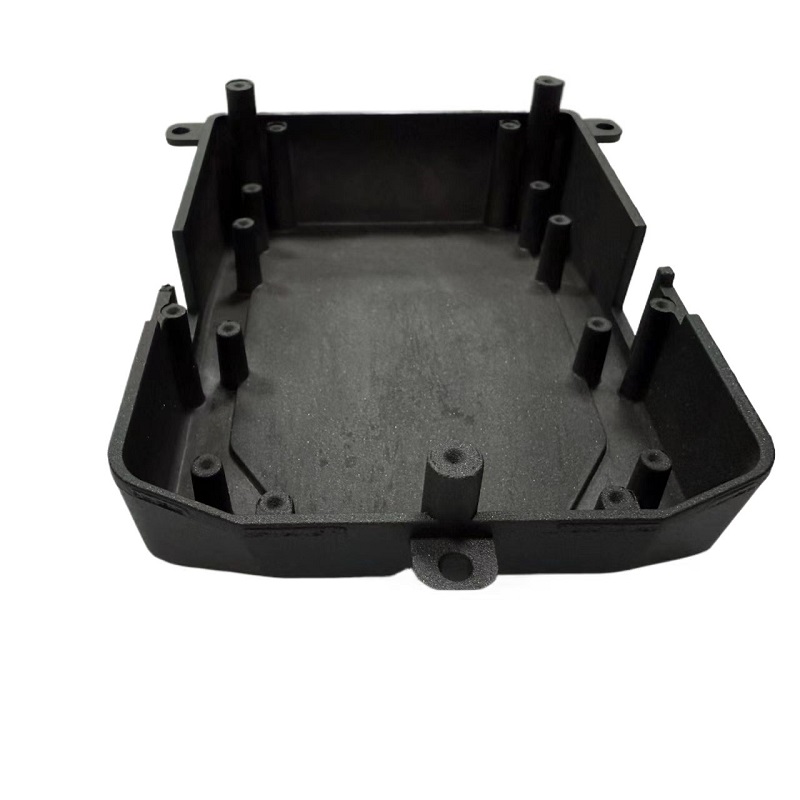
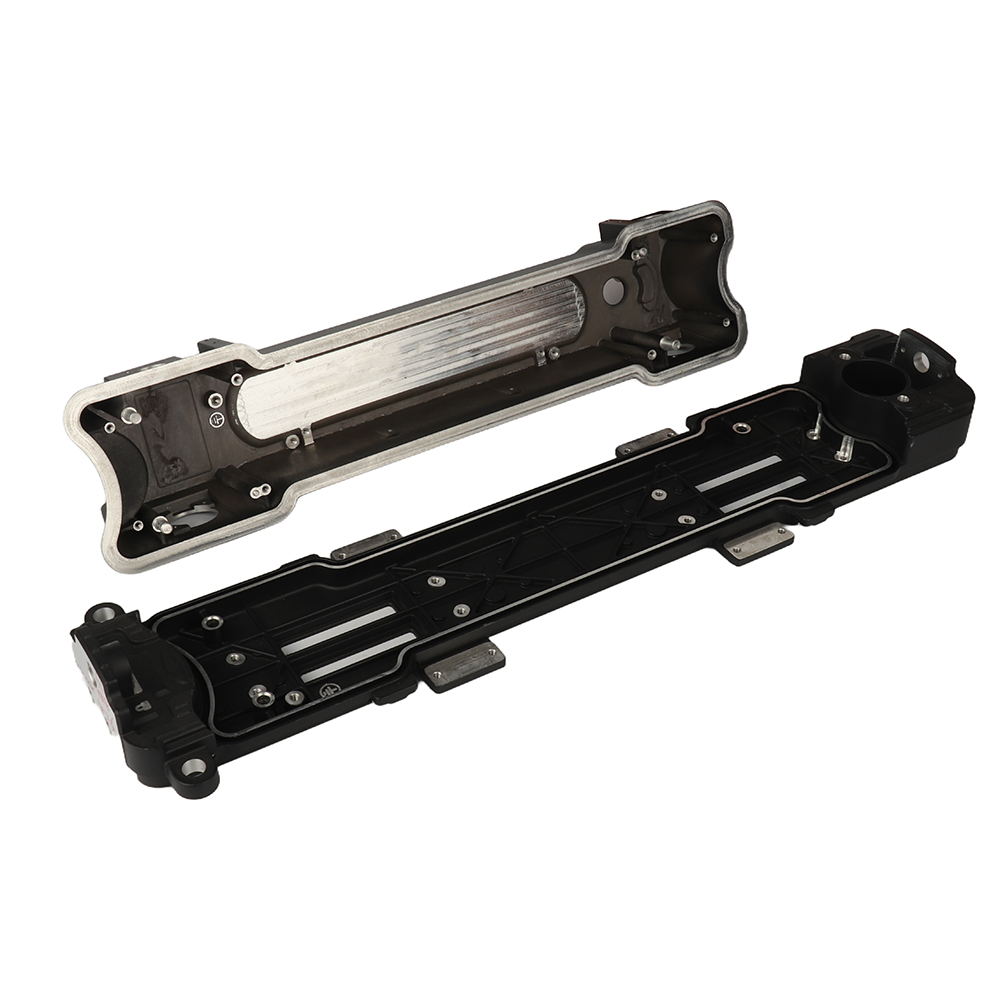
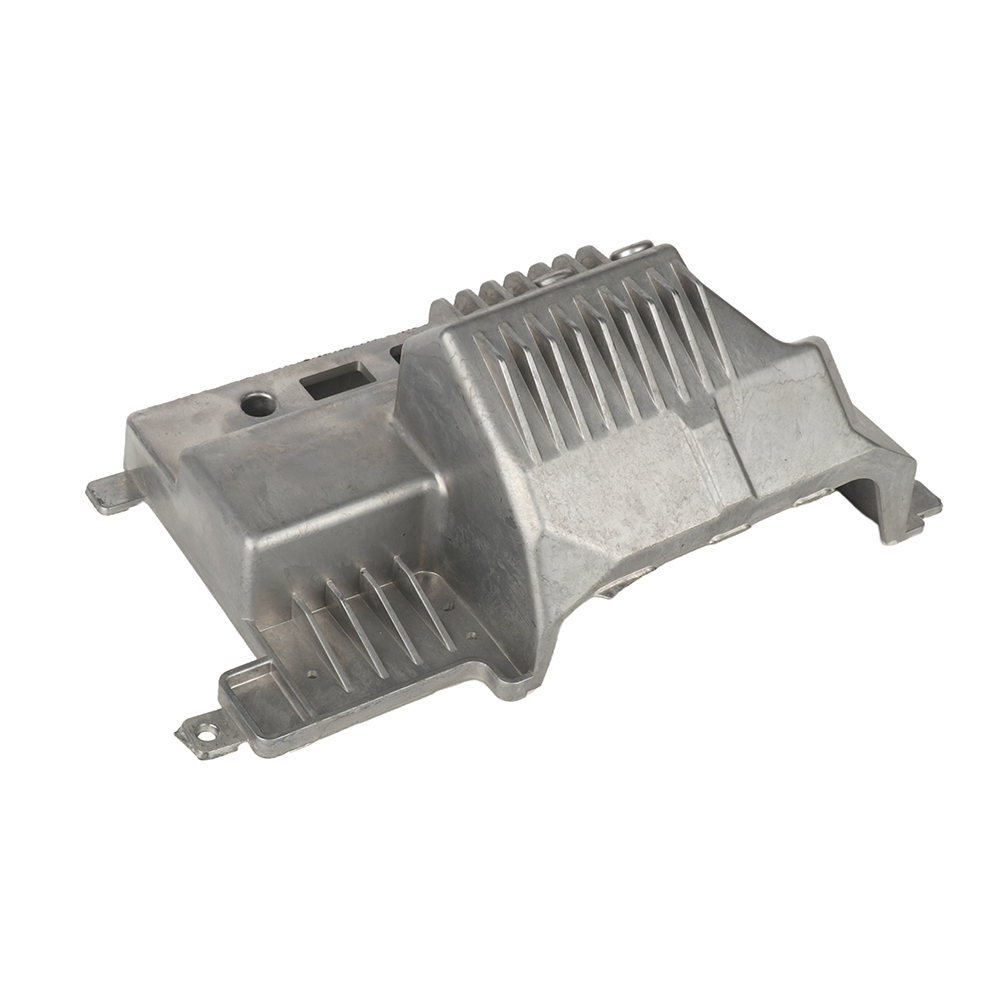
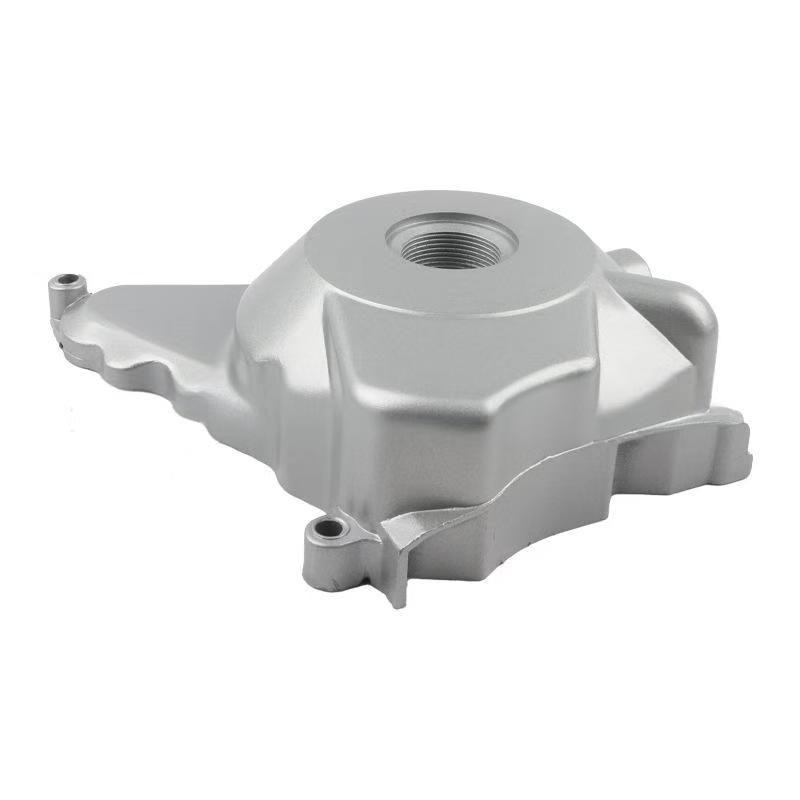
Aluminum machining service | What are aluminum machining services? Complete Guide
2026-05-11
What Are Aluminum Machining Services? Complete Guide
Table of Contents
- Basic Overview of Aluminum Machining Services
- Common Types of Aluminum Machining Processing Technologies
- Core Functions of LV Aluminum Machining Services
- Key Benefits of Professional Aluminum Machining Services
- Professional Expert Opinion on Aluminum Machining Industry
- General Aluminum Machining Service Product Showcase
- Frequently Asked Questions About Aluminum Machining
- 2026 Industry Trends & How to Choose a Qualified Hardware Supplier
- Conclusion
1. Basic Overview of Aluminum Machining Services
1.1 Clear Definition
Aluminum machining service refers to a customized metal processing manufacturing service that uses professional mechanical equipment to cut, bend, die-cast, polish and assemble aluminum and aluminum alloy raw materials. It is a core processing technology in the modern metal manufacturing industry. This service precisely processes aluminum blanks into finished parts and finished products that meet industrial standards and customer customization requirements.
Different from simple aluminum cutting processing, standardized aluminum machining services cover the whole process from raw material screening, precision processing to surface treatment. It is widely used in high-end manufacturing fields such as communication hardware, aerospace, industrial automation, and new energy equipment.
1.2 Main Application Industries
With the global manufacturing lightweight upgrade, aluminum materials have replaced traditional steel in many fields relying on excellent physical properties. Aluminum machining services have covered diversified industrial scenarios, including communication cabinet accessories, automotive lightweight parts, electronic precision components, aerospace structural parts, power distribution equipment shells, and intelligent mechanical accessories.
1.3 Common Aluminum Alloy Raw Materials
High-quality aluminum machining products strictly select high-purity aluminum alloy raw materials. The mainstream materials in the market include aviation-grade aluminum alloy, industrial die-cast aluminum, and corrosion-resistant aluminum profile. Different raw materials match different processing technologies and usage scenarios to meet the performance requirements of high strength, corrosion resistance and heat dissipation for industrial parts.
2. Common Types of Aluminum Machining Processing Technologies
2.1 Mainstream Processing Classification
2.1.1 Aluminum Die Casting Processing
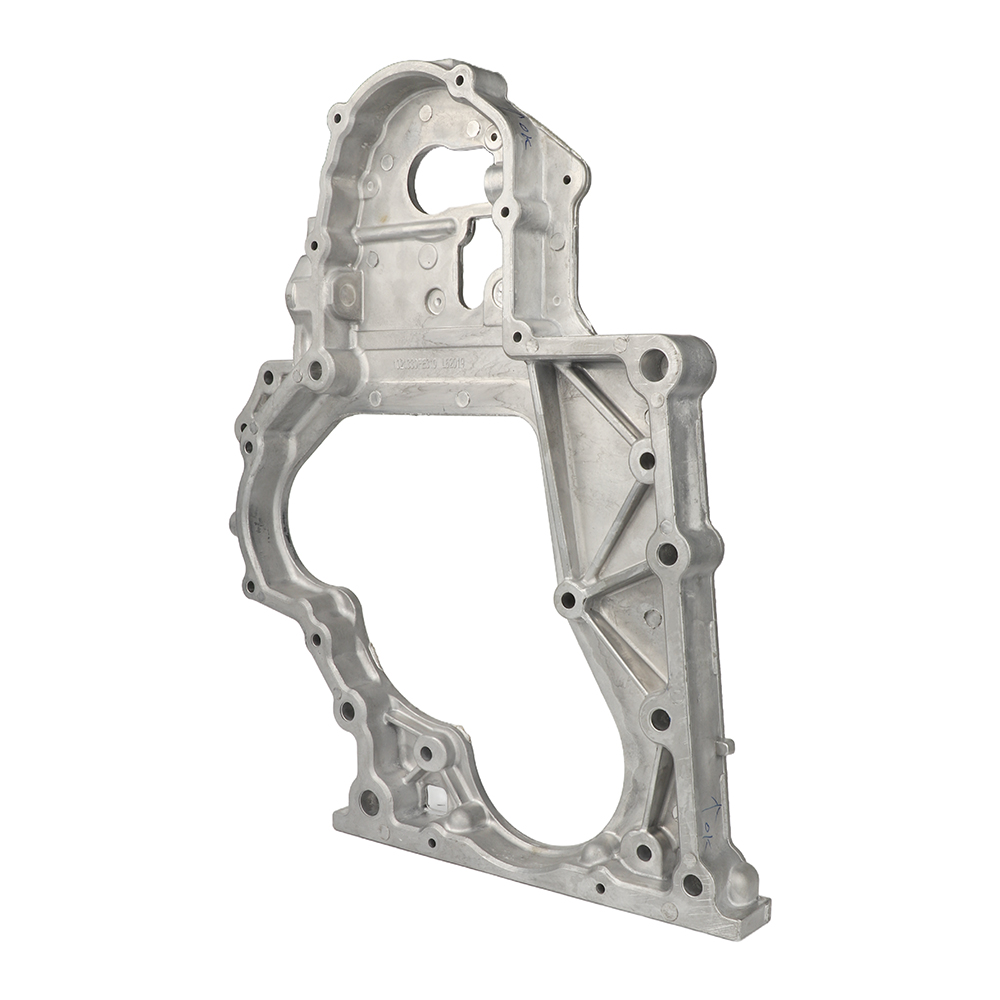
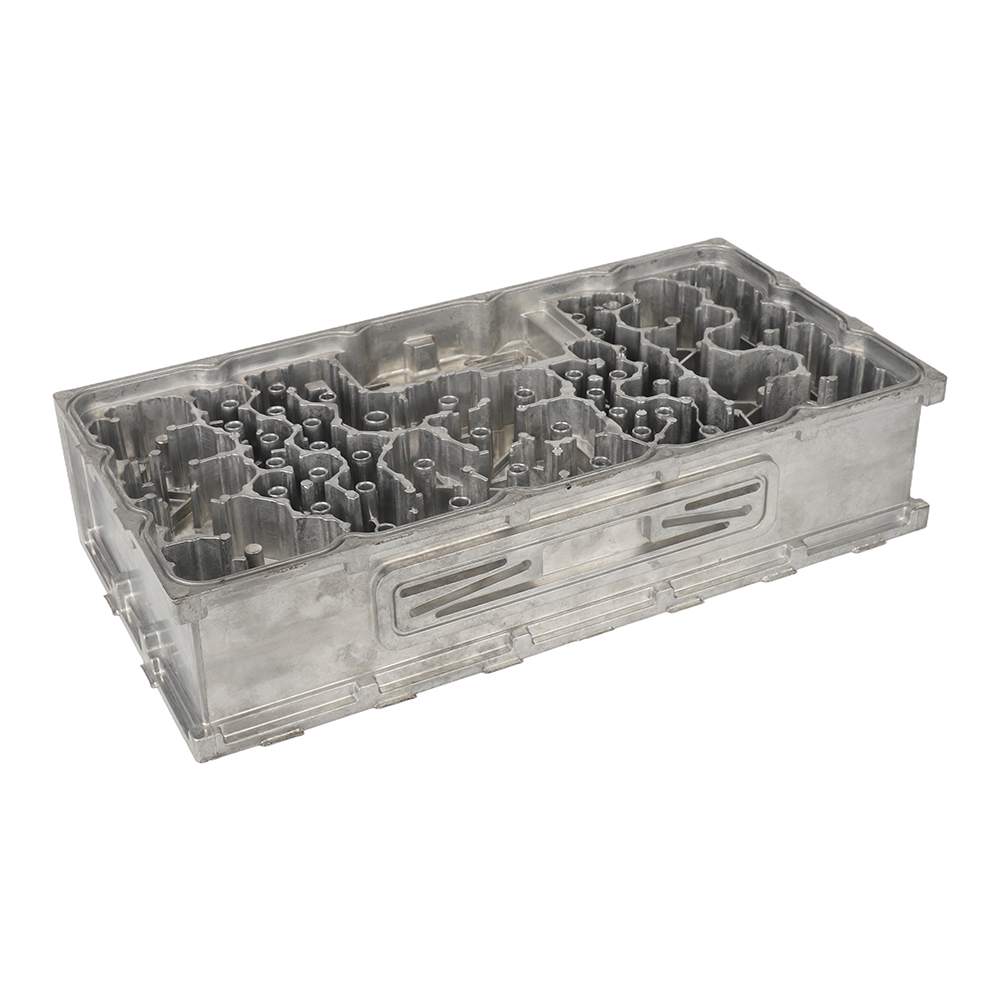
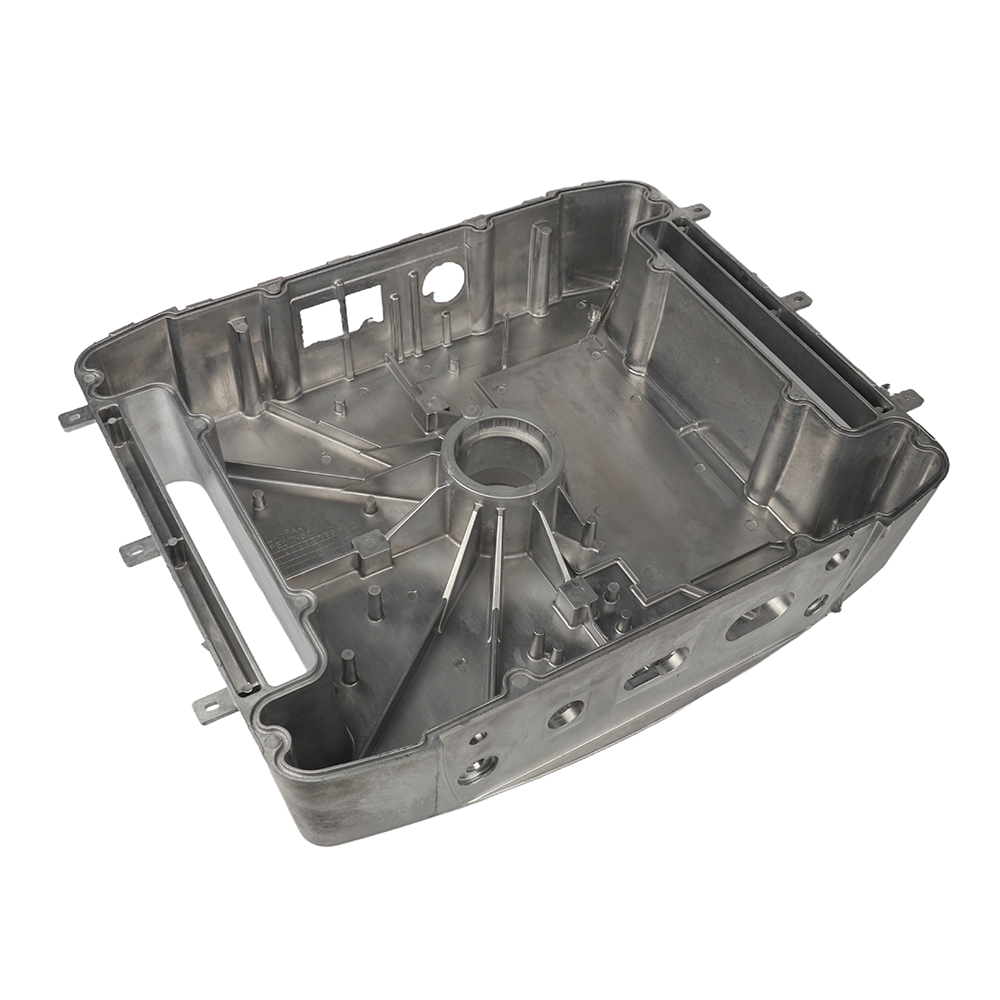
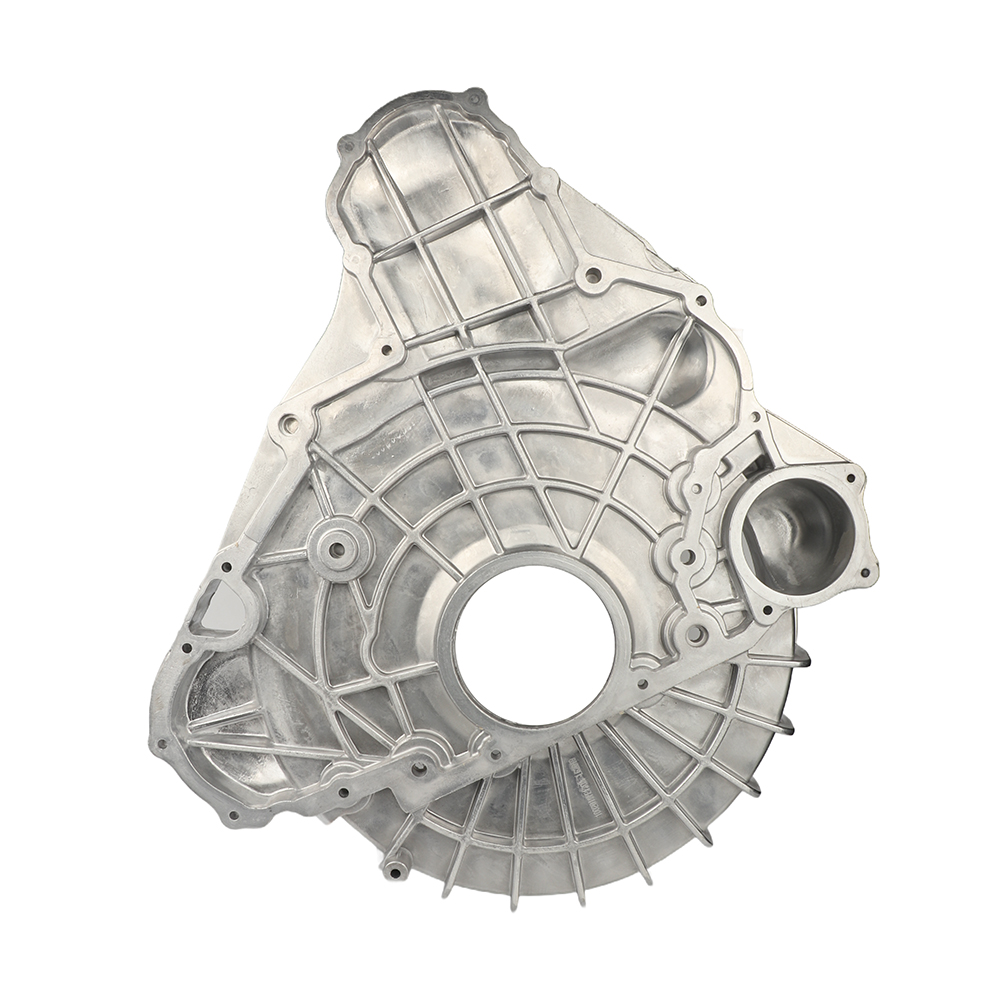
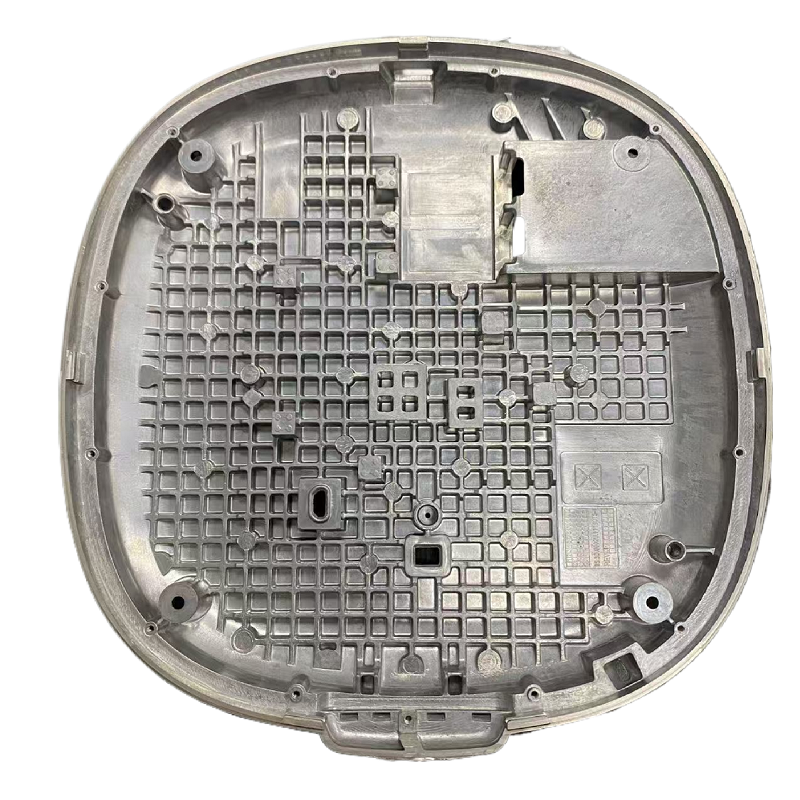
Die casting is the most widely used processing technology in aluminum machining. It injects molten aluminum alloy into a precision mold at high pressure to form integrated parts. It is suitable for mass production of standardized products such as communication cabinet shells and hardware brackets, with the advantages of high molding efficiency and low production cost.
2.1.2 CNC Precision Machining
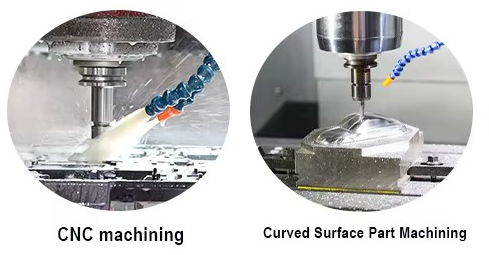
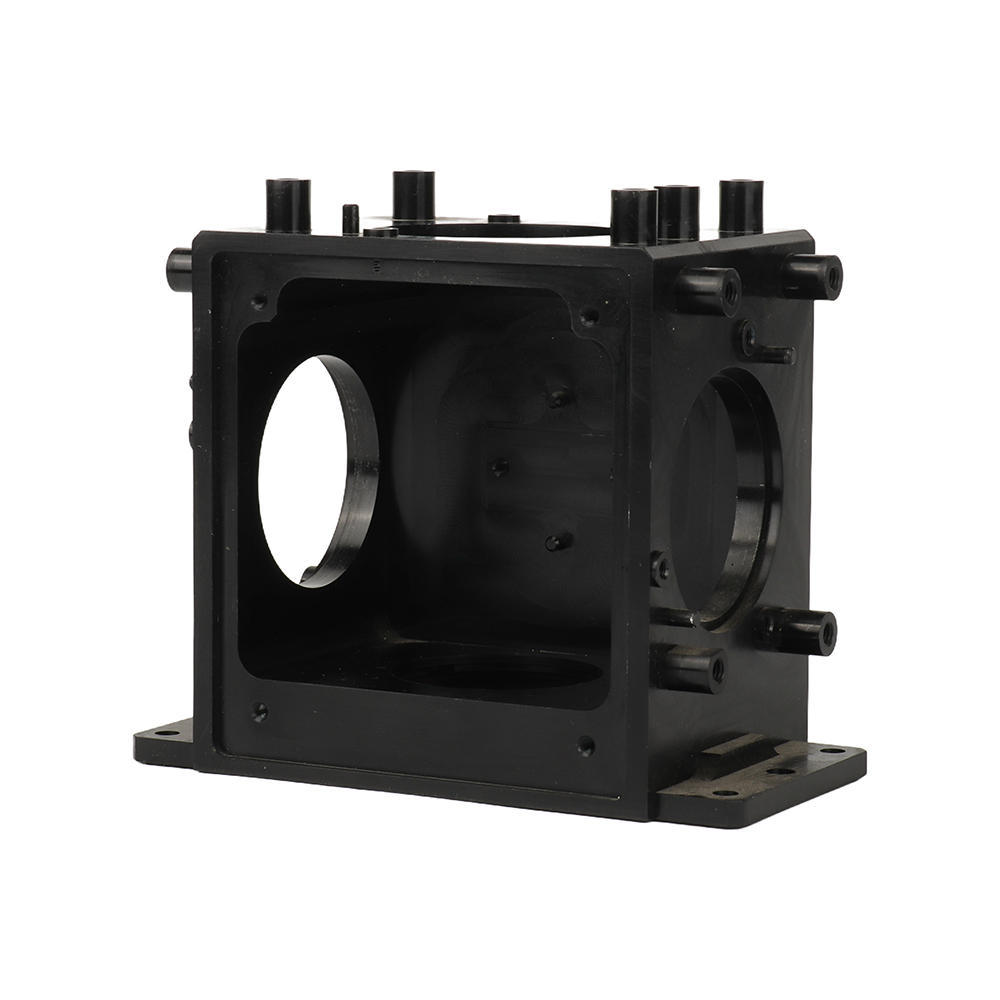
CNC machining adopts digital intelligent equipment for precision cutting and carving, with a processing accuracy of up to 0.01mm. It is mainly used for customized high-precision aluminum parts, such as electronic equipment connectors and industrial precision accessories, meeting the strict size tolerance requirements of high-end industries.
2.1.3 Surface Treatment Processing
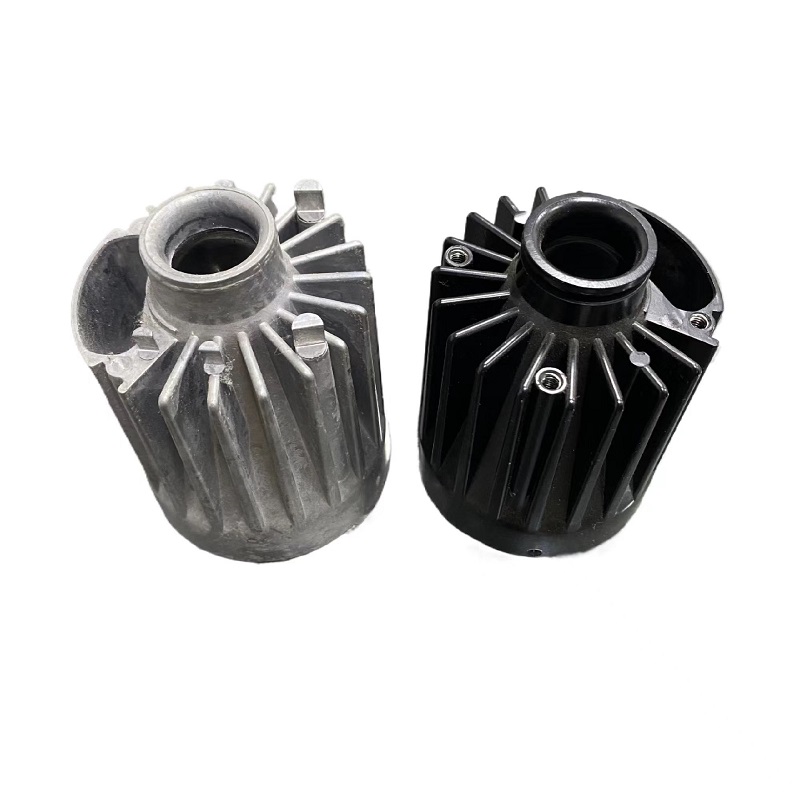
Surface treatment includes electrostatic spraying, anodizing, sandblasting and laser marking. This process can enhance the corrosion resistance and oxidation resistance of aluminum products, and realize personalized appearance customization such as color adjustment and logo printing.
2.1.4 Stamping & Extrusion Processing
Stamping and extrusion technologies are suitable for thin-walled aluminum profiles and regular structural parts. The processing process is simple with low material loss, which is commonly used for batch production of conventional industrial aluminum accessories.

3. Core Functions of LV Aluminum Machining Services
3.1 Professional Raw Material Optimization
LV aluminum machining service focuses on raw material screening and optimization. It eliminates inferior recycled aluminum materials and adopts high-purity aluminum alloy raw materials to ensure that the processed products have stable hardness, uniform density and no impurities. It effectively avoids product deformation and damage during long-term industrial use.
3.2 Precision Size Customization
As the core function of LV aluminum processing, one-stop customized processing supports non-standard size adjustment, structural modification and accessory matching. According to customer engineering drawings and usage scenarios, the production team optimizes the product structure to improve the assembly compatibility of aluminum parts.
3.3 Performance Enhancement Modification
LV processing team optimizes product performance through professional technology. By upgrading surface treatment and internal structural design, it improves the heat dissipation, electromagnetic shielding and compression resistance of aluminum products, adapting to high-load and high-temperature industrial working environments.
3.4 Batch Production & Quality Control
Equipped with automated production lines, LV aluminum machining realizes efficient batch production. A complete quality inspection system is adopted in the production process to conduct dimensional detection, performance test and durability screening for each product, ensuring qualified rate up to 99.7%.
4. Key Benefits of Professional Aluminum Machining Services
4.1 Excellent Material Physical Properties
4.1.1 Lightweight & High Strength
Aluminum alloy processed products have low density and high structural strength. Compared with steel parts of the same volume, the weight is reduced by 35%-50%, which is convenient for transportation, installation and equipment layout adjustment, perfectly matching the lightweight development trend of modern industry.
4.1.2 Strong Corrosion & Oxidation Resistance
After professional surface machining treatment, aluminum products form a dense protective film on the surface. It can resist moisture, dust and chemical corrosion, and adapt to complex indoor and outdoor working environments, greatly extending the service life of parts.
4.2 Economic & Cost Advantages
4.2.1 Low Comprehensive Usage Cost
Although the unit price of high-quality aluminum machining products is slightly higher than ordinary steel products, it has low maintenance frequency and long service life. The later maintenance cost and replacement cost are effectively reduced, bringing higher long-term economic benefits for enterprises.
4.2.2 High Material Utilization Rate
Precision machining technology optimizes the cutting scheme, reduces raw material waste, and realizes efficient utilization of aluminum alloy materials. For batch procurement enterprises, it can effectively control raw material cost and improve procurement cost performance.
4.3 Industrial Application Compatibility
4.3.1 Good Heat Dissipation Performance
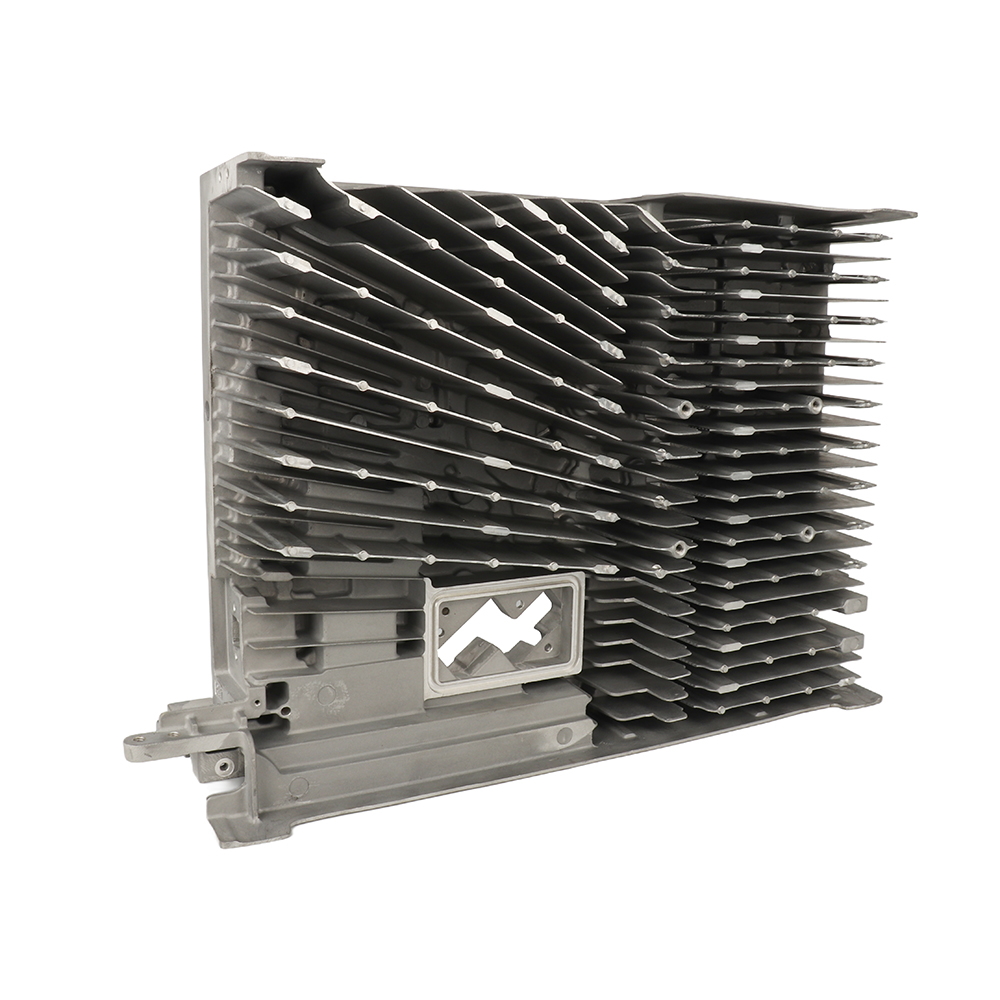
Aluminum has excellent thermal conductivity. After professional machining and structural optimization, the internal heat dissipation structure of products is more scientific, which can quickly export equipment heat, avoid component aging caused by overheating, and ensure stable operation of mechanical equipment.
4.3.2 Reliable Electromagnetic Shielding
The integrated aluminum alloy structure processed by precision technology has excellent electromagnetic shielding performance. It can isolate external electromagnetic wave interference, ensure stable signal transmission of communication and electronic equipment, and reduce data loss and signal delay.
5. Professional Expert Opinion on Aluminum Machining Industry
We invited David Carter, a senior metal material processing engineer with 15 years of experience in the hardware manufacturing industry. He has long been committed to the research of aluminum alloy processing technology and industrial application optimization, and has provided technical guidance for many global hardware manufacturing enterprises. His professional views are as follows:
"In the context of global manufacturing upgrading, aluminum machining has become an indispensable core link in the metal processing industry. In 2026, lightweight and customized aluminum products will gradually replace traditional heavy metal parts. Many purchasers only focus on the low procurement price, ignoring processing precision and raw material quality. Inferior aluminum products are prone to deformation, oxidation and poor heat dissipation, which will bring potential risks to industrial equipment operation. Enterprises should prioritize suppliers with complete certification, independent production lines and mature die-casting technology. OEM customized aluminum machining service is the best choice for medium and large industrial enterprises to realize personalized production."
The expert emphasized that the aluminum machining industry will focus on intelligent processing, environmental protection production and high-precision customization in 2026. Manufacturers with standardized production processes and perfect quality inspection systems will occupy the mainstream market share.
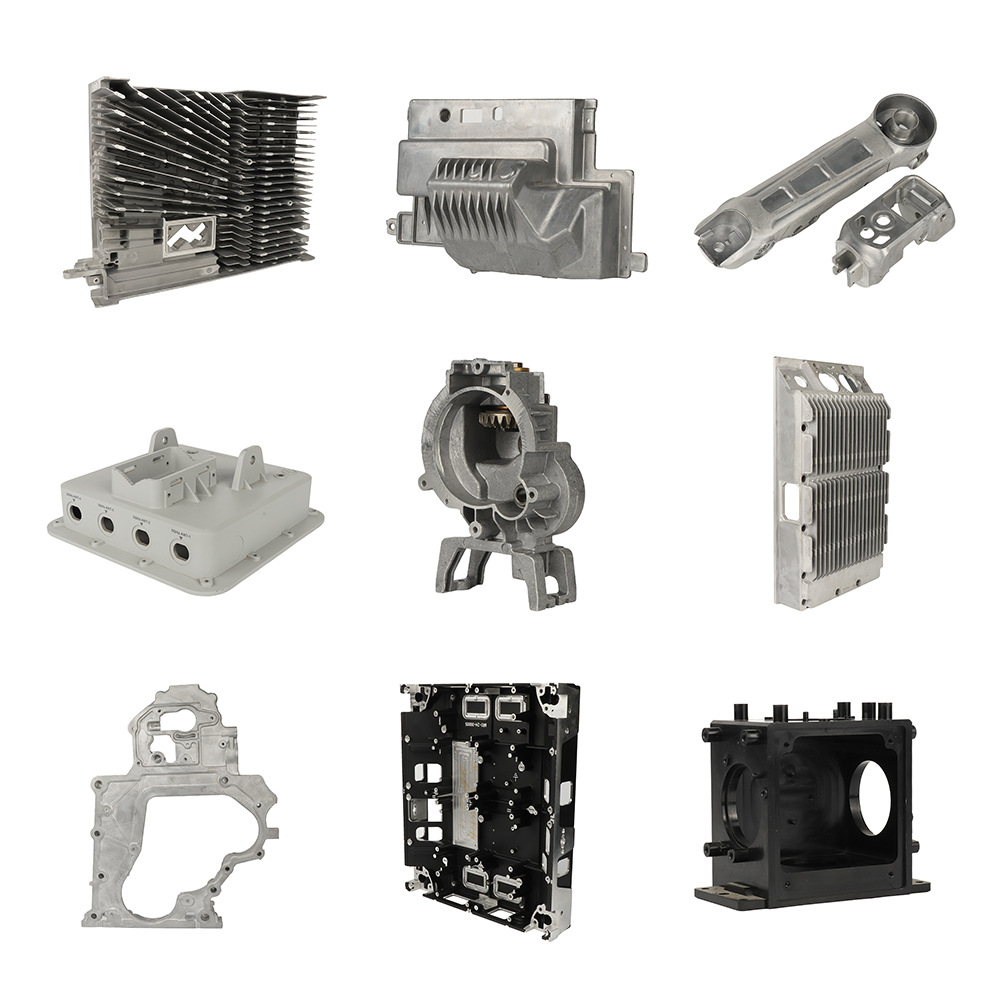
6. General Aluminum Machining Service Product Showcase
6.1 Common Machined Aluminum Product Types
6.1.1 Communication Hardware Accessories
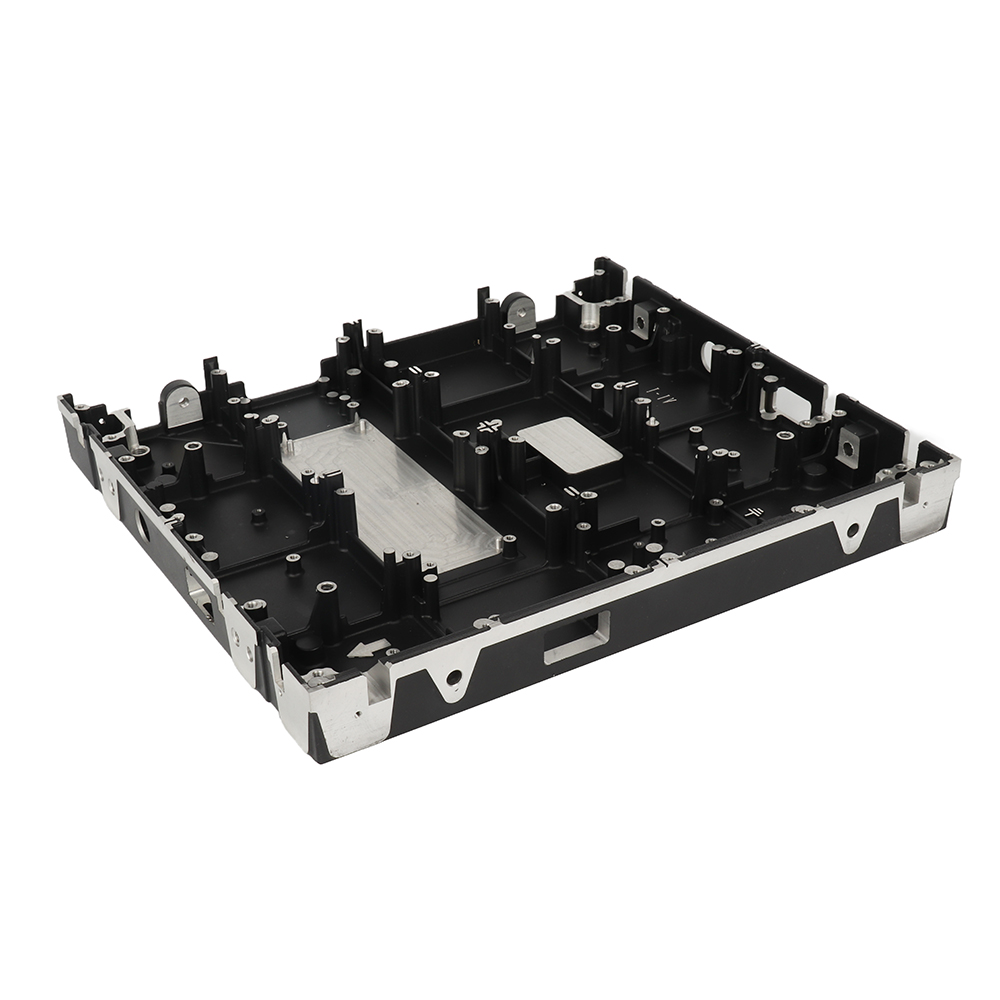
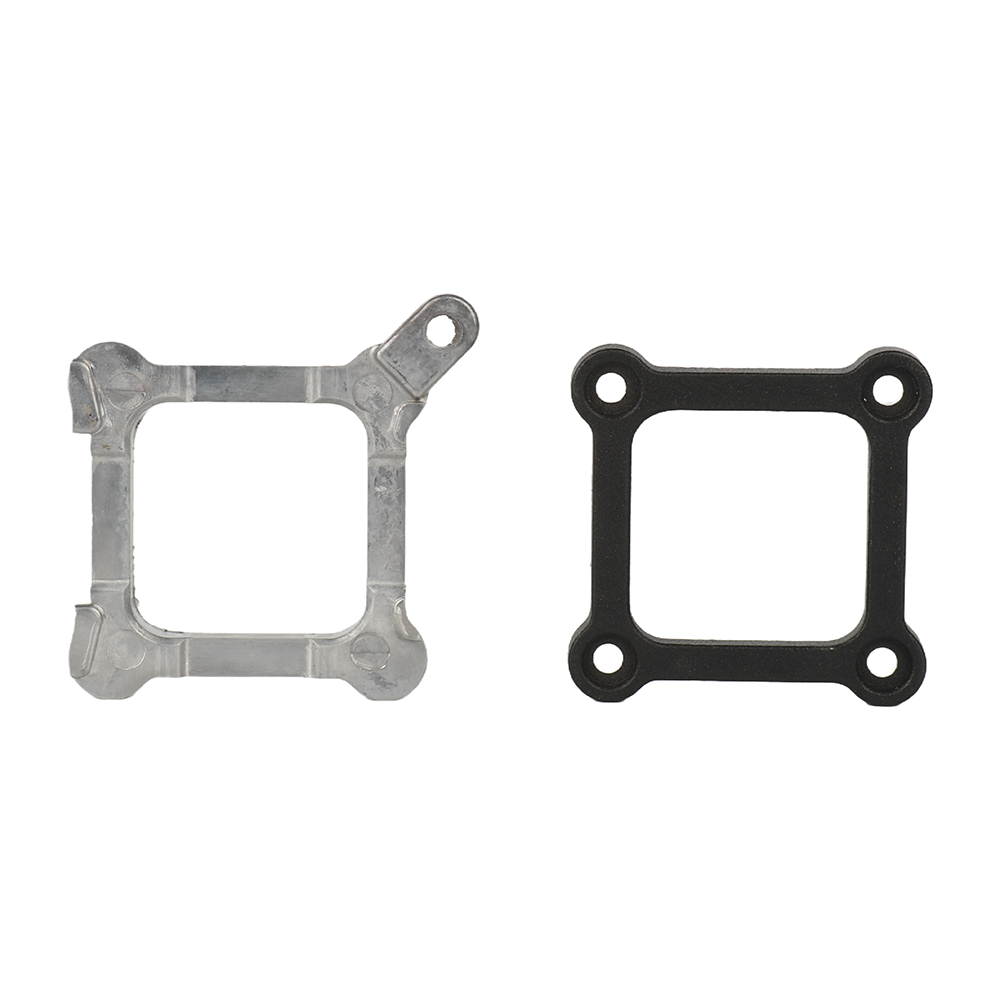
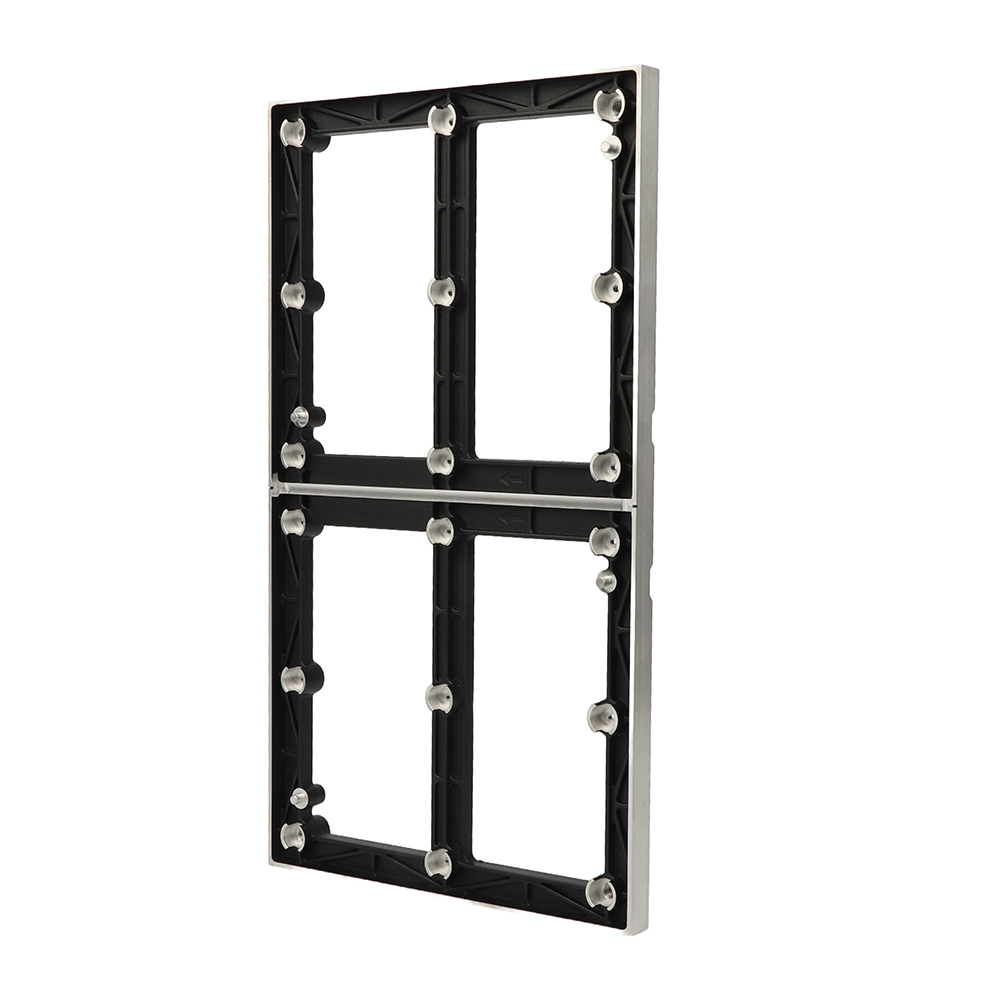
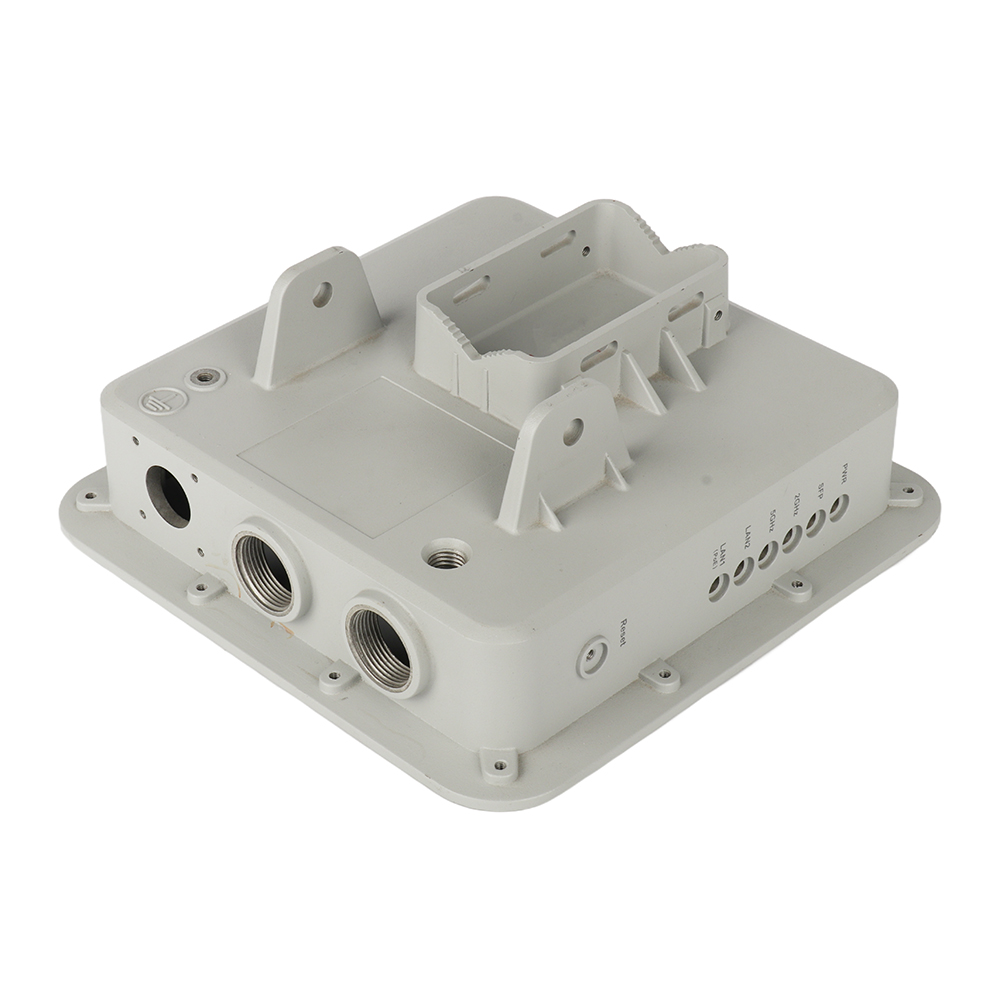
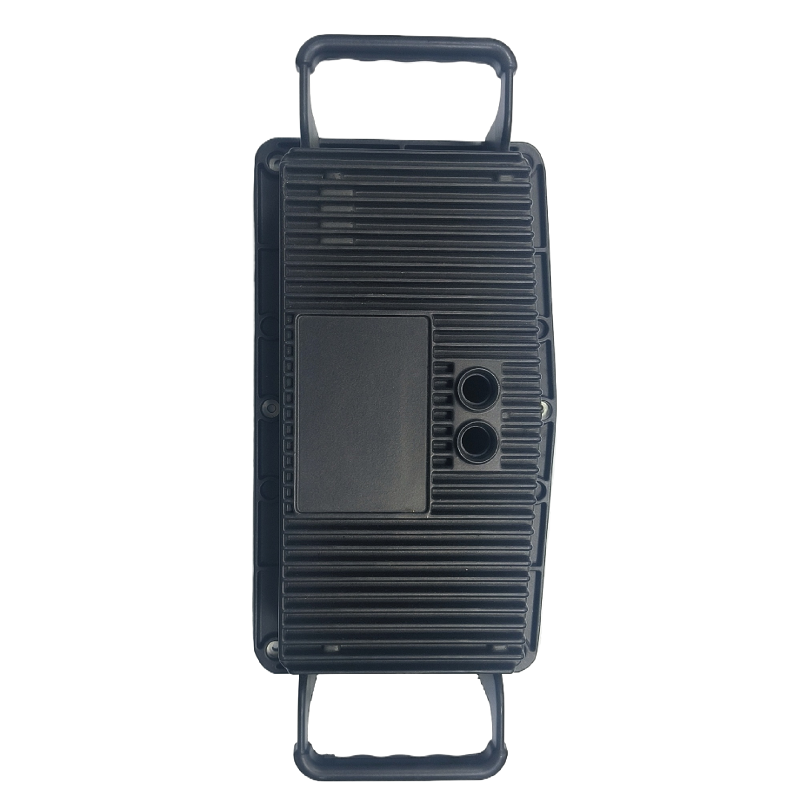
Including aluminum communication cabinet shells, fixed brackets, heat dissipation baffles and wiring accessories. The products adopt integrated die-casting process, with smooth surface and stable structure, suitable for indoor and outdoor communication base stations and data room equipment.
6.1.2 Industrial Automation Parts
High-precision CNC machined aluminum parts, such as mechanical connecting parts, fixed bases and transmission accessories. The tolerance is controlled within 0.02mm, which meets the assembly requirements of intelligent automated production lines.
6.1.3 New Energy & Electronic Accessories
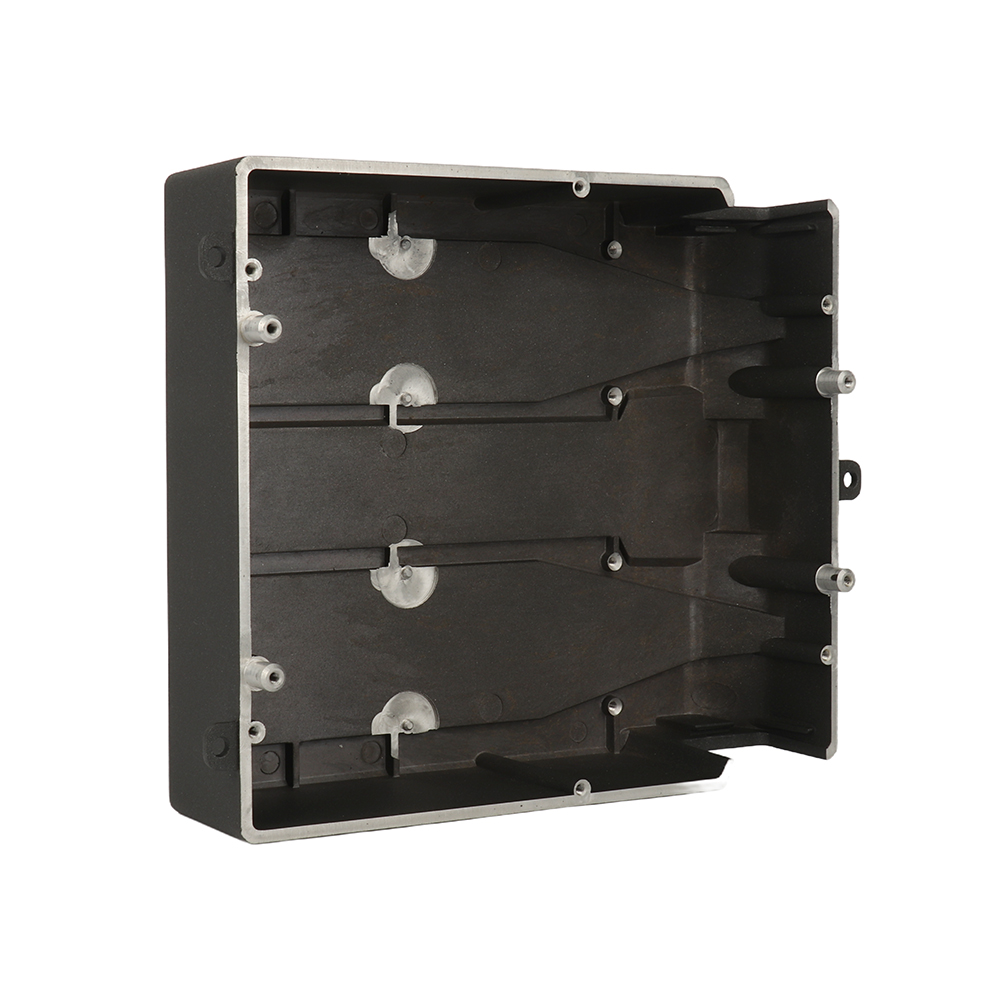
Aluminum alloy shells for power distribution equipment, heat dissipation shells for electronic components and new energy battery brackets. With good insulation and heat dissipation, it ensures the safe operation of electronic and power equipment.
6.2 Universal Product Processing Standards
- Raw Material Standard: High-purity industrial aluminum alloy, no recycled inferior materials
- Processing Precision: Conventional products ±0.05mm, high-precision products ±0.01mm
- Surface Treatment: Anodizing, sandblasting, electrostatic spraying (optional customization)
- Certification Standard: ISO9001, RoHS, ISO14001 international certification
- Custom Service: Size, structure, color and logo personalized customization
7. Frequently Asked Questions About Aluminum Machining
Q1: What is the difference between die-cast aluminum and CNC machined aluminum?
Die-cast aluminum is suitable for mass production of standardized products, with low unit cost and high molding efficiency; CNC machined aluminum has higher processing precision, suitable for small-batch customized high-precision parts. For conventional industrial hardware accessories, die-casting process is more cost-effective, while high-end electronic parts recommend CNC precision machining.
Q2: Do aluminum machining products need extra anti-corrosion treatment?
Qualified aluminum products have undergone professional anodizing anti-corrosion treatment in the processing process. For indoor dry environments, no extra protection is needed; for humid and corrosive outdoor environments, enhanced surface spraying treatment can be customized to extend the service life.
Q3: Can I customize the appearance and size of aluminum processing parts?
Yes. Formal professional aluminum machining suppliers support full OEM customization, including non-standard size cutting, surface color adjustment, enterprise logo laser engraving and internal structural optimization, to meet personalized engineering production needs.
Q4: What certifications do qualified aluminum machining manufacturers need?
Regular manufacturers must have ISO9001 quality management certification, ISO14001 environmental management certification and RoHS environmental protection material certification. Complete certifications represent standardized production processes and stable product quality.
Q5: What is the general service life of machined aluminum products?
Under standard indoor environment, high-quality aluminum machining products can be used for 12-18 years; after enhanced anti-corrosion treatment, the outdoor service life can reach 8-12 years. Regular surface cleaning and maintenance can further extend the service life.
8. 2026 Industry Trends & How to Choose a Qualified Hardware Supplier
8.1 2026 Aluminum Machining Industry Development Trends
8.1.1 Lightweight & Environmental Upgrade
Driven by global low-carbon environmental protection policies, high-purity aluminum alloy lightweight materials will completely replace traditional heavy metal raw materials. Environmentally friendly non-toxic spraying materials and low-loss processing technology have become the industry mandatory standards, and green manufacturing has become the core development direction.
8.1.2 Intelligent & High-Precision Processing
More manufacturers introduce intelligent CNC equipment and automated production lines to improve processing accuracy and production efficiency. Intelligent detection technology realizes full inspection of product size and performance, reducing product defect rate.
8.1.3 Popularization of OEM Customization Service
With the diversification of industrial production scenarios, standardized aluminum products can no longer meet market demand. OEM customized processing service has become the mainstream procurement mode for industrial enterprises, putting forward higher requirements for the technical strength and customization capability of manufacturers.
8.2 Key Selection Standards for High-Quality Hardware Suppliers
8.2.1 Complete Qualification Certification
Give priority to manufacturers with international authoritative certifications such as ISO9001, RoHS and ISO14001. Complete certifications can ensure that products meet international industrial standards and avoid unqualified products affecting equipment operation.
8.2.2 Independent Production Capacity
Choose manufacturers with complete die-casting, stamping, CNC processing and surface treatment production lines. Integrated production can strictly control raw material quality and production cycle, and avoid delivery delays caused by outsourcing processing.
8.2.3 Professional Customization & After-Sales Service
Excellent suppliers provide one-stop OEM customization services and perfect after-sales support, including drawing optimization, production tracking, installation guidance and accessory replacement, solving all procurement problems for customers.
8.3 Recommended Supplier: Xinghang Precision Hardware
Xinghang Precision Hardware is a professional aluminum machining manufacturer located in Guangdong, China, with more than 10 years of hardware processing and production experience. The company focuses on aluminum alloy die casting, CNC precision machining and customized metal parts production, integrating R&D, processing, sales and after-sales service.
The factory has standardized automated production workshops and advanced processing equipment, with a daily output of more than 600 aluminum products. All products have passed ISO9001, RoHS and other international certifications, meeting the quality standards of European, American and Southeast Asian industrial markets. Adhering to the service tenet of reasonable price, stable quality and on-time delivery, the company provides exclusive OEM customized services for global buyers.
8.4 Official Cooperation Contact Information
Mobile/WeChat: +86 18819502691
E-mail: liqine@xinghangcn.com
E-mail: liqine@xinghangcn.com
Welcome global industrial buyers to consult product parameters, customized solutions and factory inspection. We provide free sample testing, personalized drawing optimization and exclusive wholesale discount services.
9. Conclusion
Aluminum machining service is an indispensable core processing technology in modern industrial manufacturing. Relying on lightweight, corrosion resistance, high heat dissipation and low comprehensive cost advantages, aluminum processed products are widely used in communication hardware, industrial automation, new energy and other fields. LV aluminum machining service further optimizes product performance and customization capability to meet the differentiated production needs of enterprises.
In 2026, the aluminum machining industry will continue to develop towards environmental protection, intelligence, high precision and customization. Enterprises should abandon the low-price procurement concept and select formal certified processing manufacturers to avoid operational risks caused by inferior products. As a professional aluminum processing supplier, Xinghang Precision Hardware relies on mature processing technology, complete certification system and perfect customized services to provide global customers with high-quality and cost-effective aluminum machining solutions.
In the future, Xinghang will continue to invest in technological R&D, upgrade production equipment, optimize processing technology, and continuously improve product quality and service level. For long-term cooperation, sample testing and product consultation, please contact us through the above contact information at any time.
CNC part | What is the process to customize CNC parts? A Complete Guide
CNC aluminum part | What are aluminum CNC parts? A Complete Guide for Servo System Buyers
Related Article

What are CNC machined aluminum electronic parts & their core functions CNC machined aluminum electronic parts are precision metal components processed by multi-axis CNC equipment, widely used in electronic products.
Electronic parts | Where to find high-quality CNC machined aluminum parts for electronics?

CNC machined aluminum parts for semiconductor equipment are precision metal components manufactured by aluminum die casting, then finished via CNC machining.
semiconductor equipment | What are cnc machined aluminum parts for semiconductor equipment?