HOT PRODUCTS
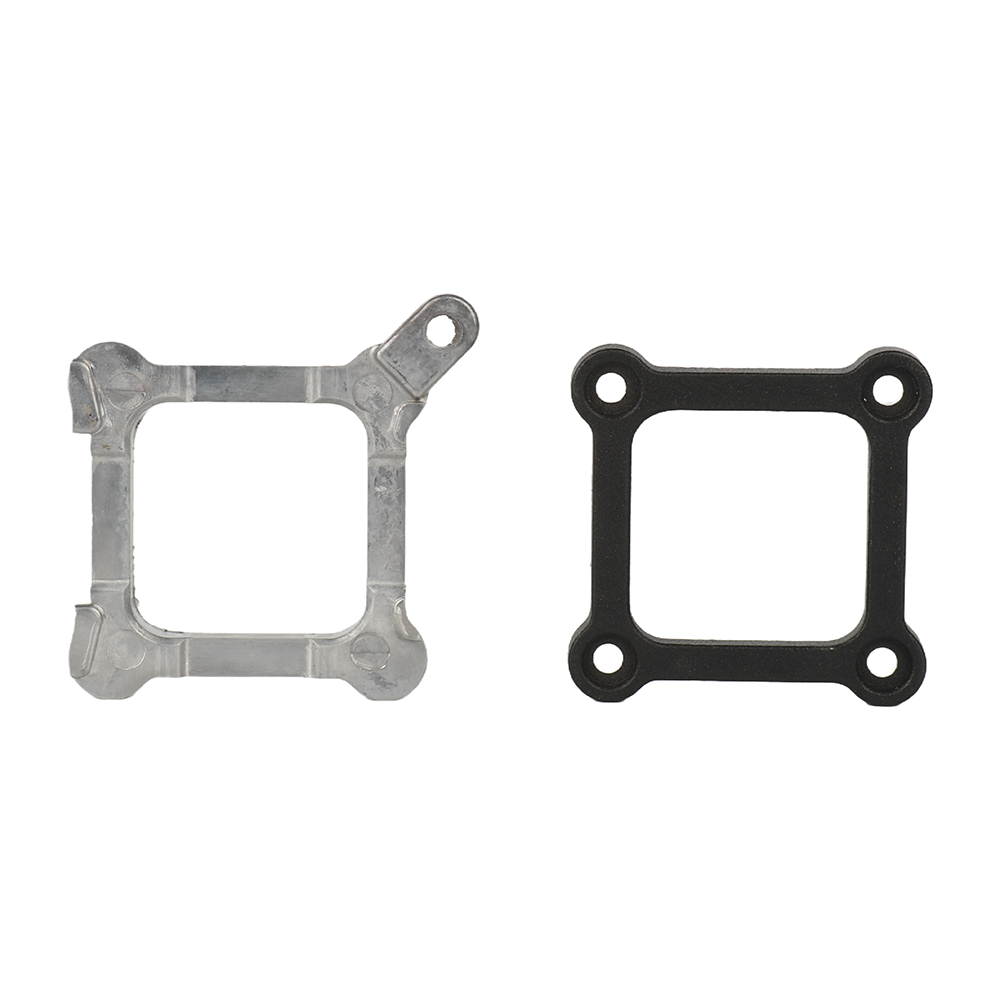
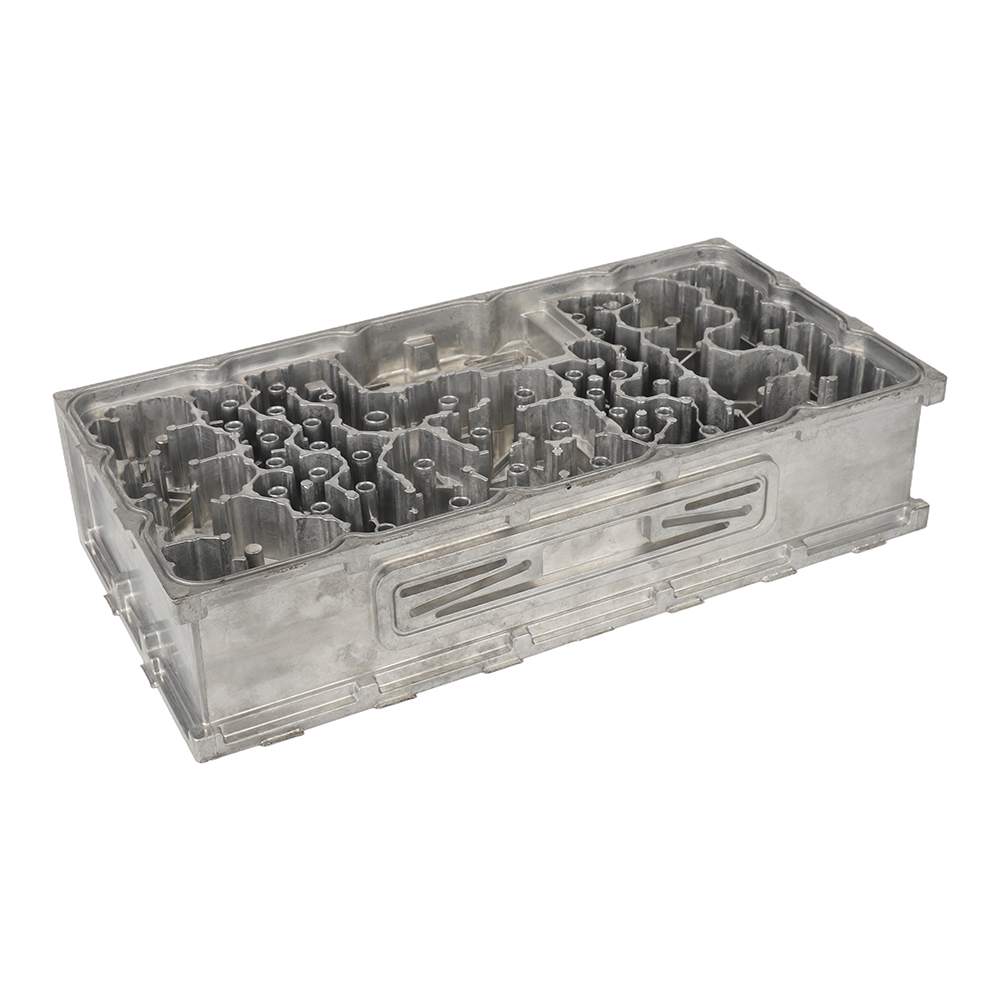
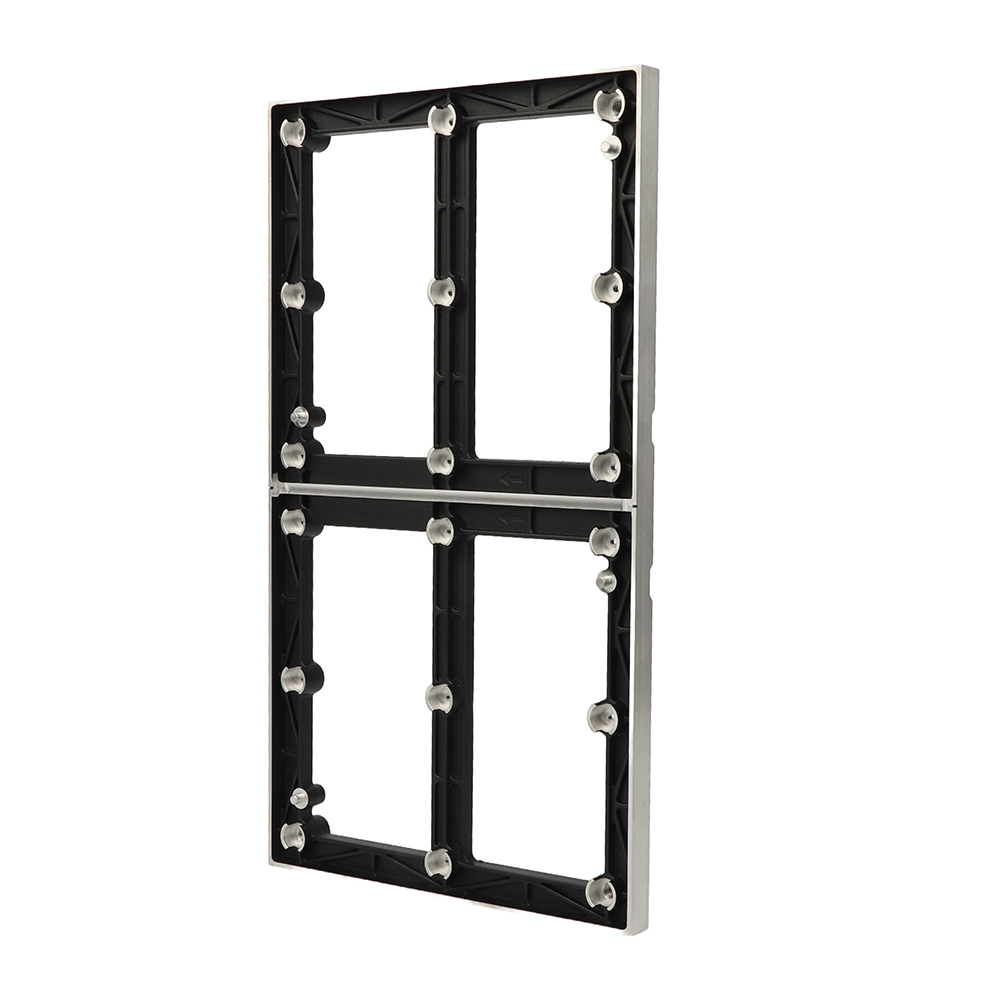
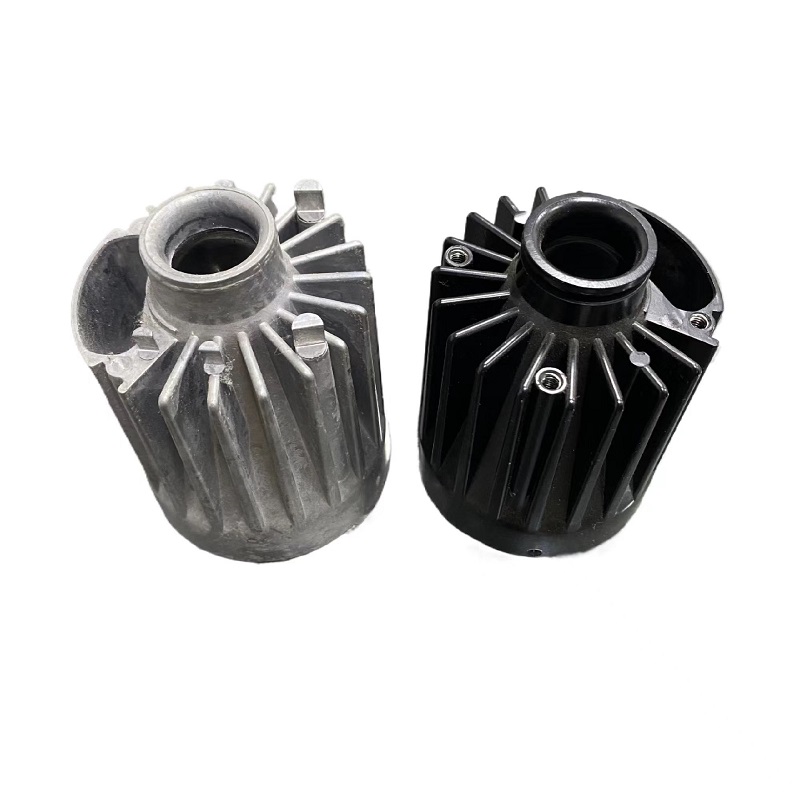
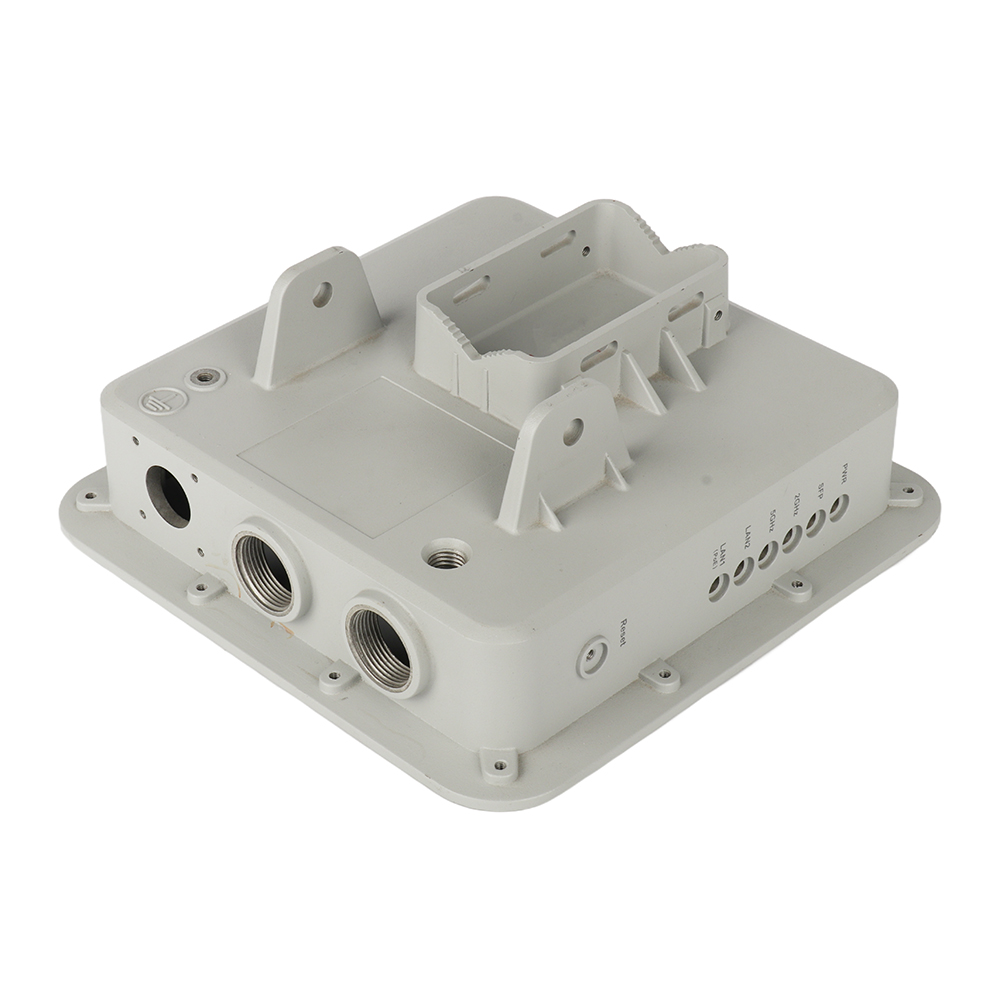
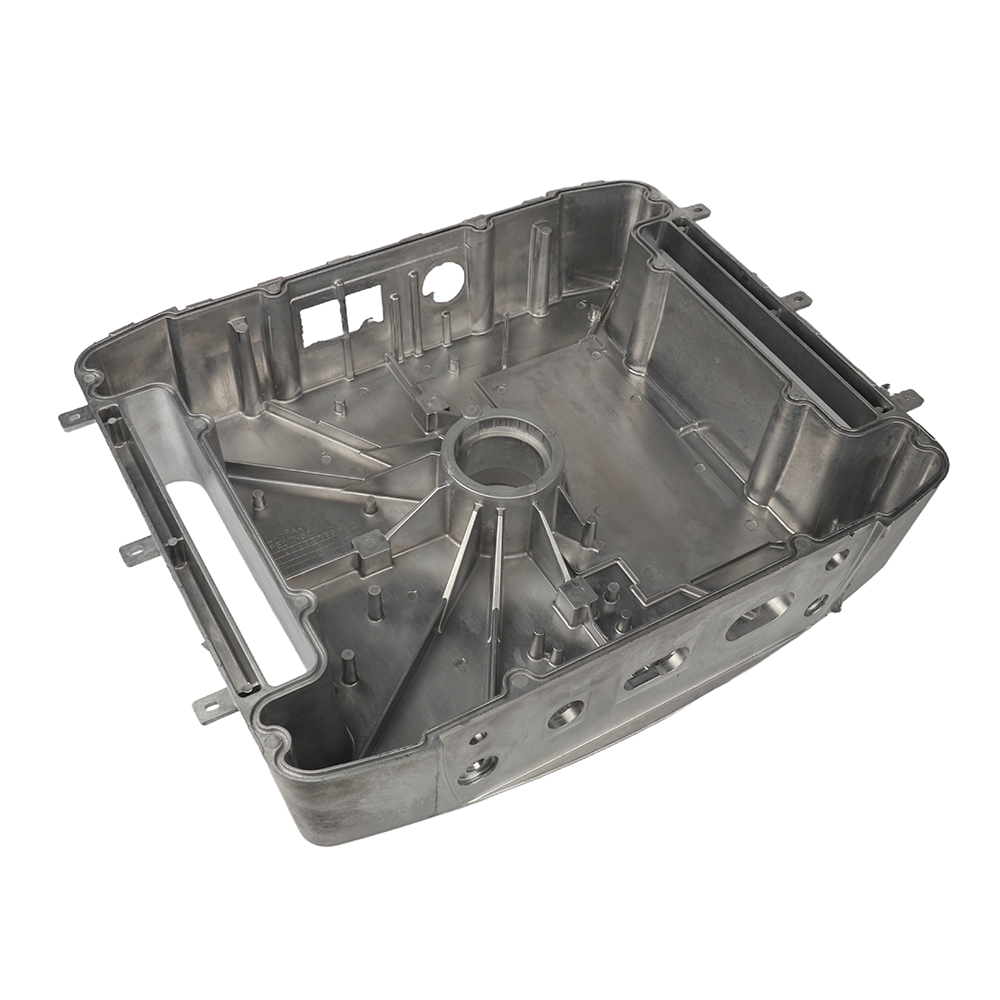
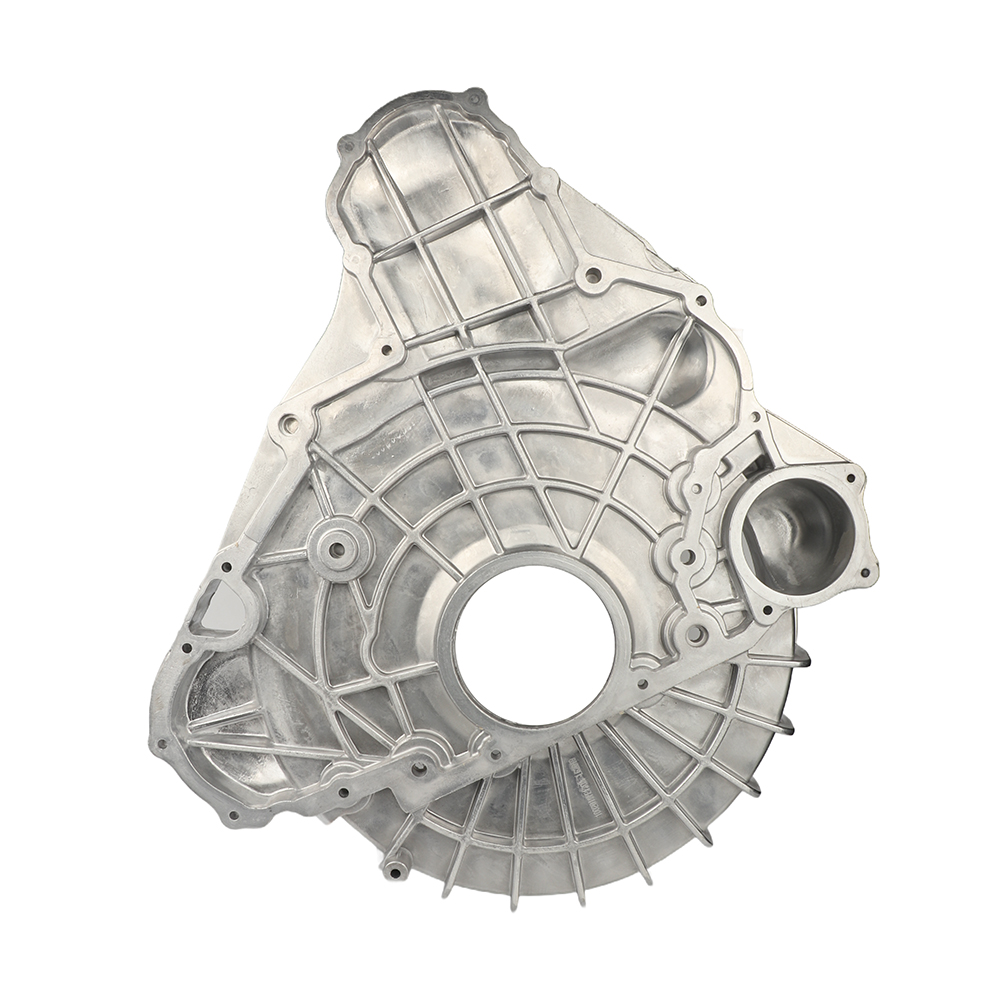
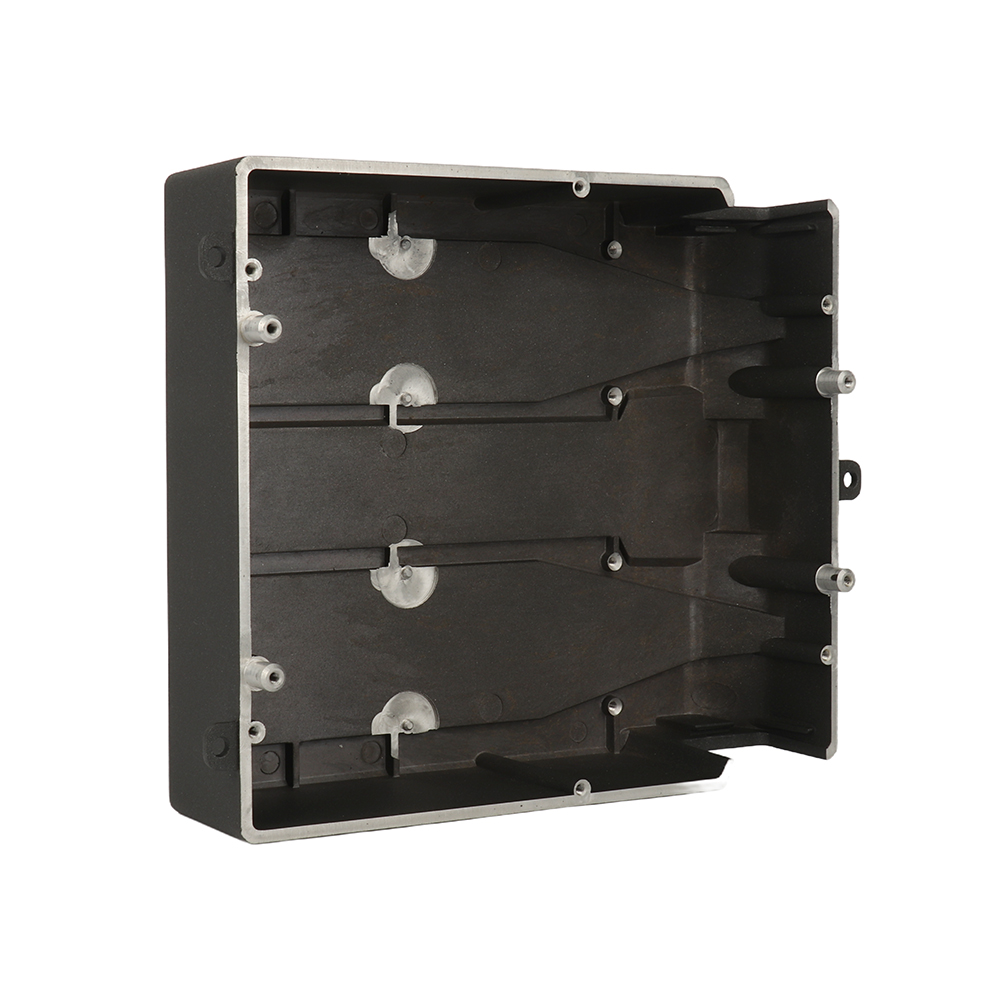
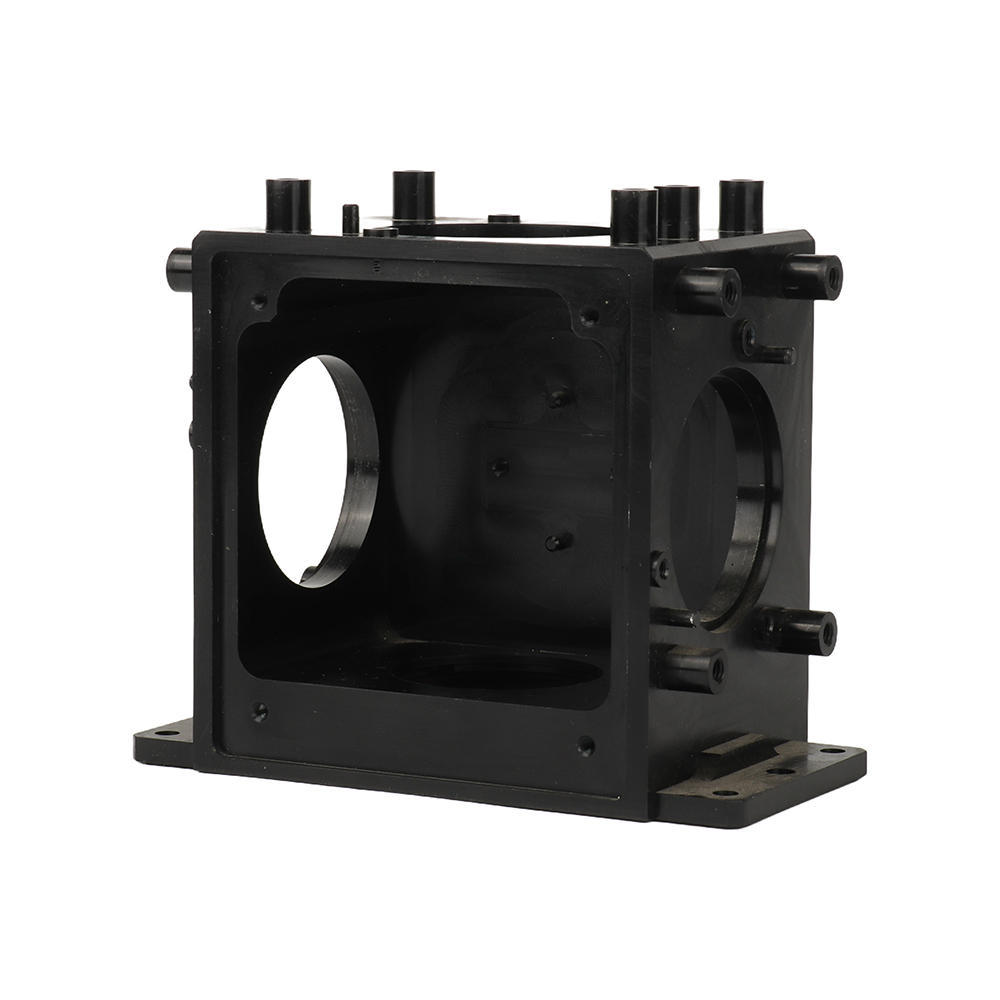
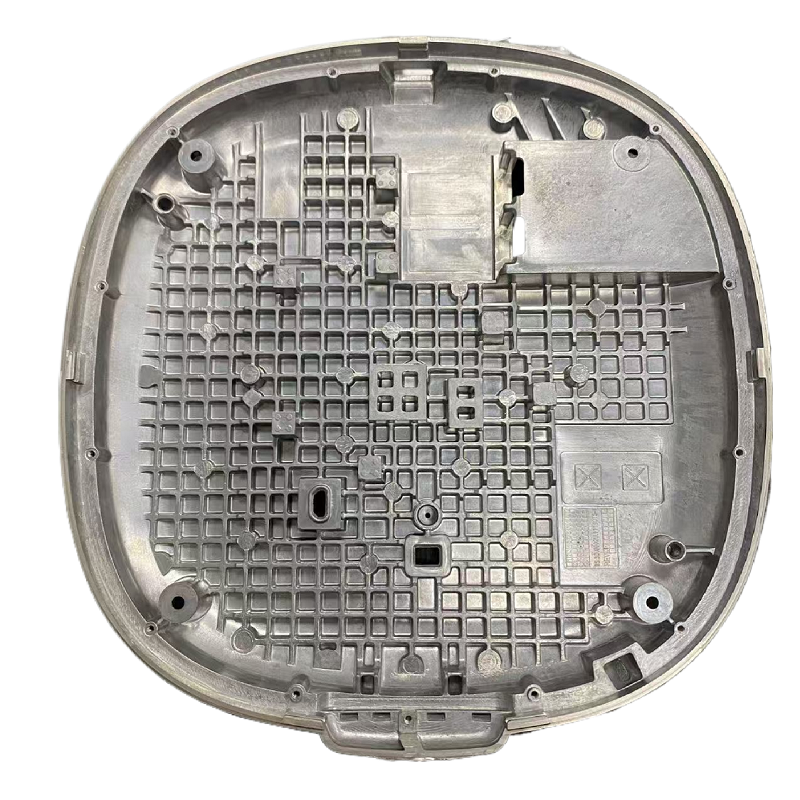
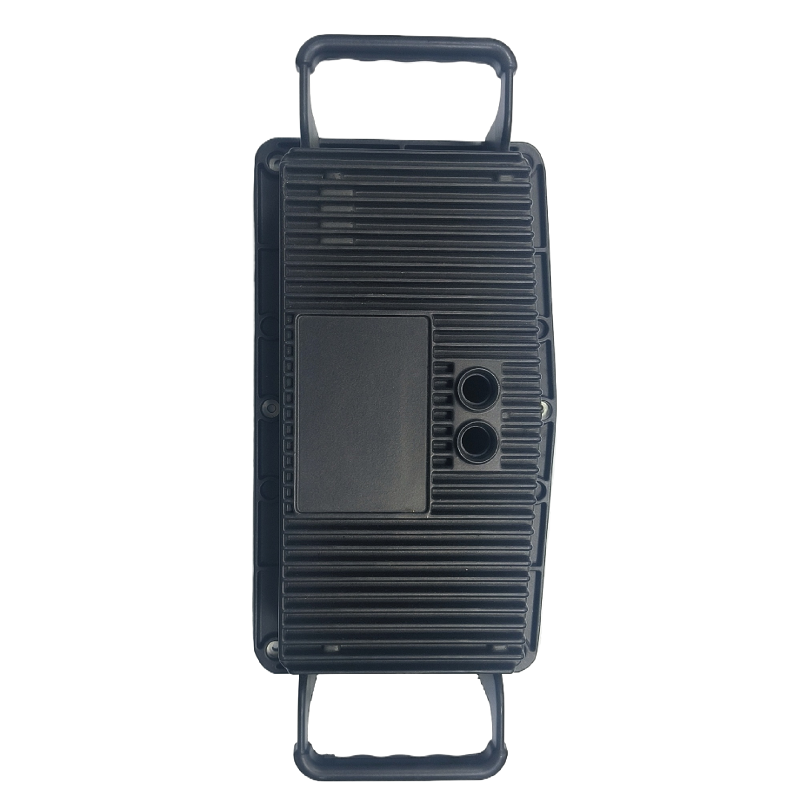
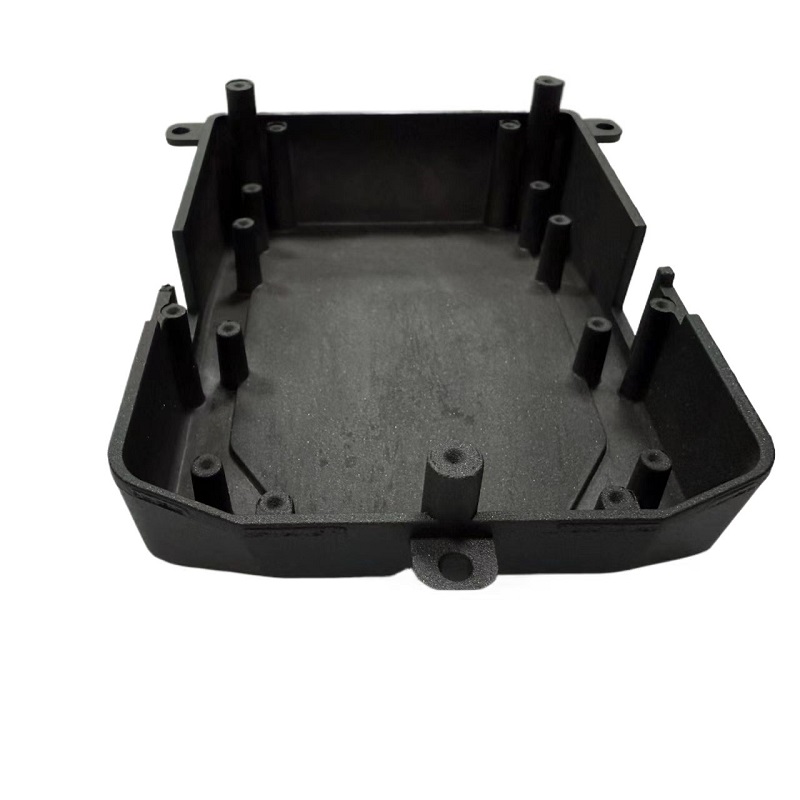
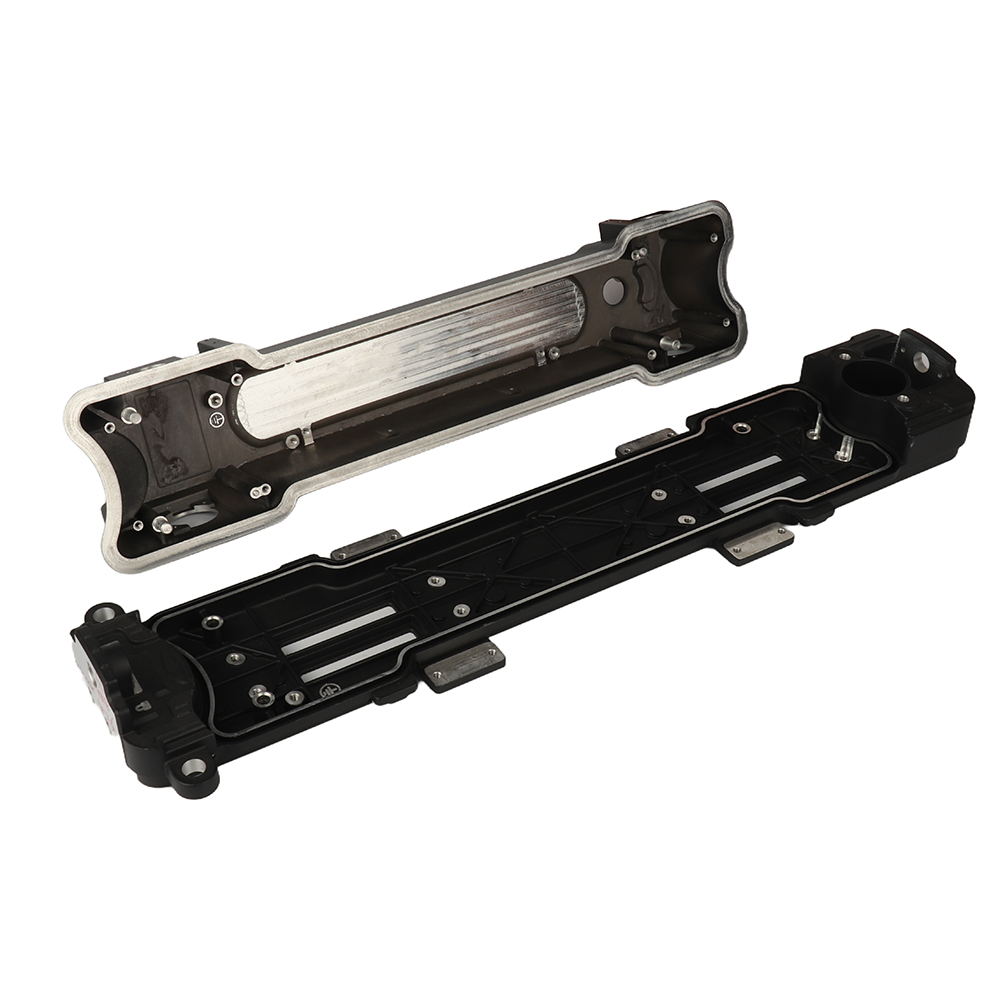
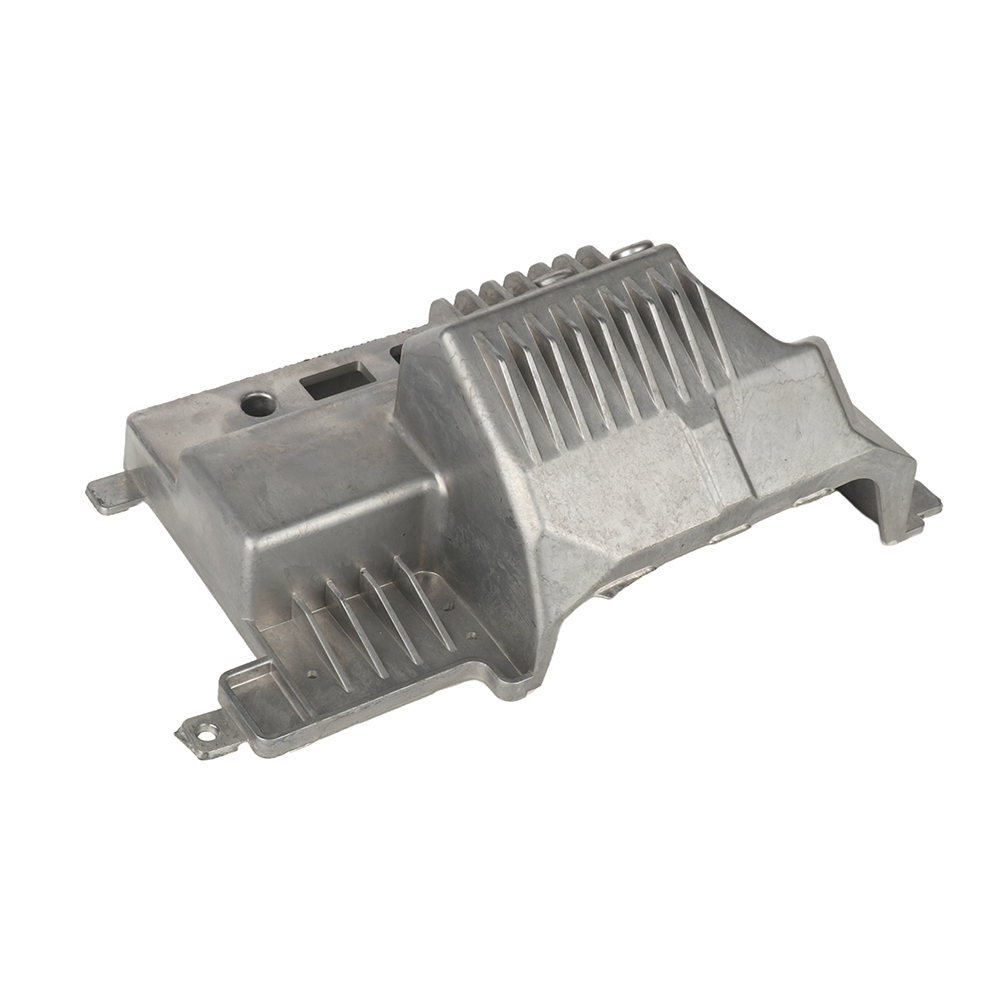
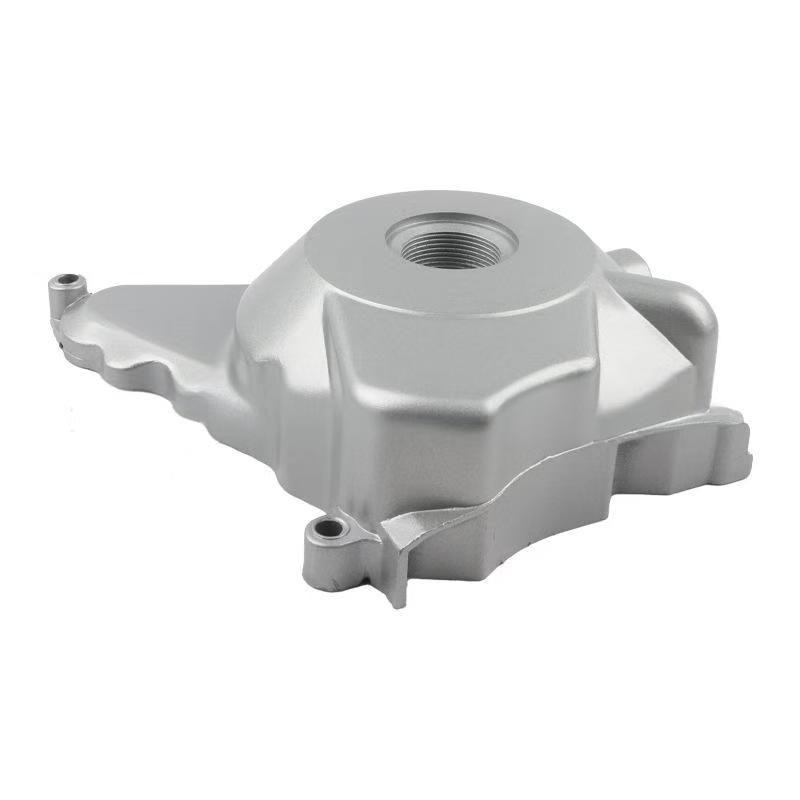
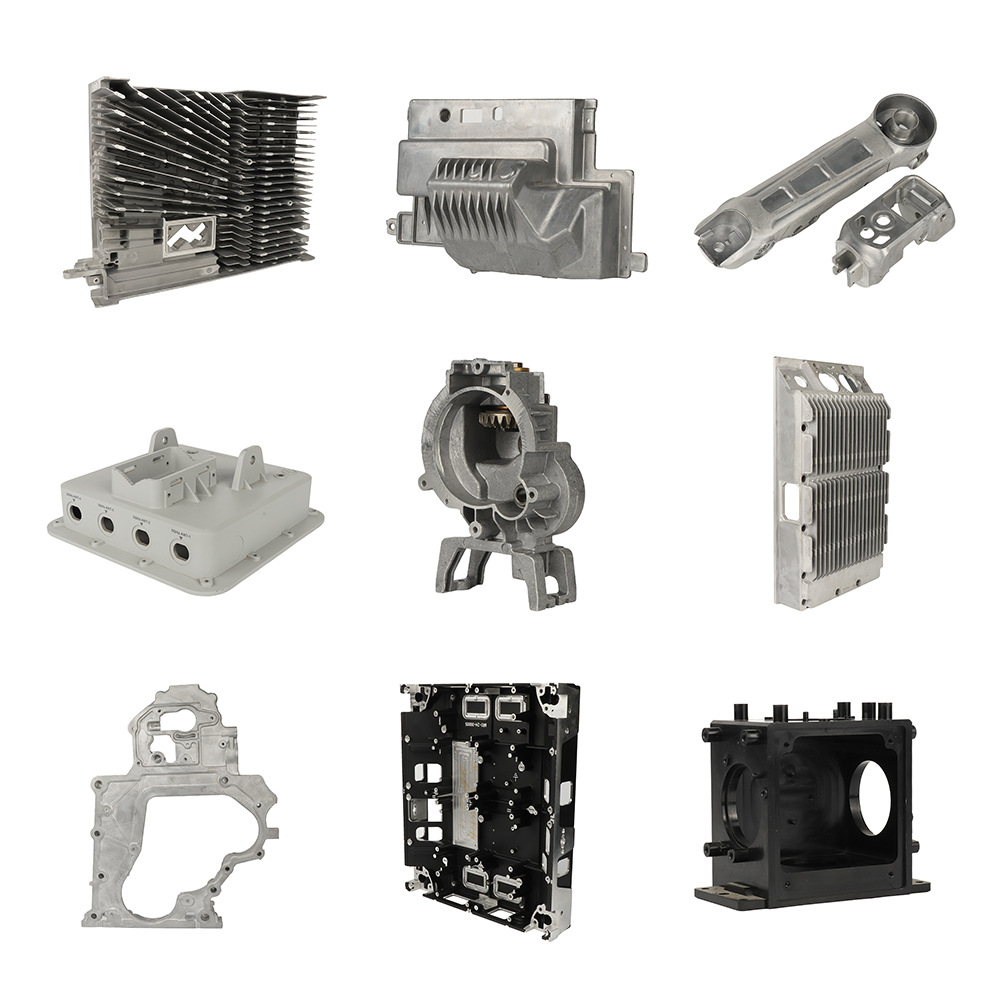
CNC automotive parts | What are cnc automotive parts?Complete Guide to ADC12 Aluminum CNC Machining Auto Components
2026-08-25
What Are CNC Automotive Parts? Complete Guide to ADC12 Aluminum CNC Machining Auto Components
Table of Contents
1. Basic Definition & Core Overview of CNC Automotive Parts
1.1 What Are CNC Automotive Parts
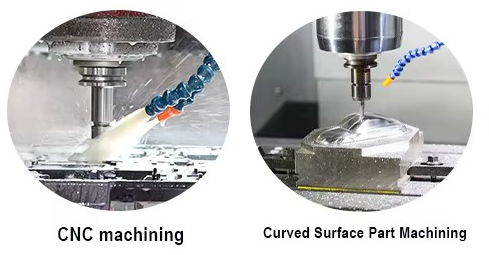
CNC automotive parts refer to precision auto components manufactured through computer numerical control (CNC) machining technology, including turning, milling, drilling, and tapping processes. These customized precision parts are core supporting components for traditional fuel vehicles, new energy vehicles, and intelligent automotive equipment, serving to connect, support, protect, and optimize the operating performance of automotive systems.
Different from ordinary stamped and cast auto parts, CNC‑machined automotive components feature ultra‑high dimensional accuracy, smooth surface finish, and flexible structural customization. They can meet the strict precision, durability and safety standards of modern automobile manufacturing, and are widely used in high‑precision vehicle core systems.
1.2 Core Raw Material: ADC12 Aluminum Alloy for Auto Parts
ADC12 aluminum alloy (compliant with JIS H 5302 and EN AC‑46000 international standards) is the most mainstream material for CNC automotive parts. As a typical Al‑Si‑Cu series cast aluminum alloy, it has excellent casting fluidity, stable mechanical properties and superior machinability. It can perfectly adapt to CNC high‑precision cutting and molding, and balance lightweight performance and structural strength, fully meeting the comprehensive performance requirements of automotive components.
1.3 Core Processing Technology Features
ADC12 aluminum automotive parts adopt a combined process of integral die‑casting forming + precision CNC secondary machining. The die‑casting process completes the integral forming of complex part structures, while CNC finishing realizes micron‑level dimensional tolerance control, precise hole position matching and ultra‑smooth surface treatment. The whole process avoids assembly gaps and dimensional errors of traditional processing, ensuring high consistency and high stability of automotive parts.

2. Standard Parameter Table of ADC12 Aluminum CNC Automotive Parts
The following are universal standard parameters of mainstream ADC12 CNC automotive parts in the industry, covering physical properties, machining precision, mechanical performance, surface treatment and test standards, applicable to most customized automotive precision components:
|
Parameter Item
|
Standard Specification
|
Execution Standard / Test Condition
|
|
Material Grade
|
ADC12 Aluminum Alloy (AlSi9Cu3)
|
JIS H 5302 / EN AC‑46000
|
|
Thermal Conductivity
|
≥96 W/m·K
|
Room temperature conventional test
|
|
Tensile Strength
|
230‑310 MPa
|
Automotive industry mechanical performance test
|
|
Brinell Hardness
|
75‑85 HB
|
Standard metal hardness detection
|
|
CNC Machining Dimensional Tolerance
|
±0.03mm (precision auto parts); ±0.08mm (conventional parts)
|
ISO automotive precision processing standard
|
|
Surface Roughness After Machining
|
Ra ≤1.2μm
|
CNC finishing + surface polishing treatment
|
|
Wall Thickness Range
|
0.8mm ‑ 6.0mm (customizable)
|
Die‑casting + CNC integrated processing
|
|
Melting Point
|
Approx. 549°C
|
Material physical property test
|
|
Thermal Expansion Coefficient
|
21.1 µm/m·°C
|
Constant temperature environment test
|
|
Salt Spray Resistance
|
≥96 hours neutral salt spray test pass
|
With anodizing / sandblasting anti‑corrosion treatment
|
|
Industry Compliance Certification
|
RoHS / ISO9001 / IATF16949 automotive standard
|
Global automotive industry universal certification
|
3. Core Functions of CNC Machined Automotive Parts in Vehicles
3.1 Precise Structural Support & Fixed Installation
CNC automotive precision parts serve as the core structural support components of automobile engines, chassis, electronic control systems and new energy power systems. With ultra‑high machining precision, they realize tight fitting and stable installation of various vehicle parts, effectively resisting vibration and impact during vehicle driving, and avoiding parts loosening or failure caused by long‑term operation.
3.2 Efficient Heat Dissipation & Temperature Control
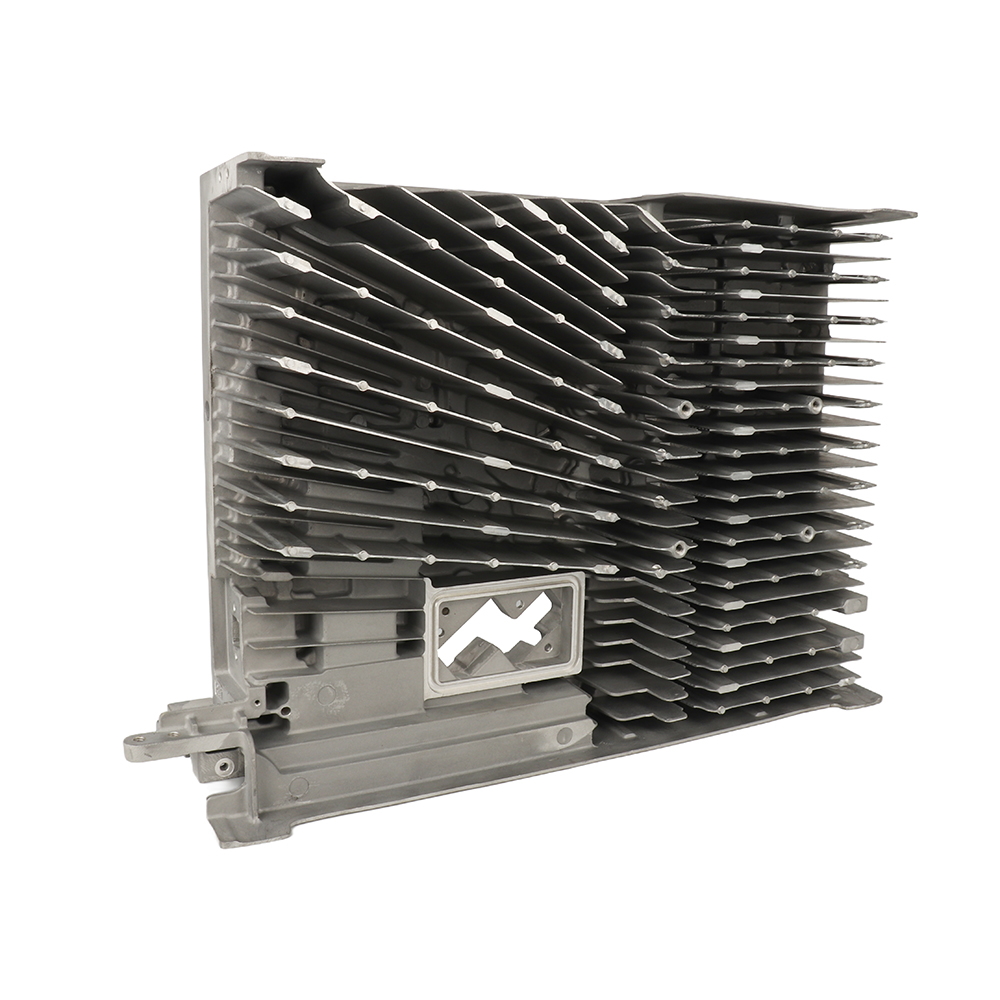
Based on the excellent thermal conductivity of ADC12 aluminum alloy, CNC‑machined heat dissipation parts for vehicles can quickly export heat generated by engine operation, new energy battery modules and electronic control units. They maintain the stable operating temperature of core vehicle systems, prevent equipment performance attenuation and aging caused by overheating, and improve vehicle operation safety.
3.3 Anti‑Corrosion & Wear Resistance Protection
After CNC finishing and professional surface treatment, ADC12 automotive parts have excellent oxidation resistance, salt spray resistance and wear resistance. They can adapt to complex driving environments such as outdoor high temperature, humidity and dust erosion, effectively reducing part wear and corrosion, and extending the overall service life of automotive components.
3.4 Vehicle Lightweight & Energy Saving Optimization
Compared with traditional steel auto parts,ADC12 aluminum CNC parts are lightweight and high‑strength. On the premise of ensuring structural safety, they greatly reduce the overall weight of the vehicle, effectively reduce driving energy consumption, and help new energy vehicles improve battery life and fuel vehicles reduce fuel consumption.
4. Unique Market Advantages of ADC12 CNC Automotive Parts
4.1 Ultra‑High Machining Precision & Stable Performance
Adopting professional CNC precision machining technology, the dimensional tolerance of ADC12 automotive parts is controlled within micron level, with smooth and burr‑free surface and high fitting accuracy. Compared with traditional die‑casting and stamping parts, they have more stable structural performance, better assembly consistency, and can fully meet the high‑precision matching requirements of modern intelligent automotive core components.
4.2 Strong Customization Flexibility
ADC12 aluminum alloy has excellent mold filling and machining performance, supporting personalized customized processing of various irregular, complex and special‑shaped automotive parts. Whether it is ultra‑thin wall parts, multi‑hole positioning structures or special‑shaped shell accessories, CNC machining can realize one‑time precision forming, meeting the differentiated design needs of different vehicle models and different system components.
4.3 Excellent Comprehensive Mechanical Properties
The alloy’s reasonable silicon‑copper component ratio enables ADC12 CNC parts to balance high hardness, tensile strength and toughness. The finished parts have strong compression resistance, vibration resistance and impact resistance, can adapt to long‑term high‑intensity operation of vehicles, and have far better comprehensive performance than ordinary aluminum alloy auto parts.
4.4 Superior Cost Performance
Compared with high‑cost aviation aluminum and copper automotive parts, ADC12 aluminum raw materials are low‑cost and easy to process. The efficient CNC processing technology reduces material waste and secondary processing costs. Compared with other alloy materials, it has lower comprehensive production cost and higher yield, becoming the preferred cost‑effective solution for mass production of automotive precision parts.
4.5 Good Environmental Adaptability & Durability
After anodizing, sandblasting and electrophoretic anti‑corrosion treatment, ADC12 CNC automotive parts have strong environmental adaptability. They can operate stably in high temperature, low temperature, humid and corrosive road environments for a long time, with low later maintenance cost and long service life, reducing the overall vehicle maintenance cost for users.
5. Main Application Scenarios & Market Price Analysis
5.1 Core Market Application Scenarios
5.1.1 New Energy Vehicle Industry
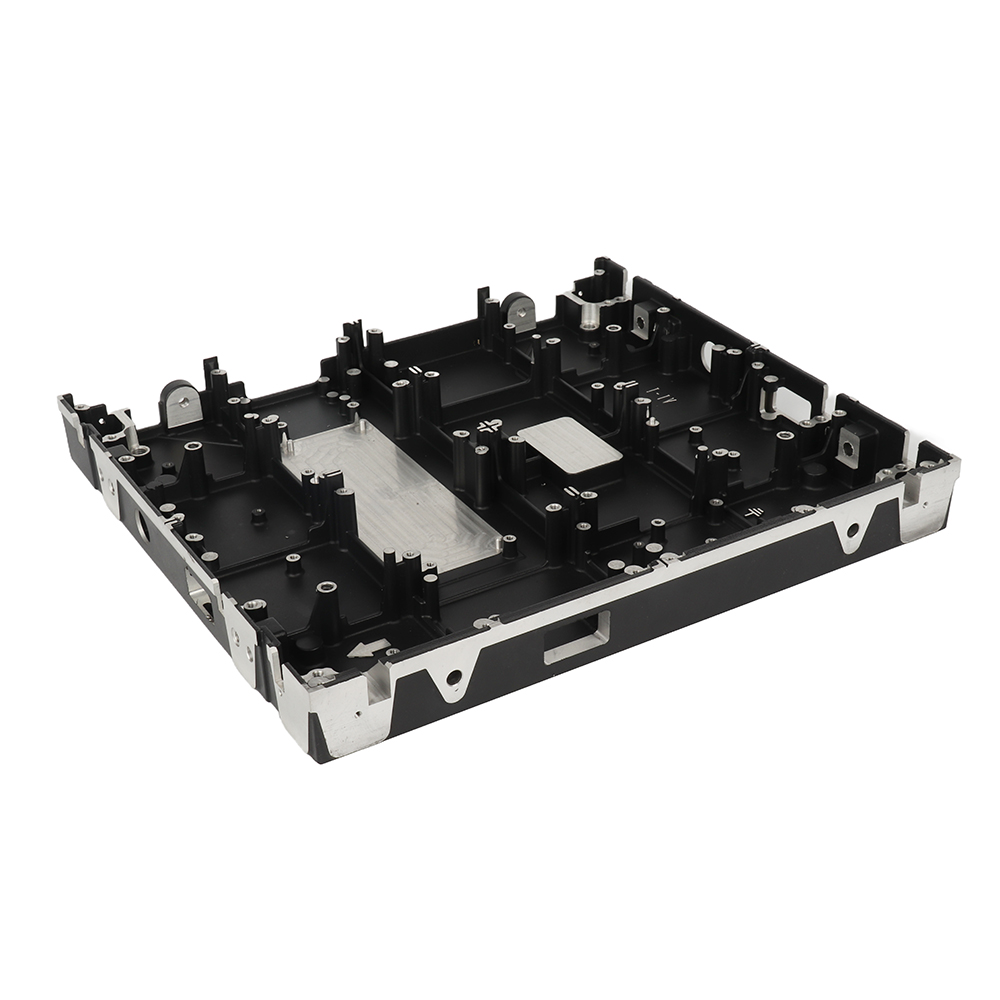
Widely used in new energy vehicle battery package shells, battery heat dissipation modules, motor housing accessories, electric control system brackets, charging port fixing parts and other core components. The lightweight and high heat dissipation performance of ADC12 CNC parts effectively improves the endurance and operation stability of new energy vehicles.
5.1.2 Traditional Fuel Vehicle System
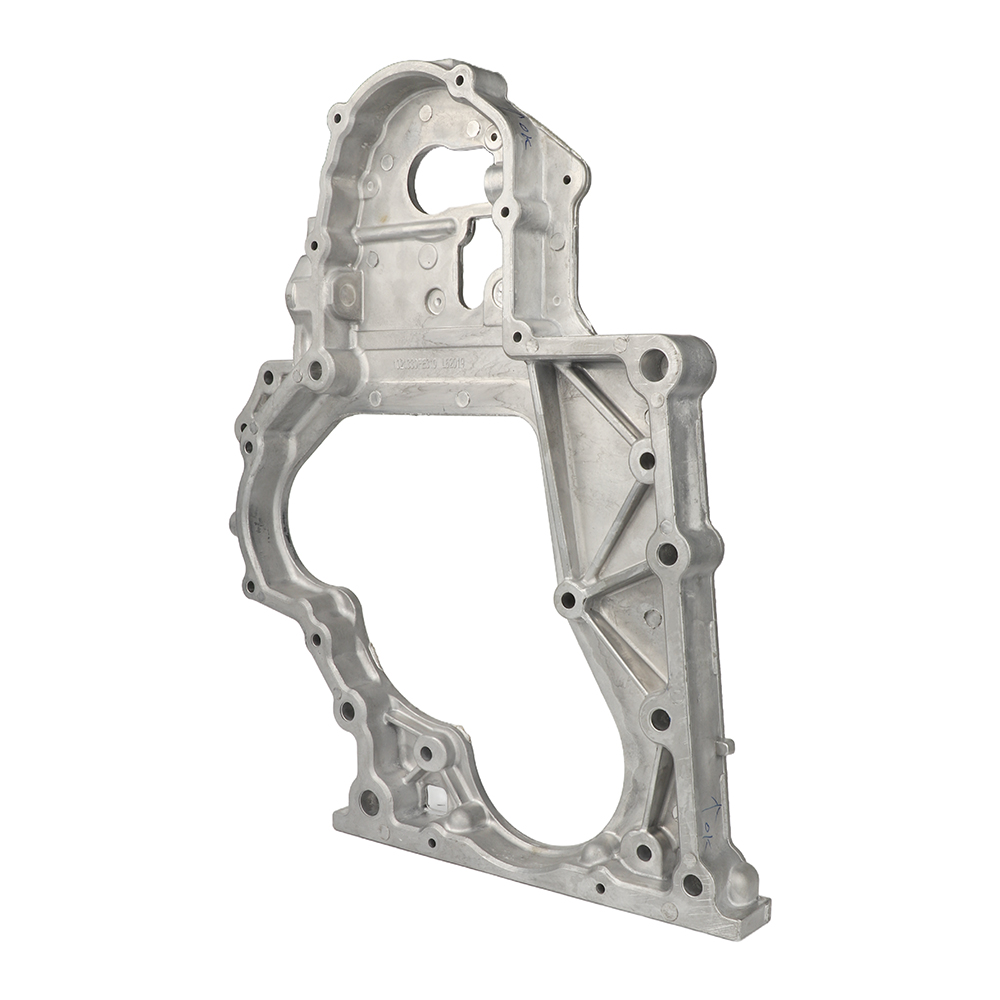
Applied to engine heat dissipation shells, chassis fixing brackets, pipeline connecting parts, instrument panel structural accessories, and brake system auxiliary parts. The high precision and structural stability of CNC parts ensure the stable operation of fuel vehicle power and chassis systems.
5.1.3 Intelligent Automotive Electronic Components
Suitable for intelligent driving sensor shells, vehicle‑mounted central control shells, navigation equipment fixing parts, and automotive electronic module heat dissipation accessories. High‑precision CNC processing ensures the stable installation and signal transmission of intelligent electronic components.
5.1.4 Automotive Aftermarket Modified Parts
Used for customized modified parts such as vehicle appearance decorative brackets, internal structural reinforcing parts and heat dissipation upgraded parts. The flexible customization capability of CNC machining meets the personalized modification needs of the automotive aftermarket.
5.2 Industry Market Price Analysis
The market price of ADC12 CNC automotive parts is mainly affected by part structural complexity, machining precision requirements, surface treatment technology and order quantity, with obvious bulk preferential characteristics:
1. Conventional standard CNC automotive parts: Simple structure, low machining difficulty, mature mass production process, stable and low unit price, suitable for large‑scale supporting of standard vehicle models, with high market cost performance.
2. High‑precision customized parts: For special‑shaped structures, ultra‑precision tolerance requirements and special anti‑corrosion/high‑temperature resistant surface treatment parts, the processing process is more complex, and the unit price is moderately higher, mainly used for high‑end new energy vehicles and intelligent vehicle core components.
3. Bulk order price advantage: The larger the single order quantity and long‑term cooperative batch, the lower the average die‑opening and CNC processing cost. Mass procurement customers can enjoy stable ex‑factory preferential prices, effectively reducing enterprise procurement and production costs.
6. Common Usage Problems & Practical Solving Solutions
6.1 Dimensional Inaccuracy & Poor Assembly Matching
Problem Cause: Unstable CNC machining parameters of manufacturers, insufficient precision of processing equipment, or unreasonable drawing parameter design, resulting in dimensional deviation and poor fitting of parts.
Solution: Adopt high‑precision CNC machining equipment and standardized processing procedures; confirm design drawings and process parameters in advance before production; conduct strict sample testing and dimensional inspection before mass production to ensure assembly accuracy.
6.2 Surface Corrosion & Wear Aging
Problem Cause: Unqualified surface treatment process, long‑term exposure to humid, rainy and corrosive road environments, leading to surface oxidation, rust and wear of parts.
Solution: Optimize surface treatment processes such as enhanced anodizing and anti‑corrosion coating; select targeted wear‑resistant and anti‑corrosion treatment according to vehicle application scenarios to improve part environmental adaptability.
6.3 Insufficient Heat Dissipation Performance
Problem Cause: Unreasonable design of heat dissipation structure, residual burrs on CNC machined surface, or mismatched part specification with vehicle heat generation power.
Solution: Optimize heat dissipation fin structure and gap design during customization; conduct precise deburring and polishing after CNC machining; select matching part specifications according to actual vehicle heat dissipation demand.
6.4 Loose Installation & Vibration Noise
Problem Cause: Unreasonable design of mounting holes and positioning structures, insufficient fitting tightness between parts, resulting in loosening and abnormal vibration noise during vehicle driving.
Solution: Add anti‑loosening positioning columns and limit structures in customized design; optimize mounting hole position and aperture precision through CNC finishing to ensure tight and stable assembly.
7. Industry Expert Viewpoints on CNC Automotive Machining Parts
Automotive manufacturing experts and precision machining industry engineers unanimously believe that: ADC12 aluminum CNC automotive parts have become indispensable core supporting components in the modern automobile manufacturing industry. With the rapid development of new energy vehicles and intelligent connected vehicles, the automobile industry is increasingly demanding lightweight, high precision and high durability of parts, and traditional ordinary stamped and cast parts can no longer meet the iterative upgrading needs of the industry.
Experts point out that the combination of die‑casting forming and CNC precision finishing of ADC12 aluminum alloy perfectly balances production efficiency, product precision and cost control. This processing mode not only realizes integral forming of complex automotive parts, but also ensures micron‑level precision matching, which is in line with the development trend of lightweight, integrated and high‑precision automotive parts.
At the same time, industry experts remind that the product quality gap of CNC automotive parts in the market is prominent. The core factors affecting part quality lie in material purity, CNC processing technology level, precision detection system and surface treatment process. Automobile supporting enterprises must choose formal and qualified precision hardware manufacturers for long‑term cooperation to avoid vehicle safety risks and economic losses caused by unqualified parts.
8. Industry FAQ for Custom ADC12 CNC Automotive Parts
Q1: Why choose ADC12 aluminum alloy for CNC automotive parts instead of other materials?
A1: ADC12 aluminum alloy has excellent machinability, stable mechanical strength and moderate thermal conductivity, with low raw material cost and high molding yield. It has better comprehensive cost performance than pure aluminum, copper and other alloy materials, and can meet the precision, lightweight and durability requirements of most automotive parts, making it the most suitable material for mass customized CNC automotive components.
Q2: Can you provide full customization of CNC automotive parts according to drawings and samples?
A2: Yes. Professional precision processing manufacturers support full personalized customization, including product size, special‑shaped structure, mounting mode, surface treatment process and performance parameters, according to customer 2D/3D design drawings, physical samples and actual vehicle application requirements.
Q3: What is the delivery cycle for customized ADC12 CNC automotive parts?
A3: The sample delivery cycle of conventional customized parts is 3‑7 working days. The mass production delivery cycle is determined by order quantity and process complexity. Long‑term bulk cooperative customers can enjoy priority production and accelerated delivery services.
Q4: Are ADC12 CNC automotive parts suitable for harsh vehicle operating environments?
A4: Absolutely yes. After professional anti‑corrosion, wear‑resistant and high‑temperature resistant surface treatment, ADC12 CNC parts can operate stably in high temperature, low temperature, humid, dusty and slightly corrosive road environments, with strong environmental adaptability and long service life.
Q5: What quality inspection standards are implemented for customized automotive parts?
A5: Formal manufacturers strictly implement ISO9001 quality management system and IATF16949 automotive industry standards. All products comply with RoHS environmental protection standards, and undergo 100% dimensional precision inspection and performance testing before delivery to ensure zero defective products.
9. Industry Summary & Future Development Trends
9.1 Industry Summary
ADC12 CNC automotive parts, as mature and high‑performance precision auto components, rely on their high precision, excellent mechanical properties, strong customization flexibility and high cost performance, and are widely used in new energy vehicles, traditional fuel vehicles and intelligent automotive fields. They solve the core pain points of insufficient precision, poor durability and high cost of traditional automotive parts, and provide a solid precision component guarantee for the stable and safe operation of modern automobiles.
9.2 Future Development Trends of Custom CNC Automotive Products
First, higher precision and functional integration. With the continuous upgrading of intelligent and high‑end automobiles, customized CNC automotive parts will develop towards smaller size, higher precision and integrated multi‑function, realizing the integration of structural support, heat dissipation, protection and intelligent matching.
Second, lightweight and energy‑saving iteration. The industry will continuously optimize ADC12 alloy ratio and CNC processing technology, further reduce part weight on the premise of ensuring structural strength, and meet the lightweight and energy‑saving development needs of the automobile industry.
Third, personalized customization and rapid mass production. Market differentiated demand continues to rise, and personalized customized parts will replace standardized parts in batches. Manufacturers will develop towards rapid die‑opening, fast sample delivery and flexible mass production.
Fourth, green environmental protection and high durability. Under the background of global environmental protection upgrading, low‑carbon, recyclable aluminum alloy CNC parts and environmentally friendly surface treatment processes will become the mainstream, and product durability and environmental adaptability will be further improved.
10. How to Select a High‑Quality Precision Hardware Processing Supplier
Choosing a reliable CNC automotive parts processing supplier is the key to guarantee product quality, stable supply and long‑term cooperative benefits. The core selection standards are as follows:
1. Complete industry qualification certification: Prioritize manufacturers with IATF16949 automotive industry certification, ISO9001 quality system certification and RoHS environmental certification, with standardized production and processing systems.
2. Professional precision customization capability: Possess advanced CNC precision processing equipment and professional engineering team, support drawing/sample personalized customization, and stably control micron‑level dimensional tolerance and structural precision.
3. Strict quality control system: Implement full‑process quality inspection of incoming materials, processing procedures and finished products, eliminate defective products, and ensure consistent quality of batch products.
4. Stable production and delivery capacity: Have independent production workshops and complete processing equipment, meet rapid sample making and bulk order delivery needs, and avoid delivery delays.
5. Perfect after‑sales technical service: Provide one‑stop services including scheme optimization, process adjustment, technical guidance and after‑sales guarantee, and timely solve customer customization and product application problems.
11. Cooperation Policy & Bulk Discount of Xinghang Precision Hardware
Xinghang Precision Hardware is a professional manufacturer focusing on customized ADC12 aluminum die‑casting and CNC precision processing products for many years. We specialize in the R&D, structural optimization and mass production of various custom precision die‑cast product shells and CNC automotive parts, serving global automobile manufacturing, electronic equipment and industrial precision supporting industries.
We support full personalized customization of various precision hardware products, including CNC automotive precision components, die‑cast equipment shells, structural fixing parts and other customized accessories. Our professional engineering team can optimize product structure and processing technology according to customers’ actual application scenarios and performance requirements, creating high‑cost‑performance customized precision products.
In terms of cooperative preferences, we implement a progressive bulk discount mechanism: the more the customer’s single order quantity and long‑term cooperative batch, the higher the discount intensity. Long‑term bulk cooperative customers can enjoy exclusive ex‑factory preferential prices, priority production rights and free product structure optimization services, helping customers effectively reduce procurement costs and improve market competitiveness.
12. Official Contact Information
Welcome global customers to consult customized CNC automotive parts solutions, sample testing and bulk cooperation quotations! We provide one‑stop full‑process services including scheme design, mold opening, sample production, mass production and after‑sales tracking.
Mobile / Whatsapp / WeChat: +86 18819502691
Email: liqine@xinghangcn.com
We look forward to long‑term win‑win cooperation with global customers!
Custom cnc machining services | What are custom cnc machining services?Ultimate Guide for ADC12 Aluminum Machining
Robot vacuum parts | What are cnc machined robot vacuum part?Complete Guide to ADC12 Aluminum Components
Related Article

What are CNC machined aluminum electronic parts & their core functions CNC machined aluminum electronic parts are precision metal components processed by multi-axis CNC equipment, widely used in electronic products.
Electronic parts | Where to find high-quality CNC machined aluminum parts for electronics?

CNC machined aluminum parts for semiconductor equipment are precision metal components manufactured by aluminum die casting, then finished via CNC machining.
semiconductor equipment | What are cnc machined aluminum parts for semiconductor equipment?