HOT PRODUCTS
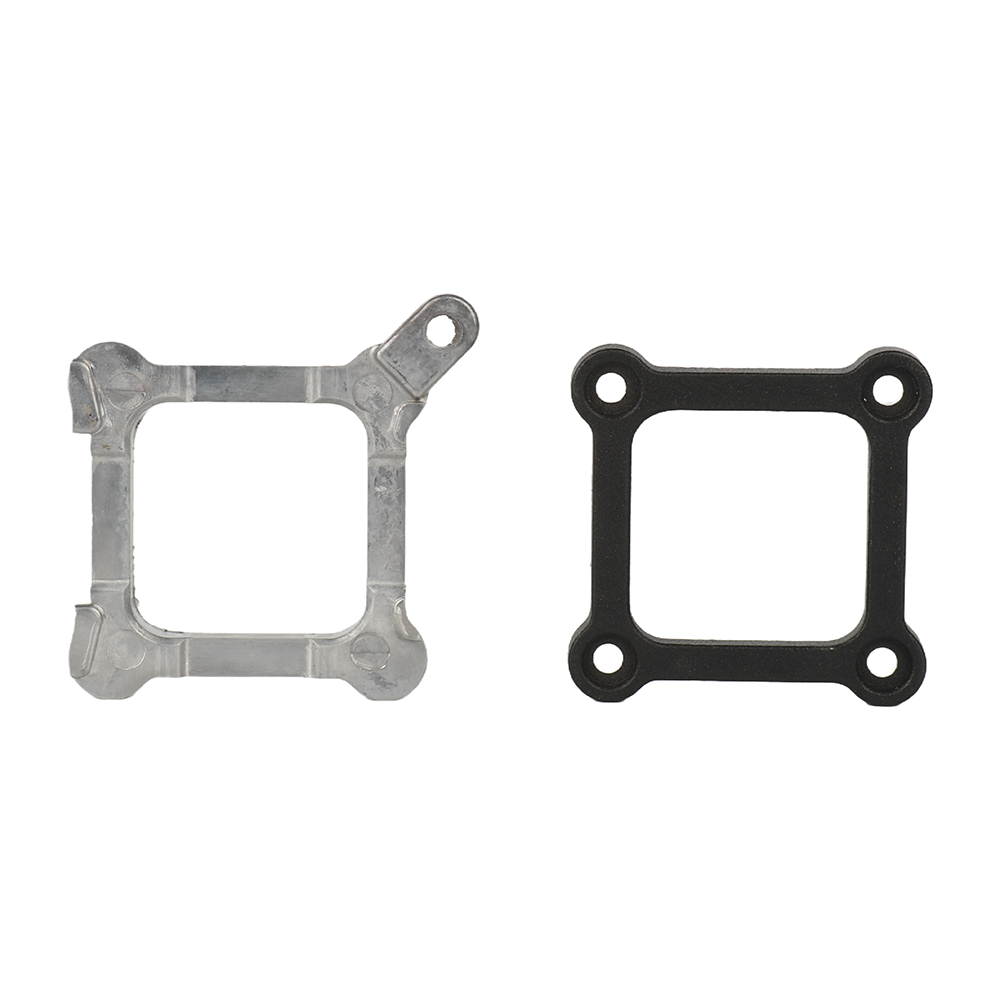
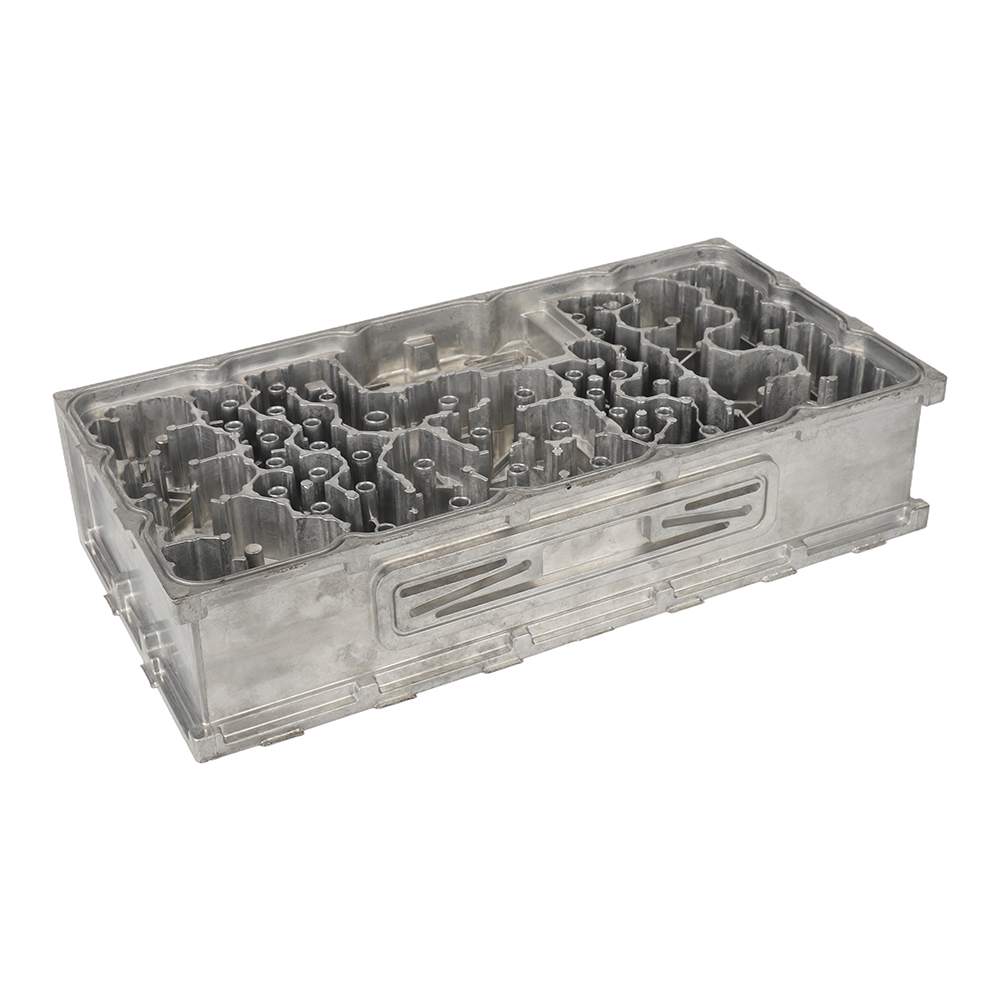
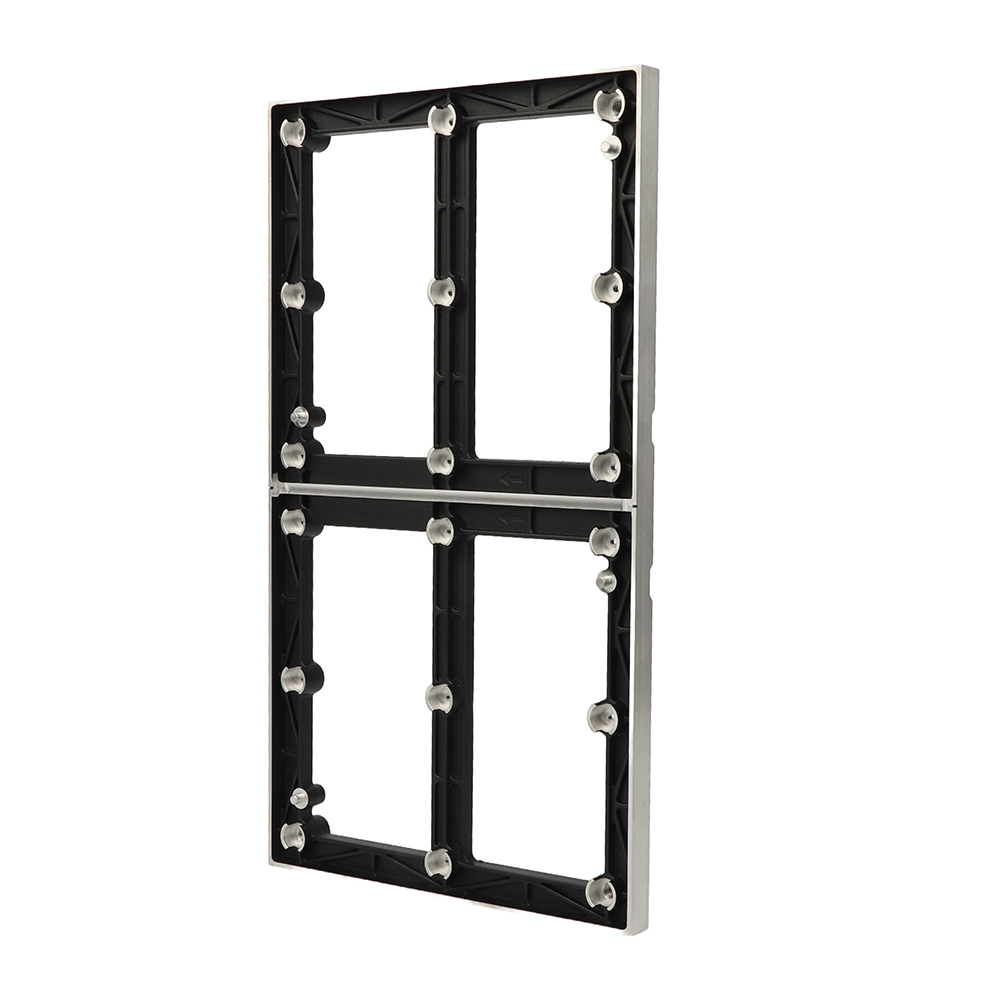
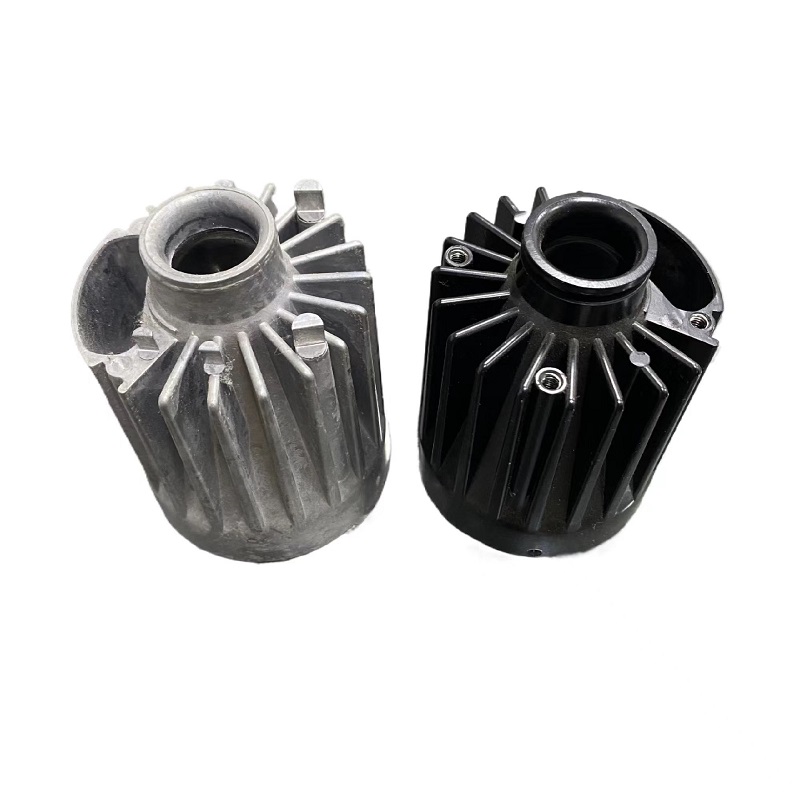
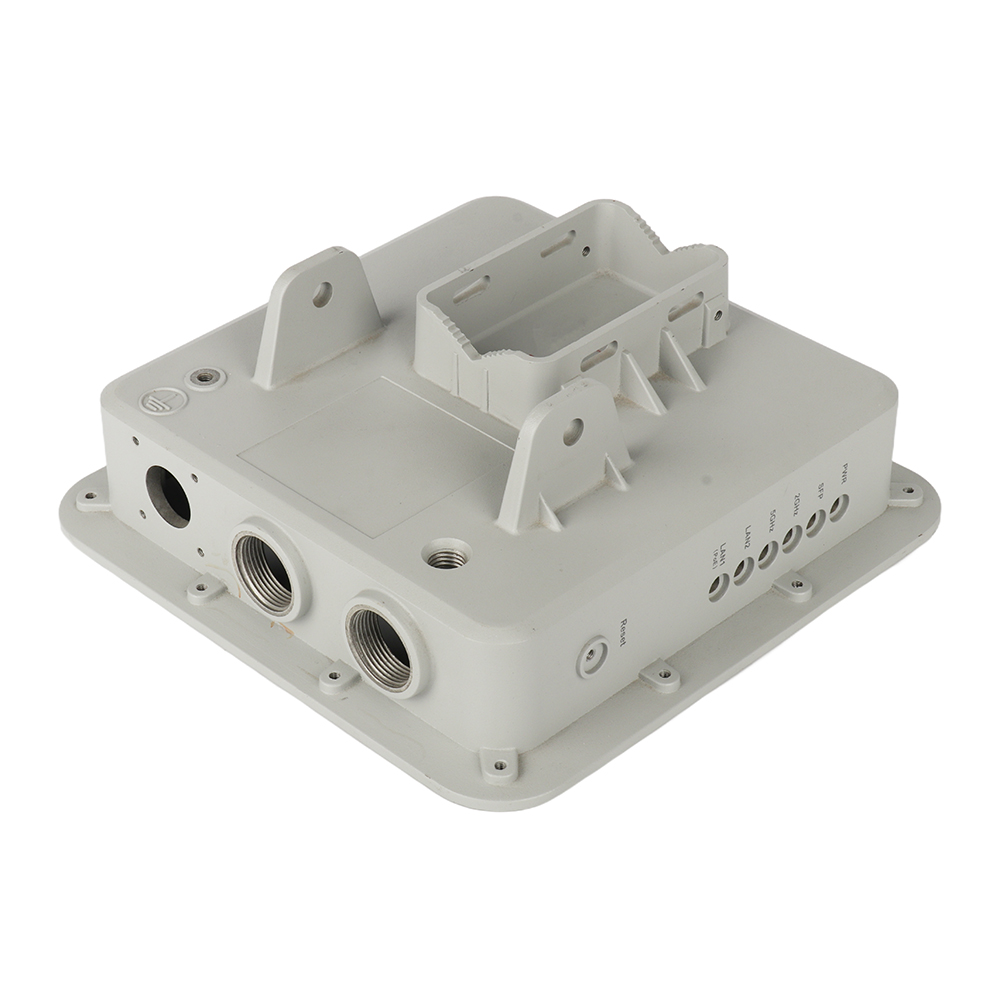
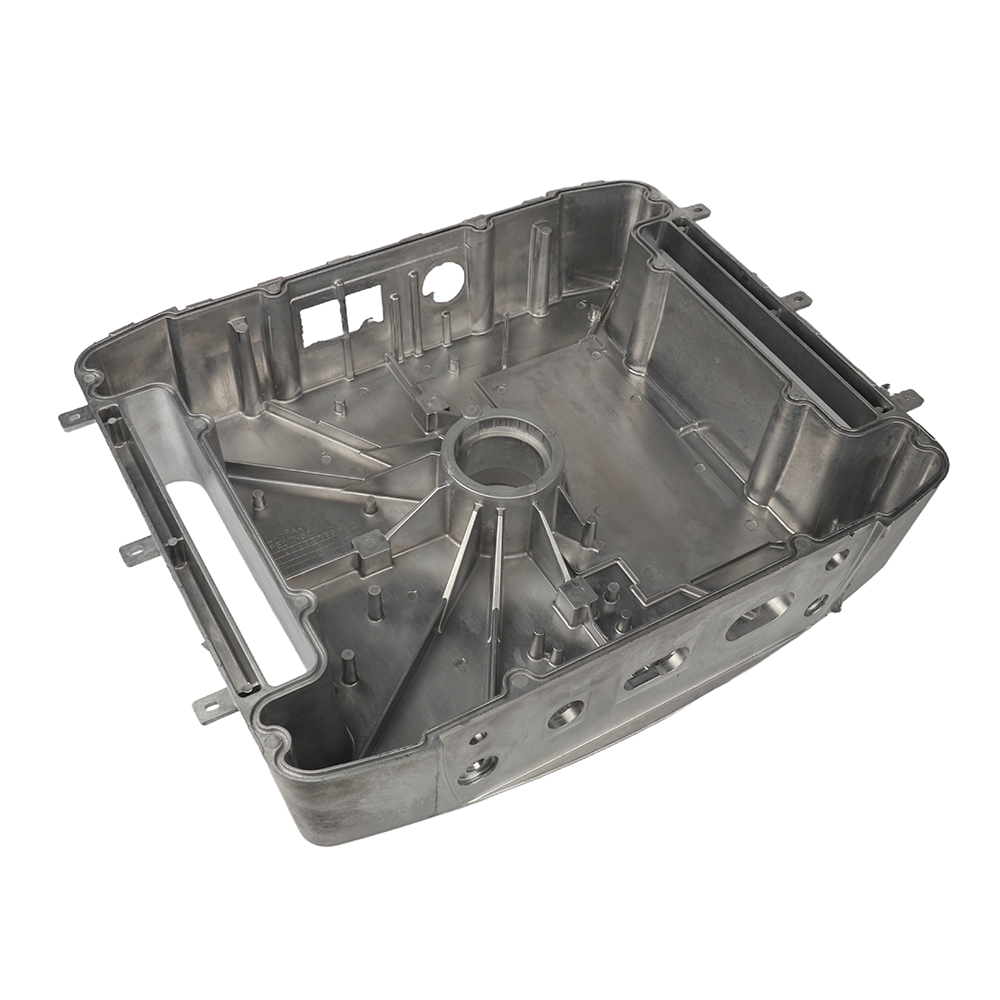
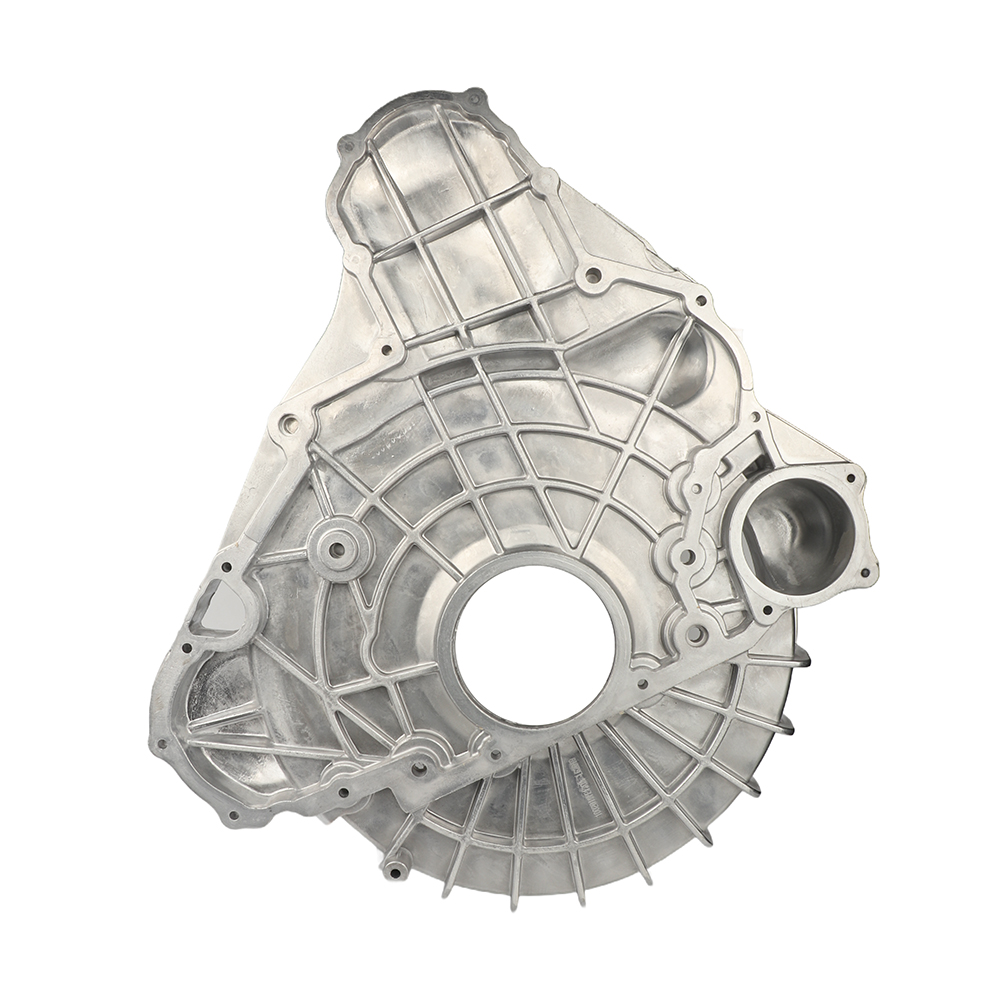
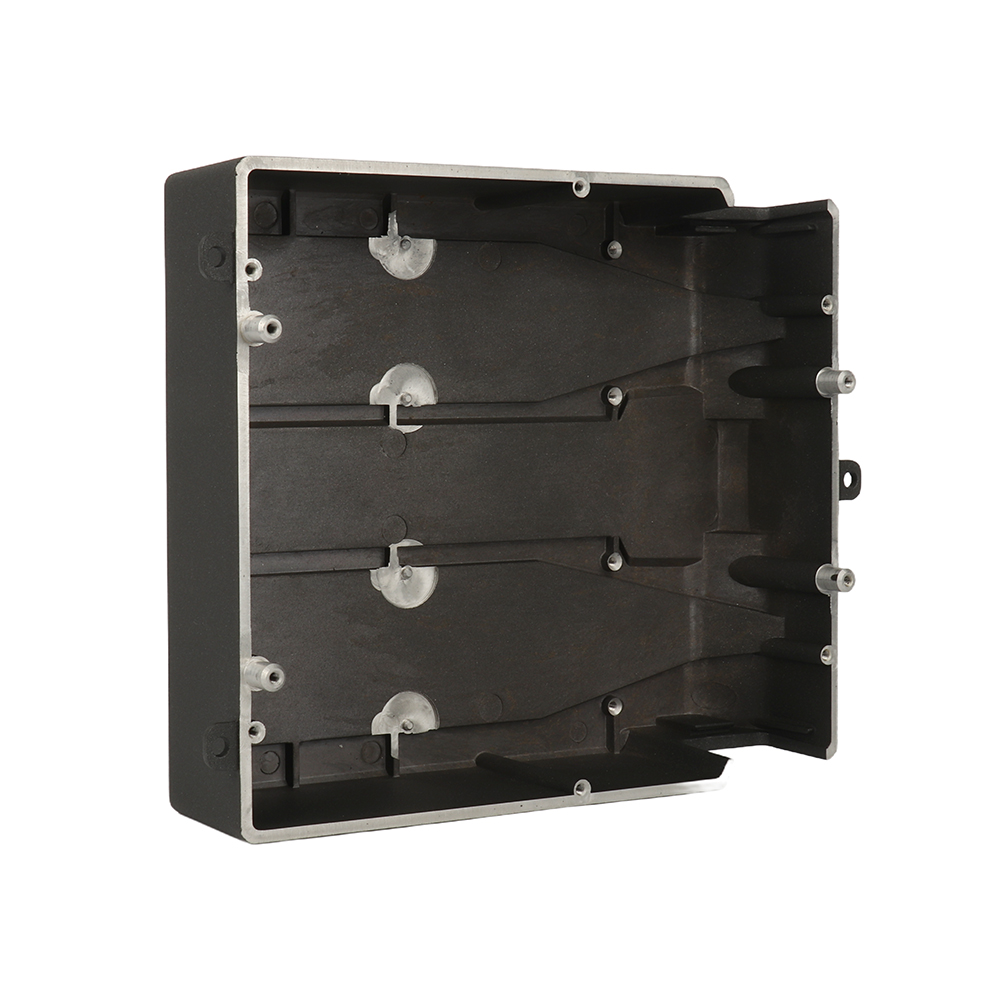
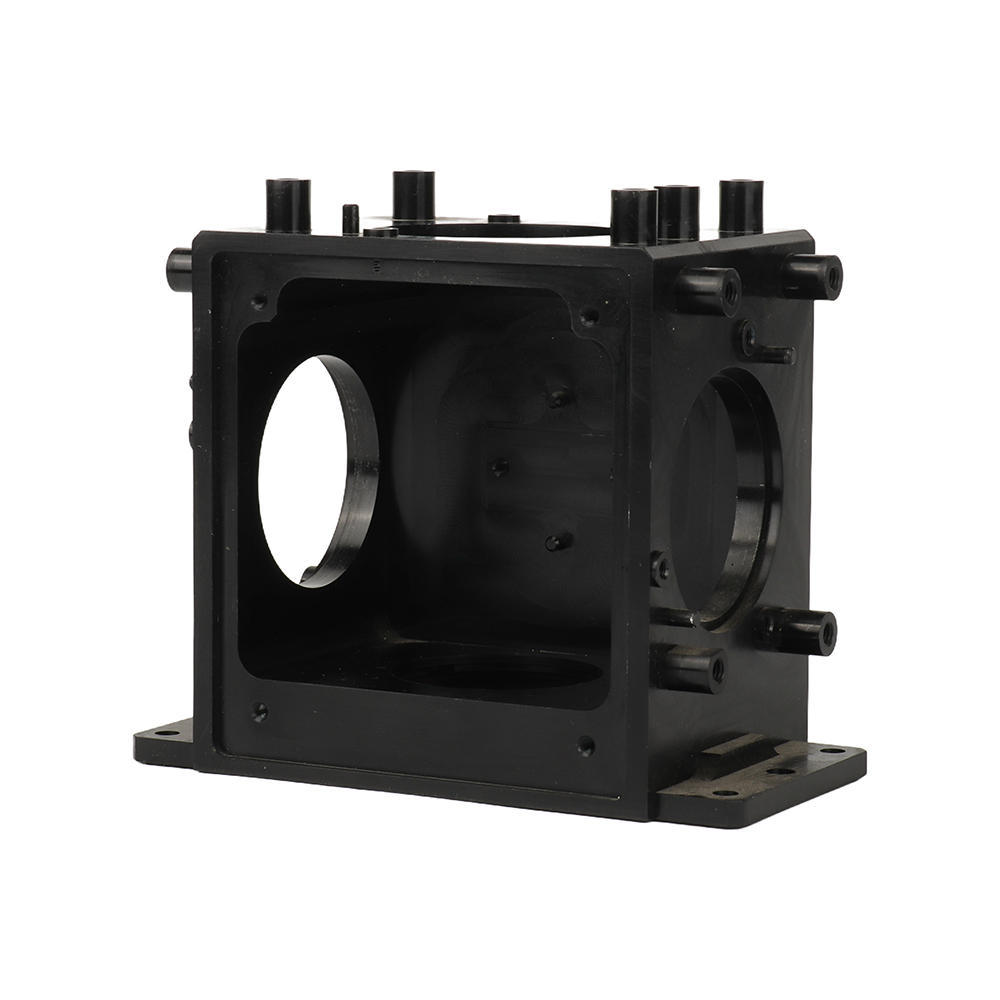
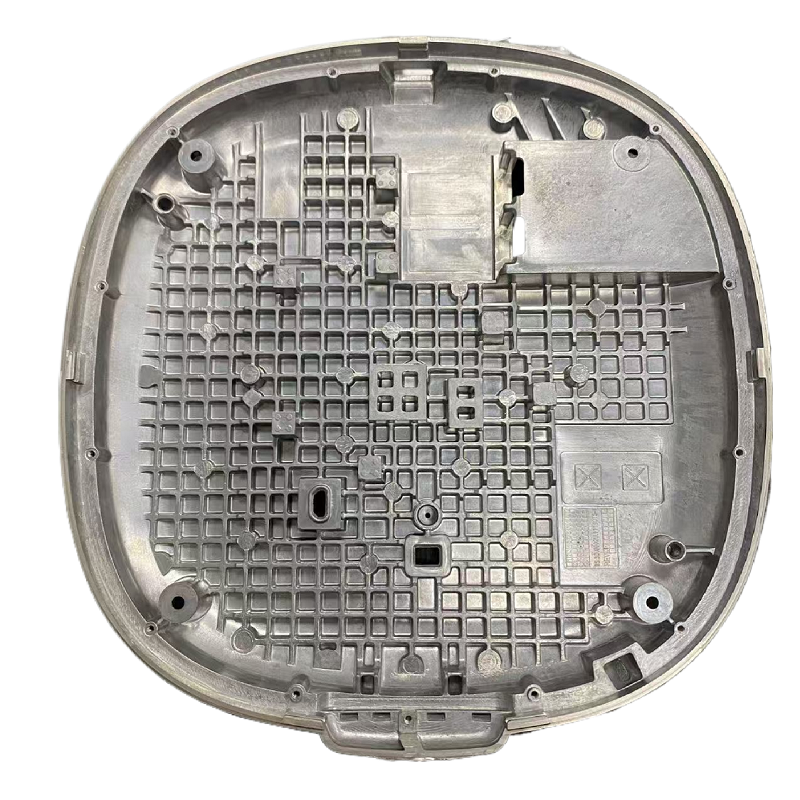
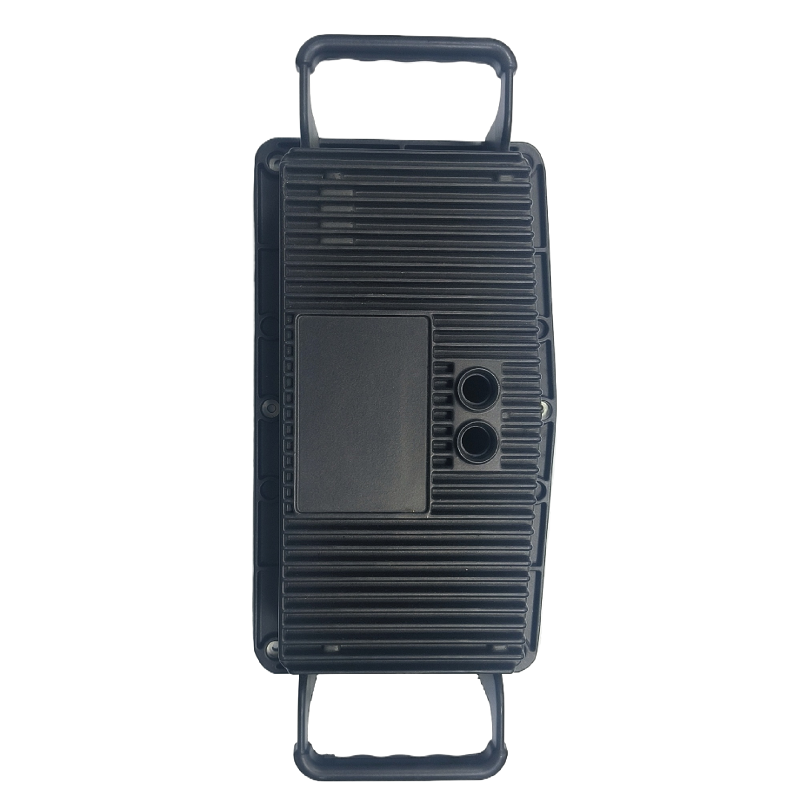
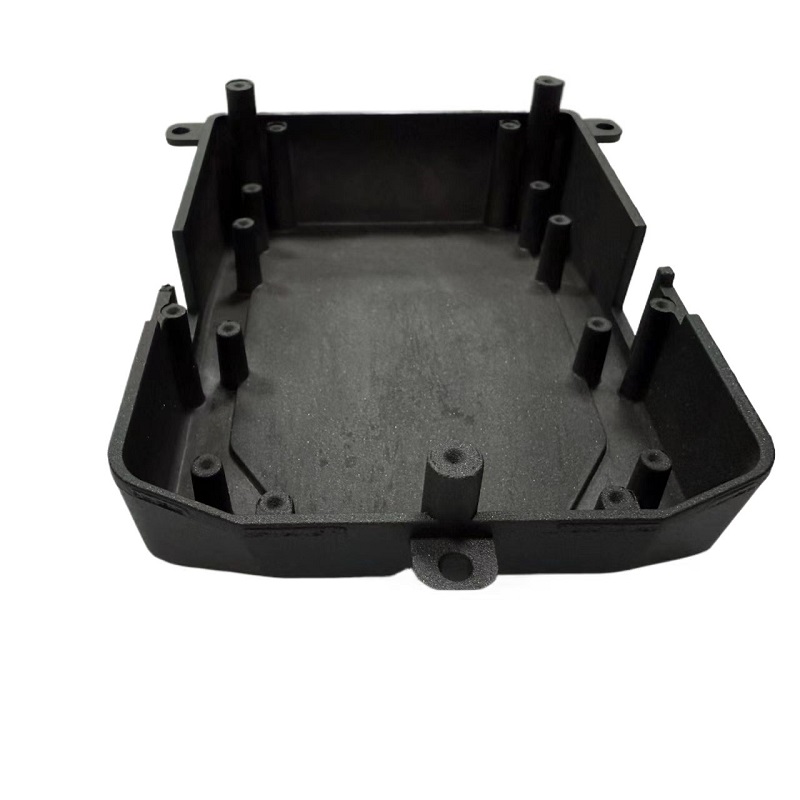
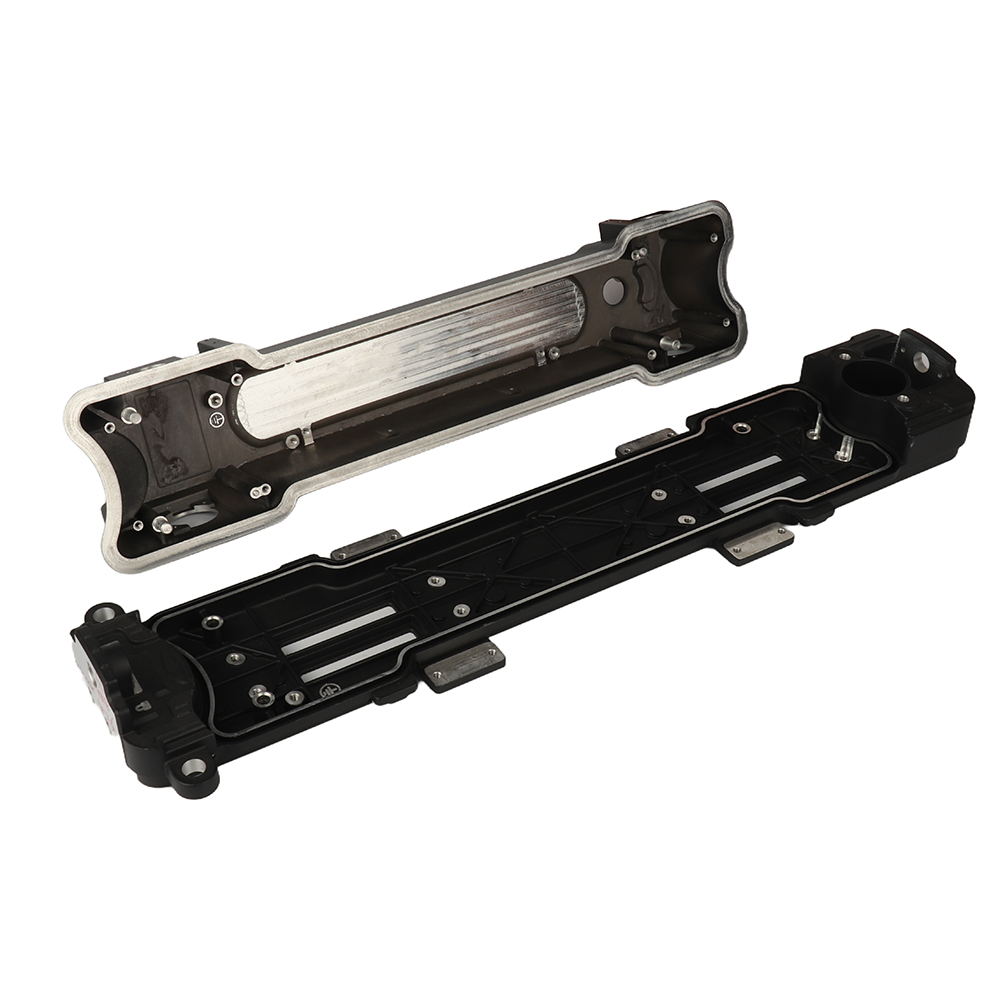
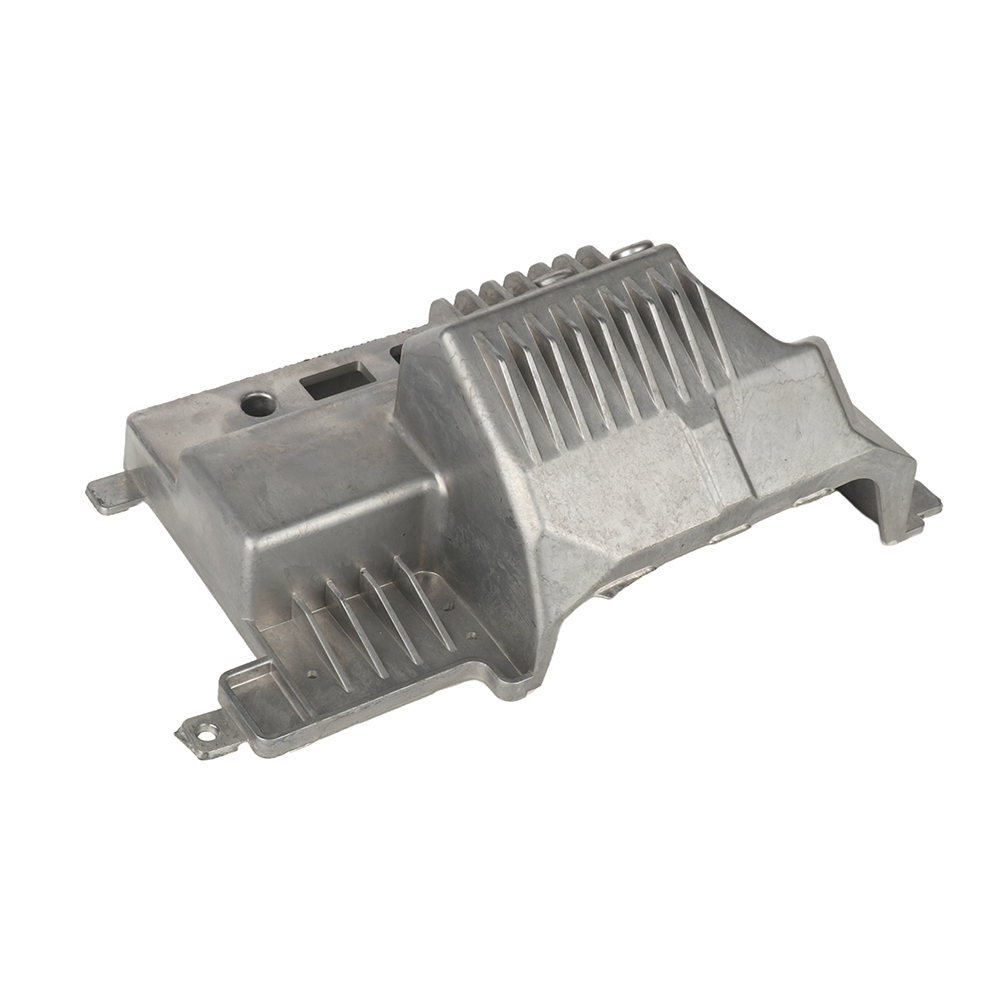
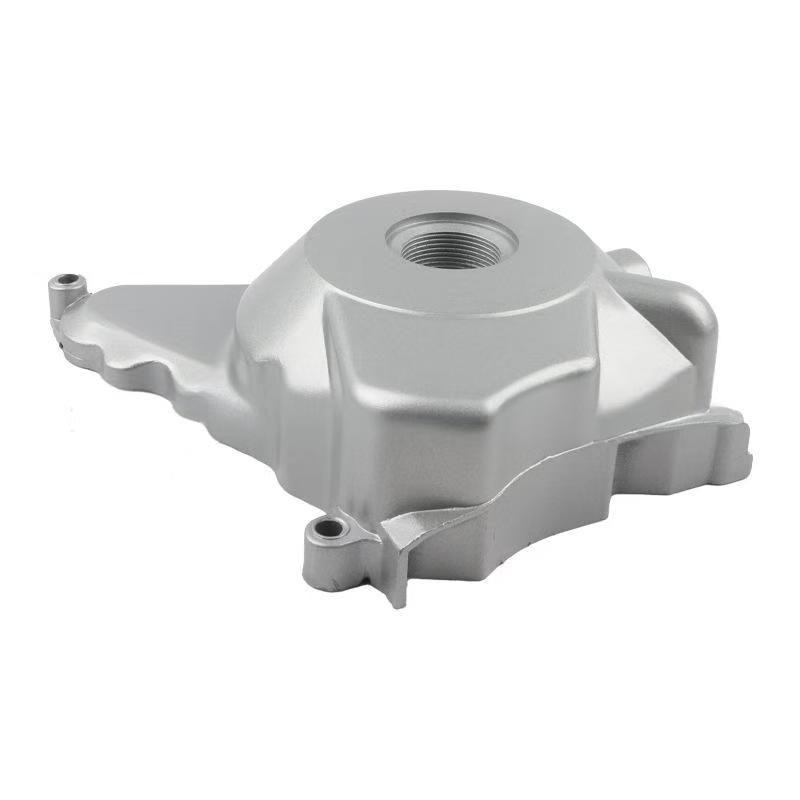
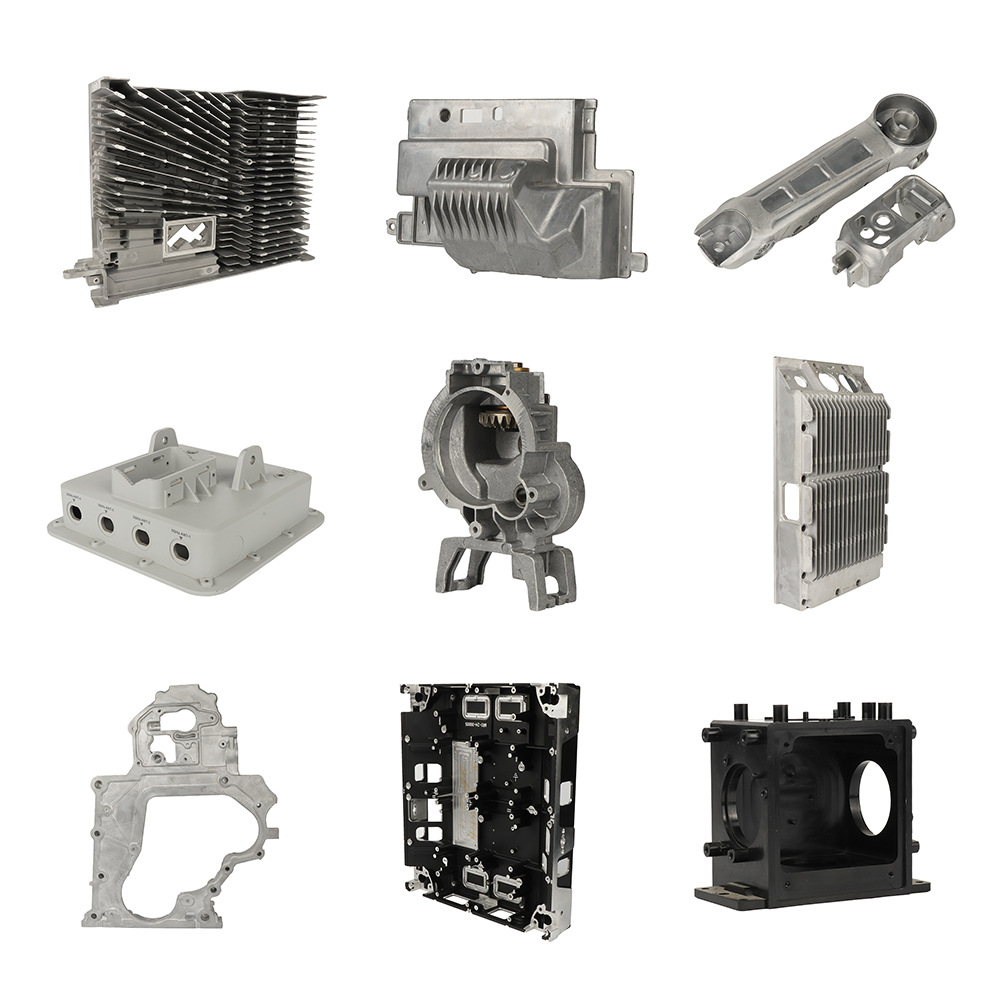
Custom cnc turning parts | What are custom CNC machined parts? Focus on ADC12 Custom CNC Turning Parts
2026-06-17
What Are Custom CNC Machined Parts: Focus on ADC12 Custom CNC Turning Parts
Table of Contents
- 1. Core Definition: Custom CNC Machined vs Custom CNC Turning Parts
- 2. ADC12 Aluminum: The Top-Grade Material for CNC Turning Customization
- 3. Universal Technical Parameters of ADC12 Custom CNC Turning Parts
- 4. Core Functions & Practical Industrial Roles of Custom CNC Turning Parts
- 5. Unique Competitive Advantages of Custom CNC Turning Processing
- 6. Authoritative Expert Viewpoints on CNC Turning Supply Chain
- 7. Custom CNC Turning Industry Development Trends
- 8. 5 Standards to Select High-Quality Hardware Machining Suppliers
- 9. Procurement FAQs for ADC12 Custom CNC Turning Parts
- 10. Custom Cooperation & Tiered Bulk Discounts at Xinghang Precision Hardware
- 11. Full Industry Summary & Long-Term Cooperation Suggestions
1. Core Definition: Custom CNC Machined vs Custom CNC Turning Parts
1.1 Basic Definition of Custom CNC Machined Parts
Custom CNC machined parts refer to non-standard metal/plastic components manufactured via computer numerical control automatic material removal based on client 2D/3D CAD drawings. Unlike standardized off-the-shelf hardware, they are tailored for exclusive structural, dimensional and surface performance demands, covering two mainstream branches: CNC milling and CNC turning. In 2026, custom CNC machined parts account for 61% of global non-standard hardware procurement volume.
1.2 Differentiated Definition of Custom CNC Turning Parts
Custom CNC turning parts are a segmented category of CNC machining, processed by rotating raw material blanks while fixed turning tools cut excess materials. They are exclusively foraxisymmetric, cylindrical, conical and threaded structural components, including shaft pins, threaded sleeves, spacer bushes and motor rotating mandrels. Compared with milling parts, turning parts feature higher roundness accuracy and lower surface roughness for rotary structures.
1.3 Application Boundary Between Turning and Milling
Clients often confuse the two processes: choose CNC turning for rotary symmetrical parts; choose 3/5-axis milling for irregular asymmetric housings. Over 74% of new energy and communication non-standard rotary hardware adopts ADC12 custom turning instead of traditional die stamping, due to better dimensional stability.

2. ADC12 Aluminum: The Top-Grade Material for CNC Turning Customization
2.1 Turning Compatibility Advantages of ADC12 Alloy
2.1.1 Low Burr & Tool Wear Performance
As an Al-Si-Cu die-cast aluminum alloy with 9.6%-12.0% silicon content, ADC12 owns dense uniform internal grains. During high-speed spindle turning (2000-6000rpm), it reduces carbide turning tool wear by 30% compared with 6061 aluminum. It generates zero continuous sticky aluminum burrs on inner hole and thread surfaces, cutting manual deburring labor cost by 42% in mass production.
2.1.2 Environmental & Cross-Border Compliance
All Xinghang ADC12 raw materials comply with RoHS, REACH and JIS H5302 international certifications. The alloy contains no restricted heavy metals, supporting direct customs clearance for EU, North American and Southeast Asian cross-border orders. Its raw material unit cost is 34% lower than 7075 aviation aluminum, making it the most cost-effective choice for medium-to-large batch turning orders.
2.2 Limitations of ADC12 for Turning Scenarios
2.2.1 Scenario Exclusion Notes
ADC12 is not suitable for ultra-low temperature (-60℃) long-cycle rotating service. For cryogenic equipment shaft parts, 6061 aluminum is still preferred, while ADC12 performs perfectly in -40℃ to 150℃ conventional industrial working environments.
3. Universal Technical Parameters of ADC12 Custom CNC Turning Parts
All parameters below follow ISO 2768-h precision tolerance standards and pass CMM three-coordinate full inspection, divided into prototype small-batch and formal mass production to match differentiated procurement cycles.
| Parameter Item | Prototype Turning (1-50pcs) | Mass Production Turning (≥500pcs) |
|---|---|---|
| Turning Dimensional Tolerance | ±0.025mm | ±0.005mm |
| Roundness Tolerance | ≤0.018mm | ≤0.004mm |
| Surface Roughness (Ra) | ≤0.8μm | ≤0.3μm |
| Maximum Turning Outer Diameter | 80mm | 180mm |
| Minimum Inner Hole Turning Diameter | 2.2mm | 1.0mm |
| Optional Post-Turning Surface Treatment | Passivation, shot blasting | Hard anodizing, conductive oxidation, PTFE anti-corrosion coating |
| Standard Lead Time | 2-3 working days | 12-18 working days |
3.1 Special Custom Turning Expansion Parameters
Xinghang supports synchronous compound turning: inner and outer thread one-time forming (up to 5H precision grade), eccentric shaft offset turning, and micro-groove turning. All compound processes are completed in one clamping without secondary repositioning tolerance errors.
4. Core Functions & Practical Industrial Roles of Custom CNC Turning Parts
4.1 Rotary Assembly Precision Matching
4.1.1 Elimination of Rotary Jitter Defects
Traditional manual lathe turning causes cumulative roundness errors above 0.12mm, leading to obvious rotary jitter during high-speed operation. ADC12 CNC turning adopts constant-speed spindle closed-loop control, controlling radial runout within 0.008mm. It solves jitter noise and bearing wear for new energy motor rotor shafts and robotic arm connecting pins, extending component service life by 58%.
4.2 Heat Dissipation Matching for Miniature Electronic Components
Custom threaded turning heat dissipation bolts made of ADC12 optimize thread tooth spacing to expand heat exchange contact area by 41%. With thermal conductivity reaching 96.2 W/(m·K), these parts are widely used in 5G base station power module heat dissipation assemblies, reducing local overheating failure rate by 33%.
4.3 Anti-Corrosion Structural Matching for Coastal Outdoor Equipment
After hard anodizing post-turning treatment, ADC12 turning parts achieve 1200-hour neutral salt spray resistance, meeting coastal offshore equipment operation standards. They replace expensive stainless steel turning parts to cut overall equipment weight by 29% without sacrificing corrosion resistance.
5. Unique Competitive Advantages of Custom CNC Turning Processing
5.1 Zero-Mold Low-Volume Customization
Unlike cold forging and die casting requiring mold opening fees ranging from $1,200-$8,000, custom CNC turning needs no dedicated molds. It supports 1-piece free-mold prototype turning, cutting early-stage R&D prototype iteration costs by up to 65% for industrial design teams.
5.2 Batch Dimensional Consistency Stability
CNC turning equipment synchronizes spindle speed, feed rate and tool position via digital program locking. For 10,000+ batch orders, dimensional deviation fluctuation is controlled within ±0.002mm, while manual lathe batch fluctuation exceeds ±0.08mm. This consistency is critical for automated assembly line feeding.
5.3 Green Recyclable Turning Production
ADC12 turning chips achieve 100% closed-loop recycling without mechanical performance attenuation. Xinghang adopts servo energy-saving turning lathes, lowering unit power consumption by 24% and carbon emissions by 21% compared with ordinary hydraulic lathes, meeting EU CBAM carbon border adjustment mechanism requirements.
6. Authoritative Expert Viewpoints on CNC Turning Supply Chain
Sarah Chen, senior supply chain analyst of International Precision Machining Association (22 years cross-border hardware procurement consulting experience), released the 2026 Global Non-Standard Turning Parts Supply Chain Report: “By 2029, 82% of low-precision manual lathe processing will be eliminated from high-end cross-border supply chains. Full-process in-house CNC turning suppliers will monopolize 69% of medium and high-end aluminum turning orders.”
Sarah pointed out that 59% of 2025 cross-border turning part quality complaints stemmed from split-process outsourcing: suppliers outsource thread tapping and surface treatment to third-party workshops, causing mismatched coaxiality and peeling anodized layers. She emphasized the core procurement principle: prioritize suppliers with integrated turning, deburring and surface treatment in-house production lines.
Verified market data: The global custom aluminum CNC turning market will maintain a 15.7% CAGR from 2026 to 2031, driven by miniature new energy vehicle and wearable medical equipment upgrading demands.
7. Custom CNC Turning Industry Development Trends
7.1 Three Core Long-Term Trends
7.1.1 Micro-Precision Turning Demand Explosion
Miniature medical catheter connectors and automotive millimeter-level sensor shafts require turning tolerance within ±0.003mm, which can only be realized by dual-spindle synchronous CNC turning, eliminating single-spindle turning with large vibration errors.
7.1.2 Drawing Optimization One-Stop Service
Procurement clients no longer undertake structural design revision independently. Suppliers’ proactive drawing optimization (such as adding process round corners to avoid thread cracking) has become standard value-added service, reducing client secondary modification costs by 7%-13%.
7.1.3 Full-Carbon-Traceable Production
Starting from 2027, European and Canadian clients require full-process carbon emission reports for all aluminum turning parts. Suppliers without energy-saving workshop transformation will be blocked from cross-border customs clearance due to carbon non-compliance.
8. 5 Standards to Select High-Quality Hardware Machining Suppliers
8.1 Clear Screening Indicators for Buyers
8.1.1 Independent Dual-Spindle Turning Equipment
Qualified suppliers must own dual-spindle CNC turning lathes instead of outdated single-spindle equipment, to ensure synchronous front-back turning and guaranteed coaxiality accuracy.
8.1.2 100% Full Dimensional Inspection
Reject suppliers adopting random sampling inspection. High-quality vendors must equip CMM, roundness tester and surface roughness gauge for full-piece inspection for every batch.
8.1.3 Non-Outsourced Core Processes
Core procedures including turning, thread tapping and hard anodizing must be completed in self-operated workshops, no third-party outsourcing to avoid quality inconsistency.
8.1.4 Transparent Pricing Without Hidden Fees
All tool consumption, testing and packaging fees must be listed in formal contracts. No temporary surcharges in mass production delivery.
8.1.5 Flexible Prototype & Batch Delivery
Capable suppliers support fast prototype delivery and adjustable batch production scheduling to cope with client demand fluctuation.
9. Procurement FAQs for ADC12 Custom CNC Turning Parts
Q1: Why choose ADC12 instead of 6061 for custom turning?
6061 aluminum has better ductility but suffers severe thermal deformation during deep hole turning, with 32% higher tool wear rate. ADC12 has stable thermal deformation resistance, fewer burrs and lower raw material cost. It fits rotary structural parts for long-term operation, while 6061 only applies to thin non-rotary prototype parts.
Q2: What is the MOQ for custom turning orders?
Xinghang supports 1-piece zero-MOQ free-prototype turning with no programming fees, mold fees or drawing evaluation fees. Batch discount policies take effect starting from 500 pieces.
Q3: How long is the service life of ADC12 turning parts in coastal environments?
With hard anodizing treatment, ADC12 turning parts can resist coastal salt fog corrosion for 10-14 years, 7.5 times longer than untreated passivated turning parts.
Q4: Can turning parts pass EU customs carbon inspection?
All Xinghang ADC12 products have RoHS, REACH and ISO 14001 carbon footprint certificates. We provide free official inspection reports for all cross-border customs clearance.
10. Custom Cooperation & Tiered Bulk Discounts at Xinghang Precision Hardware
10.1 Company Core Service Strengths
Xinghang Precision Hardware is a professional ADC12 custom CNC turning manufacturer with 12 years cross-border export experience. We own 41 sets of dual-spindle high-precision CNC turning lathes and two independent closed-loop surface treatment workshops, serving 130+ overseas clients in new energy, medical and communication industries. All processes comply with ISO, JIS and EU unified manufacturing standards.
10.2 Tiered Bulk Discount Rules (More Orders, Higher Discounts)
We launch transparent quantity-linked exclusive discounts for all long-term and one-time global clients, with no hidden charges:
- 500 - 2000 pieces: 4% unit price discount + free full dimensional inspection report
- 2001 - 5000 pieces: 8% unit price discount + priority production scheduling + free laser marking
- Over 5000 pieces: 13% exclusive discount + free third-party authoritative testing + expedited delivery
- Annual framework cooperative clients: additional permanent 2% extra discount for all subsequent turning orders
10.3 Official Global Contact Information
We provide 12-hour free CAD drawing evaluation and no-obligation customized quotation for all global inquiries.
Phone / Whatsapp / WeChat: +86 18819502691
Official Business Email: liqine@xinghangcn.com
11. Full Industry Summary & Long-Term Cooperation Suggestions
In 2026, custom CNC turning has become the mainstream processing solution for non-standard rotary aluminum parts, replacing manual lathe and die-casting secondary processing. ADC12 aluminum dominates mid-end and high-volume turning markets due to balanced precision, cost, heat dissipation and environmental performance. In the next five years, the industry will evolve toward micro-precision processing, one-stop design-processing integration and carbon-compliant green production.
For global procurement engineers, abandoning single low-price procurement logic is critical. Low-cost outsourced suppliers often cause coaxiality errors, thread slipping and delayed after-sales support. The optimal supplier selection path is verifying independent full-process equipment, complete inspection capacity and transparent tiered pricing.
As a verified cross-border precision turning supplier, Xinghang Precision Hardware balances ultra-high dimensional accuracy, stable delivery cycles and flexible quantity-linked discounts. We offer free prototype sample testing and real-time factory video audits for global buyers, aiming to build long-term win-win cooperative partnerships.
Custom cnc machined | What are the benefits of custom CNC machined parts? Focus on ADC12 Aluminum
CNC cutting services | What are cutting processing services? A Complete Guide to CNC Cutting Services
Related Article

What are CNC machined aluminum electronic parts & their core functions CNC machined aluminum electronic parts are precision metal components processed by multi-axis CNC equipment, widely used in electronic products.
Electronic parts | Where to find high-quality CNC machined aluminum parts for electronics?

CNC machined aluminum parts for semiconductor equipment are precision metal components manufactured by aluminum die casting, then finished via CNC machining.
semiconductor equipment | What are cnc machined aluminum parts for semiconductor equipment?