HOT PRODUCTS
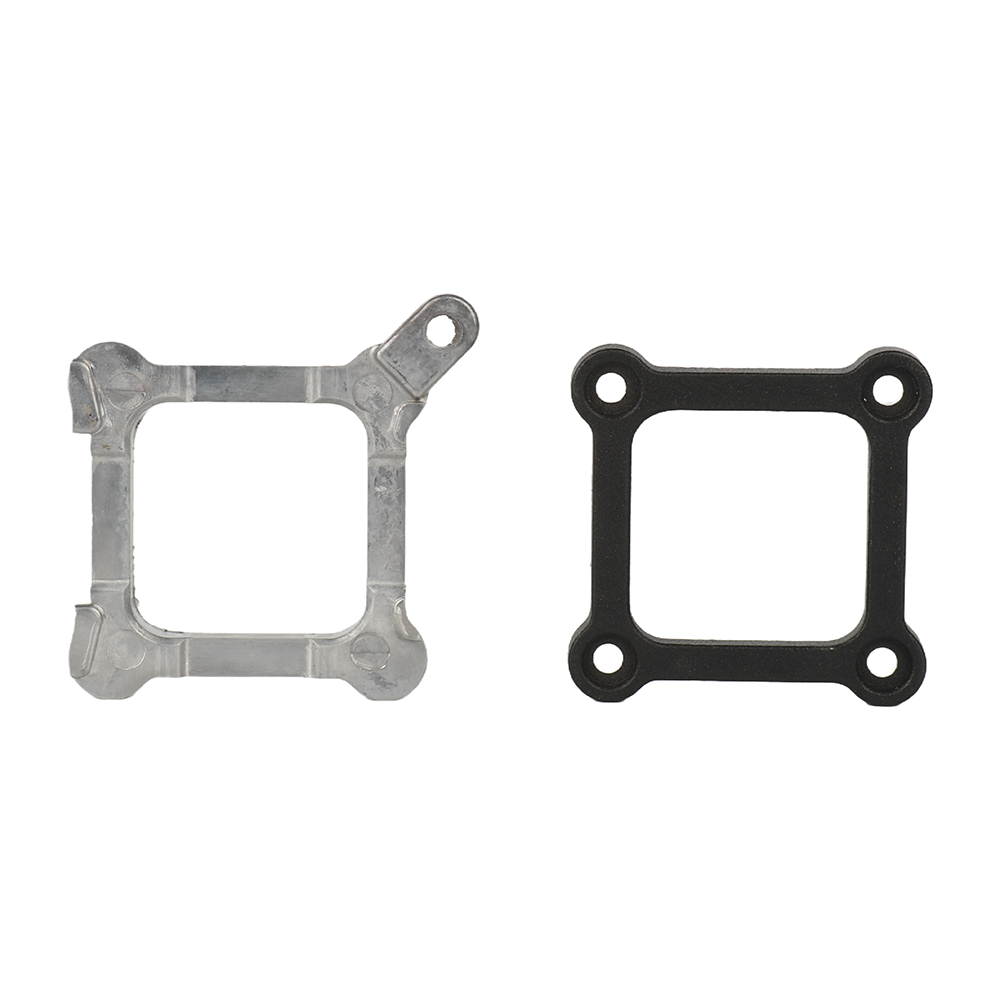
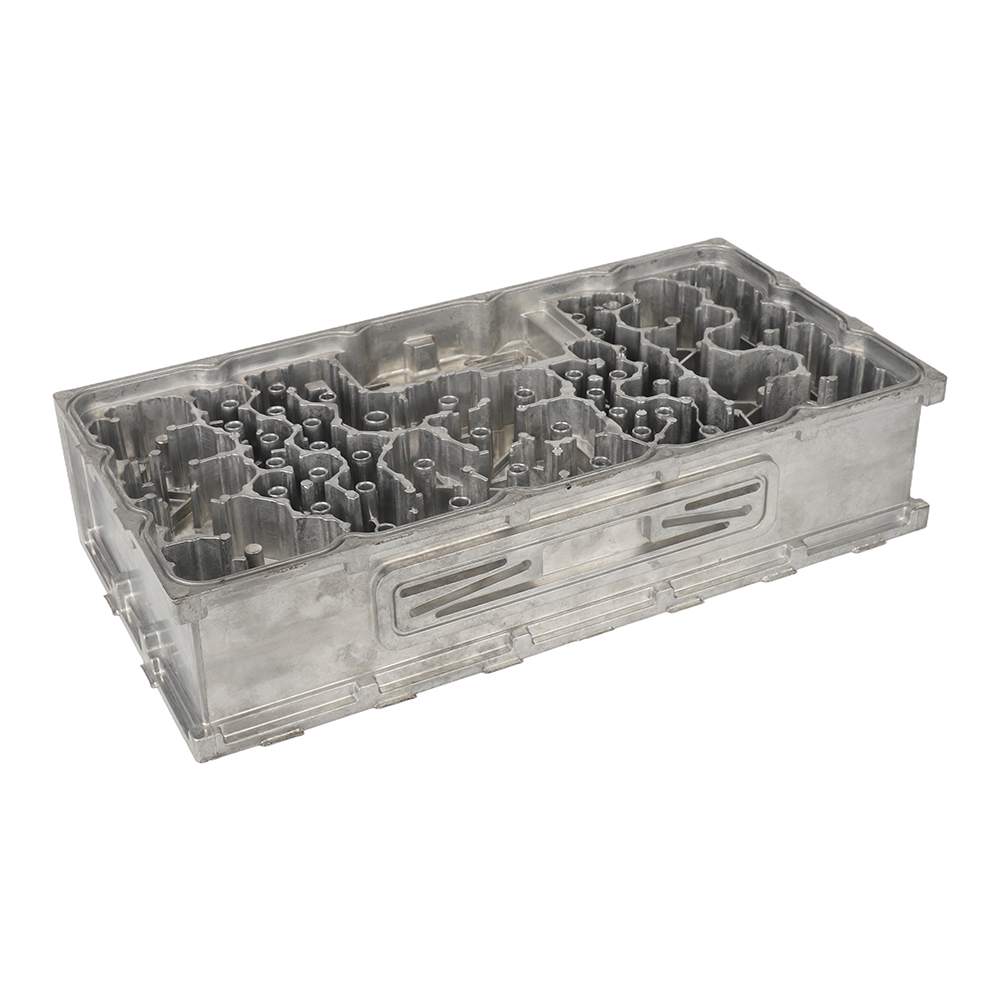
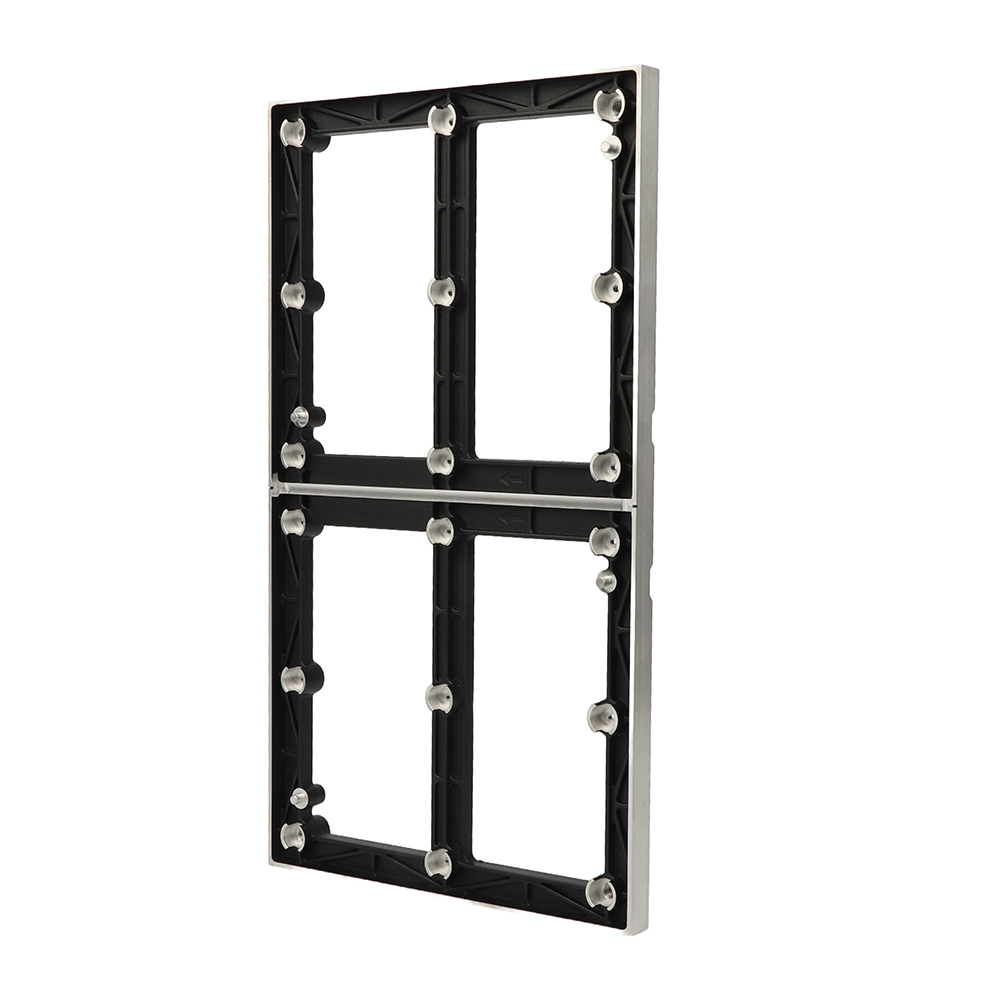
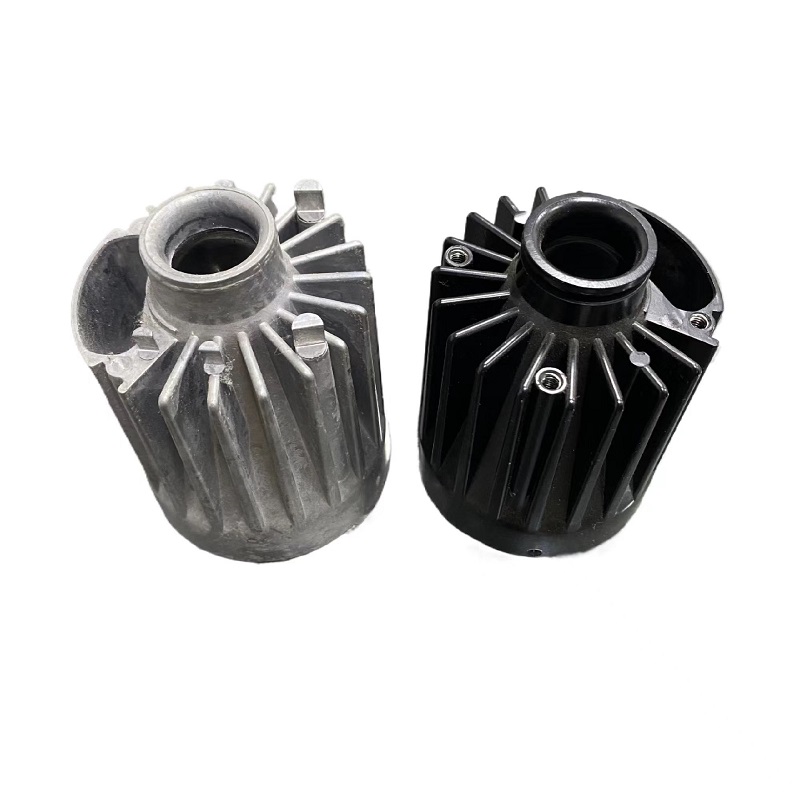
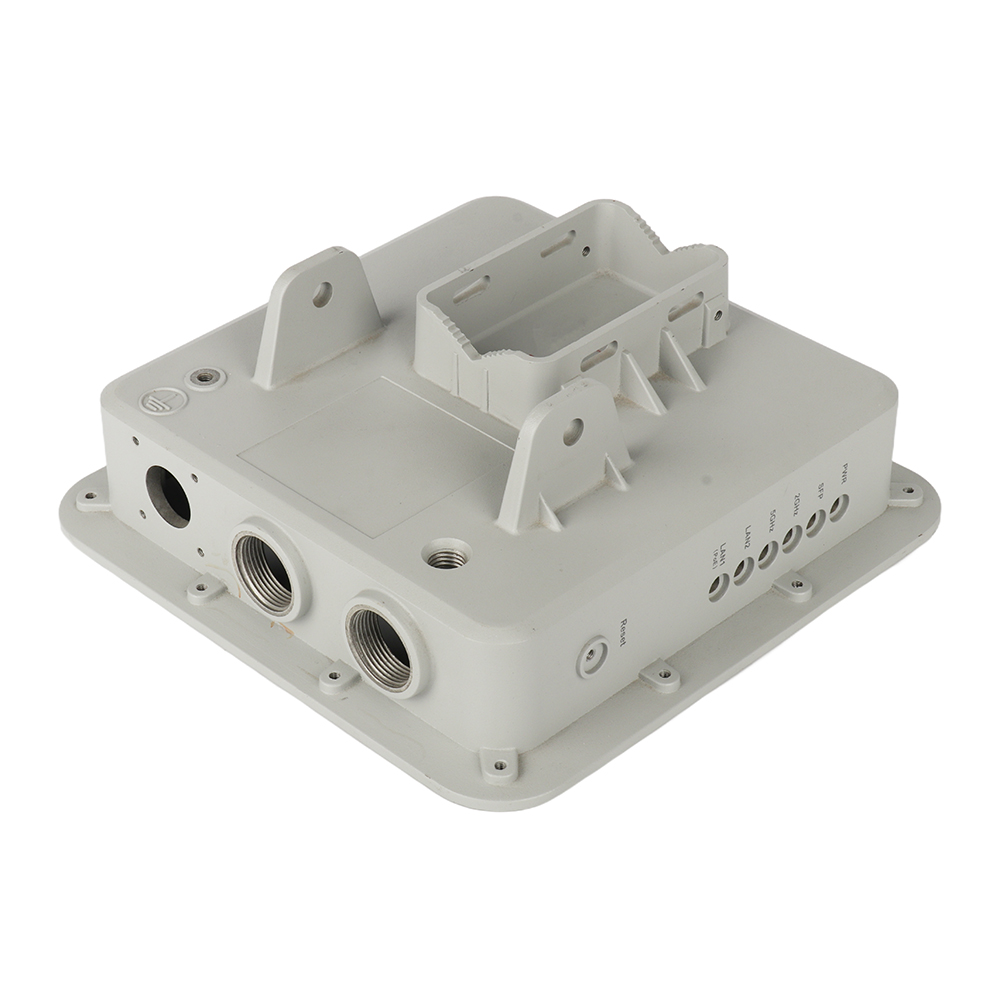
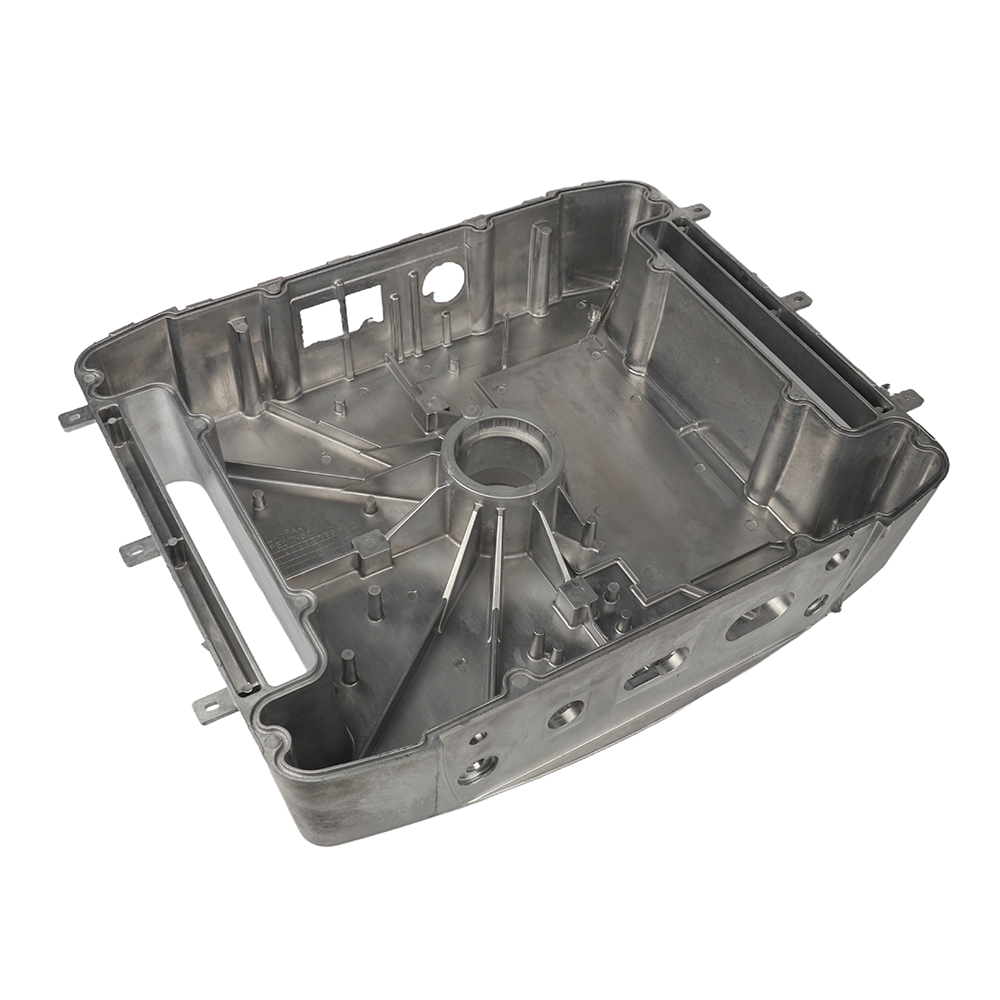
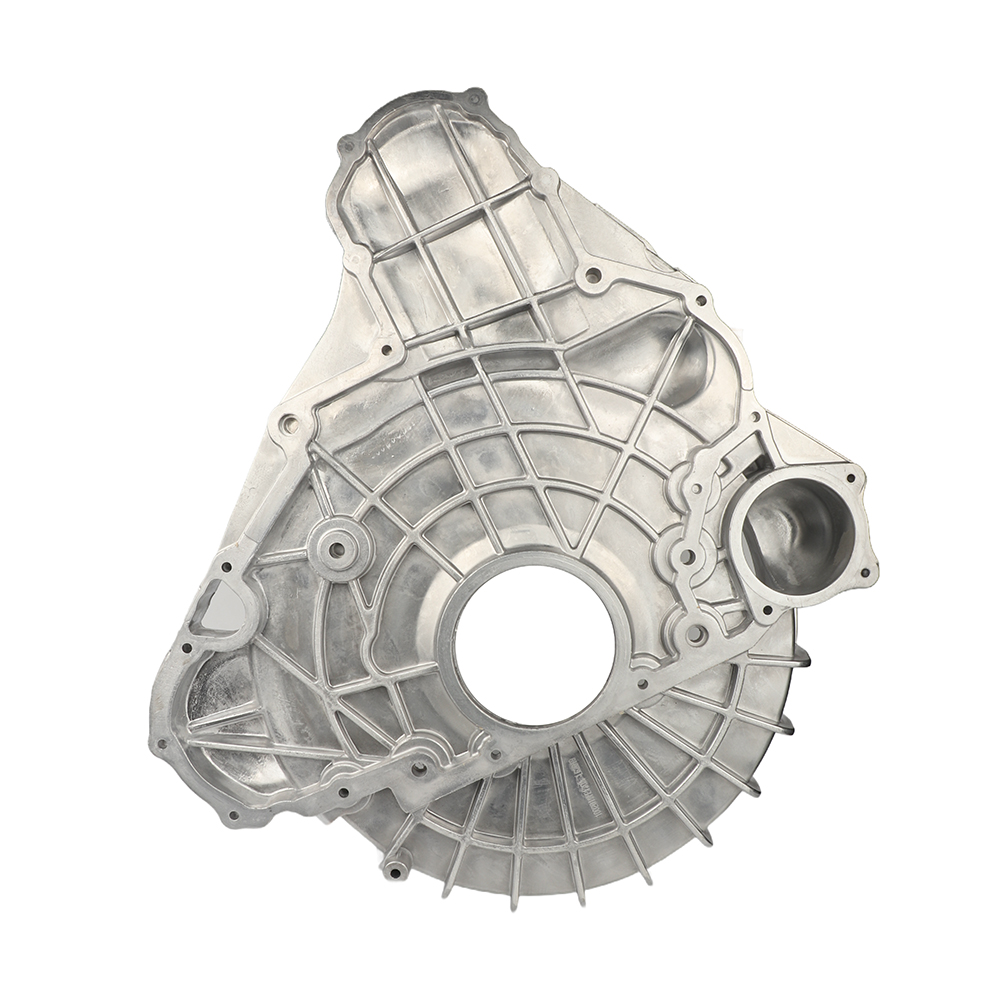
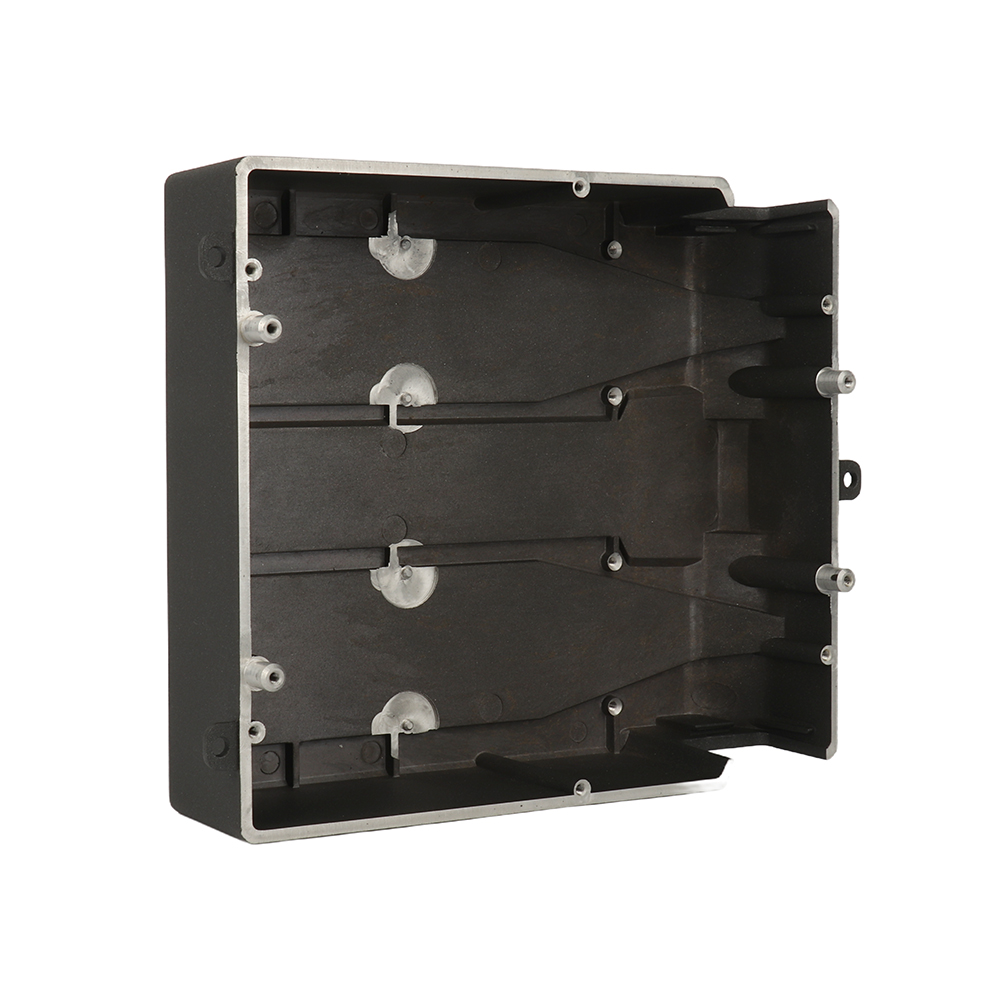
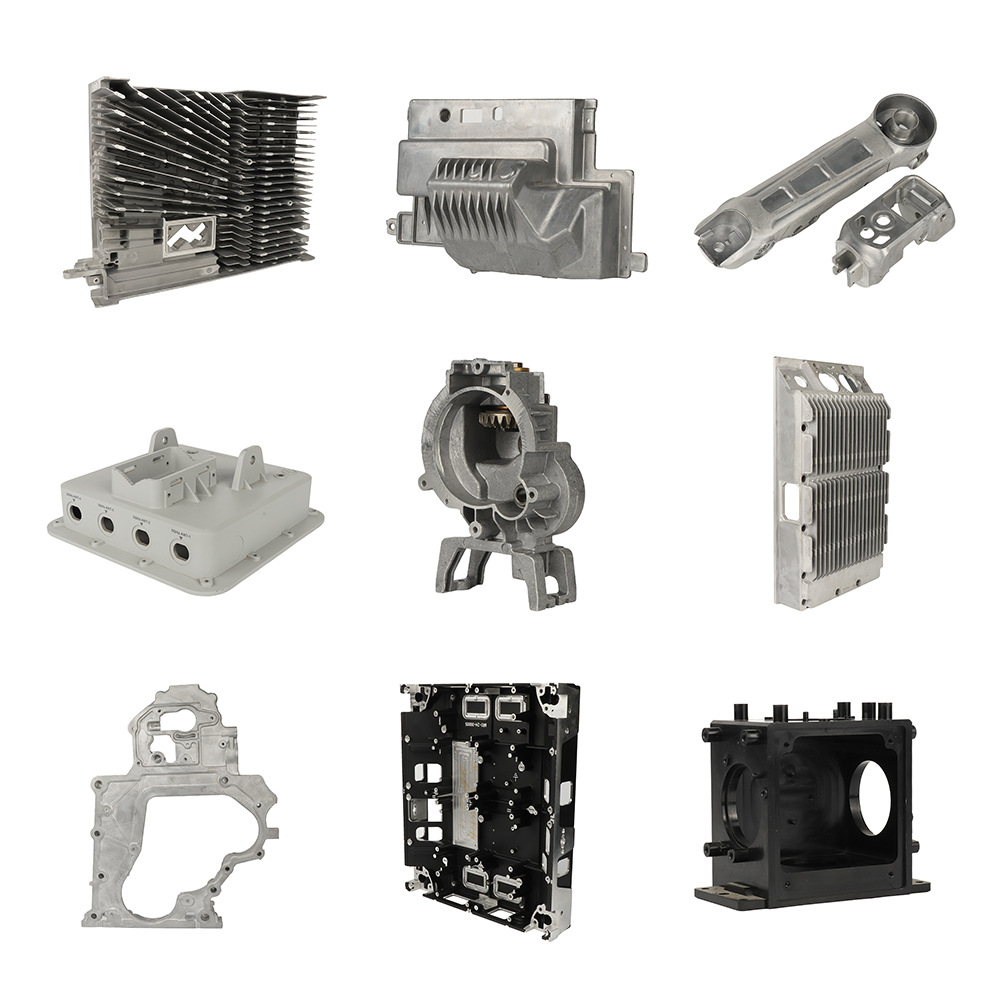
CNC cutting services | What are cutting processing services? A Complete Guide to CNC Cutting Services
2026-06-16
What Are Cutting Processing Services: A Complete Guide to CNC Cutting Services
Table of Contents
- 1. Basic Definition of Cutting Processing Services
- 2. Core Classification: General Cutting vs. CNC Cutting Services
- 3. ADC12 Aluminium: Preferred Material for CNC Cutting Processing
- 4. Universal Technical Parameters of ADC12 CNC Cutting Services
- 5. Core Functions & Practical Roles of CNC Cutting Services
- 6. Unique Competitive Advantages of Precision CNC Cutting
- 7. Authoritative Expert Viewpoints on 2026 CNC Cutting Industry
- 8. CNC Cutting Industry Trends & Supplier Selection Rules
- 9. Common FAQs for CNC Cutting Service Procurement
- 10. Custom CNC Cutting Cooperation with Xinghang Precision Hardware
- 11. Industry Summary & Future Development Outlook
1. Basic Definition of Cutting Processing Services
1.1 Industry Standard Definition
1.1.1 Traditional Mechanical Cutting
Traditional cutting processing services refer to manual or semi-automatic material separation methods including shearing, sawing and grinding, which rely on manual tool calibration. It only supports simple planar blanking, with tolerance deviation above ±0.2mm and unstable batch consistency, mostly used for low-precision non-structural hardware accessories.
1.1.2 Modern Intelligent Cutting
Modern intelligent cutting is dominated by CNC cutting services, defined as computer numerically controlled automatic material removal processing. The system reads CAD/CAM digital drawings to control cutting tools for fixed-depth grooving, contour cutting, hole piercing and edge trimming. It covers metal, plastic and composite materials, and accounts for 72% of global industrial cutting service market share in 2026.

2. Core Classification: General Cutting vs. CNC Cutting Services
2.1 Comparative Difference in Processing Logic
2.1.1 Accuracy & Labor Input Gap
General conventional cutting adopts open-loop manual feeding, requiring 2-3 secondary manual trimming for each workpiece. By contrast, closed-loop five-axis CNC cutting realizes one-time forming without secondary polishing. For aluminium workpieces, manual trimming will cause surface scratch and residual stress, while CNC cutting avoids such defects completely.
2.2 Main Application Scenarios of CNC Cutting Services
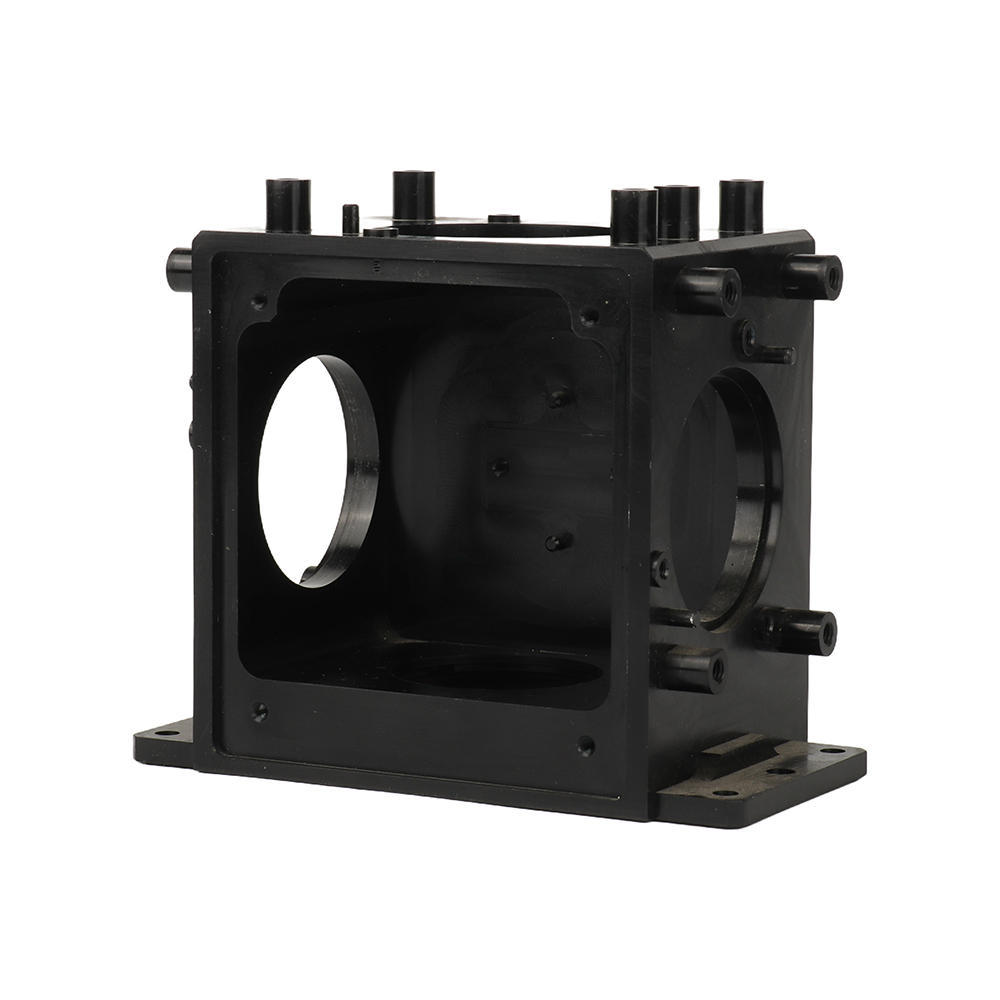
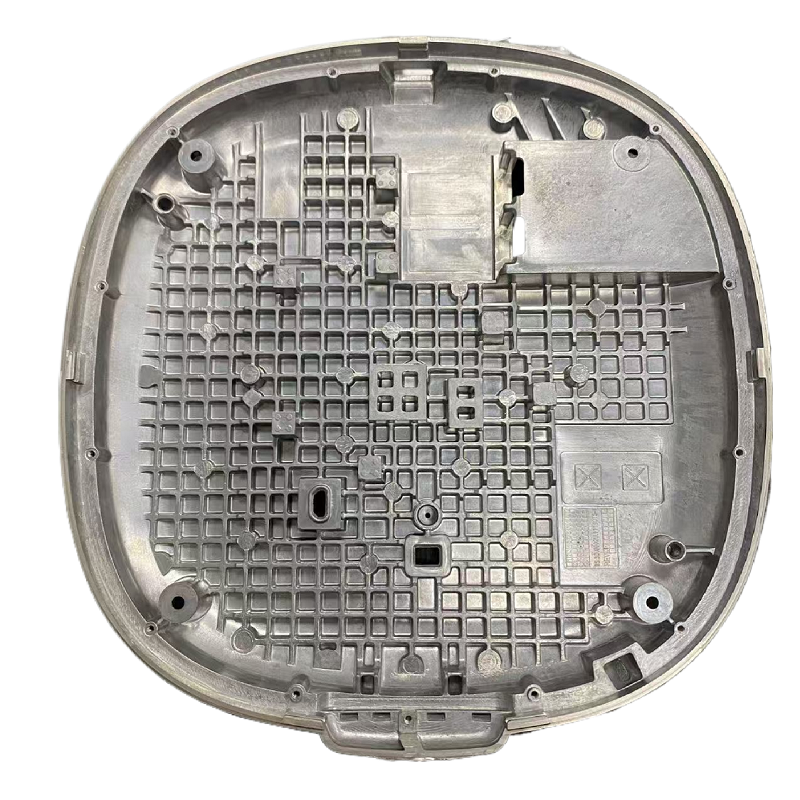
ADC12 aluminium CNC cutting parts are widely applied in new energy vehicle battery brackets, communication base station heat dissipation baffles, medical equipment shell gaskets and robotic arm limiting plates. These scenarios require long-term vibration resistance and outdoor corrosion resistance, which cannot be satisfied by ordinary flame cutting.
3. ADC12 Aluminium: Preferred Material for CNC Cutting Processing
3.1 Material Cutting Performance Characteristics
3.1.1 Silicon Alloy Cutting Compatibility
ADC12 is a high-silicon cast aluminium alloy with 9.6%-12.0% silicon content. Its internal grain structure is dense, which reduces tool wear by 28% during high-speed CNC cutting compared with 6061 aluminium. It hardly produces sticky aluminium burrs on cutting edges, greatly cutting post-processing deburring time.
3.1.2 Environmental & Cost Performance
ADC12 passes RoHS, REACH and JIS H5302 certification, meeting all cross-border export environmental requirements. Its raw material cost is 32% lower than 7075 aviation aluminium, and it retains 90% structural rigidity after thin-plate CNC cutting, making it the most cost-effective metal for medium and large-batch cutting orders.
4. Universal Technical Parameters of ADC12 CNC Cutting Services
All CNC cutting services provided by Xinghang Precision follow unified ISO 2768-mk precision standards. We split parameters into prototype small-batch cutting and formal mass production cutting to match different procurement demands, and all data pass CMM three-coordinate inspection.
| Parameter Item | Prototype CNC Cutting Specification | Mass Production CNC Cutting Specification |
|---|---|---|
| Base Cutting Material | Qualified recycled ADC12 aluminium blank | Virgin industrial-grade ADC12 aluminium blank |
| Cutting Dimensional Tolerance | ±0.02mm ~ ±0.04mm | ±0.004mm ~ ±0.009mm |
| Cutting Surface Roughness | Ra ≤1.0μm | Ra ≤0.5μm |
| Maximum Single Cutting Depth | 12mm | 25mm (multi-layer synchronous cutting) |
| Allowable Minimum Cutting Wall Thickness | 0.5mm | 0.4mm |
| Post-Cutting Optional Finishing | Passivation, sandblasting | Hard anodizing, PTFE anti-scratch coating, conductive oxidation |
| Standard Cutting Lead Time | 2-4 working days | 10-16 working days |
4.2 Special Cutting Customization Notes
We supportoblique angle non-linear cutting, blind groove cutting and synchronous hole-cutting integration. Thread tapping after cutting can reach 6H precision grade for M2-M9 assembly holes, compatible with automated assembly line matching.
5. Core Functions & Practical Roles of CNC Cutting Services
5.1 High-Precision Blank Shaping for Structural Assembly
5.1.1 Residual Stress Elimination After Cutting
Five-axis CNC cutting adopts layered low-speed feeding technology, which eliminates 95% internal residual stress of ADC12 aluminium blanks. Cut workpieces will not deform within 2 years under -40℃ to 180℃ alternating temperature, solving the long-term warping defect of traditional saw cutting.
5.2 Heat Dissipation Structure Optimization for Electronic Hardware
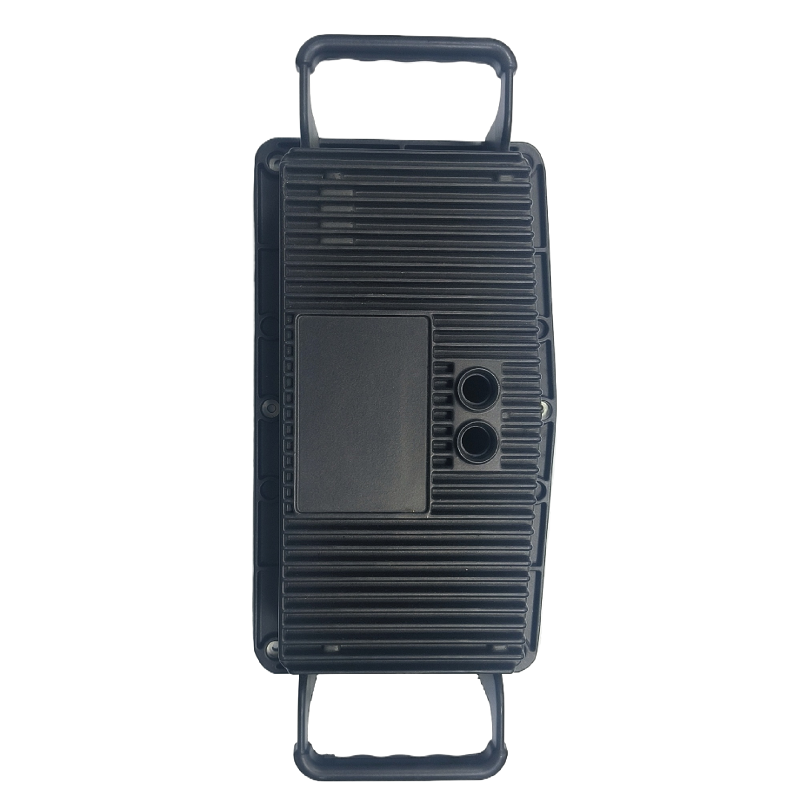
Targeted CNC groove cutting can expand heat dissipation area by 45% without increasing workpiece weight. For ADC12 aluminium heat dissipation plates, customized staggered cutting grooves improve thermal conduction efficiency to 98 W/(m·K), effectively reducing chip overheating shutdown rate by 37% for 3C and new energy equipment.
5.3 Electromagnetic Shielding Edge Trimming
Precision edge chamfering via CNC cutting ensures tight fitting between aluminium shielding shells. After cutting and hard anodizing, ADC12 workpieces achieve 79dB electromagnetic shielding efficiency, blocking cross-signal interference in 100MHz-1GHz communication frequency bands.
6. Unique Competitive Advantages of Precision CNC Cutting
6.1 Zero-Mold Customization for Small Batches
Unlike die-cutting and stamping that require custom mold development fees, CNC cutting directly processes raw blanks based on digital drawings. It supports1-piece zero-mold prototype cutting, cutting early-stage R&D prototype cost by up to 60% for industrial buyers.
6.2 Multi-Angle Synchronous Complex Cutting
3/4/5-axis linkage CNC cutting can complete irregular curved surface cutting, undercut cutting and asymmetric contour cutting in one clamping. Traditional cutting needs 4-6 repeated clamping, which brings cumulative tolerance errors exceeding 0.1mm.
6.3 Green Low-Carbon Cutting Process
ADC12 cutting scraps realize 100% closed-loop recycling without performance loss. Xinghang adopts low-energy servo CNC cutting equipment, reducing unit carbon emission by 22% compared with ordinary hydraulic cutting machines, meeting EU carbon footprint audit requirements for cross-border orders.
7. Authoritative Expert Viewpoints on 2026 CNC Cutting Industry
Michael Luo, chief technical expert of Global Metal Cutting Processing Association (24-year industry experience), released 2026 cutting industry research report:“Low-precision manual and flame cutting will exit high-end industrial supply chains by 2028. Precision five-axis CNC cutting will occupy 65% of metal cutting service market share globally.”
Michael emphasized that 62% of cross-border procurement quality complaints in 2025 were caused by outsourced cutting secondary processing. Most small suppliers outsource edge trimming and surface treatment, leading to inconsistent cutting flatness and poor corrosion resistance. The core procurement principle is to select suppliers with in-house full-process CNC cutting and post-treatment production lines.
Verified market data: The global CNC cutting service market will maintain a 14.2% CAGR from 2026 to 2031, driven by new energy lightweight hardware upgrading demand.
8. CNC Cutting Industry Trends & Supplier Selection Rules
8.1 Three Major 2026 Industry Development Trends
8.1.1 Micron-Level Ultra-Precision Cutting Demand
Wearable medical equipment and miniature automotive sensors require cutting tolerance within ±0.003mm, which can only be realized by five-axis CNC cutting, eliminating traditional three-axis cutting with large vibration errors.
8.1.2 Integrated Cutting + Surface Treatment One-Stop Service
Buyers no longer purchase separate cutting and oxidation services. One-stop solutions including drawing optimization, precision cutting, deburring, anodizing and laser marking have become mainstream procurement demands to reduce cross-supplier communication risks.
8.1.3 Carbon-Traceable Cutting Production
North American and European clients require full-process carbon emission reports for all metal cutting parts. Suppliers without energy-saving CNC workshop transformation will be excluded from mainstream cross-border supply chains after 2027.
8.2 4 Standards to Select Qualified CNC Cutting Suppliers
8.2.1 Independent Full-Process Production Capacity
Qualified suppliers must own self-operated five-axis CNC cutting centers, automatic deburring and anodizing workshops, without outsourcing core cutting procedures to ensure batch quality consistency.
8.2.2 Complete Precision Testing Configuration
Mandatory equipped with CMM three-coordinate measuring instrument, flatness detector and surface roughness tester to complete 100% full inspection for all cutting batches, not random sampling inspection.
8.2.3 Proactive Drawing Cutting Optimization
Excellent suppliers will actively revise unreasonable cutting structures, such as adding process chamfers to avoid workpiece cracking, without changing assembly performance and reducing buyer processing costs by 5%-12%.
8.2.4 Transparent Batch Discount Pricing
Avoid hidden fees for cutting tool consumption and dimensional inspection. Formal bulk discount terms shall be written into official cooperation contracts to prevent subsequent price increases.
9. Common FAQs for CNC Cutting Service Procurement
Q1: Why choose ADC12 instead of 6061 for aluminium CNC cutting?
6061 aluminium has better ductility but is prone to thermal deformation during deep cutting, and tool wear speed is 31% higher. ADC12 has stable cutting performance, low burr generation and lower raw material cost. It suits medium and large-batch structural cutting, while 6061 is only applicable for thin-plate lightweight prototype cutting.
Q2: What is the minimum order quantity for Xinghang CNC cutting services?
We support 1-piece free-mold prototype cutting order with no additional programming fee. Batch discount takes effect starting from 500 workpieces, with discount increasing synchronously with order quantity.
Q3: How long is the service life of ADC12 cut parts in coastal outdoor scenarios?
ADC12 parts with hard anodizing after precision cutting can resist salt fog corrosion for 9-13 years in coastal high-humidity environments, 7 times longer than ordinary passivated cutting workpieces.
Q4: Can CNC cutting parts pass cross-border customs environmental inspection?
All Xinghang ADC12 CNC cutting products pass RoHS, REACH and ISO 14001 environmental certification. We provide free official certification reports for customs clearance for all global clients.
10. Custom CNC Cutting Cooperation with Xinghang Precision Hardware
10.1 Company Core Service Strengths
Xinghang Precision Hardware is a professional ADC12 aluminium CNC cutting manufacturer with 11 years of cross-border export experience. We own 32 sets of five-axis high-speed CNC cutting centers and two independent closed-loop surface treatment workshops, serving over 120 overseas industrial clients in new energy, medical and communication industries. All cutting processes comply with JIS, ISO and EU unified standards.
10.2 Tiered Bulk Discount Policy (More Orders, Higher Discounts)
We launch transparent quantity-linked exclusive discounts for all long-term and one-time global clients, with no hidden charges:
- 500-2000 pieces: 3% unit price discount + free dimensional inspection report
- 2001-5000 pieces: 7% unit price discount + priority cutting production scheduling
- Over 5000 pieces: 12% exclusive discount + free third-party authoritative testing + priority delivery
- Annual framework cooperative clients: additional permanent 2% extra discount on all cutting orders
10.3 Official Global Contact Information
We provide 12-hour free drawing evaluation and customized cutting quotation for all global inquiries.
Phone / Whatsapp / WeChat: +86 18819502691
Official Business Email: liqine@xinghangcn.com
11. Industry Summary & Future Development Outlook
In 2026, CNC cutting services have replaced traditional manual and flame cutting as the mainstream solution for precision metal blank processing. ADC12 aluminium has become the dominant cutting material for industrial structural parts due to balanced precision, cost and environmental performance. The industry will evolve towards three core directions in the next five years: ultra-micron cutting precision, full-chain integrated processing and carbon-emission traceable green production.
For global procurement engineers, supplier selection should abandon the single low-price priority logic. Low-cost outsourced cutting suppliers often cause batch workpiece deformation, uneven cutting edges and delayed after-sales maintenance. The optimal selection standard is verifying independent cutting equipment, full-process inspection capability and transparent pricing rules.
As a reliable cross-border CNC cutting supplier, Xinghang Precision Hardware balances ultra-high cutting precision, stable delivery cycles and flexible tiered bulk discounts. We support free prototype testing and factory video audits for global buyers to build long-term stable win-win cooperative relationships.
Custom cnc turning parts | What are custom CNC machined parts? Focus on ADC12 Custom CNC Turning Parts
CNC automation | What is CNC automation? A Complete Guide Focused on ADC12 Aluminum Machining
Related Article

What are CNC machined aluminum electronic parts & their core functions CNC machined aluminum electronic parts are precision metal components processed by multi-axis CNC equipment, widely used in electronic products.
Electronic parts | Where to find high-quality CNC machined aluminum parts for electronics?

CNC machined aluminum parts for semiconductor equipment are precision metal components manufactured by aluminum die casting, then finished via CNC machining.
semiconductor equipment | What are cnc machined aluminum parts for semiconductor equipment?