HOT PRODUCTS
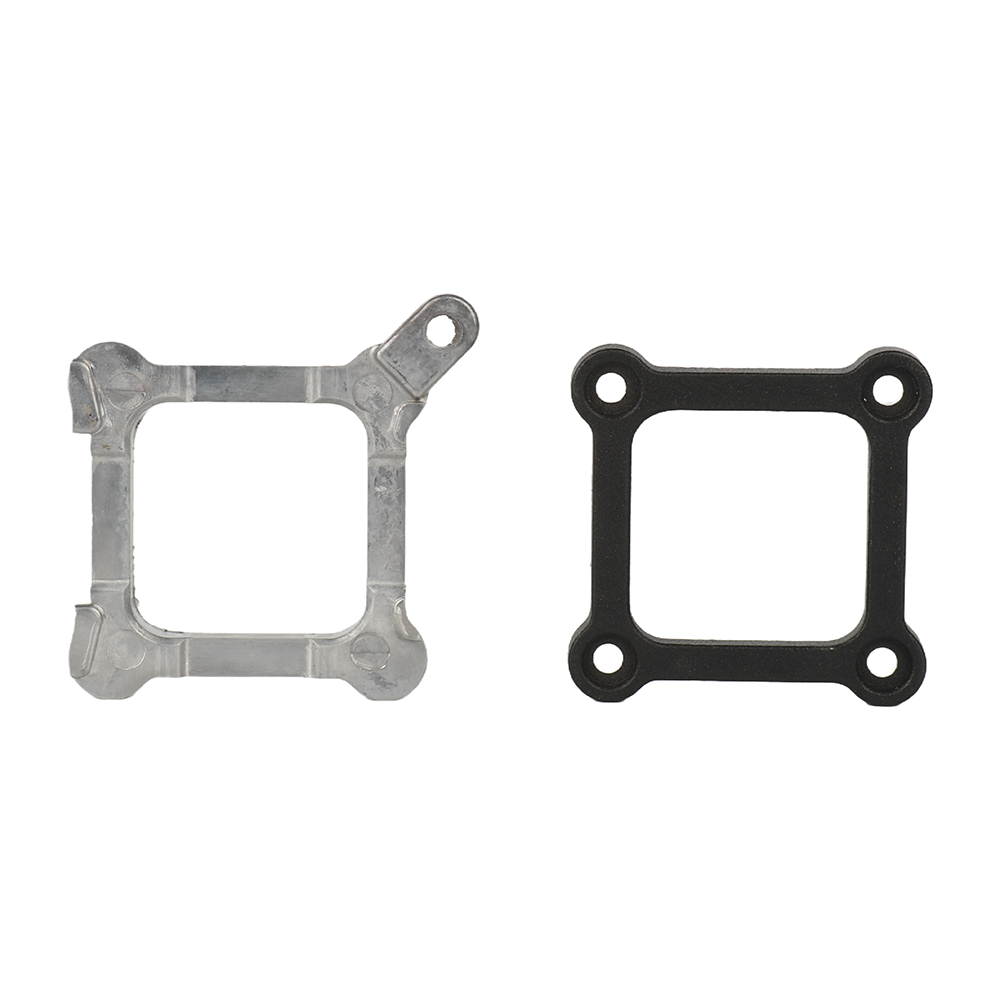
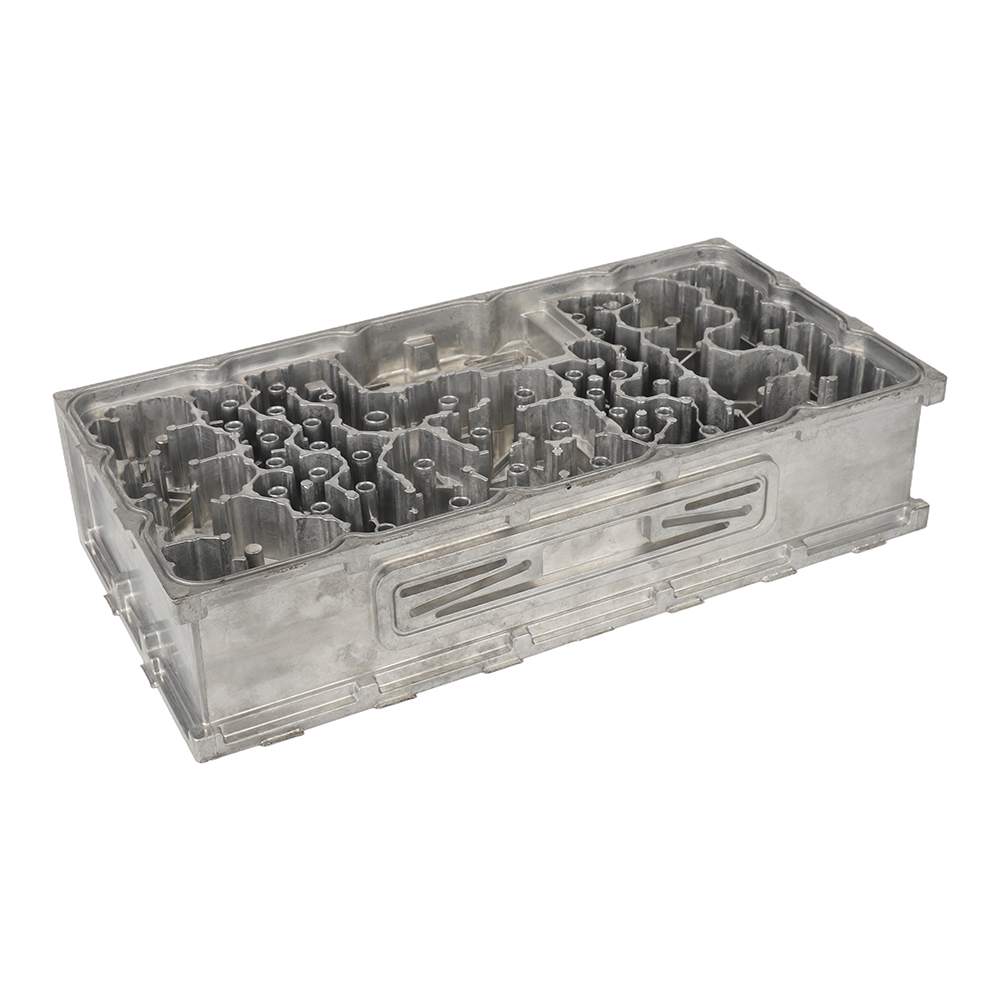
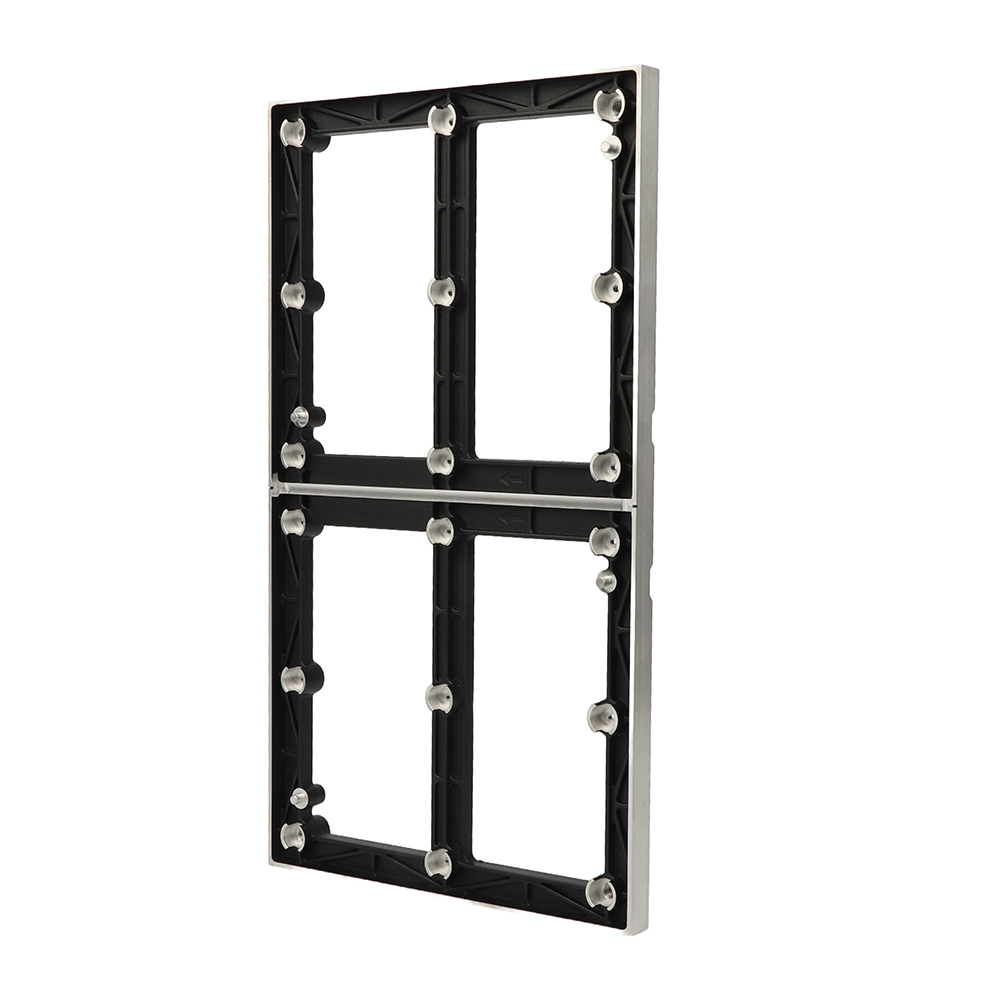
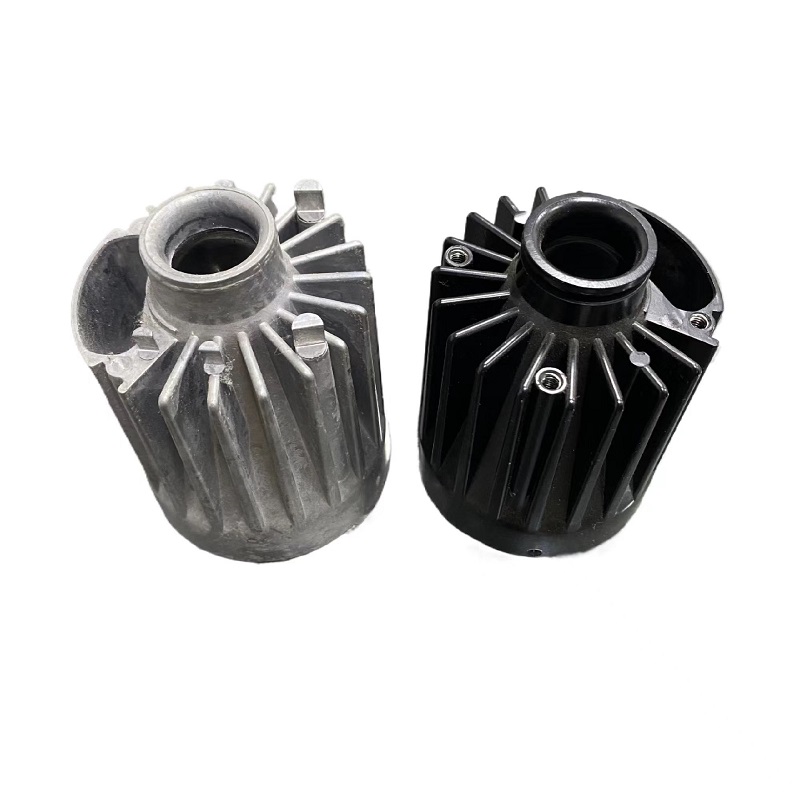
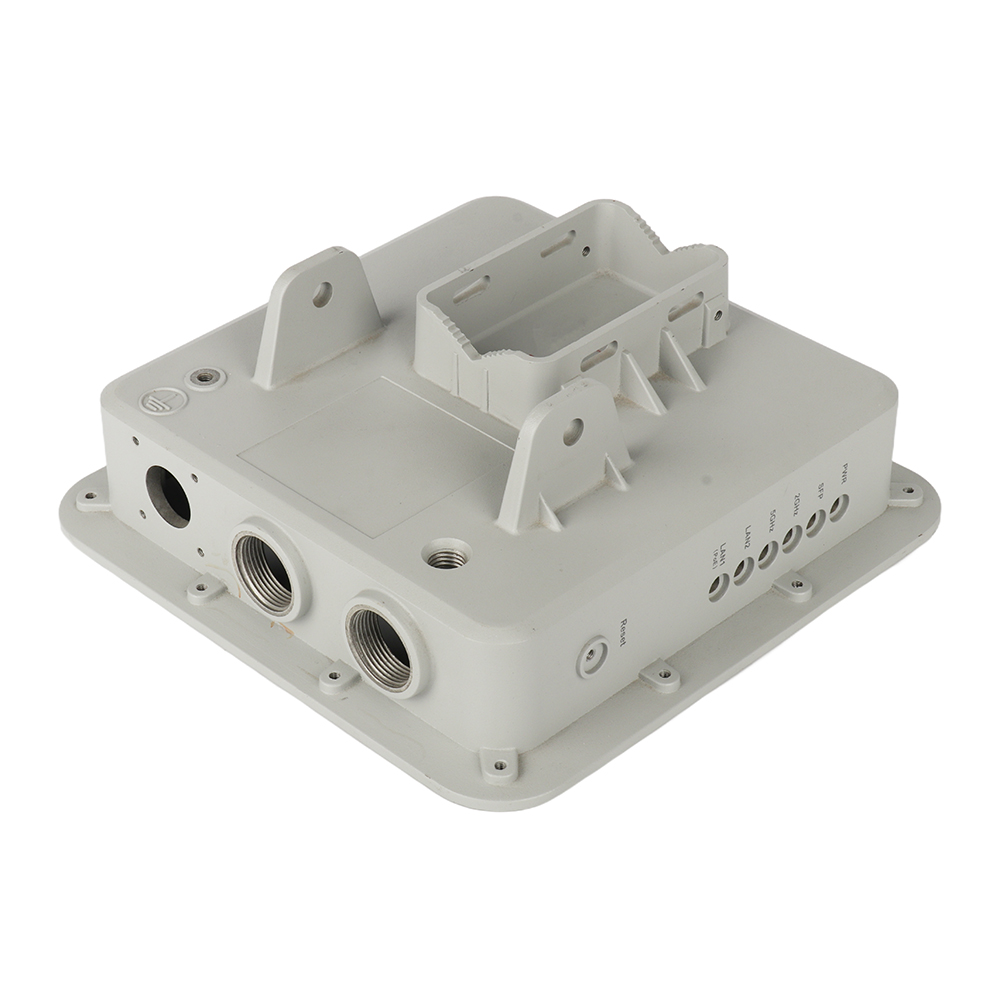
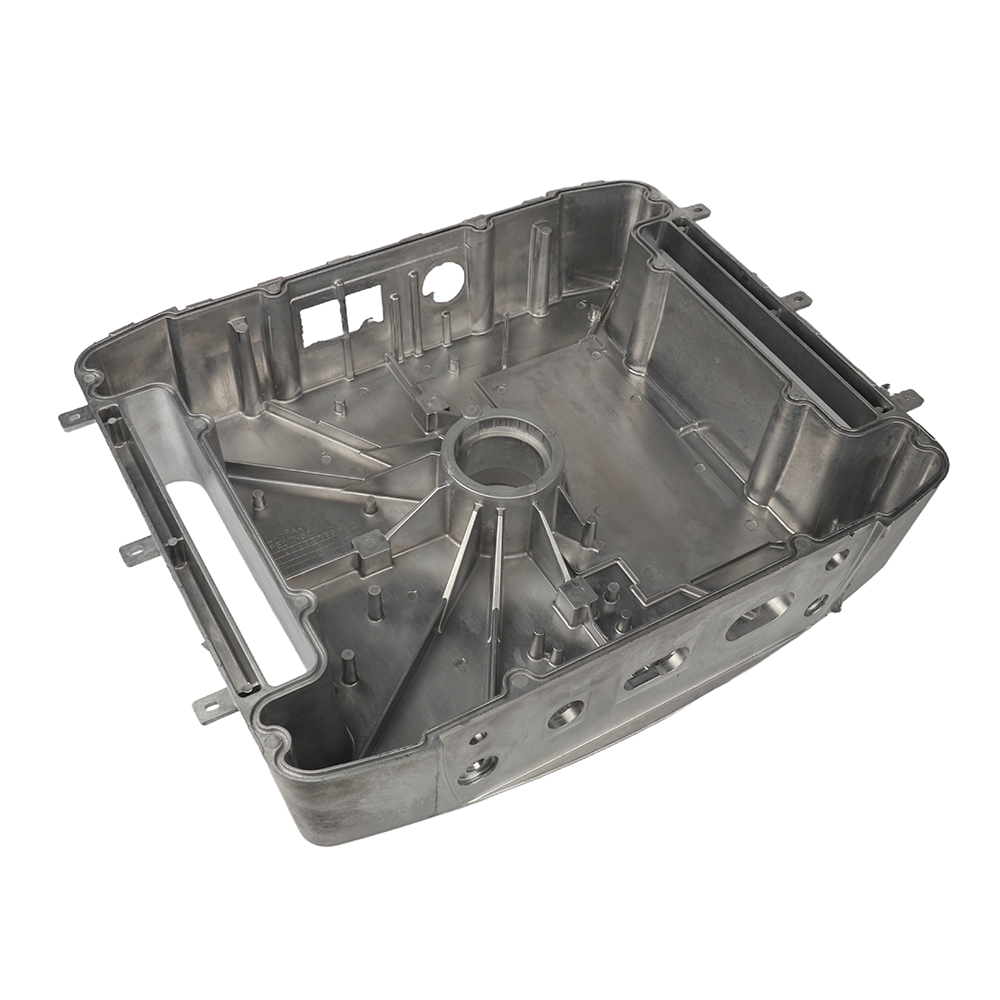
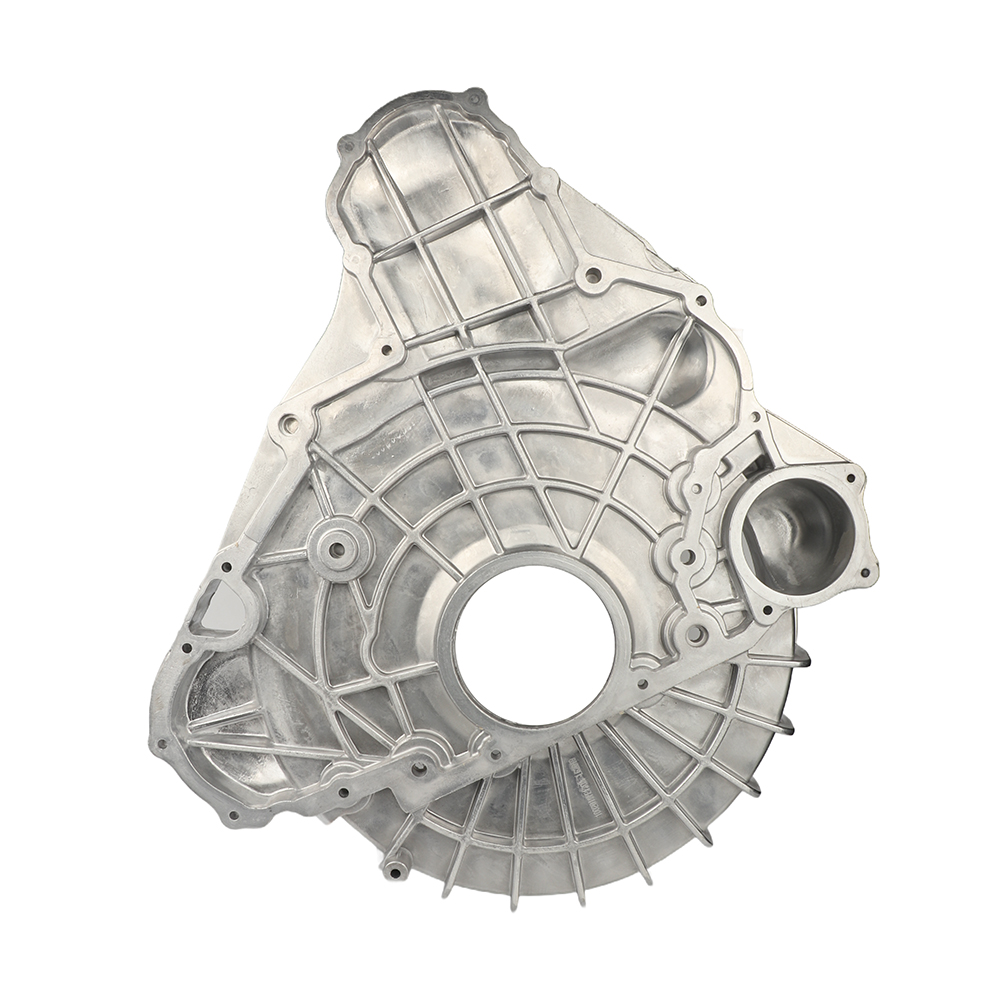
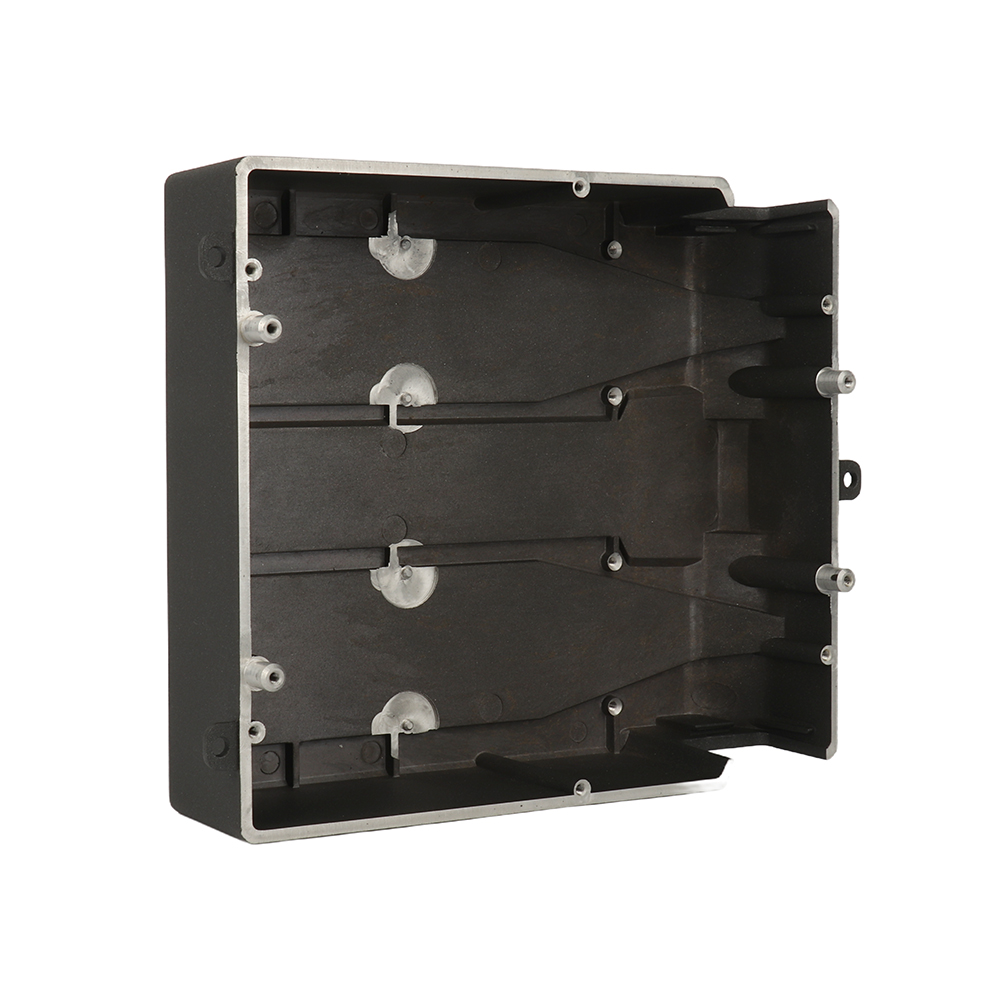
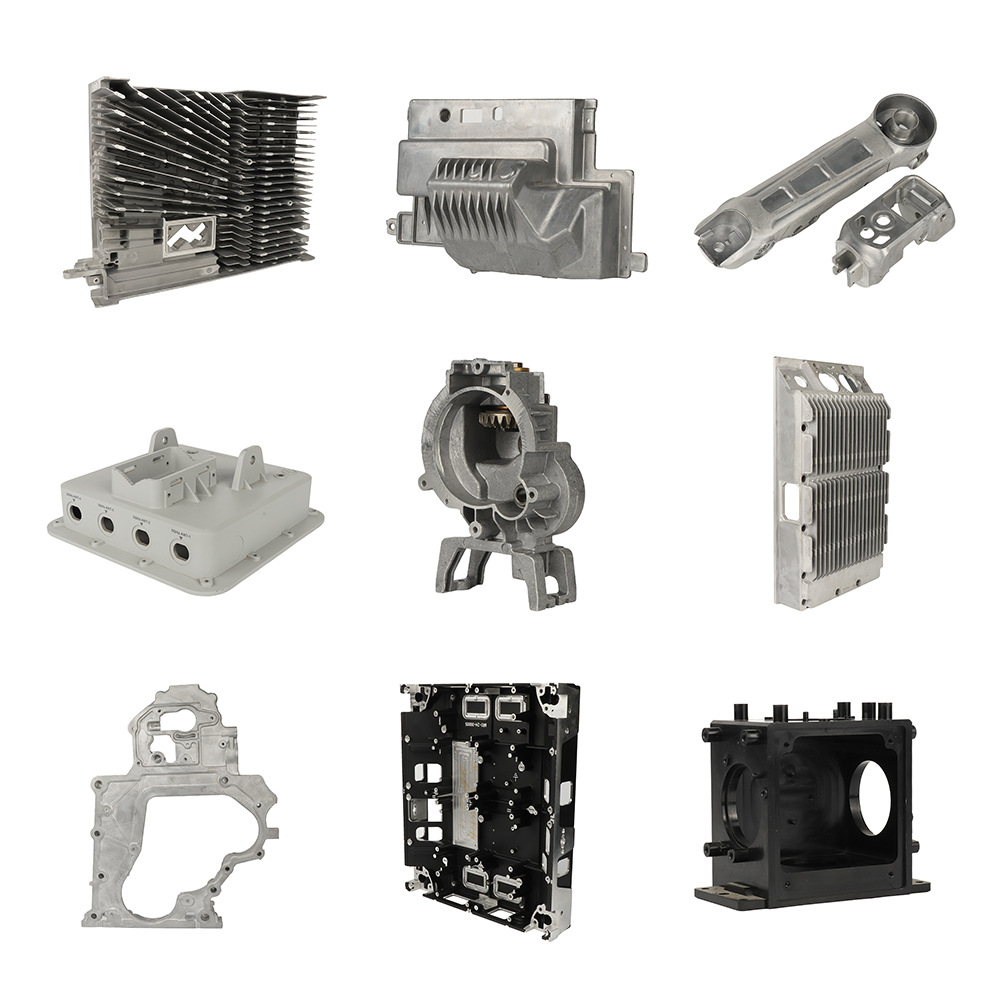
CNC machined aluminum parts | What are medical CNC machined aluminum parts? Key Features, Pros & Cons, FAQs
What are Medical CNC Machined Aluminum Parts? Key Features, Pros & Cons, FAQs
Table of Contents
- 1. Introduction: Medical CNC Machined Aluminum Parts & Their Medical Industry Significance
- 2. What are Medical CNC Machined Aluminum Parts?
- 3. Pros & Cons of Medical CNC Machined Aluminum Parts (Comparison)
- 4. Expert Insights on Medical CNC Machined Aluminum Parts
- 5. Frequently Asked Questions (FAQs) About Medical CNC Machined Aluminum Parts
- 6. Conclusion
1. Introduction: Medical CNC Machined Aluminum Parts & Their Medical Industry Significance
The global medical device industry is driven by precision, safety, and reliability—three core requirements that directly impact patient care and treatment outcomes. As medical technology advances, the demand for high-precision components has never been higher, and medical CNC machined aluminum parts have emerged as indispensable elements in modern medical equipment. These parts combine the unique properties of aluminum with the precision of CNC (Computer Numerical Control) machining, making them ideal for a wide range of medical applications, from diagnostic devices to surgical instruments.
Unlike standard CNC aluminum parts, medical CNC machined aluminum parts must meet strict medical industry standards, including biocompatibility, sterility, and dimensional accuracy. They are designed to withstand frequent sterilization, harsh medical environments, and the critical demands of patient-facing equipment. This blog provides a comprehensive overview of medical CNC machined aluminum parts, including their definition, types, materials, pros and cons, expert perspectives, and common FAQs—all aimed at highlighting why these parts are a top choice for medical device manufacturers.
2. What are Medical CNC Machined Aluminum Parts?
2.1 Basic Definition of Medical CNC Machined Aluminum Parts
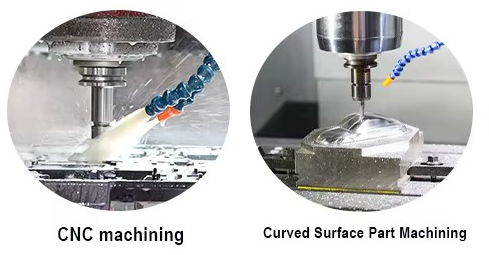
Medical CNC machined aluminum parts are specialized aluminum components manufactured using CNC machining technology, specifically engineered for use in medical devices and equipment. CNC machining uses computer-controlled tools to remove material from aluminum workpieces with extreme precision, achieving tolerances as tight as ±0.005mm—critical for medical applications where even minor dimensional errors can compromise patient safety or equipment functionality.
These parts are not just mechanical components; they are tailored to meet the strict regulatory requirements of the medical industry, including ISO 13485 (quality management for medical devices) and ISO 10993 (biocompatibility testing). They are designed to be biocompatible, non-toxic, and resistant to sterilization methods such as autoclaving, ethylene oxide (EO) gas, and gamma radiation—ensuring they can be safely used in clinical settings.
2.2 Common Types of Medical CNC Machined Aluminum Parts
Medical CNC machined aluminum parts are used across various medical sectors, each serving a critical role in device performance and patient care. Below are the most common types:
2.2.1 Diagnostic Equipment Parts
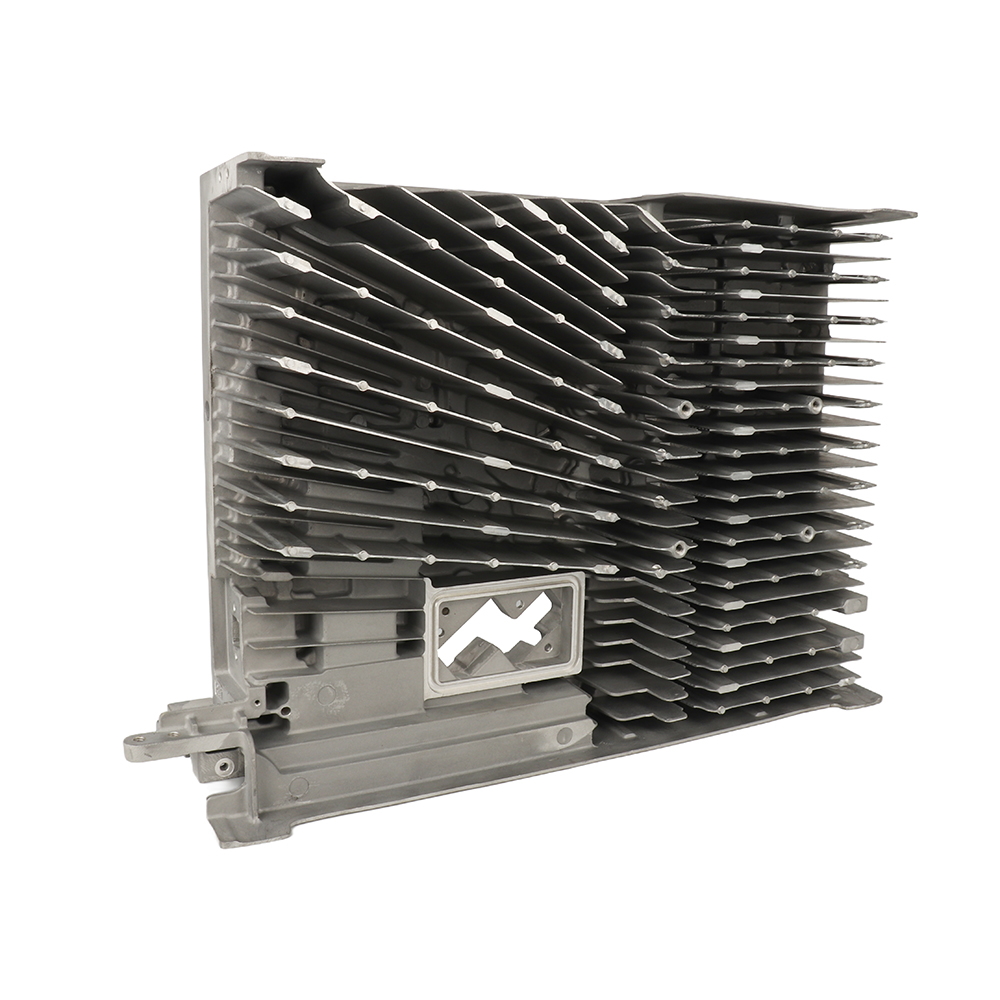
Diagnostic devices such as ultrasound machines, CT scanners, and blood analyzers rely on medical CNC machined aluminum parts like housing components, mounting brackets, heat sinks, and precision connectors. These parts must be lightweight to facilitate equipment portability and precise to ensure accurate diagnostic results. For example, aluminum heat sinks in ultrasound machines efficiently dissipate heat from electronic components, preventing overheating and ensuring consistent performance.
2.2.2 Surgical Instruments & Tools
Surgical instruments such as forceps, scalpel handles, and retractors often feature medical CNC machined aluminum parts for their lightweight and corrosion-resistant properties. Aluminum’s low weight reduces surgeon fatigue during long procedures, while its smooth, precision-machined surfaces prevent bacterial buildup and facilitate easy sterilization. High-strength aluminum alloys like 7075-T6 are commonly used for surgical tools requiring durability.
2.2.3 Medical Device Enclosures & Frames
Enclosures for portable medical devices (e.g., insulin pumps, portable oxygen concentrators) and frames for hospital beds, wheelchairs, and surgical tables often use medical CNC machined aluminum parts. These parts are lightweight yet sturdy, providing structural support while keeping devices portable. They are also designed to be impact-resistant and easy to clean, meeting the hygiene requirements of clinical environments.
2.2.4 Prosthetics & Orthotics Components
Prosthetic limbs and orthotic devices rely on medical CNC machined aluminum parts for their lightweight, customizable, and biocompatible properties. CNC machining allows for precise customization to match each patient’s unique anatomy, ensuring a comfortable fit and optimal functionality. Aluminum’s corrosion resistance also ensures these components withstand daily use and frequent cleaning.
2.3 Core Materials & CNC Machining Process for Medical Use
The core materials for medical CNC machined aluminum parts are medical-grade aluminum alloys, selected for their biocompatibility, machinability, and mechanical properties. The most commonly used grades include:
- 6061-T6 Aluminum Alloy: The most widely used grade for medical parts, offering excellent machinability, corrosion resistance, and moderate strength. It is biocompatible (ISO 10993 compliant) and suitable for most diagnostic equipment parts, enclosures, and surgical tool handles.
- 7075-T6 Aluminum Alloy: A high-strength alloy used for high-load components such as surgical instruments, prosthetic frames, and orthotic supports. It offers superior fatigue resistance and tensile strength (570 MPa), making it ideal for parts requiring durability.
- 6082 Aluminum Alloy: Known for its good weldability and corrosion resistance, used for medical device frames and instrument cases exposed to frequent sterilization.
The CNC machining process for medical CNC machined aluminum parts follows strict quality control protocols, including:
- Design & Prototyping: Using CAD software to create precise designs, followed by rapid prototyping to test fit and functionality.
- Material Preparation: Cutting medical-grade aluminum into workpieces, ensuring material purity and biocompatibility.
- Precision Machining: Using 3-axis, 4-axis, or 5-axis CNC machines to achieve complex geometries and tight tolerances. Multi-axis machining is often used for intricate parts like prosthetic components.
- Surface Treatment: Processes such as anodizing, passivation, or electropolishing to enhance corrosion resistance, biocompatibility, and surface smoothness—critical for preventing bacterial adhesion.
- Quality Inspection: Using coordinate measuring machines (CMM) and other precision tools to verify dimensional accuracy, surface quality, and compliance with medical standards.
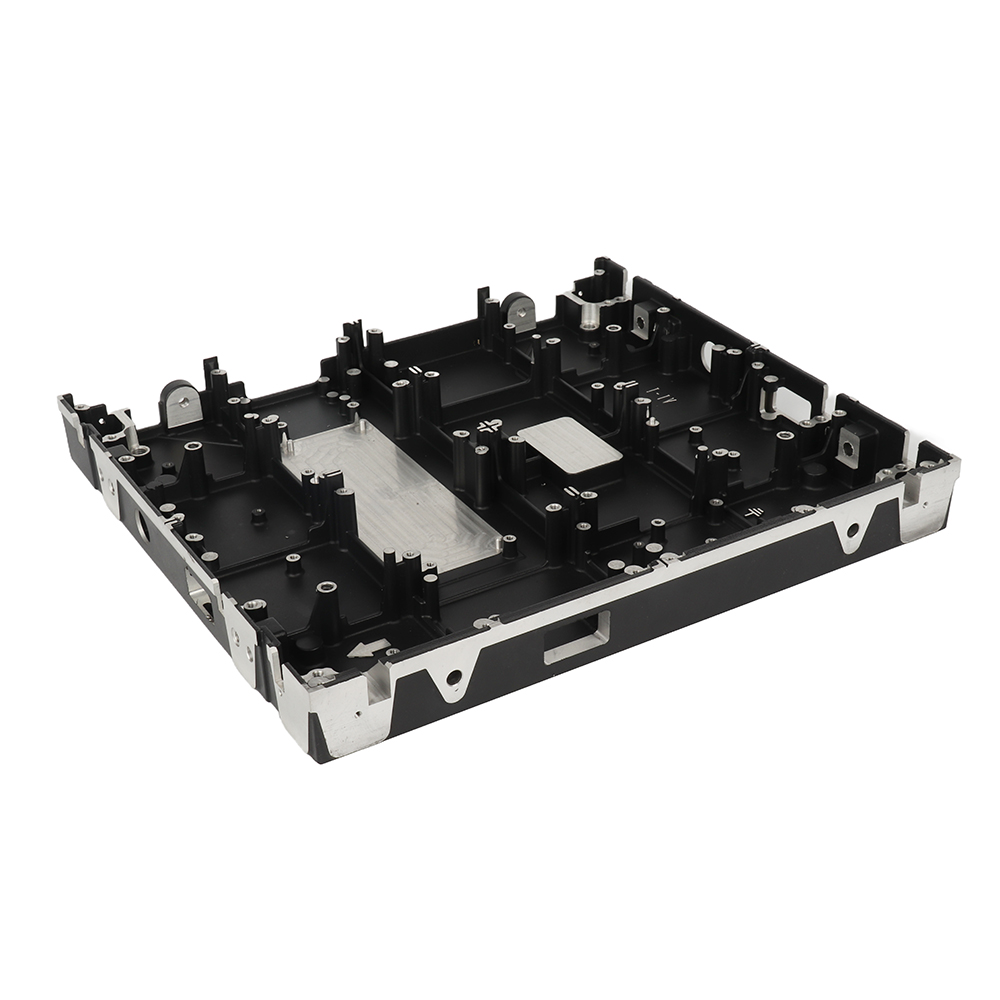
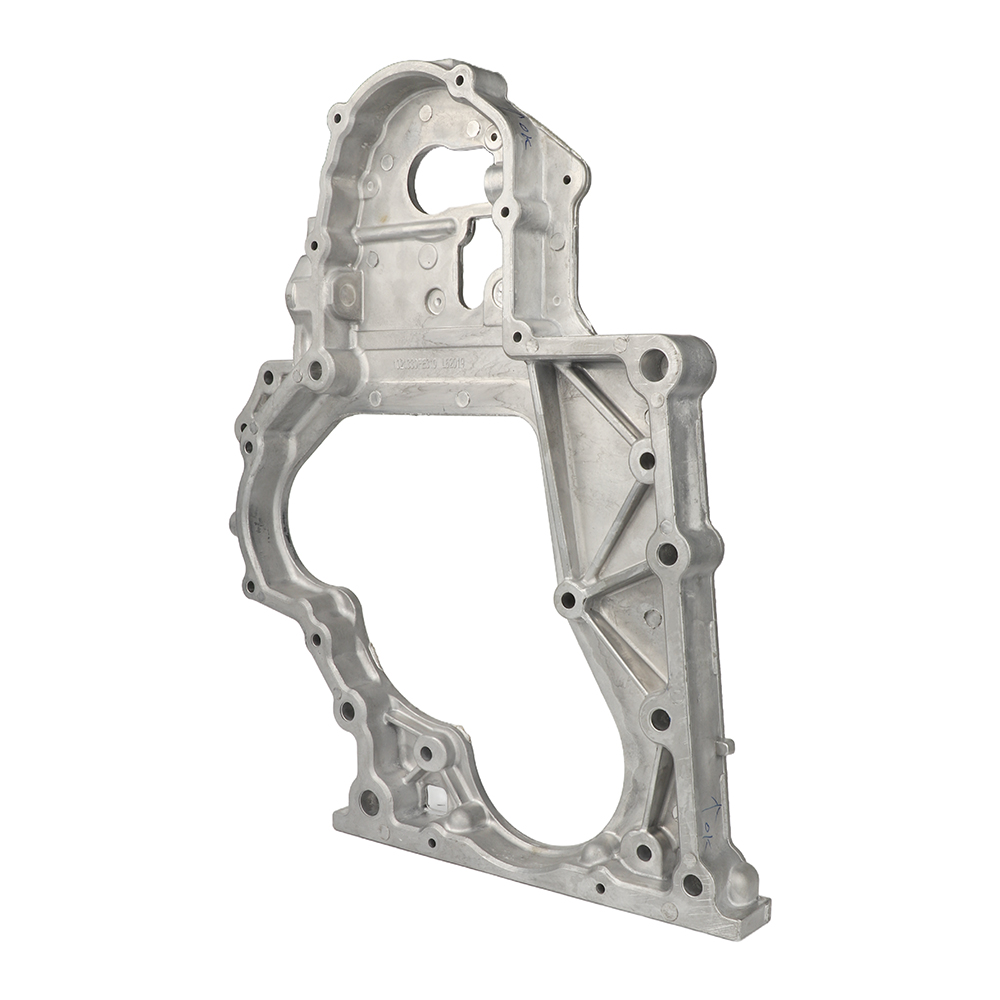
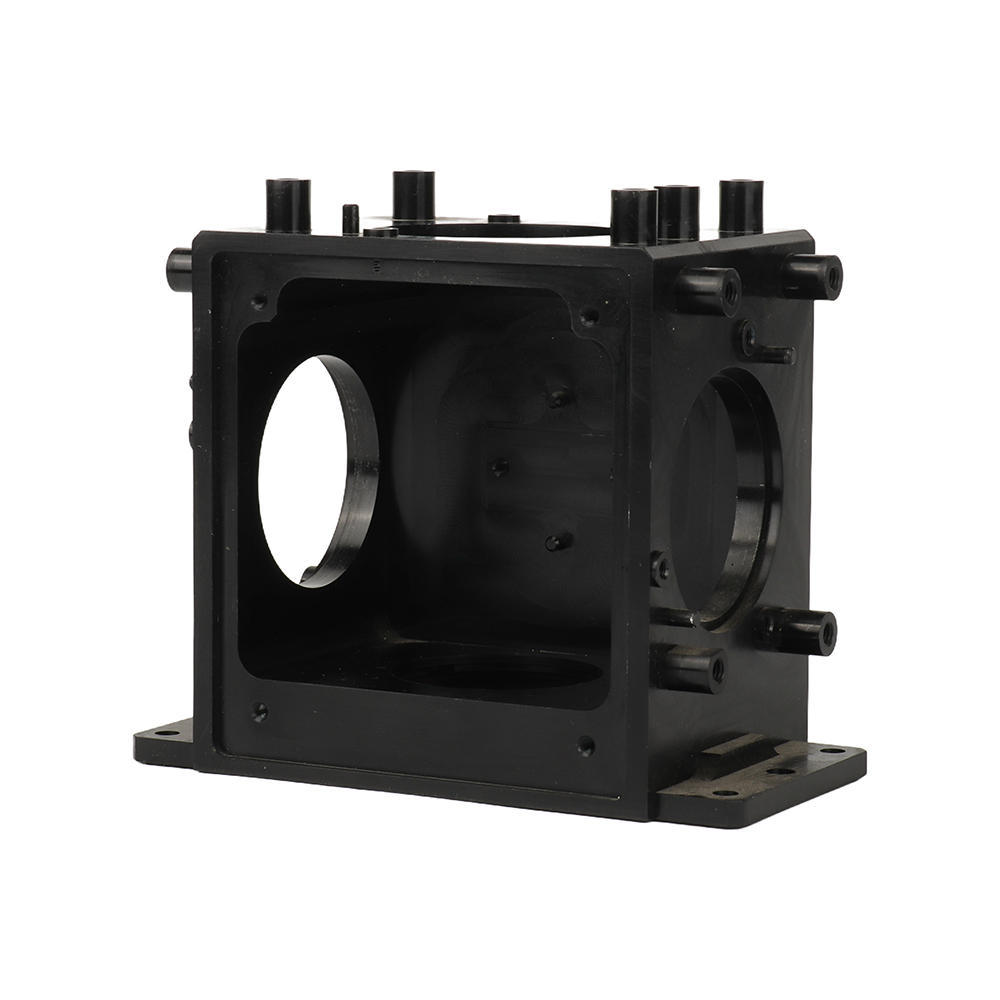
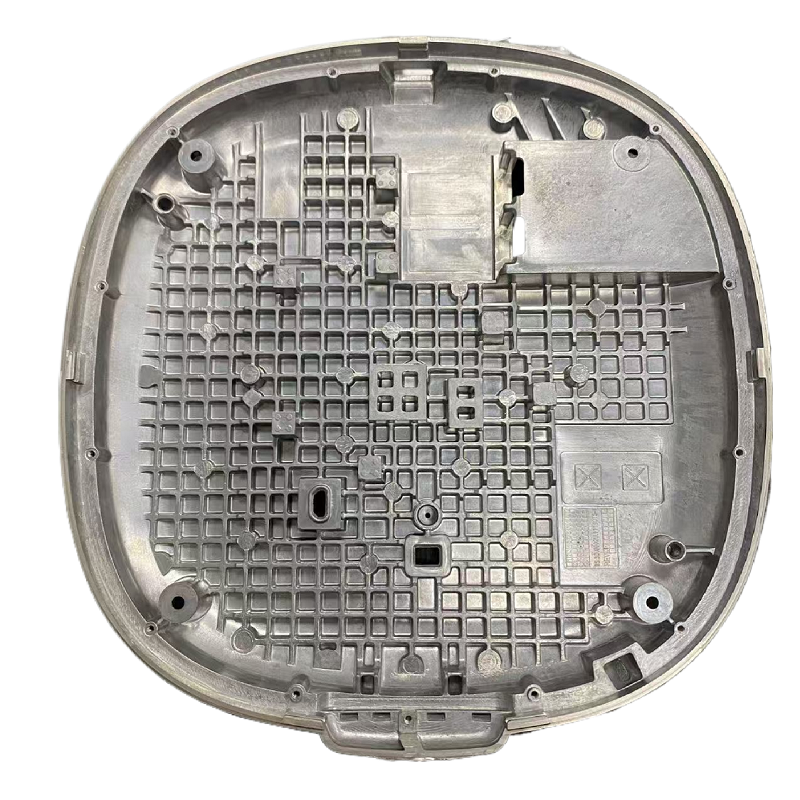
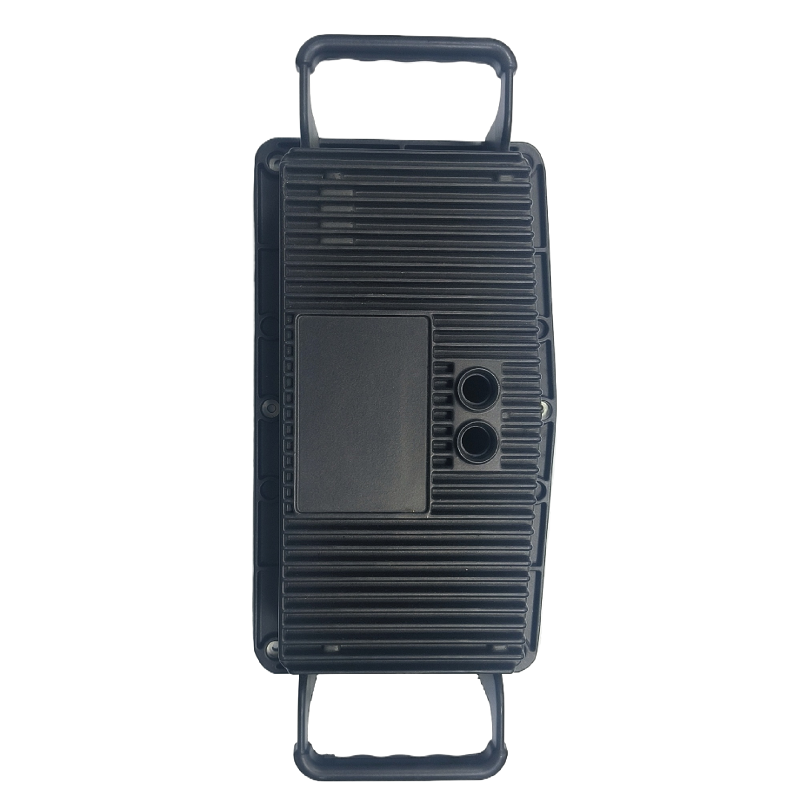
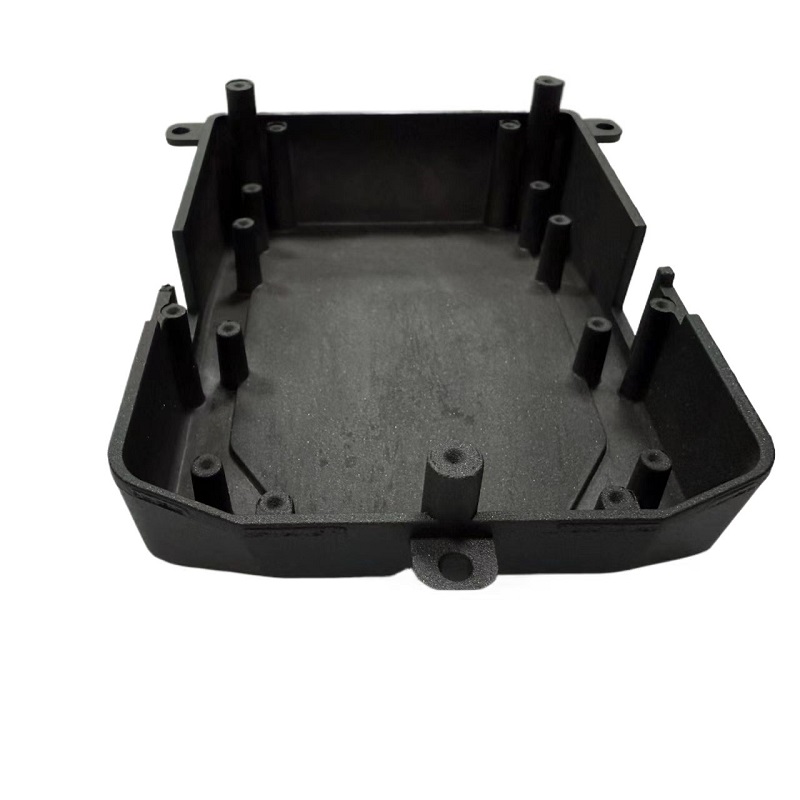
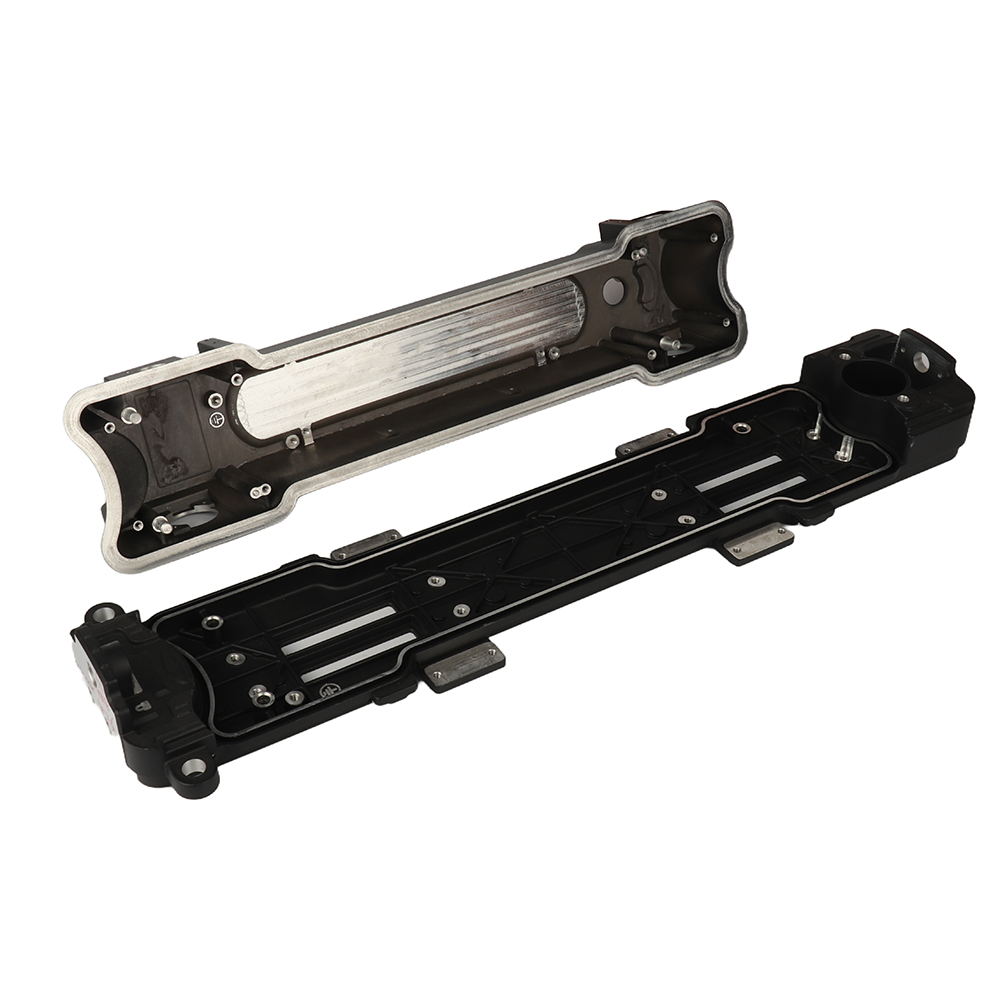
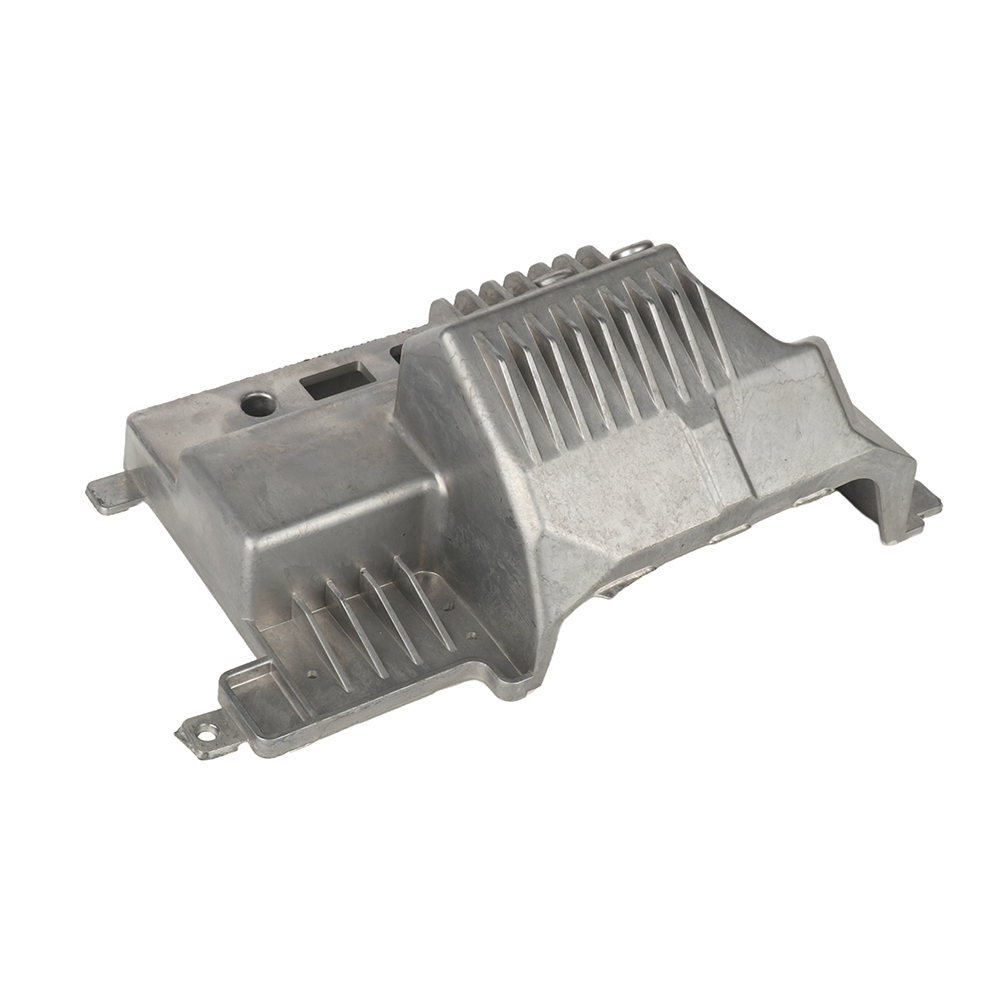
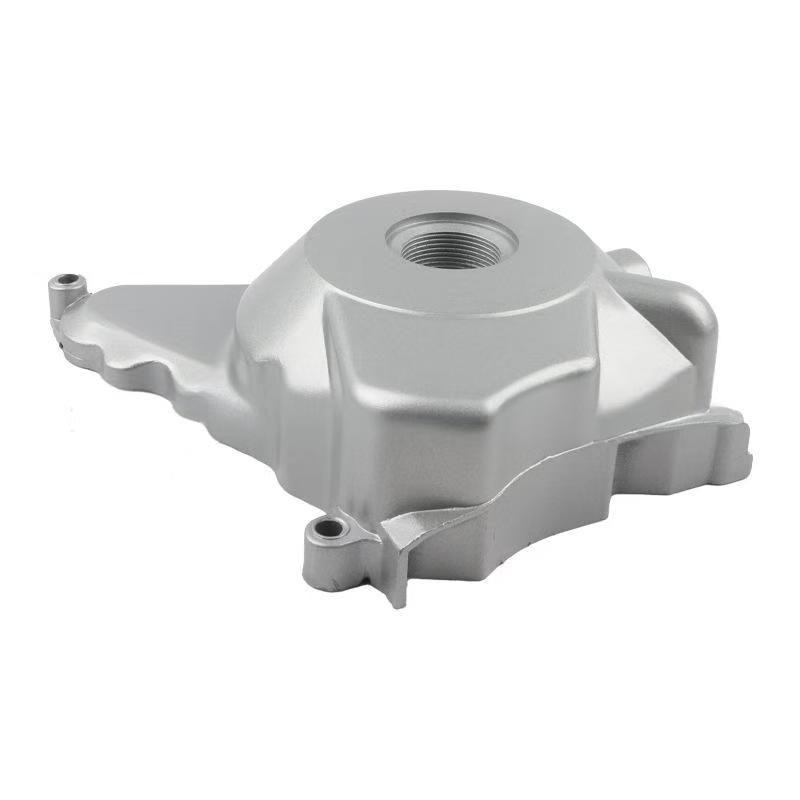
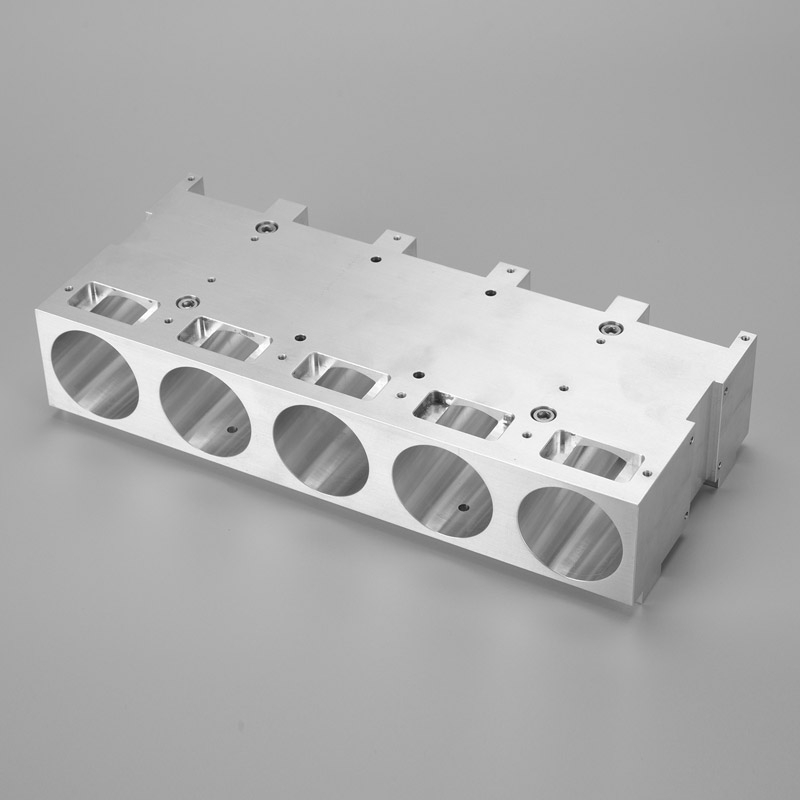
2.4 Image of General Medical CNC Machined Aluminum Parts
Below is an image of general medical CNC machined aluminum parts, showcasing common designs used in diagnostic equipment, surgical tools, and medical device enclosures:
3. Pros & Cons of Medical CNC Machined Aluminum Parts (Comparison)
Like any material, medical CNC machined aluminum parts have their advantages and disadvantages. Below is a detailed breakdown, including a comparison with other common medical machining materials (steel, titanium) to highlight their unique benefits.
3.1 Key Advantages (Benefits) of Medical CNC Machined Aluminum Parts
The benefits of medical CNC machined aluminum parts make them a preferred choice for medical device manufacturers, outweighing their potential drawbacks:
- Exceptional Biocompatibility: Medical-grade aluminum alloys are non-toxic, hypoallergenic, and compliant with ISO 10993 standards, making them safe for direct or indirect contact with patients. They do not leach harmful substances, even after repeated sterilization.
- Lightweight & High-Strength Ratio: Aluminum has a density of 2.7g/cm³—about 1/3 that of steel and 1/2 that of titanium—making medical CNC machined aluminum parts ideal for portable medical devices (e.g., insulin pumps, portable ultrasound machines) and surgical tools. Despite being lightweight, they offer excellent strength when using high-grade alloys like 7075-T6.
- Superior Machinability: Aluminum is easier to machine than steel or titanium, allowing for faster production, complex geometries, and tight tolerances (down to ±0.005mm). This reduces production costs and lead times, critical for medical device manufacturers.
- Excellent Corrosion Resistance: Aluminum naturally forms a protective oxide layer, and additional surface treatments (anodizing, passivation) further enhance its resistance to corrosion from bodily fluids, sterilization chemicals, and clinical environments. This extends the service life of medical parts.
- Cost-Effective: Compared to titanium (a common medical material), aluminum is significantly more affordable, while still meeting strict medical standards. Its high machinability also reduces scrap rates and production costs, making it a cost-effective choice for mass-produced medical devices.
- Easy Sterilization: Medical CNC machined aluminum parts can withstand all common medical sterilization methods, including autoclaving (high temperature and pressure), EO gas, and gamma radiation, without degrading or losing functionality. This is critical for maintaining hygiene in clinical settings.
- Customizable: CNC machining allows for precise customization of medical CNC machined aluminum parts to match specific device designs and patient needs—essential for prosthetics, orthotics, and specialized surgical instruments.
3.2 Potential Disadvantages of Medical CNC Machined Aluminum Parts
While the benefits are significant, medical CNC machined aluminum parts have a few limitations to consider:
- Lower Hardness Than Steel/Titanium: Aluminum is softer than steel and titanium, making it less suitable for parts subject to extreme wear or high impact (e.g., surgical blades that require sharp edges for extended use). However, surface treatments can improve hardness for certain applications.
- Not Suitable for Implantable Parts (In Most Cases): While aluminum is biocompatible, it is not commonly used for permanent implants (e.g., hip replacements) because it has lower fatigue resistance than titanium and may degrade over time in the human body. It is primarily used for external or temporary medical components.
- Susceptible to Galvanic Corrosion: When in contact with other metals (e.g., steel) in the presence of bodily fluids or sterilization chemicals, aluminum can undergo galvanic corrosion. This can be mitigated by using compatible metals or applying protective coatings.
3.3 Comparison with Other Medical Machined Materials (Steel, Titanium)
To better highlight the advantages of medical CNC machined aluminum parts, here is a comparison with two other common medical machining materials:
| Feature | Medical CNC Machined Aluminum Parts | Medical CNC Machined Steel Parts | Medical CNC Machined Titanium Parts |
|---|---|---|---|
| Biocompatibility | Excellent (ISO 10993 compliant) | Good (requires coating for corrosion resistance) | Excellent (ideal for implants) |
| Weight | Lightweight (2.7g/cm³) | Heavy (7.8g/cm³) | Moderate (4.5g/cm³) |
| Machinability | Excellent (fast, low scrap rates) | Poor (hard, slow machining) | Poor (hard, expensive machining) |
| Cost | Low to moderate | Moderate | High (2–3x more expensive than aluminum) |
| Corrosion Resistance | Excellent (with surface treatment) | Poor (prone to rust without coating) | Excellent (naturally corrosion-resistant) |
| Best For | Portable devices, surgical tools, enclosures, prosthetics | Heavy-duty surgical instruments, non-portable equipment | Permanent implants, high-load medical components |
4. Expert Insights on Medical CNC Machined Aluminum Parts
We invited three industry experts to share their insights on medical CNC machined aluminum parts, covering their role in medical device innovation, quality requirements, and future trends:
Dr. Sarah Johnson, Material Science Expert at MedTech Innovations (18+ years of medical material research experience): "Medical CNC machined aluminum parts have revolutionized the medical device industry by balancing precision, safety, and cost-effectiveness. The key advantage of aluminum is its ability to meet strict biocompatibility standards while being lightweight and easy to machine—critical for portable devices that improve patient access to care. We’re seeing growing adoption of modified aluminum alloys, like 6061-T6 with enhanced corrosion resistance, to address the unique challenges of clinical environments. For most external medical components, aluminum is the optimal choice, outperforming steel in portability and machinability, and titanium in cost."
Mark Wilson, Senior CNC Machinist at Medical Precision Components (20+ years of medical part manufacturing experience): "The biggest demand for medical CNC machined aluminum parts comes from diagnostic device and surgical tool manufacturers, who need parts with tight tolerances and consistent quality. Aluminum’s machinability allows us to produce complex geometries—like custom prosthetic sockets or precision heat sinks—with minimal waste and fast lead times. The biggest challenge is ensuring surface finish and biocompatibility, which requires strict process control and post-machining treatments. As medical technology advances, we’re using 5-axis CNC machines to create even more intricate aluminum parts, pushing the boundaries of what’s possible in medical device design."
Jennifer Lee, Medical Device Industry Analyst at Global Healthcare Insights: "Medical CNC machined aluminum parts are poised for significant growth in the next 5 years, driven by the rise of portable medical devices and the need for cost-effective, high-quality components. The global market for these parts is expected to grow at a CAGR of 12%+, as manufacturers shift from steel to aluminum to reduce device weight and production costs. The future will focus on developing aluminum alloys with improved fatigue resistance, making them suitable for more specialized applications, and integrating smart machining technologies to enhance precision and quality control. For medical device companies looking to balance performance and affordability, aluminum CNC parts are the clear choice."
5. Frequently Asked Questions (FAQs) About Medical CNC Machined Aluminum Parts
Below are the most common questions about medical CNC machined aluminum parts in the medical device industry, with detailed answers to help you better understand their use and benefits:
Q1: Are medical CNC machined aluminum parts safe for patient contact?
A1: Yes, medical CNC machined aluminum parts are safe for patient contact. They are made from medical-grade aluminum alloys that are biocompatible, non-toxic, and compliant with ISO 10993 standards (biological evaluation of medical devices). Additionally, surface treatments like anodizing or passivation enhance biocompatibility and prevent any harmful substances from leaching, even after repeated sterilization.
Q2: What is the typical tolerance for medical CNC machined aluminum parts?
A2: The tolerance for medical CNC machined aluminum parts depends on the application, but most medical parts require tight tolerances of ±0.005mm to ±0.01mm. For critical components like surgical instrument jaws or diagnostic device connectors, tolerances can be as tight as ±0.002mm. CNC machining technology ensures consistent dimensional accuracy across batches, meeting the strict requirements of medical devices.
Q3: Can medical CNC machined aluminum parts be sterilized multiple times?
A3: Yes, medical CNC machined aluminum parts are designed to withstand repeated sterilization. They can be safely sterilized using all common medical methods, including autoclaving (121°C, 15 psi for 30 minutes), EO gas, and gamma radiation. The aluminum material and surface treatments (anodizing) prevent degradation, discoloration, or loss of functionality even after hundreds of sterilization cycles.
Q4: Why choose aluminum over titanium for medical CNC machined parts?
A4: Aluminum is preferred over titanium for most external medical parts because it is significantly more cost-effective (2–3x cheaper), lighter (ideal for portable devices), and easier to machine (reducing production time and scrap rates). While titanium is better for permanent implants due to its superior fatigue resistance, medical CNC machined aluminum parts are ideal for external devices, surgical tools, and enclosures where portability and cost are critical.
Q5: What surface treatments are used for medical CNC machined aluminum parts?
A5: The most common surface treatments for medical CNC machined aluminum parts are: ① Anodizing: Creates a protective oxide layer that enhances corrosion resistance and surface smoothness. ② Passivation: Removes free iron from the surface to prevent corrosion. ③ Electropolishing: Creates a smooth, mirror-like surface that reduces bacterial adhesion and facilitates sterilization. These treatments ensure the parts meet medical hygiene and durability requirements.
Q6: Can medical CNC machined aluminum parts be customized for specific medical devices?
A6: Yes, customization is one of the key advantages of medical CNC machined aluminum parts. CNC machining uses CAD designs to create parts with custom sizes, shapes, and features, tailored to the specific needs of a medical device or patient. For example, prosthetic components can be customized to match a patient’s anatomy, and diagnostic device parts can be designed to fit unique equipment configurations. Advanced CNC machines allow for rapid prototyping and mass production of customized parts.
Q7: What quality standards do medical CNC machined aluminum parts need to meet?
A7: Medical CNC machined aluminum parts must meet strict industry standards, including: ① ISO 13485: Quality management system for medical devices. ② ISO 10993: Biocompatibility testing to ensure safety for patient contact. ③ FDA regulations (for U.S. markets) and CE marking (for EU markets). Additionally, parts must pass dimensional accuracy checks (using CMM), surface quality inspections, and sterilization validation to ensure they meet the requirements of medical device manufacturers.
6. Conclusion
Medical CNC machined aluminum parts are a cornerstone of modern medical device manufacturing, offering an unbeatable combination of precision, biocompatibility, lightweight design, and cost-effectiveness. From diagnostic equipment to surgical tools, prosthetics to medical device enclosures, these parts play a critical role in ensuring patient safety, improving device performance, and making medical technology more accessible.
While they have minor limitations—such as lower hardness than steel or titanium—their benefits far outweigh these drawbacks, making them the preferred choice for most external medical components. As medical technology advances, medical CNC machined aluminum parts will continue to evolve, with improved alloys and machining technologies enhancing their performance and expanding their applications.
For medical device manufacturers looking to balance quality, safety, and cost, medical CNC machined aluminum parts are the ideal solution—delivering the precision and reliability required in clinical settings, while keeping production costs manageable and devices portable for better patient care.
Laptop frame | What is custom aluminum CNC machining? Focus on Laptop Frame Applications
Aluminum machined parts | What is New energy CNC aluminum parts? Key Focuses, Roles & Benefits
Related Article