HOT PRODUCTS
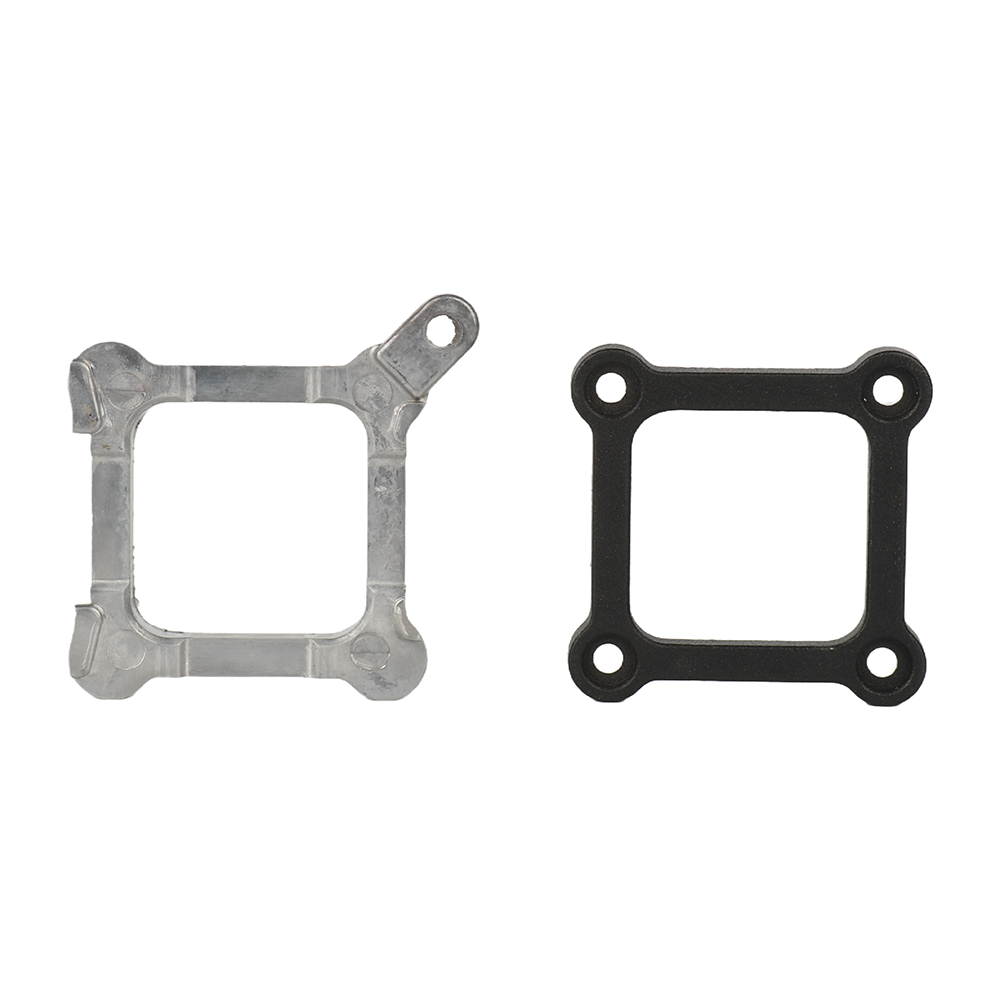
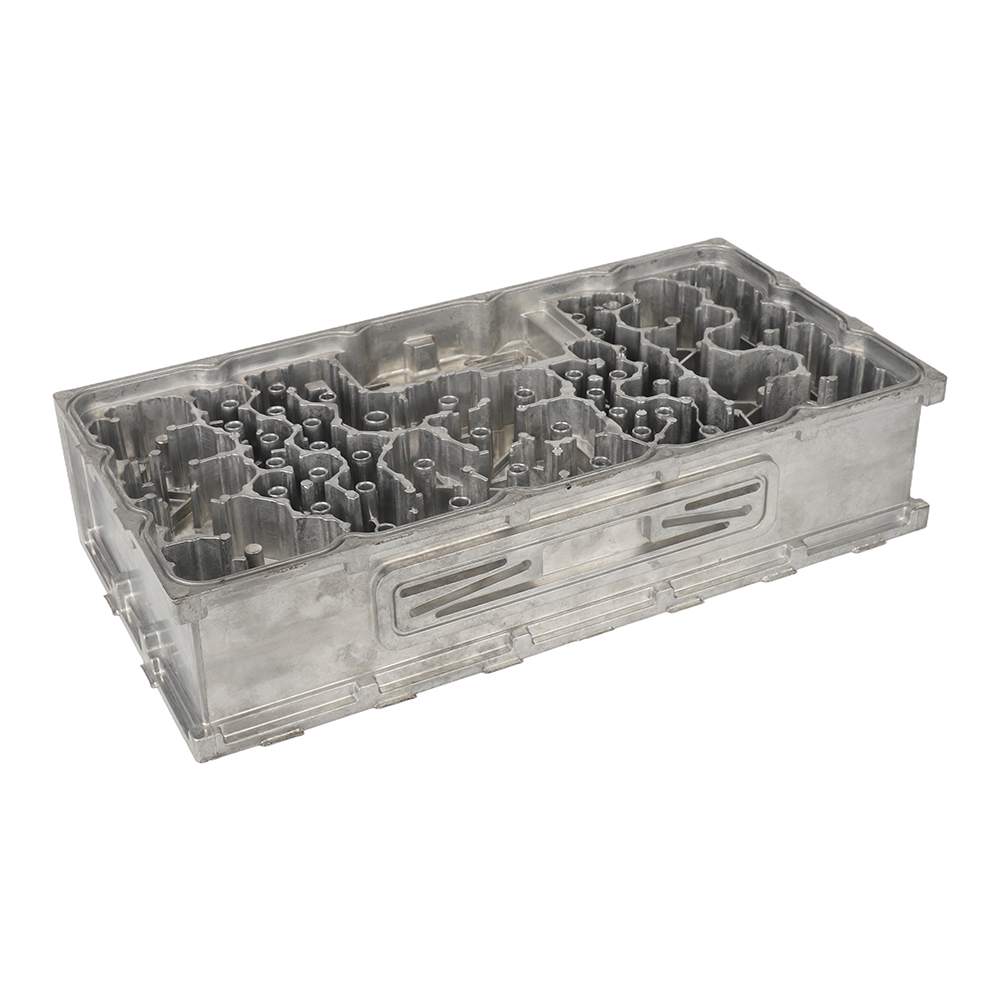
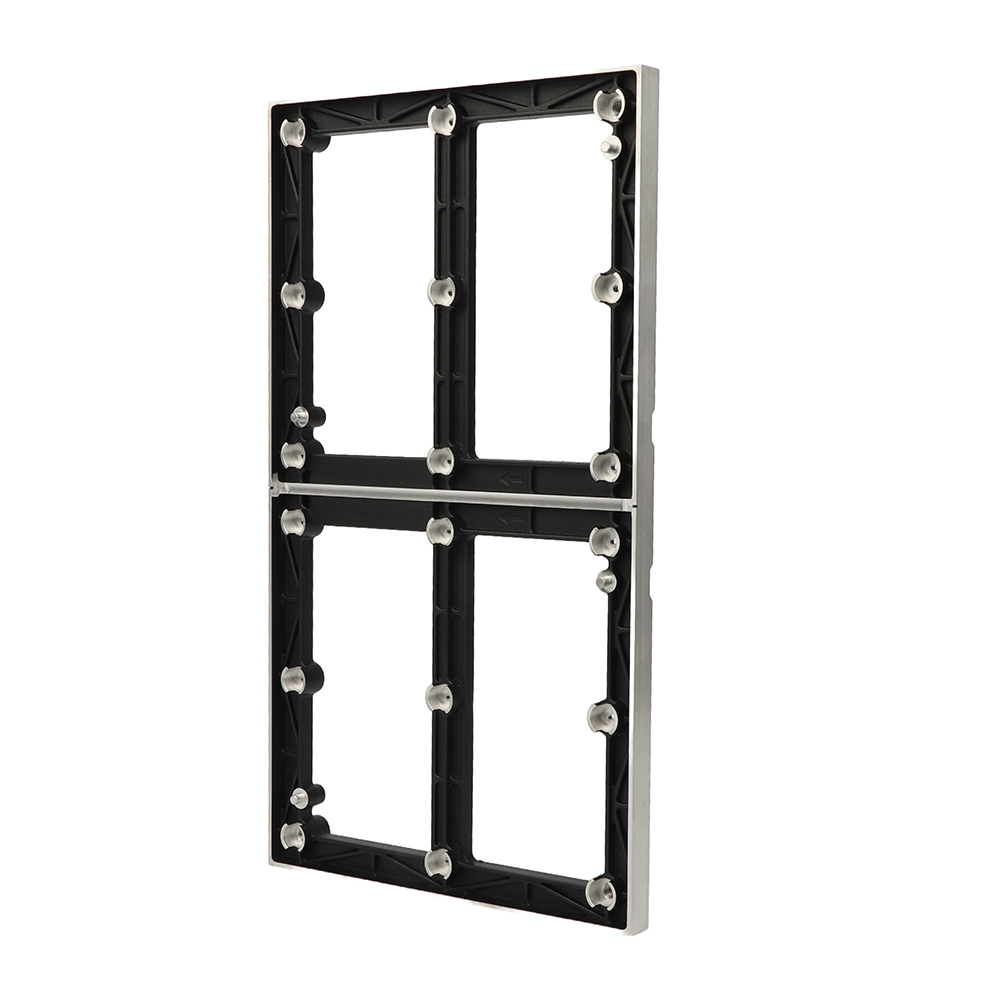
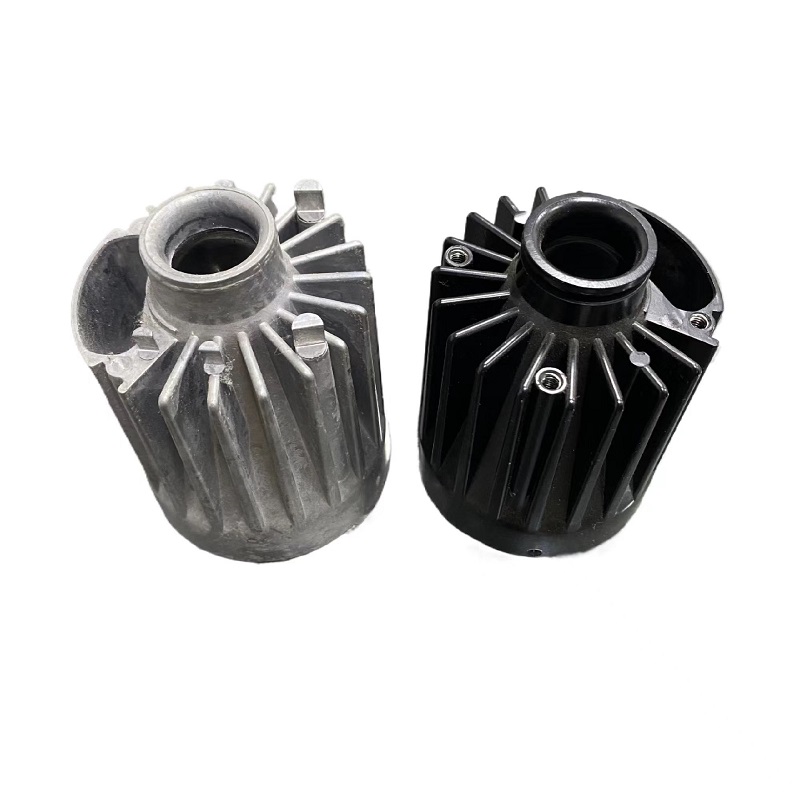
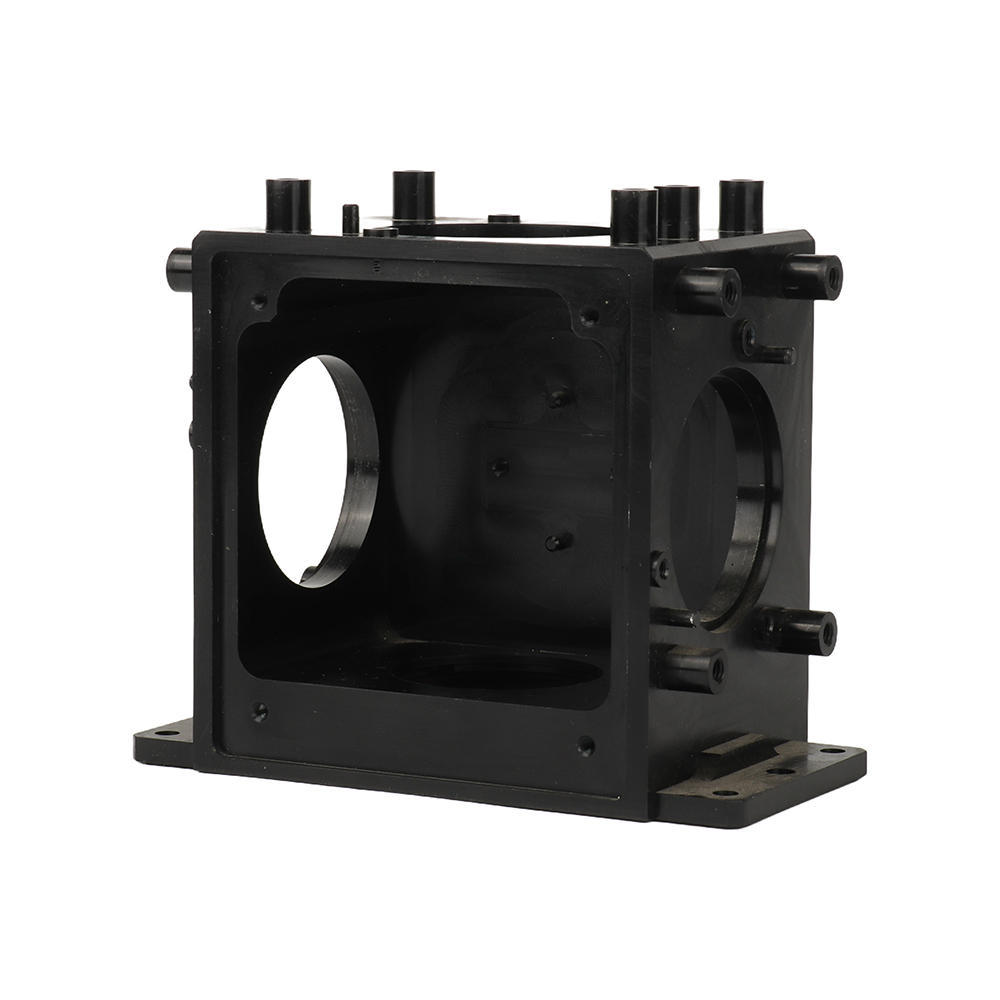
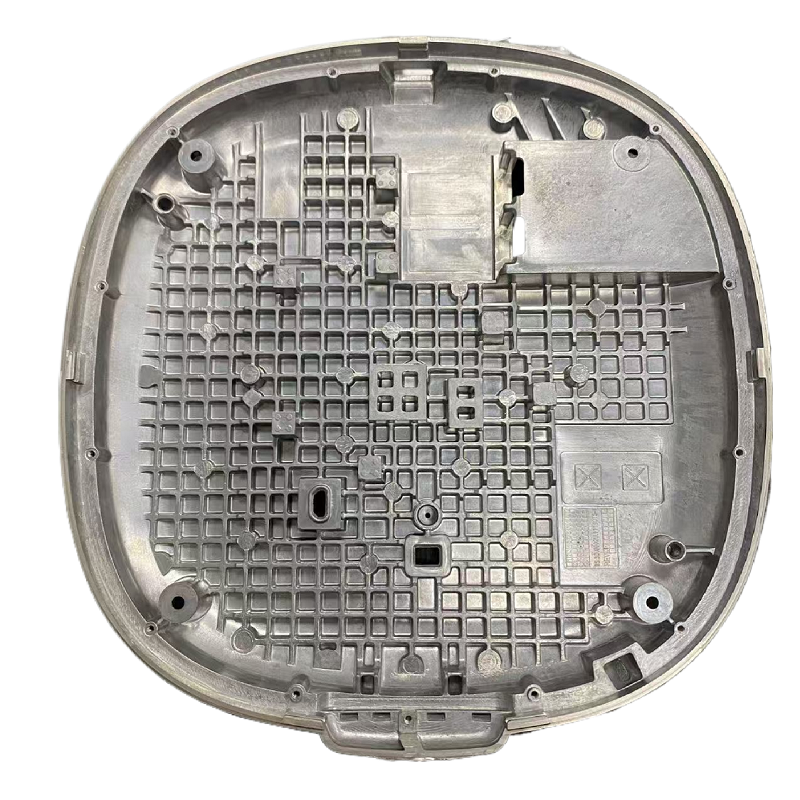
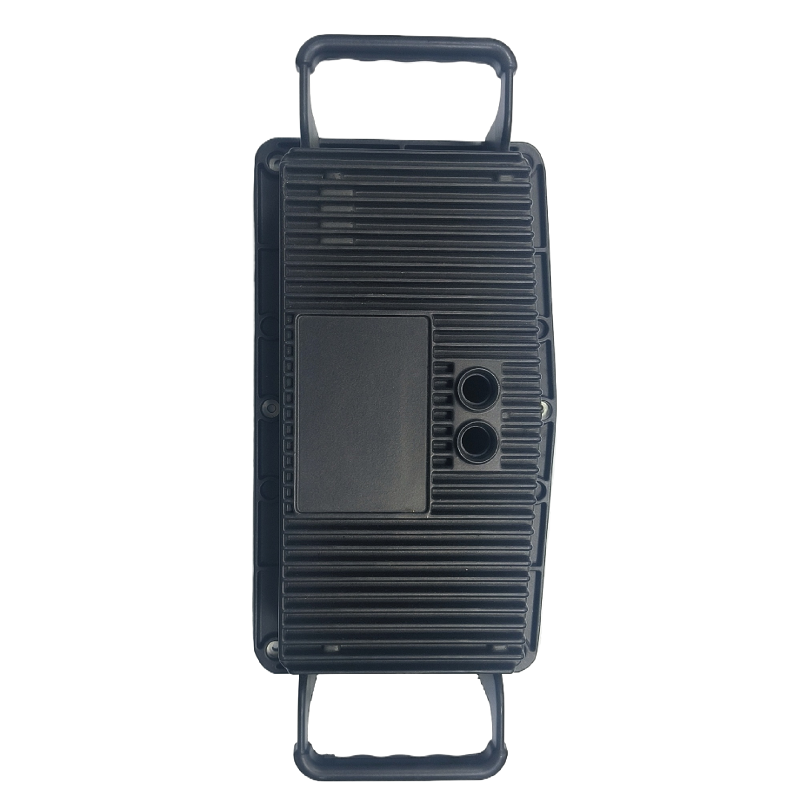
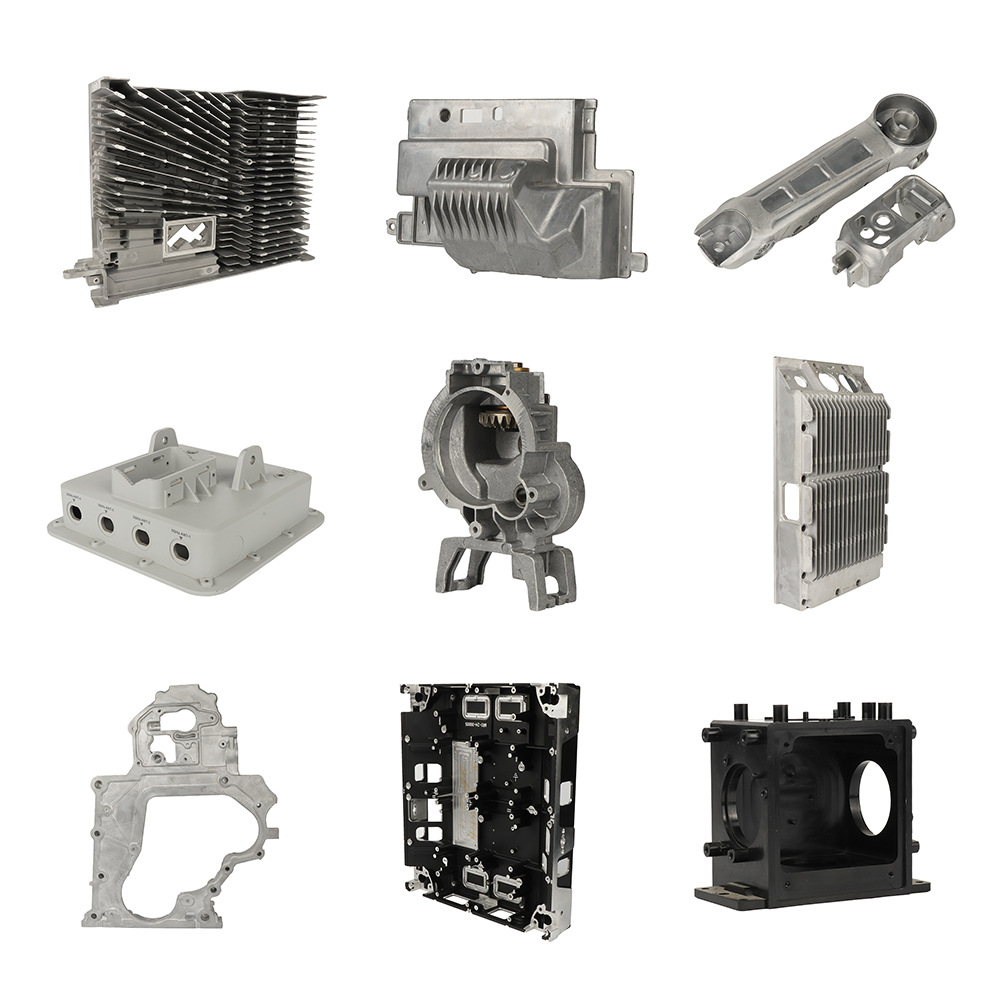
CNC medical parts | What are medical cnc parts? Key Focuses, Roles & Benefits of New Medical CNC Components
What are Medical CNC Parts? Key Focuses, Roles & Benefits of New Medical CNC Components
Table of Contents
- 1. Introduction: Medical CNC Parts & Their Healthcare Significance
- 2. What are Medical CNC Parts? (Basic Definition & Core Features)
- 3. Key Focus Points of New Medical CNC Parts
- 4. Core Roles of New Medical CNC Parts in Healthcare Industry
- 5. Key Benefits of New Medical CNC Parts
- 6. Expert Insights on Medical CNC Parts
- 7. Frequently Asked Questions (FAQs) About Medical CNC Parts
- 8. Conclusion
1. Introduction: Medical CNC Parts & Their Healthcare Significance
In the rapidly advancing healthcare industry, precision, safety, and reliability are non-negotiable—especially when it comes to medical devices and equipment that directly impact patient lives. Medical CNC parts have emerged as the backbone of modern medical manufacturing, leveraging Computer Numerical Control (CNC) technology to produce high-precision components tailored specifically for healthcare applications. Unlike standard industrial CNC parts, medical CNC parts must meet rigorous standards for biocompatibility, sterility, and regulatory compliance, making them indispensable in surgical tools, implants, diagnostic devices, and more.
With the continuous innovation of medical technology, new medical CNC parts have upgraded in precision, material application, and production technology, further promoting the transformation of the healthcare industry. This blog delves into the definition, key focuses, core roles, and unique benefits of medical CNC parts, supplemented by expert insights and FAQs to provide a comprehensive understanding of their critical role in advancing healthcare. As medical technology evolves, the demand for high-quality, innovative medical CNC parts continues to grow, driving improvements in patient care and medical device performance.
2. What are Medical CNC Parts? (Basic Definition & Core Features)
To fully grasp the value of medical CNC parts, it’s essential to first define their purpose and identify the core features that set them apart from conventional CNC components. These parts are not just precision machined components—they are engineered to meet the unique, life-critical demands of the healthcare industry, where even the smallest deviation can have severe consequences for patient safety.
2.1 Basic Definition of Medical CNC Parts
Medical CNC parts are precision components manufactured using CNC machining technology, specifically designed and optimized for use in medical devices, surgical instruments, implants, and healthcare equipment. These parts are crafted from biocompatible, medical-grade materials (such as titanium alloys, medical-grade stainless steel, PEEK, and cobalt-chromium alloys) and processed with ultra-high precision to meet strict dimensional tolerances and regulatory standards (including ISO 13485 and FDA requirements). Unlike industrial CNC parts, which prioritize durability and cost-efficiency, medical CNC parts focus on biocompatibility (safety for human contact), sterility, and consistency, making them vital for applications ranging from minimally invasive surgical tools to life-sustaining implants like hip replacements and dental fixtures.
2.2 Core Features of High-Quality Medical CNC Parts
High-quality medical CNC parts must possess the following core features to meet the rigorous demands of the healthcare industry, ensuring patient safety and device performance:
- Ultra-High Precision & Dimensional Stability: Dimensional tolerances as tight as ±0.0005mm, ensuring consistent fit and function in medical devices—critical for components like surgical instrument jaws, implant screws, and diagnostic probe tips. This level of precision prevents device failure and ensures compatibility with other medical components, which is particularly important for high-risk medical devices such as cardiac stents and orthopedic implants.
- Biocompatibility: Made from medical-grade materials that are non-toxic, non-irritating, and compatible with human tissue and bodily fluids. Materials like TC4 titanium alloy, 316L stainless steel, and PEEK are commonly used for their biocompatibility, reducing the risk of adverse reactions or infections. These materials must pass strict biocompatibility tests such as ISO 10993 to ensure safety for human contact.
- Sterilization Compatibility: Able to withstand harsh sterilization processes (such as autoclaving, ethylene oxide, and gamma radiation) without degradation, ensuring the parts remain safe for repeated use in clinical settings. This is a key feature that distinguishes medical CNC parts from industrial parts, as medical devices need to be sterilized repeatedly to prevent cross-infection.
- Surface Smoothness & Cleanliness: Mirror-like surface finishes (Ra ≤ 0.2μm) to prevent bacterial adhesion, reduce tissue irritation, and facilitate easy sterilization. No sharp edges or burrs are allowed, as these can damage tissue or compromise device functionality. For implants, a smooth surface can also promote bone integration and reduce the risk of rejection.
- Regulatory Compliance: Fully compliant with global medical standards (ISO 13485, FDA 21 CFR Part 820, CE Marking) and accompanied by complete documentation, including material certificates of conformity (CoC) and inspection reports. The regulatory requirements vary according to the risk level of medical devices, with Class III devices requiring the strictest tolerances and documentation.
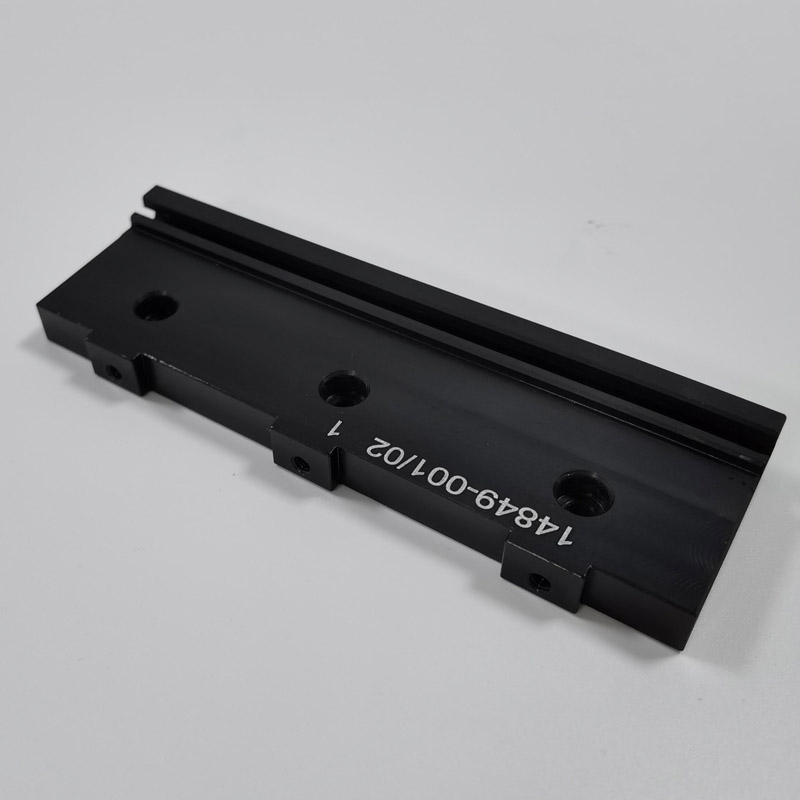
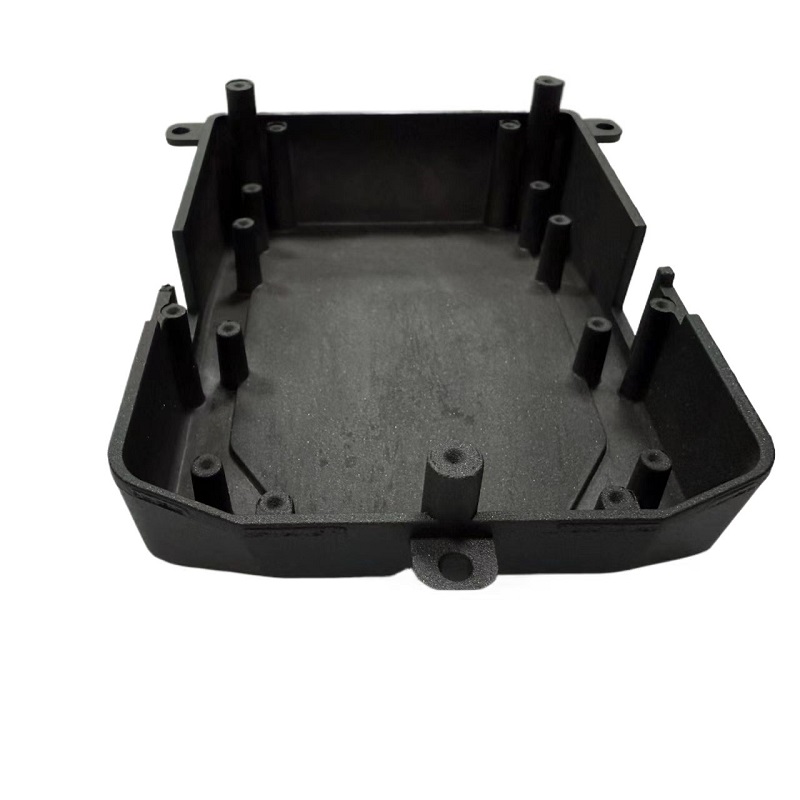
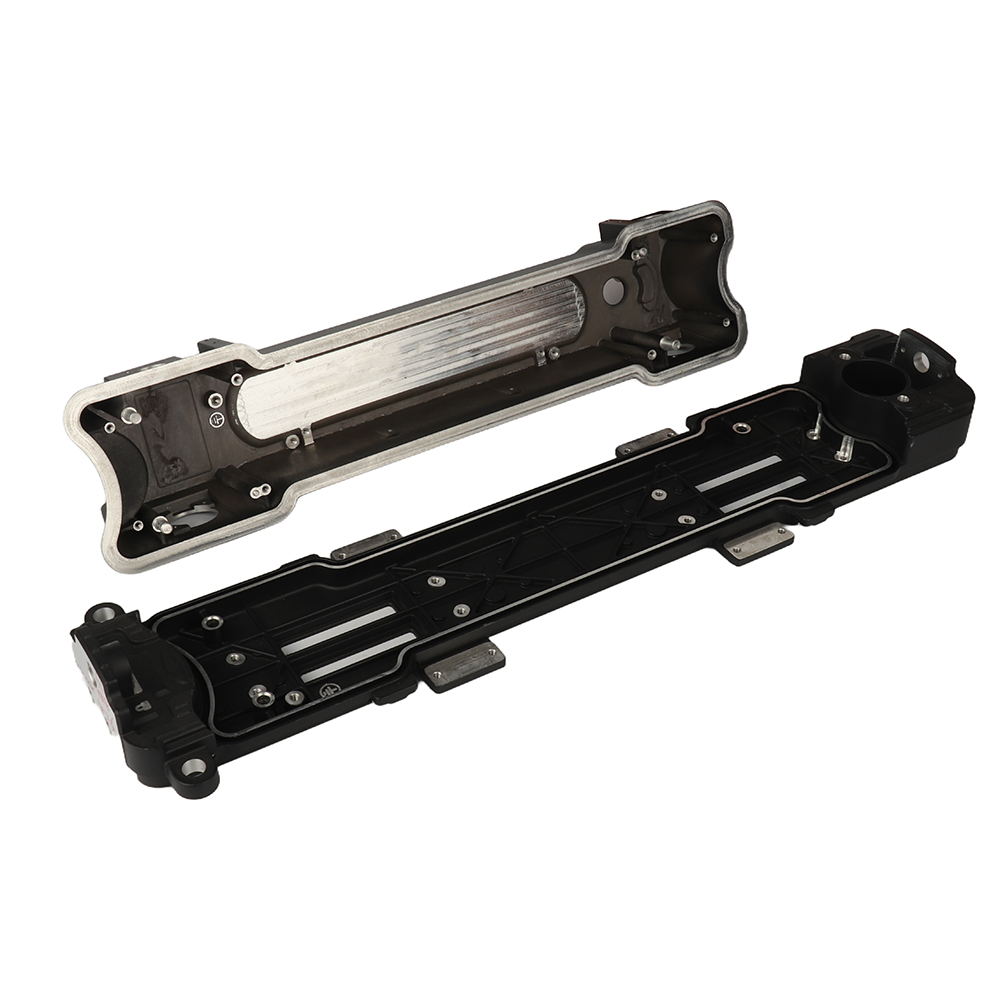
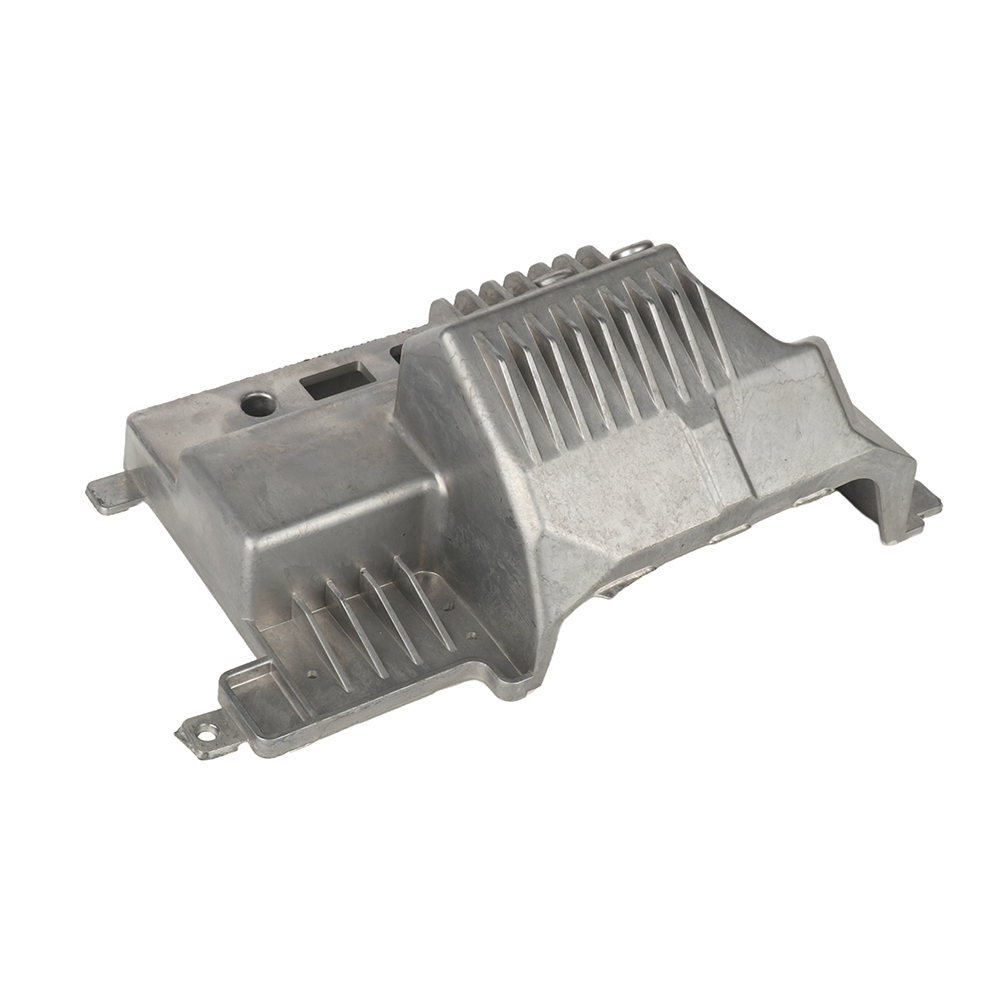
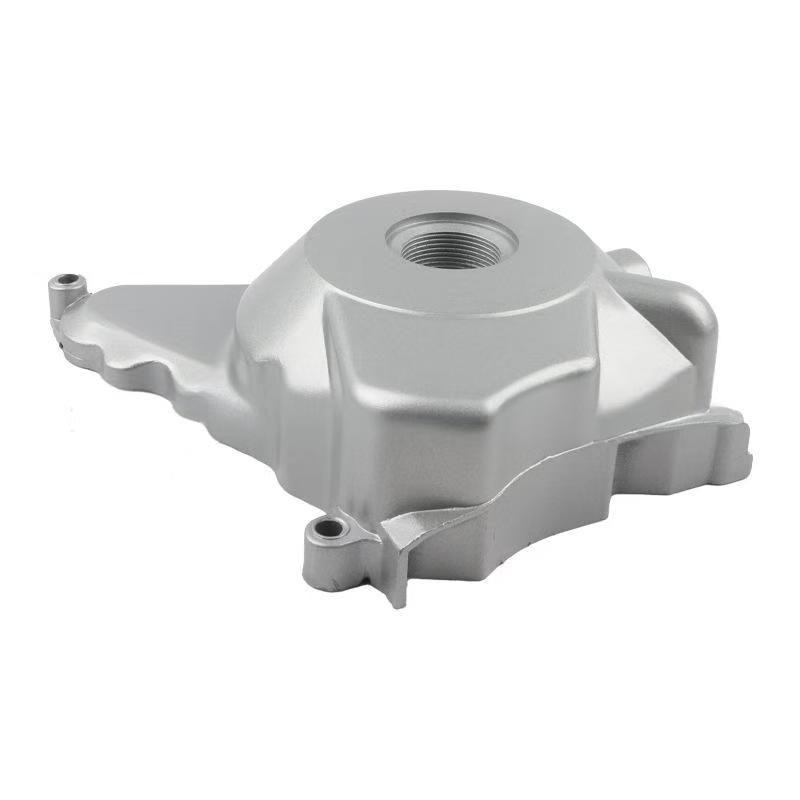
General Medical CNC Parts: Including surgical instrument components, implant fixtures, and diagnostic device parts
3. Key Focus Points of New Medical CNC Parts
Compared with traditional medical CNC parts, new medical CNC parts focus more on technological innovation, safety improvement, and efficiency optimization, aiming to adapt to the development of minimally invasive surgery, personalized medical treatment, and intelligent medical devices. The key focus points are as follows:
3.1 Precision & Dimensional Stability (Core Focus)
Precision is the core requirement of new medical CNC parts. With the popularization of minimally invasive surgical instruments and miniaturized diagnostic equipment, the size of medical CNC parts is getting smaller and smaller, and the requirements for dimensional accuracy are getting higher and higher. New medical CNC parts adopt advanced five-axis linkage machining technology and high-precision measurement equipment, which can achieve dimensional tolerances as tight as ±0.0001mm, far exceeding the standards of traditional parts. At the same time, through advanced heat treatment technology, the dimensional stability of the parts is improved, avoiding deformation during sterilization, storage, and use, ensuring long-term stable operation of medical devices. For example, the precision of the components of minimally invasive surgical forceps can directly affect the accuracy of the operation and the recovery effect of patients.
3.2 Biocompatibility & Material Traceability
New medical CNC parts pay more attention to the selection of environmentally friendly and high-performance biocompatible materials. On the basis of traditional medical-grade materials, new materials such as medical-grade PEEK and magnesium alloys are widely used. These materials not only have excellent biocompatibility but also have good mechanical properties, corrosion resistance, and degradability, which can meet the needs of different medical scenarios (such as degradable implants). In addition, new medical CNC parts implement full-process material traceability, from the purchase of raw materials to the processing, inspection, and delivery of parts, each link is recorded in detail, which can quickly trace the source of problems in case of quality accidents, ensuring the safety of patients.正规 suppliers need to provide "material tripartite documents" — factory certificate, third-party inspection report, and batch traceability code to ensure the authenticity and reliability of materials.
3.3 Regulatory Compliance & Cleanroom Production
With the continuous improvement of global medical regulatory standards, new medical CNC parts must fully comply with the latest regulatory requirements of various countries and regions. In addition to ISO 13485 and FDA 21 CFR Part 820, they also need to meet the specific requirements of regional standards such as CE Marking and NMPA. At the same time, new medical CNC parts adopt cleanroom production (Class 10000 or higher), which can effectively avoid dust, bacteria, and other pollutants from contaminating the parts during the processing process, ensuring the sterility and cleanliness of the parts. The cleanroom is equipped with professional air purification systems and disinfection equipment, and the operators need to wear professional protective clothing to enter, so as to minimize the risk of contamination. For example, the production of implantable medical CNC parts must be carried out in a Class 1000 cleanroom to ensure that the parts are free of any harmful substances.
4. Core Roles of New Medical CNC Parts in Healthcare Industry
New medical CNC parts play an irreplaceable core role in the healthcare industry, covering surgical treatment, medical implants, diagnosis and treatment, and device assembly. Their quality and performance directly affect the level of medical services and the safety of patients.
4.1 Role in Surgical Instruments Manufacturing
Surgical instruments are the core tools of clinical surgery, and new medical CNC parts are the key components of high-precision surgical instruments. For example, the jaws, blades, and screws of minimally invasive surgical instruments are all processed by CNC technology. The ultra-high precision and surface smoothness of new medical CNC parts can ensure the flexibility and accuracy of surgical instruments, reduce the trauma of patients during surgery, shorten the operation time, and improve the success rate of surgery. In addition, the corrosion resistance and sterilization compatibility of new medical CNC parts can extend the service life of surgical instruments, reduce the cost of medical institutions.
4.2 Role in Medical Implants & Prosthetics
Medical implants (such as hip replacements, dental implants, and cardiac stents) and prosthetics need to be implanted into the human body for a long time, so their requirements for biocompatibility, precision, and stability are extremely high. New medical CNC parts can be customized according to the physical characteristics of patients, ensuring that the implants and prosthetics fit the human body perfectly, reducing the risk of rejection and complications. For example, dental implants processed by new CNC technology can accurately match the shape and size of the patient's alveolar bone, improving the success rate of implantation and the comfort of use. At the same time, the use of degradable materials in new medical CNC parts can realize the automatic degradation of implants in the human body, avoiding secondary surgery.
4.3 Role in Diagnostic & Therapeutic Equipment
Diagnostic and therapeutic equipment (such as CT scanners, ultrasound machines, and radiation therapy equipment) relies on high-precision components to ensure the accuracy of diagnosis and the effectiveness of treatment. New medical CNC parts are used in the core components of these equipment, such as the probes of ultrasound machines, the rotating shafts of CT scanners, and the positioning components of radiation therapy equipment. The ultra-high precision and dimensional stability of new medical CNC parts can ensure the accuracy of equipment operation, improve the accuracy of diagnosis, and enhance the effect of treatment. For example, the precision of the probe components of ultrasound machines directly affects the clarity of the image, which is crucial for the early diagnosis of diseases.
4.4 Role in Medical Device Assemblies
Medical device assemblies are composed of multiple components, and the fit and compatibility between components directly affect the overall performance of the device. New medical CNC parts have uniform specifications and high precision, which can ensure the tight fit between components, avoid loose or stuck phenomena during the operation of the device, and improve the reliability and service life of the device. In addition, the modular design of new medical CNC parts can facilitate the assembly, maintenance, and replacement of medical devices, reducing the maintenance cost of medical institutions and improving work efficiency.
5. Key Benefits of New Medical CNC Parts
Compared with traditional medical CNC parts, new medical CNC parts have obvious advantages in safety, efficiency, cost, and environmental protection, bringing multiple benefits to medical institutions, patients, and manufacturers.
- Improve Patient Safety: The ultra-high precision and biocompatibility of new medical CNC parts can effectively reduce the risk of device failure, rejection, and infection, ensuring the safety of patients during diagnosis and treatment. For example, the smooth surface of implants can reduce tissue irritation, and the high precision can avoid complications caused by improper fit of parts. The full-process material traceability also provides a strong guarantee for patient safety, which can quickly solve problems in case of quality accidents.
- Enhance Medical Device Performance: New medical CNC parts adopt advanced materials and processing technology, which can improve the stability, durability, and accuracy of medical devices, enabling medical devices to play a better role in clinical diagnosis and treatment. For example, the use of five-axis linkage machining technology can improve the processing accuracy of parts, making the operation of medical devices more stable and accurate; the use of new materials can improve the corrosion resistance and service life of parts.
- Reduce Medical Costs: The long service life and high reliability of new medical CNC parts can reduce the frequency of replacement of medical devices and parts, thereby reducing the operating cost of medical institutions. In addition, the customization capability of new medical CNC parts can avoid the waste of materials, and the improvement of processing efficiency can reduce the production cost of manufacturers, which is ultimately reflected in the reduction of medical costs for patients. For example, degradable implants can avoid secondary surgery, reducing the medical expenses of patients and the burden on medical institutions.
- Promote the Development of Personalized Medicine: New medical CNC parts can be customized according to the physical characteristics and disease needs of patients, providing personalized solutions for patients. For example, personalized orthopedic implants can be processed according to the patient's bone shape, improving the fit and treatment effect; personalized surgical instruments can be customized according to the surgeon's operation habits, improving the efficiency of the operation. This is of great significance for the development of personalized medicine and the improvement of medical service quality.
- Comply with Environmental Protection Requirements: New medical CNC parts adopt environmentally friendly materials and energy-saving processing technology, reducing environmental pollution during the production process. For example, degradable materials can be naturally degraded in the environment after use, avoiding environmental pollution; energy-saving CNC equipment can reduce energy consumption and carbon emissions, conforming to the global environmental protection trend.
6. Expert Insights on Medical CNC Parts
To further understand the value and development trend of medical CNC parts, we invited three industry experts to share their insights:
6.1 Expert 1: Dr. Sarah Johnson, Chief Engineer of a Global Medical Device Company
"The development of new medical CNC parts has completely changed the pattern of the medical device industry. In the past, the precision of medical CNC parts was limited, which restricted the miniaturization and intelligence of medical devices. Now, with the application of five-axis linkage machining and high-precision measurement technology, the precision of medical CNC parts has been greatly improved, making minimally invasive surgery and personalized implants more popular. At the same time, the improvement of biocompatibility and material traceability has also enhanced the safety of medical devices, which is the core driving force for the development of the healthcare industry. In the future, medical CNC parts will develop towards more precise, more environmentally friendly, and more intelligent directions, bringing more surprises to clinical medicine."
6.2 Expert 2: Mr. Michael Lee, Senior CNC Machining Technologist with 20 Years of Experience
"Compared with traditional medical CNC parts, new medical CNC parts have higher requirements for processing technology and quality control. Cleanroom production, full-process material traceability, and strict regulatory compliance are the basic requirements for new medical CNC parts. In the processing process, we need to pay attention to every detail, from the selection of raw materials to the adjustment of processing parameters, and then to the inspection of finished products, which must be strictly controlled. The key to the quality of medical CNC parts lies in precision and stability, which requires us to continuously optimize processing technology and improve equipment level. With the continuous development of technology, I believe that medical CNC parts will play a more important role in the healthcare industry."
6.3 Expert 3: Dr. Emily Wang, Medical Device Regulatory Expert
"Regulatory compliance is the bottom line of medical CNC parts. With the continuous improvement of global medical regulatory standards, the requirements for medical CNC parts are becoming more and more strict. New medical CNC parts must not only meet the basic requirements of biocompatibility and precision but also have complete documentation and traceability systems to pass the review of regulatory authorities. For manufacturers, complying with regulatory requirements is not only an obligation but also a way to improve market competitiveness. In the future, regulatory standards will be more detailed and strict, which will promote the healthy development of the medical CNC parts industry and ensure the safety of patients around the world."
7. Frequently Asked Questions (FAQs) About Medical CNC Parts
Here are the most common questions about medical CNC parts in the industry, with detailed answers to help you better understand this field:
7.1 What is the difference between medical CNC parts and industrial CNC parts?
The biggest difference lies in the use scenario and quality requirements. Medical CNC parts are used in the healthcare industry, requiring strict biocompatibility, sterility, precision, and regulatory compliance, and are processed with medical-grade materials; industrial CNC parts are used in industrial production, focusing more on durability, cost-efficiency, and production efficiency, and the material requirements are relatively loose. In addition, medical CNC parts need to undergo strict inspection and certification, while industrial CNC parts only need to meet the basic performance requirements of the product.
7.2 What materials are commonly used for new medical CNC parts?
Common materials include medical-grade stainless steel (such as 316L), titanium alloys (such as TC4), PEEK, cobalt-chromium alloys, and degradable materials (such as magnesium alloys). These materials have excellent biocompatibility, mechanical properties, and corrosion resistance, which can meet the needs of different medical scenarios. For example, titanium alloys are widely used in implants due to their good biocompatibility and mechanical properties; PEEK is used in surgical instruments due to its high temperature resistance and corrosion resistance; degradable materials are used in temporary implants due to their degradability.
7.3 What are the key standards that new medical CNC parts need to comply with?
The main global standards include ISO 13485 (medical device quality management system), FDA 21 CFR Part 820 (FDA medical device manufacturing regulations), CE Marking (EU medical device certification), and NMPA (China medical device registration standards). In addition, biocompatibility needs to comply with ISO 10993 standards, and cleanroom production needs to comply with ISO 14644 standards. Different countries and regions have different specific requirements, and manufacturers need to adjust according to the target market.
7.4 How to ensure the precision of new medical CNC parts?
The precision of new medical CNC parts is ensured by three aspects: first, the use of advanced CNC machining equipment (such as five-axis linkage machining centers) to improve processing accuracy; second, the use of high-precision measurement equipment (such as three-coordinate measuring instruments) to conduct strict inspection of parts, ensuring that the dimensional tolerance meets the requirements; third, the optimization of processing technology (such as heat treatment, surface treatment) to improve the dimensional stability of parts, avoiding deformation during use. In addition, strict quality control during the processing process is also an important guarantee for precision.
7.5 What is the development trend of new medical CNC parts?
The future development trend of new medical CNC parts is mainly reflected in four aspects: first, higher precision, to adapt to the miniaturization and intelligence of medical devices; second, more environmentally friendly, the wide application of degradable materials and energy-saving processing technology; third, more personalized, to provide customized parts according to the needs of patients; fourth, more intelligent, the integration of IoT technology to realize real-time monitoring of parts quality and performance. In addition, the acceleration of domestic substitution will also become an important trend in the development of the medical CNC parts industry, reducing dependence on imported parts.
8. Conclusion
Medical CNC parts are the core components of modern medical devices, and new medical CNC parts, with their higher precision, better biocompatibility, and more strict regulatory compliance, are promoting the continuous development of the healthcare industry. From surgical instruments to medical implants, from diagnostic equipment to device assemblies, new medical CNC parts play an irreplaceable role, improving patient safety, enhancing medical device performance, reducing medical costs, and promoting the development of personalized medicine.
With the continuous progress of technology and the continuous improvement of regulatory standards, the medical CNC parts industry will usher in a better development prospect. We believe that in the future, new medical CNC parts will continue to innovate, bringing more advanced, safer, and more efficient solutions to the healthcare industry, and making greater contributions to improving global medical service levels and protecting human health. As Dr. Sarah Johnson said, medical CNC parts are not just precision components, but the cornerstone of advancing healthcare and safeguarding human life and health.
Aluminum heat sink plate | What is aluminum heatsink cnc machining manufacturer? Key Focuses, Roles & Benefits
CNC machined parts | What are new energy cnc machined parts? Key Points, Roles & Benefits
Related Article