HOT PRODUCTS
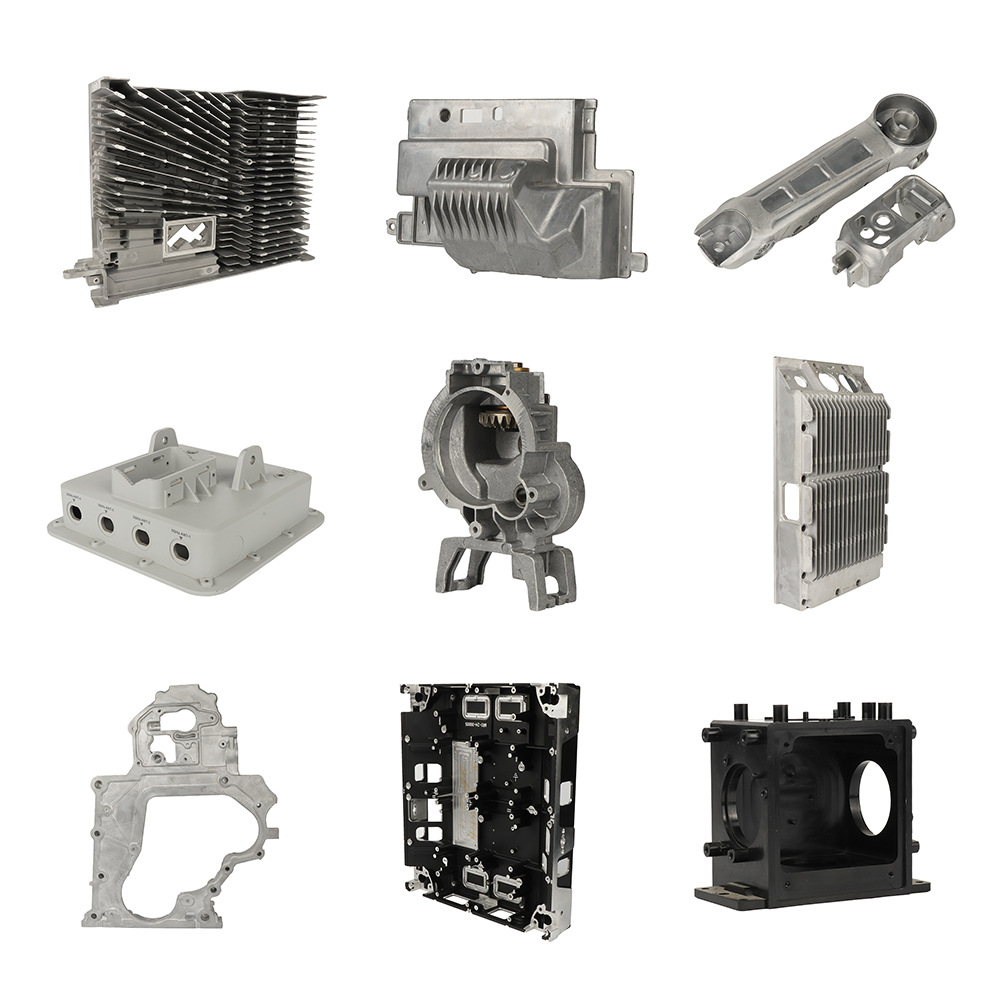
CNC machined parts | What are new energy cnc machined parts? Key Points, Roles & Benefits
What are New Energy CNC Machined Parts? Key Points, Roles & Benefits
Table of Contents
- 1. Introduction: New Energy CNC Machined Parts & Their Industrial Significance
- 2. What are New Energy CNC Machined Parts? (Basic Definition & Core Features)
- 2.1 Basic Definition of New Energy CNC Machined Parts
- 2.2 Core Features of High-Quality New Energy CNC Machined Parts
- 3. Key Focus Points of New Energy CNC Machined Parts
- 3.1 Precision Control (Core Focus)
- 3.2 Material Selection & Processing Compatibility
- 3.3 Environmental Adaptability & Safety Compliance
- 4. Core Roles of New Energy CNC Machined Parts in New Energy Industry
- 4.1 Role in New Energy Vehicle (NEV) Manufacturing
- 4.2 Role in Solar & Wind Energy Systems
- 4.3 Role in Energy Storage Equipment
- 4.4 Universal Application Across New Energy Sectors
- 5. Key Benefits of New Energy CNC Machined Parts
- 6. Expert Insights on New Energy CNC Machined Parts
- 7. Frequently Asked Questions (FAQs) About New Energy CNC Machined Parts
- 8. Conclusion
1. Introduction: New Energy CNC Machined Parts & Their Industrial Significance
With the global push for carbon neutrality and the rapid development of the new energy industry, new energy CNC machined parts have become the core cornerstone of modern new energy equipment manufacturing. Unlike traditional CNC machined parts, these components are specifically designed and processed to meet the strict requirements of new energy fields—such as high precision, corrosion resistance, high temperature resistance, and lightweight. From new energy vehicles (NEVs) to solar panels, wind turbines, and energy storage systems, new energy CNC machined parts are indispensable. This blog will delve into their definition, key focus points, core roles, and unique benefits, with expert insights and FAQs to help you fully understand this critical component of the new energy revolution. As the new energy industry continues to expand, the demand for high-quality new energy CNC machined parts is soaring, making them a key driver of industry development and technological innovation.
2. What are New Energy CNC Machined Parts? (Basic Definition & Core Features)
To understand new energy CNC machined parts, we first clarify their basic concept and core characteristics, which distinguish them from ordinary CNC parts and adapt them to the harsh working environment of new energy equipment. These parts are not just ordinary precision components—they are customized to fit the unique needs of the new energy sector, ensuring optimal performance and reliability in various application scenarios.
2.1 Basic Definition of New Energy CNC Machined Parts
New energy CNC machined parts refer to precision components processed by Computer Numerical Control (CNC) machining technology, specifically tailored for the new energy industry (including new energy vehicles, solar energy, wind energy, hydropower, energy storage, etc.). These parts are made of high-performance materials (such as aluminum alloys, titanium alloys, carbon fiber composites) and processed through high-precision CNC lathes, milling machines, and machining centers to meet the special performance requirements of new energy equipment—such as low energy consumption, high reliability, and long service life. Unlike traditional CNC parts, which are designed for general industrial use,new energy CNC machined parts focus on environmental adaptability, energy efficiency, and compatibility with new energy technologies, making them a vital part of the clean energy ecosystem.
2.2 Core Features of High-Quality New Energy CNC Machined Parts
High-quality new energy CNC machined parts must have the following core features to adapt to the complex and harsh working conditions of the new energy industry, ensuring stable operation and long service life:
- Ultra-High Precision: Dimensional tolerance can reach ±0.001mm, ensuring tight fit and stable operation of new energy equipment (e.g., battery pack components, motor shafts). This level of precision is critical for reducing energy loss and improving equipment efficiency, especially in high-speed rotating components like wind turbine shafts and NEV motor parts.
- Excellent Material Compatibility: Compatible with high-performance materials (such as 6061 aluminum alloy, TC4 titanium alloy, 40Cr合金钢) that have lightweight, high strength, and corrosion resistance. These materials are selected to meet the specific needs of different new energy applications—for example, aluminum alloys for lightweight NEV components and stainless steel for corrosion-resistant wind energy parts.
- High Temperature & Corrosion Resistance: Able to withstand extreme temperatures (from -40℃ to 200℃) and corrosive environments (e.g., outdoor wind turbines, marine new energy equipment, solar panels exposed to harsh weather). This feature ensures that new energy CNC machined parts can operate stably in various harsh conditions without performance degradation.
- High Stability & Durability: Low wear rate and long service life, reducing the maintenance cost of new energy equipment and improving operational efficiency. For example, wind turbine components processed by CNC technology have a service life of more than 20 years, significantly reducing the frequency of maintenance and replacement.
- Customizability: Can be customized according to the specific needs of different new energy equipment, such as special shapes, sizes, and surface treatments. This flexibility allows new energy CNC machined parts to adapt to the diverse needs of NEVs, solar systems, wind turbines, and energy storage devices, making them highly versatile across the industry.
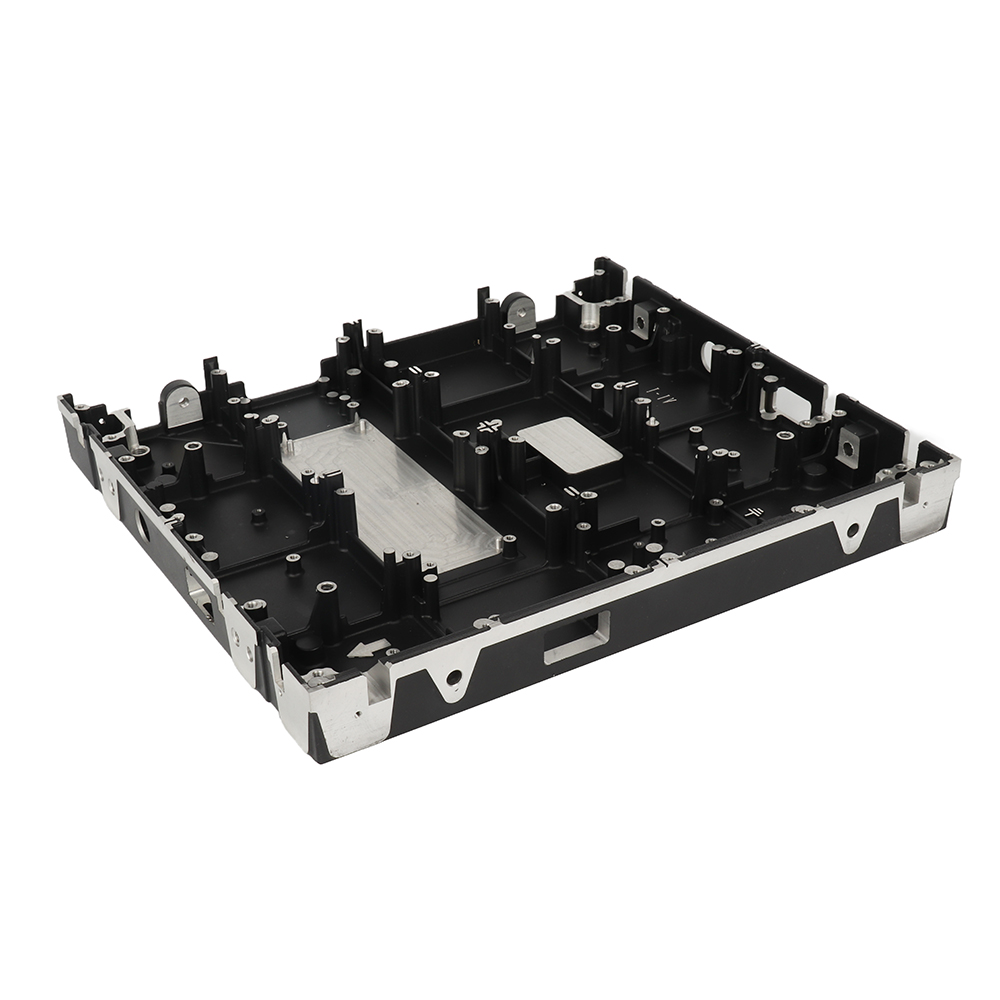
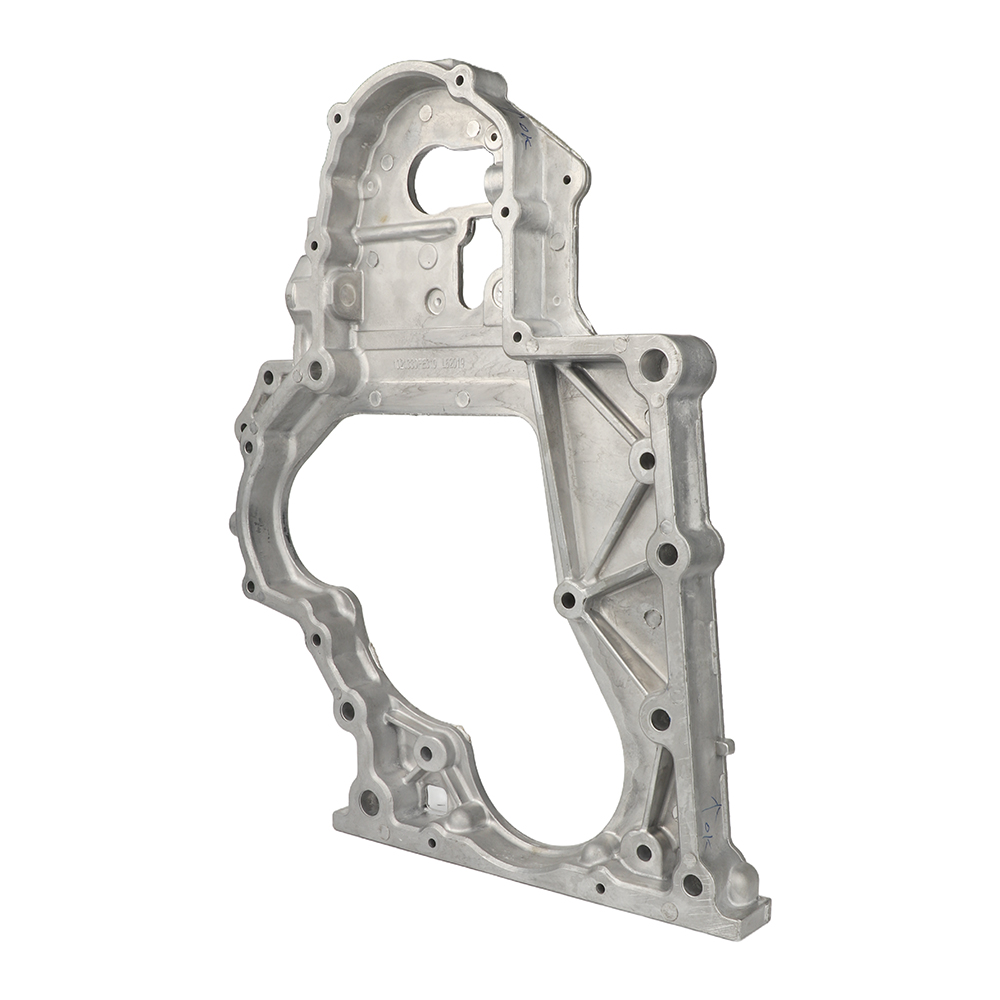
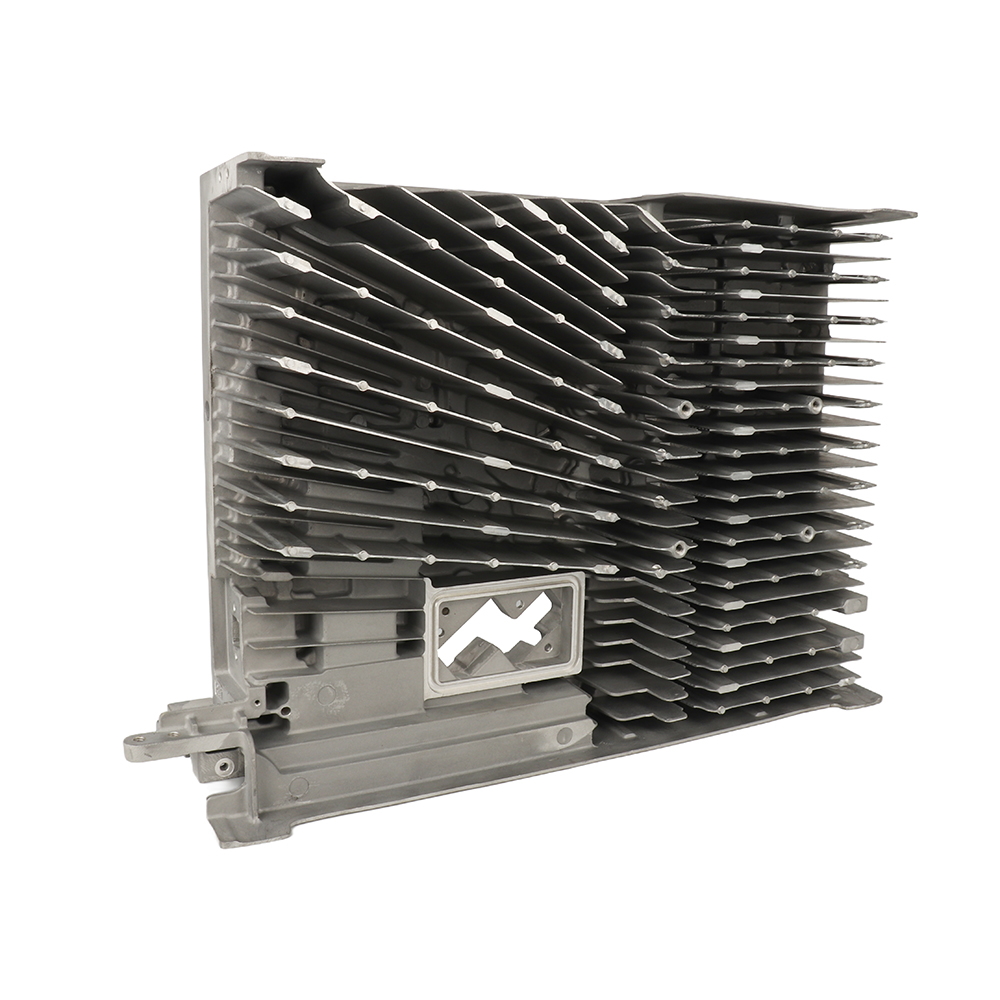
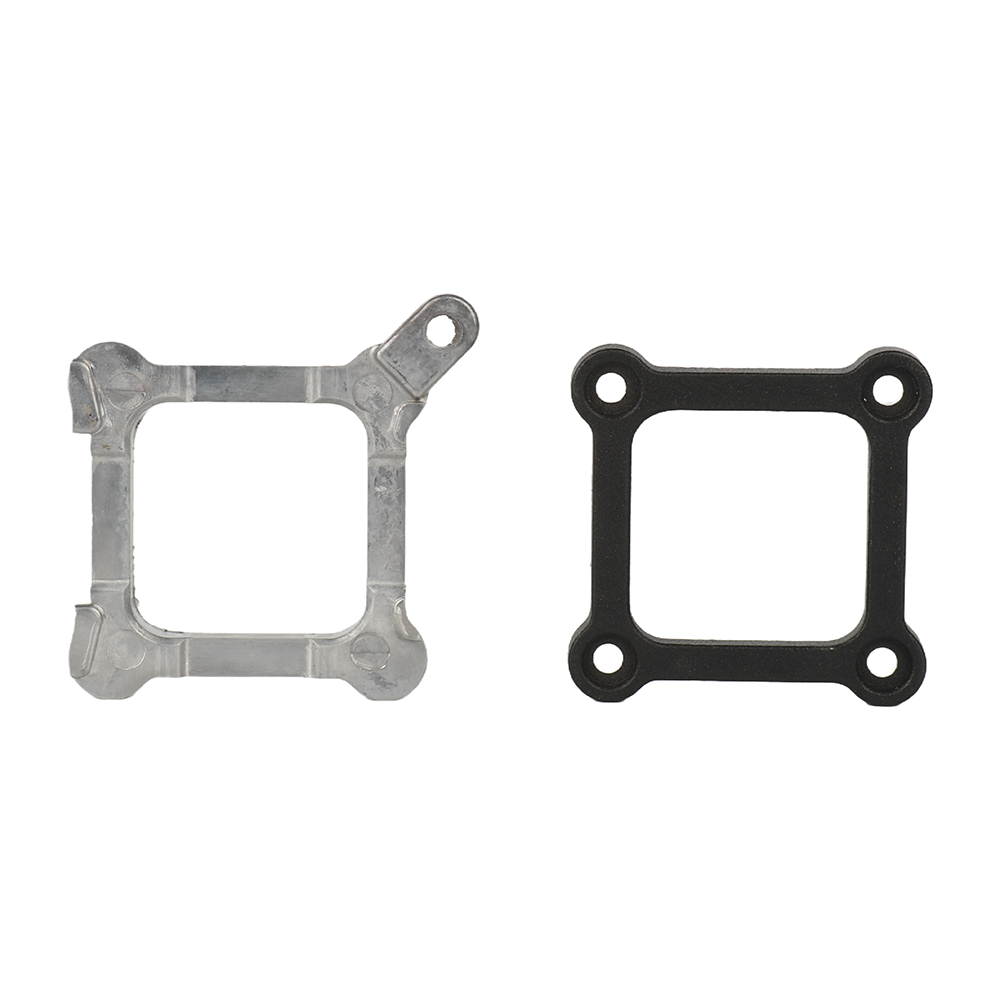
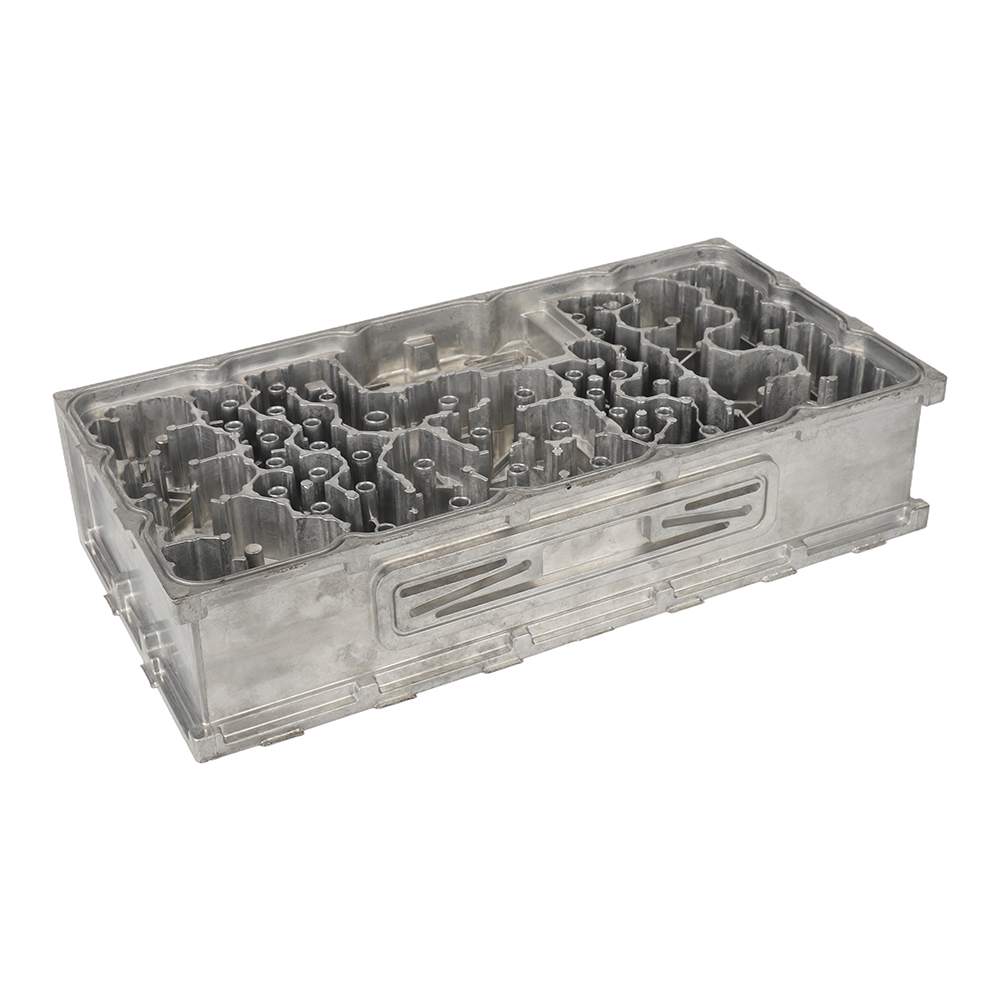
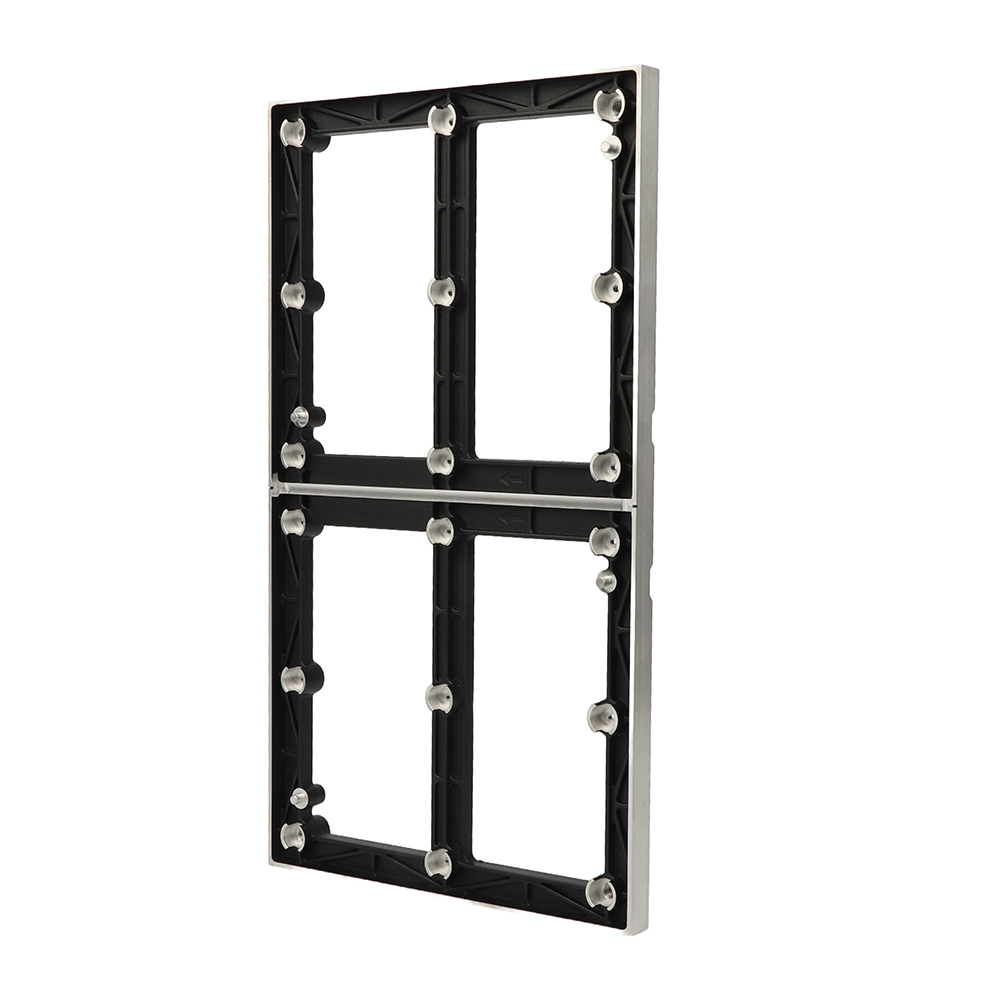
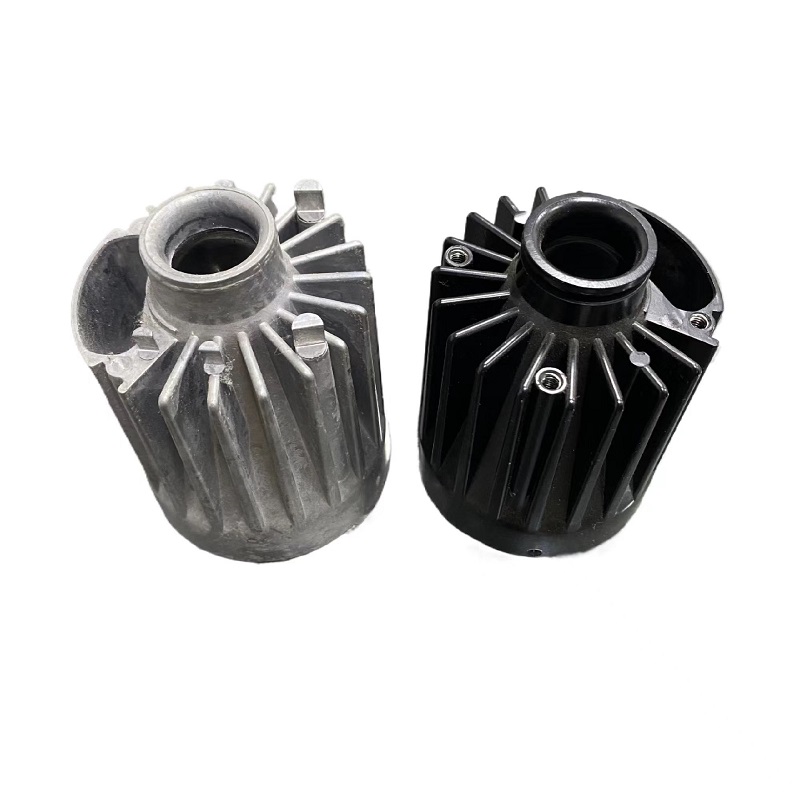
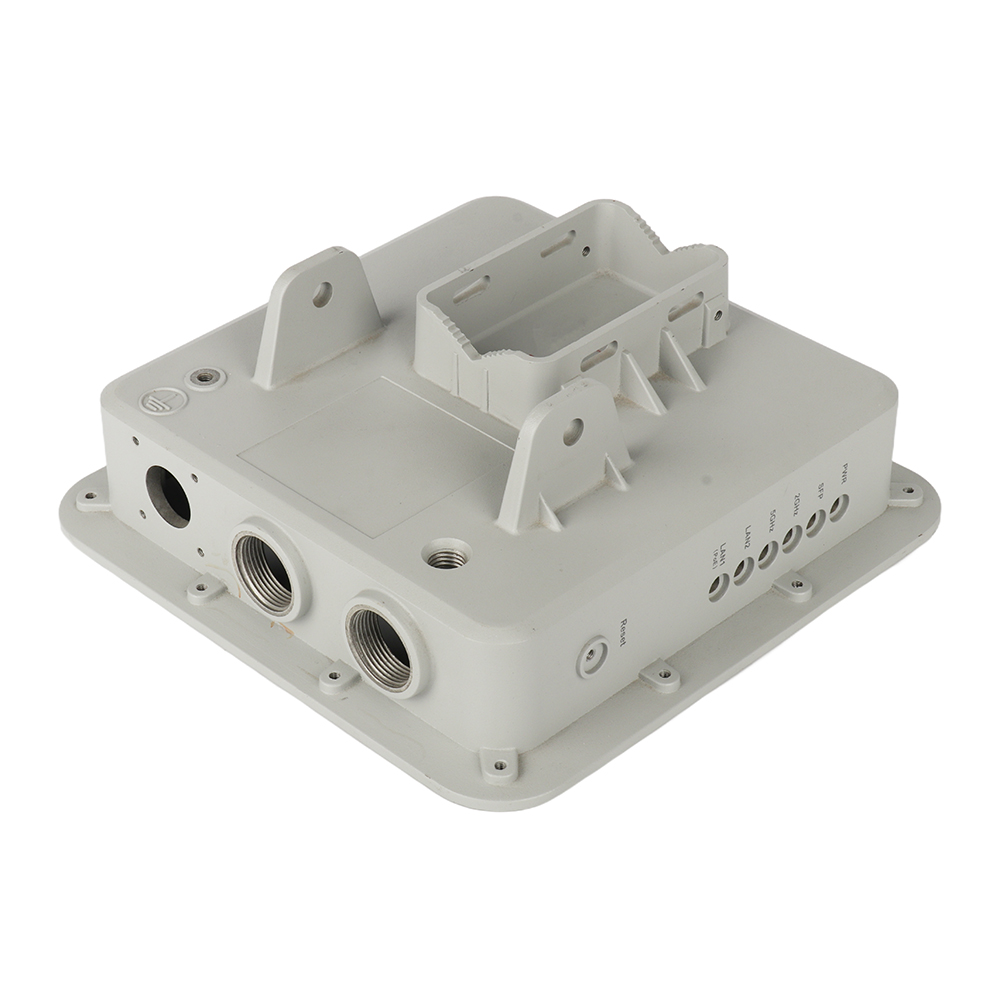
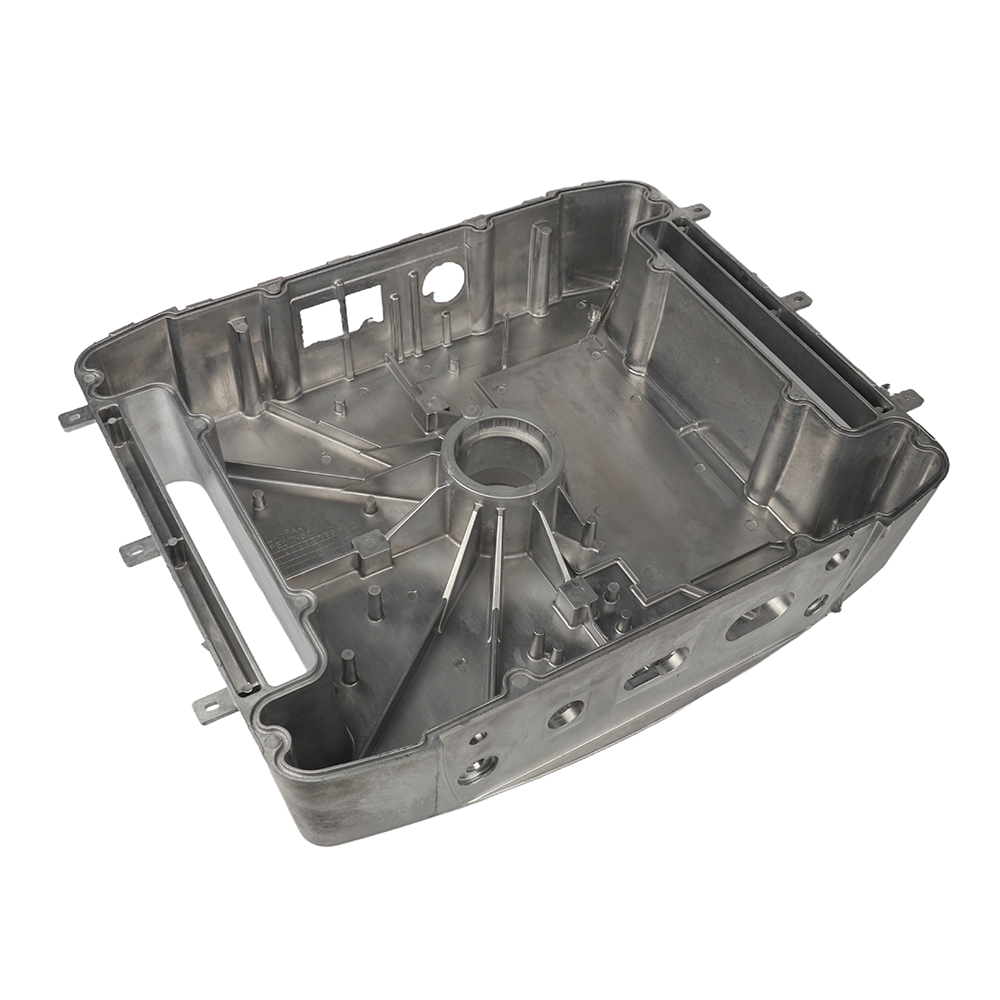
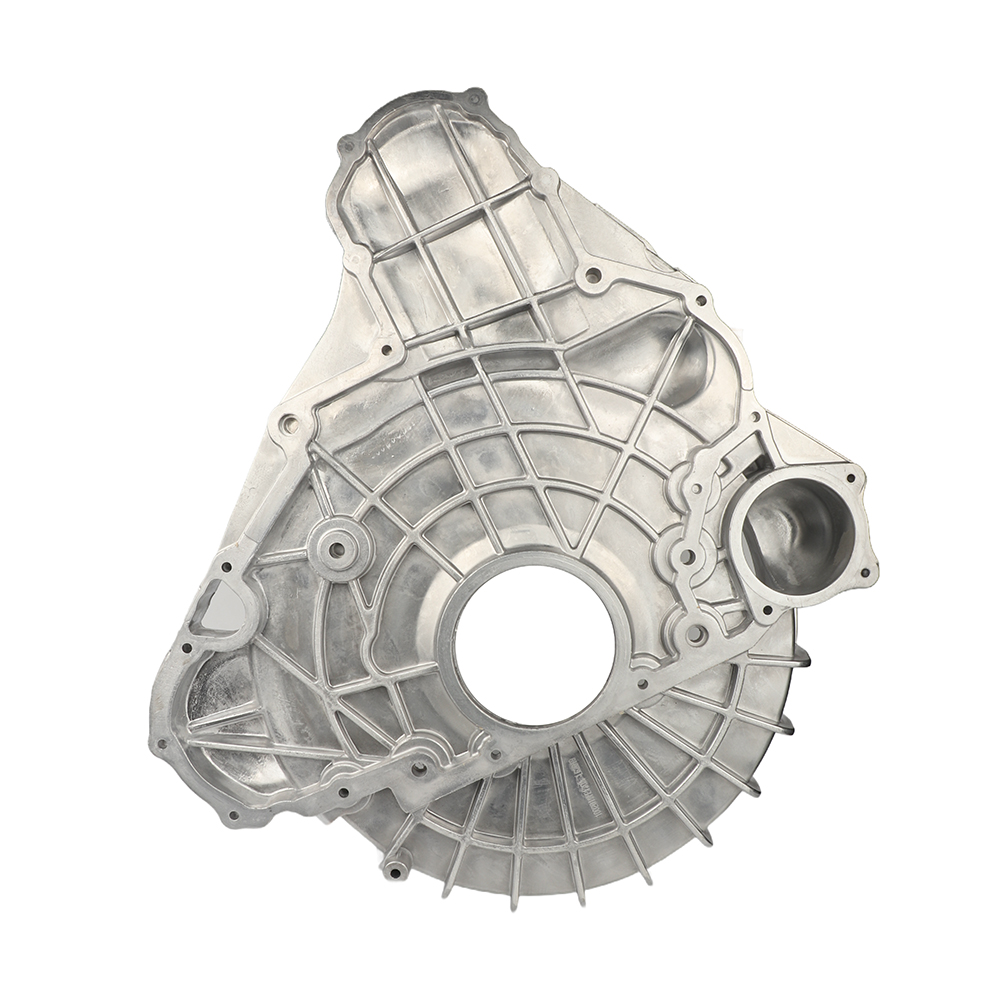
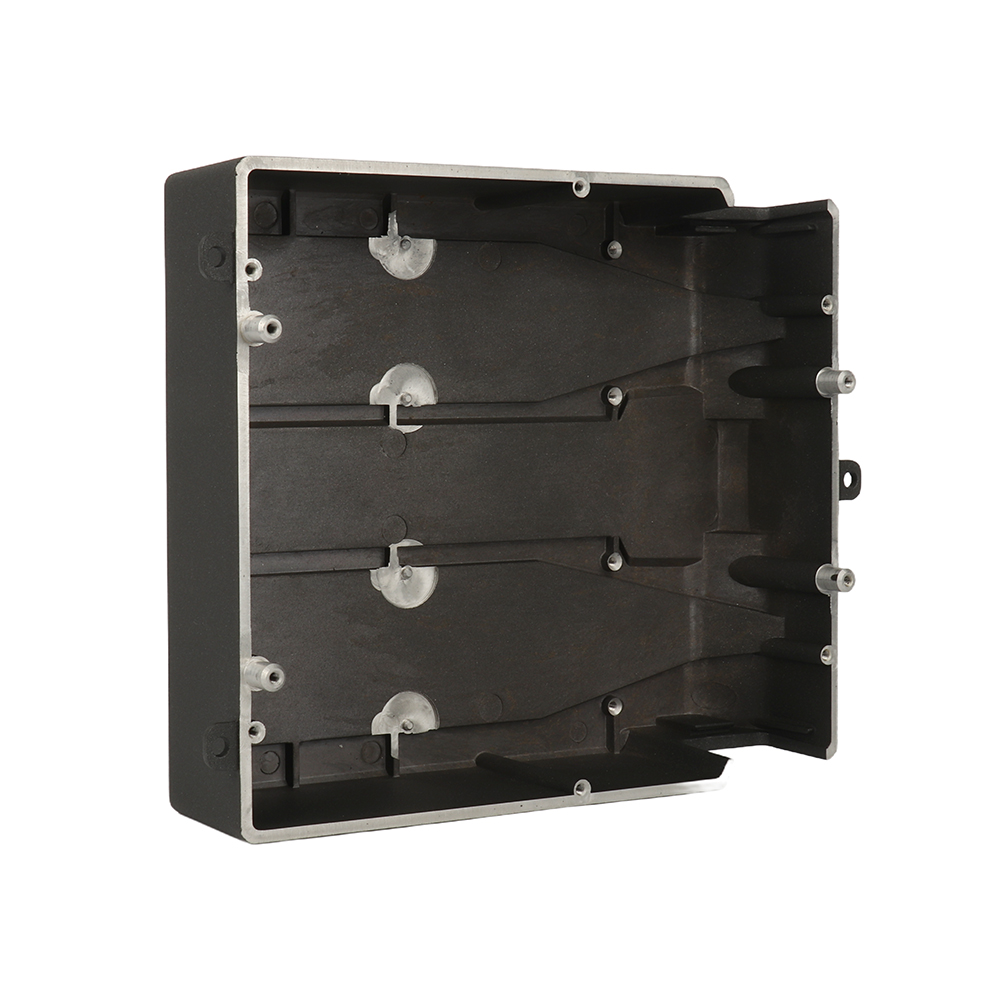
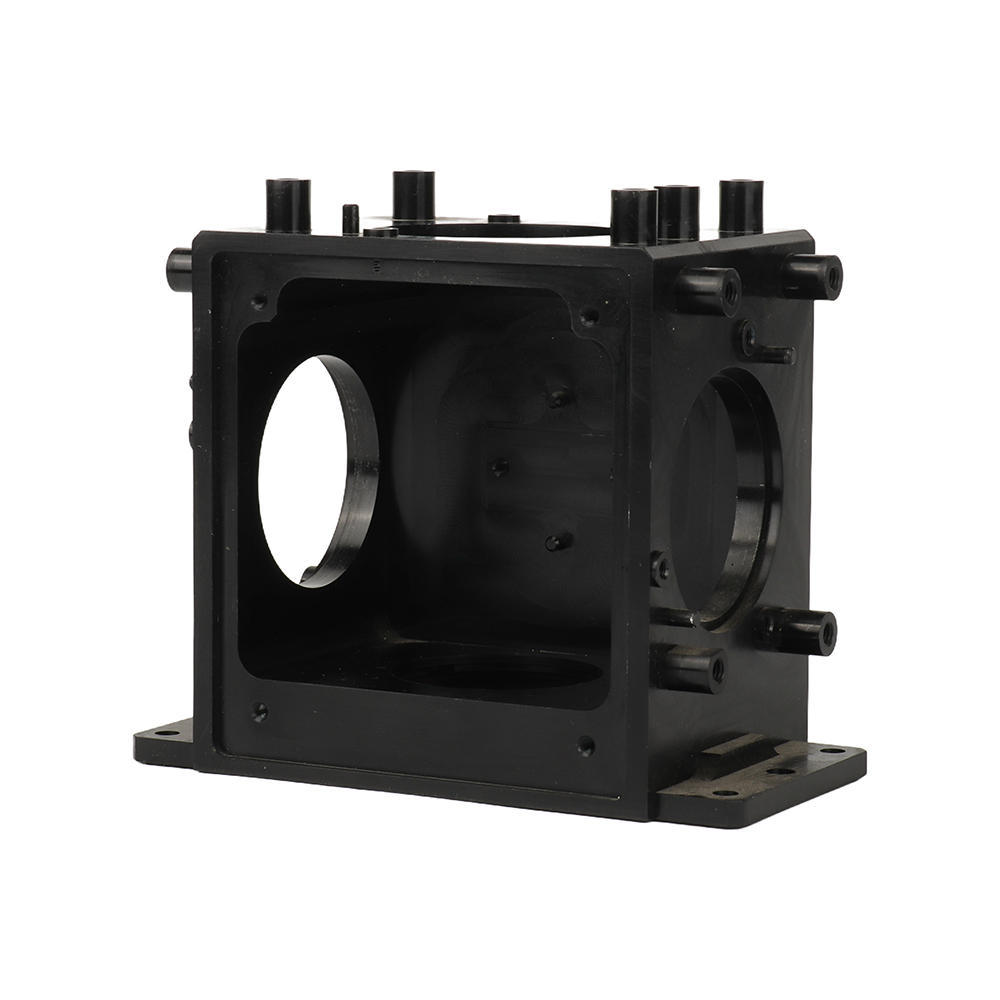
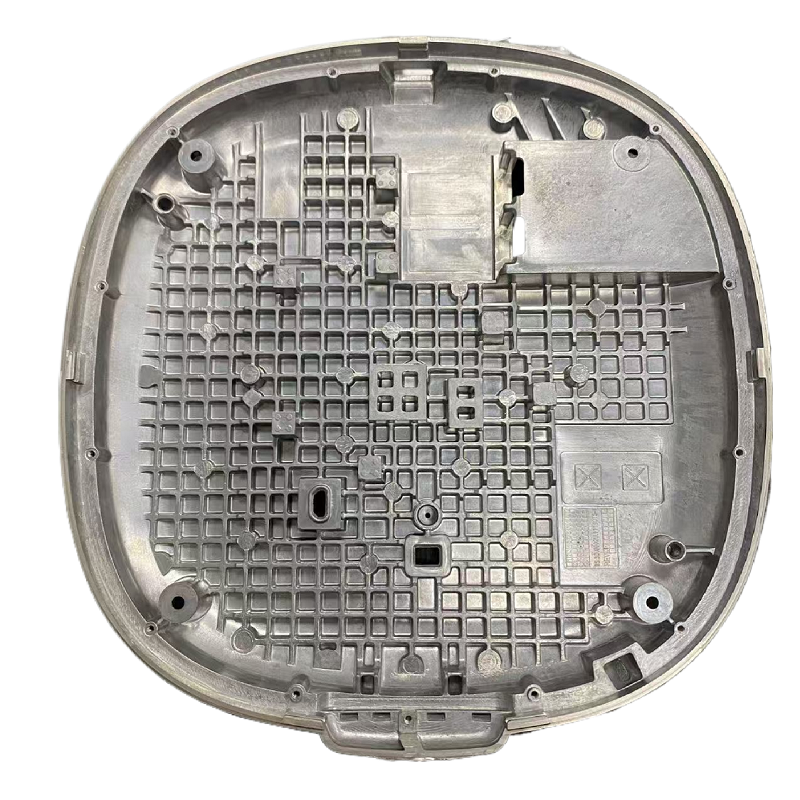
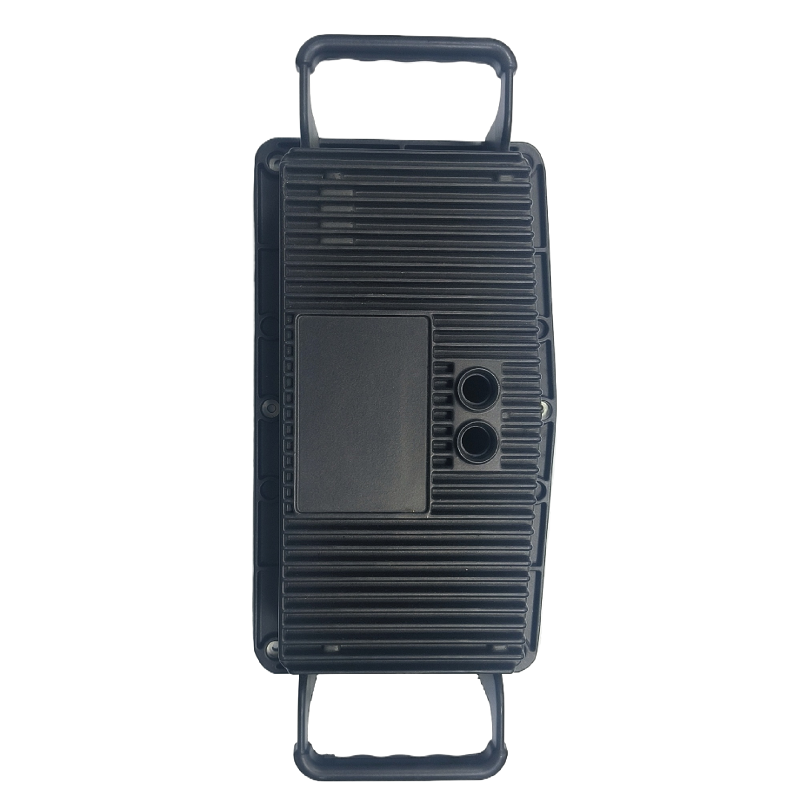
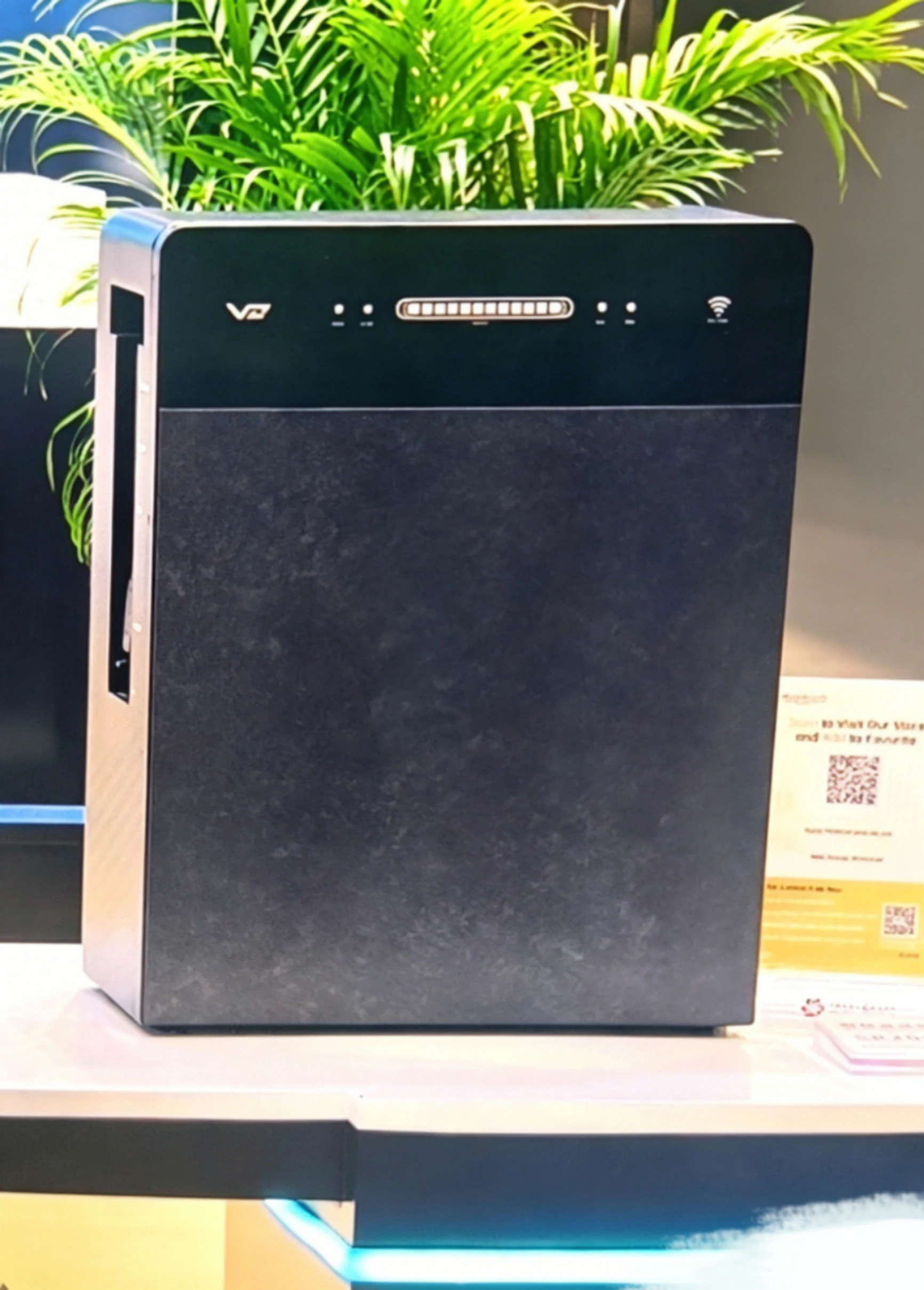
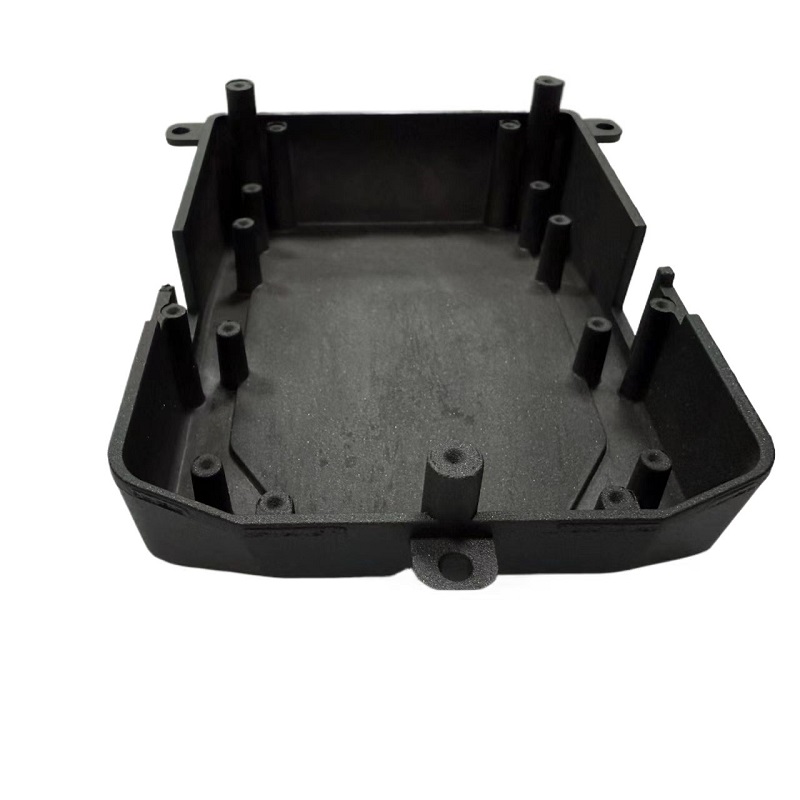
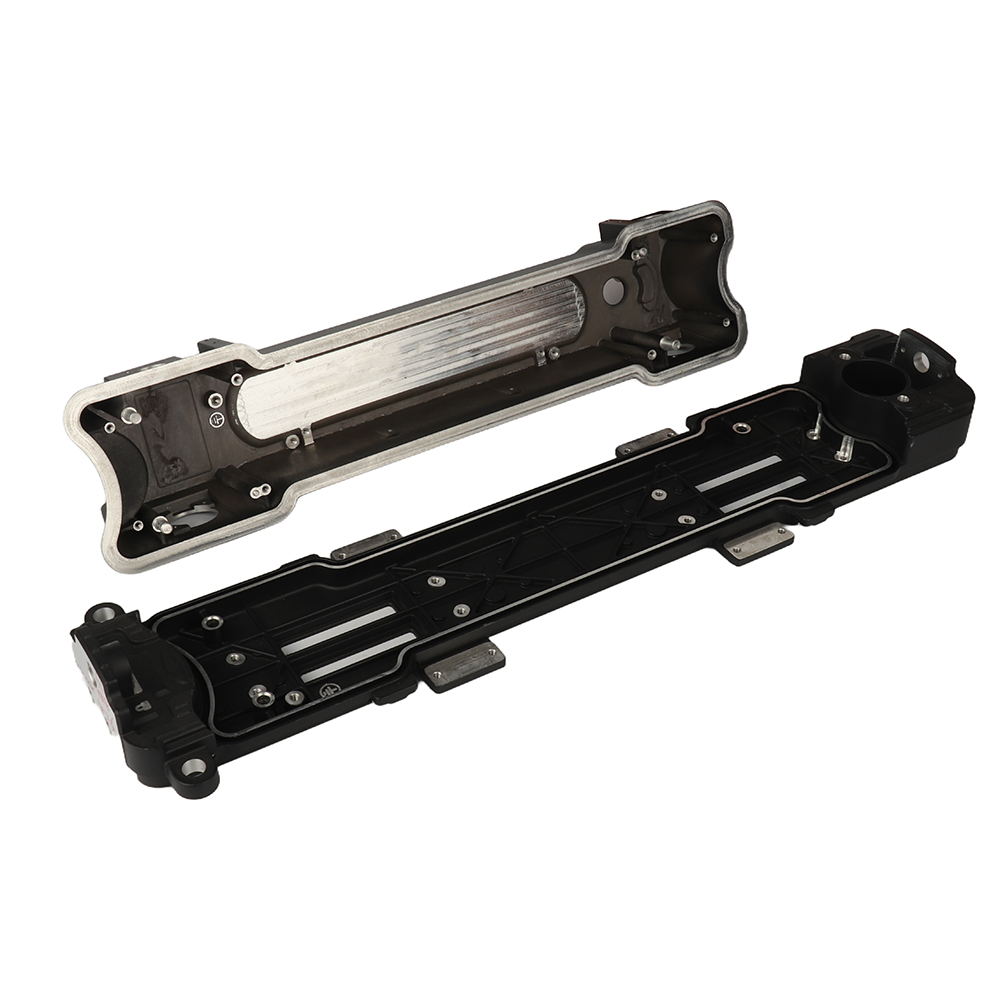
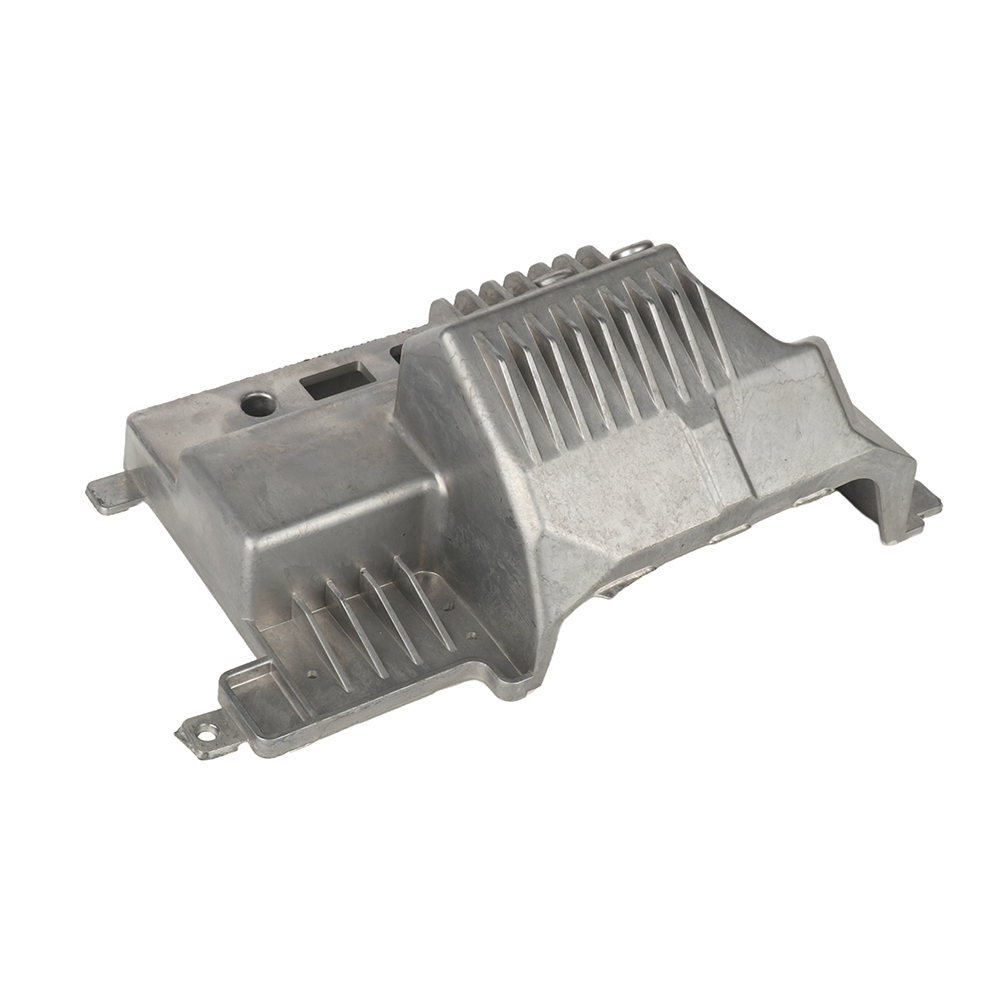
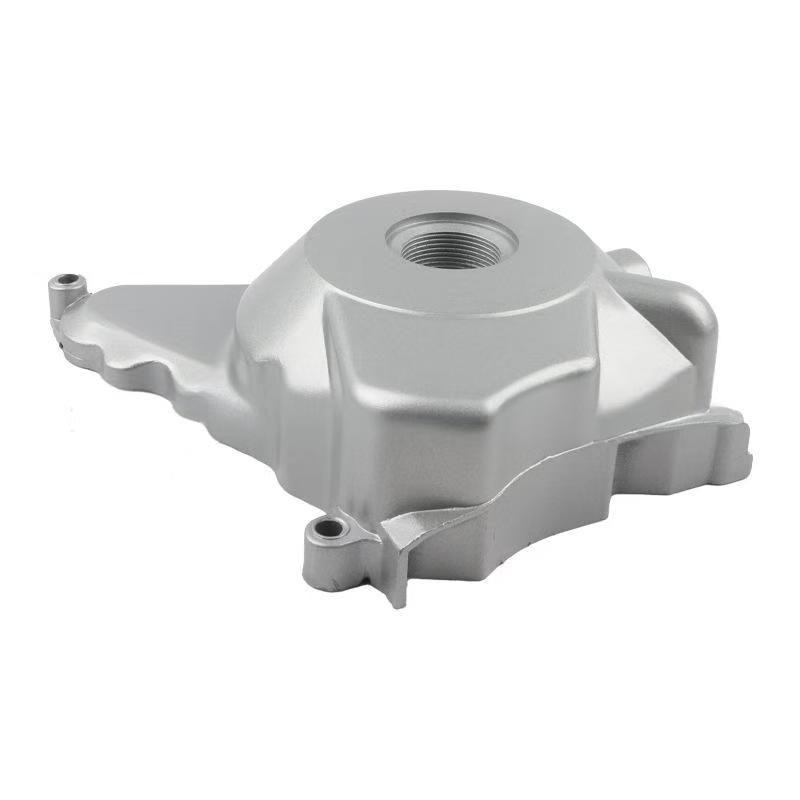
 Universal new energy CNC machined parts, including motor components, battery connectors, and wind turbine accessorie
3. Key Focus Points of New Energy CNC Machined Parts
When producing and selecting new energy CNC machined parts, there are three core focus points that directly affect their performance, reliability, and applicability in the new energy industry. These focus points are the foundation of high-quality parts and ensure that they can meet the strict requirements of new energy equipment.
3.1 Precision Control (Core Focus)
Precision is the core of new energy CNC machined parts, as even tiny dimensional deviations can lead to equipment failure, energy loss, or safety hazards. For example, in NEV motor shafts, a deviation of 0.005mm can cause increased friction, reduced motor efficiency, and even shortened service life. In wind turbine gearboxes, precision control of gear teeth ensures smooth power transmission and reduces noise and wear. Manufacturers must focus on real-time precision monitoring during the CNC machining process, using advanced measuring tools (such as coordinate measuring machines) to ensure that each part meets the designed tolerance requirements. The precision of these parts directly determines the overall performance of new energy equipment, making it the top priority in production.
3.2 Material Selection & Processing Compatibility
The material of new energy CNC machined parts directly affects their performance and service life, so material selection must be based on the specific application scenario. For example, parts used in solar energy systems need to be lightweight and corrosion-resistant (such as aluminum alloys), while parts in energy storage equipment need to have good electrical conductivity and heat dissipation (such as copper alloys). In addition, the compatibility between materials and CNC machining processes is also a key focus—different materials require different machining parameters (such as cutting speed, feed rate) to avoid material damage or precision loss. For instance, 40Cr合金钢 used in NEV motor shafts requires special cutting tools and heat treatment processes to ensure machining accuracy and material performance.
3.3 Environmental Adaptability & Safety Compliance
New energy equipment often operates in harsh environments—outdoor wind turbines are exposed to wind, rain, and extreme temperatures; NEV parts are subjected to vibration and high temperatures during operation; solar panels are exposed to ultraviolet radiation and humidity. Therefore, new energy CNC machined parts must have strong environmental adaptability, including corrosion resistance, high temperature resistance, and vibration resistance. At the same time, they must comply with industry safety standards, such as flame retardancy for battery-related parts and load-bearing capacity for wind turbine components. Compliance with these standards ensures the safety and reliability of new energy equipment during long-term operation.
4. Core Roles of New Energy CNC Machined Parts in New Energy Industry
New energy CNC machined parts play an irreplaceable role in the entire new energy industry, supporting the stable operation, efficiency improvement, and technological progress of new energy equipment. Their roles cover all key sectors of the new energy industry, with universal applicability and critical importance.
4.1 Role in New Energy Vehicle (NEV) Manufacturing
In NEV manufacturing, new energy CNC machined parts are the core components of key systems such as the power battery, drive motor, and electronic control system. For example, CNC machined battery cell brackets ensure the stability and safety of battery packs; motor shafts and gears processed by CNC technology ensure the efficient transmission of power, reducing energy loss; electronic control system housings protect internal components from external interference. Without high-quality new energy CNC machined parts, the performance, safety, and service life of NEVs would be severely affected. In fact, motor壳 and motor shafts processed by CNC account for more than 60% of the motor system cost, highlighting their critical role in NEV manufacturing.
4.2 Role in Solar & Wind Energy Systems
In solar energy systems, new energy CNC machined parts are used in solar panel brackets, tracking systems, and inverter components. CNC machined brackets ensure the stability of solar panels, allowing them to better absorb sunlight; tracking system components adjust the angle of solar panels in real time, improving energy conversion efficiency. In wind energy systems, CNC machined parts (such as wind turbine shafts, gearboxes, and blade connectors) bear huge loads and harsh environmental impacts, ensuring the stable operation of wind turbines and improving power generation efficiency. For example, CNC-machined wind turbine gearbox components ensure precise power transmission, while blade molds processed by 5-axis CNC machines guarantee the aerodynamic performance of wind turbine blades.
4.3 Role in Energy Storage Equipment
Energy storage equipment is the key to solving the instability of new energy power generation (such as solar and wind power), and new energy CNC machined parts play a vital role in energy storage systems. For example, CNC machined energy storage battery casings ensure the sealing and safety of batteries, preventing leakage and short circuits; heat dissipation components processed by CNC technology ensure the stable operation of energy storage equipment, avoiding overheating. These parts improve the reliability and service life of energy storage equipment, promoting the large-scale application of new energy power generation.
4.4 Universal Application Across New Energy Sectors
One of the key advantages of new energy CNC machined parts is their universal applicability across all new energy sectors. Whether it is NEVs, solar energy, wind energy, hydropower, or energy storage, these parts can be customized to meet the specific needs of different fields. For example, the same CNC machining technology can produce parts for NEV motor shafts and wind turbine gears; the same high-precision processing standards apply to solar panel brackets and energy storage battery components. This universality reduces production costs, improves production efficiency, and promotes the integrated development of the new energy industry.
5. Key Benefits of New Energy CNC Machined Parts
Compared with traditional CNC machined parts, new energy CNC machined parts have unique advantages that make them more suitable for the new energy industry, bringing significant benefits to manufacturers, equipment operators, and the environment.
- Improve Equipment Efficiency: Ultra-high precision and excellent material performance reduce energy loss of new energy equipment, improving overall operational efficiency. For example, CNC machined NEV motor components can increase motor efficiency by 5-10%, reducing energy consumption and extending the driving range of NEVs. In solar systems, precision CNC parts improve the energy conversion rate of solar panels by ensuring optimal alignment with sunlight.
- Reduce Maintenance Costs: High stability and durability of new energy CNC machined parts reduce the frequency of equipment maintenance and replacement, saving maintenance costs for equipment operators. For example, wind turbine parts processed by CNC have a long service life, reducing the need for regular maintenance and replacement, which is crucial for wind farms located in remote areas.
- Enhance Safety & Reliability: Strict precision control and environmental adaptability ensure the safe and stable operation of new energy equipment, avoiding safety hazards caused by part failure. For example, CNC machined battery pack components prevent battery leakage and short circuits, ensuring the safety of NEVs; corrosion-resistant wind turbine parts avoid equipment failure caused by harsh outdoor environments.
- Support Environmental Protection & Carbon Neutrality: New energy CNC machined parts promote the development of the new energy industry, replacing traditional fossil energy and reducing carbon emissions. At the same time, the high efficiency and durability of these parts reduce energy waste, further contributing to environmental protection and the achievement of carbon neutrality goals. The use of lightweight materials in CNC parts also reduces the energy consumption of new energy equipment, aligning with green development trends.
- Strong Customization & Versatility: The customizable feature of new energy CNC machined parts allows them to adapt to the diverse needs of different new energy equipment, improving the flexibility of production and application. Manufacturers can customize parts according to specific design requirements, reducing the difficulty of equipment development and shortening the R&D cycle. This versatility also makes it easier for enterprises to expand their product lines across different new energy sectors.
6. Expert Insights on New Energy CNC Machined Parts
To gain a deeper understanding of the importance and development trend of new energy CNC machined parts, we invited two industry experts to share their insights, combining years of practical experience and industry observations.
Expert 1: John Smith, Senior CNC Machining Engineer with 20 Years of Experience in New Energy Industry
“In the past decade, the new energy industry has developed rapidly, and the demand for new energy CNC machined parts has increased exponentially. The biggest difference between these parts and traditional CNC parts is that they need to balance precision, durability, and environmental adaptability—this is the core challenge of production. For example, NEV motor shafts require both ultra-high precision (tolerance within ±0.001mm) and high temperature resistance, which requires strict control of machining parameters and material selection. With the development of new energy technologies, the precision requirements for new energy CNC machined parts will become higher and higher, and the integration of intelligent machining technology (such as AI-based precision monitoring) will become the future development trend. Only by continuously improving machining technology and quality control can we meet the growing needs of the new energy industry.”
Expert 2: Lisa Wang, New Energy Equipment R&D Director, Focus on NEV and Energy Storage Fields
“New energy CNC machined parts are the 'core blood' of new energy equipment—their quality directly determines the performance and competitiveness of equipment. In the NEV and energy storage fields, we pay special attention to the precision and durability of CNC parts. For example, in energy storage battery packs, CNC machined casings not only need to be lightweight but also have excellent sealing performance to ensure battery safety. In addition, the customizability of new energy CNC machined parts is crucial for equipment R&D— it allows us to quickly iterate product designs and launch new products that meet market needs. In the future, with the popularization of new energy, the market scale ofnew energy CNC machined parts will continue to expand, and parts with higher precision, better environmental adaptability, and lower cost will become the mainstream.”
7. Frequently Asked Questions (FAQs) About New Energy CNC Machined Parts
Below are the most common questions about new energy CNC machined parts in the industry, with detailed answers to help you solve doubts and gain a more comprehensive understanding.
Q1: What is the difference between new energy CNC machined parts and traditional CNC machined parts?
A1: The core difference lies in the design purpose and performance requirements. Traditional CNC machined parts are mainly used for general industrial equipment, focusing on basic precision and durability; while new energy CNC machined parts are specifically tailored for the new energy industry, emphasizing ultra-high precision, environmental adaptability (corrosion resistance, high temperature resistance), lightweight, and energy efficiency. In addition, new energy CNC machined parts have stronger customizability to adapt to the diverse needs of new energy equipment, and they use higher-performance materials (such as titanium alloys, carbon fiber composites) compared to traditional parts.
Q2: What materials are commonly used for new energy CNC machined parts?
A2: Commonly used materials include aluminum alloys (6061, 7075), titanium alloys (TC4), stainless steel, carbon fiber composites, and copper alloys. The selection of materials depends on the application scenario: aluminum alloys are widely used in NEVs and solar systems due to their lightweight and corrosion resistance; titanium alloys are used in high-temperature and high-load parts (such as wind turbine shafts); stainless steel is used in parts that require strong corrosion resistance (such as marine new energy equipment); copper alloys are used in energy storage equipment due to their good electrical conductivity. For example, 40Cr合金钢 is commonly used for NEV motor shafts due to its high strength and wear resistance.
Q3: What is the precision standard of new energy CNC machined parts?
A3: The precision standard of new energy CNC machined parts is much higher than that of traditional CNC parts. Generally, the dimensional tolerance can reach ±0.001mm to ±0.01mm, and some high-precision parts (such as NEV motor shafts, wind turbine gear teeth) can even reach ±0.0005mm. For example, NEV motor shafts require a roundness of ≤0.01mm and a surface roughness of Ra≤0.8μm to ensure stable operation. This high precision is achieved through advanced CNC machining equipment, strict machining process control, and professional measuring tools (such as coordinate measuring machines).
Q4: Can new energy CNC machined parts be customized according to specific needs?
A4: Yes, customizability is one of the core features of new energy CNC machined parts. Manufacturers can customize the shape, size, material, surface treatment, and precision of parts according to the specific requirements of different new energy equipment (such as NEVs, solar panels, wind turbines). Whether it is small-batch prototype parts or large-batch mass-produced parts, CNC machining technology can meet the customization needs, helping enterprises reduce R&D costs and improve product competitiveness. This customizability also makes these parts universally applicable across different new energy sectors.
Q5: What are the main factors affecting the quality of new energy CNC machined parts?
A5: The main factors include three aspects: ① Material selection: The performance of the material directly affects the durability and environmental adaptability of the parts; ② Machining equipment and technology: Advanced CNC machining equipment and scientific machining parameters ensure the precision of the parts; ③ Quality control: Strict inspection and monitoring during the production process (such as precision testing, material performance testing) can avoid unqualified parts from leaving the factory. In addition, the skill level of machining operators and the stability of the production environment (such as temperature, humidity) also have a certain impact on the quality of parts. For example, temperature fluctuations can cause thermal deformation of parts, affecting precision.
Q6: What is the service life of new energy CNC machined parts?
A6: The service life of new energy CNC machined parts depends on the material, application scenario, and maintenance situation. Generally, the service life of parts used in NEVs is 5-10 years; parts used in wind turbines and solar systems can reach 15-20 years; parts used in energy storage equipment have a service life of 8-12 years. For example, wind turbine components processed by CNC technology can operate stably for more than 20 years with proper maintenance. The high stability and durability of these parts reduce the frequency of replacement and maintenance, saving costs for equipment operators.
8. Conclusion
New energy CNC machined parts are the core supporting components of the new energy industry, with unique advantages such as ultra-high precision, strong environmental adaptability, high stability, and customizability. They play a critical role in NEV manufacturing, solar and wind energy systems, energy storage equipment, and other new energy sectors, improving equipment efficiency, reducing maintenance costs, enhancing safety and reliability, and supporting the achievement of carbon neutrality goals. With the continuous development of the new energy industry, the demand for high-quality new energy CNC machined parts will continue to grow, and the integration of intelligent machining technology will further promote the upgrading and development of these parts. Whether you are an equipment manufacturer, R&D personnel, or industry practitioner, understanding new energy CNC machined parts is crucial for grasping the development trend of the new energy industry and improving product competitiveness.
CNC medical parts | What are medical cnc parts? Key Focuses, Roles & Benefits of New Medical CNC Components
CNC manufacturing process | What are the CNC production processes? A Comprehensive Guide
Related Article