HOT PRODUCTS
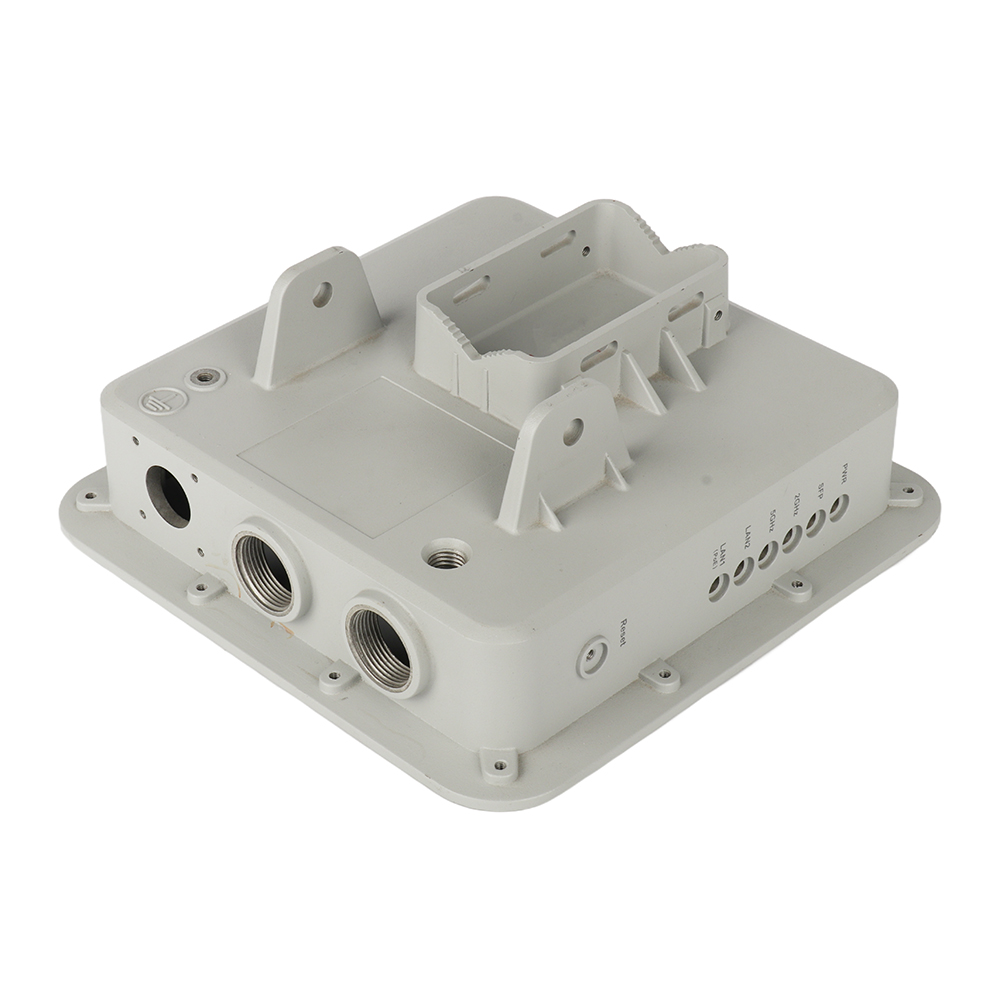
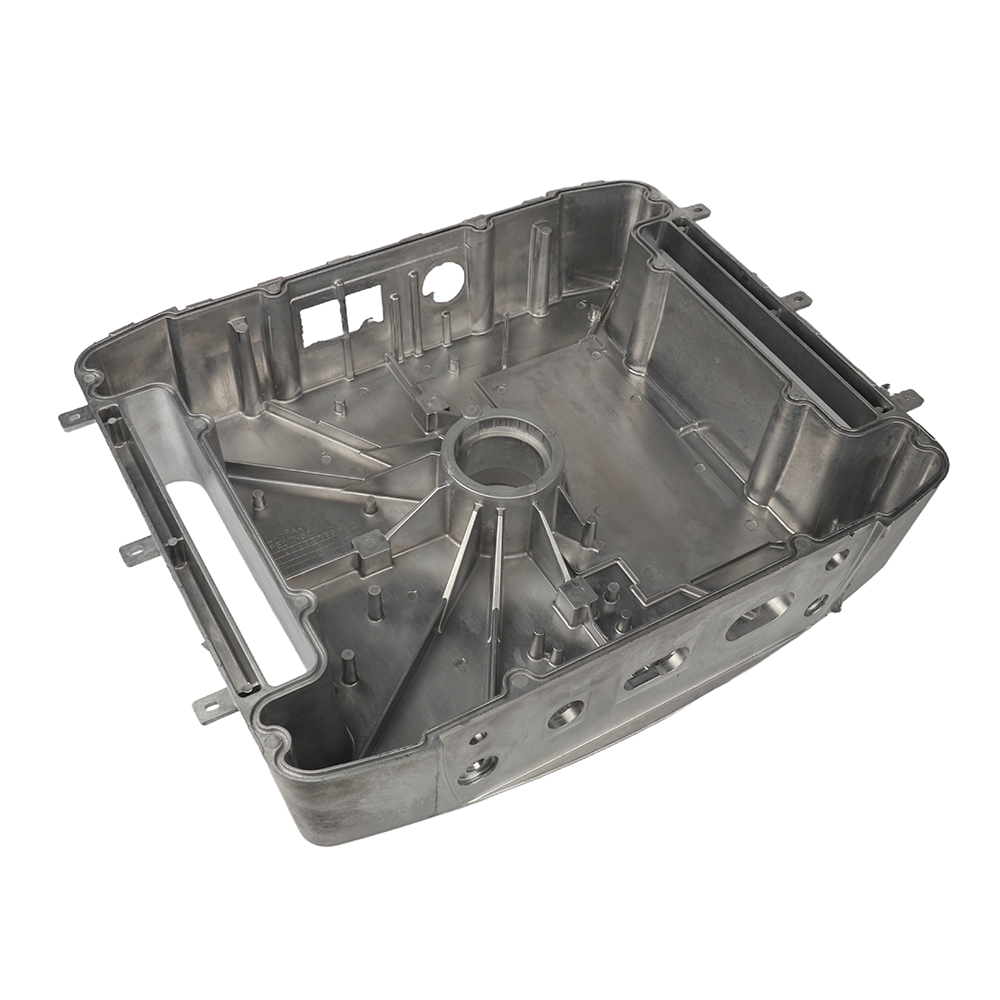
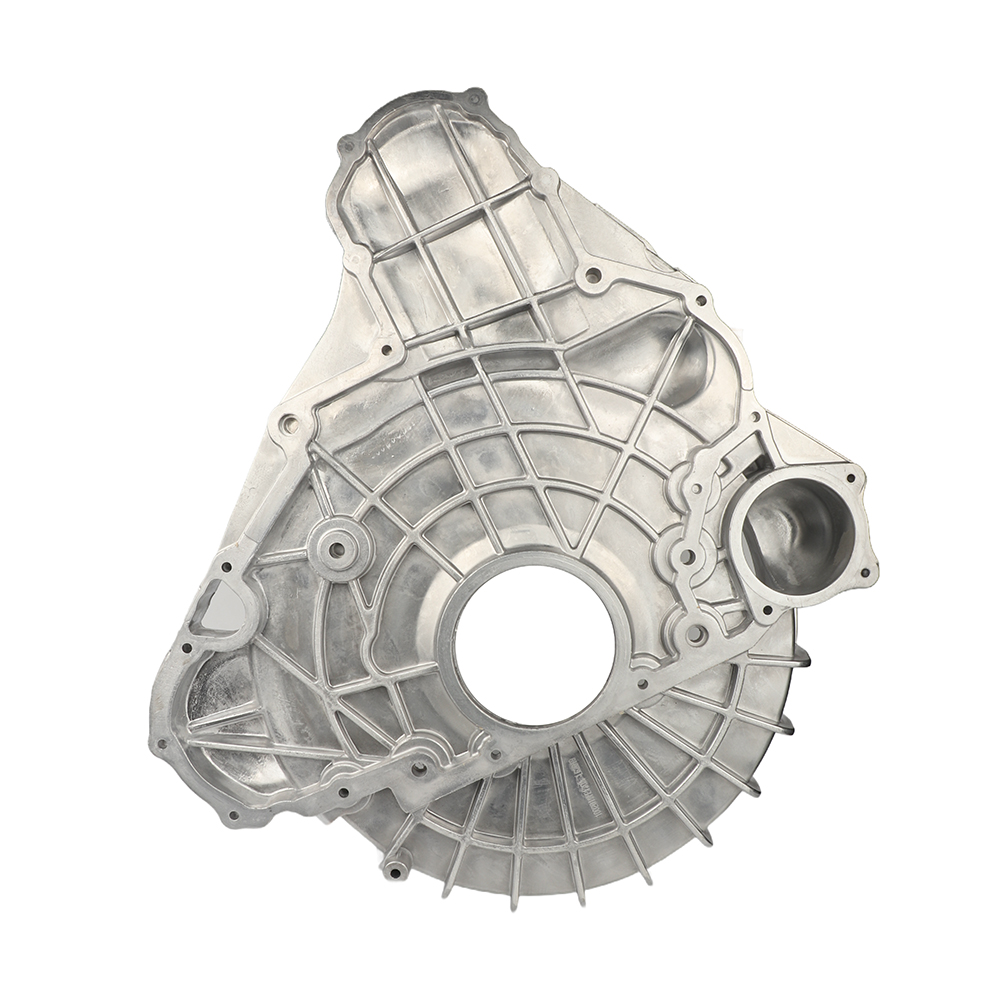
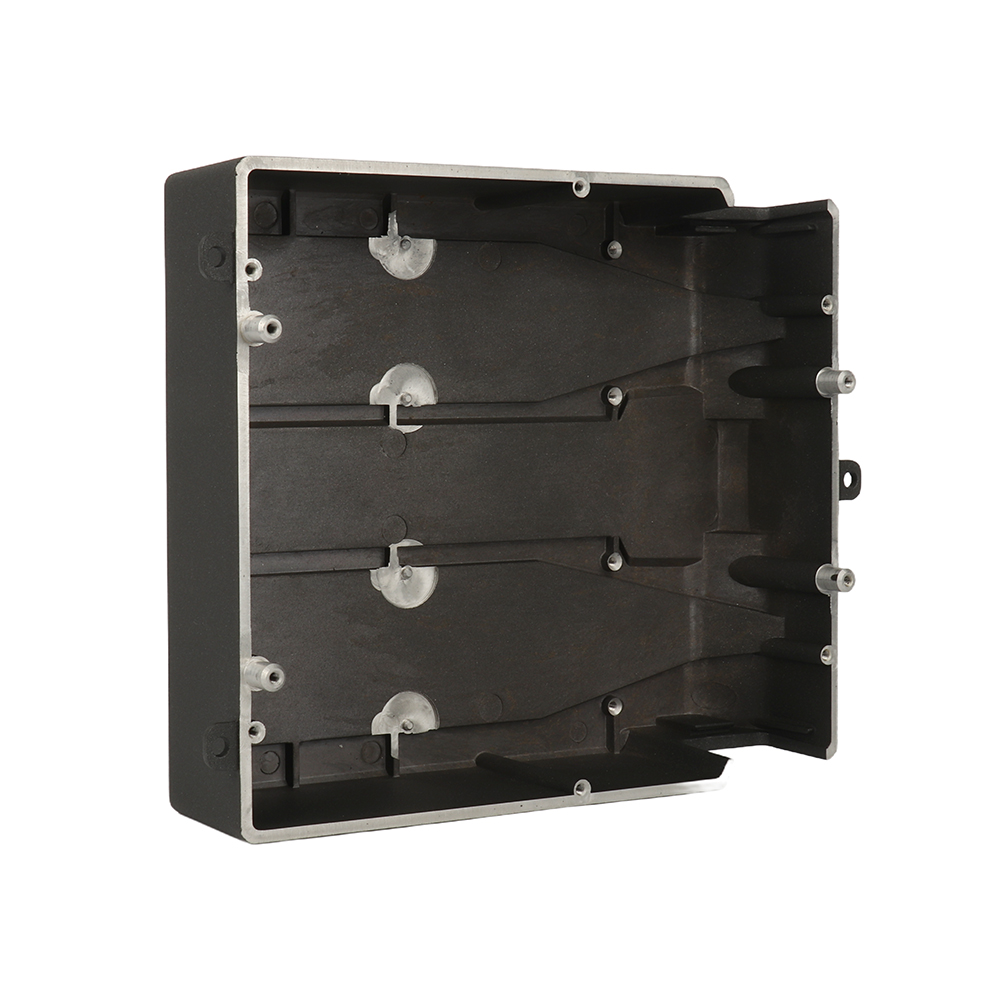
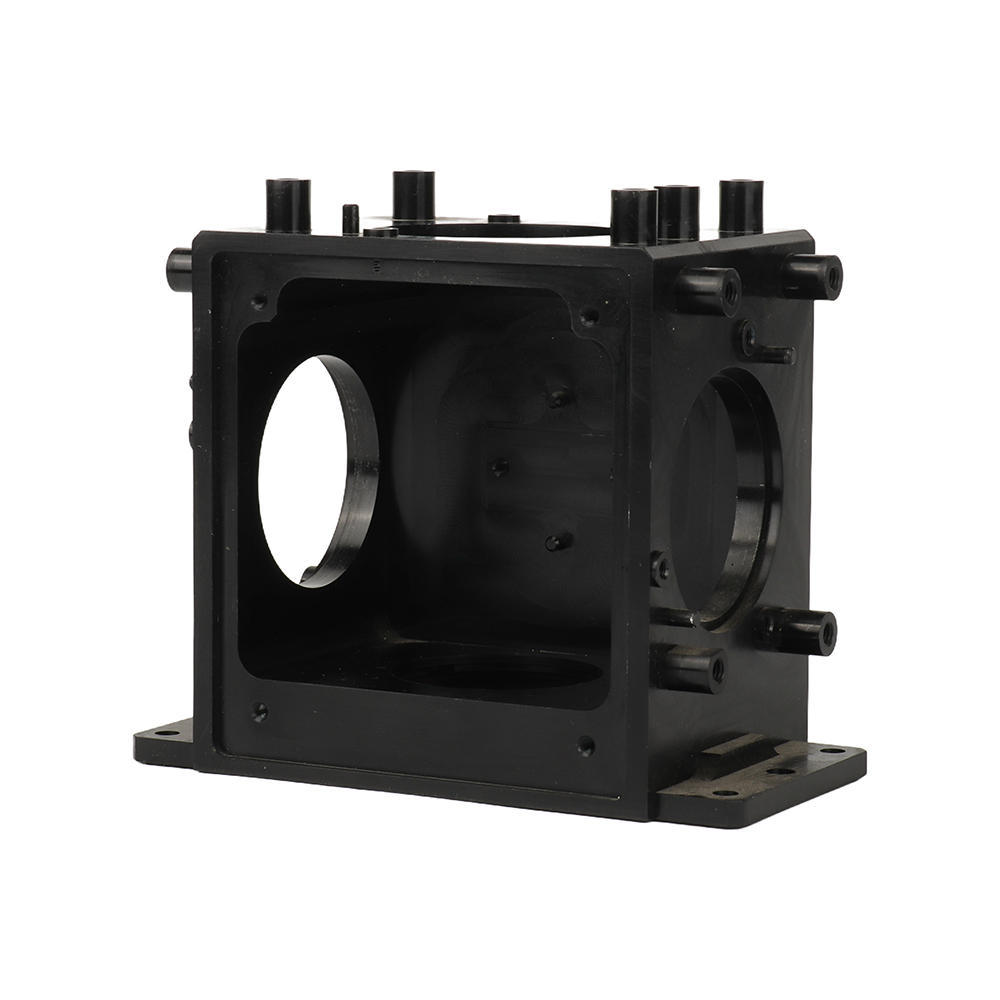
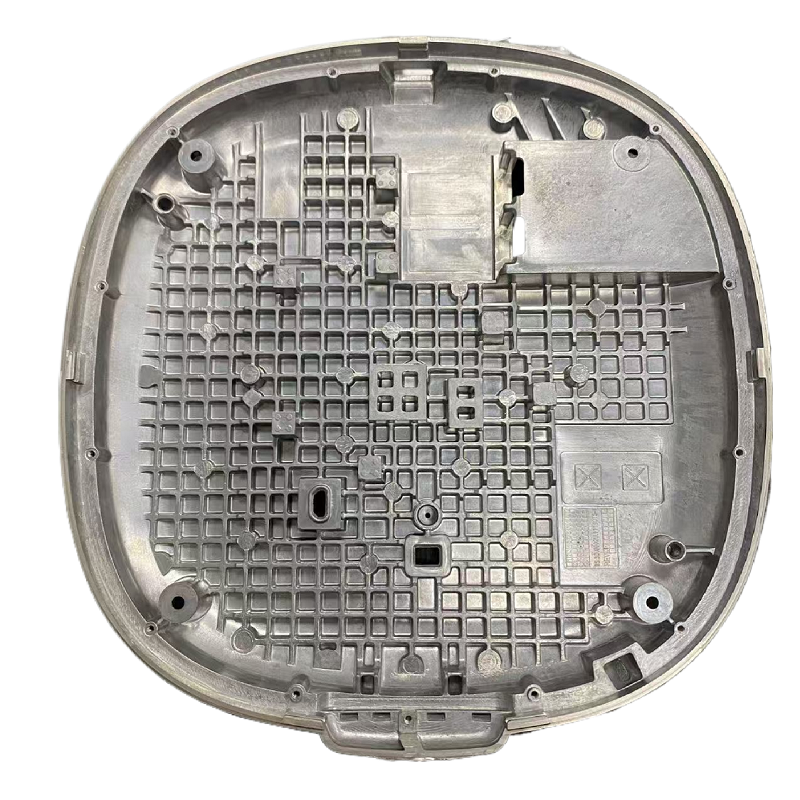
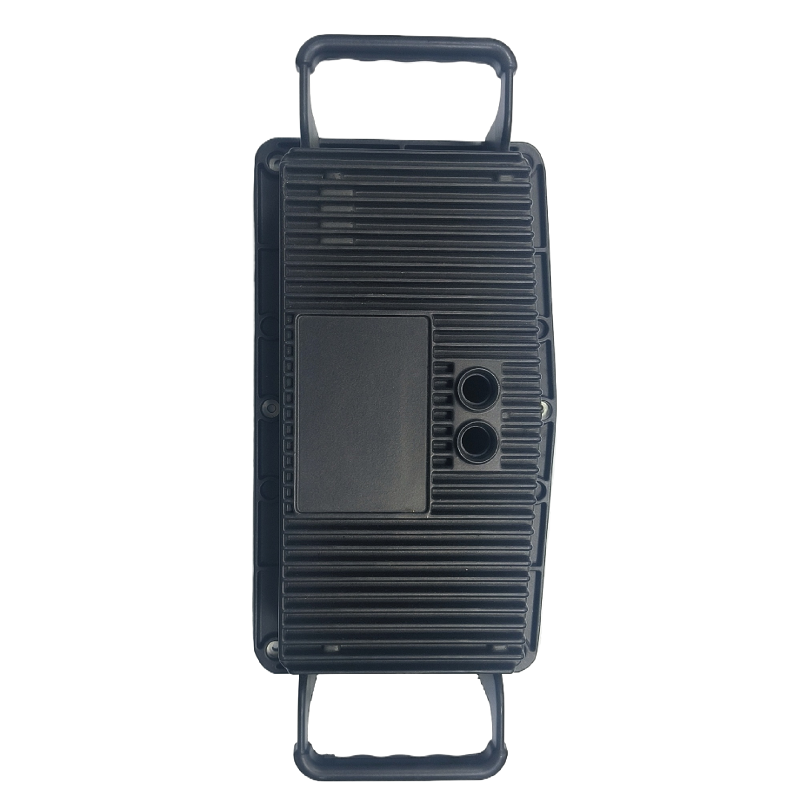
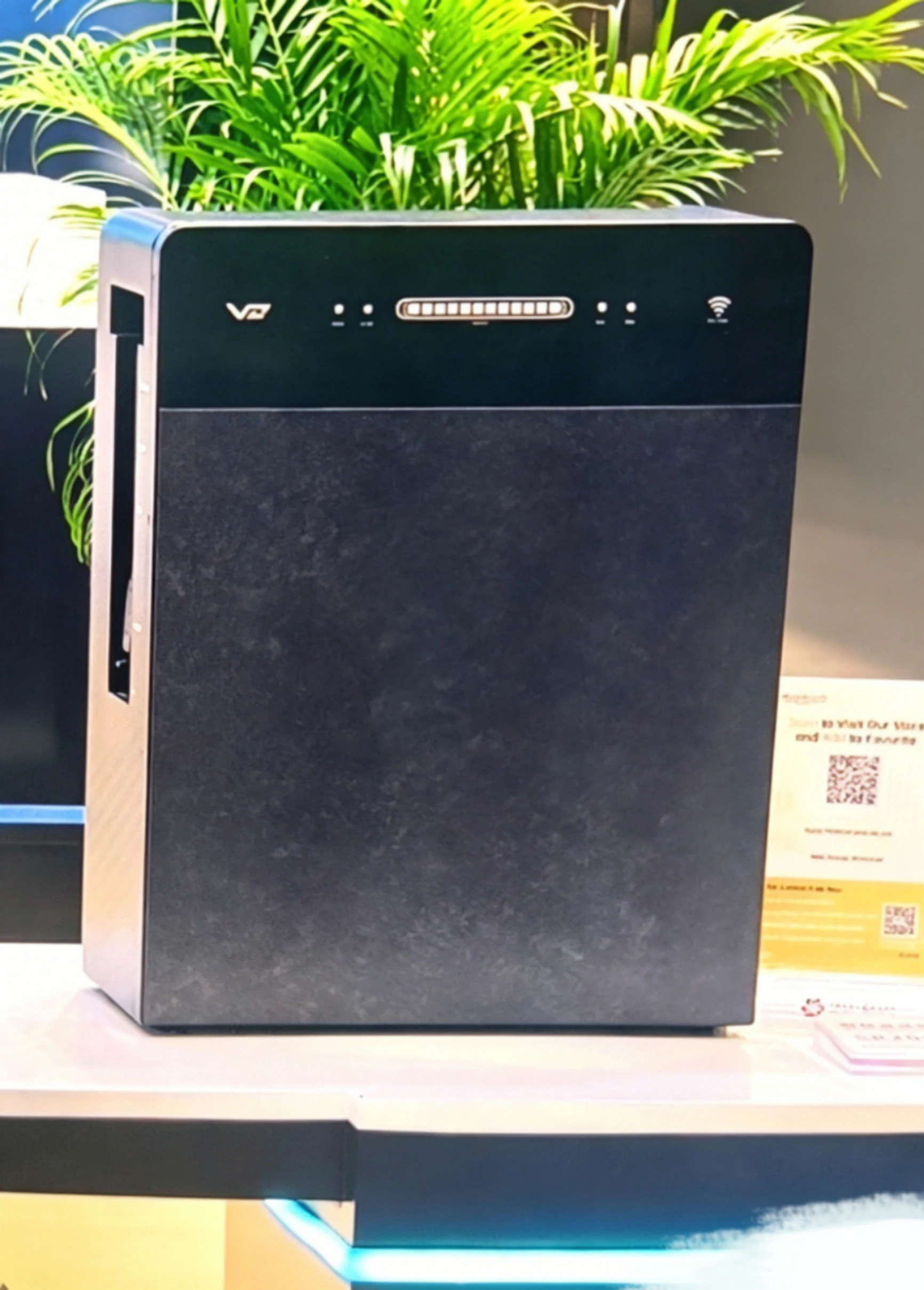
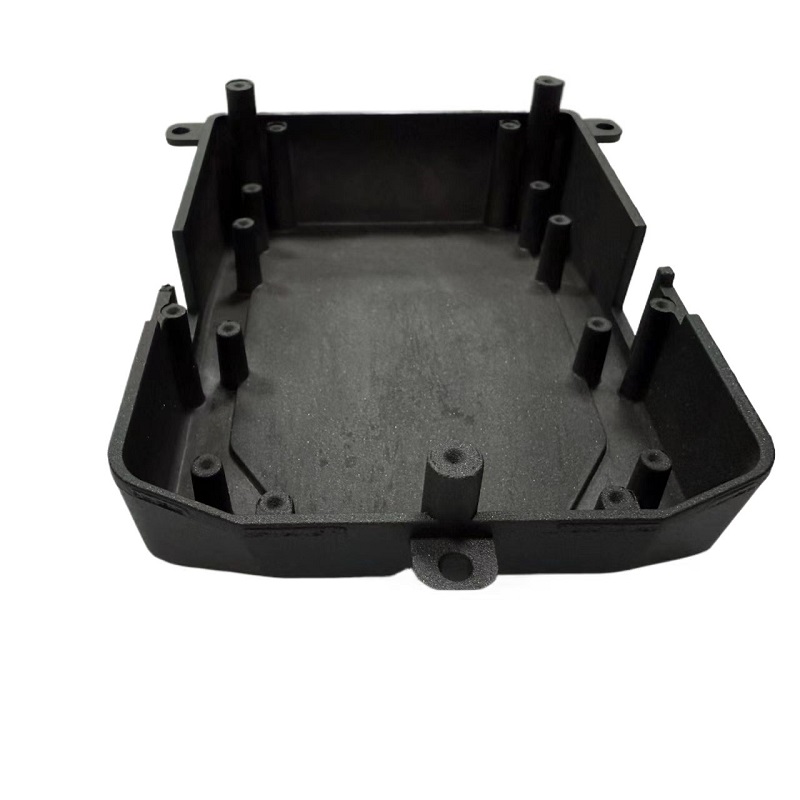
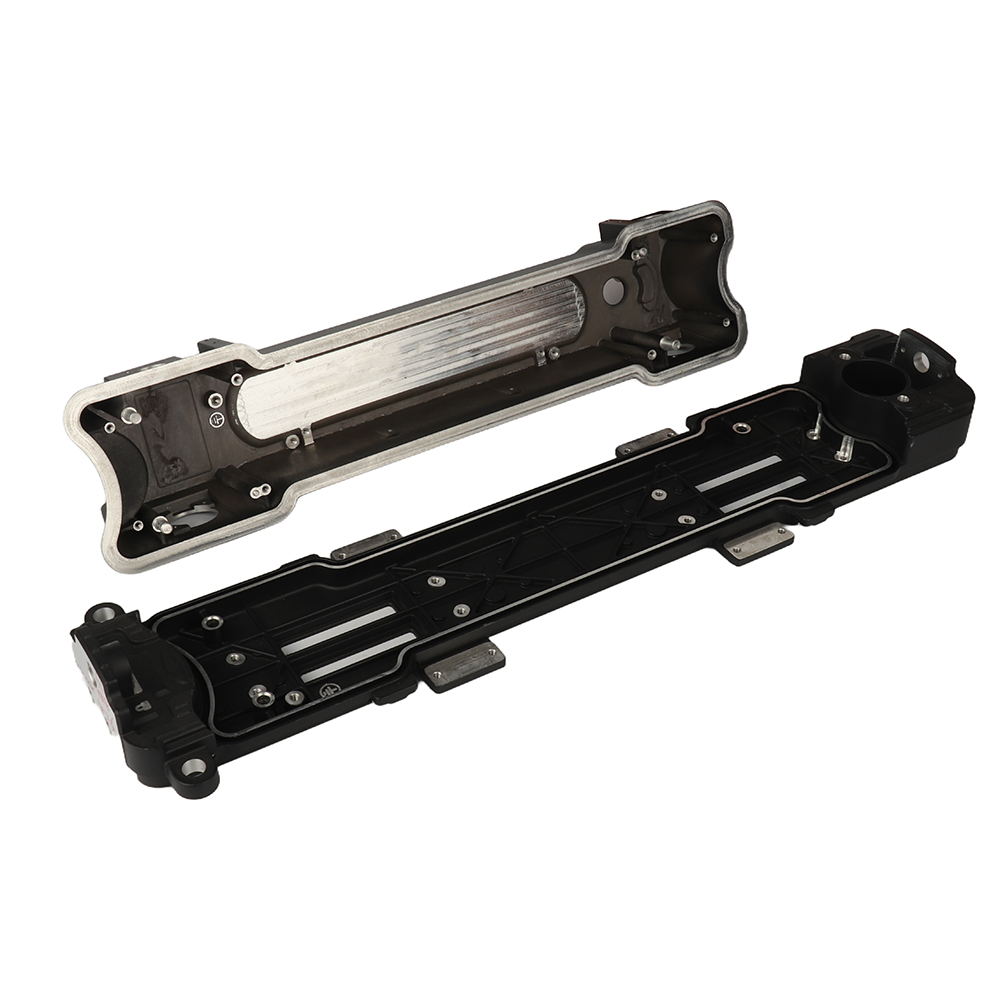
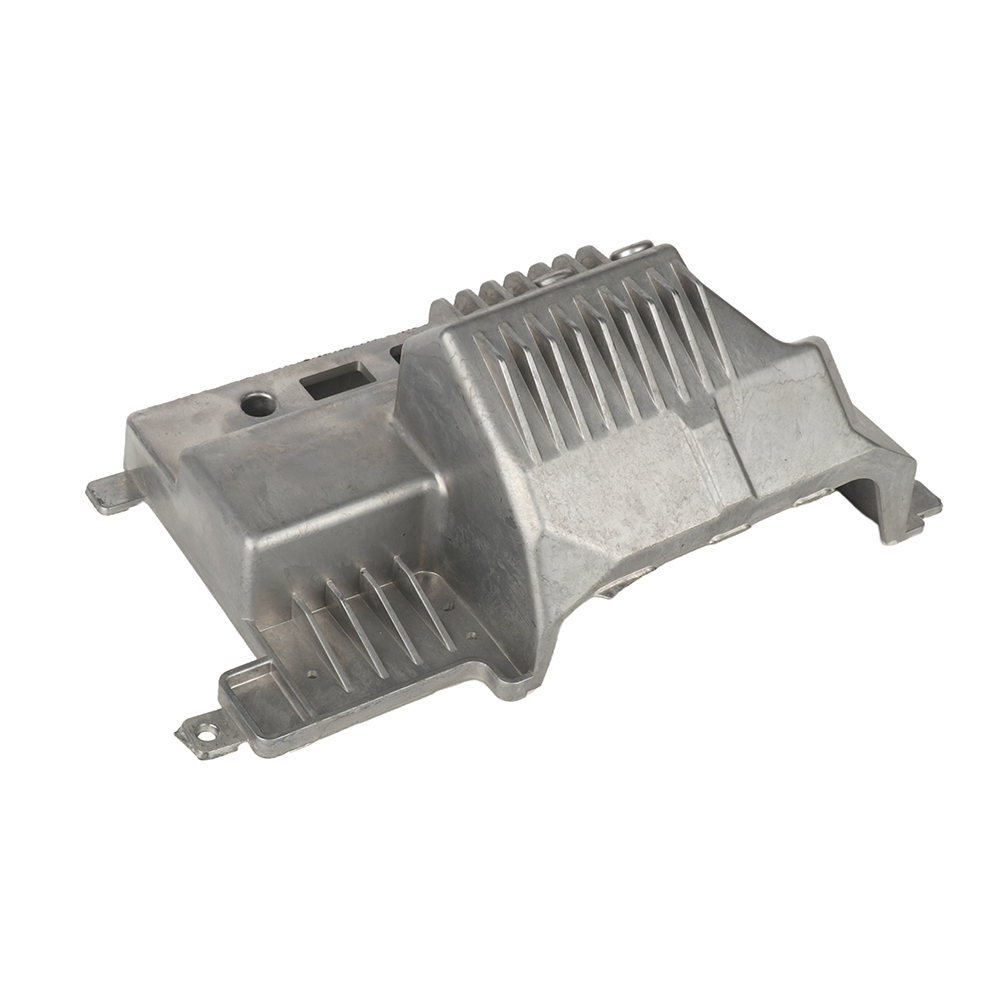
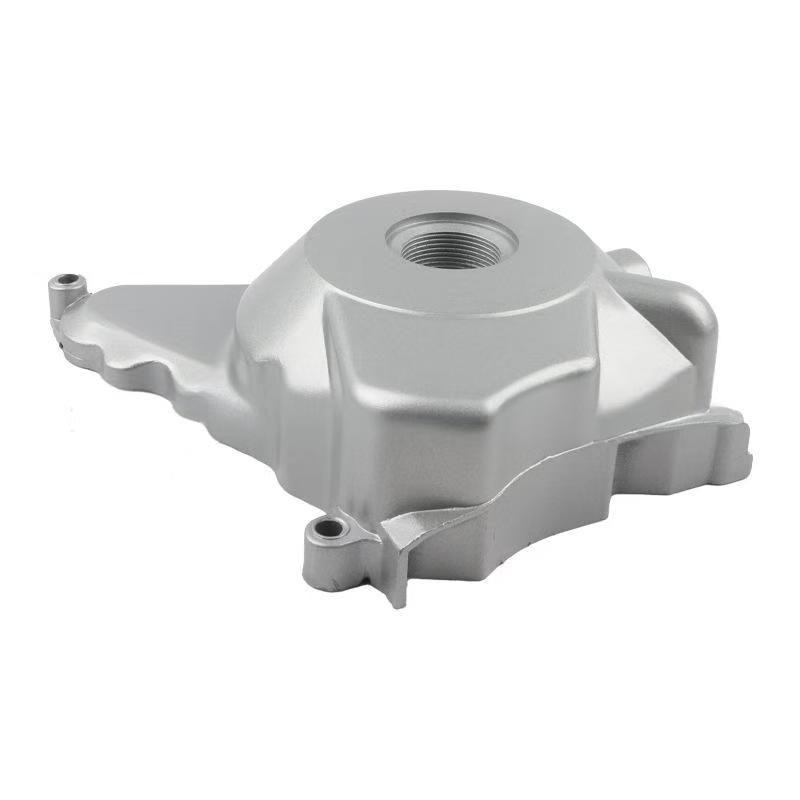
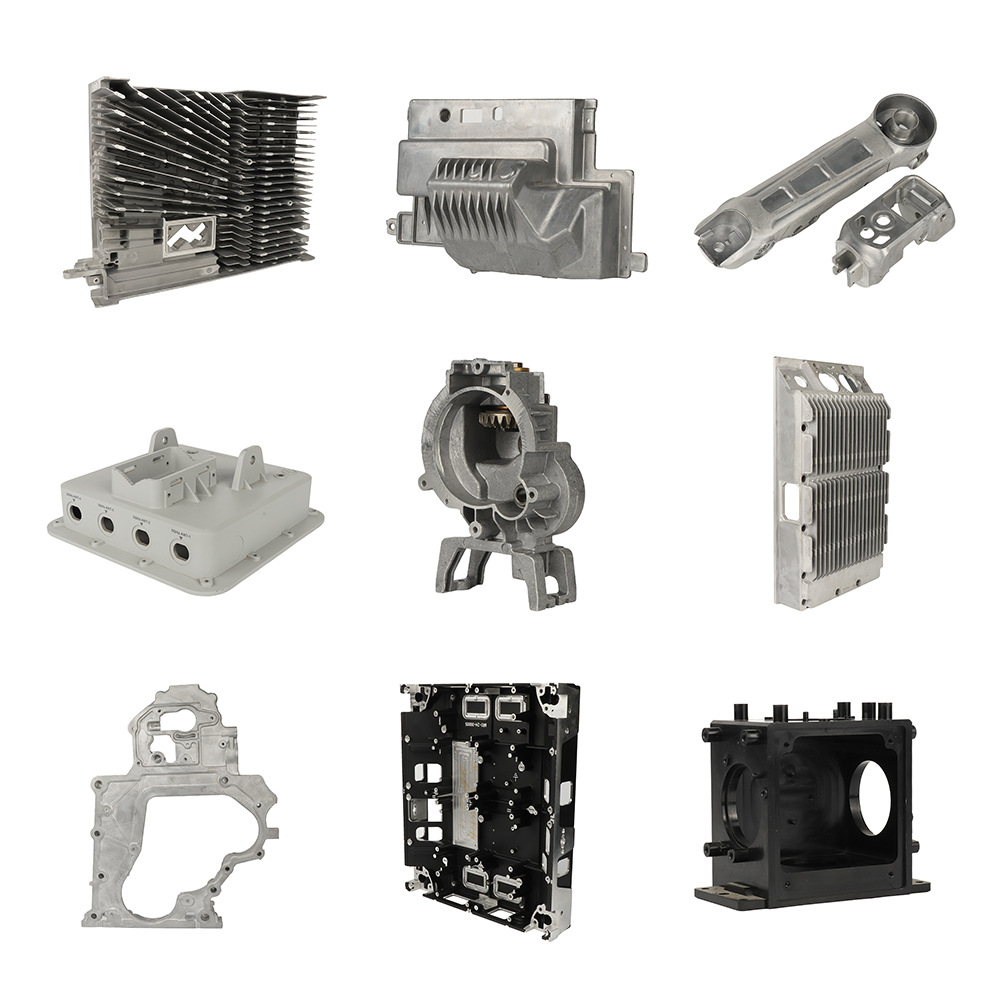
Automotive engine parts | What are precision cnc machined automotive engine parts?
2026-09-01
What are Precision CNC Machined Automotive Engine Parts?
Table of Contents
1. Basic Overview of Precision CNC Machined Automotive Engine Parts
1.1 Definition & Core Features
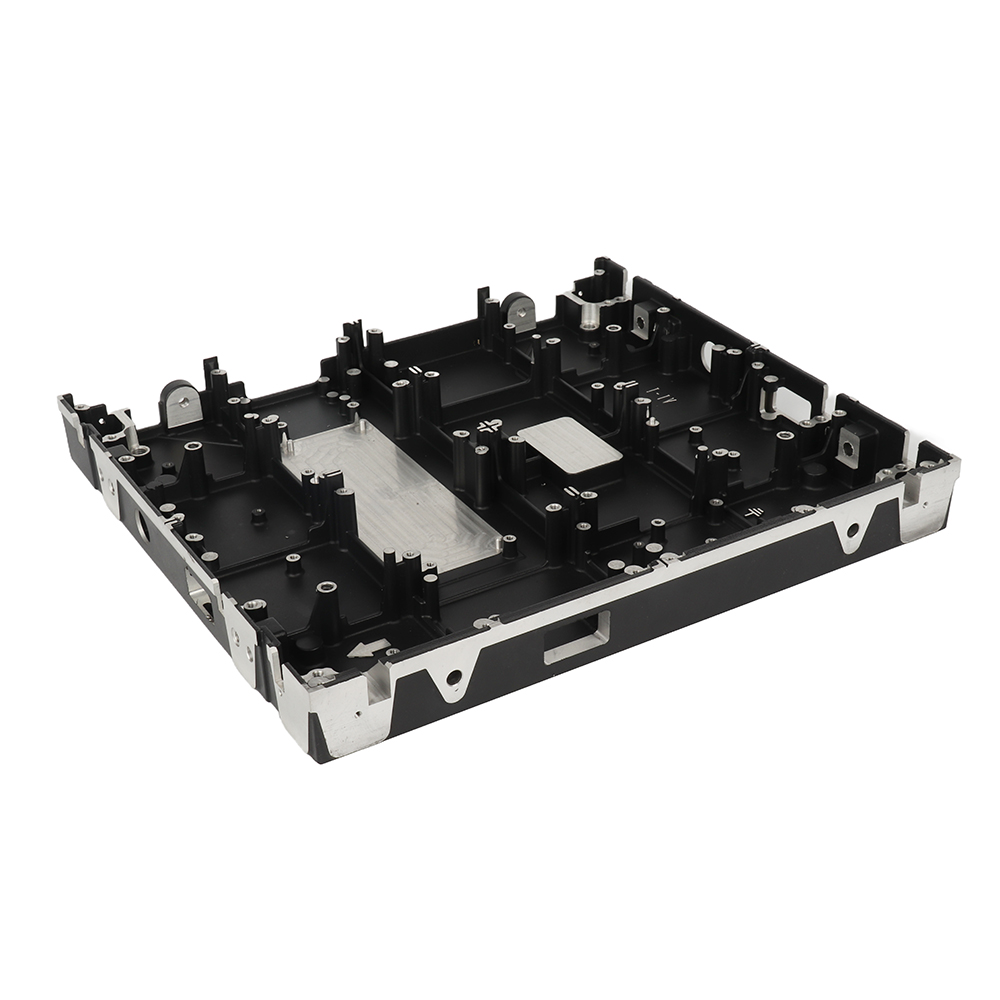
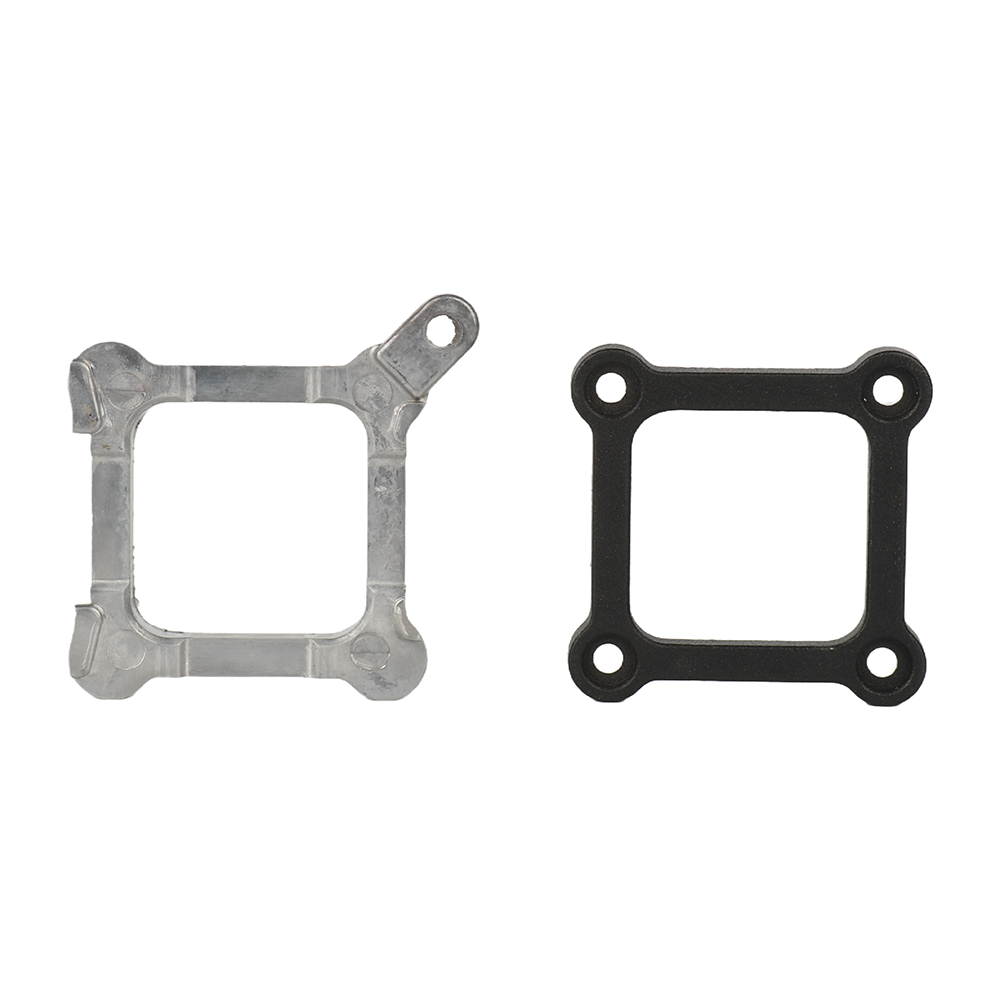
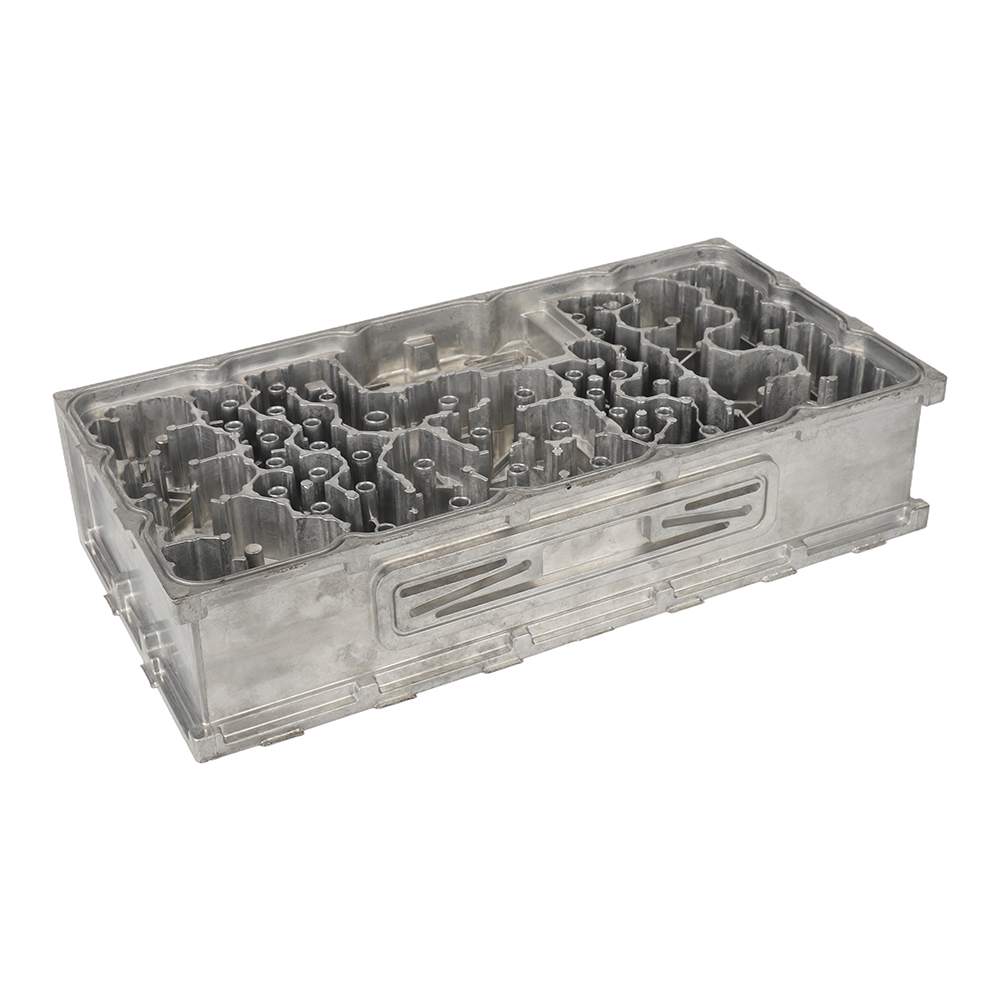
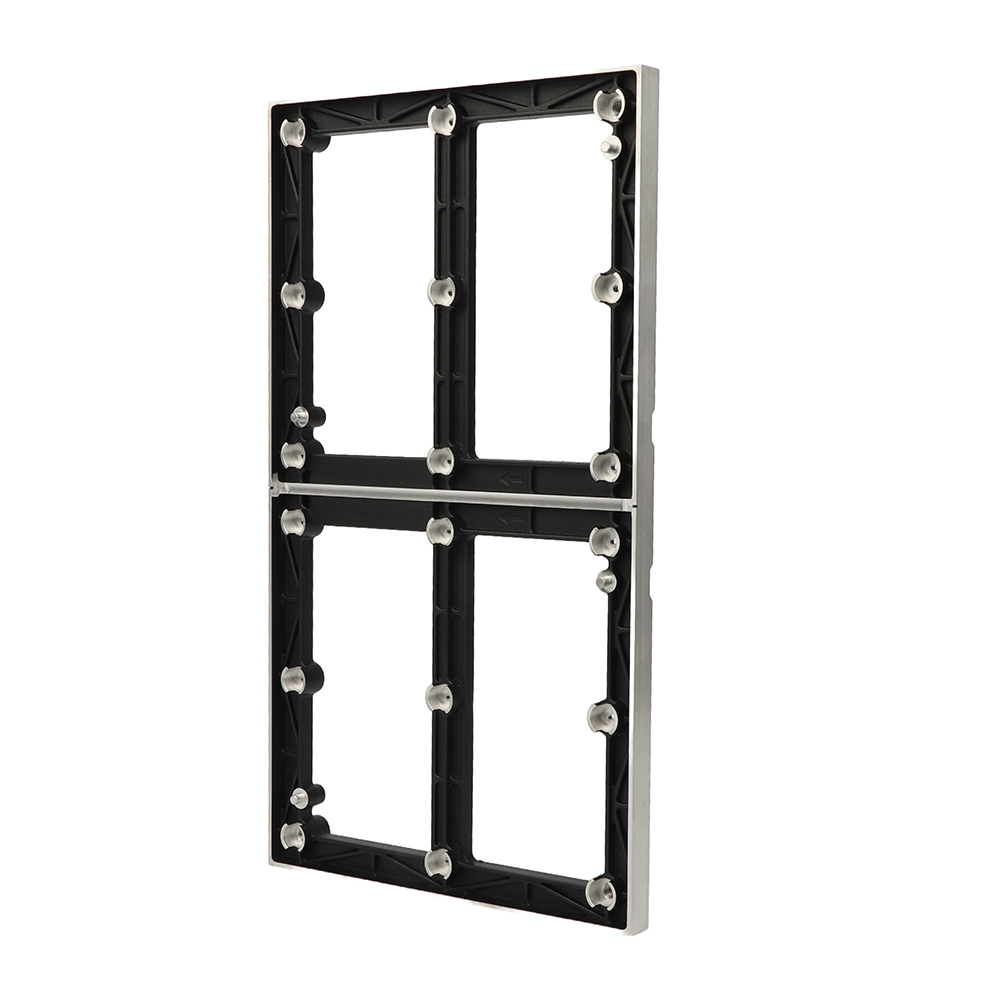
Precision CNC machined automotive engine parts refer to customized high-precision engine core components manufactured through professional CNC milling, turning, drilling, tapping and secondary finishing processes, mainly using ADC12 aluminum alloy as the base material. These parts strictly follow automotive industry precision standards and customer design drawings, featuring ultra-high dimensional accuracy, stable mechanical performance and excellent heat dissipation, which are core supporting components for the normal operation, energy saving and durability of automobile engines.
Different from ordinary cast rough parts, CNC machined engine parts eliminate dimensional errors and surface defects generated during die-casting molding. Through refined digital processing, they meet the strict assembly tolerance and high-load operation requirements of automotive engines, and are widely used in passenger cars, commercial vehicles, new energy vehicles and other automotive equipment.
1.2 Main Types of CNC Machined Automotive Engine Parts
The mainstream ADC12 aluminum alloy CNC engine parts in the industry cover all core engine structural and functional components, including but not limited to the following categories:
-
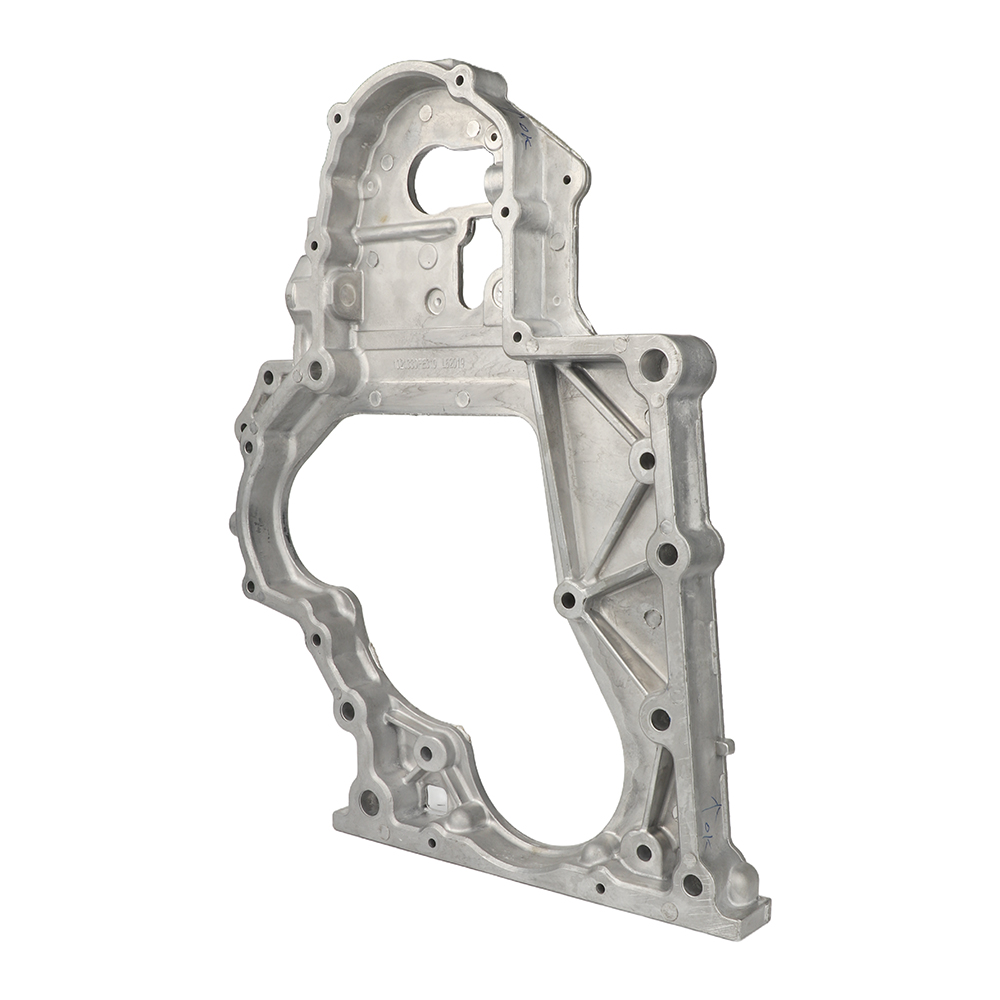
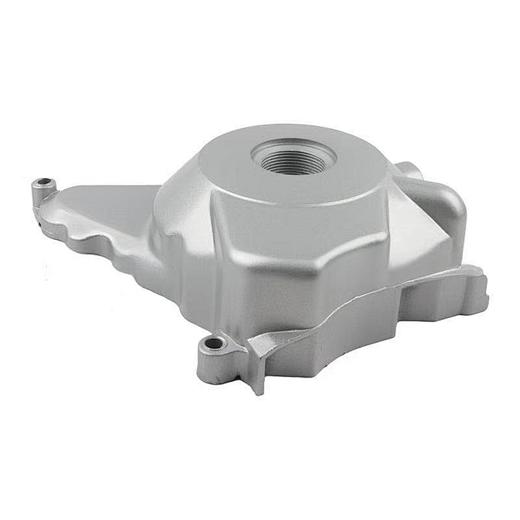
Engine Housing & Cover Parts: Gear housing covers, valve covers, engine side shells, playing a protective and fixed structural role.
-
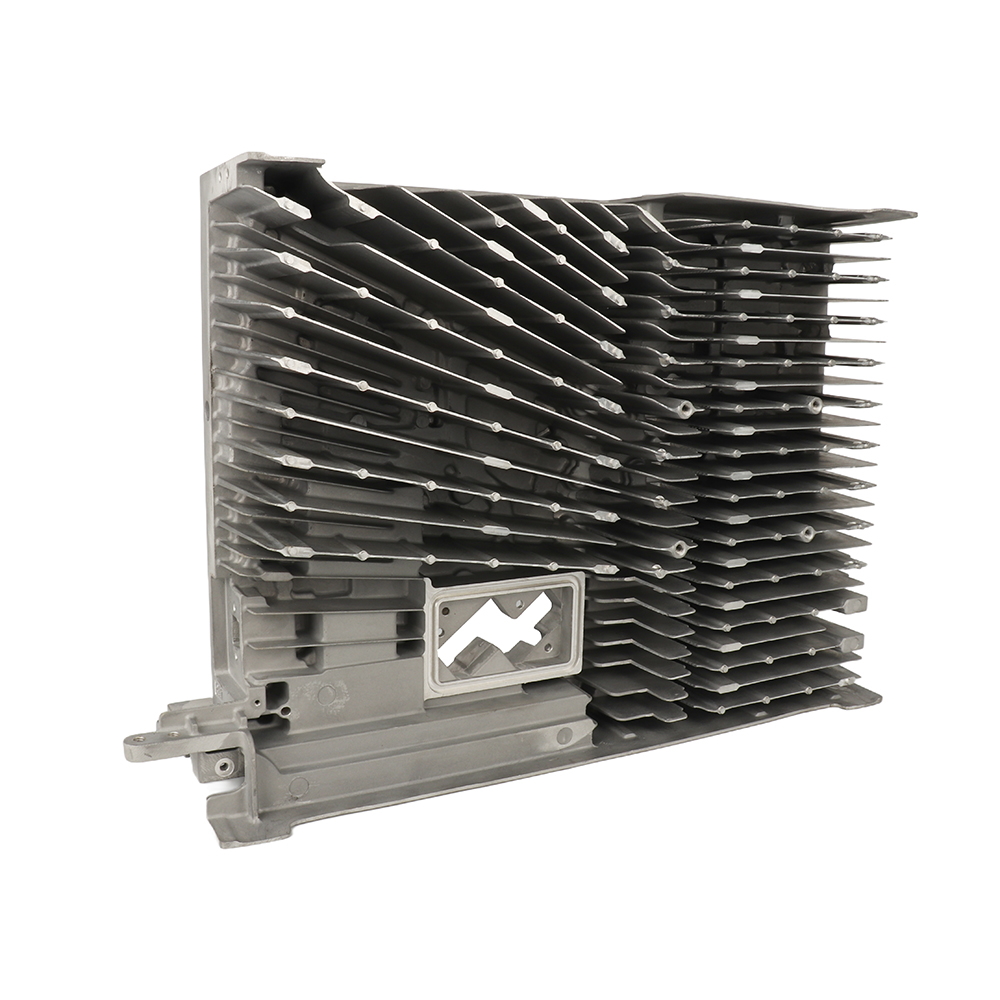
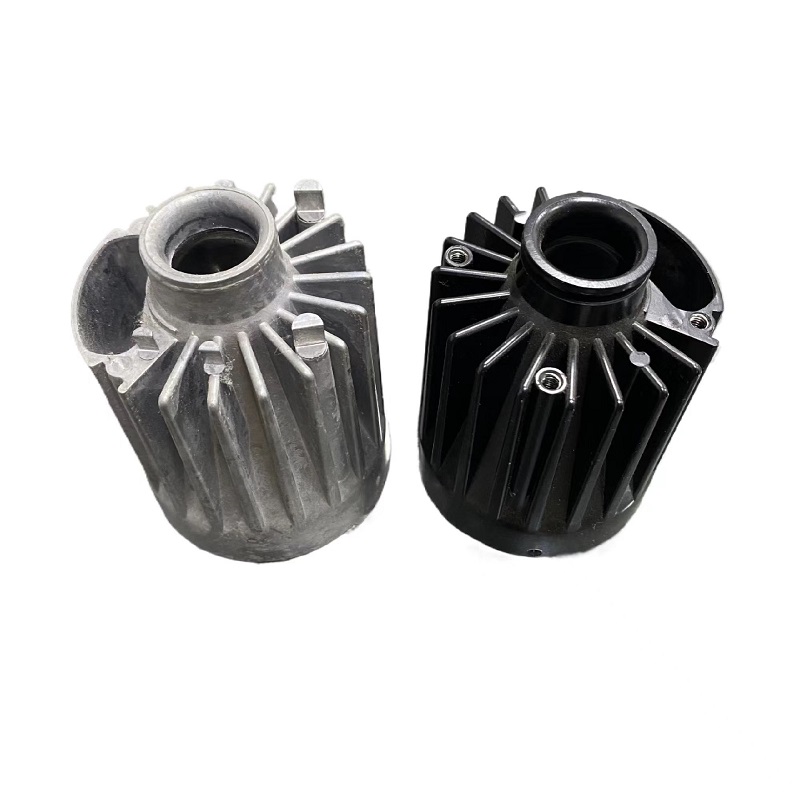
Heat Dissipation Components: Engine heat sink brackets, cooling shell accessories, ensuring stable heat dissipation during engine operation.
-
Connecting & Fixed Parts: Engine support brackets, fixed connectors, positioning pin parts, improving overall structural stability.
-
Precision Functional Accessories: Oil circuit accessories, gas circuit connecting parts, sensor fixing parts, ensuring precise engine operation.
2. Core Material: ADC12 Aluminum Alloy & Standard Parameter Specification Table
2.1 Why ADC12 Aluminum Alloy for Automotive Engine Parts
ADC12 aluminum alloy is the most mainstream and preferred material for CNC machining automotive engine parts, complying with JIS H 5302 and EN AC-46000 international automotive industrial standards. With high silicon and copper composite formula, it has excellent casting fluidity, outstanding thermal conductivity, balanced mechanical strength and light weight characteristics.
After CNC precision finishing and professional surface treatment, ADC12 aluminum engine parts can effectively reduce the overall weight of the engine, lower vehicle energy consumption, and resist high temperature, oxidation and vibration during long-term engine operation, perfectly adapting to the harsh working environment of automotive engines.
2.2 Universal Standard Parameter & Specification Table
The following are unified industry standard parameters for CNC machined ADC12 automotive engine parts, covering material composition, mechanical performance, processing precision and testing standards, applicable to all custom and standard engine component processing:
|
Parameter Item
|
Standard Specification
|
Inspection & Execution Standard
|
|---|---|---|
|
Material Grade
|
ADC12 Aluminum Alloy (AlSi9Cu3)
|
JIS H 5302 / EN AC-46000
|
|
Silicon (Si) Content
|
9.6% - 12.0%
|
Material component detection
|
|
Copper (Cu) Content
|
1.5% - 3.5%
|
Material component detection
|
|
Tensile Strength
|
≥250 MPa
|
Industrial mechanical performance test
|
|
Yield Strength
|
≥150 MPa
|
Industrial mechanical performance test
|
|
Brinell Hardness
|
75 - 85 HB
|
Metal hardness standard detection
|
|
Thermal Conductivity
|
≥96 W/m·K
|
Room temperature physical test
|
|
Dimensional Tolerance
|
±0.03mm (precision engine parts); ±0.05mm (conventional parts)
|
ISO precision machining standard
|
|
Surface Roughness
|
Ra ≤1.2μm
|
Post-CNC finishing treatment
|
|
Salt Spray Resistance
|
≥96 hours neutral salt spray test pass
|
Anodizing composite treatment
|
|
Qualification Certification
|
RoHS / ISO9001 / Automotive industry standard
|
Global industrial universal certification
|
3. Core Functions of CNC Machined Automotive Engine Parts
3.1 Structural Support & Protection
High-precision CNC machined engine structural parts form the basic frame of the automobile engine, stably fix internal engine components, and resist vibration and impact during engine operation. They effectively avoid component displacement and structural looseness caused by long-term high-frequency operation, ensuring the overall structural stability of the engine.
3.2 Efficient Heat Dissipation & Temperature Control
Relying on the high thermal conductivity of ADC12 aluminum alloy and CNC precise grooving and structural design, engine heat dissipation parts can quickly export high heat generated during engine combustion and operation. They avoid local heat accumulation and overheating failure, maintain the engine working temperature within a stable range, and improve engine operation efficiency and service life.
3.3 Precise Assembly & Operational Stability
CNC micro-precision processing strictly controls the tolerance of mounting holes, matching surfaces and connecting positions of engine parts. It realizes zero-gap precise assembly of engine internal components, ensures the accurate operation of oil circuit, gas circuit and transmission structure, and reduces engine jitter, oil leakage and air leakage problems.
3.4 Lightweight Energy Saving & Environmental Protection
Compared with traditional iron and steel engine parts, ADC12 aluminum alloy CNC parts greatly reduce the overall weight of the engine. The lightweight design effectively reduces vehicle driving energy consumption, lowers exhaust emissions, and meets the energy-saving and environmental protection requirements of modern automobile manufacturing.
4. Unique Advantages of CNC Machining for Automotive Engine Parts
4.1 Ultra-High Processing Precision & Stable Quality
Professional CNC digital precision machining technology fully automates processing with manual error eliminated. The dimensional tolerance of engine parts is controlled within ±0.03mm, far exceeding the precision of ordinary die-casting rough processing. The processed parts have consistent specifications, stable structure, no deformation, and can adapt to long-term high-load operation of automobile engines with extremely low failure rate.
4.2 Strong Customization Adaptability
Different from standard engine parts with fixed specifications, CNC machining supports full personalized customization according to different engine models, vehicle types and customer requirements. It can adjust part structure, size, hole position, wall thickness and surface technology freely, and process various special-shaped non-standard engine parts to meet the differentiated production needs of traditional fuel vehicles and new energy vehicles.
4.3 Excellent Material Performance & Durability
Combined with high-quality ADC12 aluminum alloy and refined CNC finishing, the parts retain the alloy’s advantages of high strength, heat resistance and corrosion resistance. After professional anodizing and sandblasting surface treatment, the parts have stronger oxidation resistance and wear resistance, with a service life far longer than ordinary processed parts.
4.4 High Cost Performance for Mass Production
Although custom CNC machining has one-time mold opening and proofing costs, it has prominent cost advantages in medium and large batch orders. Integrated one-stop processing reduces secondary modification and manual processing links, reducing comprehensive production costs by 20%-30% compared with traditional separate processing, with higher long-term procurement cost performance.
4.5 Full Compliance with Automotive Industry Standards
All CNC machined engine parts fully comply with ISO9001 quality system, RoHS environmental protection standards and international automotive manufacturing specifications, meeting the access requirements of global automobile markets, suitable for domestic mainstream vehicle models and export automotive equipment supporting.
5. Main Market Application Scenarios & Industry Price Analysis
5.1 Core Market Application Scenarios
ADC12 aluminum CNC precision engine parts are widely used in the global automobile manufacturing industry, covering multiple core application fields:
-
Traditional Fuel Vehicles: Sedans, SUVs, commercial trucks, buses and other fuel vehicle engine core structural and heat dissipation parts, supporting stable power output.
-
New Energy Vehicles: Hybrid vehicle engine auxiliary parts, range extender engine shells and heat dissipation components, adapting to new energy power system operation characteristics.
-
Engineering & Special Vehicles: Engine supporting parts for engineering machinery, agricultural vehicles and special transport vehicles, adapting to high-intensity working conditions.
-
Automobile Aftermarket: Custom replacement parts, modified engine precision accessories, providing high-quality matching solutions for vehicle maintenance and upgrading.
5.2 Industry Market Price Tiered Analysis
The market price of custom CNC machined automotive engine parts is mainly affected by part complexity, processing precision, surface technology and order batch, forming a clear tiered pricing system:
-
Conventional Standard Engine Parts: Simple structural brackets, ordinary engine covers with low processing difficulty, low unit price, suitable for large-batch conventional vehicle supporting, with the highest market circulation.
-
Medium-Precision Custom Parts: Regular engine functional parts with standard precision requirements, moderate price, the most mainstream and cost-effective choice for mainstream automobile manufacturers.
-
High-Precision Special-Shaped Parts: Complex irregular engine core parts, ultra-thin wall and high-tolerance precision components, high technical threshold, relatively high unit price, suitable for high-end passenger cars and high-performance new energy vehicles.
The industry has a significant batch preferential rule: the larger the order quantity, the lower the single-piece processing cost. Large-batch customized orders can effectively dilute mold opening and processing costs, bringing stable long-term cost-saving benefits for automobile manufacturing enterprises and after-market suppliers.
6. Common Problems & Practical Solutions in Service Process
6.1 Surface Oxidation & High-Temperature Corrosion
Problem: Automotive engine parts work in high-temperature and humid environments for a long time. Ordinary processed aluminum parts are prone to surface oxidation, discoloration and slight corrosion, affecting appearance and partial structural stability, and reducing part service life.
Solution: Adopt professional anodizing and sandblasting composite surface treatment to form a dense high-temperature resistant protective film on the part surface. Strictly control processing impurities during production, and standardize daily maintenance to improve high-temperature corrosion resistance.
6.2 Operation Precision Deviation & Assembly Gap
Problem: Insufficient finishing precision or unreasonable structural design leads to unqualified assembly gaps of engine parts. Long-term engine vibration will cause precision deviation, resulting in oil leakage, air leakage and loose component matching.
Solution: Conduct secondary CNC precision finishing for key assembly and matching positions, confirm drawing parameters and assembly dimensions in advance before mass production. Optimize reinforcing rib structure to enhance vibration resistance and ensure long-term precision stability.
6.3 Local Heat Accumulation & Poor Heat Dissipation
Problem: Unreasonable structural design of engine parts leads to unbalanced heat conduction, local heat accumulation during high-load operation, resulting in engine overheating and power attenuation.
Solution: Integrate professional heat dissipation grooves and uniform heat conduction structures in the CNC processing design stage, give full play to the high thermal conductivity of ADC12 aluminum alloy to realize uniform and efficient heat dissipation of the engine.
6.4 Low Structural Strength & Vibration Deformation
Problem: Improper processing technology leads to insufficient local strength of engine parts, which are prone to slight deformation under long-term high-frequency vibration and load, affecting engine operation accuracy.
Solution: Optimize CNC processing technology and tool path, strictly control material cutting thickness and structural uniformity. Select high-purity ADC12 aluminum alloy raw materials to ensure balanced mechanical strength and vibration resistance of parts.
7. Industry Expert Viewpoints on Engine Parts CNC Machining
Senior experts from the Automotive Precision Parts Manufacturing Industry Association pointed out that with the rapid upgrading of automobile lightweight and high-performance development, traditional rough-processed engine parts can no longer meet the requirements of modern automobile manufacturing for high precision, low energy consumption and long durability.
ADC12 aluminum alloy CNC precision machined engine parts have become the mainstream choice for automobile engine supporting by virtue of lightweight advantages, stable mechanical properties and high-precision assembly performance. Professional integrated CNC machining services effectively solve the industry pain points of poor precision, low compatibility and short service life of traditional engine parts, and greatly improve the overall quality and market competitiveness of automobile products.
Industry technical experts emphasized that standardized material selection, refined CNC processing technology and strict full-process quality testing are the core guarantees for engine part quality. Automobile manufacturing enterprises must choose formal and professional machining suppliers to avoid product quality risks and ensure long-term stable operation of vehicle engines.
8. Industry FAQ for CNC Machined Automotive Engine Parts
Q1: Why is ADC12 aluminum alloy the best choice for CNC automotive engine parts?
ADC12 aluminum alloy has excellent casting fluidity, high thermal conductivity and balanced mechanical strength. It can realize lightweight and high-strength integration of engine parts, resist high temperature, vibration and corrosion in engine working environment, and has high cost performance, which is far superior to pure aluminum, zinc alloy and other materials, fully meeting the strict manufacturing standards of automotive engine parts.
Q2: Can CNC machining support customized engine parts of special models?
Yes. Professional CNC machining services support full personalized customization of all automotive engine parts, including special-shaped structure, non-standard size, unique hole position and customized surface technology. Manufacturers can design and produce exclusive parts according to customer drawings, samples and vehicle model parameters to meet differentiated custom needs.
Q3: What is the service life of qualified CNC machined ADC12 engine parts?
Under standard vehicle operating environment and regular maintenance, the service life of qualified CNC machined ADC12 engine parts can reach 6-9 years. After professional surface anti-corrosion and wear-resistant treatment, the parts have strong environmental adaptability and fatigue resistance, with significantly longer service life than ordinary die-casting parts.
Q4: Is the custom CNC processing cost controllable for mass orders?
Absolutely controllable. Although custom CNC machining has one-time mold opening and proofing cost, the single-piece cost drops significantly with the increase of order quantity. Large-batch orders can save 20%-30% of comprehensive procurement costs compared with small-batch processing, with prominent long-term cost advantages.
Q5: Do your CNC engine parts meet international automotive industry standards?
All products fully comply with JIS H 5302, EN AC-46000 material standards, pass ISO9001 quality system certification and RoHS environmental protection certification, and meet global automotive market access standards, suitable for domestic vehicle supporting and overseas export projects.
9. Industry Summary & Future Development Trends of Custom CNC Machining
9.1 Industry Summary
Precision CNC machined automotive engine parts are core basic components of modern automobile manufacturing. Relying on high-precision CNC processing technology and high-performance ADC12 aluminum alloy materials, they solve the pain points of low precision, heavy weight and poor durability of traditional engine parts. Widely used in fuel vehicles and new energy vehicles, custom CNC engine parts have become an indispensable part of the automotive manufacturing supply chain, promoting the upgrading of automobile lightweight and high-performance development.
9.2 Future Development Trends of Custom CNC Machining Industry
Ultra-Precision & Functional Integration: With the upgrading of high-end automobile manufacturing, custom CNC engine parts will develop towards higher precision and multi-functional integration, integrating heat dissipation, support, anti-corrosion and positioning functions into one component.
Lightweight & Green Manufacturing: The industry will further optimize material formulas and structural design, reduce part weight and vehicle energy consumption, and conform to the global green and low-carbon manufacturing development trend.
Intelligent & Efficient Mass Production: Realize intelligent proofing, rapid mold opening and efficient mass production, greatly shorten product delivery cycle, and accelerate the iteration and upgrading of automotive engine products.
Standardized Quality Upgrade: Processing technology and testing standards will be continuously optimized, all products will fully align with global high-end automotive manufacturing standards, and product durability and stability will be further improved.
10. How to Choose a High-Quality Hardware Machining Supplier
Choosing a reliable CNC machining supplier is the key to ensuring engine part quality, vehicle operation stability and long-term procurement cost control. Enterprises can select suppliers through the following core dimensions:
-
Complete Qualification Certification: Possess ISO9001 quality certification and RoHS environmental protection certification, strictly implement international automotive industry processing standards to ensure product compliance.
-
Professional Customization Capability: Have independent mold design, mold opening and precision CNC processing capabilities, able to produce complex special-shaped custom engine parts.
-
Mature Technology & Advanced Equipment: Equipped with high-precision CNC finishing equipment and standardized die-casting production lines, with stable processing precision and high product yield.
-
Strict Quality Inspection System: Support dimensional tolerance, hardness, salt spray and other professional performance tests, implement full-process quality tracking and inspection.
-
Flexible Service & Batch Discounts: Provide one-stop full-process services, flexible delivery cycles and hierarchical batch preferential policies, suitable for long-term cooperative procurement.
11. Xinghang Precision Hardware: Professional Machining Service & Bulk Discount Policy
Xinghang Precision Hardware is a professional high-tech manufacturer focusing on custom ADC12 aluminum alloy automotive engine parts and precision die-casting CNC machining services. Founded in 2017 and located in Dongguan, the core manufacturing hub of South China, the company owns a 9,410-square-meter modern standardized factory with complete production and testing equipment and a professional R&D technical team.
We provide one-stop full-process customized services including drawing design, mold manufacturing, alloy die-casting, CNC precision finishing, surface treatment and finished product assembly. Our factory can customize all kinds of precision die-casting product shells and automotive engine precision parts, covering fuel vehicle and new energy vehicle engine supporting components, with products fully complying with international automotive industry standards.
Adhering to the customer-oriented service concept, we provide free drawing evaluation and personalized scheme optimization to solve customers' custom processing problems. We implement a hierarchical bulk discount policy: the more the order quantity, the higher the discount. Large-batch customized orders can enjoy ultra-low factory direct sales prices and priority delivery rights, effectively reducing customers' comprehensive procurement costs and creating long-term cooperative value.
12. Official Contact Information
Welcome global automotive manufacturers, after-market suppliers and enterprise customers to consult product samples, customize processing drawings and inquire about factory wholesale quotations! We provide professional pre-sales technical consultation, free scheme optimization and perfect after-sales service.
Mobile / Whatsapp / WeChat: +86 18819502691
Email: liqine@xinghangcn.com
Precision machined aluminum parts | What are precision machined aluminum parts?Ultimate Guide to ADC12 Custom Components
Parts machining services | What are parts machining services?Complete Guide to Precision Component Processing
Related Article

What are CNC machined aluminum electronic parts & their core functions CNC machined aluminum electronic parts are precision metal components processed by multi-axis CNC equipment, widely used in electronic products.
Electronic parts | Where to find high-quality CNC machined aluminum parts for electronics?

CNC machined aluminum parts for semiconductor equipment are precision metal components manufactured by aluminum die casting, then finished via CNC machining.
semiconductor equipment | What are cnc machined aluminum parts for semiconductor equipment?