HOT PRODUCTS
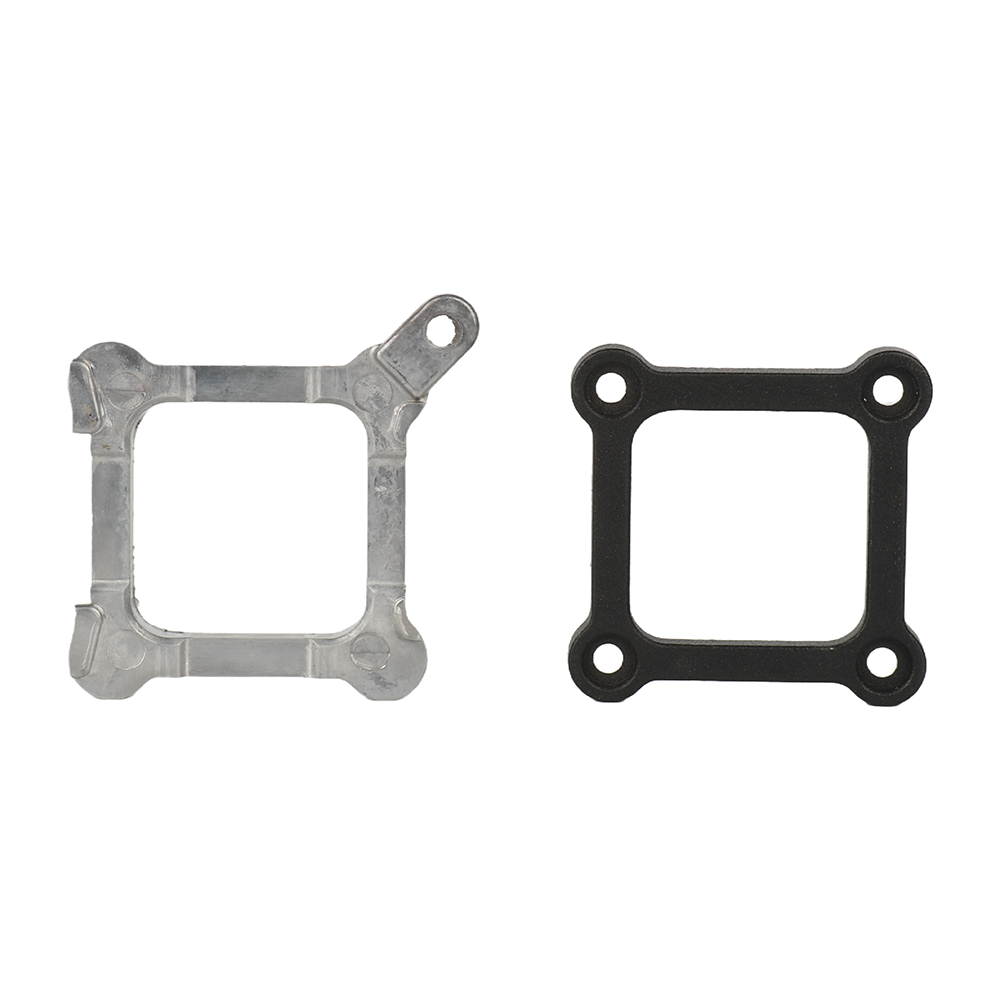
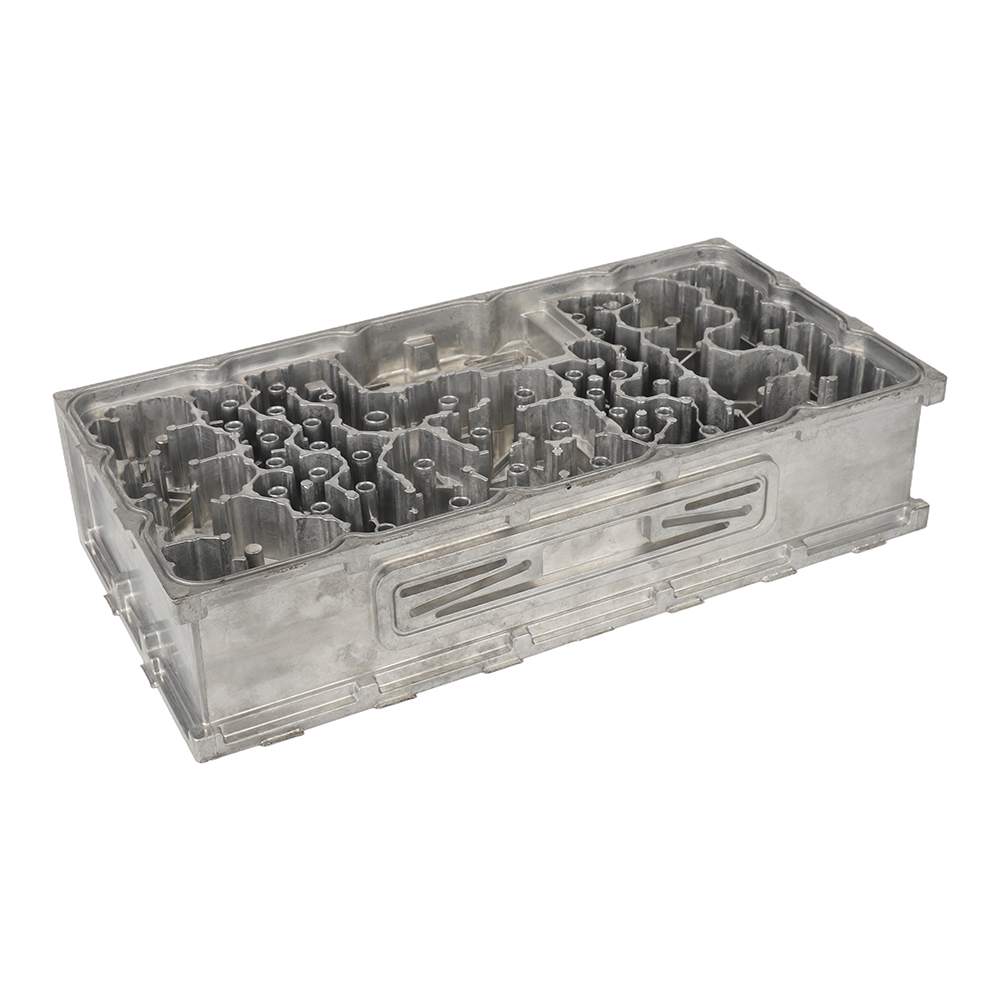
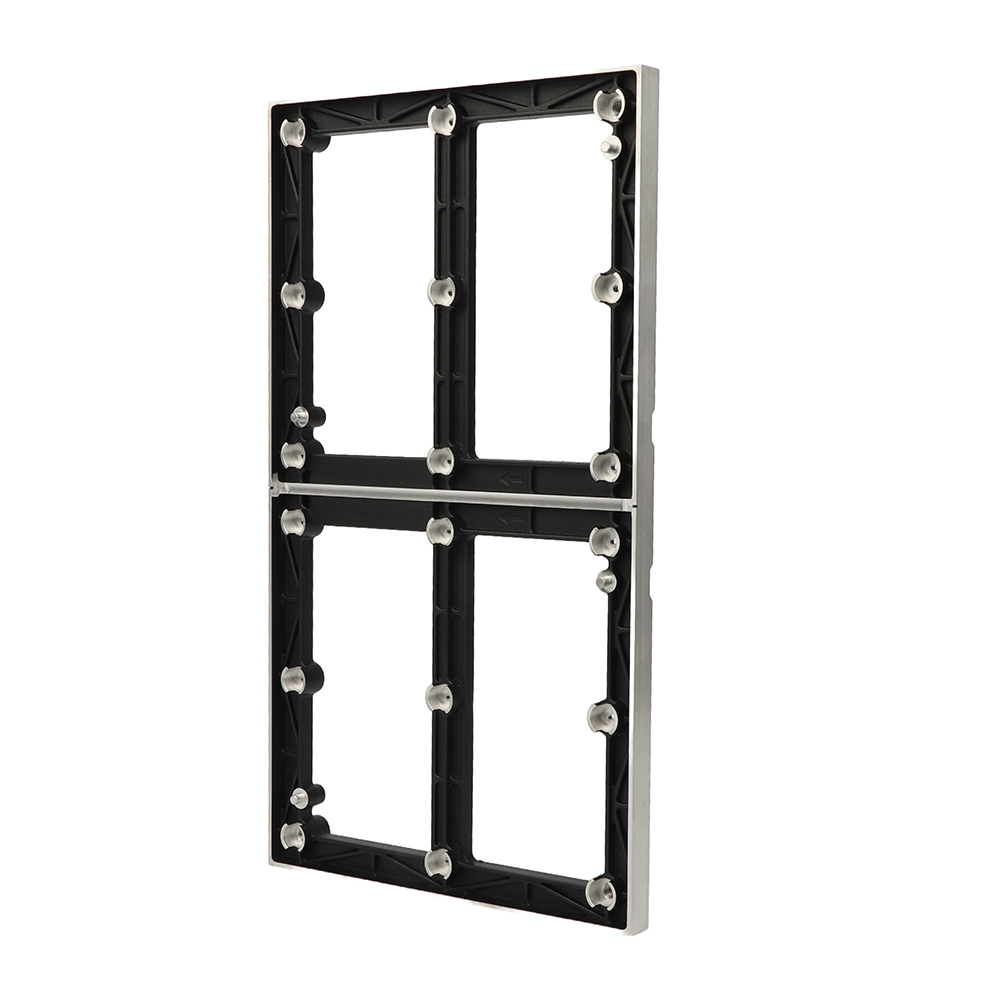
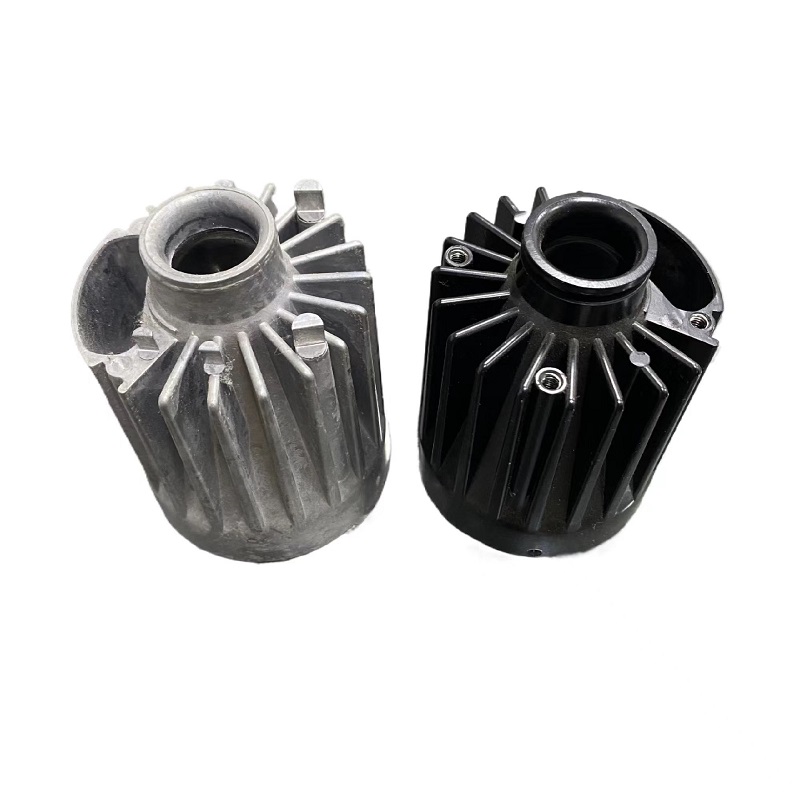
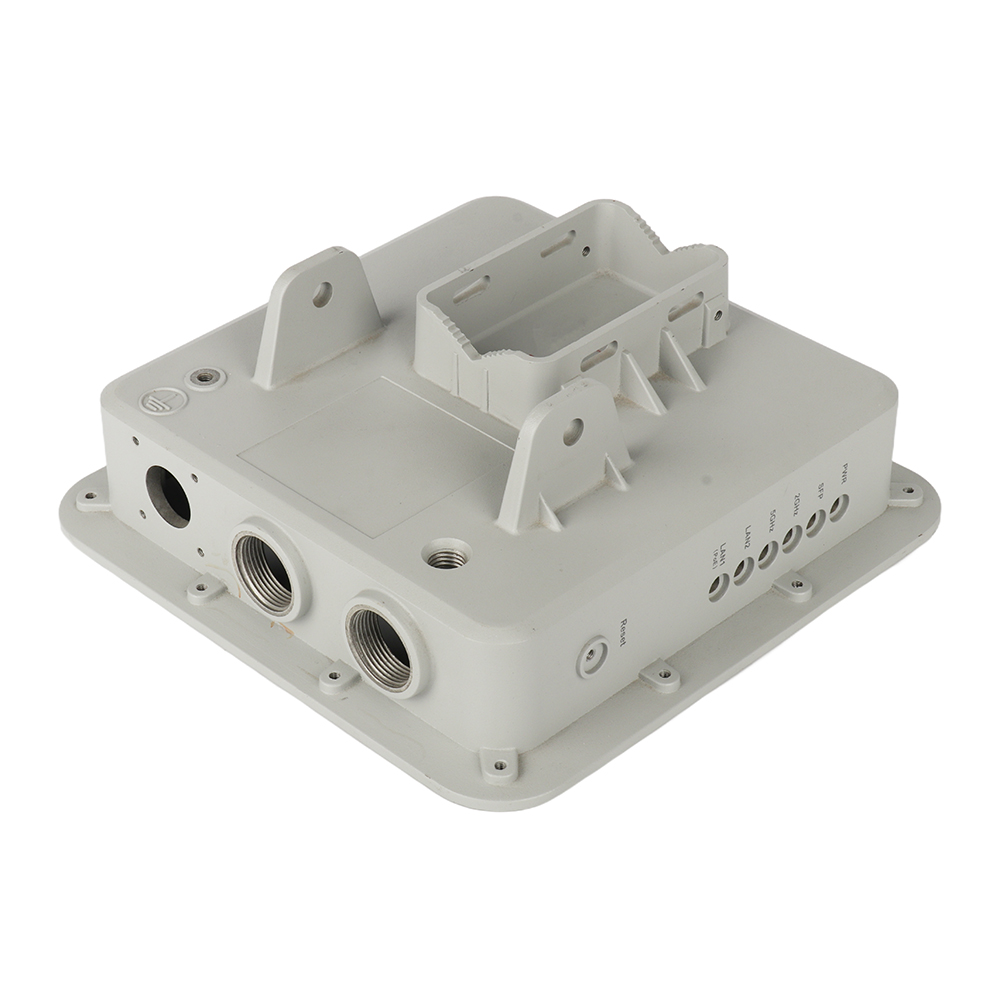
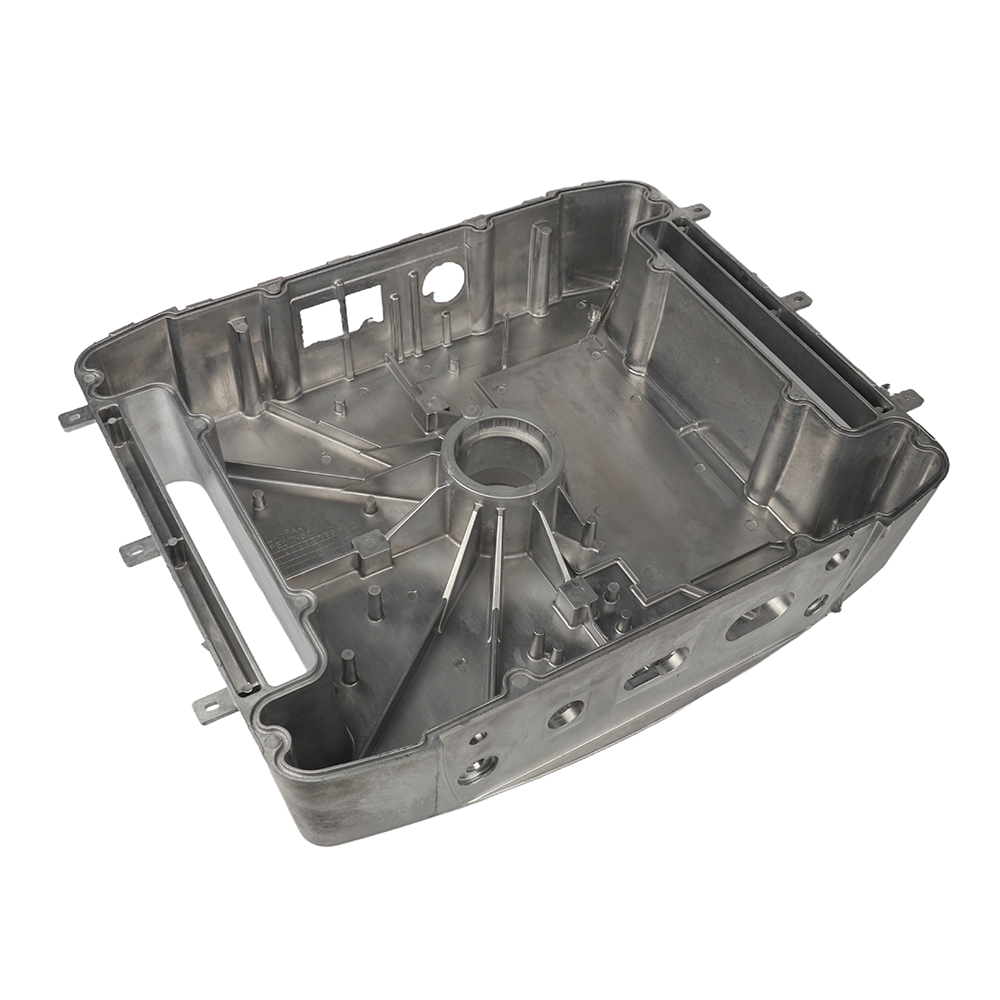
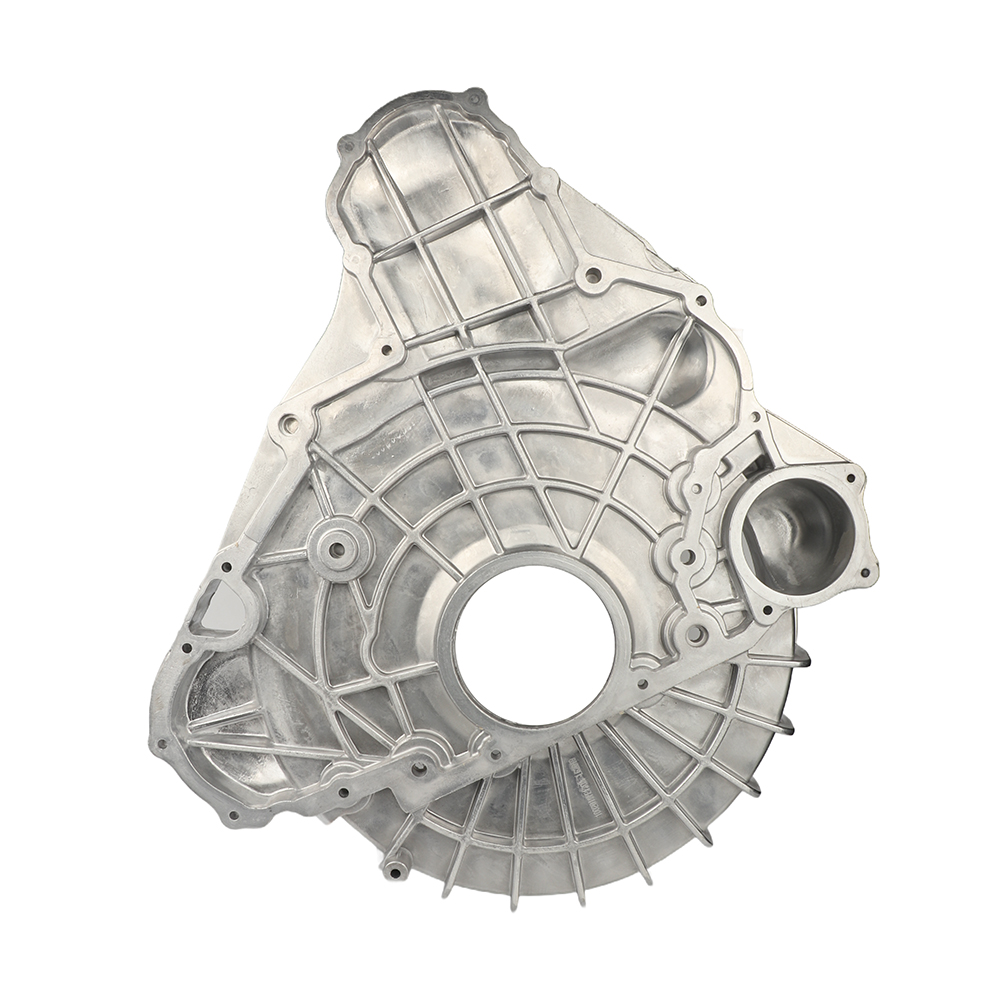
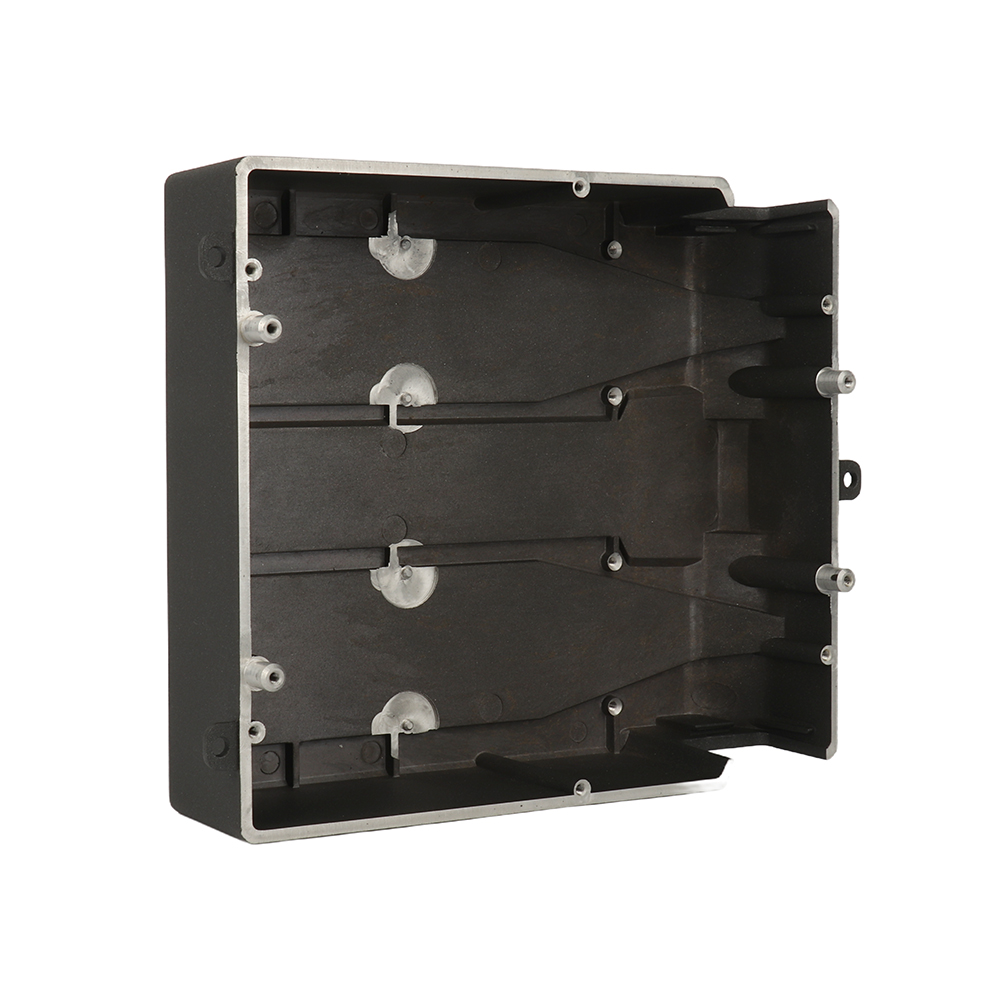
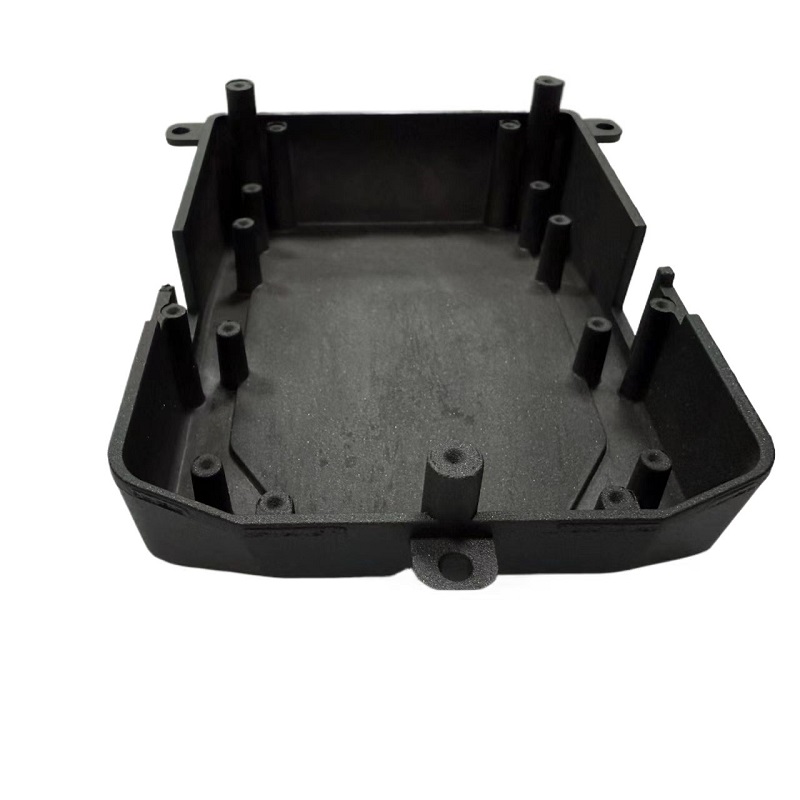
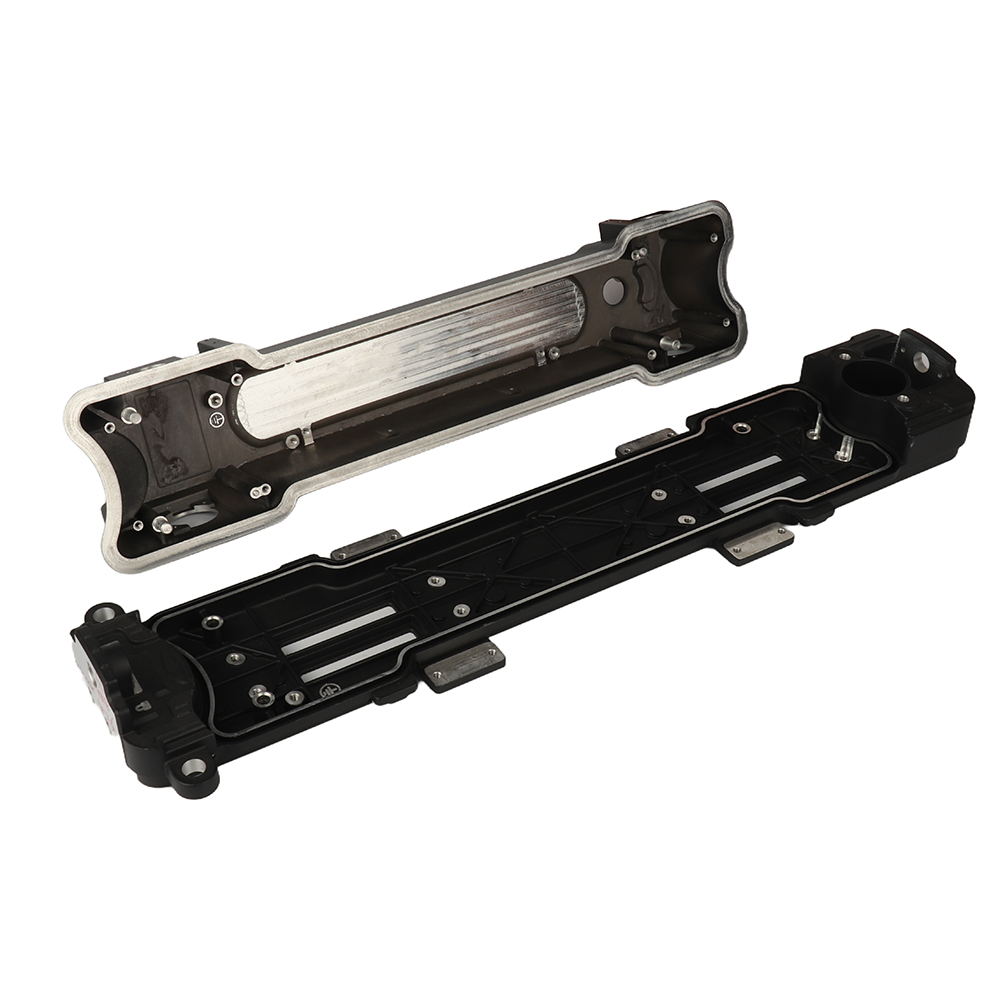
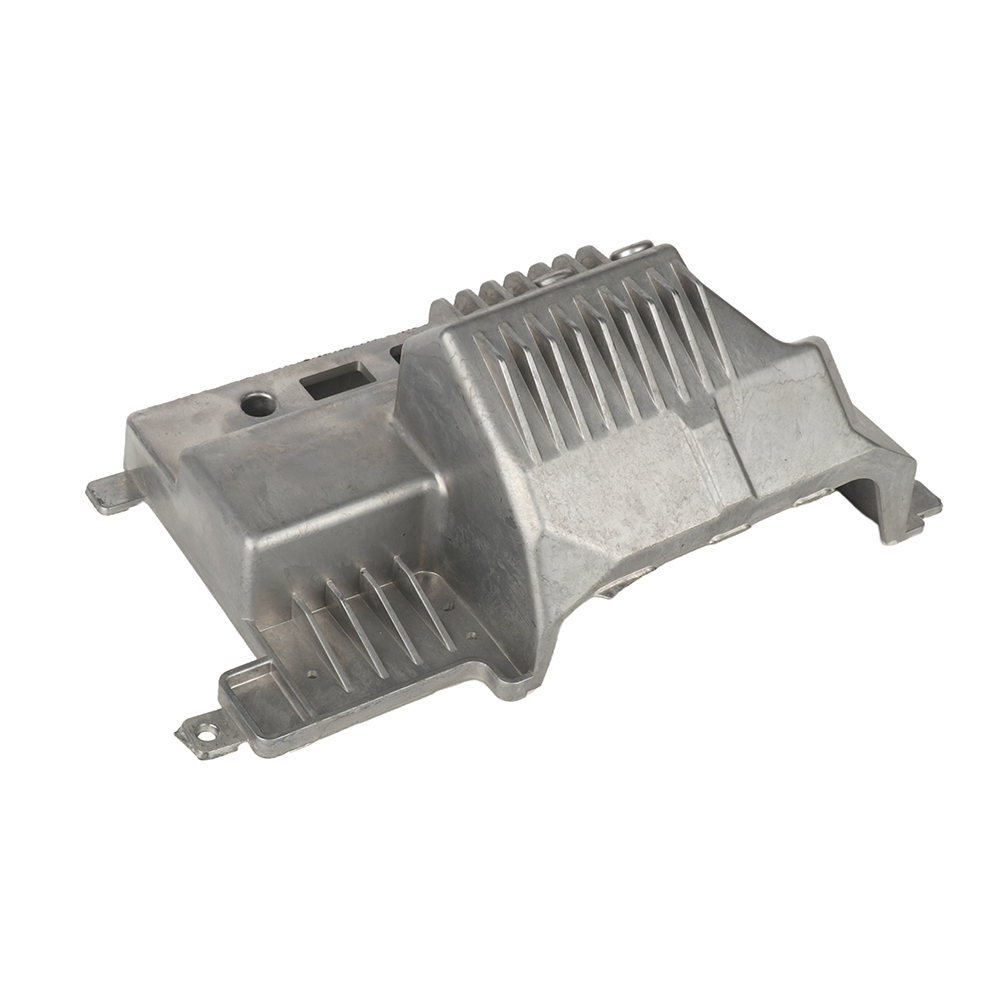
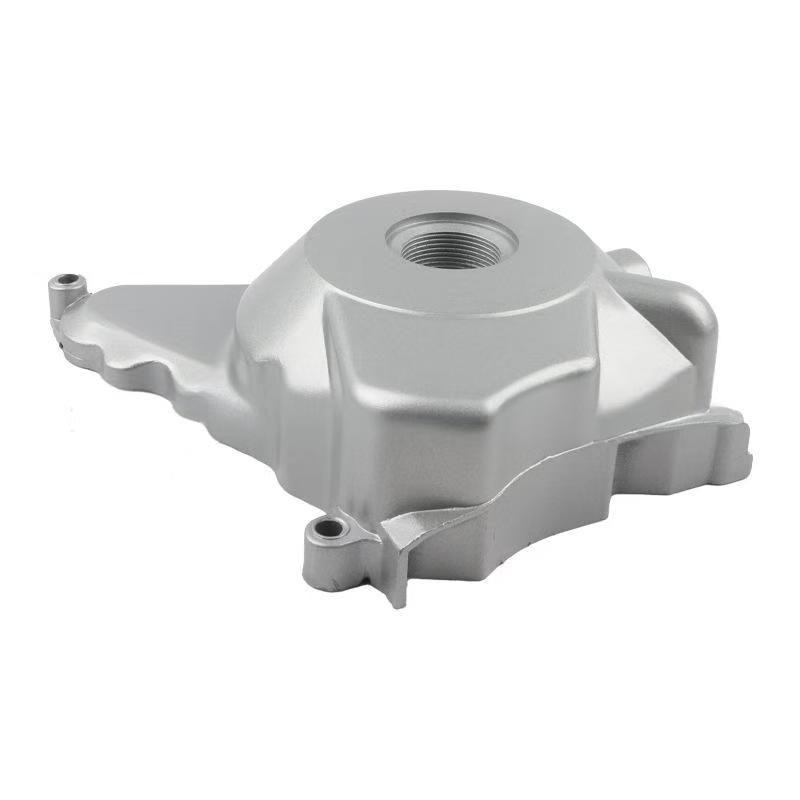
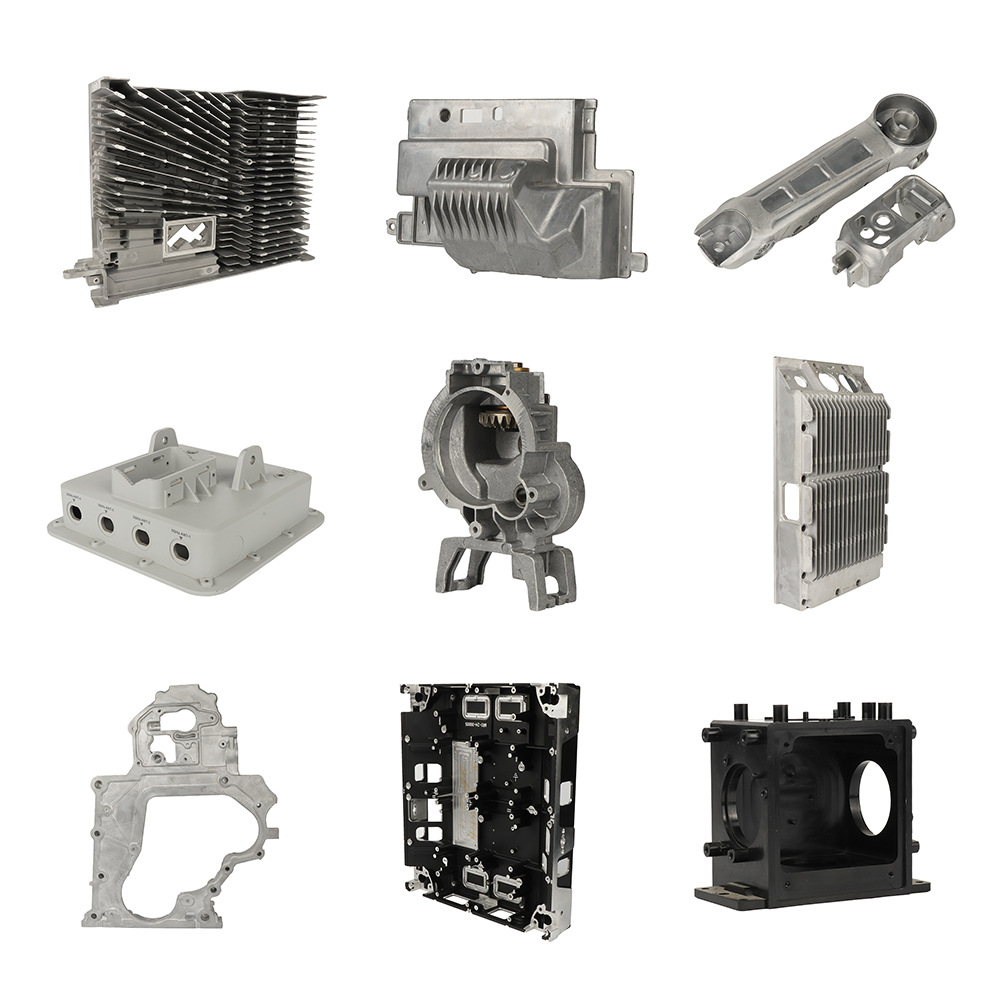
Precision machined components | What are precision machined components? Features, Parameters & Industry Applications
2026-05-26
What Are Precision Machined Components? Features, Parameters & Industry Applications
Table of Contents
- 1. Basic Overview of Precision Machined Components
- 2. Universal Technical Parameters of Precision Machined Components
- 3. Core Material: Performance Analysis of ADC12 Aluminum Alloy
- 4. Key Features & Functional Benefits of Precision Machined Components
- 5. Core Functions & Industrial Values of Precision Machined Parts
- 6. Industry Expert Views on Precision Machining Development
- 7. How to Select a High-Quality Hardware Precision Machining Supplier
- 8. Industry Development Trends & Comprehensive Summary
- 9. Common Industry FAQs for Precision Machined Components
- 10. Company Preferential Policy & Official Contact Information
1. Basic Overview of Precision Machined Components
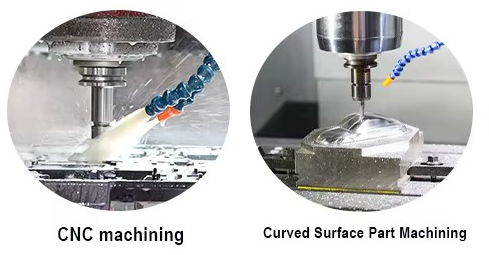
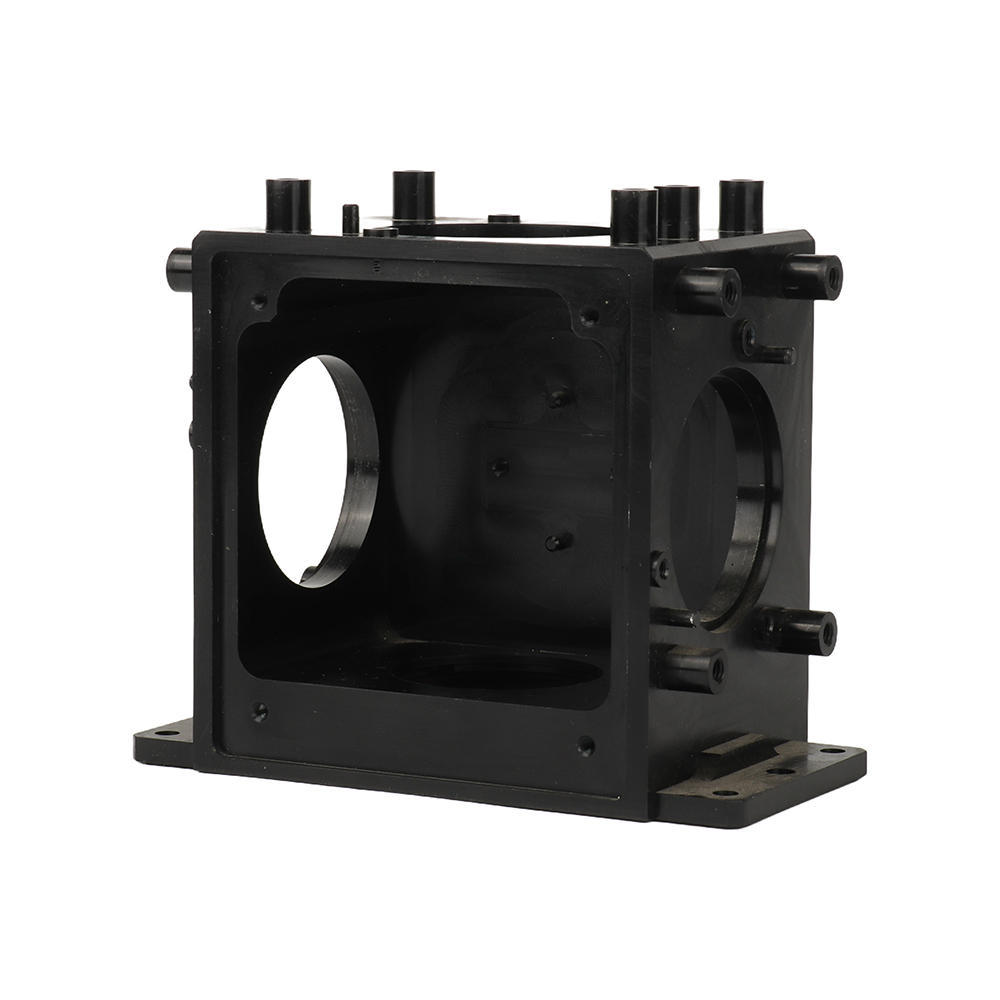
Precision machined components refer to high-precision mechanical parts manufactured through advanced CNC machining, micro-processing, and fine finishing technologies. Different from ordinary mechanical parts, these components are produced under strict tolerance control, standardized processing procedures, and professional quality inspection systems, serving as the core foundational parts of high-end industrial manufacturing.
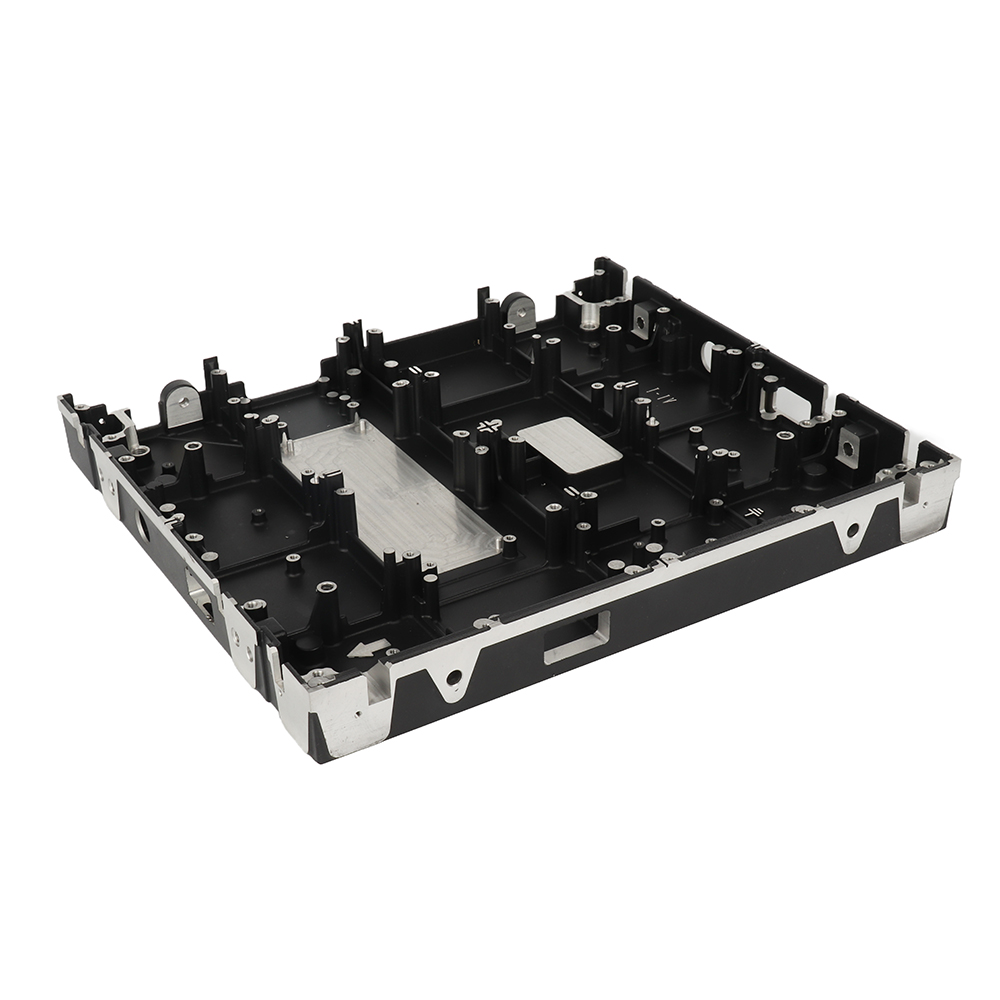
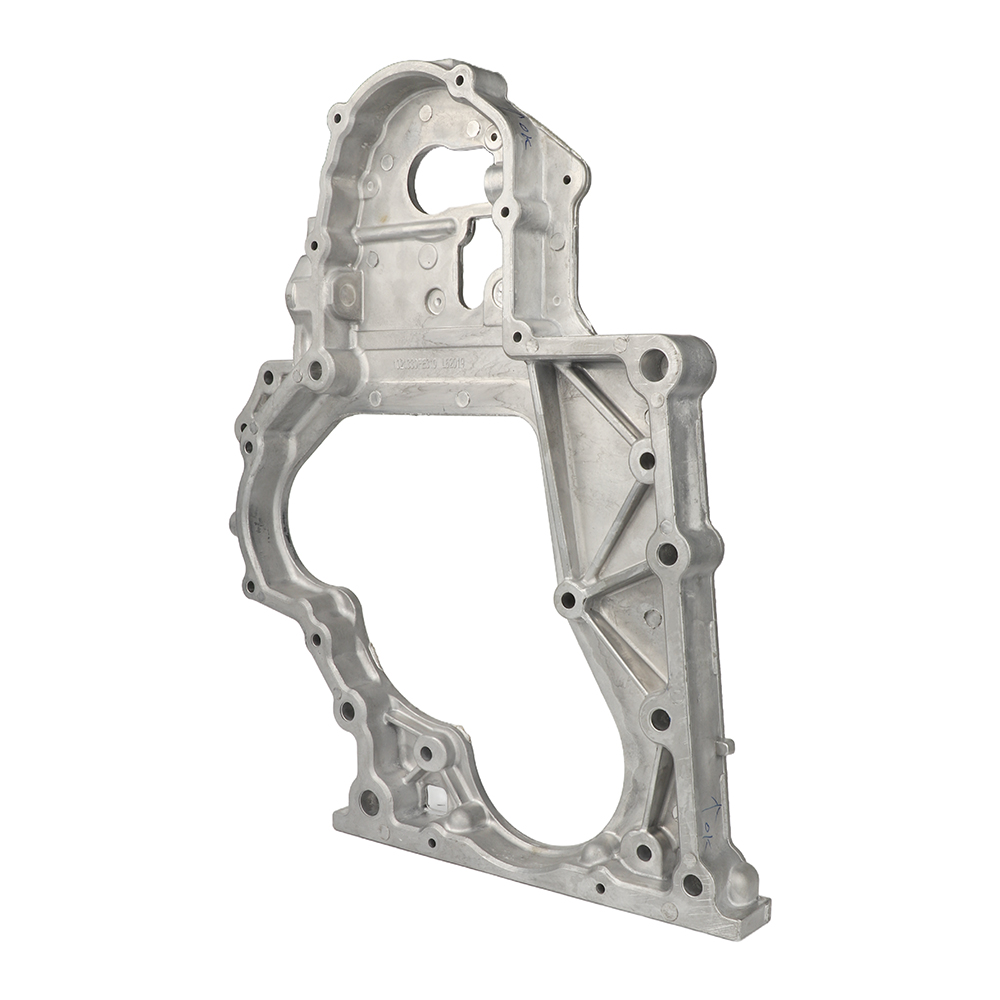
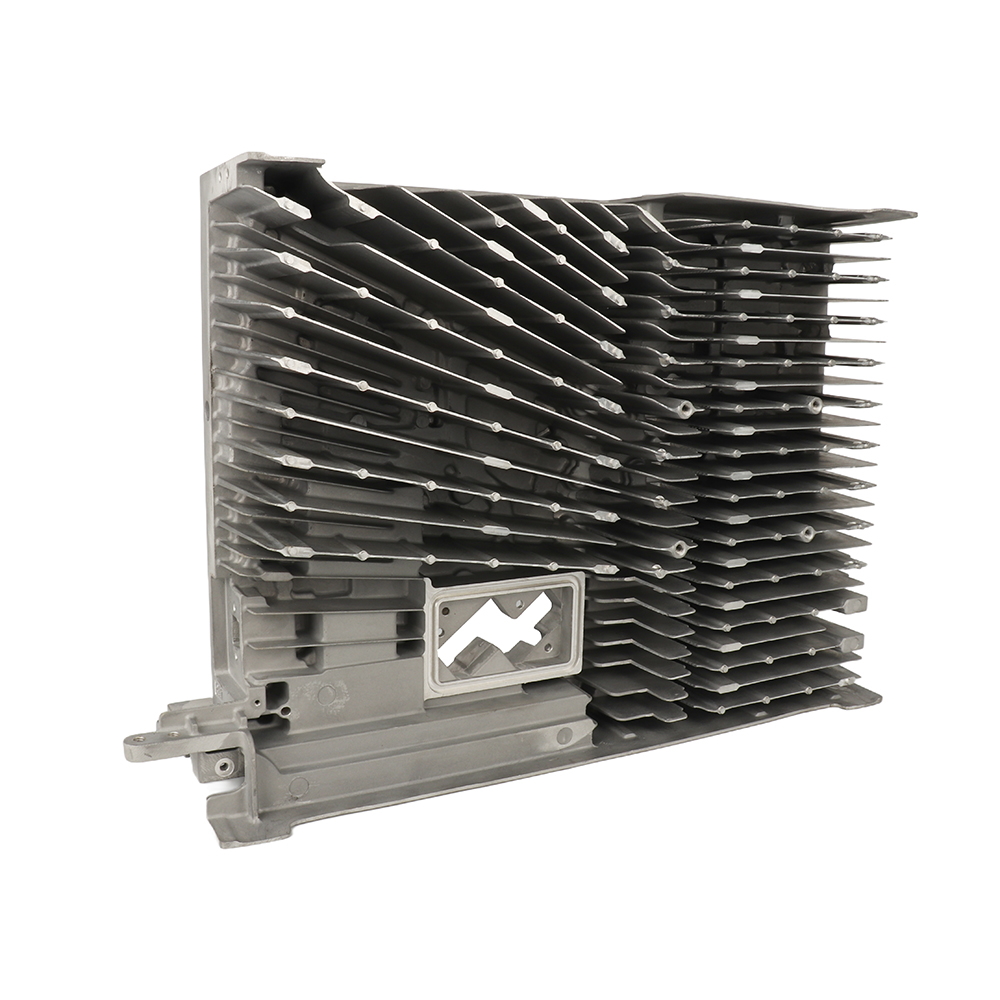
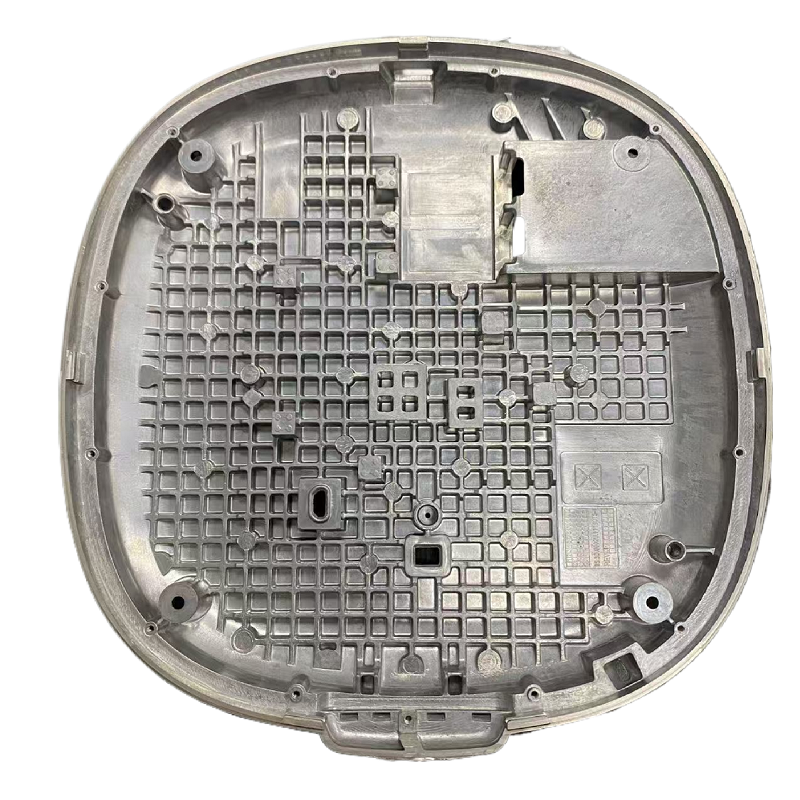
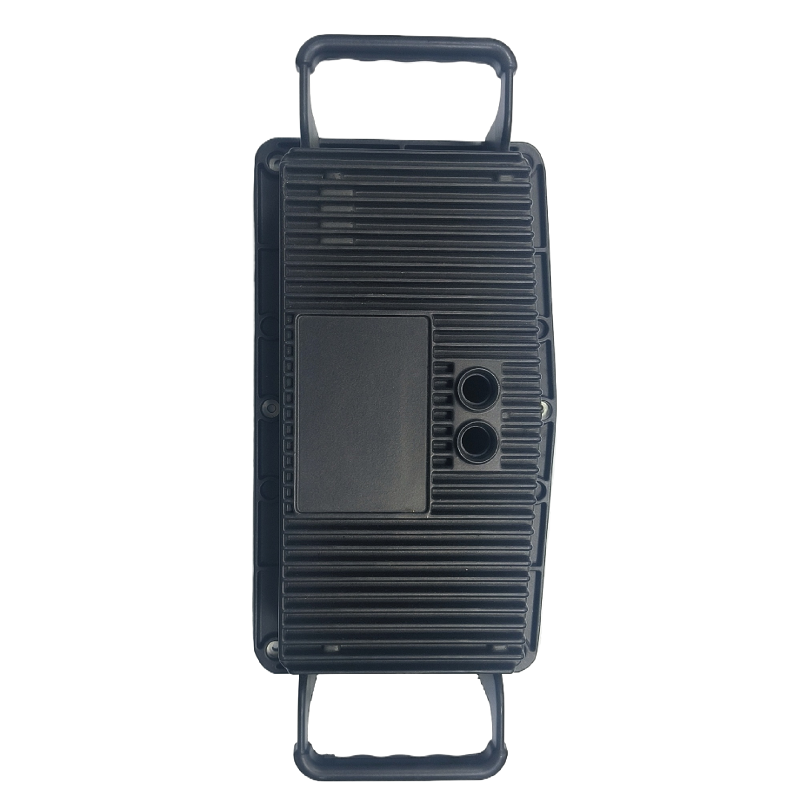
Precision machined components cover diversified metal parts including equipment housings, structural accessories, connecting parts, transmission components, and micro precision parts. They are widely applied in photographic equipment, industrial automation devices, precision electronics, automotive manufacturing, and communication equipment. With ultra-high dimensional accuracy, excellent surface finish, and stable structural performance, these components ensure the precise operation, long-term stability, and assembly consistency of high-end equipment.
Professional precision machining manufacturers adopt integrated processing technologies such as milling, turning, drilling, broaching, and micro machining to customize non-standard and standard precision parts for global customers, meeting personalized OEM/ODM production demands of various industries.
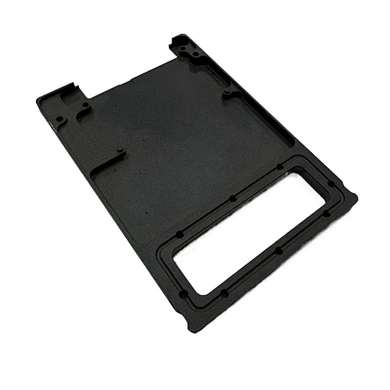
2. Universal Technical Parameters of Precision Machined Components
The excellent performance of precision machined components is derived from unified and strict industry technical parameters. Standardized parameter control guarantees batch consistency, assembly accuracy, and service durability of finished parts. Below are the universal core technical parameters for mainstream precision machined components in the industry:
2.1 Dimensional & Positioning Precision Parameters
- Processing Tolerance: Strictly controlled within ±0.01mm, meeting high-end industrial precision assembly standards
- Positioning Accuracy: ±0.005mm; repeated positioning accuracy up to ±0.002mm, zero deviation for batch repeated processing
- Minimum Machining Dimension: 0.01mm, supporting ultra-fine micro-structure processing of miniature precision parts
2.2 Surface & Processing Craft Parameters
- Surface Roughness: Ra 0.4μm–Ra 1.6μm, achieving mirror-level smooth surface without secondary polishing
- Edge Finishing Accuracy: Fine trimming edge radius 0.01–0.02mm, completely burr-free and sharp-edge-free
- Spindle Speed Range: 8,000–30,000 RPM, adopting high-speed and fine-cut precision processing principles
2.3 Quality Compliance Parameters
Qualified precision machined components must comply with international authoritative standards including ISO9001 quality management, IATF16949 automotive industry standards, RoHS environmental protection, and ISO14001 environmental management certification, ensuring global applicability and environmental compliance.
3. Core Material: Performance Analysis of ADC12 Aluminum Alloy
Material performance directly determines the precision, durability, and application scope of precision machined components. Among all mainstream processing materials, ADC12 aluminum alloy is the most cost-effective and widely used material for precision housings and structural parts, occupying a dominant position in precision machining industry.
3.1 Core Physical & Mechanical Properties of ADC12 Aluminum Alloy
- Lightweight Feature: Density of 2.75 g/cm³, far lighter than steel and copper, effectively reducing overall equipment weight while maintaining structural stability
- Hardness & Strength: Brinell hardness 70–85 HB, tensile strength 220–240 MPa, with excellent dimensional stability and moderate impact resistance
- Processing Stability: Melting range 570–590°C, low shrinkage rate and low porosity, effectively reducing processing defects
3.2 Unique Advantages of ADC12 Aluminum Alloy for Precision Machining
- Superior Machinability: Uniform structure and good fluidity, easy to realize ultra-precise size control and fine surface processing
- Excellent Heat Dissipation: Outstanding thermal conductivity, solving heat accumulation problems of precision equipment and avoiding operational failure
- Strong Corrosion Resistance: Good oxidation and corrosion resistance, adapting to complex industrial environments and extending part service life
- High Cost Performance: Balanced performance and material cost, ideal for mass customized production of precision machined components
4. Key Features & Functional Benefits of Precision Machined Components
Compared with ordinary machined parts, high-quality precision machined components processed by professional CNC technology have multiple core advantages, bringing essential value upgrades to industrial equipment operation:
4.1 Ultra-High Dimensional Consistency
With micron-level precision control and ±0.002mm repeated positioning accuracy, precision machined components achieve zero error in batch production. It completely avoids assembly gaps, equipment jitter, and part failure caused by dimensional deviation, ensuring perfect matching of complex equipment structures.
4.2 Premium Surface Quality & Wear Resistance
Mirror-level surface finishing (Ra 0.4μm) makes parts smooth and burr-free, effectively reducing friction and wear during long-term equipment operation. Meanwhile, the dense surface structure resists dust accumulation and oxidation, improving equipment appearance grade and operational stability.
4.3 Flexible Customization & Structural Diversity
Precision machining technology supports micro machining and complex structure customization, which can process parts of any shape, size, and structure according to customer drawings and samples. It fully meets personalized OEM/ODM demands of different industries, covering ultra-miniature parts and large precision structural components.
4.4 High Environmental Adaptability & Durability
Combined with high-quality materials such as ADC12 aluminum alloy and stainless steel, precision machined components have strong compression resistance, impact resistance, and corrosion resistance. They can operate stably for a long time in high-temperature, humid, and high-precision working environments, greatly reducing equipment maintenance and replacement costs.
5. Core Functions & Industrial Values of Precision Machined Parts
5.1 Guarantee Equipment Precision Operation
As the core assembly parts of high-end equipment, precision machined components control the running accuracy and structural stability of the whole equipment. Ultra-tight tolerance control ensures no deviation in equipment movement and assembly, supporting high-precision detection, shooting, and automated production work.
5.2 Extend Equipment Service Life
Excellent material performance and fine processing technology reduce part wear and environmental erosion. Stable structural performance avoids loose assembly and part damage, effectively extending the overall service life of industrial and photographic equipment.
5.3 Reduce Industrial Production Costs
Batch consistent precision parts reduce assembly failure rate and after-sales maintenance frequency. High cost-performance materials such as ADC12 aluminum alloy balance quality and cost, helping enterprises optimize procurement and operational costs.
6. Industry Expert Views on Precision Machining Development
Senior experts in the global precision manufacturing industry released forward-looking views on the development of precision machined components: “With the comprehensive upgrading of intelligent manufacturing, the market demand for precision machined components is shifting from simple dimensional processing to ultra-precision, customized integrated, and green low-carbon production.”
Experts emphasized that traditional low-precision parts can no longer meet the iteration demands of modern photographic equipment, automated industrial devices, and precision electronic products. In the next 3–5 years, micro ultra-precision processing, one-stop customized services, and high-performance material application will become the core competitiveness of precision machining enterprises.
In addition, industry analysts pointed out that the large-scale application of ADC12 aluminum alloy will further expand the application boundary of precision machined components, promote lightweight, high-strength, and cost-effective upgrading of precision parts, and drive the overall technological progress of the precision manufacturing industry.
7. How to Select a High-Quality Hardware Precision Machining Supplier
Choosing a reliable precision machining supplier is the key to guaranteeing part quality, stable delivery, and after-sales service. Customers can make comprehensive judgments from the following core dimensions:
7.1 Complete International Qualification Certifications
High-quality suppliers must own authoritative certifications including ISO9001, IATF16949, RoHS, and ISO14001, which are the basic guarantees for product quality consistency and global environmental compliance.
7.2 Mature Processing Technology & Complete Equipment
Excellent suppliers are equipped with full-series high-precision CNC equipment, support micro machining, milling, turning, drilling and other diversified processes, and have stable batch precision control capabilities.
7.3 Rich Material & Customization Capabilities
Reliable manufacturers can process diversified materials such as ADC12 aluminum alloy, stainless steel, copper, and hardened metals, and provide flexible OEM/ODM customized services for personalized design demands.
7.4 Stable Batch Production & Cost Performance
Formal factories have large-scale production capacity to ensure on-time delivery of bulk orders, and provide gradient preferential policies to reduce customers’ long-term procurement costs.
7.5 Professional One-Stop After-Sales Service
High-quality suppliers provide full-process services from drawing optimization, sample confirmation, batch production to technical after-sales support, solving customer problems efficiently.
8. Industry Development Trends & Comprehensive Summary
8.1 Future Development Trends of Precision Machined Component Industry
Driven by intelligent manufacturing and high-end equipment iteration, the precision machining industry presents three major development trends: First, ultra-precision and micro refinement, the market puts forward higher requirements for miniature structure and nanometer-level precision processing; Second, customized integration, one-stop OEM/ODM integrated services will replace single processing services and become mainstream; Third, green and efficient production, environmentally friendly materials and standardized low-carbon production will become the industry entry threshold. In addition, high-performance lightweight materials represented by ADC12 aluminum alloy will be more widely popularized.
8.2 Full-Text Comprehensive Summary
Precision machined components are indispensable core parts of modern high-end manufacturing, with irreplaceable advantages in precision, durability, and customization. Supported by standardized technical parameters and high-quality ADC12 aluminum alloy materials, these components serve multiple high-end industries such as photography, industrial automation, and precision electronics. With the upgrading of manufacturing technology, ultra-precision processing and customized integrated services will become the core development direction of the industry. Choosing a qualified, experienced, and cost-effective precision machining supplier is crucial for enterprises to guarantee product quality and market competitiveness.
9. Common Industry FAQs for Precision Machined Components
Q1: What materials are commonly used for precision machined components?
The mainstream processing materials include ADC12 aluminum alloy, stainless steel, brass, copper, and hardened steel alloys. Among them, ADC12 aluminum alloy is the most popular material for precision housings and structural parts due to its excellent comprehensive performance and high cost performance.
Q2: What is the precision level of standard precision machined components?
The standard processing tolerance is strictly controlled within ±0.01mm, the repeated positioning accuracy reaches ±0.002mm, and the minimum machining size is 0.01mm, fully meeting the ultra-high precision requirements of high-end industrial equipment.
Q3: Can precision machined components support customized design?
Yes. Professional precision machining services fully support OEM/ODM personalized customization, including non-standard size, special structure, and exclusive surface treatment processing according to customer drawings, samples and functional requirements.
Q4: Are precision machined components compliant with global standards?
Formal qualified products pass ISO9001, IATF16949, RoHS and ISO14001 certifications, complying with international quality, environmental protection and safety standards, suitable for global sales and application.
Q5: Is there a discount for bulk orders of precision machined components?
Yes. Regular manufacturers implement gradient preferential policies: the larger the batch order quantity, the more favorable the unit price. Bulk customers can enjoy exclusive discounts, free sample testing and priority delivery services.
10. Company Preferential Policy & Official Contact Information
10.1 Batch Purchase Preferential Policy
Xinghang Precision Hardware launches long-term exclusive preferential policies for new and old global customers. We adhere to the rule of more purchases, more discounts. Customers with large batch orders can enjoy gradient price concessions, free sample inspection, priority production and delivery, and lifelong free technical after-sales support, effectively reducing your overall procurement cost and improving purchasing efficiency.
10.2 Enterprise Profile & Contact Card
Enterprise Name: Xinghang Precision Hardware
Location: Guangdong, China
Core Business: High-precision CNC machined components customization, OEM/ODM one-stop processing service
Main Products: Precision equipment housings, industrial structural parts, photographic equipment precision components, custom micro precision parts
Certification Qualifications: ISO9001, IATF16949, RoHS, ISO14001
Applicable Materials: ADC12 Aluminum Alloy, Stainless Steel, Brass, Copper, Hardened Metals
Core Advantages: Ultra-high precision processing, flexible customization, batch discount, fast delivery, full after-sales service
Mobile/WeChat: +86 18819502691
Official Email: liqine@xinghangcn.com
Profile parts | What are the common materials used for profile parts?
High precision cnc machining | What Are the Applications of High Precision CNC Machining?
Related Article

What are CNC machined aluminum electronic parts & their core functions CNC machined aluminum electronic parts are precision metal components processed by multi-axis CNC equipment, widely used in electronic products.
Electronic parts | Where to find high-quality CNC machined aluminum parts for electronics?

CNC machined aluminum parts for semiconductor equipment are precision metal components manufactured by aluminum die casting, then finished via CNC machining.
semiconductor equipment | What are cnc machined aluminum parts for semiconductor equipment?