HOT PRODUCTS
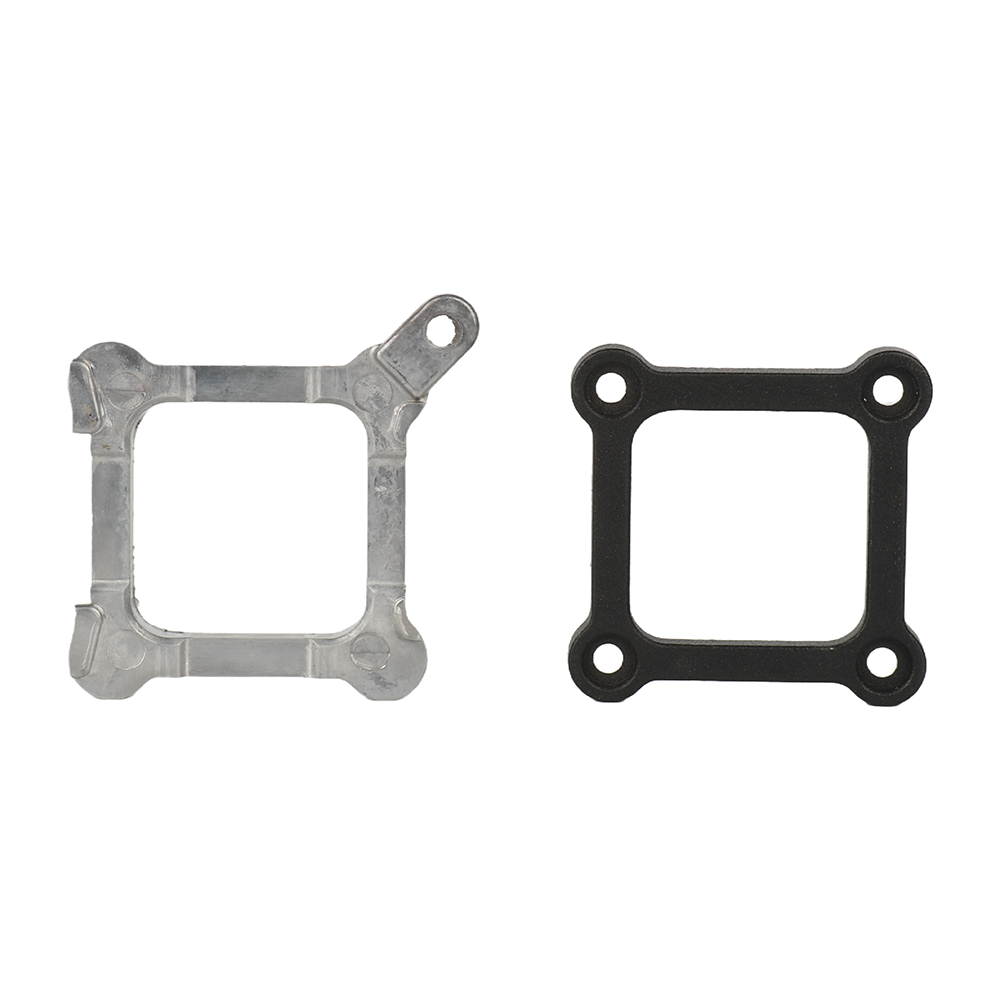
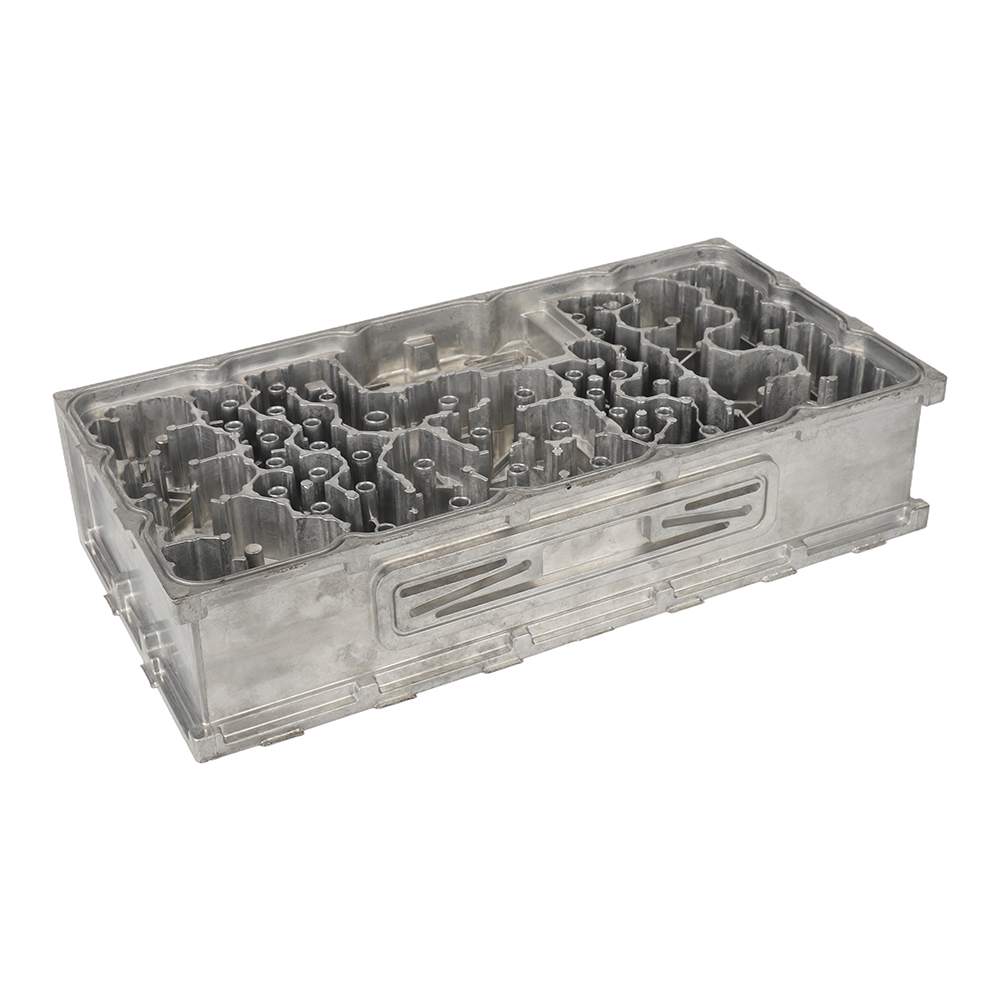
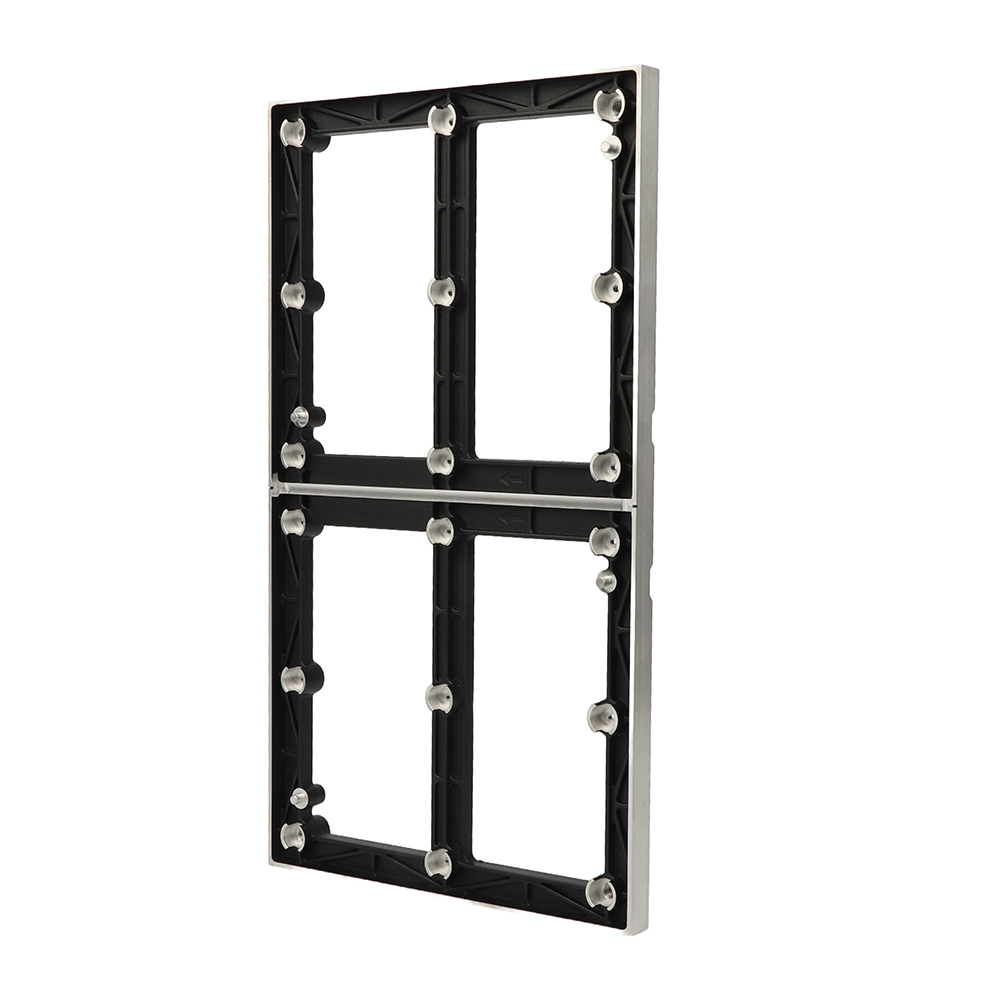
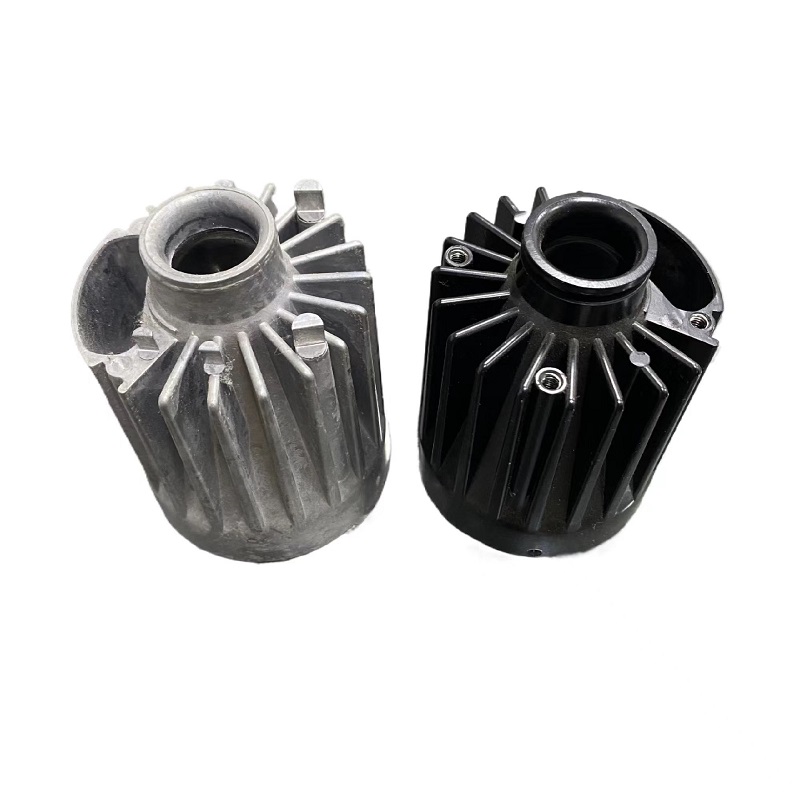
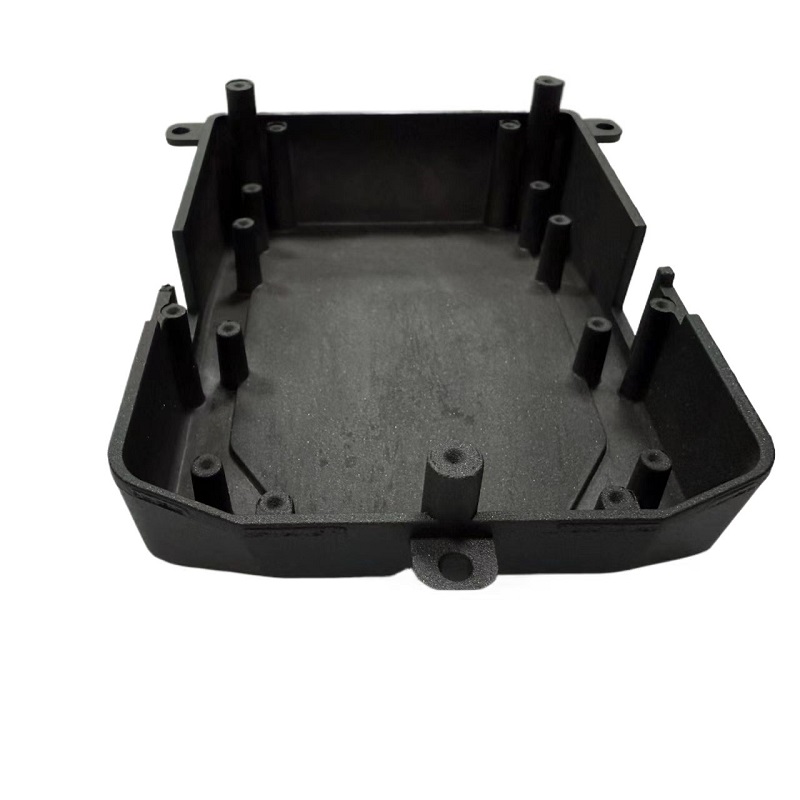
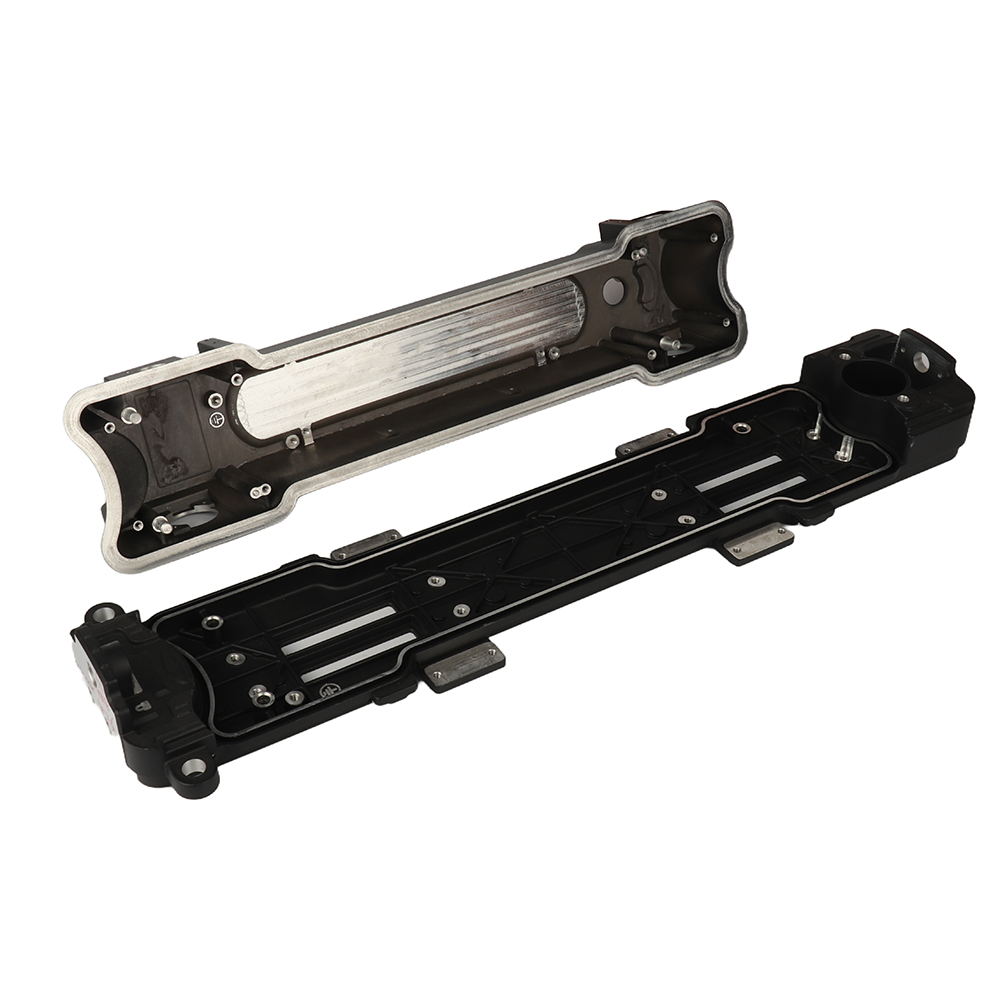
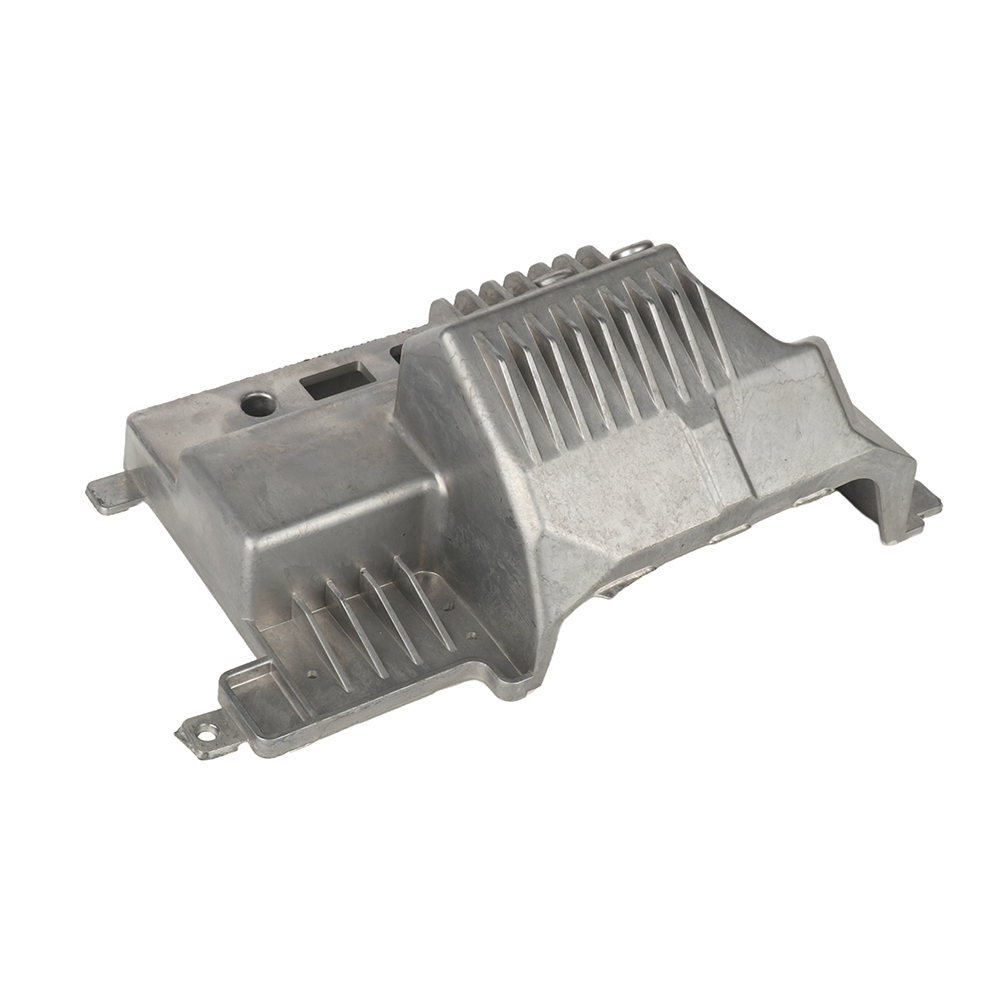
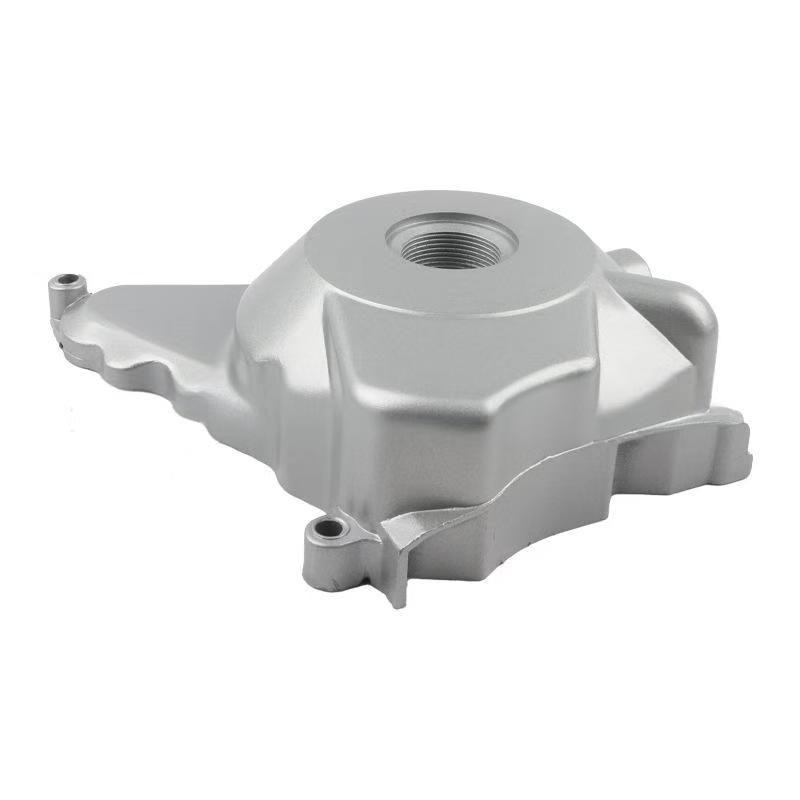
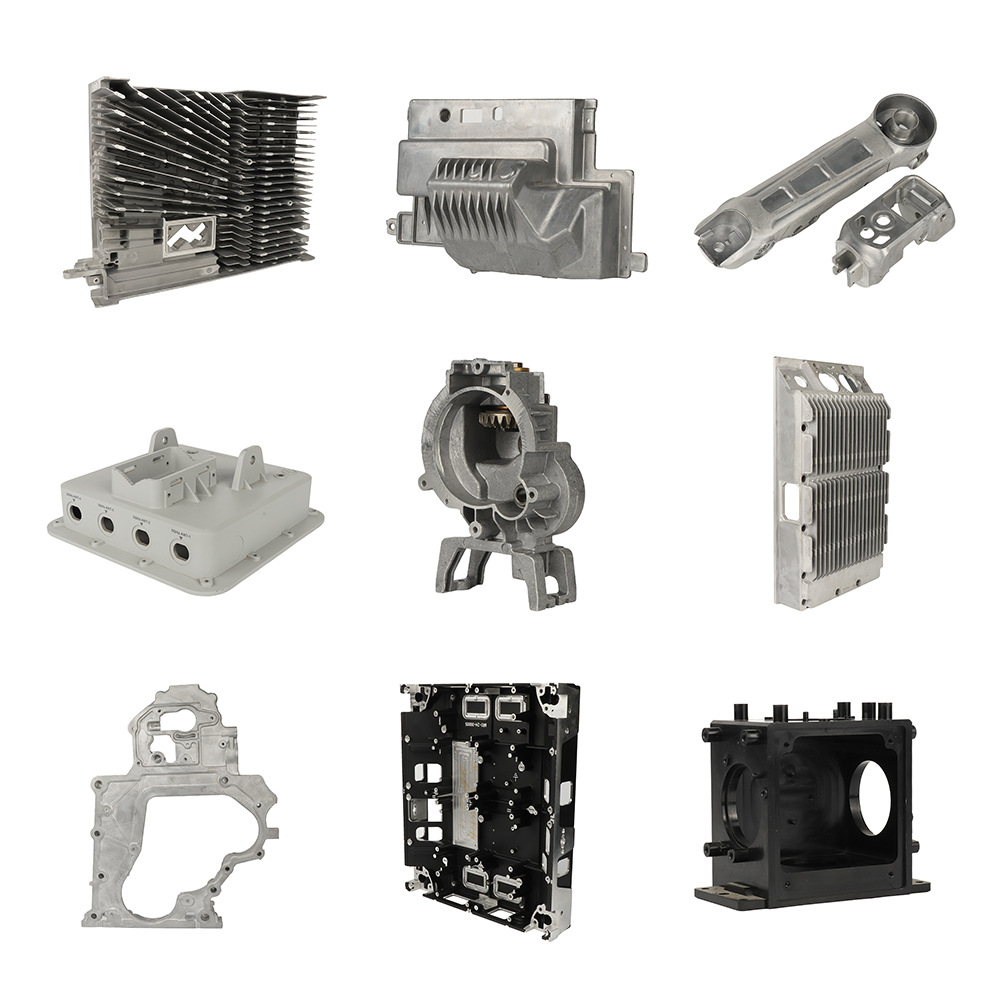
CNC manufacturing process | What are the CNC production processes? A Comprehensive Guide
What are the CNC Production Processes? A Comprehensive Guide
Table of Contents
- 1. Introduction to CNC Production Processes
- 2. Core CNC Manufacturing Process Steps (Detailed Breakdown)
- 3. General CNC Manufacturing Process Parameter Table
- 4. Key Focuses and Roles of CNC Production Processes
- 5. Benefits of CNC Production Processes (vs. Traditional Machining)
- Expert Opinions on CNC Manufacturing Processes
- Frequently Asked Questions (FAQs) About CNC Production Processes
- Conclusion
1. Introduction to CNC Production Processes
In modern manufacturing, CNC (Computer Numerical Control) production processes have become the backbone of high-precision, efficient, and consistent part manufacturing. Unlike traditional manual machining, CNC processes rely on computer-programmed instructions to control machine tools—eliminating human error, enhancing repeatability, and enabling the production of complex geometries that are nearly impossible with manual operations. From aerospace components to medical devices, automotive parts to custom prototypes, CNC manufacturing processes are widely adopted across industries, driving innovation and productivity gains. This blog dives deep into the core CNC manufacturing process, its parameters, key focuses, benefits, and expert insights to help you understand why it’s a game-changer in modern production.
2. Core CNC Manufacturing Process Steps (Detailed Breakdown)
The CNC manufacturing process is a systematic workflow that transforms raw materials into finished, high-precision parts. Each step is critical to ensuring quality, efficiency, and consistency—any oversight can lead to defects, delays, or increased costs. Below is a detailed breakdown of the core steps:
2.1 Design and CAD Modeling
The first step in any CNC production process is designing the part using CAD (Computer-Aided Design) software. Engineers create a 2D or 3D digital model of the desired part, defining all dimensions, tolerances, and features (e.g., holes, slots, curves). This model serves as the foundation for the entire manufacturing process, as it contains all the data needed to program the CNC machine. Common CAD software includes AutoCAD, SolidWorks, and Fusion 360. The key here is precision—even minor errors in the CAD model will translate to defects in the final part.
2.2 CAM Programming and Toolpath Generation
Once the CAD model is finalized, the next step is CAM (Computer-Aided Manufacturing) programming. CAM software converts the CAD model into a set of machine-readable instructions (G-code or M-code) that tell the CNC machine how to move, cut, and shape the raw material. A critical part of this step is toolpath generation—optimizing the path of the cutting tool to minimize waste, reduce machining time, and avoid tool collisions. Engineers select the appropriate cutting tools, speeds, and feeds based on the material and part design during this phase.
2.3 Material Preparation
Before machining begins, raw material selection and preparation are essential. CNC machines can work with a wide range of materials, including metals (aluminum, stainless steel, titanium, brass), plastics (ABS, nylon, PEEK), and composites (carbon fiber, fiberglass). The material is cut to a size slightly larger than the final part (called a “blank”) and secured to the CNC machine’s worktable using clamps, vises, or fixtures. Proper fixturing ensures the material remains stable during machining, preventing movement that could compromise precision.
2.4 CNC Machine Setup
Machine setup involves configuring the CNC machine to match the CAM program and material. This includes installing the correct cutting tools in the tool changer, setting the workpiece zero (the reference point for all machine movements), and calibrating the machine to ensure accuracy. Operators may also perform a test run with a scrap piece of material to verify that the toolpaths, speeds, and feeds are correct before full production begins—this step reduces the risk of wasting expensive materials.
2.5 Machining Operation
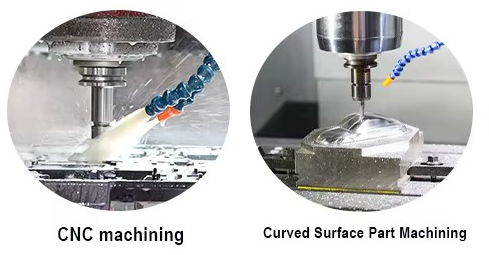
The machining operation is the core of the CNC production process. Once the machine is set up, the operator initiates the program, and the CNC machine runs automatically (or semi-automatically) to cut and shape the material. Common CNC machining operations include milling (for flat surfaces, slots, and 3D shapes), turning (for cylindrical parts), drilling (for precise holes), and grinding (for high-precision finishing). The machine follows the preprogrammed toolpath with minimal human intervention, ensuring consistent results across every part.
2.6 Post-Machining Inspection
After machining, post-machining inspection is performed to verify that the finished part meets all design specifications and tolerances. Inspectors use tools like calipers, micrometers, coordinate measuring machines (CMMs), and laser scanners to check dimensions, surface finish, and accuracy. Any parts that do not meet the requirements are either reworked (if possible) or discarded. This step is critical to maintaining quality control and ensuring customer satisfaction.
2.7 Finishing (Optional)
Depending on the application, some parts may require post-machining finishing to improve their appearance, durability, or functionality. Common finishing processes include sanding, polishing, anodizing, powder coating, plating, or heat treatment. Finishing not only enhances the part’s aesthetic appeal but also protects it from corrosion, wear, and other environmental factors.
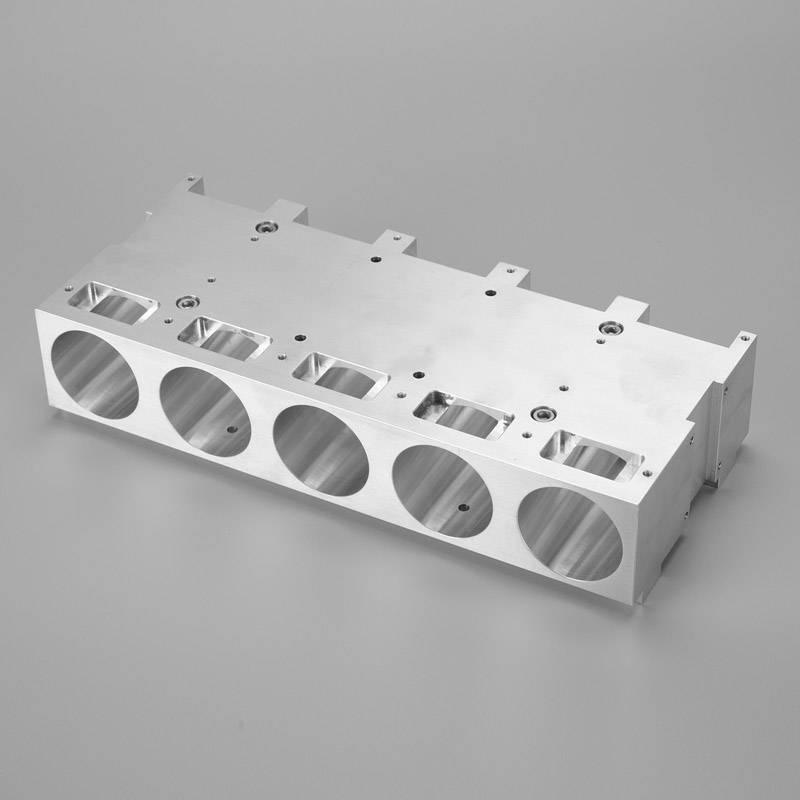
3. General CNC Manufacturing Process Parameter Table
The following table outlines the general parameters for common CNC manufacturing processes, including milling, turning, and drilling. These parameters are guidelines—actual values may vary based on the material, part complexity, and machine type.
| CNC Process Type | Material (Example) | Spindle Speed (RPM) | Feed Rate (mm/min) | Cutting Depth (mm) | Tolerance (mm) | Common Tool Type |
|---|---|---|---|---|---|---|
| CNC Milling | Aluminum 6061 | 10000-20000 | 1500-5000 | 3-10 (Rough), 0.1-1 (Finish) | ±0.005 | End Mill, Ball Mill |
| CNC Turning | Stainless Steel 304 | 5000-8000 | 800-2000 | 2-5 (Rough), 0.1-0.5 (Finish) | ±0.003 | Turning Tool, Grooving Tool |
| CNC Drilling | Brass | 8000-12000 | 500-1500 | Equal to Hole Depth | ±0.010 | Drill Bit, Reamer |
| CNC Grinding | Tool Steel | 3000-6000 | 100-500 | 0.01-0.1 | ±0.001 | Grinding Wheel |
Note: These parameters are for reference only. Always adjust based on your specific machine, tooling, and material requirements. For high-precision applications, consult the machine’s user manual or a CNC expert.
4. Key Focuses and Roles of CNC Production Processes
CNC production processes are designed to address the core challenges of modern manufacturing—precision, efficiency, and consistency. Below are the key focuses and roles that make CNC processes indispensable:
4.1 Key Focuses of CNC Production Processes
- Precision and Accuracy: The primary focus of CNC processes is achieving tight tolerances (as low as ±0.001 mm) and consistent dimensions across all parts. This is critical for industries like aerospace, medical, and automotive, where even minor deviations can lead to product failure or safety risks.
- Efficiency and Productivity: CNC machines operate 24/7 (with minimal human intervention) and can complete complex tasks in a fraction of the time required by manual machining. This reduces lead times and increases production output, helping businesses meet tight deadlines and scale operations.
- Waste Reduction: Optimized toolpaths and precise cutting minimize material waste, which lowers costs and supports sustainable manufacturing practices. CNC processes typically produce less scrap than traditional machining, as errors are reduced through automation.
- Flexibility: CNC machines can be reprogrammed quickly to produce different parts, making them ideal for small-batch production, custom orders, and prototyping. This flexibility allows manufacturers to adapt to changing market demands without significant retooling costs.
4.2 Roles of CNC Production Processes in Modern Manufacturing
- Enabling Complex Part Production: CNC processes can create intricate geometries (e.g., 3D curved surfaces, complex slots, and precision holes) that are impossible to achieve with manual tools. This has opened up new possibilities in product design and innovation.
- Ensuring Quality Consistency: By eliminating human error, CNC processes ensure that every part produced is identical—critical for industries that require interchangeable components (e.g., automotive, electronics).
- Reducing Labor Dependence: CNC machines automate repetitive, labor-intensive tasks, reducing the need for highly skilled manual operators. This addresses labor shortages and lowers labor costs, while also reducing the risk of workplace injuries.
- Driving Industry 4.0 Integration: CNC processes are a key component of smart manufacturing (Industry 4.0), as they can be integrated with IoT sensors, AI systems, and data analytics to enable real-time monitoring, predictive maintenance, and process optimization.
5. Benefits of CNC Production Processes (vs. Traditional Machining)
Compared to traditional manual machining, CNC production processes offer a wide range of benefits that make them the preferred choice for modern manufacturers. These benefits directly impact cost, quality, and competitiveness:
5.1 Superior Precision and Repeatability
CNC machines use computer programming to control every movement, eliminating human error (e.g., hand tremors, misjudgment) that plagues manual machining. This results in consistent, high-precision parts with tight tolerances—even for complex designs. For example, CNC machines can achieve repeatability of ±0.0005 mm, which is critical for medical implants and aerospace components where precision is a matter of safety.
5.2 Higher Efficiency and Productivity
CNC machines can operate continuously (24 hours a day, 7 days a week) with minimal human supervision, unlike manual operators who need breaks. This significantly increases production output and reduces lead times. For example, a CNC mill can complete a complex part in 1 hour, while the same part might take 8 hours to produce manually. Additionally, CNC machines can handle multiple tasks (e.g., milling, drilling, turning) in a single setup, further improving efficiency.
5.3 Reduced Costs Over Time
While the initial investment in CNC equipment is higher than traditional tools, the long-term cost savings are substantial. CNC processes reduce material waste (by up to 30% compared to manual machining), lower labor costs (fewer operators needed), and minimize rework (fewer defects). Additionally, predictive maintenance (enabled by CNC’s smart features) reduces equipment downtime and repair costs.
5.4 Flexibility and Versatility
CNC machines can be reprogrammed in minutes to produce different parts, making them ideal for small-batch production, custom orders, and prototyping. This flexibility allows manufacturers to adapt quickly to changing market demands without investing in new tooling or equipment. Traditional machining, by contrast, requires significant retooling and operator training to switch between parts.
5.5 Improved Safety
CNC machines operate in enclosed environments, with safety guards and automated features that reduce the risk of workplace injuries. Operators do not need to be in direct contact with cutting tools, unlike manual machining where injuries (e.g., cuts, burns) are common. This improves workplace safety and reduces liability costs for manufacturers.
5.6 Scalability
CNC production processes are easily scalable—manufacturers can add more CNC machines or integrate automated systems (e.g., robotic loaders) to increase production capacity as demand grows. This scalability is critical for businesses looking to expand their operations and compete in global markets.
6. Expert Opinions on CNC Manufacturing Processes
Industry experts recognize the transformative impact of CNC production processes on modern manufacturing. Below are insights from leading professionals in the field:
6.1 Expert 1: Dr. Sarah Chen, Senior Manufacturing Engineer at a Global Aerospace Company
“CNC manufacturing processes have revolutionized the aerospace industry by enabling the production of high-precision, lightweight components that meet the strictest safety standards. The ability to achieve tolerances of ±0.001 mm and maintain consistency across thousands of parts is what makes CNC indispensable—without it, we couldn’t build the advanced aircraft and spacecraft that power modern aviation. Additionally, the integration of AI and IoT into CNC systems has further improved efficiency, allowing us to monitor machine performance in real-time and reduce downtime by up to 40%.”
6.2 Expert 2: Michael Rodriguez, CNC Technology Specialist with 20+ Years of Experience
“The biggest advantage of CNC production processes is their ability to bridge the gap between design and manufacturing. With CAD/CAM integration, engineers can design complex parts and translate those designs directly into machine code—eliminating errors and reducing time-to-market. What’s more, CNC machines are no longer just for large-scale production; small and medium-sized businesses can now leverage affordable CNC technology to compete with larger companies, thanks to improved accessibility and user-friendly programming software. The future of CNC is smart, connected, and focused on sustainability—we’re already seeing AI-driven toolpath optimization reduce material waste by 25% in some facilities.”
6.3 Expert 3: Dr. James Wilson, Professor of Manufacturing Engineering at a Top University
“CNC production processes are the foundation of Industry 4.0. They enable the seamless integration of automation, data analytics, and predictive maintenance—creating smart factories that are more efficient, flexible, and sustainable. Unlike traditional machining, CNC processes generate valuable data that can be used to optimize every aspect of production, from tool life to energy consumption. As the demand for personalized products and high-precision components grows, CNC technology will continue to evolve, becoming even more accessible and capable of handling complex tasks. The key for manufacturers is to invest in training and technology to fully leverage the potential of CNC.”
7. Frequently Asked Questions (FAQs) About CNC Production Processes
Below are answers to the most common questions about CNC production processes, based on industry trends and expert knowledge:
Q1: What is CNC machining, and how does it differ from traditional manual machining?
A: CNC (Computer Numerical Control) machining is a manufacturing process that uses computer-programmed instructions to control machine tools (e.g., mills, lathes, drills) to cut and shape raw materials. Unlike traditional manual machining, which relies on human operators to control tool movements, CNC machining is automated—reducing human error, improving precision, and increasing efficiency. CNC machines can produce complex parts with tight tolerances, while manual machining is limited to simpler designs and requires highly skilled operators.
Q2: What materials can be used in CNC production processes?
A: CNC machines can work with a wide range of materials, including metals (aluminum, stainless steel, titanium, brass, copper), plastics (ABS, nylon, PEEK, PTFE, polycarbonate), and composites (carbon fiber, fiberglass). The choice of material depends on the application requirements, such as strength, weight, thermal resistance, and cost. Some CNC machines are also capable of machining wood, foam, and other non-metallic materials.
Q3: How accurate is CNC machining, and why is precision important?
A: CNC machining typically achieves tolerances of ±0.001 mm to ±0.010 mm, depending on the machine, tooling, and material. Some high-precision CNC machines can achieve even tighter tolerances (±0.0005 mm). Precision is critical for industries like aerospace, medical, and automotive, where even minor deviations can lead to product failure, safety risks, or non-compliance with industry standards. For example, a medical implant with a tolerance error could cause biological rejection, while an aerospace component with a defect could compromise the safety of an aircraft.
Q4: How long does it take to complete a CNC production project?
A: The lead time for a CNC production project depends on several factors, including the complexity of the part design, the quantity of parts, material availability, and machine setup time. A simple part (e.g., a basic bracket) can be produced in a few hours, while a complex part (e.g., an aerospace turbine blade) may take several days or weeks. Small-batch production (1-100 parts) typically has a shorter lead time than large-scale production (1000+ parts), but CNC’s efficiency still makes it faster than manual machining for most projects.
Q5: What factors affect the cost of CNC production processes?
A: The main factors that affect the cost of CNC production include: (1) Material type (e.g., titanium is more expensive than aluminum, and harder materials require more expensive tooling); (2) Part complexity (intricate designs with tight tolerances require more programming time and machine time); (3) Quantity (large-batch orders have lower per-unit costs due to reduced setup time); (4) Finishing requirements (special finishes like anodizing or plating add to the cost); and (5) Machine type (high-precision CNC machines have higher operating costs than standard machines).
Q6: Can CNC production processes be used for prototyping?
A: Yes, CNC production processes are ideal for prototyping. CNC machines can be quickly reprogrammed to produce small batches of prototype parts, allowing engineers to test and refine designs before full-scale production. This reduces the risk of costly errors and ensures that the final product meets all requirements. Compared to other prototyping methods (e.g., 3D printing), CNC prototyping produces parts with higher precision and better mechanical properties, making it suitable for functional testing.
Q7: What is the future of CNC production processes?
A: The future of CNC production processes is focused on smart manufacturing, automation, and sustainability. Key trends include: (1) AI-driven optimization (e.g., AI algorithms that adjust toolpaths and parameters in real-time to improve efficiency and reduce waste); (2) IoT integration (real-time monitoring of machine performance and predictive maintenance to reduce downtime); (3) Robotics integration (automated loading/unloading of materials to further reduce human intervention); and (4) Green manufacturing (optimized processes to reduce energy consumption and material waste). As technology advances, CNC machines will become more accessible, efficient, and capable of handling even more complex tasks.
8. Conclusion
CNC production processes are the cornerstone of modern manufacturing, offering unparalleled precision, efficiency, and flexibility. From the initial CAD design to the final inspection, every step of the CNC manufacturing process is designed to deliver high-quality, consistent parts that meet the strictest industry standards. The benefits of CNC—including superior precision, higher productivity, reduced costs, and scalability—make it the preferred choice for industries ranging from aerospace to medical, automotive to electronics.
As technology continues to evolve, CNC production processes will become even more advanced, integrating AI, IoT, and robotics to drive further innovation and sustainability. Whether you’re a small business looking to prototype a new product or a large manufacturer scaling production, understanding CNC manufacturing processes is key to staying competitive in today’s fast-paced market. By leveraging the power of CNC, manufacturers can unlock new possibilities, reduce costs, and deliver products that exceed customer expectations.
CNC machined parts | What are new energy cnc machined parts? Key Points, Roles & Benefits
Cnc turned parts | What are CNC turning products?
Related Article