HOT PRODUCTS
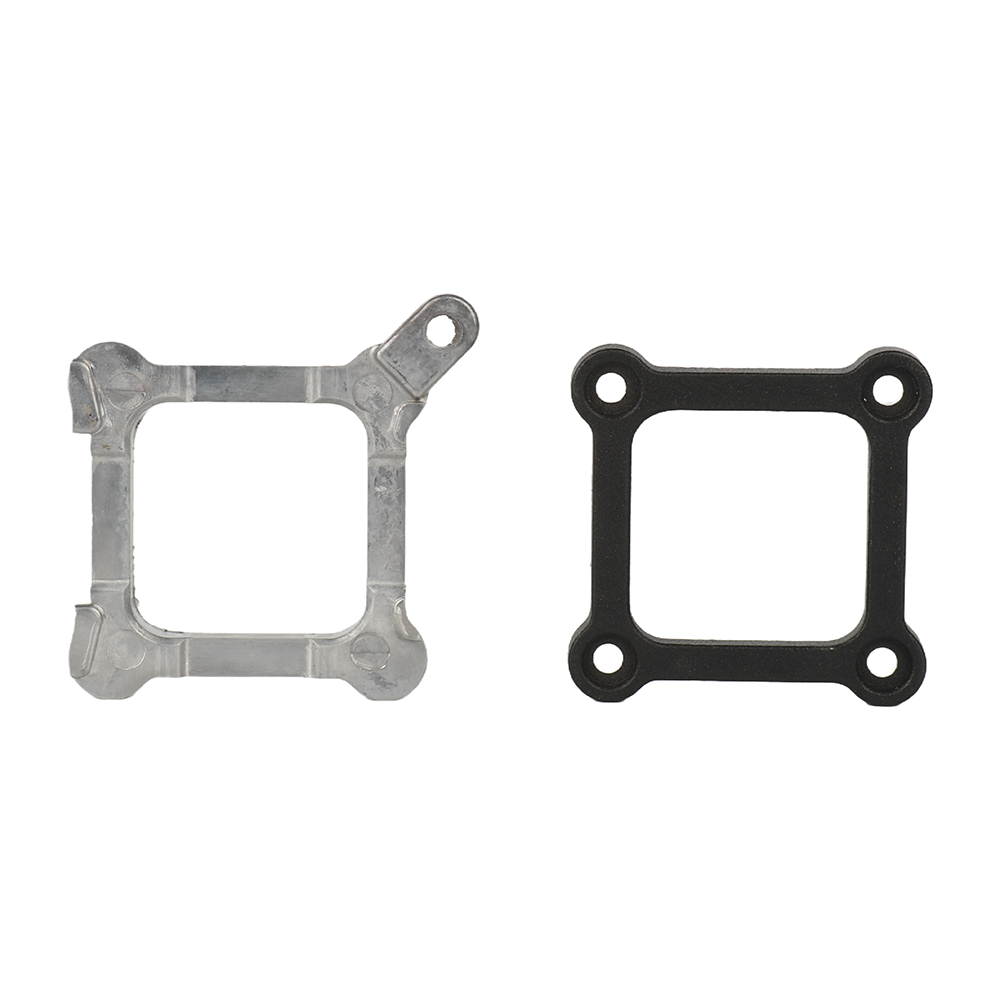
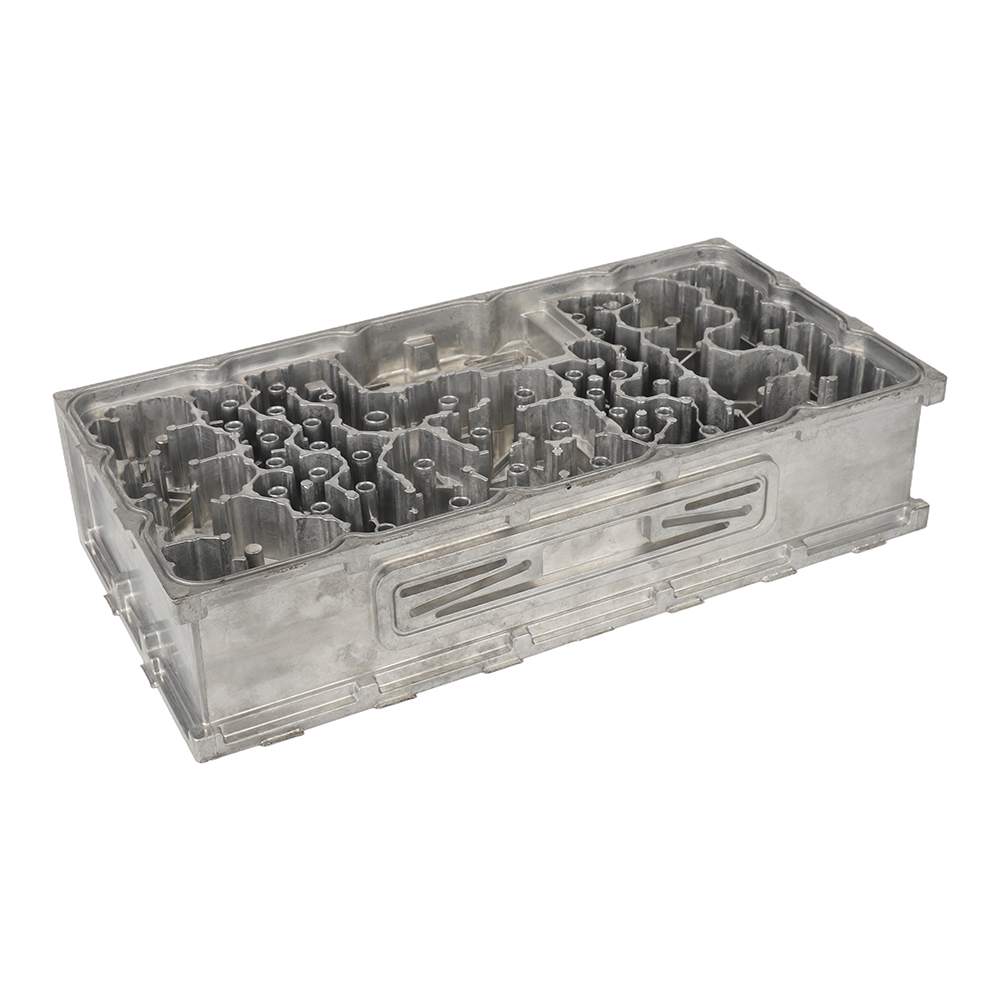
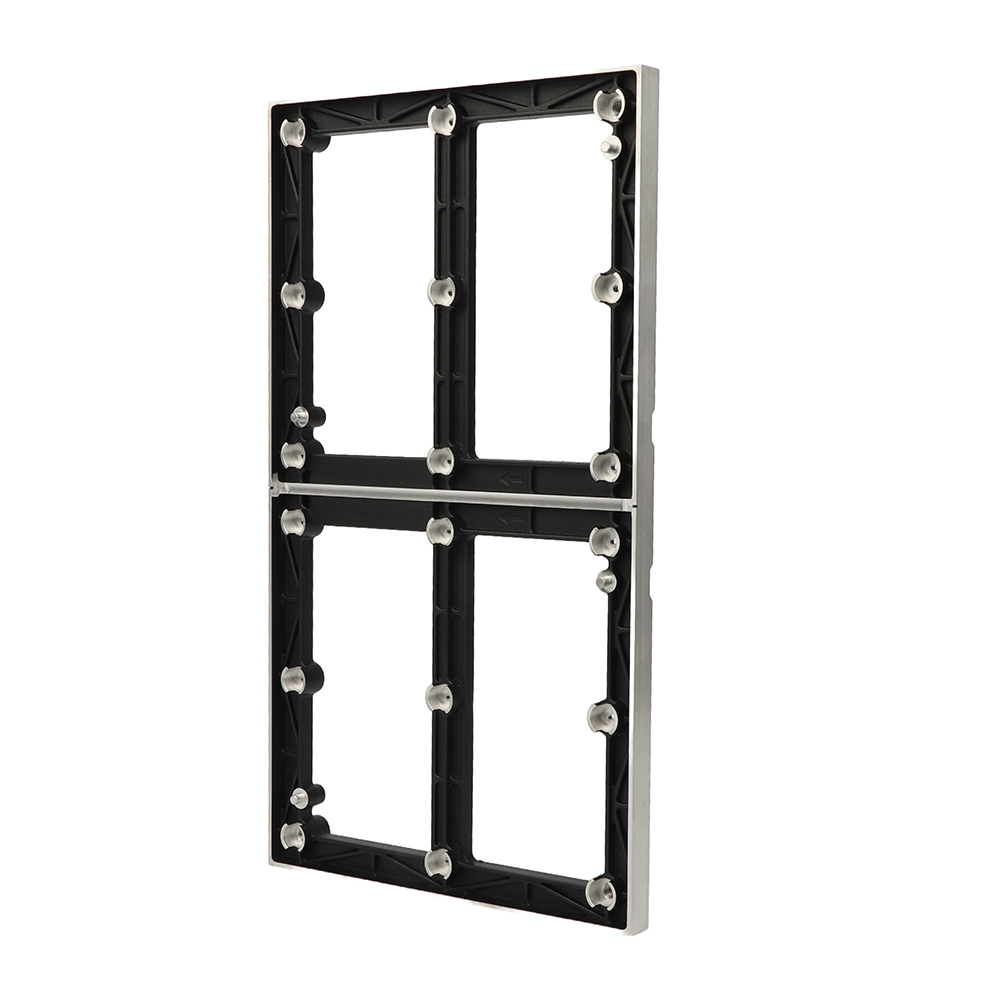
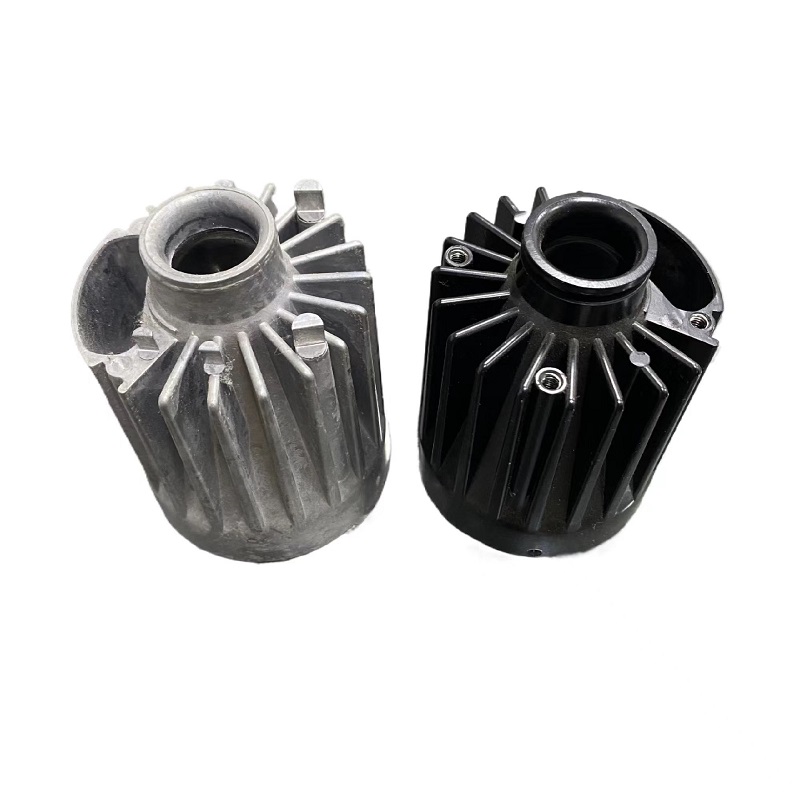
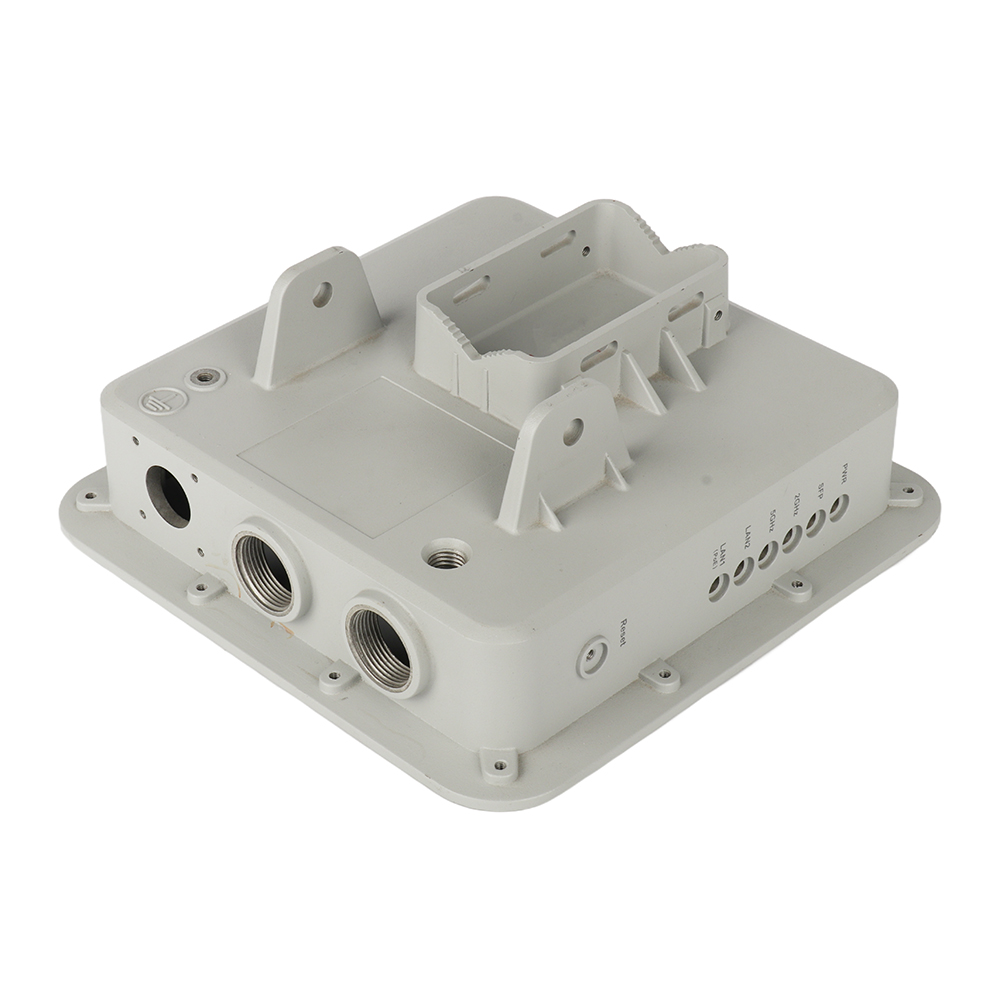
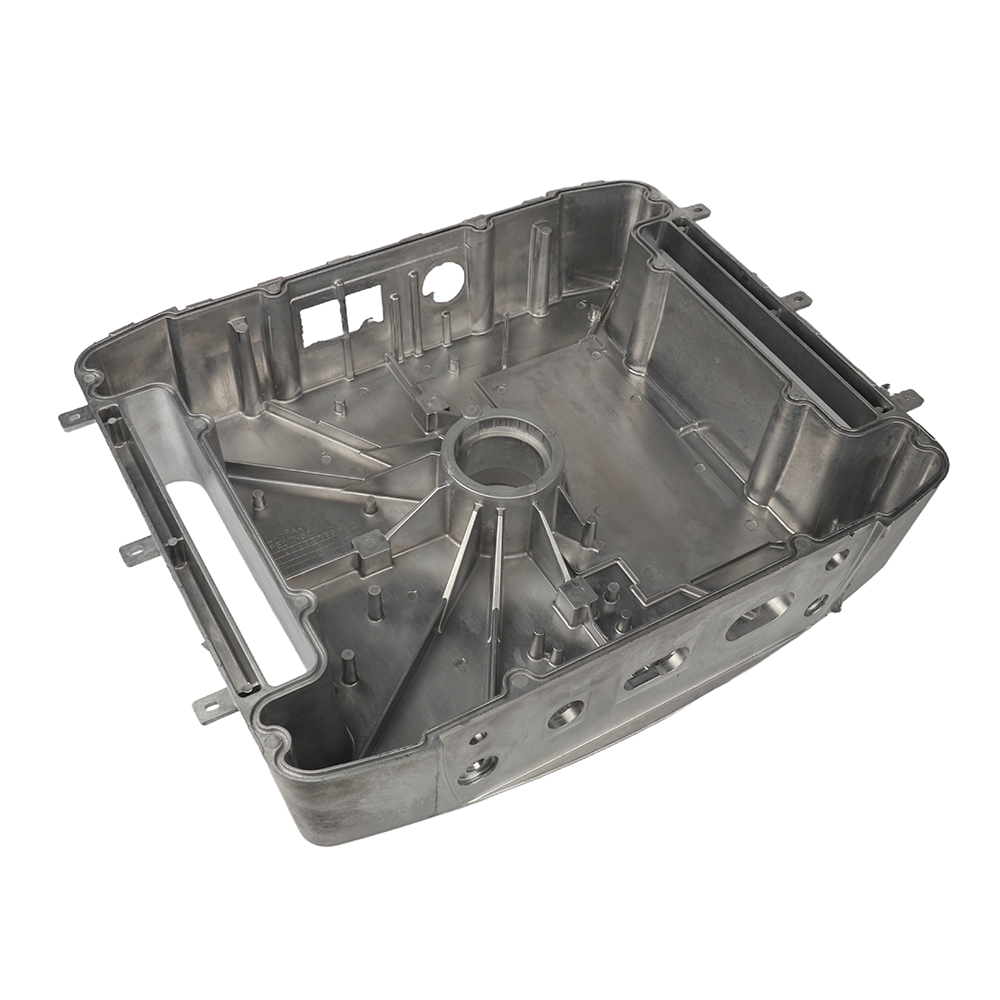
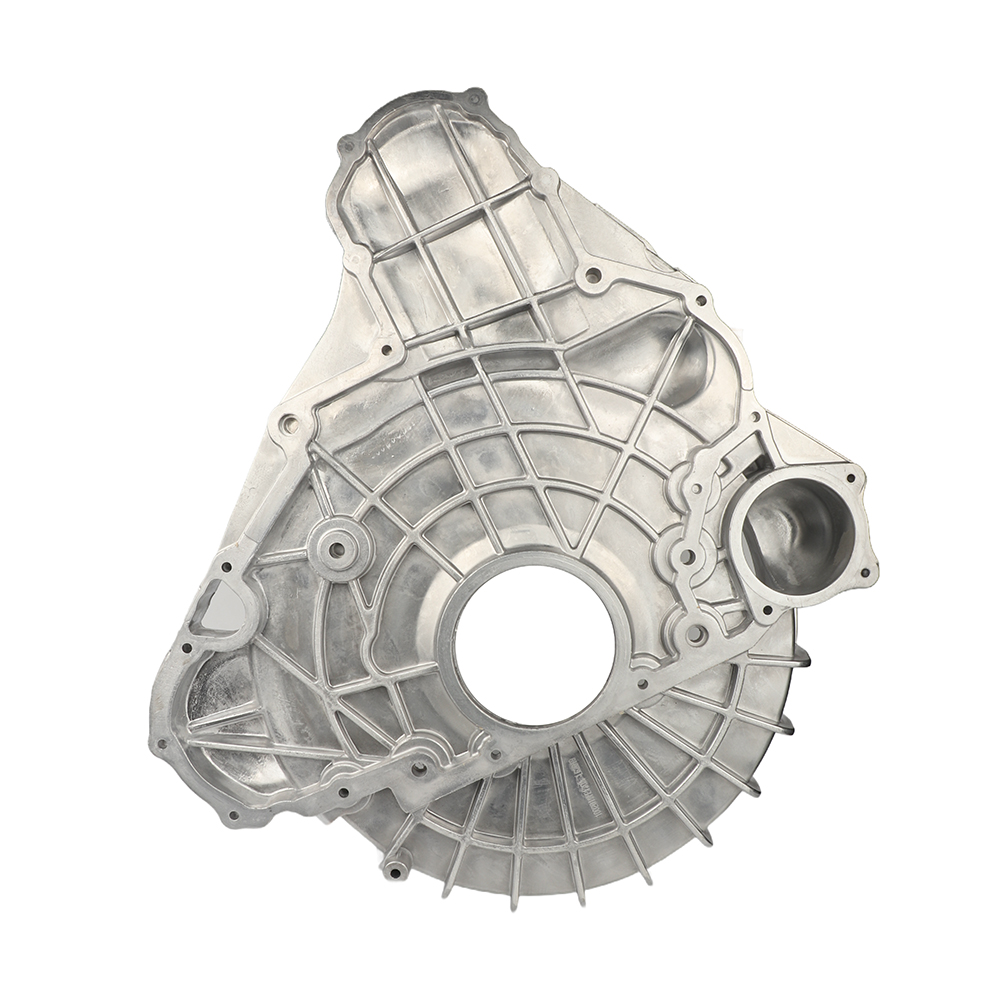
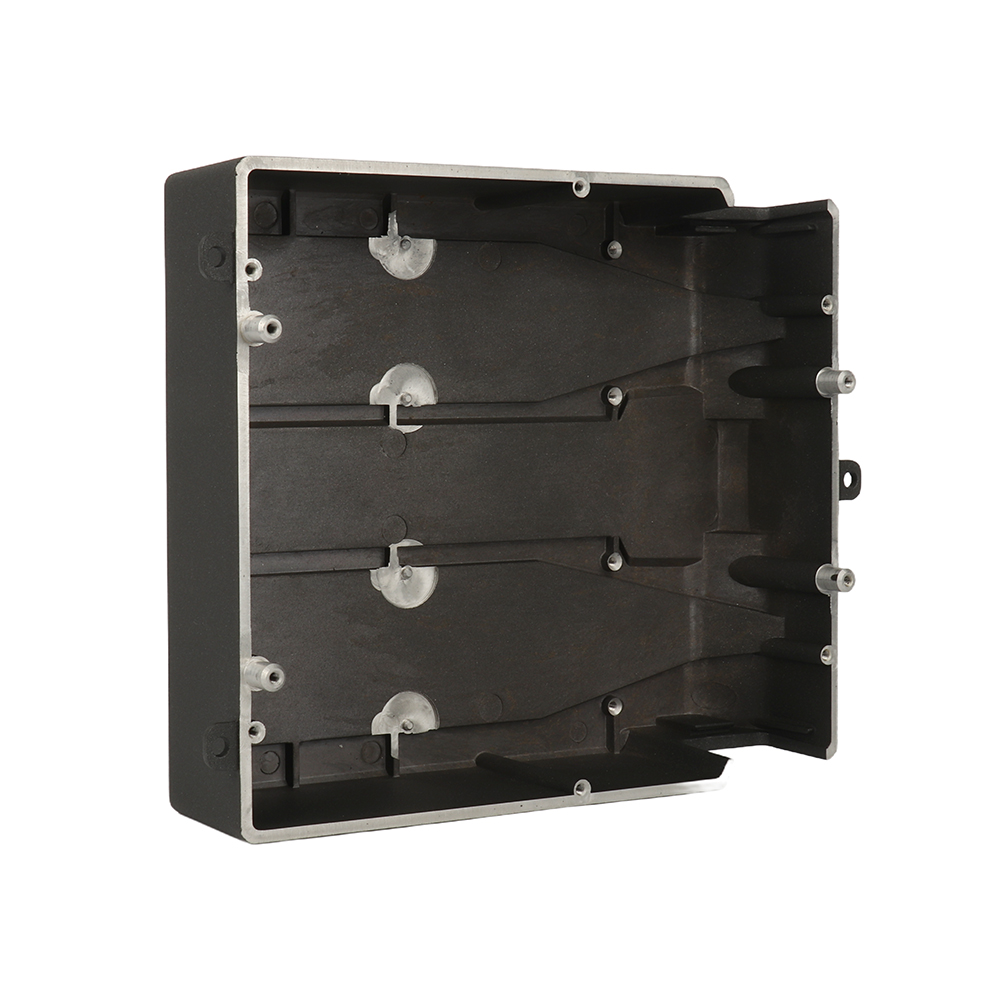
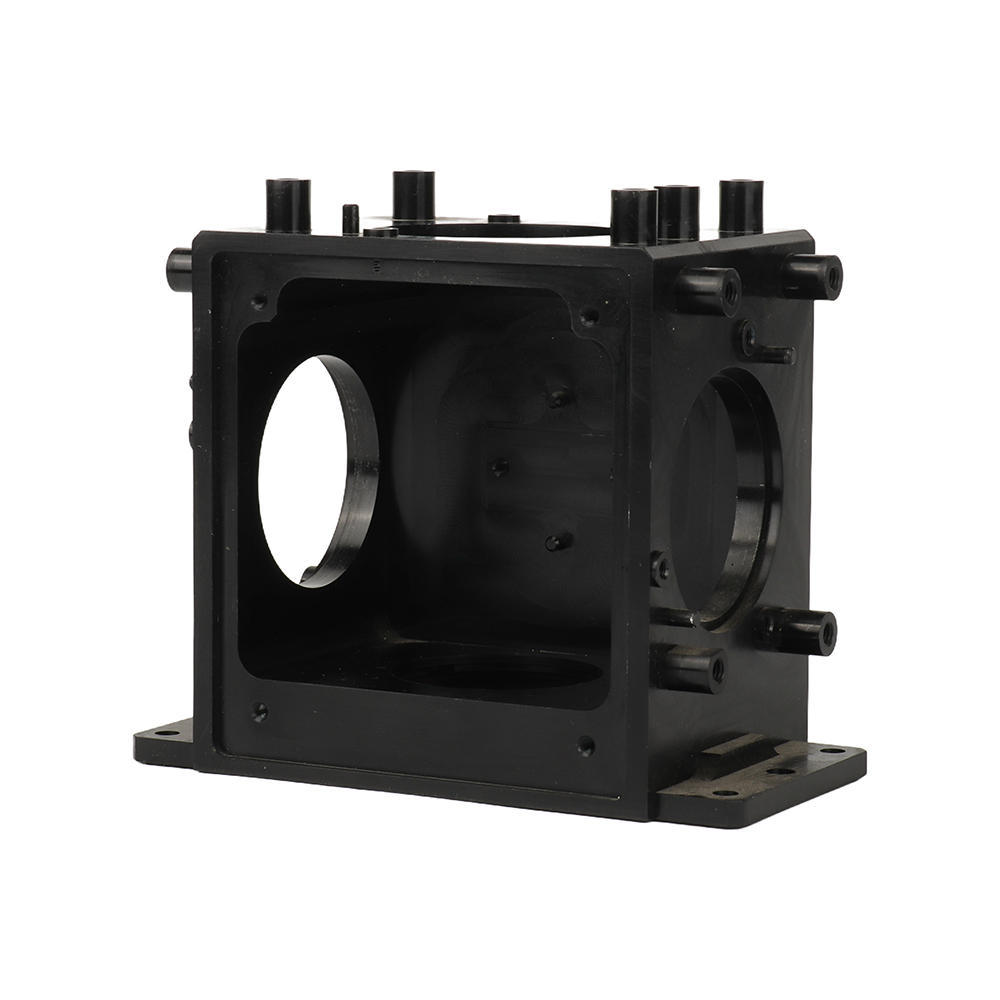
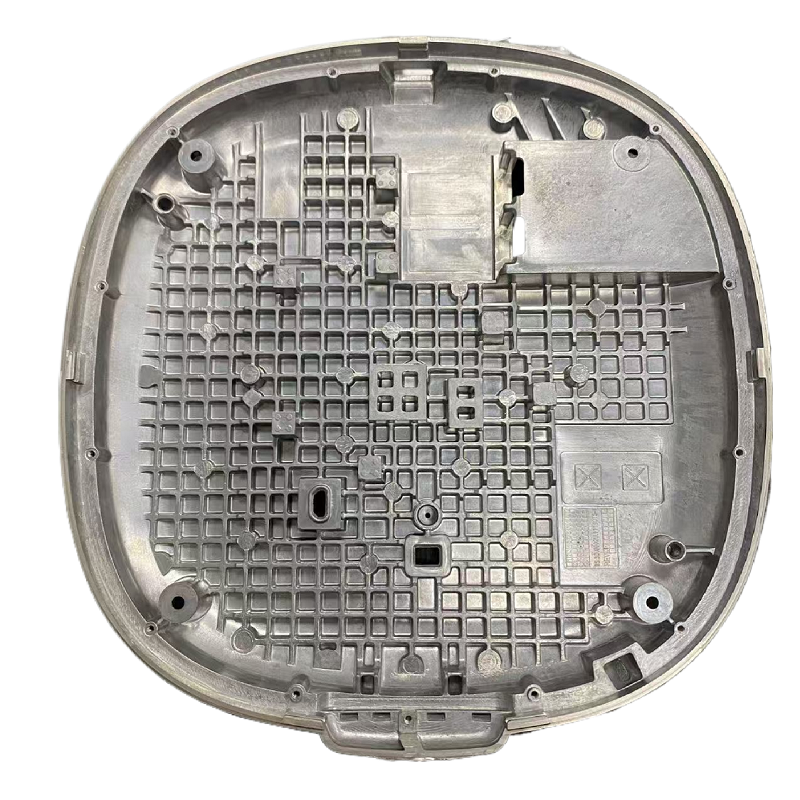
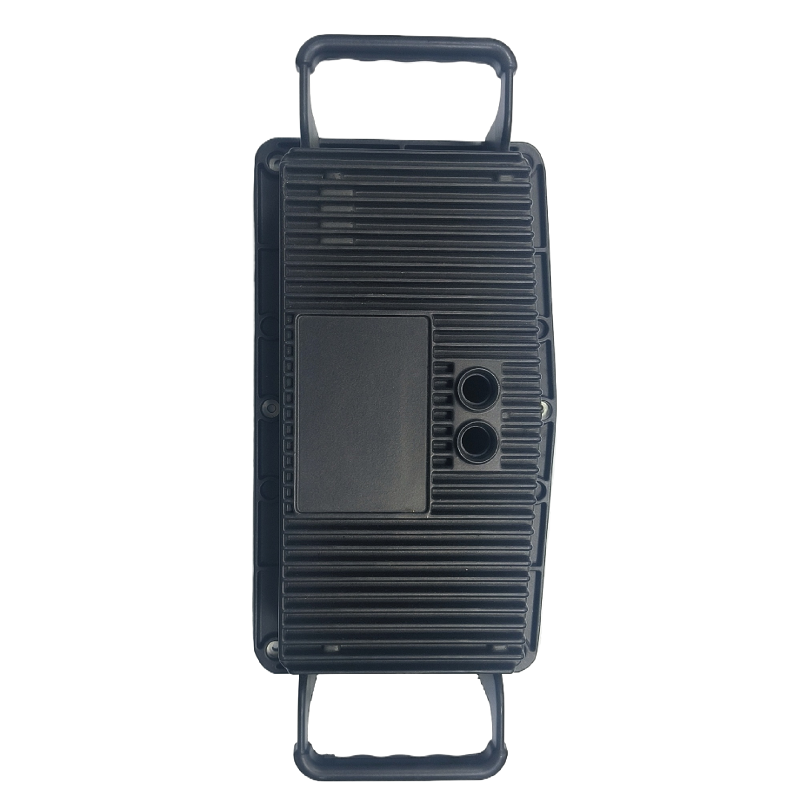
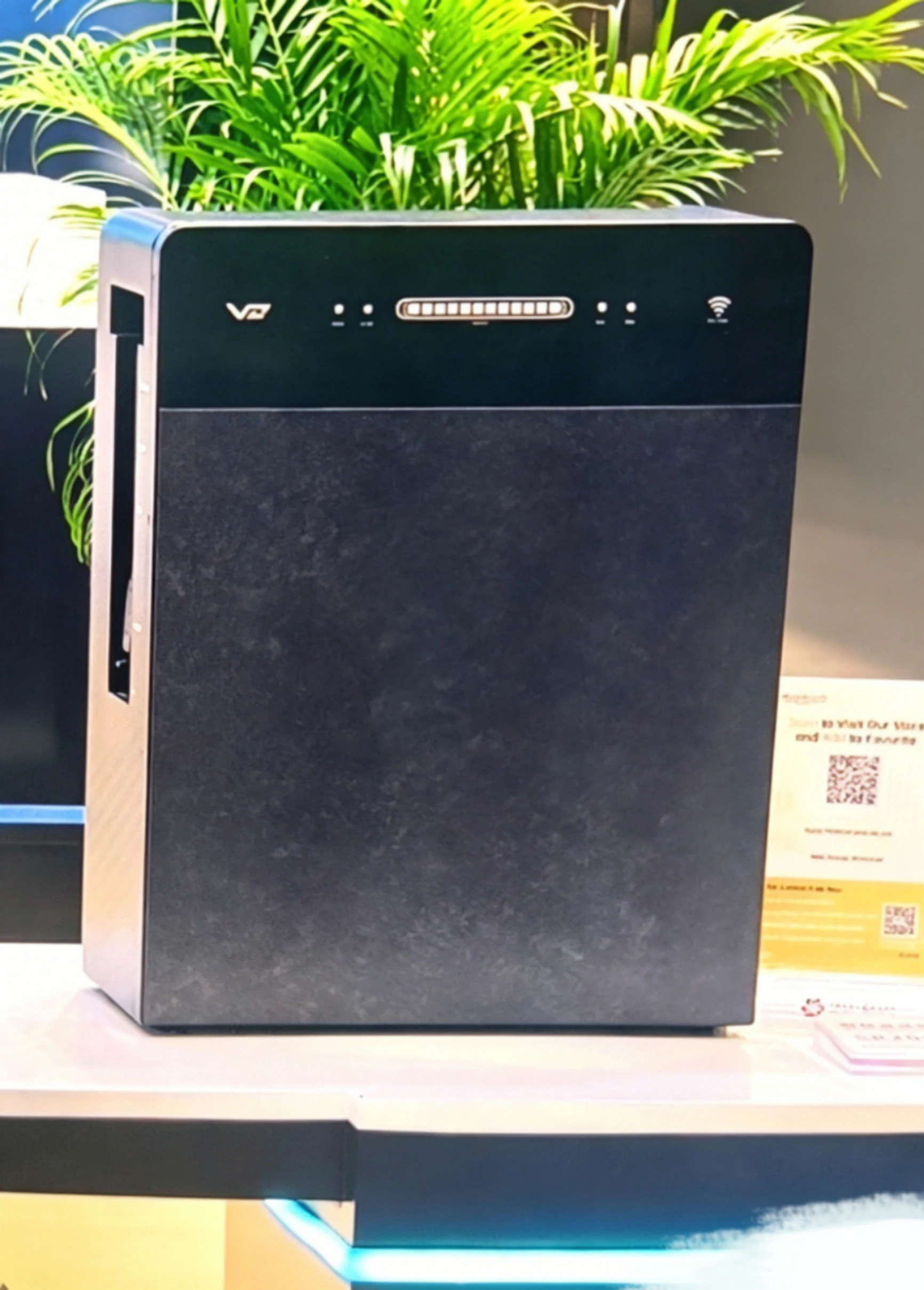
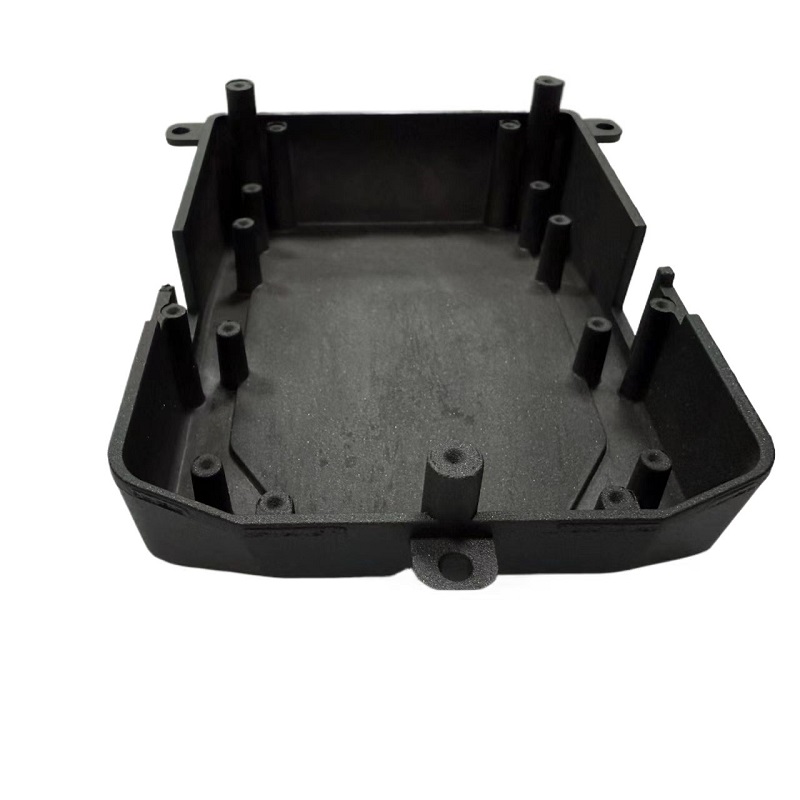
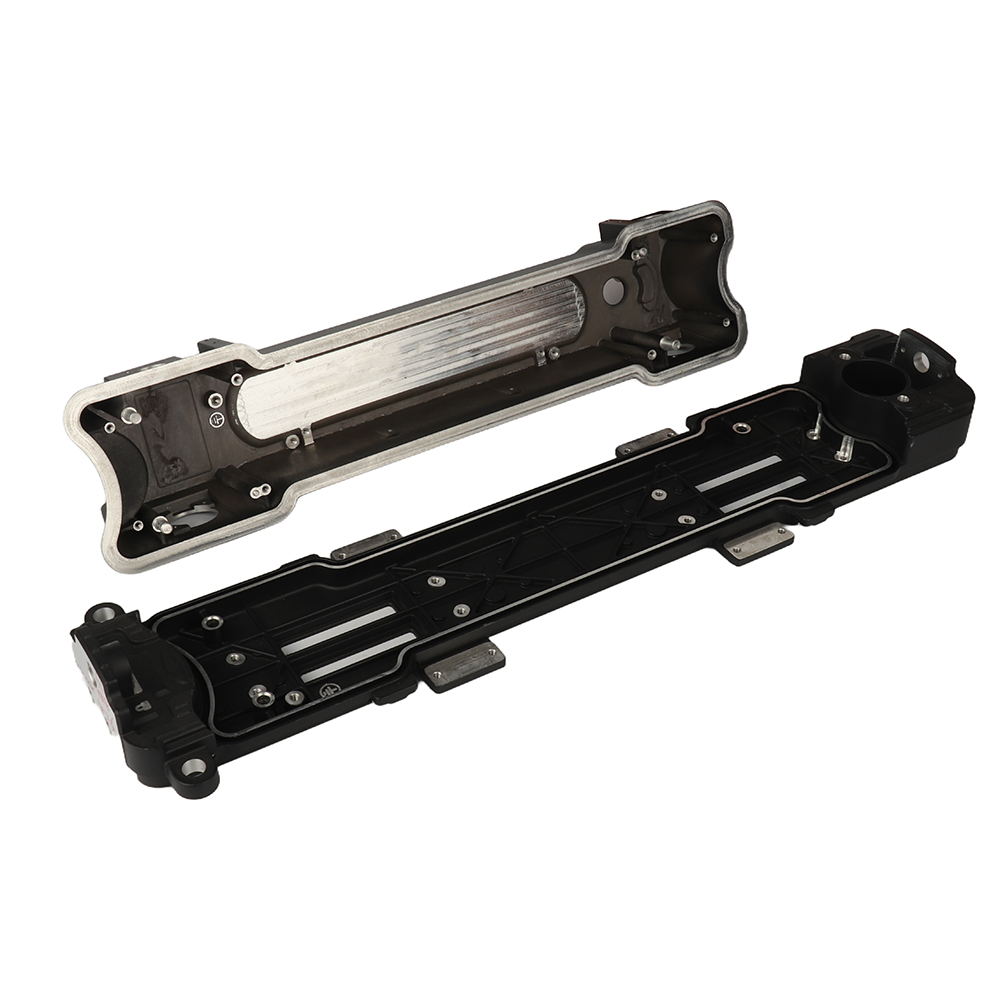
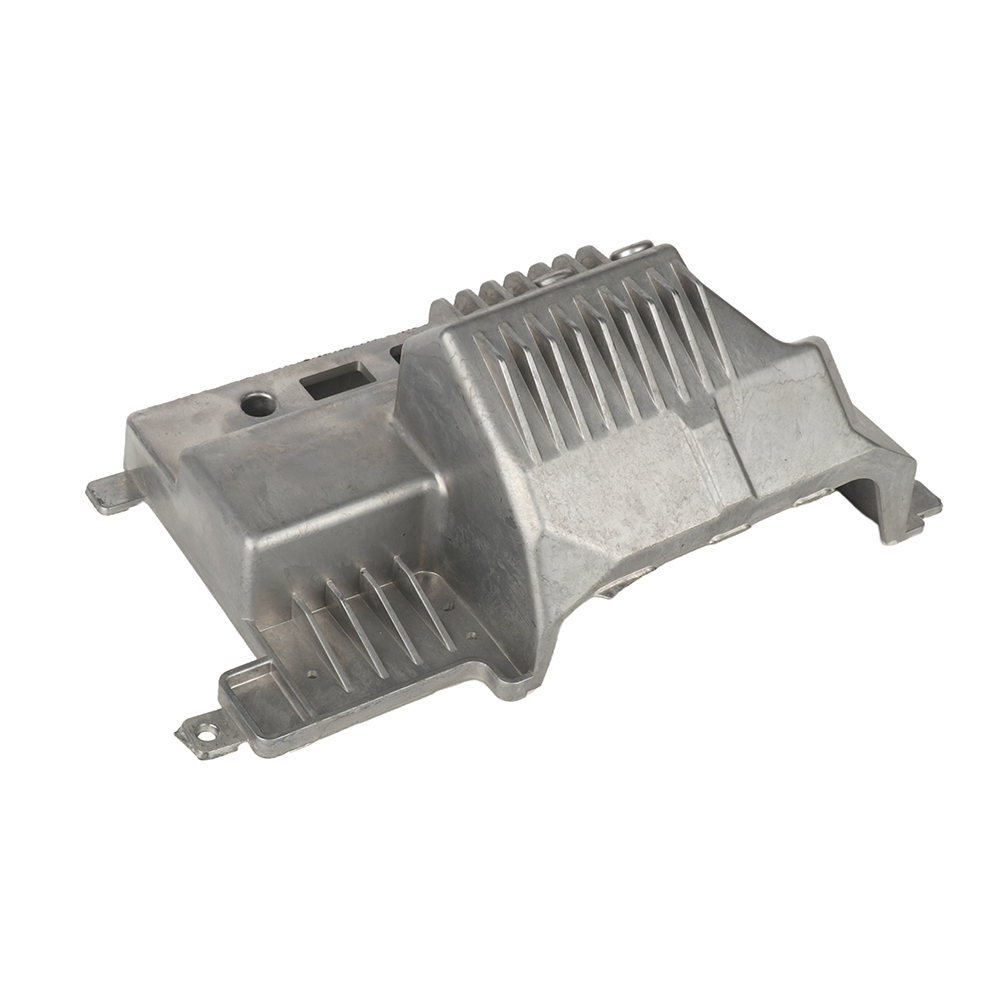
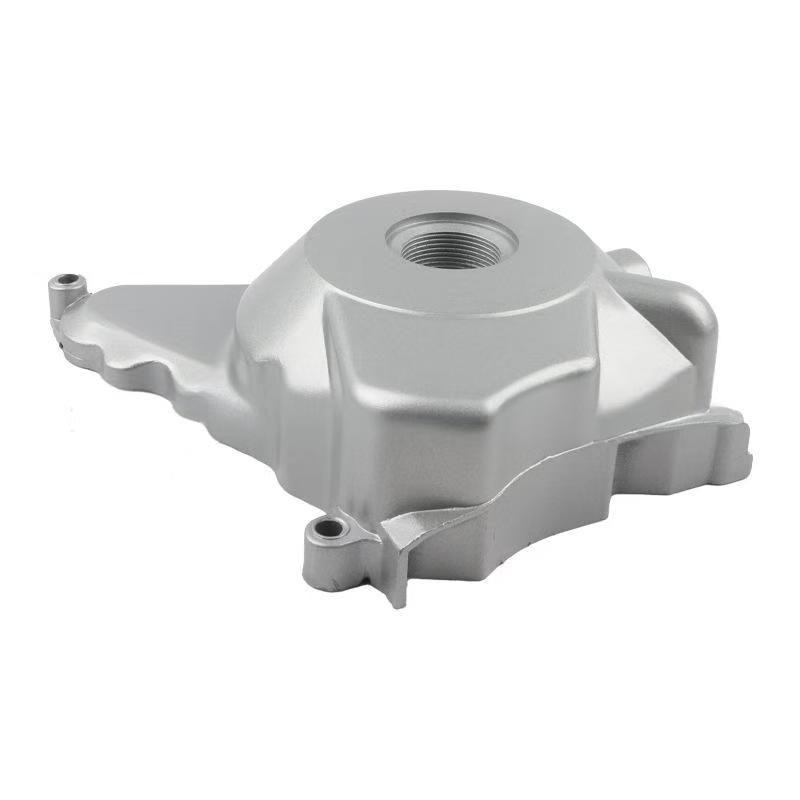
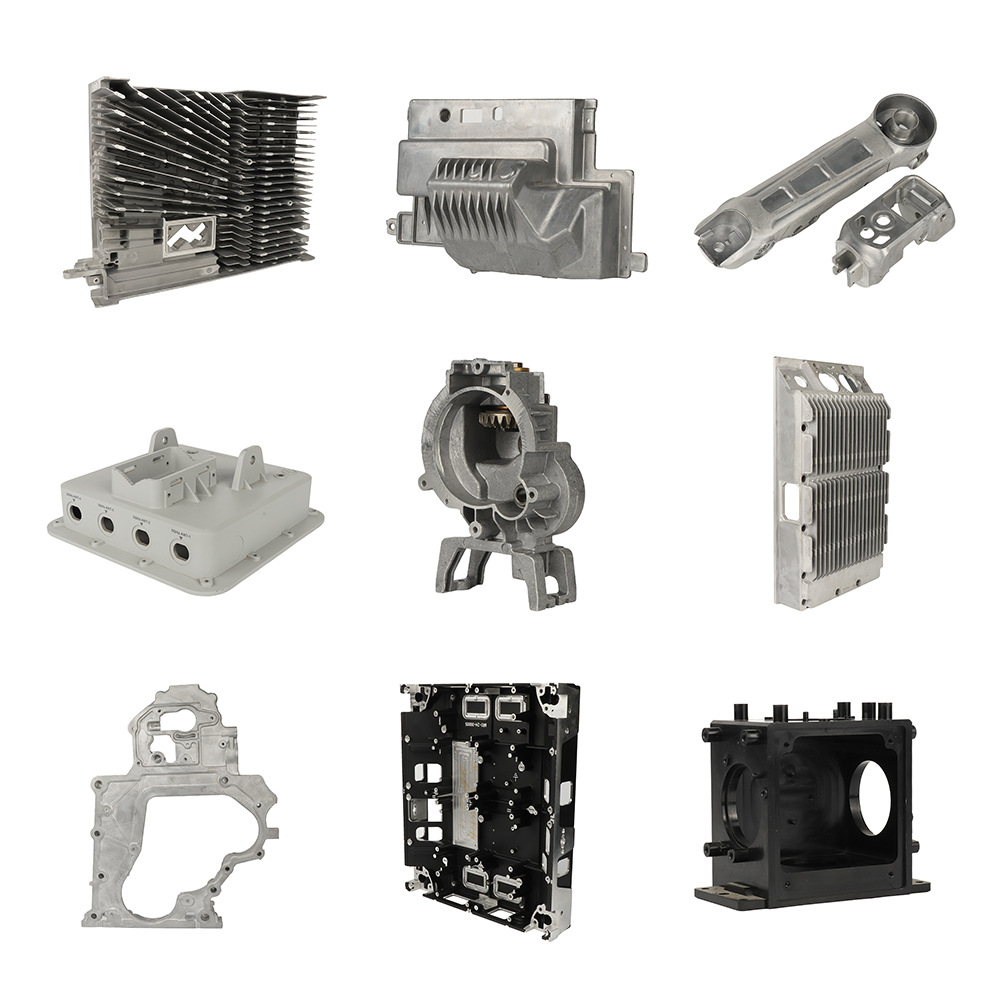
Profile parts | What are the common materials used for profile parts?
2026-05-27
What Are the Common Materials Used for Profile Parts?
Table of Contents
- 1. Basic Overview of Industrial Profile Parts
- 2. Universal Standard Technical Parameters of Profile Parts
- 3. Common Materials for Profile Parts & Performance Comparison
- 4. In-depth Analysis of Core Material: ADC12 Aluminium Alloy for Profile Parts
- 5. Key Characteristics & Functional Advantages of High-Quality Profile Parts
- 6. Industry Expert Views on Profile Parts Material Development
- 7. Core Standards for Selecting High-Quality Hardware Processing Suppliers
- 8. Industry Development Trends & Comprehensive Summary
- 9. Common Industry FAQs About Profile Parts
- 10. Reliable Supplier Recommendation: Xinghang Precision Hardware & Preferential Policies
1. Basic Overview of Industrial Profile Parts
1.1 Definition of Profile Parts
Profile parts are standardized and customized structural components with fixed cross-sectional shapes, processed through extrusion, die-casting, CNC finishing and other precision manufacturing processes. They are essential basic parts widely used in industrial equipment, automotive manufacturing, precision electronics, new energy and architectural hardware fields. Different from ordinary mechanical parts, profile parts feature fixed section structure, strong modularity and excellent assembly compatibility.
1.2 Core Industrial Value of Profile Parts
Modern industrial manufacturing is increasingly pursuing lightweight, high-precision and modular production, and profile parts perfectly fit this development demand. High-quality profile parts can simplify equipment assembly structure, reduce overall manufacturing costs, improve equipment stability and extend service life, becoming an indispensable core component in high-end industrial manufacturing upgrading.

2. Universal Standard Technical Parameters of Profile Parts
2.1 Dimensional Precision Parameters
2.1.1 Tolerance Control Standard
Formal high-quality profile parts implement strict industrial tolerance standards. Conventional standard profile parts control dimensional tolerance within ±0.08mm, while ultra-precision customized profiles for high-end equipment can achieve ±0.02mm high-precision tolerance, fully meeting the precise assembly requirements of sophisticated industrial equipment.
2.1.2 Surface Precision Standard
The surface roughness of qualified industrial profile parts reaches Ra 0.8μm–Ra 3.2μm. After professional surface treatments such as polishing, anodizing and sandblasting, the surface is smooth and burr-free, without pores, scratches and other defects, realizing high-grade surface flatness and aesthetics.
2.2 Mechanical Performance Parameters
2.2.1 Structural Strength Index
Standard profile parts have stable mechanical properties. The tensile strength of mainstream aluminum profile parts is ≥200MPa, with hardness ranging from 60–90 HB, which can withstand long-term compression, vibration and load-bearing in complex industrial environments without deformation.
2.2.2 Structural & Assembly Parameters
Industrial profile parts support modular splicing and multi-angle assembly, with standardized interface sizes. The straightness per meter of qualified profiles is controlled within ≤0.5mm, ensuring no assembly deviation during batch installation and improving overall equipment stability.
2.3 Quality Certification Standards
Reliable profile part manufacturers must pass ISO9001 quality management certification, ISO14001 environmental management certification and RoHS environmental protection certification. Automotive and new energy industry profiles also need to meet IATF16949 industry certification to comply with global industrial production standards.
3. Common Materials for Profile Parts & Performance Comparison
3.1 Mainstream Profile Part Materials in the Industry
3.1.1 Aluminum Alloy Materials
Aluminum alloy is the most widely used material for industrial profile parts, accounting for more than 80% of the market share. It includes ADC12, A380, 6063 and other models, featuring light weight, good ductility, excellent heat dissipation and easy processing, suitable for most industrial lightweight profile scenarios.
3.1.2 Zinc Alloy Materials
Zinc alloy profile parts have high hardness and low melting point, with good casting performance and surface plating effect. They are mostly used for small decorative profiles and low-load structural parts, but have poor lightweight performance and are not suitable for high-temperature working environments.
3.1.3 Magnesium Alloy Materials
Magnesium alloy profiles are ultra-light structural parts with low density and high specific strength, but their material cost is high and processing difficulty is great. They are mainly applied in high-end fields such as aerospace and precision intelligent equipment.
3.1.4 Stainless Steel Materials
Stainless steel profile parts have outstanding corrosion resistance and high-temperature resistance, with ultra-high structural strength. However, they are heavy and costly, mostly used in chemical, marine and heavy-duty industrial equipment scenarios.
3.2 Comprehensive Material Performance Comparison
Compared with zinc alloy, stainless steel and other materials, aluminum alloy represented by ADC12 has the best comprehensive performance. It balances lightweight, strength, processability and cost performance, making it the preferred material for mass-produced industrial profile parts.
4. In-depth Analysis of Core Material: ADC12 Aluminium Alloy for Profile Parts
4.1 Basic Physical & Mechanical Properties of ADC12
4.1.1 Physical Properties
ADC12 aluminium alloy has a super-light density of 2.75g/cm³, far lighter than steel and zinc materials. It can effectively reduce the overall weight of profile parts and equipment, and is the core material for industrial lightweight transformation.
4.1.2 Mechanical Properties
The standard Brinell hardness of ADC12 alloy is 70–85 HB, with tensile strength stably maintained at 220–240MPa. It has moderate impact resistance and compression resistance, no deformation after long-term load-bearing, and excellent dimensional stability.
4.2 Unique Advantages of ADC12 for Profile Parts Manufacturing
4.2.1 Excellent Forming & Processing Performance
ADC12 alloy has uniform internal structure and good molten fluidity, which can perfectly form complex special-shaped, thin-walled and integrated profile parts. It supports one-time extrusion and die-casting forming, reducing secondary processing procedures and improving production efficiency.
4.2.2 Superior Heat Dissipation & Weather Resistance
This material has outstanding thermal conductivity, which can quickly export heat generated by equipment operation. Meanwhile, it has natural oxidation and corrosion resistance, adapting to high-temperature, humid and dusty complex industrial environments, greatly extending the service life of profile parts.
4.2.3 Ultra-High Cost Performance
Compared with high-end 6063 aluminum alloy and magnesium alloy, ADC12 has lower material and processing costs while maintaining stable performance. It is very suitable for large-batch customized production of profile parts and effectively reduces enterprise procurement costs.
5. Key Characteristics & Functional Advantages of High-Quality Profile Parts
5.1 Lightweight & High Structural Stability
High-quality profile parts made of ADC12 aluminum alloy combine light weight and high strength. They replace traditional heavy metal profiles, reduce equipment overall load, and maintain stable structural support, helping enterprises realize energy-saving and lightweight product upgrading.
5.2 Excellent Batch Consistency & Assembly Accuracy
Professional manufacturers adopt standardized molds and precise process control to ensure zero difference in size and performance of batch profile parts. It avoids assembly deviation, equipment jitter and structural instability caused by part inconsistency, ensuring high-precision matching of finished equipment.
5.3 Diversified Customization & Strong Versatility
Modern profile parts support OEM/ODM personalized customization, including non-standard cross-section shapes, special size thickness and surface treatment effects. They are compatible with multiple industrial scenarios, realizing one-stop matching of modular equipment structures.
5.4 Low Maintenance & Long Service Life
ADC12 aluminum profile parts have good wear resistance, oxidation resistance and weather resistance. They can operate stably for a long time in harsh industrial environments, reducing equipment maintenance frequency and part replacement costs, and improving enterprise production efficiency.
6. Industry Expert Views on Profile Parts Material Development
Senior experts from the Global Precision Hardware Manufacturing Association released forward-looking industry views: “With the rapid development of new energy, intelligent manufacturing and precision electronics industries, industrial profile parts are no longer limited to simple structural support. High-precision lightweight, integrated forming and green low-carbon materials have become the new industry development threshold.”
Industry analysts further emphasized that ADC12 aluminium alloy will remain the mainstream core material of profile parts in the next 3–5 years. Relying on its ultra-high cost performance and comprehensive mechanical properties, it will be widely popularized in more industrial scenarios. In addition, customized integrated profile parts will gradually replace single standard parts, and manufacturers with full-process precision processing capabilities will occupy the core market share.
7. Core Standards for Selecting High-Quality Hardware Processing Suppliers
7.1 Complete Qualification Certification
Enterprises should prioritize suppliers with ISO9001, ISO14001, RoHS and IATF16949 complete certifications. Complete qualifications are the basic guarantee for profile part quality compliance and global market access, effectively avoiding quality and environmental compliance risks.
7.2 Full-Process Production Capacity
Excellent suppliers must have independent mold R&D, die-casting forming, CNC precision machining and surface treatment capabilities. One-stop in-house production avoids intermediate outsourcing links, ensures stable product quality and controllable delivery cycle.
7.3 Strict Material & Precision Control
Reliable manufacturers must adopt authentic standard ADC12 aluminium alloy and other high-quality raw materials, with strict control over dimensional tolerance, surface precision and batch stability, to ensure profile parts meet high-end industrial assembly standards.
7.4 Perfect Customization & After-Sales System
High-quality suppliers support flexible personalized customization, provide professional drawing optimization and sample confirmation services, and have a complete after-sales technical support system to quickly solve customer production and assembly problems.
7.5 Favorable Batch Order Policies
Formal large-scale manufacturers have stable mass production capacity and implement gradient preferential policies. The larger the customer’s batch order quantity, the more favorable the unit price, helping customers reduce long-term procurement costs.
8. Industry Development Trends & Comprehensive Summary
8.1 Future Development Trends of Profile Parts Industry
First, ultra-precision lightweight upgrading. The market puts forward higher requirements for the precision, thin-wall and lightweight of profile parts, and ultra-precision customized aluminum profiles will become the mainstream demand. Second, integrated one-stop service. Single processing services will be replaced by full-process solutions including design, customization, processing and assembly. Third, green standardized production. Environmental protection materials and low-carbon processes have become the basic industry threshold. Fourth, cost-effective material popularization. ADC12 aluminum alloy will continue to dominate the profile parts market and be widely applied in emerging industries.
8.2 Full-Text Comprehensive Summary
Profile parts are core modular structural components of modern industrial manufacturing, with aluminum alloy materials represented by ADC12 being the most mainstream and cost-effective choice. High-quality profile parts have the advantages of light weight, high precision, stable performance and long service life, which can effectively optimize equipment structure and reduce manufacturing costs. When selecting hardware processing suppliers, enterprises should comprehensively inspect supplier qualifications, production strength, precision control level and after-sales service, instead of only focusing on low prices. In the future, high-precision customization, full-process service and green production will become the core competitiveness of profile part manufacturers. Choosing a reliable high-quality supplier is crucial to improving product quality and market competitiveness.
9. Common Industry FAQs About Profile Parts
Q1: What are the most commonly used materials for industrial profile parts?
The mainstream materials include ADC12 aluminium alloy, 6063 aluminum alloy, zinc alloy, magnesium alloy and stainless steel. Among them, ADC12 aluminium alloy is the most widely used material for industrial profile parts due to its balanced performance, excellent processability and ultra-high cost performance.
Q2: What is the standard precision of high-quality profile parts?
Qualified standard profile parts have a dimensional tolerance of ±0.08mm, and ultra-precision customized parts can reach ±0.02mm tolerance with surface roughness up to Ra 0.8μm, meeting the high-precision assembly needs of high-end intelligent equipment.
Q3: Can profile part manufacturers support personalized customized production?
Yes. Professional and powerful suppliers support full OEM/ODM personalized customization, which can produce non-standard special-shaped profiles, thin-wall integrated profiles and customized structural parts according to customer drawings, samples and functional requirements.
Q4: Are regular profile parts compliant with international environmental and quality standards?
High-quality profile parts from formal manufacturers pass ISO9001, ISO14001, RoHS and IATF16949 international certifications, fully complying with global quality and environmental protection standards, suitable for global sales and various industrial scenario applications.
Q5: Is there a discount for bulk orders of profile parts?
Yes. Excellent formal suppliers implement gradient preferential policies for bulk orders. The larger the order quantity, the more favorable the unit price. Bulk customers can also enjoy free sample testing, priority production and delivery, and lifelong free technical after-sales support.
10. Reliable Supplier Recommendation: Xinghang Precision Hardware & Preferential Policies
10.1 Company Core Strength & Preferential Policies
Xinghang Precision Hardware is a professional high-tech precision hardware processing manufacturer located in Dongguan, China’s core manufacturing hub. Founded in 2017, the company owns a 9,410-square-meter modern standardized factory, integrating mold R&D and manufacturing, die-casting production, CNC precision machining, surface treatment and assembly one-stop service.
The company specializes in customized production of ADC12 aluminum alloy profile parts, special-shaped structural profiles and precision hardware parts, serving global industrial customers. To feedback new and old customers, we launch long-term exclusive preferential policies: the more you purchase, the more discounts you get. Bulk order customers can enjoy gradient price concessions, free sample inspection, priority production and delivery, and lifelong free technical after-sales support to help customers effectively reduce long-term procurement costs.
10.2 Enterprise Information & Contact Card
Enterprise Name: Xinghang Precision Hardware
Established Year: 2017
Factory Scale: 9,410 Square Meters Modern Standard Factory
Location: Dongguan, China (Core Industrial Manufacturing Hub)
Core Business: Custom profile parts processing, aluminum-zinc-magnesium alloy die-casting, mold R&D, CNC precision machining, surface treatment & one-stop customized service
Core Processing Material: ADC12 Aluminium Alloy, Zinc Alloy, Magnesium Alloy, Stainless Steel
Certification Qualifications: ISO9001, ISO14001, RoHS, IATF16949
Core Advantages: Full-process industrial chain, ultra-precision processing, flexible OEM/ODM customization, bulk order discount, fast delivery, full-life after-sales service
Mobile/WeChat: +86 18819502691
Official Email: liqine@xinghangcn.com
Aluminum cnc service | What is the surface finish quality of aluminum cnc parts? Focus on ADC12 Die Cast LED Display Back Plate
Precision machined components | What are precision machined components? Features, Parameters & Industry Applications
Related Article

What are CNC machined aluminum electronic parts & their core functions CNC machined aluminum electronic parts are precision metal components processed by multi-axis CNC equipment, widely used in electronic products.
Electronic parts | Where to find high-quality CNC machined aluminum parts for electronics?

CNC machined aluminum parts for semiconductor equipment are precision metal components manufactured by aluminum die casting, then finished via CNC machining.
semiconductor equipment | What are cnc machined aluminum parts for semiconductor equipment?