HOT PRODUCTS
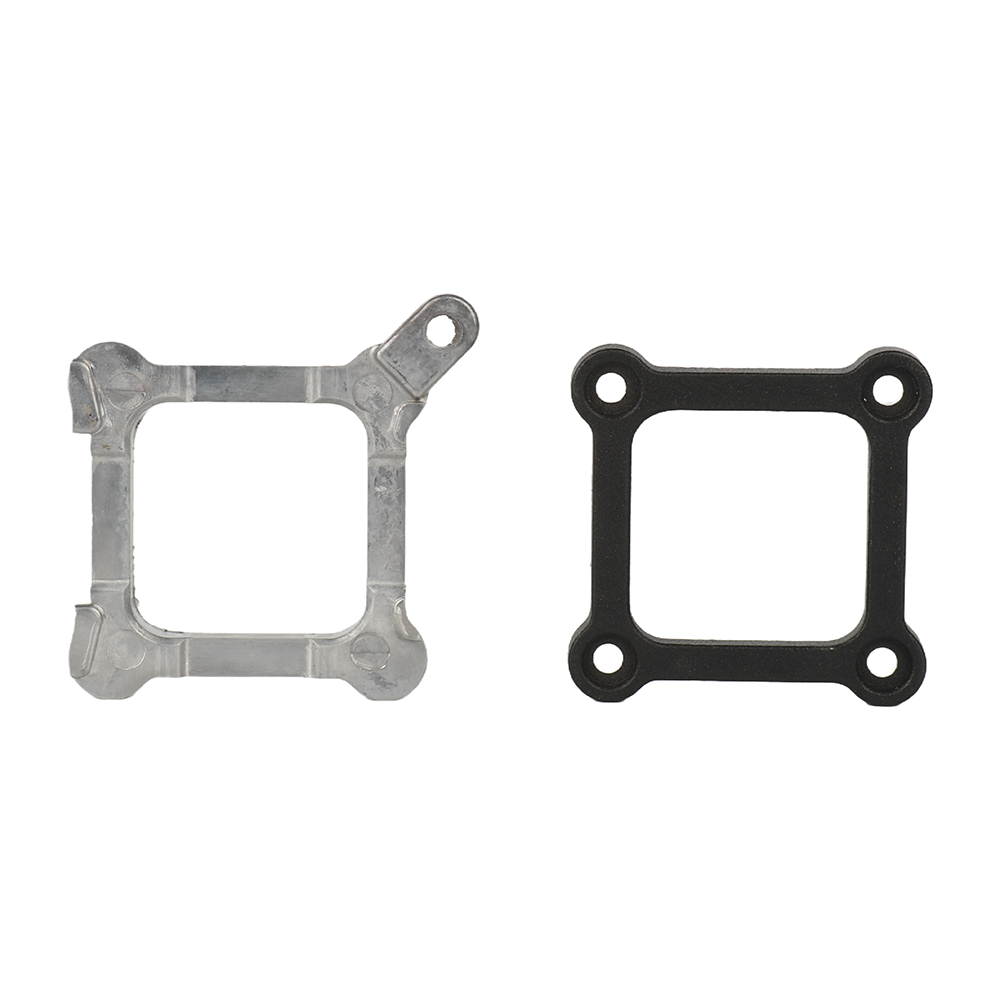
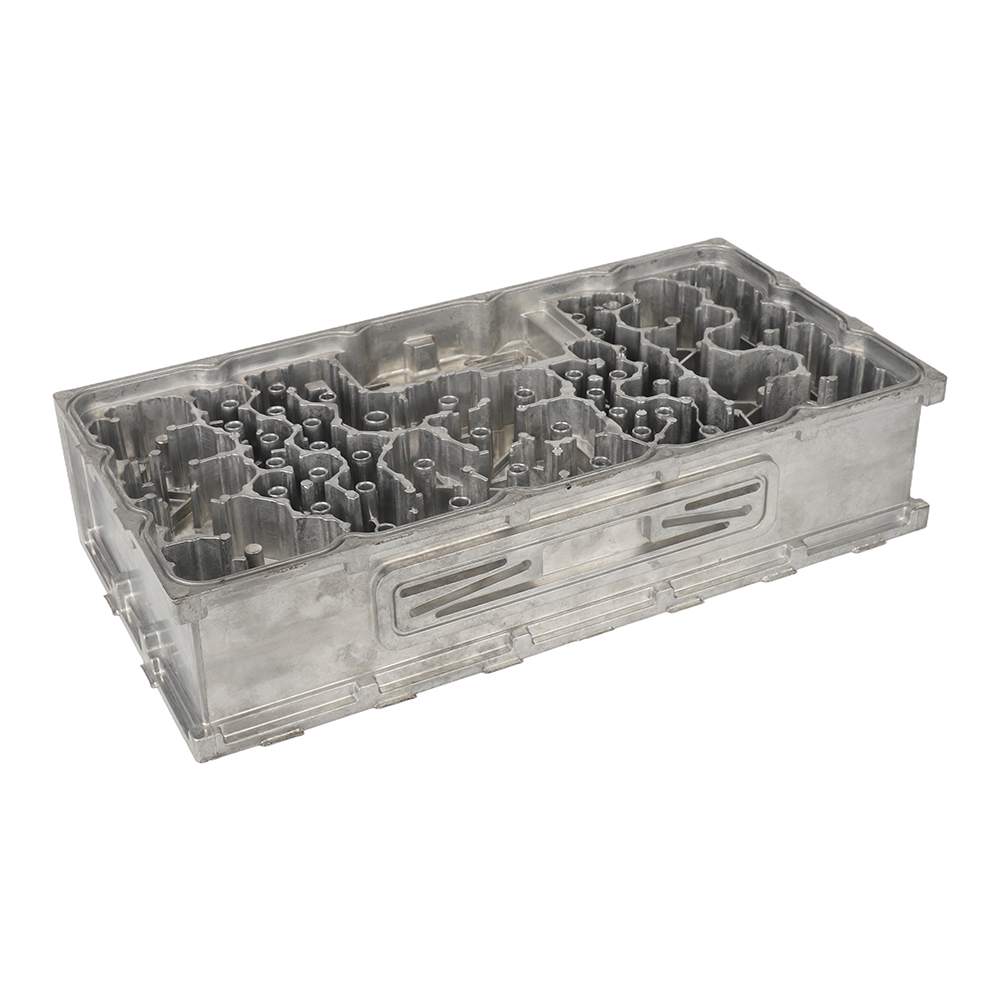
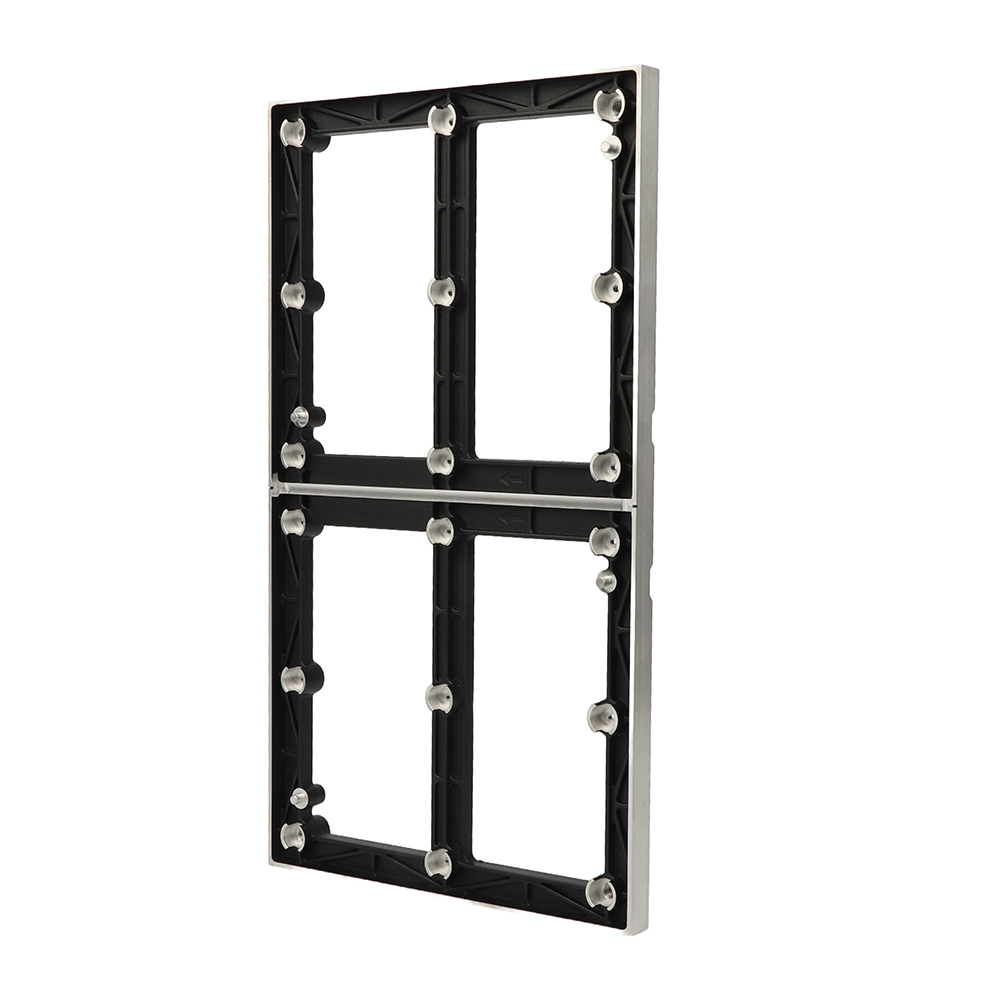
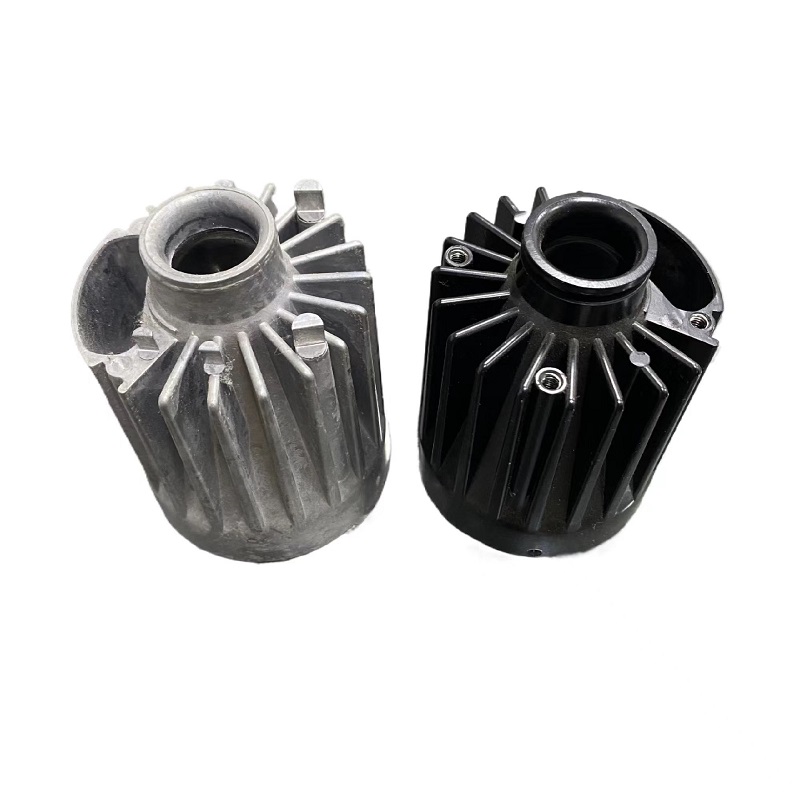
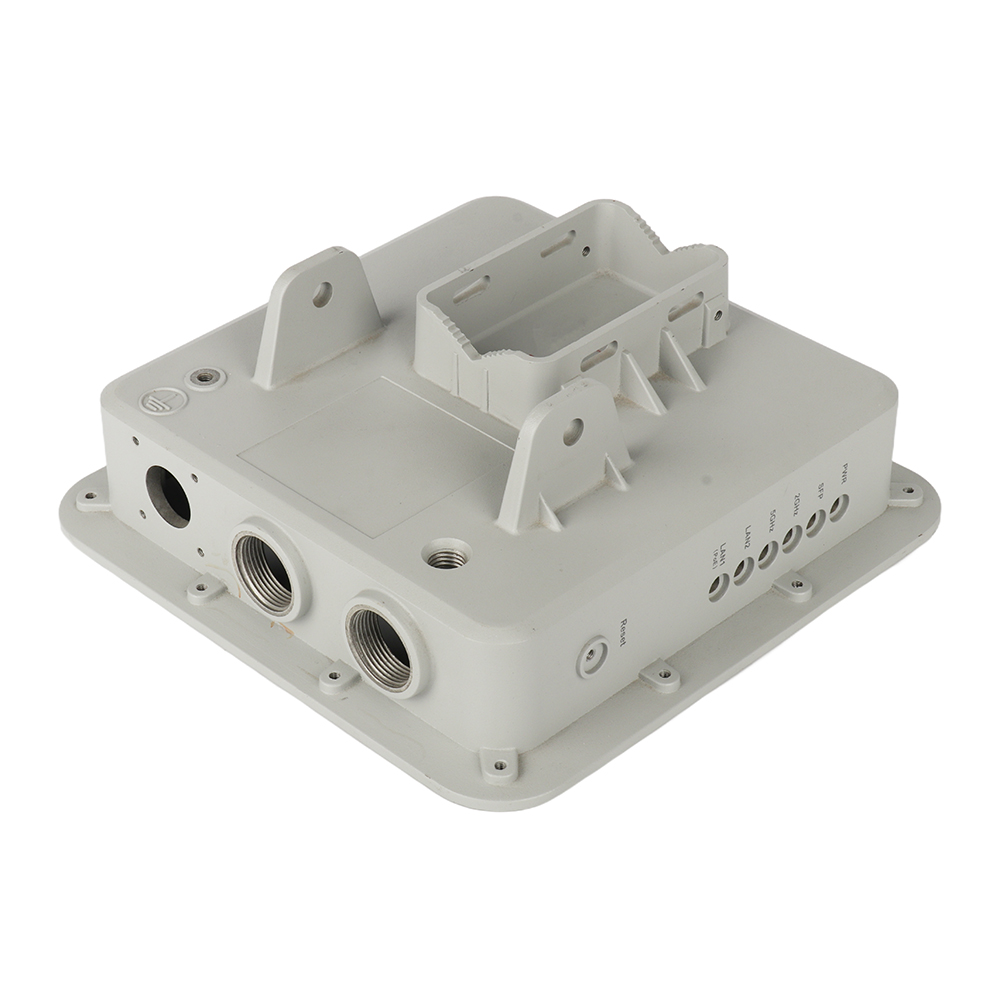
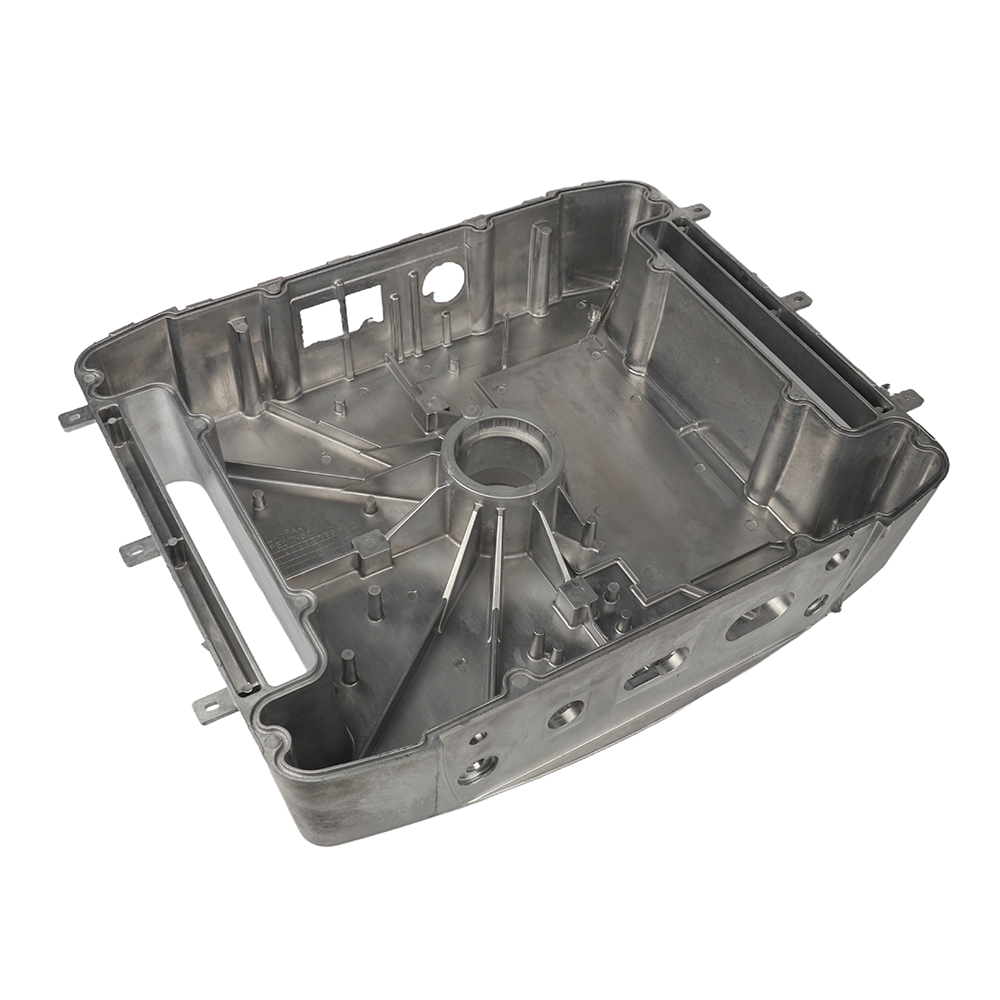
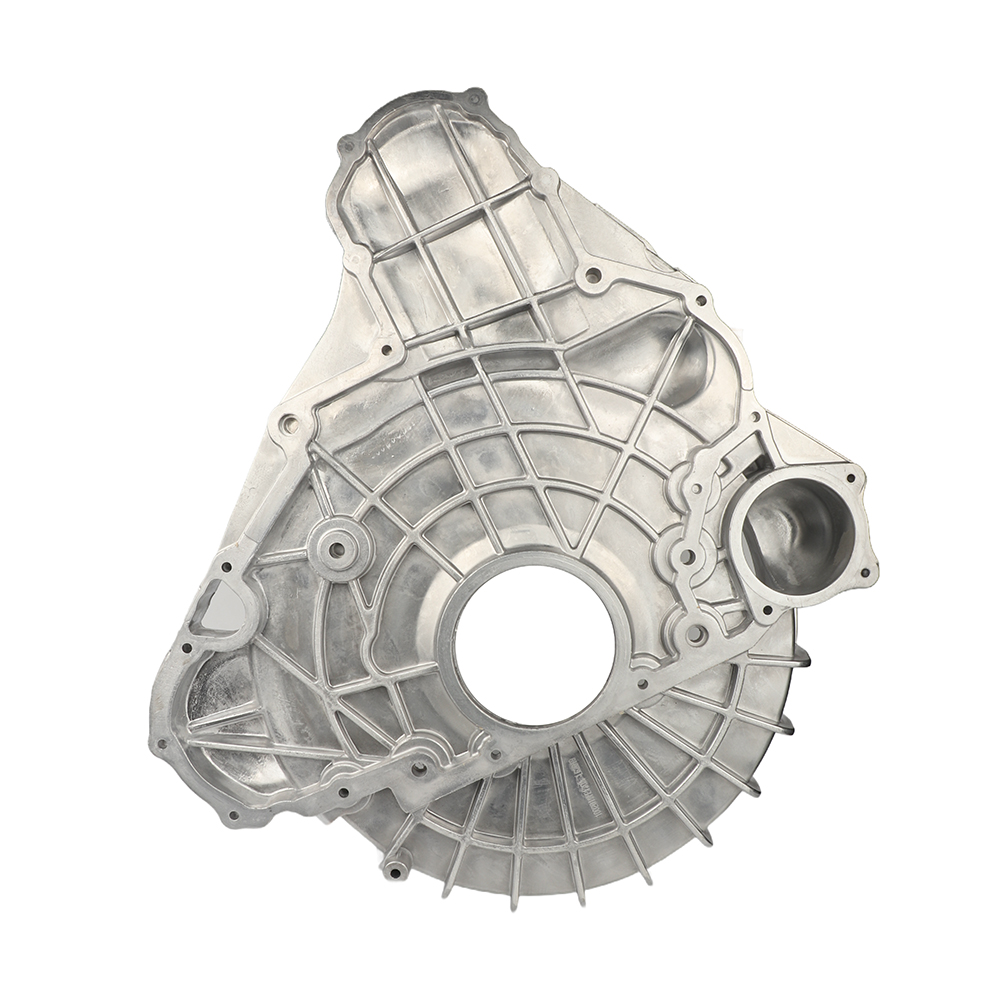
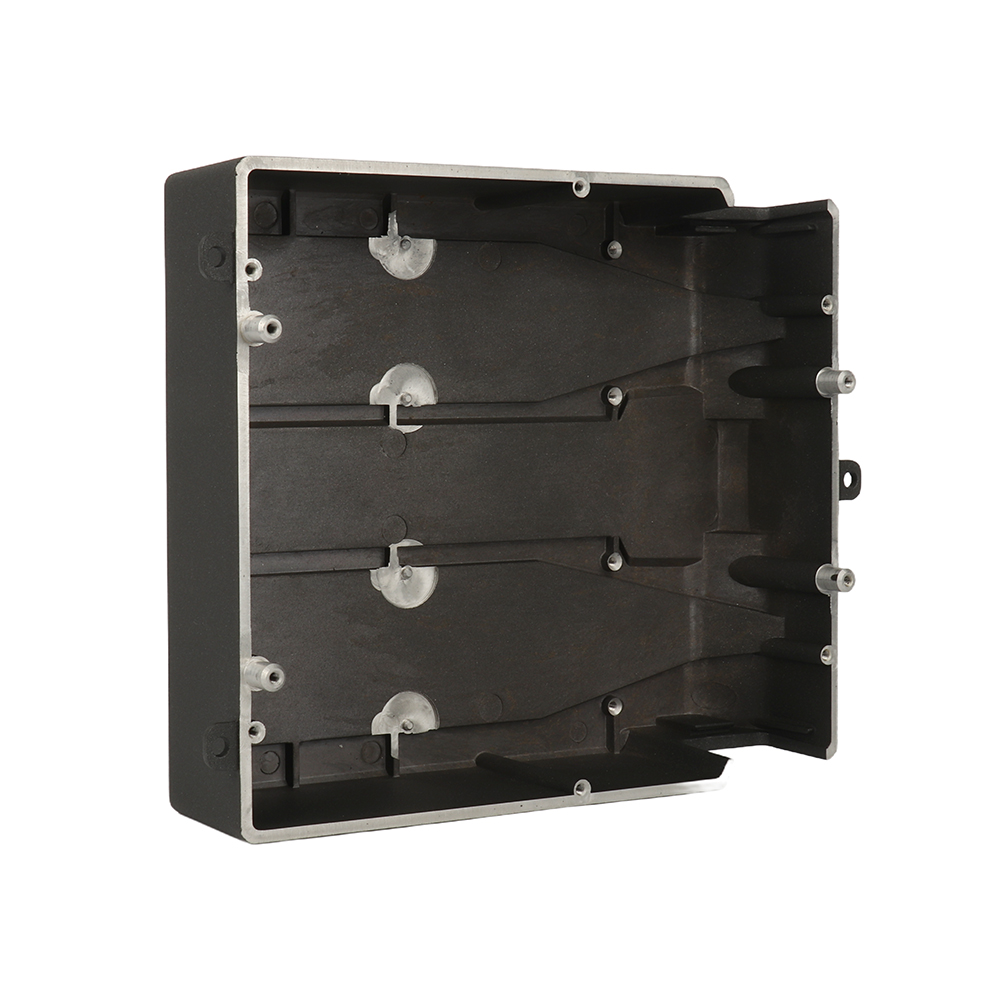
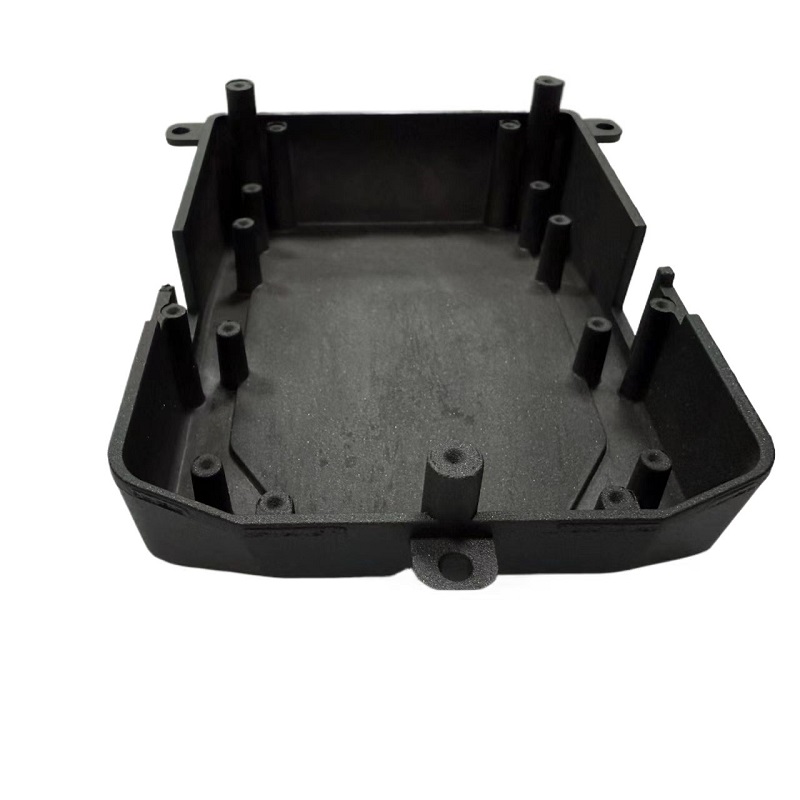
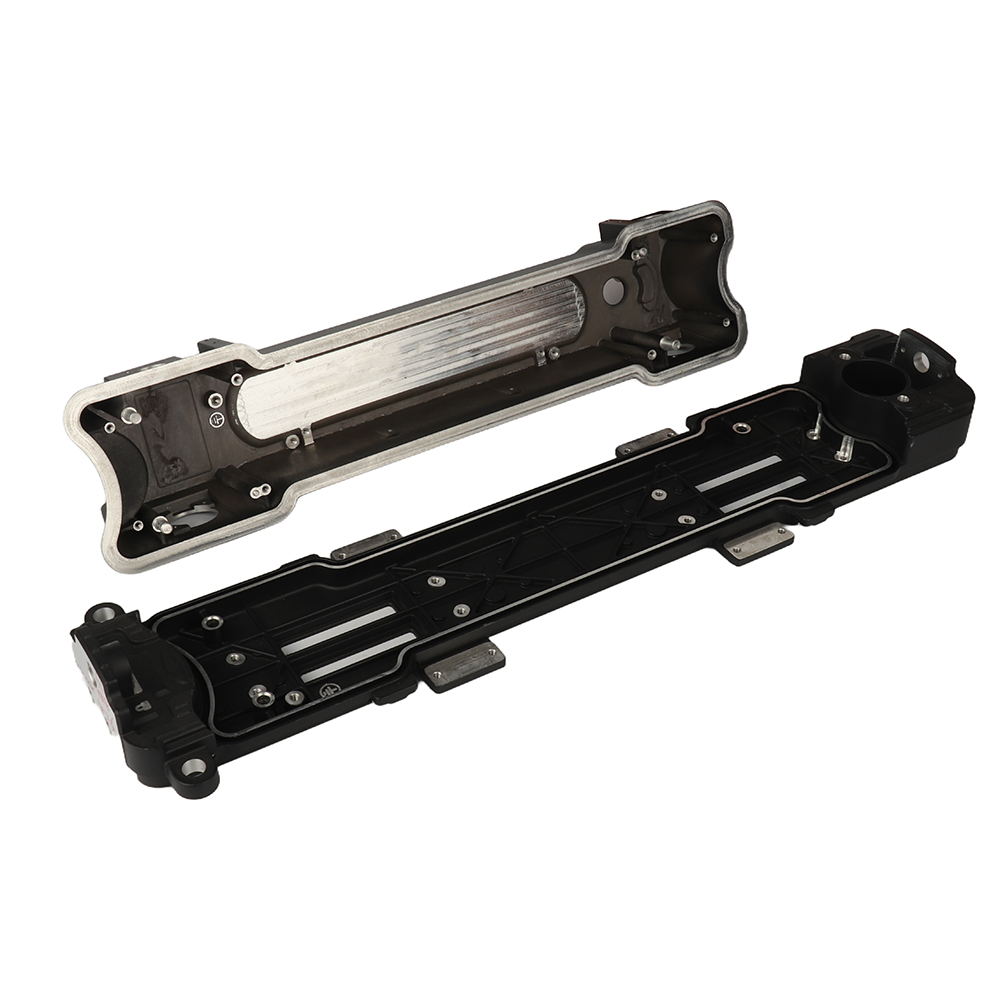
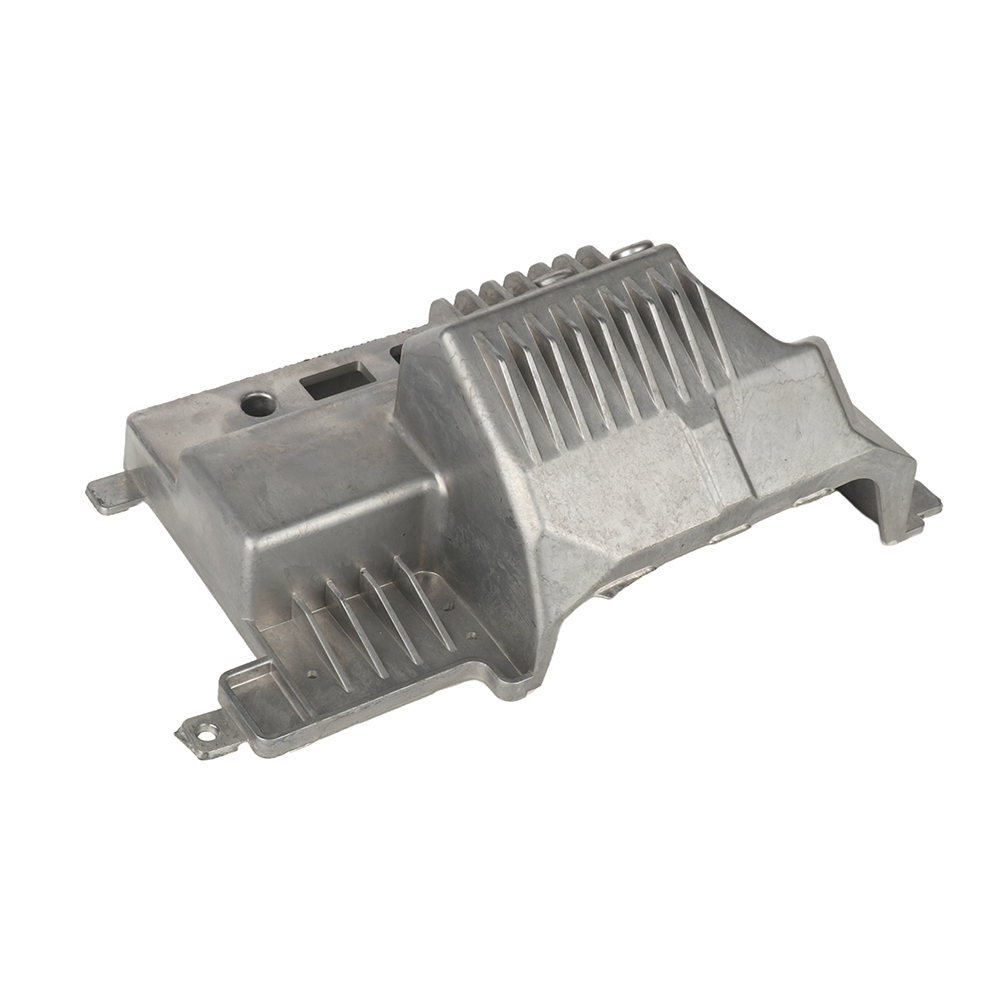
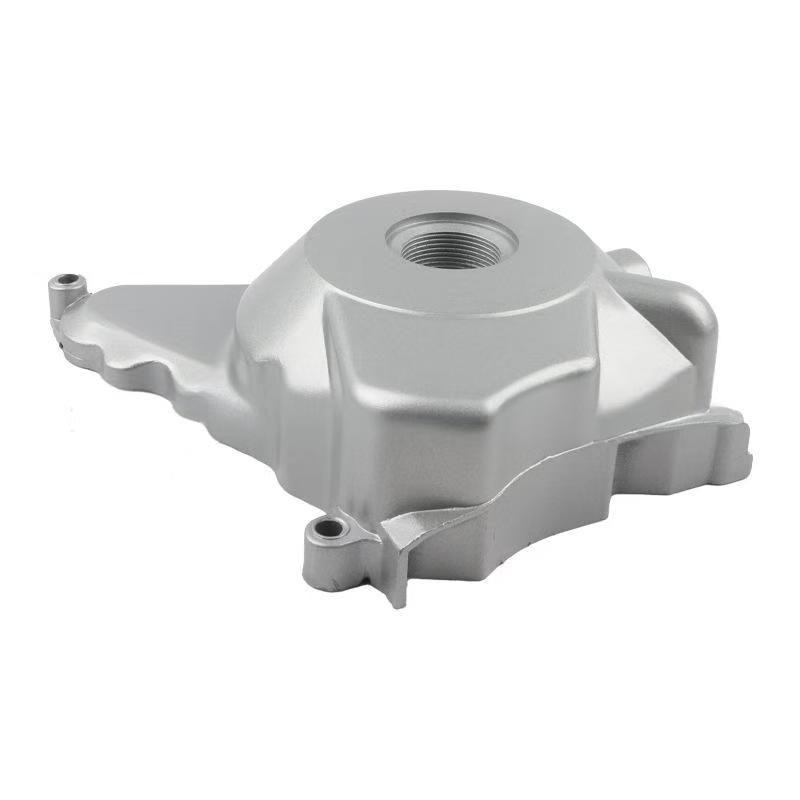
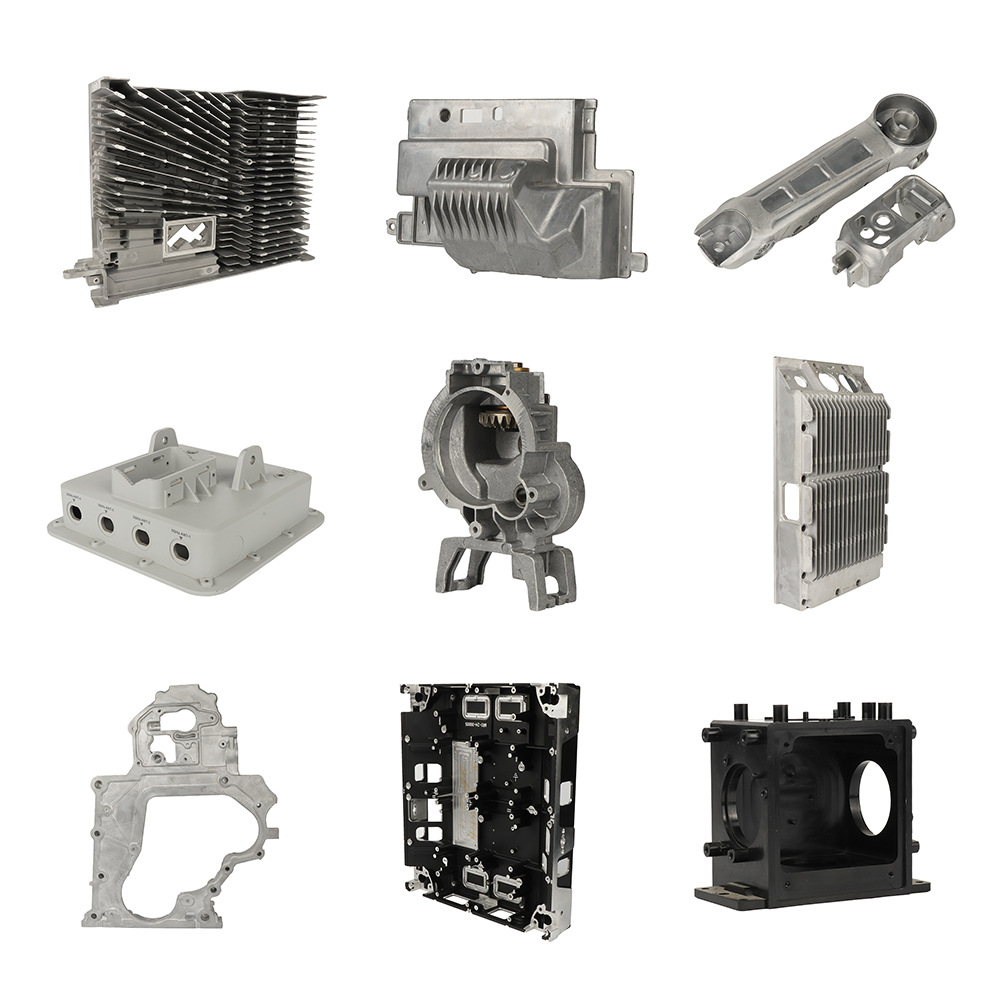
Electronic enclosures | What fields are CNC electronic housings applied to?
2026-06-18
What Fields Are CNC Electronic Housings Applied To?
What Fields Are CNC Electronic Housings Applied To?
Table of Contents
1. Product Overview: Core Attributes of CNC Electronic Enclosures
1.1 Definition of CNC Electronic Housings (H2)
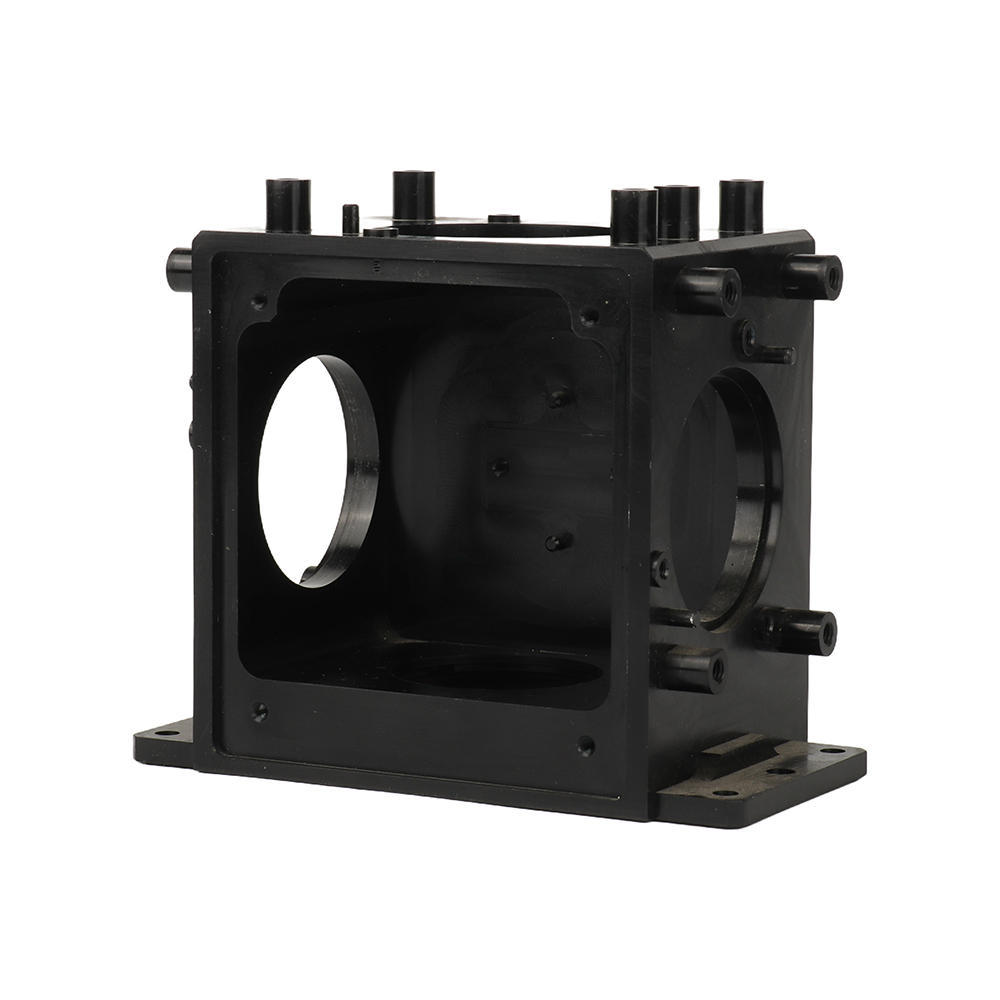
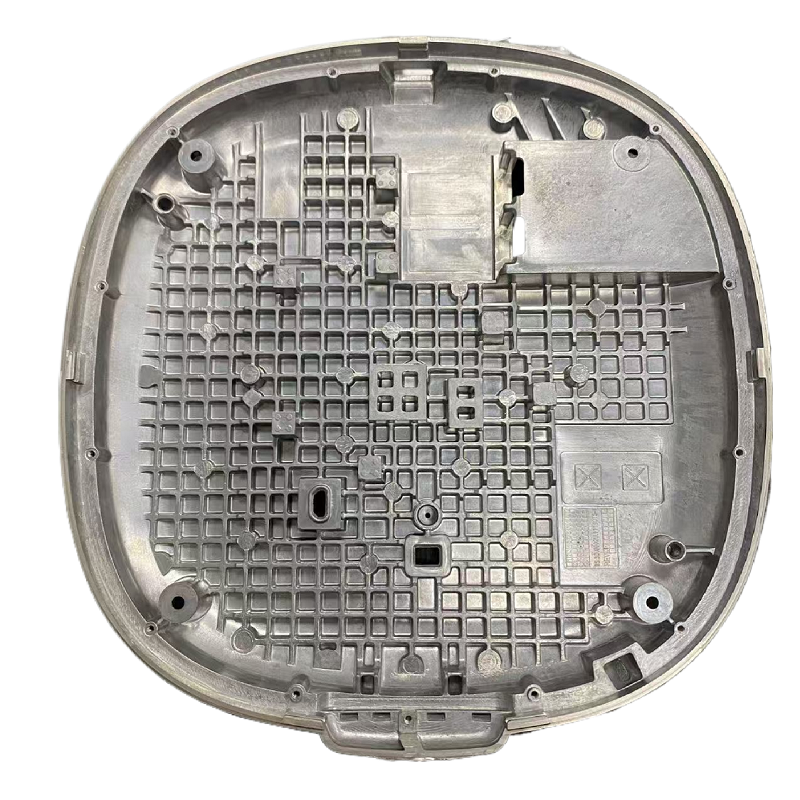
CNC electronic enclosures, also known as CNC electronic housings, are precision protective shell components manufactured through CNC high-precision milling and turning processing. Different from traditional die-casting and stamping housings, they are processed from integral metal blanks (aluminum alloy, magnesium alloy, stainless steel, etc.) with no splicing seams. These customized structural shells are specially designed for electronic modules, circuit boards, sensing equipment and intelligent terminal devices, undertaking protection, heat dissipation, electromagnetic shielding and structural support functions.
1.2 Main Raw Material Types (H3)
Industrial mainstream CNC electronic housings adopt three high-performance metal materials, matching different application scenarios and cost budgets:
-
6061 Aluminum Alloy: The most widely used material, balancing precision, heat dissipation and cost, suitable for most civilian electronic devices
-
7075 Aluminum Alloy: High-strength aviation-grade material, featured with strong compression and impact resistance, for industrial and military-grade equipment
-
Magnesium Alloy: Ultra-light structural material, for portable high-end electronic terminals with strict weight control requirements
1.3 Core Structural Features (H4)
CNC electronic enclosures adopt one-piece integral forming technology, with customizable internal grooves, threaded holes, positioning pins and heat dissipation structures. The surface can be processed with anodizing, sandblasting, powder spraying and other treatments to achieve anti-corrosion, wear-resistant and aesthetic effects. The overall structure features high flatness, tight assembly tolerance and strong structural stability.
1.4 Basic Application Positioning (H5)
Unlike ordinary plastic housings with low precision and poor durability and die-cast housings with large dimensional errors, CNC electronic housings are positioned in high-precision, high-stability and high-durability mid-to-high-end electronic equipment scenarios, solving the problems of loose assembly, poor heat dissipation and easy damage of traditional housings.

2. Universal Standard Parameter Table for CNC Electronic Enclosures
The following parameters are universal industrial standards for mainstream CNC electronic enclosures, compliant with ISO 2768 precision tolerance standards and electronic equipment protection specifications, covering conventional aluminum and magnesium alloy models for industrial procurement reference.
|
Parameter Item
|
6061 Aluminum CNC Housing
|
7075 Aluminum CNC Housing
|
Magnesium Alloy CNC Housing
|
|---|---|---|---|
|
Density
|
2.70 g/cm³
|
2.81 g/cm³
|
1.81 g/cm³
|
|
Dimensional Tolerance
|
±0.02mm
|
±0.015mm
|
±0.02mm
|
|
Surface Roughness
|
Ra ≤ 0.8μm
|
Ra ≤ 0.6μm
|
Ra ≤ 0.8μm
|
|
Thermal Conductivity
|
167 W/(m·K)
|
130 W/(m·K)
|
51.2 W/(m·K)
|
|
Shielding Efficiency
|
≥85%
|
≥90%
|
≥78%
|
|
Waterproof Grade (Customizable)
|
IP54 - IP67
|
IP65 - IP68
|
IP54 - IP67
|
3. Core Advantages of CNC-Machined Electronic Housings
3.1 Ultra-High Dimensional Precision (H2)
Benefiting from 3/4/5-axis CNC precision machining, the overall dimensional tolerance of electronic enclosures can be controlled within ±0.015mm. All holes, grooves and positioning structures are formed in one processing cycle, avoiding assembly errors caused by secondary processing. It fully meets the precise matching requirements of miniature electronic components and high-density circuit modules.
3.2 Excellent Heat Dissipation & EMI Shielding Performance (H2)
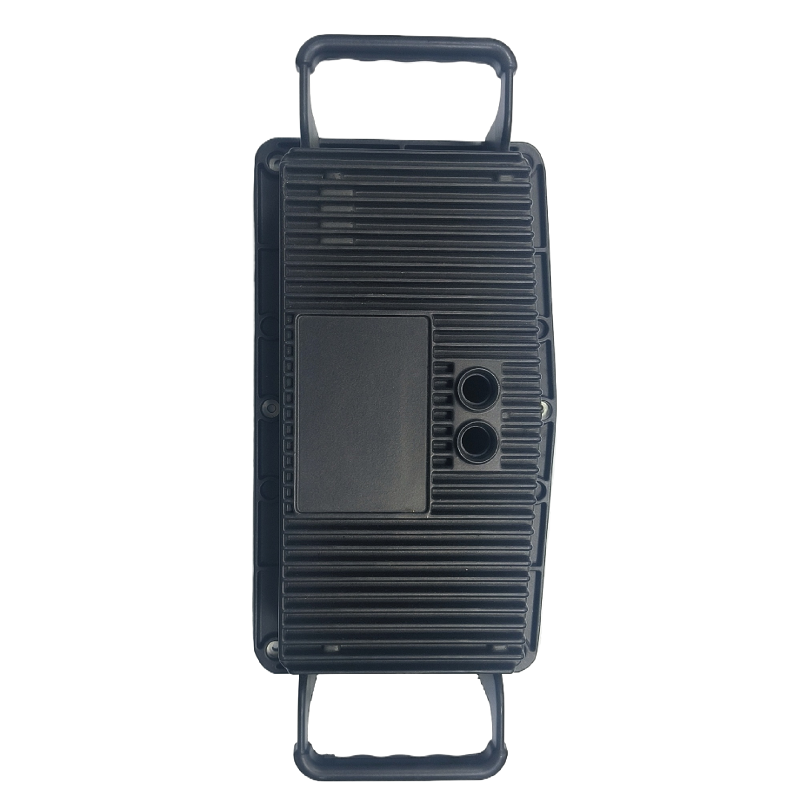
Metal integral structure has far better thermal conductivity than plastic materials. The customized integrated heat dissipation groove structure can quickly export the heat generated by electronic components. Meanwhile, the dense metal structure provides efficient electromagnetic interference shielding, effectively preventing external signal interference and internal signal leakage, ensuring stable operation of precision electronic equipment.
3.3 Strong Customization Flexibility (H2)
Different from die-casting housings that rely on fixed molds, CNC electronic enclosures support zero-mold rapid customization. According to customer drawings and samples, various special-shaped structures, irregular holes, customized mounting positions and appearance textures can be processed, which is suitable for small-batch trial production and large-batch mass production of personalized products.
3.4 Superior Durability & Environmental Adaptability (H2)
After surface anodizing, passivation and hardening treatment, CNC electronic housings have excellentwear resistance, corrosion resistance and oxidation resistance. They can work stably in high temperature, low temperature, humid and salt-fog environments for a long time, with a service life 3-5 times longer than ordinary plastic and stamping housings.
4. Main Application Fields & Typical Usage Scenarios
4.1 Consumer Electronic Equipment Industry (H2)
4.1.1 Portable Intelligent Terminals (H3)
CNC electronic enclosures are widely used in power banks, Bluetooth audio, handheld detectors, intelligent remote controls and other portable devices. The ultra-light metal material reduces the overall weight of the equipment, and the high-precision assembly structure avoids loose parts and abnormal noise during daily use. The exquisite surface processing also improves the product grade and market competitiveness.
4.1.2 Communication Electronic Products (H3)
5G signal modules, wireless routers, communication base station micro-devices and optical fiber transceivers all adopt CNC precision housings. Its excellent electromagnetic shielding performance ensures no signal interference during data transmission, and the efficient heat dissipation structure solves the overheating and signal attenuation problems of long-term working communication equipment.
4.2 Industrial Automation & Precision Instrumentation (H2)
4.2.1 Industrial Control Modules (H3)
Industrial PLC control units, sensor housings, data acquisition modules and industrial display terminals have extremely high requirements for structural stability. CNC electronic enclosures with high precision and strong seismic resistance can adapt to complex industrial environments such as workshop vibration and dust pollution, ensuring stable operation of industrial control equipment for a long time.
4.2.2 Precision Testing Instruments (H3)
Medical testing equipment, laboratory precision analyzers and environmental monitoring instruments need zero-error structural matching. One-piece CNC processing eliminates structural gaps, effectively preventing dust and moisture from entering the equipment and protecting internal precision electronic components from damage.
4.3 New Energy & Automotive Electronics Field (H2)
With the rapid development of new energy vehicles, automotive electronic control units (ECU), battery management system housings, vehicle-mounted sensing modules have become core application scenarios of CNC electronic enclosures. The high-strength metal structure resists vehicle vibration and impact, and the excellent heat dissipation performance ensures the safe operation of new energy electronic systems.
4.4 Aerospace & High-End Intelligent Equipment (H2)
Aerospace detection equipment, drone control modules and military-grade electronic terminals adopt high-strength lightweight CNC electronic housings. The ultra-light material reduces equipment load, while the high-precision and high-stability structure meets the extreme environmental adaptation requirements of high-end equipment.
5. Professional Expert Viewpoints on CNC Electronic Housing Application
We have collected professional opinions from Jason Moore, a senior precision processing engineer with more than 15 years of experience in intelligent equipment structural parts research and development, focusing on the application and selection of CNC electronic housings:
"The core value of CNC electronic housings is not only high precision, but also scenario-based structural matching. Many manufacturers blindly pursue high-strength materials but ignore customized heat dissipation and positioning structures, resulting in wasted cost and insufficient equipment stability. For civilian consumer electronics, 6061 aluminum CNC housings are the most cost-effective choice; for industrial and vehicle-mounted equipment with high environmental requirements, 7075 aluminum alloy is more reliable. In addition, the integrity of post-processing surface treatment directly determines the service life of the housing, which is the key detail that many small processing factories ignore."
The expert also emphasized that with the upgrading of intelligent electronic equipment, miniaturization, integration and lightweight have become the mainstream demand for electronic housings, and CNC integrated processing will completely replace traditional splicing and stamping processes in high-end fields.
6. Industry Frequently Asked Questions (FAQs)
Q1: What is the difference between CNC electronic housings and die-cast electronic housings?
A1: CNC housings are integrally processed from metal blanks with no splicing gaps, featuring higher precision, better stability and stronger customization, suitable for high-precision and small-batch products. Die-cast housings rely on mold casting, with larger dimensional errors and single style, suitable for low-precision and large-batch low-end products. In addition, CNC housings have better heat dissipation and shielding performance than die-cast products.
Q2: Are CNC electronic housings more expensive than plastic housings? Is it cost-effective for mass production?
A2: The unit cost of CNC metal housings is higher than plastic housings, but it has obvious advantages in service life, stability and product grade. For mid-to-high-end electronic products, the comprehensive cost performance is far higher than plastic housings. Moreover, with the increase of order batch, the processing unit price will be significantly reduced, and mass customization can effectively control procurement costs.
Q3: Can CNC electronic housings realize waterproof and dustproof functions?
A3: Yes. Through precise slot positioning and matching waterproof rubber ring structure design, CNC electronic housings can reach IP67/IP68 high waterproof and dustproof grade. Combined with anodizing and sealing treatment, they can adapt to outdoor, underwater and harsh industrial environments.
Q4: What customization supports can be provided for CNC electronic housings?
A4: Supports full-custom services including material selection, structural size, hole position layout, heat dissipation structure, surface color, texture treatment and logo engraving. Customers can provide drawings, samples or functional requirements, and the manufacturer can complete one-stop customized processing and production.
7. Industry Development Trends & High-Quality Supplier Selection Guide
7.1 Core Development Trends of CNC Electronic Housing Industry (H2)
-
Ultra-precision & miniaturization iteration: With the miniaturization of electronic components, the market puts forward higher requirements for housing precision, and ultra-micro precision CNC processing has become the mainstream development direction.
-
Lightweight & integrated design: Integrating heat dissipation, shielding, installation and waterproof functions into one housing structure to reduce parts assembly links and improve equipment integration.
-
Green & high-end surface treatment: Environmentally friendly anodizing, micro-arc oxidation and other non-polluting processes replace traditional high-pollution treatments, meeting global RoHS and REACH environmental certification standards.
-
Intelligent batch production: Automated CNC production lines realize fast switching of customized orders, solving the contradiction between personalized customization and mass production efficiency.
7.2 Selection Standards for High-Quality Hardware Processing Suppliers (H2)
-
Professional CNC precision processing capability: Equipped with 3/4/5-axis high-precision CNC equipment, capable of controlling micron-level tolerance, with rich experience in electronic housing customized processing.
-
Complete supporting processing system: Integrating mold opening, CNC processing, surface treatment, precision assembly and quality testing to avoid quality deviation caused by multi-party outsourcing processing.
-
Strict quality inspection system: Equipped with three-coordinate detectors, salt spray test machines and roughness testing equipment to ensure batch product consistency and qualification rate.
-
Flexible order policy & after-sales service: Support small-batch trial production and large-batch customized orders, with perfect after-sales technical support and modification services.
8. Xinghang Precision Hardware Bulk Discount & Contact Information
Xinghang Precision Hardware is a professional one-stop manufacturer integrating CNC electronic housing customization, precision processing, surface treatment and mass production. We focus on high-precision metal structural parts processing for consumer electronics, industrial automation, new energy and intelligent equipment industries. We have advanced 5-axis CNC production lines and complete testing equipment, providing customers with full-process customized solutions from design drawing optimization to finished product delivery.
8.1 Exclusive Bulk Order Preferential Policy (H2)
We adhere to the progressive preferential pricing principle of the more you order, the more discounts you get. For all CNC electronic housing customized orders, the larger the batch quantity, the lower the unit processing cost and the higher the comprehensive discount:
-
Orders over 3,000 pieces: Enjoy 6% overall discount for all processing and service fees
-
Orders over 10,000 pieces: Enjoy 14% overall discount + free surface upgrading treatment
-
Long-term cooperative framework customers: Enjoy exclusive long-term discount, free sample testing and priority delivery service
8.2 Official Contact Ways (H2)
Mobile / WhatsApp / WeChat: +86 18819502691
Official Email: liqine@xinghangcn.com
We provide free DFM design review, customized scheme optimization, sample production and 24-hour online technical consultation for all global customers.
9. Full Blog Conclusion
As an indispensable core structural part of modern electronic equipment, CNC electronic enclosures cover almost all mid-to-high-end electronic fields such as consumer electronics, industrial control, new energy and aerospace. Its unique advantages of high precision, strong customization, excellent heat dissipation and shielding performance make it irreplaceable to traditional plastic and stamping housings. The CNC electronic housing industry is developing towards ultra-precision, lightweight, integrated and environmentally friendly processing. For global procurement buyers, selecting a professional and experienced precision hardware processing supplier is the key to ensure product quality, shorten delivery cycle and control procurement cost. Cooperating withXinghang Precision Hardware, customers can obtain high-quality customized CNC electronic housing products, and gain obvious cost advantages through bulk order discounts, realizing win-win cooperation of quality and benefit.
CNC milling machining | What is a CNC milling machine? A Complete Guide
Custom aluminum machined parts | What applications are aluminum processed new energy auto parts used for?
Related Article

What are CNC machined aluminum electronic parts & their core functions CNC machined aluminum electronic parts are precision metal components processed by multi-axis CNC equipment, widely used in electronic products.
Electronic parts | Where to find high-quality CNC machined aluminum parts for electronics?

CNC machined aluminum parts for semiconductor equipment are precision metal components manufactured by aluminum die casting, then finished via CNC machining.
semiconductor equipment | What are cnc machined aluminum parts for semiconductor equipment?