HOT PRODUCTS
CNC automation | What is CNC automation? A Complete Guide Focused on ADC12 Aluminum Machining
2026-06-16
What is CNC Automation: A Complete Guide Focused on ADC12 Aluminum Machining
Table of Contents
- 1. Core Definition & Product Introduction of CNC Automation
- 2. Classification of Main CNC Automation Equipment
- 3. Universal Technical Parameters of ADC12 CNC Automated Machining
- 4. Core Functions & Practical Roles of CNC Automation
- 5. Inherent Competitive Advantages of CNC Automated Machining
- 6. Authoritative Industry Expert Viewpoints (2026)
- 7. Frequently Asked Questions for CNC Automation Procurement
- 8. Industry Development Trends & High-Quality Supplier Selection Rules
- 9. Cooperate with Xinghang Precision Hardware: Bulk Discounts & Contact Channels
- 10. Full Article Summary
1. Core Definition & Product Introduction of CNC Automation
1.1 Official Definition of CNC Automation
1.1.1 Distinction Between Traditional CNC and CNC Automation
Core Automated Module Composition
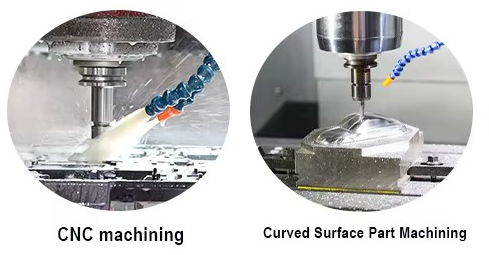
CNC automation refers to the integrated intelligent machining system that combinescomputer numerical control (CNC) machine tools, robotic loading/unloading arms, automatic tool changers (ATC), online dimensional inspection sensors and centralized MES production management systems. Unlike traditional manual-operated CNC equipment that requires one operator for one machine, CNC automation realizes unmanned continuous machining for 16-24 hours without manual intervention. It is the mainstream production solution for high-precision ADC12 aluminum structural parts.
1.2 Target Machining Product: ADC12 Aluminum Automated Parts
1.2.1 Applicable ADC12 Product Scenarios
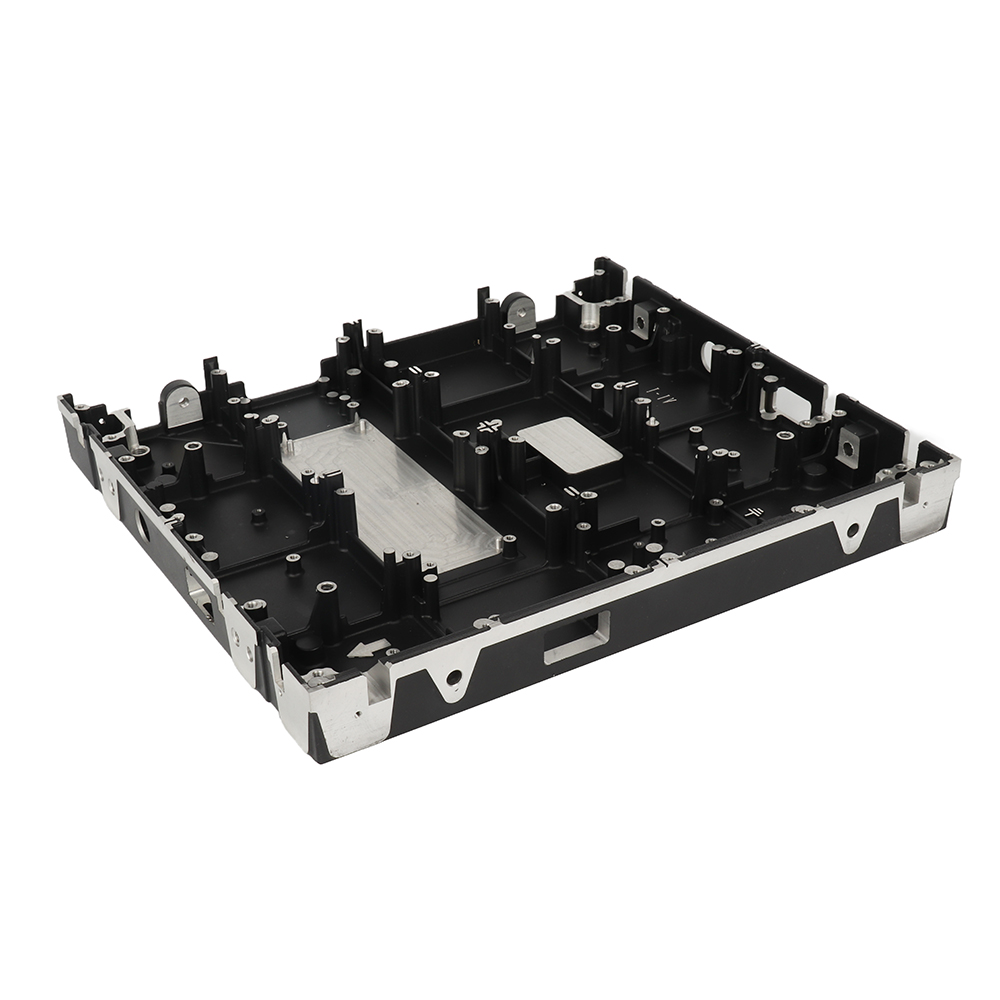
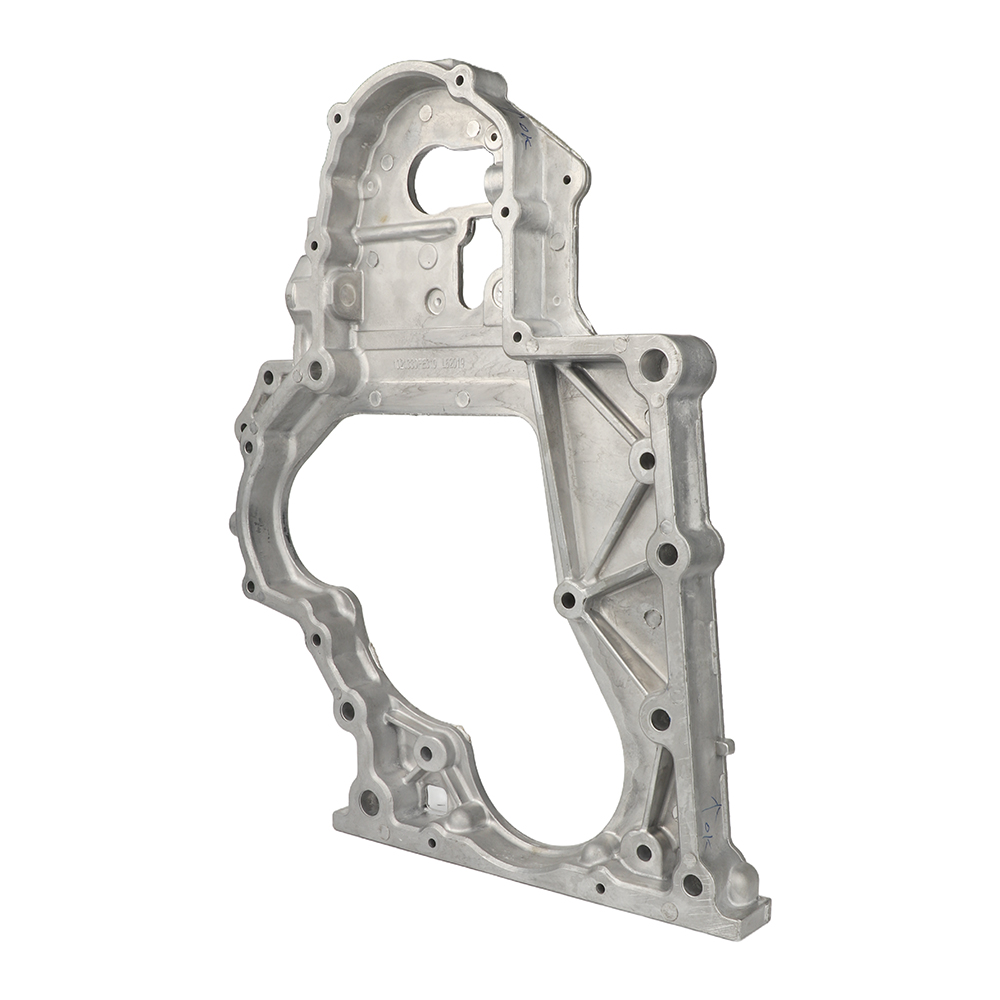
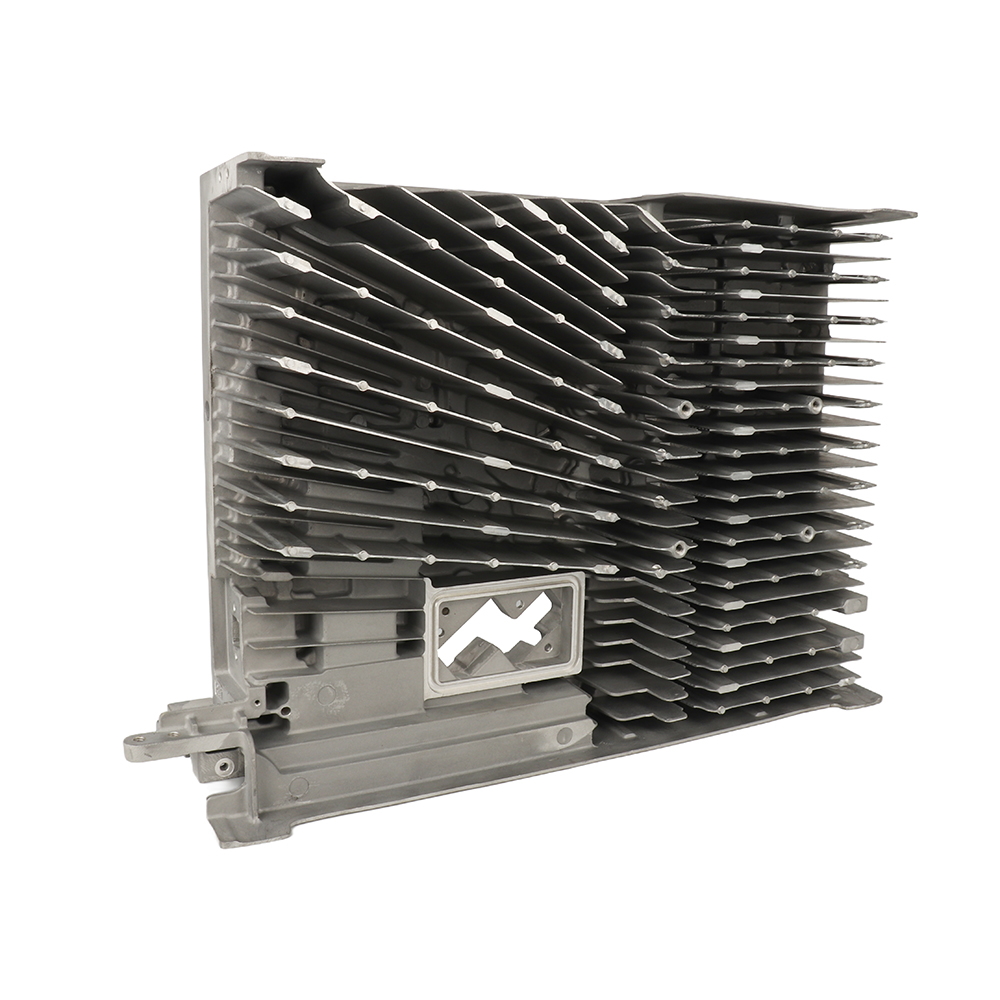
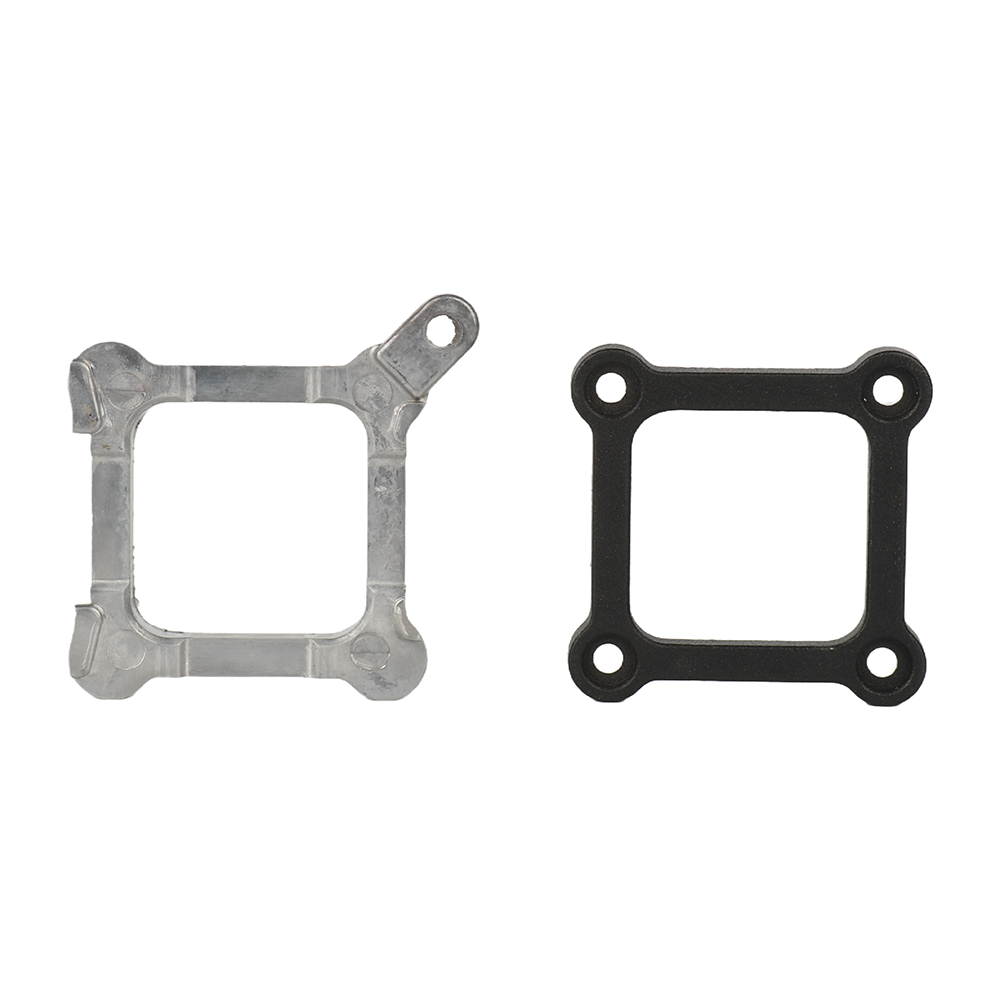
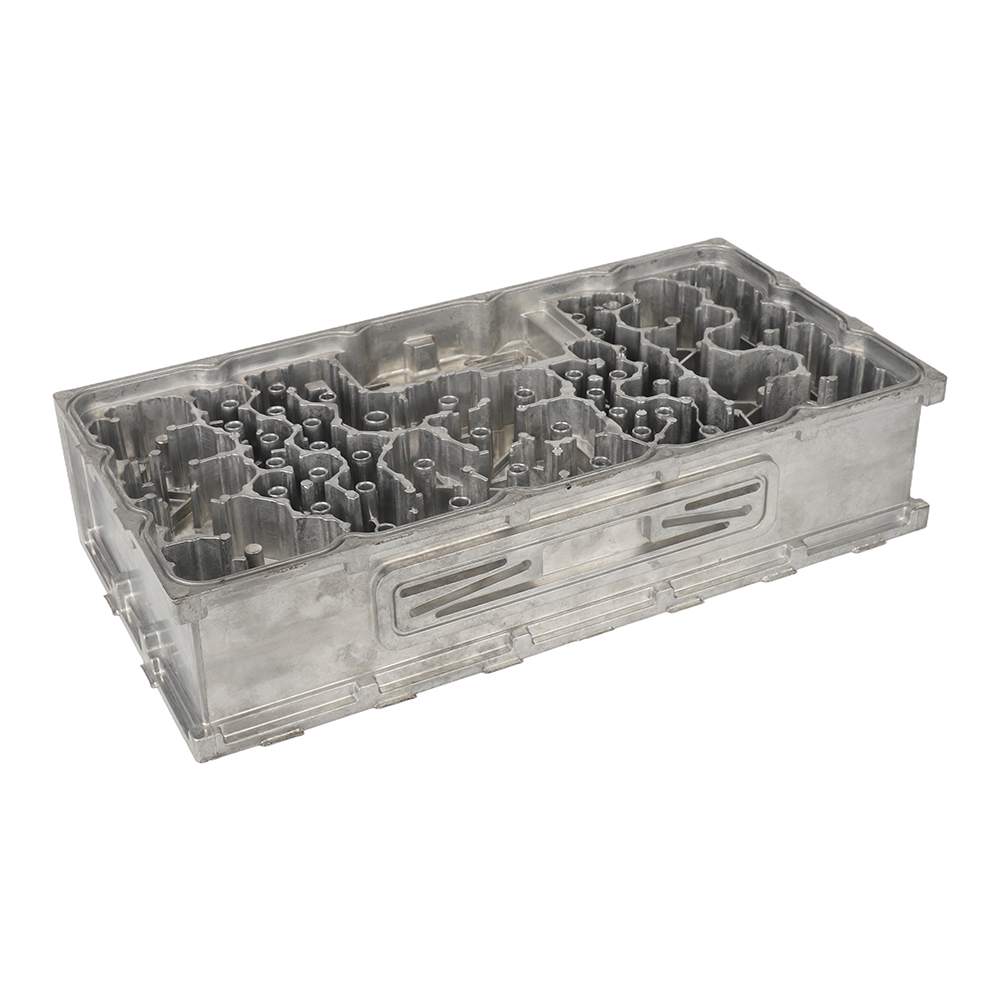
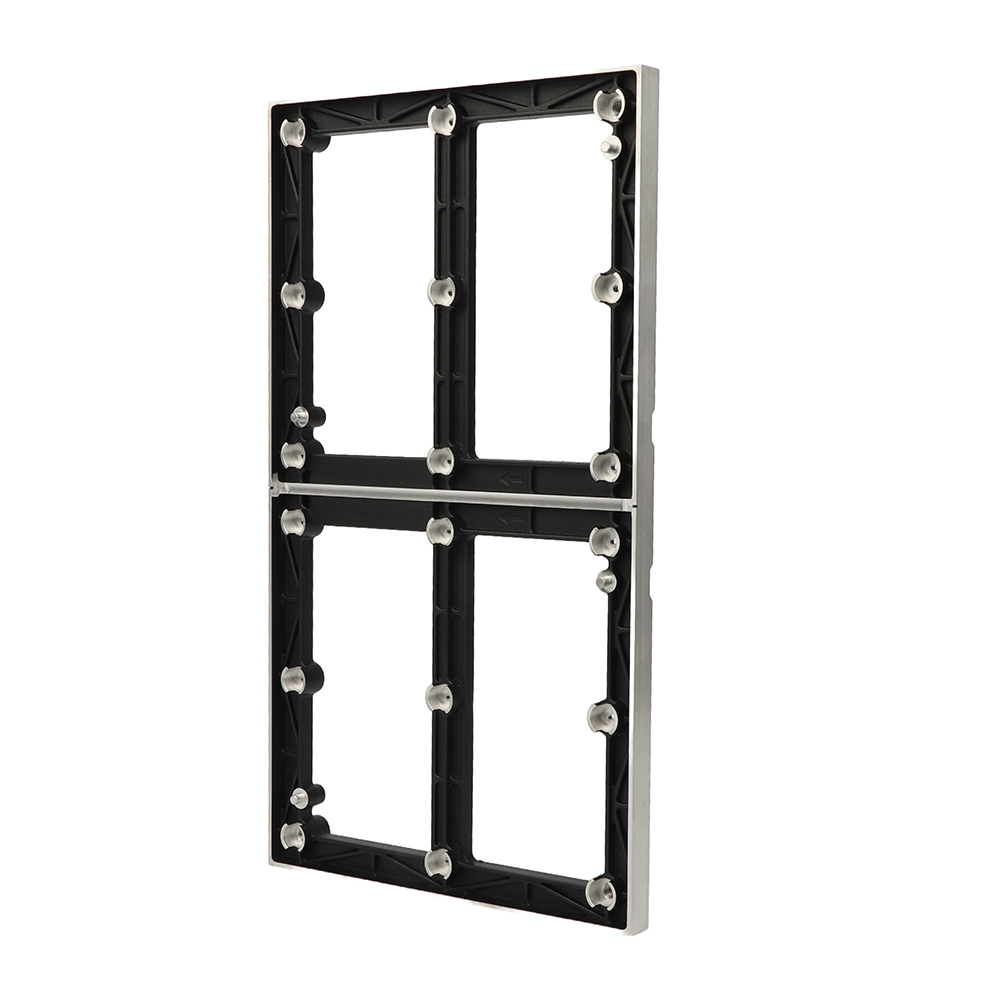
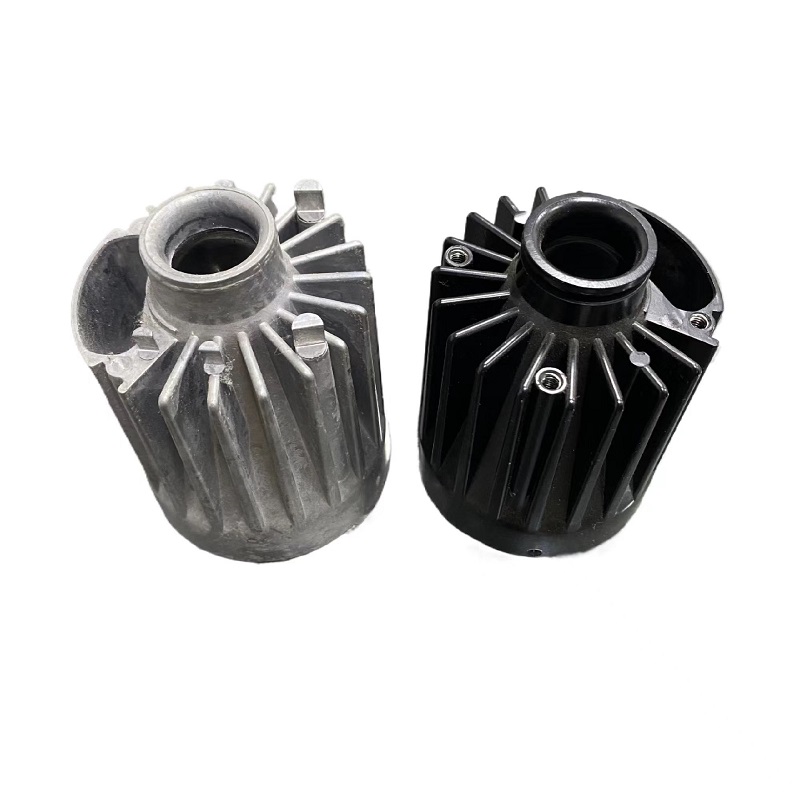
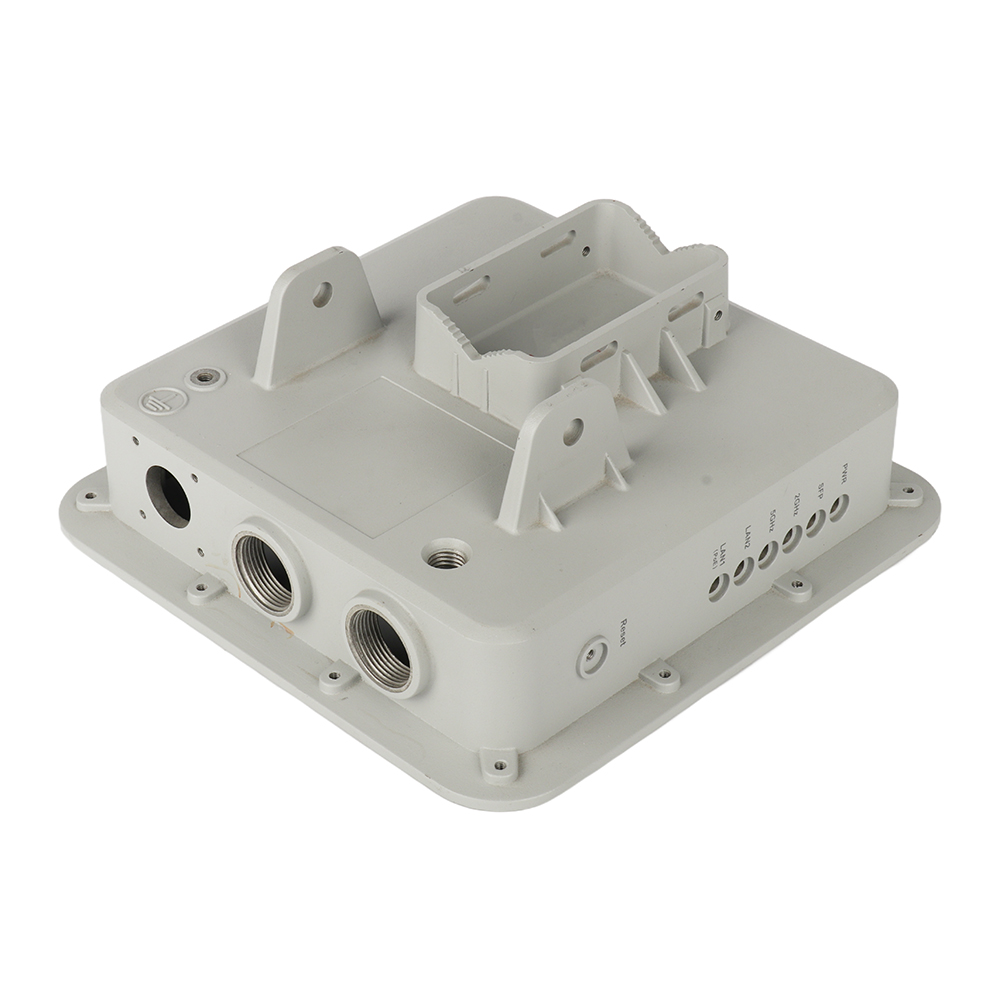
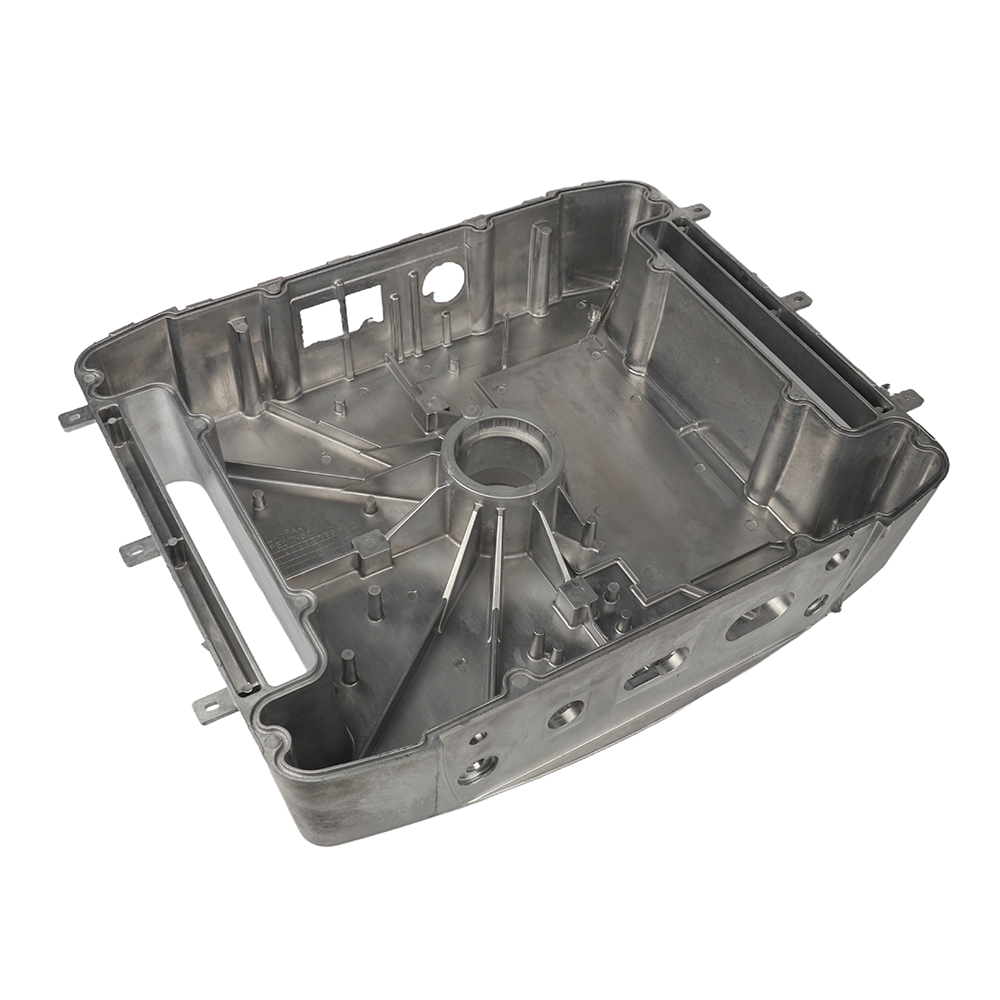
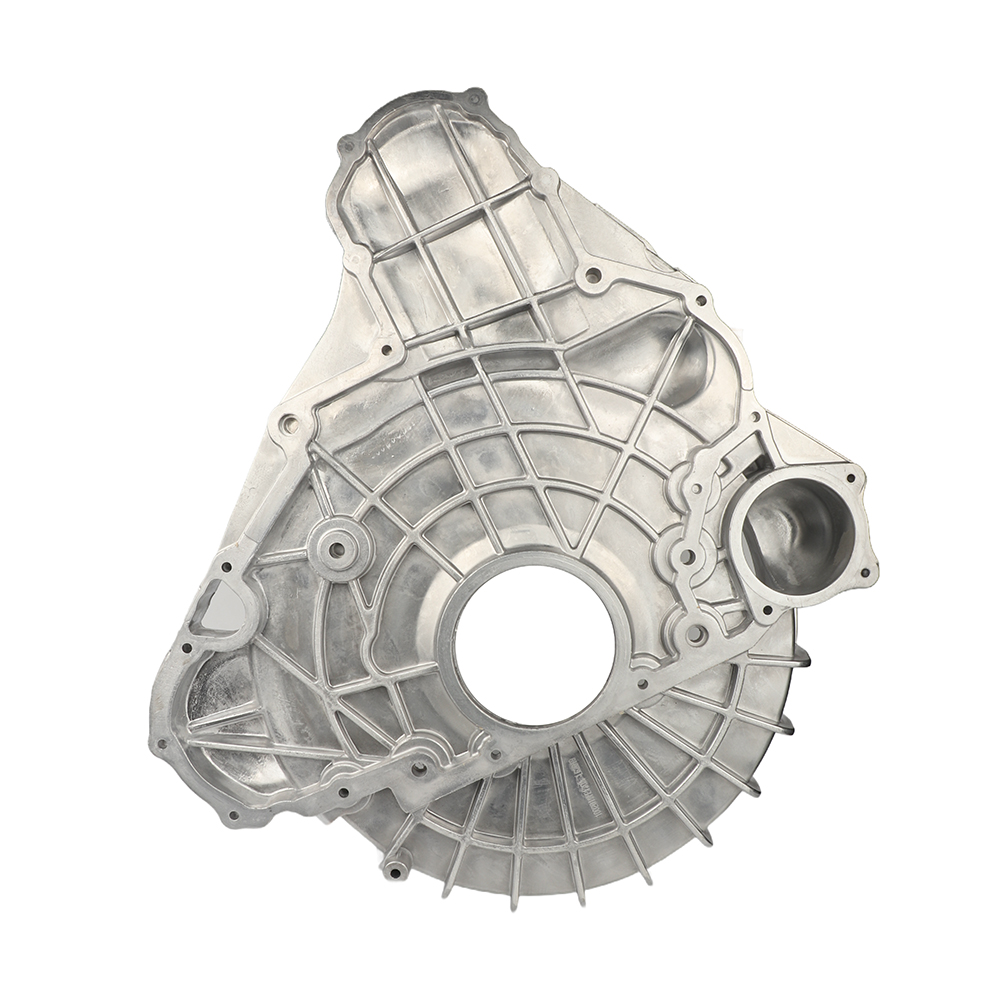
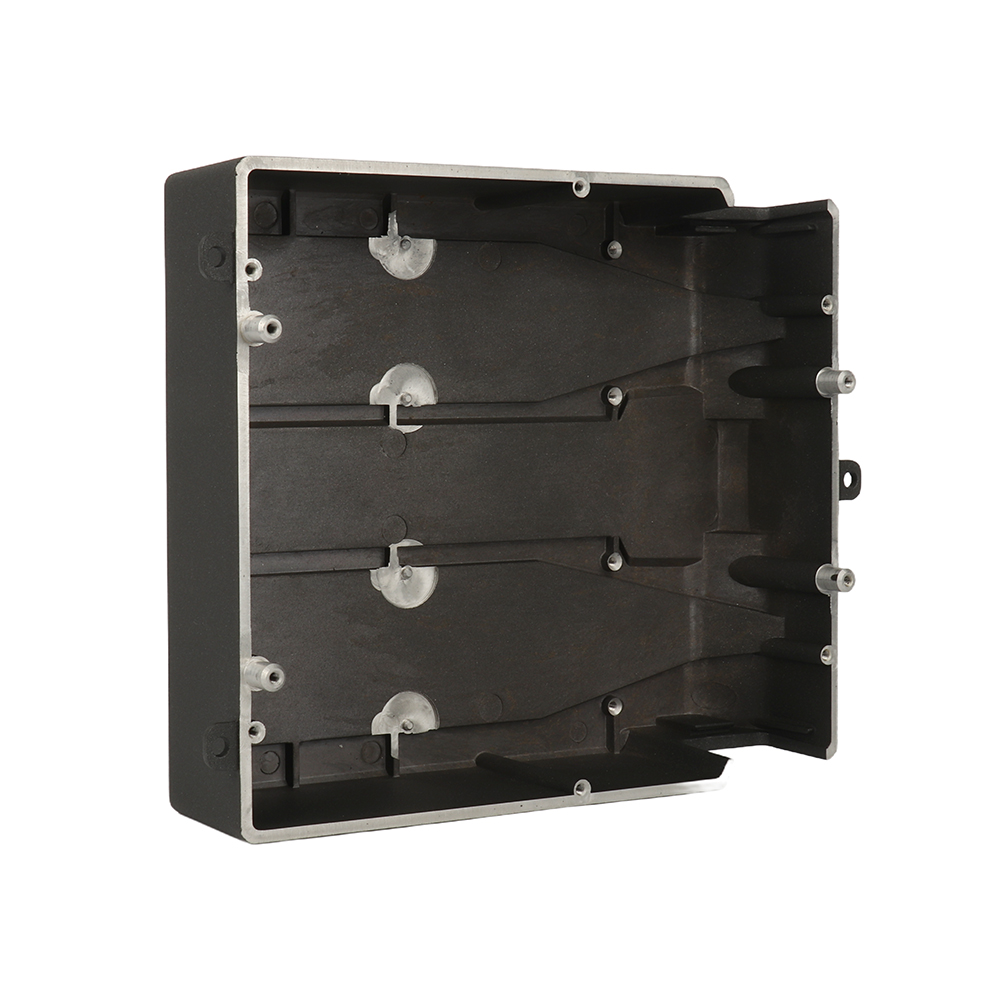
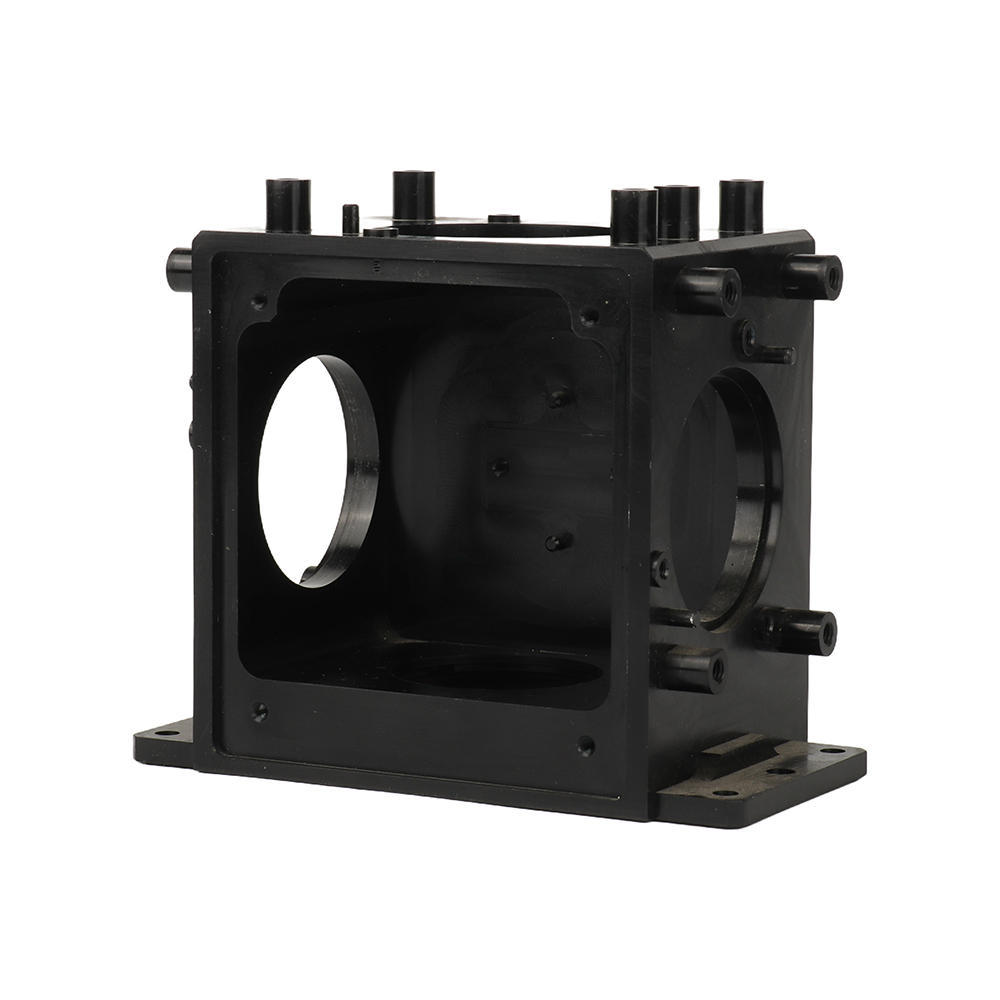
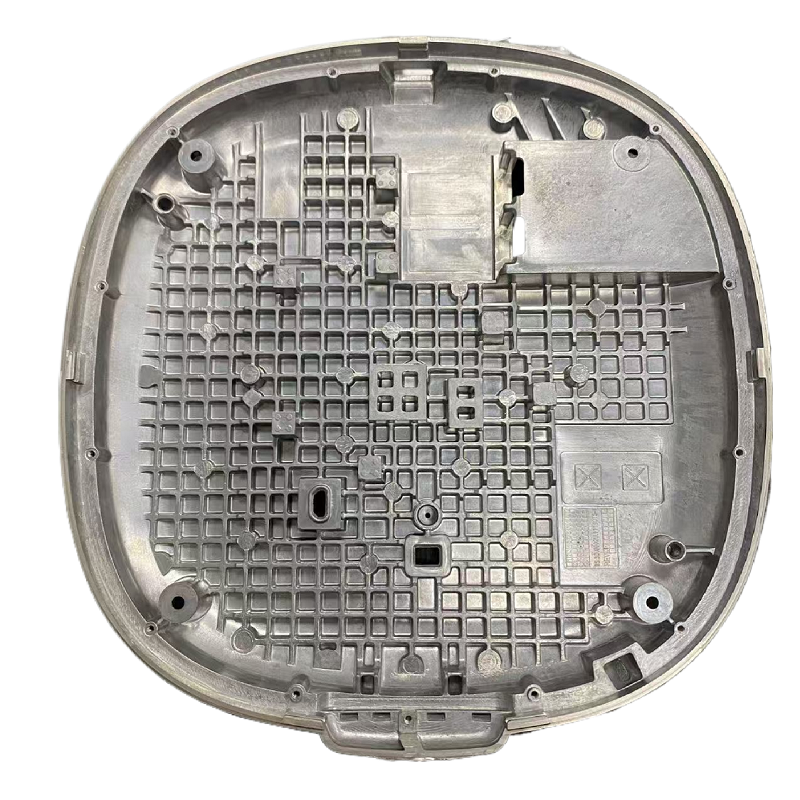
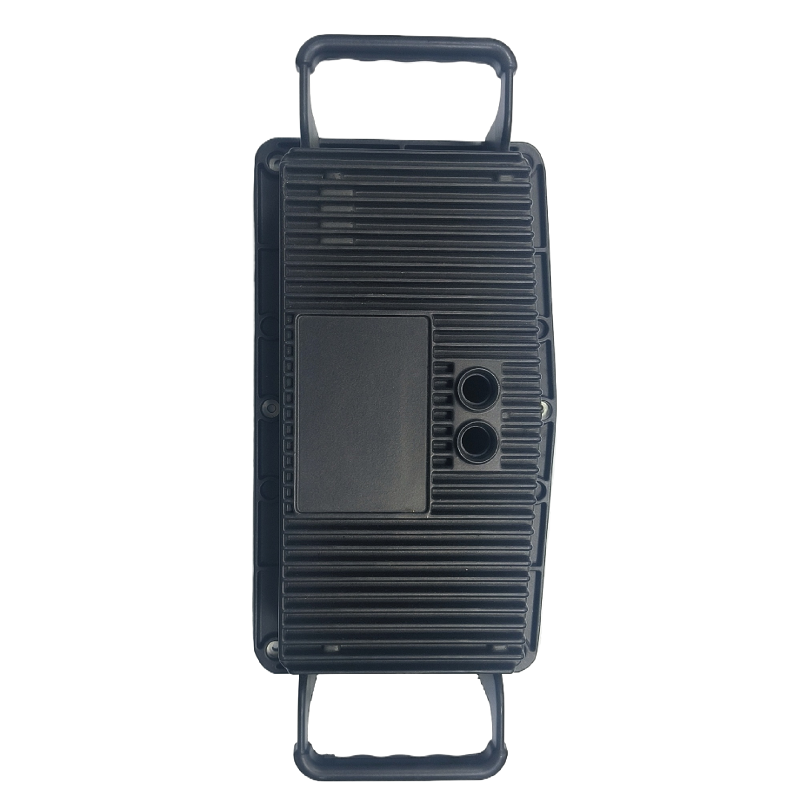
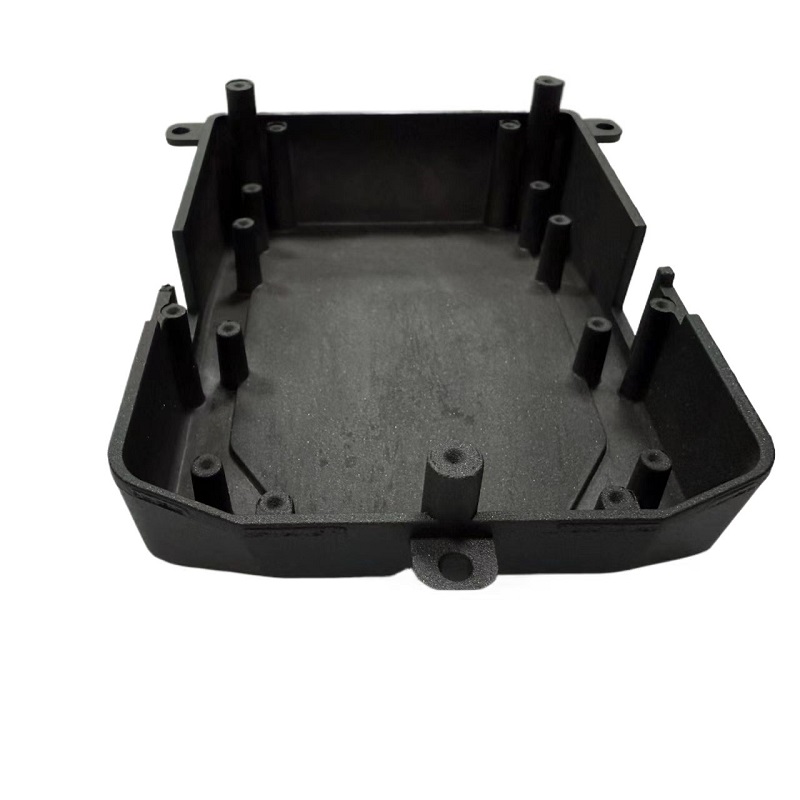
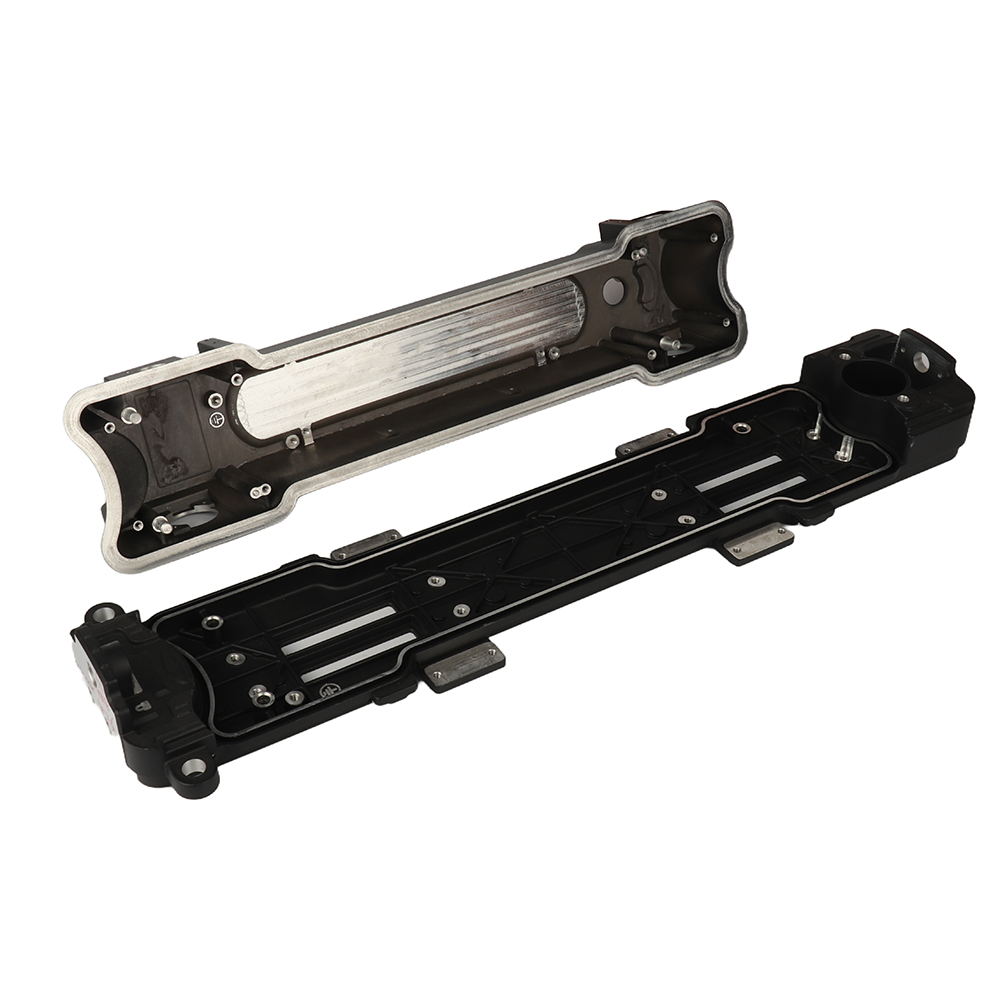
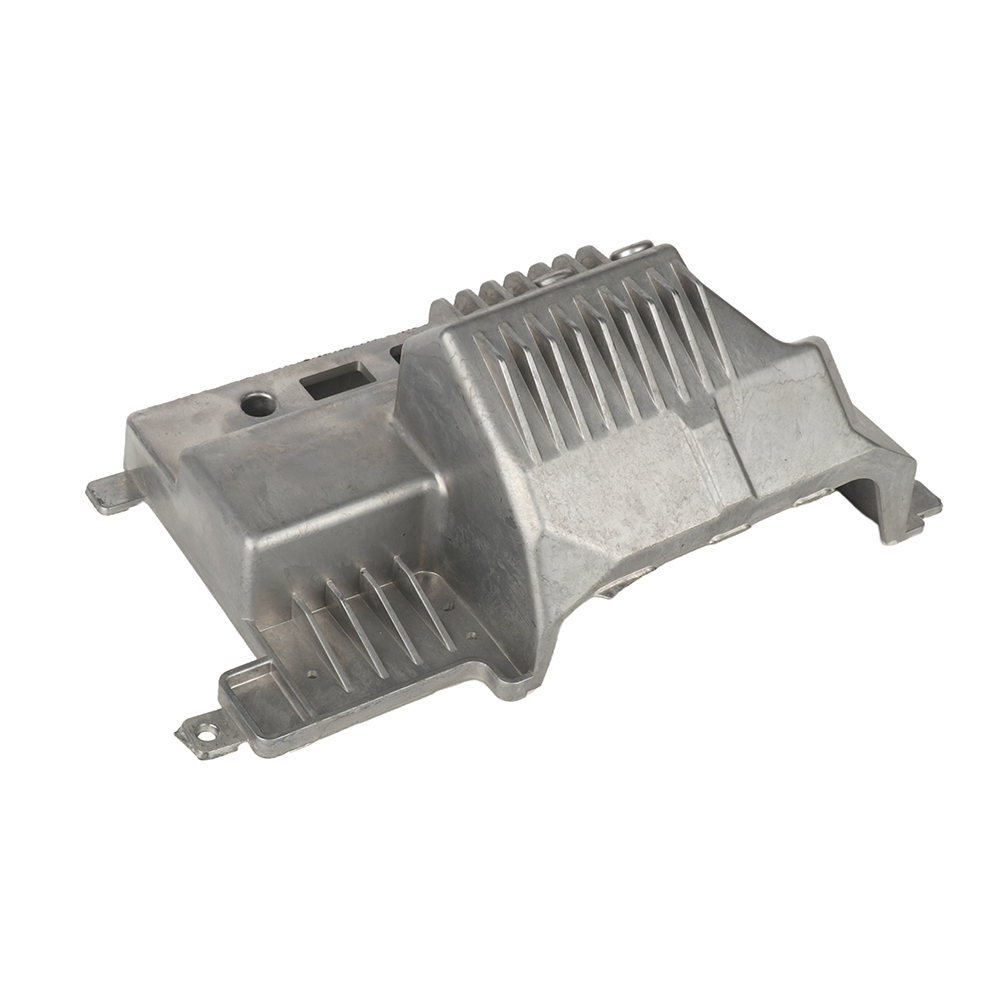
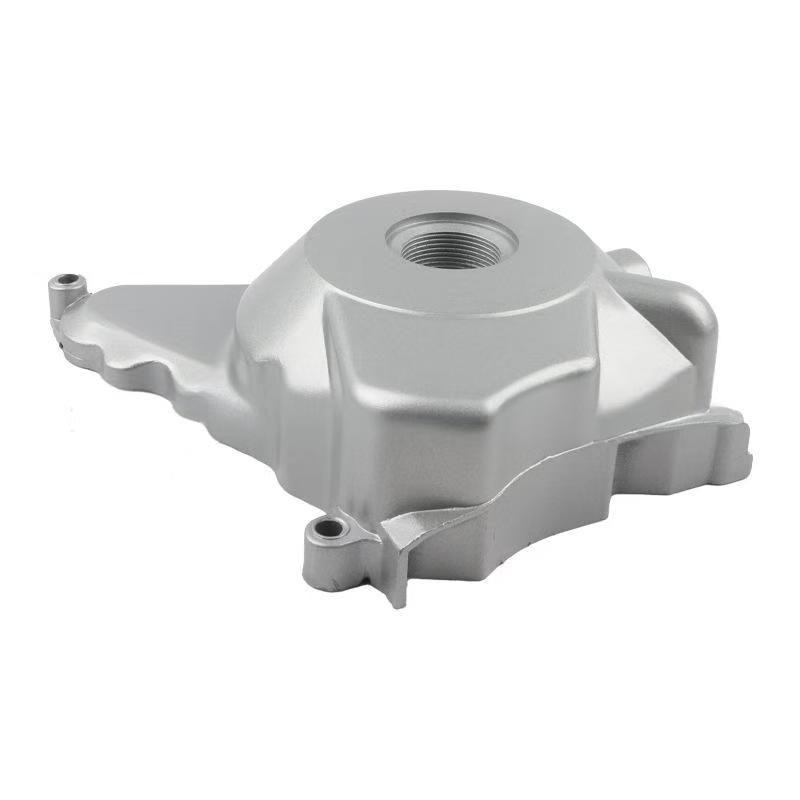
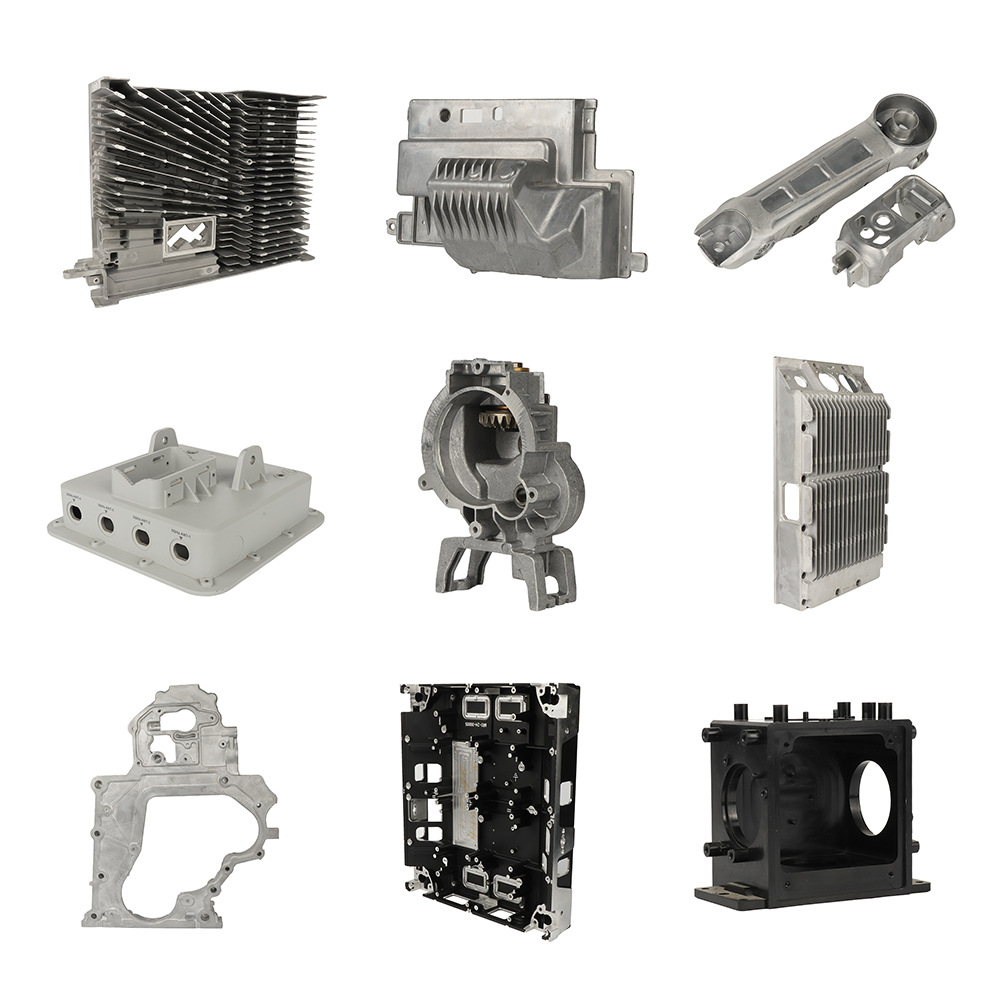
All automated CNC production lines of Xinghang Precision are customized for ADC12 high-silicon cast aluminum alloy, the most cost-effective aluminum material for medium-to-large batch orders. Mass-produced automated products cover new energy vehicle motor heat sinks, communication base station shielding shells, robotic arm positioning bases and medical equipment connector housings. Compared with 6061/7075 aluminum, ADC12 matches CNC automation better due to stable chip removal performance and low thermal deformation rate during high-speed continuous cutting.
1.2.2 Material Matching Principle for Automated Production
ADC12’s 9.6%-12.0% silicon content reduces tool wear by 29% in long-term automated non-stop operation, avoiding frequent tool shutdown replacement which is the biggest bottleneck limiting automated line efficiency for ordinary aluminum alloys.
2. Classification of Main CNC Automation Equipment
2.1 Three Mainstream Automated Machining Configurations
2.1.1 Standalone Robotic CNC Automation Cell
Single five-axis CNC machine matched with a 6-axis collaborative robot, suitable for 500-5000 piece ADC12 batch orders. Supports automatic blank feeding, finished product sorting and waste chip cleaning.
2.1.2 Linked Multi-Machine Automated Production Line
3-8 sets of five-axis CNC equipment connected by conveyor belts, equipped with online Ra roughness detection probes. It is the core configuration for orders over 5000 pieces, with zero manual transfer between processes.
2.1.3 Lights-Out Fully Unmanned CNC Workshop
Full MES system coverage, with automatic coolant replenishment and fire safety monitoring. Realizes overnight lights-out production, mainly used for long-cycle annual framework procurement orders of ADC12 aluminum parts.
3. Universal Technical Parameters of ADC12 CNC Automated Machining
The following unified parameters are formulated based on Xinghang Precision’s 2026 automated production line standards, covering prototype trial production and formal mass production, complying with JIS H5302 and ISO 9001 dual certification requirements:
| Parameter Item | Automated Prototype Machining | Automated Mass Production |
|---|---|---|
| Base Raw Material | Qualified recycled ADC12 aluminum ingot | Virgin industrial-grade ADC12 aluminum ingot |
| Dimensional Tolerance | ±0.02mm | ±0.004mm |
| Surface Roughness (Ra) | ≤0.9μm | ≤0.4μm |
| Single Machine Hourly Output | 28 pieces/hour | 46 pieces/hour |
| Tool Service Life | 1200 pieces | 3800 pieces (automated tool compensation) |
| 24h Continuous Operation Stability | 97.2% yield rate | 99.6% yield rate |
| Optional Post-Processing | Sandblasting, natural passivation | Hard anodizing, PTFE anti-wear coating, laser marking |
3.1 Parameter Customization Notes
All thread structures of M2-M10 ADC12 parts support automated precision tapping with 6H international thread tolerance. Ultra-thin wall structures with a minimum thickness of 0.35mm can be stably produced without collapse via automated vibration suppression algorithms.
4. Core Functions & Practical Roles of CNC Automation
4.1 Quality Consistency Control Role
4.1.1 Eliminate Human Machining Deviation
Traditional manual CNC machining has a dimensional deviation fluctuation of ±0.05mm caused by operator fatigue. CNC automation adopts closed-loop servo feedback systems to calibrate coordinates every 0.2 seconds, eliminating 100% human-induced dimensional errors. For ADC12 aluminum parts requiring batch assembly matching, this function avoids cross-batch assembly failure.
4.2 Production Capacity Expansion Role
4.2.2 Labor Cost Reduction
One production supervisor can manage 8 automated CNC units simultaneously, while traditional equipment requires 8 dedicated operators. For ADC12 mass orders, automated production cuts overall labor costs by 62% annually, covering equipment operation depreciation costs within 14 months.
4.3 Production Risk Early Warning Role
Built-in vibration and temperature sensors of CNC automation systems monitor ADC12 cutting heat in real time. Once local temperature exceeds 220℃ (the critical thermal deformation temperature of ADC12), the system automatically reduces cutting speed to prevent part scrappage, reducing scrap loss by 74% compared with manual operation.
5. Inherent Competitive Advantages of CNC Automated Machining
5.1 Superior Batch Quality Stability
Automated online full-inspection ensures zero out-of-tolerance outflow for mass orders. All ADC12 parts will complete dimensional, hardness and surface roughness detection before leaving the machine, without secondary manual sampling inspection.
5.2 Shortened Lead Time for Rush Orders
Lights-out night shift automated production increases effective working time by 50%. For cross-border rush ADC12 orders, the delivery cycle can be compressed by 30% compared with traditional daytime-only machining.
5.3 Green Carbon Compliance Advantage
Intelligent energy-saving mode of automated CNC equipment reduces power consumption by 18% per piece. Combined with ADC12’s 100% closed-loop recycling capability, it fully meets EU CBAM carbon tariff and RoHS environmental compliance requirements for cross-border shipments.
5.4 Low Early R&D Iteration Cost
CNC automation supports one-piece automated prototype production without mold opening fees, which is suitable for rapid structural iteration of new energy and medical ADC12 parts.
6. Authoritative Industry Expert Viewpoints (2026)
Elena Ward, chief technical researcher of the Global Intelligent Metal Machining Alliance (GIMMA), released the 2026 global CNC automation industry white paper conclusion: “By 2029, over 72% of medium and large aluminum hardware machining workshops worldwide will replace manual CNC with automated production lines. ADC12 aluminum will occupy 65% of automated CNC aluminum processing share due to its compatibility with unmanned equipment.”
Elena further emphasized the core procurement pain point: Most buyers only focus on equipment automation degree but ignore supporting post-process automation integration. Many small suppliers only automate cutting processes and outsource anodizing and sandblasting manually, leading to inconsistent surface color of ADC12 parts and delayed delivery. The qualified procurement standard is full-process automated linkage from blank feeding to finished packaging.
Market data supplement: The global CNC automation machining market will maintain a CAGR of 15.2% from 2026 to 2031, driven by lightweight demand for new energy vehicles.
7. Frequently Asked Questions for CNC Automation Procurement
Q1: Is CNC automation suitable for small-batch ADC12 orders below 500 pieces?
Yes. Xinghang’s lightweight standalone automated cells support orders starting from 1 piece. Although the unit cost of small batches is slightly higher than large batches, automated machining still guarantees better surface consistency than manual CNC, which is critical for prototype customer sample verification.
Q2: What is the difference in anti-corrosion lifespan of automated vs manual ADC12 anodizing?
Automated constant-temperature anodizing ensures uniform oxide film thickness of 18-22μm, with outdoor anti-corrosion lifespan of 9-13 years in coastal salt fog environments. Manual anodizing fluctuates in film thickness, with only 4-6 years of stable anti-corrosion performance.
Q3: Will automated CNC machining increase procurement failure risks?
No. Qualified automated production lines have built-in data traceability systems. Every ADC12 part corresponds to cutting parameters, inspection data and equipment operation logs, which can be provided to buyers for customs and quality audits free of charge.
Q4: Can automated CNC adjust parameters for personalized structural demands?
Absolutely. The MES system can modify cutting paths and tolerance parameters within 10 minutes, supporting personalized customization of irregular curved surfaces, embedded undercuts and asymmetric hole positions for ADC12 parts.
8. Industry Development Trends & High-Quality Supplier Selection Rules
8.1 Three Core 2026-2030 CNC Automation Trends
8.1.1 AI Adaptive Automated Machining
Future CNC automation will integrate AI algorithms to automatically adjust cutting feed and cooling parameters according to real-time ADC12 material hardness fluctuations, further reducing scrap rates below 0.2%.
8.1.2 End-to-End One-Stop Automated Services
Buyers will abandon fragmented suppliers. Integrated services including drawing DFM optimization, automated machining, surface treatment, laser marking and export packaging will become mainstream procurement demands.
8.1.3 Full-Carbon Emission Traceability
All cross-border exported ADC12 automated parts need to provide carbon footprint reports. Suppliers with low-energy automated workshop transformation will gain priority in European and American procurement bidding.
8.2 4 Standards to Select High-Quality Hardware Processing Suppliers
8.2.1 In-House Full-Process Automated Production
Avoid suppliers outsourcing core processes such as anodizing and precision inspection. Full in-house automated linkage ensures unified quality standards across batches.
8.2.2 Complete Third-Party Qualification Certification
Must hold ISO 9001, ISO 14001, RoHS and JIS aluminum processing certifications, and support free third-party dimensional verification reports.
8.2.3 Professional DFM Drawing Optimization Capability
Suppliers should actively optimize unreasonable structural designs without changing product performance to cut 5%-12% automated machining costs for buyers.
8.2.4 Transparent Bulk Discount Mechanism
Reject hidden fees for inspection, packaging and certification. All bulk preferential terms shall be written into formal cooperation contracts.
9. Cooperate with Xinghang Precision Hardware: Bulk Discounts & Contact Channels
9.1 Company Automated Production Strength
Xinghang Precision Hardware is a leading cross-border ADC12 CNC automated machining manufacturer with 11 years of overseas service experience. We own 32 five-axis automated CNC cells, 2 full-process automated anodizing workshops and independent CMM three-coordinate inspection laboratories. We serve over 120 industrial clients in new energy, medical and communication industries across 28 countries.
9.2 Tiered Bulk Discount Policy (The More Orders, The Higher Discounts)
We implement transparent quantity-linked exclusive discounts for all automated ADC12 part orders, with no hidden surcharges:
- 500-2000 pieces: 4% unit price discount + free standard packaging
- 2001-5000 pieces: 8% unit price discount + free third-party inspection report
- Over 5000 pieces: 13% exclusive discount + priority automated production scheduling + free carbon footprint certification
- Annual long-term framework clients: Additional 2% permanent cumulative discount
9.3 Global Official Contact Information
Global inquiry support: 12-hour free DFM drawing evaluation and automated prototype quotation
Phone / Whatsapp / WeChat: +86 18819502691
Official Business Email: liqine@xinghangcn.com
10. Full Article Summary
CNC automation has evolved from simple robotic material handling to full-process intelligent unmanned production, becoming the core solution for high-precision ADC12 aluminum hardware manufacturing. Its core value lies in stabilizing batch quality, compressing delivery cycles and reducing comprehensive procurement costs, solving the long-standing pain points of human error, unstable quality and high labor costs in traditional CNC machining. Looking ahead, the industry will continue to iterate toward AI adaptive control, carbon low-carbon production and integrated one-stop services in the next five years.
For global procurement engineers, supplier selection should no longer prioritize low unit prices. The core selection logic is verifying full-process automated production capacity, complete qualification systems and transparent pricing rules. As a verified cross-border automated machining supplier, Xinghang Precision Hardware balances ultra-precision quality, stable on-time delivery and flexible tiered bulk discounts. We provide full-cycle technical support from early drawing optimization, automated prototype trial production to after-sales quality guarantee, and welcome global buyers to conduct remote factory video audits and free prototype testing.
CNC cutting services | What are cutting processing services? A Complete Guide to CNC Cutting Services
Aluminium cnc parts | How to order custom aluminium CNC parts? A Complete Guide
Related Article

What are CNC machined aluminum electronic parts & their core functions CNC machined aluminum electronic parts are precision metal components processed by multi-axis CNC equipment, widely used in electronic products.
Electronic parts | Where to find high-quality CNC machined aluminum parts for electronics?

CNC machined aluminum parts for semiconductor equipment are precision metal components manufactured by aluminum die casting, then finished via CNC machining.
semiconductor equipment | What are cnc machined aluminum parts for semiconductor equipment?