HOT PRODUCTS
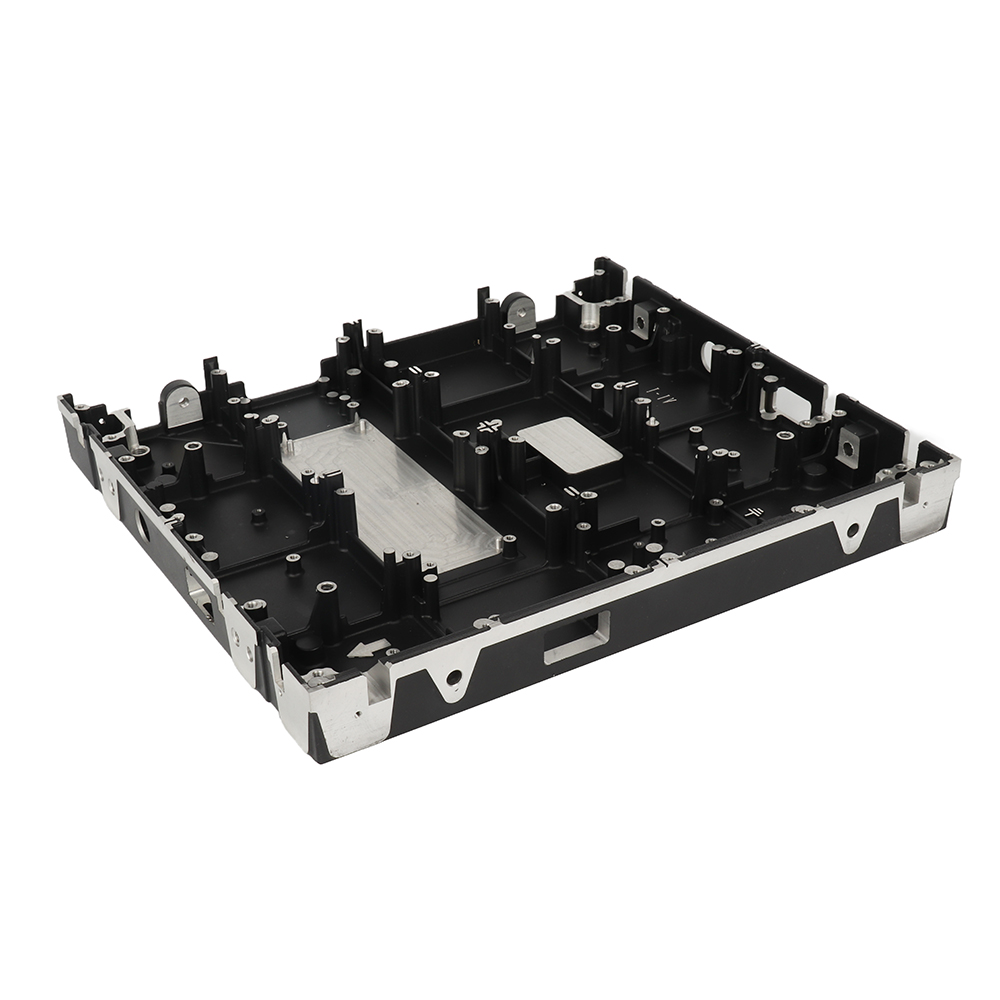
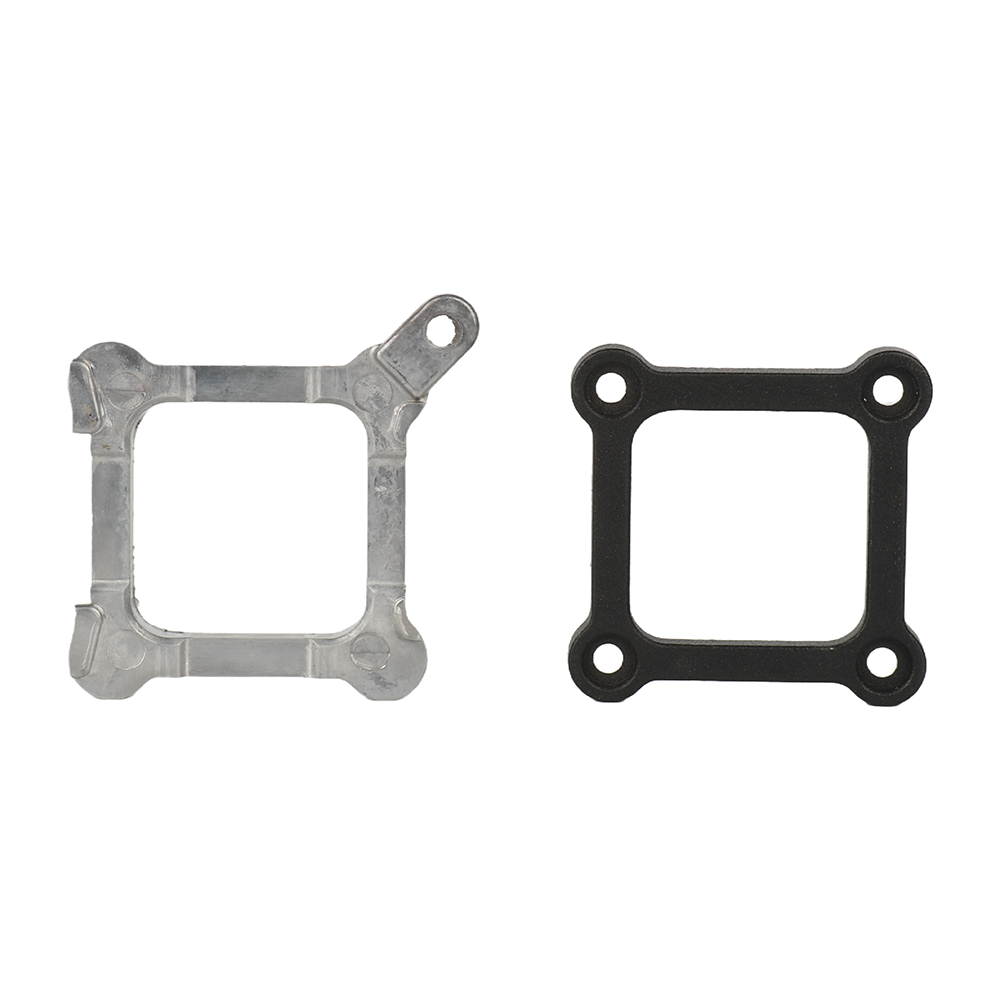
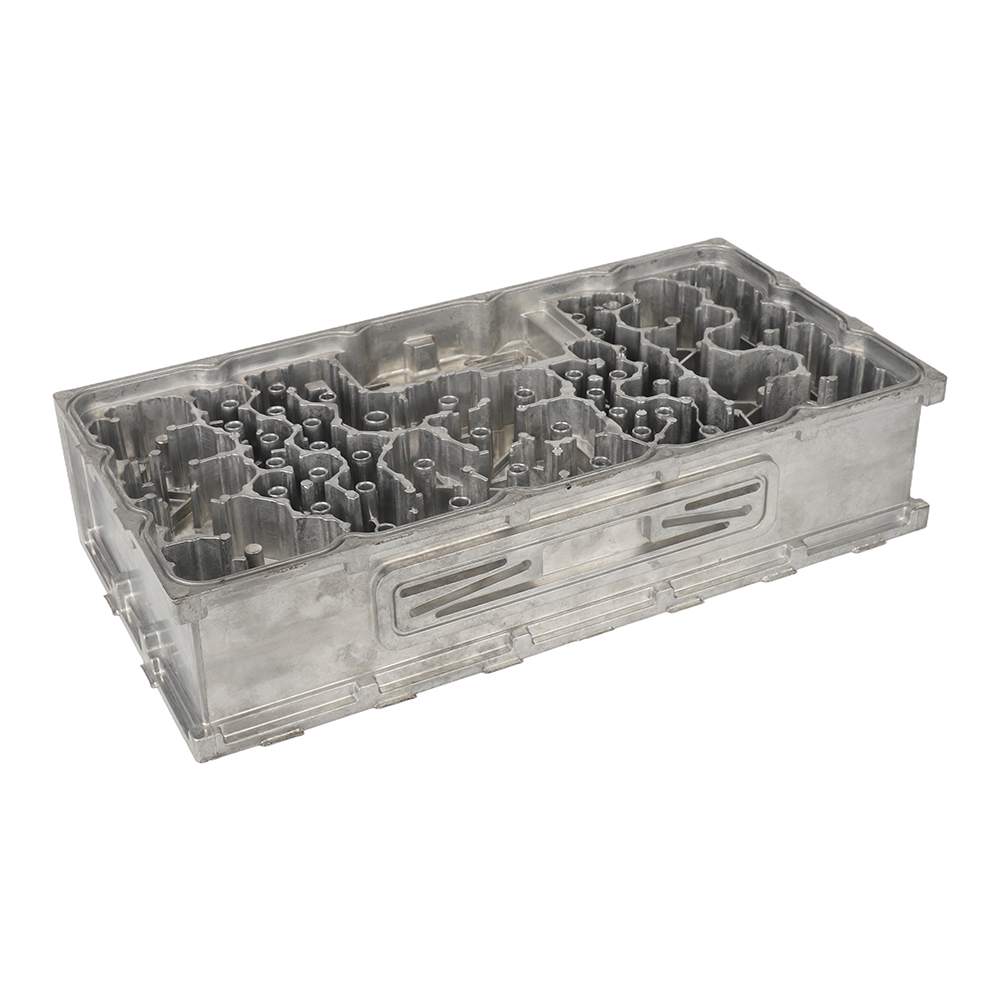
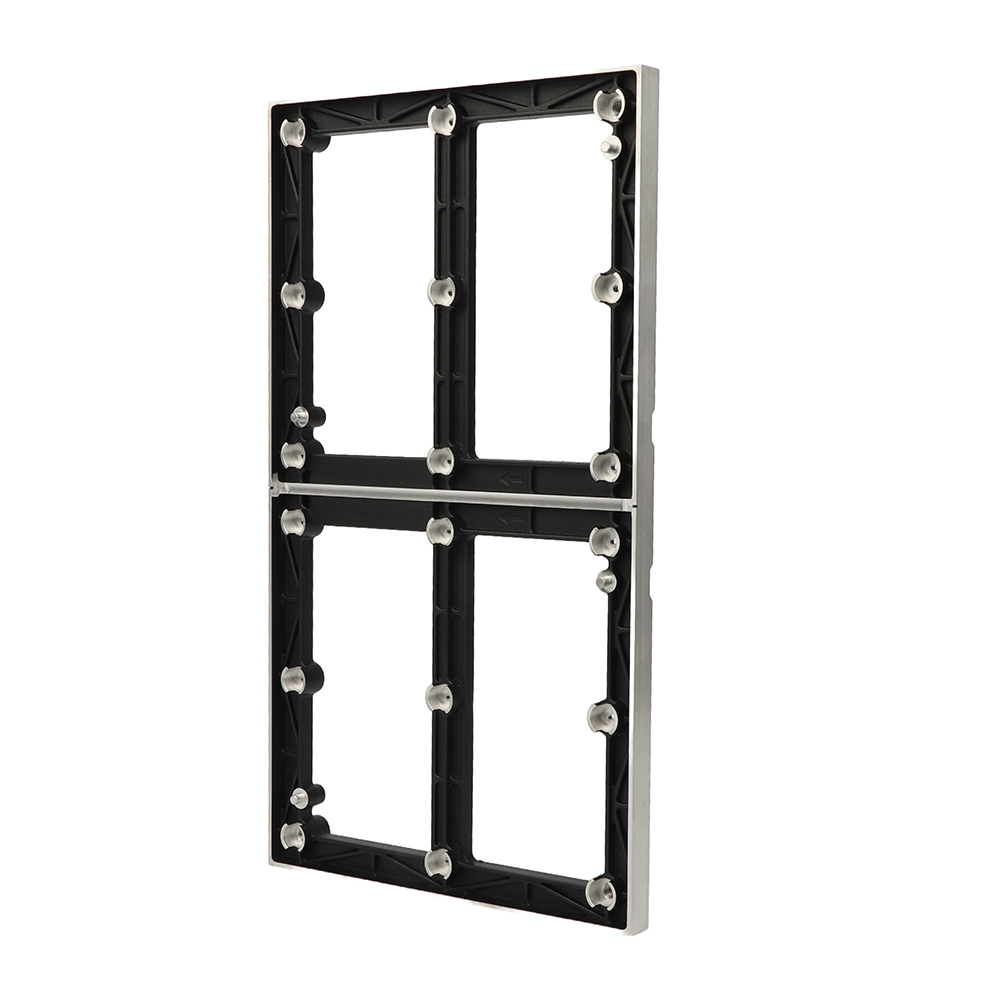
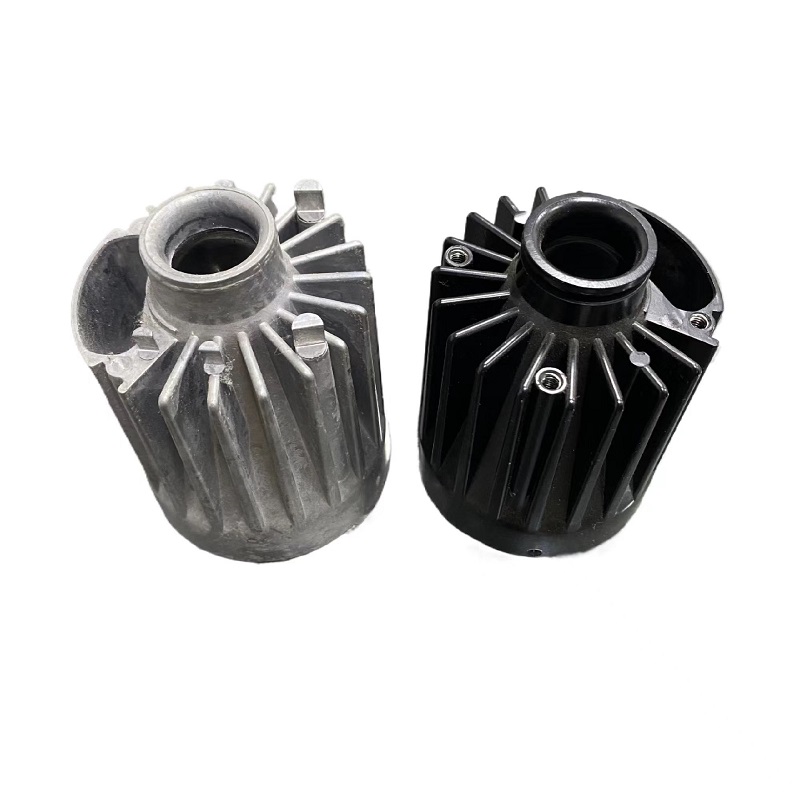
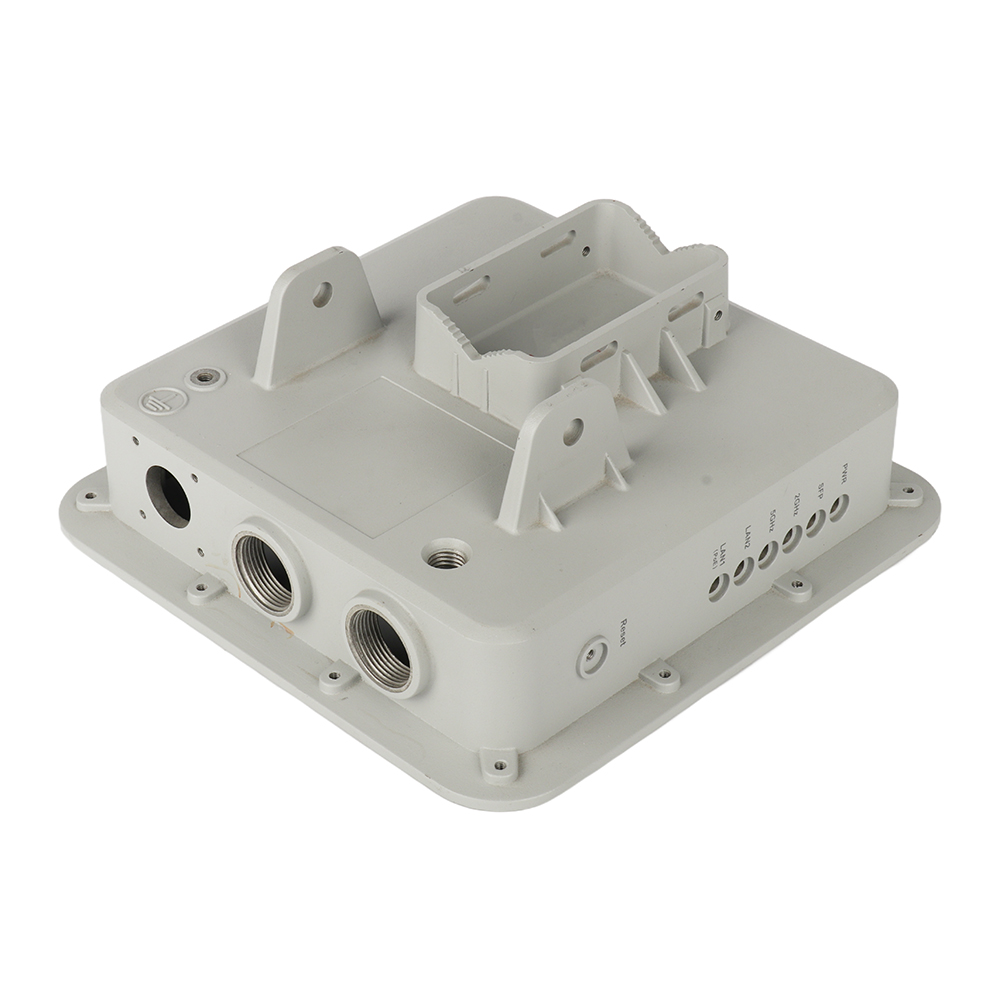
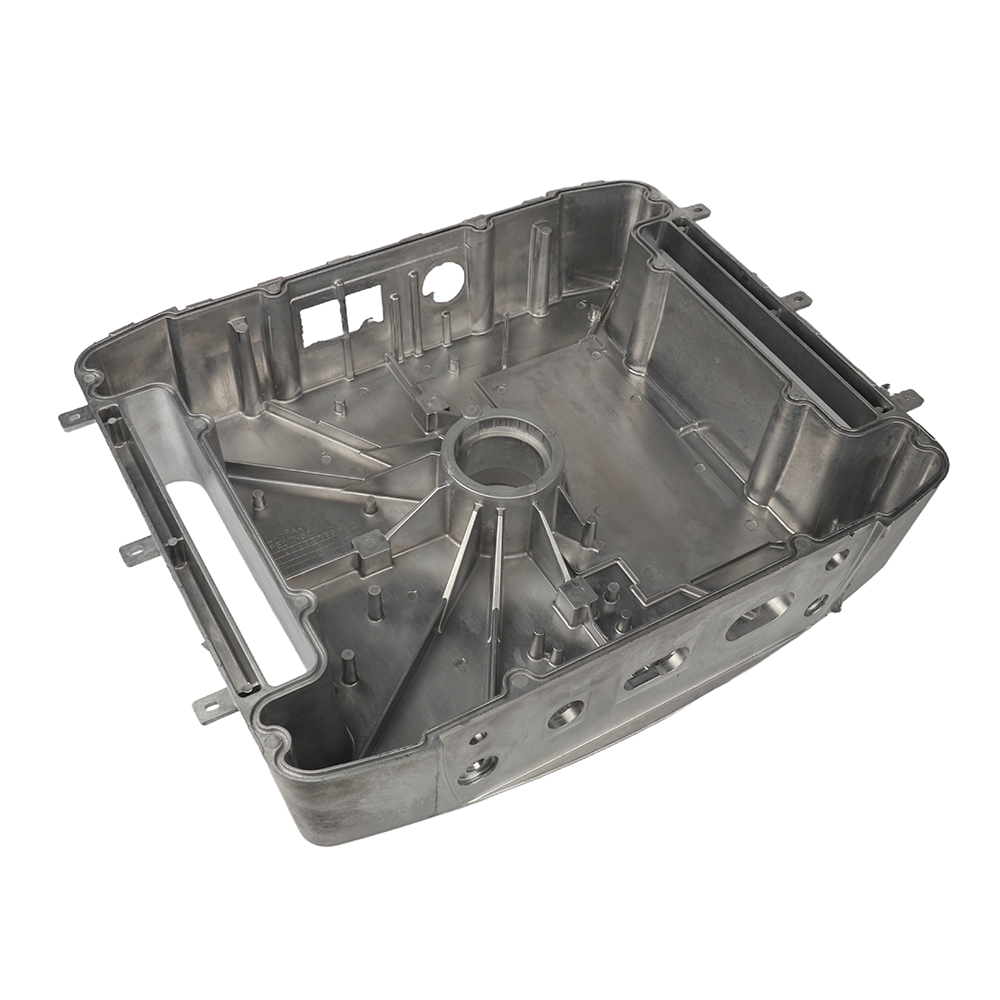
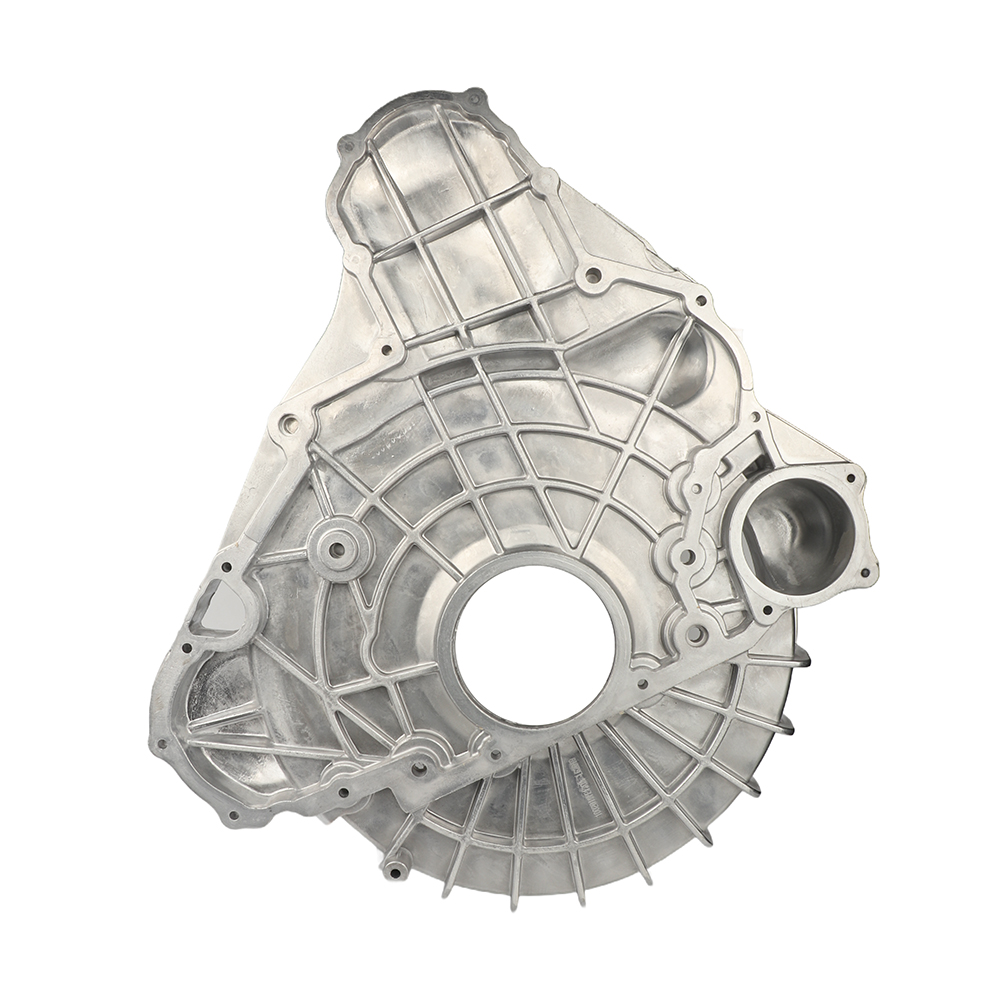
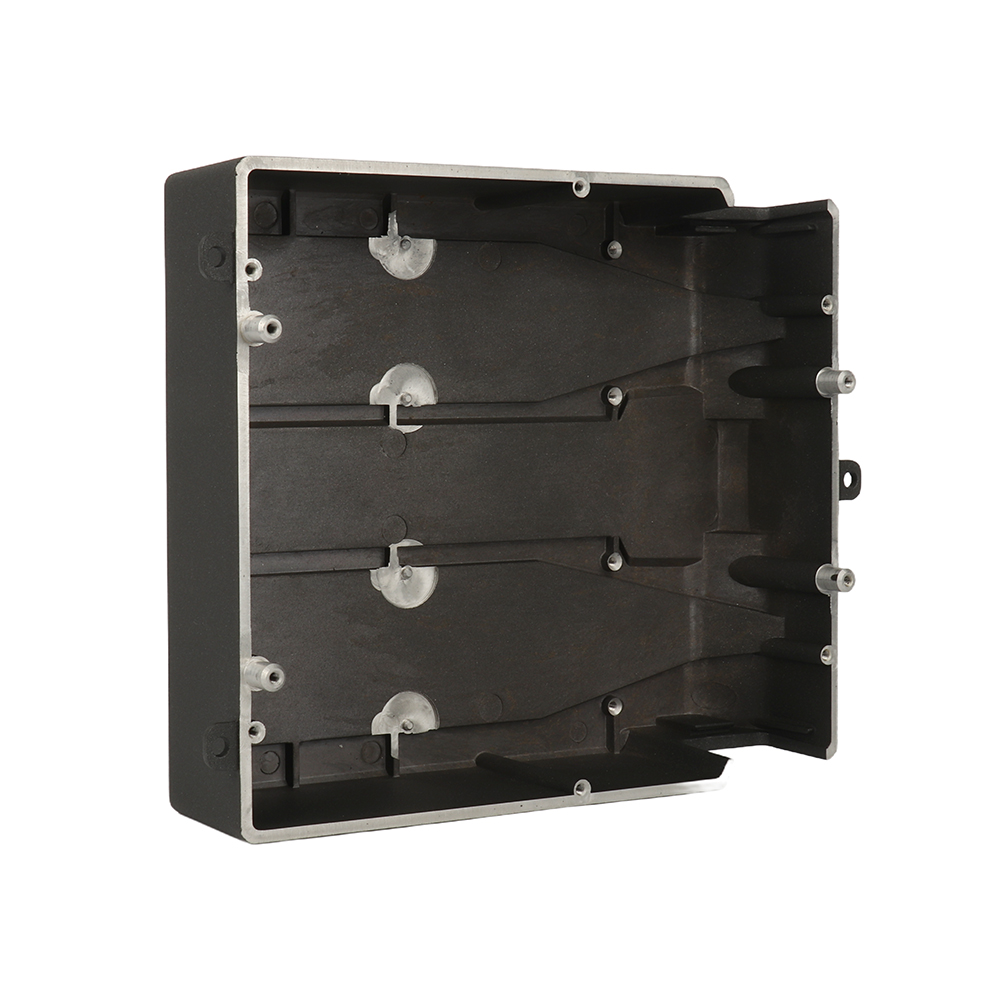
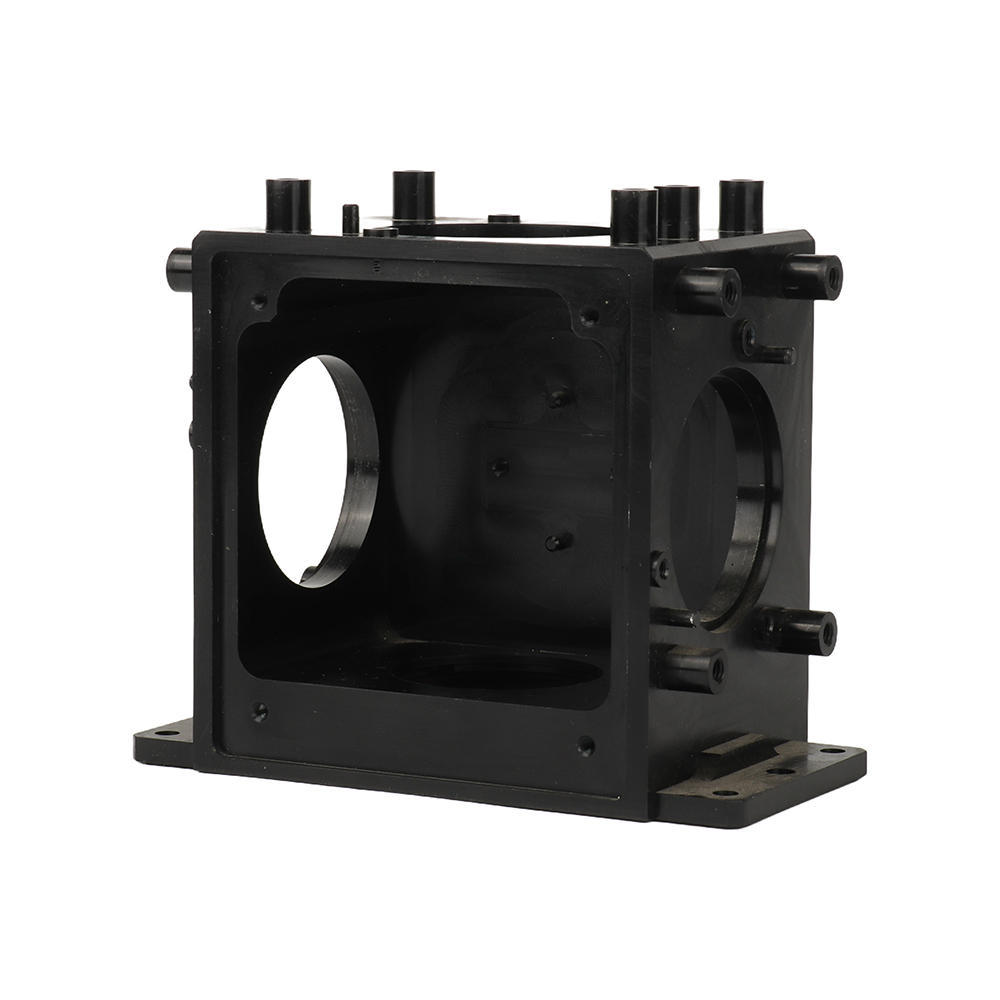
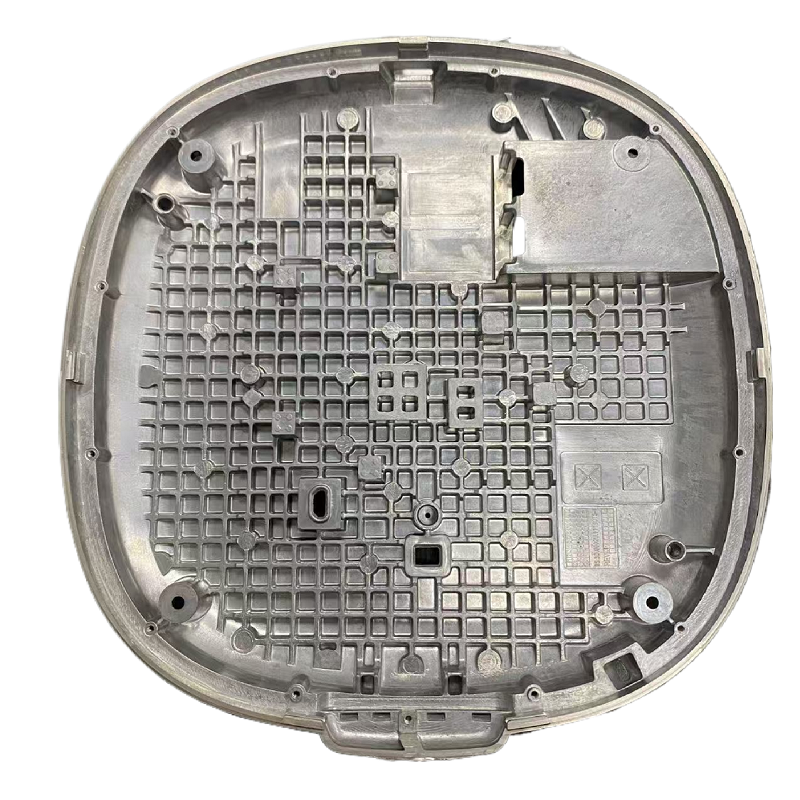
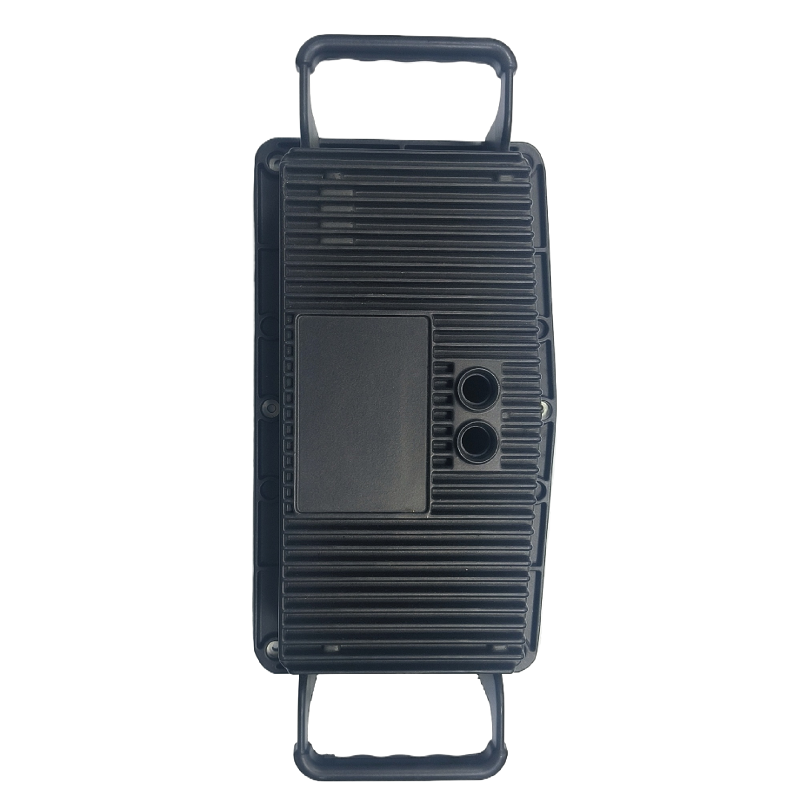
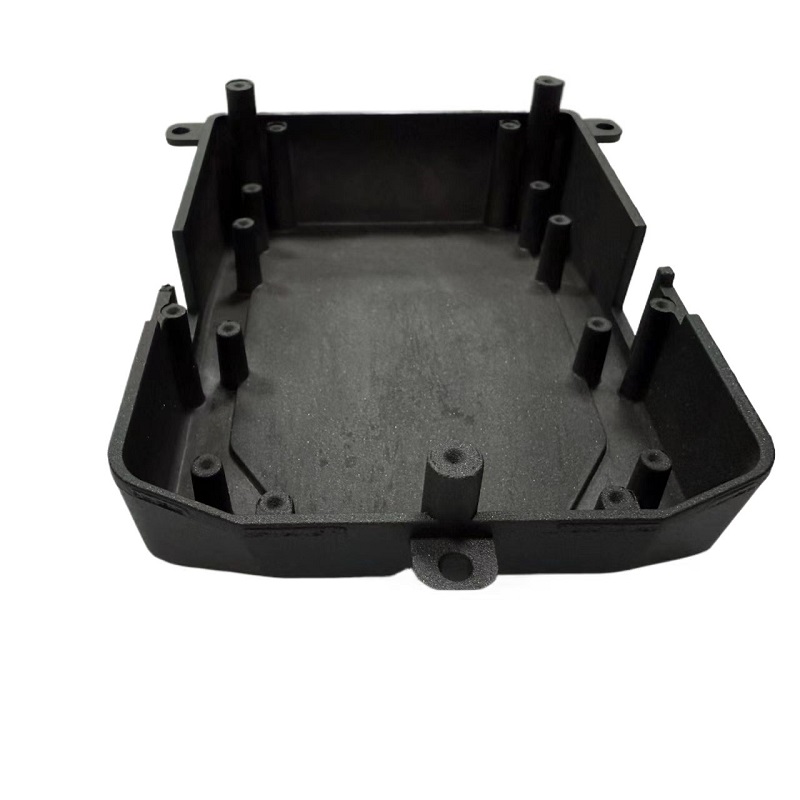
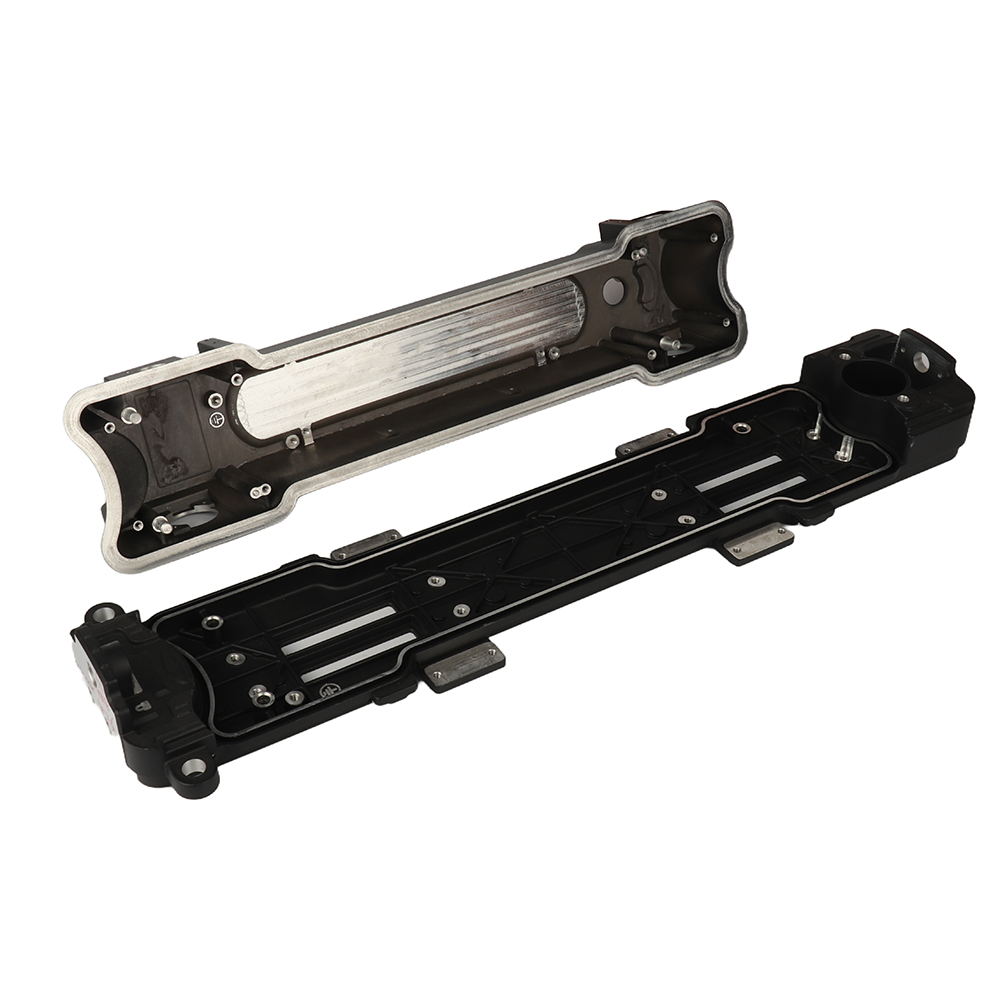
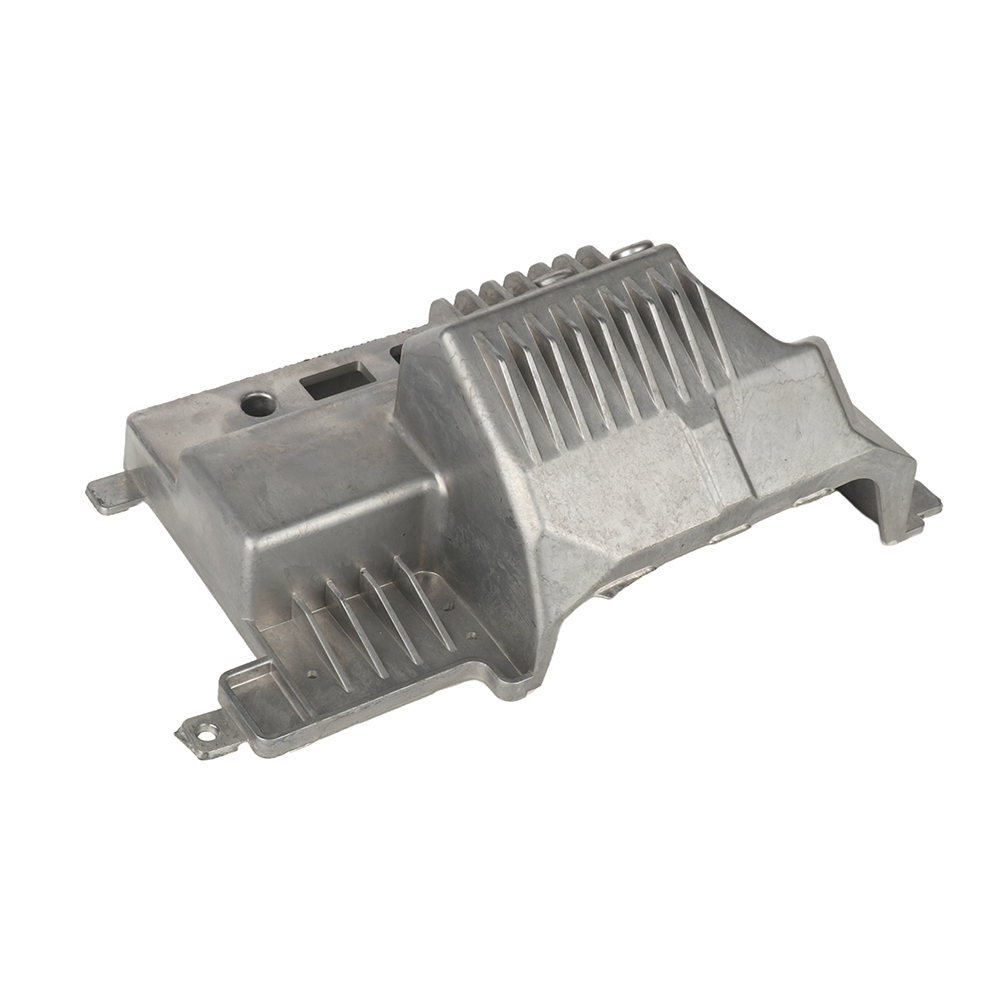
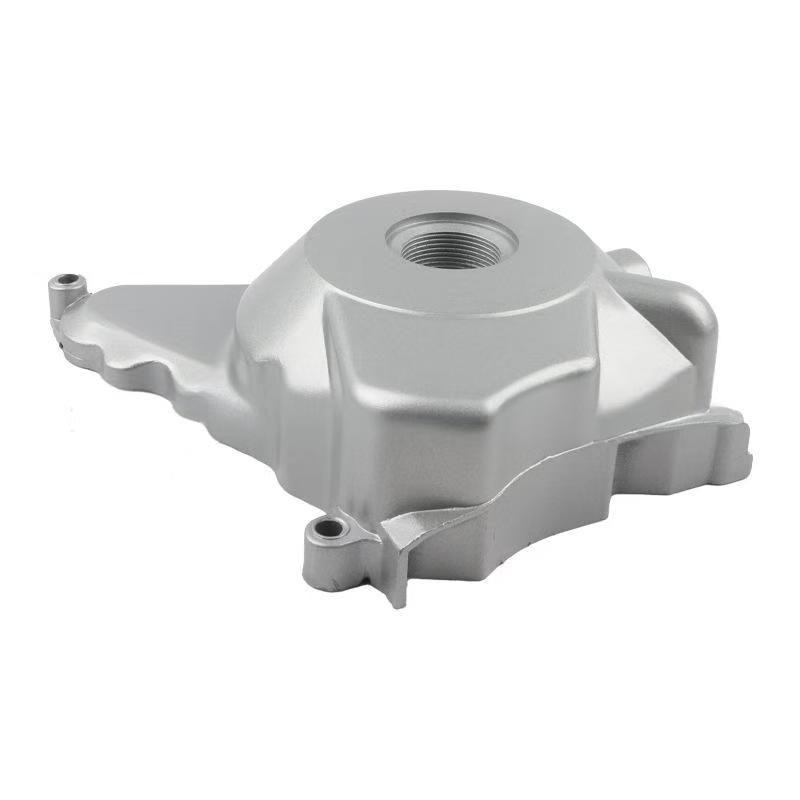
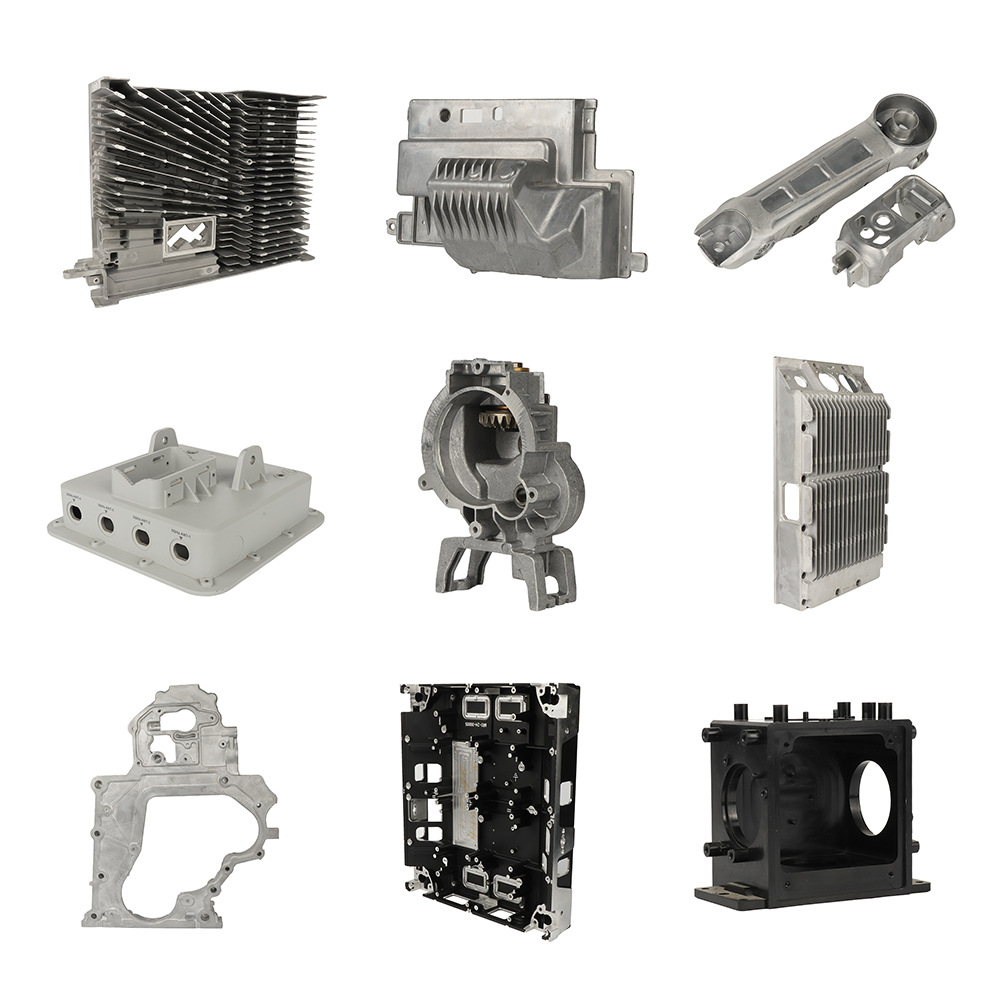
Laptop keyboard | What is CNC housing ? Focus on Laptop Keyboard Advantages & Uses
What is CNC Housing? Focus on Laptop Keyboard Advantages & Uses
Table of Contents
- 1. Introduction: What is CNC Housing?
- 2. CNC Housing and Laptop Keyboard: A Perfect Match
- 3. The Role and Purpose of Laptop Keyboard in CNC Housing
- 4. Key Benefits of Laptop Keyboard with CNC Housing
- 5. Expert Opinion on CNC Housing for Laptop Keyboards
- 6. FAQ: Common Questions About CNC Housing & Laptop Keyboards
- 7. Conclusion
1. Introduction: What is CNC Housing?
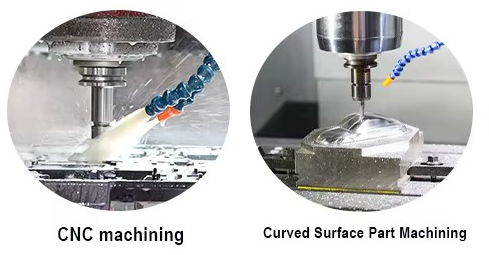
In the world of precision manufacturing and consumer electronics, CNC housing has become a cornerstone of high-quality, durable product design. CNC stands for Computer Numerical Control, a manufacturing process that uses computer-guided machines to shape solid materials—such as aluminum, stainless steel, or plastic—with unparalleled accuracy and consistency. Unlike traditional molding or casting methods, CNC machining removes material layer by layer according to a digital design, resulting in seamless, precise enclosures that protect internal components while enhancing product performance and aesthetics.
While CNC housing is used across industries—from automotive to aerospace—its application in consumer electronics, particularly laptop keyboards, has transformed how we interact with our devices. A laptop keyboard’s CNC housing is more than just a protective shell; it’s a critical component that directly impacts typing experience, durability, and overall device quality. In this blog, we’ll dive deep into CNC housing, with a specific focus on its role in laptop keyboards, their uses, benefits, and expert insights.
2. CNC Housing and Laptop Keyboard: A Perfect Match
A laptop keyboard’s CNC housing refers to the precision-machined enclosure that holds the keyboard’s keys, switches, and internal wiring. Unlike generic plastic casings, CNC-machined housing for laptop keyboards is typically crafted from high-quality materials like aluminum—chosen for its lightweight, durability, and heat-dissipating properties. This housing is designed to fit the laptop’s form factor perfectly, ensuring every key aligns correctly, and the keyboard sits securely within the device.
The CNC machining process for laptop keyboard housing ensures: Consistent sizing and alignment, eliminating gaps or loose keys. Smooth, seamless edges that prevent scratches and improve ergonomics. Tight integration with the laptop’s body, reducing flexing and noise during typing. Customizable designs to fit different laptop models and user preferences.

Laptop Keyboard with CNC Aluminum Housing – Sleek, Durable, and Precise
3. The Role and Purpose of Laptop Keyboard in CNC Housing
The laptop keyboard, paired with its CNC housing, is the primary input device for laptops—serving as the bridge between the user and the device. Its core role is to enable efficient, accurate data entry, but its purpose extends far beyond basic typing, especially when supported by a high-quality CNC housing.
3.1 Core Roles of a Laptop Keyboard
3.1.1 Data Entry and Productivity
Whether you’re typing a document, coding, or sending emails, the laptop keyboard is the most efficient way to input text and commands. The CNC housing ensures that each key press is responsive and consistent, reducing typos and increasing typing speed—critical for professionals like programmers, writers, and graphic designers who spend hours at their laptops daily.
3.1.2 Navigation and Control
Beyond typing, laptop keyboards (with CNC housing) offer navigation features that enhance usability. Function keys (F1-F12) and combination keys (e.g., Fn + brightness/volume controls) allow users to quickly adjust settings, switch between apps, or access shortcuts without using a mouse. The CNC housing’s rigidity ensures these keys function reliably, even with frequent use.
3.1.3 Device Protection
The CNC housing of the laptop keyboard acts as a protective barrier, shielding the keyboard’s internal components (switches, wiring, and circuit boards) from dust, spills, and physical damage. Unlike flimsy plastic casings, CNC-machined aluminum housing is resistant to impact and wear, extending the keyboard’s lifespan.
3.2 Key Uses of Laptop Keyboards with CNC Housing
- Professional Work: Programmers, writers, and office workers rely on responsive, durable keyboards for long hours of work. CNC housing ensures consistent key feedback and reduces fatigue.
- Gaming: Gamers need fast, precise key presses to stay competitive. CNC housing minimizes key wobble and ensures quick response times, enhancing gaming performance.
- On-the-Go Use: Laptops are designed for portability, and their keyboards (with CNC housing) are built to withstand the rigors of travel—resisting scratches, spills, and minor impacts.
- Customization: CNC machining allows for customizable keyboard layouts, key sizes, and even backlighting options, catering to user preferences and accessibility needs.
4. Key Benefits of Laptop Keyboard with CNC Housing
Laptop keyboards with CNC housing offer a range of advantages over those with traditional plastic casings, from durability to user experience. Below are the most notable benefits:
4.1 Unmatched Durability
CNC housing is typically made from high-grade aluminum or stainless steel, which is far more durable than plastic. These materials resist scratches, dents, and wear, ensuring the keyboard remains in excellent condition for years. Unlike plastic casings that can crack or warp over time, CNC-machined housing maintains its shape and structural integrity, even with heavy use. Additionally, CNC aluminum keyboards are highly resistant to rust, as the material reacts with air to form a protective anti-rust layer.
4.2 Superior Typing Experience
The precision of CNC machining ensures that each key is aligned perfectly, with consistent spacing and key travel. This eliminates loose keys or uneven key presses, providing a smooth, comfortable typing experience. The rigid CNC housing also reduces flexing during typing, minimizing noise and preventing key wobble—making it ideal for quiet office environments or late-night work sessions.
4.3 Enhanced Heat Dissipation
Laptop keyboards generate heat during extended use, especially in gaming or high-performance laptops. CNC housing made from aluminum acts as a heat sink, dissipating heat more efficiently than plastic. This prevents the keyboard from overheating, which can cause discomfort during use and damage internal components over time.
4.4 Aesthetic Appeal
CNC machining creates a sleek, modern look with clean lines and a smooth finish. Unlike plastic casings that can look cheap or wear down over time, CNC housing has a premium, professional appearance that enhances the overall design of the laptop. Many CNC keyboard housings can also be anodized to add color, further customizing the device’s look while improving scratch resistance.
4.5 Improved Ergonomics
CNC housing allows for precise design of the keyboard’s shape and key layout, ensuring optimal ergonomics. The smooth edges and consistent key height reduce hand and wrist fatigue, even during long typing sessions. This is particularly beneficial for professionals who use their laptops for hours each day.
5. Expert Opinion on CNC Housing for Laptop Keyboards
To gain deeper insight into the value of CNC housing for laptop keyboards, we spoke with Mark Wilson, a senior product designer at RapidDone—a leading manufacturer of CNC-machined components with over 15 years of experience in consumer electronics design.
“CNC housing has revolutionized laptop keyboard design. In the past, plastic casings were the standard, but they often failed to deliver the durability and precision that users need—especially for high-performance laptops. CNC machining allows us to create keyboard housings that are not only strong and long-lasting but also tailored to the exact specifications of each laptop model. The aluminum CNC housing we use for laptop keyboards offers superior heat dissipation, consistent key alignment, and a premium feel that plastic simply can’t match. For users who prioritize typing experience and device longevity, a laptop with a CNC-machined keyboard housing is a worthwhile investment.”
Wilson also emphasized that CNC housing is particularly important for gaming laptops and professional devices, where reliability and performance are critical. “Gamers need fast, consistent key presses, and professionals need a keyboard that can handle heavy daily use,” he added. “CNC housing ensures that the keyboard performs reliably, even under pressure.”
6. FAQ: Common Questions About CNC Housing & Laptop Keyboards
Below are answers to the most frequently asked questions about CNC housing and its application in laptop keyboards:
6.1 Q: Is CNC housing only used for high-end laptop keyboards?
A: While CNC housing is commonly found in high-end laptops (due to its premium materials and precision), it is increasingly being used in mid-range laptops as well. As CNC machining becomes more accessible, manufacturers are able to offer the benefits of CNC housing at more affordable price points. Even budget-friendly laptops with CNC keyboard housing can offer better durability and typing experience than those with plastic casings.
6.2 Q: How does CNC housing affect the weight of a laptop keyboard?
A: CNC housing made from aluminum is slightly heavier than plastic, but the difference is minimal—usually only a few ounces. The added weight is offset by the benefits of durability, heat dissipation, and improved typing experience. For most users, the slight weight increase is not noticeable, and the advantages far outweigh any minor inconvenience.
6.3 Q: Can a laptop keyboard with CNC housing be repaired if it’s damaged?
A: Yes, CNC housing is repairable, but it may require professional service. Unlike plastic casings that can be easily replaced with generic parts, CNC housing is precision-machined to fit the laptop’s exact specifications. However, its durability means that damage is less likely to occur in the first place. If the housing is damaged, a professional can replace it with a matching CNC-machined part to restore the keyboard’s functionality.
6.4 Q: Are laptop keyboards with CNC housing waterproof?
A: CNC housing itself is not inherently waterproof, but it can be designed with water-resistant features. Many laptop keyboards with CNC housing include rubber gaskets or seals to prevent spills from reaching internal components. However, it’s important to note that “water-resistant” does not mean “waterproof”—users should still avoid submerging their laptops or exposing them to large spills.
6.5 Q: What’s the difference between CNC housing and plastic housing for laptop keyboards?
A: The main differences are durability, precision, and performance. Plastic housing is cheaper and lighter but prone to cracking, warping, and flexing. CNC housing (usually aluminum) is more durable, precise, and offers better heat dissipation. CNC housing also provides a smoother, more consistent typing experience and a premium aesthetic, while plastic housing often feels cheap and wears down over time.
7. Conclusion
CNC housing is a precision manufacturing solution that has transformed the quality and performance of laptop keyboards. By combining durable materials, precise machining, and user-centric design, CNC housing ensures that laptop keyboards are not only reliable and long-lasting but also provide a superior typing experience. From professionals to gamers, users across all categories benefit from the durability, ergonomics, and aesthetic appeal of laptop keyboards with CNC housing.
As technology continues to advance, CNC housing will likely become even more prevalent in laptop design, making high-quality keyboards accessible to more users. Whether you’re in the market for a new laptop or simply want to understand the technology behind your device, knowing the role of CNC housing in laptop keyboards can help you make informed decisions and appreciate the craftsmanship that goes into modern electronics.
Surveillance camera | What is a CNC electronics enclosure? Focus on Surveillance Camera Applications
Custom machined parts | How is custom machined parts? A Complete Guide to Precision, Advantages & FAQs
Related Article