HOT PRODUCTS
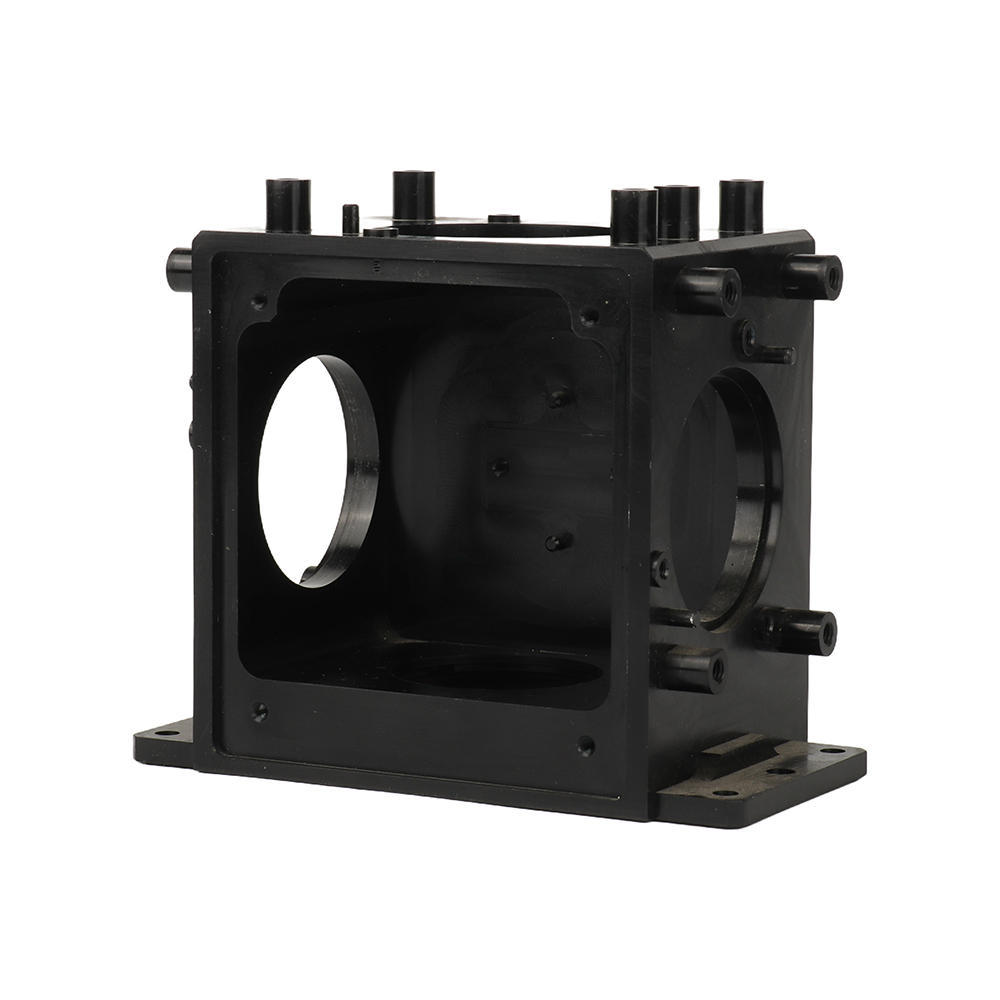
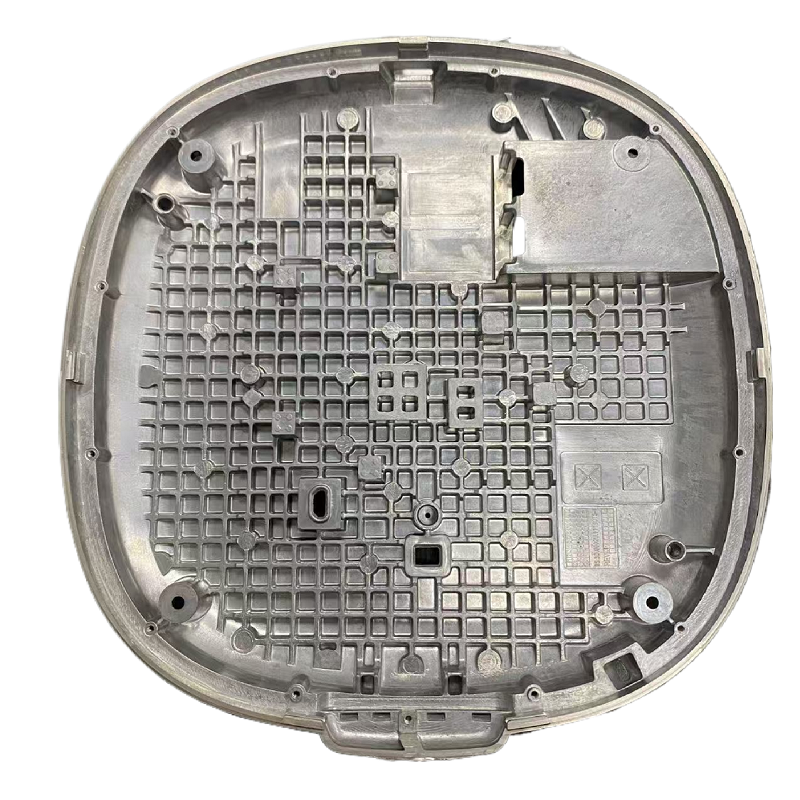
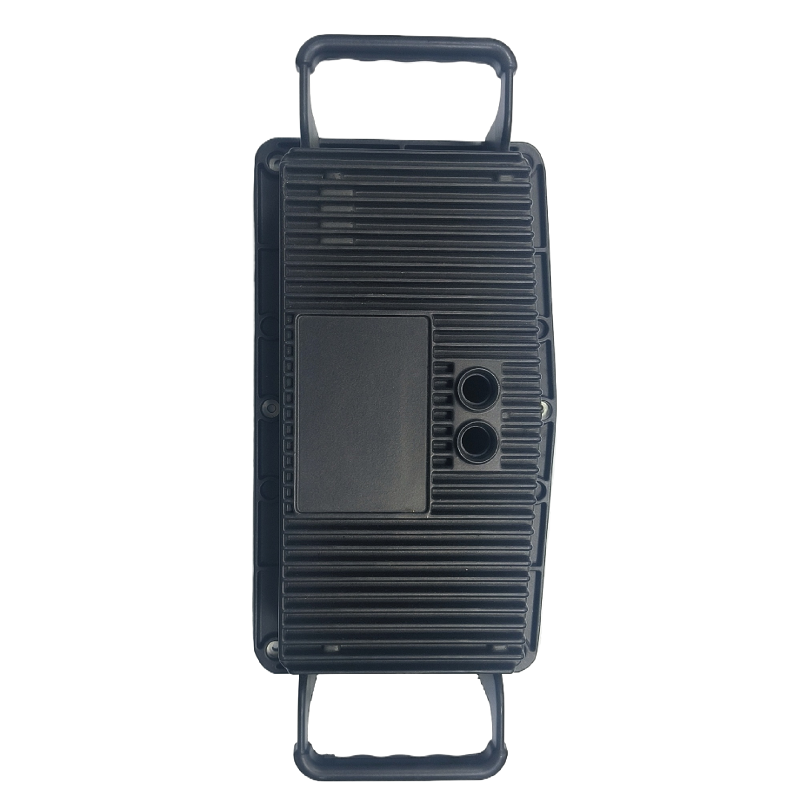
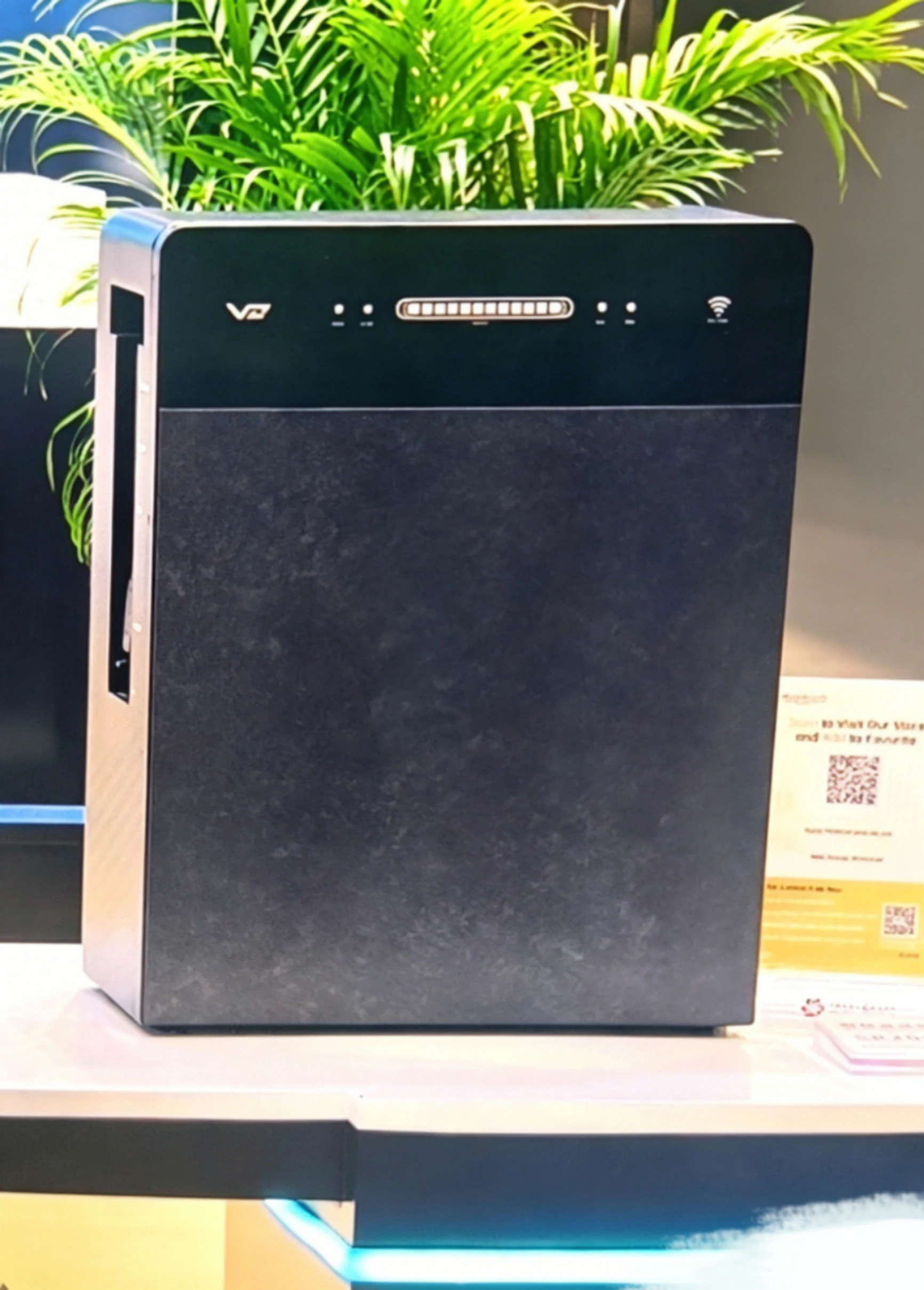
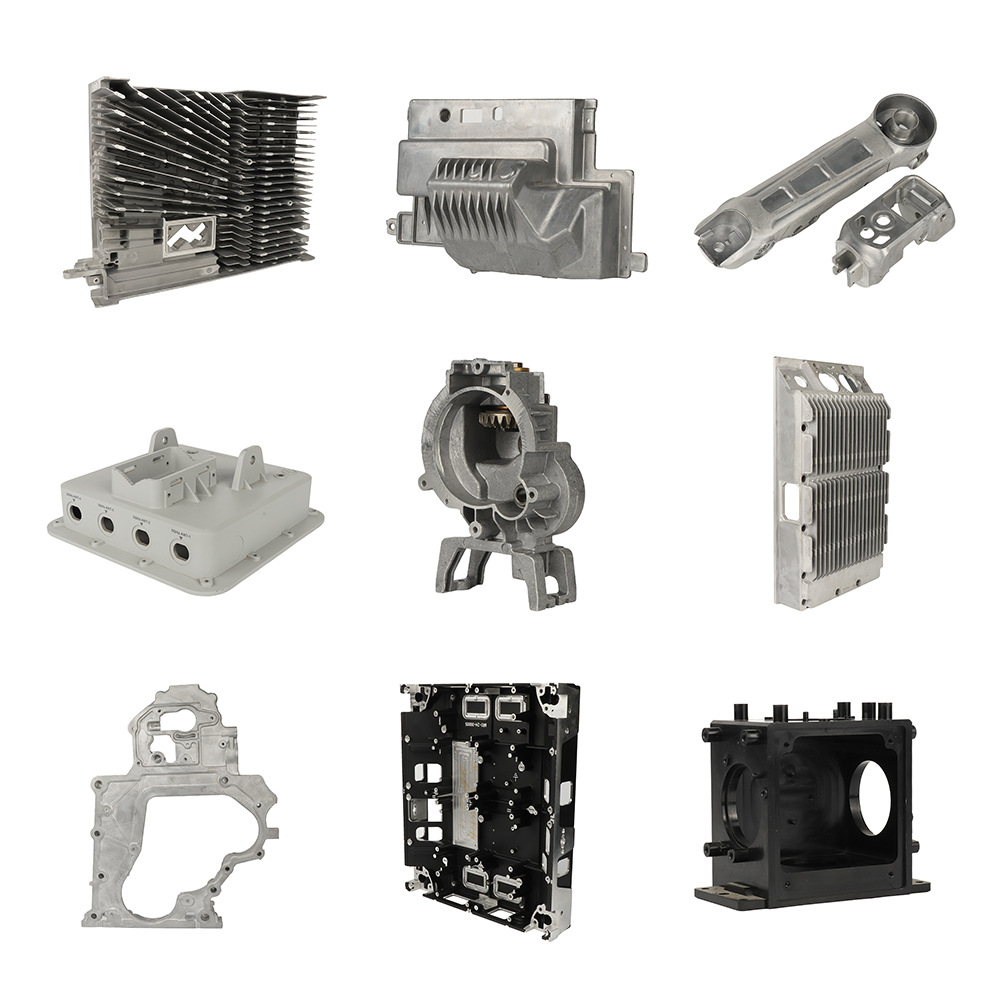
CNC milling machining | What is a CNC milling machine? A Complete Guide
What is a CNC Milling Machine? A Complete Guide
Table of Contents
- 1. Basic Overview: What Is a CNC Milling Machine
- 2. Universal Standard Parameter Table of CNC Milling Machining
- 3. Core Functions of CNC Milling Machining
- 4. Main Application Fields & Usage Scenarios
- 5. Key Advantages of CNC Milling Machining
- 6. Authoritative Expert Viewpoints on CNC Milling Processing
- 7. Industry Frequently Asked Questions (FAQs)
- 8. CNC Milling Industry Trends & High-Quality Supplier Selection Guide
- 9. Xinghang Precision Hardware Bulk Discount & Contact Information
- 10. Comprehensive Conclusion
1. Basic Overview: What Is a CNC Milling Machine
1.1 Core Definition (H3)
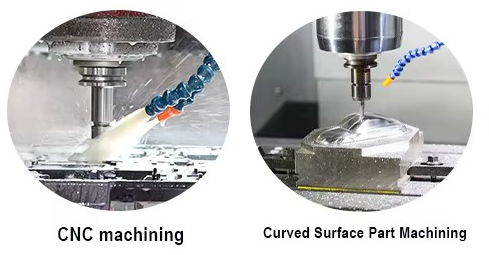
A CNC milling machine is a computer-controlled precision processing equipment that uses rotating multi-point cutting tools to remove material from solid workpieces. Different from traditional manual milling equipment, it relies on CNC (Computer Numerical Control) programming systems to automatically complete cutting, grooving, drilling, contouring and surface finishing. CNC milling machining refers to the whole precision manufacturing process based on CNC milling machines, which is one of the most mainstream subtractive manufacturing technologies in the hardware processing industry.
1.2 Basic Working Principle (H3)
The equipment reads pre-programmed G-code and M-code instructions, controls the linkage movement of the spindle and three-axis/four-axis/five-axis workbench, and drives high-speed rotating milling cutters to strip excess materials from metal or non-metal blanks. The whole process realizes automatic, high-precision and repeatable processing, effectively avoiding dimensional errors caused by manual operation.
1.3 Main Classification of CNC Milling Machines (H4)
- 3-axis CNC milling machine: Suitable for flat, simple groove and conventional contour processing, widely used in standard parts mass production
- 4-axis CNC milling machine: Adds rotary axis movement, supports multi-angle one-time processing of complex workpieces
- 5-axis CNC milling machine: Achieves full-space multi-angle processing, applicable to ultra-complex precision parts such as aerospace components
1.4 Common Processing Materials (H5)
CNC milling machining supports diversified material processing, including aluminum alloy, magnesium alloy, stainless steel, copper, iron, plastic and nylon, meeting the customized processing needs of various industrial hardware parts.

2. Universal Standard Parameter Table of CNC Milling Machining
The following parameters are universal industry standard data for mainstream CNC milling processing, covering 3-axis to 5-axis equipment, applicable to most precision hardware customization and mass production projects, complying with international precision processing standards.
| Parameter Item | 3-Axis CNC Milling | 4-Axis CNC Milling | 5-Axis CNC Milling |
|---|---|---|---|
| Minimum Dimensional Tolerance | ±0.02mm | ±0.015mm | ±0.008mm |
| Spindle Speed Range | 8000-12000 RPM | 10000-15000 RPM | 12000-20000 RPM |
| Surface Roughness (Ra) | Ra 1.6-3.2μm | Ra 0.8-1.6μm | Ra 0.4-0.8μm |
| Maximum Processing Stroke | 800*500*500mm | 1000*600*600mm | 800*800*600mm |
| Repeat Positioning Accuracy | ±0.01mm | ±0.008mm | ±0.005mm |
| Applicable Processing Type | Flat, simple structural parts | Multi-sided conventional complex parts | 3D curved surface, ultra-precision complex parts |
3. Core Functions of CNC Milling Machining
3.1 Precision Shaping & Dimensional Correction (H3)
CNC milling machining can accurately remove excess blank materials, realize precise shaping of irregular, grooved, perforated and curved workpieces, and strictly control product dimensional errors. It solves the problems of rough size and low precision of traditional casting and forging blanks, making parts fully meet assembly and matching standards.
3.2 Surface Finishing & Performance Optimization (H3)
Through fine milling, the processing realizes smooth and burr-free workpiece surfaces, effectively improving the wear resistance, flatness and assembly tightness of hardware parts. It lays a good foundation for subsequent surface treatments such as anodizing, spraying and electroplating.
3.3 Customized Structural Processing (H3)
Supported by programmable editing, CNC milling can complete non-standard customized processing of special-shaped holes, concave-convex grooves, asymmetric structures and 3D curved surfaces, meeting the personalized product design needs of various industries.
4. Main Application Fields & Usage Scenarios
4.1 Electronic & Communication Industry (H3)
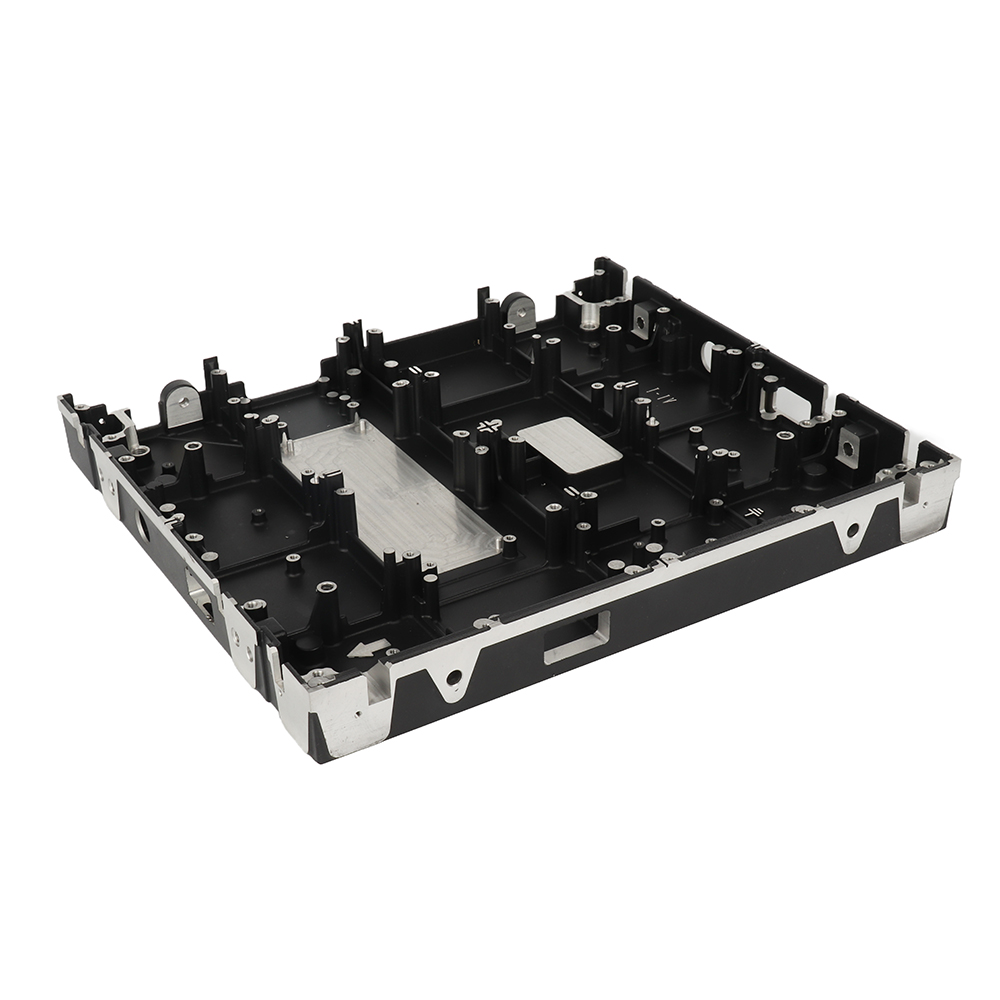
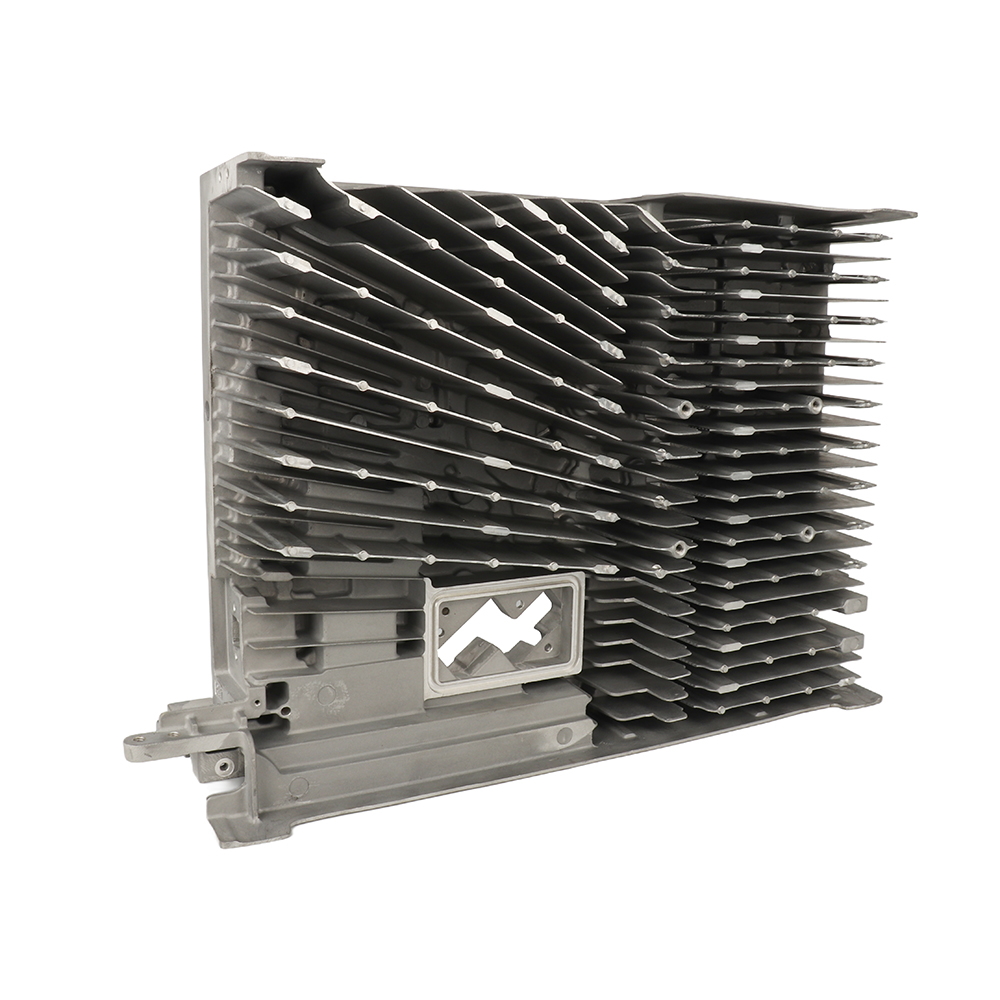
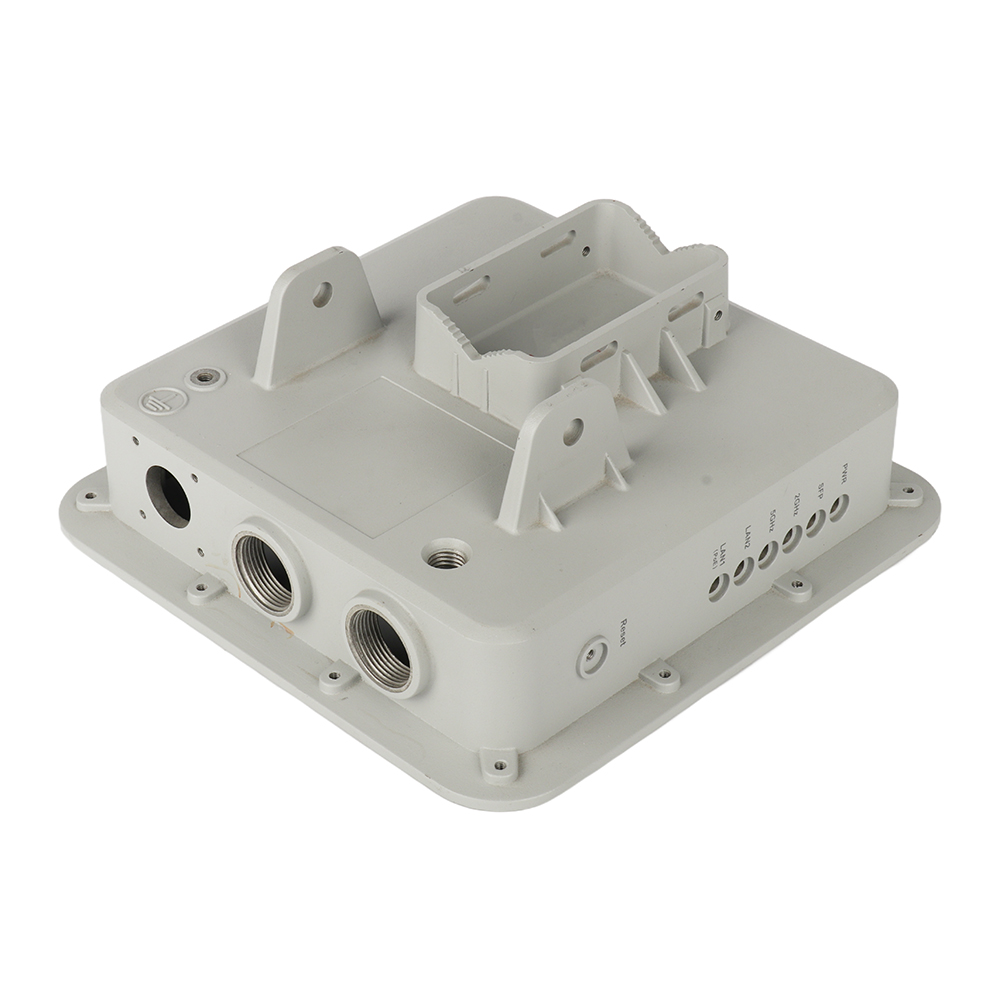
Widely used in 5G communication shells, precision electronic accessories, equipment brackets and heat dissipation structural parts. The high-precision processing feature ensures the fitting accuracy of electronic components and avoids signal interference caused by poor assembly.
4.2 New Energy & Automotive Industry (H3)
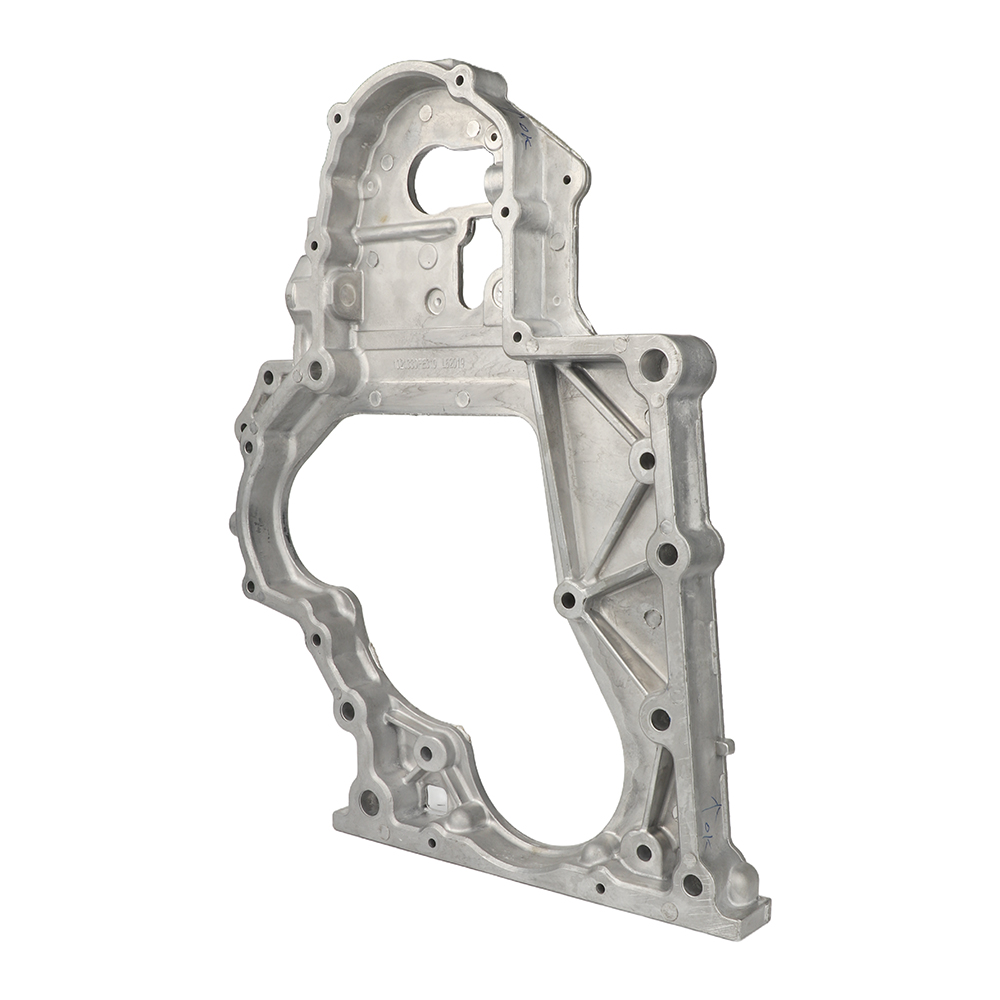
Applied to new energy vehicle battery brackets, motor accessories, automotive lightweight structural parts and chassis precision parts. CNC milling machining meets the strict requirements of automotive parts for high strength, high precision and high stability.
4.3 Aerospace & Drone Industry (H3)
Used for processing drone fuselage parts, aerospace lightweight structural parts and precision connector parts. The ultra-high precision of 5-axis milling ensures the safety and stability of high-end equipment in extreme working environments.
4.4 Industrial Automation & Hardware Industry (H3)
Suitable for robotic arm accessories, automation equipment fixtures, standard hardware parts and customized mechanical parts, supporting small-batch trial production and large-scale mass production of industrial parts.
5. Key Advantages of CNC Milling Machining
5.1 Ultra-High Processing Precision & Stability (H3)
Compared with traditional manual machining, CNC milling relies on digital programming for fully automatic processing, with stable dimensional accuracy and zero manual error. The repeat processing consistency is extremely high, which is suitable for mass production of standardized parts and effectively reduces product defective rate.
5.2 Strong Compatibility & High Flexibility (H3)
It supports processing of various metal and non-metal materials, and can quickly switch processing schemes by modifying programs. It can meet the processing needs of standard parts, non-standard customized parts and complex special-shaped parts at the same time, with strong production flexibility.
5.3 High Production Efficiency & Cost Performance (H3)
The automatic continuous processing mode greatly shortens the production cycle. For large-batch orders, it can significantly save labor costs and time costs. Meanwhile, the precise material removal technology reduces raw material waste and improves the overall cost performance of production.
5.4 Excellent Surface Processing Effect (H3)
Fine milling processing realizes smooth workpiece surface without burrs, no secondary manual trimming is required in most scenarios, which simplifies the production process and improves the overall appearance and quality of hardware parts.
6. Authoritative Expert Viewpoints on CNC Milling Processing
We quote professional viewpoints from Mr. Jason Carter, a senior mechanical processing engineer with decades of experience in precision hardware manufacturing and a member of the International Precision Machining Association:
"Many buyers only focus on equipment axes and precision parameters when customizing CNC milling parts, ignoring the importance of process matching and pre-processing treatment. For lightweight alloy parts such as aluminum and magnesium alloys, low-speed finishing is more effective than high-speed roughing in improving surface quality. In addition, stable fixture design and standardized post-processing inspection are the core keys to ensure batch consistency, which is the biggest gap between ordinary processing factories and professional precision manufacturers."
Mr. Carter also mentioned that integrated processing of milling and surface treatment has become the mainstream demand of the industry, and suppliers with one-stop production capacity can better control product quality and delivery cycle.
7. Industry Frequently Asked Questions (FAQs)
Q1: What is the difference between CNC turning and CNC milling?
A1: The core difference lies in the movement mode of tools and workpieces. CNC turning is suitable for rotary parts such as shafts and sleeves, while CNC milling is mainly used for flat, grooved, curved and special-shaped structural parts with complex structures. Milling has stronger adaptability to non-rotary complex parts.
Q2: What factors affect the precision of CNC milling parts?
A2: The main factors include equipment accuracy, programming rationality, tool wear, fixture stability and material characteristics. Professional manufacturers will conduct tool calibration and equipment debugging before mass production to ensure consistent precision of finished products.
Q3: Does CNC milling processing support small-batch trial orders?
A3: Yes. Formal precision processing suppliers support small-batch trial production and large-batch mass production. Small orders are suitable for product verification, while large-batch orders can enjoy more favorable unit prices and faster delivery cycles.
Q4: Can CNC milling parts be customized with surface treatment?
A4: Absolutely. CNC milled workpieces can be matched with various surface treatments such as anodizing, passivation, powder spraying, PVD coating and sandblasting to improve corrosion resistance, wear resistance and appearance texture.
8. CNC Milling Industry Trends & High-Quality Supplier Selection Guide
8.1 Core Development Trends of CNC Milling Industry (H3)
- High-precision & Intelligent Upgrading: The industry is gradually shifting from conventional 3-axis processing to 4-axis and 5-axis high-precision processing, and intelligent programming and automatic detection are widely popularized to improve processing accuracy and efficiency.
- Integrated One-Stop Service: Single milling processing can no longer meet market demand. One-stop services including mold opening, milling processing, CNC finishing and surface treatment have become the mainstream development trend.
- Green & Low-Carbon Processing: Environmental protection production standards are increasingly strict. Low-pollution processing technology and environmentally friendly surface treatment processes have become the basic threshold for industry entry.
- Lightweight Part Processing Popularization: With the development of new energy and electronic industries, the demand for high-precision processing of lightweight alloy materials such as aluminum and magnesium alloys continues to rise.
8.2 Selection Standards for High-Quality Hardware Processing Suppliers (H3)
- Complete Equipment Configuration: Equipped with complete 3/4/5-axis CNC milling equipment and professional testing instruments to ensure processing precision and product consistency.
- Rich Custom Processing Experience: Familiar with the processing characteristics of different materials, able to formulate targeted processing schemes for complex and special-shaped parts.
- Standardized Production System: Have complete SOP production processes and quality inspection systems to avoid defective products in batch production.
- One-Stop Service Capability: Integrate processing, finishing and surface treatment services to shorten the delivery cycle and reduce customer procurement costs.
- Flexible Pricing & After-Sales Service: Provide reasonable progressive pricing for batch orders and perfect after-sales technical support.
9. Xinghang Precision Hardware Bulk Discount & Contact Information
Xinghang Precision Hardware is a professional one-stop precision hardware processing manufacturer, focusing on high-quality CNC milling machining, CNC turning, die casting, finishing and customized surface treatment services. We serve global customers in electronics, new energy, automotive, aerospace and automation industries, with mature production lines and strict quality control systems.
9.1 Exclusive Bulk Order Preferential Policy (H3)
We implement a progressive discount mechanism of the more you order, the more favorable the price. We provide exclusive price concessions for batch orders on the basis of ensuring product quality:
- Orders over 3,000 pieces: Enjoy 6% overall discount for all processing fees
- Orders over 10,000 pieces: Enjoy 14% overall discount, covering processing fee, finishing fee and surface treatment fee
- Long-term cooperative customers: Enjoy free product testing, DFM optimization and after-sales maintenance services
We support free sample testing and customized process scheme design to help customers verify product quality in advance and reduce procurement risks.
9.2 Official Contact Details (H3)
Mobile / WhatsApp / WeChat: +86 18819502691
Official Email: liqine@xinghangcn.com
Our professional technical team will reply to all customer inquiries within 24 hours and provide targeted processing solutions and quotation services.
10. Comprehensive Conclusion
As a core precision manufacturing technology, CNC milling machining plays an irreplaceable role in modern hardware processing and industrial manufacturing. With the continuous upgrading of industrial manufacturing standards, the industry is developing towards high precision, intelligence, environmental protection and integrated one-stop service. For global procurement customers, selecting a professional, experienced and cost-effective precision processing supplier is the key to ensuring product quality, controlling costs and shortening the delivery cycle.
Blindly pursuing low prices will lead to hidden dangers of product precision and quality. Cooperating with Xinghang Precision Hardware, customers can obtain high-precision CNC milling products, professional customized services and super cost-effective batch preferential policies, realizing win-win cooperation in quality, efficiency and cost.
Custom cnc | How to customize CNC machined parts?
Electronic enclosures | What fields are CNC electronic housings applied to?
Related Article