HOT PRODUCTS
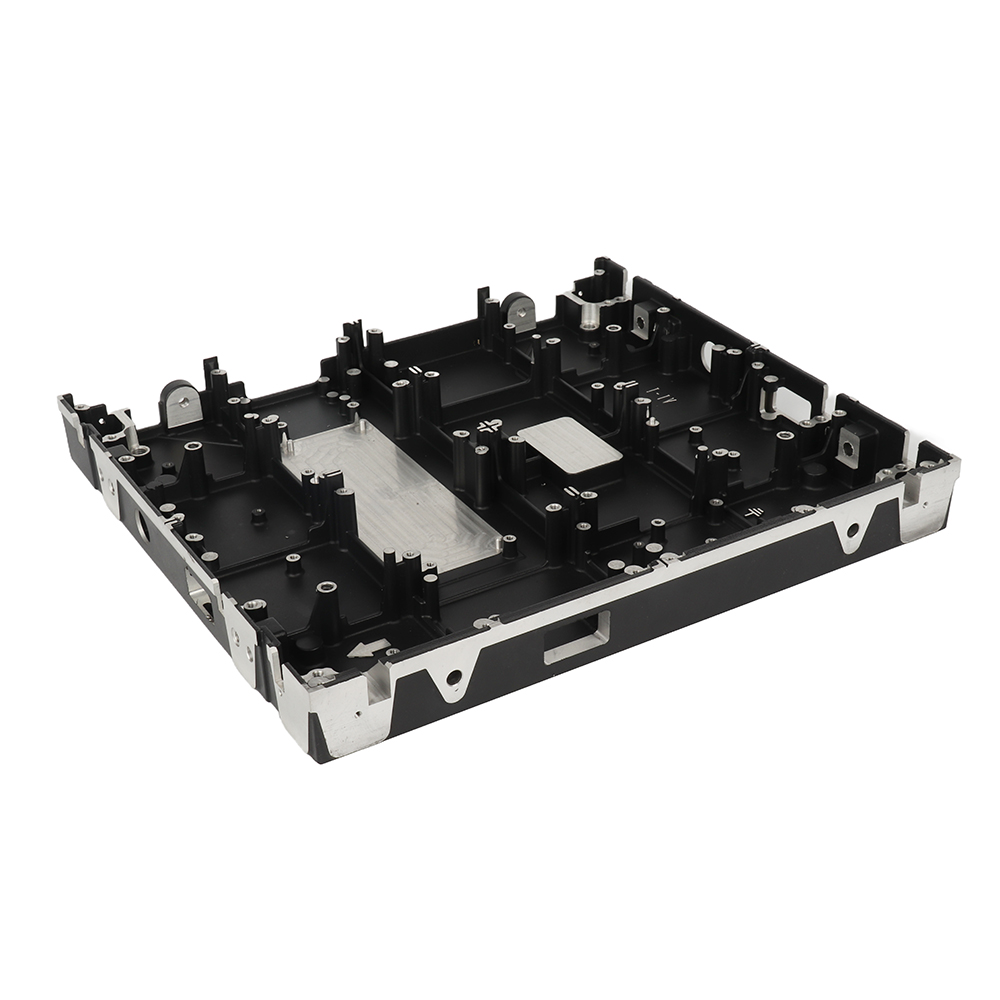
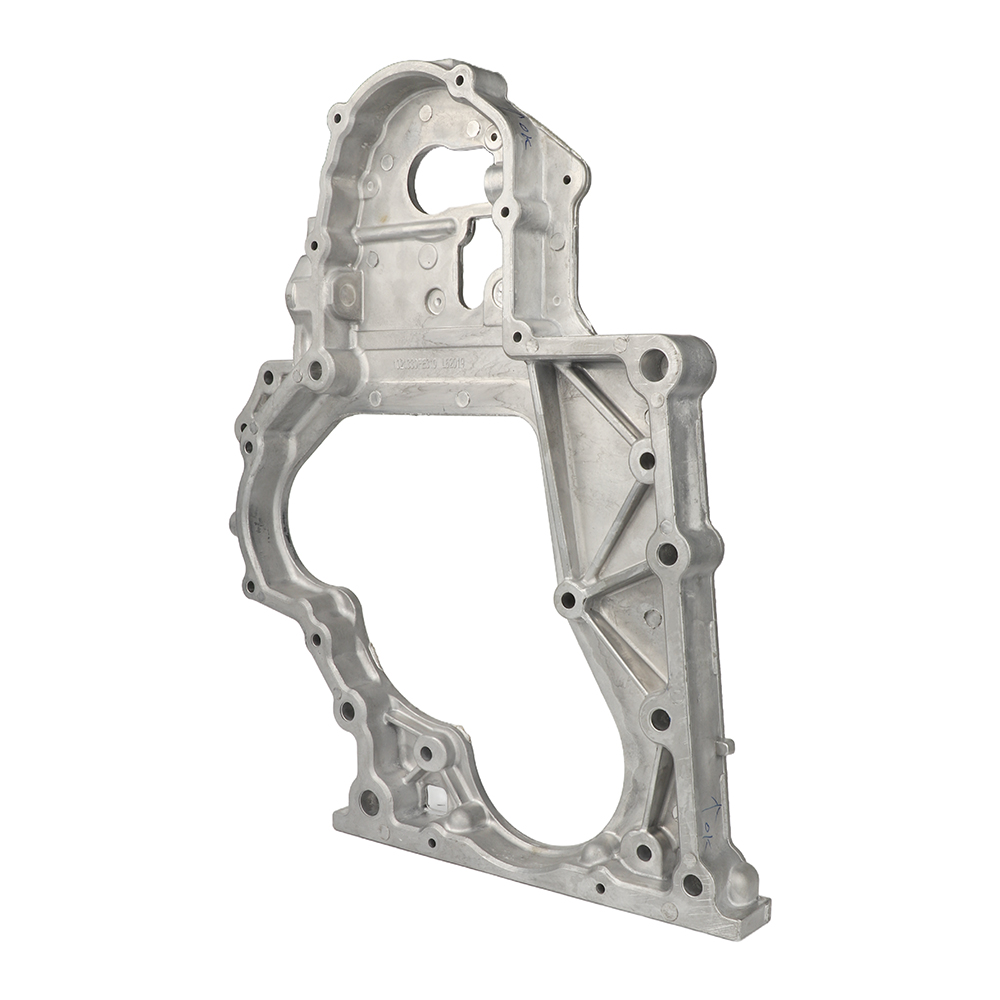
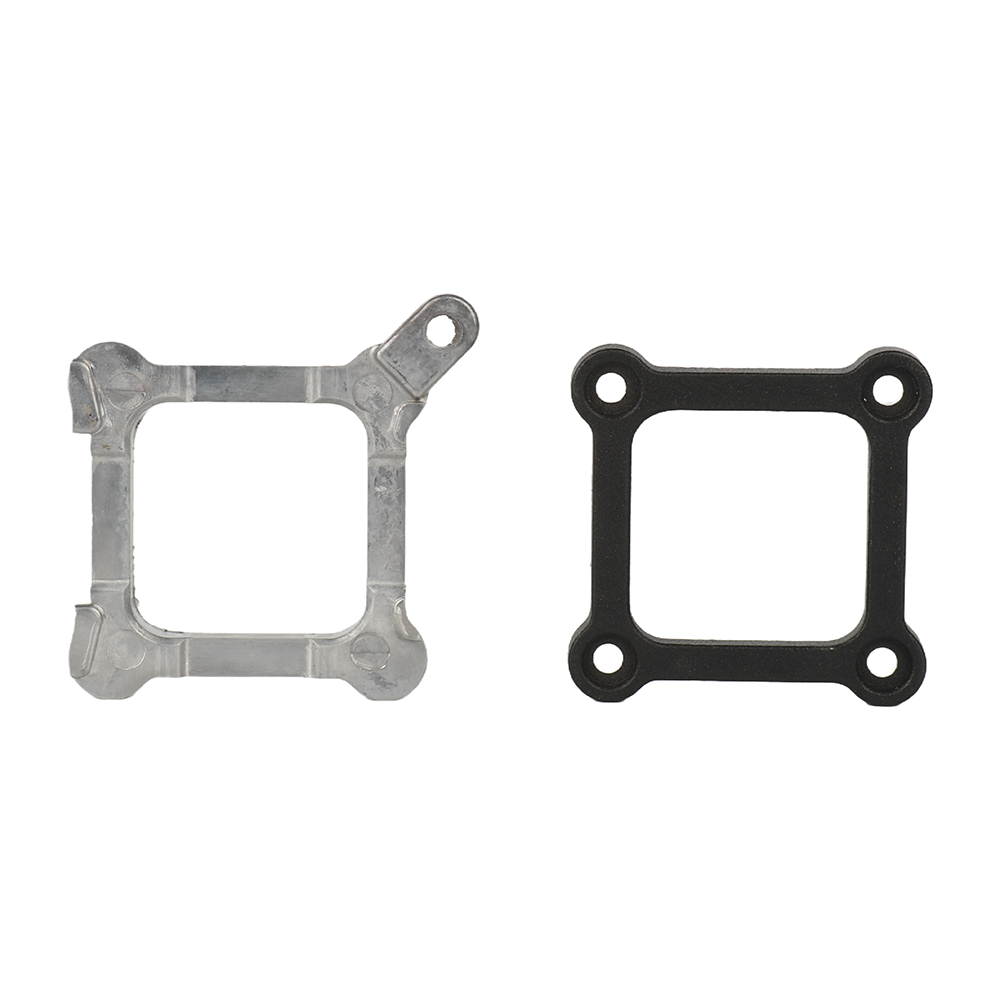
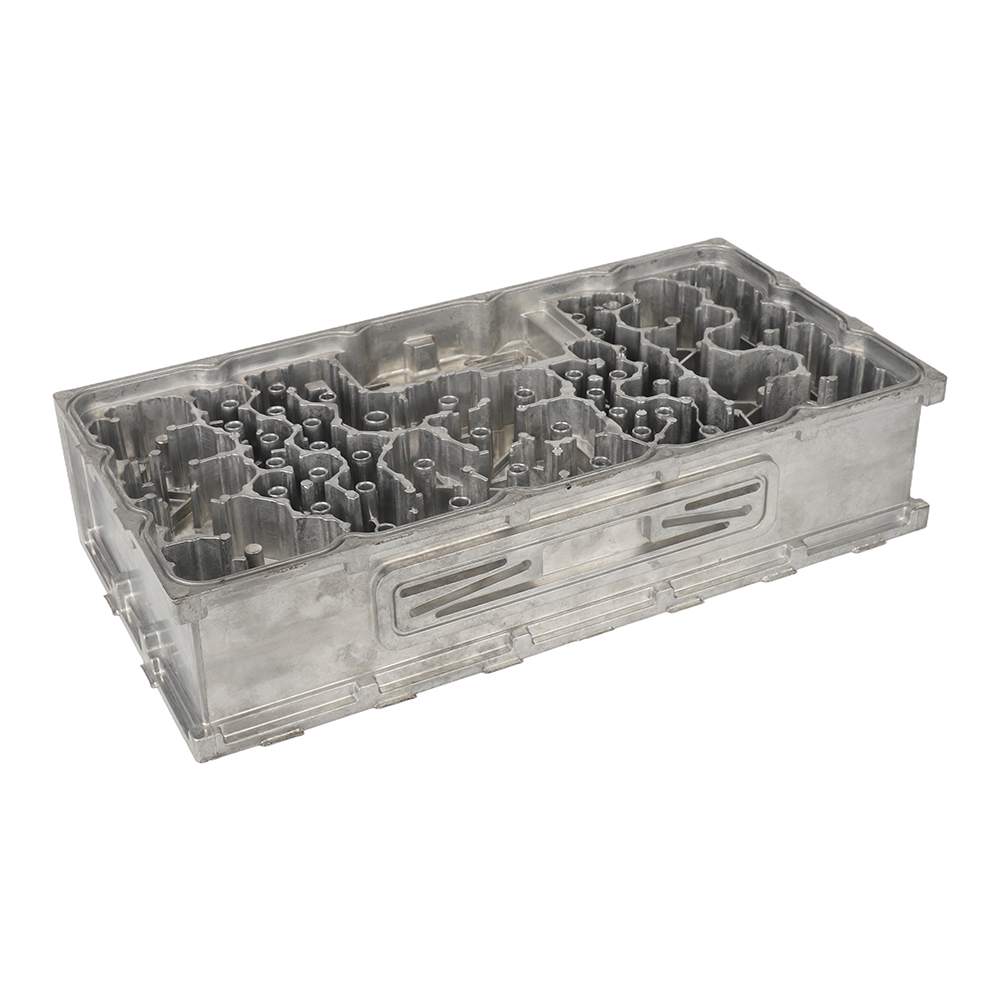
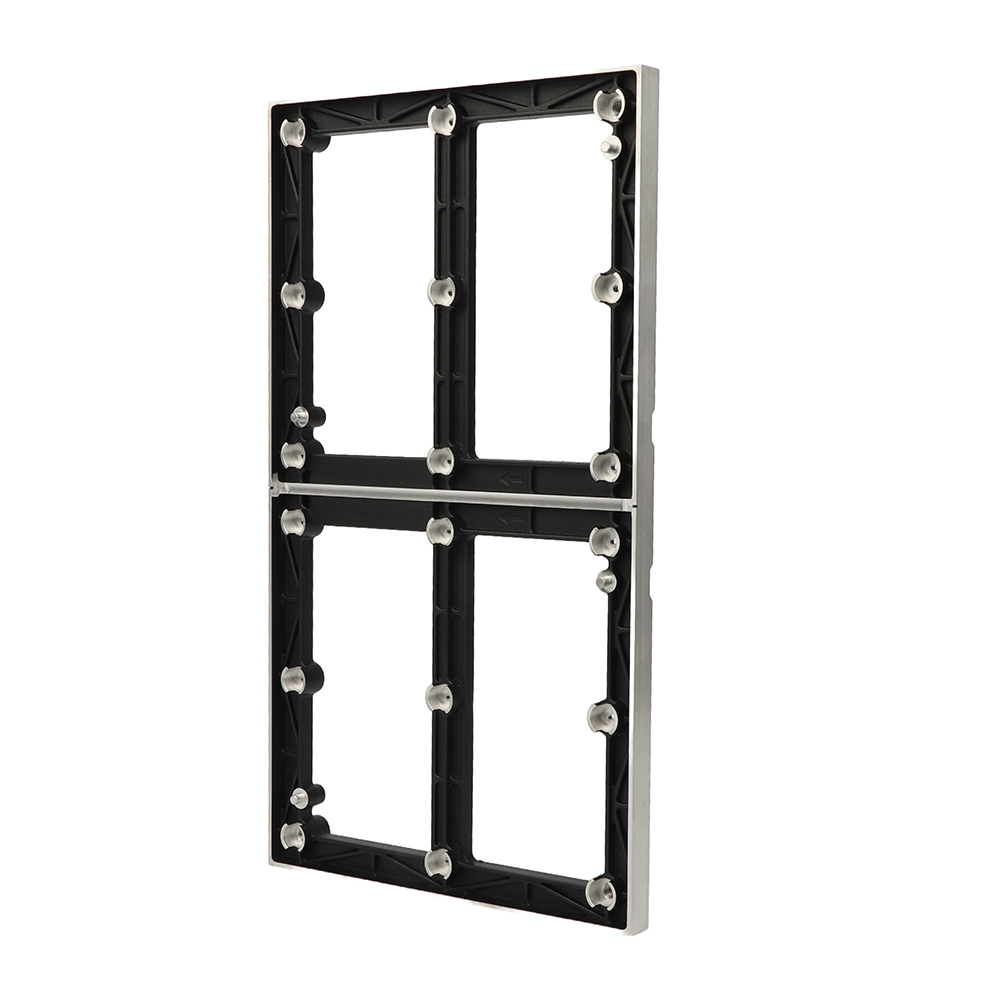
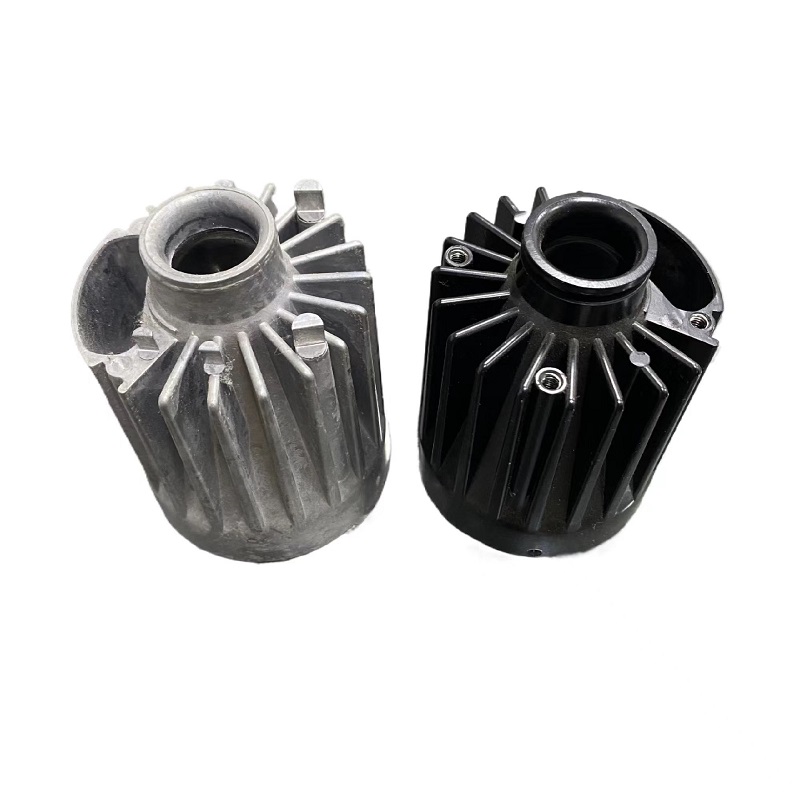
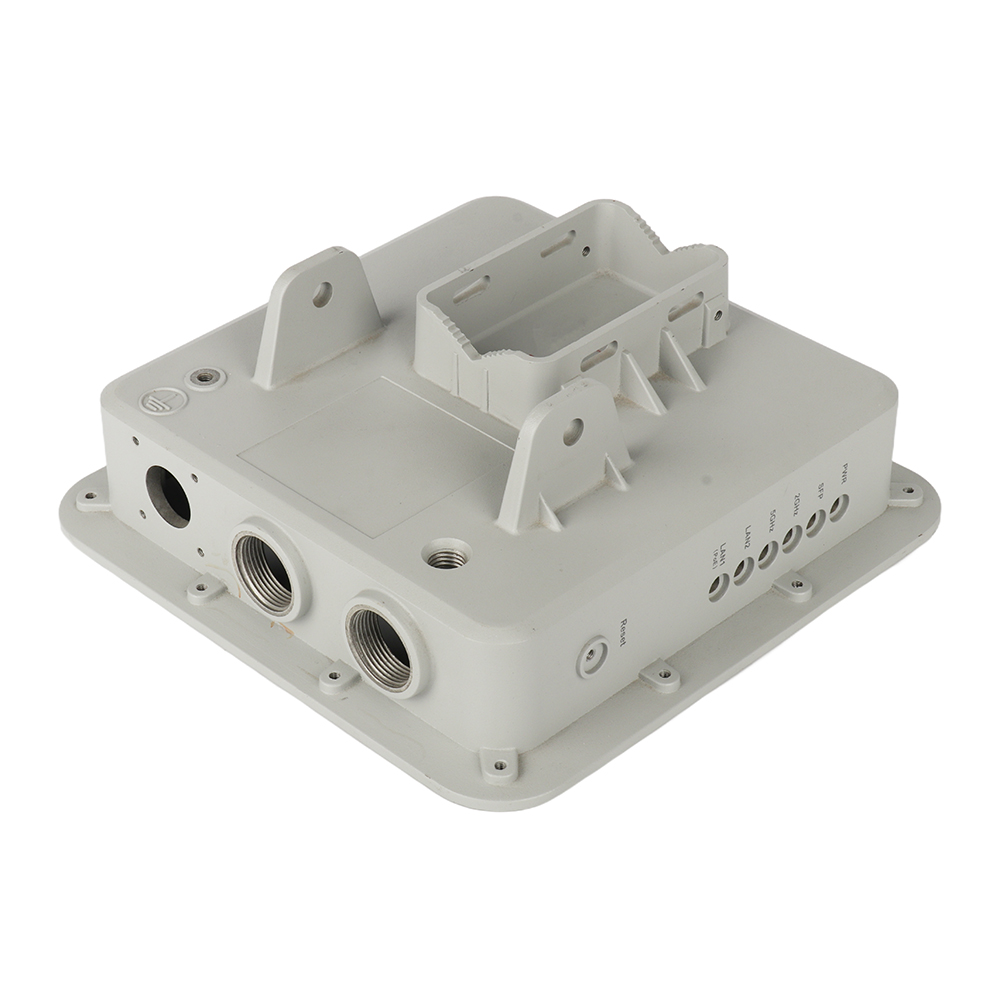
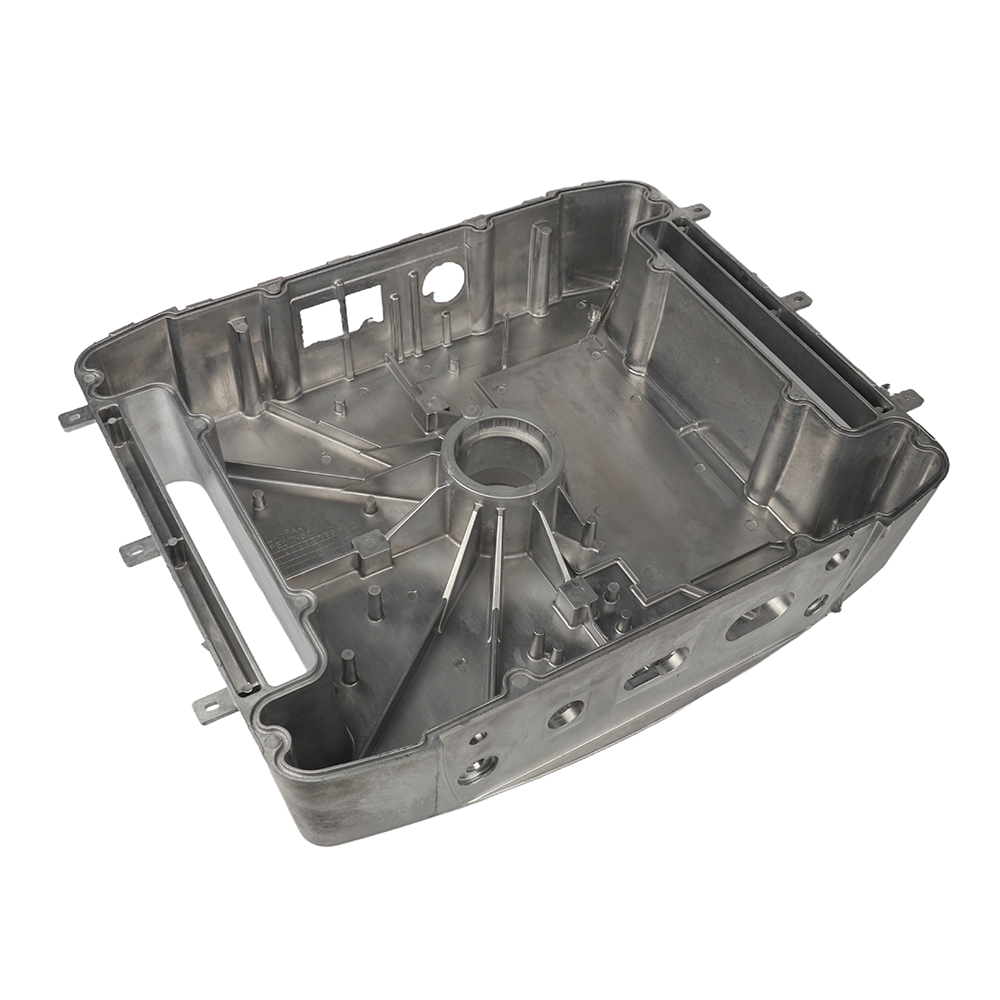
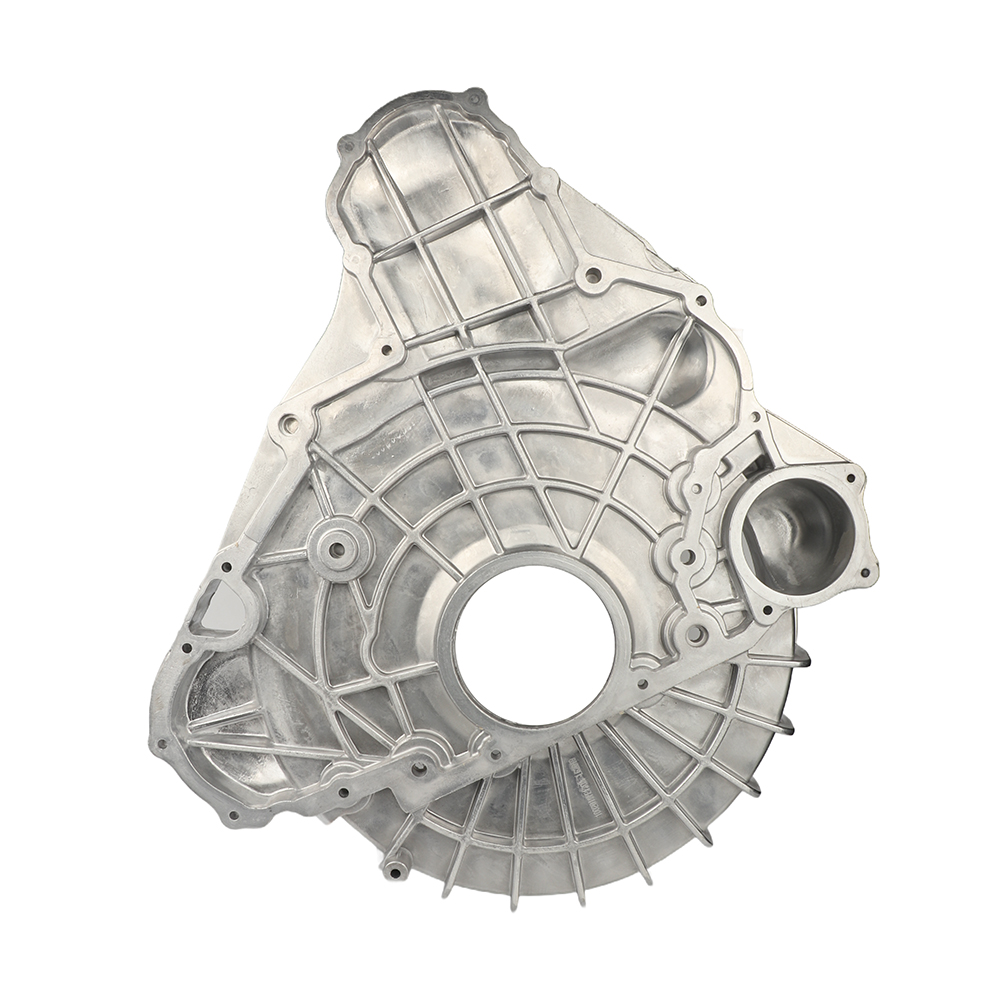
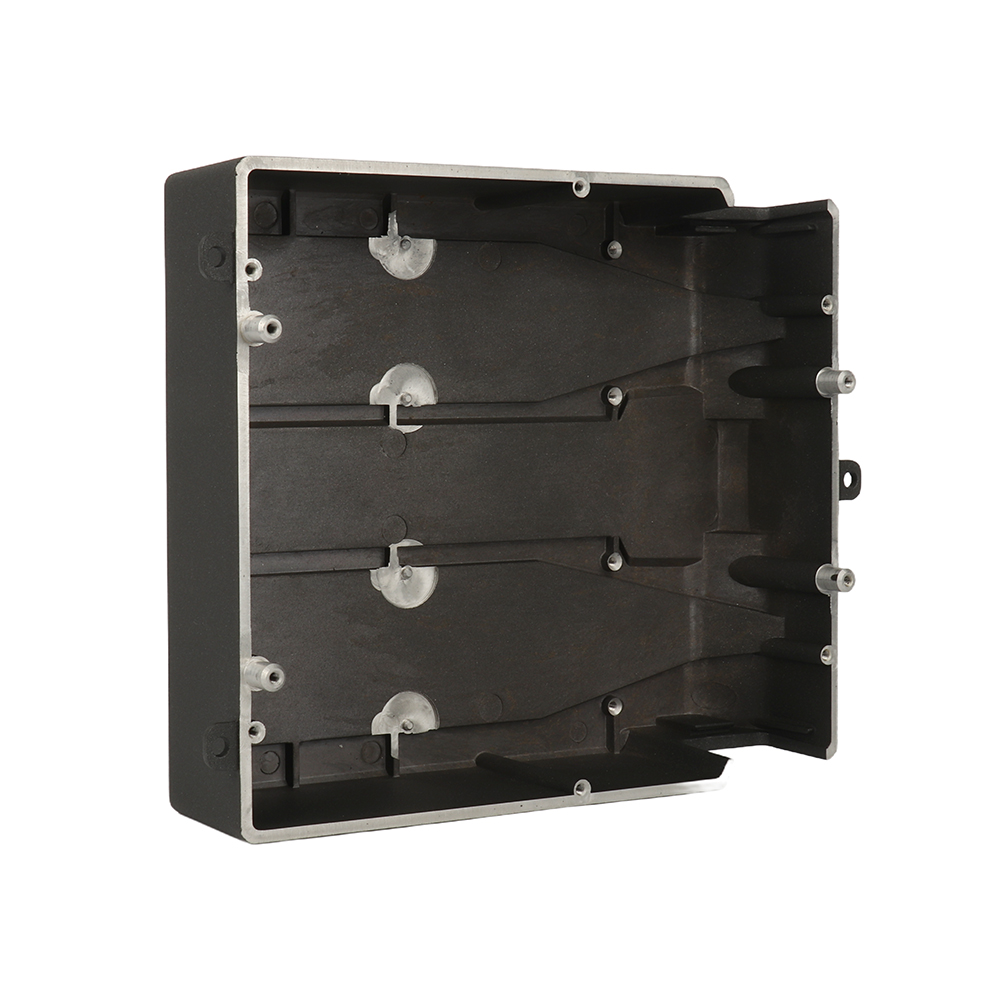
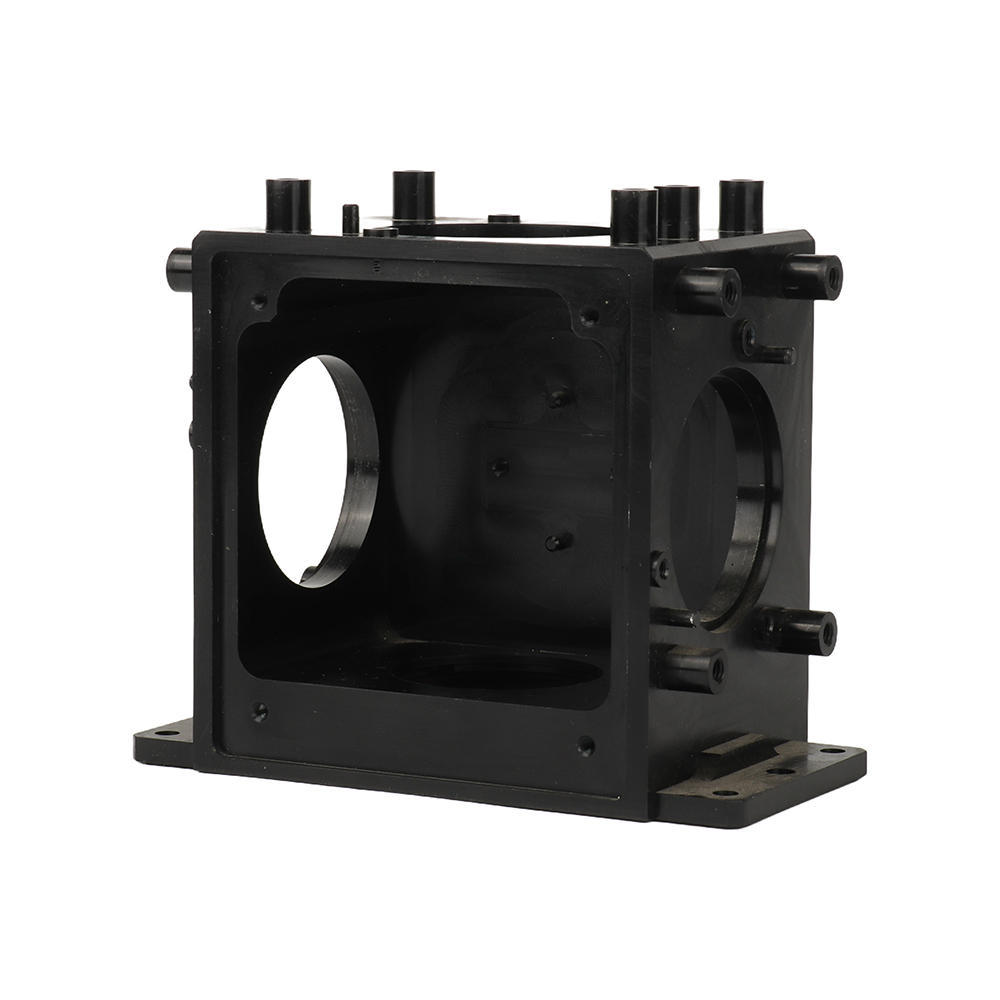
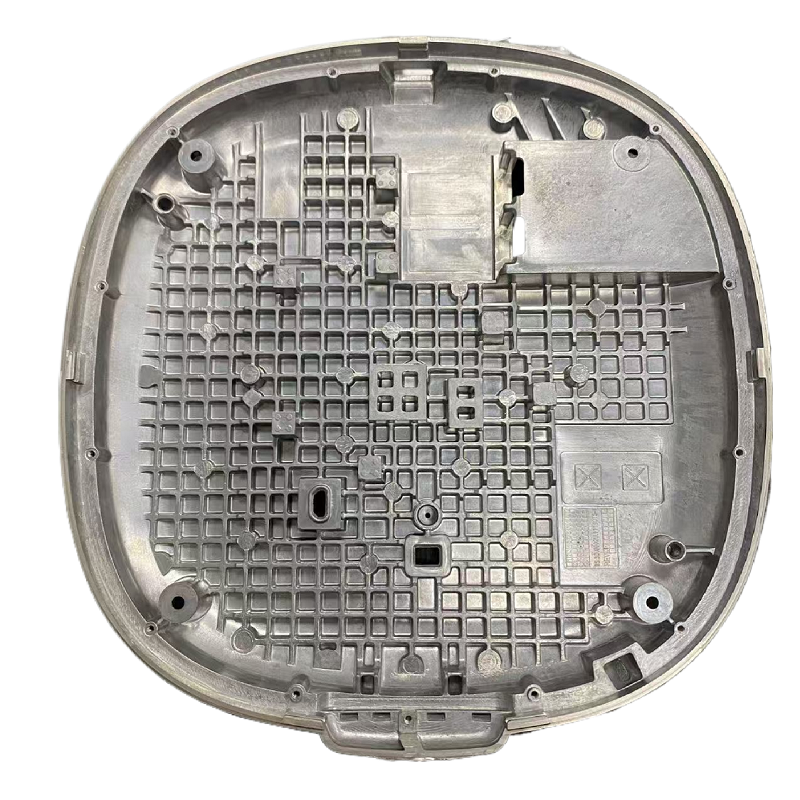
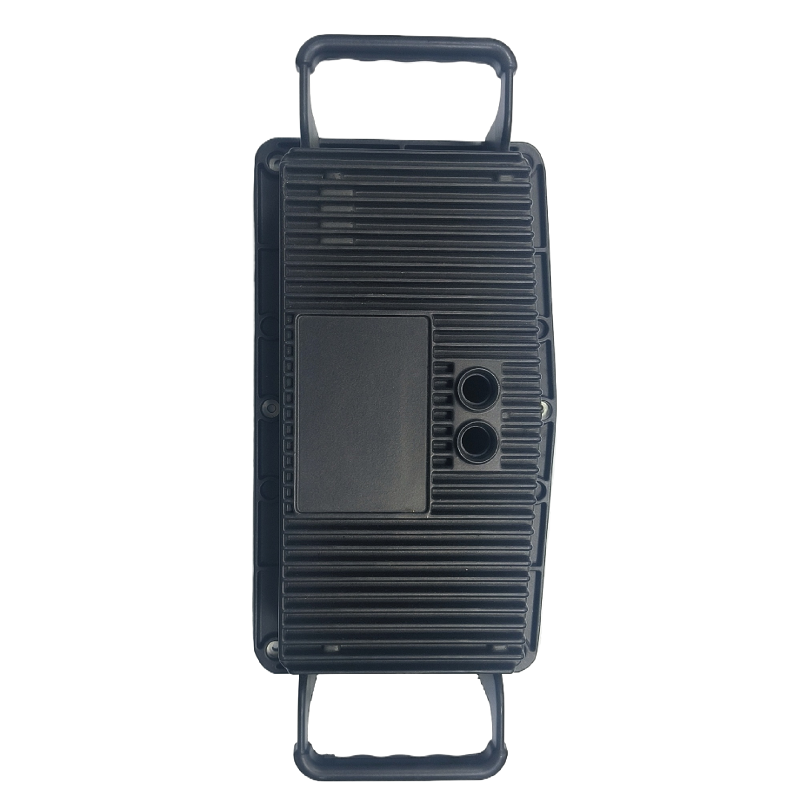
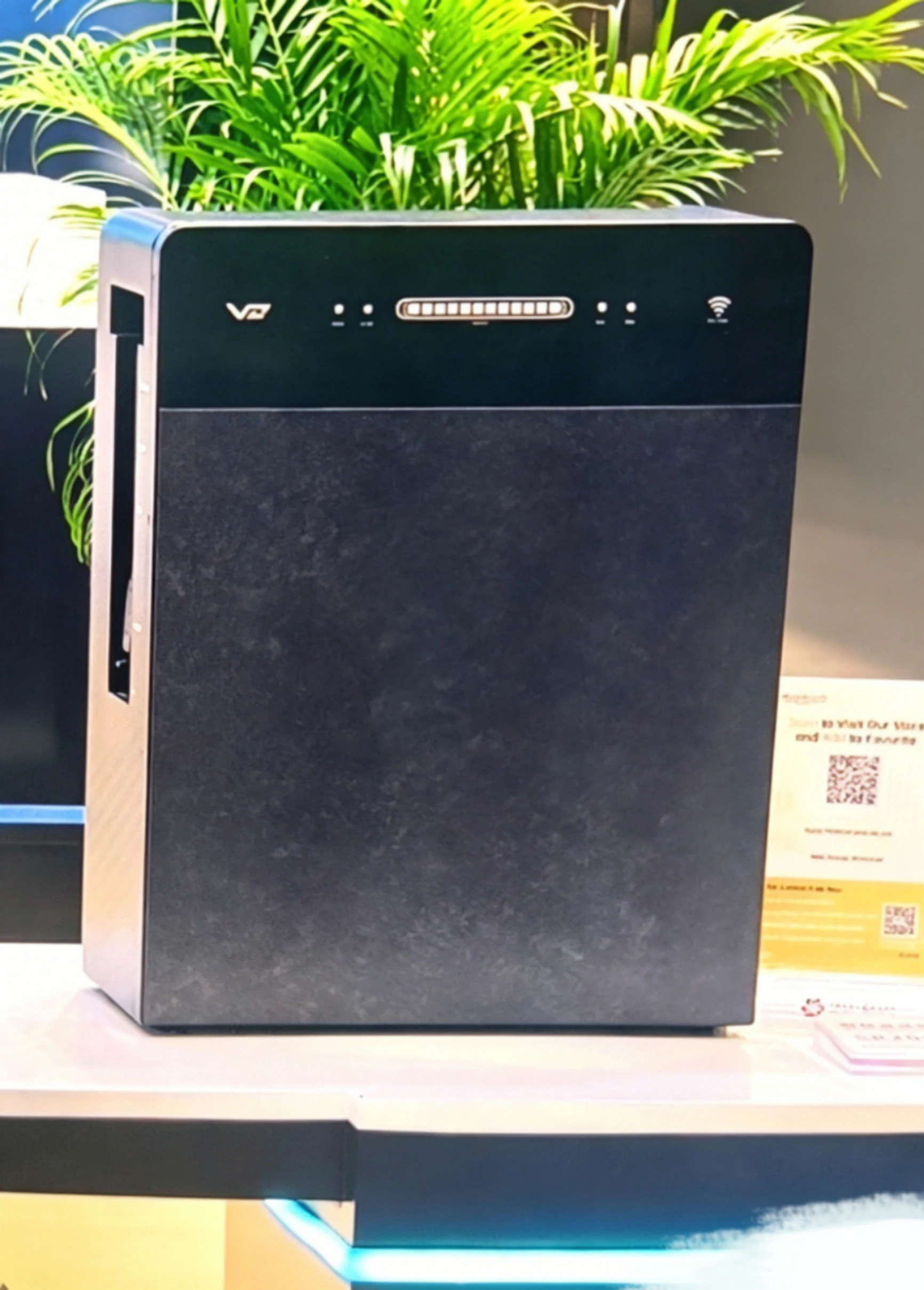
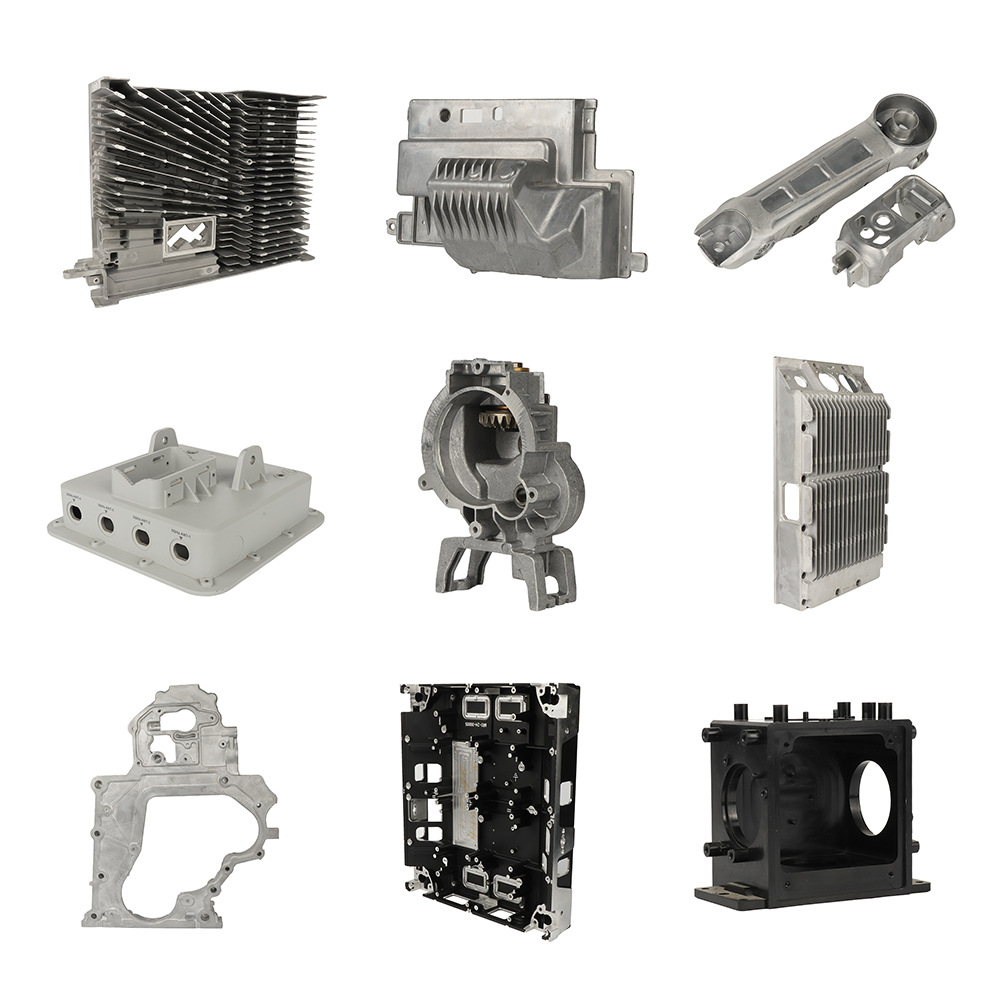
CNC machining services | What is aluminum-alloy CNC machining service?
What is Aluminum-Alloy CNC Machining Service?
Table of Contents
- 1. Introduction: Definition of Aluminum-Alloy CNC Machining Service
- 2. Core Focus of Aluminum-Alloy CNC Machining Service
- 3. Key Roles in Various Industries
- 4. Key Benefits of Choosing Aluminum-Alloy CNC Machining Service
- 5. Expert Opinions
- 6. Industry FAQs
- 7. Conclusion
1. Introduction: Definition of Aluminum-Alloy CNC Machining Service
In the modern manufacturing industry, precision, efficiency, and versatility are the core demands of enterprises across various sectors. Among the numerous machining technologies, Aluminum-Alloy CNC Machining Service stands out as a pivotal solution, combining the superior properties of aluminum alloys with the high precision of Computer Numerical Control (CNC) technology. This service refers to a professional manufacturing service that uses pre-programmed CNC machines to process aluminum alloy materials (such as 6061, 7075, and 5052 series) into custom precision components, covering a full range of processes including milling, turning, drilling, tapping, and surface treatment.
Unlike traditional manual machining or ordinary machine tool processing, Aluminum-Alloy CNC Machining Service relies on computer programming to control the movement of cutting tools, eliminating human errors and ensuring consistent quality of each finished part. It is widely used in aerospace, automotive, electronics, medical equipment, and other industries, providing tailored machining solutions for both small-batch prototypes and large-scale mass production.

2. Core Focus of Aluminum-Alloy CNC Machining Service
The quality and value of Aluminum-Alloy CNC Machining Service depend on three core focuses, which directly determine the performance, precision, and durability of the machined aluminum components. These focuses are closely integrated with the material characteristics of aluminum alloys and the functional requirements of end products.
2.1 Precision Control & Tolerance Management
2.1.1 Micron-Level Precision Guarantee
One of the primary focuses of Aluminum-Alloy CNC Machining Service is achieving ultra-high precision. Aluminum alloys are lightweight and have good machinability, but they are also prone to deformation if processed improperly. Professional CNC machining services use high-precision CNC equipment (such as 3-axis, 4-axis, and 5-axis machining centers) to control tolerances within ±0.005–0.02 mm, meeting the strict precision requirements of precision components in industries such as aerospace and medical equipment.
2.1.2 Consistent Batch Production
CNC programming ensures that each part in batch production has the same dimensions and specifications, avoiding the inconsistency caused by manual operation. This consistency is crucial for enterprises that need large-scale production, as it ensures the interchangeability of parts and reduces maintenance and replacement costs.
2.2 Material Optimization & Process Matching
2.2.1 Aluminum Alloy Selection Guidance
A professional Aluminum-Alloy CNC Machining Service will provide material selection guidance based on the customer’s product needs. Different aluminum alloy series have distinct properties: 6061 series is widely used for its balance of strength, machinability, and weldability; 7075 series is suitable for high-stress components due to its superior hardness; 5052 series is preferred for marine or high-humidity environments for its excellent corrosion resistance.
2.2.2 Cutting Parameter Optimization
Aluminum alloys have low cutting resistance, which allows high-speed machining, but improper cutting parameters can lead to material deformation or poor surface finish. The service optimizes spindle speed, feed rate, and coolant usage to avoid thermal deformation, especially for thin-walled aluminum components.
2.3 Surface Treatment Compatibility
After CNC machining, aluminum components often require surface treatments to enhance corrosion resistance, wear resistance, and aesthetics. Aluminum-Alloy CNC Machining Service ensures that the machined surface is smooth and free of burrs, providing a good foundation for subsequent treatments such as anodizing, powder coating, and sandblasting.
3. Key Roles of Aluminum-Alloy CNC Machining Service in Various Industries
Aluminum-Alloy CNC Machining Service plays an irreplaceable role in promoting the development of various industries, as it bridges the gap between aluminum alloy material advantages and product functional requirements.
3.1 Aerospace Industry: Lightweight & High-Strength Components
In the aerospace industry, weight reduction and high strength are critical requirements. Aluminum alloys are lightweight and have excellent strength-to-weight ratio. Aluminum-Alloy CNC Machining Service produces precision parts such as aircraft brackets, engine components, and cabin parts, meeting strict safety standards and improving fuel efficiency.
3.2 Automotive Industry: Energy Conservation & Precision Assembly
With the development of electric vehicles, the demand for lightweight components is increasing. Aluminum-Alloy CNC Machining Service provides precision parts such as battery enclosures, aluminum alloy frames, and transmission components, reducing vehicle weight and extending battery life.
3.3 Electronics Industry: Miniaturization & Heat Dissipation
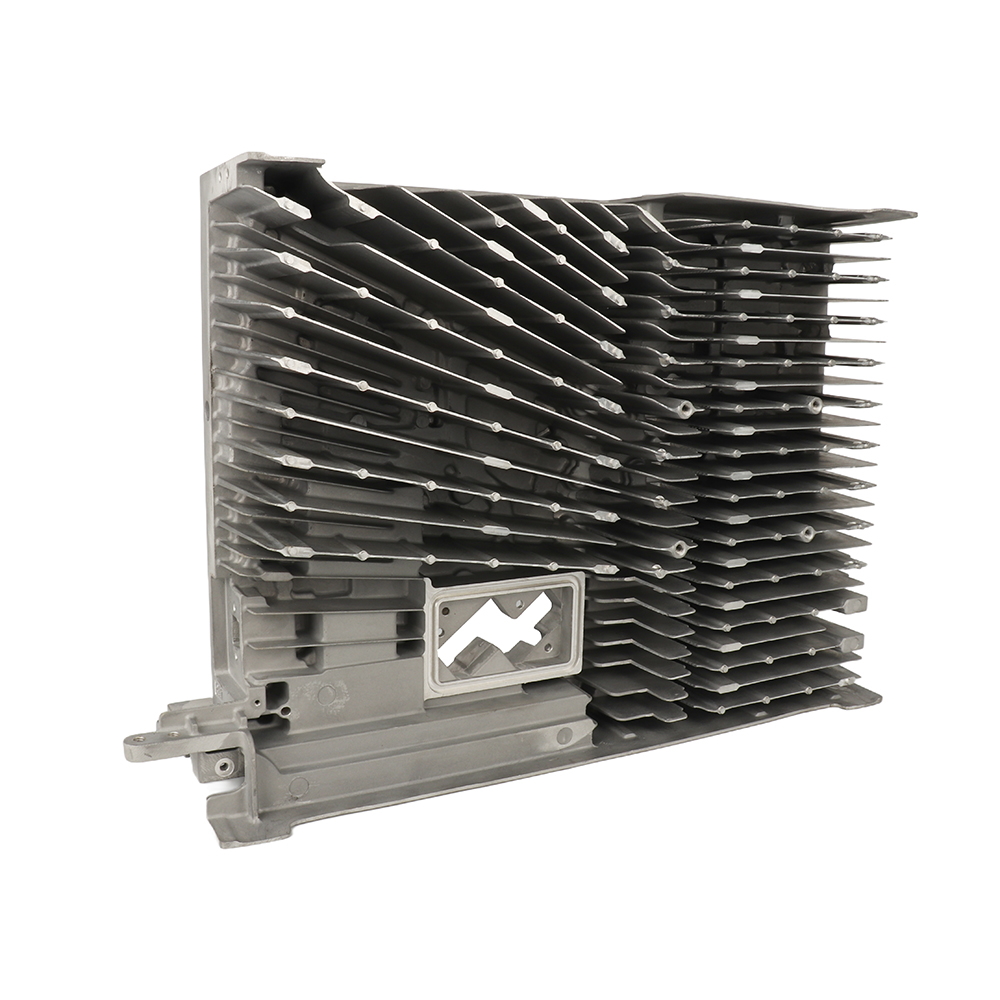
The electronics industry requires miniaturized, high-precision components with good heat dissipation. Aluminum alloys have excellent thermal conductivity, making them ideal for heat sinks, electronic enclosures, and internal support structures.
3.4 Medical Equipment Industry: Sterility & Precision
Medical equipment requires components with high precision, smooth surfaces, and corrosion resistance. Aluminum-Alloy CNC Machining Service produces precision parts such as medical instrument housings, surgical tool components, and diagnostic equipment parts, meeting strict medical standards.
4. Key Benefits of Choosing Aluminum-Alloy CNC Machining Service
Compared with traditional machining services or other material machining services, Aluminum-Alloy CNC Machining Service has obvious advantages, bringing long-term value to enterprises in terms of cost, efficiency, and product quality.
4.1 High Efficiency & Short Production Cycle
Aluminum alloys have good machinability, and CNC machining can achieve high-speed cutting, significantly reducing processing time. Automated CNC machines support 24-hour operation, shortening production cycles for prototypes and mass production.
4.2 Cost-Effectiveness in Long-Term Use
Although initial investment is slightly higher, Aluminum-Alloy CNC Machining Service reduces scrap rates, maintenance costs, and transportation costs. For long-term production, it is more cost-effective than traditional alternatives.
4.3 Strong Customization Capability
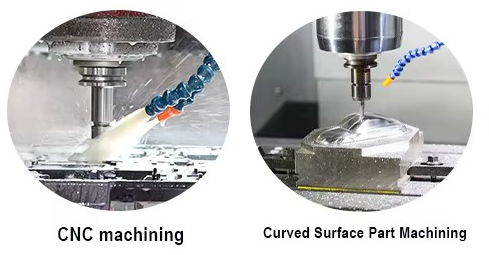
The service flexibly adapts to custom design needs, including complex curved surfaces, thin-walled parts, and special-shaped components, based on 3D drawings, helping enterprises realize innovative designs.
4.4 Superior Product Quality & Reliability
CNC machining eliminates human errors, ensuring consistent precision. Aluminum alloys offer excellent corrosion resistance and thermal conductivity, with finished components offering long service life (10–15 years) and high stability.
4.5 Environmental Friendliness & Sustainability
Aluminum is 100% recyclable, and machining generates less waste. Lightweight aluminum components reduce energy consumption, aligning with global green manufacturing trends.
5. Expert Opinions on Aluminum-Alloy CNC Machining Service
Industry experts in precision machining, materials science, and manufacturing have recognized the important role of Aluminum-Alloy CNC Machining Service in promoting industrial upgrading.
5.1 John Smith, Senior CNC Machining Engineer (20+ Years)
“Aluminum-Alloy CNC Machining Service has revolutionized manufacturing by combining aluminum alloys and CNC technology. Precision control and material optimization allow tolerances as low as ±0.001 inches, critical for aerospace and medical industries. High efficiency reduces costs and speeds up market response.”
5.2 Emily Davis, Material Science Professor
“Aluminum alloys are ideal for CNC machining due to low density, ductility, and thermal conductivity. The service’s ability to match alloys with processes optimizes performance and costs. Demand for lightweight, high-precision parts will make this service indispensable.”
5.3 Robert Lee, CTO of Leading Manufacturing Enterprise
“We’ve used this service for 10+ years. Customization drives product innovation, and consistent quality stabilizes production. It reduced scrap rates by 40% and shortened cycles by 30%, directly boosting competitiveness.”
6. Industry FAQs About Aluminum-Alloy CNC Machining Service
We have compiled the most common questions about Aluminum-Alloy CNC Machining Service in the industry to help you better understand its application, value, and related details:
Q1: What aluminum alloys are commonly used?
A1: 6061 (general-purpose), 7075 (high-strength), 5052 (corrosion-resistant), 2024 (fatigue-resistant). Providers recommend based on your needs.
Q2: What is the typical tolerance range?
A2: ±0.005–0.02 mm for standard parts; ±0.001–0.003 mm for ultra-precision parts with 5-axis equipment.
Q3: How long is the production cycle?
A3: 1–3 days for prototypes; 3–7 days for medium batches; 7–15 days for mass production.
Q4: Is it more expensive than steel CNC machining?
A4: Initial cost is lower due to faster machining. Long-term costs are better due to lighter weight, less maintenance, and corrosion resistance.
Q5: Can it process complex-shaped components?
A5: Yes. 4/5-axis CNC machines accurately process curved surfaces, hollow structures, and thin-walled parts.
Q6: What surface treatments are available?
A6: Anodizing, powder coating, sandblasting, polishing, chemical conversion coating — customized for your application.
7. Conclusion
Aluminum-Alloy CNC Machining Service is a high-precision, efficient, and versatile manufacturing service that combines the superior properties of aluminum alloys with the automation and precision of CNC technology. It focuses on precision control, material optimization, and surface treatment compatibility, playing a key role in aerospace, automotive, electronics, medical equipment, and other industries.
The service’s key benefits — high efficiency, cost-effectiveness, strong customization, superior quality, and environmental friendliness — make it the first choice for modern enterprises. With intelligent manufacturing development, it will continue upgrading to meet demand for high-precision, lightweight components, driving global manufacturing sustainability.
Semiconductor part | What are semiconductor CNC aluminum parts
Camera monitoring | What is Machined Aluminum Camera Monitoring Parts?
Related Article