HOT PRODUCTS
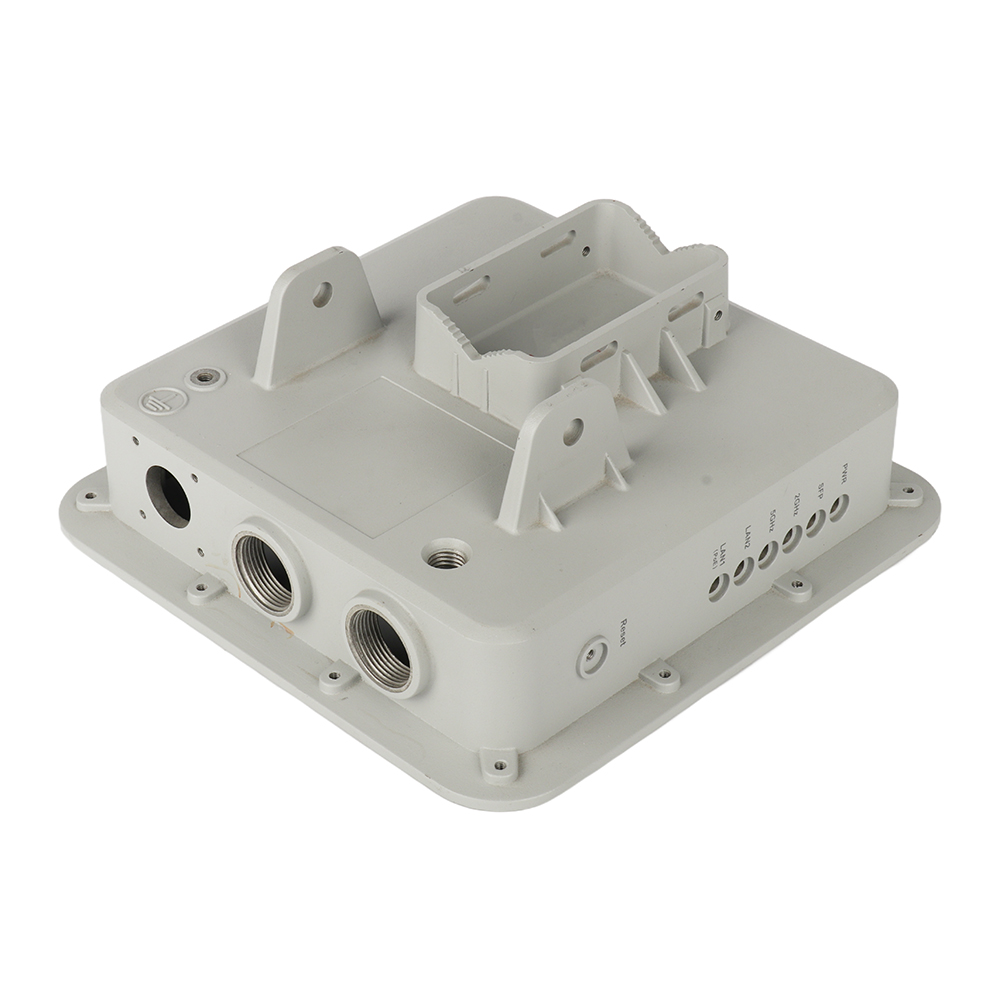
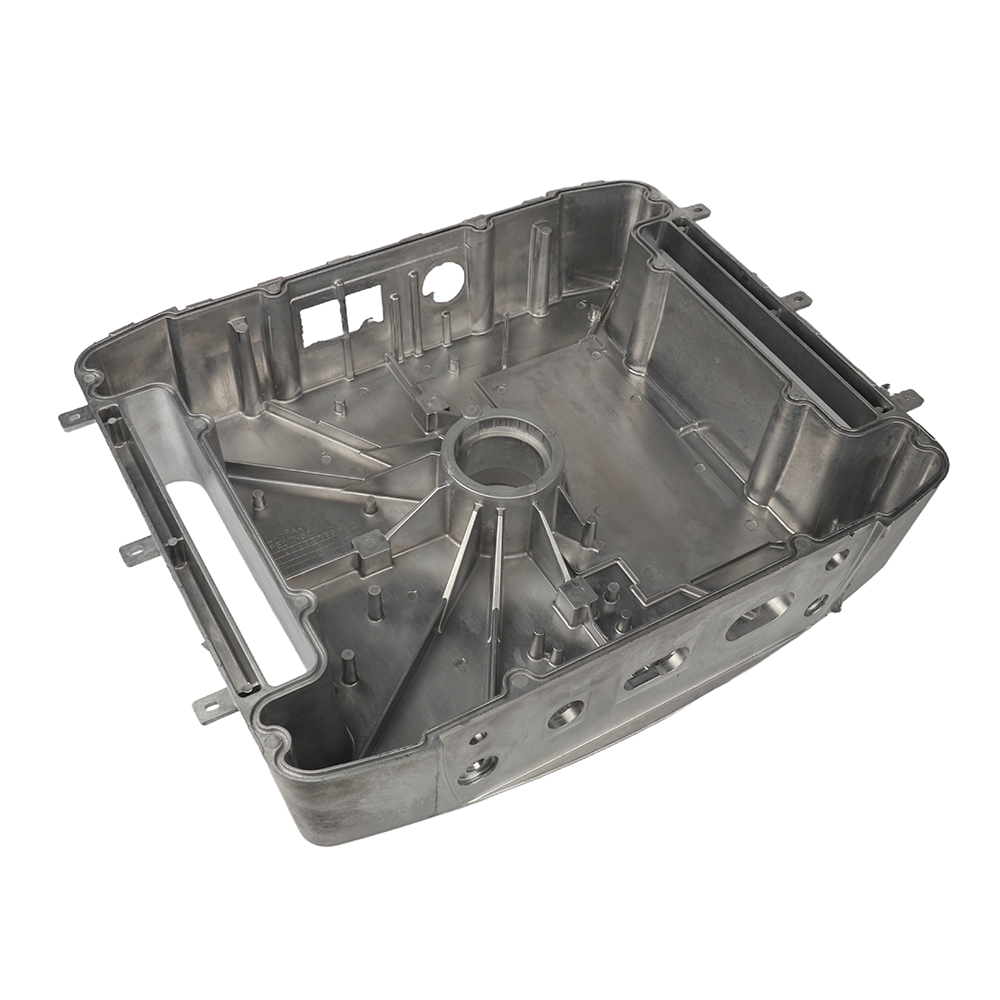
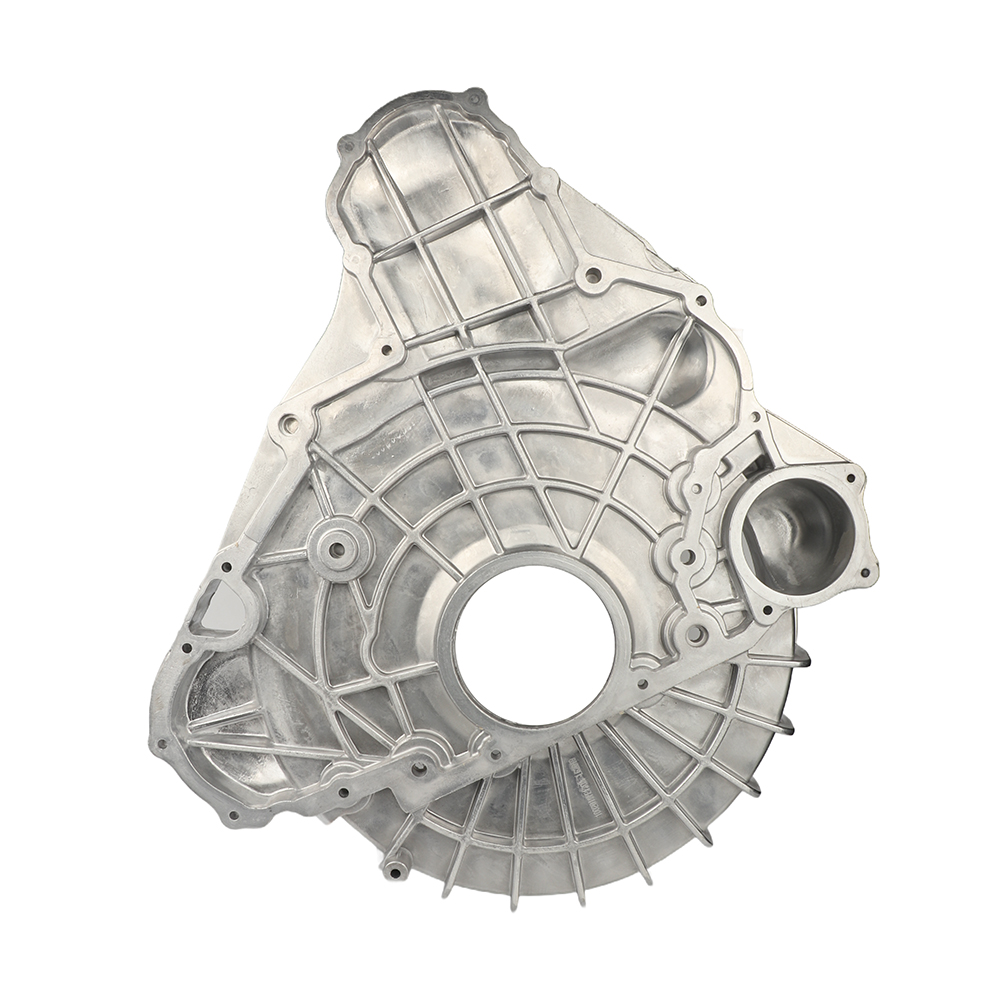
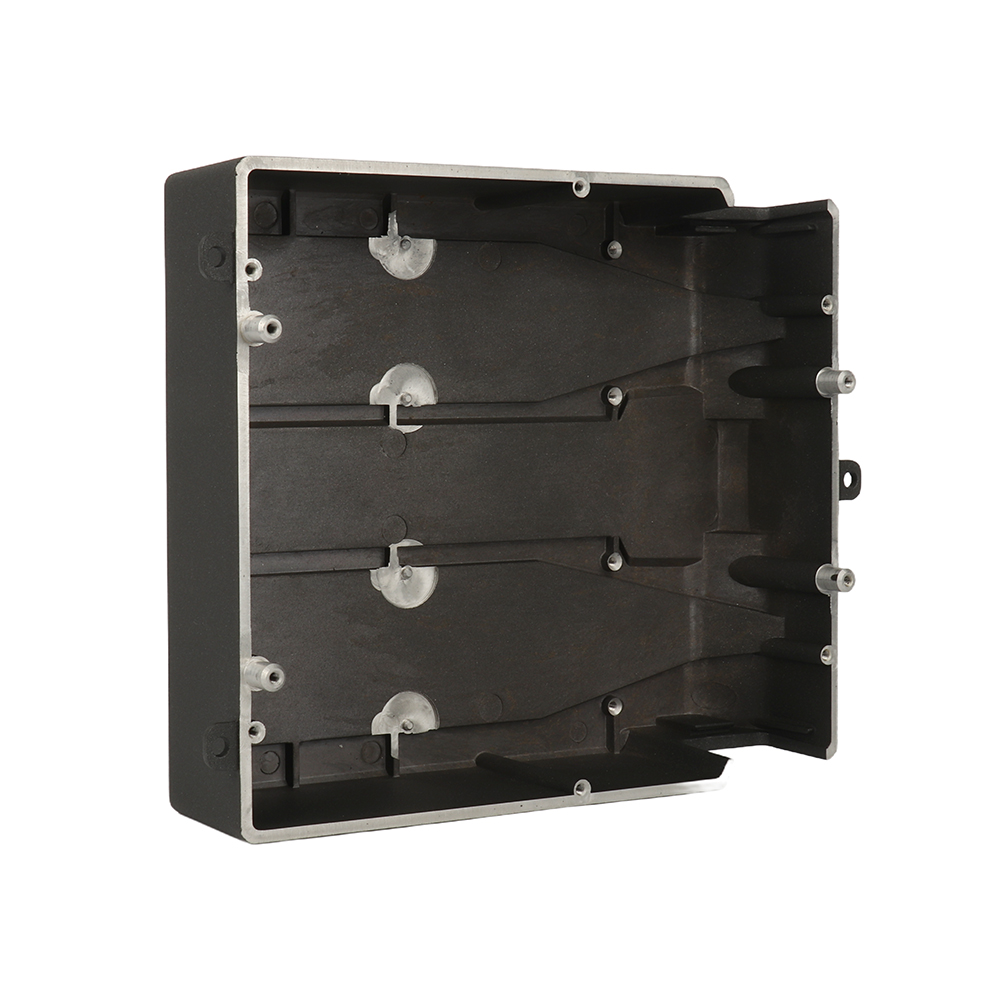
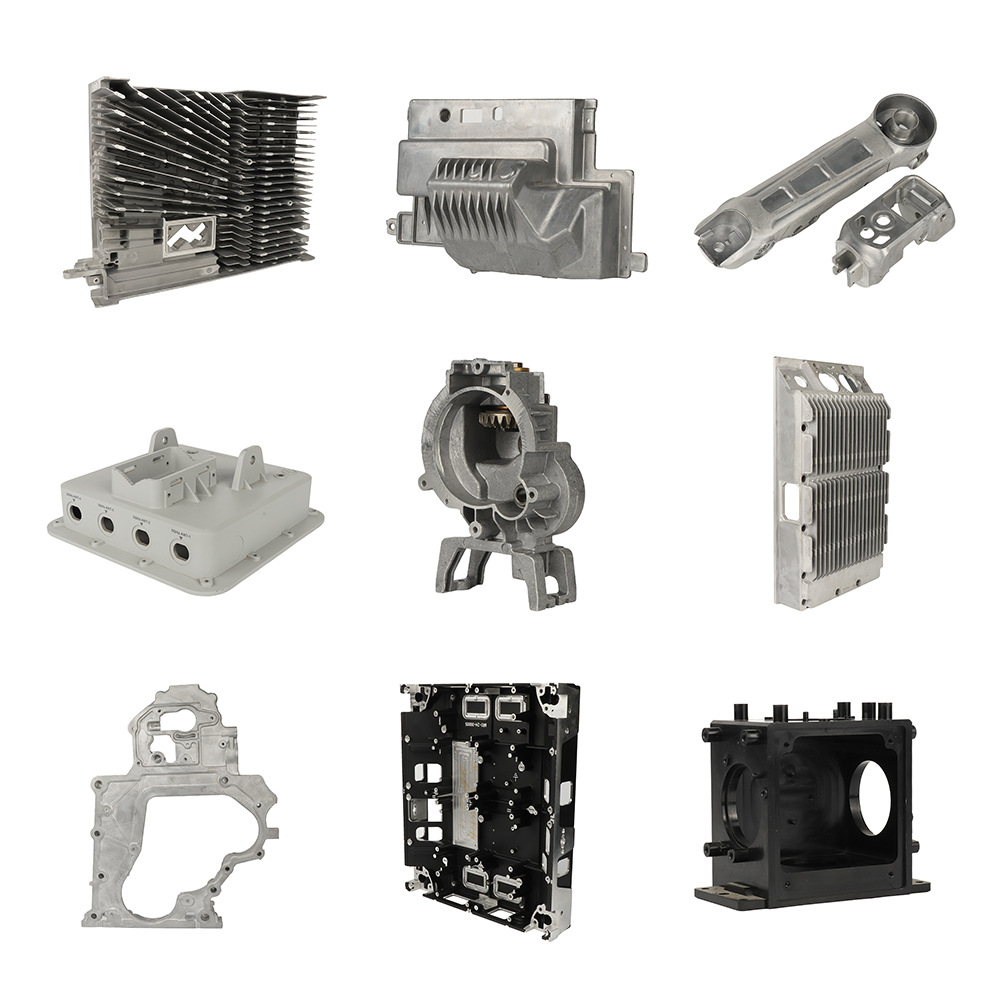
CNC machine automation | What is CNC machine tool automation? Key Focuses, Roles & Benefits
What is CNC Machine Tool Automation? Key Focuses, Roles & Benefits
Table of Contents
- 1. Introduction: CNC Machine Tool Automation & Its Industrial Significance
- 2. What is CNC Machine Tool Automation?
- 3. Key Focuses of CNC Machine Tool Automation
- 4. Core Roles of CNC Machine Tool Automation in Modern Industry
- 5. Key Benefits of CNC Machine Tool Automation
- 6. Expert Insights on CNC Machine Tool Automation
- 7. Frequently Asked Questions (FAQs) About CNC Machine Tool Automation
- 8. Conclusion
1. Introduction: CNC Machine Tool Automation & Its Industrial Significance
In the era of smart manufacturing, CNC machine tool automation has emerged as a transformative force, redefining the standards of precision, efficiency, and productivity in machining industries. From automotive parts production to aerospace component manufacturing, automated CNC systems have replaced traditional manual operations, addressing the limitations of human error, labor shortages, and inconsistent output. Unlike conventional CNC machining that relies on constant human intervention, CNC machine automation leverages computer numerical control (CNC) technology integrated with robotic systems, sensors, and software to enable unattended or semi-attended machining processes.
As global manufacturing shifts toward Industry 4.0, the demand for CNC machine tool automation continues to surge—driven by the need for faster production cycles, higher product quality, and reduced operational costs. This blog provides a comprehensive overview of CNC machine automation, including its definition, core components, key focuses, industrial roles, unique benefits, expert perspectives, and common FAQs.
2. What is CNC Machine Tool Automation?
2.1 Basic Definition of CNC Machine Tool Automation
CNC machine automation refers to the integration of computer numerical control (CNC) technology with automated systems—such as robots, conveyors, sensors, and intelligent software—to perform machining operations with minimal or no human intervention. Unlike manual CNC machining, where operators must constantly monitor and adjust the machine, CNC machine tool automation enables consistent, 24/7 operation by automating material loading/unloading, tool changes, quality checks, and process adjustments. At its core, it transforms digital designs (via CAD/CAM software) into precise physical parts through pre-programmed instructions, eliminating the variability of human operation.
2.2 Core Components of CNC Machine Automation Systems
A fully functional CNC machine automation system relies on four key components, working together to ensure seamless and efficient operation:
- CNC Controller: The "brain" of the system, which interprets pre-programmed G-code and M-code instructions to control the machine’s movements, spindle speed, and cutting parameters. Modern controllers often feature AI integration to optimize performance in real time.
- Automated Material Handling: Includes robots, conveyors, and pallet changers that load raw materials into the machine and unload finished parts, eliminating manual labor and reducing cycle times. This component is critical for enabling unattended operation during off-shifts.
- Sensors & Monitoring Devices: These detect tool wear, part dimensions, temperature, and vibration, sending real-time data to the controller for adaptive adjustments. They play a key role in maintaining precision and preventing defects.
- Integration Software: Connects the CNC machine to other systems (e.g., CAD/CAM software, ERP systems, and smart factory platforms) for seamless workflow management, data sharing, and process optimization—essential for Industry 4.0 integration.
3. Key Focuses of CNC Machine Tool Automation
3.1 Precision & Consistency in Automated Machining (Core Focus)
The primary focus ofCNC machine automation is delivering unmatched precision and consistent output. Human operators are prone to fatigue, distraction, and minor errors, which can lead to defective parts and wasted materials. Automated CNC systems, however, follow pre-programmed instructions with micron-level accuracy, ensuring every part meets exact specifications—whether producing 10 or 10,000 units. This consistency is critical for industries like aerospace and medical device manufacturing, where even tiny deviations can compromise safety and performance.
3.2 Process Integration & Workflow Optimization
CNC machine automation focuses on integrating machining processes into a cohesive workflow, eliminating bottlenecks and reducing non-value-added time. For example, automated material handling systems can load raw materials while the machine is still machining the previous part, cutting down on idle time. Additionally, integration with CAD/CAM software allows for seamless design-to-production transitions, where changes to a digital design are automatically updated in the machine’s program—streamlining the entire production process and reducing lead times.
3.3 Real-Time Monitoring & Adaptive Control
Modern CNC machine automation systems prioritize real-time monitoring and adaptive control to maintain optimal performance. Sensors continuously collect data on tool condition, cutting temperature, and part quality, feeding this information to the CNC controller. The controller then makes automatic adjustments—such as slowing down the spindle speed if tool wear is detected or adjusting cutting parameters to correct minor dimensional errors. This proactive approach minimizes downtime, reduces tool wear, and ensures consistent quality throughout production.
3.4 Safety & Compliance in Automated Operations
Safety is a critical focus of CNC machine automation, as it reduces human interaction with moving parts and hazardous cutting tools. Automated systems are equipped with safety features like protective enclosures, emergency stop buttons, and motion sensors that halt operation if a human enters the work area. Additionally, CNC machine automation helps manufacturers comply with industry regulations by maintaining detailed records of production processes, quality checks, and maintenance—ensuring traceability and accountability, especially in regulated industries like automotive and medical manufacturing.
4. Core Roles of CNC Machine Tool Automation in Modern Industry
4.1 Role in Boosting Production Efficiency
One of the most critical roles of CNC machine automation is boosting production efficiency. Automated systems can operate 24 hours a day, 7 days a week, with minimal downtime—unlike manual operations that are limited by human work hours and fatigue. For example, a non-automated CNC machine typically operates at only 25-30% of its potential capacity, while an automated system can triple that utilization by eliminating setup time and enabling unattended operation during nights and weekends. This increased efficiency translates to higher output, shorter lead times, and the ability to meet growing customer demand.
4.2 Role in Advancing Manufacturing Flexibility
CNC machine automation plays a key role in making manufacturing more flexible and adaptable to changing market needs. With advanced programming and quick-change tooling, automated CNC systems can switch between different part designs in minutes—eliminating the long setup times associated with manual machining. This flexibility is essential for small-batch production, custom manufacturing, and industries where product designs frequently update, such as consumer electronics and automotive. It allows manufacturers to respond quickly to customer orders and stay competitive in a fast-paced market.
4.3 Role in Supporting Smart Manufacturing & Industry 4.0
CNC machine tool automation is a cornerstone of Industry 4.0 and smart manufacturing. It enables seamless connectivity between CNC machines, other production equipment, and digital platforms—creating a "smart factory" where data is shared in real time. This connectivity allows for centralized monitoring, predictive maintenance, and data-driven decision-making. For example, AI-powered CNC machine automation systems can analyze production data to predict equipment failures before they occur, reducing unplanned downtime. Additionally, automated CNC systems integrate with IoT (Internet of Things) devices to provide real-time visibility into production metrics, helping manufacturers optimize processes and reduce waste.
5. Key Benefits of CNC Machine Tool Automation
Investing in CNC machine automation delivers a wide range of benefits for manufacturers, from cost savings to improved product quality. Below are the most impactful benefits:
- Reduced Labor Costs: By automating material handling, tool changes, and monitoring, CNC machine automation reduces the need for manual labor. This not only cuts payroll expenses but also addresses labor shortages in the manufacturing industry, as fewer operators are required to run multiple machines.
- Higher Product Quality & Reduced Waste: The precision and consistency of CNC machine automation minimize human error, leading to fewer defective parts and less material waste. According to Deloitte’s 2023 report, AI-driven automated quality control systems can reduce defect rates by up to 50%—significantly cutting waste and rework costs.
- Increased Production Capacity: With 24/7 operation and reduced downtime, CNC machine automation dramatically increases production capacity. Manufacturers can produce more parts in less time, allowing them to take on larger orders and expand their customer base.
- Improved Workplace Safety: By reducing human interaction with hazardous machinery, CNC machine automation creates a safer work environment. This lowers the risk of workplace accidents, reduces workers’ compensation costs, and improves employee morale.
- Enhanced Competitiveness: In a global market,CNC machine automation helps manufacturers stay competitive by delivering high-quality parts at lower costs and shorter lead times. It also enables them to adapt to changing market demands quickly, giving them an edge over competitors still relying on manual machining.
- Cost Savings from Predictive Maintenance: AI-integrated CNC machine automation enables predictive maintenance, which can reduce maintenance costs by up to 25% and cut unplanned downtime by 30-40%, according to McKinsey research. This proactive approach eliminates costly emergency repairs and extends the lifespan of equipment.
6. Expert Insights on CNC Machine Tool Automation
Industry experts recognize CNC machine automation as a game-changer for modern manufacturing, with insights that highlight its long-term value and future potential:
“CNC machine automation is no longer a luxury—it’s a necessity for manufacturers looking to survive and thrive in the age of Industry 4.0. The precision, efficiency, and flexibility it offers allow companies to overcome labor shortages, reduce costs, and deliver consistent, high-quality parts that meet the demands of today’s market. Those who delay adopting automation risk falling behind their competitors.” — Michael Moustakakis, Automation Expert at Vention, a leading provider of CNC automation solutions.
“The true power of CNC machine automation lies in its ability to integrate with AI and IoT technologies, creating a connected ecosystem that drives continuous improvement. From predictive maintenance to real-time process optimization, automation transforms CNC machining from a standalone operation into a core component of a smart factory. Manufacturers who leverage this connectivity will see significant gains in productivity and profitability.” — Dr. Sarah Chen, Industrial Automation Researcher at the Nan Yang Academy of Sciences, specializing in CNC machine automation systems.
“One of the biggest misconceptions about CNC machine automation is that it replaces human workers. In reality, it empowers them—freeing operators from repetitive, tedious tasks to focus on higher-value work like programming, maintenance, and process optimization. Automation enhances human capabilities, not replaces them, creating a more skilled and efficient workforce.” — Alex Koepsel, CNC Automation Specialist at Vention, with over a decade of experience in industrial automation implementation.
7. Frequently Asked Questions (FAQs) About CNC Machine Tool Automation
Below are answers to the most common questions about CNC machine automation, addressing key concerns for manufacturers considering adoption:
Q1: What does it take to integrate a robot with a CNC machine for automation?
Integration is typically straightforward for most modern CNC machines, as they often come with built-in I/O capabilities to support automation. If not, physical wiring to stack lights or start buttons using parallel signals can be used. Some machines may require minor modifications, such as an auto-door actuator, but the goal is always to minimize disruption to existing equipment. Working with an experienced automation provider can simplify the integration process further.
Q2: Do I need to be a robotics expert to operate a cobot-integrated CNC automation system?
No. Cobots (collaborative robots) used in CNC automation are designed for simplicity. With just a few days of training, most operators can run the system independently. The key is having a staff member who can dedicate time to learning the system’s functions—you don’t need to be an expert, just present and willing to learn.
Q3: How long does it take to program a new part with CNC machine automation?
Programming time varies based on part complexity. For parts with similar pick-and-place points, the system can accept dimensional offsets as inputs, eliminating the need for full reprogramming. For new parts with unique positions, full reprogramming typically takes 2–5 hours. AI-driven programming tools are also available to automate and speed up this process by analyzing CAD models and optimizing tool paths.
Q4: Is CNC machine automation suitable for small-batch or custom manufacturing?
Absolutely. One of the key benefits of CNC machine automation is its flexibility. With quick-change tooling and advanced programming, automated systems can switch between different part designs in minutes, making them ideal for small-batch production and custom manufacturing. This flexibility allows small and medium-sized manufacturers to compete with larger companies by offering custom parts with short lead times.
Q5: What are the maintenance and support costs for CNC machine automation systems?
Cobots and most automated CNC components are essentially maintenance-free—no oiling, greasing, or recalibration is required. Most failures involve external components, not the core automation system. Additionally, predictive maintenance features in modern systems help identify potential issues early, reducing maintenance costs and unplanned downtime. Many automation providers offer ongoing support to ensure smooth operation.
Q6: Does CNC machine automation introduce cybersecurity risks?
As CNC machines connect to networks for real-time monitoring and remote diagnostics, they can become potential targets for cyber attackers. However, these risks can be mitigated with a layered approach: segmenting the network to keep CNC machines on a separate VLAN, implementing access controls, monitoring network traffic for anomalies, updating firmware regularly, and disabling unnecessary network services. Offline backups of CNC programs also help protect against ransomware threats.
8. Conclusion
CNC machine automation is a transformative technology that is reshaping the manufacturing industry, offering unprecedented precision, efficiency, and flexibility. From its core focus on consistency and safety to its role in enabling Industry 4.0, CNC machine automation delivers tangible benefits that help manufacturers reduce costs, improve quality, and stay competitive in a global market. As experts emphasize, automation is not about replacing human workers but empowering them to focus on higher-value tasks, creating a more efficient and sustainable manufacturing ecosystem.
Whether you’re a small job shop or a large-scale manufacturer, investing in CNC machine automation is a strategic decision that will pay off in the long run—by increasing production capacity, reducing waste, and positioning your business for future growth. As technology continues to advance, CNC machine automation will only become more accessible and powerful, making it an essential tool for any manufacturer looking to thrive in the digital age.
Smart lock | What are CNC machined smart lock parts? Key Focuses, Roles & Benefits
Aluminum heat sink plate | What is aluminum heatsink cnc machining manufacturer? Key Focuses, Roles & Benefits
Related Article