HOT PRODUCTS
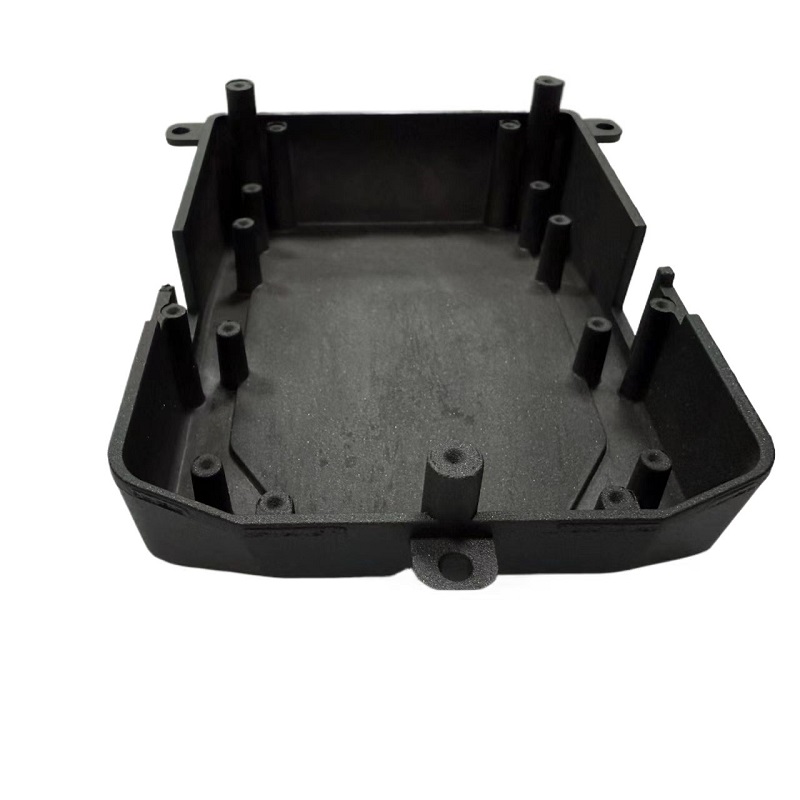
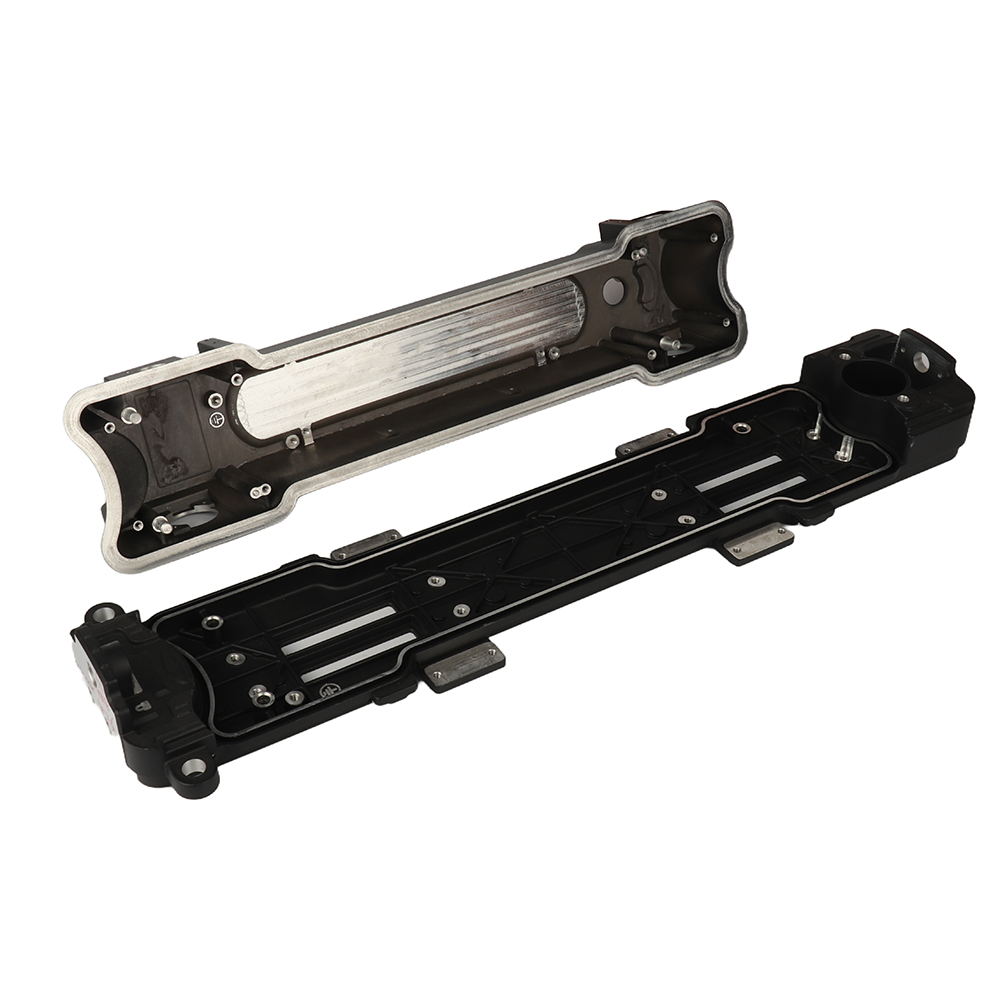
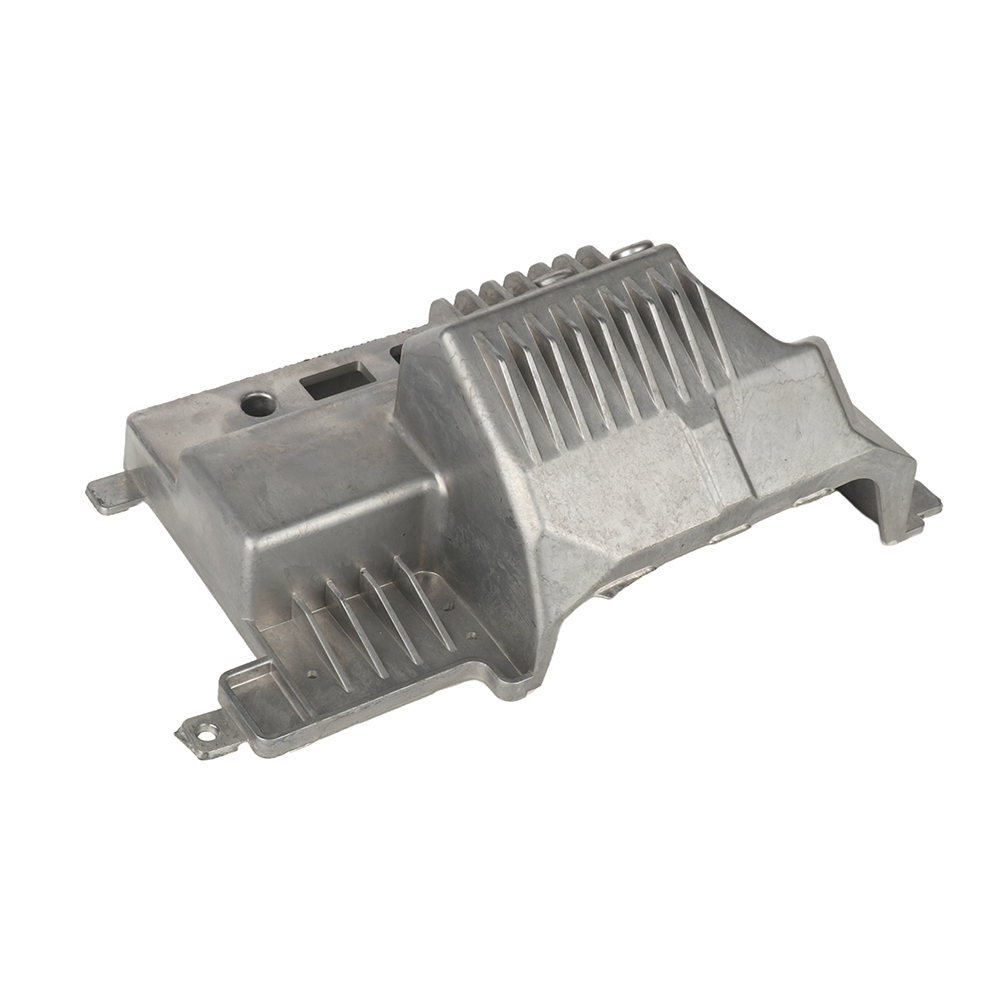
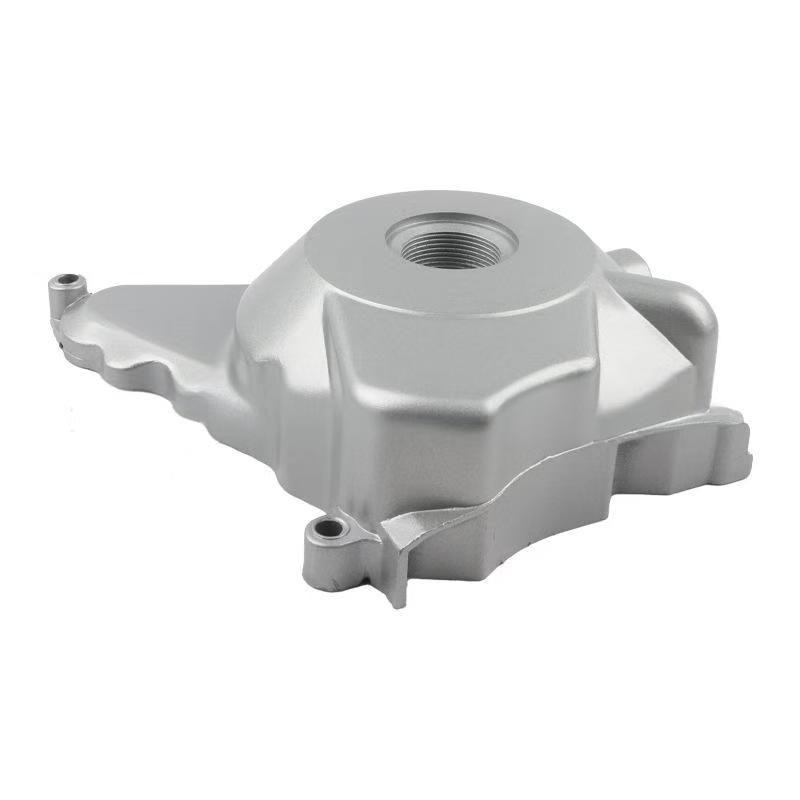
Laptop frame | What is custom aluminum CNC machining? Focus on Laptop Frame Applications
What is Custom Aluminum CNC Machining? Focus on Laptop Frame Applications
Table of Contents
- 1. Introduction: Definition of Custom Aluminum CNC Machining
- 2. Custom Aluminum CNC Machining for Laptop Frame: Core Focus & Key Roles
- 3. Key Benefits of Aluminum Laptop Frame Machined by Custom CNC Technology
- 4. Expert Opinions on Custom Aluminum CNC Machining for Laptop Frames
- 5. Industry FAQs About Custom Aluminum CNC Machining & Laptop Frames
- 6. Conclusion
1. Introduction: Definition of Custom Aluminum CNC Machining
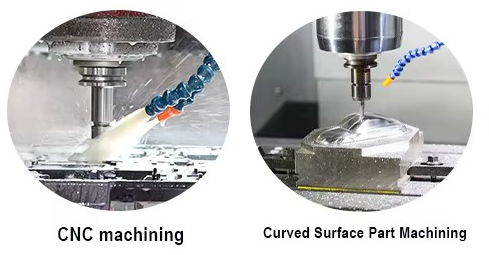
In the era of precision manufacturing, custom aluminum CNC machining has become a cornerstone technology across industries, especially in consumer electronics where precision, durability, and aesthetics are non-negotiable. Simply put, custom aluminum CNC machining is a subtractive manufacturing process that uses computer numerical control (CNC) machines to cut, shape, and finish aluminum materials into custom-designed parts—tailored to meet specific size, shape, and performance requirements. Unlike standard mass-produced components, this process offers unparalleled precision, repeatability, and flexibility, making it ideal for creating high-quality parts like laptop frames, which demand tight tolerances and seamless integration with other components.
Aluminum, with its lightweight, high strength-to-weight ratio, excellent thermal conductivity, and easy machinability, is the perfect material for CNC machining—especially for laptop frames. Common aluminum alloys used in this process include 6061-T6 and 7075-T6, which balance strength, corrosion resistance, and cost-effectiveness, making them the top choices for laptop manufacturers worldwide. Custom aluminum CNC machining transforms raw aluminum billets into sleek, durable laptop frames that not only support internal components but also define the device’s aesthetic and user experience. This technology bridges the gap between design creativity and manufacturing precision, enabling brands to deliver products that stand out in a competitive market.
2. Custom Aluminum CNC Machining for Laptop Frame: Core Focus & Key Roles
The laptop frame is the backbone of any laptop, serving as both a structural foundation and a protective casing for internal components like the motherboard, battery, display, and keyboard. Custom aluminum CNC machining ensures that laptop frames meet the strict standards of modern laptops—slim, lightweight, durable, and precise. Below are the core focuses and key roles of custom aluminum CNC machining in laptop frame production:
2.1 Precision Engineering for Seamless Fit
Custom aluminum CNC machining operates with micron-level precision, ensuring that every cut, hole, and edge of the aluminum laptop frame is consistent and accurate. This precision is critical because laptop frames must fit perfectly with other components—from the display hinge to the keyboard tray and battery compartment. Even a tiny deviation (as small as 0.01mm) can cause misalignment, leading to loose parts, poor performance, or even device failure. CNC machines, guided by pre-programmed software, eliminate human error, ensuring that every laptop frame is identical and meets the manufacturer’s exact specifications. This level of precision is especially crucial for unibody laptop designs, where the frame is carved from a single block of aluminum to eliminate seams and ensure structural integrity.
2.2 Structural Support & Component Protection
The aluminum laptop frame machined via custom CNC technology acts as the primary structural support for the entire device. Aluminum’s inherent strength (enhanced by CNC precision) allows the frame to withstand daily wear and tear—such as accidental drops, pressure, and impacts—without bending or cracking. It also protects internal components from external damage, dust, and moisture, extending the laptop’s service life. For ultra-thin laptops, CNC machining enables the creation of slim yet sturdy frames that maintain structural integrity without adding unnecessary weight. Unlike plastic frames, aluminum frames offer superior rigidity and resistance to warping, ensuring the laptop retains its shape even with long-term use.
2.3 Thermal Management Enhancement
Laptops generate heat during operation, and excessive heat can damage internal components and reduce performance. Aluminum is an excellent thermal conductor, and custom aluminum CNC machining optimizes the laptop frame to act as a passive heat sink. CNC-machined frames feature precise channels and surfaces that absorb heat from the CPU and GPU, then dissipate it to the surrounding environment. This thermal management capability ensures that laptops run cooler, more efficiently, and have a longer lifespan—critical for high-performance laptops used for gaming, content creation, and professional work. Compared to magnesium alloy frames, aluminum frames offer superior heat dissipation, making them a better choice for high-performance devices.
2.4 Aesthetic Customization
Custom aluminum CNC machining allows laptop manufacturers to create sleek, modern aluminum laptop frames with customizable designs. CNC machines can produce smooth, seamless surfaces, sharp edges, or curved profiles, depending on the brand’s aesthetic vision. Additionally, post-machining treatments (such as anodization, polishing, or powder coating) enhance the frame’s appearance, making it resistant to fingerprints, scratches, and fading. This combination of precision and customization is why premium laptop brands (like Apple, Dell, and HP) rely on custom aluminum CNC machining for their high-end devices. Anodized aluminum frames, in particular, offer a premium look and feel while providing additional protection against wear and tear.

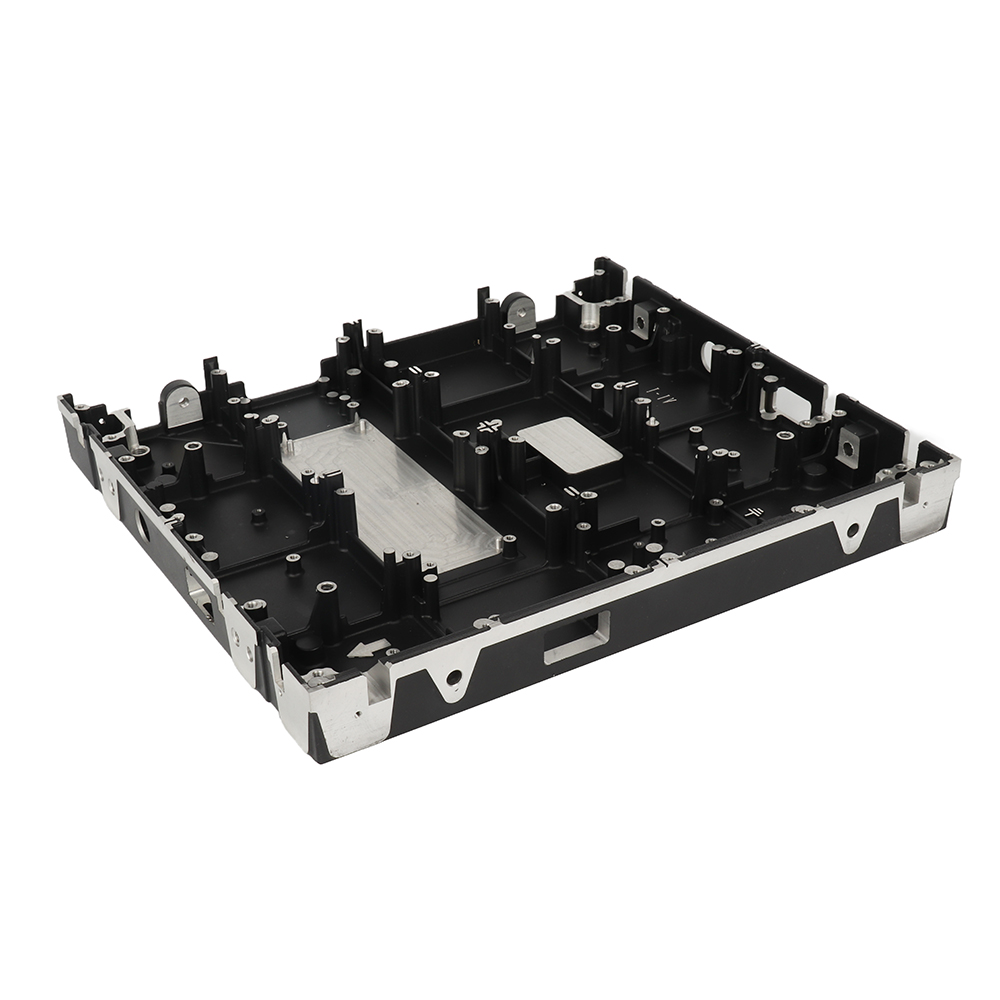
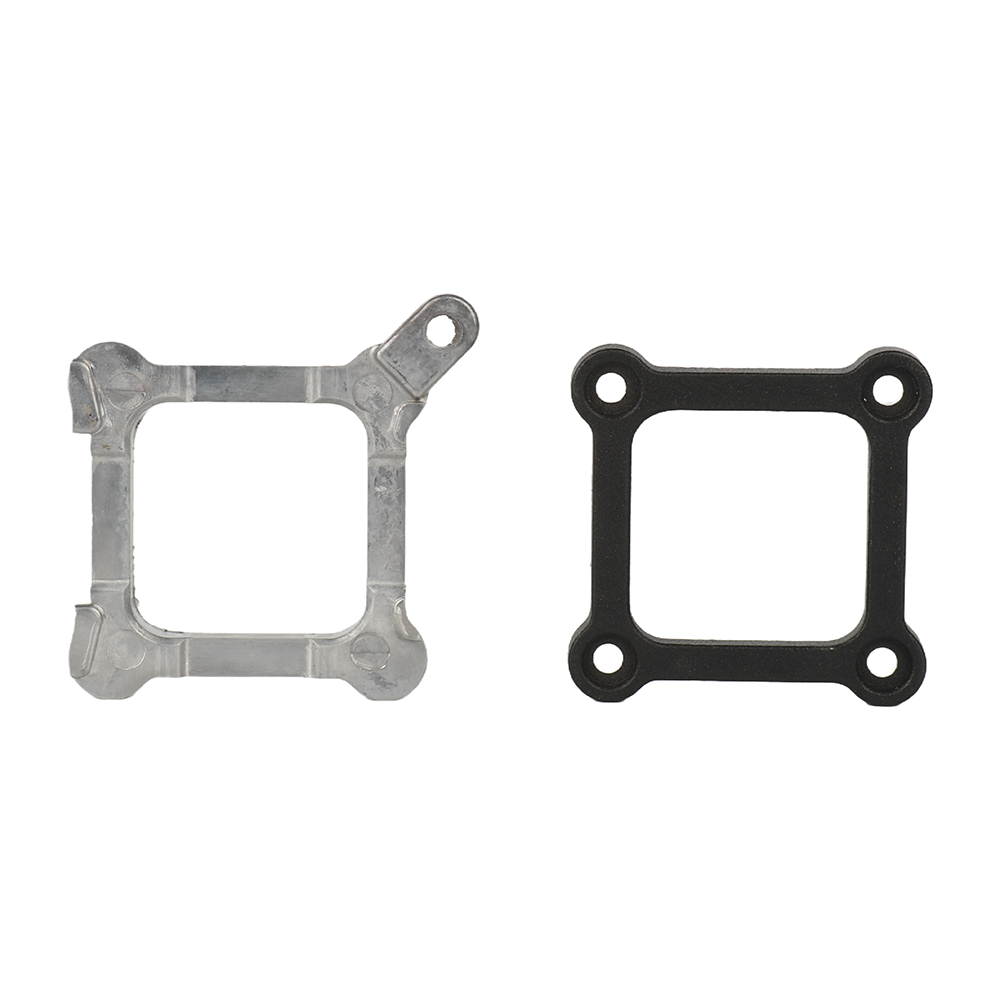
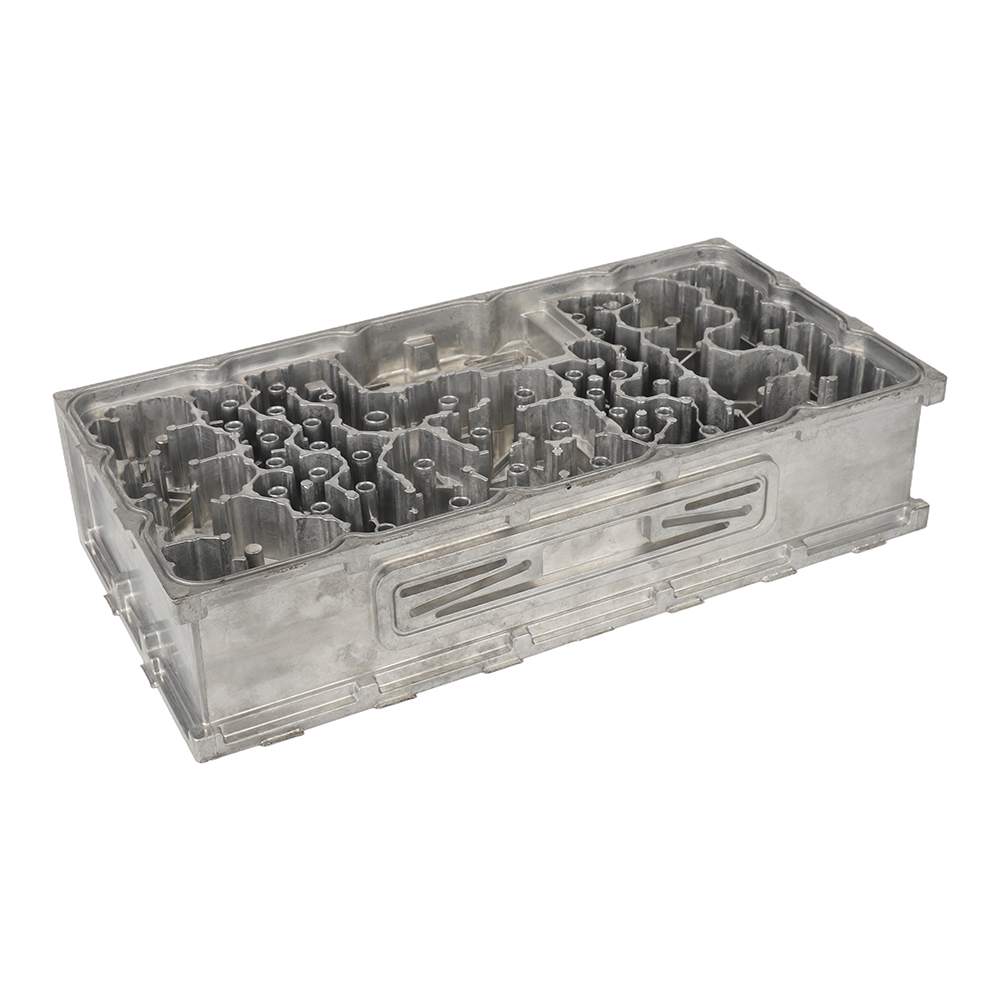
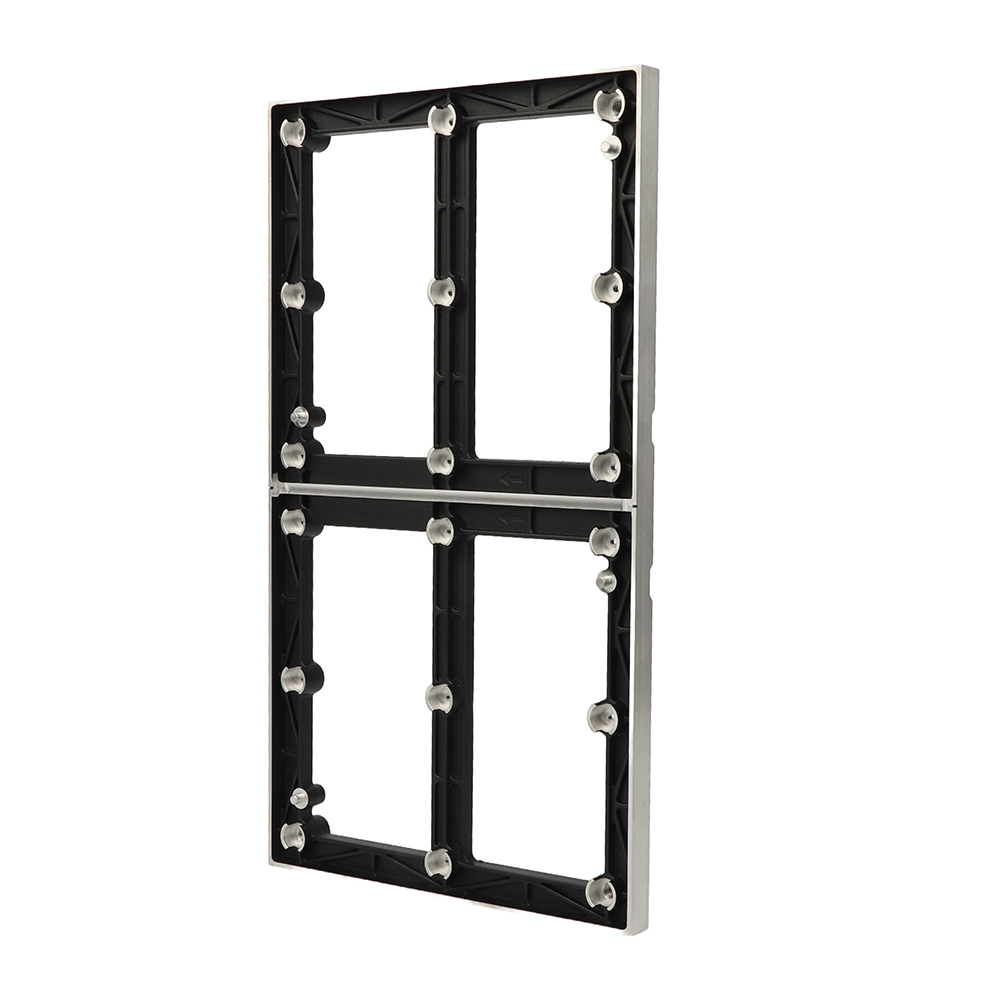
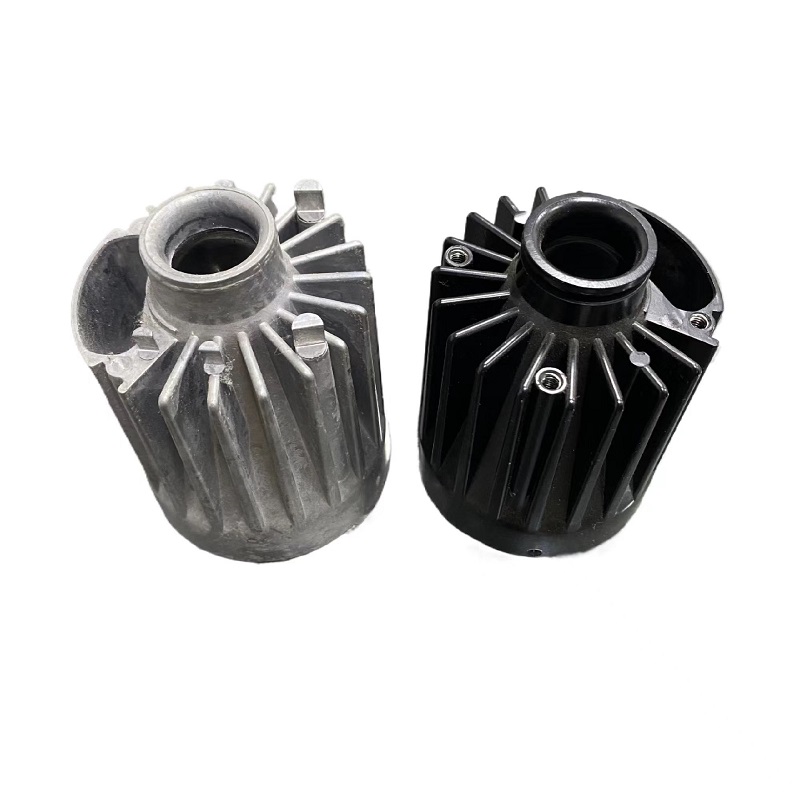
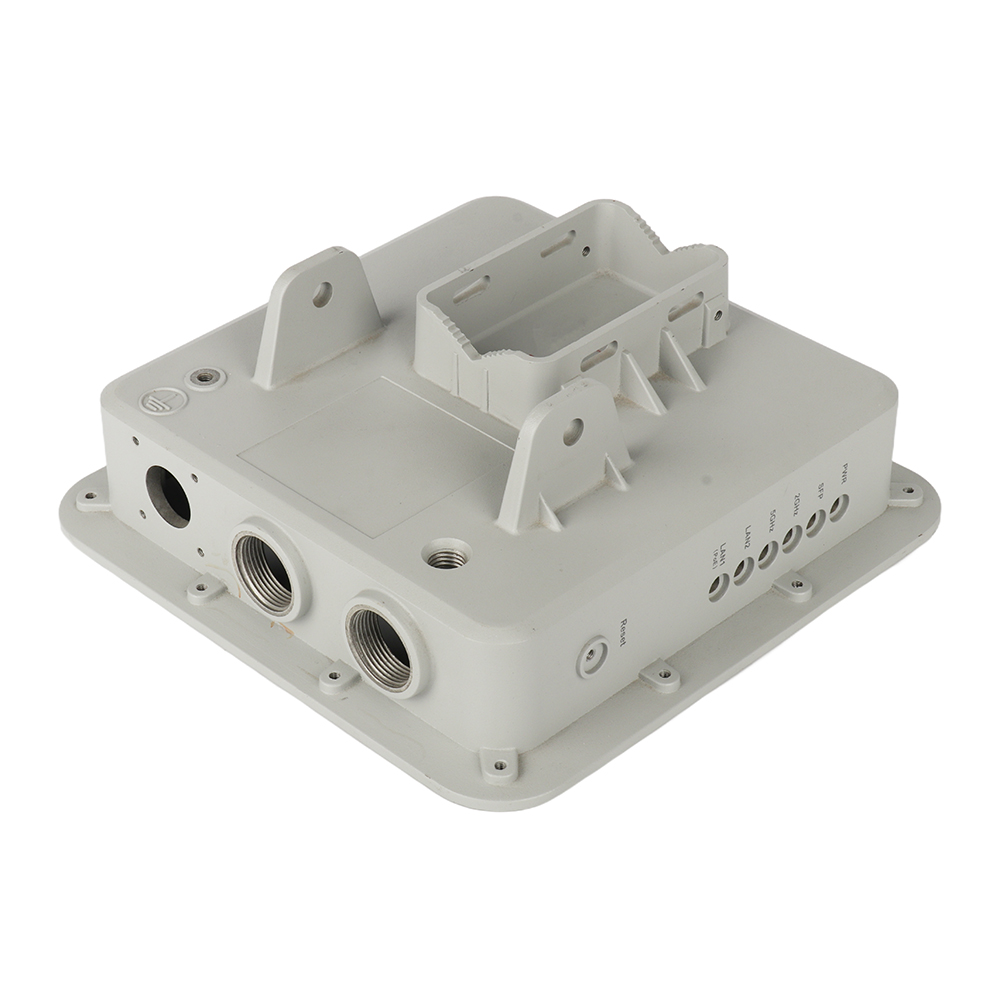
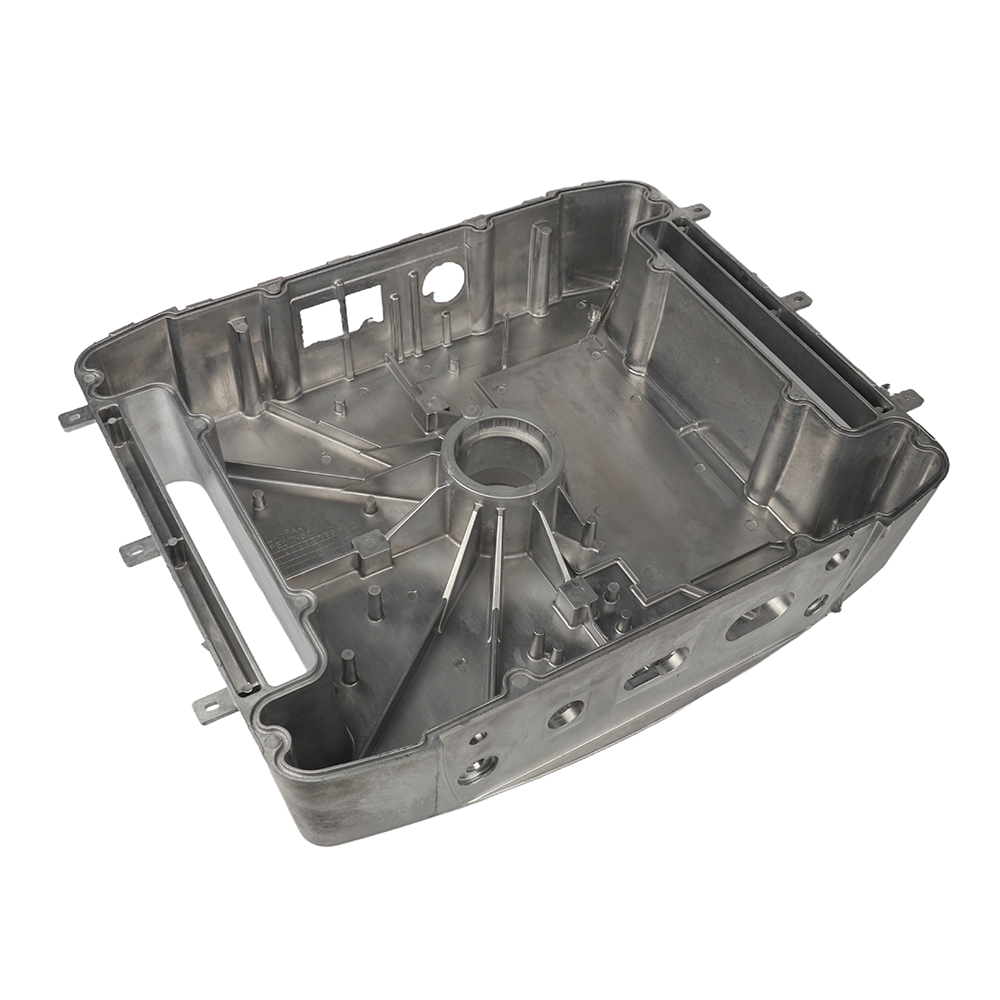
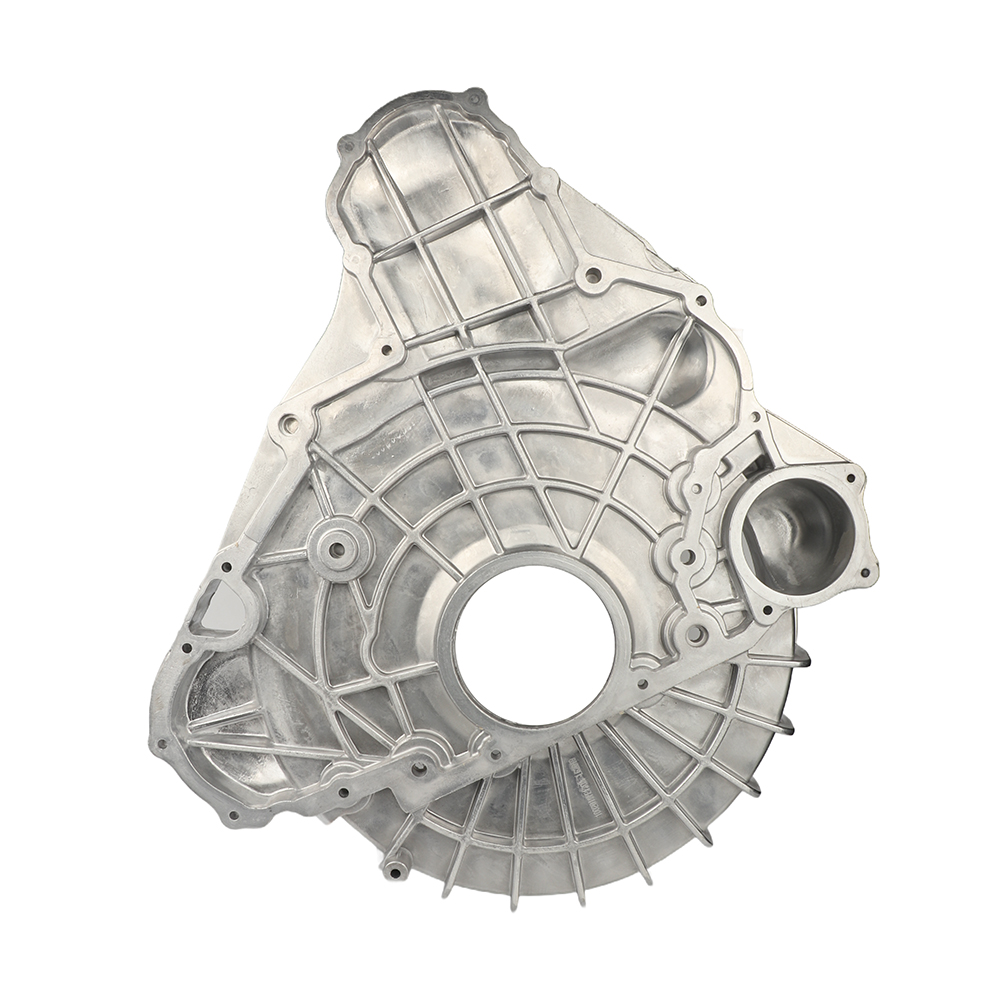
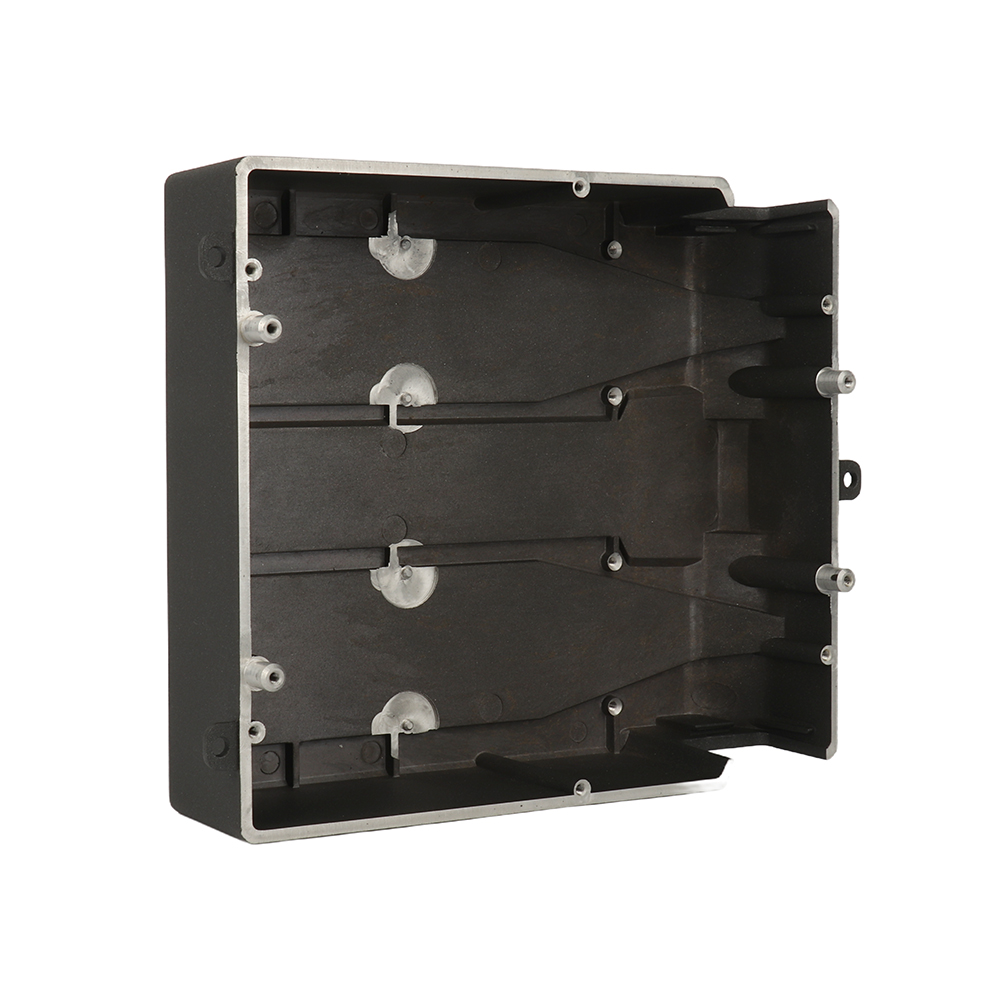
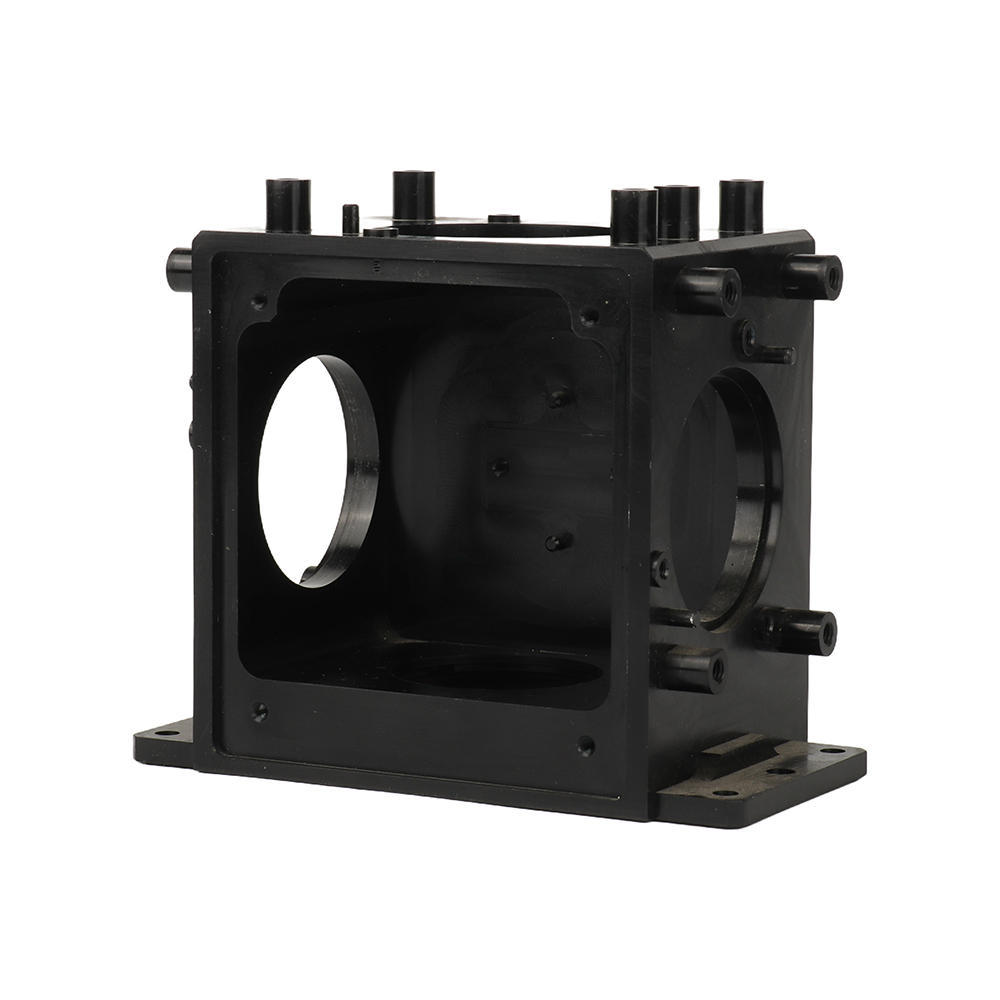
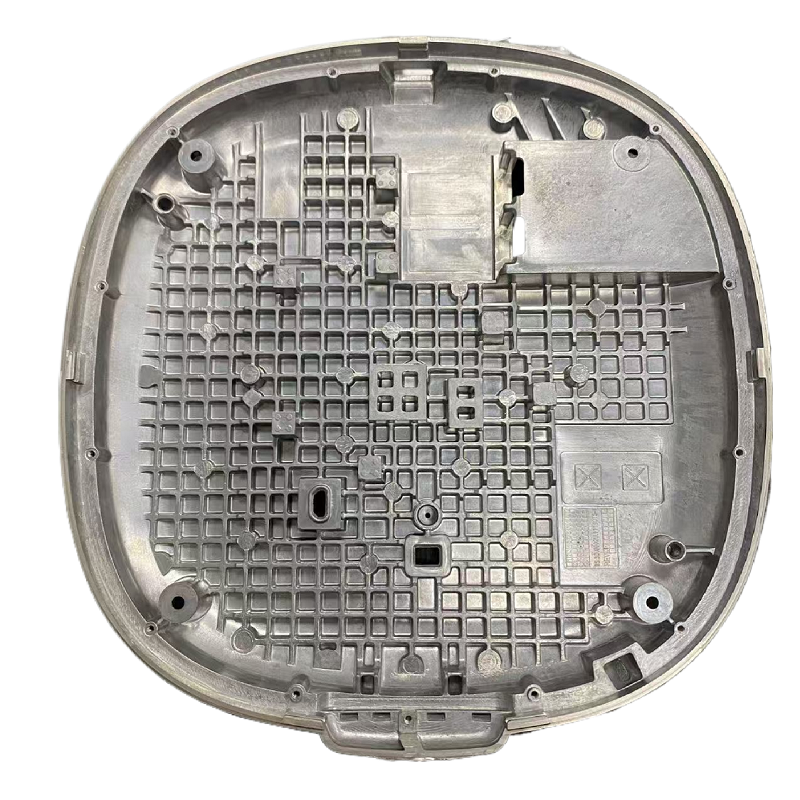
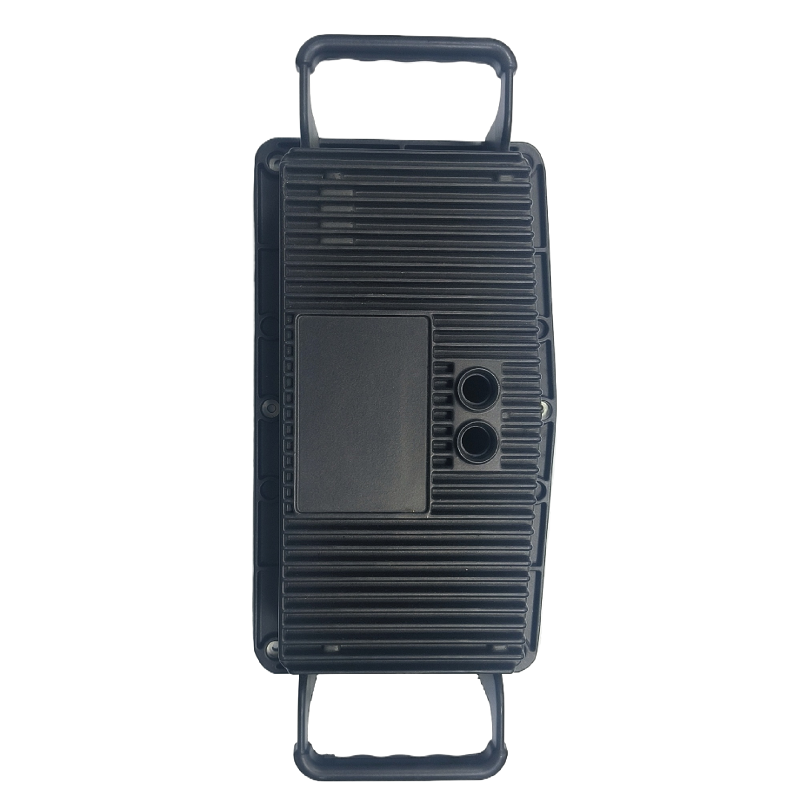
A sleek, CNC-machined aluminum laptop frame showcasing precision craftsmanship and modern design
3. Key Benefits of Aluminum Laptop Frame Machined by Custom CNC Technology
Choosing custom aluminum CNC machining for laptop frame production brings a host of advantages that elevate the quality, performance, and market appeal of laptops. These benefits address both functional needs and user preferences, making aluminum laptop frames a top choice for manufacturers and consumers alike:
3.1 Lightweight Yet Durable
Aluminum has a density of approximately one-third that of steel, making aluminum laptop frames significantly lighter than those made of steel or other heavy metals. This lightweight property enhances portability, a key factor for users who carry their laptops daily. Despite being lightweight, aluminum (especially alloys like 6061-T6 and 7075-T6) offers exceptional strength and durability, able to withstand accidental drops and daily wear without damage. This balance of light weight and strength is unmatched by plastic or other metal alternatives, making it ideal for ultraportable and high-end laptops.
3.2 Superior Precision and Consistency
Custom aluminum CNC machining delivers micron-level precision, ensuring that every aluminum laptop frame meets the exact design specifications. This consistency is critical for mass production, as it guarantees that each frame fits perfectly with other laptop components, reducing assembly errors and improving product quality. Unlike traditional machining methods, CNC machining eliminates human error, resulting in uniform frames with consistent dimensions, edges, and holes—even across large production batches. This precision also allows for the creation of complex geometries that would be impossible with manual machining.
3.3 Enhanced Thermal Performance
As mentioned earlier, aluminum is an excellent thermal conductor, and CNC-machined aluminum laptop frames act as passive heat sinks. This natural thermal conductivity helps dissipate heat from internal components, preventing overheating and ensuring the laptop runs smoothly even during prolonged use. For high-performance laptops (e.g., gaming laptops, workstations), this thermal management capability is essential to maintain performance and extend the lifespan of critical components like the CPU and GPU. CNC machining optimizes the frame’s design to maximize heat dissipation, with precise channels and surfaces that enhance heat transfer efficiency.
3.4 Aesthetic Appeal and Customization
Aluminum laptop frames machined by CNC technology have a sleek, premium appearance that plastic frames cannot match. The smooth, seamless surfaces, sharp lines, and customizable finishes (anodization, polishing, etc.) give laptops a high-end look that appeals to consumers. Manufacturers can also customize the frame’s design—from curved edges to unique cutouts—to align with their brand identity. This aesthetic flexibility allows brands to differentiate their products in a crowded market, attracting consumers who value both style and functionality. Additionally, post-machining treatments like anodization make the frame resistant to fingerprints and scratches, maintaining its sleek appearance over time.
3.5 Cost-Effective in Mass Production
While custom aluminum CNC machining may have higher initial setup costs, it becomes cost-effective in mass production. CNC machines operate automatically, reducing labor costs and increasing production efficiency. Additionally, aluminum is a widely available and affordable material, and the precision of CNC machining minimizes material waste—ensuring that raw aluminum billets are used efficiently. For laptop manufacturers, this translates to lower per-unit costs and higher profit margins, while still delivering a high-quality product. The durability of aluminum frames also reduces warranty claims, further lowering long-term costs for manufacturers.
4. Expert Opinions on Custom Aluminum CNC Machining for Laptop Frames
Industry experts recognize the critical role of custom aluminum CNC machining in shaping the modern laptop market, highlighting its impact on quality, performance, and innovation. Below are insights from leading experts in manufacturing and consumer electronics:
4.1 Dr. Lin Zhao, Materials Engineer at MIT’s Advanced Composites Lab
“Custom aluminum CNC machining has revolutionized laptop frame production by combining precision and versatility. Aluminum’s strength-to-weight ratio, when paired with CNC’s micron-level accuracy, allows manufacturers to create frames that are both slim and durable—two key requirements for modern laptops. While magnesium alloy offers slightly lighter weight, aluminum’s superior surface hardness, scratch resistance, and thermal conductivity make it the preferred choice for high-end devices. CNC machining further enhances these benefits by ensuring consistent quality across mass production, which is essential for consumer trust.”
4.2 Michael Chen, Senior CNC Machining Specialist at Scojet Manufacturing
“The success of premium laptops today is closely tied to custom aluminum CNC machining. For laptop frames, precision is non-negotiable—even a 0.01mm deviation can ruin the user experience by causing misalignment with the keyboard or display. CNC machines eliminate this risk by following pre-programmed designs with absolute accuracy. Additionally, aluminum’s machinability allows us to create complex geometries, like seamless unibody frames, that enhance structural integrity and aesthetic appeal. Alloys like 6061-T6 are particularly well-suited for this application, as they balance strength, corrosion resistance, and cost-effectiveness—making them the industry standard.”
4.3 Sarah Liu, Product Designer at a Leading Laptop Brand
“From a design perspective, custom aluminum CNC machining gives us the freedom to create laptop frames that are both functional and visually striking. We can experiment with curved edges, slim profiles, and unique cutouts—all while ensuring the frame remains strong and durable. Aluminum’s ability to take on various finishes, like anodization, also allows us to match the frame to our brand’s aesthetic, creating a cohesive and premium product. Without CNC machining, we couldn’t achieve the slim, seamless designs that consumers demand today. It’s not just a manufacturing process; it’s a design enabler.”
5. Industry FAQs About Custom Aluminum CNC Machining & Laptop Frames
Below are answers to the most common questions about custom aluminum CNC machining and aluminum laptop frames, addressing key concerns for manufacturers, retailers, and consumers:
5.1 What aluminum alloys are most commonly used for CNC-machined laptop frames?
The most common aluminum alloys for laptop frames are 6061-T6 and 7075-T6. 6061-T6 is a general-purpose alloy that balances strength, corrosion resistance, machinability, and cost-effectiveness—making it ideal for most consumer laptops. 7075-T6 is a high-strength alloy (with tensile strength up to 572 MPa) used for high-performance laptops that require extra durability, such as gaming laptops or rugged business devices. Other alloys like 5052 and 6063 are occasionally used for specific design needs, such as enhanced formability or architectural aesthetics.
5.2 How precise is custom aluminum CNC machining for laptop frames?
Custom aluminum CNC machining typically achieves precision within ±0.005mm to ±0.01mm, which is critical for laptop frames. This micron-level precision ensures that all components (keyboard, display, battery, etc.) fit seamlessly with the frame, avoiding misalignment or loose parts. CNC machines use computerized programming to eliminate human error, ensuring consistent precision across every frame produced—even in large production batches. This level of accuracy is impossible to achieve with traditional manual machining methods.
5.3 Are aluminum laptop frames more expensive than plastic frames?
Initially, aluminum laptop frames are more expensive to produce than plastic frames, due to the cost of aluminum material and CNC machining setup. However, in mass production, the cost gap narrows significantly—CNC machining reduces labor costs and material waste, making aluminum frames cost-effective for large-scale manufacturing. Additionally, aluminum frames offer better durability and a longer lifespan, reducing warranty claims and improving consumer satisfaction. For premium laptops, the higher initial cost is offset by the enhanced quality and market appeal of aluminum frames.
5.4 Can custom aluminum CNC machining create complex laptop frame designs?
Yes, custom aluminum CNC machining is highly versatile and can create complex laptop frame designs, including seamless unibody frames, curved edges, intricate cutouts, and thin profiles. CNC machines use multi-axis movement (3-axis, 5-axis) to access all areas of the aluminum billet, allowing for the creation of complex geometries that would be impossible with traditional machining. This versatility enables designers to push the boundaries of laptop design, creating slim, lightweight, and visually unique frames that stand out in the market. 5-axis CNC machining, in particular, allows for the creation of complex curved surfaces with minimal setup time.
5.5 How does CNC machining improve the durability of aluminum laptop frames?
CNC machining improves the durability of aluminum laptop frames in two key ways: precision and material optimization. First, the micron-level precision ensures that the frame is structurally sound, with no weak points or inconsistencies that could lead to bending or cracking. Second, CNC machining allows for precise material removal, creating frames that are slim yet strong—optimizing the use of aluminum to maximize strength without adding unnecessary weight. Additionally, post-machining treatments (like anodization) add a protective layer to the frame, making it resistant to scratches, corrosion, and wear, further enhancing durability.
6. Conclusion
Custom aluminum CNC machining is a transformative technology in the laptop industry, enabling the production of high-quality, precise, and visually appealing aluminum laptop frames that meet the demands of modern consumers. From its core role in ensuring seamless fit and structural support to its ability to enhance thermal performance and aesthetic customization, CNC machining elevates every aspect of laptop frame production.
The key benefits of aluminum laptop frames—lightweight durability, superior precision, enhanced thermal performance, and customizable aesthetics—make them the preferred choice for premium laptop brands and consumers alike. Expert insights confirm that CNC machining is not just a manufacturing process but a driver of innovation, allowing designers to create slim, durable, and visually striking laptops that stand out in a competitive market.
As consumer demand for high-quality, portable, and stylish laptops continues to grow, custom aluminum CNC machining will remain a cornerstone of laptop manufacturing, bridging the gap between design creativity and engineering precision. Whether for everyday use, gaming, or professional work, aluminum laptop frames machined by CNC technology deliver the perfect balance of form and function.
Camera monitoring | What is Machined Aluminum Camera Monitoring Parts?
CNC machined aluminum parts | What are medical CNC machined aluminum parts? Key Features, Pros & Cons, FAQs
Related Article