HOT PRODUCTS
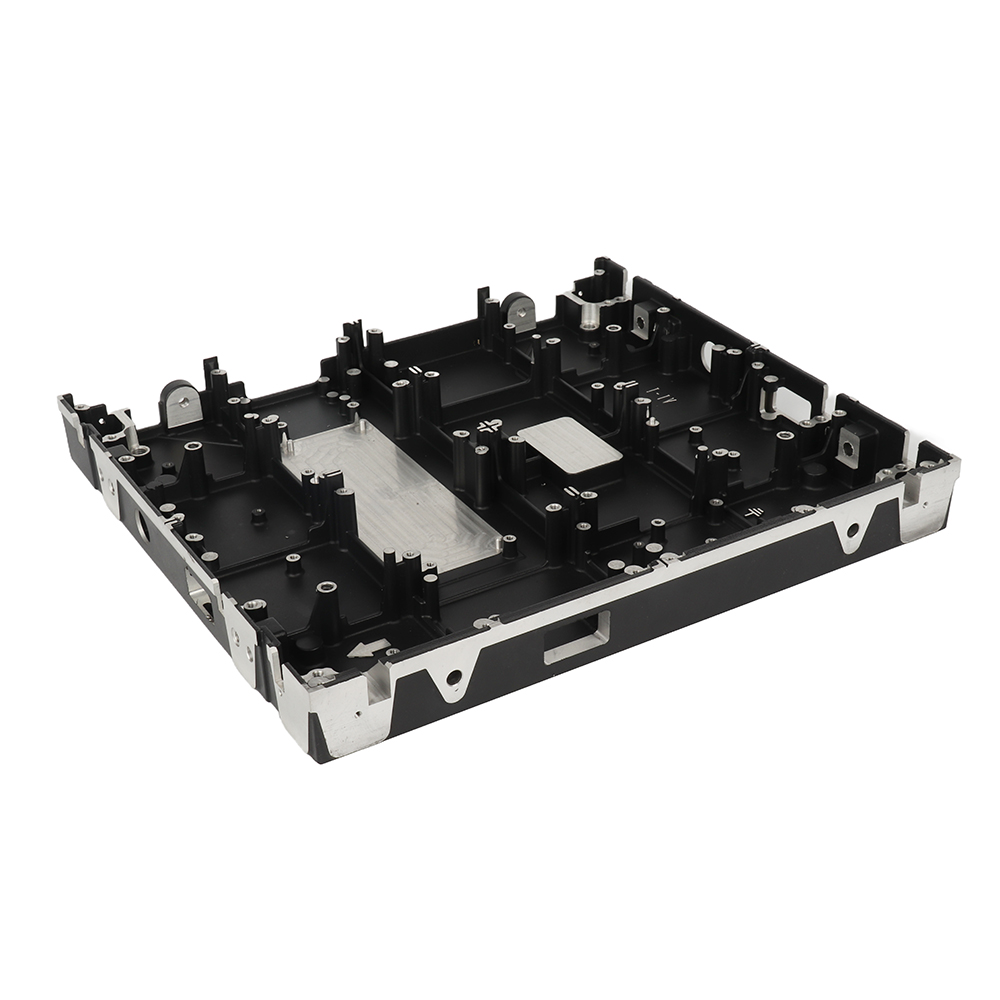
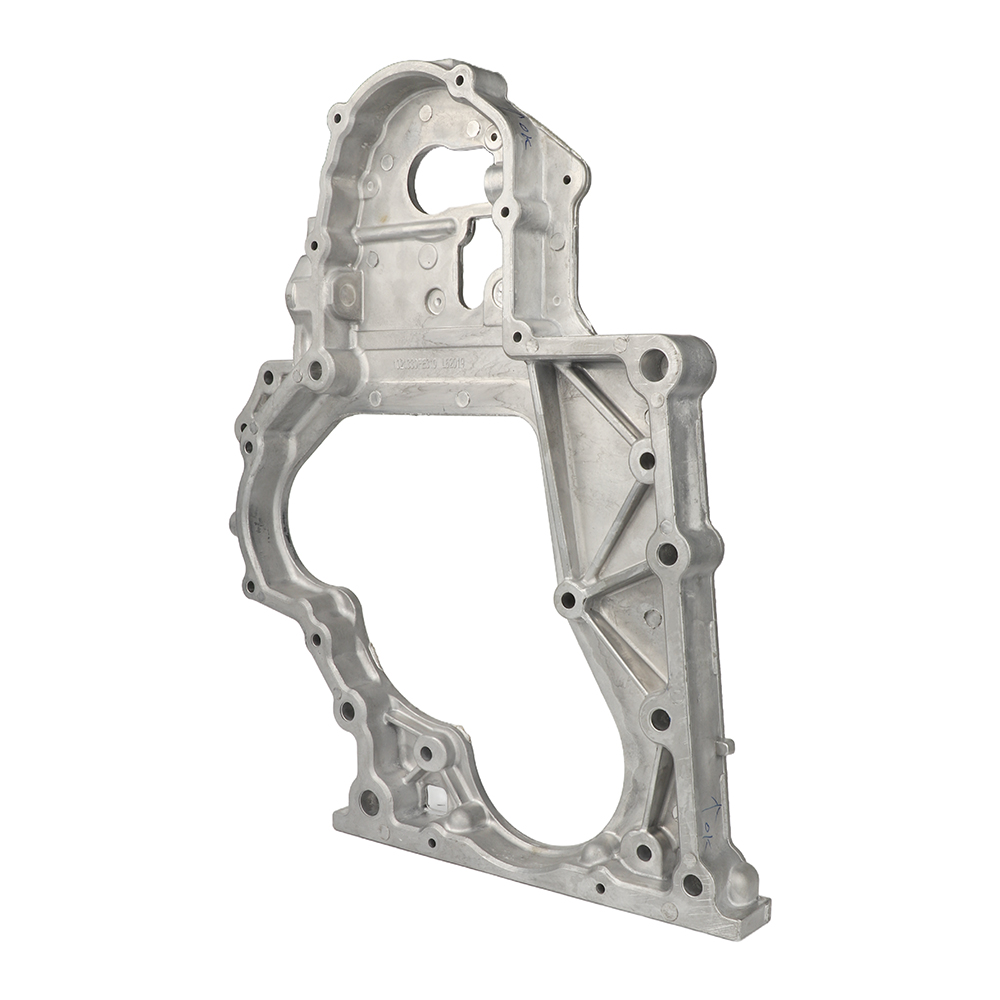
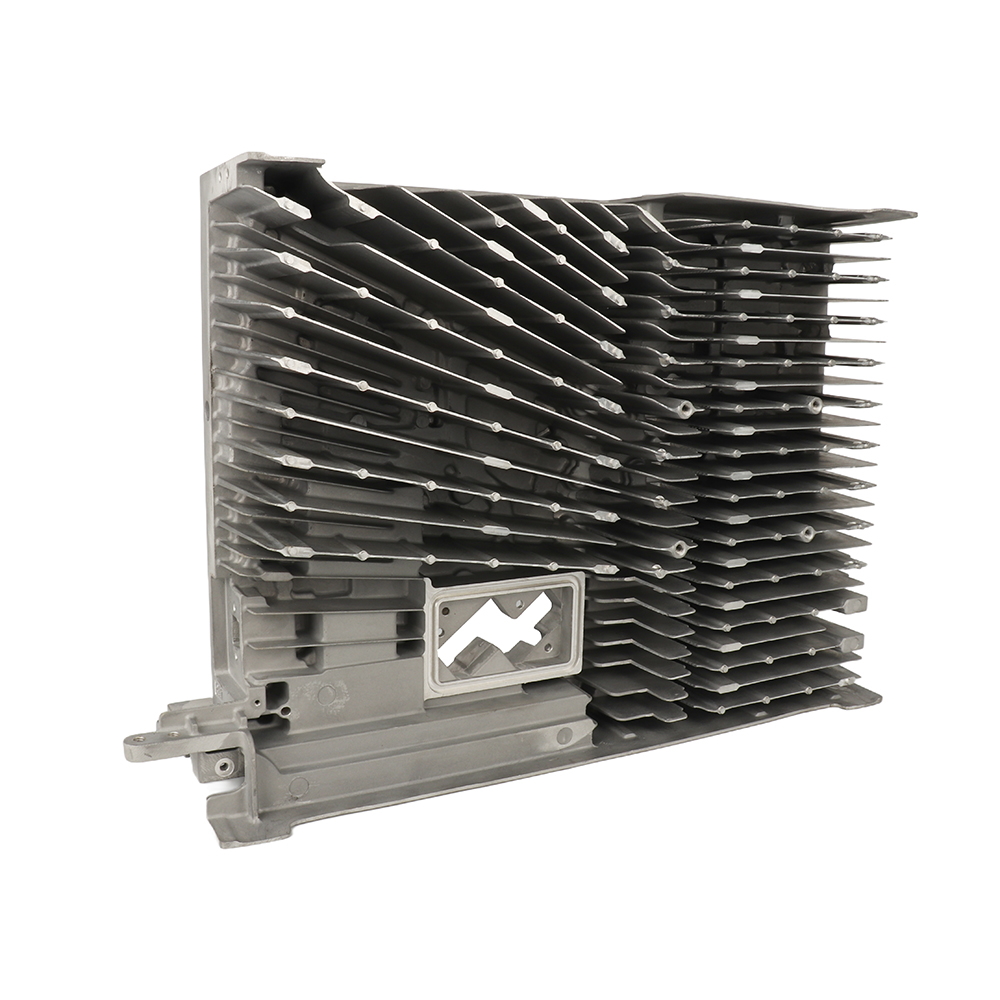
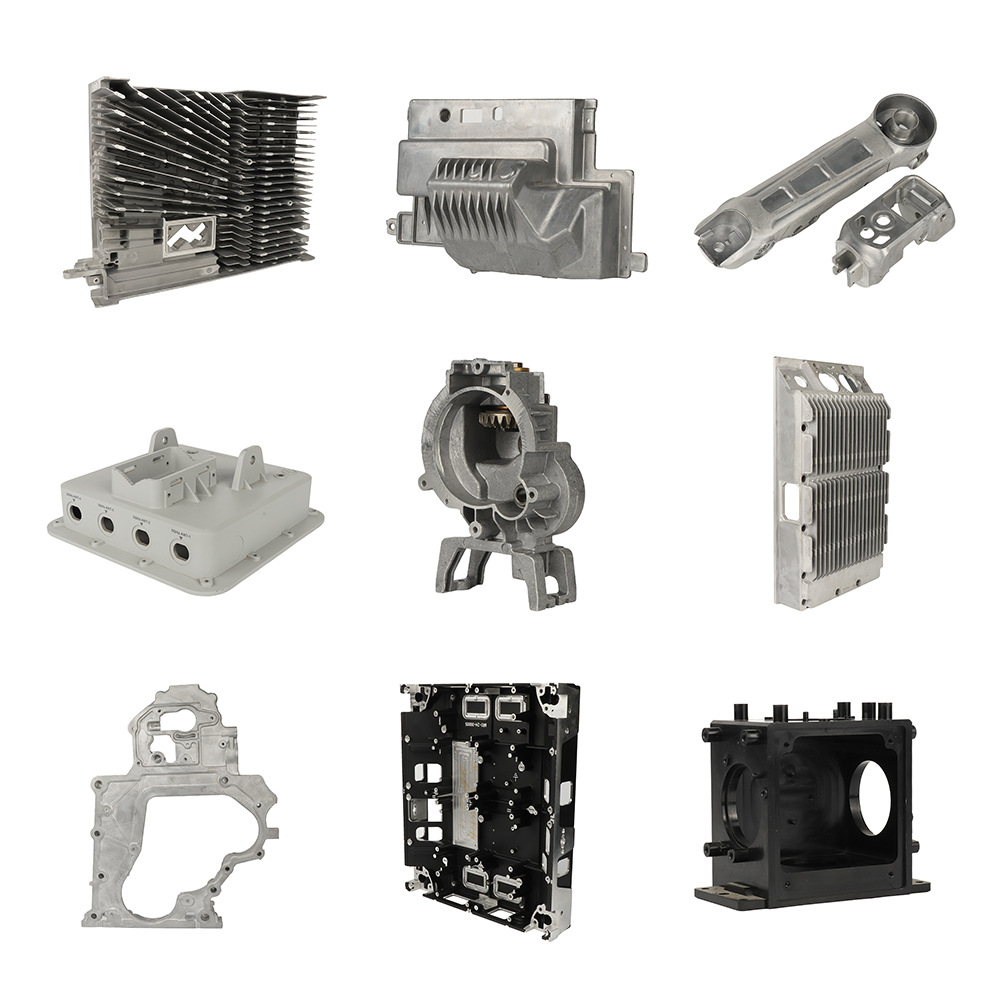
Camera monitoring | What is Machined Aluminum Camera Monitoring Parts?
What is Machined Aluminum Camera Monitoring Parts?
Table of Contents
- 1. Introduction: Definition of Machined Aluminum Camera Monitoring Parts
- 2. Core Focus & Key Roles of CNC Machining for Aluminum Camera Monitoring Parts
- 3. Key Benefits of CNC Machined Aluminum Camera Monitoring Parts
- 4. Expert Opinions on CNC Machined Aluminum Camera Monitoring Parts
- 5. Industry FAQs About Machined Aluminum Camera Monitoring Parts
- 6. Conclusion
1. Introduction: Definition of Machined Aluminum Camera Monitoring Parts
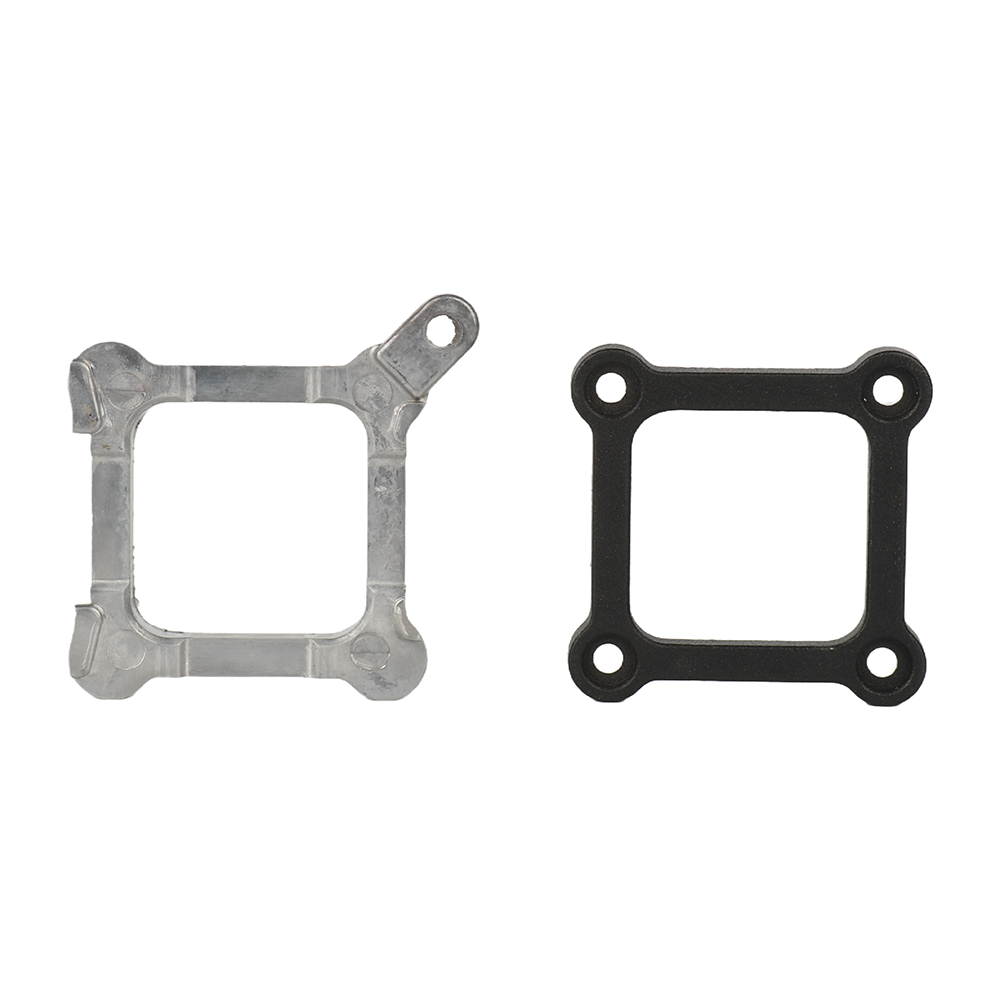
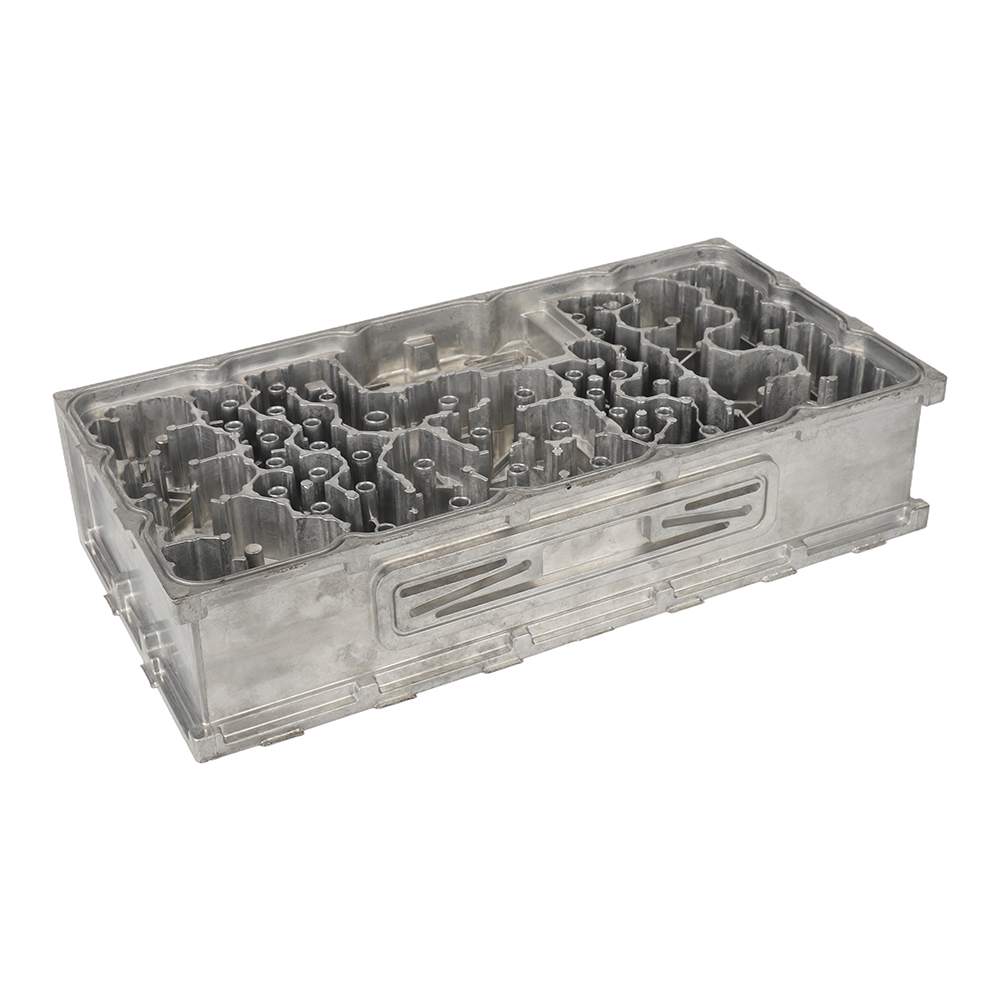
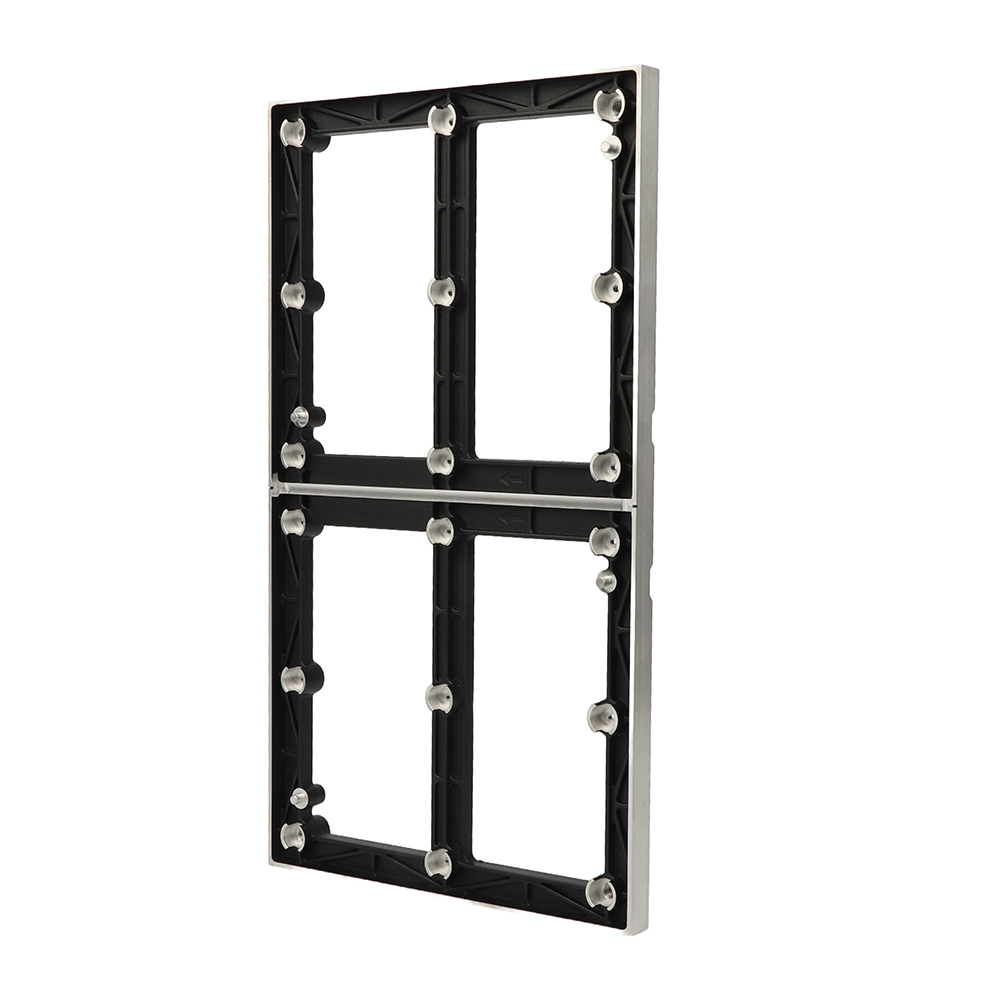
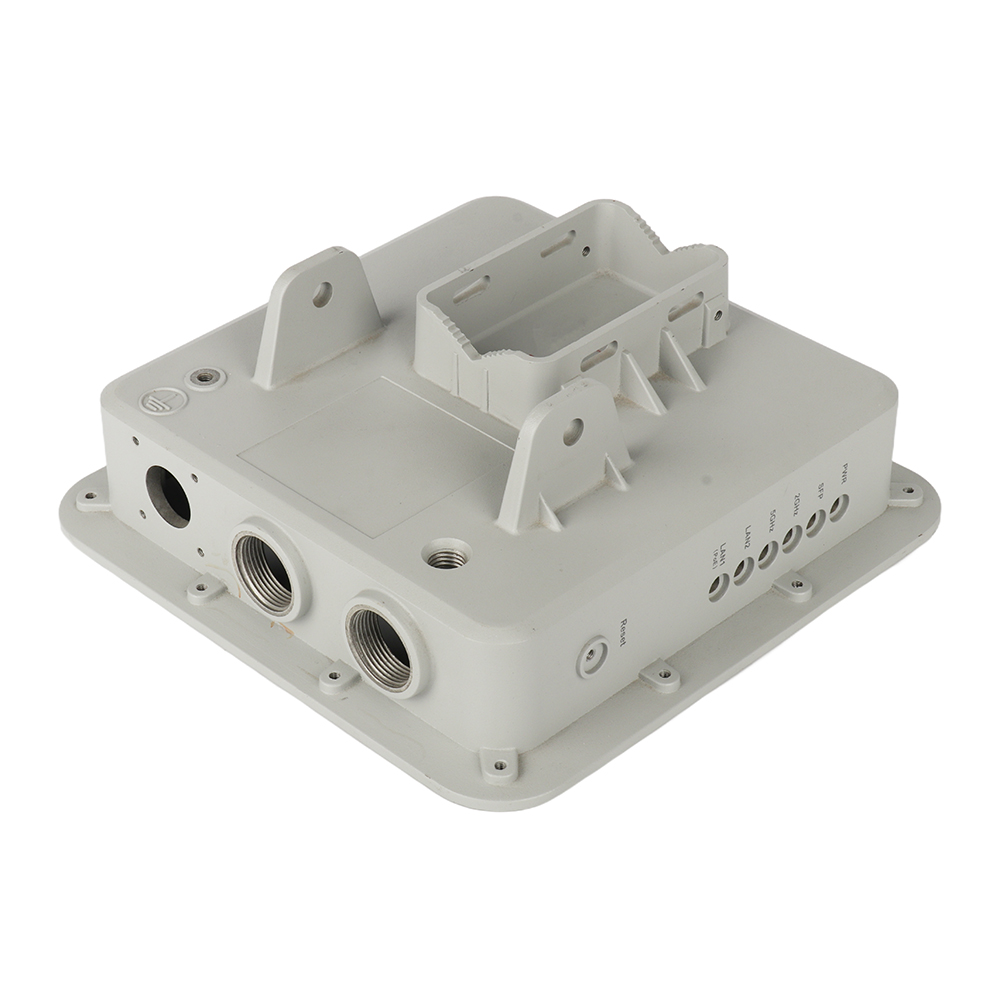
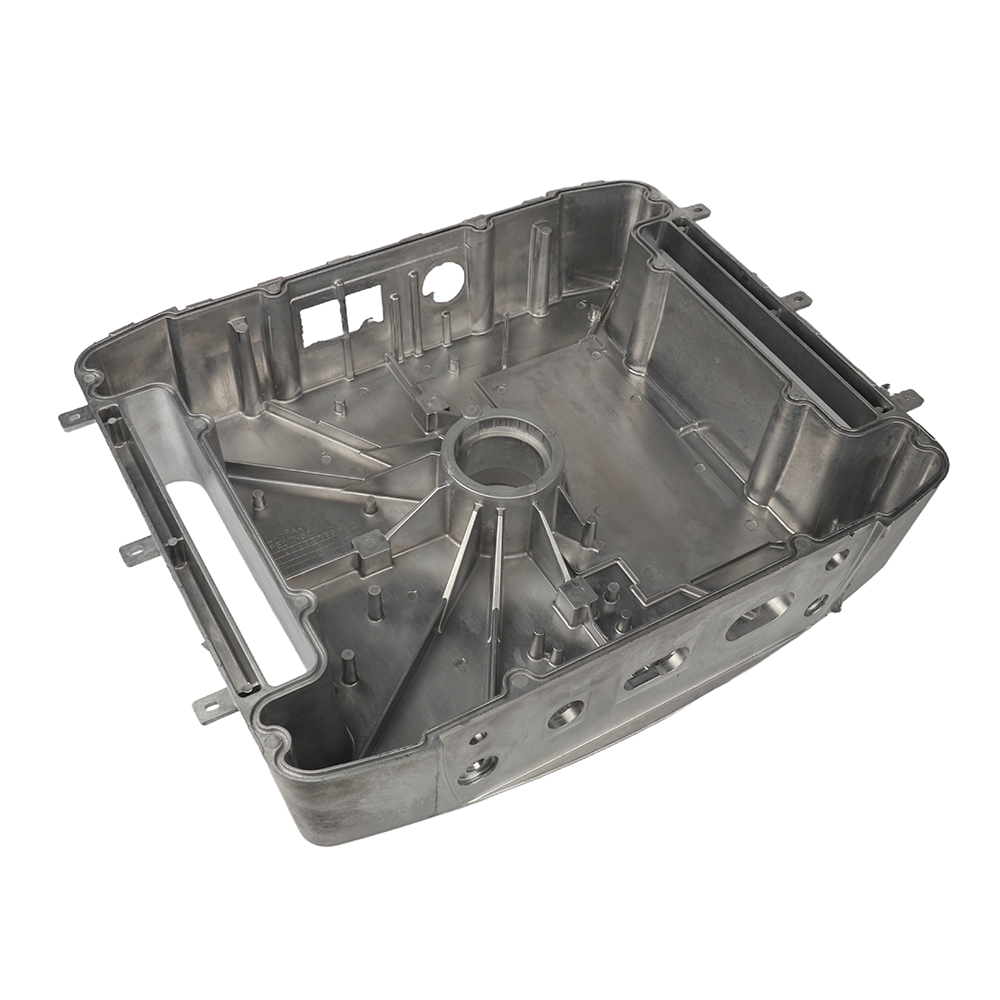
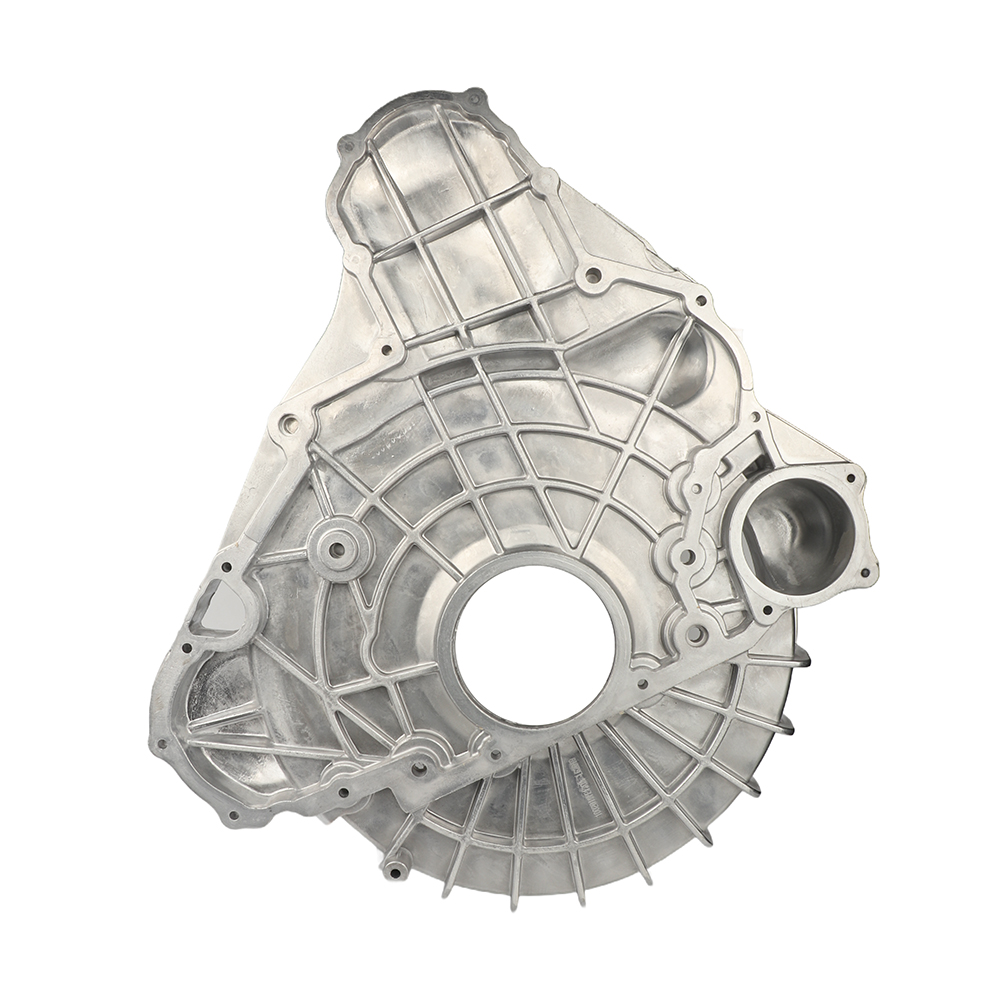
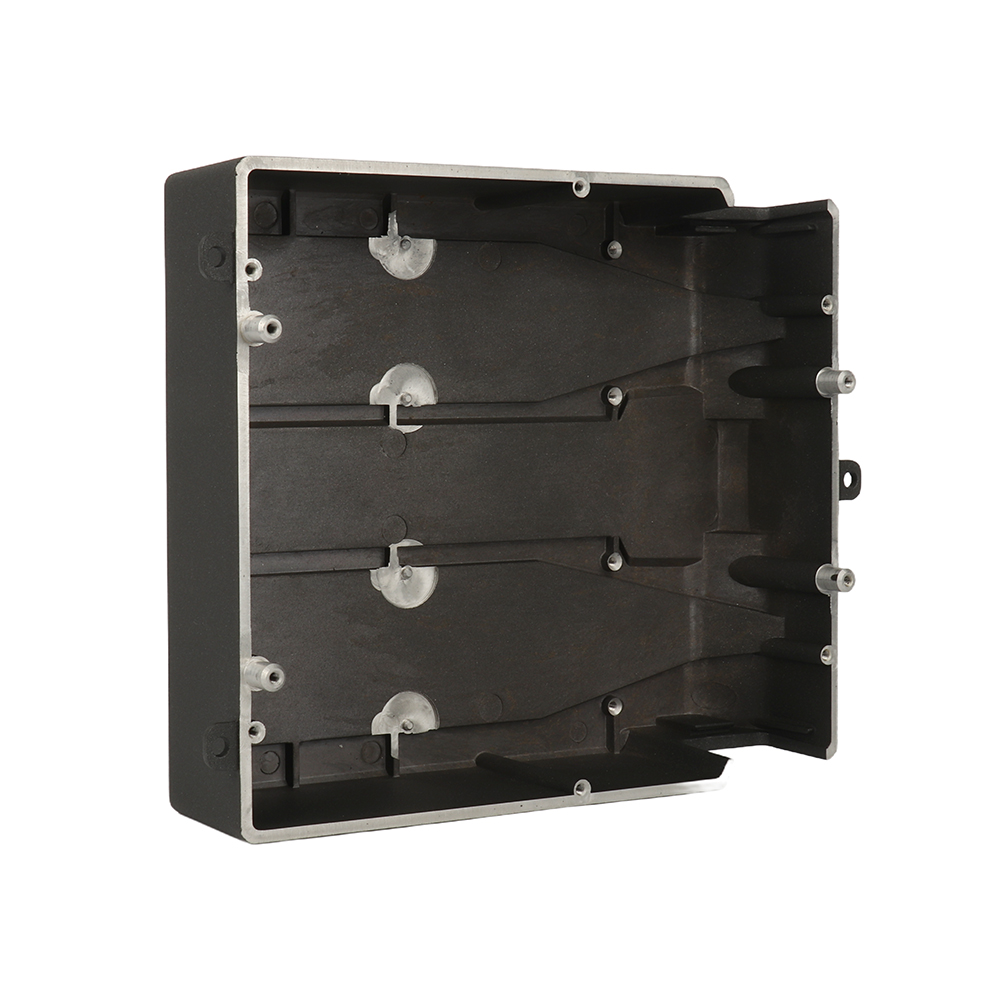
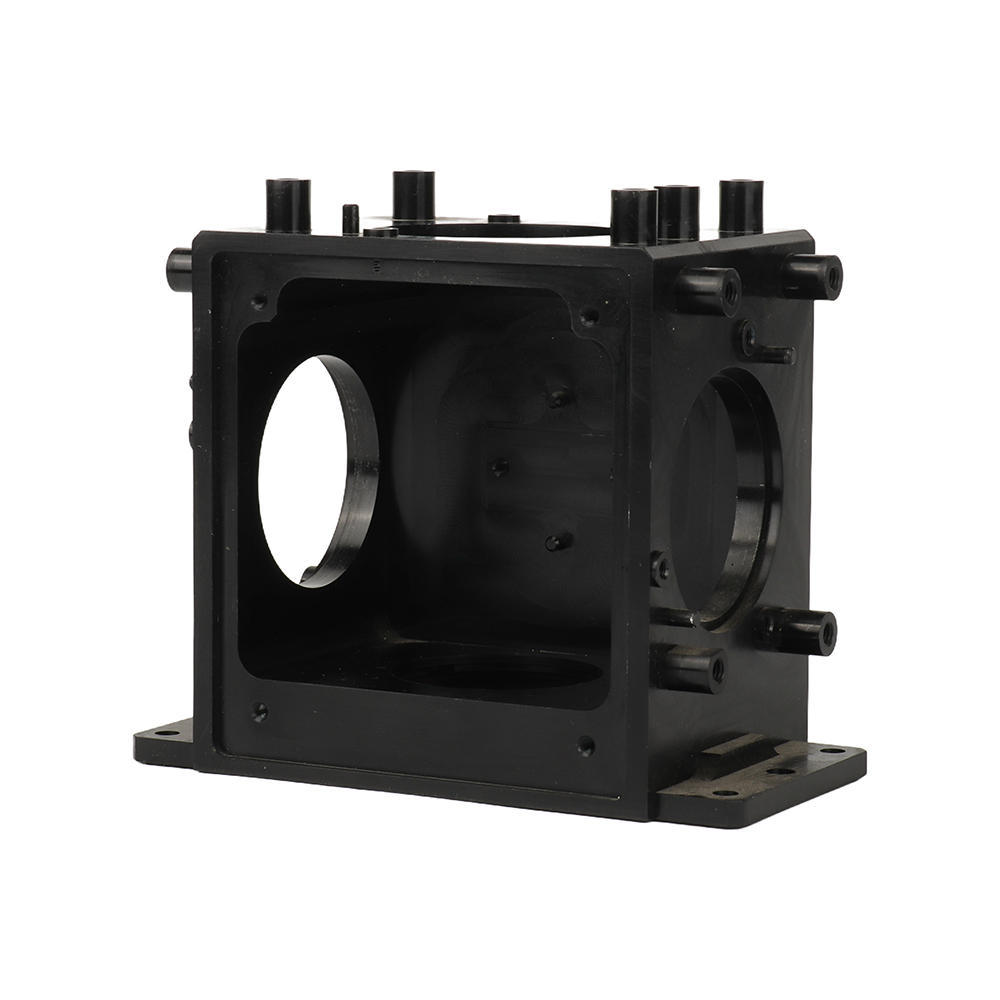
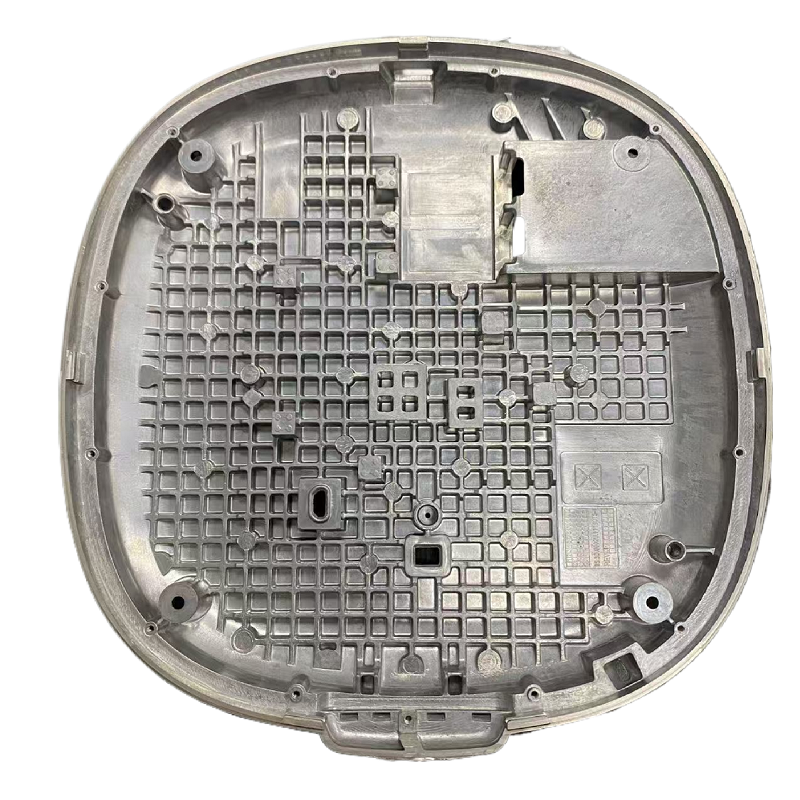
In the era of intelligent security, Camera Monitoring Systems have become an indispensable part of public safety, industrial supervision, and daily protection, covering scenarios from oil pipelines and power grids to residential communities and public parks. At the core of these reliable monitoring systems lies a range of critical components: Machined Aluminum Camera Monitoring Parts. These parts refer to precision components made of aluminum alloy, processed through advanced manufacturing technologies such as CNC (Computer Numerical Control) machining, specifically designed to support the stable operation of camera monitoring equipment.
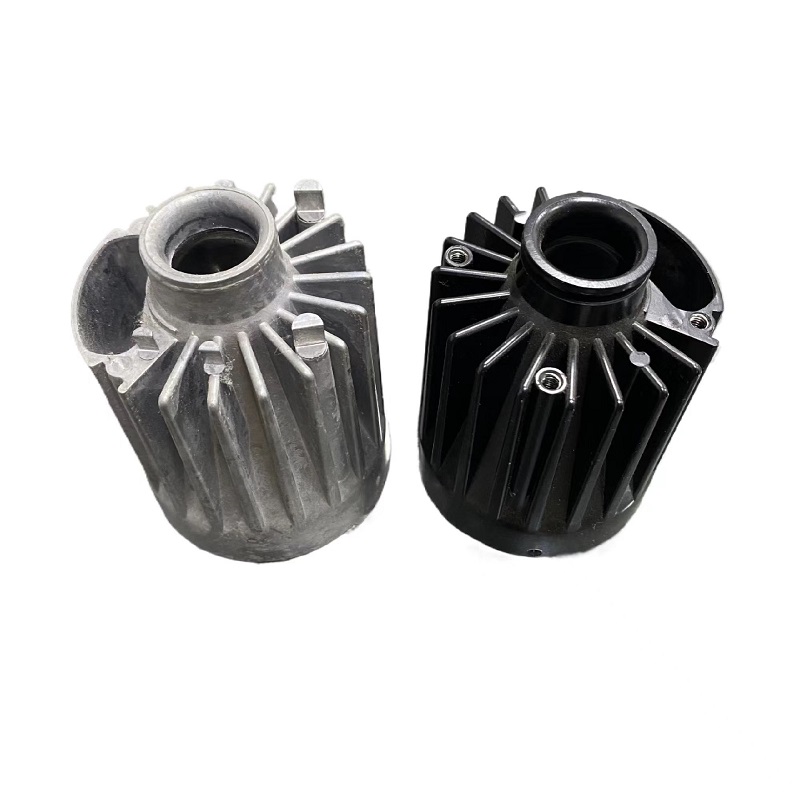
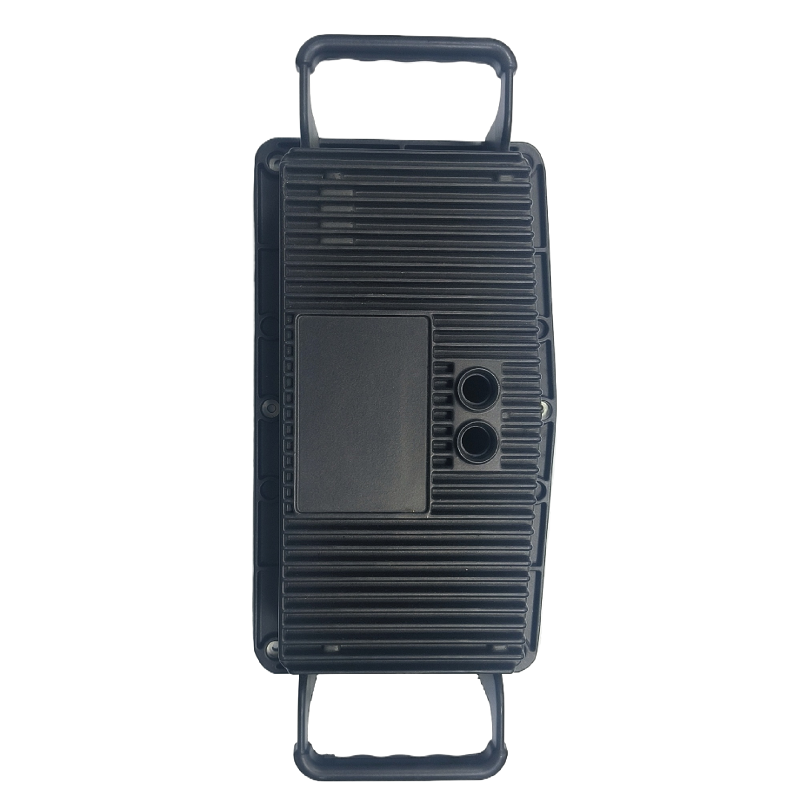
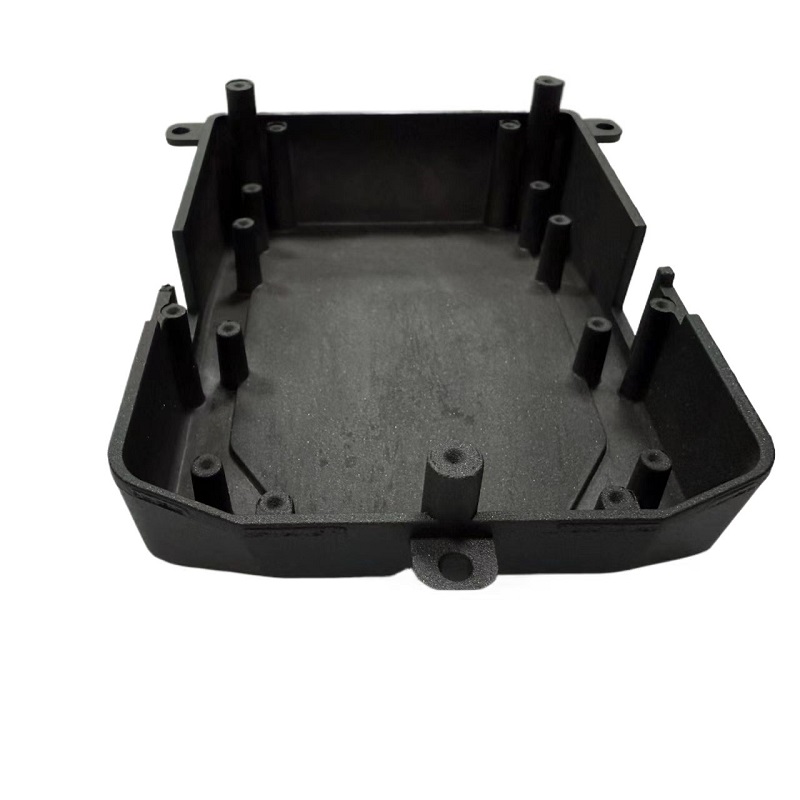
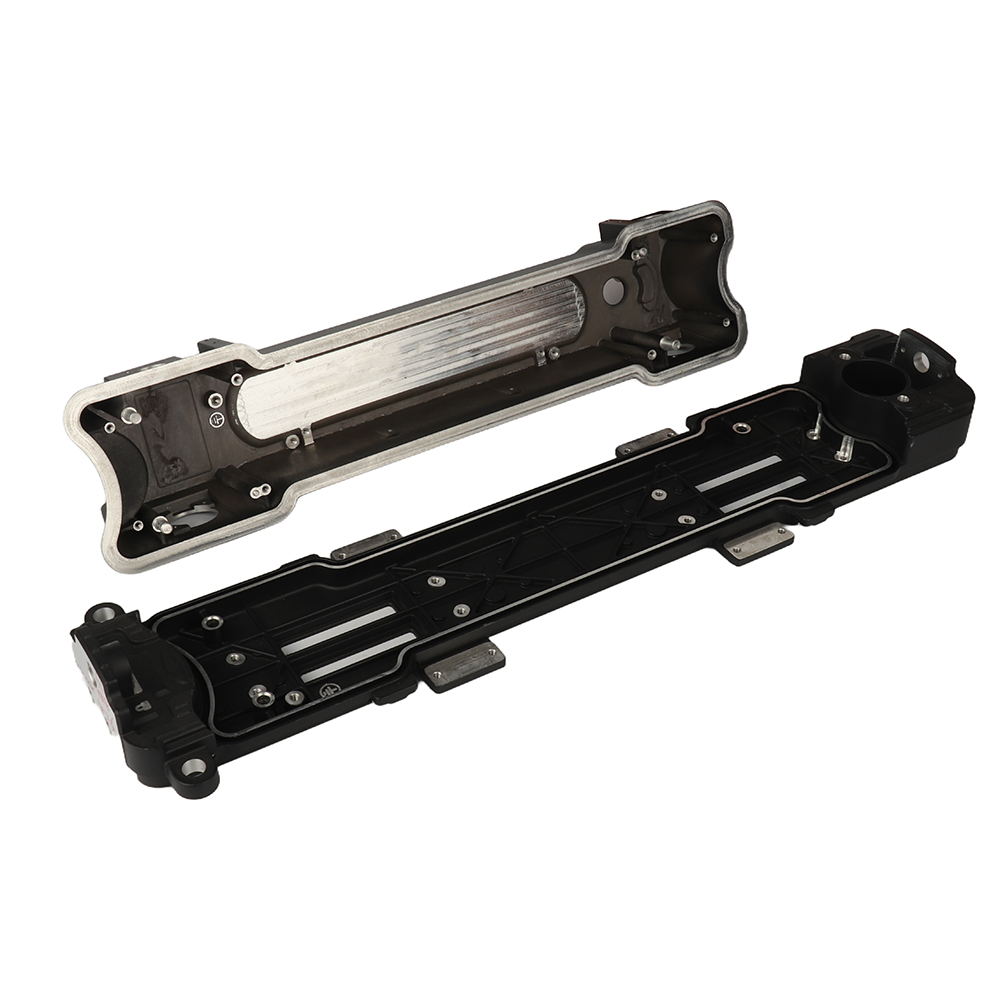
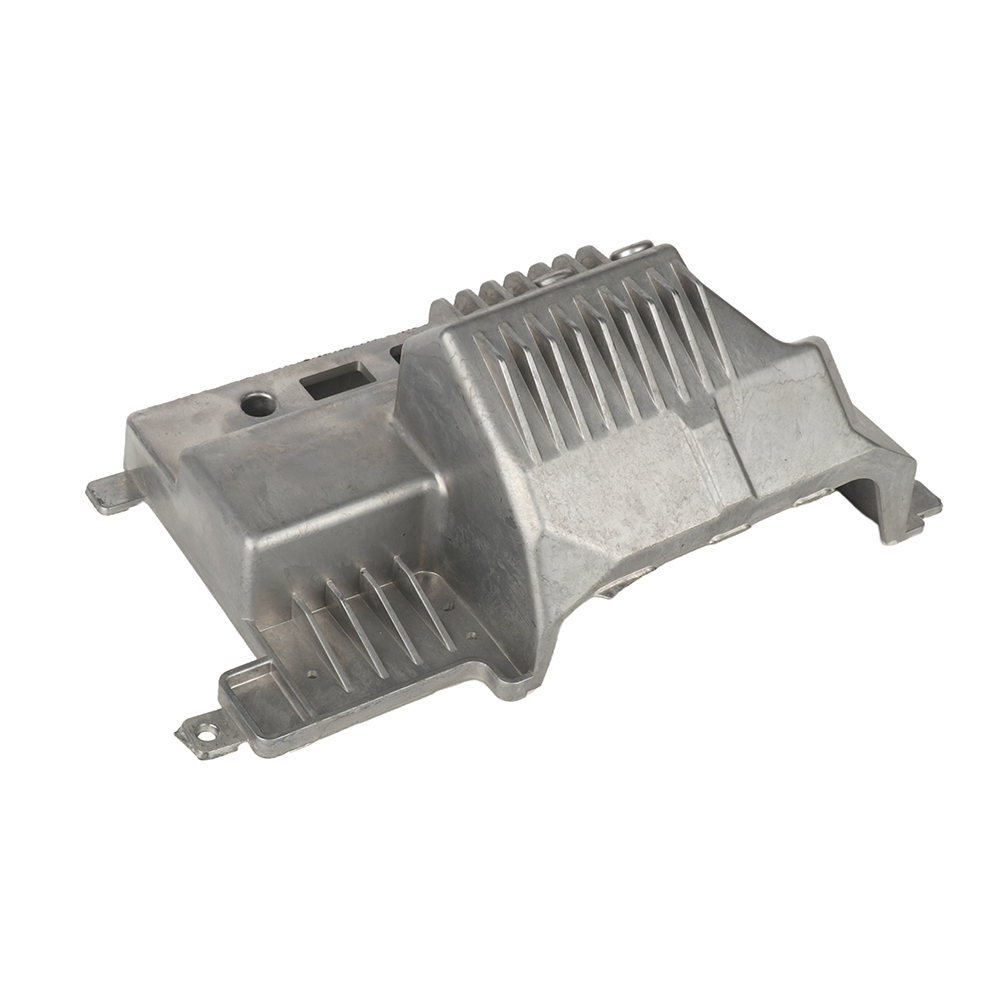
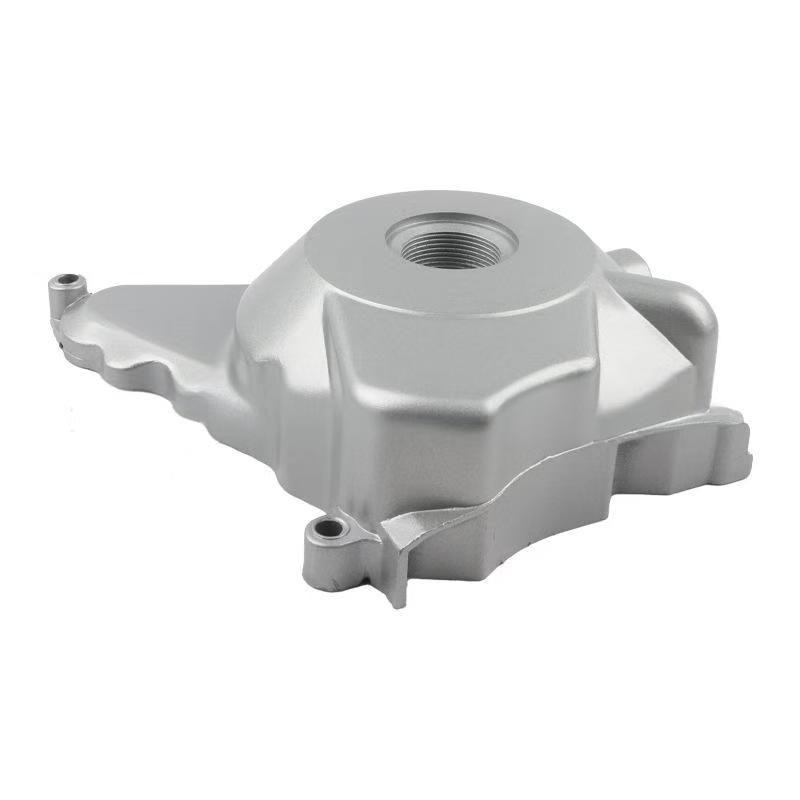
Unlike ordinary metal parts, machined aluminum camera monitoring parts are tailored to the unique working needs of Camera Monitoring — they must withstand harsh outdoor environments, ensure stable signal transmission, and maintain structural integrity for long-term use. Common types include camera housings, mounting brackets, lens barrels, heat dissipation modules, and internal support structures, all of which work together to ensure that camera monitoring systems can capture clear images, operate continuously, and adapt to various complex working conditions.
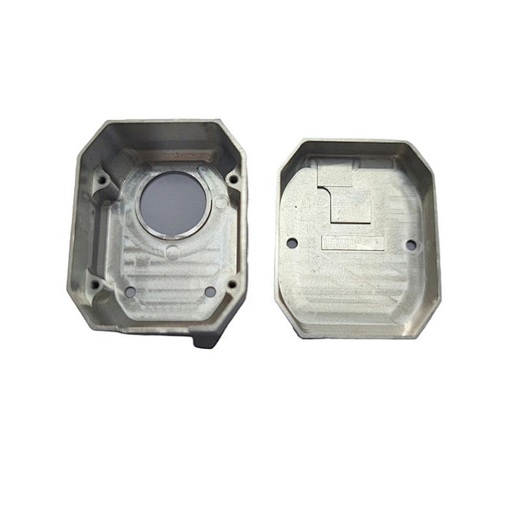
2. Core Focus & Key Roles of CNC Machining for Aluminum Camera Monitoring Parts
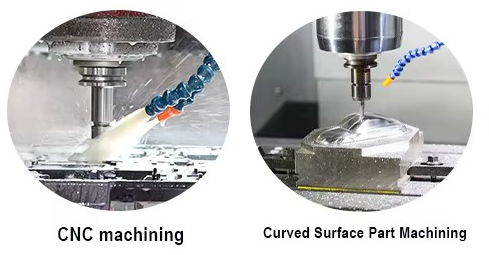
CNC machining is the core technology for producing high-quality aluminum camera monitoring parts, and its processing focus is closely linked to the functional requirements of Camera Monitoring Systems. Below are the key focuses of CNC machining and the critical roles these parts play in camera monitoring:
2.1 Core Focus of CNC Machining
2.1.1 Precision Control
Camera monitoring parts require extremely high precision, especially components such as lens mounts and positioning brackets, which need to ensure the alignment of the camera lens to avoid image distortion or monitoring blind spots. CNC machining achieves micron-level precision (tolerances down to ±0.003–0.005 mm), ensuring that each part fits perfectly and the camera can capture clear, stable images. For example, the precision milling of waterproof grooves ensures that the camera housing meets IP65 or higher protection standards, preventing water and dust from entering the device.
2.1.2 Material Optimization
CNC machining focuses on maximizing the performance of aluminum alloys (such as 6061 and 7075 series). These alloys are lightweight, corrosion-resistant, and have excellent thermal conductivity, which is crucial for outdoor camera monitoring equipment that needs to be lightweight for installation and durable against wind, rain, and extreme temperatures. CNC machining optimizes the cutting parameters to avoid material deformation, ensuring the structural strength and service life of the parts.
2.1.3 Surface Treatment Compatibility
After CNC machining, parts need surface treatments such as anodizing or spray coating to enhance corrosion resistance and wear resistance. The machining process is designed to ensure a smooth surface, which helps the surface treatment layer adhere firmly, further improving the durability of the parts in harsh outdoor environments.
2.2 Key Roles in Camera Monitoring
2.2.1 Protection of Core Components
CNC machined aluminum housings serve as the first line of defense for camera monitoring equipment, protecting internal electronic components (such as image sensors and circuit boards) from external damage, including impact, dust, water, and extreme temperatures. For example, outdoor camera housings processed by CNC can withstand 8-level winds and harsh weather conditions, ensuring the normal operation of the monitoring system in complex environments like field construction and coastal areas.
2.2.2 Ensuring Stable Operation
Precision CNC-machined parts such as mounting brackets and internal support structures ensure the stability of the camera. They fix the camera in the correct position, reduce vibration during operation, and avoid image blurring caused by equipment shaking — a key requirement for high-definition camera monitoring systems that need to capture clear details even in dynamic scenarios. Adjustable mounting brackets also allow flexible adjustment of the camera’s viewing angle, eliminating monitoring blind spots.
2.2.3 Enhancing Heat Dissipation Performance
Camera monitoring equipment generates heat during long-term operation, which can affect the service life and performance of electronic components. CNC-machined aluminum heat dissipation modules utilize the excellent thermal conductivity of aluminum, quickly dissipating heat to ensure the camera operates stably for 24 hours without overheating. This is particularly important for high-power monitoring equipment such as 4 million 360° high-definition cameras with infrared irradiation functions.
3. Key Benefits of CNC Machined Aluminum Camera Monitoring Parts
Compared with parts made of other materials (such as plastic or ordinary steel) and processed by traditional methods, CNC machined aluminum camera monitoring parts have obvious advantages, which directly improve the performance and reliability of Camera Monitoring Systems:
3.1 Lightweight and Easy to Install
Aluminum alloy has a low density (about 2.7g/cm³), which is much lighter than steel. CNC-machined aluminum parts are lightweight, making it easier to install camera monitoring equipment on walls, poles, or other structures, reducing the load on the installation surface and lowering installation costs. This is especially beneficial for mobile monitoring systems that require frequent transportation and deployment, such as solar mobile monitoring equipment.
3.2 Excellent Corrosion Resistance and Durability
Aluminum alloy itself has good corrosion resistance, and after CNC machining and surface treatments (such as anodizing), its corrosion resistance is further enhanced. These parts can resist the erosion of rain, humidity, and chemical substances, adapting to various harsh outdoor environments (such as coastal areas, chemical plants, and mines) and having a service life of up to 10–15 years, which reduces the maintenance cost of camera monitoring systems significantly.
3.3 High Precision and Consistency
CNC machining is controlled by a computer program, which avoids human errors in traditional manual machining and ensures that each part has consistent dimensions and high precision. This is crucial for batch production of camera monitoring parts, as it ensures the interchangeability of parts and facilitates maintenance and replacement. For example, lens mounts processed with consistent precision can be easily replaced without adjusting the camera’s alignment, improving maintenance efficiency.
3.4 Cost-Effective in Long-Term Use
Although the initial investment in CNC machining is slightly higher, the high durability, low maintenance cost, and long service life of the parts make them more cost-effective in the long run. Compared with plastic parts that are easy to age and ordinary steel parts that are heavy and prone to rust, CNC machined aluminum parts can reduce the frequency of part replacement and maintenance, saving costs for enterprises and institutions that use camera monitoring systems extensively.
3.5 Strong Customization Capability
CNC machining can flexibly adapt to different design requirements of camera monitoring equipment. Whether it is a special-shaped housing for a panoramic camera, a custom mounting bracket for a high-altitude monitoring pole, or a precision heat dissipation module for a high-power camera, CNC machining can accurately produce parts that meet the design specifications. This customization capability helps improve the applicability of camera monitoring systems in different scenarios, such as industrial explosion-proof cameras and smart traffic checkpoint cameras.
4. Expert Opinions on CNC Machined Aluminum Camera Monitoring Parts
Industry experts have recognized the important role of CNC machined aluminum parts in optimizing Camera Monitoring Systems. Below are insights from three authoritative experts in the fields of precision machining and security monitoring:
4.1 Expert Opinion from Sarah Chen, Senior Engineer at a Leading Precision Machining Enterprise
“The reliability of camera monitoring systems largely depends on the quality of their core components. CNC machined aluminum parts have become the first choice for high-end camera monitoring equipment due to their precision and durability. In outdoor monitoring scenarios, where equipment is exposed to harsh environments, the corrosion resistance and structural stability of aluminum parts ensure that the camera can operate stably for a long time. Moreover, the lightweight nature of aluminum reduces installation difficulty and risks, which is particularly important for large-scale monitoring projects such as smart cities and highway monitoring.”
4.2 Expert Opinion from Michael Wang, Chief Technologist of a Security Monitoring Company
“For camera monitoring systems, image clarity and stable operation are the core requirements. CNC machining ensures that aluminum parts have high precision, which is crucial for lens alignment and vibration reduction. We have tested that camera systems equipped with CNC machined aluminum parts have a 30% lower failure rate than those using traditional parts, and their image stability is significantly improved. In addition, the thermal conductivity of aluminum helps solve the heat dissipation problem of high-power cameras, extending the service life of the equipment and reducing maintenance costs.”
4.3 Expert Opinion from David Li, Professor of Mechanical Engineering at a University
“The combination of CNC machining and aluminum alloy fully leverages the advantages of both technologies. Aluminum alloy’s lightweight and corrosion-resistant properties, coupled with CNC machining’s high precision and consistency, make the produced camera monitoring parts not only meet functional requirements but also adapt to the trend of miniaturization and intelligence of monitoring equipment. With the development of AI-based intelligent monitoring, the demand for precision parts will continue to increase, and CNC machined aluminum parts will play a more important role in promoting the upgrading of the camera monitoring industry.”
5. Industry FAQs About Machined Aluminum Camera Monitoring Parts
We have compiled the most common questions about CNC machined aluminum camera monitoring parts in the industry to help you better understand their application and value:
Q1: What types of aluminum alloys are commonly used for CNC machined camera monitoring parts?
A1: The most commonly used aluminum alloys are 6061 and 7075 series. 6061 aluminum alloy has good machinability, corrosion resistance, and weldability, making it suitable for most camera housings, mounting brackets, and heat dissipation modules. 7075 aluminum alloy is a high-strength alloy, suitable for parts that need to bear high stress, such as precision lens mounts and high-altitude monitoring brackets. For marine or high-humidity environments, 5083 marine-grade aluminum alloy is also used for its excellent corrosion resistance.
Q2: Can CNC machined aluminum camera monitoring parts be used in extreme temperature environments?
A2: Yes. Aluminum alloy has good high and low temperature resistance, and after CNC machining and special surface treatment, the parts can adapt to extreme temperature environments ranging from -40℃ to 80℃. This makes them suitable for camera monitoring systems in cold northern regions, high-temperature desert areas, and other extreme scenarios, ensuring stable operation of the equipment without being affected by temperature changes.
Q3: How to extend the service life of CNC machined aluminum camera monitoring parts?
A3: The service life can be extended through two aspects: first, choosing the appropriate aluminum alloy and surface treatment (such as anodizing or spray coating) to enhance corrosion resistance and wear resistance; second, regular maintenance, such as cleaning the surface dust and dirt, checking the tightness of the parts, and replacing damaged parts in time. Under normal maintenance, the service life of these parts can reach 10–15 years.
Q4: Are CNC machined aluminum parts more expensive than plastic parts for camera monitoring?
A4: The initial cost of CNC machined aluminum parts is indeed higher than that of plastic parts. However, in the long run, aluminum parts have longer service life, lower maintenance cost, and better performance (such as corrosion resistance and structural stability), which is more cost-effective. For high-end camera monitoring systems that require long-term stable operation (such as industrial monitoring and public security monitoring), aluminum parts are more cost-effective than plastic parts.
Q5: Can CNC machined aluminum camera monitoring parts be customized according to specific needs?
A5: Yes. CNC machining has strong customization capabilities. Manufacturers can produce parts of different shapes, sizes, and precision according to the design drawings and functional requirements of the camera monitoring system. Whether it is a special-shaped housing, a custom mounting bracket, or a precision internal component, CNC machining can accurately meet the customization needs, improving the applicability of the monitoring system in specific scenarios.
6. Conclusion
Machined Aluminum Camera Monitoring Parts, processed by CNC technology, are the core components that ensure the stable, reliable, and high-performance operation of Camera Monitoring Systems. Their precision, durability, lightweight, and customization capabilities make them indispensable in various monitoring scenarios, from outdoor public security and industrial supervision to residential protection and emergency rescue.
The core focus of CNC machining — precision control, material optimization, and surface treatment compatibility — ensures that these parts can meet the unique functional requirements of camera monitoring, while their key benefits (such as corrosion resistance, high precision, and cost-effectiveness) further enhance the value of camera monitoring systems. With the continuous development of intelligent monitoring technology, CNC machined aluminum camera monitoring parts will continue to upgrade, providing stronger support for the intelligence and reliability of camera monitoring systems, and making important contributions to building a safer and more efficient monitoring environment.
CNC machining services | What is aluminum-alloy CNC machining service?
Laptop frame | What is custom aluminum CNC machining? Focus on Laptop Frame Applications
Related Article