HOT PRODUCTS
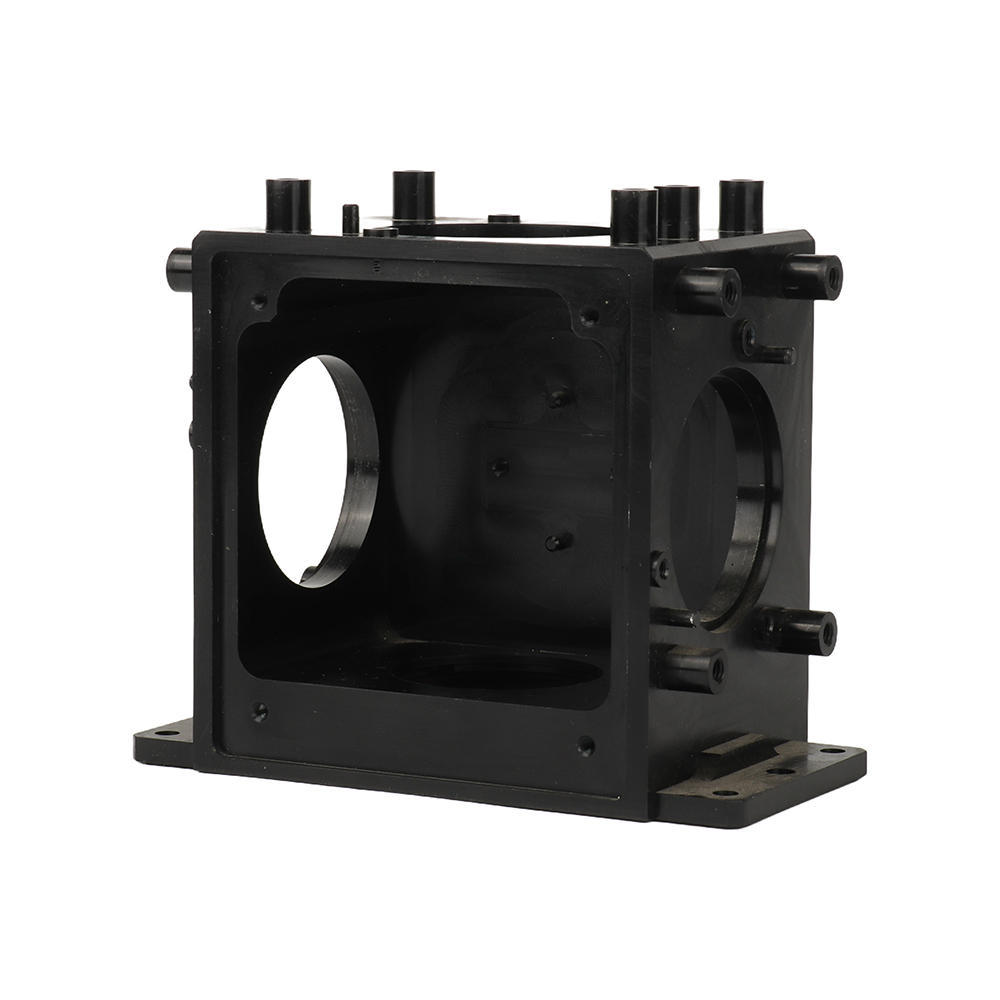
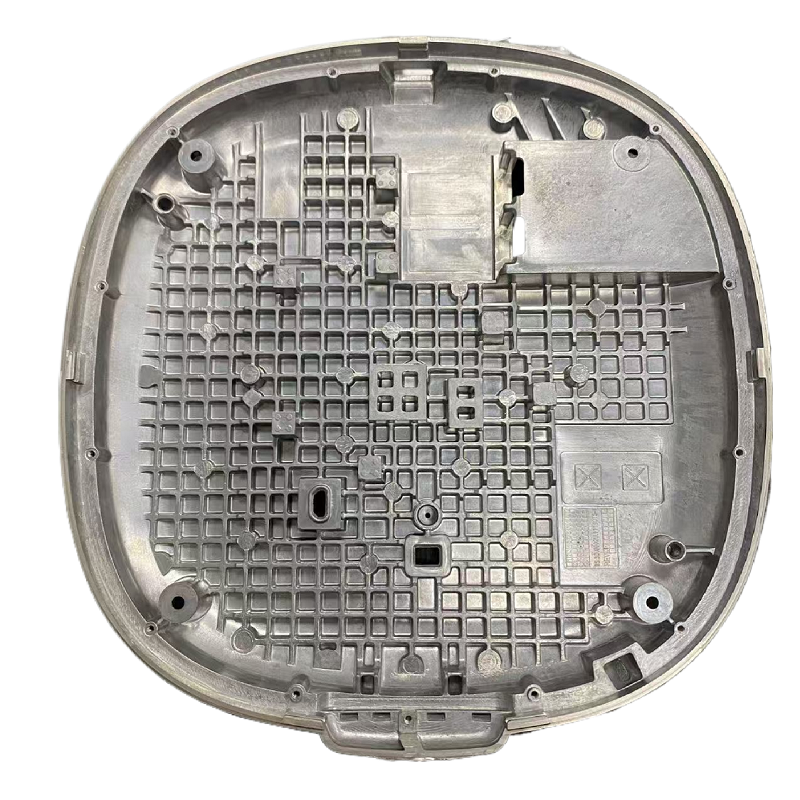
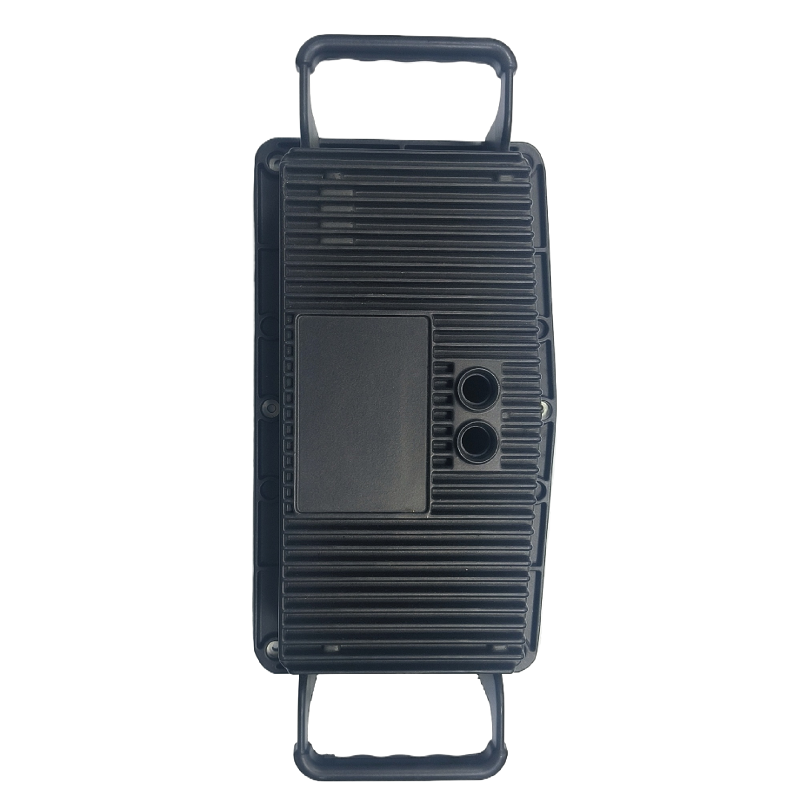
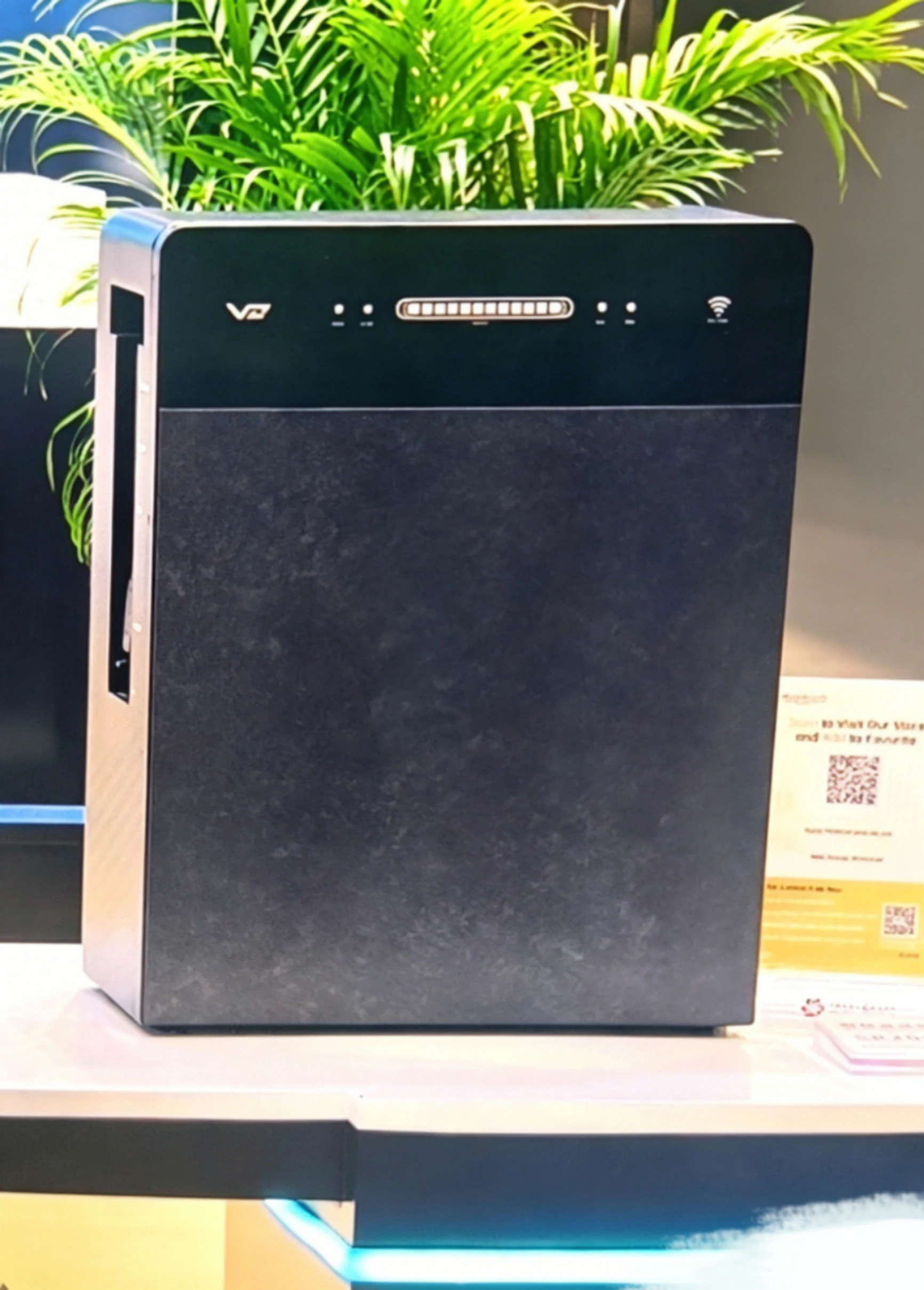
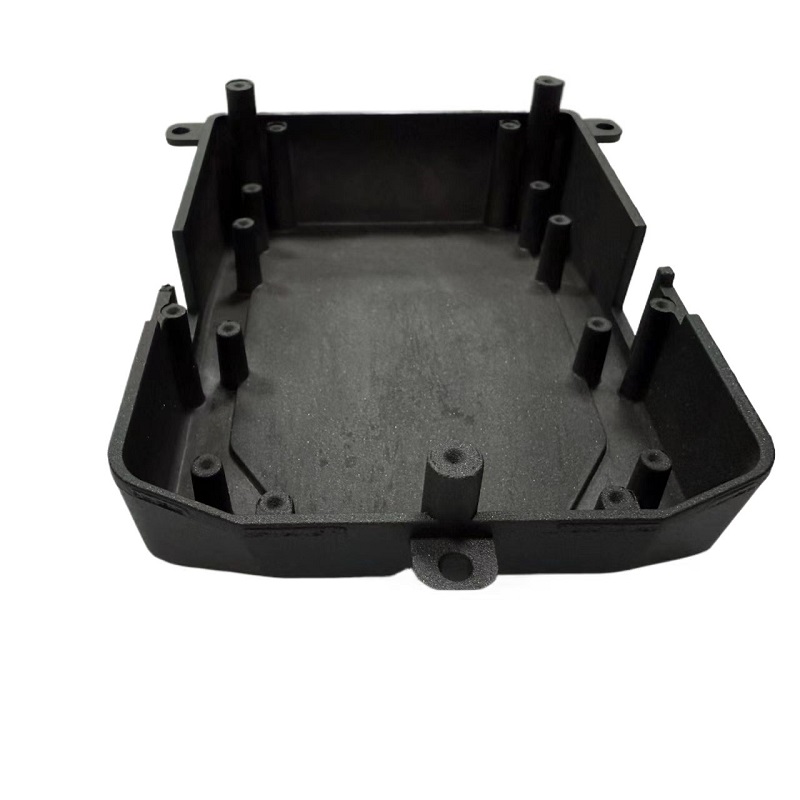
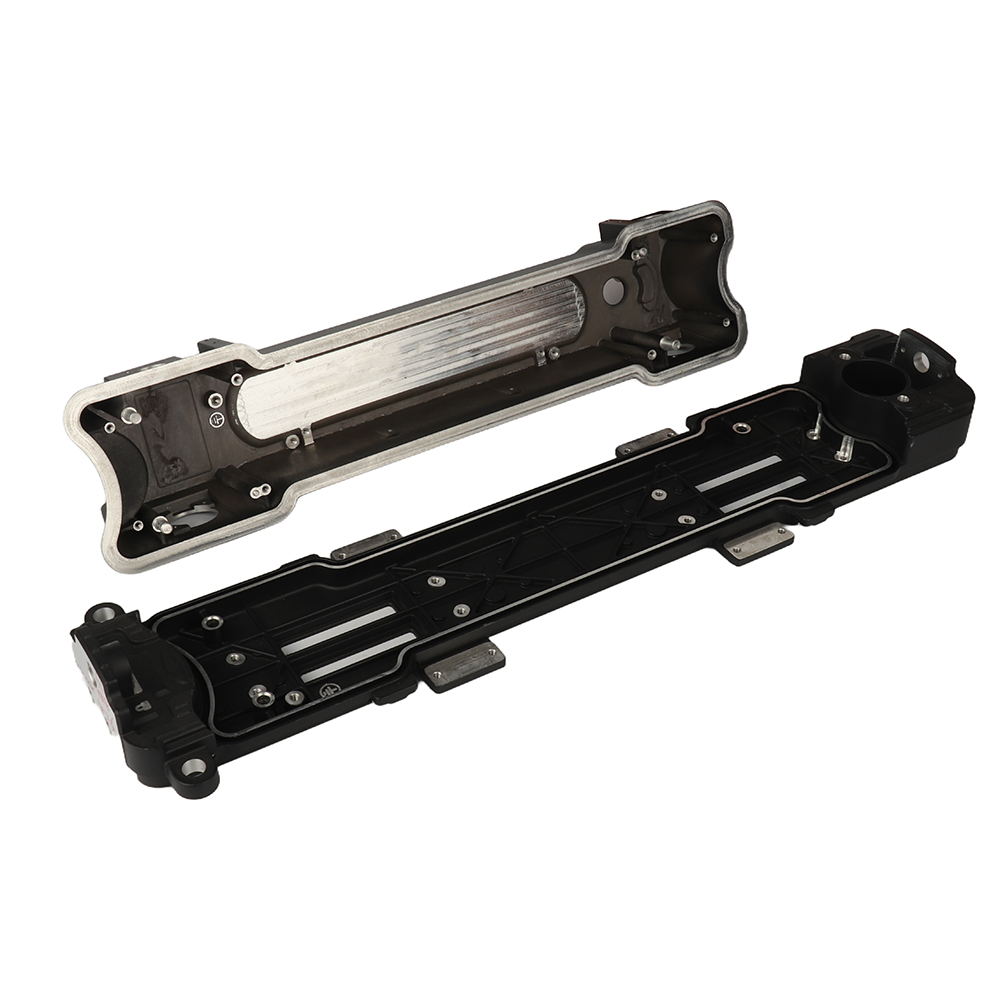
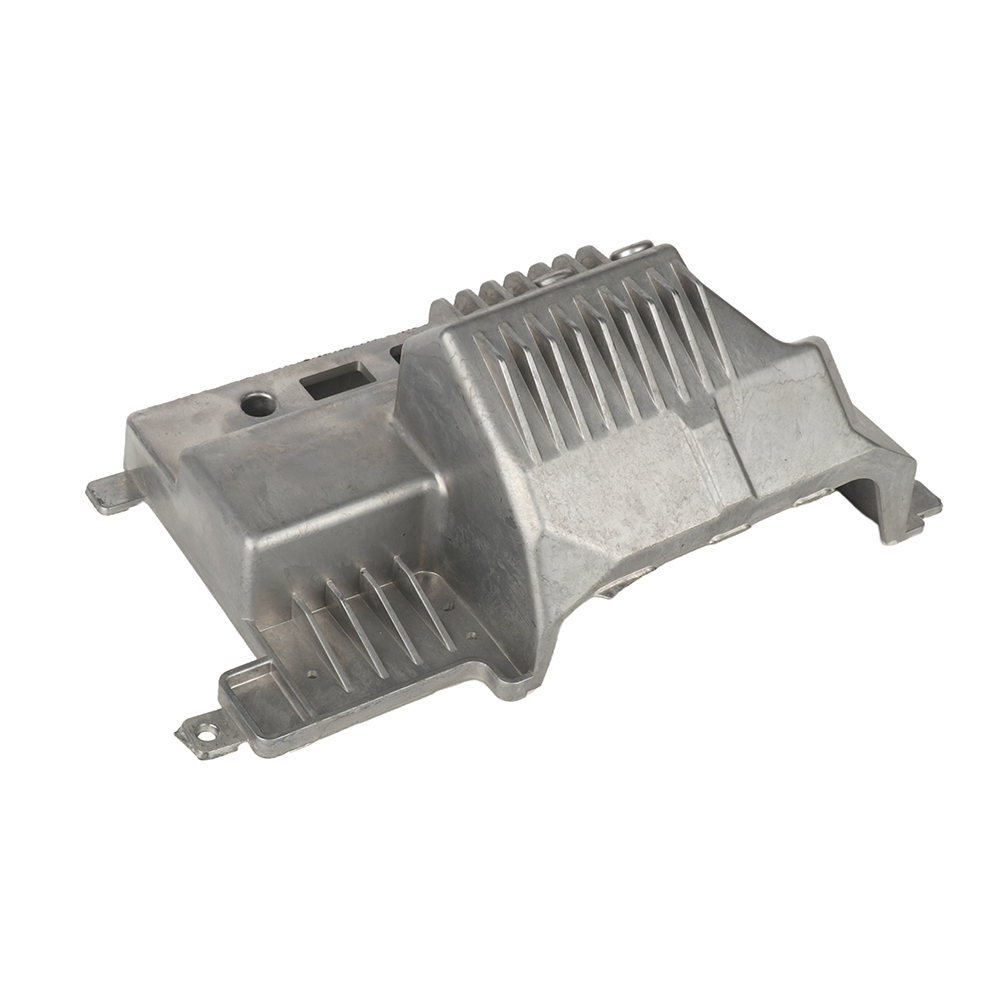
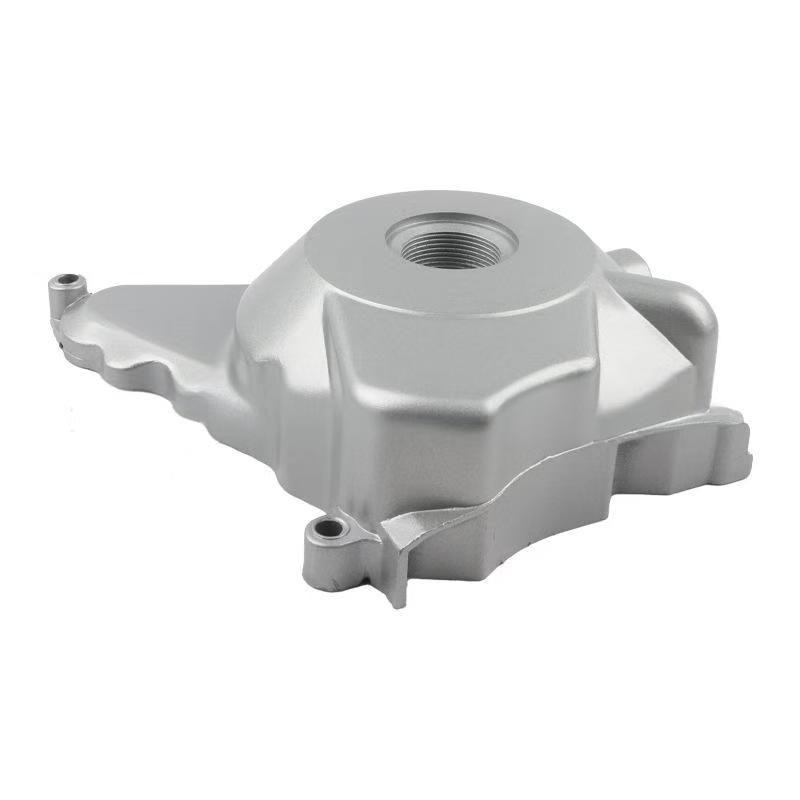
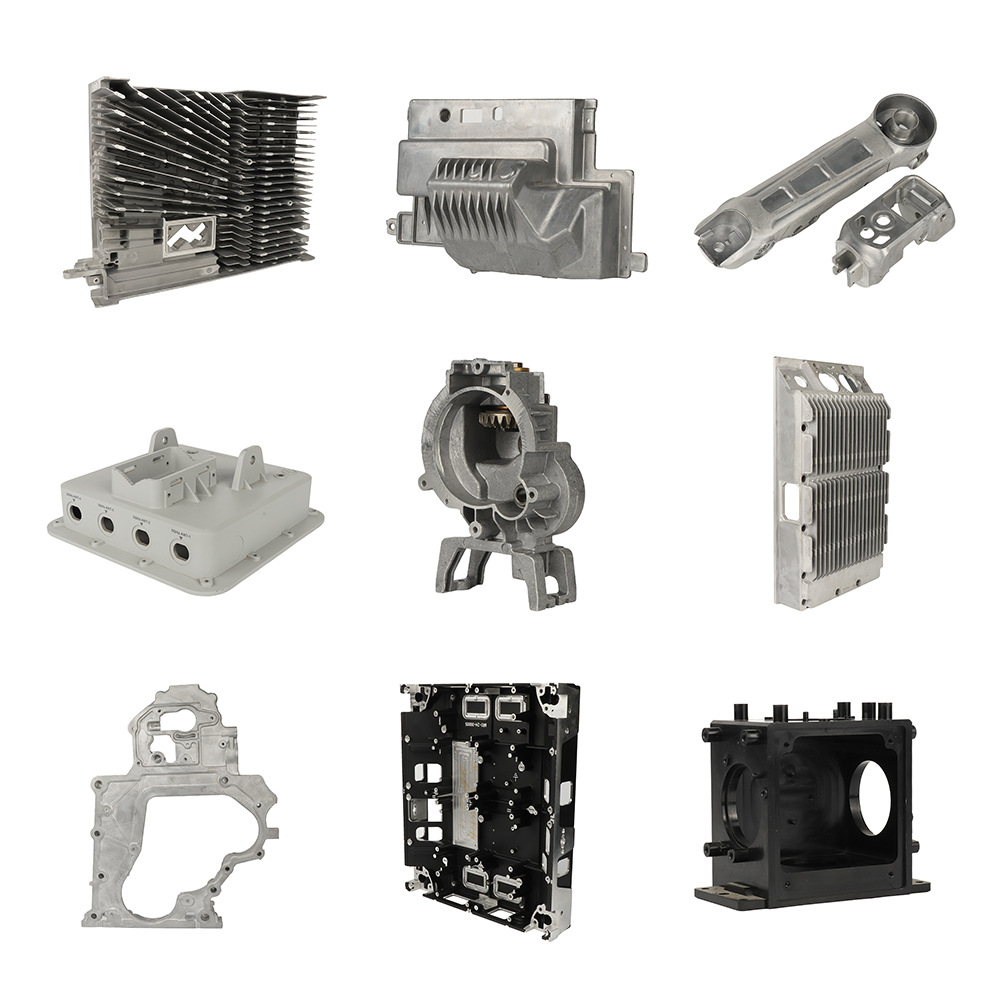
Aluminum machined parts | What is New energy CNC aluminum parts? Key Focuses, Roles & Benefits
What is New Energy CNC Aluminum Parts? Key Focuses, Roles & Benefits
Table of Contents
- 1. Introduction: New Energy CNC Aluminum Parts & Their Industry Significance
- 2. What are New Energy CNC Aluminum Parts?
- 3. Key Focuses of New Energy CNC Aluminum Parts (Critical Requirements)
- 4. Core Roles of New Energy CNC Aluminum Parts
- 5. Key Benefits of New Energy CNC Aluminum Parts
- 6. Expert Insights on New Energy CNC Aluminum Parts
- 7. Frequently Asked Questions (FAQs) About New Energy CNC Aluminum Parts
- 8. Conclusion
1. Introduction: New Energy CNC Aluminum Parts & Their Industry Significance
With the global push for carbon neutrality and the rapid development of the new energy industry—covering new energy vehicles (NEVs), energy storage systems, solar power, and wind energy—high-performance, reliable components have become the cornerstone of industry progress. Among these critical components, New energy CNC aluminum parts stand out as indispensable core elements, leveraging the unique advantages of aluminum materials and CNC machining technology to meet the strict requirements of new energy equipment.
Unlike ordinary aluminum parts, New energy CNC aluminum parts are precision-manufactured using computer numerical control (CNC) technology, combining aluminum’s lightweight, corrosion-resistant, and thermally conductive properties with CNC machining’s high precision and consistency. These parts are designed to address the core needs of new energy equipment, such as energy efficiency, durability, and safety, making them a key driver of the new energy industry’s sustainable development. This blog provides a comprehensive overview of New energy CNC aluminum parts, including their definition, types, key focuses, roles, benefits, expert perspectives, and common FAQs.
2. What are New Energy CNC Aluminum Parts?
2.1 Basic Definition of New Energy CNC Aluminum Parts
New energy CNC aluminum parts refer to specialized aluminum components manufactured through CNC machining technology, specifically designed for integration into new energy equipment (e.g., NEVs, energy storage systems, solar panels, wind turbines). CNC machining uses computer-controlled tools to remove material from aluminum workpieces with extreme precision, creating parts that meet strict dimensional, functional, and performance requirements, often with a tolerance of ±0.01mm or higher.
These parts are not just simple mechanical components—they are tailored to the unique operating environments of new energy equipment, such as high-voltage, high-temperature, and outdoor conditions. They work in tandem with electronic, electrical, and mechanical systems to ensure the stable, efficient, and safe operation of new energy products, distinguishing themselves from ordinary aluminum parts with their higher precision, better performance, and stronger adaptability.
2.2 Common Types of New Energy CNC Aluminum Parts
The new energy industry relies on a variety of New energy CNC aluminum parts, each serving a specific role in different equipment. Below are the most common and essential types, widely used across key new energy sectors:
2.2.1 New Energy Vehicle (NEV) CNC Aluminum Parts
NEVs are the largest application area for New energy CNC aluminum parts, with parts including battery trays, aluminum alloy frames, motor housings, heat sinks, and connector brackets. For example, battery trays—critical for protecting NEV batteries—are made of CNC-machined aluminum to ensure lightweight design and structural strength, while motor housings leverage aluminum’s thermal conductivity to dissipate heat efficiently, which is vital for motor performance and lifespan. These parts can reduce vehicle weight by up to 40% compared to traditional cast iron components, significantly improving energy efficiency.
2.2.2 Energy Storage System CNC Aluminum Parts
Energy storage systems (e.g., lithium-ion battery packs) require New energy CNC aluminum parts such as storage enclosures, heat dissipation plates, and mounting brackets. These parts must be corrosion-resistant to withstand long-term use in indoor and outdoor environments, and precise to ensure seamless assembly with battery modules and electronic components. They also play a key role in thermal management, preventing overheating and ensuring the stable operation of energy storage systems.
2.2.3 Solar & Wind Energy CNC Aluminum Parts
In solar energy systems, New energy CNC aluminum parts include solar panel frames, mounting brackets, and heat sinks, which need to be lightweight, weather-resistant, and precise to support solar panels and ensure optimal energy collection. In wind energy, they are used in wind turbine components such as blade brackets and generator housings, requiring high strength and durability to withstand harsh outdoor conditions like strong winds and extreme temperatures. Approximately 40% of new wind turbine installations rely on such precision-machined parts to ensure aerodynamic performance and structural integrity.
2.2.4 General New Energy CNC Aluminum Parts
General New energy CNC aluminum parts are versatile components widely used across all new energy sectors, serving as the "connecting link" between different systems. Common examples include aluminum connectors, terminal blocks, structural supports, inverter heat sinks, and energy recovery module cases. These parts do not belong to a single specific equipment but are essential for ensuring electrical conductivity, structural stability, and compatibility between various components. For instance, aluminum connectors ensure stable current transmission in new energy equipment, while structural supports provide reliable fixing for key components, making them indispensable for the normal operation of the entire system.

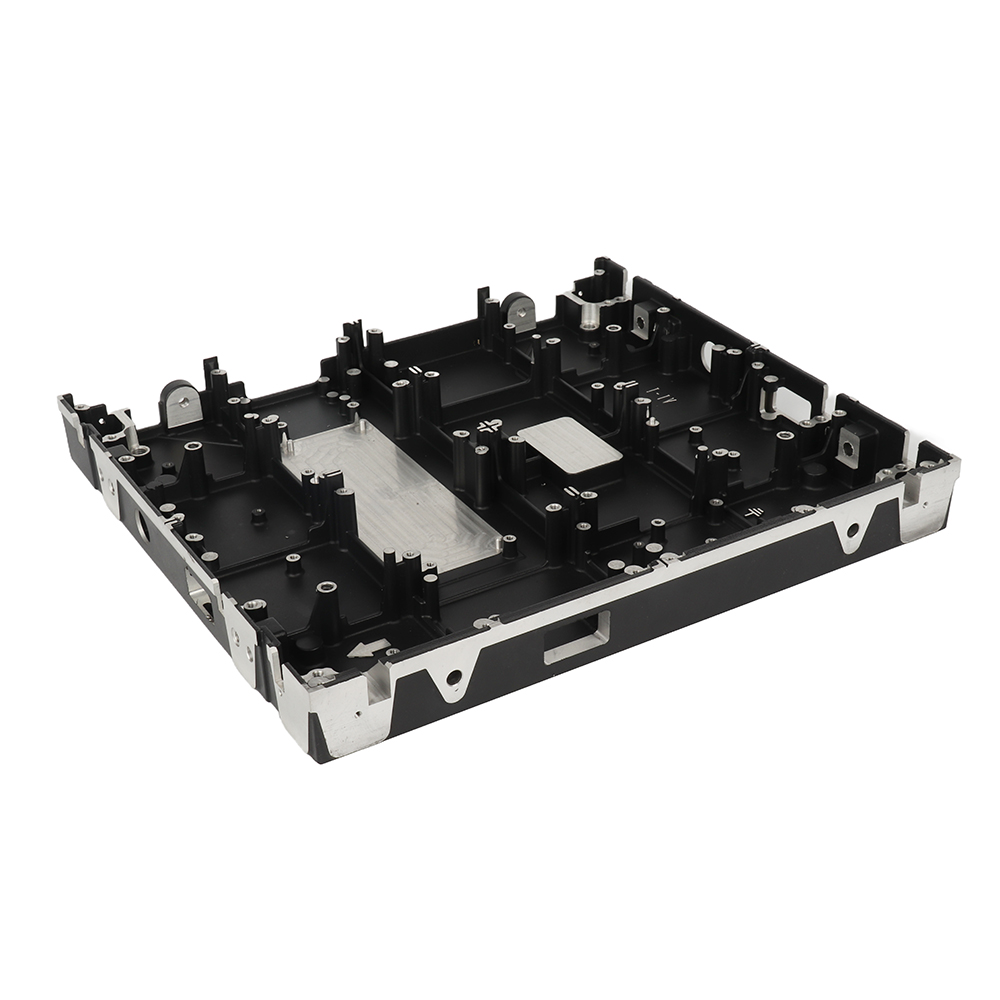
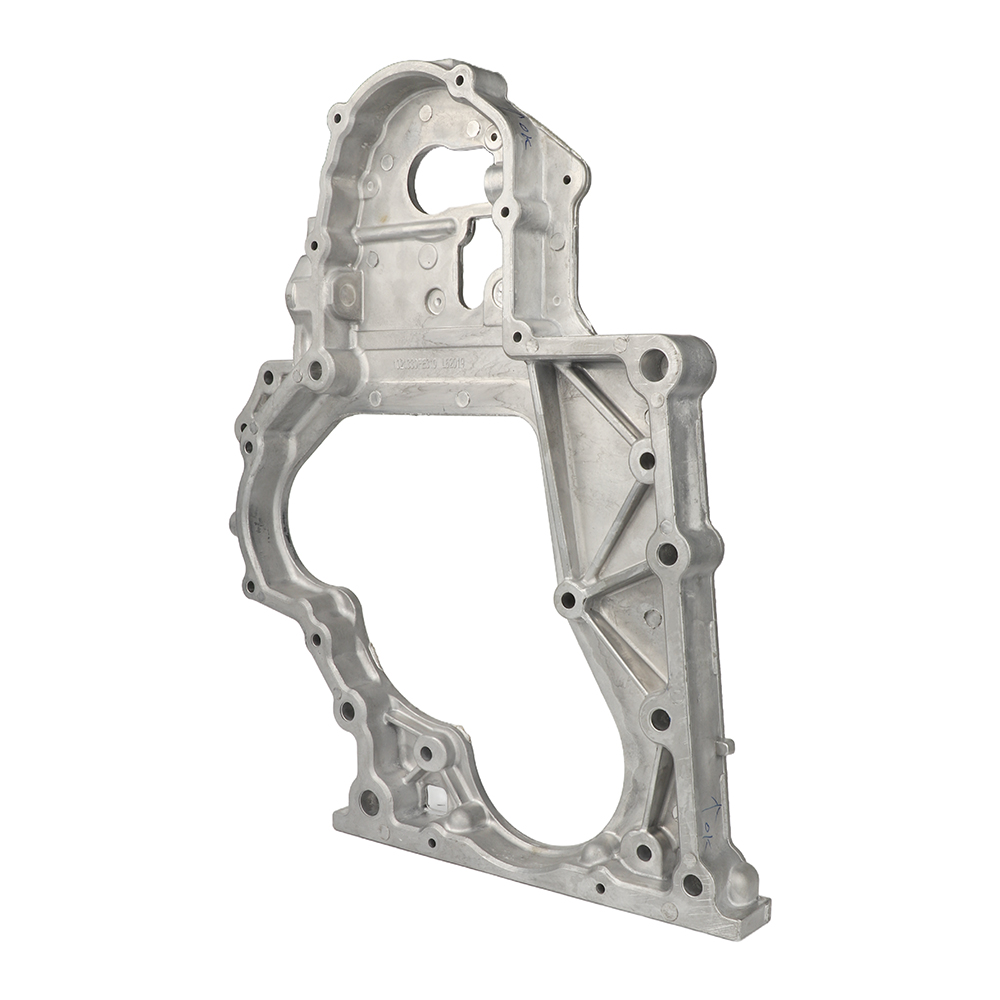
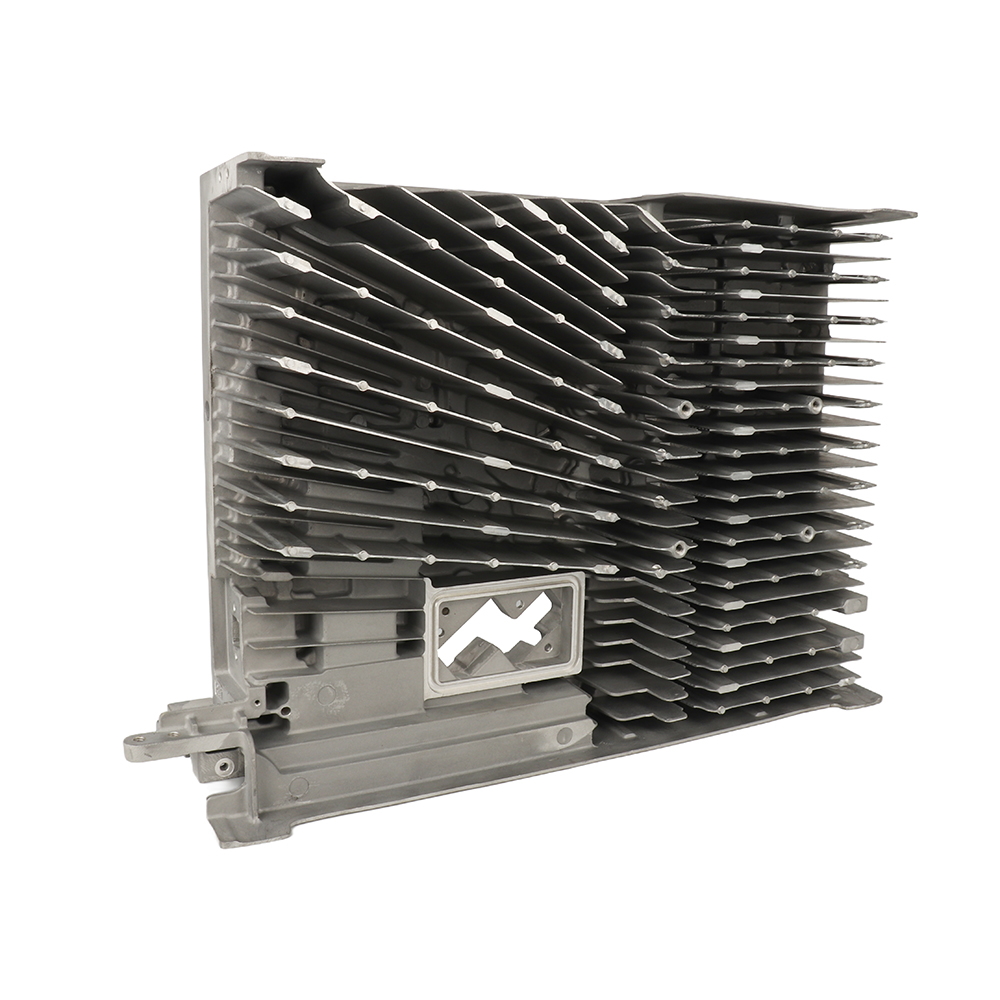
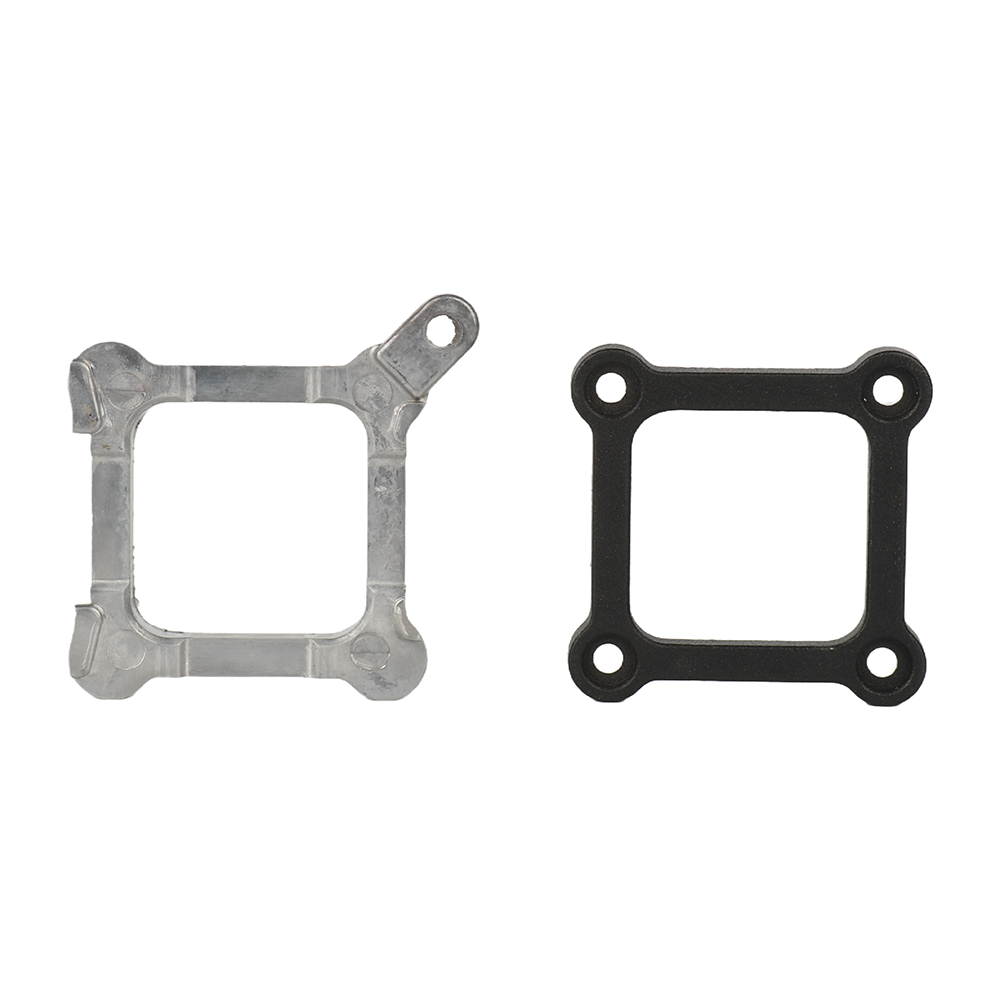
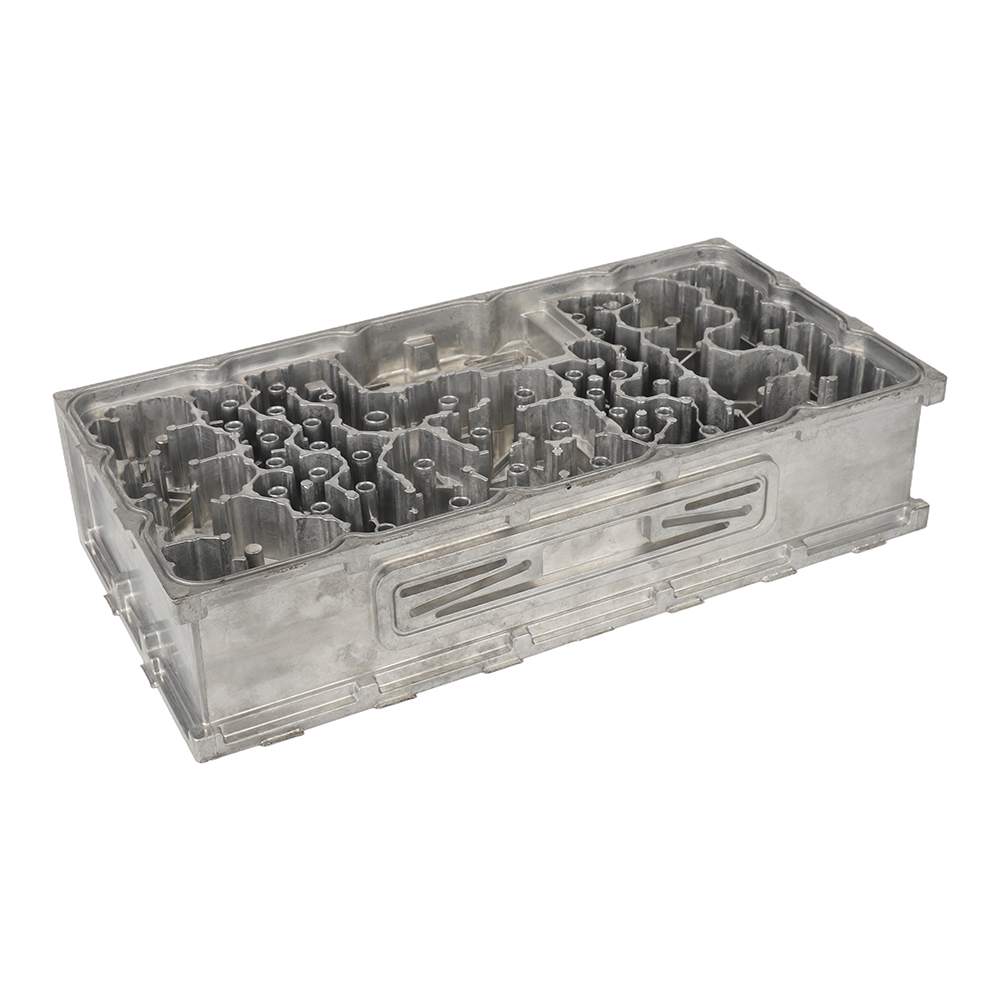
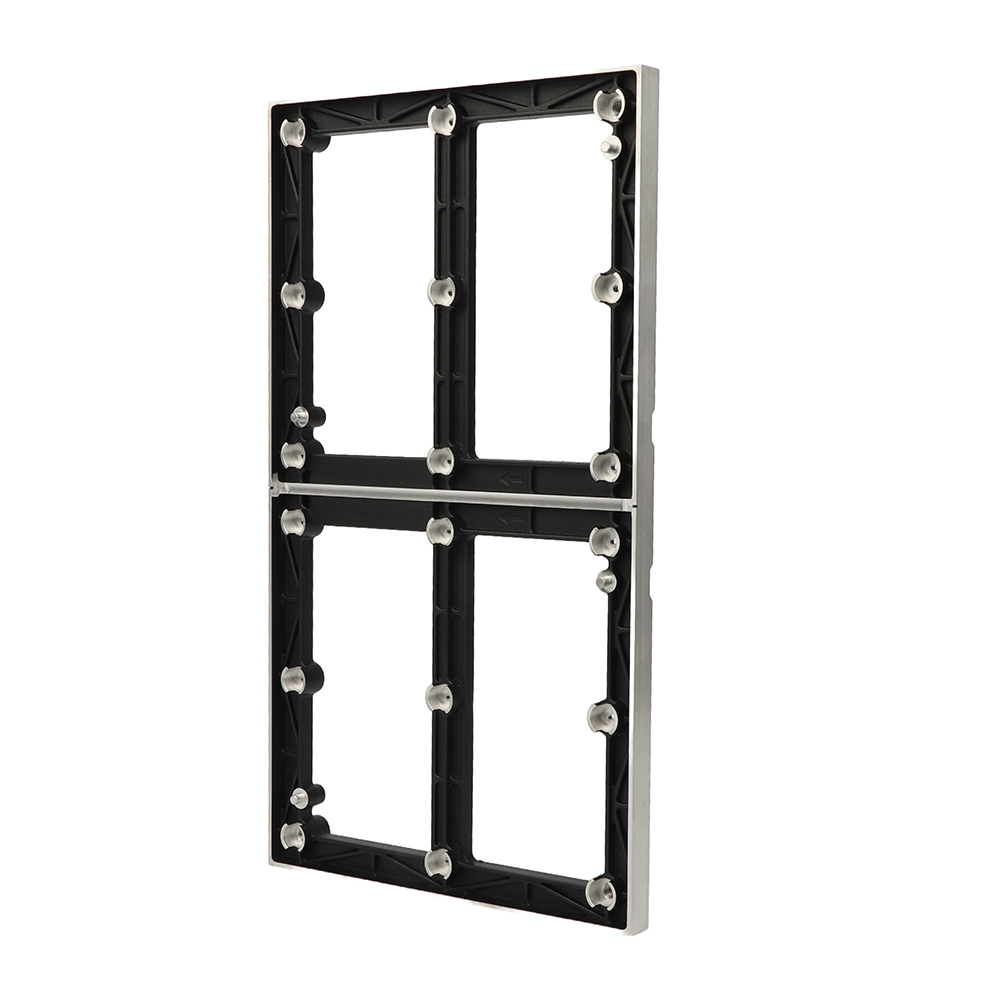
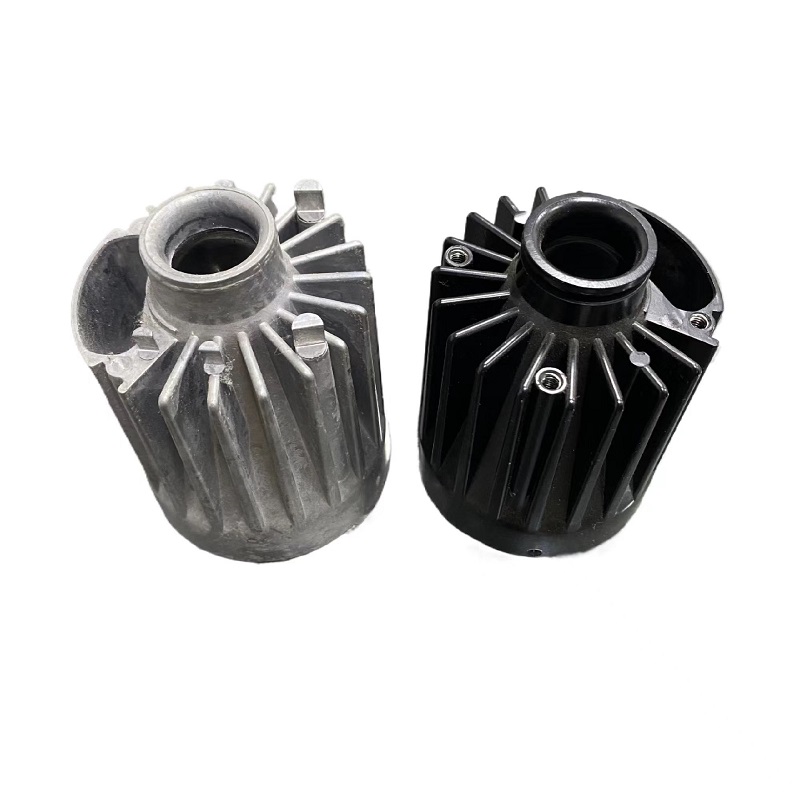
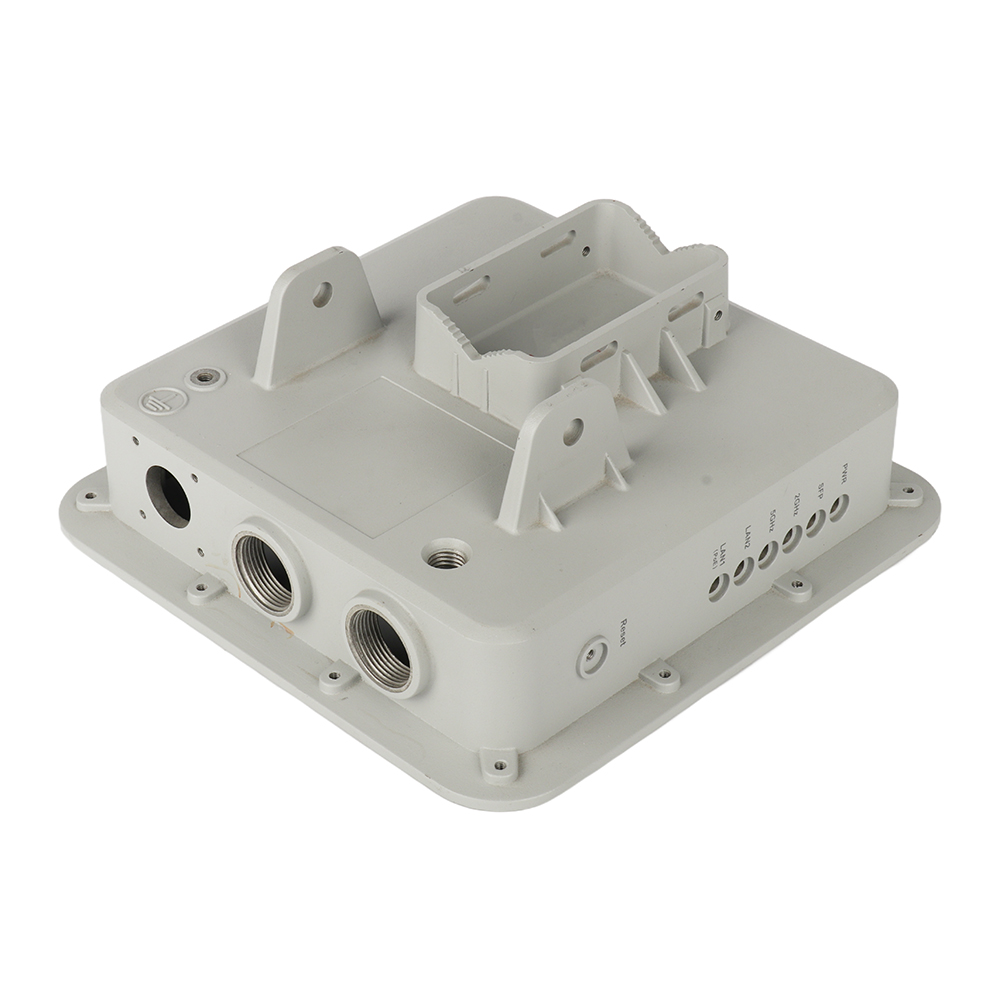
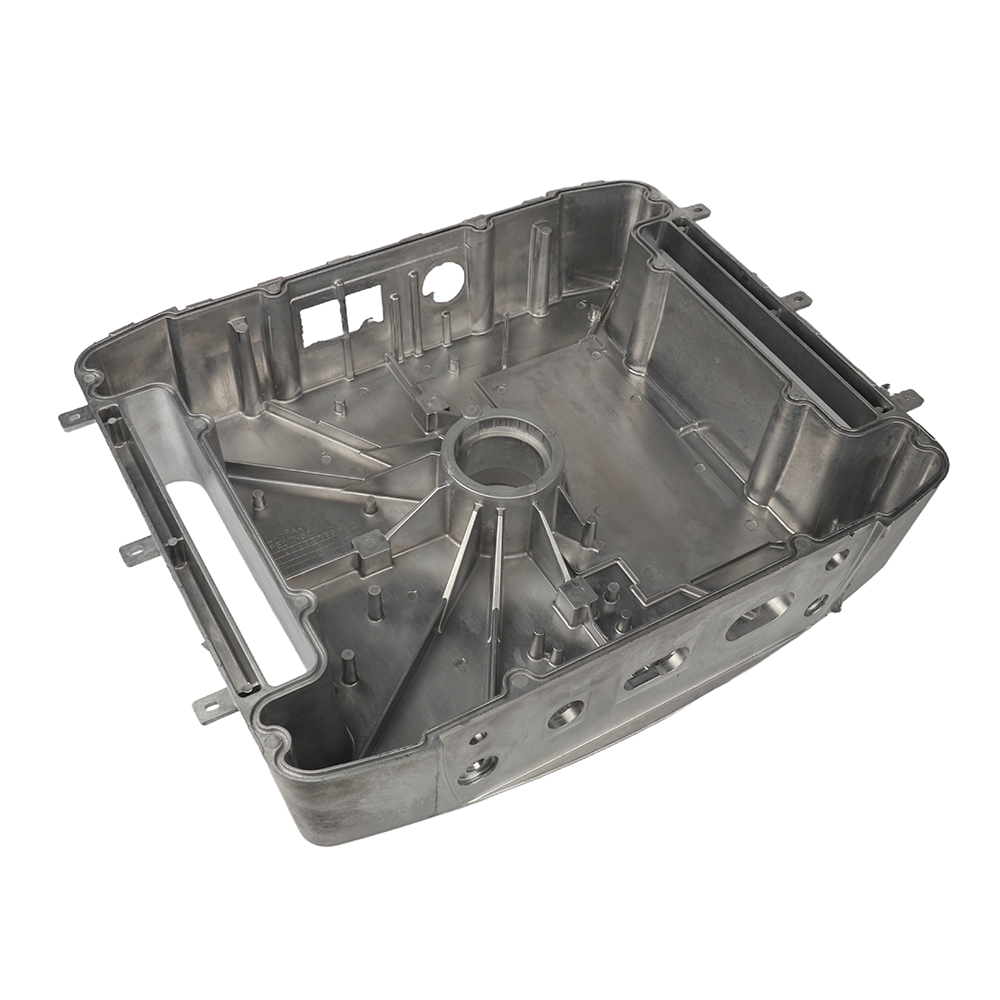
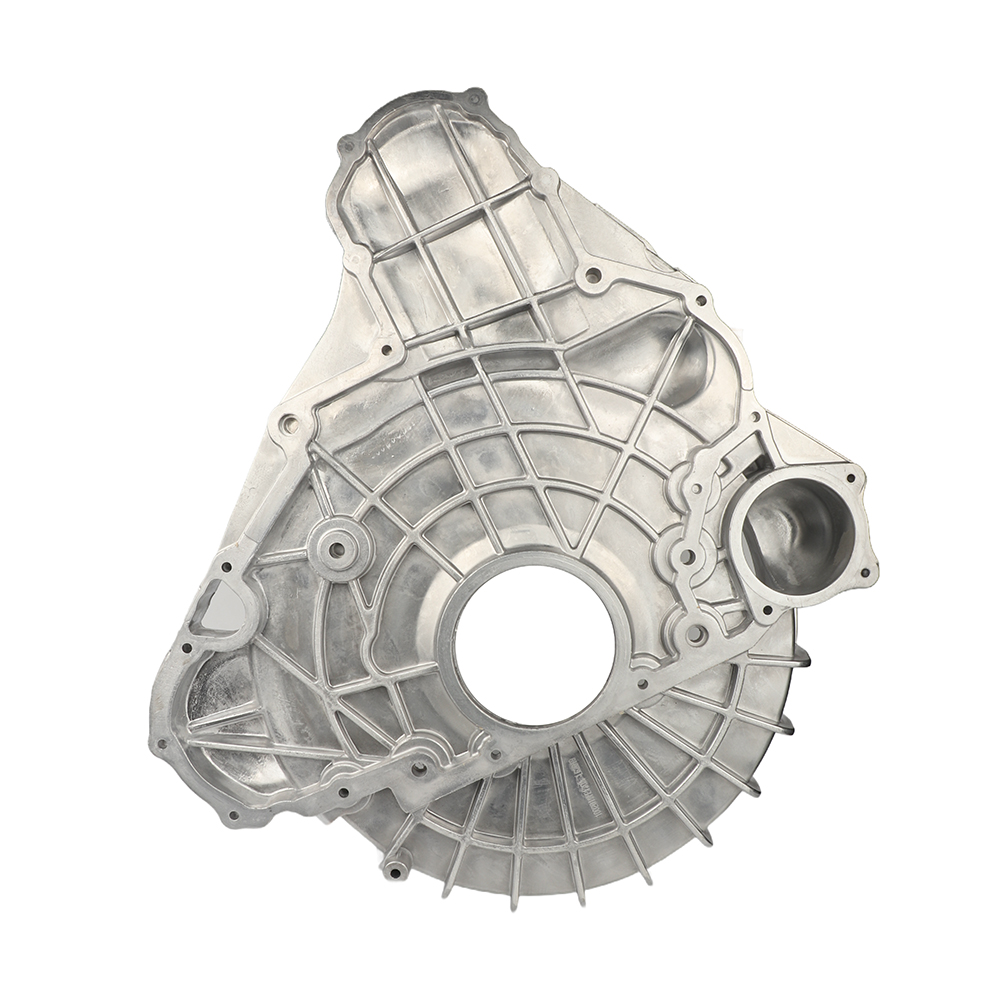
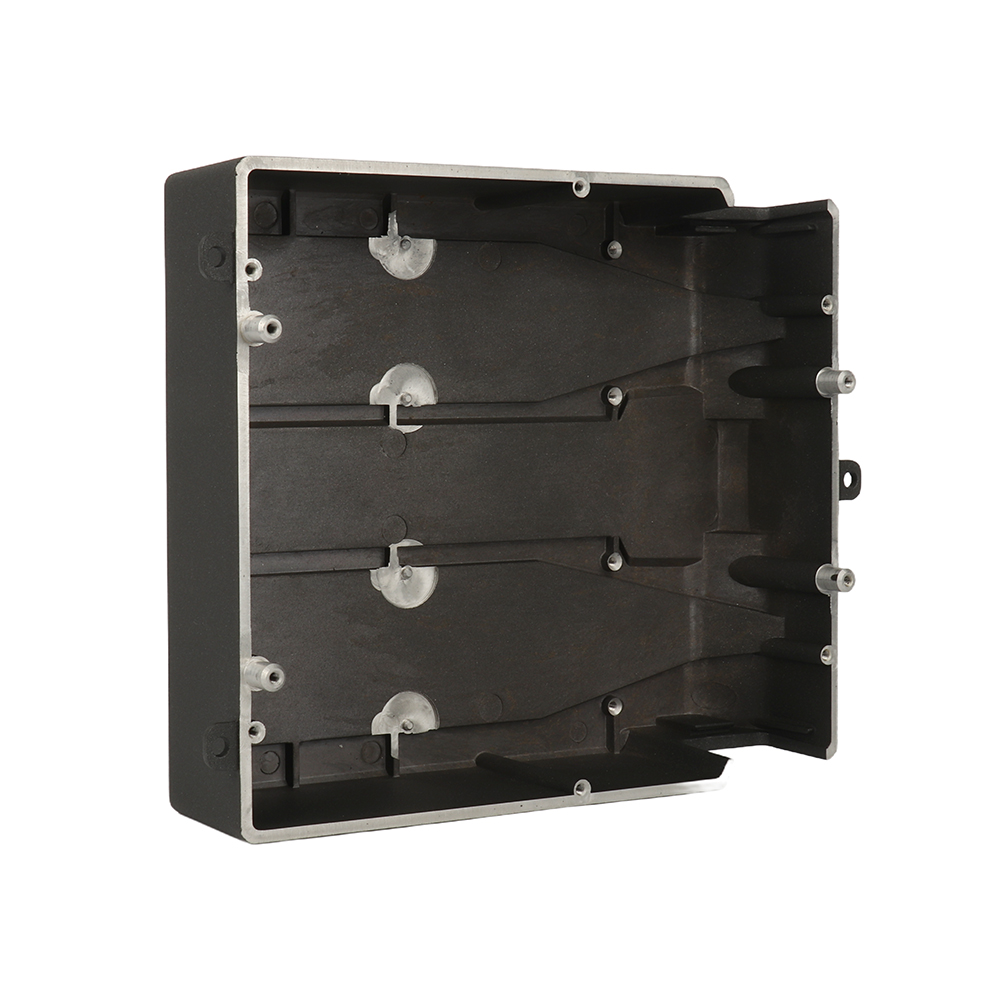
General New energy CNC aluminum parts (Battery Tray, Motor Housing, Heat Sink)
2.3 Core Materials & CNC Machining Process
The core materials for New energy CNC aluminum parts are high-quality aluminum alloys, with 6061, 6063, 6082, and 7075 being the most commonly used grades. 6061 and 6082 alloys are preferred for their excellent machinability, corrosion resistance, and moderate strength, suitable for most structural parts and heat sinks. 7075 alloy, with its high strength, is used for high-load components like NEV frames. These aluminum alloys are recyclable, aligning with the sustainable development concept of the new energy industry, as recycled aluminum consumes only 5% of the energy required for primary aluminum production.
The CNC machining process for New energy CNC aluminum parts includes design modeling, material cutting, precision machining, surface treatment, and quality inspection. Advanced five-axis CNC machines are widely used to achieve complex geometries and high precision, with technologies like RTCP control and feed adaptive (AFC) improving machining efficiency and quality. Surface treatments such as anodizing and micro-arc oxidation are applied to enhance corrosion resistance and surface quality, ensuring the parts can withstand harsh operating environments.
3. Key Focuses of New Energy CNC Aluminum Parts (Critical Requirements)
Due to the harsh operating environments and high-performance requirements of new energy equipment, New energy CNC aluminum parts must meet strict critical requirements, with the following key focuses:
3.1 Precision & Dimensional Consistency (Core Focus)
Precision and dimensional consistency are the core focuses of New energy CNC aluminum parts. New energy equipment (such as NEV motors and energy storage modules) has extremely high requirements for component dimensions—even a tiny error (less than 0.01mm) can lead to assembly failure, affect equipment performance, or even cause safety hazards. CNC machining technology ensures that each batch of parts has consistent dimensions and high precision, meeting the strict tolerance requirements of new energy equipment. For example, the coaxiality of NEV motor housing bearing holes and the dynamic balancing accuracy of motor shafts are critical to enabling high-speed operation (exceeding 15,000 r/min).
3.2 Lightweight & High-Strength Performance
Lightweight and high-strength performance is another key focus, especially for NEVs and wind turbines. Aluminum materials themselves are lightweight (density of 2.7g/cm³), and through CNC precision machining and alloy optimization, New energy CNC aluminum parts can achieve high strength while maintaining light weight, reducing the overall weight of equipment. For NEVs, this directly improves battery life and energy efficiency; for wind turbines, it reduces the load on the tower and improves power generation efficiency. Compared to traditional cast iron parts, aluminum parts can reduce weight by 40% while ensuring structural strength.
3.3 Corrosion Resistance & Thermal Conductivity
Many New energy CNC aluminum parts work in outdoor or harsh environments (e.g., solar panels, wind turbines, outdoor energy storage systems), so corrosion resistance is a key requirement. Through surface treatments such as anodizing and anti-corrosion coating, these parts can resist rain, humidity, and chemical corrosion, extending their service life. At the same time, thermal conductivity is critical for parts like motor housings and heat sinks—aluminum’s excellent thermal conductivity (200–230 W/m·K for common alloys) allows for efficient heat dissipation, preventing equipment overheating and ensuring stable operation.
3.4 Compatibility & Assembly Precision
New energy CNC aluminum parts need to be perfectly compatible with other components (e.g., electronic components, mechanical parts) in the equipment, requiring high assembly precision. The parts must match the installation dimensions of other components seamlessly, avoiding gaps or loose fits that could affect equipment operation. For example, energy storage enclosure parts must be precisely machined to ensure seamless assembly with battery modules and achieve IP67/IP68 sealing to prevent water ingress.
4. Core Roles of New Energy CNC Aluminum Parts
New energy CNC aluminum parts play an irreplaceable core role in the development of the new energy industry, supporting the stable operation and technological progress of new energy equipment:
4.1 Promoting Energy Efficiency & Lightweight Design
The lightweight advantage of New energy CNC aluminum parts directly promotes the energy efficiency of new energy equipment. For NEVs, reducing the weight of key components (such as battery trays and frames) can reduce energy consumption and improve battery life, which is a key factor in the popularization of NEVs. For solar and wind energy equipment, lightweight parts reduce installation and operation costs, while improving energy collection and conversion efficiency. This aligns with the global goal of carbon neutrality by reducing overall energy consumption of new energy systems.
4.2 Ensuring Stable Operation of New Energy Equipment
New energy CNC aluminum parts have high precision, corrosion resistance, and durability, which can ensure the stable operation of new energy equipment in long-term use. For example, energy storage system enclosures made of CNC aluminum parts can effectively protect internal battery modules from external interference, while motor housings ensure the stable operation of NEV motors. The high dimensional consistency of these parts also reduces equipment failure rates, improving the reliability of new energy products. Statistics show that precision CNC-machined parts can reduce equipment failure rates by more than 30% compared to traditional parts.
4.3 Supporting Thermal Management & Safety
Thermal management is a key issue for new energy equipment (e.g., NEV batteries, energy storage systems), and New energy CNC aluminum parts play a crucial role in this regard. Aluminum’s excellent thermal conductivity, combined with CNC precision machining, allows parts like heat sinks and cooling plates to efficiently dissipate heat generated by equipment operation, preventing overheating and ensuring safety. For example, NEV battery trays with integrated cooling channels can effectively control battery temperature, reducing the risk of fire and explosion, and extending battery service life.
4.4 Driving Innovation in New Energy Industry
The continuous improvement of New energy CNC aluminum parts (in terms of precision, performance, and design) drives technological innovation in the new energy industry. With the development of CNC machining technology, more complex, high-performance aluminum parts can be produced, supporting the research and development of new energy equipment (e.g., high-efficiency wind turbines, long-range NEVs). For example, the use of five-axis CNC machining technology enables the production of complex thin-walled motor housings, which are critical for the development of high-power NEV motors. These parts also promote the integration of new materials and processes, accelerating the upgrading of the new energy industry.
5. Key Benefits of New Energy CNC Aluminum Parts
Compared to ordinary aluminum parts or parts made of other materials (e.g., steel, plastic), New energy CNC aluminum parts have significant advantages, bringing multiple benefits to new energy equipment manufacturers and users:
Cost-Effective in Long-Term Use: Although the initial machining cost of New energy CNC aluminum parts is slightly higher than that of ordinary parts, their long service life (due to corrosion resistance and durability) and low maintenance costs reduce the overall cost of equipment in the long run. Additionally, CNC machining has lower scrap rates than traditional manufacturing methods, minimizing material waste and further reducing costs.
Improved Equipment Performance: The high precision and excellent performance of New energy CNC aluminum parts can significantly improve the overall performance of new energy equipment—such as NEV battery life, energy storage system stability, and solar/wind energy conversion efficiency. For example, precision motor housings can improve motor efficiency by reducing friction and ensuring accurate shaft alignment.
Environmental Friendliness & Sustainability: Aluminum is a recyclable material, and New energy CNC aluminum parts can be recycled and reused after scrapping, reducing environmental pollution. The lightweight design also reduces energy consumption of equipment, aligning with the green development concept of the new energy industry. Moreover, CNC machining processes are more energy-efficient than traditional machining, with advanced equipment reducing energy consumption by up to 30%.
Strong Adaptability & Versatility: New energy CNC aluminum parts can be customized according to the specific needs of different new energy equipment, with strong design flexibility. They can adapt to various harsh operating environments (high temperature, high humidity, outdoor) and meet the diverse performance requirements of different sectors (NEVs, energy storage, solar, wind energy). This versatility makes them widely applicable across the entire new energy industry.
Short Production Cycle & High Batch Consistency: CNC machining has high efficiency and can complete the production of complex parts in a short time, meeting the mass production needs of new energy equipment manufacturers. At the same time, computer control ensures that each batch of parts has consistent dimensions and performance, avoiding quality differences caused by manual operation. Advanced CNC systems can even achieve "one-click changeover" to quickly switch between product models, shortening the production cycle by up to 60%.
6. Expert Insights on New Energy CNC Aluminum Parts
We invited three industry experts to share their insights on New energy CNC aluminum parts, covering technological development, application trends, and quality requirements:
John Smith, Senior Engineer at Rapidaccu (15+ years of new energy CNC machining experience): "With the global push for carbon neutrality, the demand for New energy CNC aluminum parts is growing exponentially. The core trend is the pursuit of higher precision (sub-0.01mm tolerance) and lighter weight, which requires the integration of advanced CNC technologies like five-axis machining and intelligent process control. Aluminum alloys such as 6061 and 7075 will remain the mainstream materials, but we will see more modified alloys to meet the increasingly strict performance requirements of new energy equipment. The key to improving product competitiveness lies in balancing precision, cost, and sustainability."
Dr. Emily Davis, Material Science Expert at Anebon: "The performance of New energy CNC aluminum parts is closely related to material selection and machining processes. For NEV motor components, the biggest challenge is solving the deformation of thin-walled aluminum parts during machining—we have achieved significant progress by optimizing clamping methods and cutting parameters, reducing deformation to less than 0.04mm. In the future, the development of nanocrystalline aluminum alloys will further improve the strength and thermal conductivity of these parts, making them more suitable for high-power, high-efficiency new energy equipment."
Michael Lee, Industry Analyst at Sourcify China: "New energy CNC aluminum parts are the core supporting components of the new energy industry, and their development is closely linked to the upgrading of new energy equipment. In the next 5 years, with the popularization of NEVs and the expansion of solar/wind energy projects, the market size of these parts will grow at an annual rate of 15%+. The focus of competition will shift from price to quality and customization capabilities—manufacturers that can provide high-precision, customized parts with short delivery cycles will gain a competitive advantage. Additionally, the integration of green manufacturing concepts (recyclable materials, energy-efficient processes) will become a key factor in industry development."
7. Frequently Asked Questions (FAQs) About New Energy CNC Aluminum Parts
Below are the most common questions about New energy CNC aluminum parts in the industry, with detailed answers to help you better understand this key component:
Q1: What is the difference between New energy CNC aluminum parts and ordinary aluminum parts?
A1: The core difference lies in precision, performance, and application scenarios. New energy CNC aluminum parts are manufactured by CNC machining with high precision (tolerance up to ±0.01mm) and consistent dimensions, tailored to the harsh operating environments of new energy equipment (high temperature, high voltage, outdoor). They have better corrosion resistance, thermal conductivity, and strength. Ordinary aluminum parts are mostly processed by traditional methods, with lower precision and simpler functions, suitable for general mechanical equipment rather than high-demand new energy products.
Q2: What are the most commonly used materials for New energy CNC aluminum parts?
A2: The most commonly used materials are high-quality aluminum alloys, including 6061, 6063, 6082, and 7075. 6061 and 6082 are widely used for structural parts, heat sinks, and battery trays due to their excellent machinability and corrosion resistance. 7075 is used for high-load components like NEV frames because of its high strength. Other alloys like 5052 are used for parts requiring high corrosion resistance, such as outdoor energy storage enclosures.
Q3: How long is the service life of New energy CNC aluminum parts?
A3: The service life depends on the application scenario and surface treatment. Under normal operating conditions (indoor energy storage systems), the service life can reach 8–10 years. For outdoor applications (solar panels, wind turbines) with anti-corrosion surface treatment (anodizing, micro-arc oxidation), the service life can reach 10–15 years. The high durability of these parts reduces the frequency of replacement and maintenance, lowering overall equipment costs.
Q4: Can New energy CNC aluminum parts be customized according to specific needs?
A4: Yes, customization is one of the biggest advantages of New energy CNC aluminum parts. CNC machining supports flexible design and production—manufacturers can customize the size, shape, performance, and surface treatment of parts according to the specific requirements of new energy equipment (e.g., NEV models, energy storage system specifications). Advanced CNC systems allow for rapid prototyping, enabling the transformation from CAD design to mass production in a short time.
Q5: Why are New energy CNC aluminum parts more suitable for new energy equipment than steel parts?
A5: Compared to steel parts, New energy CNC aluminum parts have three key advantages: ① Lightweight: Aluminum’s density is about 1/3 of steel, which can significantly reduce the weight of equipment and improve energy efficiency. ② Excellent thermal conductivity: Aluminum’s thermal conductivity is 3–4 times that of steel, making it more suitable for heat dissipation parts (e.g., motor housings, heat sinks). ③ Corrosion resistance: Aluminum is more corrosion-resistant than steel (especially after surface treatment), suitable for outdoor or humid environments. These advantages make aluminum parts more in line with the lightweight, high-efficiency, and durable requirements of new energy equipment.
Q6: What quality inspection standards do New energy CNC aluminum parts need to meet?
A6: The quality inspection standards mainly include three aspects: ① Precision inspection: Using coordinate measuring machines (CMM) to test dimensional accuracy and tolerance, ensuring compliance with design requirements (usually ±0.01–±0.05mm). ② Performance inspection: Testing strength, corrosion resistance, and thermal conductivity to meet the operating requirements of new energy equipment. ③ Surface quality inspection: Checking for scratches, burrs, or defects on the surface, ensuring the parts meet assembly and aesthetic requirements. Many manufacturers also implement 100% quality inspection to ensure product consistency.
8. Conclusion
New energy CNC aluminum parts are the core supporting components of the new energy industry, integrating the advantages of aluminum materials and CNC machining technology to meet the strict requirements of new energy equipment in precision, performance, and adaptability. From NEVs to solar/wind energy systems, from energy storage to general new energy equipment, these parts play an irreplaceable role in promoting energy efficiency, ensuring stable operation, supporting thermal management, and driving industry innovation.
With the continuous development of the new energy industry, the demand for New energy CNC aluminum parts will continue to grow, and the requirements for precision, performance, and customization will become higher. By adhering to the key focuses of precision, lightweight, corrosion resistance, and compatibility, and leveraging advanced CNC machining technology and high-quality aluminum materials, these parts will continue to support the sustainable development of the new energy industry, helping achieve the global carbon neutrality goal.
CNC machined aluminum parts | What are medical CNC machined aluminum parts? Key Features, Pros & Cons, FAQs
Smart lock | What are CNC machined smart lock parts? Key Focuses, Roles & Benefits
Related Article