HOT PRODUCTS
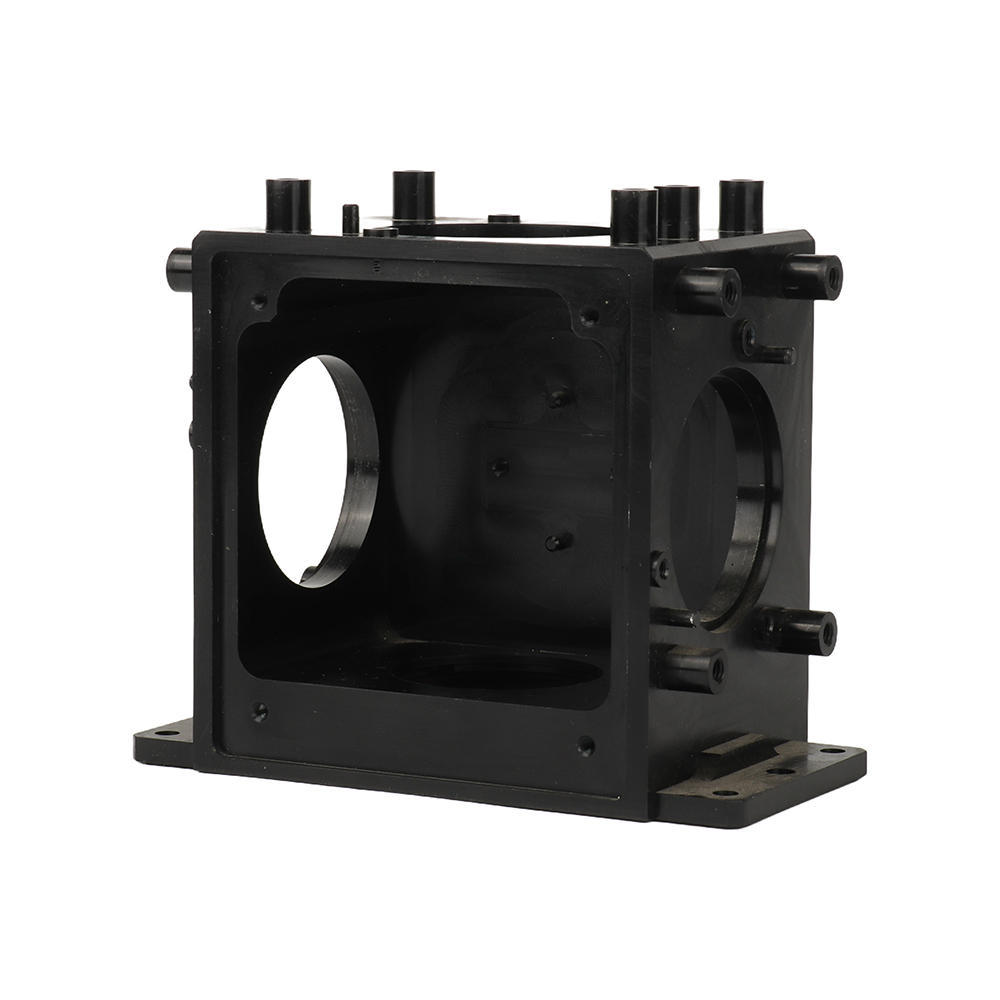
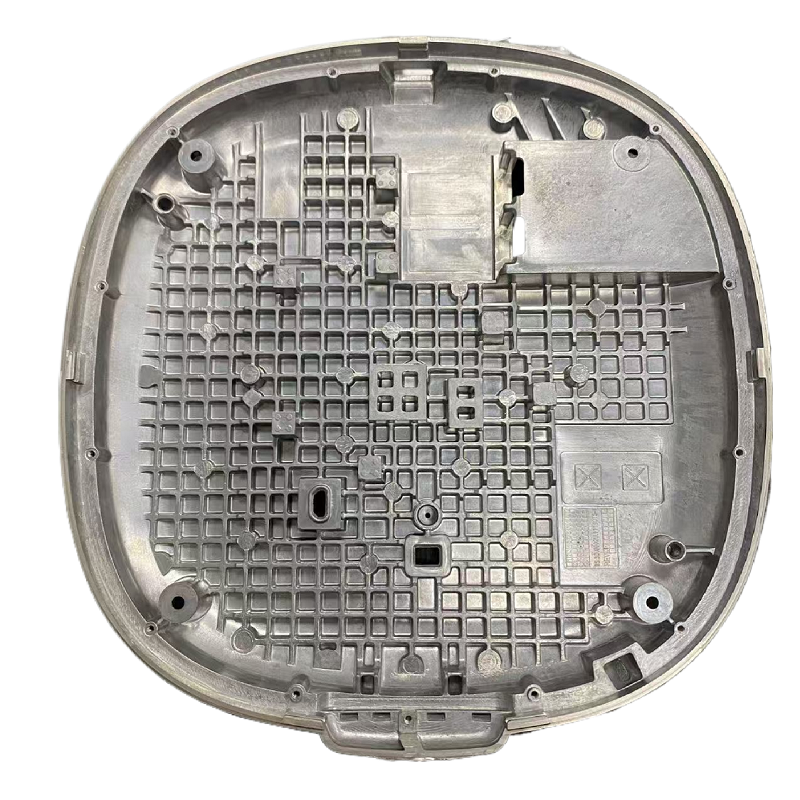
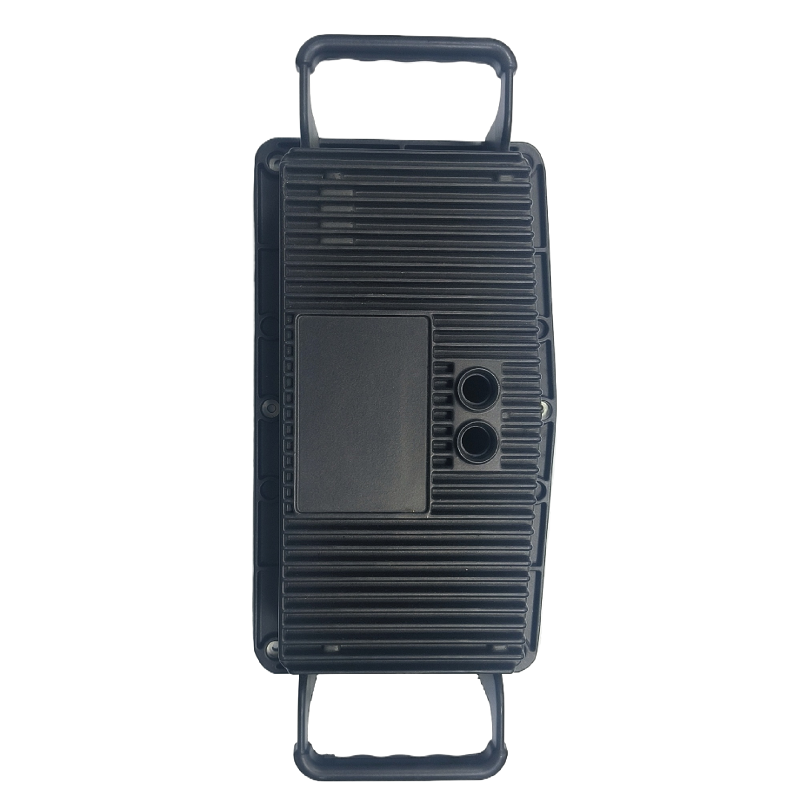
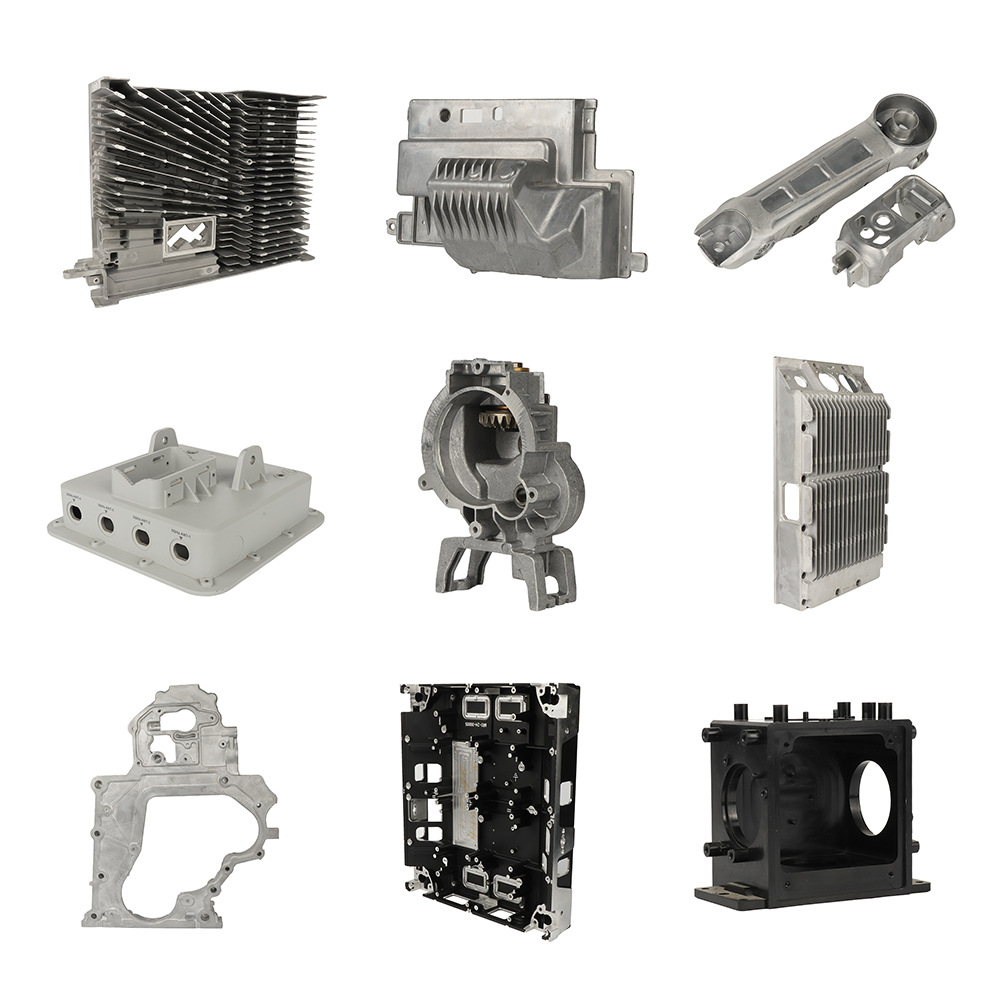
CNC milling machine | What materials can be processed by a CNC milling machine?
2026-06-12
What Materials Can Be Processed by a CNC Milling Machine?
Table of Contents
- 1. Core Definition & Basic Introduction of CNC Milling Machine
- 2. Core Functions & Working Principles of CNC Milling Machines
- 3. Universal Technical Parameters of Standard CNC Milling Machines
- 4. Classified Processable Materials for CNC Milling Machines (ADC12 Highlighted)
- 5. Unique Competitive Advantages of CNC Milling Processing
- 6. Industry Expert Viewpoints on CNC Milling Material Matching
- 7. 2026 CNC Milling Industry Trends & Supplier Selection Guidelines
- 8. Frequently Asked Questions About CNC Milling Material Processing
- 9. Cooperate With Xinghang Precision Hardware: Bulk Discount & Contact Details
- 10. Industry Summary & Future Development Outlook
1. Core Definition & Basic Introduction of CNC Milling Machine
1.1 Official Definition
A CNC milling machine is a computer numerical control automated cutting equipment that relies on pre-programmed G-code to control multi-axis spindle movement. Unlike manual milling machines, it adopts closed-loop servo control to realize automatic cutting, grooving, drilling and contour forming on solid blanks. It is the most widely used precision processing equipment in industrial subtractive manufacturing, covering small-batch prototype trial and large-scale mass production scenarios.
1.2 Main Structural Composition
1.2.1 Core Hardware Modules
Spindle & Multi-Axis Motion System
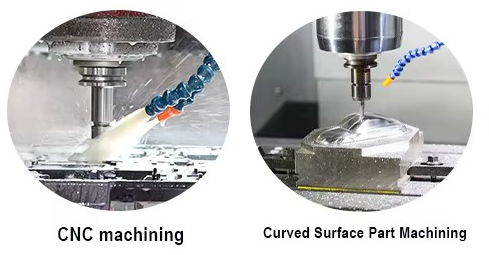
The high-speed spindle supports rotational speeds from 8,000rpm to 24,000rpm, matching 3-axis, 4-axis and 5-axis linkage structures. The 5-axis version can process complex curved surfaces and inclined hole structures that cannot be completed by 3-axis equipment, expanding material processing boundary.
Intelligent Numerical Control System
Equipped with Siemens and Fanuc mainstream control systems, it supports automatic tool changing, real-time tolerance compensation and processing path optimization, reducing manual intervention by over 70% compared with traditional manual equipment.

2. Core Functions & Working Principles of CNC Milling Machines
2.1 Core Working Logic
CNC milling follows the principle of subtractive manufacturing: fixed raw material blanks are clamped on the worktable, and rotating milling cutters remove excess material along programmed coordinate paths. The equipment continuously adjusts cutting feed rate, spindle speed and cutting depth to ensure uniform surface finish and stable dimensional tolerance.
2.2 Key Industrial Roles
2.2.1 Precision Dimensional Correction
Eliminate Blank Forming Errors
It corrects dimensional deviations of die-cast, forged and extruded blanks, controlling finished tolerance within ±0.005mm, solving the low-precision defect of primary forming processes.
2.2.2 Complex Structural Forming
Custom Irregular Structural Machining
Capable of processing special-shaped grooves, embedded countersinks, ultra-thin walls and asymmetric curved parts, which are impossible for stamping, laser cutting and manual machining. It supports one-piece integrated forming without secondary splicing.
2.2.3 Surface Pre-Treatment Matching
High-precision milling provides flat base surfaces for subsequent anodizing, sandblasting and anti-corrosion coating, improving surface bonding durability by 45% compared with unprocessed blanks.
3. Universal Technical Parameters of Standard CNC Milling Machines
The table below lists unified parameters for 5-axis industrial-grade CNC milling machines adopted by Xinghang Precision Hardware, covering conventional and ultra-precision processing indicators:
| Parameter Item | Universal Standard Specification | Ultra-Precision Custom Specification |
|---|---|---|
| Max Worktable Travel (X/Y/Z) | 800mm*500mm*550mm | 500mm*400mm*450mm |
| Spindle Rotation Speed | 8,000-18,000 rpm | 12,000-24,000 rpm |
| Repeat Positioning Accuracy | ±0.01mm | ±0.003mm |
| Surface Roughness After Milling | Ra ≤0.8μm | Ra ≤0.4μm |
| Compatible Material Hardness Range | HB 30-220 | HB 30-280 |
| Maximum Single Cutting Depth | 5mm (aluminum alloy) | 2.5mm (hard alloy steel) |
4. Classified Processable Materials for CNC Milling Machines (ADC12 Highlighted)
4.1 Non-Ferrous Metals (Core Processing Category)
4.1.1 ADC12 High-Silicon Aluminum Alloy (Key Recommended Material)
Machining Adaptability Analysis
ADC12 is the most cost-effective aluminum alloy for CNC milling, compliant with JIS H5302 Japanese industrial standards. It contains 9.6%-12% silicon elements, featuring low cutting resistance, no built-up edge during high-speed milling, and zero surface burrs after one-time processing. Its thermal deformation coefficient is only 0.000019/℃, so it will not warp after long-time continuous milling.
Typical Milled Parts & Application Scenarios
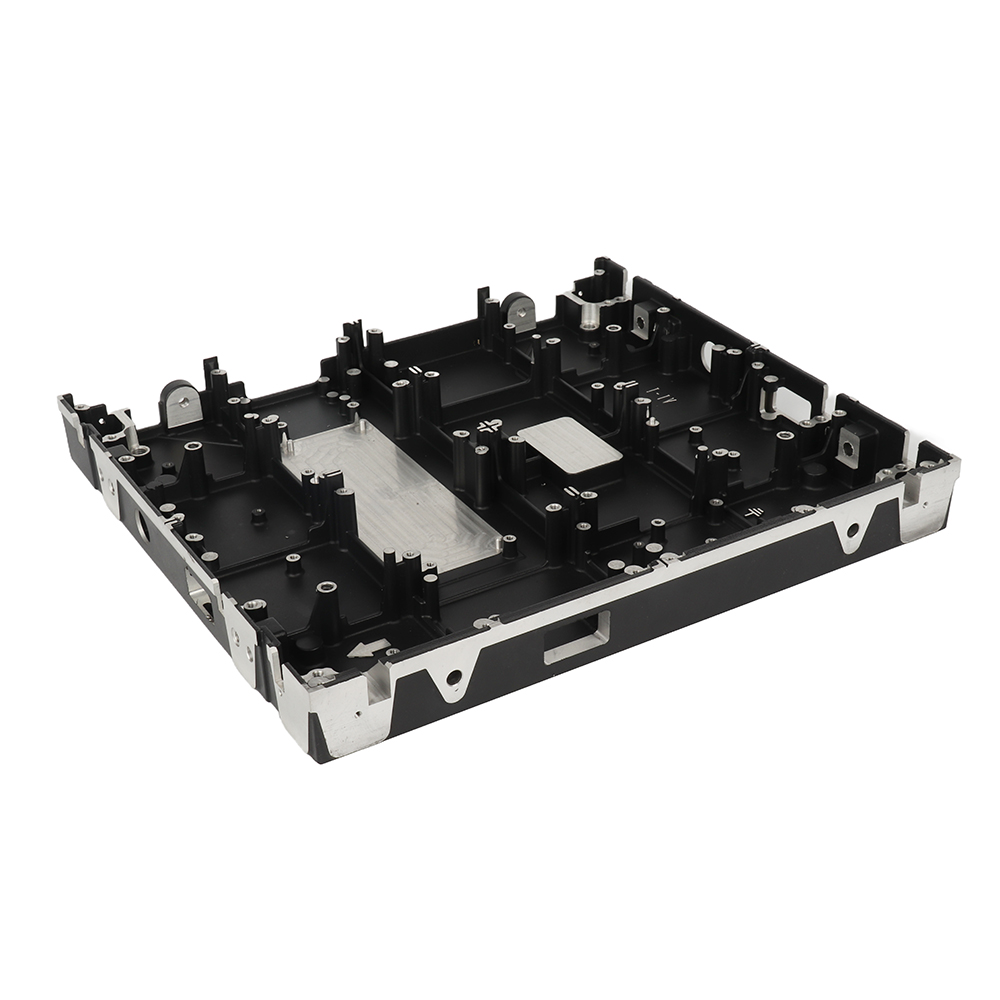
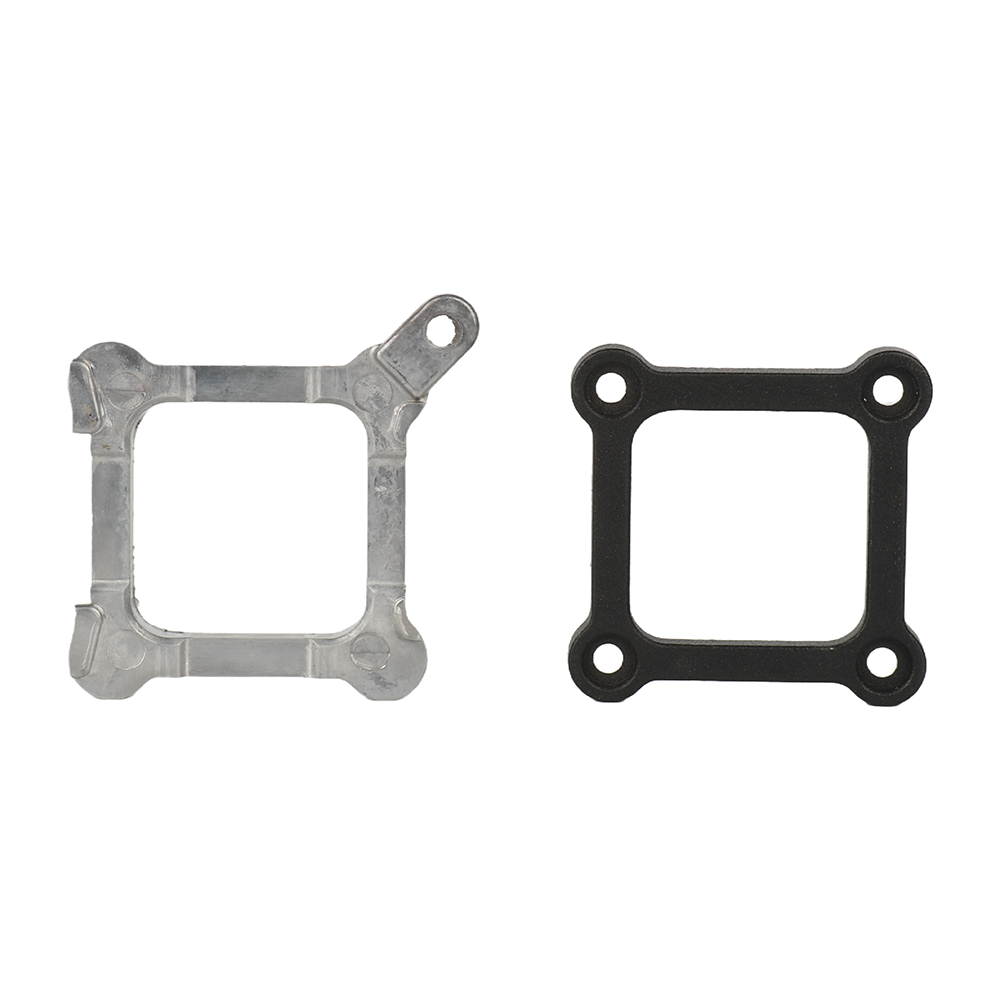
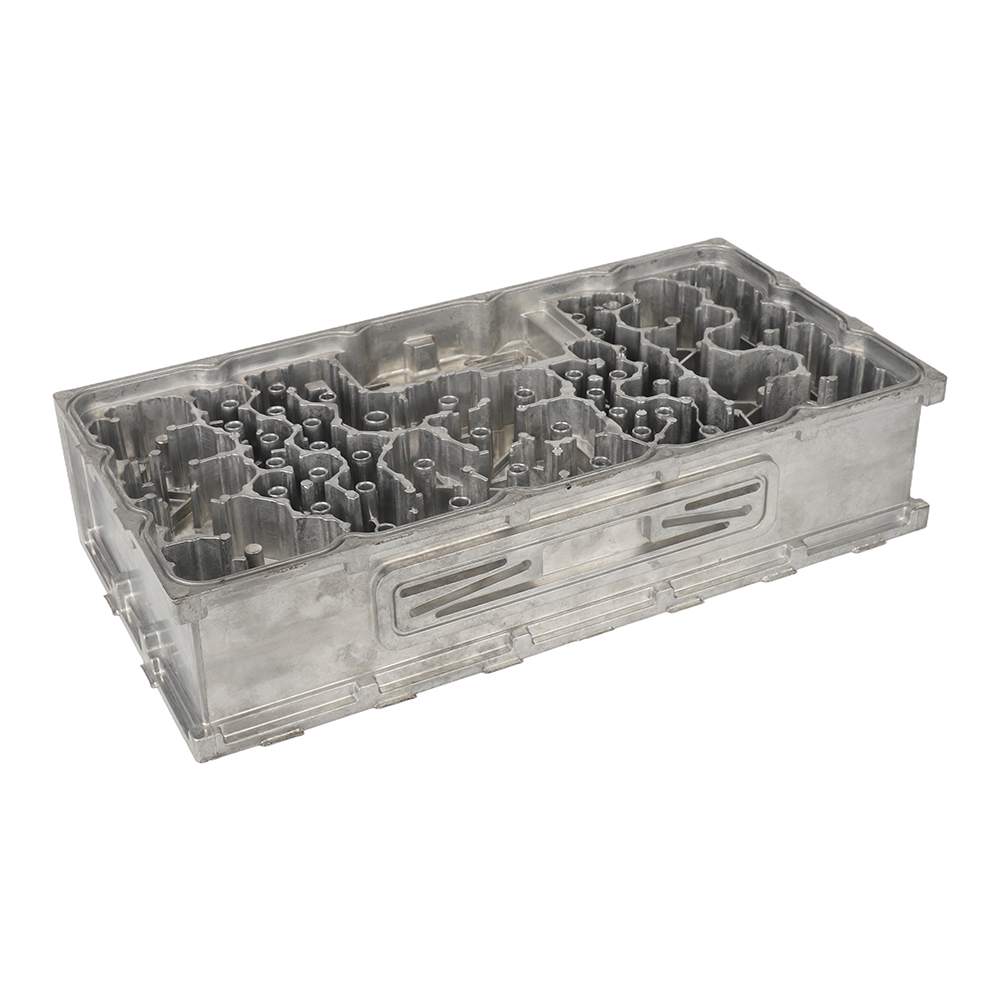
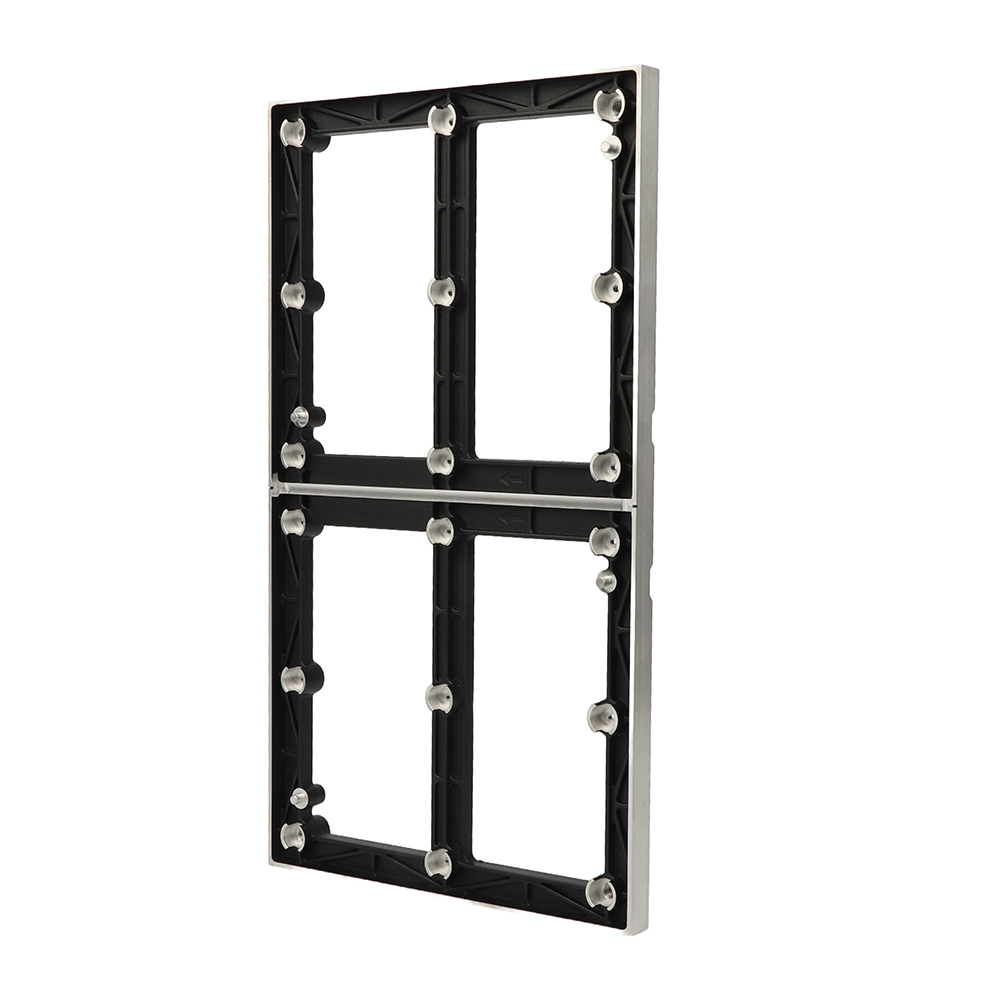
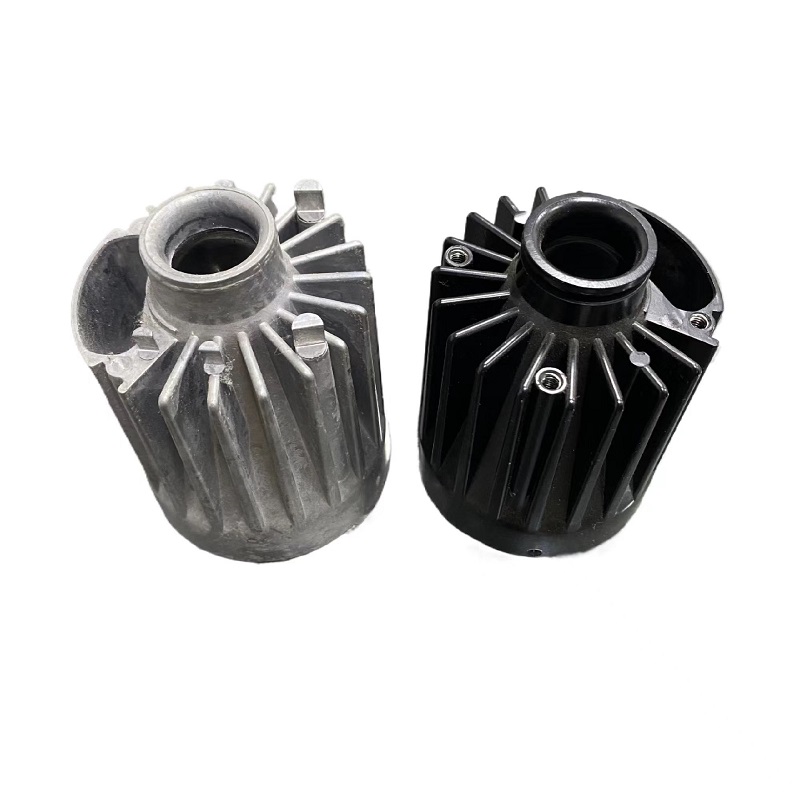
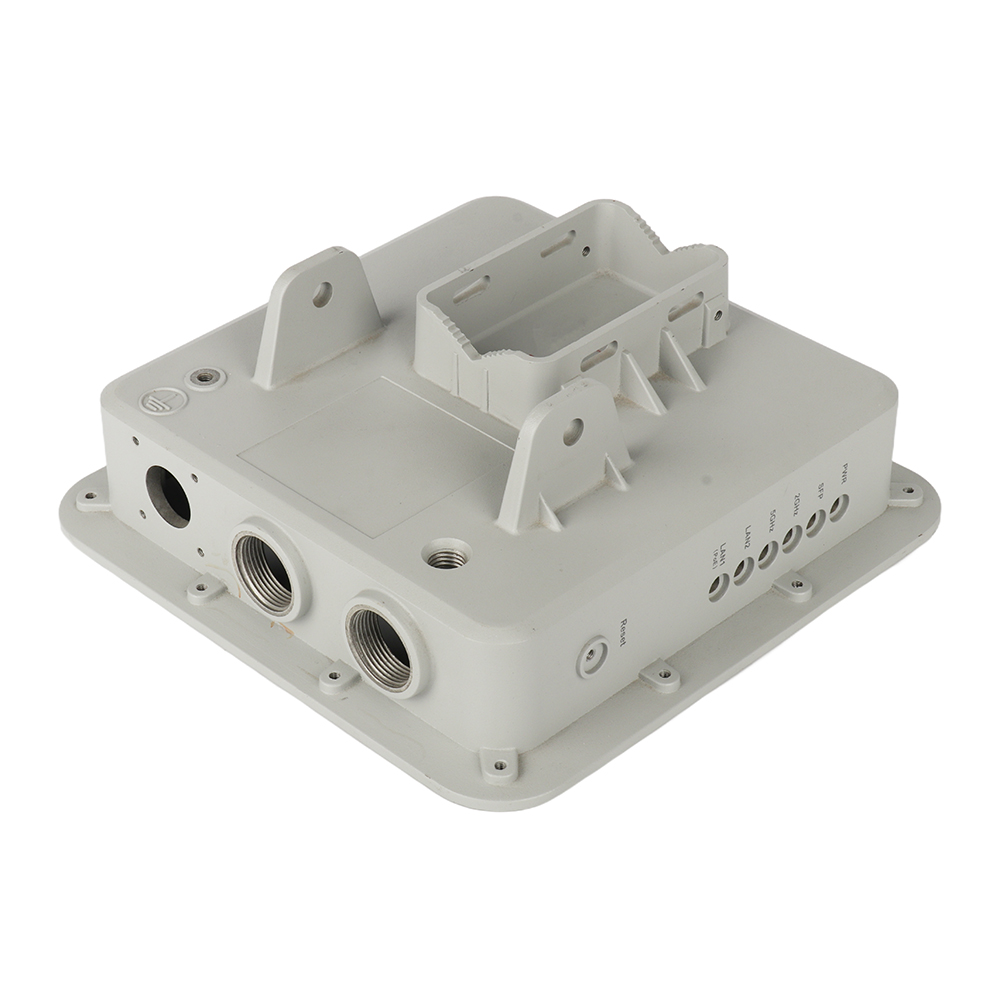
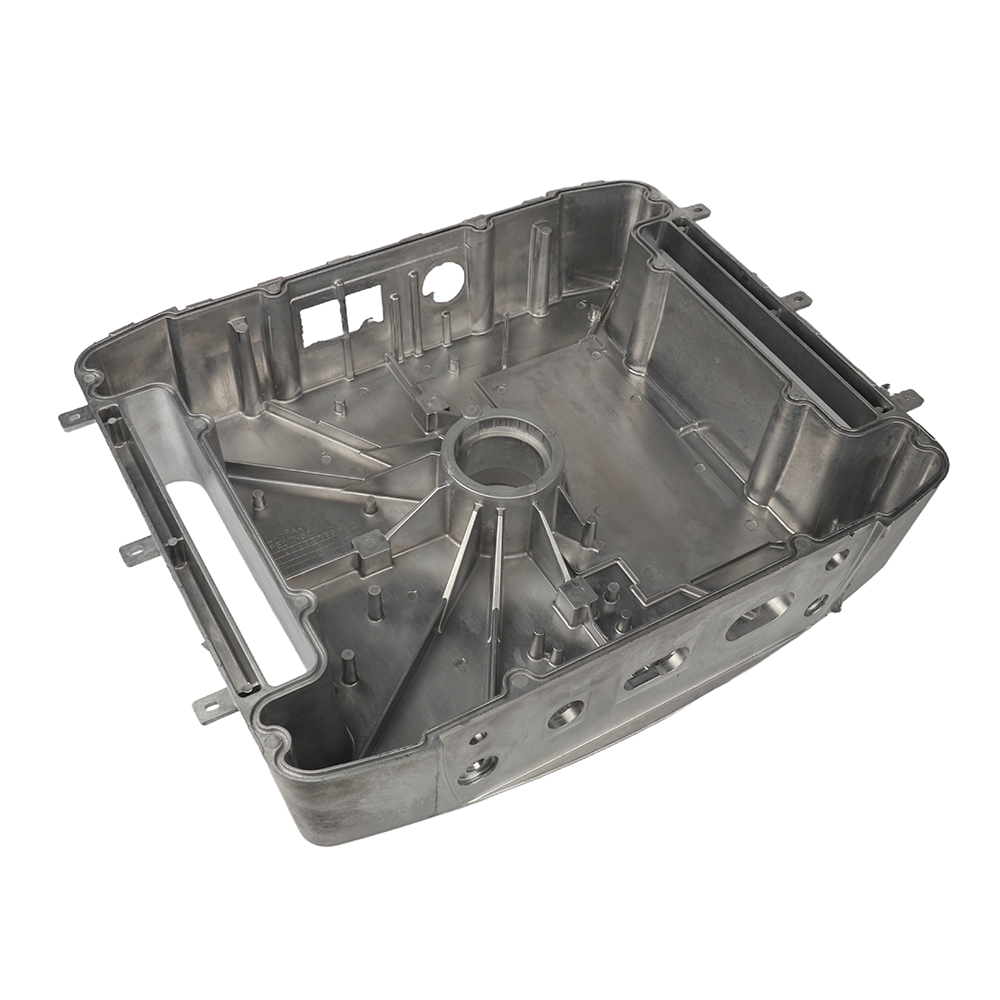
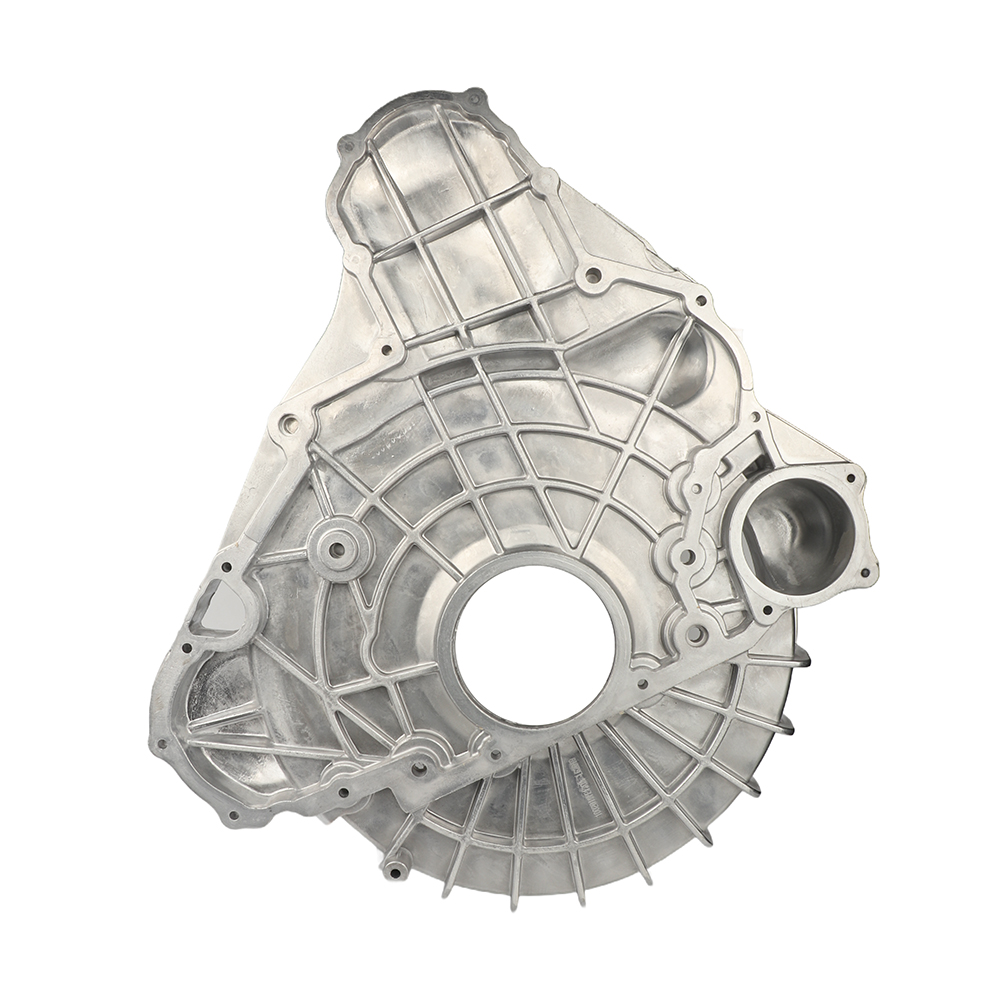
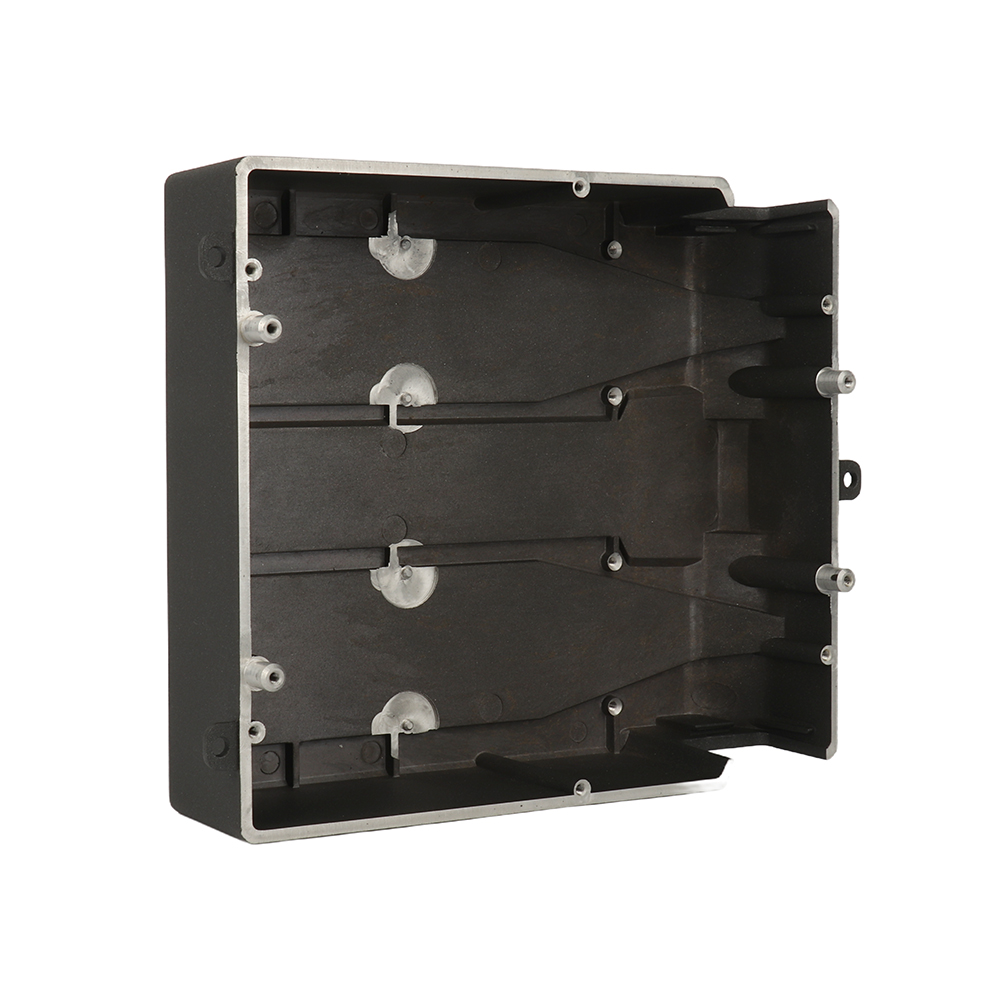
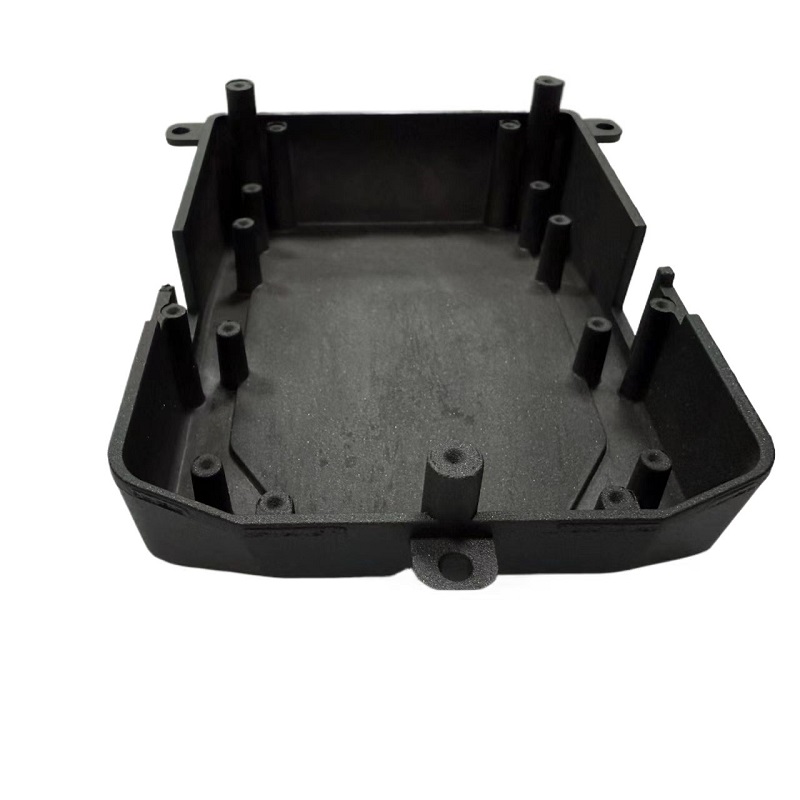
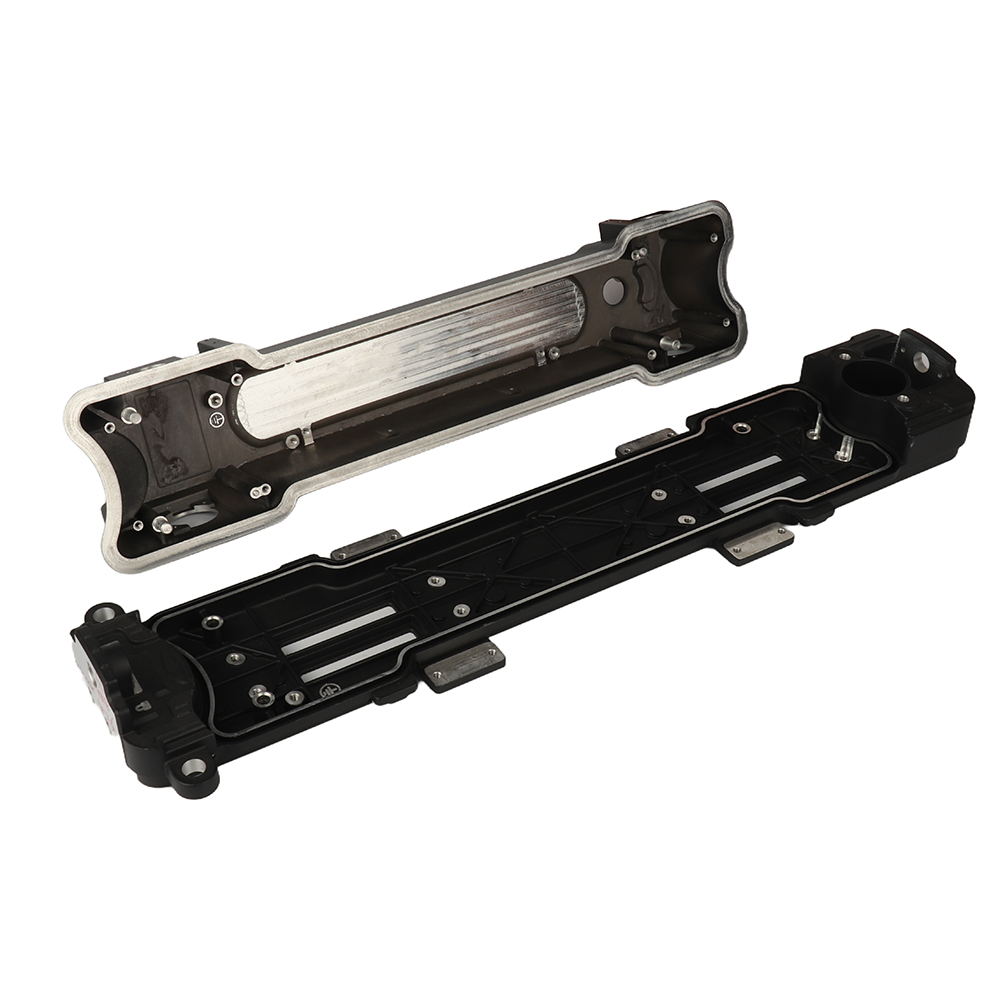
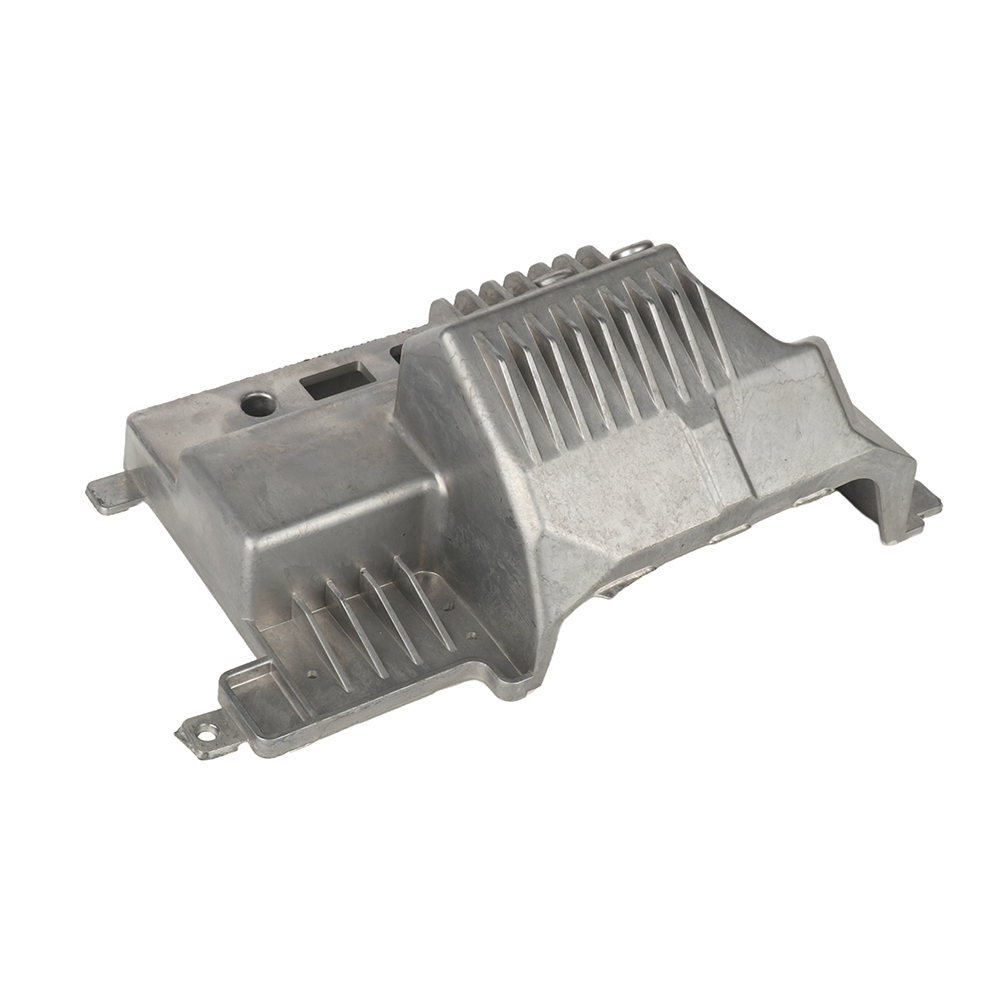
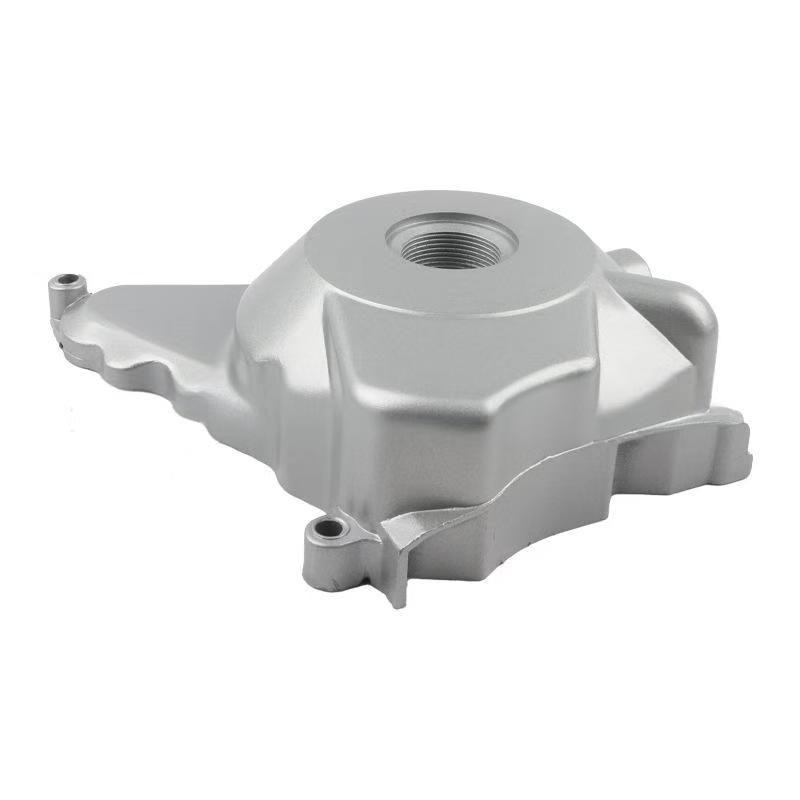
Mainly used for electronic enclosure covers, new energy vehicle wiring brackets, industrial sensor bases. After CNC milling, it can match anodizing and black passivation treatment, suitable for -40℃ to 180℃ working environments.
4.1.2 Other Non-Ferrous Metals
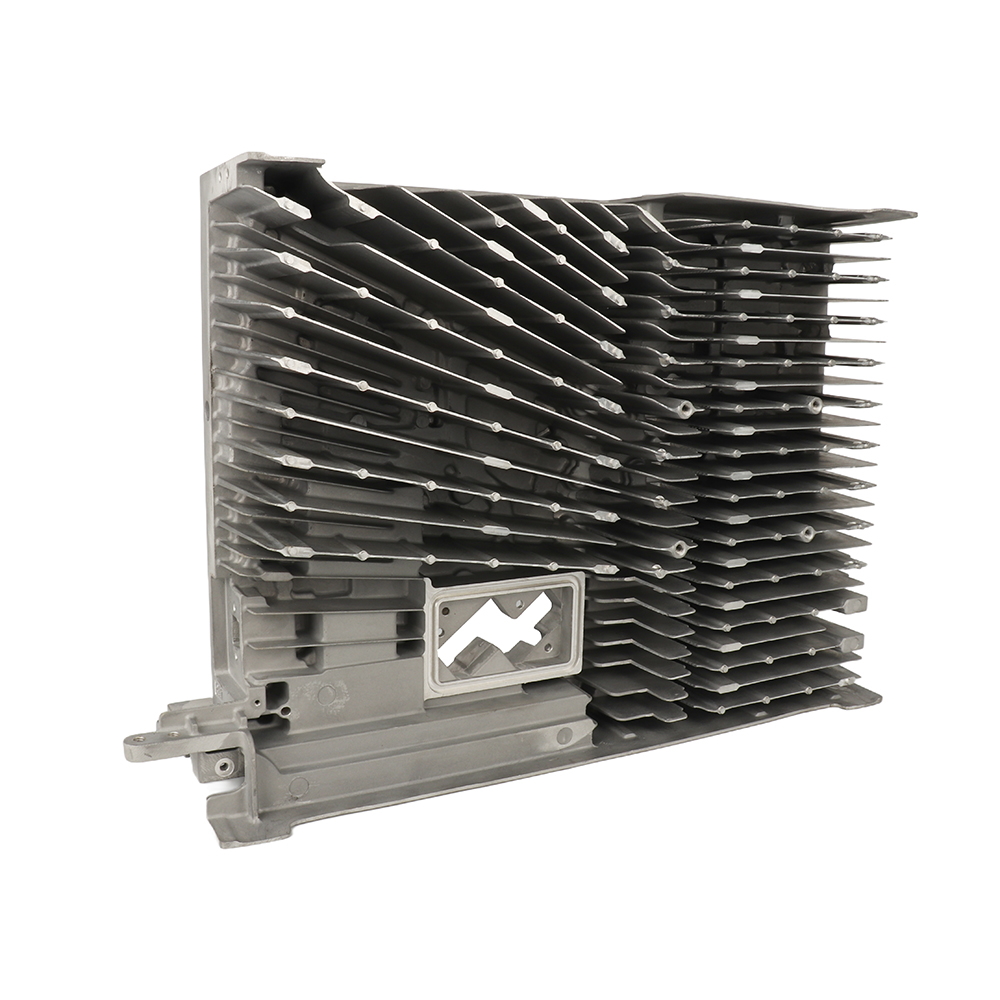
Copper (C1100): Excellent thermal conductivity, used for heat dissipation fins; Magnesium alloy: ultra-light weight, for aerospace auxiliary parts; Titanium alloy: high corrosion resistance, for medical implant fixtures (requires special hard alloy cutters).
4.2 Ferrous Metals
Includes 304/316 stainless steel, 45# carbon steel, Cr12 tool steel. Stainless steel requires low feed speed to avoid cutter wear; carbon steel has the highest processing efficiency and lowest production cost.
4.3 Engineering Plastics & Composite Materials
Plastics: POM, ABS, PEEK, PMMA; Composites: FR-4 glass fiber board, carbon fiber board. These materials feature low cutting temperature, but require dust removal systems to avoid material delamination during milling.
4.4 Unprocessable Materials Limitation
CNC milling cannot process brittle materials such as ordinary glass, pure ceramic and natural stone, which are prone to edge chipping and overall cracking under cutter impact.
5. Unique Competitive Advantages of CNC Milling Processing
5.1 Higher Dimensional Consistency
Compared with die-casting and stamping, CNC milling achieves batch tolerance deviation ≤0.002mm. For 10,000+ bulk orders, finished parts can realize cross-batch interchangeable assembly without manual screening.
5.2 Flexible Low-Cost Iteration
No customized mold development is required. Only updating digital drawings can adjust part structures, cutting prototype iteration cycle from 15 days to 2 days, greatly reducing small-batch trial costs.
5.3 Superior Surface Integrity
One-time milling eliminates secondary polishing procedures. For ADC12 aluminum parts, the original milled surface can directly meet internal assembly standards without post-surface finishing.
5.4 Wide Material Compatibility
One set of equipment can switch processing of aluminum, steel and plastic by replacing cutters, avoiding repeated equipment investment for multi-material production needs.
6. Industry Expert Viewpoints on CNC Milling Material Matching
Mr. Davis, a senior CNC process engineer with 22 years of experience in global precision hardware manufacturing, released material matching conclusions in the 2026 International Precision Machining Summit: “ADC12 aluminum alloy will occupy 62% of non-ferrous milling material market share by 2027”.
He pointed out that many manufacturers blindly choose 6061 aluminum for enclosure processing, ignoring that 6061 has poor anti-vibration performance. ADC12’s silicon-copper composite formula improves structural rigidity by 28% and reduces milling scrap rate by 19%. Meanwhile, he emphasized that 5-axis synchronous milling is the only mature process for ultra-thin ADC12 parts with wall thickness below 0.8mm.
Supplemental market data: Global CNC milling aluminum material demand will grow at 13.7% annually from 2026 to 2030, with new energy and intelligent automation industries as the main growth drivers.
7. 2026 CNC Milling Industry Trends & Supplier Selection Guidelines
7.1 Four Core 2026 Industry Trends
7.1.1 Ultra-Precision Miniaturization
Downstream 3C and medical equipment require parts with 0.3mm ultra-thin walls and micron-level positioning, making ±0.005mm tolerance the mainstream entry threshold for qualified suppliers.
7.1.2 Material Diversified Composite Machining
Orders gradually shift from single aluminum milling to composite processing of aluminum-plastic and aluminum-copper assemblies, requiring suppliers to master cross-material cutting parameter matching.
7.1.3 Green Low-Carbon Machining
Low-emission cutting fluid and recycled ADC12 blanks are widely promoted. High-efficiency spindle energy-saving transformation reduces single-part power consumption by 22%.
7.1.4 One-Stop Integrated Service
Customers prefer integrated services including drawing optimization, milling, surface treatment, quality inspection and logistics, abandoning fragmented outsourced processing.
7.2 Standards for Selecting Qualified Hardware Suppliers
7.2.1 Complete Independent Equipment Fleet
Qualified suppliers must own 3/4/5-axis milling machines, not lease equipment. It ensures stable delivery schedules and avoids processing quality differences caused by cross-factory outsourcing.
7.2.2 Strict Full-Dimension Inspection System
Equipped with CMM three-dimensional detectors and roughness testers, implementing 100% full inspection for key tolerance indicators to achieve zero-defect delivery.
7.2.3 Custom Process Optimization Capability
Capable of adjusting spindle speed and cutting path according to material characteristics, solving common problems such as ADC12 edge chipping and stainless steel cutter adhesion.
7.2.4 Transparent Pricing & After-Sales Mechanism
No hidden processing fees, with dedicated technical teams providing 24-hour after-sales tolerance adjustment and rework support.
8. Frequently Asked Questions About CNC Milling Material Processing
Q1: Why prioritize ADC12 instead of 6061 for aluminum milling?
ADC12 has better pressure resistance and vibration resistance, lower milling scrap rate and lower blank cost. 6061 is suitable for anodized coloring with high surface appearance requirements, while ADC12 is more suitable for industrial structural parts with long-term load-bearing needs. For general enclosure covers, ADC12 has 35% higher cost performance.
Q2: What is the maximum processing size limit of CNC milling machines?
Standard 5-axis equipment supports blanks within 800mm*500mm*550mm. For oversized parts, we adopt split milling and seamless assembly, with assembly gap controlled below 0.01mm.
Q3: Can CNC milling process heat-treated hard steel?
Yes. Our equipment supports milling hardened steel below HRC55, adopting coated tungsten steel cutters and low-temperature cooling cutting to avoid cutter burnout and surface cracks.
Q4: What is the delivery cycle for ADC12 bulk milling orders?
Small-batch (≤500pcs): 3-5 working days; Large-batch (≥5000pcs): 10-12 working days. Bulk orders enjoy priority production scheduling.
9. Cooperate With Xinghang Precision Hardware: Bulk Discount & Contact Details
9.1 Company Core Strengths
Xinghang Precision Hardware is a professional CNC milling manufacturer focusing on ADC12 aluminum alloy precision processing for 12 years. We own 32 sets of 3-5-axis high-speed CNC milling machines, with full independent production chains including blank cutting, precision milling, surface treatment and quality inspection. We serve global customers in new energy, medical and industrial automation sectors, complying with ISO 9001 and JIS H5302 dual quality certification.
9.2 Hierarchical Bulk Discount Policy
We launch tiered preferential pricing for long-term cooperative clients: The larger the order quantity, the lower the unit processing price. Specific rules: 5%-8% discount for orders over 2,000pcs; 12%-15% discount for orders over 10,000pcs; long-term annual framework customers enjoy additional free sample testing and free logistics services.
9.3 Official Contact Information
Welcome global buyers to submit drawings for free quotation and sample trial production!
Phone / Whatsapp / WeChat: +86 18819502691
Email: liqine@xinghangcn.com
10. Industry Summary & Future Development Outlook
CNC milling machines cover mainstream industrial metals, engineering plastics and composite materials, among which ADC12 high-silicon aluminum alloy is the most balanced material in processing efficiency, structural performance and procurement cost. Its excellent milling adaptability makes it the preferred material for industrial enclosure and bracket parts.
In 2026 and beyond, the CNC milling industry will continue to evolve toward ultra-precision, composite cross-material processing and green intelligent manufacturing. Homogeneous low-precision milling capacity will be gradually eliminated, while suppliers with independent process optimization and one-stop service capabilities will gain core market advantages.
For downstream procurement enterprises, selecting suppliers with complete inspection systems and mature ADC12 processing experience can effectively reduce after-sales rework costs and shorten delivery cycles. Xinghang Precision Hardware insists on quality-first production, provides flexible bulk discount policies and full-cycle technical after-sales support. We sincerely invite global partners to establish stable long-term cooperation to achieve mutual benefit.
Magnesium cnc machining | What are CNC machined magnesium alloy parts? Complete Guide
Custom cnc aluminum parts | What surface finishes do you offer for custom CNC aluminum parts?
Related Article

What are CNC machined aluminum electronic parts & their core functions CNC machined aluminum electronic parts are precision metal components processed by multi-axis CNC equipment, widely used in electronic products.
Electronic parts | Where to find high-quality CNC machined aluminum parts for electronics?

CNC machined aluminum parts for semiconductor equipment are precision metal components manufactured by aluminum die casting, then finished via CNC machining.
semiconductor equipment | What are cnc machined aluminum parts for semiconductor equipment?