HOT PRODUCTS
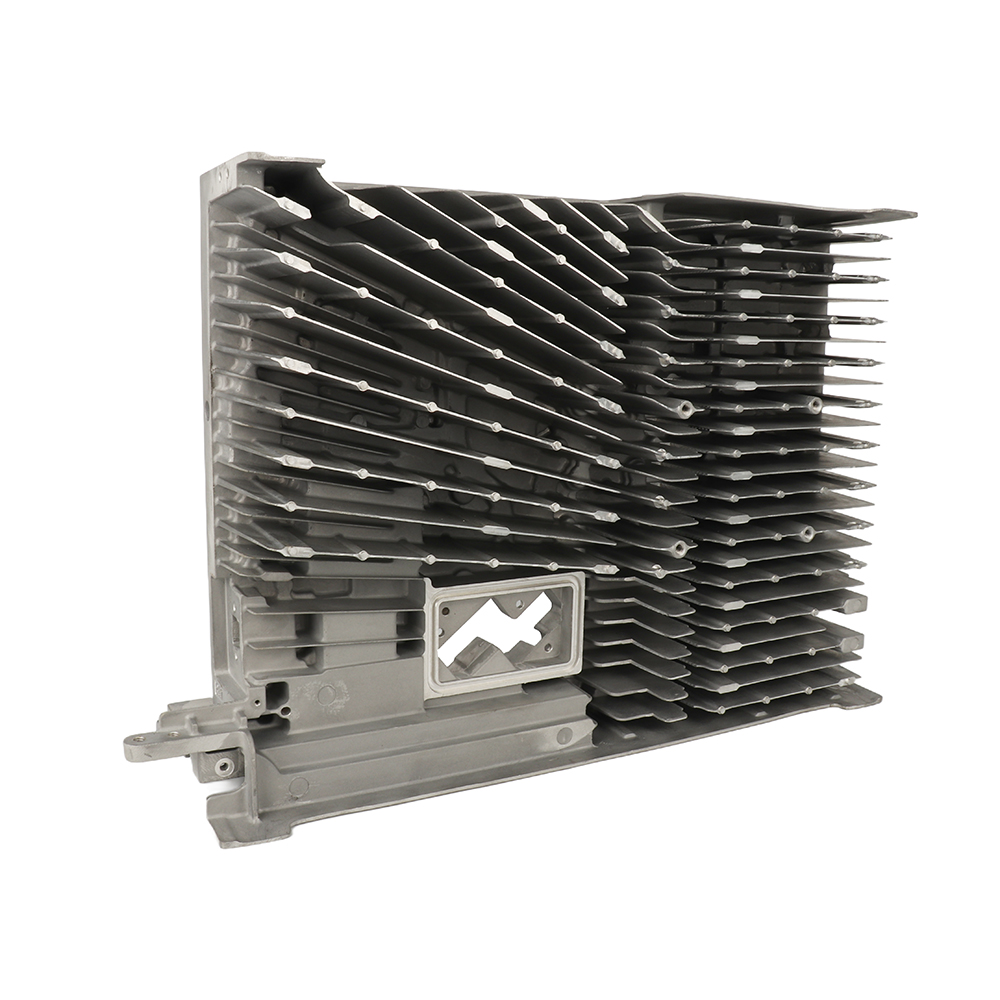
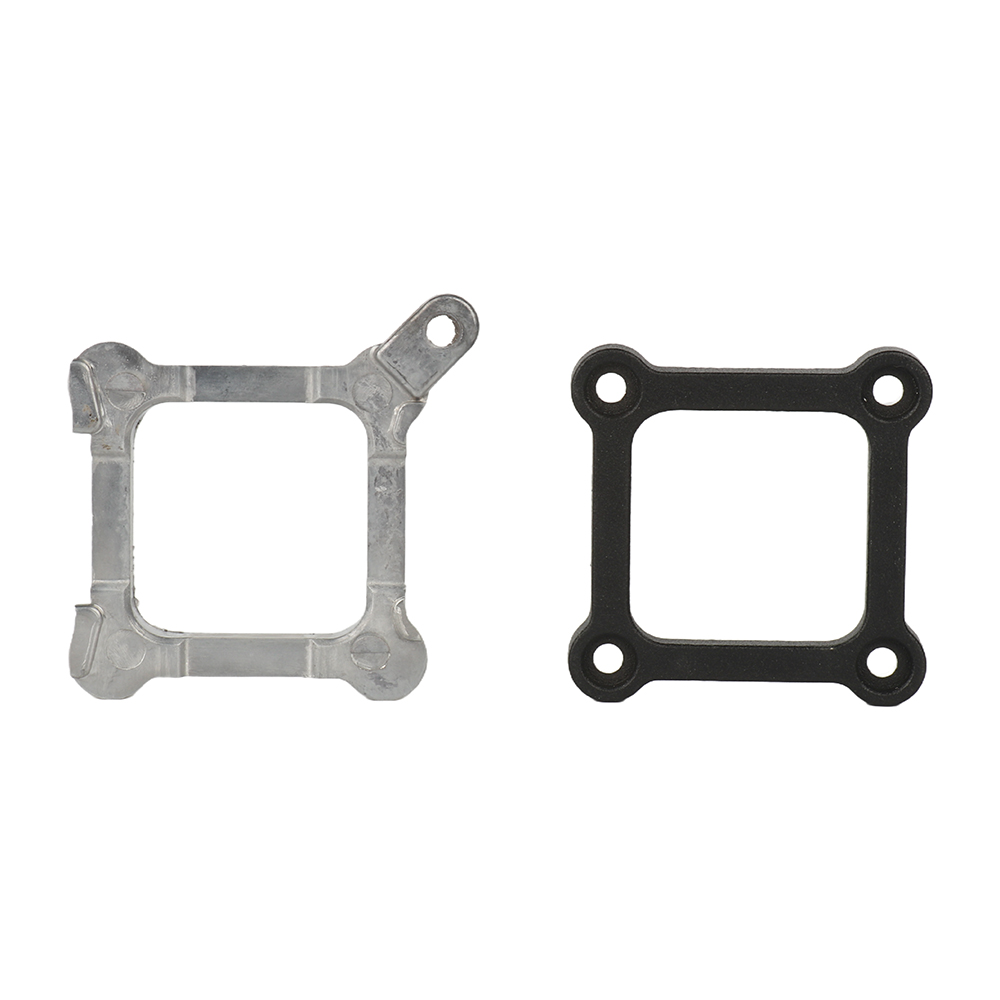
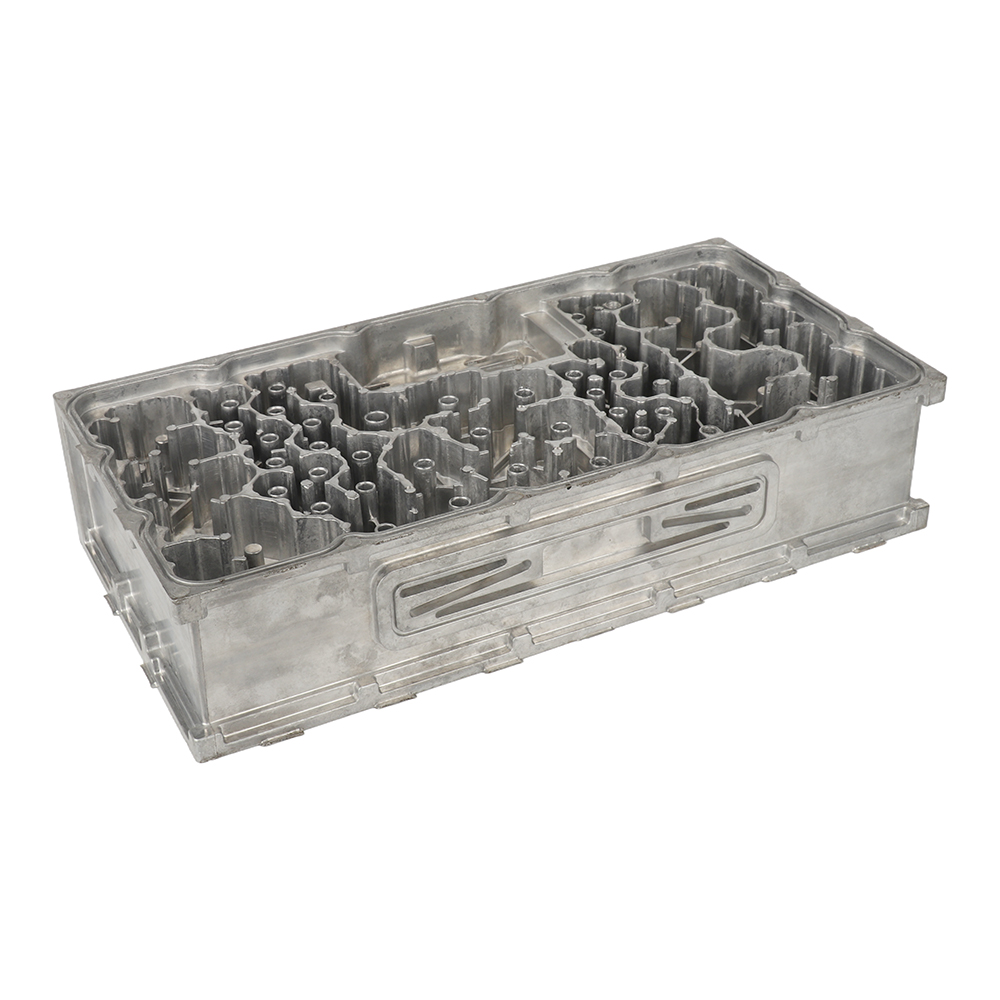
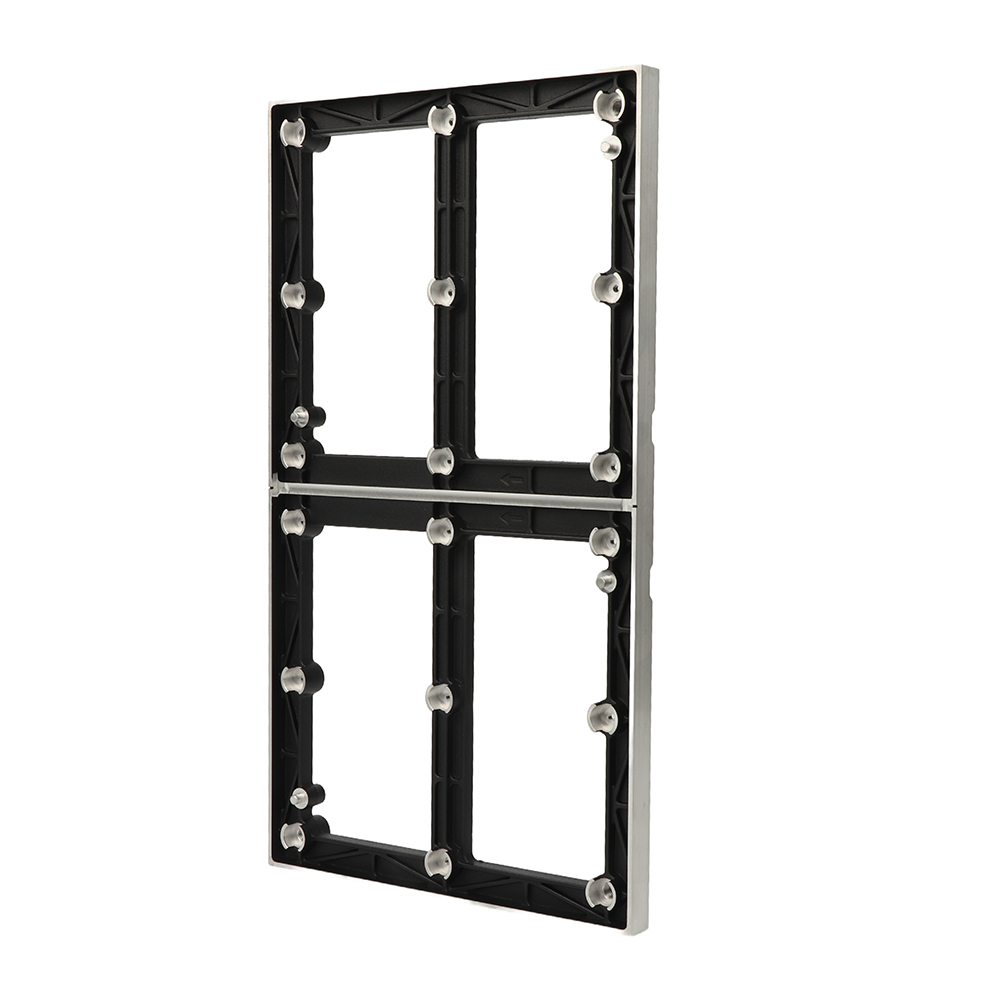
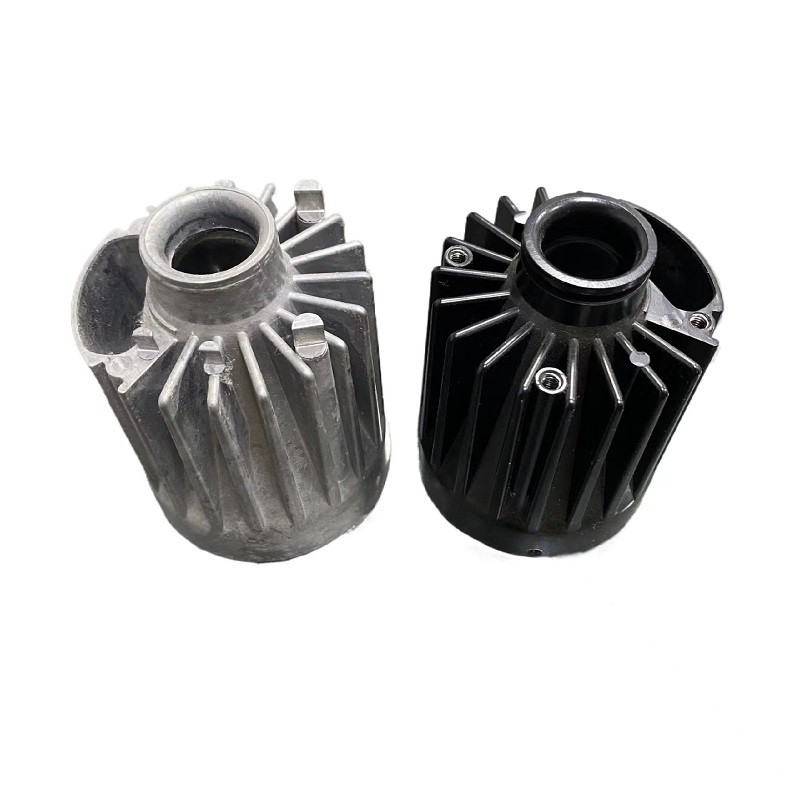
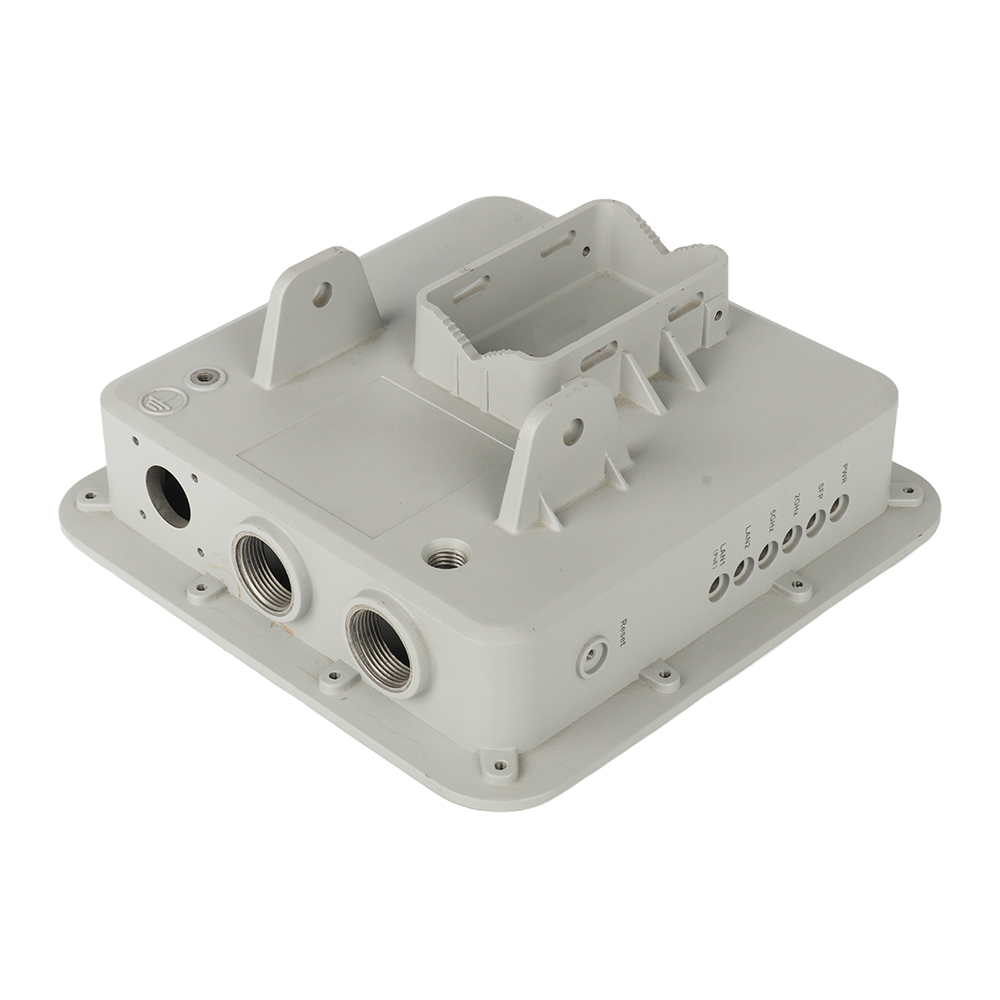
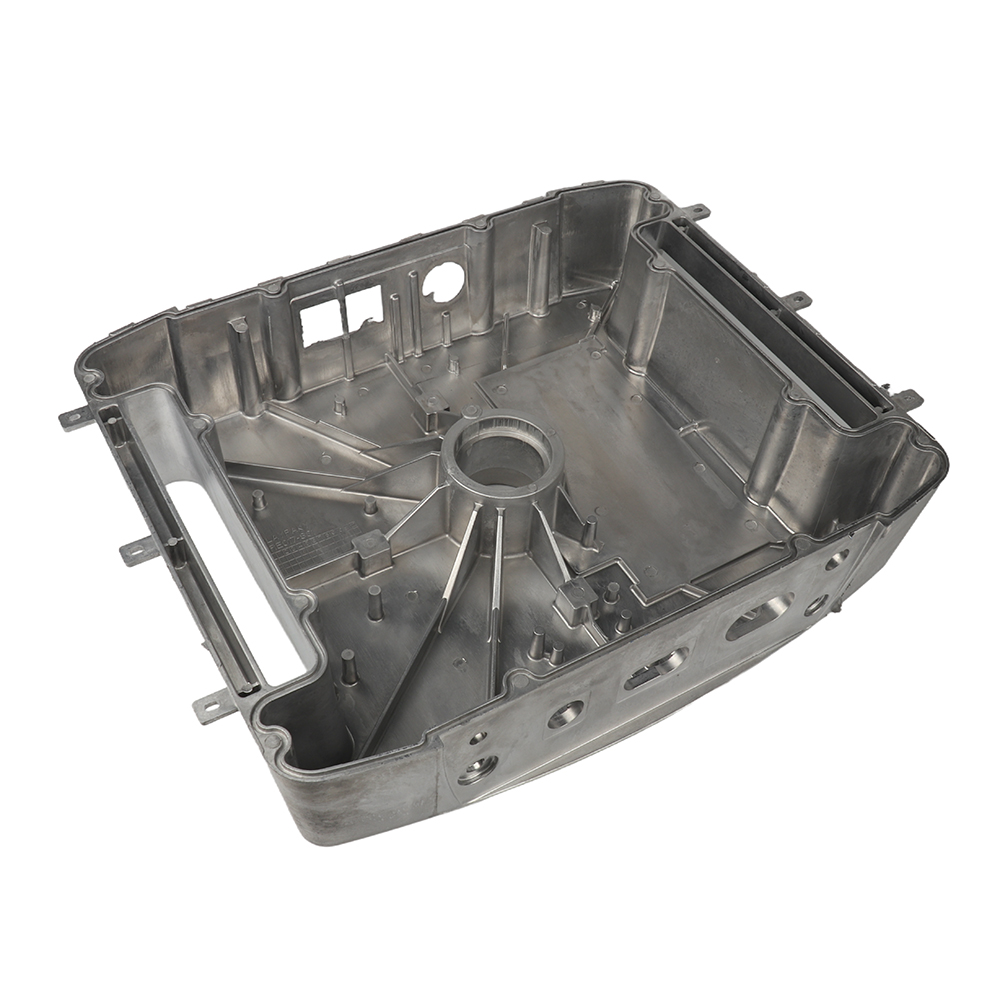
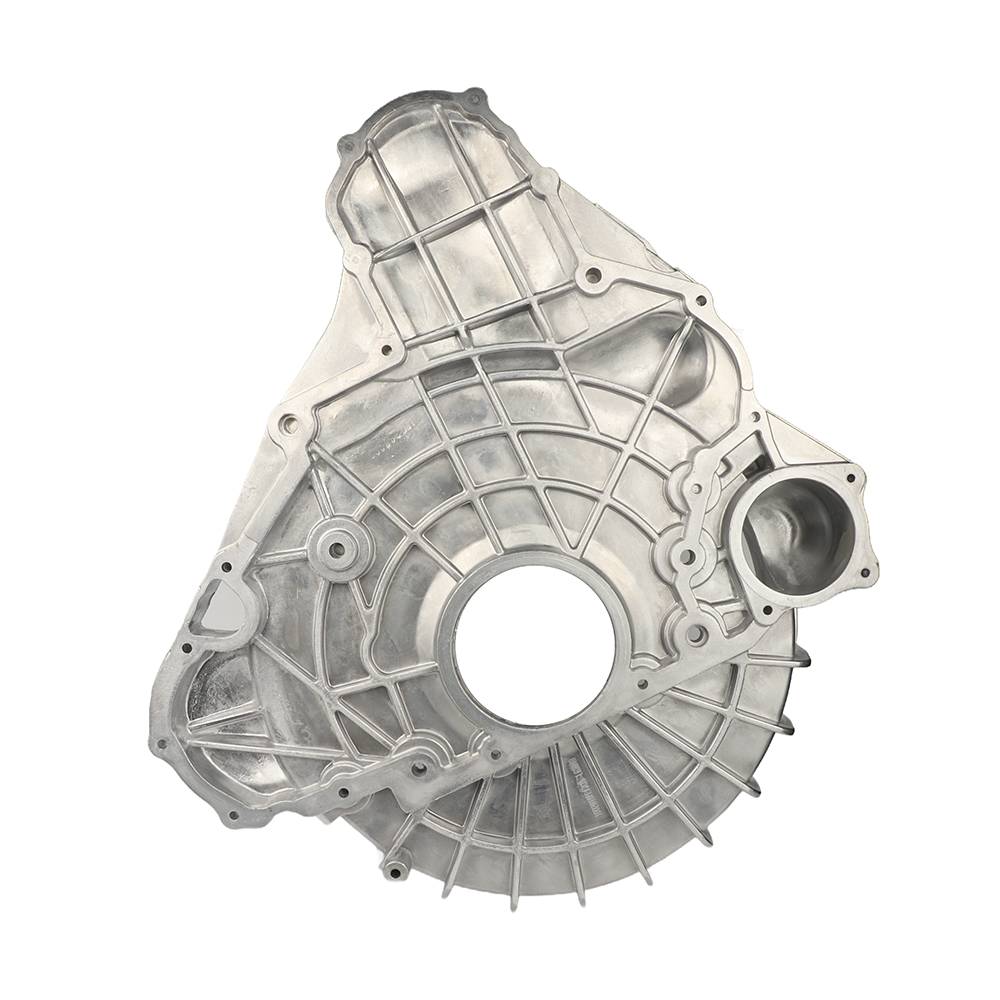
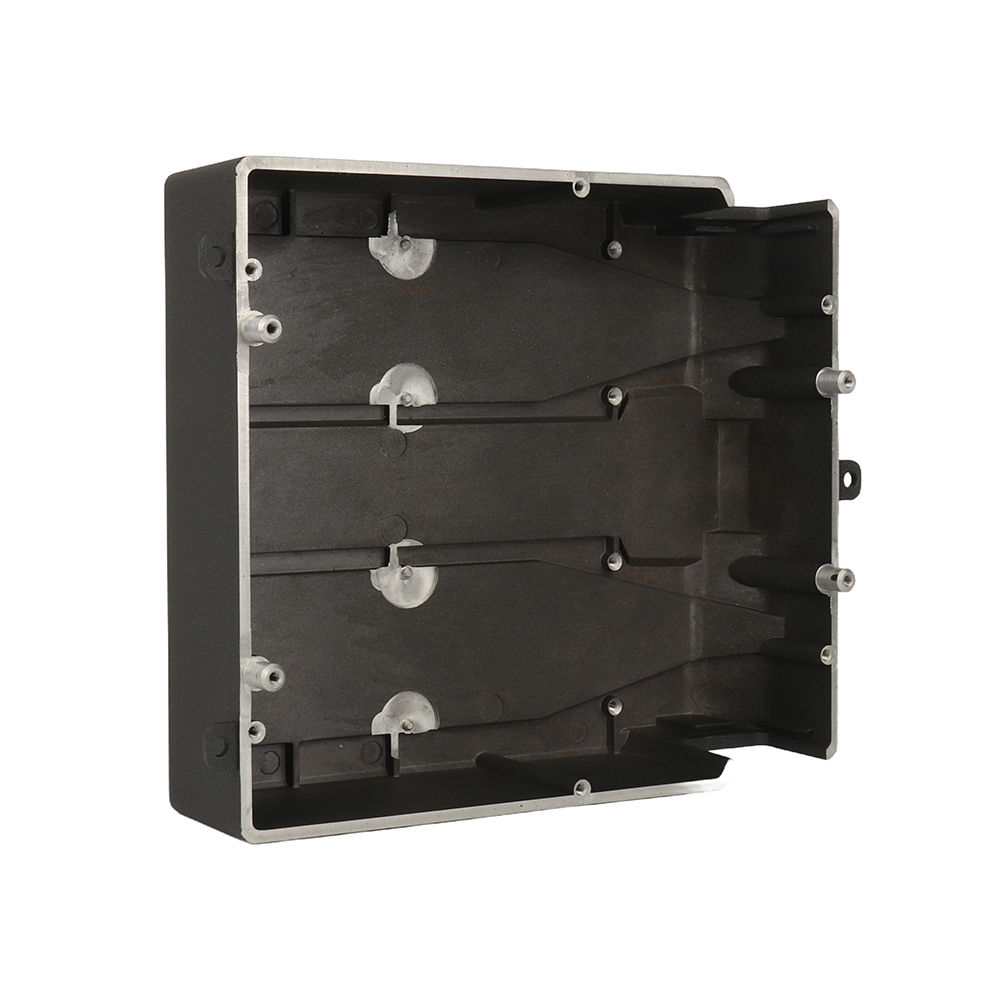
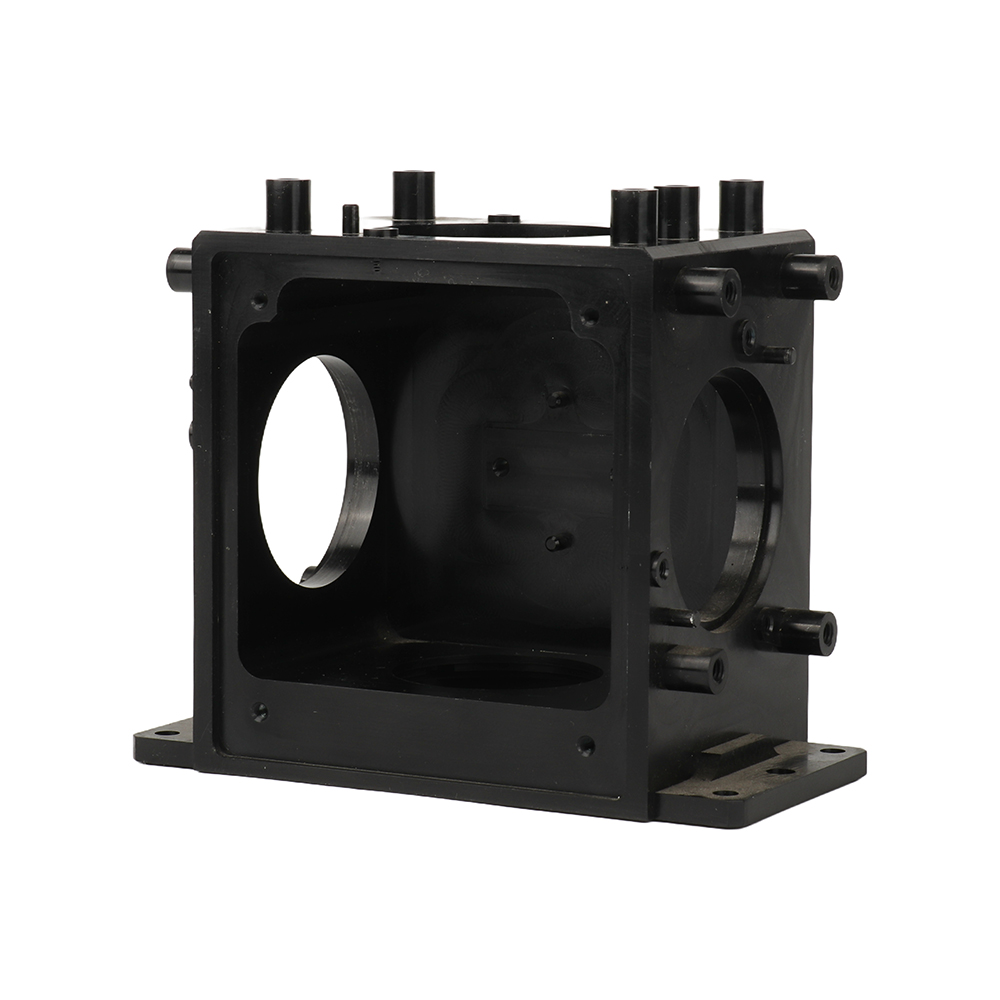
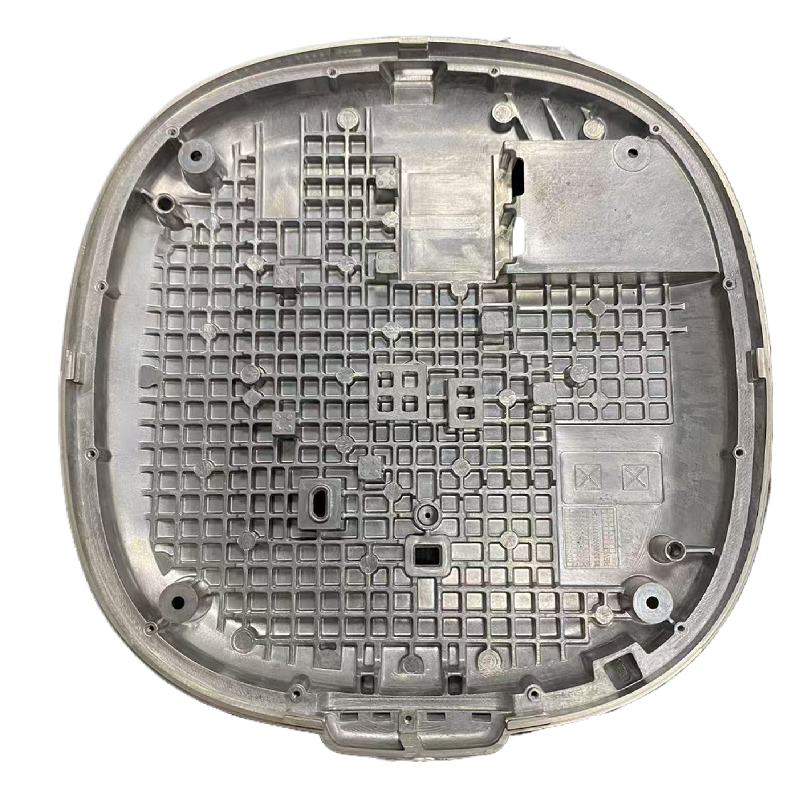
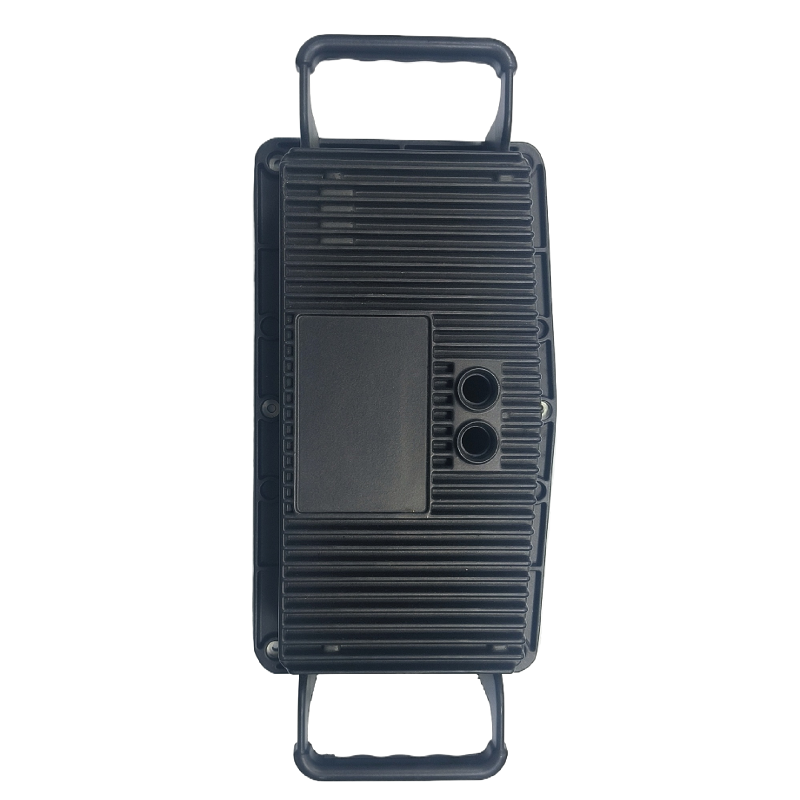
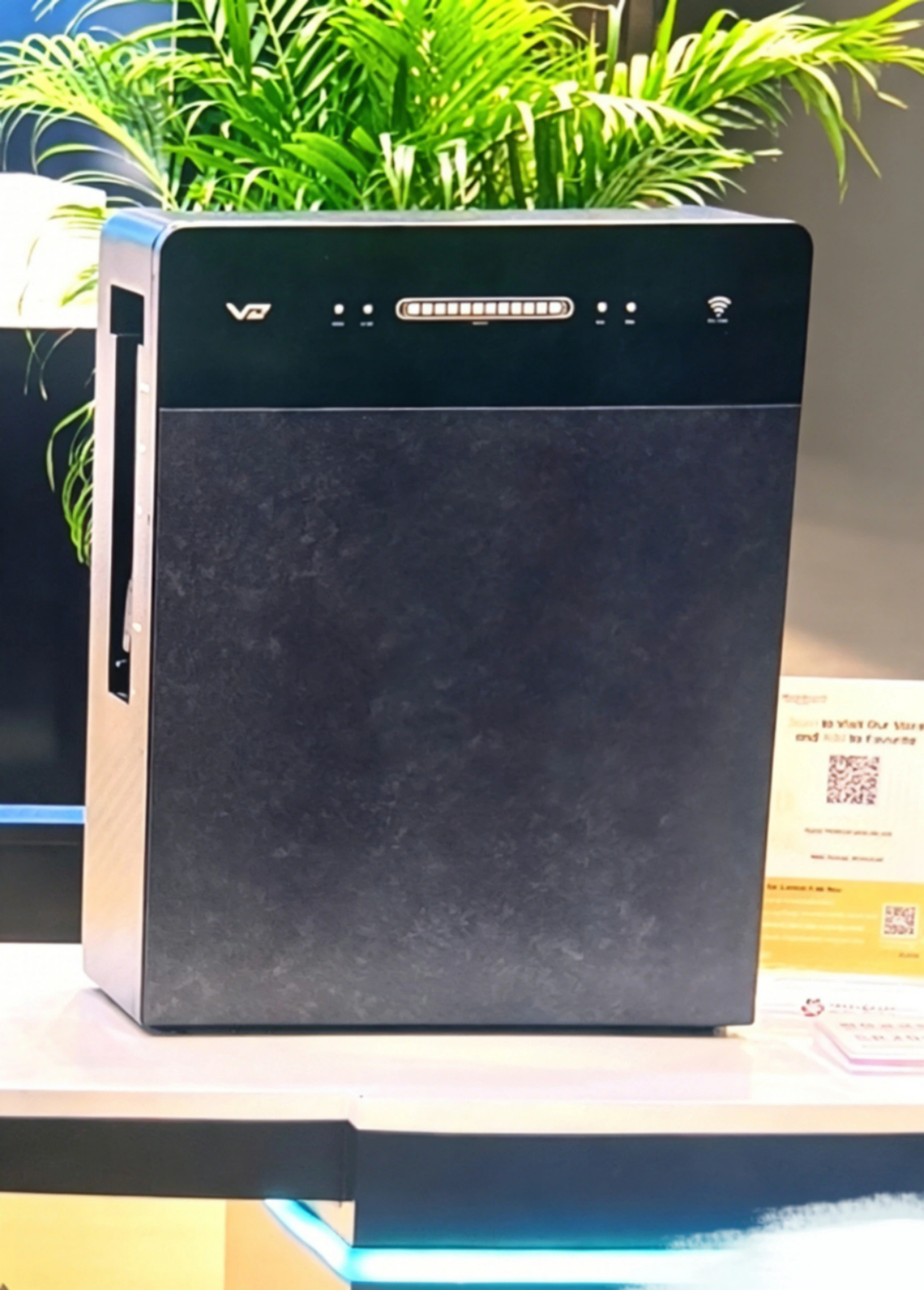
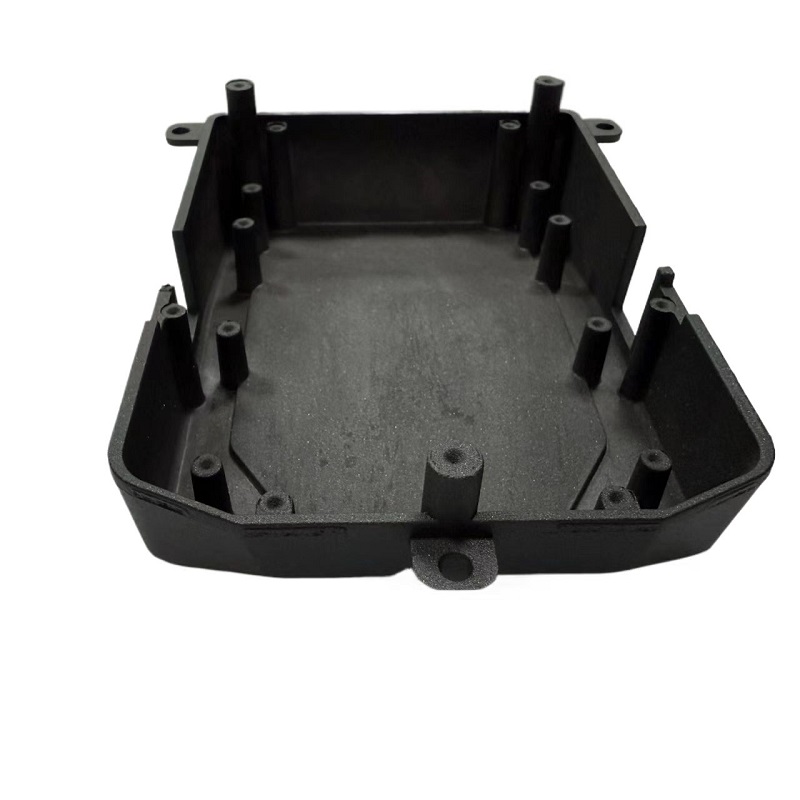
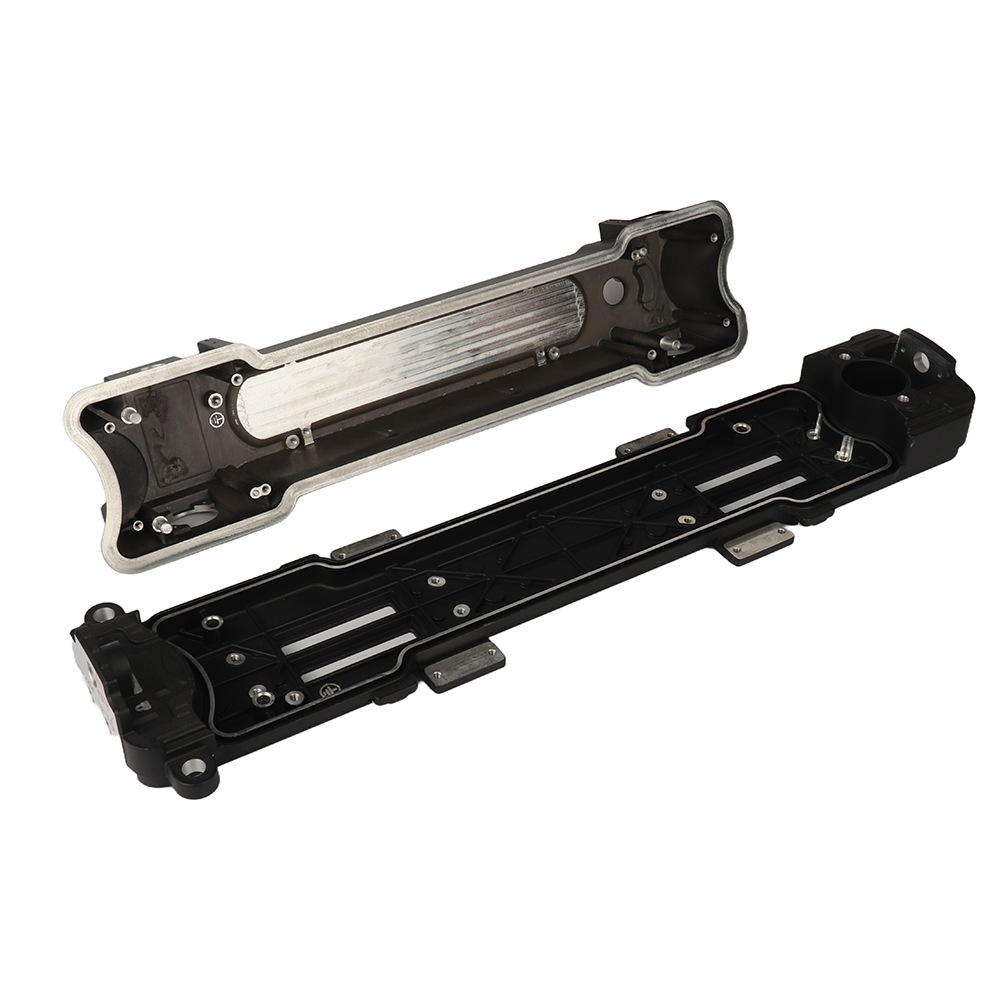
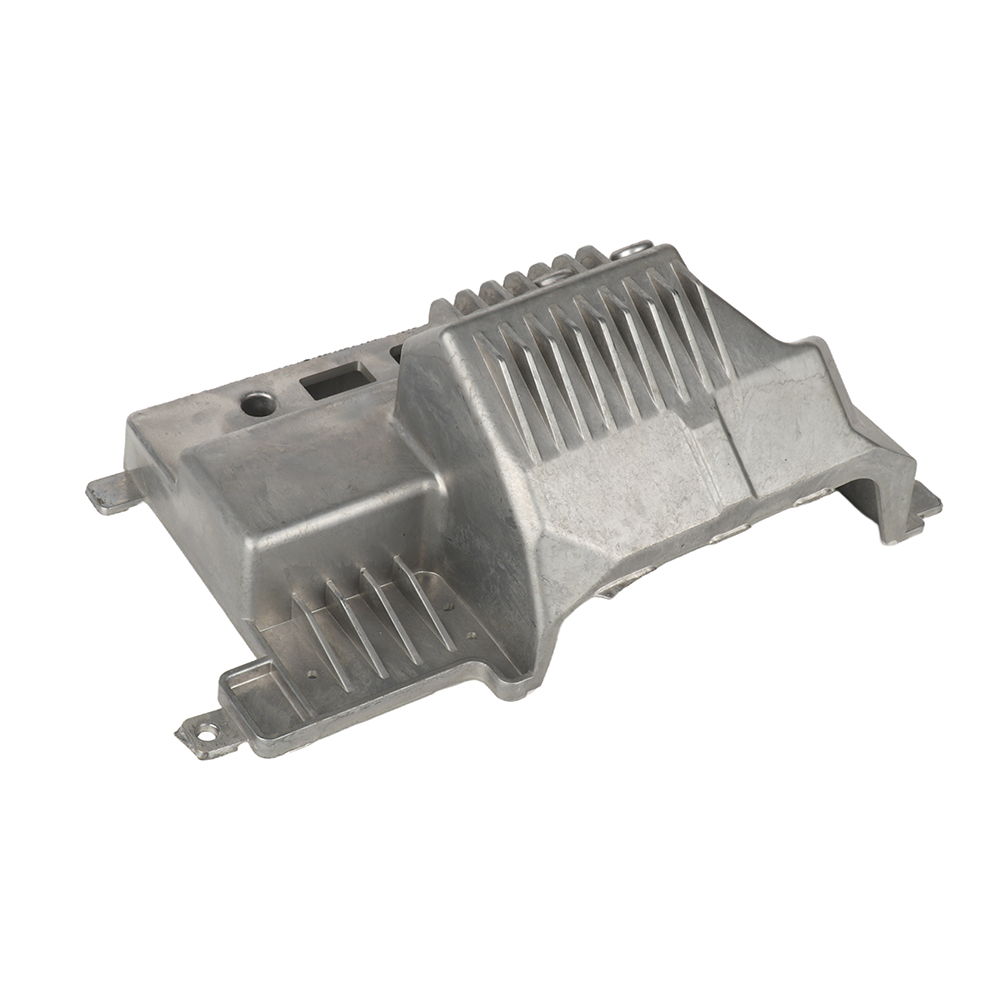
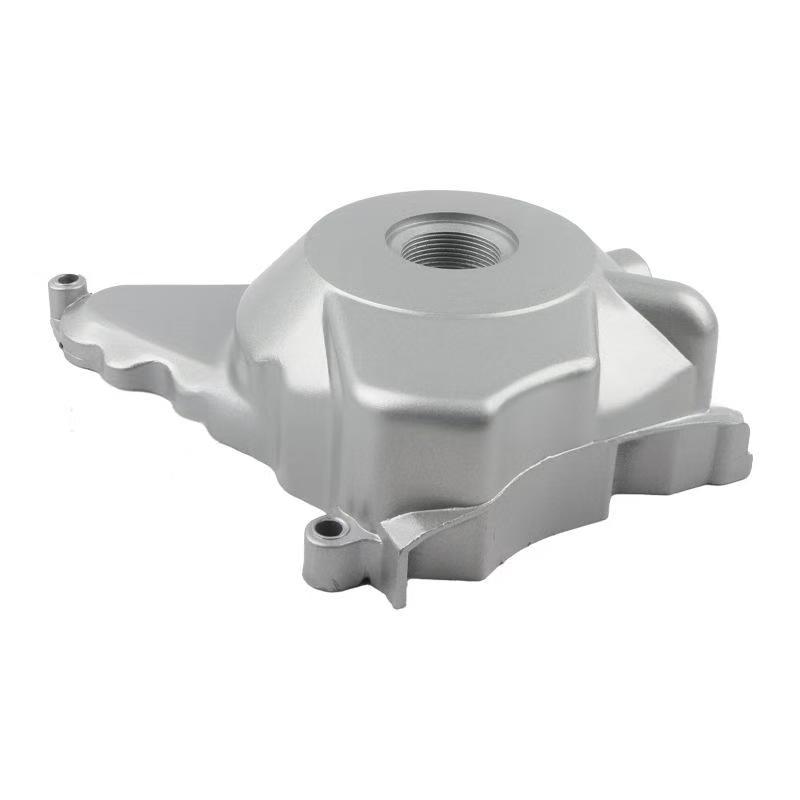
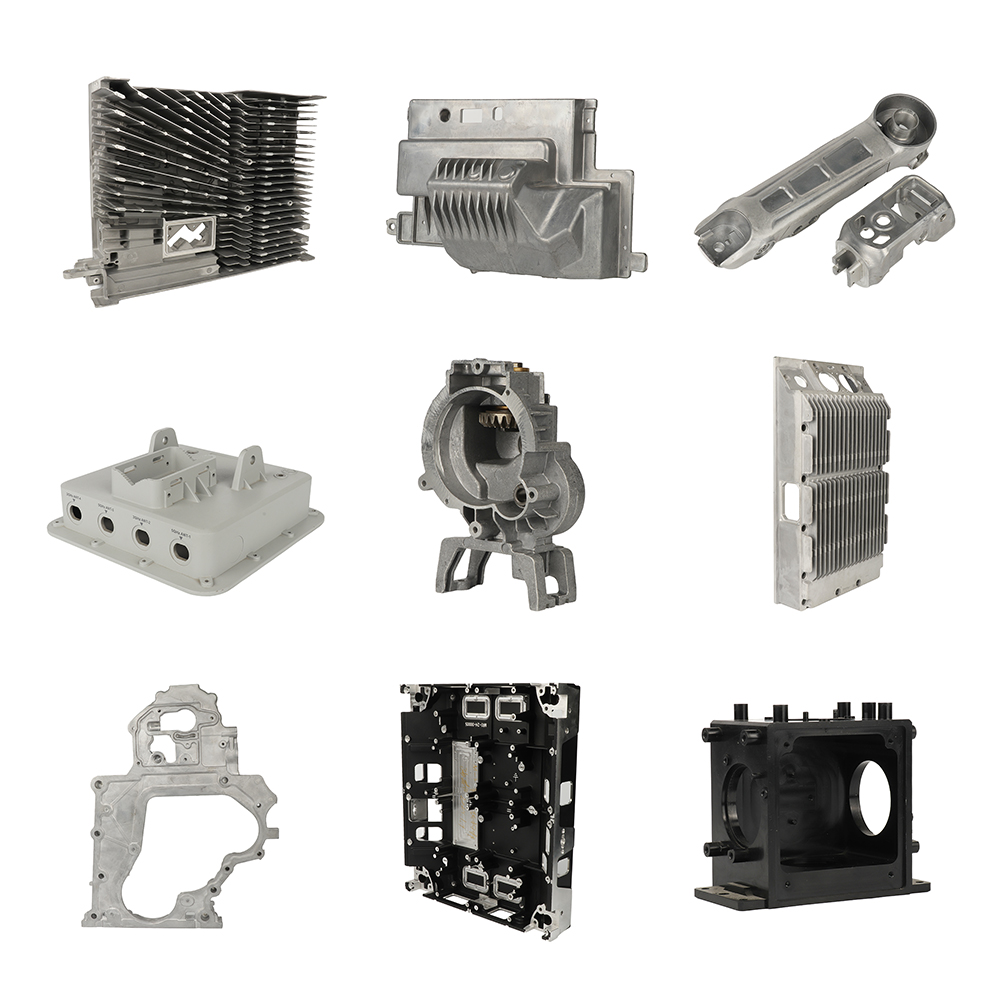
Custom cnc aluminum parts | What surface finishes do you offer for custom CNC aluminum parts?
2026-06-10
What surface finishes do you offer for custom CNC aluminum parts?
Table of Contents
- 1. Overview of ADC12 Custom CNC Aluminum Parts
- 2. Universal Technical Parameters of ADC12 CNC Aluminum Parts
- 3. Core Purposes & Functional Roles of Custom CNC Aluminum Parts
- 4. All Surface Finishes We Provide for ADC12 Aluminum Parts (Detailed Comparison)
- 5. Unique Competitive Advantages of ADC12 Custom CNC Machining
- 6. Industry Expert Viewpoints on Aluminum Surface Finishing Matching
- 7. Frequently Asked Questions for Custom ADC12 CNC Aluminum Parts
- 8. 2026 Industry Trends & Supplier Selection Standards
- 9. Cooperate With Xinghang Precision Hardware: Bulk Discount & Contact Details
- 10. Full Blog Summary & Future Outlook
1. Overview of ADC12 Custom CNC Aluminum Parts
1.1 Material Definition & Application Boundaries
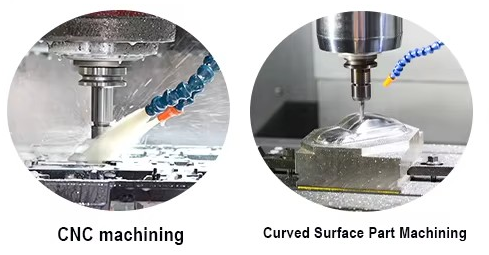
Custom CNC aluminum parts refer to non-standard metal structural components manufactured via 3-axis/5-axis synchronous CNC milling, turning and tapping based on customer 2D/3D drawings. We exclusively adopt ADC12 high-silicon aluminum alloy as the primary raw material, which complies with JIS H5302 Japanese industrial standards and ISO 9001 full-process quality control. Unlike 6061/6063 aluminum, ADC12 contains 9.6%-12% silicon elements, delivering stronger rigidity and lower thermal deformation, making it the mainstream material for industrial non-standard parts for new energy, automation and medical equipment.
1.2 Main Application Scenarios
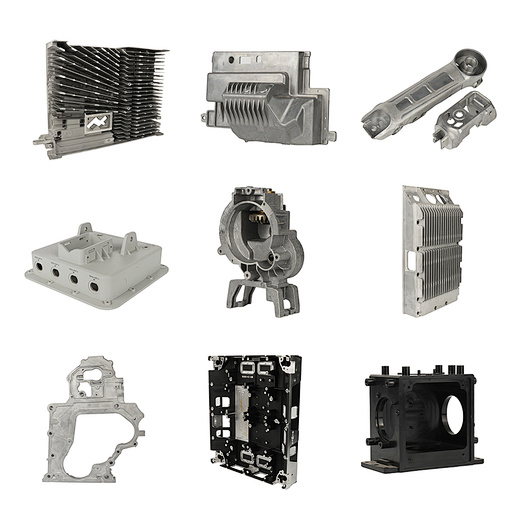
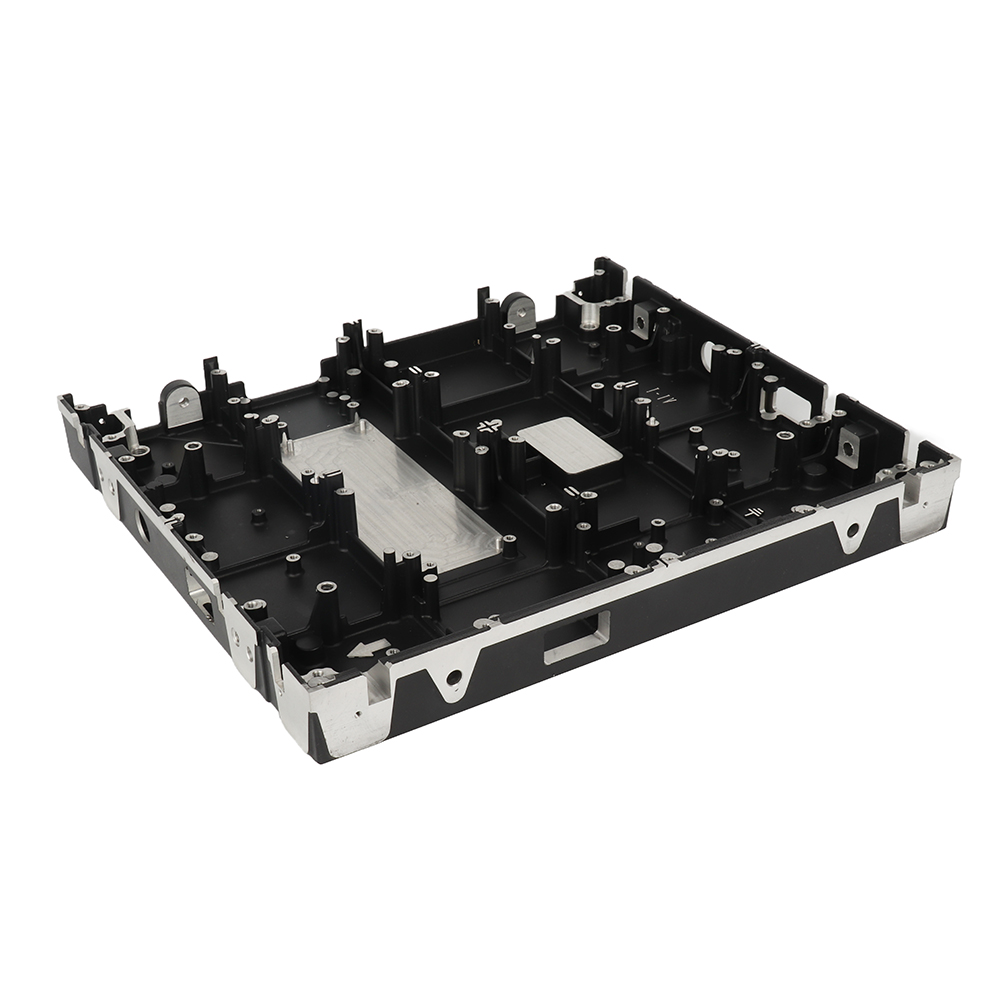
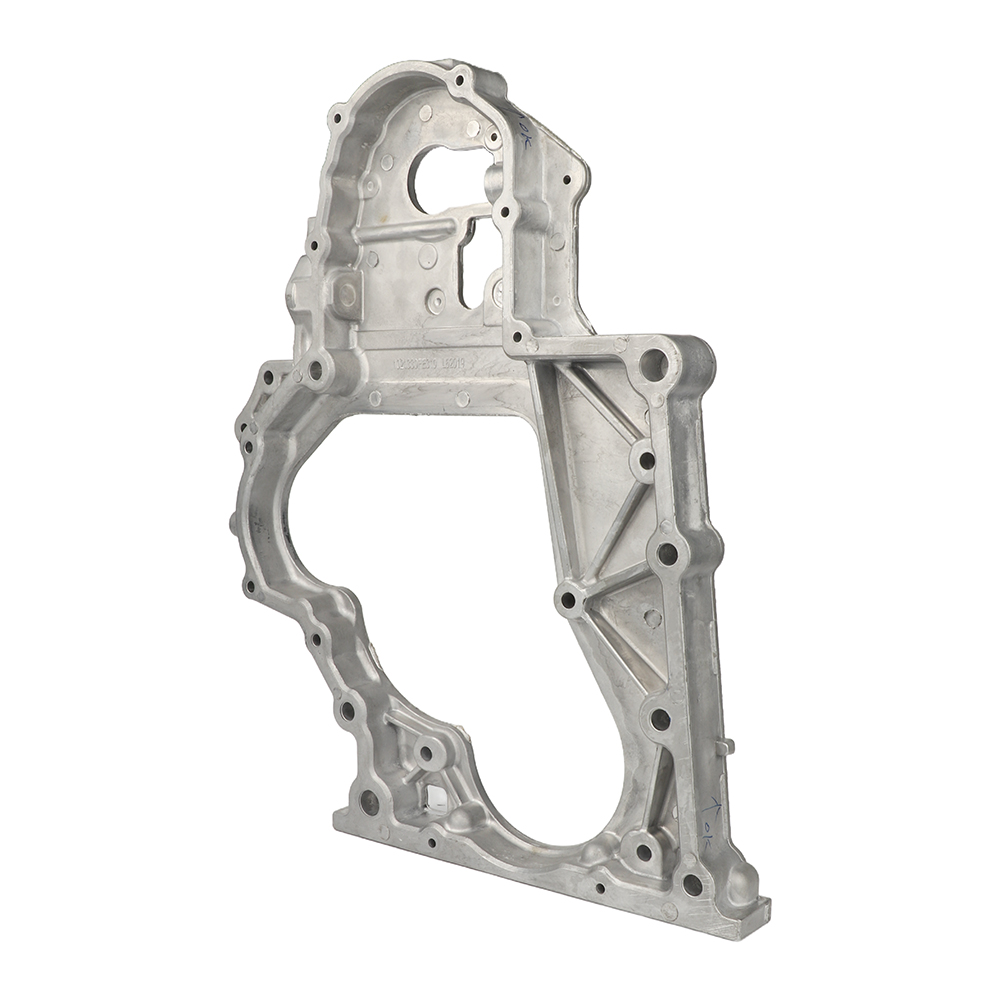
Our customized ADC12 aluminum components are widely deployed in five high-end tracks: new energy vehicle battery brackets, industrial robot sensor bases, 3C electronic shielding shells, portable medical instrument structural frames and aerospace auxiliary connecting accessories. All finished parts adapt to indoor damp and outdoor high-low temperature alternating working environments.

2. Universal Technical Parameters of ADC12 CNC Aluminum Parts
All parameters below cover conventional and ultra-precision customized requirements, supporting drawing-based parameter modification without secondary outsourcing. All dimensional tolerances are tested via CMM three-coordinate measuring instruments before delivery.
| Parameter Item | Conventional Custom Standard | Ultra-Precision Custom Standard |
|---|---|---|
| Base Material | ADC12 cast aluminum alloy | High-purity modified ADC12 aluminum alloy |
| Dimensional Tolerance | ±0.01mm ~ ±0.05mm | ±0.005mm |
| Surface Roughness (As-machined) | Ra ≤1.2μm | Ra ≤0.4μm |
| Tensile Strength | 270MPa - 310MPa | 300MPa - 330MPa (after stress relief) |
| Operating Temperature Range | -40℃ ~ 160℃ | -55℃ ~ 190℃ |
| Burr Treatment | Manual deburring | CNC automatic edge rounding + electrolytic deburring |
3. Core Purposes & Functional Roles of Custom CNC Aluminum Parts
3.1 Structural Load-Bearing & Assembly Matching
3.1.1 Eliminate Assembly Clearance Errors
Solve Non-Standard Matching Pain Points
Standard aluminum parts cannot adapt to personalized equipment spatial structures. Custom CNC machining achieves zero-clearance hole and groove matching, ensuring stable load-bearing connection between multiple modules. It avoids equipment looseness caused by mismatched mounting positions during long-term vibration operation.
3.2 Thermal Conduction & Electromagnetic Shielding
3.2.1 Control Internal Equipment Temperature Rise
Reduce Electromagnetic Signal Drift
ADC12 aluminum has 4.5 times higher thermal conductivity than plastic. Customized fin-shaped structural designs can accelerate heat dissipation by 32%. Meanwhile, integrated aluminum structures block 92% of external low-frequency electromagnetic waves, preventing signal distortion of sensors and communication modules.
3.3 Service Life Extension Under Harsh Environments
Combined with targeted surface finishing, customized ADC12 parts resist salt spray corrosion, oil erosion and mechanical impact, extending component service life by 2.8 times compared with stamped aluminum parts.
4. All Surface Finishes We Provide for ADC12 Aluminum Parts (Detailed Comparison)
4.1 Basic As-Machined Finish
4.1.1 Process Characteristics & Applicable Scenarios
Core Advantages & Limitations
As-machined finish means no secondary surface treatment after CNC cutting, only deburring. The surface retains uniform tool marks with Ra 0.8-1.2μm. Core advantages: lowest cost, no dimensional thickness change, complete thermal conductivity retention. It is suitable for internal hidden structural parts with no aesthetic requirements. Limitation: poor corrosion resistance, cannot be used in outdoor humid environments.
4.2 Sandblasting Matte Finish
4.2.1 Process Classification
4.2.1.1 Glass Bead Sandblasting / Quartz Sandblasting
We adopt 80#-220# adjustable abrasive particle sizes. Glass bead sandblasting forms soft matte surfaces without scratching base materials, while quartz sandblasting achieves anti-slip textured surfaces. This finish eliminates tool marks completely, improving surface adhesion for subsequent painting. Key highlight: uniform matte texture, low processing cycle cost.
4.3 Anodizing (Type II & Type III Hard Anodizing)
4.3.1 Type II Decorative Anodizing
Color Customization Options
The oxide film thickness is 8-15μm, supporting black, silver, blue, gold and transparent colors. It improves corrosion resistance by 400% and retains partial thermal conductivity. Widely used for visible equipment shell parts with aesthetic requirements.
4.3.2 Type III Hard Anodizing
Film thickness reaches 25-50μm, surface hardness up to 400HV. The most wear-resistant finish for ADC12 parts, suitable for telescopic sliding structural components that require frequent friction.
4.4 Chemical Passivation & Alodine Conversion Coating
4.4.1 Application Difference Between Two Processes
Passivation removes surface free aluminum impurities without adding coating thickness, ideal for ultra-tolerance parts. Alodine coating forms golden anti-corrosion films, meeting military-grade salt spray standards (96h salt spray resistance). Both finishes will not affect threaded hole assembly accuracy.
4.5 Anti-Wear PTFE Composite Coating
Custom composite coating for high-friction scenarios, surface friction coefficient reduced to 0.08. It integrates corrosion resistance, high temperature resistance (max 220℃) and self-lubrication, widely used in automated transmission aluminum accessories.
5. Unique Competitive Advantages of ADC12 Custom CNC Machining
5.1 Complex Structure One-Piece Forming
Different from die-casting with mold limitations, our five-axis CNC equipment processes ultra-thin wall (0.4mm) structures, irregular inclined holes and nested positioning grooves without secondary splicing. No internal residual stress, avoiding long-term structural warping.
5.2 Batch Consistency Control
We adopt unified tool setting and program locking for mass orders, with batch dimensional deviation controlled within ±0.003mm. The consistency rate of finished parts reaches 99.7%, solving the inconsistent quality pain point of small-scale workshops.
5.3 Flexible Matching of Surface Finishes
We support mixed surface finishing for a single part, such as sandblasting + local transparent anodizing, without damaging precision matching surfaces via professional masking technology.
6. Industry Expert Viewpoints on Aluminum Surface Finishing Matching
Ms. Helen Tao, a senior material processing consultant with 22 years of experience in non-standard aluminum customization, released targeted viewpoints in the 2026 Global Precision Hardware Manufacturing Forum: More than 62% of ADC12 aluminum part failure cases are caused by mismatched surface finishes rather than machining errors. Many downstream manufacturers blindly choose hard anodizing for all parts, leading to increased assembly resistance and reduced thermal dissipation efficiency.
She emphasized three matching principles for reference: First, internal heat dissipation parts choose passivation instead of anodizing to retain thermal conductivity; Second, outdoor exposed parts prioritize sandblasting + colored anodizing; Third, friction contact parts must adopt PTFE composite coating. She also predicted that customized composite surface finishing will account for 41% of aluminum processing orders by 2027.
7. Frequently Asked Questions for Custom ADC12 CNC Aluminum Parts
Q1: Why choose ADC12 instead of 6061 for custom CNC parts?
ADC12 has higher silicon content, better casting and machining stability, lower thermal deformation rate under high temperature. It has 18% higher structural hardness than 6061, with lower raw material cost. The only defect is poorer ductility, which is fully covered for rigid structural parts without bending requirements.
Q2: Will surface finishing affect part dimensional tolerances?
Anodizing and coating will increase surface thickness by 5-50μm. For tolerance <±0.01mm parts, we adopt pre-finish size compensation and local masking to ensure zero tolerance impact. Passivation and as-machined finishes cause zero dimensional change.
Q3: What is the delivery cycle for small and bulk orders?
Small-batch trial orders (1-50pcs): 3-5 working days; bulk orders (over 1000pcs): 7-12 working days. All surface finishing processes are completed in our own workshop without cross-factory outsourcing to shorten lead time.
Q4: Can you provide surface finish sample testing?
Yes. We provide free finish prototype samples for verified corporate customers, covering all 5 mainstream surface processes listed above, with only shipping fees borne by customers.
8. 2026 Industry Trends & Supplier Selection Standards
8.1 2026 Core Development Trends
8.1.1 Composite Multi-Layer Surface Finishing Popularization
Single anti-corrosion or aesthetic finishes can no longer meet scenario demands. Composite processes combining anti-slip, heat dissipation and electromagnetic shielding become mainstream.
8.1.2 Low-Carbon Recyclable Machining
ADC12 aluminum supports 100% remelting and recycling. Green low-energy anodizing without heavy metal chromate will become mandatory industry standards for export orders.
8.2 Four Standards to Screen Qualified Hardware Suppliers
8.2.1 Full-Chain Independent Production Capacity
Qualified suppliers must own five-axis CNC equipment, surface finishing production lines and three-coordinate testing laboratories, avoiding outsourcing quality risks.
8.2.2 Customized Finish Solution Capability
Suppliers should provide targeted finish recommendations based on customer working scenarios instead of fixed process sales.
8.2.3 Strict Batch Quality Traceability
Each batch of parts shall be equipped with material inspection reports and surface finish salt spray test reports.
8.2.4 Flexible Bulk Pricing Mechanism
Priority choose suppliers with hierarchical bulk discount policies to reduce long-term procurement costs.
9. Cooperate With Xinghang Precision Hardware: Bulk Discount & Contact Details
9.1 Our Core Service Strengths
Xinghang Precision Hardware is a one-stop ADC12 custom CNC aluminum processing manufacturer with 11 years of export experience. We own 32 sets of five-axis synchronous CNC machines and independent surface finishing workshops, covering all processes mentioned in chapter 4. We have long-term cooperative customers from Europe, Southeast Asia and North America, focusing on new energy and automation hardware customized services.
9.2 Hierarchical Bulk Discount Policy
We implement transparent tiered pricing: The larger the order quantity, the lower the unit processing price. Detailed rules: 500-2000pcs: 5% unit price discount; 2001-5000pcs: 12% unit price discount; over 5000pcs: 18% discount + priority production + free full-dimensional quality testing. Long-term annual framework customers enjoy additional after-sales warranty extension.
9.3 Official Global Contact Information
Whatsapp / WeChat / Phone: +86 18819502691
Official Email: liqine@xinghangcn.com
Service Support: 24-hour English technical response, free drawing DFM evaluation
10. Full Blog Summary & Future Outlook
This blog systematically sorts out 5 mainstream surface finishes for ADC12 custom CNC aluminum parts, clarifying the matching scenarios, advantages and limitations of each process. Customized CNC aluminum parts solve the structural matching and environmental adaptation pain points of standard parts, and ADC12 remains the most cost-effective industrial aluminum material for non-standard rigid components.
In the next three years, the custom aluminum hardware industry will shift from pure dimensional precision competition to surface finish scenario customization and green manufacturing. For procurement engineers, selecting suppliers with full-chain production, scenario-based finish consulting and flexible bulk discounts is the core way to control procurement risks and costs.
As a compliant export-oriented manufacturer, Xinghang Precision Hardware provides one-stop drawing evaluation, CNC machining, surface finishing and logistics delivery services. We welcome global corporate customers to inquire about customized solutions and apply for free samples for long-term win-win cooperation.
CNC milling machine | What materials can be processed by a CNC milling machine?
Enclosure cover | What is a CNC machined aluminum enclosure cover?
Related Article
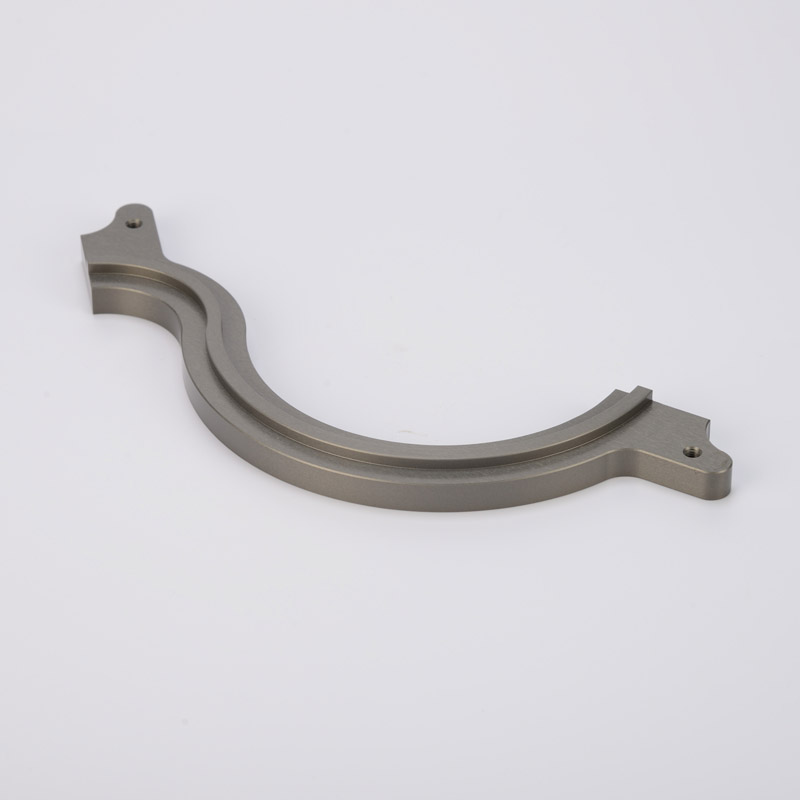
What are CNC machined aluminum electronic parts & their core functions CNC machined aluminum electronic parts are precision metal components processed by multi-axis CNC equipment, widely used in electronic products.
Electronic parts | Where to find high-quality CNC machined aluminum parts for electronics?
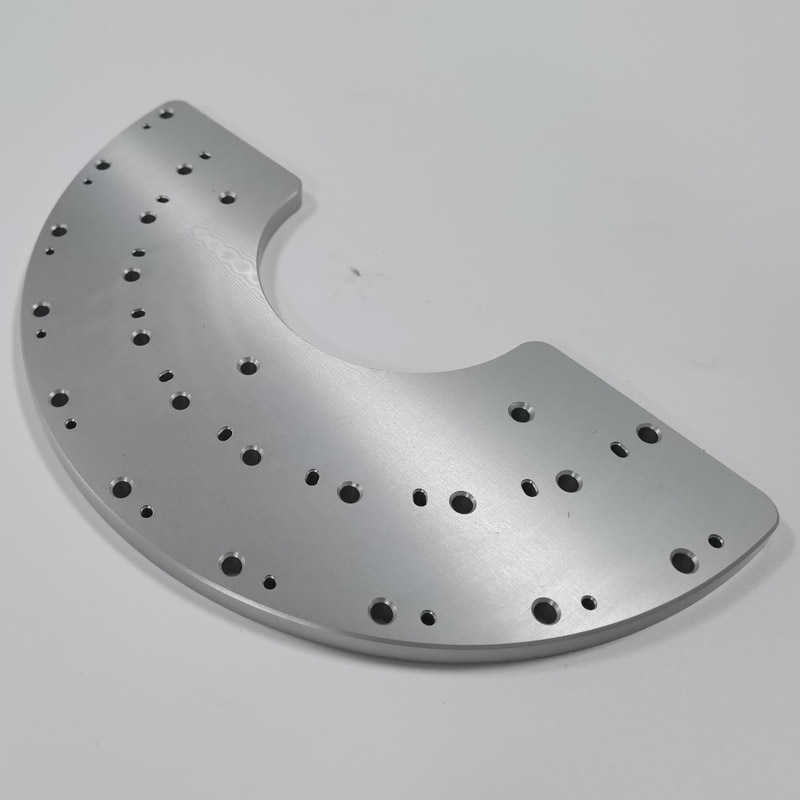
CNC machined aluminum parts for semiconductor equipment are precision metal components manufactured by aluminum die casting, then finished via CNC machining.
semiconductor equipment | What are cnc machined aluminum parts for semiconductor equipment?