

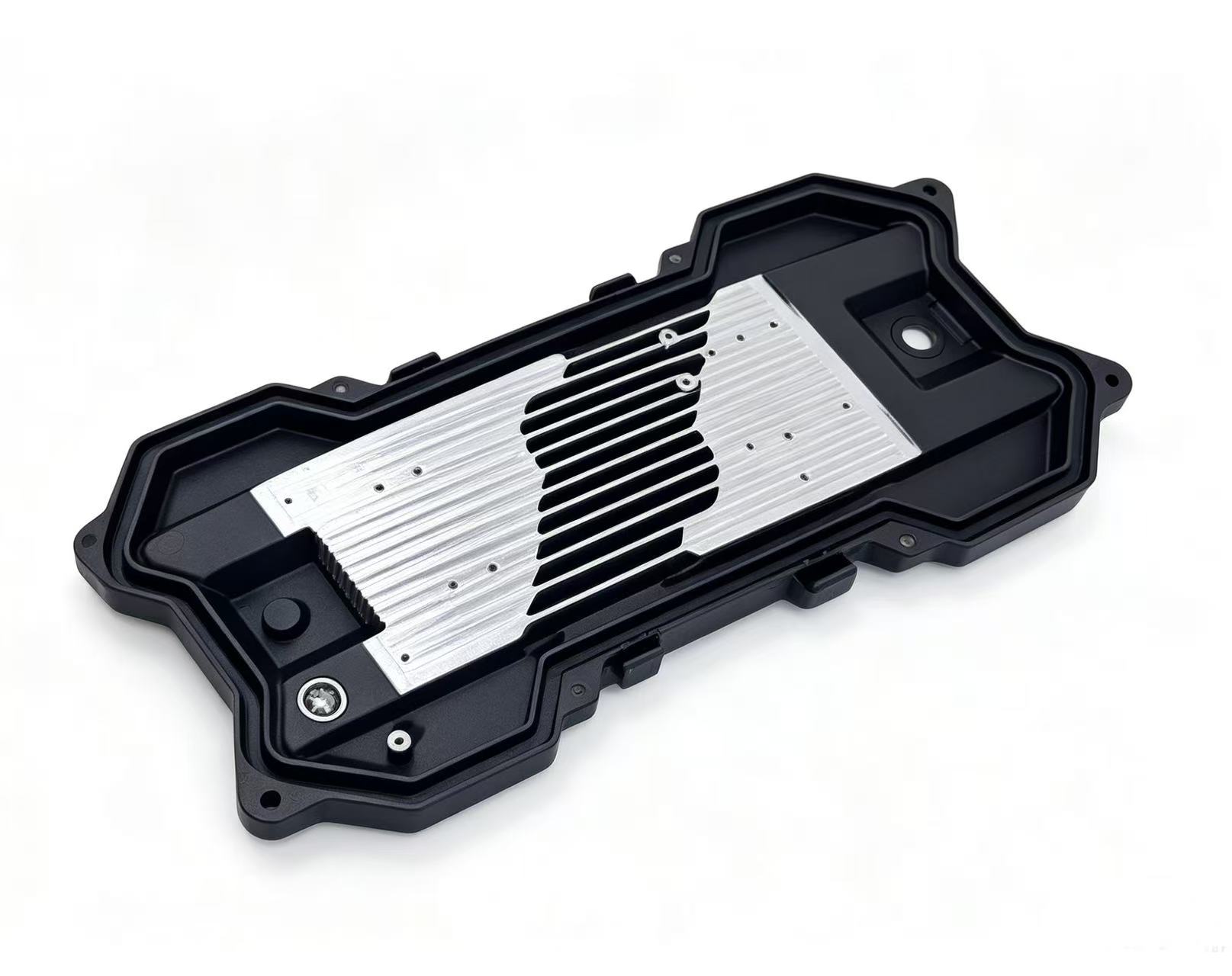
Advantages and Application Fields of Aluminum Alloys
1. Core Advantages
1.High strength and high rigidity with outstanding structural load-bearing performance
2.Superior corrosion resistance, accompanied by dense and stable surface oxide film
3. Excellent weldability, compatible with a wide range of joining processes
4.Mechanical strength can be significantly enhanced through T6 heat treatment
5.Well-established supply chain system ensures stable mass production output
2. Main Application Fields
New energy automobile industry: battery trays, motor housings, wheel hubs, suspension brackets
3C consumer electronics: laptop shells, mobile phone middle frames, server
heat sinks Industrial equipment: hydraulic valve bodies, pump housings, automation equipment structural frames
appliance industry: air conditioner radiator, compressor shells, water heater accessories


Advantages and Application Fields of Magnesium Alloys
1. Core Advantages
1.Small parts are suitable for hot-chamber die casting machines, while large parts fit cold-chamber die casting machines, with special flame-resistant safety designs required.
2.Die casting temperature ranges from 600 to 650°C; melting energy consumption is slightly lower, yet strict anti-oxidation control is mandatory.
3.High injection speed is required (>6 m/s), suitable for manufacturing thin-walled complex components.
4.The minimum wall thickness can reach 0.3 mm, with superior ultra-thin wall forming capability compared to aluminum alloys.
2. Main Application Fields
New energy automobile industry: steering wheel skeletons, seat frames, gearbox housings, battery cover plates
3C consumer electronics: notebook bottom shells, drone structural brackets, camera internal supports
Aerospace industry: aircraft cabin interior parts, satellite lightweight connecting components
Industrial automation: robotic arm end supports, vibration-resistant sensor housings Medical equipment: portable diagnostic instrument shells, surgical instrument lightweight brackets
Surface Treatment Requirements
Aluminum Alloy
1.A dense natural Al₂O₃ oxide film forms on its surface, delivering excellent basic corrosion resistance.
2.Common surface treatments: shot blasting, sand blasting, anodizing, chemical conversion coating, painting, electroplating
3.Anodic oxide film thickness ranges from 5 to 10 μm, featuring low cost and mature manufacturing process
4. Compatible with various decorative and functional surface finishing solutions
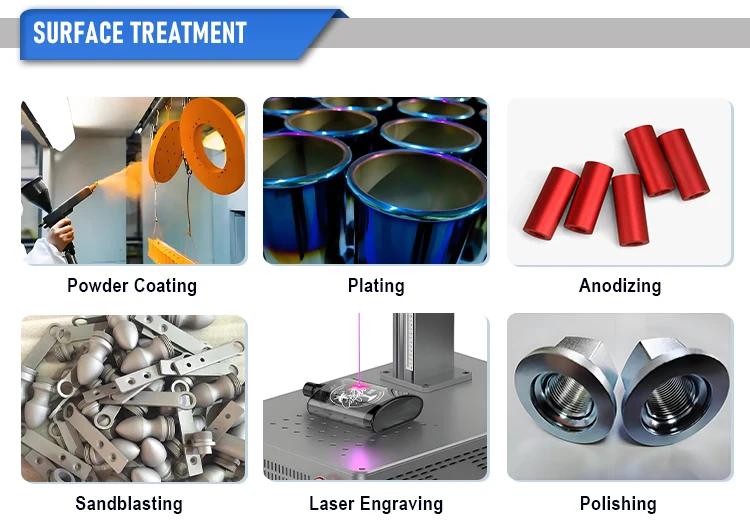
Magnesium Alloy
1.The naturally formed oxide film on magnesium alloy is loose and
porous, resulting in poor basic corrosion resistance.Surface
protection treatment is mandatory.
2.Common surface treatments: Micro-Arc Oxidation (MAO),
anodizing, passivation, spray coating, electroplating
3.MAO ceramic coating thickness ranges from 10 to 50 μm with
outstanding protective performance, yet its cost is approximately 50%
higher than that of aluminum alloy treatment
4. Surface finishing processes demand stricter process control to
prevent surface defects induced by heat treatment
Types of Aluminum Alloy Materials




Aluminum Alloy Ingot (ADC12 Die Casting Raw Material)
Aluminum Extrusion Profiles
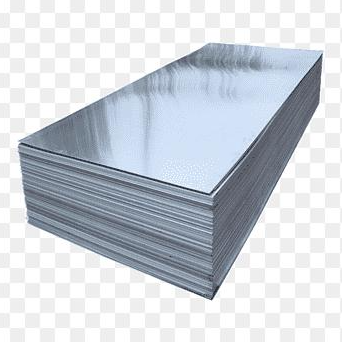
Aluminum Alloy Sheets
Brushed Aluminum Alloy Finish
Aluminum Alloy Die Castings
Types of Magnesium Alloy Materials
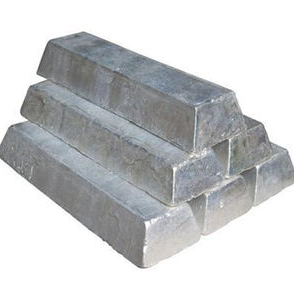


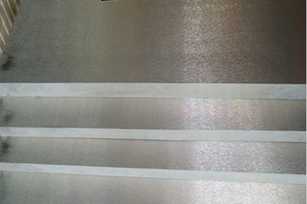

Magnesium Alloy Ingots (AZ91D / AM60B Die Casting Raw Material)
Magnesium Alloy Sheets & Plates (AZ31B Wrought Magnesium)
Magnesium Alloy Extrusion Profiles
Brushed Magnesium Alloy Surface Finish
Magnesium Alloy Die Cast Finished Parts