Home /News /CNC machining /What does cnc machining mean? A Complete Guide for Beginners & Professionals /
HOT PRODUCTS
What does cnc machining mean? A Complete Guide for Beginners & Professionals
2026-03-28
What Does CNC Machining Mean? A Complete Guide for Beginners & Professionals
Table of Contents
- Introduction: Why CNC Machining Matters Today
- What Does CNC Machining Mean? (Core Definition)
- Key Basics of CNC Machining (How It Works)
- The Core Roles of CNC Machining in Industries
- Top Advantages of CNC Machining (Why It’s Preferred)
- Expert Insights: The Future of CNC Machining
- FAQs: Common Questions About CNC Machining
- Conclusion: Embracing CNC Machining for Better Production
Introduction: Why CNC Machining Matters Today
In the world of manufacturing and precision engineering, you’ve likely heard the term CNC machining thrown around—but what does CNC machining mean, exactly? For beginners and even seasoned professionals, understanding this core technology is critical to staying competitive in modern production. CNC machining has revolutionized how we create parts, from small components in consumer electronics to large, complex parts in aerospace and automotive industries. It replaces manual labor with automated, precise processes, ensuring consistency, efficiency, and accuracy that manual machining simply can’t match. This blog breaks down the definition of CNC machining, its key functions, unbeatable advantages, expert perspectives, and answers to the most common industry questions—so you can master the basics and beyond.
What Does CNC Machining Mean? (Core Definition)
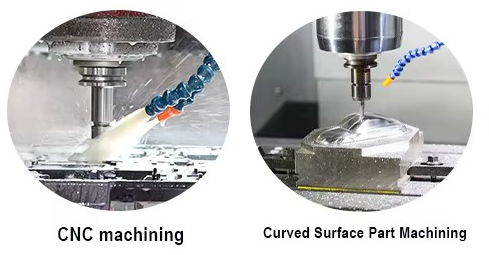
First, let’s decode the acronym: CNC stands for Computer Numerical Control. So, CNC machining is a subtractive manufacturing process where pre-programmed computer software controls the movement of machining tools to shape raw materials (such as metal, plastic, wood, or composites) into finished parts. Unlike manual machining—where a human operator guides tools by hand—CNC machining uses automated, precise movements to cut, drill, mill, turn, or grind materials with minimal human intervention.
At its core, CNC machining turns digital designs (created in CAD software) into physical parts by translating the design into numerical code (G-code or M-code) that the CNC machine can interpret. This code tells the machine exactly how to move: speed, direction, depth, and sequence of operations—ensuring every part is identical, even in high-volume production.
Key Basics of CNC Machining (How It Works)
To fully grasp “what does CNC machining mean,” it’s important to understand its fundamental components and workflow. Here’s a simplified breakdown of how CNC machining works:
1. Design Phase
A designer creates a 3D model of the desired part using CAD (Computer-Aided Design) software. This model includes all dimensions, tolerances, and details the finished part needs.
2. CAM Conversion
The CAD model is imported into CAM (Computer-Aided Manufacturing) software, which converts the design into G-code—the numerical language that CNC machines understand. G-code dictates every movement of the machine’s tools and axes.
3. Machine Setup
The CNC machine operator loads the raw material (called a “blank”) into the machine, secures it with clamps or fixtures, and loads the G-code program into the machine’s controller.
4. Automated Machining
Once activated, the CNC machine runs the program automatically, moving the cutting tool (e.g., mill, lathe, drill) across the raw material to remove excess material and shape it into the desired part. The operator monitors the process but does not need to manually control the tool.
5. Quality Inspection
After machining, the finished part is inspected using tools like calipers, micrometers, or 3D scanners to ensure it meets the CAD design’s tolerances and specifications.
The Core Roles of CNC Machining in Industries
CNC machining isn’t just a “nice-to-have” technology—it’s a cornerstone of modern manufacturing. Its versatility and precision make it indispensable across countless industries, with three core roles that drive its widespread use:
1. Precision Part Production
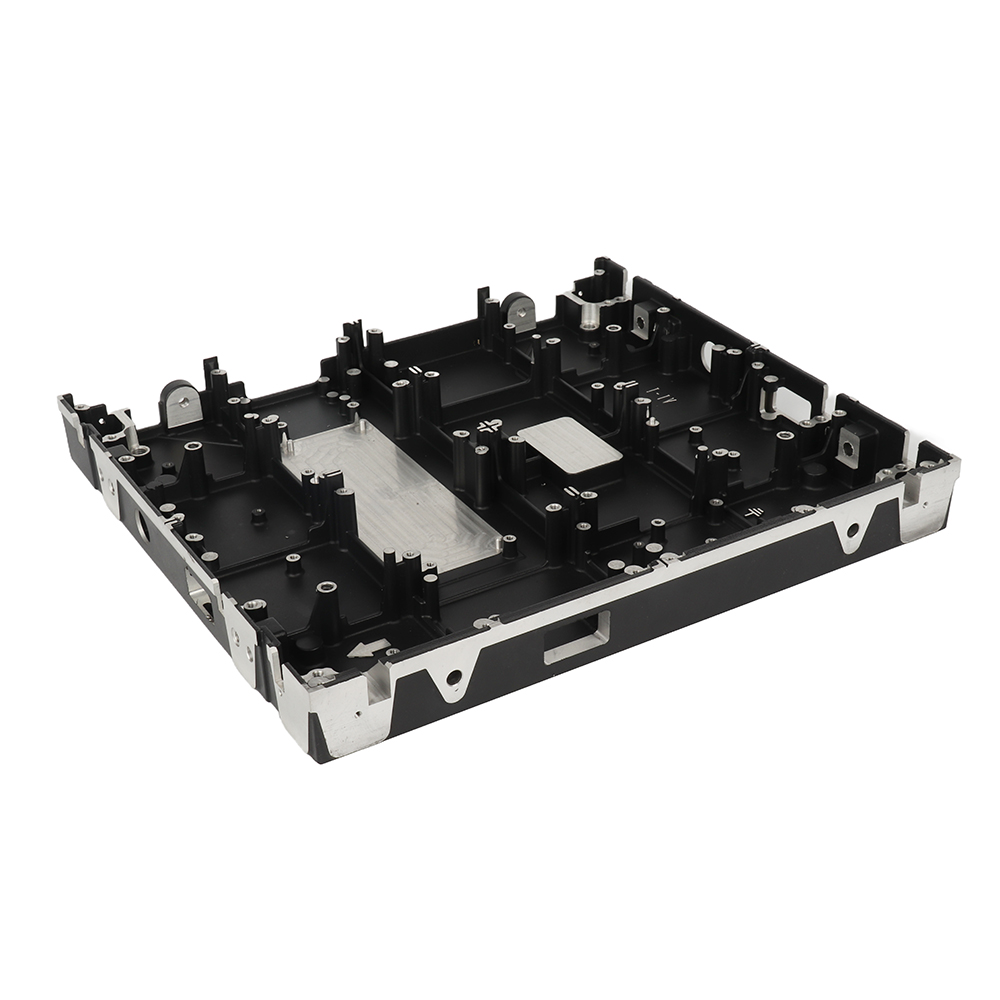
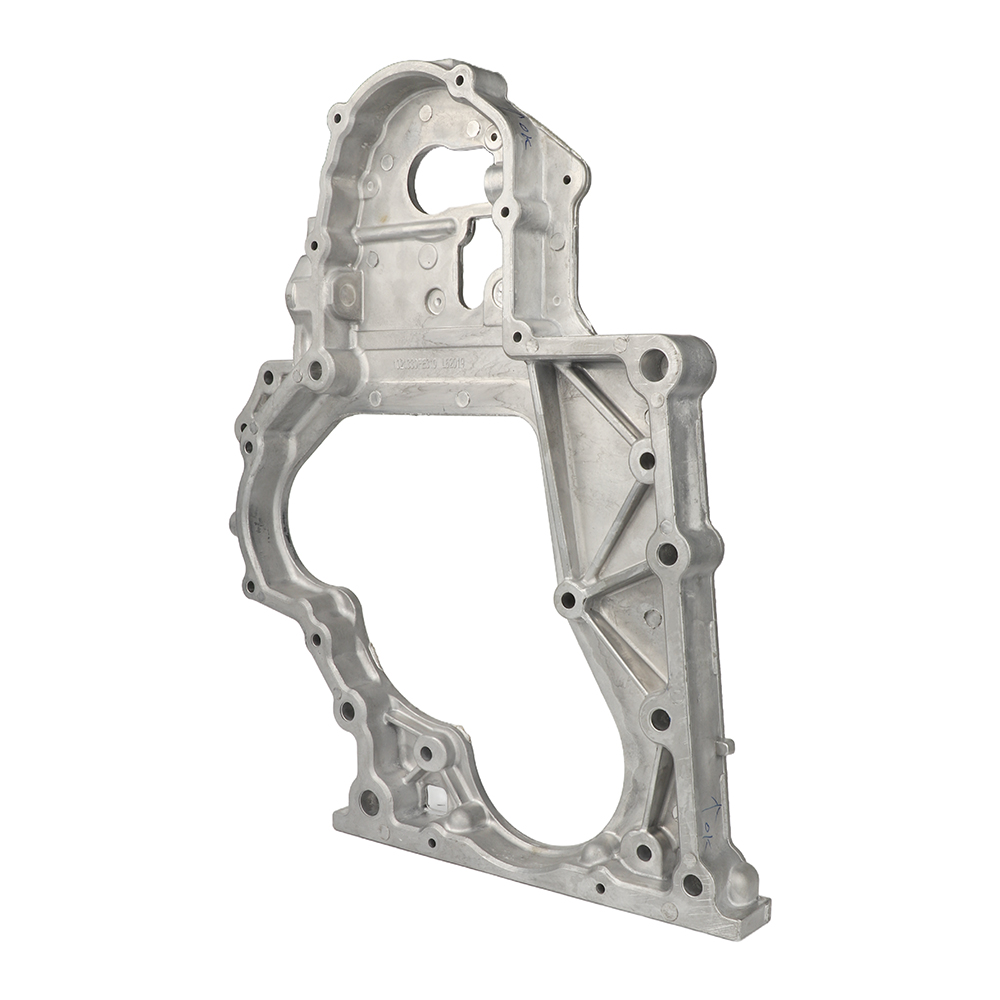
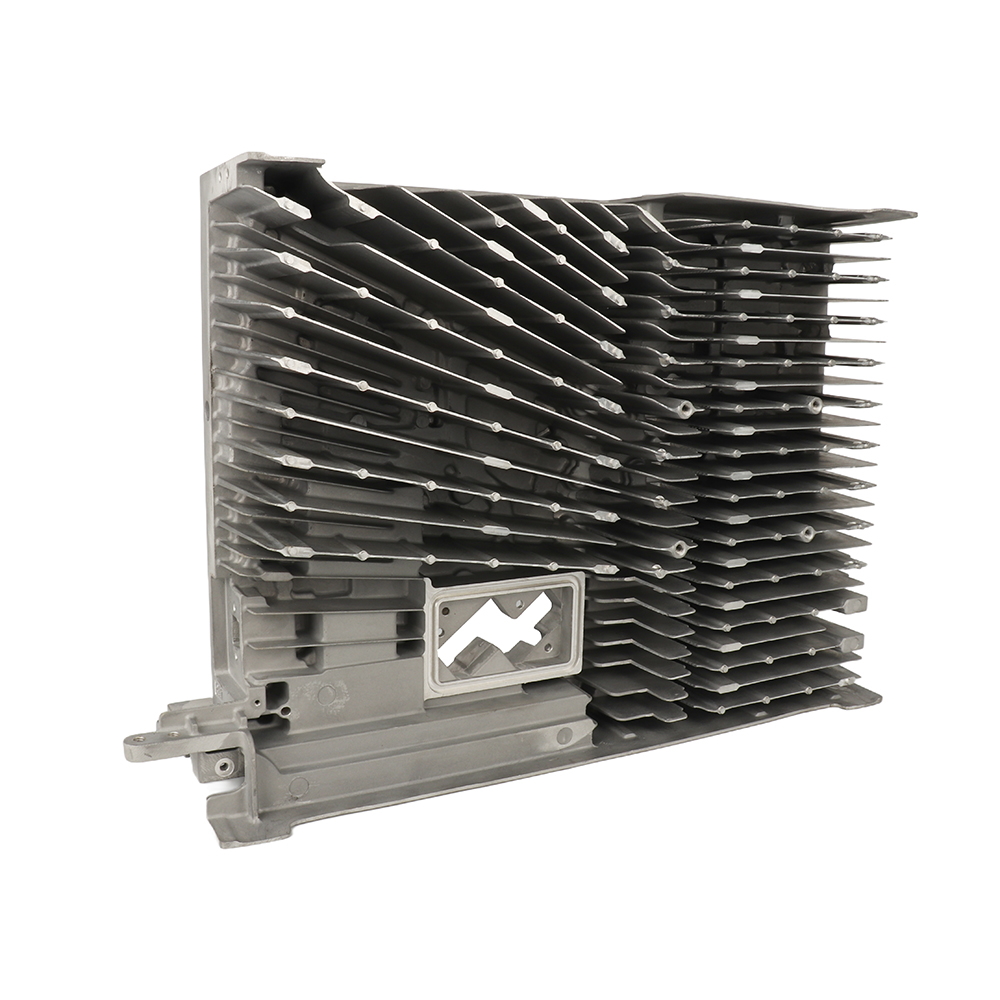
CNC machining creates parts with tight dimensional tolerances (often as small as ±0.001 inches), making it ideal for industries where accuracy is non-negotiable—such as aerospace (jet engine components), medical devices (surgical instruments), and automotive (engine parts).
2. High-Volume Consistency
Unlike manual machining, where human error can lead to inconsistent parts, CNC machining produces identical parts batch after batch. This is critical for mass production, where thousands of identical components are needed (e.g., smartphone casings, bolts, or electronic connectors).
3. Complex Shape Machining
CNC machines can handle complex geometries that are impossible (or extremely difficult) to create manually—such as curved surfaces, intricate holes, and 3D contours. This opens up new possibilities for product design and innovation.
Top Advantages of CNC Machining (Why It’s Preferred)
Now that we’ve answered “what does CNC machining mean,” let’s explore why it’s the preferred choice for manufacturers worldwide. The advantages of CNC machining are unmatched by manual processes, making it a smart investment for businesses of all sizes:
1. Unrivaled Precision & Consistency
CNC machines eliminate human error, ensuring every part meets exact specifications. This consistency reduces waste (fewer defective parts) and improves product quality—critical for industries like medical and aerospace, where even small deviations can be dangerous.
2. Increased Efficiency & Productivity
CNC machines can run 24/7 with minimal human supervision, unlike manual operators who need breaks. This drastically increases production speed and output, reducing lead times and allowing businesses to fulfill orders faster.
3. Reduced Labor Costs
While CNC machines require an initial investment, they reduce long-term labor costs. One operator can monitor multiple CNC machines at once, replacing the need for multiple manual machinists. This also reduces training costs, as CNC operators focus on programming and monitoring rather than manual tool operation.
4. Versatility & Flexibility
CNC machines can be reprogrammed quickly to produce different parts—no need to retool or reconfigure the entire setup. This makes them ideal for small-batch production, custom parts, and rapid prototyping (testing new designs before mass production).
5. Improved Safety
Since CNC machines are automated and enclosed, operators are not in direct contact with moving tools or sharp materials. This reduces the risk of workplace injuries, making CNC machining a safer alternative to manual machining.
Expert Insights: The Future of CNC Machining
To gain deeper perspective on CNC machining’s importance and future, we consulted Dr. Emily Wilson, a manufacturing technology expert with 25+ years of experience in CNC systems and industrial automation. Here’s her take on “what does CNC machining mean for the future of manufacturing”:
“CNC machining is no longer just about automation—it’s about integration. Today’s CNC systems are connected to IoT devices, AI, and cloud-based software, allowing for real-time monitoring, predictive maintenance, and even autonomous operation. When people ask ‘what does CNC machining mean,’ I tell them it’s the bridge between digital design and physical production. It’s not just a tool; it’s a catalyst for innovation. In the next decade, we’ll see CNC machining become even more accessible to small businesses, with AI-driven programming that eliminates the need for advanced technical skills. The key advantage of CNC—precision at scale—will only grow more valuable as industries demand smaller, more complex parts.”
Dr. Wilson adds: “Many beginners underestimate how user-friendly modern CNC systems are. You don’t need to be a coding expert to operate a CNC machine anymore—CAM software does most of the work. The real value is understanding how to leverage CNC’s advantages to solve production challenges.”
FAQs: Common Questions About CNC Machining
Q1: What does CNC machining mean in simple terms?
A: In simple terms, CNC machining is a process where a computer controls the movement of tools to cut, shape, or drill raw materials into finished parts. It’s automated, precise, and creates consistent parts without manual tool operation.
Q2: Is CNC machining the same as 3D printing?
A: No. CNC machining is a subtractive process (removes material to create parts), while 3D printing is an additive process (builds parts by adding layers of material). CNC is better for high-precision, high-volume parts, while 3D printing is ideal for complex prototypes.
Q3: What materials can be used in CNC machining?
A: CNC machining works with a wide range of materials, including metals (aluminum, steel, titanium, brass), plastics (ABS, PVC, nylon), wood, composites, and even some ceramics. The choice of material depends on the part’s intended use.
Q4: How long does it take to learn CNC machining?
A: Basic CNC operation can be learned in a few weeks, but mastering programming (G-code, CAM software) and advanced machine setup may take 6–12 months. Modern CNC systems with user-friendly interfaces reduce the learning curve significantly.
Q5: What are the most common types of CNC machines?
A: The most common types areCNC mills (for flat surfaces and complex shapes), CNC lathes (for cylindrical parts), CNC routers (for wood, plastic, and soft metals), and CNC grinders (for precision finishing).
Q6: Is CNC machining expensive?
A: CNC machines have a higher initial cost than manual tools, but they reduce long-term costs by increasing productivity, reducing waste, and lowering labor expenses. Smaller, entry-level CNC machines are also available for small businesses and hobbyists at more affordable prices.
Conclusion: Embracing CNC Machining for Better Production
To recap: What does CNC machining mean? It’s a computer-controlled, subtractive manufacturing process that turns digital designs into precise, consistent parts—revolutionizing how we produce everything from medical devices to aerospace components. Its core advantages—precision, efficiency, versatility, and safety—make it an essential technology for modern manufacturing.
Whether you’re a beginner looking to understand the basics or a professional seeking to optimize production, CNC machining offers endless possibilities. By leveraging its strengths and staying updated on emerging trends (like AI integration), businesses can stay competitive and innovate in an ever-evolving industry.
Remember: CNC machining isn’t just about automation—it’s about creating better parts, faster, and more efficiently. Now that you know what CNC machining means, you’re ready to explore its potential for your own projects or business.
What does cnc machining stand for? A Complete Guide for Beginners
Cnc machining what is it? A Complete Guide for Beginners & Professionals
Related Article
Custom CNC aluminum parts refer to non-standard, tailor-made aluminum components processed via professional CNC machining technology, customized according to clients’ unique drawings, size requirements, tolerance standards and application scenarios.
Custom cnc aluminum | How to customize aluminum CNC machined parts | Complete Guide
5-axis CNC machining is a high-end subtractive manufacturing process evolved from conventional 3-axis CNC milling.
5 axis cnc machining | What parts suit 5-axis CNC machining?Complete Guide With ADC12 Aluminum part