HOT PRODUCTS
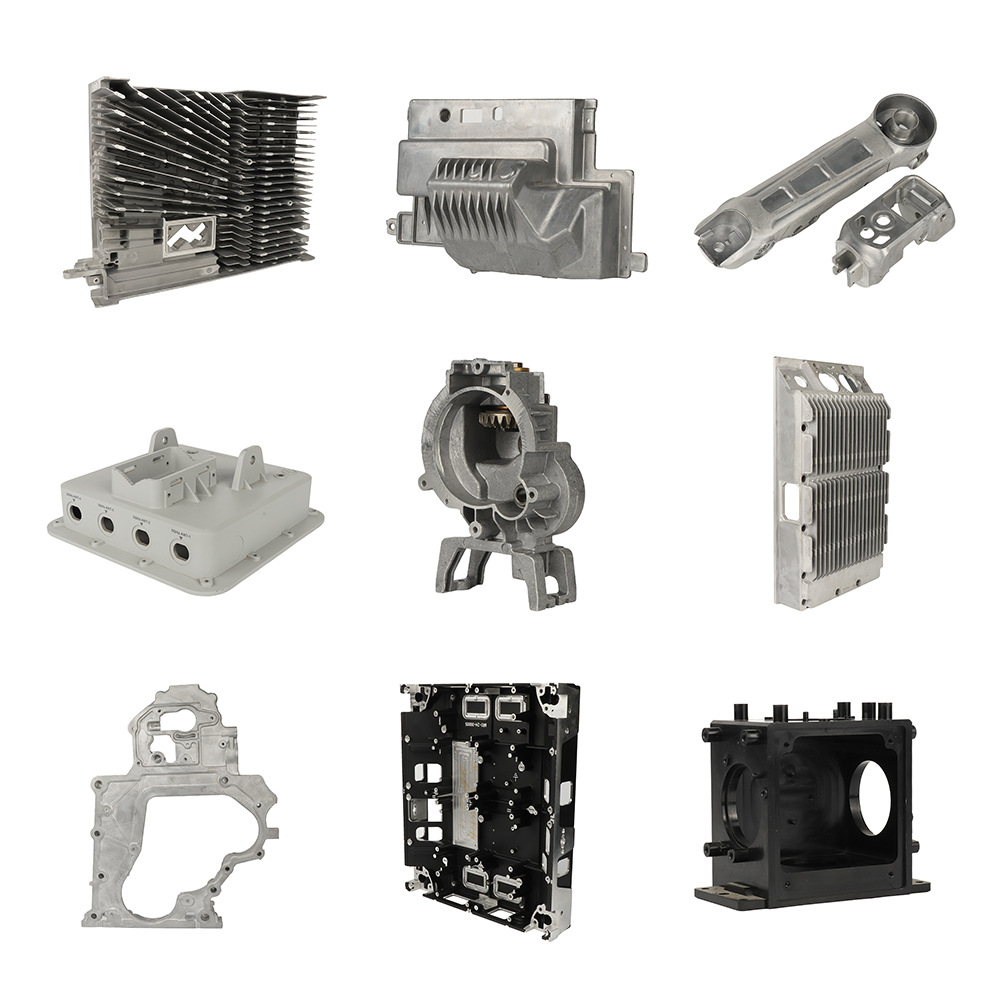
What is cnc in manufacturing? A Complete Guide for Beginners
2026-03-27
What is CNC in Manufacturing? A Complete Guide for Beginners
Table of Contents
- Introduction: Why CNC Matters in Modern Manufacturing
- What is CNC in Manufacturing? Core Definition & Meaning
- How CNC Manufacturing Works: Step-by-Step Process
- Key Components of a CNC Manufacturing System
- Expert Insights: The Impact of CNC on Manufacturing
- Common CNC Manufacturing Techniques
- FAQs: Answers to Industry’s Most Asked Questions About CNC in Manufacturing
- Conclusion: The Future of CNC in Manufacturing
Introduction: Why CNC Matters in Modern Manufacturing
In the fast-paced world of manufacturing, precision, efficiency, and consistency are non-negotiable. From aerospace components to everyday consumer goods, the ability to produce complex, uniform parts at scale has become the cornerstone of competitive manufacturing. This is where CNC in Manufacturing steps in. CNC—short for Computer Numerical Control—has revolutionized how manufacturers design, produce, and optimize parts, replacing manual machining with automated, computer-driven precision. Whether you’re new to manufacturing or looking to deepen your understanding, this guide breaks down exactly what CNC means in the manufacturing context, how it works, and why it’s irreplaceable in today’s industry.
What is CNC in Manufacturing? Core Definition & Meaning
Let’s start with the basics: CNC in Manufacturing refers to the use of computer software and pre-programmed instructions to control machine tools that shape, cut, drill, or finish raw materials into finished parts. Unlike manual machining—where a skilled operator controls every movement of the tool—CNC manufacturing automates these processes, ensuring unparalleled precision, repeatability, and efficiency.
Breaking Down the Acronym: CNC
To fully grasp the meaning of CNC in manufacturing, let’s break down each letter:
-
Computer: The brain of the operation. A computer runs specialized software that stores and executes the machining program.
-
Numerical: Refers to the numerical codes (most commonly G-code and M-code) that translate design specifications into precise machine movements. These codes are based on coordinates (X, Y, Z axes, and more for advanced machines) that tell the tool exactly where to move, how fast, and at what depth.
-
Control: The computer “controls” the machine tool, eliminating the need for constant manual intervention. This control ensures that every part produced is identical to the last, even across thousands of units.
The Core Purpose of CNC in Manufacturing
At its heart, CNC manufacturing solves two critical challenges in traditional machining: human error and inefficiency. Manual machining relies heavily on the skill of the operator, leading to inconsistencies in part quality, slower production times, and higher waste. CNC manufacturing eliminates these issues by:
-
Delivering tight tolerances (as precise as ±0.001 inches in some cases) that manual methods cannot match.
-
Enabling repeatability: Once a program is set, the CNC machine can produce the same part hundreds or thousands of times with zero variation.
-
Increasing production speed: CNC machines can operate 24/7 with minimal supervision, reducing lead times for large orders.
-
Reducing material waste: Precise tool movements mean less raw material is wasted during the machining process.
In short, CNC in manufacturing is not just a tool—it’s a process transformation that turns design ideas into physical parts with unmatched accuracy and efficiency. It’s the backbone of modern precision manufacturing, used across industries from automotive to medical devices to aerospace.
How CNC Manufacturing Works: Step-by-Step Process
CNC manufacturing follows a structured, repeatable process that starts with a design and ends with a finished part. Here’s a detailed breakdown of the key steps:
Step 1: Design the Part (CAD Software)
The process begins with creating a 3D or 2D digital design of the part using Computer-Aided Design (CAD) software. This design includes all dimensions, tolerances, and features (e.g., holes, grooves, curves) that the finished part must have. CAD software ensures the design is precise and scalable, serving as the blueprint for the entire machining process.
Step 2: Convert Design to Machining Code (CAM Software)
Once the CAD design is complete, it’s imported into Computer-Aided Manufacturing (CAM) software. The CAM software translates the design into G-code—the numerical language that CNC machines understand. G-code specifies every detail of the machining process, including tool path, spindle speed, feed rate, and cutting depth. For complex parts, CAM software optimizes the tool path to minimize waste and maximize efficiency.
Step 3: Set Up the CNC Machine
Next, the CNC machine is set up by a skilled operator. This involves:
-
Securing the raw material (e.g., metal, plastic, wood) to the machine’s worktable using clamps or fixtures.
-
Installing the correct cutting tool (e.g., drill bit, end mill, lathe tool) for the job.
-
Calibrating the machine to ensure the tool aligns with the design coordinates (this is called “zeroing” the machine).
Step 4: Run the Machining Program
Once set up, the operator loads the G-code program into the CNC machine’s control panel and starts the process. The machine then runs automatically, following the program’s instructions to cut, drill, or shape the raw material into the finished part. During this phase, the operator monitors the machine to ensure no errors occur (e.g., tool breakage, material shifting), but minimal manual intervention is needed.
Step 5: Inspect and Finish the Part
After machining, the part is removed from the machine and inspected using precision tools (e.g., calipers, micrometers, coordinate measuring machines) to ensure it meets the design’s tolerances. If needed, finishing steps (e.g., sanding, polishing, anodizing) are performed to achieve the desired surface quality.
Key Components of a CNC Manufacturing System
A CNC manufacturing system is made up of several critical components that work together to deliver precise, automated machining. Understanding these components helps clarify how CNC works in practice:
1. CNC Machine Tool
The machine tool is the physical device that shapes the raw material. Common types include:
-
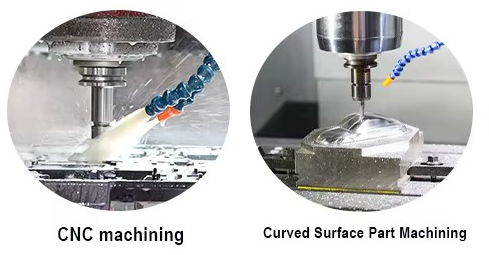
CNC Milling Machines: Used for cutting flat or curved surfaces, drilling holes, and creating complex shapes. They move the tool along multiple axes (X, Y, Z, and sometimes more) to carve the part.
-
CNC Lathes: Used for turning cylindrical parts (e.g., bolts, shafts). The raw material spins while the tool cuts away excess material to create the desired shape.
-
CNC Routers: Used for cutting wood, plastic, or soft metals, often for large or flat parts (e.g., signs, furniture components).
-
CNC Plasma Cutters: Used for cutting thick metal sheets using a high-temperature plasma arc.
2. Control Unit
The control unit is the “brain” of the CNC machine. It reads the G-code program, interprets the instructions, and sends signals to the machine’s motors to control tool movement. Modern CNC control units feature user-friendly interfaces (touchscreens, keyboards) that allow operators to load programs, adjust settings, and monitor the machining process.
3. Drive System
The drive system converts the control unit’s signals into physical movement. It includes motors (e.g., servo motors, stepper motors) and ball screws that move the tool or worktable along the machine’s axes. Servo motors are preferred for high-precision applications, as they provide real-time feedback to the control unit to correct any deviations.
4. Tooling and Fixtures
Tooling refers to the cutting tools (drill bits, end mills, etc.) used to shape the material. The type of tool depends on the material and the desired cut. Fixtures are devices that hold the raw material in place during machining, ensuring it doesn’t shift and compromise precision.
5. CAD/CAM Software
As mentioned earlier, CAD software is used to design the part, while CAM software converts that design into G-code. These tools are essential for creating accurate, efficient machining programs—without them, CNC manufacturing would not be possible.
Expert Insights: The Impact of CNC on Manufacturing
To understand the real-world significance of CNC in manufacturing, we reached out to industry experts who shared their perspectives on how CNC has transformed the industry and where it’s headed.
Expert 1: George Chen, Manufacturing Technology Specialist at Dassault Systèmes
“CNC machining has long been the foundation of precision manufacturing, but the pace of change heading into 2026 is unlike anything seen before. As global supply chains rebalance and AI becomes embedded in production, CNC is no longer just about automation—it’s about intelligence. AI-driven CNC systems now use real-time sensor feedback to adjust feeds, speeds, and toolpaths automatically, reducing tool wear and ensuring consistent surface quality. This shift is redefining machinist roles, moving operators from reactive problem-solvers to data-driven optimizers.”
Expert 2: Dominique Gal Mel, Industrial Automation Consultant
“The true power of CNC in manufacturing lies in its ability to bridge design and production seamlessly. Digital twins—once a buzzword—are now maturing into living ecosystems that mirror the entire machining process, allowing manufacturers to test toolpaths and correct errors before cutting a single chip. This not only reduces setup time but also minimizes waste, making CNC a cornerstone of sustainable manufacturing. For businesses looking to stay competitive, adopting CNC isn’t an option—it’s a necessity.”
Expert 3: Sarah Lopez, Senior CNC Machinist with 15+ Years of Experience
“I’ve seen firsthand how CNC has changed manufacturing. When I started, manual machining was the norm—we’d spend hours setting up a lathe, and even then, parts would have slight variations. With CNC, we can program a part once and produce hundreds of identical units with tolerances as tight as ±0.001 inches. It’s not just about speed; it’s about consistency. CNC has also made complex parts accessible—shapes that were impossible to machine manually are now routine, opening up new possibilities for product design.”
Common CNC Manufacturing Techniques
CNC manufacturing encompasses a range of techniques, each tailored to specific part requirements and materials. Here are the most common ones:
1. CNC Milling
Milling is one of the most versatile CNC techniques. It uses a rotating cutting tool to remove material from the workpiece, creating flat surfaces, slots, holes, and complex 3D shapes. CNC mills can have 3, 4, or 5 axes—5-axis mills are ideal for intricate parts (e.g., aerospace components) that require machining from multiple angles.
2. CNC Turning
Turning involves spinning the workpiece while a stationary cutting tool removes material. It’s used to create cylindrical parts, such as shafts, bolts, and pipes. CNC lathes can produce both simple and complex cylindrical shapes, including tapers, threads, and grooves.
3. CNC Drilling
Drilling is a specialized technique used to create holes in the workpiece. CNC drills are highly precise, ensuring holes are drilled at the correct location, depth, and diameter. They can also be used to countersink or counterbore holes for screws or fasteners.
4. CNC Grinding
Grinding uses an abrasive wheel to smooth or shape the workpiece, achieving a high surface finish and tight tolerances. It’s often used for parts that require extreme precision, such as medical implants or automotive gears.
FAQs: Answers to Industry’s Most Asked Questions About CNC in Manufacturing
We’ve compiled the most common questions about CNC in manufacturing to help clarify any confusion and provide actionable insights.
Q1: What materials can be used in CNC manufacturing?
CNC manufacturing works with a wide range of materials, including metals (aluminum, brass, stainless steel, titanium), plastics (ABS, PEEK, nylon), wood, ceramics, and composites. The choice of material depends on the part’s application, strength requirements, and cost.
Q2: Is CNC manufacturing suitable for small production runs or prototypes?
Yes! While CNC is often associated with mass production, it’s also ideal for small runs and prototypes. Once the program is set up, CNC machines can produce a single prototype or a small batch of parts quickly and precisely. However, setup costs may be higher for very small batches compared to traditional methods.
Q3: How accurate is CNC manufacturing?
CNC manufacturing is extremely accurate, with tolerances as tight as ±0.001 inches (about 0.025 mm) depending on the machine, tooling, and material. This level of precision is impossible to achieve with manual machining and is critical for industries like aerospace and medical devices.
Q4: What is the difference between CNC and manual machining?
The key difference is automation. Manual machining relies on a skilled operator to control every tool movement, leading to inconsistencies and slower production. CNC machining uses pre-programmed computer instructions to automate the process, ensuring repeatability, precision, and faster production times. CNC also reduces the risk of human error and allows for complex part designs.
Q5: What industries benefit most from CNC manufacturing?
CNC manufacturing is used across nearly every industry, but it’s most critical in: aerospace (turbine blades, landing gear), automotive (engine blocks, brake components), medical (orthopedic implants, surgical tools), electronics (smartphone frames, microchips), and defense (military vehicle parts, surveillance equipment).
Q6: How long does it take to set up a CNC machine for production?
Setup time varies based on the part’s complexity and the machine type. Typically, it can take anywhere from a few hours to a couple of days to program, calibrate, and set up the machine for a new job. Once set up, production runs are fast and automated.
Q7: Do CNC machines require skilled operators?
Yes, but the skill set is different from manual machining. CNC operators need to understand CAD/CAM software, G-code, machine setup, and quality control. They don’t need to manually control the tool, but they must be able to troubleshoot issues, optimize programs, and ensure the machine runs smoothly.
Conclusion: The Future of CNC in Manufacturing
CNC in manufacturing is more than just a technology—it’s a driving force behind modern precision, efficiency, and innovation. From its core purpose of automating machining processes to its ability to produce complex, consistent parts at scale, CNC has transformed the manufacturing industry and will continue to do so. With advancements in AI, digital twins, and IoT, CNC machines are becoming smarter, more efficient, and more accessible, opening up new possibilities for product design and production. Whether you’re a manufacturer looking to upgrade your processes or a beginner curious about how everyday products are made, understanding CNC in manufacturing is key to navigating the future of production.
What is cnc manufacturing? A Comprehensive Guide for Beginners & Professionals
What is production capacity? A Complete Guide to Its Importance & Benefits
Related Article

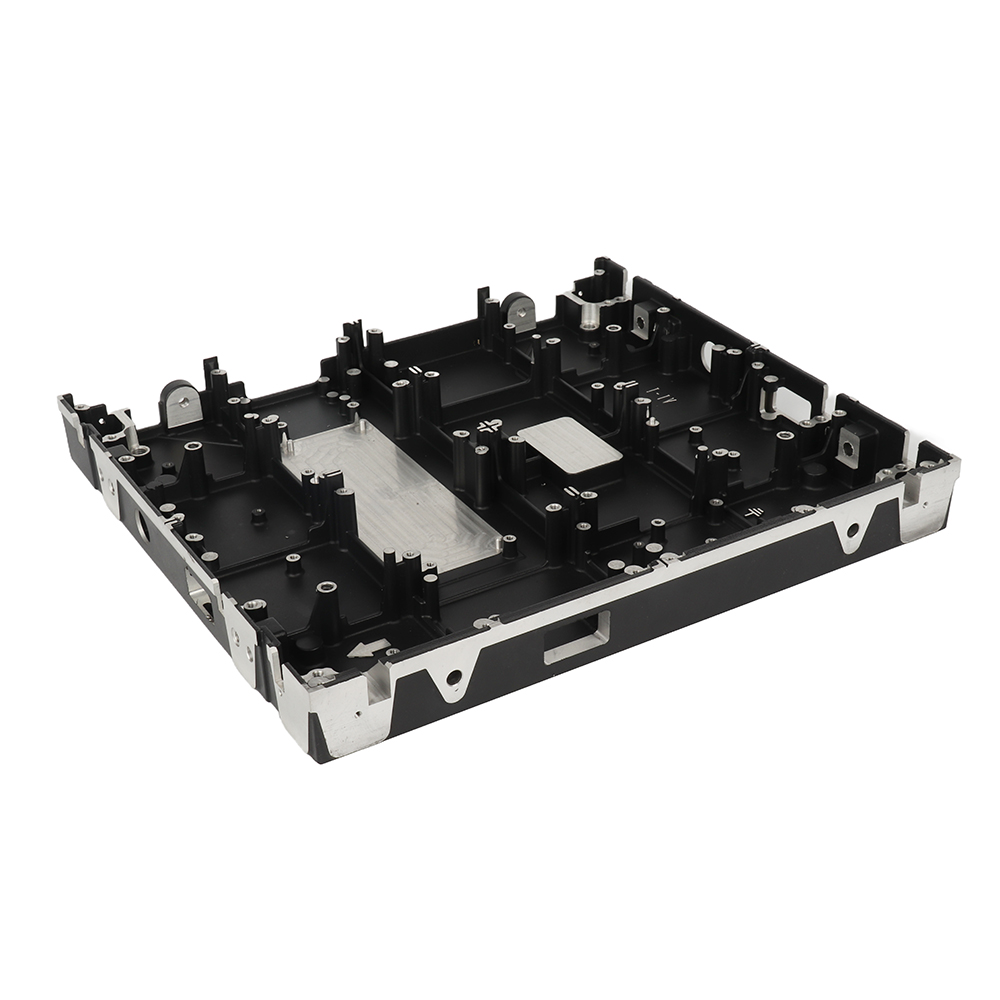
What are CNC machined aluminum electronic parts & their core functions CNC machined aluminum electronic parts are precision metal components processed by multi-axis CNC equipment, widely used in electronic products.
Electronic parts | Where to find high-quality CNC machined aluminum parts for electronics?

CNC machined aluminum parts for semiconductor equipment are precision metal components manufactured by aluminum die casting, then finished via CNC machining.
semiconductor equipment | What are cnc machined aluminum parts for semiconductor equipment?