Home /News /CNC machining /What is cnc manufacturing? A Comprehensive Guide for Beginners & Professionals /
HOT PRODUCTS
What is cnc manufacturing? A Comprehensive Guide for Beginners & Professionals
2026-03-27
What Is CNC Manufacturing? A Comprehensive Guide for Beginners & Professionals
Table of Contents
- Introduction: The Rise of CNC Manufacturing in Modern Industry
- What Is CNC Manufacturing? (Core Definition)
- Key Components of a CNC Manufacturing System
- Core CNC Manufacturing Processes
- The Top Benefits of CNC Manufacturing
- Expert Insights: The Future of CNC Manufacturing
- FAQs: Common Questions About CNC Manufacturing
- Conclusion: Why CNC Manufacturing Matters Today
Introduction: The Rise of CNC Manufacturing in Modern Industry
In an era where precision, efficiency, and consistency are non-negotiable, CNC manufacturing has emerged as the backbone of modern production. From automotive parts and aerospace components to medical devices and custom prototypes, CNC (Computer Numerical Control) manufacturing has revolutionized how we design and create physical products. Unlike traditional manual machining, which relies on human skill and oversight, CNC manufacturing uses computerized controls to automate machining processes—delivering unparalleled accuracy and scalability. This blog breaks down exactly what CNC manufacturing is, its core processes, key benefits, expert perspectives, and answers to the most common industry questions, making it easy for beginners and professionals alike to understand this transformative technology.
What Is CNC Manufacturing? (Core Definition)
CNC Manufacturing: Basic Definition
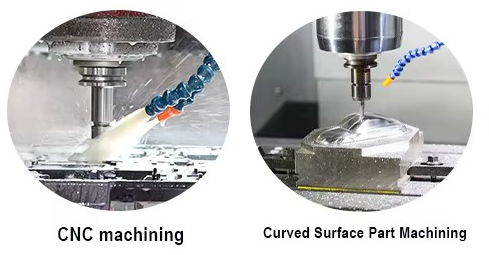
CNC manufacturing refers to a subtractive manufacturing process that uses computer numerical control to operate and control machine tools (such as mills, lathes, routers, and grinders). Instead of manual operation, a pre-programmed computer code dictates the movement of the machine’s cutting tools, allowing for precise, repeatable, and automated production of parts and components. The “numerical control” aspect means the machine follows exact numerical instructions, eliminating human error and ensuring consistency across every workpiece.
How CNC Manufacturing Works (Simplified)
The CNC manufacturing process follows four key steps, all centered around computerization and precision:
-
Design & CAD Modeling: Engineers create a 2D or 3D design of the part using Computer-Aided Design (CAD) software.
-
CAD to CAM Conversion: The CAD file is converted to a Computer-Aided Manufacturing (CAM) file, which translates the design into machine-readable code (most commonly G-code).
-
Programming & Setup: The G-code is loaded into the CNC machine, and the operator sets up the raw material (e.g., metal, plastic, wood) and tooling.
-
Automated Machining: The CNC machine executes the program, moving the cutting tool with precise speed and accuracy to shape the raw material into the desired part—with minimal human intervention.
Key Components of a CNC Manufacturing System
To fully understand CNC manufacturing, it’s important to know its core components, each playing a critical role in ensuring precision and efficiency:
1. CNC Machine Tool
The primary piece of equipment (e.g., CNC mill, CNC lathe, CNC router) that performs the cutting, shaping, or drilling. These machines have multiple axes (typically 3-5 axes) for complex movements, allowing for intricate part designs.
2. CAD/CAM Software
The “brain” of the process: CAD software for designing the part, and CAM software for converting that design into machine-executable code. Popular options include AutoCAD, SolidWorks, and Fusion 360.
3. Controller
The computer interface that runs the G-code, controlling the machine’s movements, speed, and tool changes. Modern CNC controllers are user-friendly, with touchscreens and real-time monitoring.
4. Tooling & Raw Materials
Cutting tools (drills, end mills, lathes) and raw materials (metals, plastics, composites) tailored to the part’s design and application. High-quality tooling is essential for achieving precise finishes.
Core CNC Manufacturing Processes
CNC manufacturing encompasses a range of processes, each designed for specific shaping and cutting tasks. The most common processes include:
1. CNC Milling
What It Is
A process where a rotating cutting tool removes material from the raw workpiece to create flat surfaces, slots, holes, or complex 3D shapes. CNC mills use multiple axes (3-axis, 4-axis, or 5-axis) for versatility.
Common Applications
Automotive brackets, aerospace components, custom prototypes, and household hardware.
2. CNC Turning
What It Is
The workpiece rotates while a stationary cutting tool shapes it into cylindrical or conical forms. Ideal for parts with rotational symmetry (e.g., shafts, bolts, bearings).
Common Applications
Engine shafts, gears, pins, and plumbing fittings.
3. CNC Routing
What It Is
Similar to milling but used for softer materials (wood, plastic, foam) to create intricate designs, cuts, or engravings. CNC routers are often used for sign-making, furniture, and custom parts.
4. CNC Grinding
What It Is
Uses a rotating abrasive wheel to achieve ultra-smooth surfaces and tight tolerances. Common in precision manufacturing for hardened metals and medical devices.
The Top Benefits of CNC Manufacturing
The widespread adoption of CNC manufacturing is due to its numerous advantages over traditional manual machining. Below are the most impactful benefits for businesses and manufacturers:
1. Unmatched Precision & Consistency
CNC machines follow pre-programmed code with accuracy down to 0.001 inches, eliminating human error. Every part produced is identical—critical for mass production and high-precision industries (aerospace, medical).
2. Increased Efficiency & Productivity
CNC machines can operate 24/7 with minimal human intervention, reducing production time and increasing output. They also require less setup time than manual machines, making small-batch and large-scale production equally efficient.
3. Reduced Labor Costs & Human Error
Unlike manual machining, which requires highly skilled operators, CNC manufacturing needs fewer workers (one operator can oversee multiple machines). This reduces labor costs and eliminates mistakes caused by fatigue or human error.
4. Versatility & Flexibility
Changing production to a new part simply requires updating the G-code—no need to retool or retrain extensively. CNC machines can handle complex designs that are impossible or impractical with manual tools.
5. Improved Safety
Since CNC machines are automated and enclosed, operators are not in direct contact with moving cutting tools, reducing the risk of workplace injuries.
6. Cost-Effective for All Batch Sizes
Whether producing 10 parts or 10,000 parts, CNC manufacturing is cost-effective. The initial setup cost is offset by reduced labor, less waste, and faster production times.
Expert Insights: The Future of CNC Manufacturing
To gain a deeper understanding of CNC manufacturing’s impact and future, we consulted Dr. Emily Chen, a leading manufacturing technologist with 25+ years of experience in CNC automation and Industry 4.0 integration. Here’s her expert perspective:
“CNC manufacturing is no longer just about automation—it’s about integration with smart technologies that drive efficiency and innovation. Today’s CNC machines are connected to IoT devices, AI-powered analytics, and cloud-based systems, allowing for real-time monitoring, predictive maintenance, and remote operation. The biggest misconception is that CNC manufacturing is only for large corporations; small and medium-sized businesses (SMBs) are now adopting affordable, user-friendly CNC systems to compete with larger players. Looking ahead, we’ll see more 5-axis CNC machines, AI-driven programming, and integration with 3D printing to create hybrid manufacturing workflows. The key advantage of CNC manufacturing is its adaptability—it evolves with technology, making it a cornerstone of modern manufacturing for decades to come.”
Dr. Chen adds: “For businesses considering CNC adoption, start small—invest in a 3-axis CNC mill or lathe and focus on training your team to leverage CAD/CAM software. The return on investment (ROI) comes from reduced waste, faster production, and the ability to take on more complex projects.”
FAQs: Common Questions About CNC Manufacturing
Q1: What does CNC stand for in CNC manufacturing?
A: CNC stands for Computer Numerical Control. It refers to the use of computerized controls to automate machine tools for precise, repeatable manufacturing.
Q2: Is CNC manufacturing only used for metal parts?
A: No. CNC manufacturing can process a wide range of materials, including metals (steel, aluminum, titanium), plastics, wood, foam, composites, and even glass. The type of CNC machine and tooling determines the material compatibility.
Q3: How long does it take to learn CNC manufacturing?
A: Basic operation of a CNC machine can be learned in 1-2 months, but mastering CAD/CAM programming and advanced machine operation (e.g., 5-axis machining) can take 6-12 months of hands-on training and practice.
Q4: What’s the difference between CNC manufacturing and 3D printing?
A: CNC manufacturing is a subtractive process (removes material from a raw block), while 3D printing is an additive process (builds parts layer by layer). CNC is better for high-precision, high-volume production of durable parts, while 3D printing is ideal for prototypes, complex geometries, and small batches.
Q5: Is CNC manufacturing expensive to implement?
A: The cost varies by machine type and complexity. Entry-level 3-axis CNC mills/lathes can cost $10,000-$50,000, while high-end 5-axis machines can exceed $100,000. However, the long-term cost savings (reduced labor, less waste, faster production) often offset the initial investment—even for small businesses.
Q6: What industries rely most on CNC manufacturing?
A: The top industries include aerospace, automotive, medical device manufacturing, defense, electronics, furniture, and custom machining. Any industry that requires precise, consistent parts benefits from CNC manufacturing.
Conclusion: Why CNC Manufacturing Matters Today
CNC manufacturing is more than just a machining process—it’s a technological advancement that has transformed modern production. Its ability to deliver precision, efficiency, versatility, and cost savings makes it indispensable for businesses of all sizes, from small workshops to global corporations. By understanding what CNC manufacturing is, its core processes, and its benefits, you can make informed decisions about integrating it into your production workflow.
As Dr. Chen noted, the future of CNC manufacturing is tied to smart technology and integration, ensuring it remains a key driver of innovation in the manufacturing industry. Whether you’re a beginner looking to learn the basics or a professional seeking to optimize your processes, CNC manufacturing is a skill and technology worth investing in.
What is cnc machining and how does it work ? A Complete Guide
What is cnc in manufacturing? A Complete Guide for Beginners
Related Article
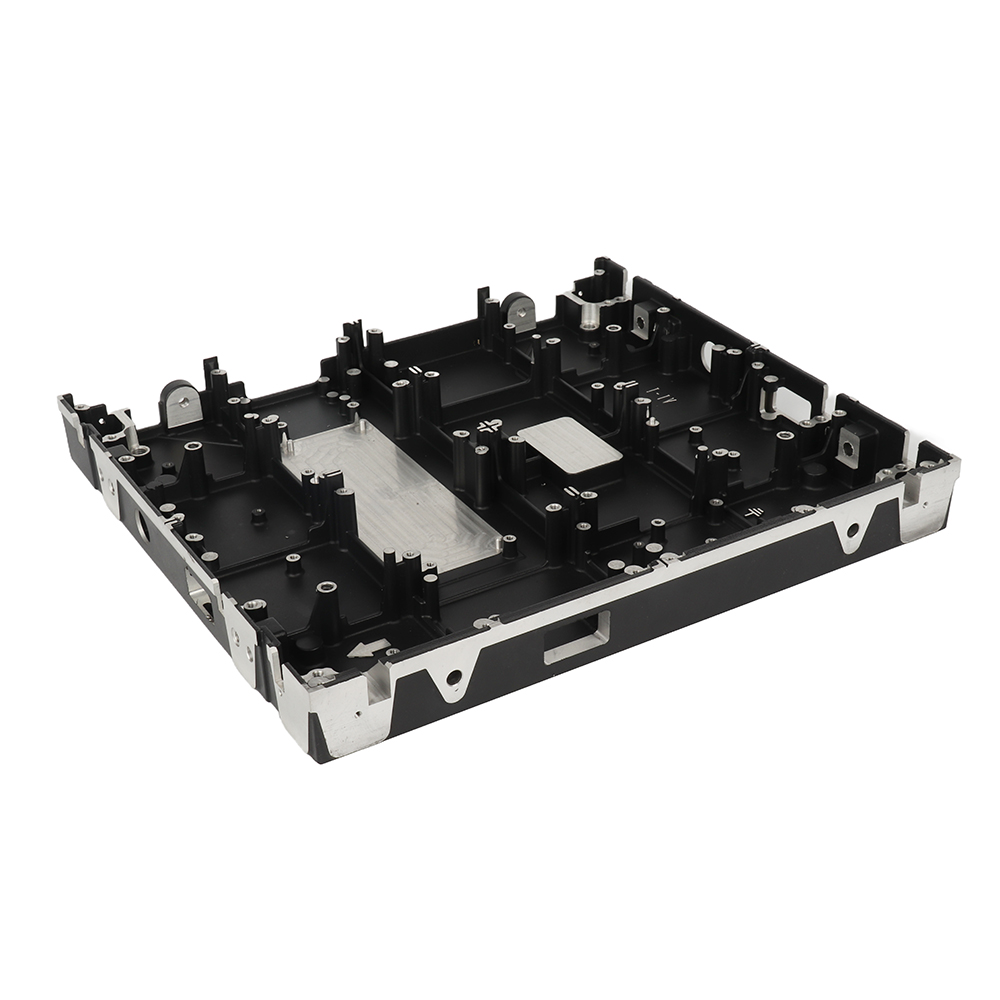
CNC aluminium parts are high-precision industrial components fabricated through computer numerical control (CNC) machining technology, including milling, turning, drilling, tapping and secondary precision finishing.
CNC aluminium parts | What are cnc aluminium parts and how are they manufactured?
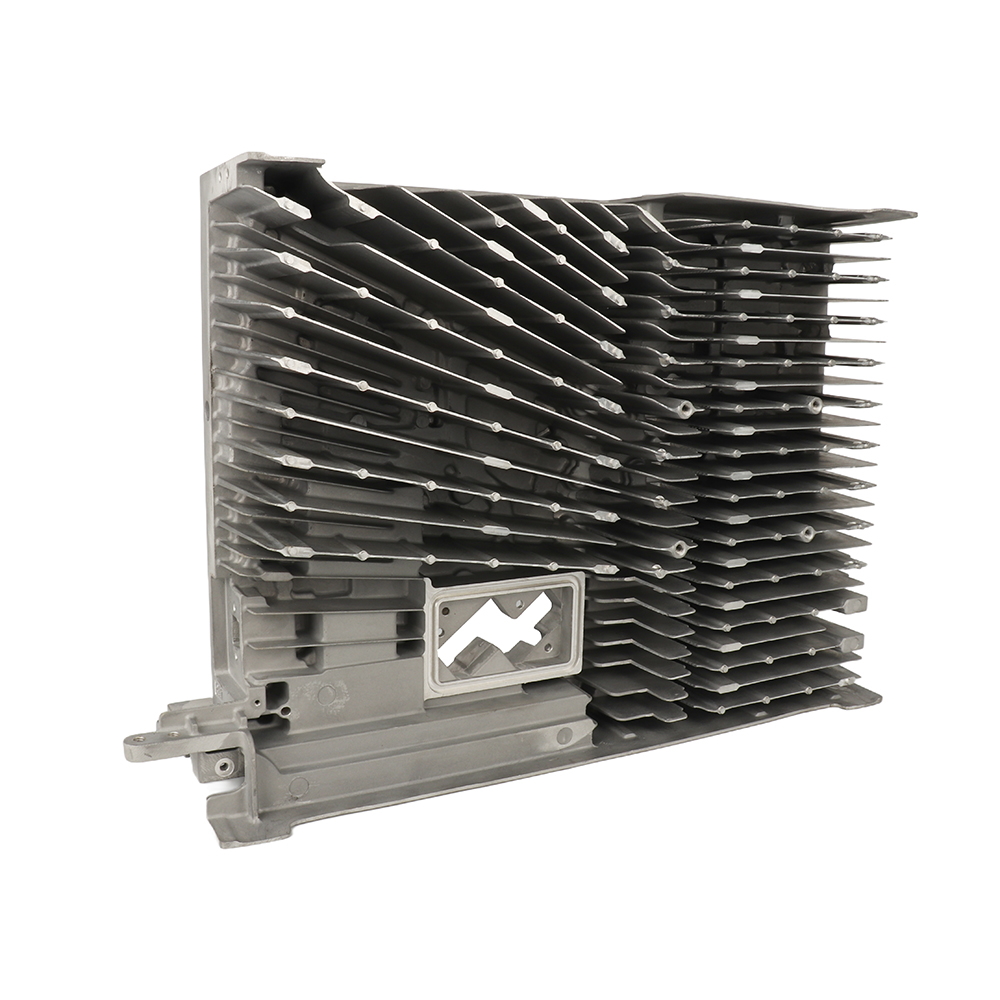
Precision machined aluminum parts refer to customized high-precision metal components manufactured through professional CNC turning, milling, drilling, grinding, die-casting finishing and secondary precision processing.
Precision machined aluminum parts | What are precision machined aluminum parts?Ultimate Guide to ADC12 Custom Components
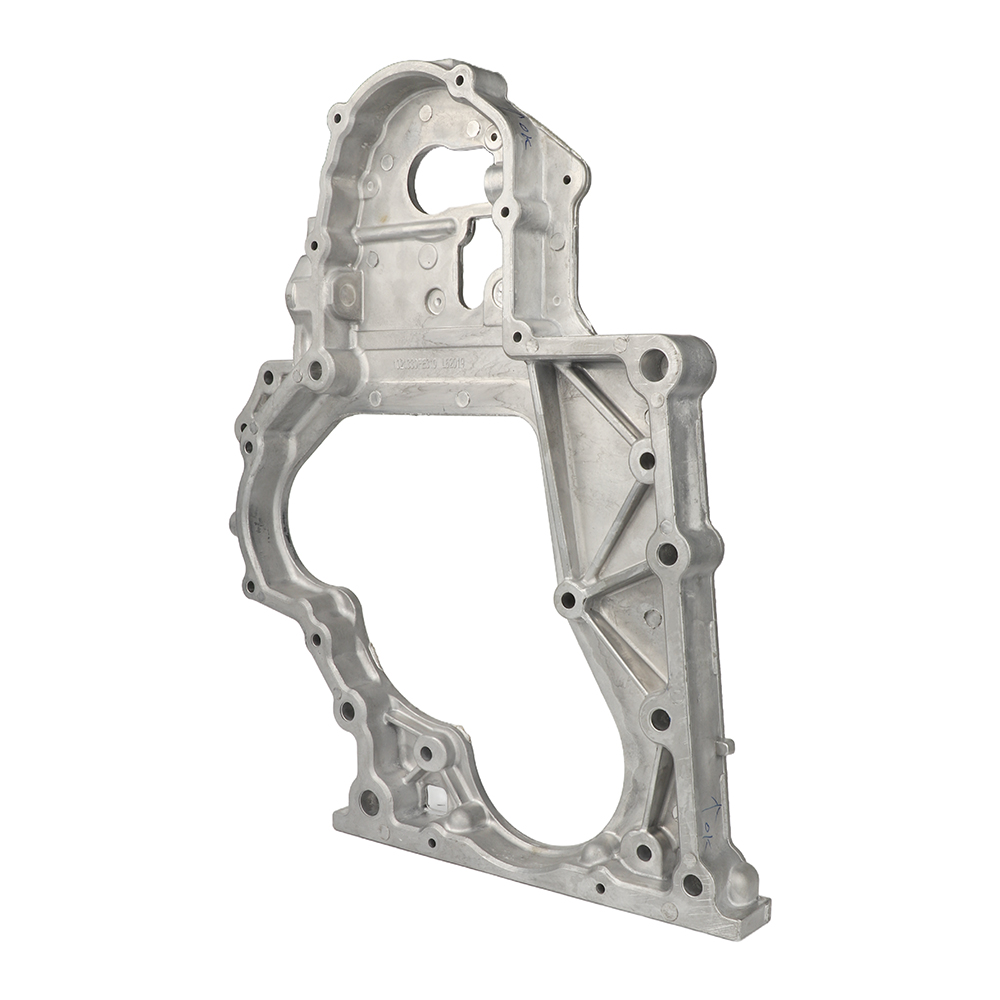
Precision CNC machined automotive engine parts refer to customized high-precision engine core components manufactured through professional CNC milling, turning, drilling, tapping and secondary finishing processes, mainly using ADC12 aluminum alloy as the base material.
Automotive engine parts | What are precision cnc machined automotive engine parts?
Parts machining services refer to professional customized manufacturing solutions that process raw metal and plastic materials into high-precision finished components through subtractive manufacturing technologies such as CNC milling, turning, drilling, grinding, and die-casting finishing.
Parts machining services | What are parts machining services?Complete Guide to Precision Component Processing