HOT PRODUCTS
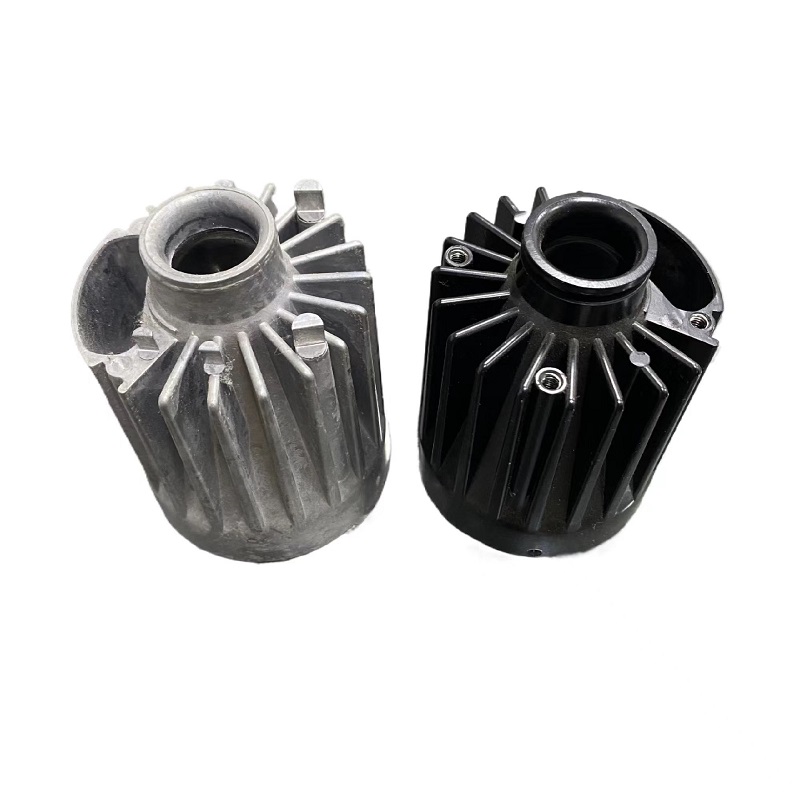
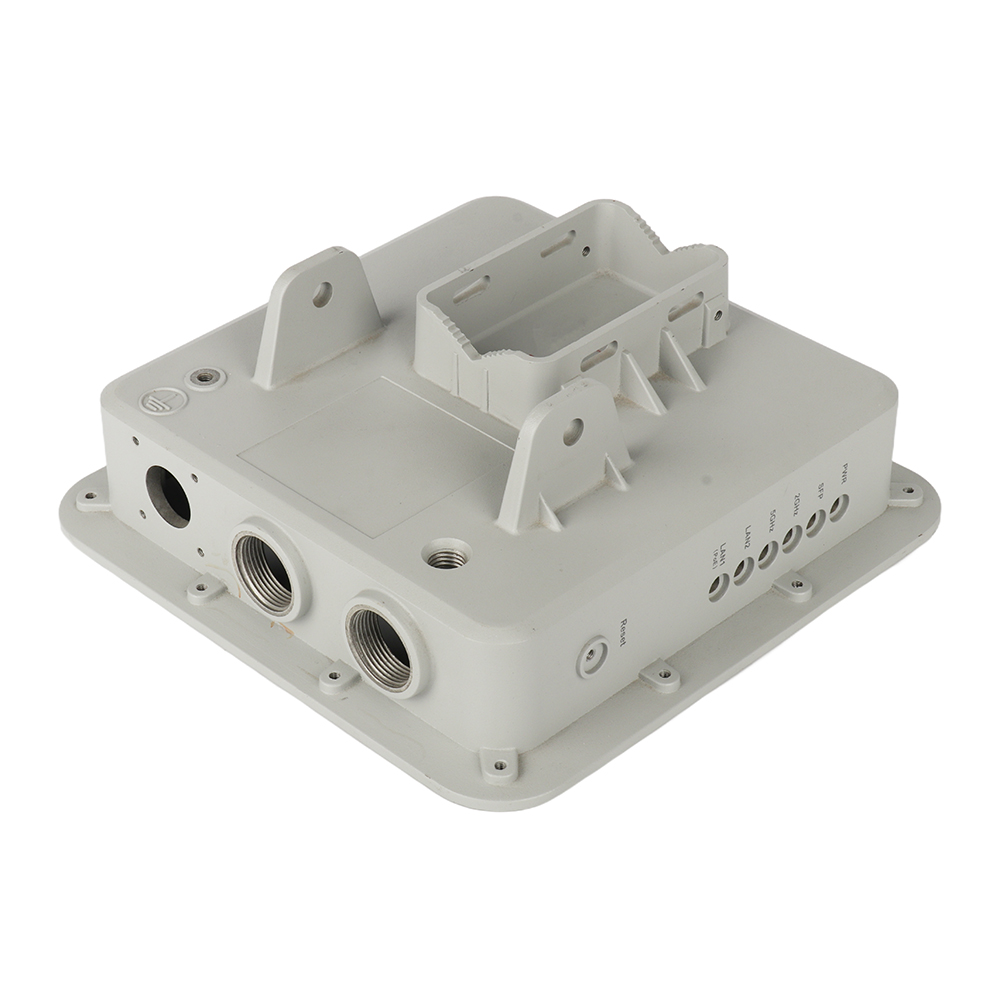
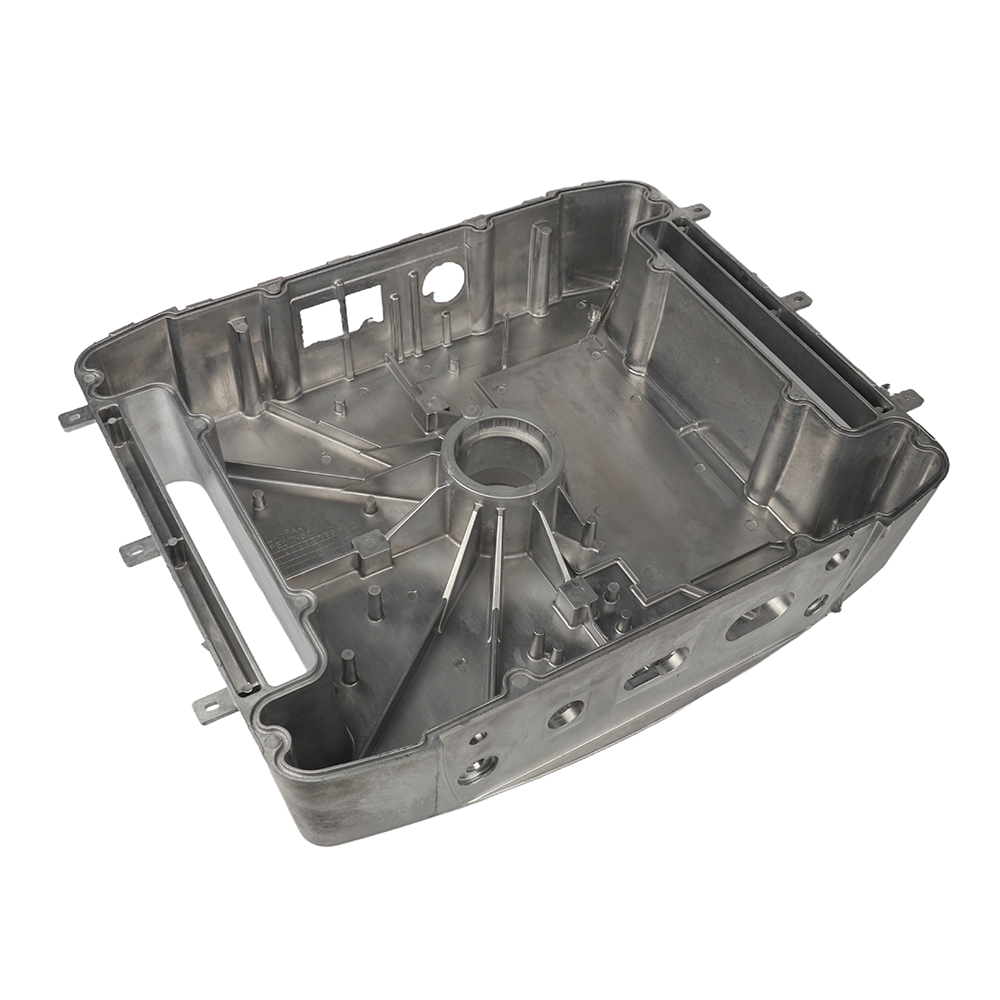
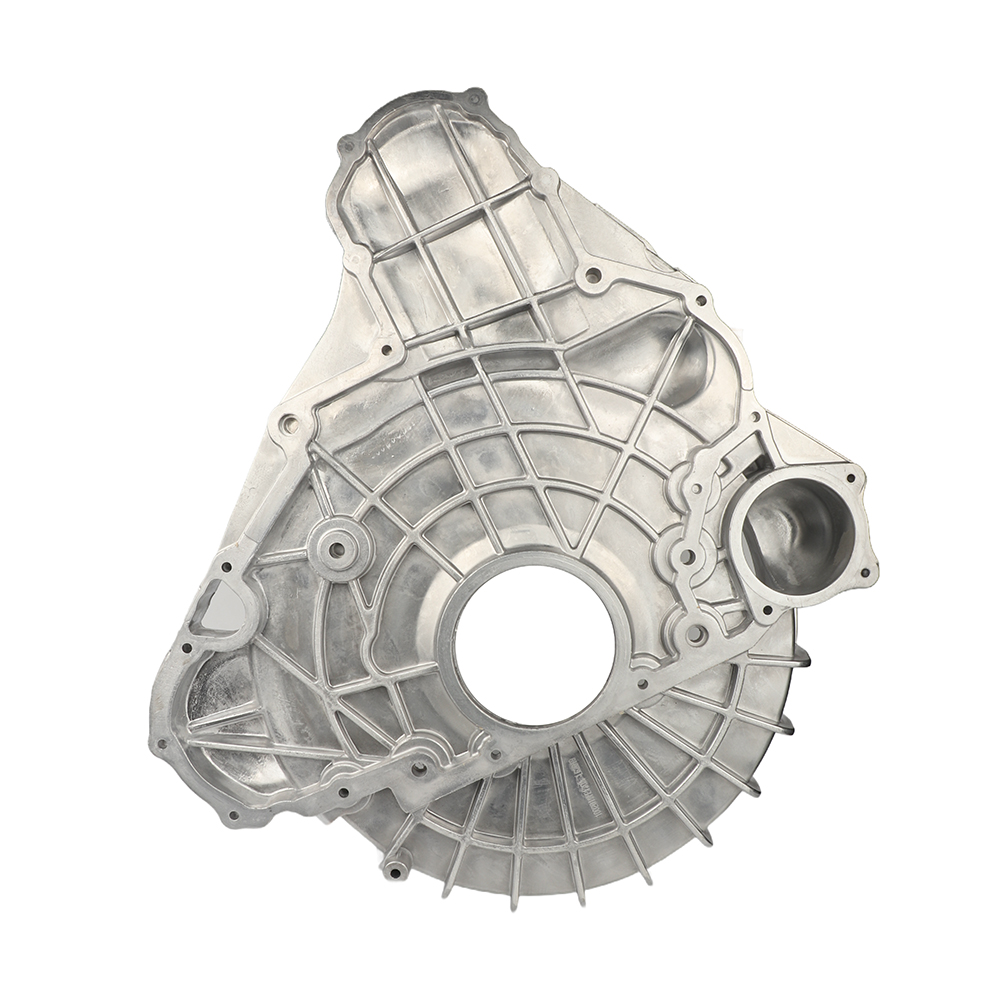
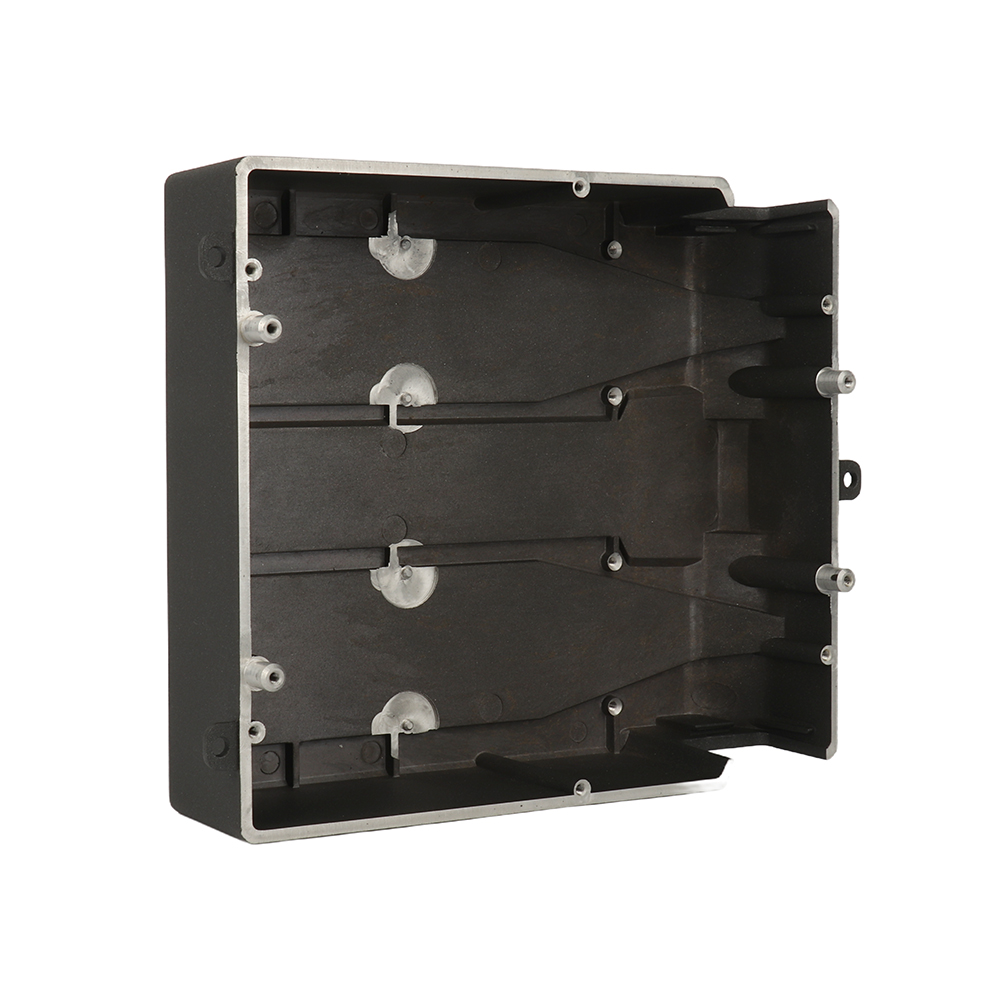
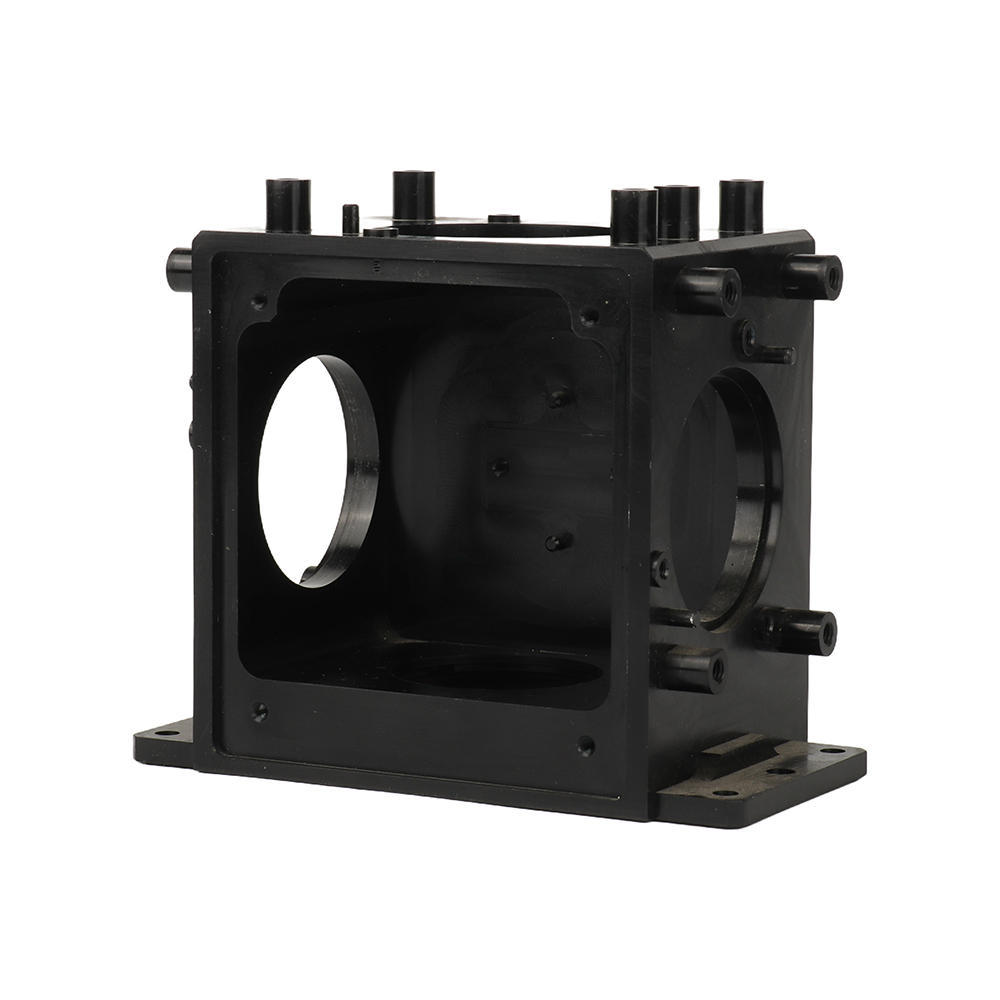
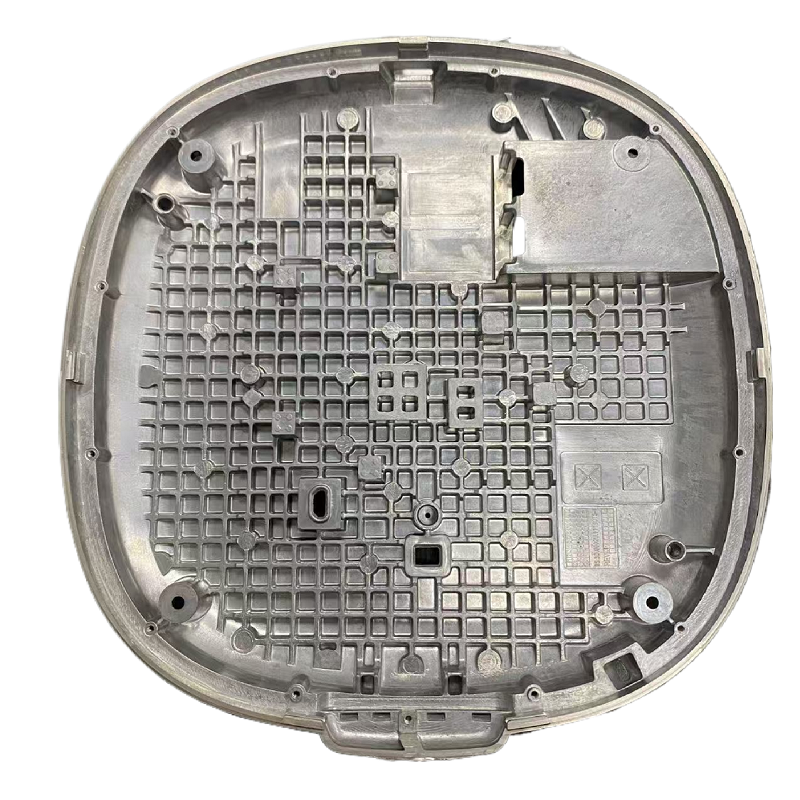
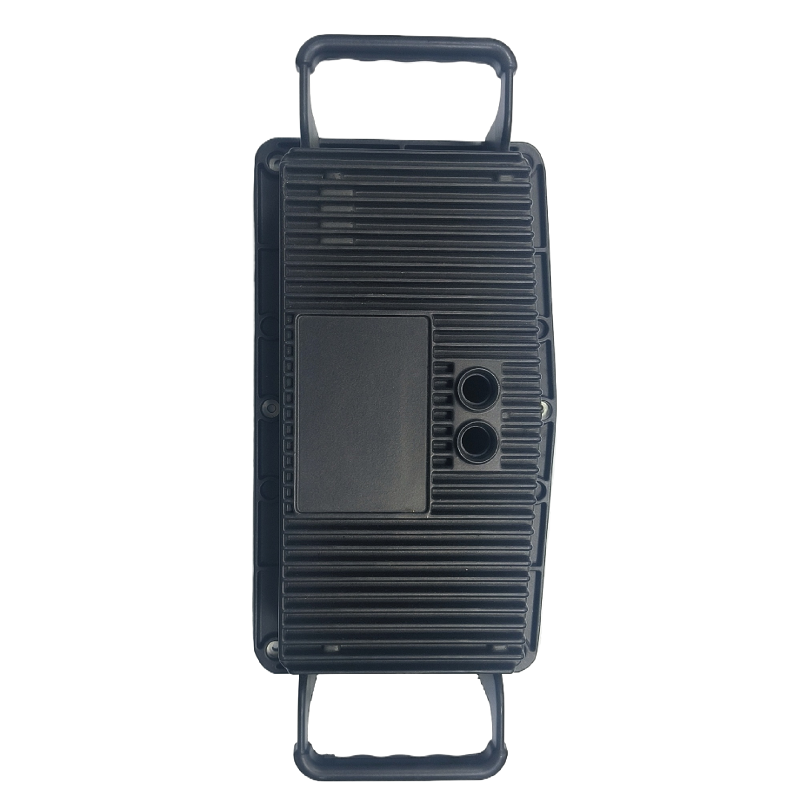
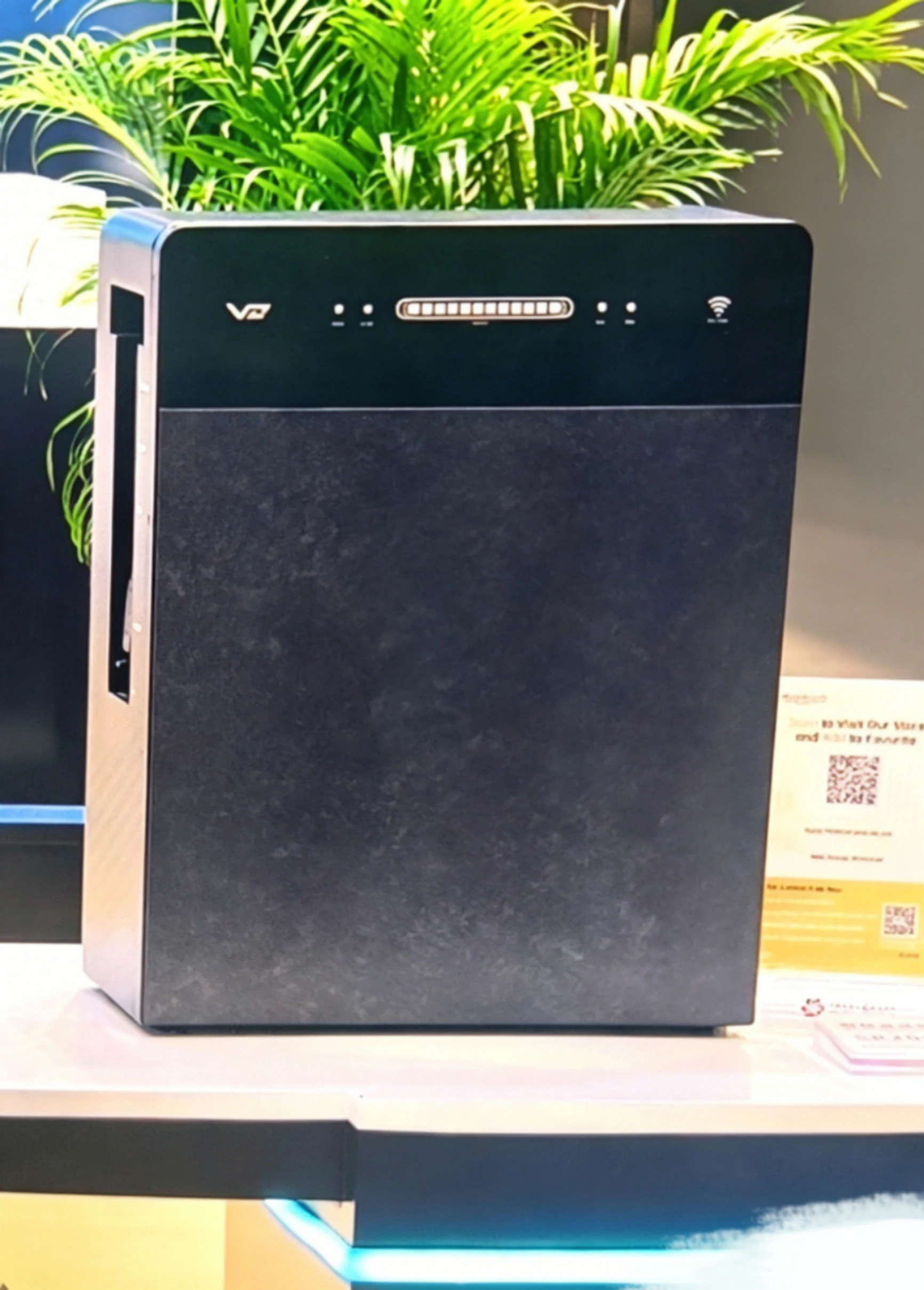
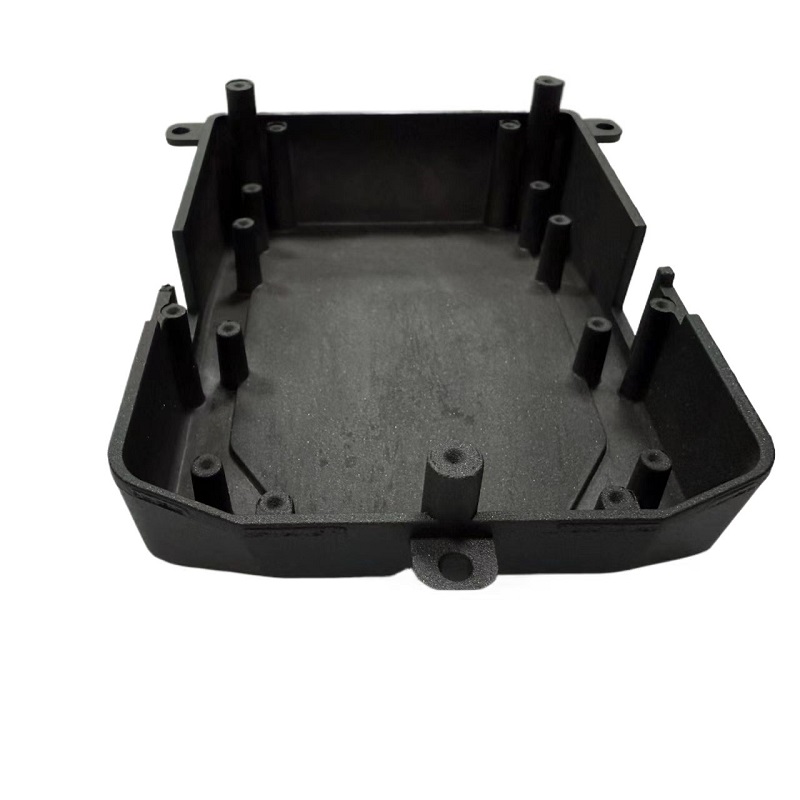
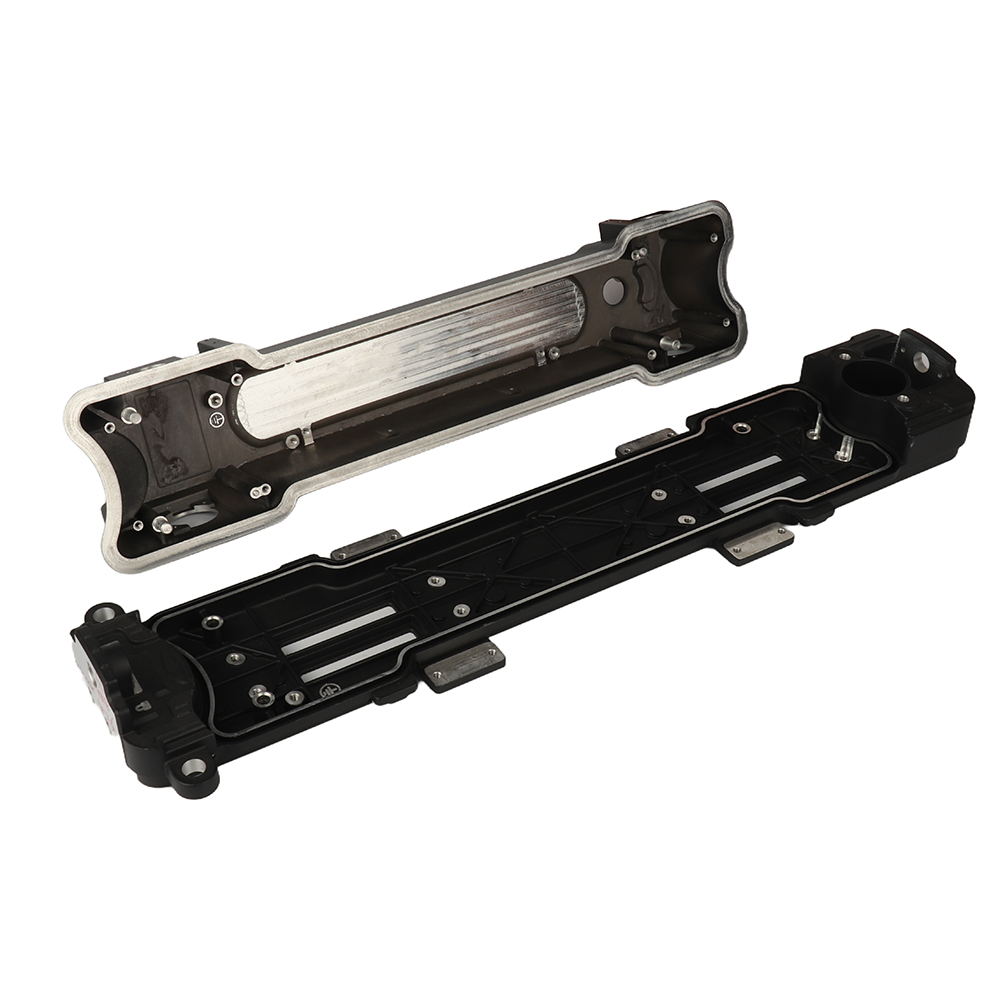
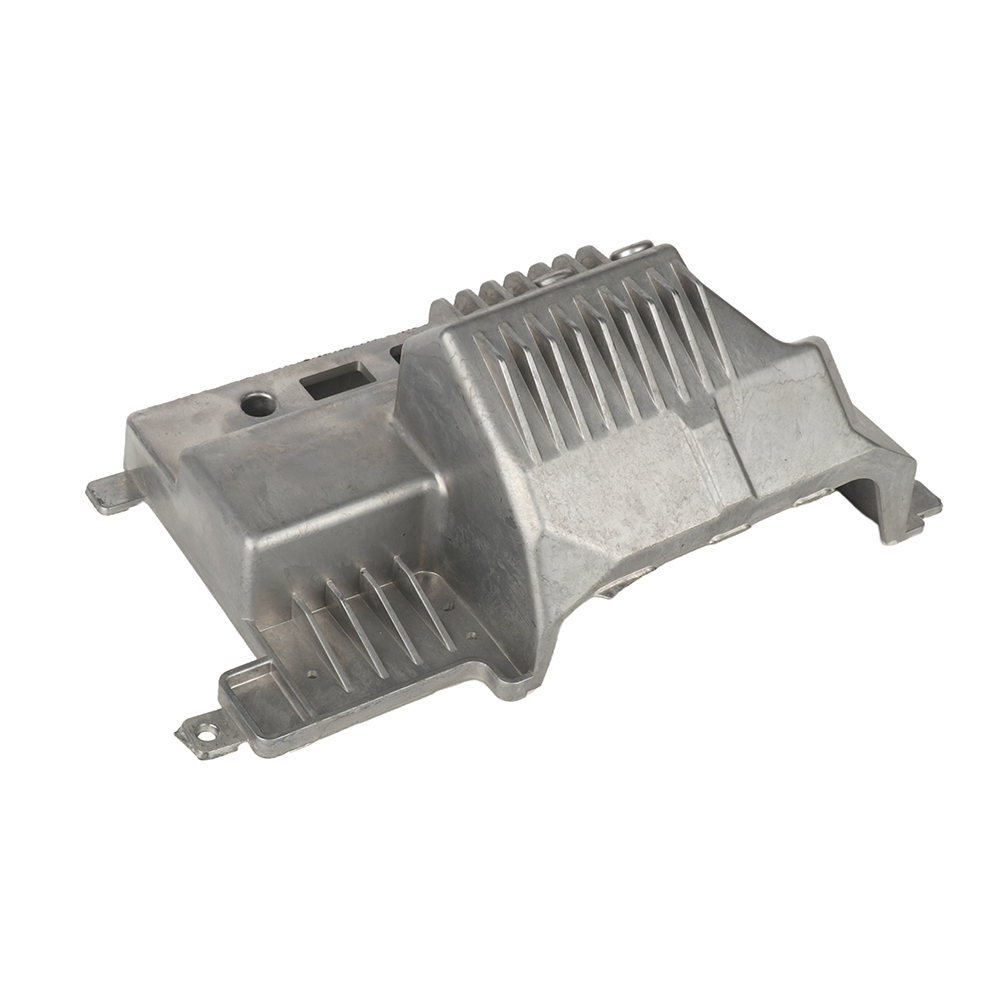
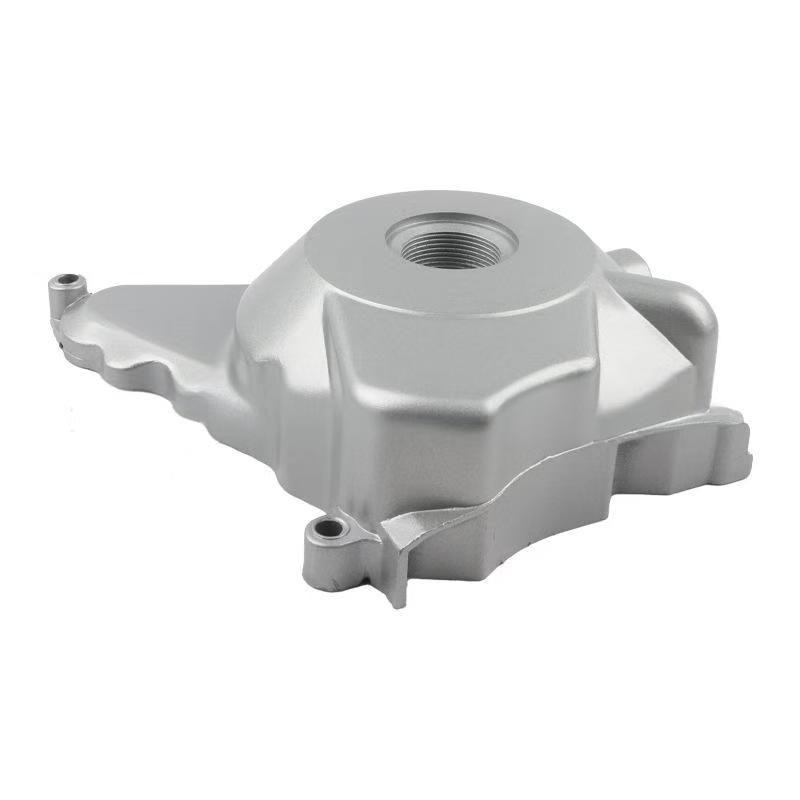
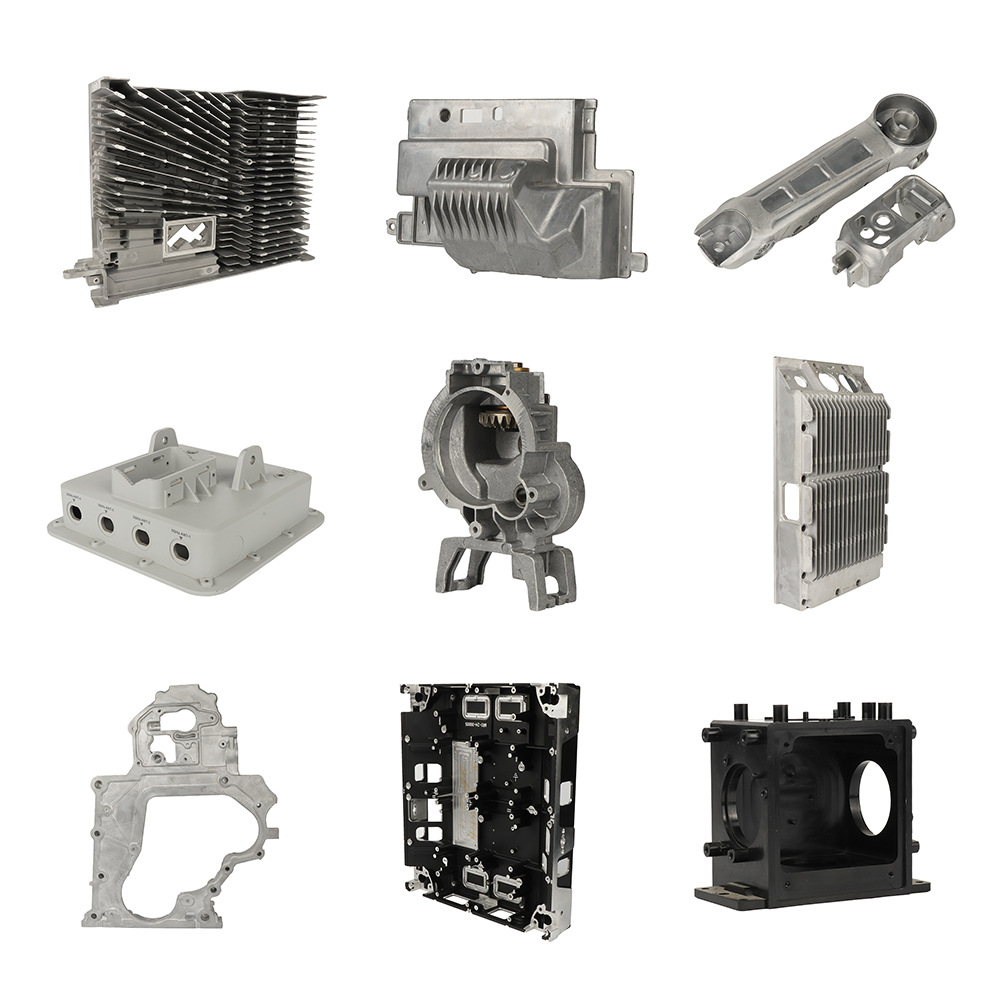
Aluminum automotive parts | What Are Aluminum Automotive Parts?Complete Guide for European & American Automotive Market
What Are Aluminum Automotive Parts? Complete Guide for European & American Automotive Market
1. Overview of Aluminum Automotive Parts
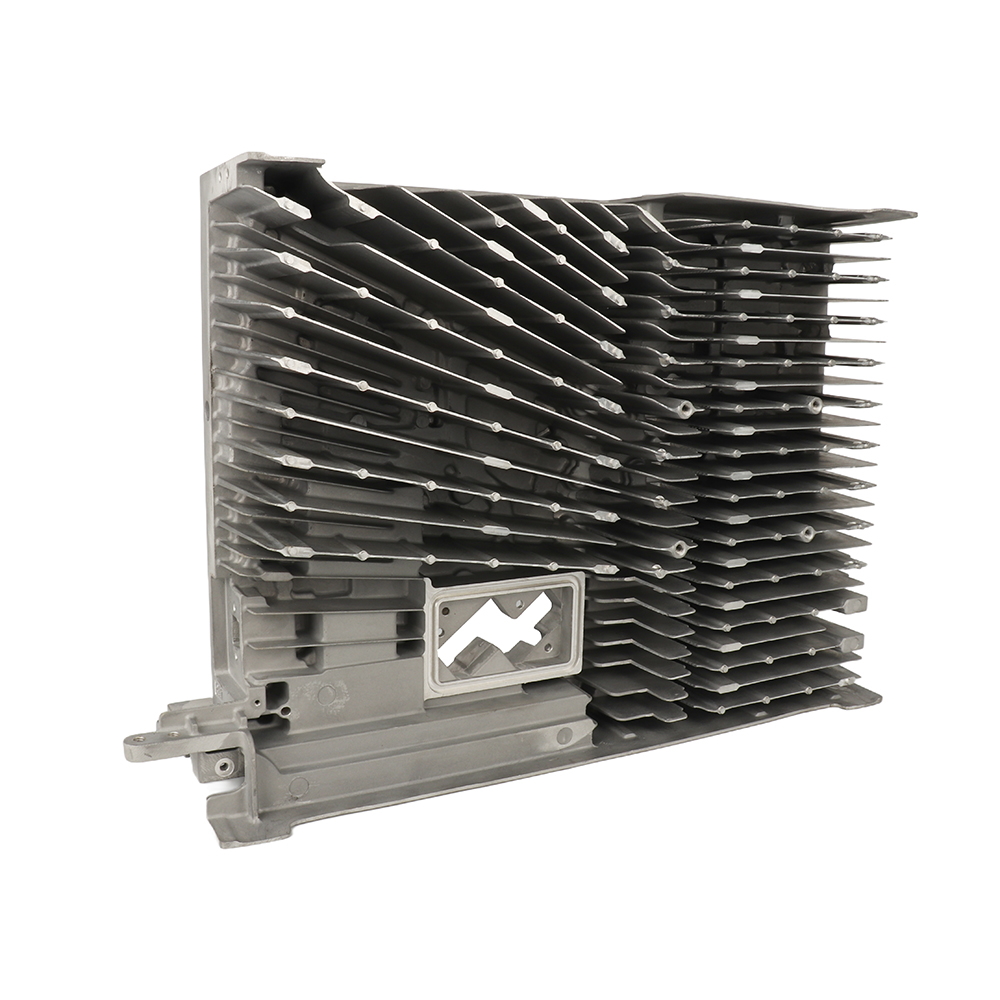
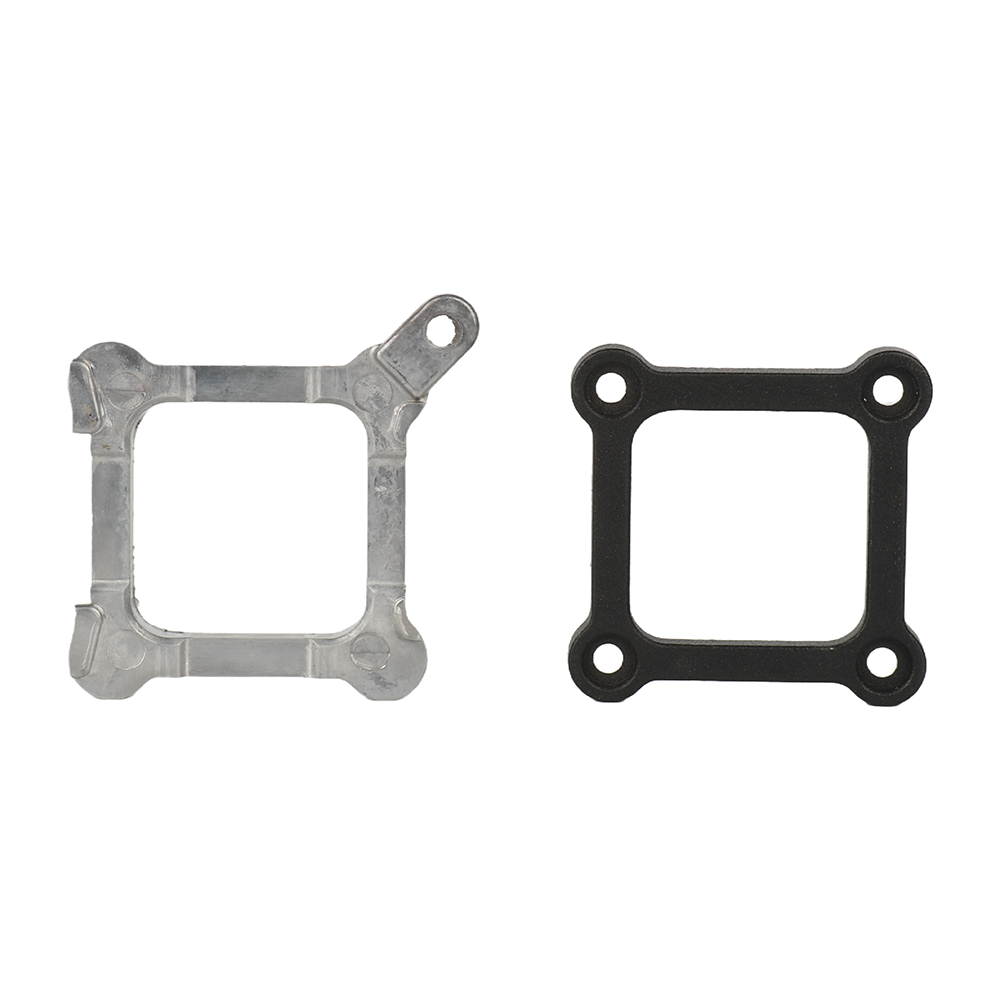
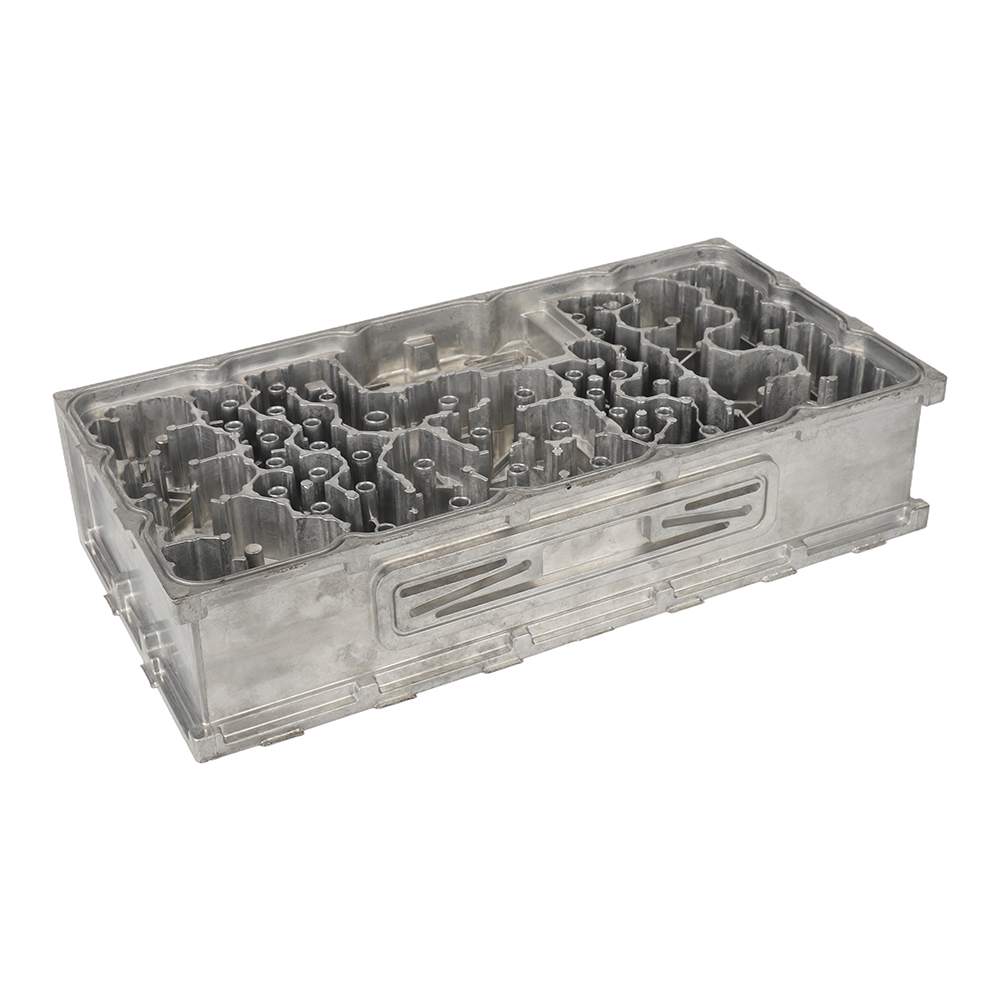
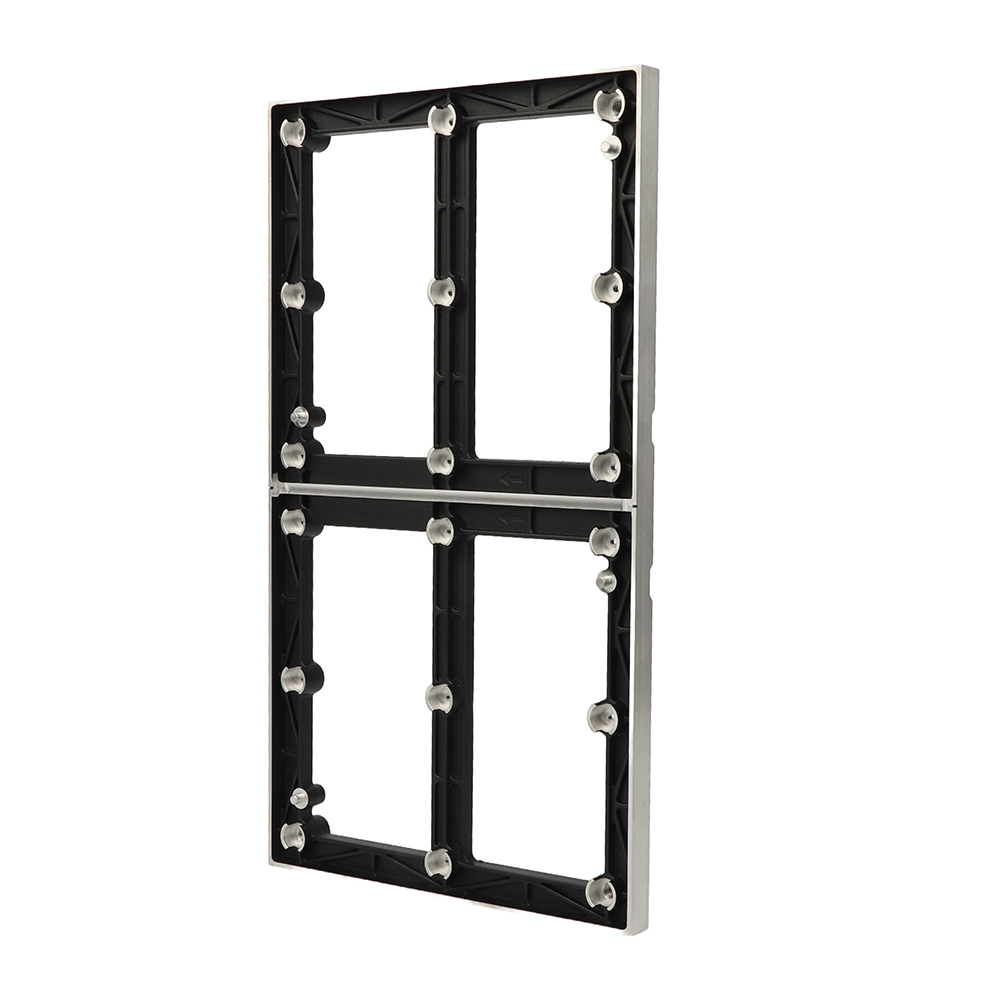
Aluminum automotive parts refer to various precision structural and functional components made of aluminum alloys, widely applied in modern automobile manufacturing. With the global automotive industry accelerating lightweight, energy-saving and low-carbon upgrading, ADC12 aluminum alloy has become the most mainstream material for automotive aluminum parts by virtue of its excellent castability, mechanical stability and cost performance.
Different from traditional steel auto parts, aluminum automotive parts feature light weight, high strength, good heat dissipation and strong corrosion resistance. They can effectively reduce vehicle body weight, lower fuel consumption and carbon emissions, and improve vehicle driving stability and service life, which fully meets the stringent environmental protection and performance standards of European and American automotive markets.

2. Core Classifications & Key Functions of Aluminum Automotive Parts
2.1 Main Classifications
2.1.1 Automotive Power System Parts
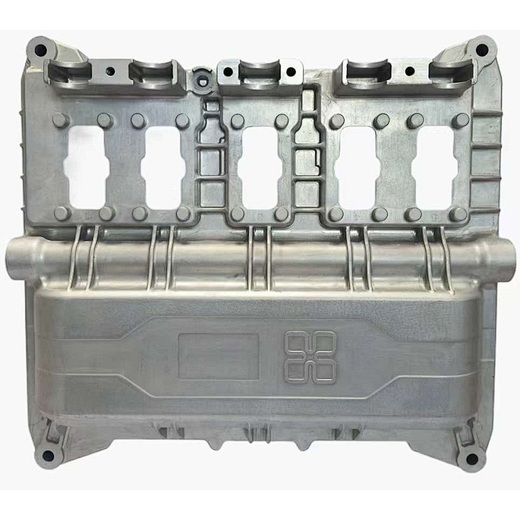
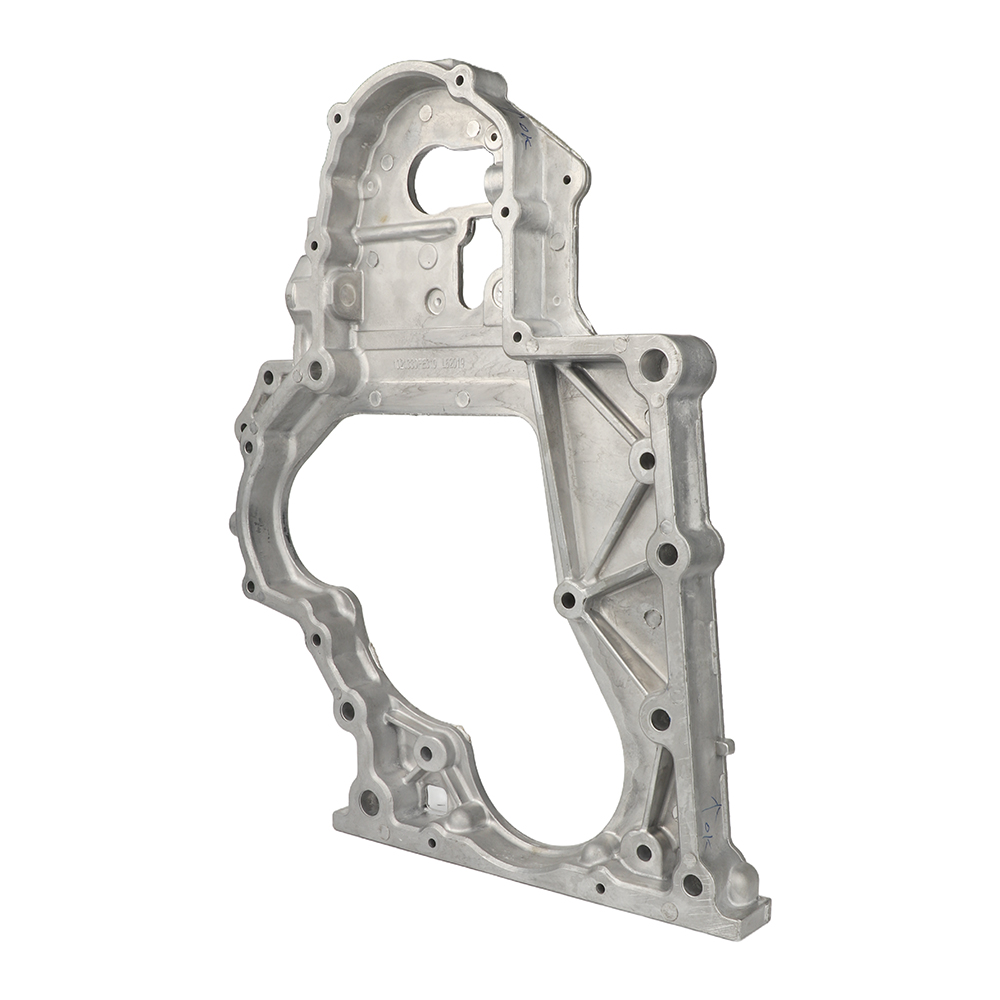
Including engine housings, transmission shells, motor brackets and cylinder heads. These core bearing parts require high dimensional accuracy and structural stability, and ADC12 die-cast aluminum parts can perfectly adapt to high-temperature and high-pressure working environments.
2.1.2 Automotive Chassis Structural Parts
Covering suspension brackets, steering system accessories and wheel hub structural frames. Such parts bear vehicle load and vibration impact, requiring balanced toughness and hardness to ensure driving safety.
2.1.3 New Energy Vehicle Special Parts
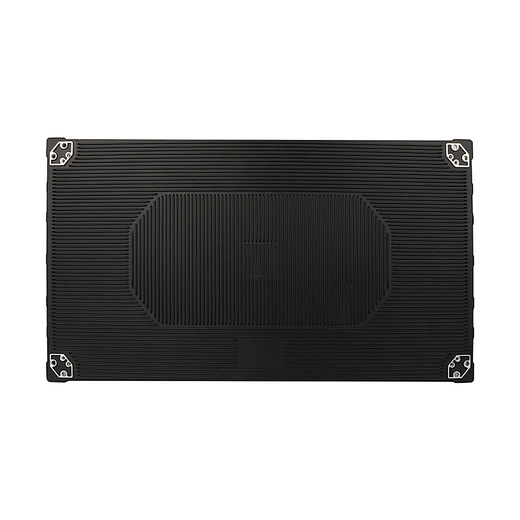
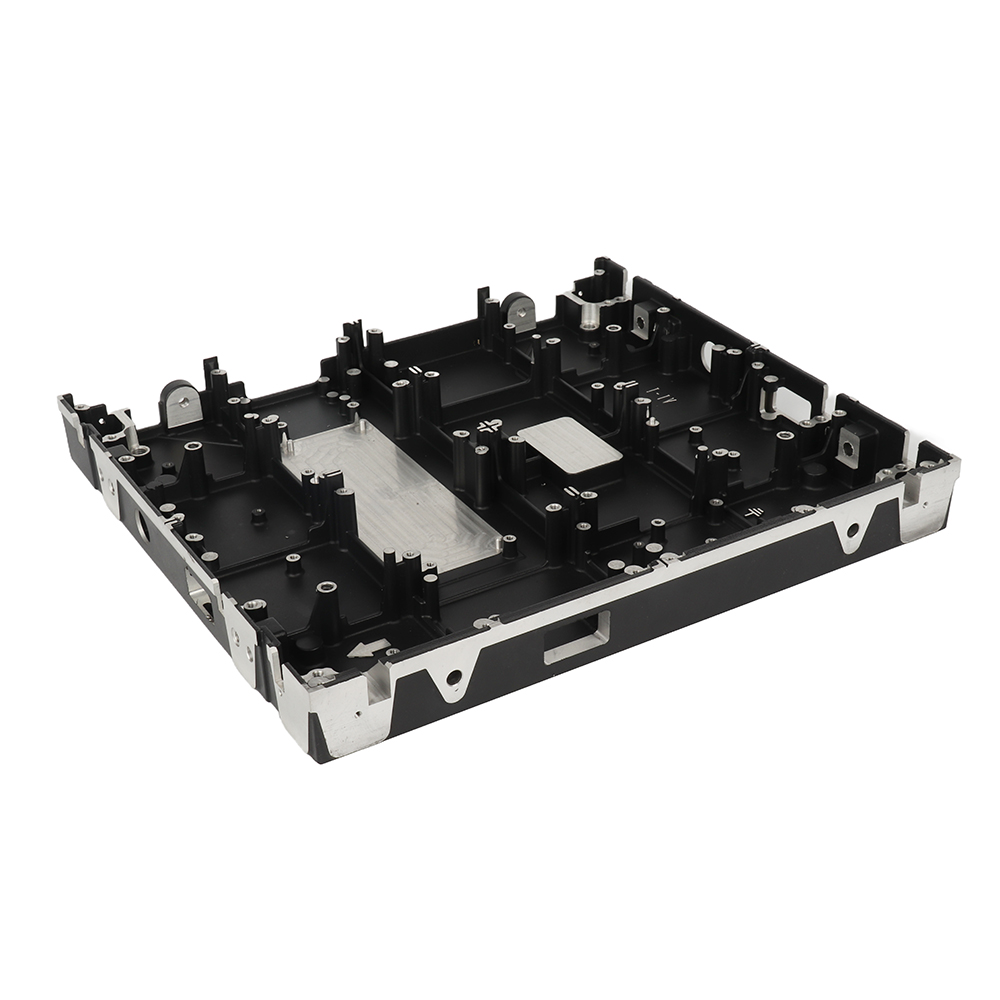
Including battery tray shells, heat dissipation modules and electric control box housings. It is the key lightweight component for new energy vehicles, solving the heat dissipation and weight reduction pain points of new energy vehicles.
2.1.4 Automotive Exterior & Interior Precision Parts
Such as automotive door structural frames, instrument panel brackets and decorative die-cast parts, focusing on surface finish and assembly accuracy.
2.2 Core Functions of Aluminum Automotive Parts
- Vehicle Lightweight & Energy Saving: Aluminum alloy density is only 1/3 of steel, reducing overall vehicle weight by 20%-30%, effectively reducing fuel consumption and improving new energy vehicle cruising range.
- Efficient Heat Dissipation: Excellent thermal conductivity ensures stable heat dissipation of engine, motor and battery systems, avoiding equipment overheating failure.
- Corrosion & Vibration Resistance: Adapt to complex road and weather environments in Europe and America, resist oxidation and corrosion, and reduce parts wear caused by driving vibration.
- High-Precision Assembly Matching: Meet the ultra-high assembly tolerance standards of European and American mainstream auto brands, ensuring zero-gap matching of vehicle components.
3. General Processing Parameter Table for ADC12 Aluminum Automotive Parts
The following are standardized die-casting and precision machining parameters for ADC12 aluminum automotive parts, which comply with ISO 8062 international automotive industry standards and are applicable to mass production of various automotive aluminum structural parts in European and American markets:
| Parameter Item | Standard Value Range | Rough Machining Parameter | Finish Machining Parameter | Industry Remarks |
|---|---|---|---|---|
| Spindle Speed (rpm) | 6000-12000 | 6000-8000 | 10000-12000 | Adapt to ADC12 low-hardness characteristics, avoid tool adhesion |
| Feed Rate (mm/min) | 800-2500 | 1800-2500 | 800-1500 | Reduce feed rate for thin-wall automotive parts to prevent deformation |
| Cutting Depth (mm) | 0.1-0.8 | 0.4-0.8 | 0.1-0.3 | Ensure dimensional stability of automotive precision parts |
| Die-Casting Mold Temperature (℃) | 180-220 | 180-200 | 200-220 | Optimize surface finish and reduce internal porosity |
| Injection Pressure (MPa) | 80-120 | 80-100 | 100-120 | Suitable for complex automotive structural die-casting |
| Processing Tolerance | ±0.005mm~±0.01mm | ±0.01mm | ±0.005mm | Meet European and American auto OEM precision standards |
| Surface Roughness (Ra) | Ra 0.8~Ra 3.2 | Ra 3.2 | Ra 0.8 | Support subsequent anodization and surface treatment |
| Tensile Strength (MPa) | ≥200 | 200-220 | 220-240 | Comply with automotive mechanical performance requirements |
4. Main Application Scenarios in European & American Automotive Market
4.1 European Automotive Market Application Fields
4.1.1 Luxury Fuel Vehicle Manufacturing
European luxury car brands such as BMW, Mercedes-Benz and Audi widely adopt ADC12 aluminum precision parts in engine systems and chassis components. The lightweight design effectively improves vehicle handling performance and driving comfort, meeting Europe's strict fuel emission standards.
4.1.2 European New Energy Commercial Vehicles
In European electric buses and new energy logistics vehicles, aluminum alloy battery trays and heat dissipation modules are standard configurations, which adapt to the long-distance driving and high-load operation needs of commercial vehicles.
4.2 American Automotive Market Application Fields
4.2.1 Full-Size SUV & Pickup Trucks
American mainstream models such as Ford and Chevrolet use aluminum automotive parts for body structural frames and suspension accessories. While ensuring load-bearing capacity, they reduce vehicle energy consumption and comply with US federal energy conservation regulations.
4.2.2 Intelligent Electric Vehicle Manufacturing
US new energy vehicle brands take aluminum alloy precision die-cast parts as the core lightweight solution for body and electric control systems, promoting the iteration of intelligent vehicle lightweight technology.
5. Market Price & Core Advantages in European & American Automotive Industry
5.1 Current Market Price Situation
In the European and American markets, the price of ADC12 aluminum automotive parts is affected by processing precision, batch quantity and surface treatment process. The unit price of small-batch customized parts ranges from $3.5 to $8 per piece; the unit price of medium and large-batch standardized mass-produced parts is $1.8 to $3.2 per piece. High-precision automotive core components with strict tolerance standards are priced at $5 to $12 per piece.
Compared with traditional steel parts, aluminum automotive parts have a slightly higher unit processing price, but they have obvious cost advantages in long-term vehicle operation and maintenance, and are more favored by European and American auto manufacturers.
5.2 Core Competitive Advantages in European & American Markets
- Strict Compliance with Regional Standards: ADC12 aluminum parts processed by standardized technology fully meet EU CE certification and US automotive safety standards, with zero compliance risk for market entry.
- Superior Lightweight Energy-Saving Effect: Help European and American automakers reduce vehicle carbon emissions, meet regional carbon neutrality policies, and obtain environmental protection policy subsidies.
- Long Service Life & Low Maintenance Cost: Good corrosion and wear resistance reduces vehicle parts replacement frequency, effectively lowering the after-sales maintenance cost of European and American car companies.
- Mature Batch Supply Capacity: Suitable for large-scale OEM supporting production of European and American auto brands, with stable product consistency and short delivery cycle.
6. Common Problems & Solutions in the Use of Aluminum Automotive Parts
6.1 Common Practical Problems
6.1.1 Surface Oxidation & Corrosion
Long-term exposure to humid and rainy environments in Europe and America may cause surface oxidation of aluminum parts, affecting appearance and partial performance.
6.1.2 Thin-Wall Part Deformation
Automotive thin-wall aluminum structural parts are prone to slight deformation during high-load driving and long-term vibration, affecting assembly accuracy.
6.1.3 Tool Adhesion & Poor Surface Finish
ADC12 aluminum alloy has high fluidity, and improper processing parameters may lead to tool adhesion, resulting in unqualified surface finish of parts.
6.1.4 Dimensional Tolerance Deviation in Batch Production
Unstable processing technology will cause inconsistent dimensional accuracy of batch parts, affecting overall vehicle assembly efficiency.
6.2 Professional Solutions
- Anti-Corrosion Treatment: Adopt anodization and sandblasting composite surface treatment technology to form a protective film on the part surface, adapting to complex European and American climatic environments.
- Optimized Processing Technology: Use one-time clamping integrated precision machining to reduce part deformation caused by repeated positioning and processing.
- Specialized Processing Parameters: Match aluminum-specific anti-stick tools and oil mist cooling technology to avoid tool adhesion and ensure mirror-level surface finish.
- Full Inspection Quality Control: Conduct full dimensional inspection via three-coordinate measuring instruments to ensure batch part tolerance consistency.
7. Industry Expert Viewpoints on Automotive Aluminum Alloy Application
Aluminum alloy lightweight parts have become the mandatory supporting components for modern European and American automobiles “With the continuous upgrading of global automotive energy-saving and emission-reduction standards, traditional steel parts can no longer meet the lightweight needs of new energy and luxury fuel vehicles. ADC12 aluminum die-cast parts have become the preferred material for automotive structural parts in European and American markets due to their balanced performance and cost advantages. In the next five years, the aluminum alloy penetration rate in European and American automobile manufacturing will exceed 65%. High-precision integrated processing technology will further reduce the comprehensive production cost of aluminum automotive parts.”
— Dr. Jason Smith, Senior Expert of European Automotive Lightweight Technology Research Institute
“The core competition of automotive aluminum parts in European and American markets lies in processing precision and batch stability. Many small and medium-sized processing factories have problems such as unstable tolerance and high rework rate. Only manufacturers with mature die-casting, precision machining and one-stop surface treatment capabilities can long-term support OEM orders of European and American auto brands.”
— Li Wei, Automotive Precision Manufacturing Process Expert of China Non-Ferrous Metal Processing Association
8. Introduction to Xinghang Precision Hardware
Xinghang Precision Hardware, established in 2017, has always been committed to providing global customers with high-quality precision hardware manufacturing solutions. Located in Dongguan, a core manufacturing hub in China, the company owns a modern factory covering a total area of 9,410 square meters.
It is a professional high-tech manufacturing enterprise integrating R&D design, mold manufacturing, aluminum-zinc-magnesium alloy die-casting, precision CNC machining, surface treatment and assembly. The company focuses on the R&D and mass production of ADC12 aluminum automotive parts, with mature processing technology for automotive power system parts, chassis structural parts and new energy vehicle aluminum components.
After years of technical accumulation, the company has passed ISO 9001 quality management system certification, and all products comply with European CE and US automotive industry standards. It has long-term supporting experience in serving European and American auto parts purchasers, providing one-stop customized processing services from drawing evaluation, sample trial production to batch mass production.
9. How to Select a Qualified Aluminum Automotive Parts Supplier
9.1 Core Selection Standards
- Professional Material Processing Experience: Prioritize manufacturers with long-term ADC12 aluminum automotive parts processing experience and rich European and American market supporting cases.
- Complete Technical Chain Capabilities: Integrate mold development, die-casting, precision machining and surface treatment to avoid quality differences caused by multi-process outsourcing.
- Strict Quality Inspection System: Equipped with professional precision testing equipment to ensure that product tolerance, surface finish and mechanical properties meet international automotive standards.
- Stable Batch Delivery Capacity: Have standardized production lines to meet large-batch order demands of European and American auto markets with guaranteed delivery cycle.
- Transparent Quotation & After-Sales Service: Clear pricing mechanism, perfect after-sales guarantee and flexible batch discount policies.
9.2 Why Choose Xinghang Precision Hardware
- Professional focusing on aluminum alloy automotive parts processing for many years, familiar with European and American automotive market access standards;
- Complete one-stop industrial chain from R&D, die-casting, precision machining to surface treatment;
- Stable batch production quality with product rework rate controlled below 1%;
- Flexible customized services and super favorable batch order discount policies.
10. Batch Order Discount Policy of Xinghang Precision Hardware
To support long-term cooperative customers in European and American automotive markets and reduce procurement costs, Xinghang Precision Hardware launches progressive batch discount policy — the more you order, the more favorable the price:
- Small Batch Order (1-499 pcs): Original quotation, free conventional full-item quality inspection, basic packaging service;
- Medium Batch Order (500-1999 pcs): 5%-10% exclusive discount, free customized export packaging, priority production arrangement;
- Large Batch Order (≥2000 pcs): 10%-15% super discount, free door-to-door delivery, complete product quality inspection report;
- Long-Term Monthly Cooperative Orders: Negotiable exclusive lowest factory price, dedicated project manager one-on-one docking, priority delivery and after-sales service.
All discount policies are guaranteed by formal contracts, ensuring transparent and reliable customer benefits.
11. Industry Summary & Future Development Trends
11.1 Industry Summary
ADC12 aluminum automotive parts have become indispensable core components in modern automobile manufacturing, especially in European and American high-end fuel vehicles and new energy vehicles. They have irreplaceable advantages in lightweight energy saving, heat dissipation stability and safety improvement. With the upgrading of global automotive environmental protection standards, aluminum alloy parts will gradually replace traditional steel parts in most automotive structural fields. Choosing a professional and standardized precision processing supplier is the key to ensuring product quality and market competitiveness.
11.2 Future Development Trends
- Further Popularization of Lightweight Technology: The aluminum alloy application ratio in automobiles will continue to rise, and ultra-thin-wall and high-strength aluminum parts will become the mainstream;
- Intelligent & Precision Manufacturing Upgrading: Automated production and on-machine real-time detection technology will be widely used to improve batch product consistency;
- New Energy Market Demand Explosion: Driven by the rapid development of European and American new energy vehicles, the market demand for aluminum automotive structural parts will grow steadily;
- Green & Low-Carbon Processing: Environmental protection die-casting and low-energy-consumption precision machining technology will become the industry standard;
- Standardized International Matching: Product parameters and processing standards will be more unified, further adapting to global automotive OEM supporting systems.
12. FAQ About ADC12 Aluminum Automotive Parts
12.1 Are ADC12 aluminum automotive parts suitable for all European and American vehicle models?
Answer: Yes. ADC12 aluminum alloy has stable comprehensive performance, and its processing parameters fully comply with European CE and US automotive safety standards. It is widely applicable to European luxury fuel vehicles, American SUVs, new energy electric vehicles and commercial vehicles.
12.2 What is the maximum precision tolerance of your aluminum automotive parts?
Answer: Our professional 5-axis CNC precision machining equipment stably achieves ±0.005mm ultra-high dimensional tolerance, fully meeting the ultra-precision assembly requirements of high-end automotive parts in European and American markets.
12.3 Can you provide sample trial production before batch orders?
Answer: Yes. We provide free drawing evaluation, paid sample trial production services, and start formal mass production only after customers confirm sample quality. We will provide complete trial production quality reports and parameter documents.
12.4 What surface treatment processes can be matched?
Answer: We support anodization, sandblasting, powder spraying, passivation and other surface treatments, which can effectively improve the corrosion resistance and appearance grade of parts, meeting the outdoor use standards of European and American vehicles.
12.5 What is your delivery cycle for batch orders?
Answer: Conventional small-batch orders are delivered within 7-10 working days; medium and large-batch mass production orders have stable cycle of 15-20 working days, and we support urgent order customized production.
13. Contact Us
Welcome global automotive parts purchasers and auto manufacturing enterprises in Europe and America to consult ADC12 aluminum automotive parts customization, die-casting processing, precision machining and batch order cooperation. We provide one-stop professional manufacturing solutions and super favorable batch discount policies:
- Phone / WhatsApp / WeChat: +86 18819502691
- Official Business Email: liqine@xinghangcn.com
- Core Service Scope: Custom processing of various ADC12 aluminum automotive parts, new energy vehicle precision hardware, die-casting finishing and OEM batch production
We sincerely look forward to establishing long-term stable strategic cooperative relations with global automotive industry customers!
Aluminum power box | What is a CNC machined aluminum power box?Full Guide
LED display solutions | How can LED Display Solutions benefit your project?
Related Article