
Home /News /Die casting /Magnesium die casting | What are magnesium alloy die-cast parts? Benefits, Comparisons & Top Supplier Guide /
HOT PRODUCTS
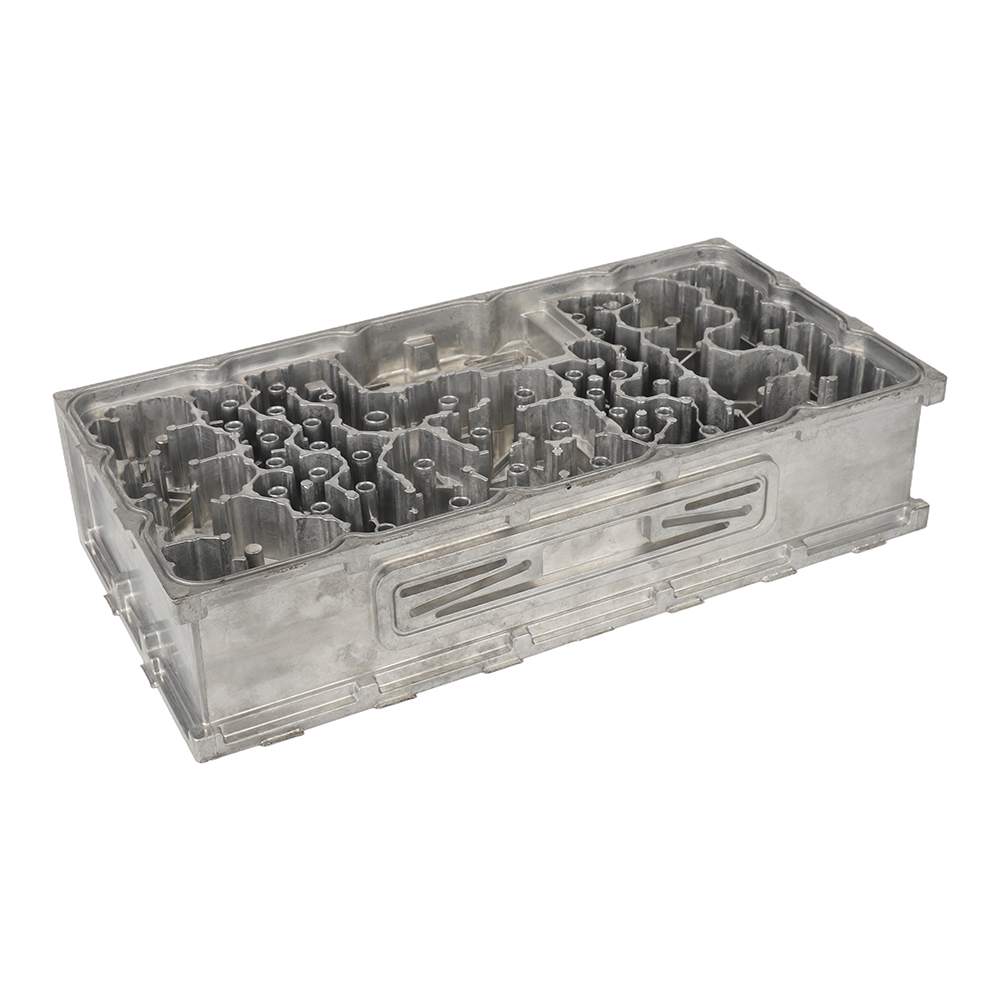
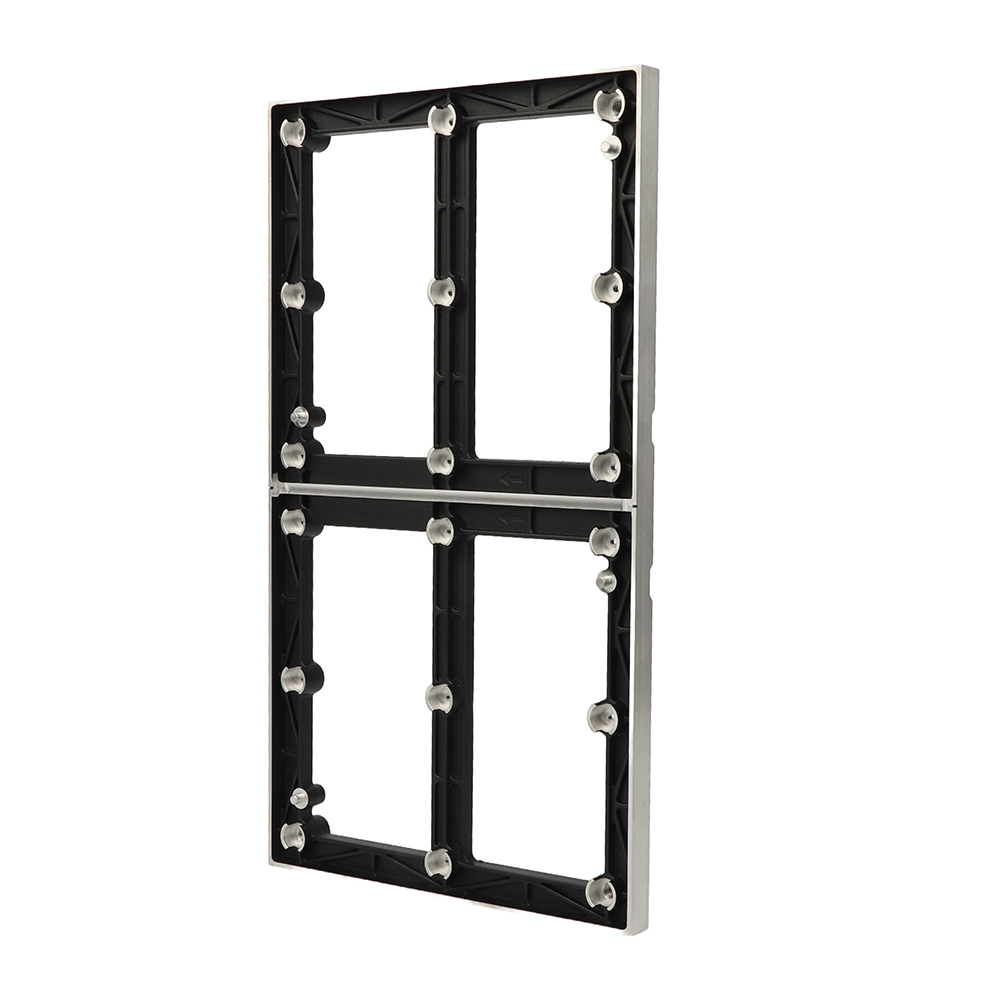
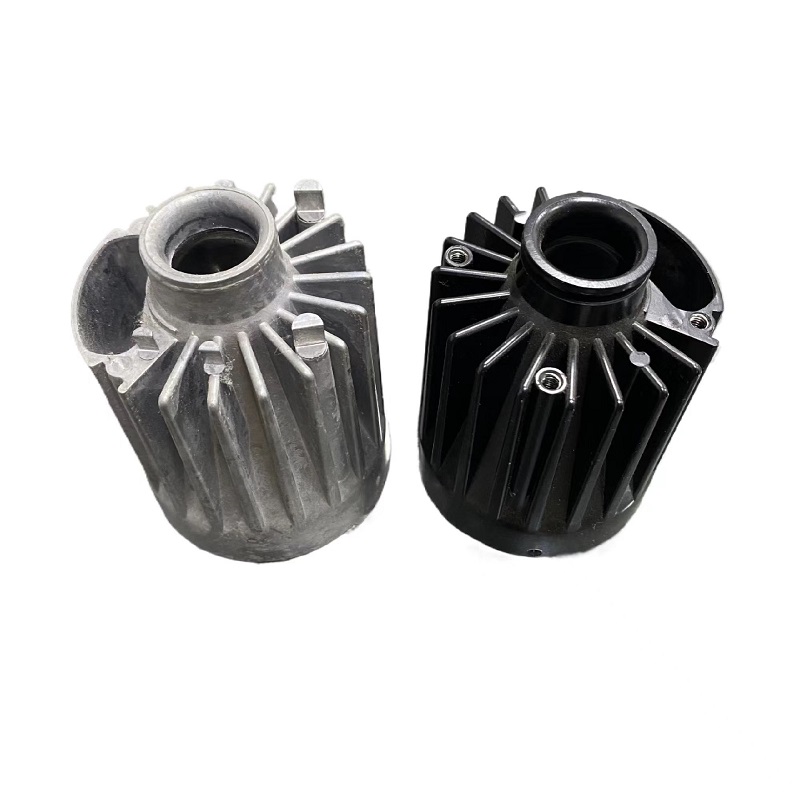
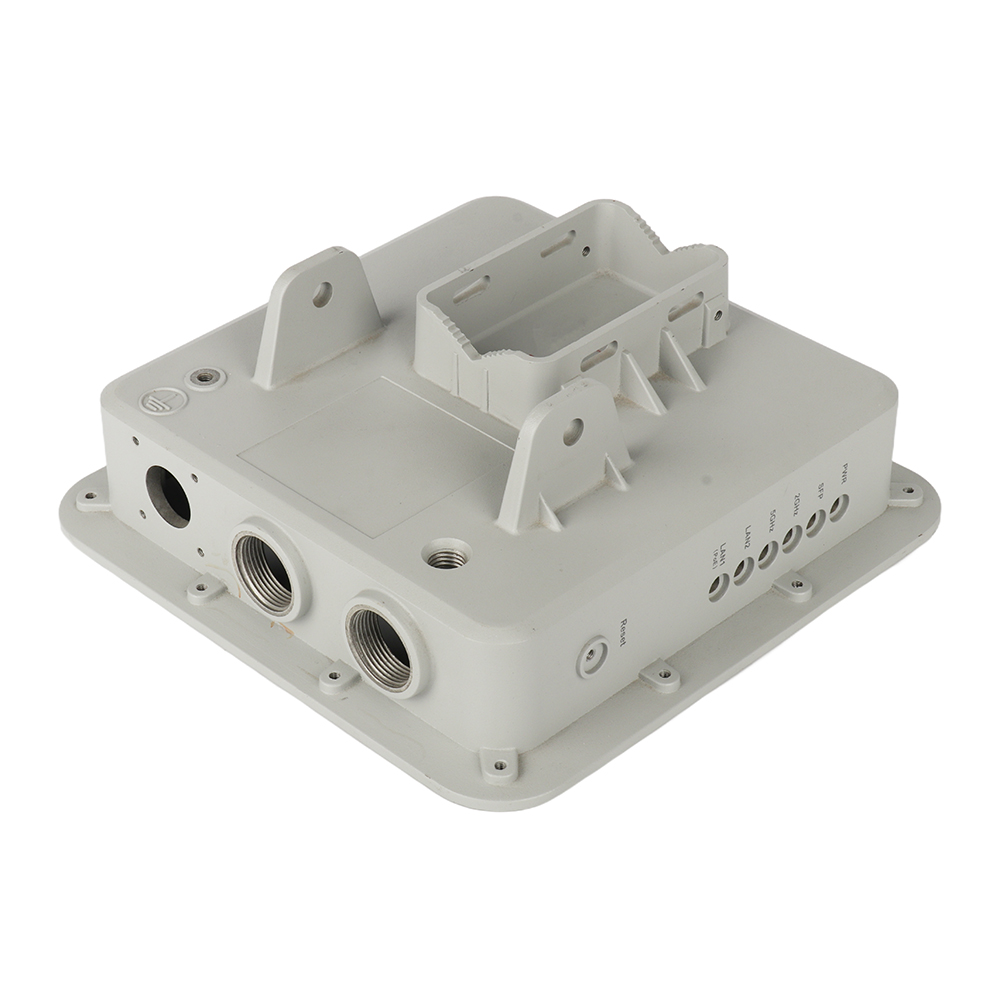
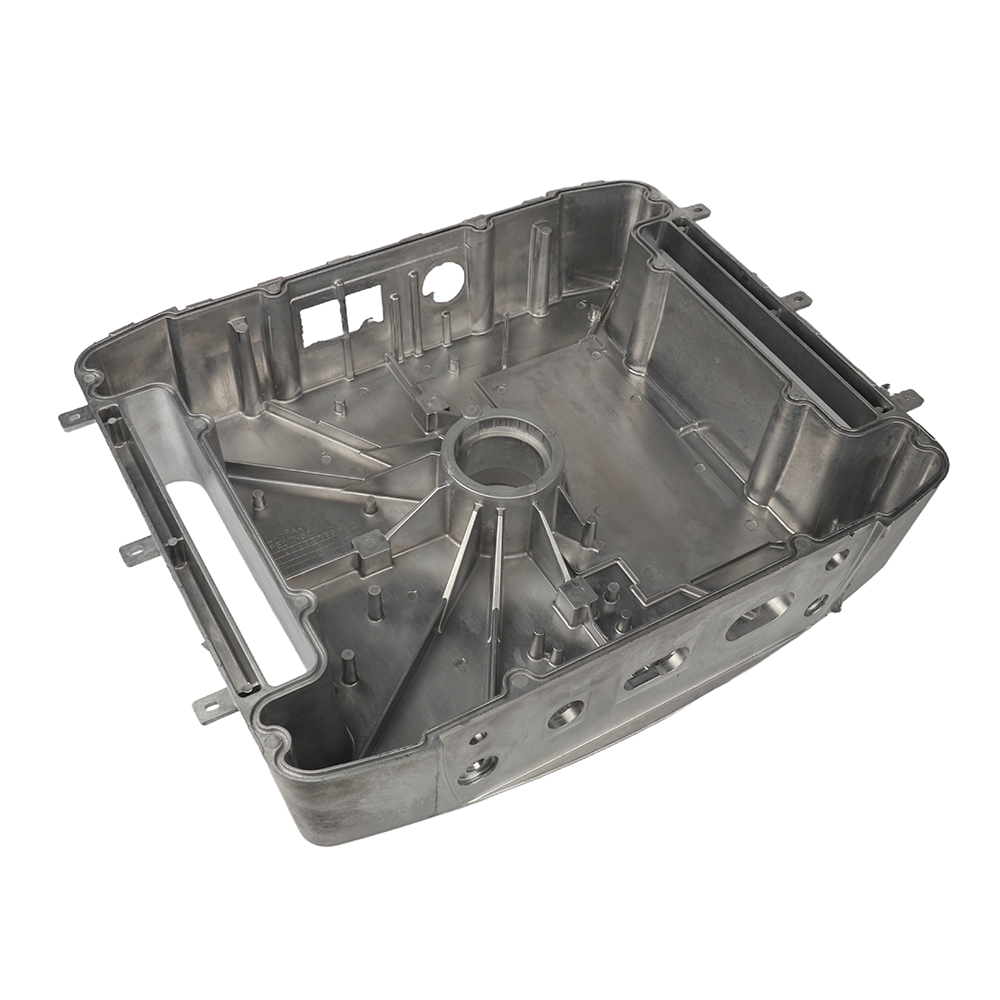
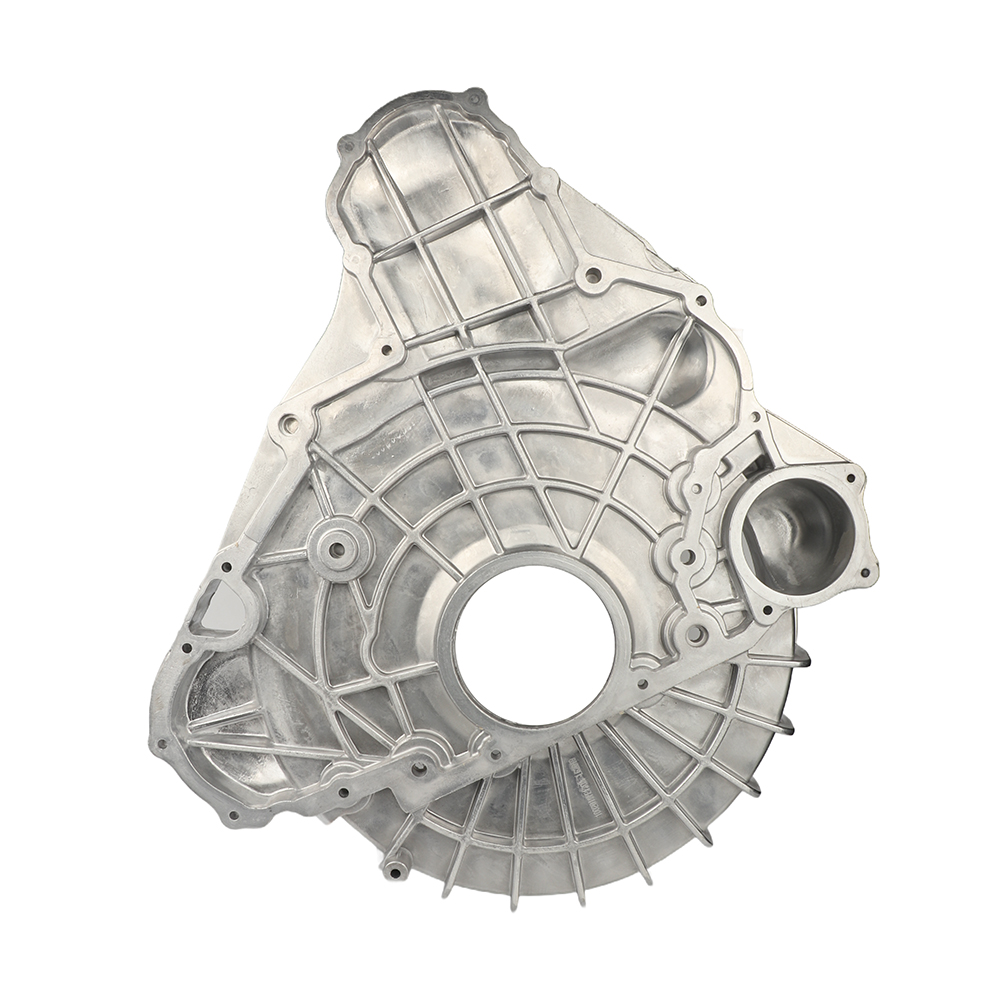
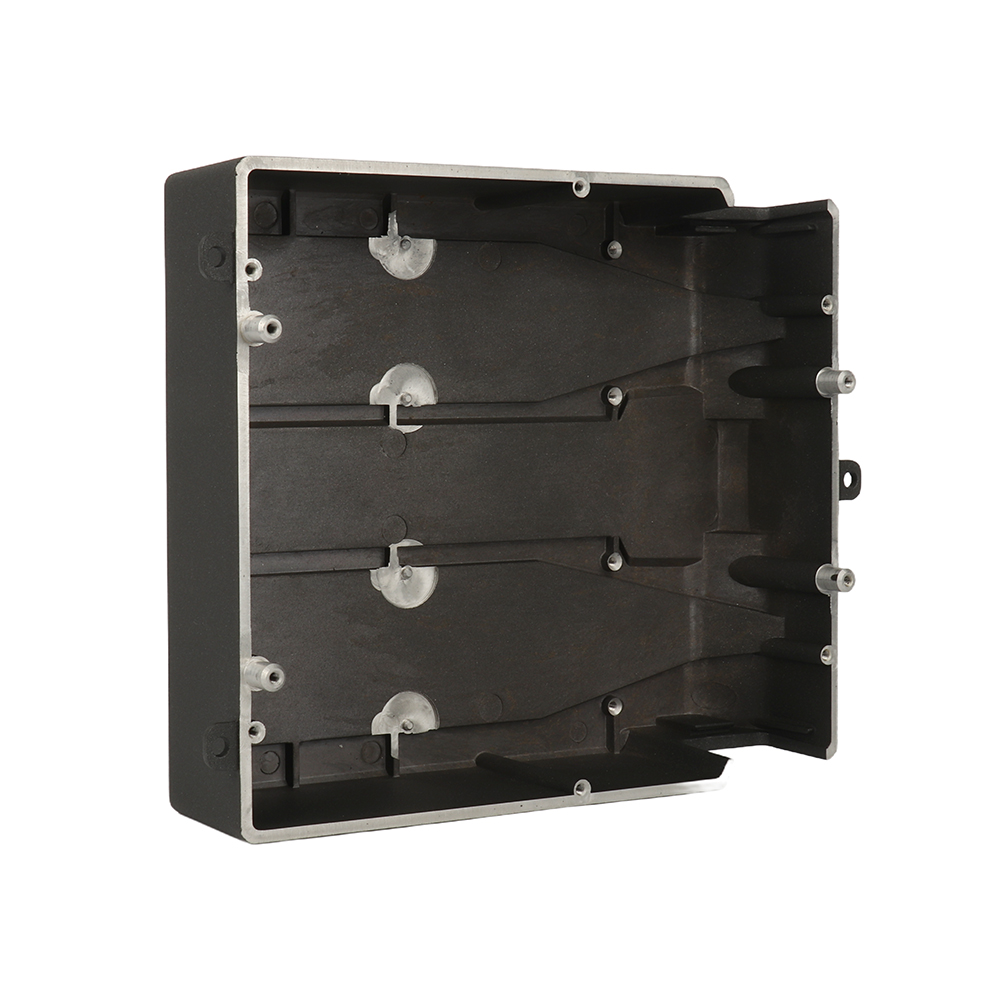
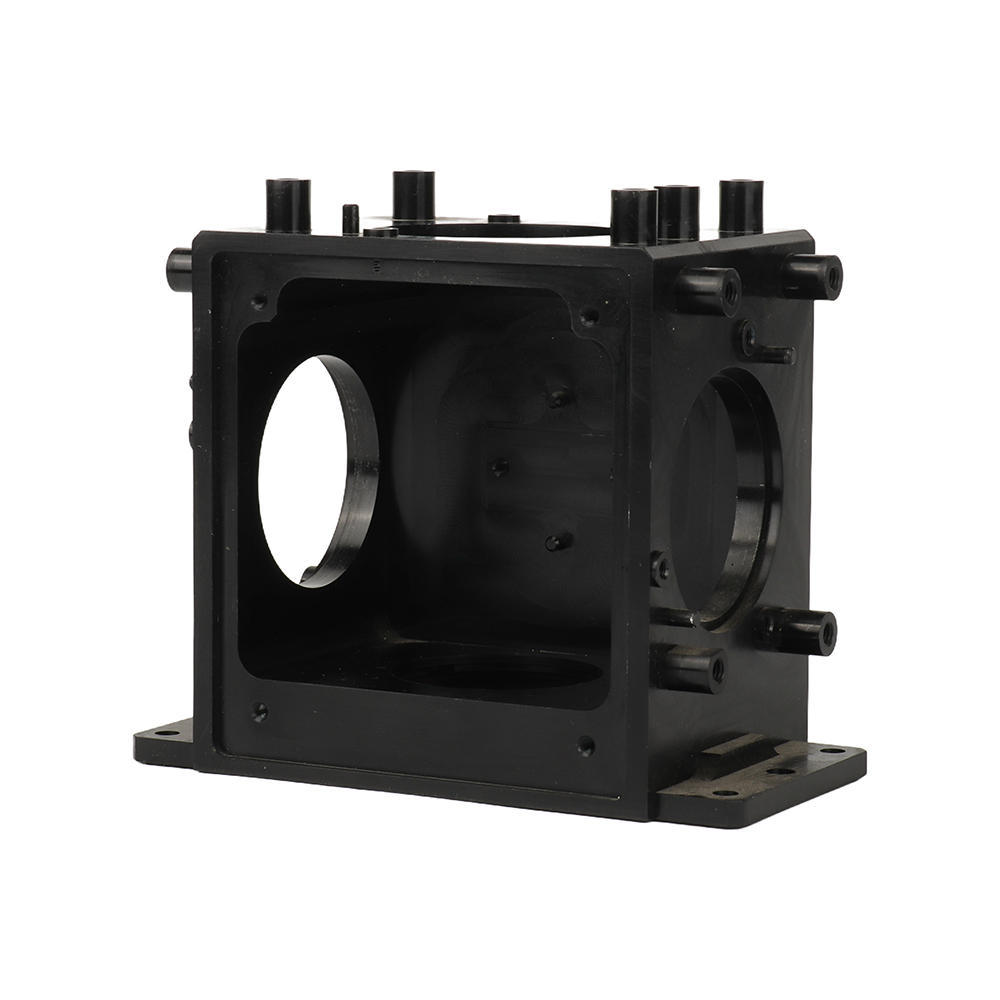
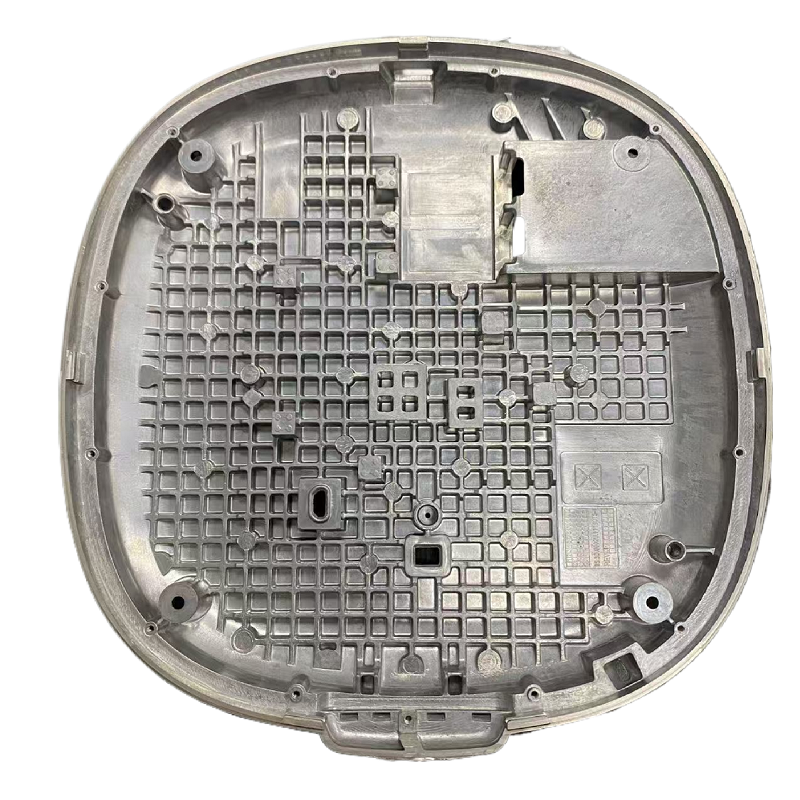
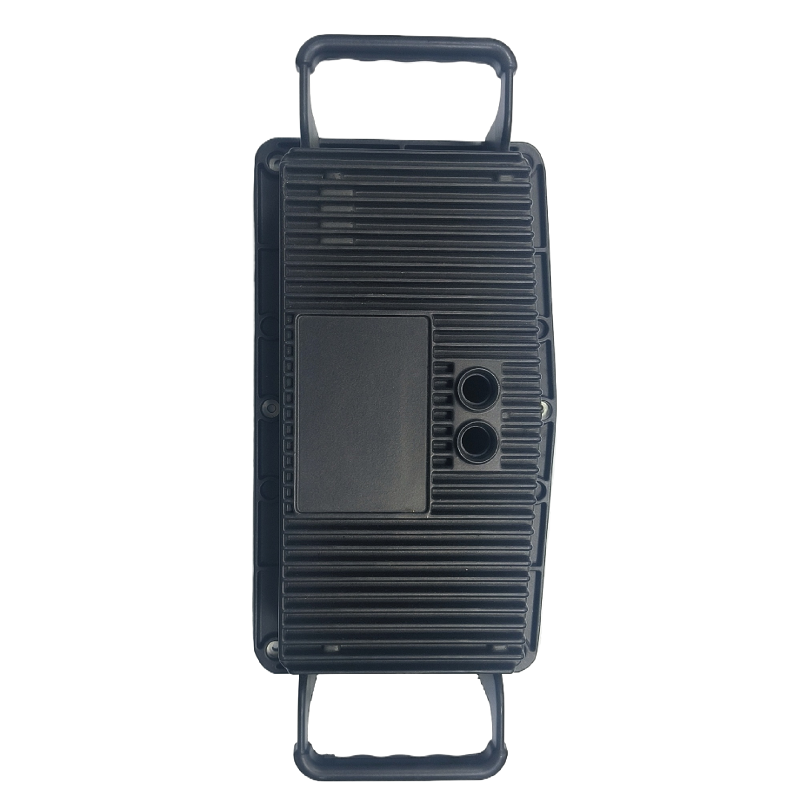
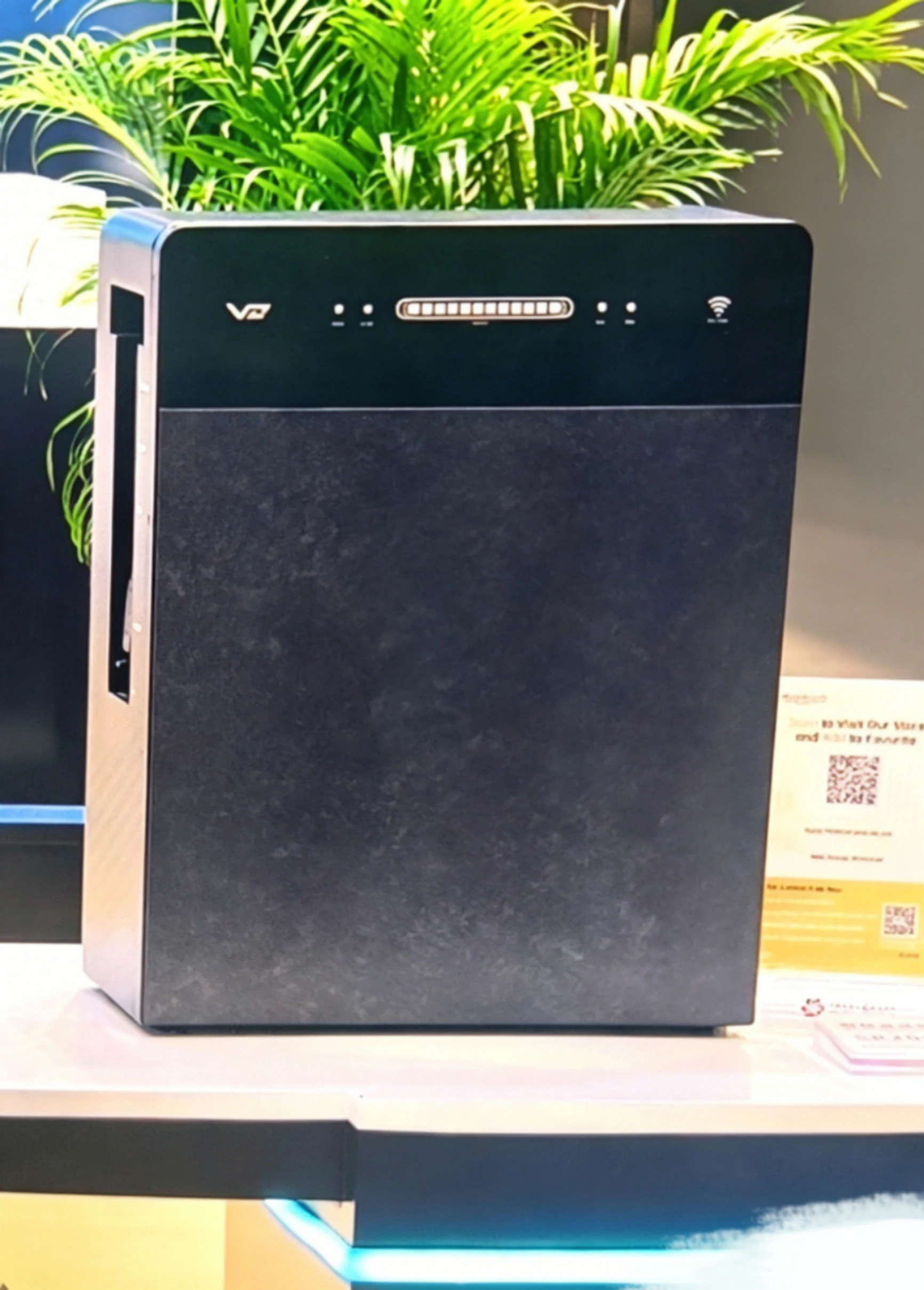
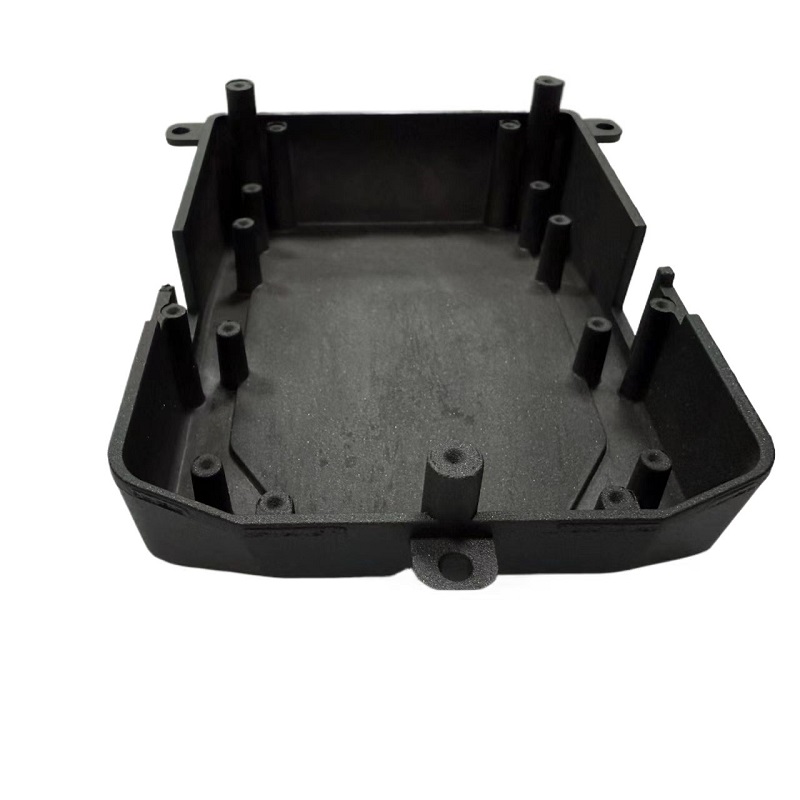
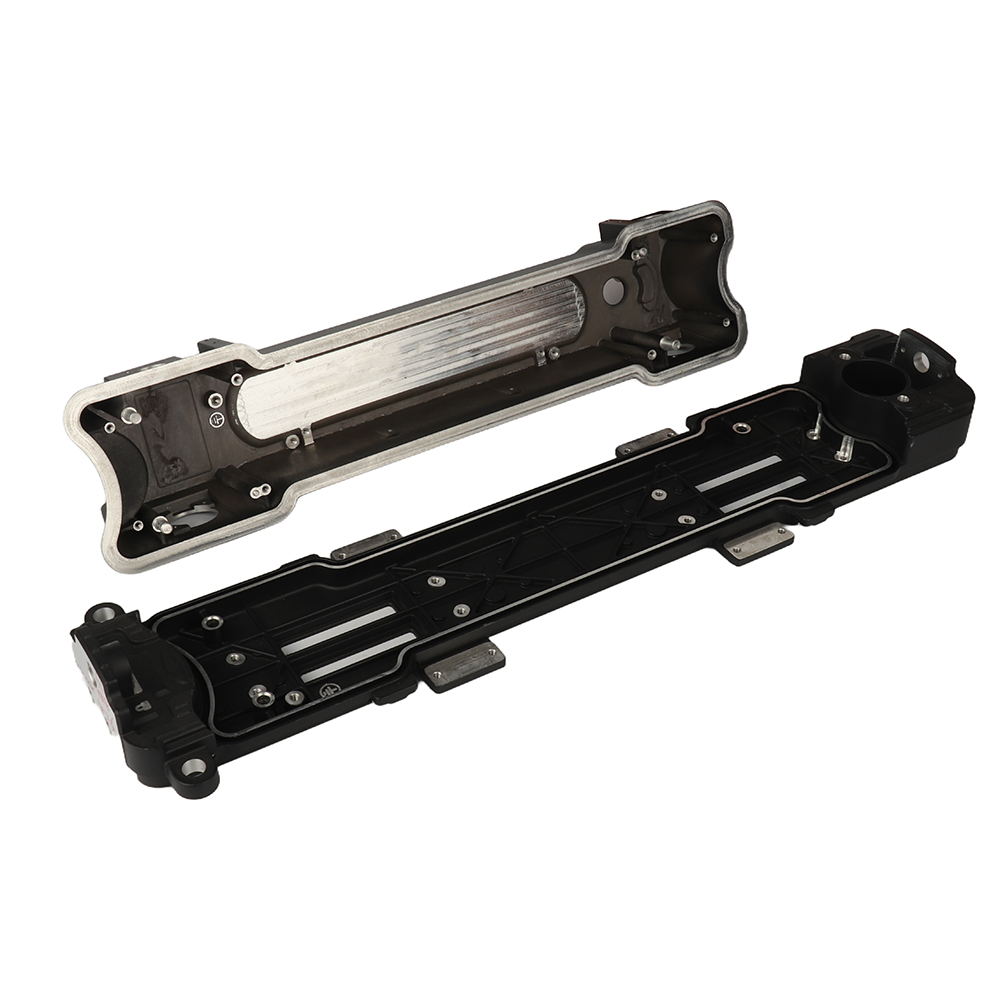
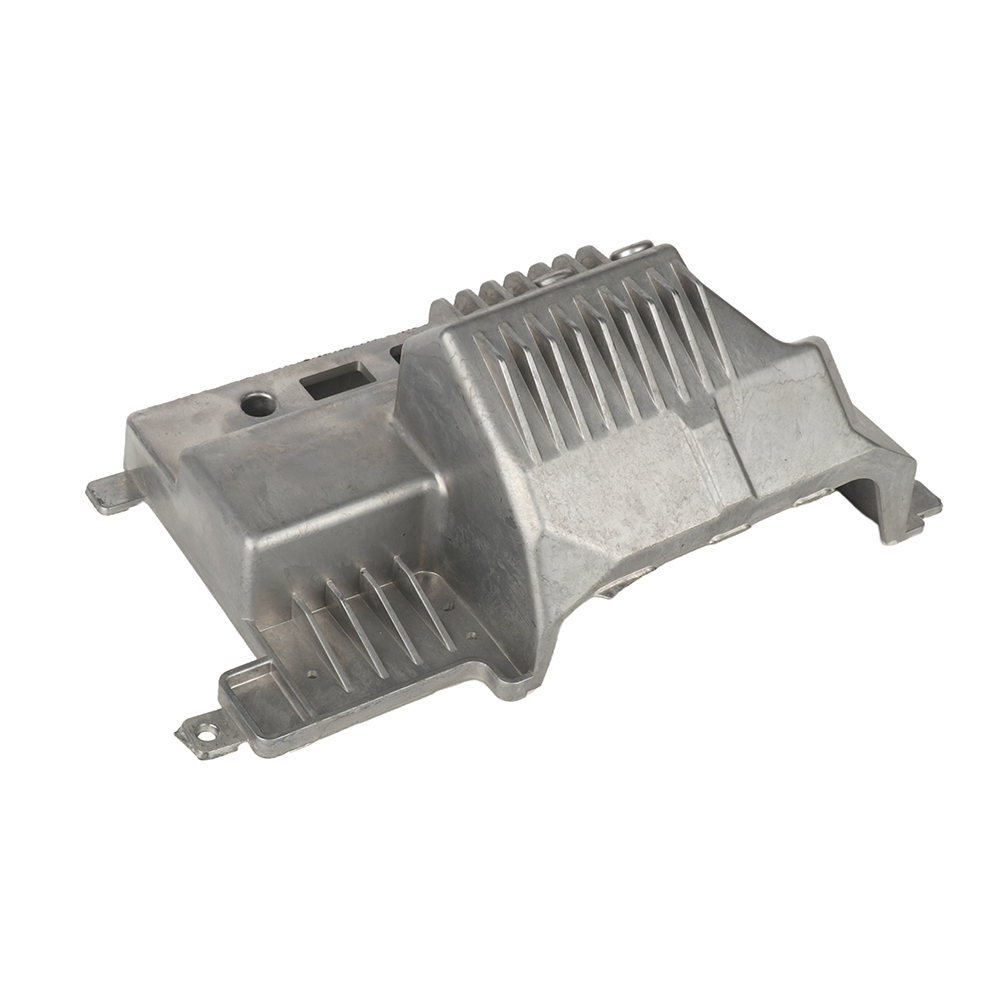
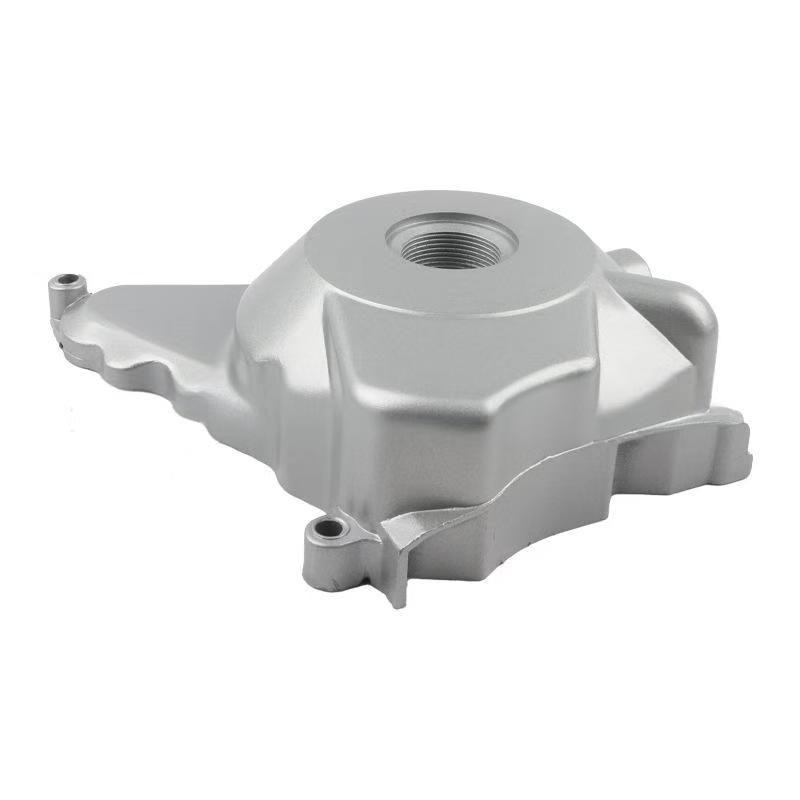
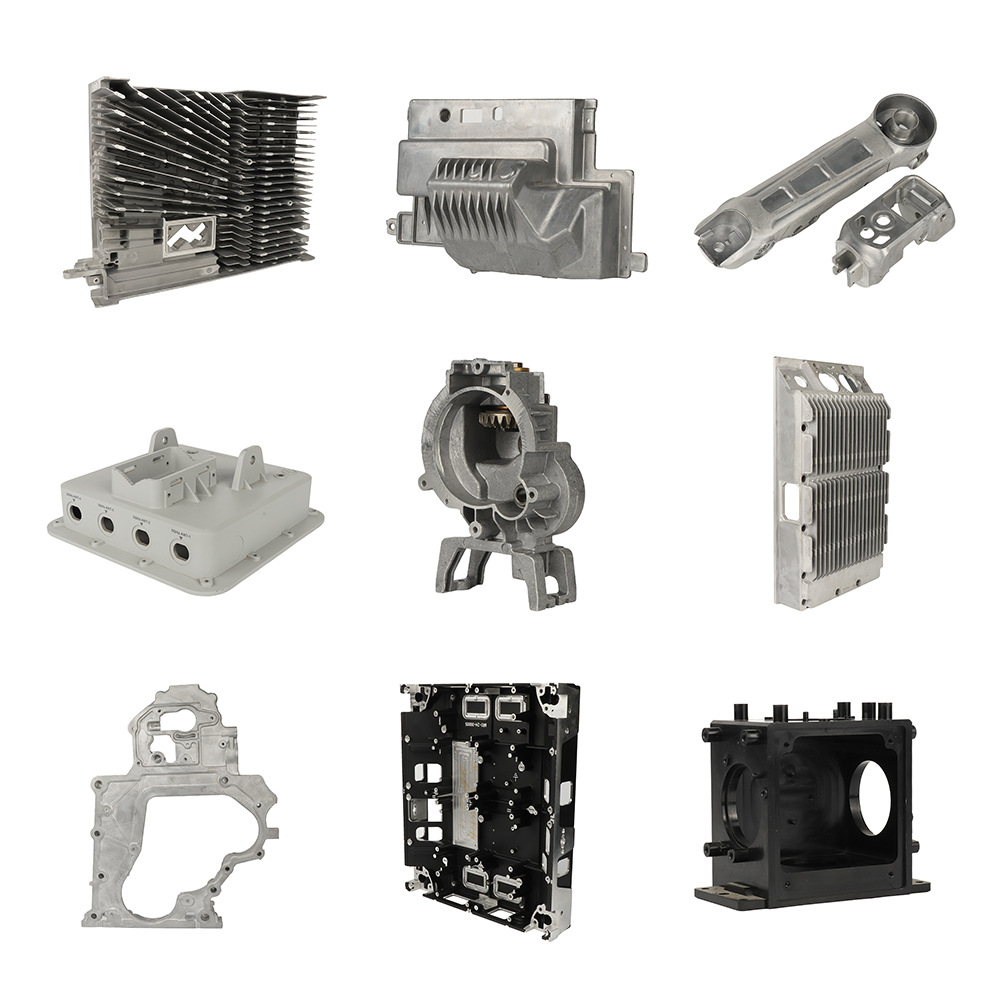
Magnesium die casting | What are magnesium alloy die-cast parts? Benefits, Comparisons & Top Supplier Guide
2026-04-29
What are Magnesium Alloy Die-Cast Parts? Benefits, Comparisons & Top Supplier Guide
Table of Contents
- 1. Introduction: What are Magnesium Alloy Die-Cast Parts?
- 2. Core Definition & Manufacturing Process of Magnesium Die Casting
- 3. Pros & Cons of Magnesium Alloy Die-Cast Parts (vs. Aluminum/Steel)
- 4. Key Benefits of Magnesium Die Casting Parts for Electronic Equipment
- 5. Applications of Magnesium Alloy Die-Cast Parts in Electronic Devices
- 6. Xinghang Precision Hardware: Trusted Magnesium Die Casting Supplier
- 7. Expert Insights on Magnesium Alloy Die-Cast Parts
- 8. FAQs About Magnesium Alloy Die-Cast Parts & Magnesium Die Casting
- 9. Conclusion: Industry Trends & How to Choose a Quality Hardware Supplier
1. Introduction: What are Magnesium Alloy Die-Cast Parts?
In the rapidly advancing electronic equipment industry, magnesium alloy die-cast parts have emerged as a game-changing component, offering an unbeatable combination of precision, lightweight design, and durability. These parts are manufactured through magnesium die casting—a high-pressure manufacturing process that injects molten magnesium alloy into precision steel molds to create complex, high-quality components tailored for industrial use.
Unlike traditional metal components, magnesium alloy die-cast parts are specifically engineered to meet the rigorous demands of electronic devices, where weight reduction, precision, and reliability are non-negotiable. At Xinghang Precision Hardware, we specialize in professional die cast services, delivering high-quality Mg casting and custom magnesium parts that excel in electronic equipment applications. This blog explores the definition, pros and cons, benefits, and applications of magnesium alloy die-cast parts, alongside expert insights and a guide to choosing the right supplier.
2. Core Definition & Manufacturing Process of Magnesium Die Casting
Magnesium alloy die-cast parts are precision-manufactured components made from magnesium alloys (e.g., AZ91D, AM60B)—lightweight, high-strength materials that are ideal for electronic equipment. The core manufacturing process is magnesium die casting, which involves four key steps:
-
Melting: High-grade magnesium alloy is melted at a controlled temperature (typically 650–700°C) to form a molten liquid.
-
Injection: The molten magnesium is injected into precision steel molds (dies) under high pressure (100–1500 bar), ensuring the liquid fills every detail of the mold cavity.
-
Solidification: The molten magnesium cools and solidifies rapidly inside the mold, forming the desired shape with tight dimensional tolerances.
-
Ejection & Finishing: The mold opens, and the finished part is ejected. Optional post-processing (e.g., machining, surface treatment) is performed to meet custom precision requirements.
This process ensures that magnesium alloy die-cast parts are produced with exceptional precision, consistency, and efficiency—making them ideal for mass production of electronic components.
3. Pros & Cons of Magnesium Alloy Die-Cast Parts (vs. Aluminum/Steel)
To understand the value of magnesium alloy die-cast parts, it’s critical to compare their pros and cons with commonly used materials like aluminum and steel—especially for electronic equipment applications. Below is a detailed comparison, highlighting why magnesium stands out for electronic devices.
3.1 Pros of Magnesium Alloy Die-Cast Parts
-
Ultra-Lightweight: Magnesium is the lightest structural metal (density of 1.74 g/cm³), 33% lighter than aluminum and 75% lighter than steel. This is critical for electronic devices, where weight reduction improves portability and energy efficiency.
-
High Strength-to-Weight Ratio: Despite being lightweight, magnesium alloys offer excellent strength and rigidity—comparable to aluminum, making them durable enough to protect sensitive electronic components.
-
Superior Thermal Conductivity: Magnesium dissipates heat faster than plastic and most other metals (second only to aluminum), preventing overheating in electronic devices that run continuously.
-
Excellent Die Castability: Magnesium alloys flow smoothly in molten form, allowing for complex geometries, thin walls, and intricate details—ideal for custom electronic components with tight spaces.
-
Good EMI Shielding: Magnesium is a natural electromagnetic interference (EMI) shield, protecting sensitive electronic components from external interference and containing internal EMI.
-
Recyclable & Sustainable: Magnesium is 100% recyclable, with a lower carbon footprint than aluminum or steel—aligning with global green manufacturing trends for electronic equipment.
3.2 Cons of Magnesium Alloy Die-Cast Parts
-
Higher Initial Cost: Magnesium alloys are slightly more expensive than aluminum, which can increase the initial cost of components. However, the long-term benefits (weight reduction, durability) often offset this cost.
-
Lower Corrosion Resistance (Without Treatment): Unfinished magnesium is prone to corrosion in humid or harsh environments. However, this is easily solved with surface treatments (e.g., coating, anodization), which we offer at Xinghang.
-
Specialized Manufacturing Requirements: Magnesium die casting requires specialized equipment and expertise to handle molten magnesium safely (it is flammable at high temperatures). This means not all suppliers can produce high-quality magnesium parts—making supplier selection critical.
3.3 Comparison with Aluminum & Steel (For Electronic Equipment)
| Feature | Magnesium Alloy Die-Cast Parts | Aluminum Die-Cast Parts | Steel Die-Cast Parts |
|---|---|---|---|
| Weight | Lightest (1.74 g/cm³) | Medium (2.7 g/cm³) | Heaviest (7.85 g/cm³) |
| Strength-to-Weight Ratio | Highest | High | High (but heavy) |
| Thermal Conductivity | Very Good | Excellent | Good |
| EMI Shielding | Excellent | Excellent | Good |
| Cost | Moderate (higher than aluminum) | Low | High |
| Corrosion Resistance (Untreated) | Low | Medium | Low |
| Suitability for Electronics | Best (lightweight, precise, heat-dissipating) | Good | Poor (too heavy) |
4. Key Benefits of Magnesium Die Casting Parts for Electronic Equipment
For electronic equipment applications—where precision, weight, and reliability are critical—magnesium die casting parts offer unique benefits that make them the preferred choice over other materials. These benefits directly address the core needs of electronic device manufacturers:
4.1 Weight Reduction for Portability & Efficiency
Electronic devices (e.g., portable medical equipment, industrial IoT sensors, consumer electronics) require lightweight components to improve portability and reduce energy consumption. Magnesium alloy die-cast parts are 33% lighter than aluminum, making them ideal for handheld devices, laptop casings, and portable electronic enclosures—without sacrificing strength or durability.
4.2 Precision & Customization for Complex Electronic Components
Magnesium die casting allows for tight dimensional tolerances (as low as ±0.1 mm) and complex geometries—critical for electronic components that need to fit into tight spaces (e.g., circuit board brackets, sensor housings, connector parts). At Xinghang, we offer custom magnesium parts tailored to your specific electronic device requirements, ensuring a perfect fit and optimal performance.
4.3 Superior Heat Dissipation to Protect Sensitive Electronics
Electronic components generate heat during operation, and excess heat can damage parts or reduce performance. Magnesium’s excellent thermal conductivity ensures heat dissipates quickly, maintaining stable operating temperatures for sensitive components like microchips, sensors, and control modules—extending the lifespan of electronic devices.
4.4 EMI Shielding for Signal Integrity
Electromagnetic interference (EMI) can disrupt the performance of electronic devices. Magnesium alloy die-cast parts act as a natural EMI shield, containing internal EMI and blocking external interference—critical for precision electronic equipment like industrial control systems, medical devices, and communication tools.
4.5 Durability & Longevity for Industrial Use
Despite being lightweight, magnesium alloys are highly durable and resistant to impact, wear, and fatigue—making them suitable for industrial electronic equipment that operates in harsh environments (e.g., manufacturing plants, outdoor IoT devices). With proper surface treatment (offered by Xinghang), magnesium parts also gain excellent corrosion resistance, ensuring long service life (10–15 years with proper maintenance).
5. Applications of Magnesium Alloy Die-Cast Parts in Electronic Devices
Thanks to their unique benefits, magnesium alloy die-cast parts are widely used in various electronic equipment applications, spanning industrial, commercial, and consumer sectors. Key applications include:
5.1 Industrial Electronic Equipment
-
Industrial Control Systems: Brackets, housings, and mounting parts for PLCs, control panels, and sensor modules—benefiting from lightweight design and EMI shielding.
-
Industrial IoT Devices: Housings for smart sensors, connectivity modules, and data loggers—ideal for outdoor or harsh industrial settings due to durability and corrosion resistance (with treatment).
-
Power Electronics: Heat sinks, enclosures, and connectors for inverters, transformers, and power supplies—leveraging magnesium’s thermal conductivity.
5.2 Commercial & Consumer Electronics
-
Portable Medical Equipment: Housings for diagnostic devices, portable monitors, and handheld medical tools—lightweight for portability and durable for clinical use.
-
Consumer Electronics: Laptop casings, smartphone frames, and audio equipment enclosures—combining sleek design with lightweight durability.
-
Telecommunications: Housings for routers, modems, and communication towers—protecting components from environmental damage and EMI.
6. Xinghang Precision Hardware: Trusted Magnesium Die Casting Supplier
When it comes to high-qualitymagnesium alloy die-cast parts and professional magnesium die casting services, Xinghang Precision Hardware is your trusted partner. We specialize in delivering custom magnesium parts with precision, lightweight design, and durability—tailored specifically for electronic equipment applications. Our product and service details are as follows:
6.1 Product Overview
| Product Details | Specifications |
| Product Name | Magnesium Alloy Die-Cast Parts |
| Manufacturing Process | High-Pressure Magnesium Die Casting + Precision Machining (if needed) + Surface Treatment |
| Place of Origin | Guangdong, China |
| Brand Name | XingHang |
| Key Features | Precision, lightweight, durable, EMI shielding, excellent thermal conductivity, custom-designed |
| Certification | ISO9001/TS16949/RoHS/ISO14001 |
| Application | Electronic Equipment (industrial, commercial, consumer) |
| Service | Professional die cast services, custom magnesium parts design and production |
6.2 Our Advantages as a Magnesium Die Casting Supplier
-
Specialized Magnesium Die Casting Expertise: We have years of experience in magnesium die casting, with specialized equipment and trained technicians to handle molten magnesium safely and produce high-quality parts with tight tolerances.
-
Customization Capabilities: Our R&D team tailors magnesium alloy die-cast parts to your specific electronic equipment needs—adjusting size, shape, geometry, and surface treatment to fit your components perfectly.
-
Integrated Production Services: We integrate R&D design, mold manufacturing, magnesium die casting, precision machining, surface treatment, and quality control into a one-stop service—ensuring full control over every production step.
-
Strict Quality Control: Backed by ISO9001/TS16949/RoHS/ISO14001 certifications, we implement 100% inspection throughout production—checking for precision, durability, and surface quality to ensure zero defective products.
-
Surface Treatment Solutions: We offer specialized surface treatments (e.g., coating, anodization) to enhance the corrosion resistance of magnesium parts, making them suitable for all electronic equipment environments.
-
Timely Delivery & After-Sales Support: We offer a fast lead time of 7–15 days and dedicated after-sales support—assisting with design adjustments, installation, and maintenance for your magnesium die-cast parts.
7. Expert Insights on Magnesium Alloy Die-Cast Parts
To gain deeper insights into the value of magnesium alloy die-cast parts for electronic equipment and the future of magnesium die casting, we interviewed Dr. Emily Watson, a senior materials engineer with over 16 years of experience in lightweight metal casting and electronic component design, and a consultant for leading electronic device manufacturers.
“Magnesium alloy die-cast parts are reshaping the electronic equipment industry—they offer the perfect balance of lightweight design, precision, and durability that modern electronics demand,” says Dr. Watson. “As electronic devices become smaller, more portable, and more powerful, the need for lightweight yet strong components is critical—and magnesium delivers that better than any other structural metal. The key advantage of magnesium die casting is its ability to produce complex, high-precision parts that fit the tight spaces of electronic devices, while also providing superior heat dissipation and EMI shielding.”
Dr. Watson also emphasized: “The myth that magnesium is not durable is unfounded—with proper surface treatment, magnesium parts are just as corrosion-resistant as aluminum, and their strength-to-weight ratio is unmatched. Suppliers like Xinghang, which specialize in magnesium die casting and offer custom solutions, are helping electronic manufacturers unlock the full potential of this material. Looking ahead, as the electronics industry prioritizes portability and sustainability, magnesium alloy die-cast parts will become even more essential—they are the future of lightweight electronic components.”
She added: “When selecting magnesium die-cast parts, it’s critical to choose a supplier with specialized expertise in magnesium casting—this material requires careful handling and precision manufacturing. Xinghang’s integrated production capabilities and strict quality control make them a trusted partner for electronic manufacturers seeking reliable, high-quality magnesium parts.”
8. FAQs About Magnesium Alloy Die-Cast Parts & Magnesium Die Casting
Q1: What is the difference between magnesium die casting and aluminum die casting?
A: The core difference lies in the material: magnesium die casting uses magnesium alloys (lighter, higher strength-to-weight ratio), while aluminum die casting uses aluminum alloys. Magnesium parts are 33% lighter than aluminum, offer better EMI shielding, and have superior strength-to-weight ratio—making them ideal for electronic devices. Aluminum parts are slightly cheaper but heavier, making them better suited for applications where weight is not a priority.
Q2: Are magnesium alloy die-cast parts corrosion-resistant?
A: Unfinished magnesium parts have low corrosion resistance, but with proper surface treatment (e.g., coating, anodization)—which we provide at Xinghang—they become highly corrosion-resistant. This makes them suitable for indoor and outdoor electronic equipment, including humid or harsh industrial environments.
Q3: Can magnesium alloy die-cast parts be customized for my electronic device?
A: Yes. At Xinghang Precision Hardware, we specialize in custom magnesium parts—we can tailor size, shape, geometry, surface treatment, and tolerances to fit your specific electronic equipment requirements, whether it’s a small sensor housing or a complex circuit board bracket.
Q4: What is the service life of magnesium alloy die-cast parts?
A: With proper surface treatment and maintenance, magnesium alloy die-cast parts can last 10–15 years—comparable to aluminum parts. For indoor electronic devices, they may last even longer, while outdoor or harsh industrial applications typically have a service life of 10–12 years.
Q5: Why are magnesium alloy die-cast parts better for electronic equipment than steel?
A: Steel is much heavier than magnesium (75% heavier), making it unsuitable for portable electronic devices. Magnesium is lightweight, offers better thermal conductivity, and superior EMI shielding—critical for protecting sensitive electronic components. Steel also has a lower strength-to-weight ratio, making it less efficient for electronic applications.
Q6: Is magnesium die casting safe?
A: Yes, when performed by experienced suppliers like Xinghang. Molten magnesium is flammable, but we use specialized equipment and safety protocols to handle it safely. Our trained technicians and automated production systems ensure safe, efficient magnesium die casting without compromising quality.
Q7: What certifications should a magnesium die casting supplier have?
A: A reliable supplier should hold ISO9001 (quality management), TS16949 (automotive/electronic industry quality), RoHS (environmental compliance), and ISO14001 (environmental management) certifications—like Xinghang Precision Hardware. These certifications ensure the parts meet global quality, safety, and environmental standards.
Q8: How long does it take to produce custom magnesium alloy die-cast parts?
A: Lead time depends on design complexity. For simple customizations (e.g., size adjustments), lead time is 7–10 days. For complex designs (e.g., custom shapes, special surface treatments), lead time is 10–15 days—faster than the industry average. We also offer expedited production for urgent orders.
9. Conclusion: Industry Trends & How to Choose a Quality Hardware Supplier
9.1 Trends in the Magnesium Alloy Die-Cast Parts Industry
The magnesium alloy die-cast parts industry is poised for significant growth in the coming years (2026–2031), driven by key trends shaping the electronic equipment sector:
-
Growing Demand for Lightweight Electronic Devices: As portable electronics (e.g., medical devices, IoT sensors, consumer electronics) become more popular, the need for lightweight magnesium die-cast parts is increasing.
-
Focus on Precision & Miniaturization: Electronic devices are becoming smaller and more complex, driving demand for high-precision magnesium parts with intricate geometries—made possible by advanced magnesium die casting technology.
-
Sustainability & Eco-Friendliness: Global focus on green manufacturing is boosting demand for recyclable materials like magnesium, which has a lower carbon footprint than aluminum or steel.
-
Advancements in Surface Treatment: New surface treatment technologies are improving the corrosion resistance of magnesium parts, expanding their use in harsh electronic equipment environments.
-
Integration of Automation: Automated magnesium die casting processes are becoming more prevalent, reducing human error, improving efficiency, and ensuring consistent quality for mass production.
9.2 How to Choose a Quality Hardware Supplier for Magnesium Die Casting Parts
Selecting the right supplier for magnesium alloy die-cast parts is critical to ensuring product quality, reliability, and cost-effectiveness—especially for electronic equipment applications. Key factors to consider include:
-
Specialized Magnesium Die Casting Expertise: Choose a supplier with experience in magnesium casting, specialized equipment, and safety protocols to handle molten magnesium.
-
Integrated Production Capabilities: Look for a supplier with one-stop services (R&D, mold manufacturing, casting, machining, surface treatment) to ensure consistent quality and timely delivery.
-
Relevant Certifications: Ensure the supplier holds ISO9001/TS16949/RoHS/ISO14001 certifications, guaranteeing compliance with global quality and environmental standards.
-
Customization Capabilities: Verify the supplier can tailor parts to your specific electronic equipment needs—including size, shape, and surface treatment.
-
Quality Control Processes: Choose a supplier with strict quality inspection (100% inspection) to ensure precision, durability, and corrosion resistance.
-
After-Sales Support: A reliable supplier should offer dedicated after-sales support to assist with design adjustments, installation, and maintenance.
9.3 Choose Xinghang Precision Hardware: Your Trusted Partner for Magnesium Die Casting
For businesses seeking high-quality magnesium alloy die-cast parts and professional magnesium die casting services, Xinghang Precision Hardware is your ideal supplier. We embody all the key qualities of a trusted partner: specialized magnesium casting expertise, integrated production capabilities, strict quality control, ISO certifications, and strong customization capabilities. Our custom magnesium parts are precision-engineered to meet the unique demands of electronic equipment, offering lightweight design, durability, and optimal performance.
We are committed to delivering superior products and services, with timely delivery, competitive pricing, and reliable after-sales support. Whether you need standard magnesium die-cast parts or fully customized solutions for your electronic devices, we have the experience and capability to exceed your expectations.
To discuss your magnesium alloy die-cast part requirements or request a quote, contact us today:
Mobile/WeChat: +86 18819502691
Email: liqine@xinghangcn.com
Email: liqine@xinghangcn.com
Projector housing | How is the die-cast aluminum alloy projector housing? Benefits, Comparison & Supplier Guide
Shock absorber arm | What are the functions of new energy vehicle shock absorber arm parts?
Related Article
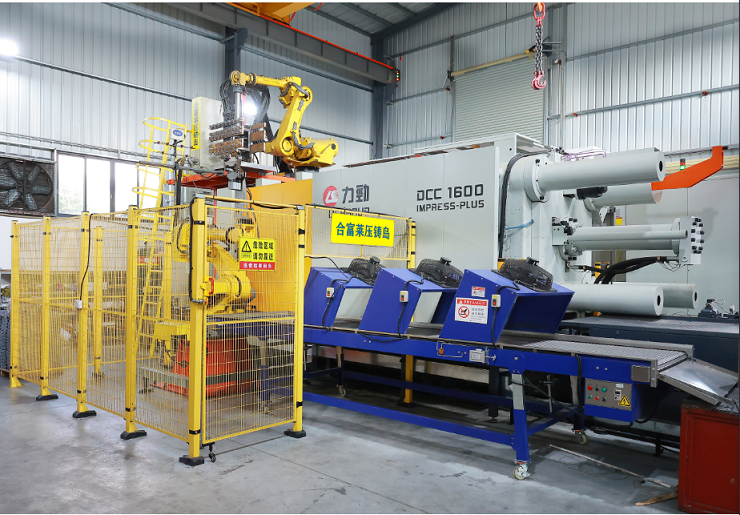
Pressure die casting is a high-efficiency precision metal forming process that injects molten metal alloy into customized steel molds under high pressure and high speed.
Pressure die casting manufacturers | Looking for Reliable Pressure Die Casting Manufacturers for Custom Metal Parts?
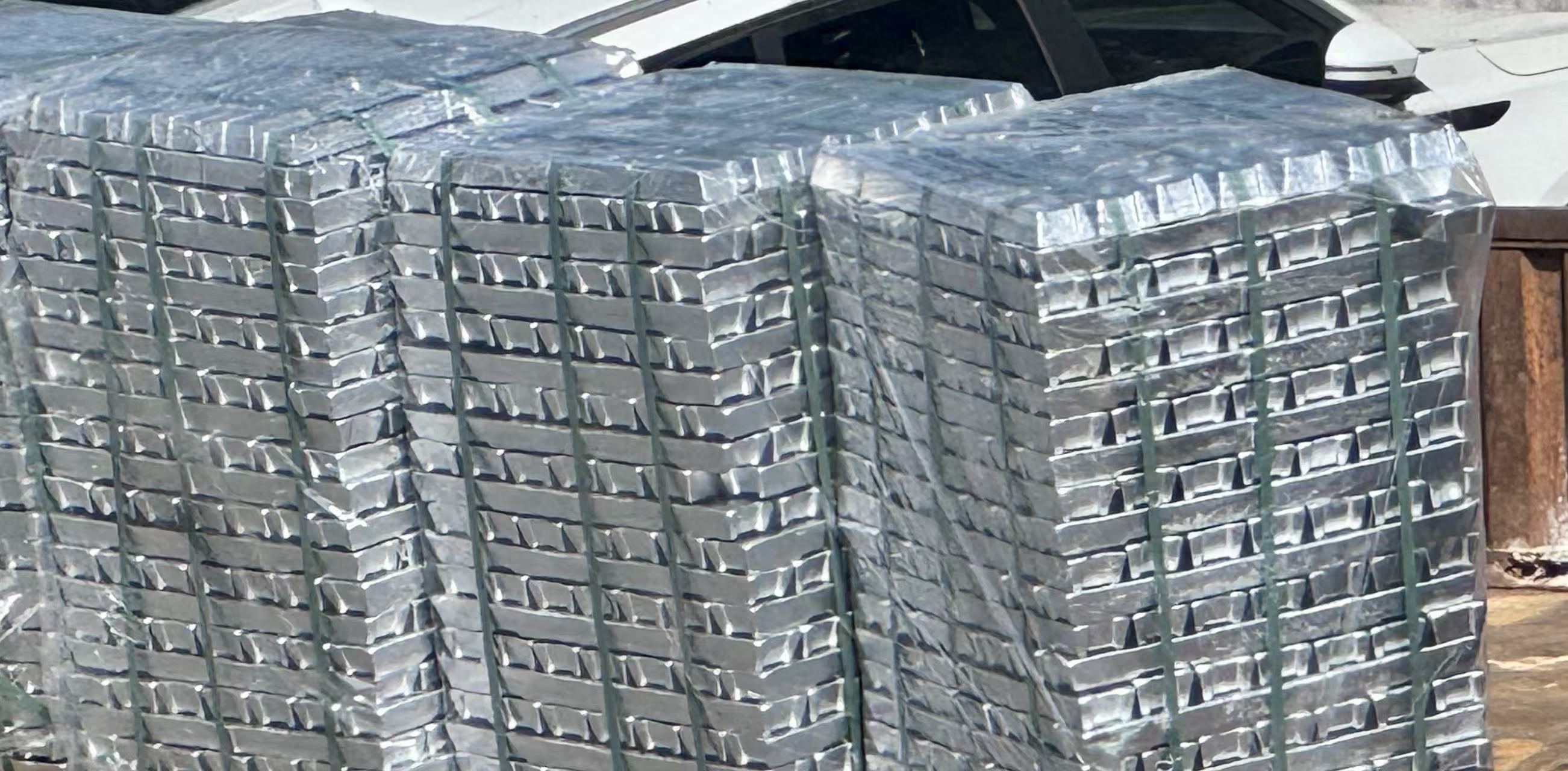
ADC12 (AlSi9Cu3) is a high-performance aluminum-silicon-copper die-casting alloy that complies with global authoritative industrial standards including JIS H 5302 and EN AC-46000.
ADC12 aluminum | What are the advantages of ADC12 aluminum for die casting?
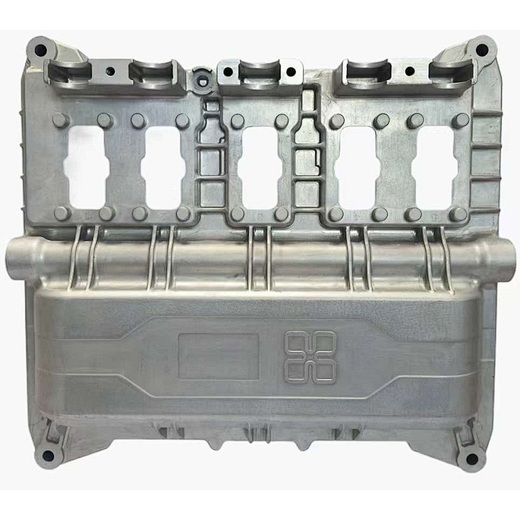
Aluminium die casting auto parts are tailor-made precision automotive components manufactured via high-pressure die casting technology, secondary CNC precision machining and professional surface treatment processes.
Aluminium die casting auto parts | How to customize high-quality aluminium die casting auto parts?
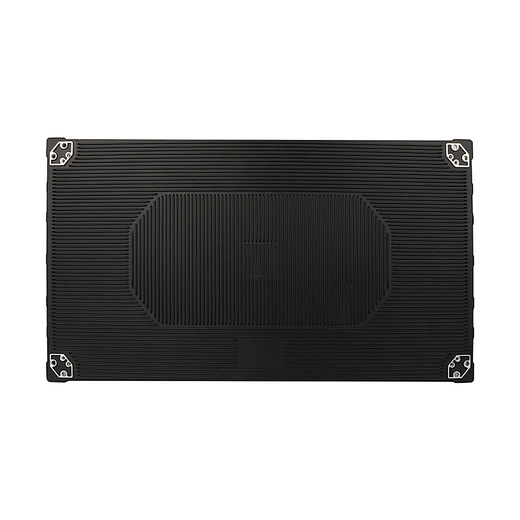
A die-cast aluminum LED cabinet is a high-precision, durable industrial enclosure specially designed for LED display screens, manufactured through high-pressure die-casting technology and secondary precision finishing.
Cast aluminum boxes | What is a die-cast aluminum LED cabinet?Ultimate Guide to ADC12 Cast Aluminum Boxes