
Precision Processing
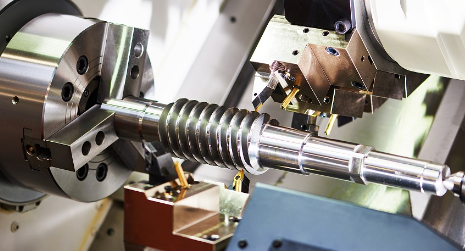
Precision CNC turn-milling
Our aluminum alloy precision CNC turn-milling finishes turning, milling and drilling in one setup. It delivers ultra-tight tolerances, smooth surfaces and high consistency, eliminating extra procedures, saving cost and suiting custom electronic and new energy housing parts.

The CNC Milling Process
1.CAD (Computer-Aided Design) :An engineer or designer creates a 2D or 3D digital model of the final part.
2.CAM (Computer-Aided Manufacturing):The CAD model is imported into CAM software to generate the toolpaths. The software calculates the feeds, speeds, and specific coordinates, translating them into machine-readable code (usually G-code).
3.Setup: block of raw material (the "stock") is firmly secured to the machine's bed or a fixture.
4.Milling :The machine follows the programmed code, rapidly spinning the cutting tool and moving it across the X, Y, and Z axes to shave off the excess material until the part matches the digital design. [1, 2]
5.Finishing:Once the part is milled, it may require post-processing operations like deburring, sanding, or surface treatments.
Types of Milling Machines
1.3-Axis Mills: The cutting tool can move in three directions: X (left/right), Y (forward/back), and Z (up/down). This is the industry standard for making flat surfaces, drilling holes, and machining 2D/2.5D geometries.
2.4-Axis & 5-Axis Mills:These offer additional rotational movement. They allow the cutting tool to approach the workpiece from multiple angles, enabling the creation of highly complex, organic, or contoured parts without needing to manually flip and re-clamp the stock.


Common Cutting Tools
1.End Mills:The workhorses of the CNC mill. They can cut both vertically and horizontally, and come in variations like flat-end (for flat features) or ball-nose (ideal for 3D contouring)
2.Face Mills: Tools with multiple cutting edges designed to rapidly flatten large surfaces. They are typically used to remove thick layers of raw stock in the early stages of machining.
3.Drills:Specialized bits used to make round, precise holes in the material.
Common Materials and Applications
1.Applications: CNC turn-milling is widely used in new energy vehicles, consumer electronics, medical equipment, communication hardware, automation machinery and hydraulic pneumatic components. It manufactures high-precision aluminum alloy custom housings, shafts and connectors.
2.Materials :Aluminum alloy and magnesium alloy are common materials for CNC turn-milling.
How to Source Parts
If you need custom parts but do not own a mill, you can outsource them using on-demand digital manufacturing services. You simply upload your 3D CAD files to get instant quotes and design-for-manufacturability feedback.