HOT PRODUCTS
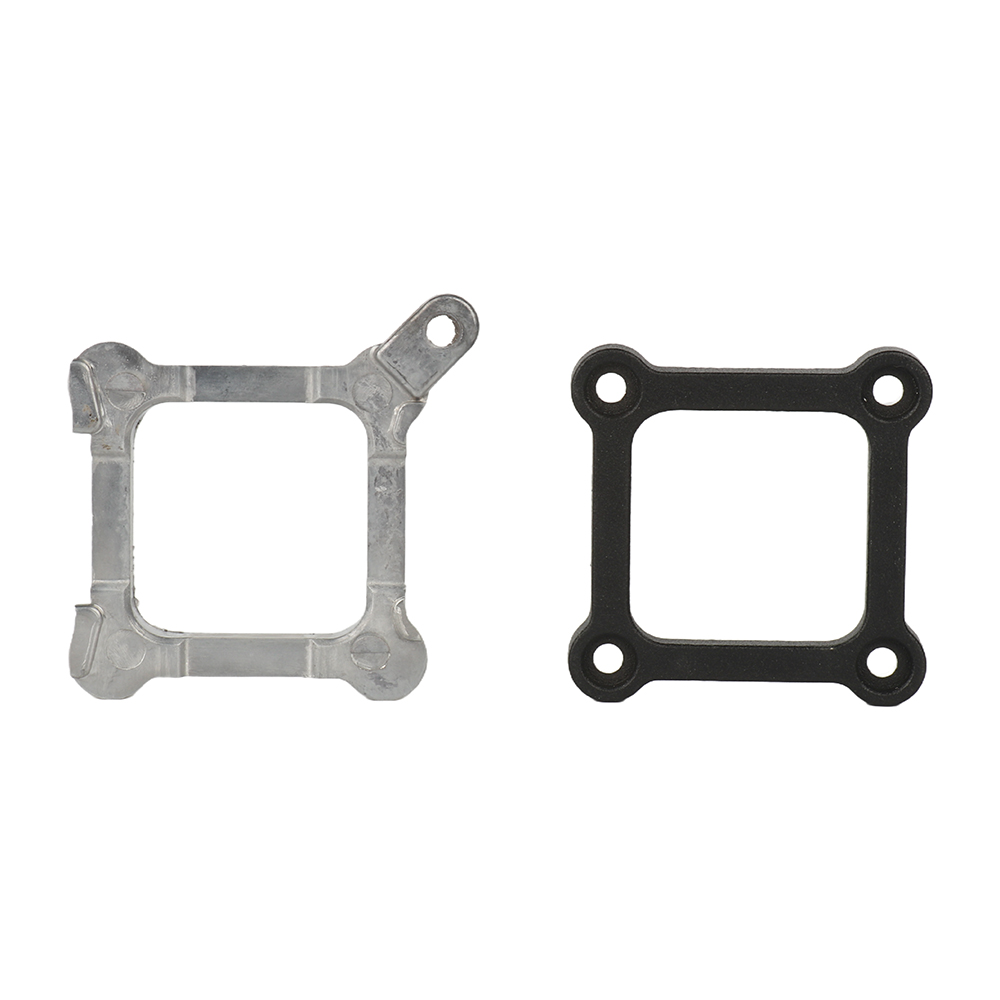
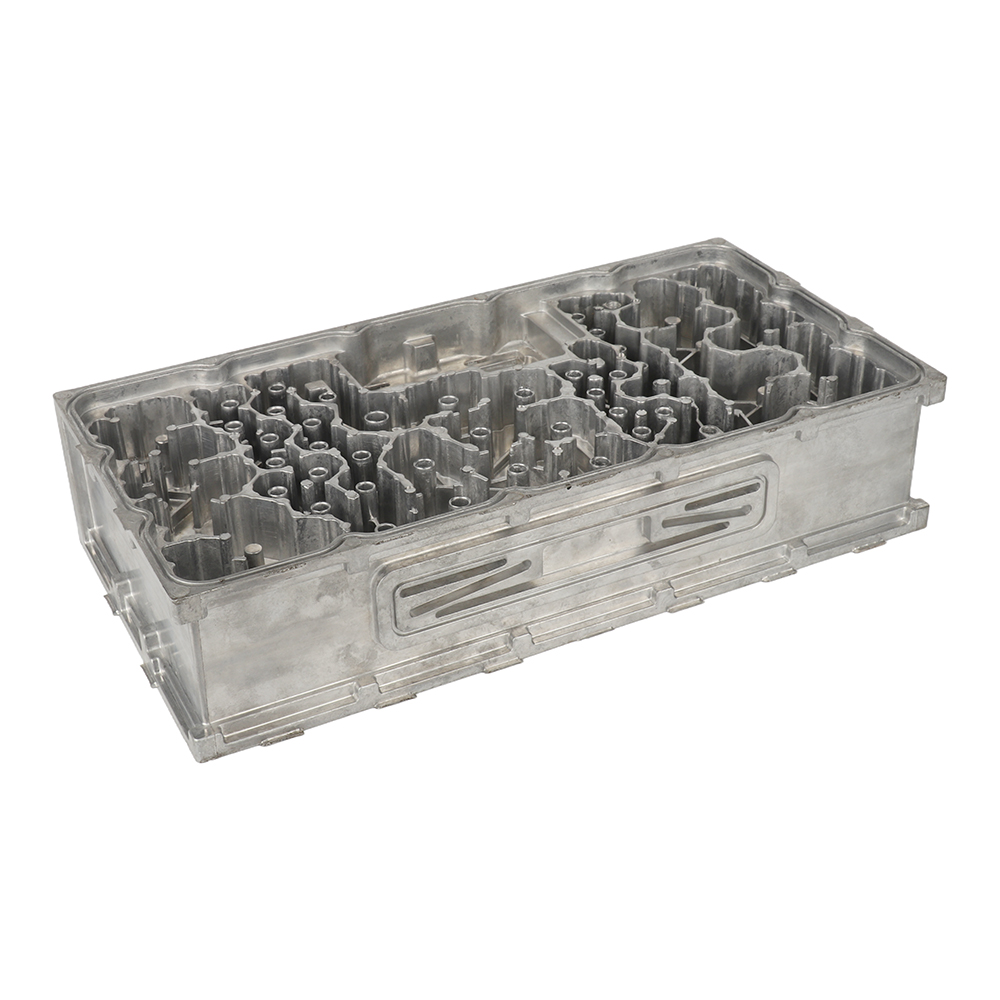
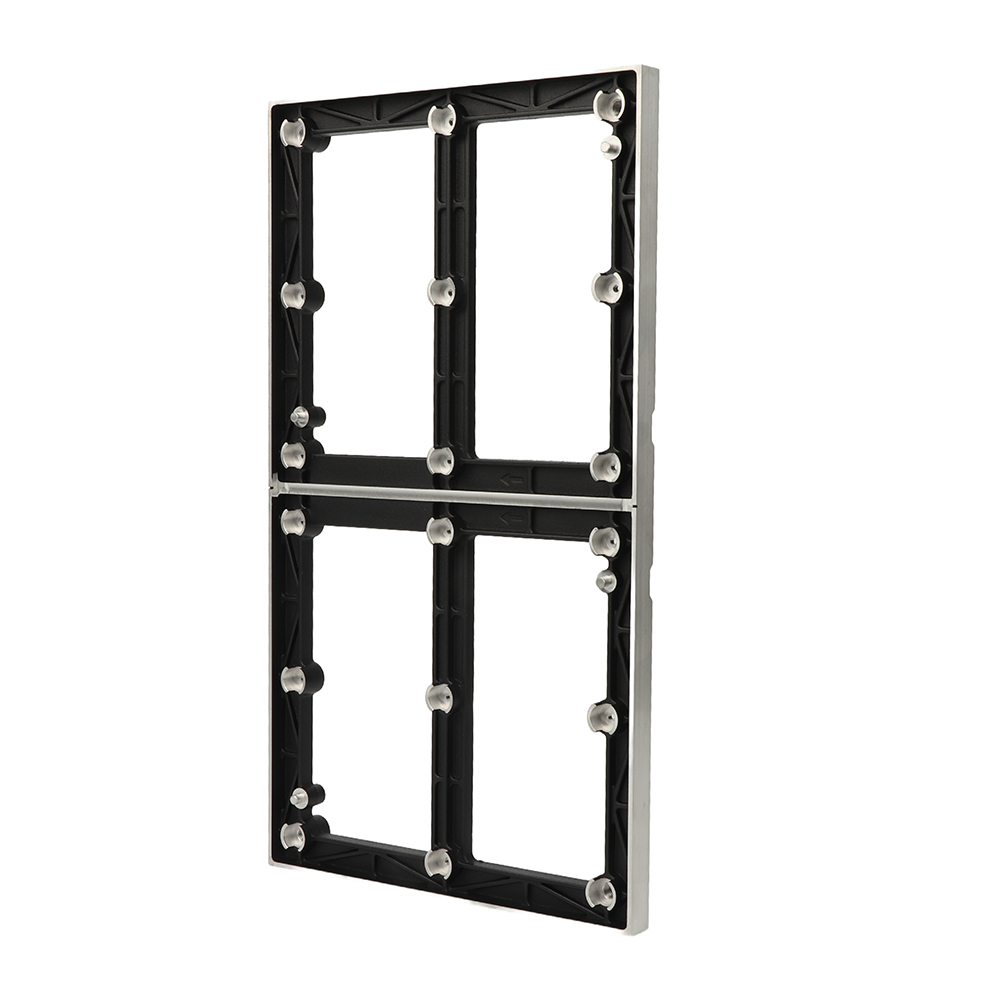
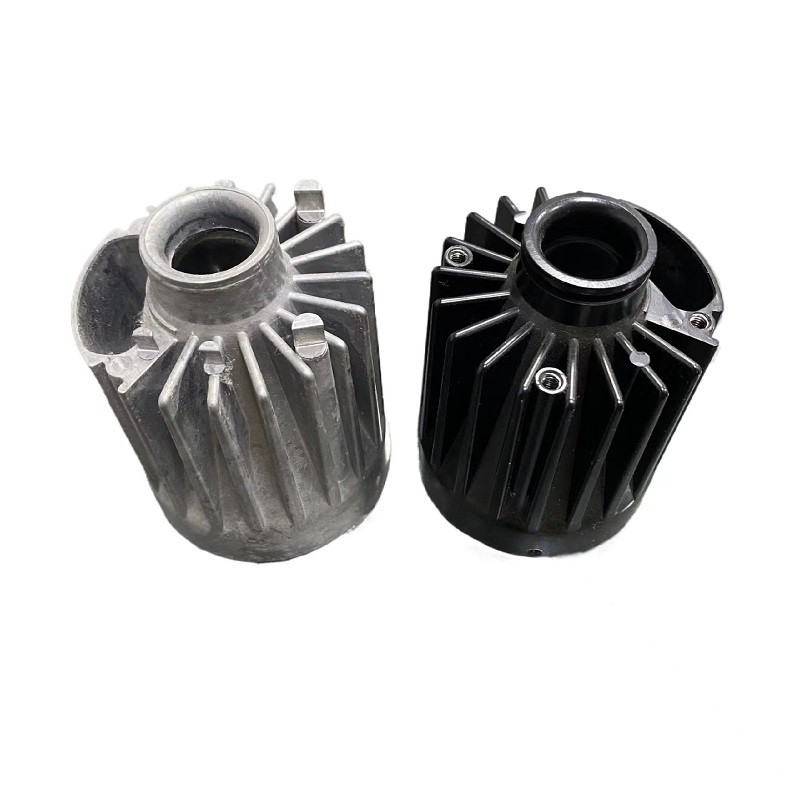
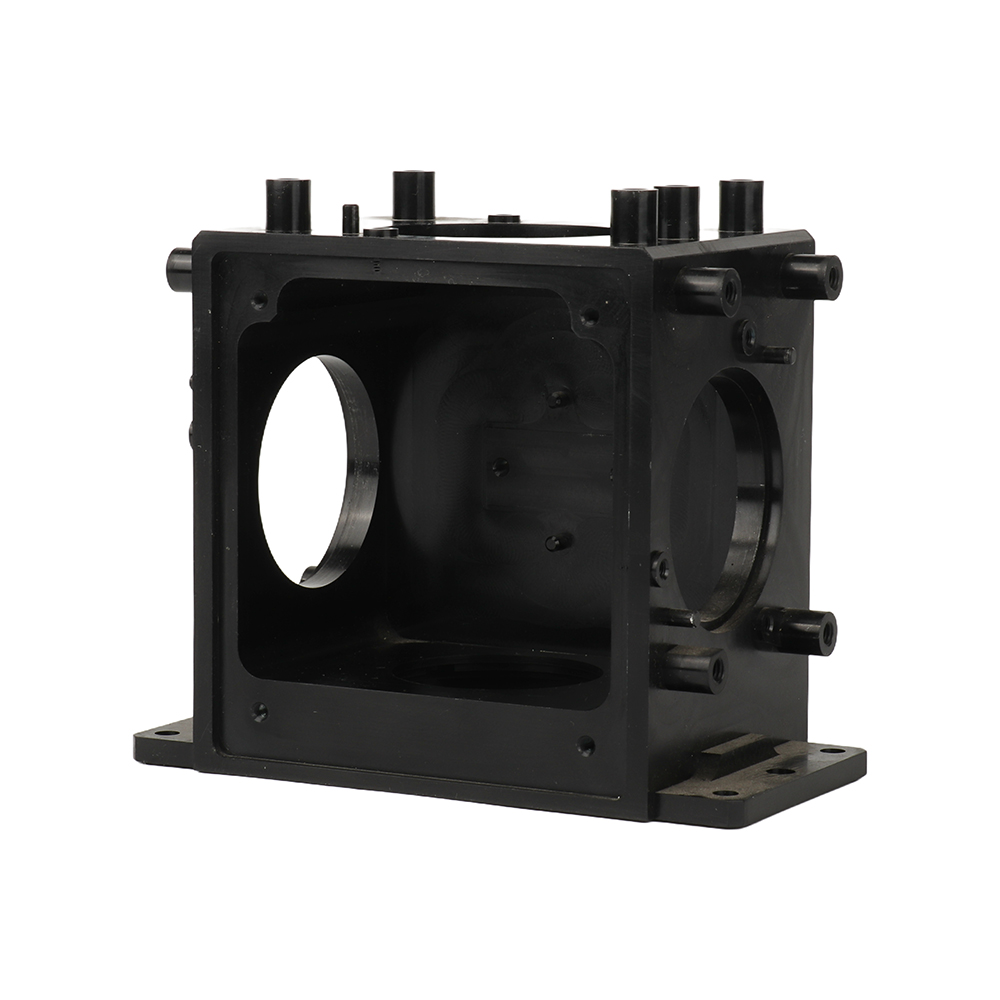
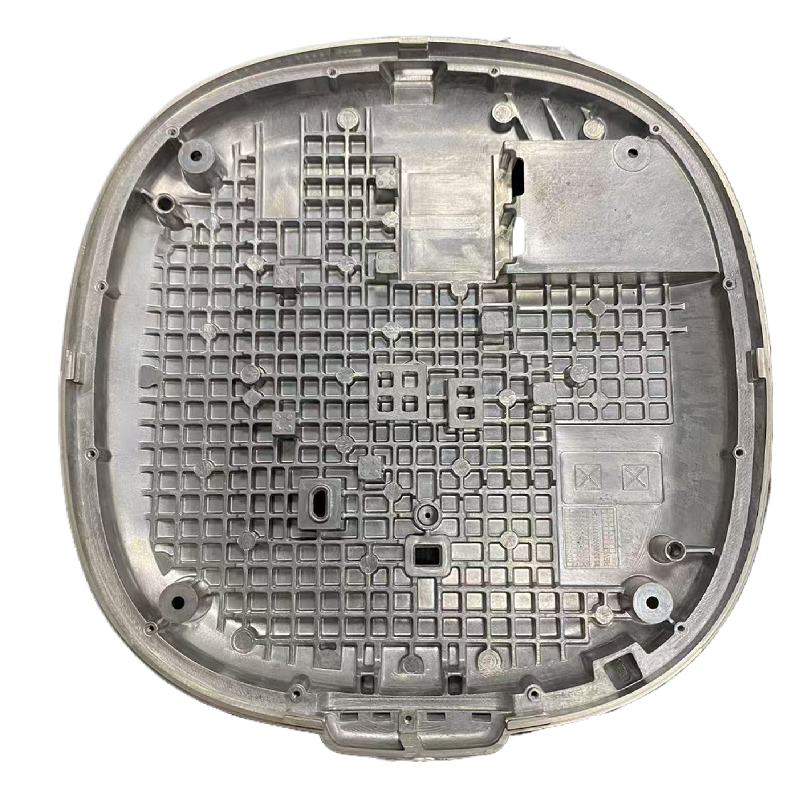
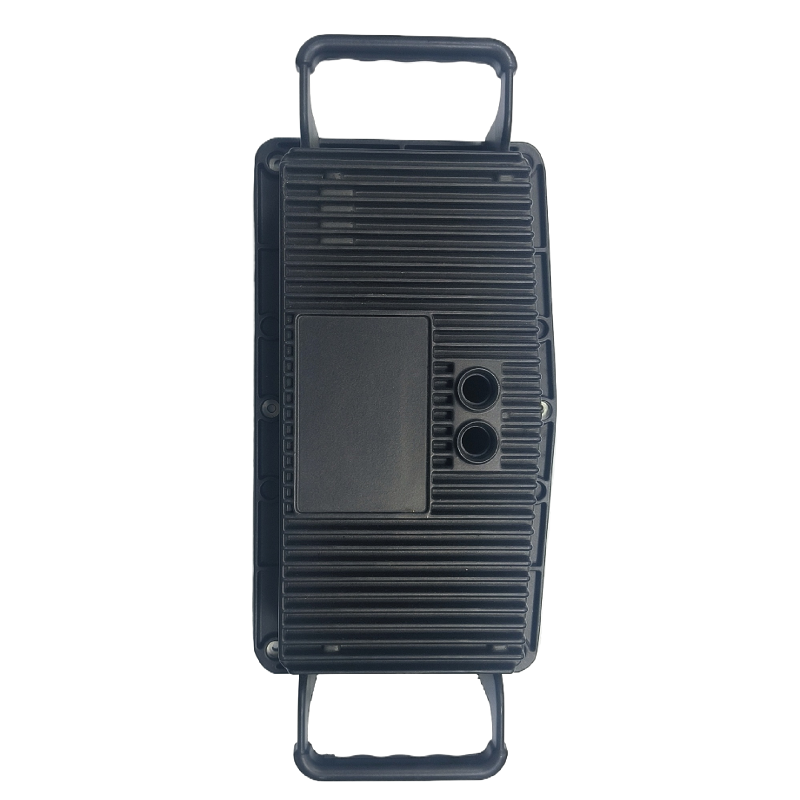
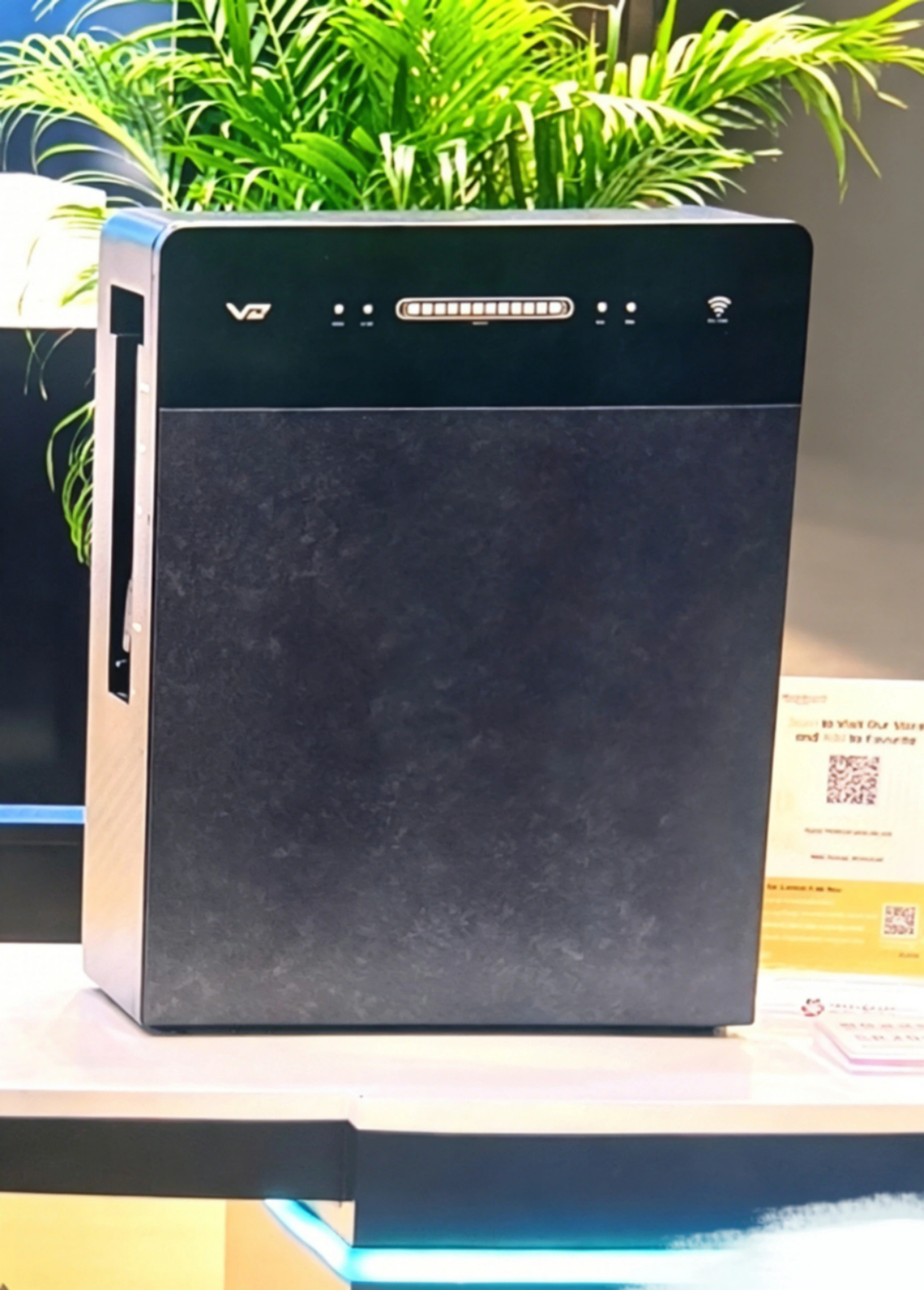
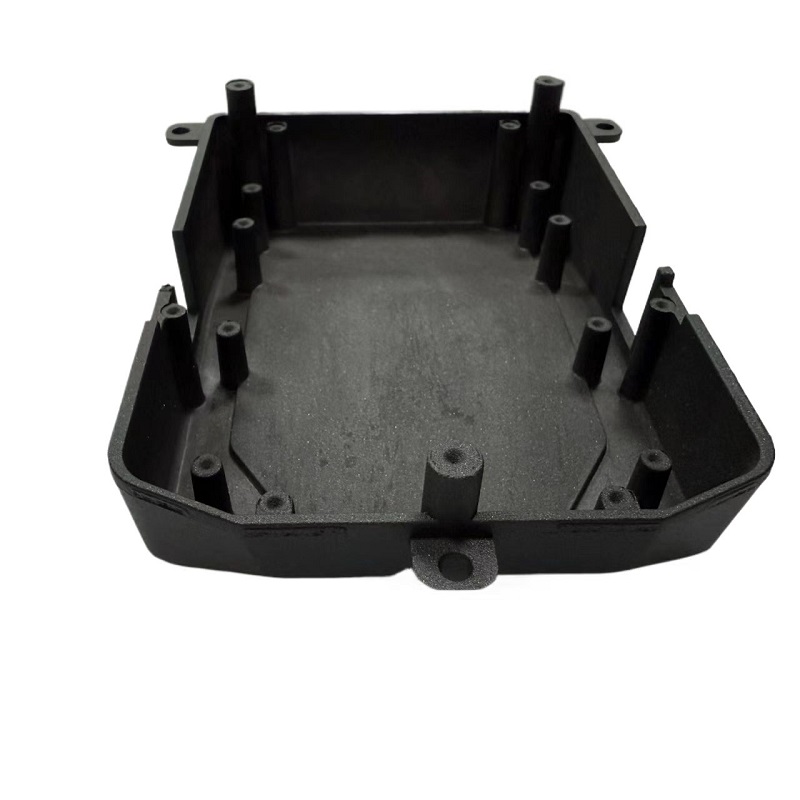
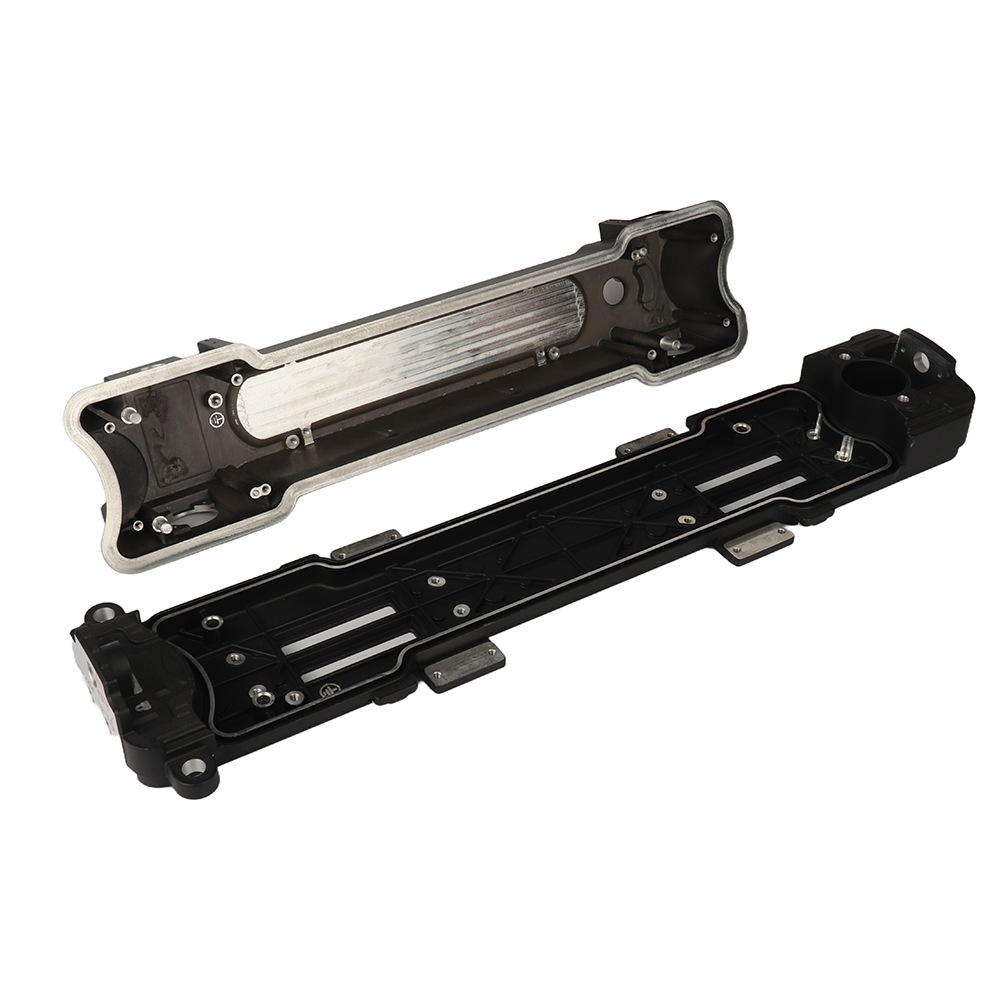
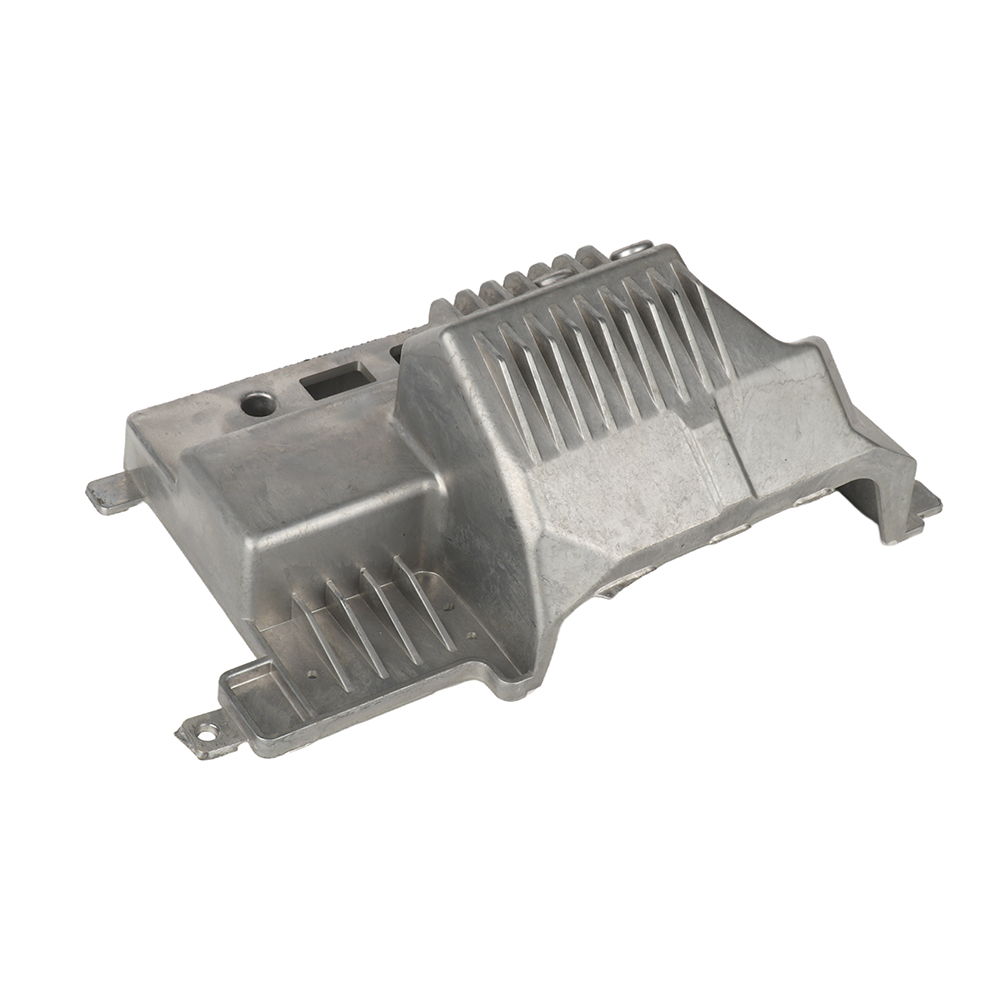
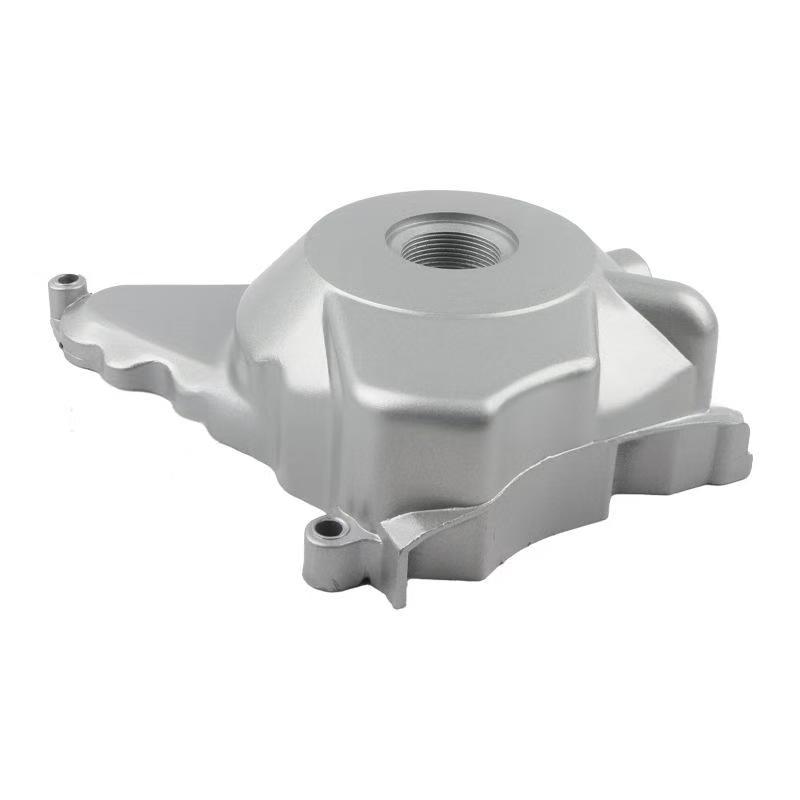
Mold workshop | Can your mold workshop make custom molds?
Can your mold workshop make custom molds?
Table of Contents
- Introduction: Custom Mold Making in Die Casting Production
- What Does a Professional Mold Workshop Do?
- General Specifications & Parameter Table for Custom Die Casting Molds (ADC12 Aluminum Alloy)
- Core Functions of Custom Die Casting Molds
- Common Problems During Mold Fabrication & Operation
- Main Application Fields & Market Scenarios
- Market Price Range for Custom Die Casting Molds
- Key Advantages of In-House Custom Mold Workshop
- Expert Opinion on Custom Die Cast Tooling
- About Xinghang Precision Hardware – Our Mold & Die Casting Capacity
- Frequently Asked Questions
- Summary: Industry Trend & Tips for Selecting a Reliable Hardware Supplier
1. Introduction: Custom Mold Making in Die Casting Production
Many buyers from automotive, electronics, new energy and industrial hardware sectors keep asking the same question: Can your mold workshop make custom molds? For die-cast aluminum projects, the mold is the foundation that decides part quality, dimensional stability, surface finish and long-term production yield. A capable in-house mold workshop can turn your 2D drawings, 3D files or physical samples into stable production tooling, especially for components made from ADC12 aluminum alloy.
Not all die casting factories own independent mold workshops. Some outsource mold fabrication, which leads to longer lead times, poor communication, repeated revision and unclear accountability. If you need ADC12 aluminum die cast housings, structural brackets and customized enclosures, choosing a manufacturer with integrated mold design, mold machining, die casting and precision inspection is the most reliable solution.
2. What Does a Professional Mold Workshop Do?
A qualified mold workshop covers the full tooling workflow from early DFM analysis to final mold trial and maintenance.
- DFM review and drawing analysis: Engineers check wall thickness, draft angle, gating system, cooling channel layout and ejection structure before cutting steel.
- CNC machining for mold cavity and core: High-precision milling shapes the mold profile according to CAD data.
- Heat treatment, surface polishing, fitting and assembly.
- Mold trial, sample testing, dimension adjustment and revision.
- Long-term mold maintenance, repair and spare parts supply during mass production.
For ADC12 aluminum die casting, the mold must resist high thermal shock and erosion from molten aluminum, so mold steel selection, cooling design and venting layout are critical details handled inside the mold workshop.
3. General Specifications & Parameter Table for Custom Die Casting Molds (ADC12 Aluminum Alloy)
| Item | Specification |
|---|---|
| Suitable Casting Material | ADC12 Aluminum Alloy |
| Standard Mold Steel | H13 hot work steel |
| Mold Hardness after Heat Treatment | 48–52 HRC |
| Cavity Option | Single cavity / Multi-cavity |
| Usable Die Casting Machine | Cold chamber die casting machine, 180T–1250T |
| Standard Dimension Tolerance | ±0.15 mm |
| Precision Tolerance after CNC Secondary Machining | ±0.05 mm |
| Recommended Minimum Wall Thickness for ADC12 | 1.2 mm |
| Typical Lead Time (Single Cavity, Medium Complexity) | 4–6 weeks after drawing confirmation |
| Service Life (Well-maintained) | 80,000–120,000 shots |
| Inspection Method | CMM (Coordinate Measuring Machine), visual inspection, X-ray flaw detection |
| Available Post Process for Parts | CNC machining, deburring, sand blasting, powder coating |
4. Core Functions of Custom Die Casting Molds
The custom mold directly shapes molten ADC12 aluminum alloy into your target geometry. Its core functions include:
- Controlling the filling flow of molten aluminum and ensuring consistent material distribution inside the cavity.
- Building uniform cooling circuits to control solidification speed and reduce porosity, shrinkage and warpage.
- Setting up ejection systems to safely separate finished parts without deformation or surface damage.
- Stabilizing repeatable dimensional output across thousands of shots, which is essential for mass production. Without a well-designed custom mold, even high-quality ADC12 raw material cannot produce qualified aluminum die cast enclosures and structural parts.
5. Common Problems During Mold Fabrication & Operation
Many mold failures come from underestimated details in the workshop stage.
- Poor vent design: Trapped gas causes blowholes and porosity on ADC12 casting surfaces.
- Unbalanced cooling: Local overheating leads to mold cracking, short mold service life and part warping.
- Incorrect draft angle: Parts stick inside the cavity and get scratched during ejection.
- Inaccurate machining tolerance: Cavity offset causes parts out of spec and requires repeated mold repair.
- Overlooking DFM suggestions: Complex undercut structures increase mold cost and risk.
Our mold workshop solves these issues at the drawing review stage. Our team completes full drawing analysis before steel cutting, and we run multiple mold trials to adjust parameters until samples pass CMM and X-ray inspection.
6. Main Application Fields & Market Scenarios
Custom molds for ADC12 aluminum die castings serve a wide range of industrial markets.
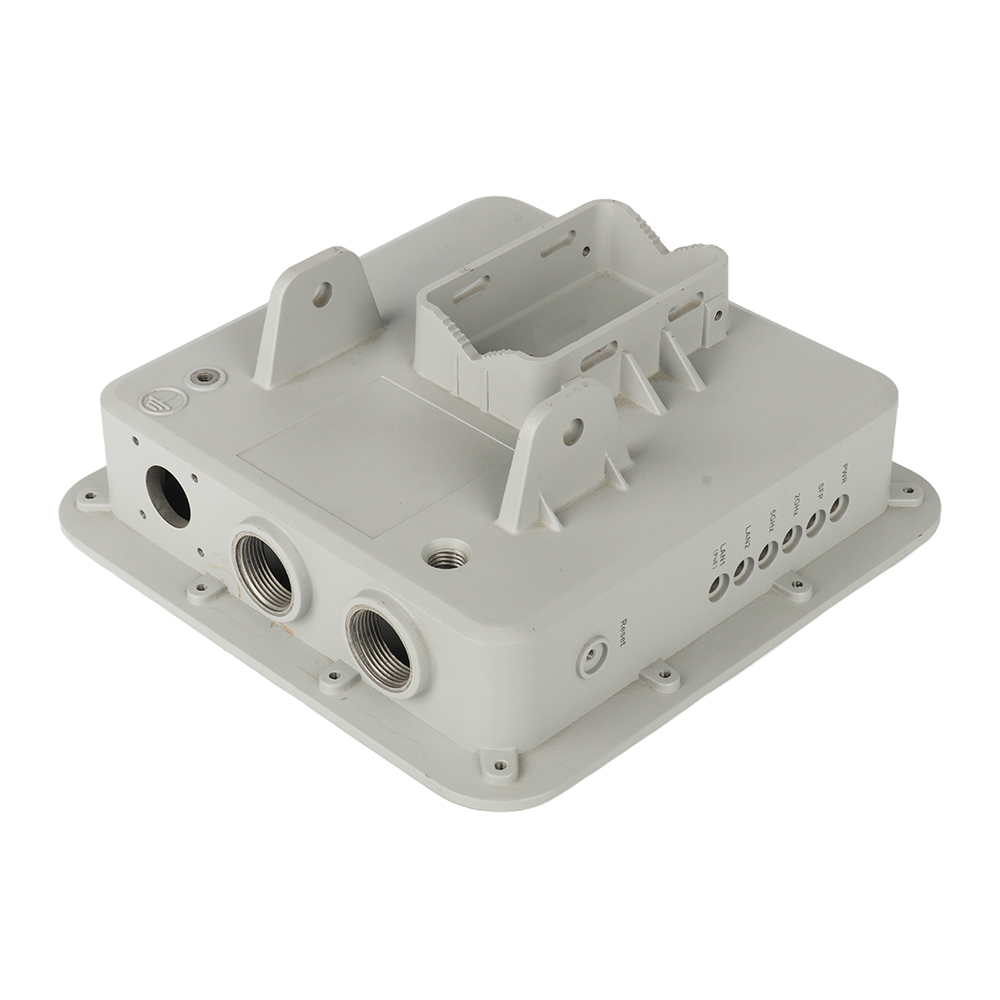
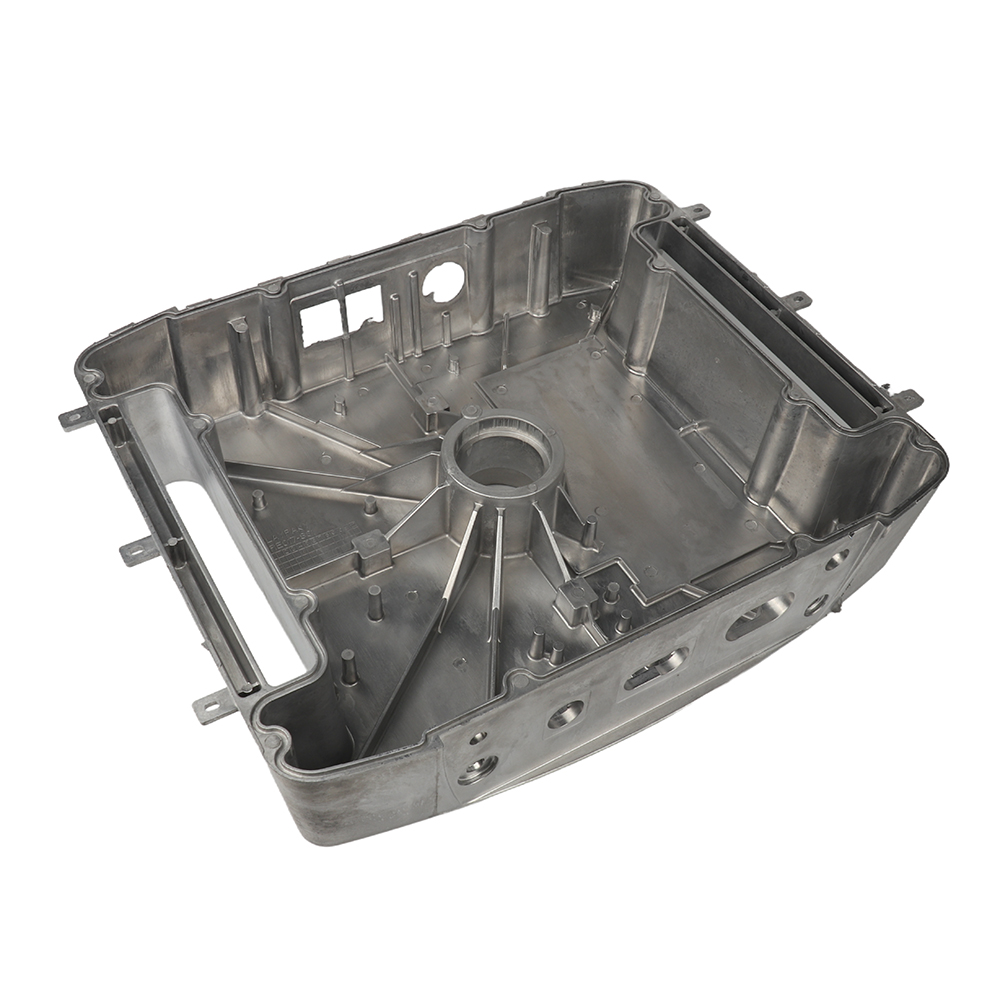
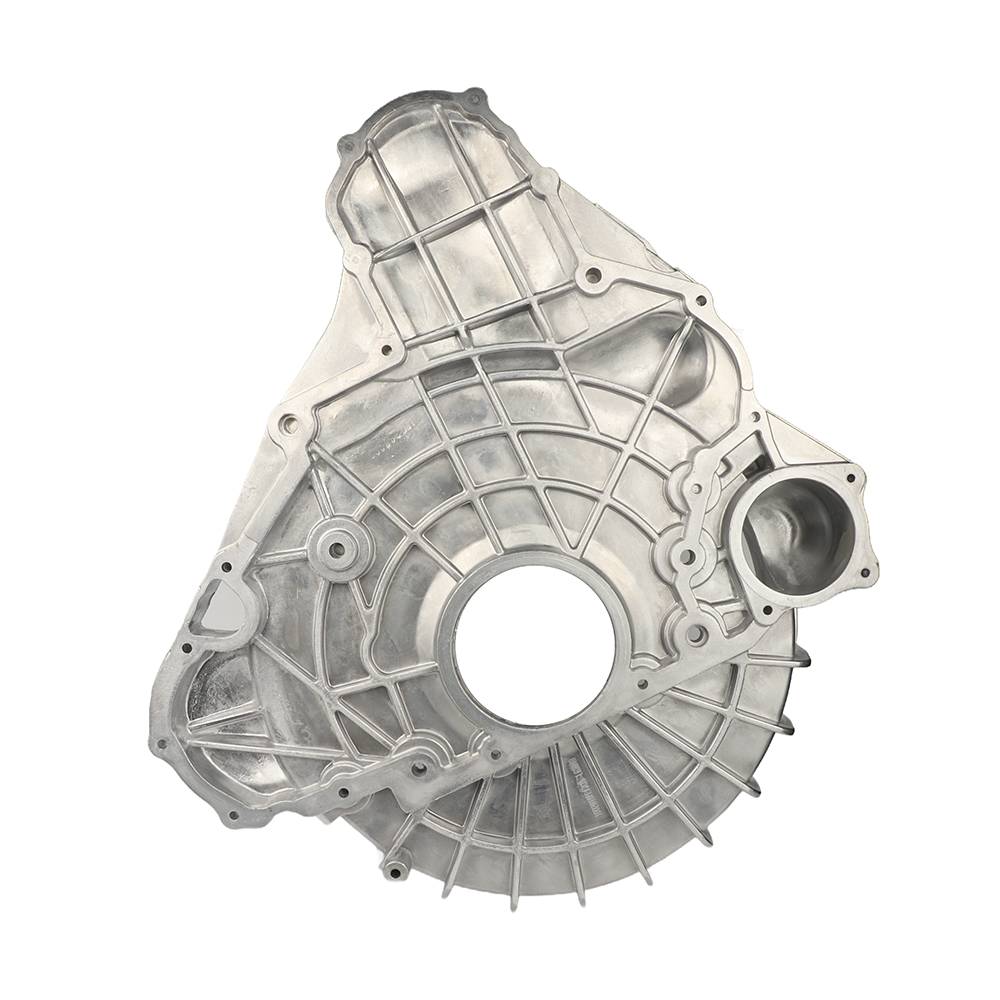
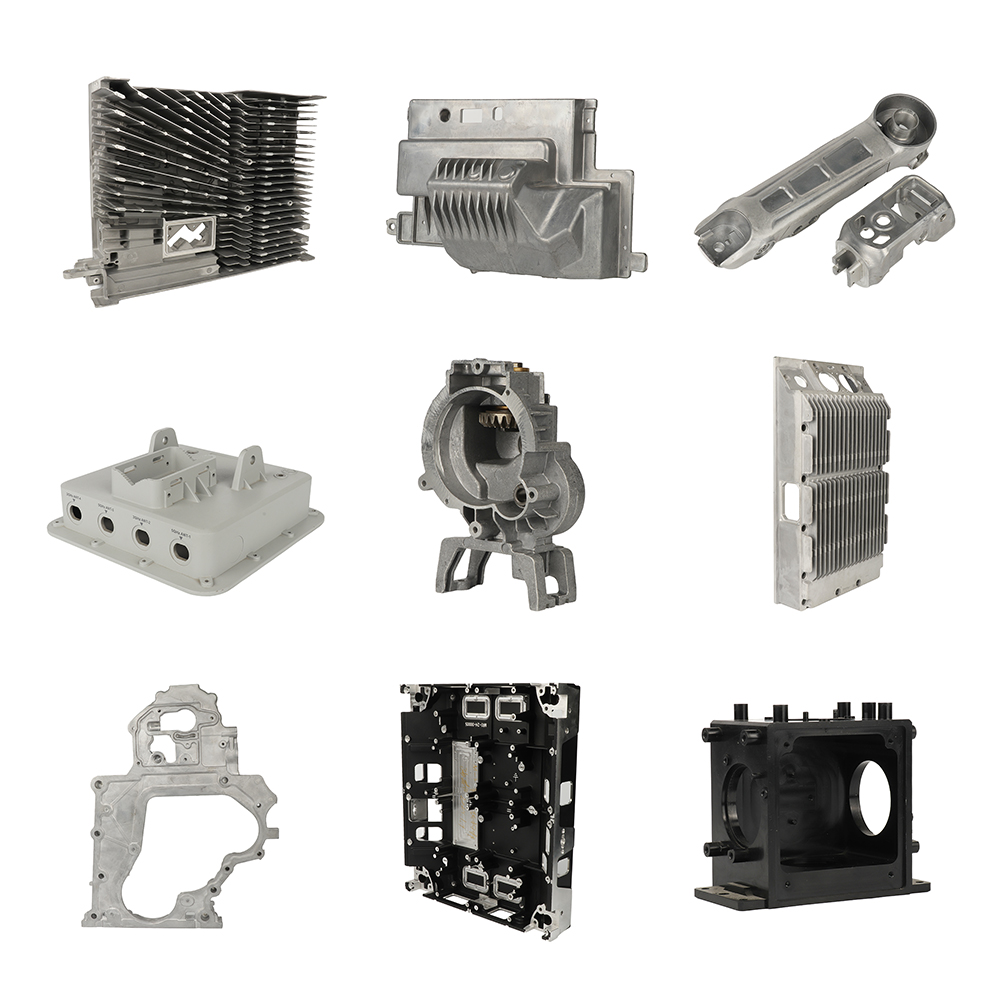
- New energy vehicles: Battery module end plates, battery brackets, electric motor housings, charging port shells.
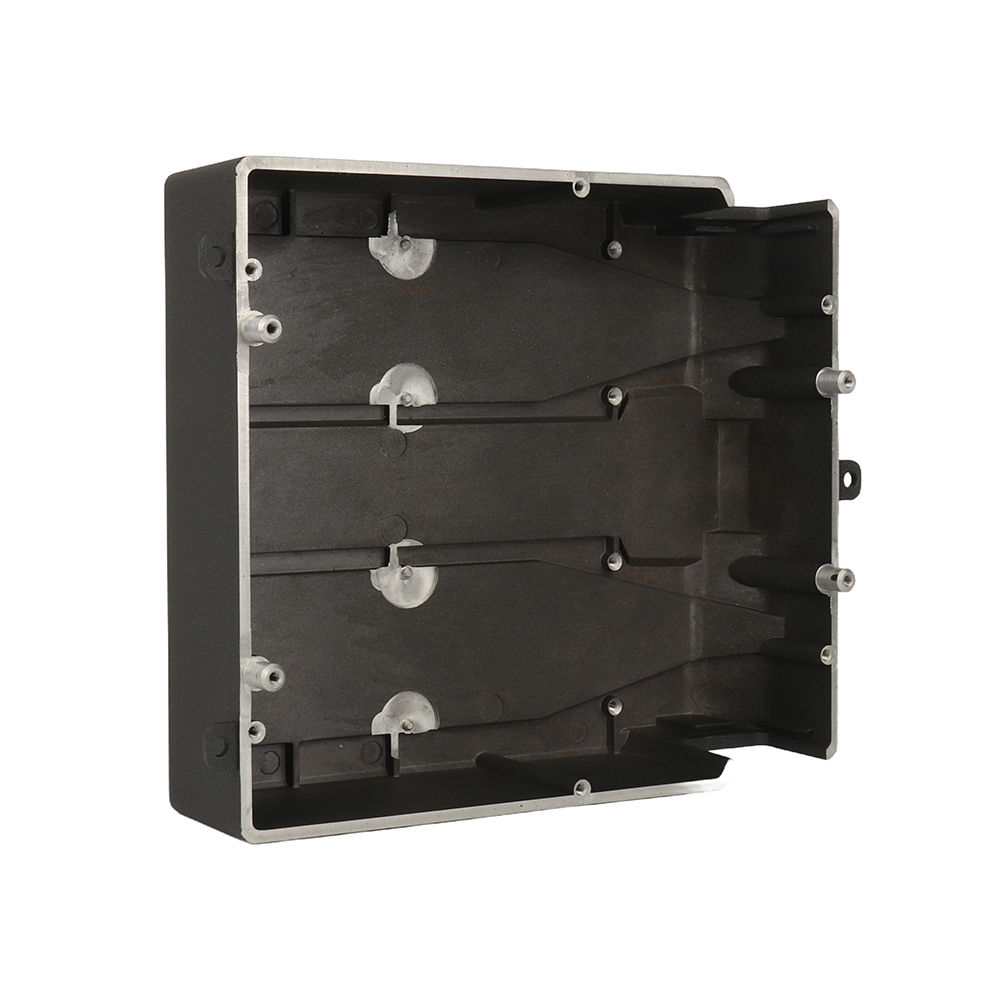
- Consumer electronics: Equipment enclosures, heat dissipation frames, sensor housings.
- Industrial automation: Valve bodies, pump housings, equipment mounting brackets.
- Lighting and communication: Die cast lamp housings, signal base shells.
- Outdoor power and energy storage: Power station enclosures and protective covers.
Most customers in these markets require customized non-standard shapes, tight tolerance control and stable batch consistency, which can only be achieved by tailor-made molds from a professional mold workshop.
7. Market Price Range for Custom Die Casting Molds
Custom mold prices are not fixed. They depend on cavity quantity, mold size, complexity, required tolerance, mold steel grade and expected shot life.
- Simple single-cavity mold for small ADC12 housing: USD 1,800 – USD 4,000
- Medium-complexity mold with multiple features and secondary machining allowance: USD 4,000 – USD 9,000
- Complex multi-cavity mold for automotive structural parts: USD 9,000 – USD 18,000+
An important pricing rule: higher order volume of finished die cast parts brings better unit price. At Xinghang Precision Hardware, the more pieces you order in mass production, the more favorable the overall quotation we can offer.
8. Key Advantages of In-House Custom Mold Workshop
Working with a factory owning its own mold workshop brings obvious benefits compared with sourcing molds and casting separately.
- Shorter communication chain: Mold designers, die casting technicians and QC engineers work in the same plant, so problems are solved quickly.
- Better tolerance control: We confirm dimension targets at the DFM stage, and our team is confident to meet strict drawing requirements.
- Faster revision: Mold modification and re-trial can be arranged immediately inside the workshop without waiting for third-party suppliers.
- Lower overall cost: Integrated mold making + die casting + CNC processing removes extra outsourcing markup.
- Long-term mold support: We provide continuous maintenance and repair service for the molds we built.
9. Expert Opinion on Custom Die Cast Tooling
“Many buyers focus only on the unit price of die cast parts while ignoring mold quality. A cheap mold with poor cooling and venting design will create continuous scrap, delay delivery and raise your total cost. For ADC12 aluminum die casting, the mold workshop’s capability in DFM analysis and precision machining determines whether your project succeeds. When evaluating suppliers, always check their in-house equipment list and inspection capacity instead of only comparing mold quotes.” — Senior Tooling Engineer, Die Casting Industry
This view explains why advanced equipment such as 5-axis CNC machines, CMM and flaw detectors become key evaluation standards for serious buyers.
10. About Xinghang Precision Hardware – Our Mold & Die Casting Capacity
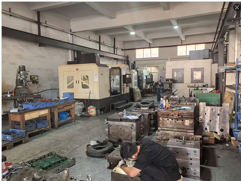
Xinghang Precision Hardware runs a self-owned factory covering nearly 10,000 square meters. Our independent mold workshop can fully develop custom molds according to your 2D drawings, 3D models or samples, supporting ADC12 aluminum die cast housing and component customization.
Our workshop and quality lab are equipped with professional facilities:
- 5-axis CNC machines for high-precision mold cavity machining and post processing of die cast parts
- X-ray flaw detector for internal defect inspection
- CMM (Coordinate Measuring Machine) for strict dimensional verification
- Complete mold processing, die casting, deburring and surface treatment lines
Our team carries out detailed drawing analysis for every project. We are confident in tight tolerance control and stable batch quality. We accept OEM & ODM custom die cast products, and we offer volume-based discount policies: the larger your batch order, the better price you can get.
Contact us: Phone / Whatsapp / WeChat: +86 18819502691 Email: liqine@xinghangcn.com
11. Frequently Asked Questions
Q1: Can your mold workshop make molds from customer samples if I do not have complete drawings? A: Yes. We can perform reverse engineering, generate 3D models and 2D drawings, then design and manufacture the mold after your confirmation. DFM feedback will be provided before starting.
Q2: What alloy material can the custom mold support? A: Our workshop mainly develops molds for ADC12 aluminum alloy, which is widely used for die cast enclosures and structural parts with good fluidity. We can also discuss other aluminum grades upon request.
Q3: How long will it take to get first samples after mold start? A: For standard single-cavity ADC12 molds, first samples are available around 4–6 weeks after drawing approval. Complex multi-cavity tooling takes longer. We will confirm the timeline in your quotation.
Q4: Do you keep ownership of the mold after production? A: Normally, the custom mold belongs to you once full tooling payment is finished. We can store the mold in our factory for repeated production orders, or arrange mold shipment to your designated address.
Q5: Can you do both mold making and mass die casting production? A: Yes, we are a one-stop supplier covering custom mold development, ADC12 die casting, CNC precision machining and full inspection.
12. Summary: Industry Trend & Tips for Selecting a Reliable Hardware Supplier
The custom die casting industry is moving toward higher precision, integrated manufacturing and stricter quality traceability. New energy and intelligent equipment clients are raising requirements for defect control, dimensional consistency and fast iteration. Single-process workshops are gradually losing competitiveness, while factories with closed-loop capacity from mold workshop to final inspection become the preferred partners.
When you select a high-quality hardware and die casting supplier, focus on these points:
- Confirm whether they own an independent mold workshop instead of outsourcing all tooling.
- Check their core equipment: 5-axis CNC, CMM and non-destructive flaw detection equipment are strong proof of quality control capability.
- Verify whether they provide DFM analysis and technical suggestions at the early stage.
- Clarify tolerance standards, inspection reports, lead time and volume discount terms before placing orders.
- Evaluate their communication speed and after-service support for mold maintenance and modification.
If you are looking for a trustworthy partner for custom molds and ADC12 aluminum die cast enclosures, Xinghang Precision Hardware is ready to review your drawings, provide professional DFM feedback and offer competitive pricing. Reach out via Whatsapp, WeChat or email anytime to start your custom mold project.
Cast aluminum anodizing | What are the benefits of anodizing cast aluminum parts?
End panel | What is aluminum end plate for EV battery module?
Related Article