HOT PRODUCTS
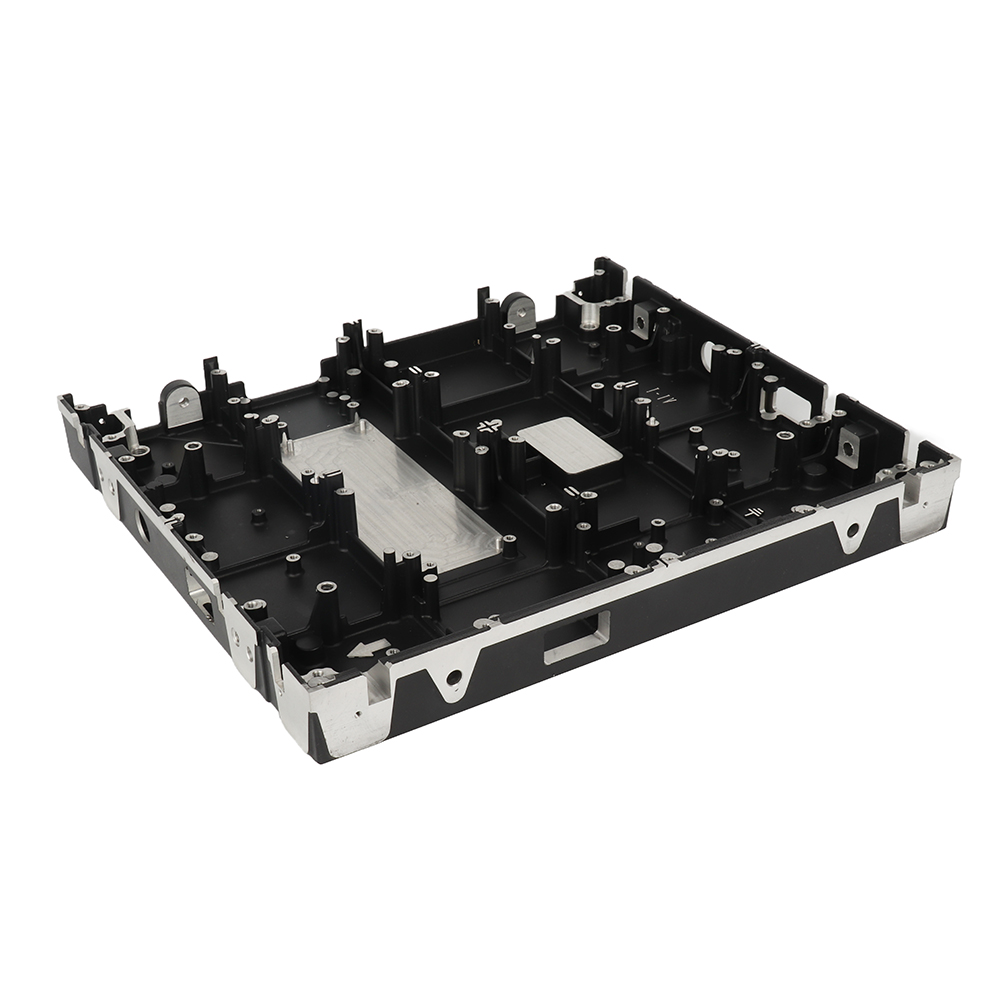
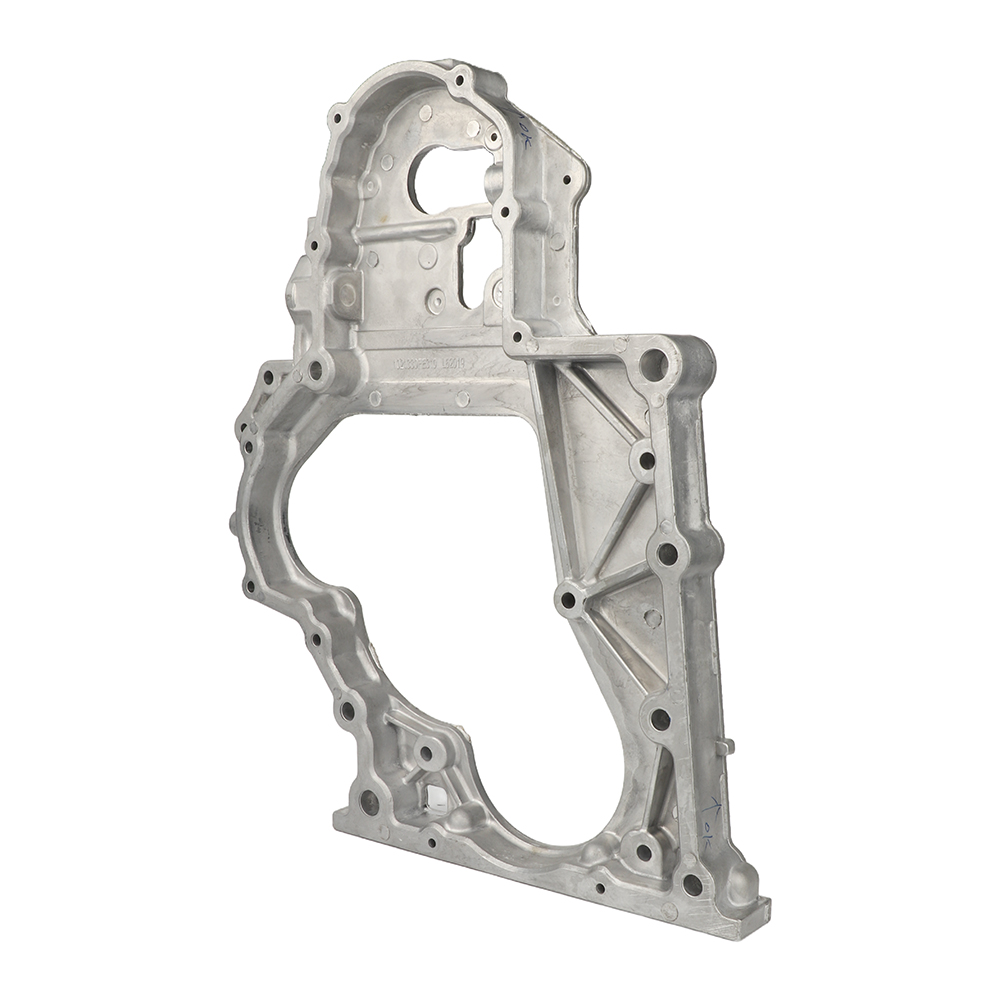
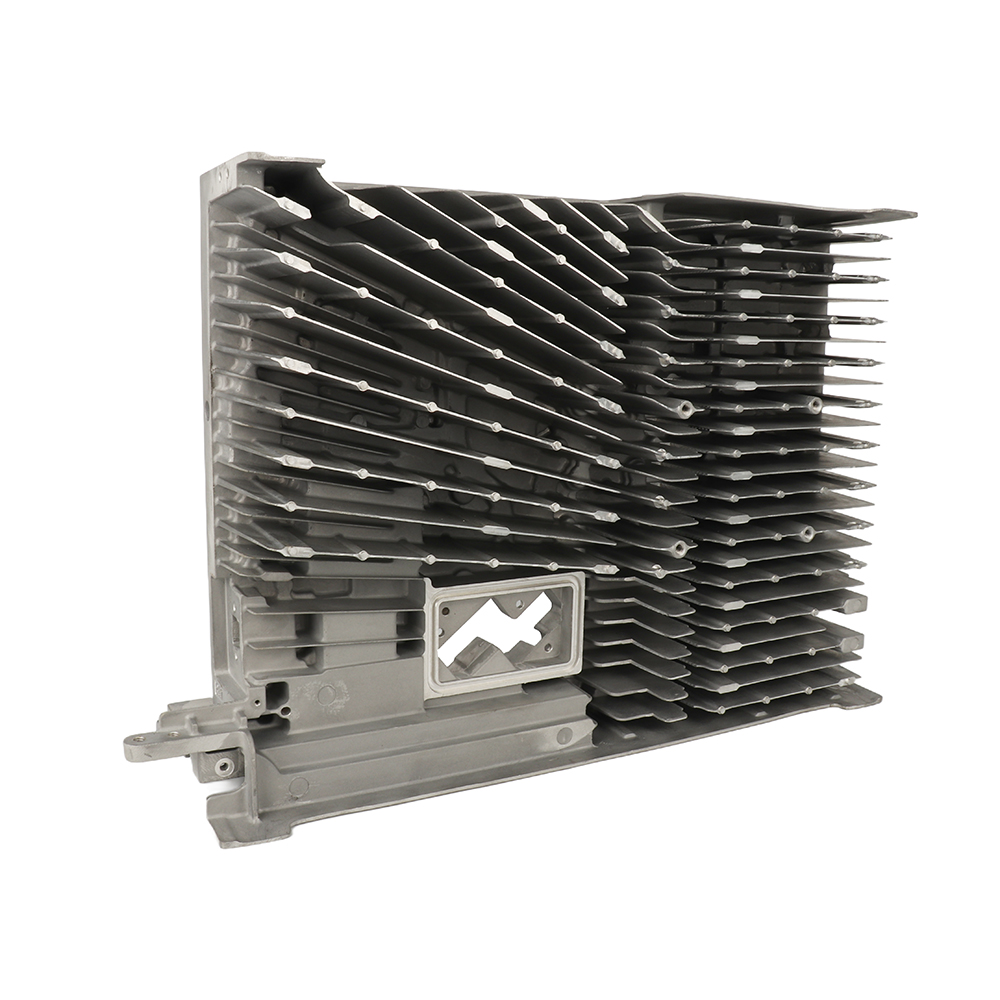
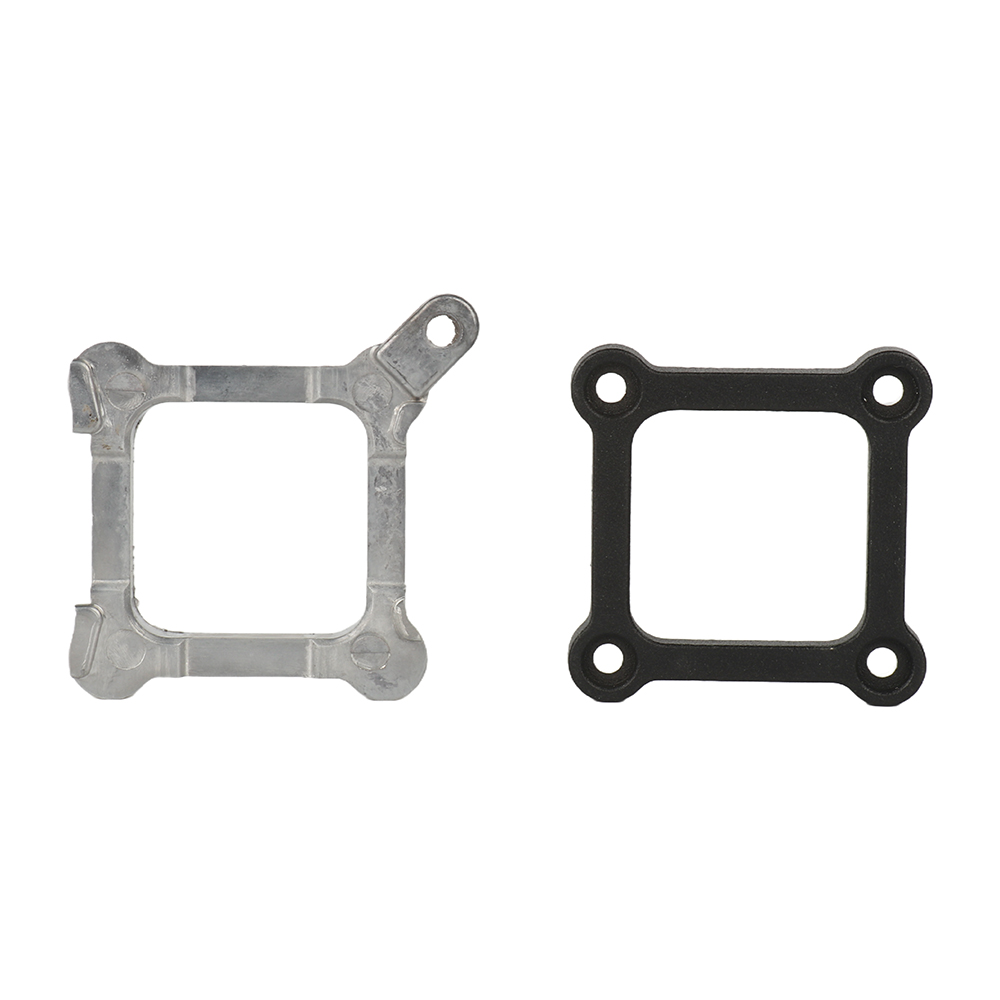
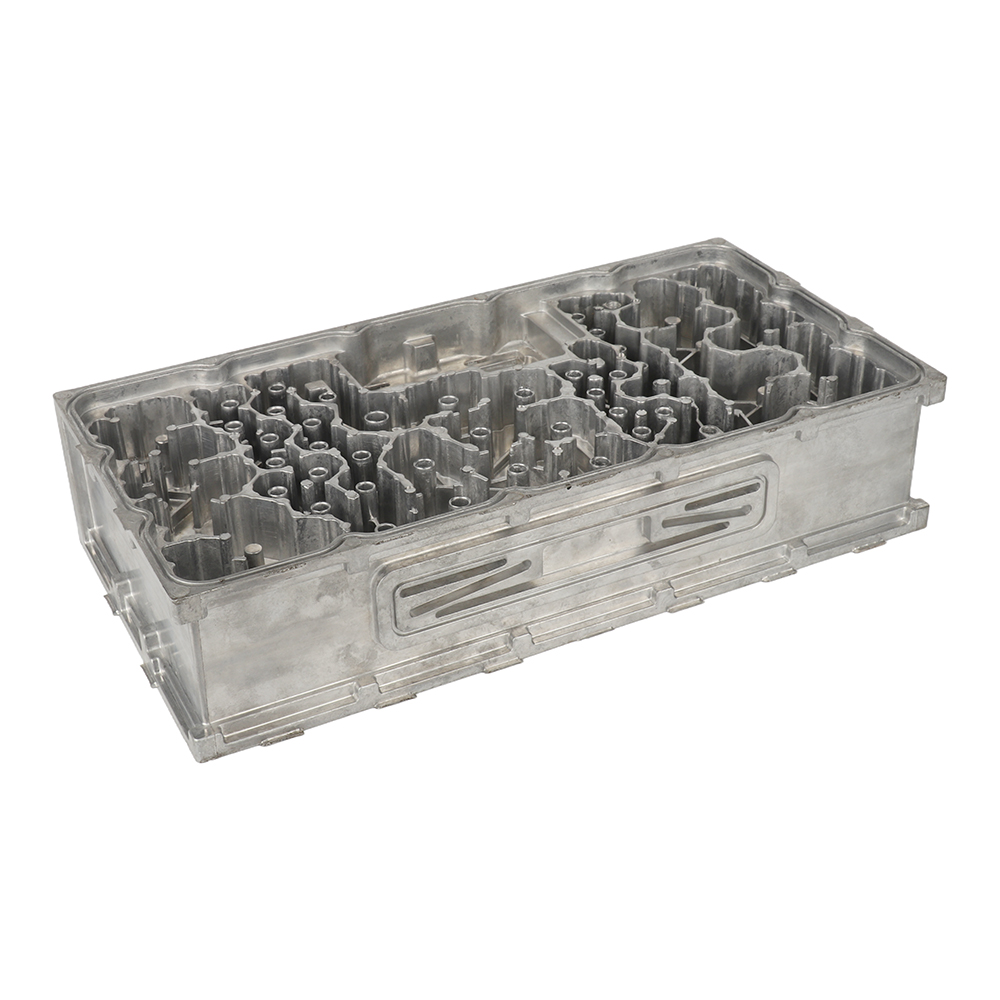
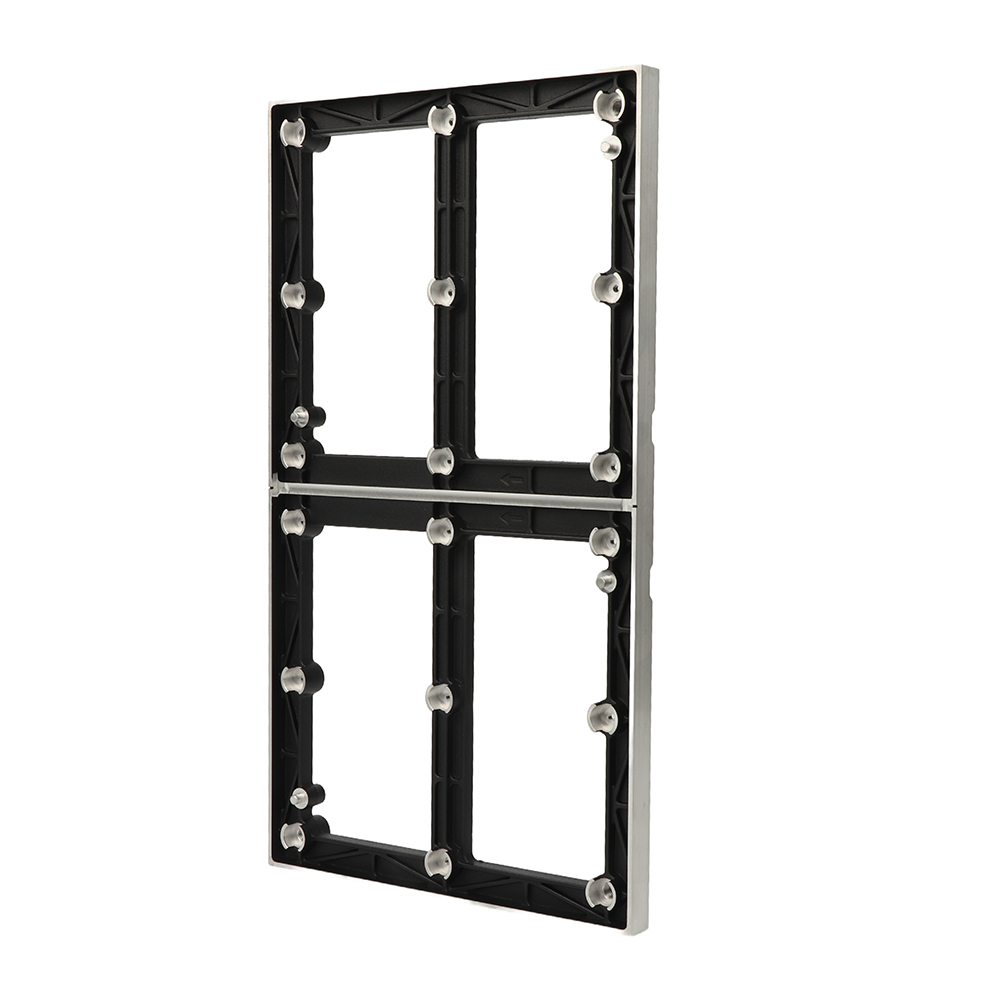
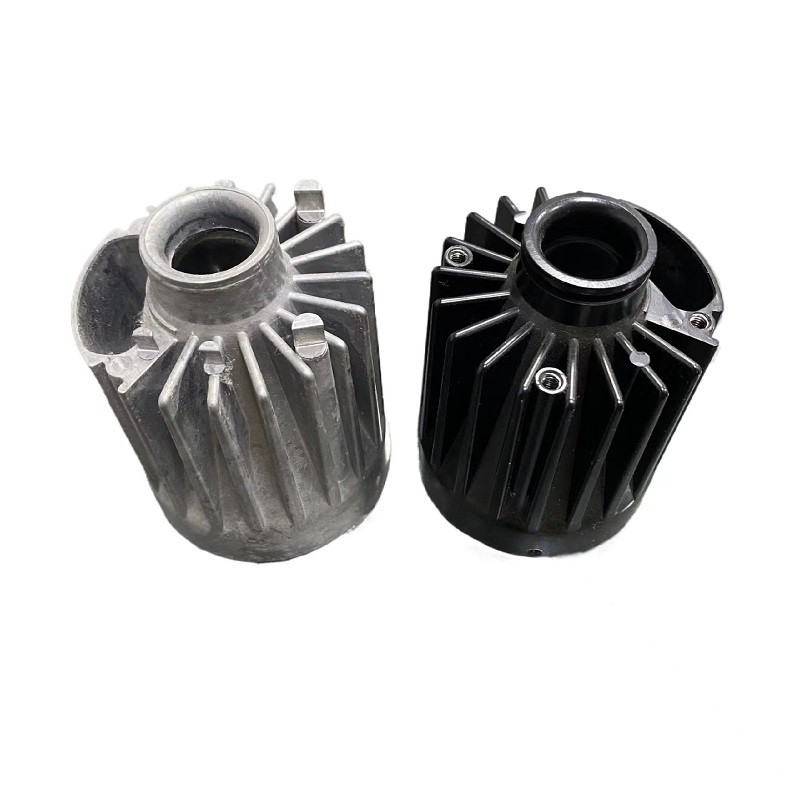
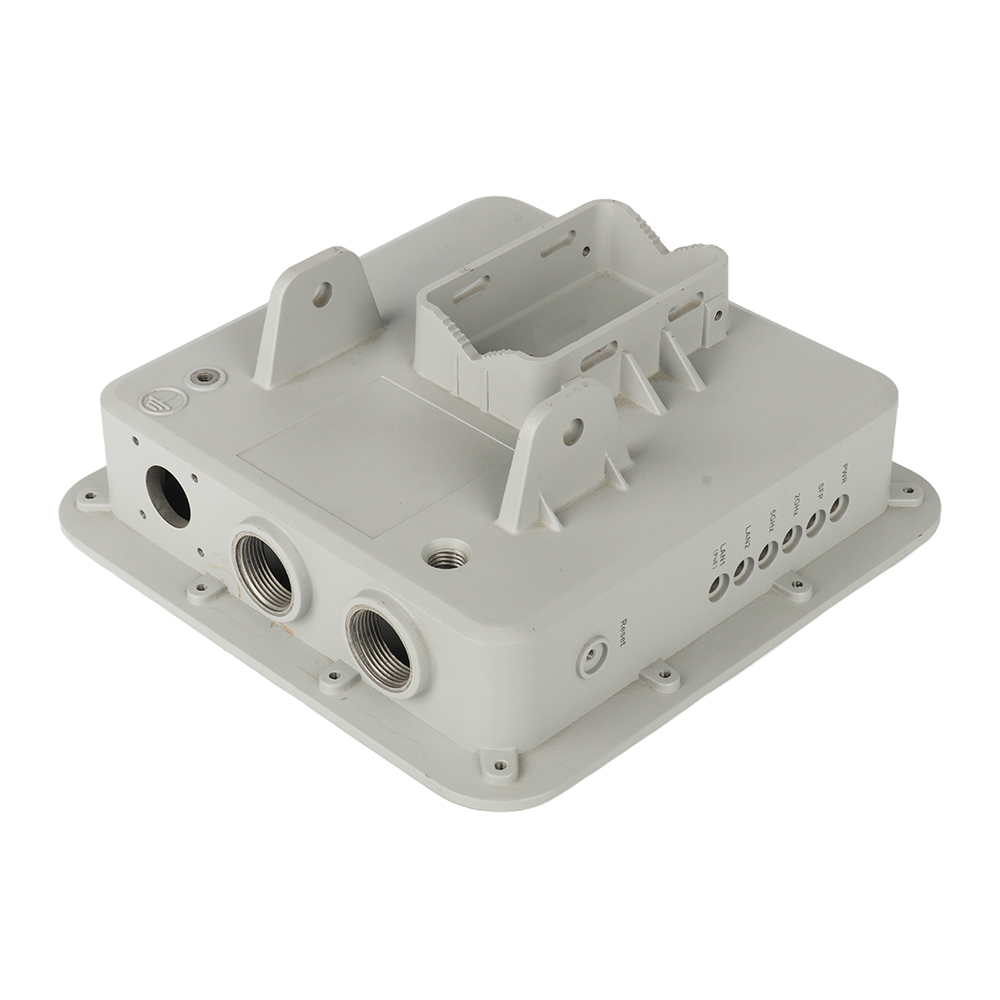
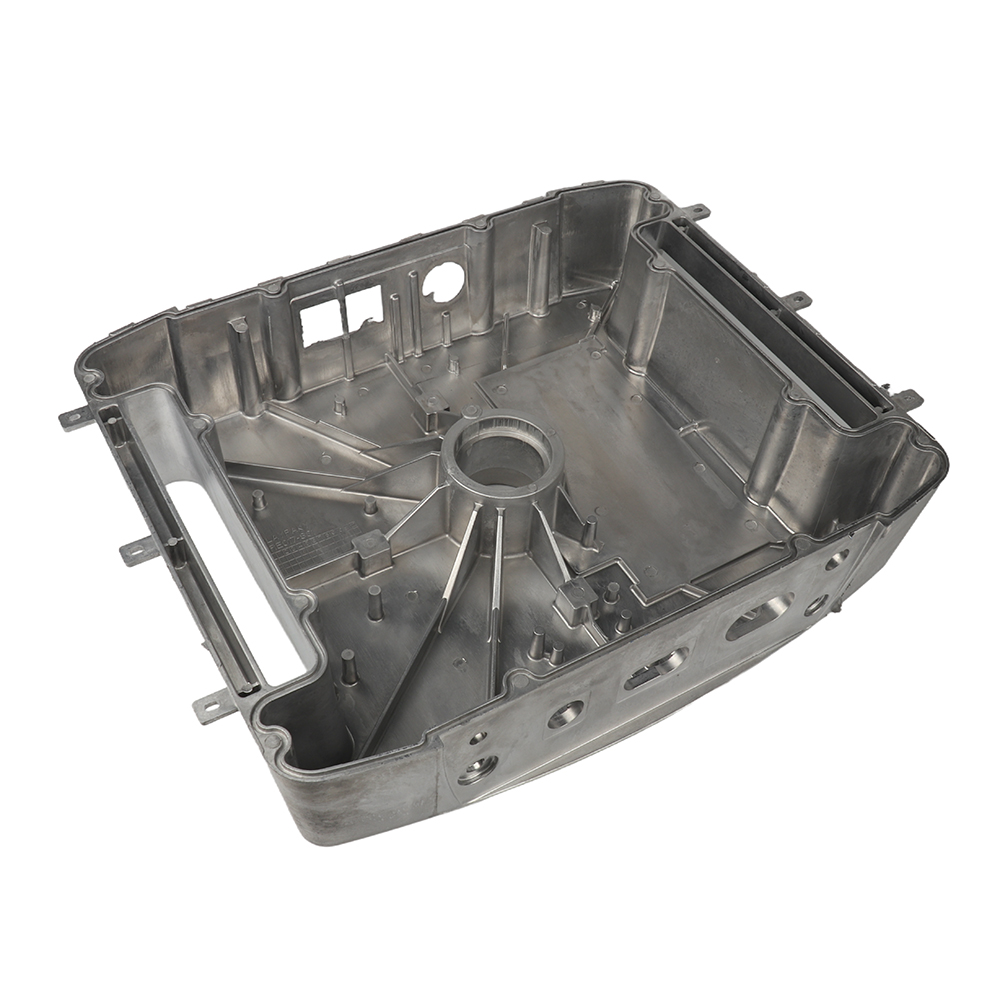
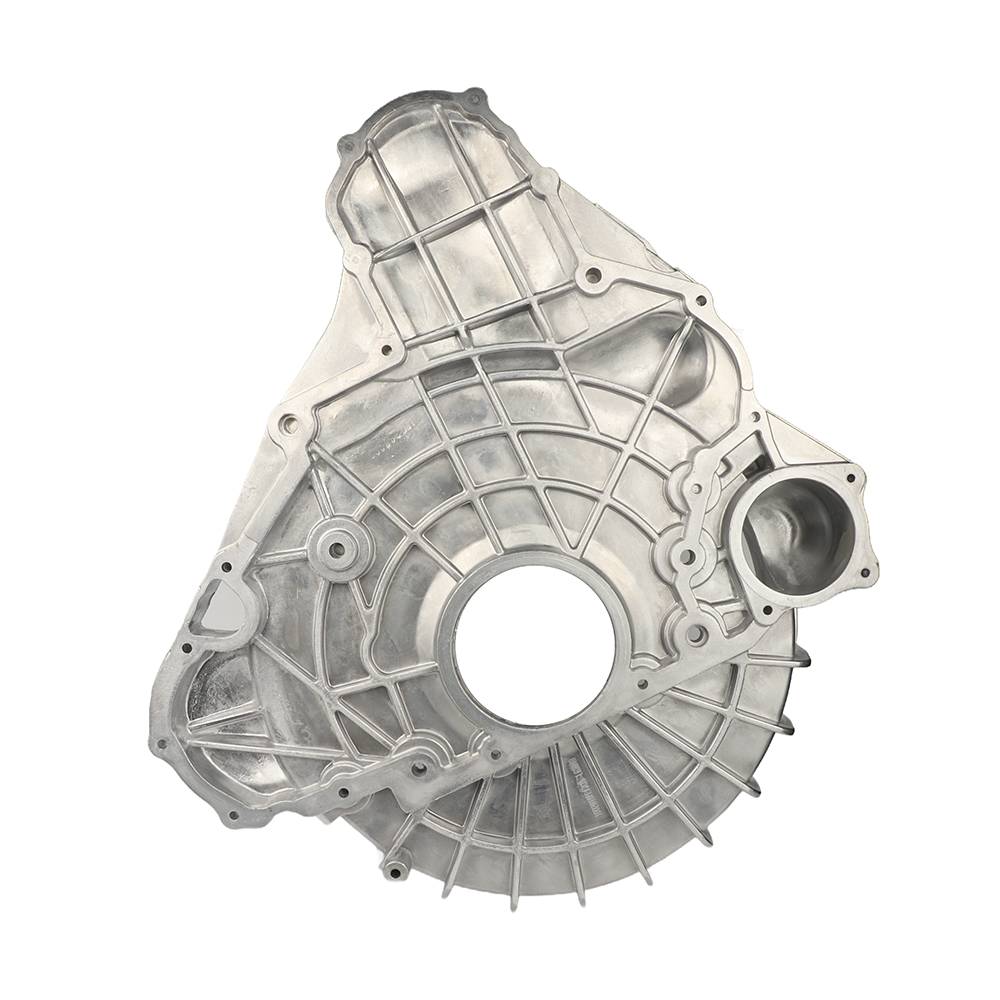
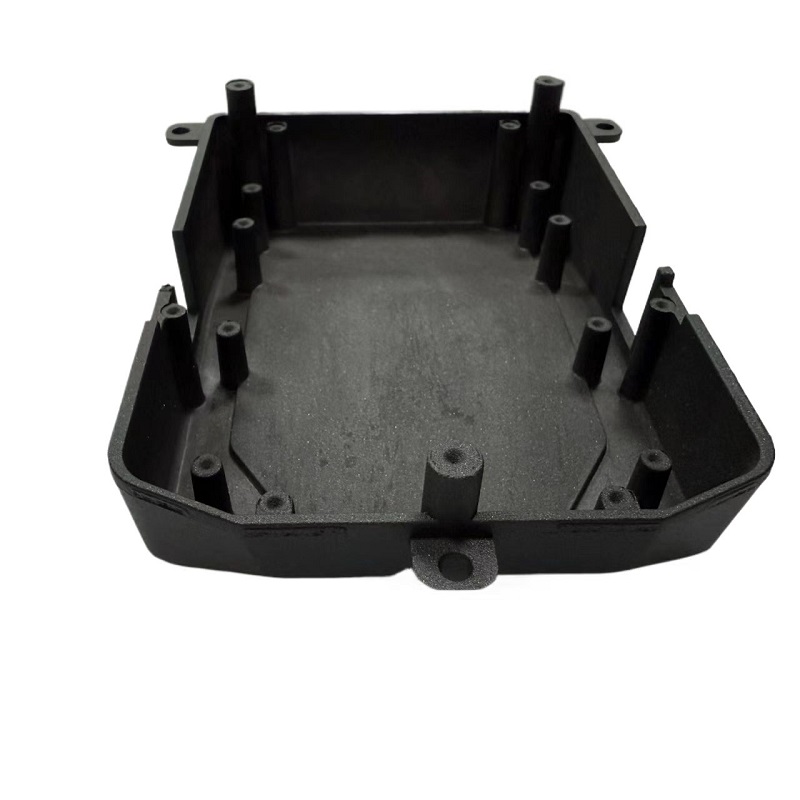
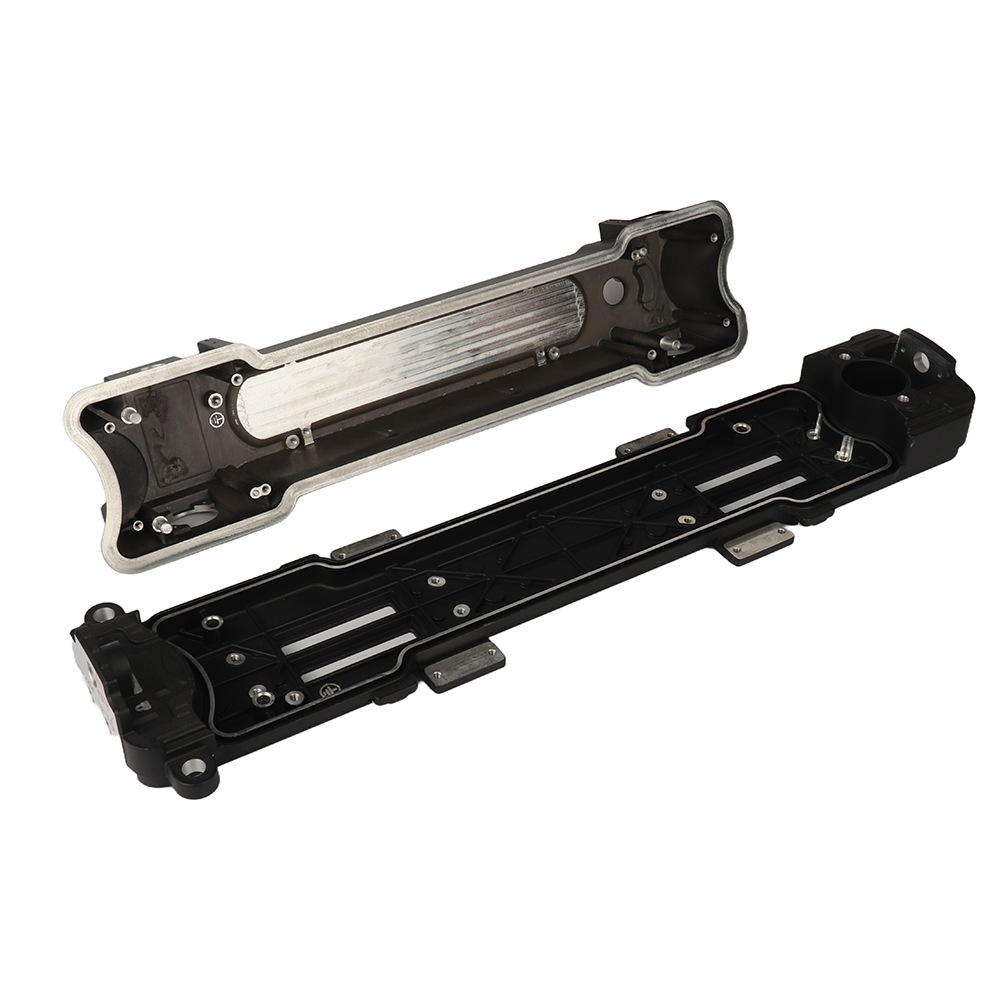
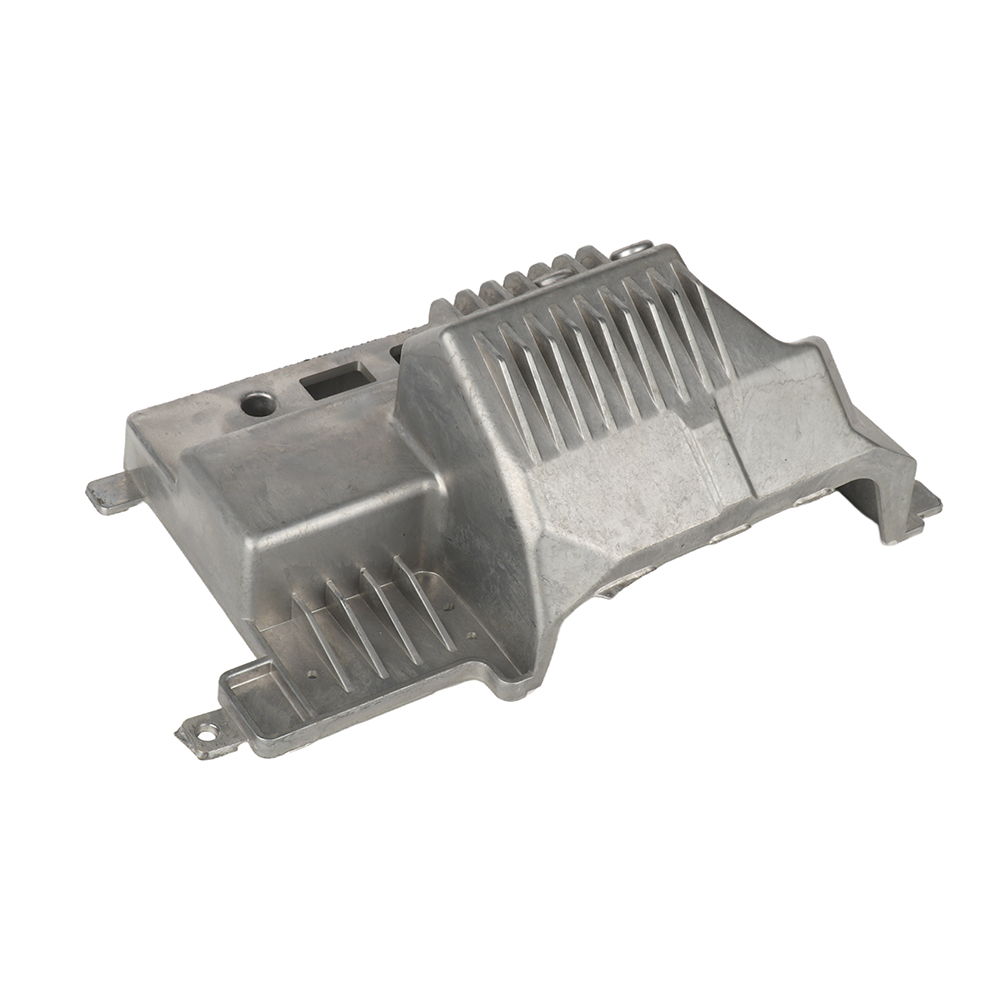
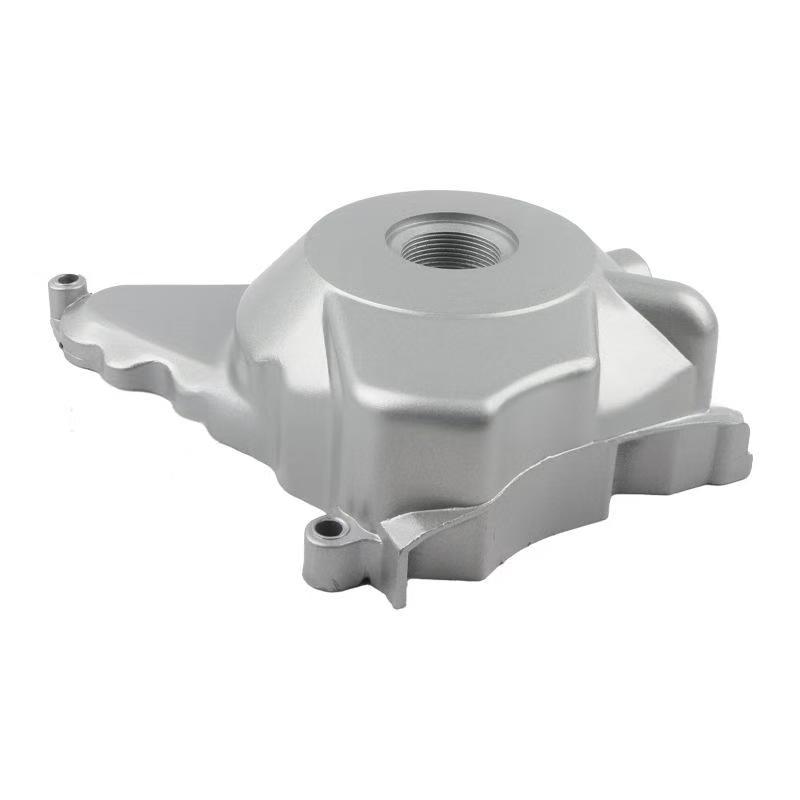
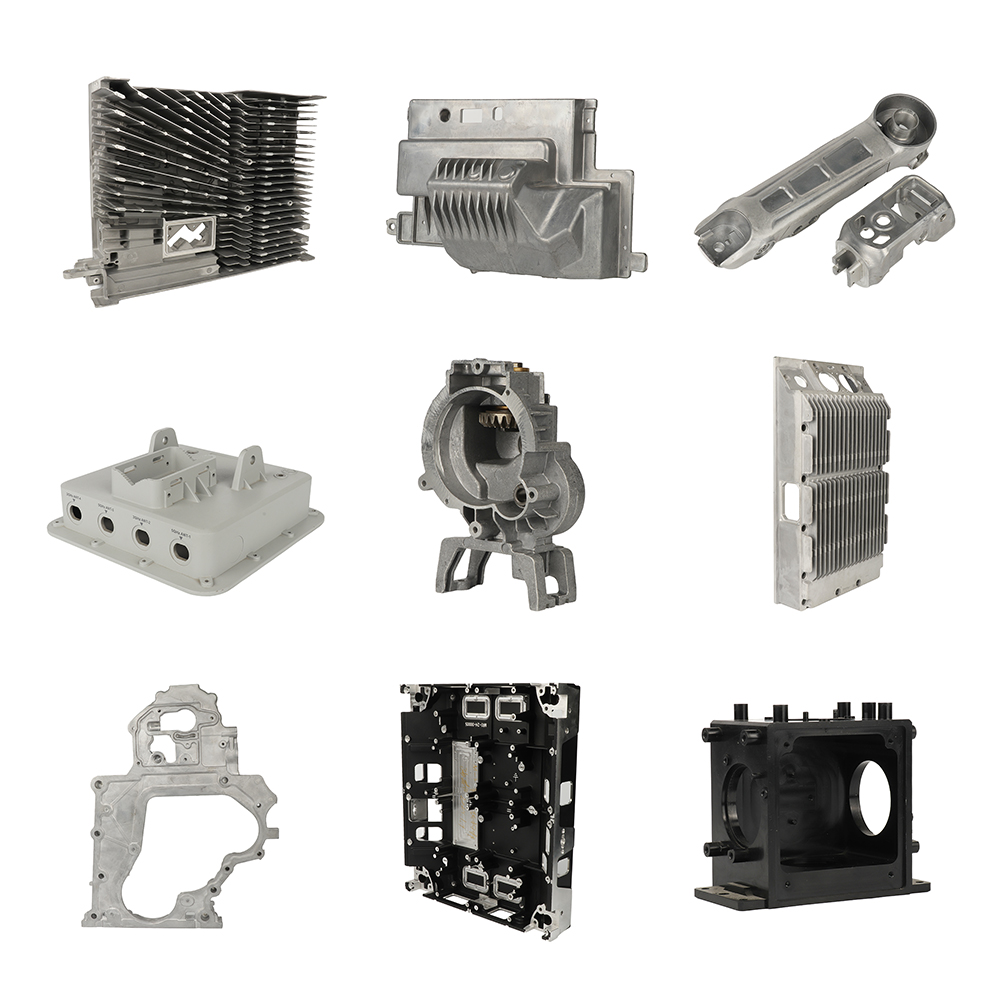
Cast aluminum anodizing | What are the benefits of anodizing cast aluminum parts?
What are the benefits of anodizing cast aluminum parts?
Table of Contents
- Introduction to cast aluminum anodizing
- What is cast aluminum anodizing and its core function
- General specification & parameter table for ADC12 cast aluminum anodizing
- Key benefits of cast aluminum anodizing
- Common challenges & practical solutions during anodizing ADC12 castings
- Main application scenarios & market price overview
- Expert opinion on ADC12 cast aluminum anodizing
- Why choose Xinghang Precision Hardware for your anodized die cast parts
- Industry FAQ for cast aluminum anodizing
- Summary: Custom die casting industry trend & tips for selecting reliable hardware suppliers
1.Introduction to cast aluminum anodizing
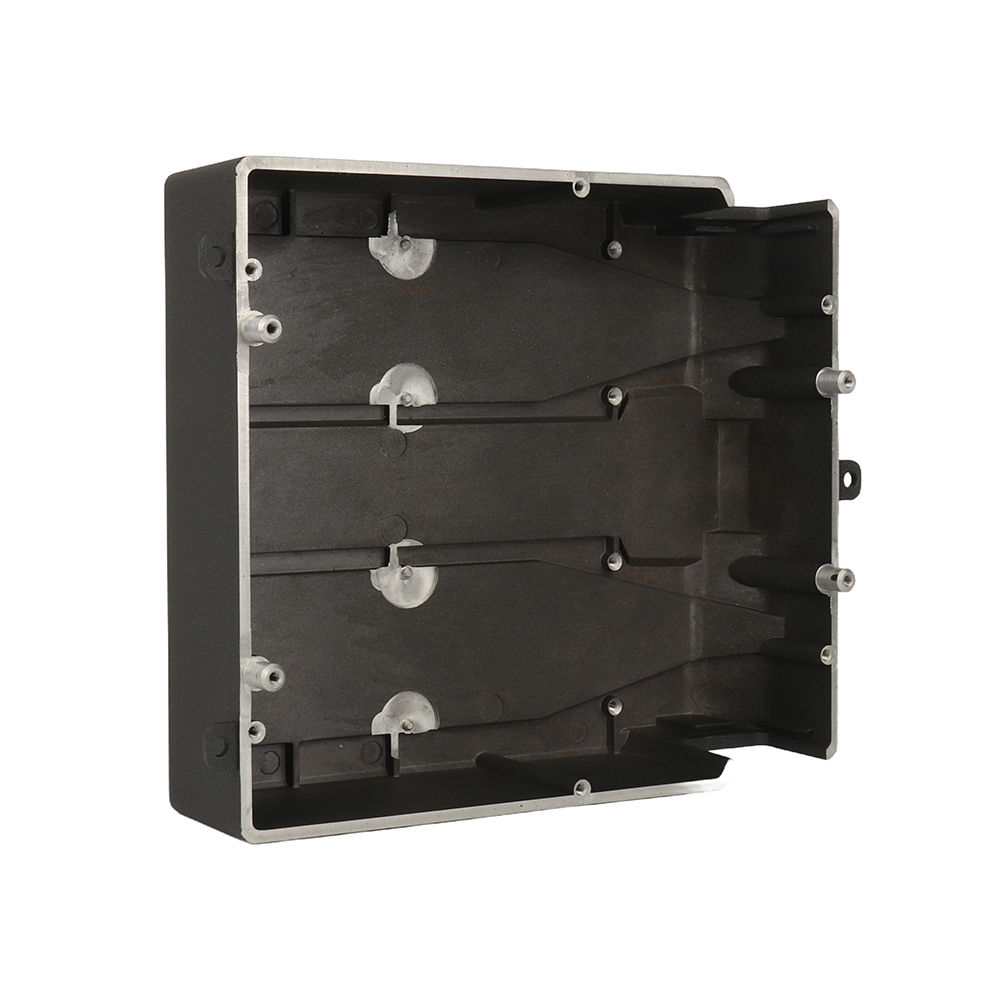
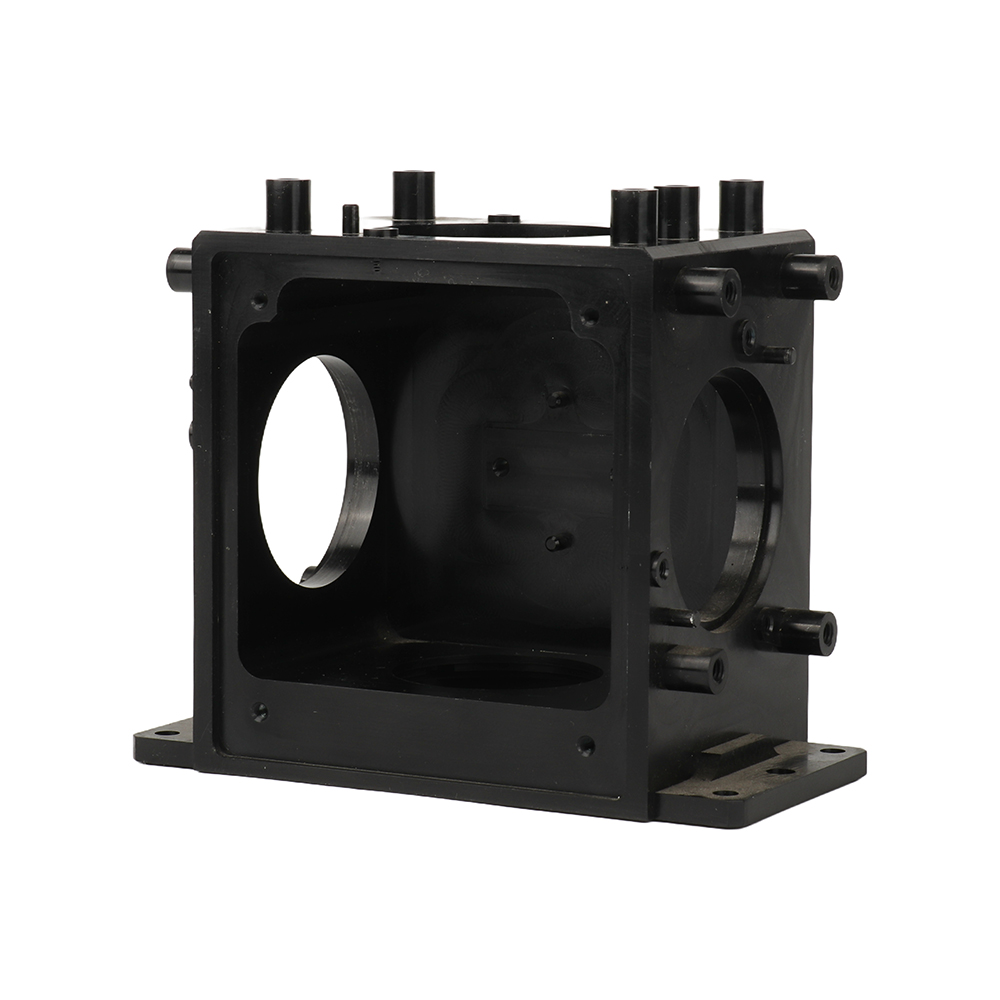
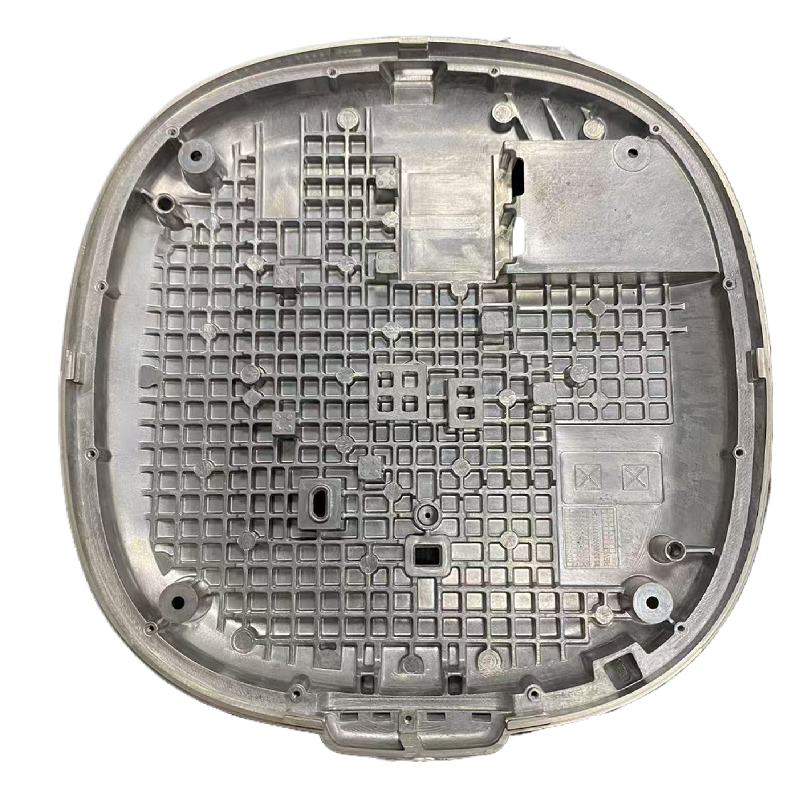
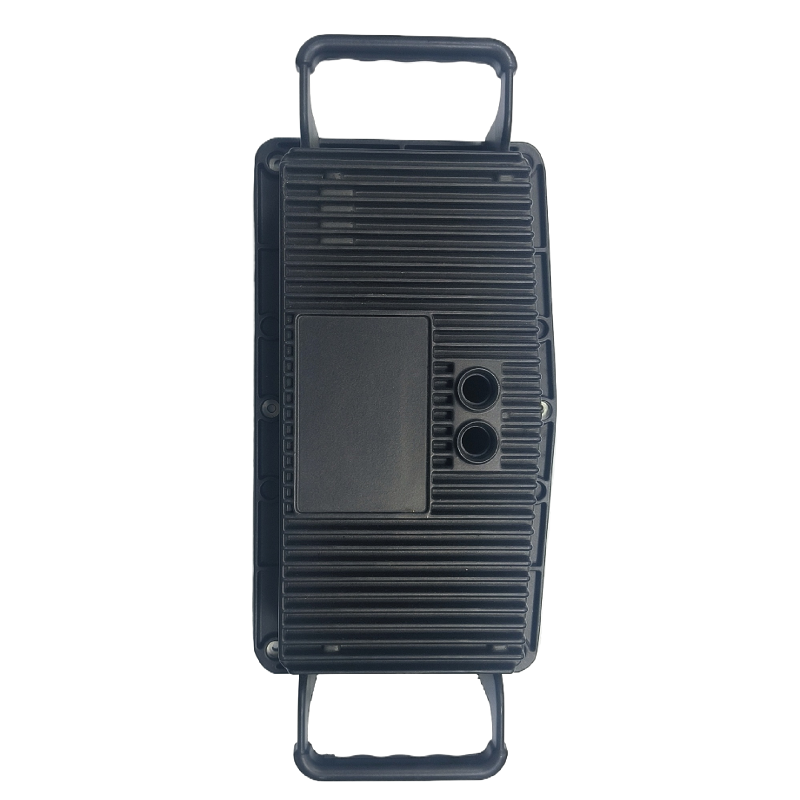
Cast aluminum anodizing is an electrochemical surface treatment process that grows a controlled, durable oxide layer on the surface of aluminum die castings. Unlike painting or powder coating, the anodic layer is not just attached on top; it integrates with the aluminum substrate, delivering stable protection for ADC12 die cast components. Many buyers wonder whether high-silicon ADC12 alloy is suitable for anodizing. The answer is yes, though it needs mature process tuning. This article breaks down its advantages, technical specs, application ranges, common production issues and supplier selection advice for custom cast aluminum projects.
2.What is cast aluminum anodizing and its core function
Cast aluminum anodizing converts the aluminum surface into aluminum oxide under electric current inside an acid electrolyte bath. For ADC12 die castings, this process solves the natural weaknesses of bare cast aluminum: easy oxidation, low surface hardness, poor wear resistance and unstable performance under outdoor or high-temperature working environments.
Its core functions include:
- Building an insulating oxide film to block electric current for electronic assemblies
- Boosting corrosion resistance for outdoor and humid working conditions
- Raising surface hardness and anti-abrasion performance for sliding mechanical parts
- Providing stable dyeing options for decorative, consistent metallic looks
- Stabilizing surface performance without heavy impact on overall part dimensions
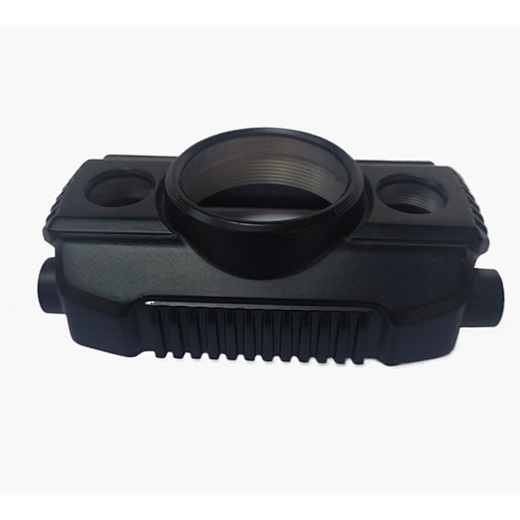
3.General specification & parameter table for ADC12 cast aluminum anodizing
| Item | Specification | Remarks |
|---|---|---|
| Base Material | ADC12 aluminum die cast alloy | High silicon content (9–12%), typical for high-pressure die casting |
| Anodizing Type | Type II (Sulfuric Acid Anodizing) / Type III Hard Anodizing | Type II for general protection & coloring; Type III for heavy wear demand |
| Typical Film Thickness | Type II: 5–10 μm Type III: 15–20 μm |
Thickness above 20μm for ADC12 brings higher risk of uneven surface |
| Surface Hardness | Type II: 250–350 HV Type III Hardcoat: 450–650 HV |
Hardness varies with silicon distribution and pre-CNC machining quality |
| Salt Spray Resistance (ASTM B117) | ≥240 hours (sealed Type II) ≥500 hours (sealed Type III) |
Test result depends on pre-treatment and sealing quality |
| Available Colors | Black, grey, dark blue, bronze, natural silver | Light bright colors are hard to achieve evenly on raw ADC12 casting surface |
| Working Temperature Range | -40℃ ~ 180℃ | Anodic layer remains stable within this range |
| Dimensional Change | Approx. 50% of film thickness added outward | Critical tolerance dimensions need pre-machining allowance design |
| Surface Requirement | CNC machined surface recommended | As-cast rough surface and trapped porosity easily cause blotchy color |
4.Key benefits of cast aluminum anodizing
Superior corrosion resistance
The dense anodic oxide layer seals the aluminum substrate away from moisture, salt spray and chemical vapors. For outdoor EV accessories, communication enclosures and marine hardware, anodized ADC12 castings avoid rust and white oxidation that usually appear on bare cast aluminum.
Improved wear & scratch resistance
Bare ADC12 cast aluminum is soft and scratches easily. After hard anodizing (Type III), the surface hardness rises sharply. It works well for mechanical contact parts, sliding brackets and assembly structures that need repeated friction without coating peeling.
Electrical insulation property
The aluminum oxide film from cast aluminum anodizing is non-conductive. This is a huge advantage for power module housings, battery structural parts and control box shells, where electrical isolation is required between internal circuits and metal housings.
Stable, fade-resistant decorative finish
Anodized color penetrates into the oxide film instead of sitting on the surface. Compared with spray paint, dyed anodized surfaces resist UV fading much better, suitable for consumer device shells, equipment panels and industrial decorative housings.
Controlled dimensional stability
One big advantage of cast aluminum anodizing is predictable thickness growth. Experienced manufacturers calculate coating allowance in advance during drawing review, so tight tolerance requirements can still be satisfied after surface treatment.
Eco-friendly surface treatment
Anodizing produces no volatile organic compounds (VOCs) in the coating layer. The oxide film is non-toxic and recyclable together with aluminum scrap, matching the low-carbon requirements of modern automotive and electronics supply chains.
5.Common challenges & practical solutions during anodizing ADC12 castings
ADC12 has high silicon content and inherent casting porosity, which brings unique difficulties for anodizing. Below are frequent problems and mature solutions:
Problem 1: Uneven color, dark spots or grey mottling
Cause: Silicon particles in ADC12 cannot form oxide film, and casting porosity traps etchant during pre-treatment. Solution: Add CNC machining on critical cosmetic surfaces before anodizing; use optimized etching and desmut process; select dark colors like black to reduce visual inconsistency.
Problem 2: Pinholes and blisters after anodizing
Cause: Gas porosity inside die castings opens up during etching and anodizing. Solution: Control die casting pressure and gating system; perform X-ray inspection with flaw detector before surface treatment; reject high-porosity semi-finished castings.
Problem 3: Tolerance out of spec after anodizing
Cause: Customers ignore dimensional growth of oxide layer. Solution: Our engineering team carries out full drawing analysis at early stage, reserves proper machining allowance according to target anodizing thickness.
Problem 4: Poor adhesion and sealing failure
Cause: Insufficient rinsing between process tanks or low-quality sealing. Solution: Strict multi-stage rinsing; adopt nickel acetate sealing for outdoor-grade parts; run salt spray sampling test batch by batch.
6.Main application scenarios & market price overview
Application fields
- New energy vehicles: EV auxiliary brackets, motor housings, battery module structural covers, charging gun shells
- Industrial automation: pump bodies, valve housings, equipment frame castings, sensor enclosures
- Communication hardware: signal shielding boxes, outdoor router shells, base station accessories
- Consumer electronics: power adapter housings, audio and lighting cast shells
- Machinery & hydraulic parts: connecting blocks, sliding supports, hydraulic valve cast bodies
Market price reference
The cost of ADC12 cast aluminum anodizing depends on part size, required film thickness, color, tolerance standard, inspection requirement and order volume. Standard Type II black anodizing for simple small cast parts has a moderate unit price. Hard Type III anodizing, full dimensional inspection, salt spray test and strict cosmetic standards push the cost higher.
For overseas buyers, one key rule: higher batch quantity brings better unit price. At Xinghang Precision Hardware, we provide volume discount programs; the more pieces you order, the more competitive your final price will be.
7.Expert opinion on ADC12 cast aluminum anodizing
Mr. Jason Lee, senior surface treatment engineer with over 18 years experience in aluminum die casting finishing, shared his practical view: “Many overseas clients mistakenly treat ADC12 the same as extrusion aluminum for anodizing. ADC12’s high silicon feature limits bright, mirror-like finishes, but it is still a cost-effective alloy for functional anodized cast components. The core to stable yield lies in upstream die casting quality control, pre-CNC machining and process parameter locking. Suppliers equipped with CMM coordinate measuring machine, flaw detection and precise CNC equipment are far more capable to control consistency for ADC12 anodized orders.”
8.Why choose Xinghang Precision Hardware for your anodized die cast parts
Xinghang Precision Hardware is a professional manufacturer focusing on custom aluminum die cast products and full secondary processing. We own our factory covering nearly 10,000 square meters.
Our core capabilities: ✅ Custom die cast shells and structural components in ADC12 and other aluminum alloys ✅ In-house 5-axis CNC machines for precision machining before and after anodizing ✅ Flaw detector for internal defect inspection of raw castings ✅ CMM three-coordinate measuring machine for full dimension verification ✅ Professional engineering team for drawing analysis and tolerance feasibility evaluation ✅ Complete surface treatment support: Type II / Type III cast aluminum anodizing, powder coating, polishing ✅ Strict quality control flow from mold making, die casting, CNC, inspection to surface finishing ✅ Flexible MOQ and volume discount policy: the larger your batch, the better pricing you get
Contact us: Whatsapp / WeChat / Phone: +86 18819502691
Email: liqine@xinghangcn.com
9.Industry FAQ for cast aluminum anodizing
Q1: Can ADC12 cast aluminum get bright silver anodizing?
A1: It is hard to achieve uniform bright silver due to high silicon. Natural matte silver or dark colors are more stable choices for ADC12.
Q2: Does anodizing affect the assembly tolerance of my parts?
A2: Yes, the oxide layer adds dimension. If you send drawings to us at Xinghang, our engineers will calculate allowance for you before production.
Q3: Is hard anodizing necessary for all ADC12 cast parts?
A3: No. Type II anodizing meets most corrosion resistance and decorative needs. Hard anodizing is only recommended for parts under continuous friction.
Q4: Can anodized cast aluminum parts be welded later?
A4: Normally not recommended. The insulating oxide film disturbs welding arc; welding will destroy local anodized protection.
Q5: What inspection reports can you provide for anodized ADC12 parts?
A5: We can supply salt spray test reports, thickness test records, CMM dimension reports and flaw inspection records according to your requirements.
10.Summary: Custom die casting industry trend & tips for selecting reliable hardware suppliers
The custom aluminum die casting industry keeps moving toward lightweight design, stricter surface performance standards and integrated one-stop manufacturing. More customers prefer suppliers that can deliver mold development, die casting, CNC precision machining, non-destructive testing and surface finishing like cast aluminum anodizing in one factory, instead of coordinating multiple separate workshops. This mode cuts communication risk, shortens lead time and stabilizes quality.
When selecting a qualified hardware and die casting supplier, focus on these points:
- Whether they have independent factory and complete equipment: 5-axis CNC, CMM, flaw detector and surface treatment lines
- Whether their engineering team can review your drawings and give feasible tolerance and surface finish suggestions at early stage
- Whether they clearly explain the material limitations of ADC12 anodizing instead of over-promising perfect cosmetic effects
- Whether they support batch inspection and provide formal test documents
- Whether they offer transparent pricing and reasonable volume discount rules
Xinghang Precision Hardware fits these standards perfectly. We handle the whole production chain from drawing review, mold making, ADC12 die casting, CNC machining, defect detection to cast aluminum anodizing. If you have custom cast aluminum projects needing reliable anodizing service, welcome to send your drawings for quotation and technical evaluation.
Whatsapp / WeChat / Phone: +86 18819502691
Email: liqine@xinghangcn.com
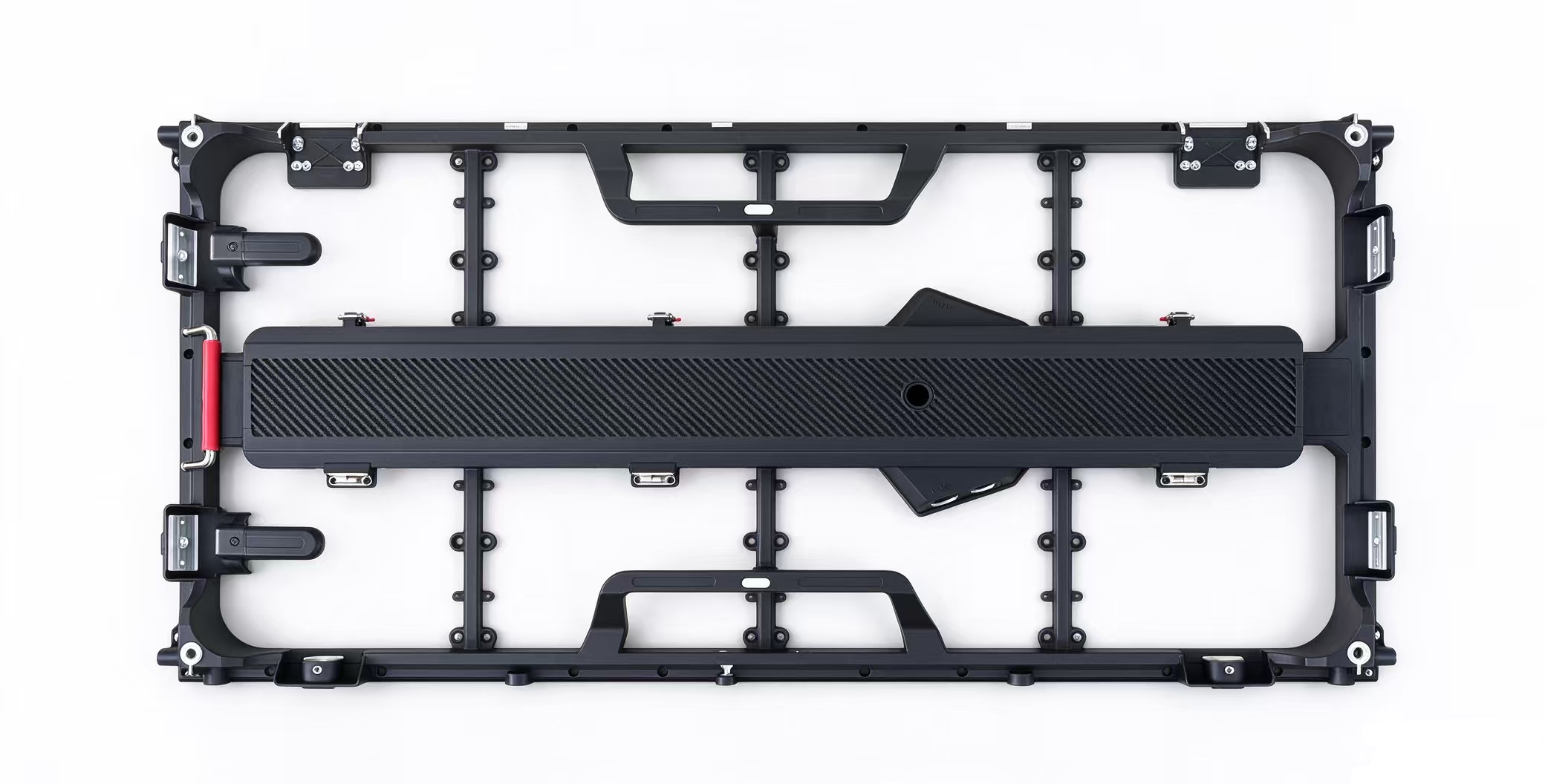
LED display frame | What Are the Benefits of Custom LED Display Frames?
Mold workshop | Can your mold workshop make custom molds?
Related Article