HOT PRODUCTS
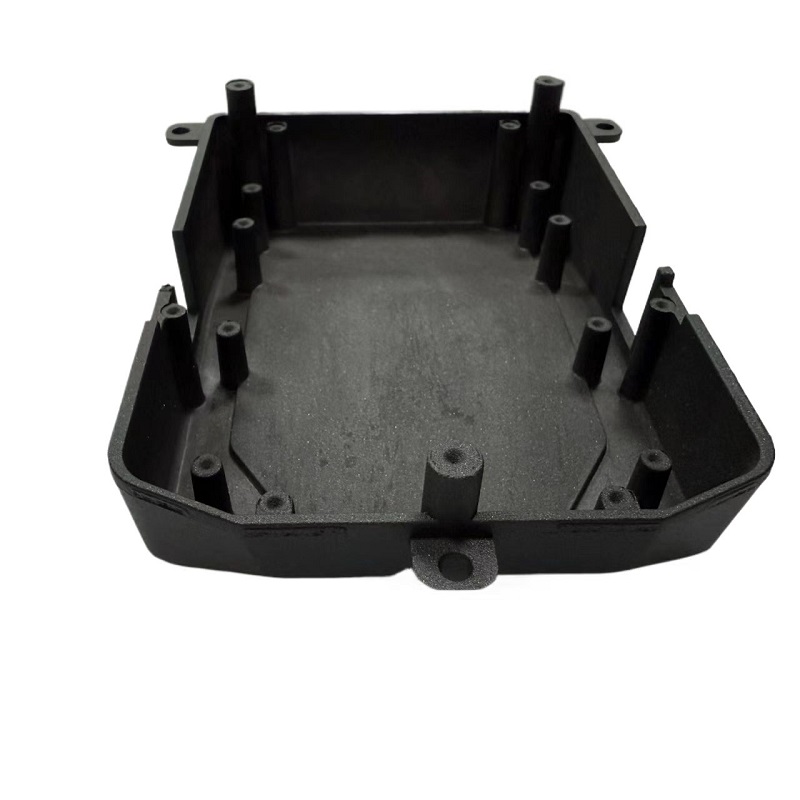
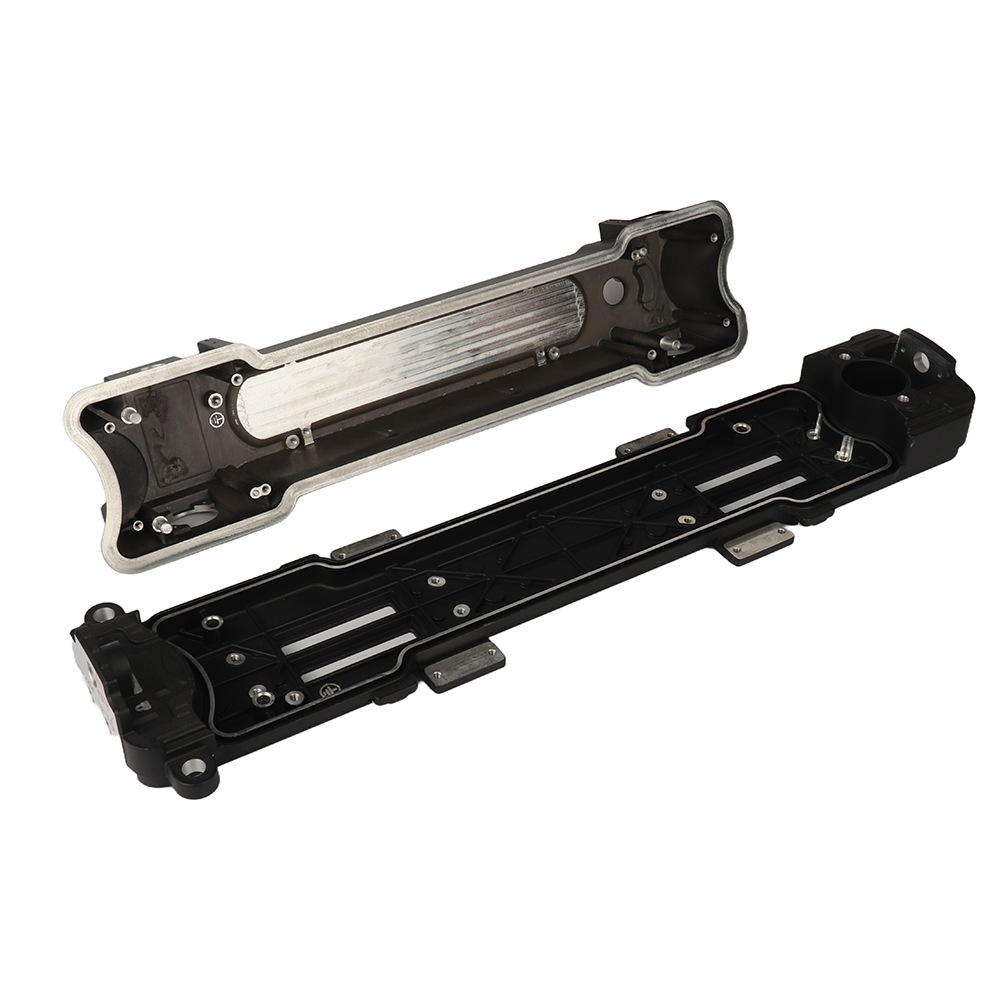
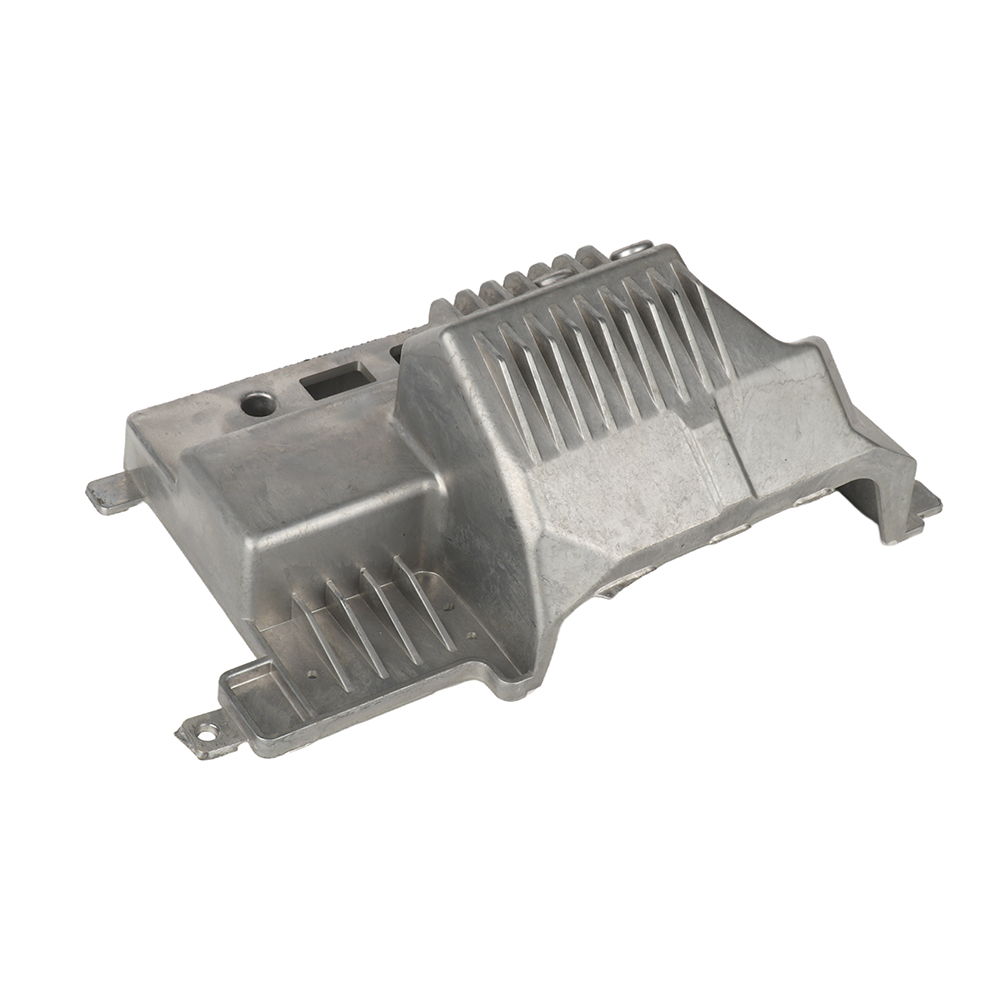
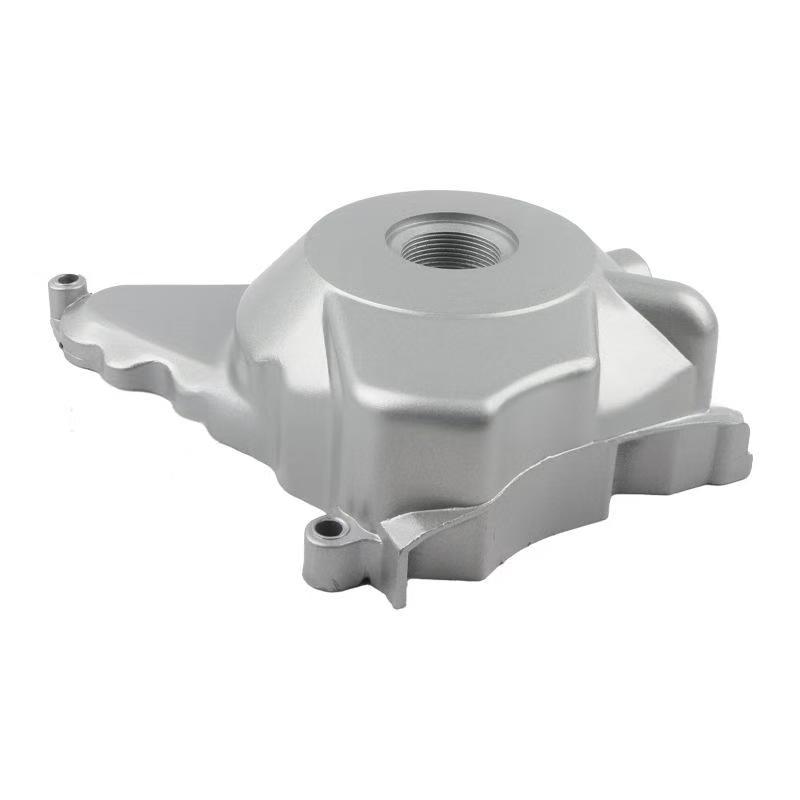
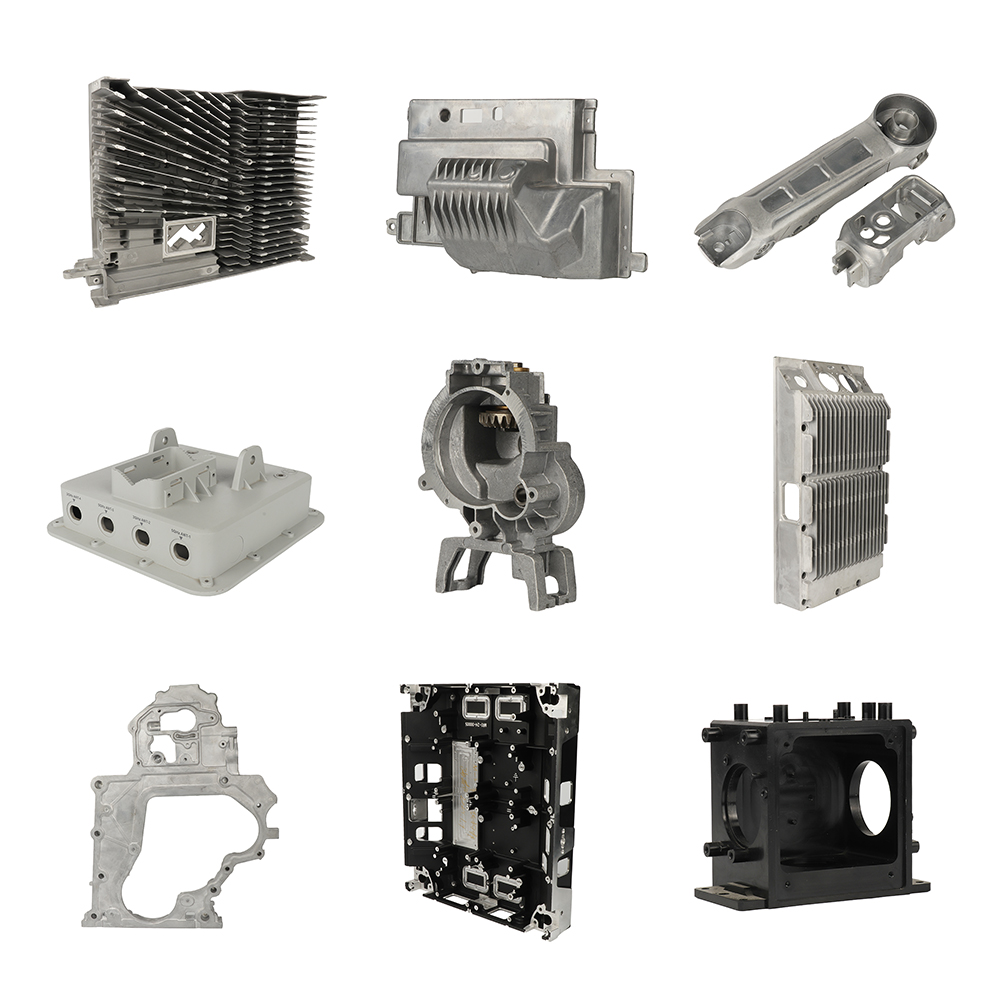
End panel | What is aluminum end plate for EV battery module?
What is aluminum end plate for EV battery module?
Table of Contents
- Introduction: What is aluminum end plate for EV battery module
- Core Functions of EV battery module aluminum end panel
- General Specifications & Parameter Table for ADC12 Aluminum End Plate
- Key Advantages of ADC12 Die-Cast Aluminum End Plate
- Common Problems & Troubleshooting During Application
- Application Scenarios & Market Price Overview
- Expert Viewpoints on EV Battery Aluminum End Plates
- About Xinghang Precision Hardware
- Industry FAQ
- Conclusion: Custom Die Casting Industry Trend & Tips for Selecting Quality Hardware Supplier
1. Introduction: What is aluminum end plate for EV battery module
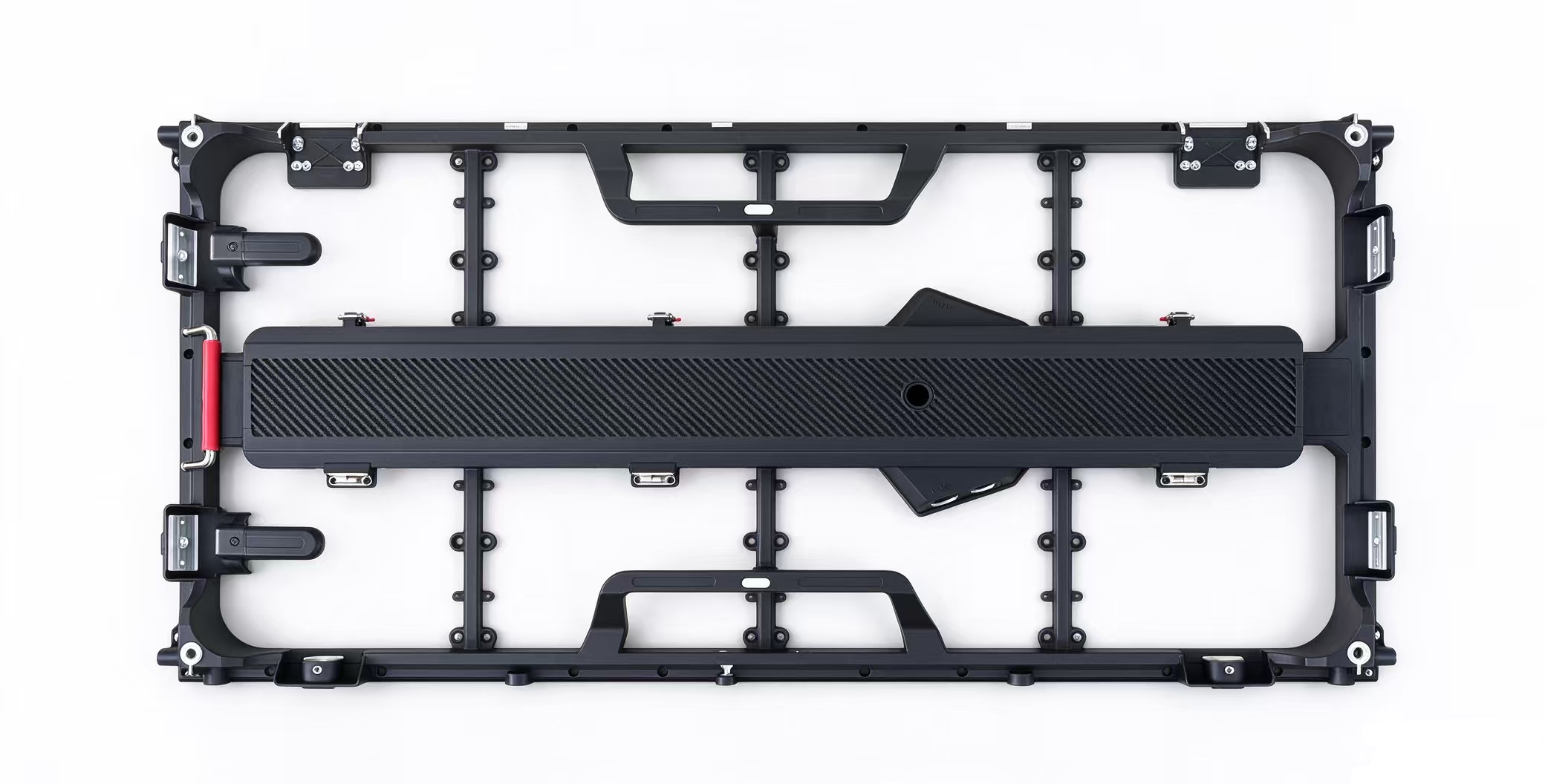
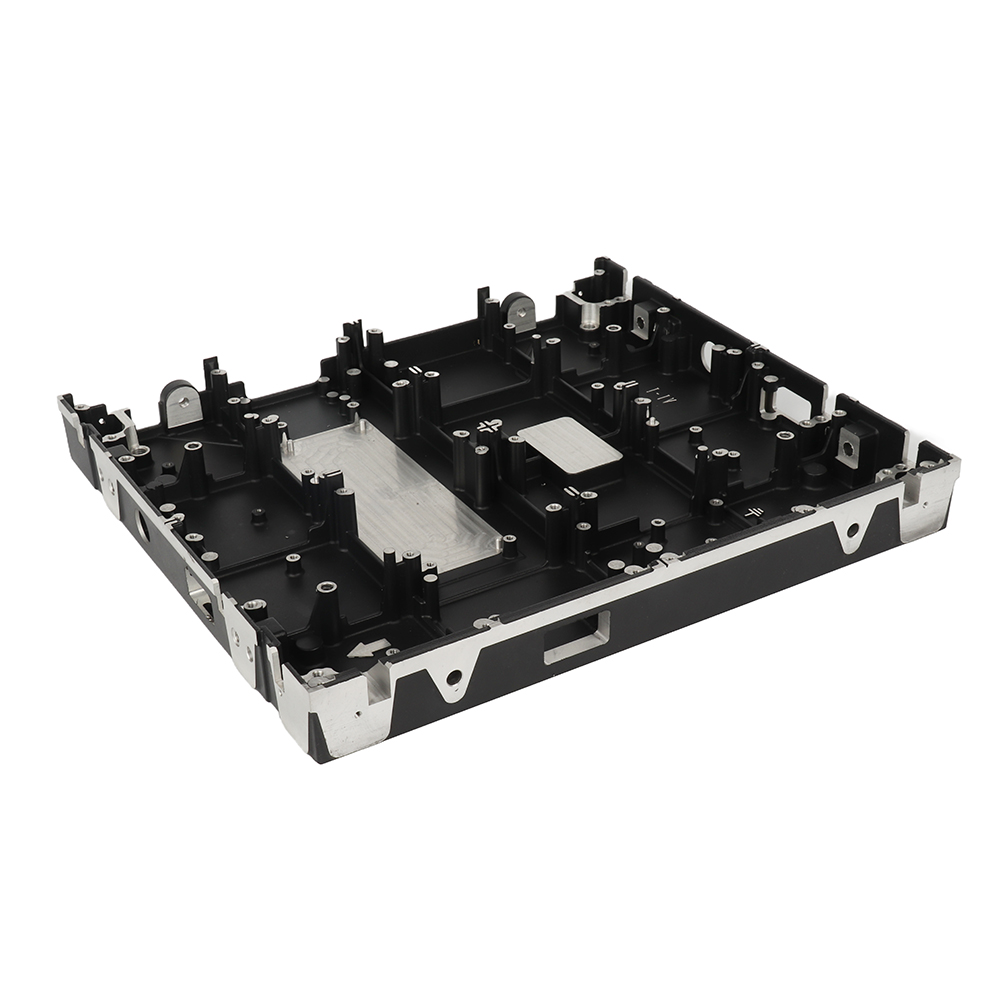
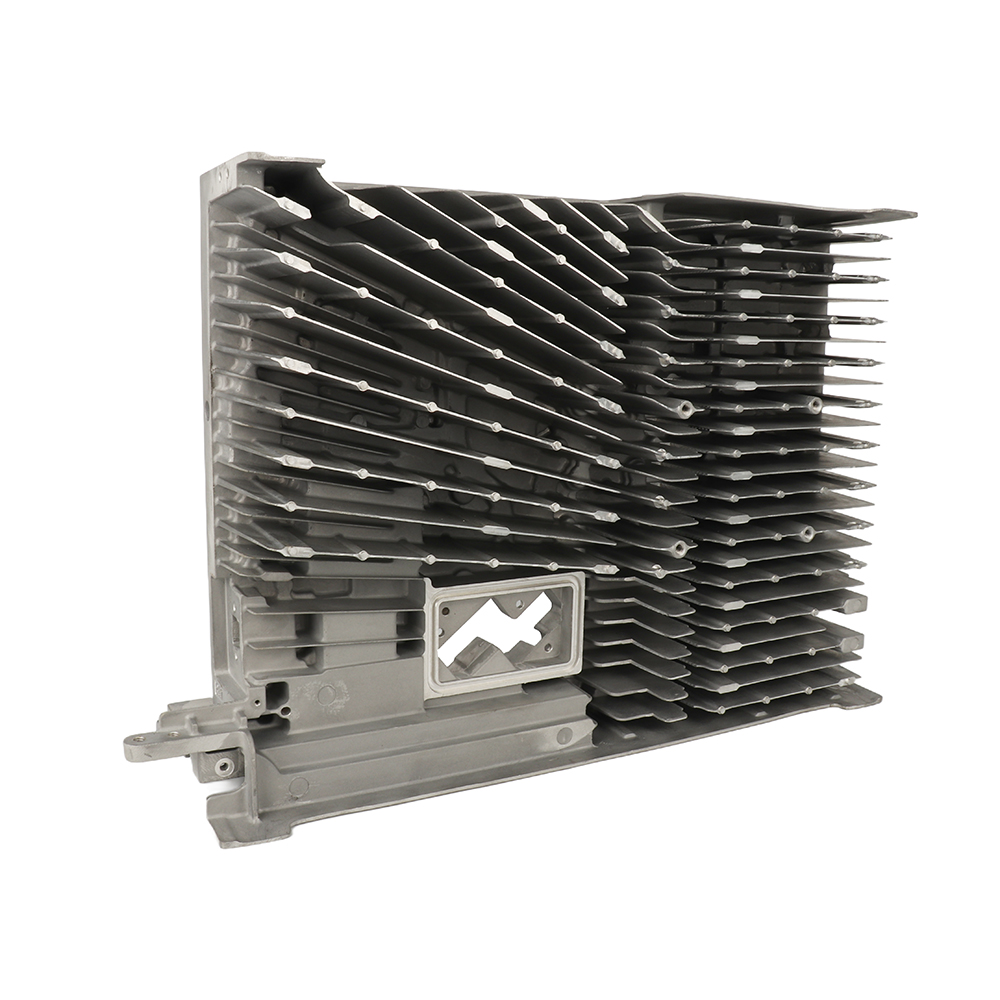
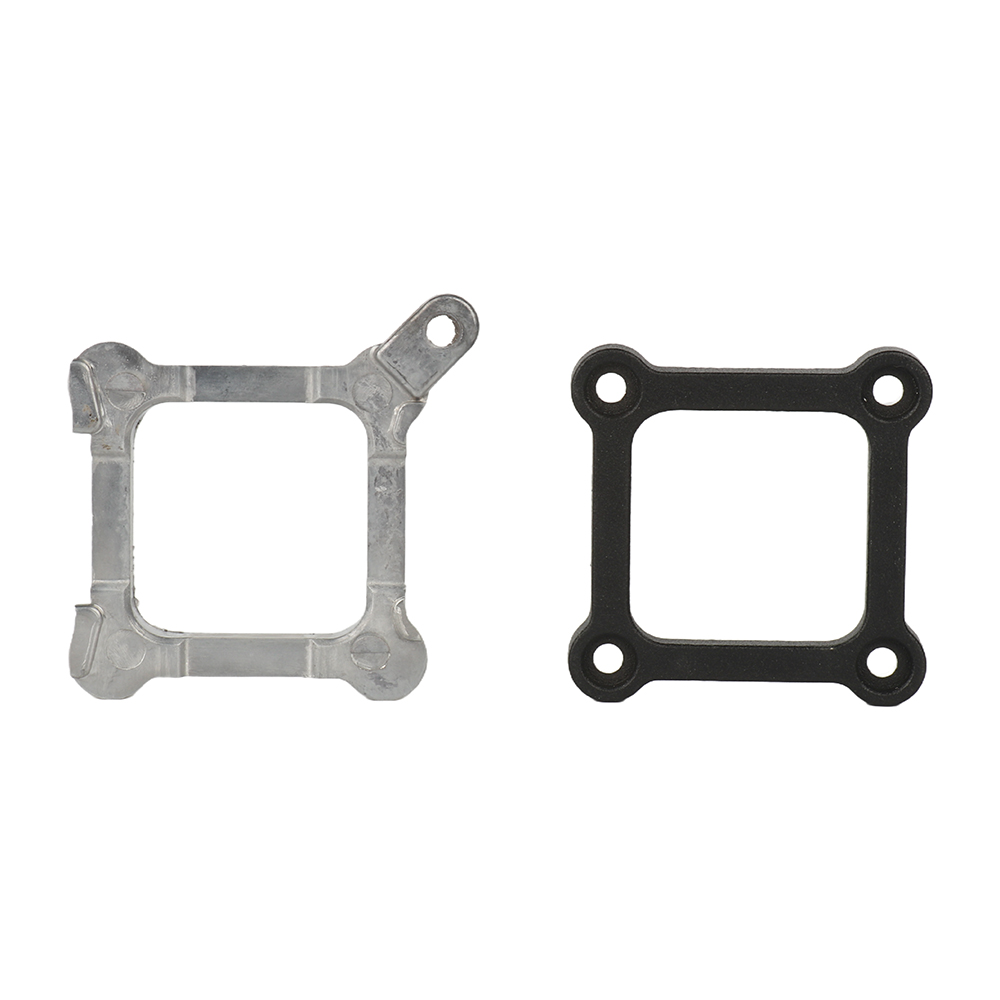
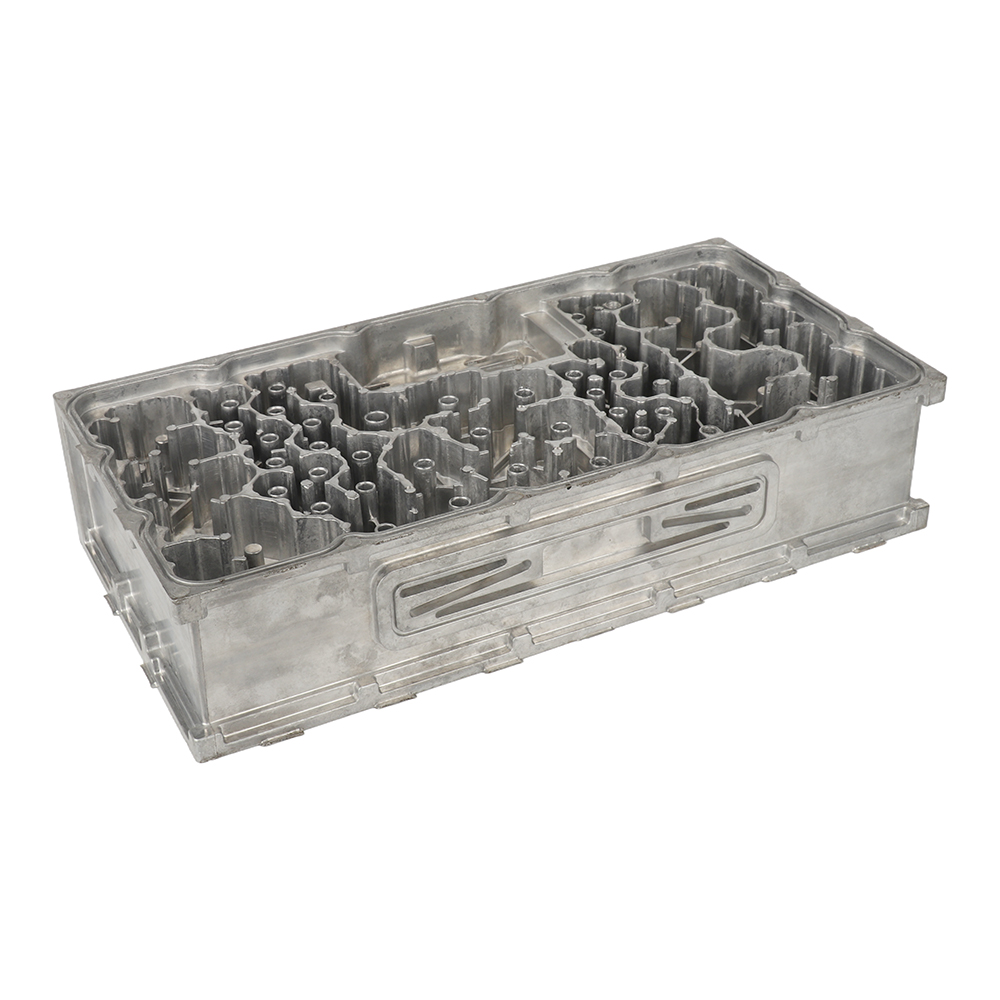
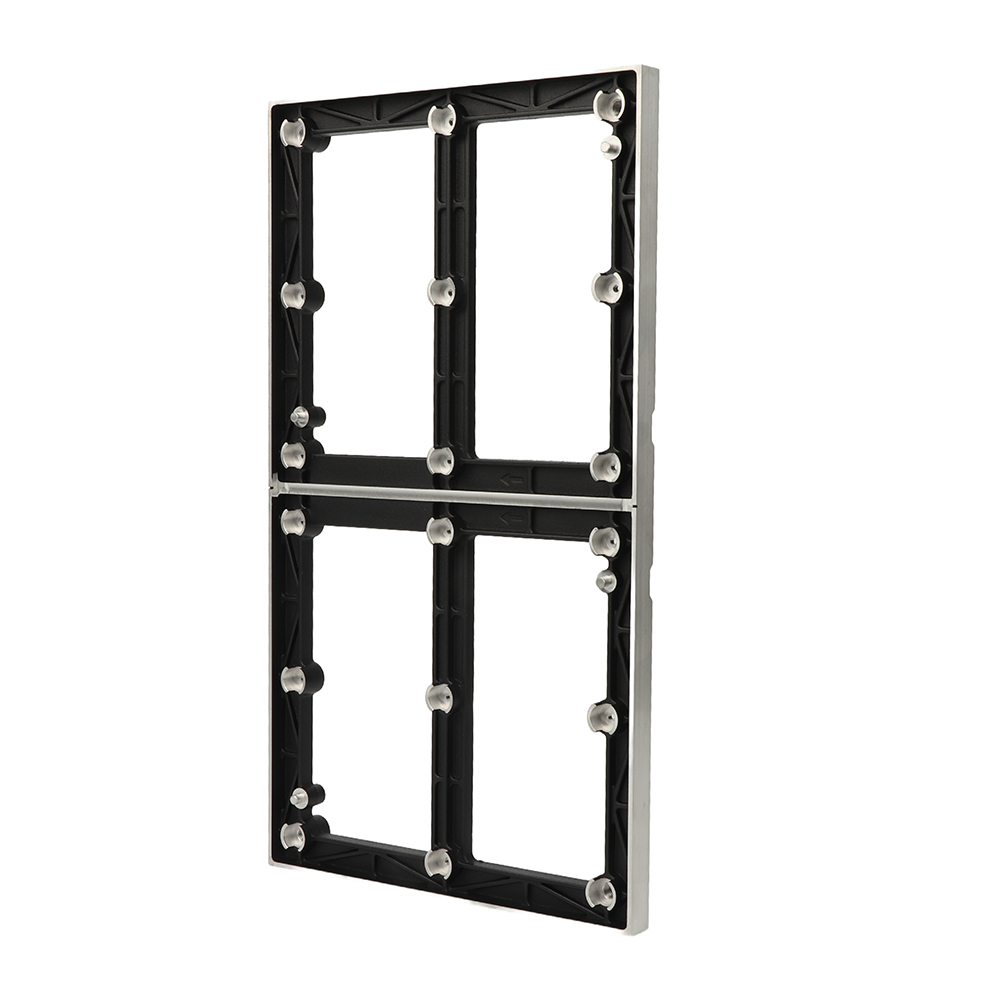
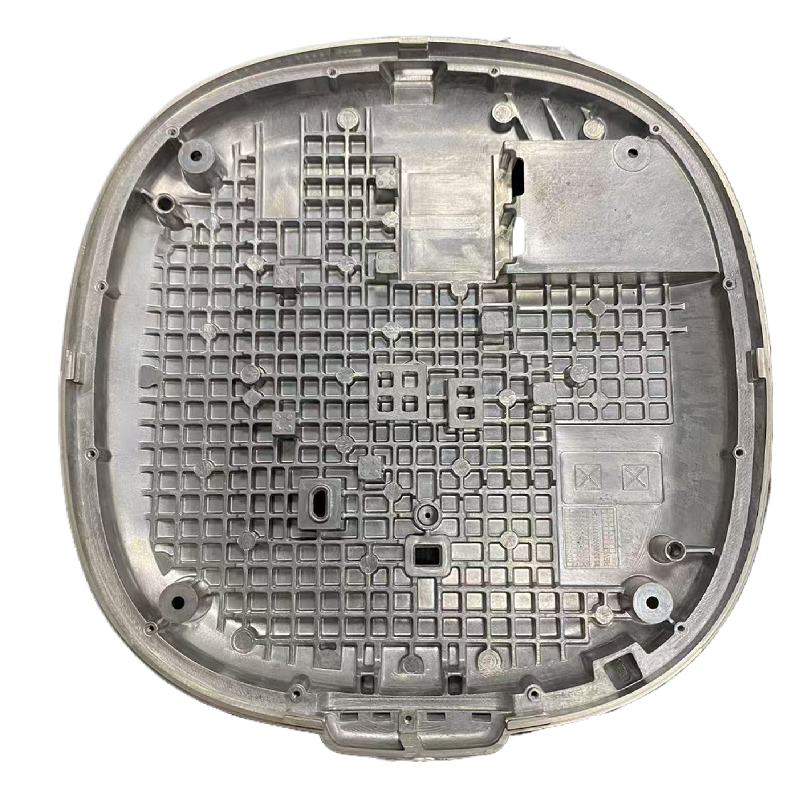
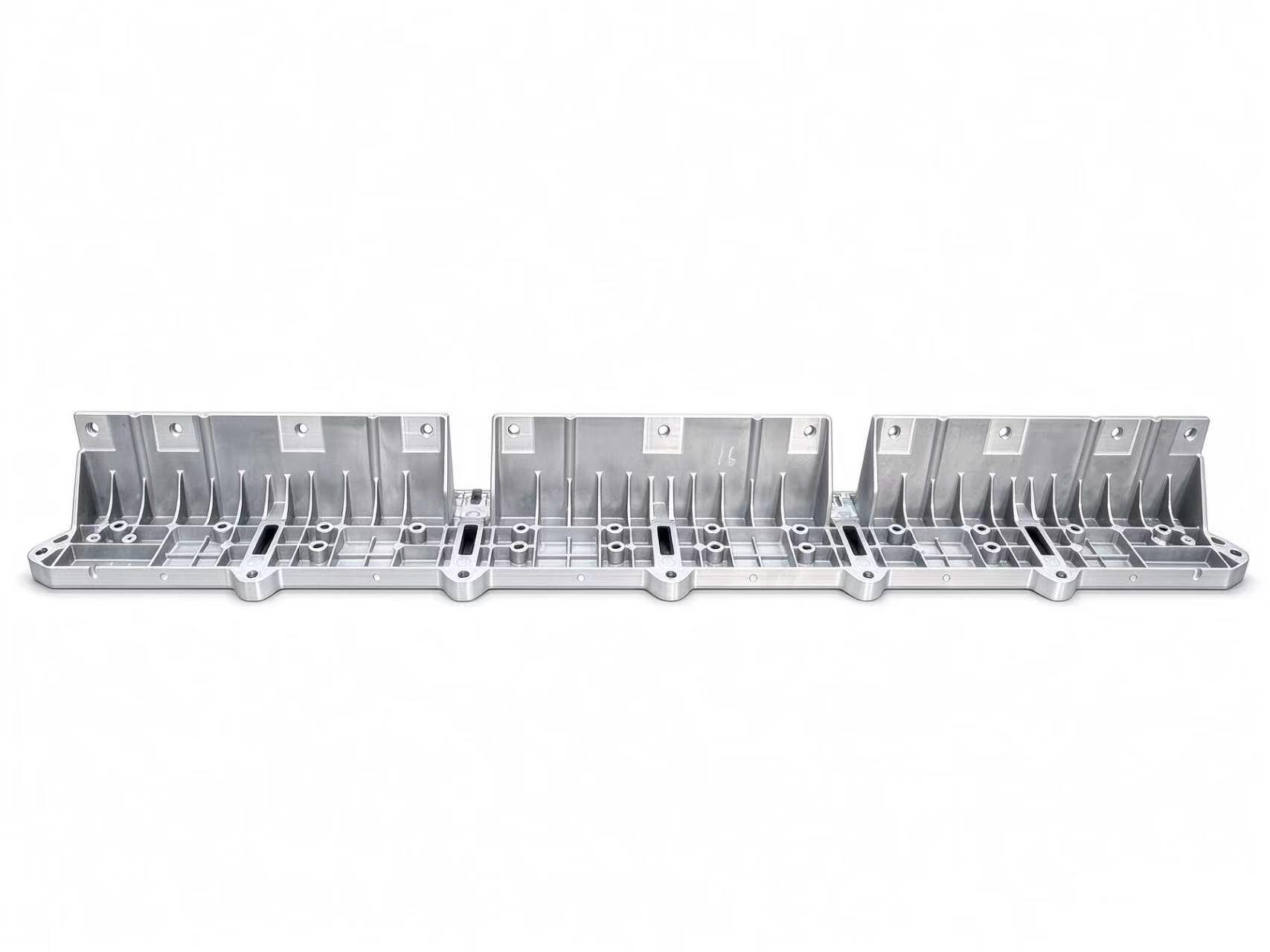
An aluminum end plate (end panel) for EV battery module is a critical structural die-cast component installed on both ends of lithium battery modules for electric vehicles and energy storage systems. It works together with tie rods and side plates to clamp prismatic cells tightly, maintain cell alignment, resist cell expansion force during charging and discharging, and protect the whole battery module from vibration and impact during vehicle operation.
Most high-volume manufacturers adopt ADC12 aluminum alloy for die-cast end panels, balancing casting fluidity, mechanical strength, thermal conductivity and production cost. As the core safety part of battery PACK, the end plate directly affects the service life, consistency and thermal safety of the whole battery module.
2. Core Functions of EV battery module aluminum end panel
- Structural clamping & compression resistance: Restrain cell swelling under repeated charge-discharge cycles, keep uniform pressure on each lithium cell and prevent module bulging and loose assembly.
- Dimensional positioning & assembly support: Integrated positioning holes, mounting bosses and grooves, compatible with automatic PACK assembly lines, simplify module stacking and installation.
- Heat dissipation assistance: ADC12 aluminum features good thermal conductivity, helping transfer heat from battery cells and reduce local hot spots inside modules.
- Vibration & impact protection: Absorb partial mechanical shock during driving, improve module rigidity and avoid cell damage under road vibration.
- Auxiliary insulation & safety isolation: Cooperate with insulation films to form a safe barrier and reduce risks of short circuit inside battery modules.
3. General Specifications & Parameter Table for ADC12 Aluminum End Plate
| Parameter Item | Standard Value | Remarks |
|---|---|---|
| Material | ADC12 Aluminum Alloy | High-pressure die casting |
| Tensile Strength | ≥220 MPa | As-cast status |
| Hardness | HB 80~110 | |
| Thermal Conductivity | 100~130 W/m·K | Good heat dissipation performance |
| Density | 2.7 g/cm³ | Lightweight |
| Wall Thickness | 2.0 ~ 4.5 mm | Customized according to module design |
| Dimensional Tolerance | ±0.02 ~ ±0.1 mm | Achievable via 5-axis CNC finishing |
| Surface Options | Shot blasting, powder coating, anodizing | Anti-corrosion and insulation optional |
| Maximum Clamping Load | Customized, up to 30kN | Based on customer battery module design |
| Detectable Defect | Internal porosity, shrinkage, crack | Inspected by flaw detector |
Note: All dimensions, hole layout, boss structure and surface treatment can be fully customized according to customer 2D/3D drawings. Our team supports professional drawing analysis before formal production.
4. Key Advantages of ADC12 Die-Cast Aluminum End Plate
- Excellent casting performance: ADC12 aluminum alloy has outstanding fluidity for die casting, supporting complex integrated structure design, one-time forming of reinforcing ribs, positioning bosses and mounting holes, reducing assembly parts.
- Lightweight & high rigidity: Much lighter than steel end plates, effectively reduce total weight of battery pack and improve EV driving mileage, while maintaining enough structural stiffness for cell clamping.
- Stable thermal performance: Good thermal conduction to balance module temperature, lower thermal inconsistency between battery cells and extend battery cycle life.
- Cost-effective for mass production: High-pressure die casting suits large batch orders, unit cost drops obviously with higher quantity.
- Precision machinable: After casting blank, 5-axis CNC equipment can machine critical surfaces and holes to reach tight tolerance requirements.
- Reliable quality inspection: Internal defects can be checked by flaw detector, finished dimensions verified by CMM coordinate measuring machine, stable quality for automotive-grade projects.
5. Common Problems & Troubleshooting During Application
Problem 1: End plate deformation after long-term clamping
Root cause: Insufficient rib structure design, improper wall thickness or uneven clamping force. Solution: We provide DFM drawing analysis in advance, optimize reinforcing rib layout according to cell expansion force simulation; adjust die casting process parameters to reduce internal residual stress.
Problem 2: Porosity or internal shrinkage inside casting blank
Root cause: Unreasonable gating system, unstable die casting pressure. Solution: Optimize mold runner design; use flaw detector for 100% sampling inspection to reject defective products before CNC machining.
Problem 3: Dimensional out-of-tolerance on mounting holes
Root cause: Unstable machining fixture, improper CNC tool path. Solution: Adopt 5-axis CNC machining; finished parts are fully checked by CMM to guarantee critical dimension tolerance.
Problem 4: Poor corrosion resistance after long time working
Root cause: Unmatched surface treatment. Solution: Provide shot blasting, powder coating or anodizing treatment according to working environment of battery pack.
6. Application Scenarios & Market Price Overview
Main Application Fields
- New energy passenger vehicle lithium battery modules
- Commercial EV battery PACK systems
- Energy storage power station battery modules
- Low-speed electric vehicle battery assemblies
- Special engineering vehicle battery packs
Market Price Overview
The price of ADC12 die-cast aluminum end plate depends on part size, wall thickness, structure complexity, surface treatment, order volume and tolerance requirements.
- Small simple structure end plate: relatively low unit price
- Large size, complex rib structure, strict tolerance automotive-grade end plate: higher unit cost
- Bulk order discount rule: The larger your batch quantity, the more favorable unit price we can offer. Mass production will greatly reduce mold amortization and manufacturing cost.
7. Expert Viewpoints on EV Battery Aluminum End Plates
“As EV battery energy density keeps rising, mechanical stability of battery modules becomes more critical. ADC12 die-cast aluminum end plates become a mainstream selection because it balances structural strength, heat dissipation and mass production cost. But the key risk control lies in internal casting defects and dimensional consistency. Suppliers must own complete in-house inspection equipment including CMM and flaw detector, not only outsourcing machining.” —— Senior Structural Engineer, New Energy Automotive Component Industry
The expert also mentioned that more battery designers tend to integrate more functional features into end panels, which raises higher requirements for die casting and precision CNC machining capacity. Integrated die-cast end panels will replace split welded parts gradually in the next few years.
8. About Xinghang Precision Hardware
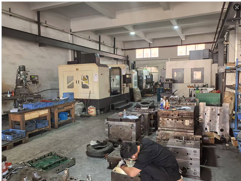
Xinghang Precision Hardware is a professional manufacturer specializing in custom die-casting products and precision metal components. We own a self-operated factory covering nearly 10,000 square meters.
We can customize all types of die-cast product housings and automotive structural parts including ADC12 EV battery module aluminum end plates. Our workshop is fully equipped with flaw detector, 5-axis CNC machines and CMM three-coordinate measuring equipment. We have full confidence in tolerance control. Our technical team supports drawing analysis at early stage, and most strict dimensional requirements from customers can be achieved.
We provide one-stop service: mold development, high-pressure die casting, CNC precision machining, surface treatment and full quality inspection. Whether in pricing, quality control or delivery cycle, we maintain obvious competitive advantages. The more quantity you order in bulk, the more discounts you get.
Contact us: Mobile / Whatsapp / WeChat: +86 18819502691 Email: liqine@xinghangcn.com
9. Industry FAQ
Q1: Can aluminum end plates be fully customized according to our battery module drawings? A1: Yes. Xinghang Precision Hardware accepts fully customized ADC12 die-cast end panels. Send your 2D drawings or 3D STEP/IGS files, our engineers will carry out drawing analysis and DFM review.
Q2: Is ADC12 suitable for automotive-grade EV battery end plate? A2: Yes. ADC12 aluminum alloy has excellent die casting fluidity, balanced mechanical property and thermal performance, widely used for EV battery structural components.
Q3: What quality tests will you perform on aluminum end plates? A3: We use flaw detector to check internal cracks and porosity, CMM three-coordinate machine to inspect full dimension, hardness test, visual inspection and sampling mechanical load test for automotive projects.
Q4: What is your MOQ for custom ADC12 battery end plates? A4: MOQ depends on mold development and project plan. We support prototype trial order first before mass production, and big batch orders can enjoy preferential price.
Q5: What secondary machining services can you provide? A5: In-house 5-axis CNC machining for holes, grooves and mating surfaces, shot blasting, powder coating, anodizing and other surface treatments.
10. Conclusion: Custom Die Casting Industry Trend & Tips for Selecting Quality Hardware Supplier
The custom aluminum die casting industry for new energy vehicles is developing toward integration, lightweight, high precision and green manufacturing. EV battery components such as aluminum end plates are shifting from simple stamping parts to integrated die-cast structures. Higher requirements on defect control, tight tolerance and full-process traceability will become standard for automotive Tier suppliers.
When selecting a reliable hardware & die casting supplier, you should evaluate these points:
- In-house factory and complete production equipment, especially CNC machining and professional inspection tools like CMM and flaw detector, avoid full outsourcing.
- Capability of drawing analysis and DFM optimization, helping you reduce design defects before mold opening.
- Mature experience on automotive new energy components, clear material certification and quality inspection records.
- Stable delivery schedule and transparent pricing policy, with reasonable discount for mass orders.
- Good communication and flexible customization support for prototype and mass production.
Xinghang Precision Hardware is ready to be your long-term OEM partner for EV battery aluminum end plates and other custom die-cast components. Feel free to contact us for drawing evaluation and quotation.
Mobile / Whatsapp / WeChat: +86 18819502691 Email: liqine@xinghangcn.com
Mold workshop | Can your mold workshop make custom molds?
Outdoor battery enclosure | What are the benefits of aluminum die casting battery enclosures?
Related Article