
HOT PRODUCTS
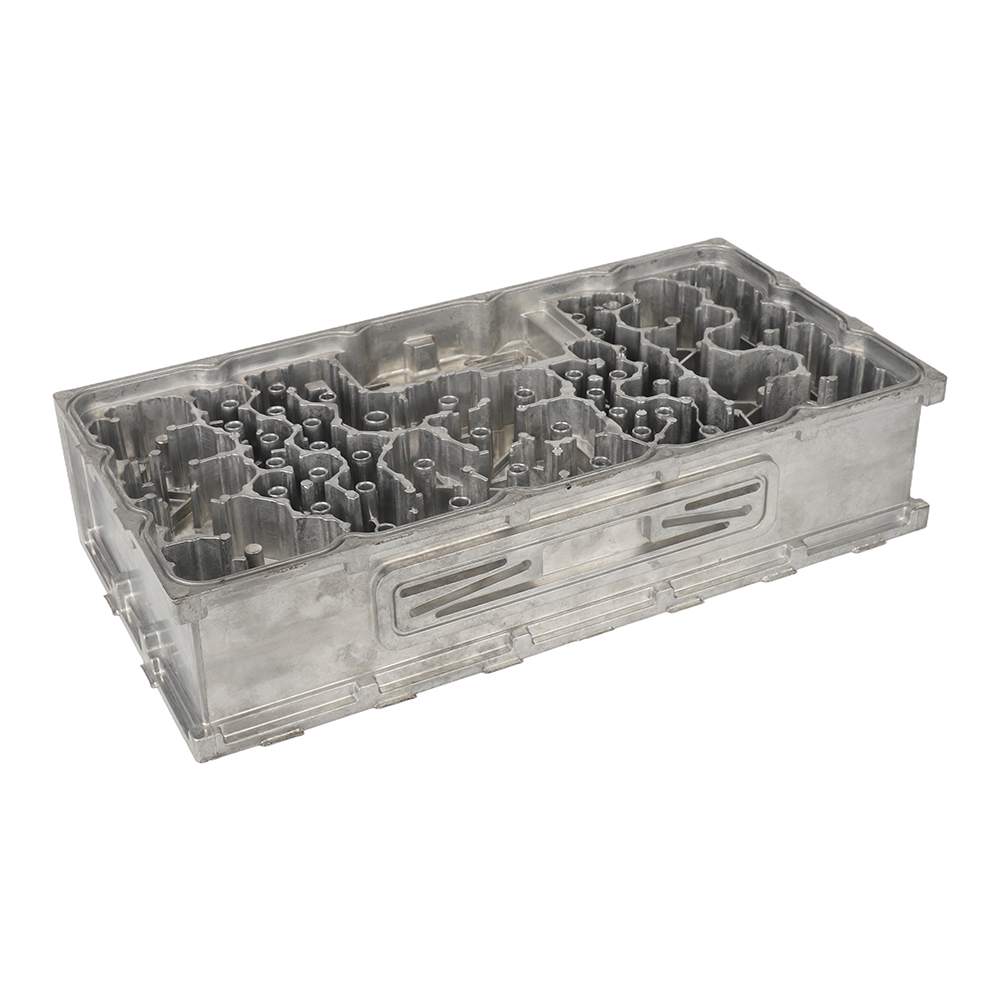
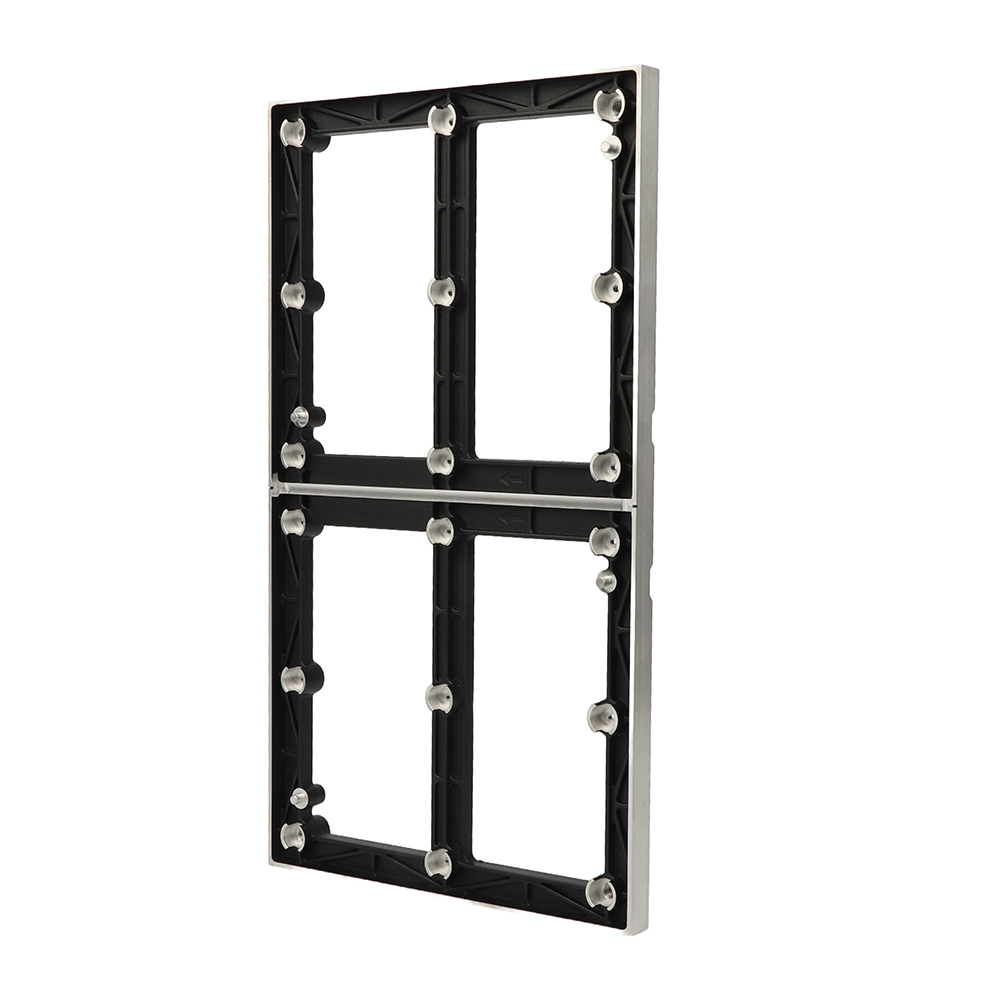
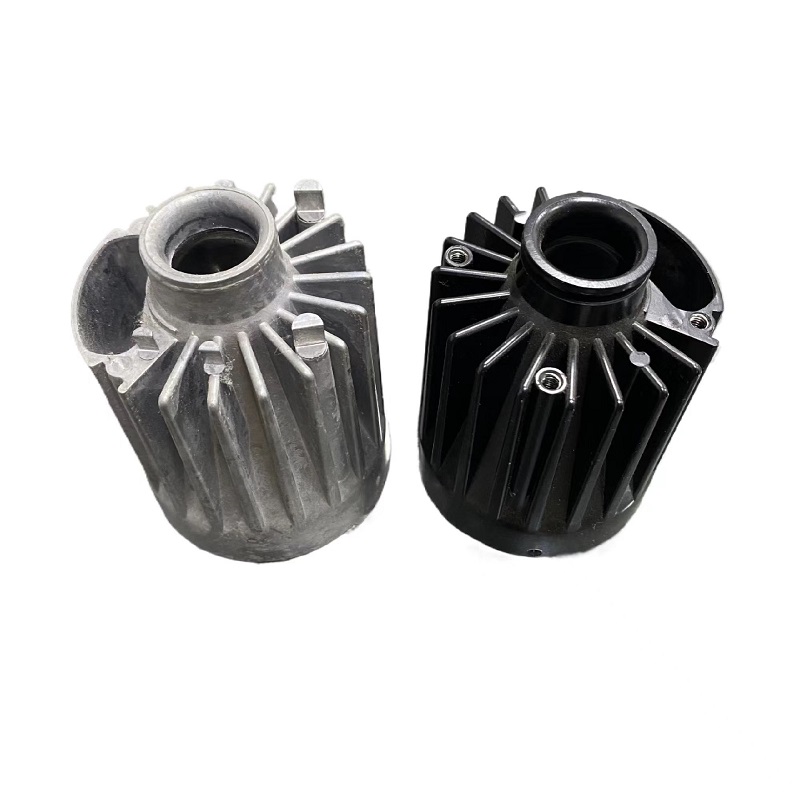
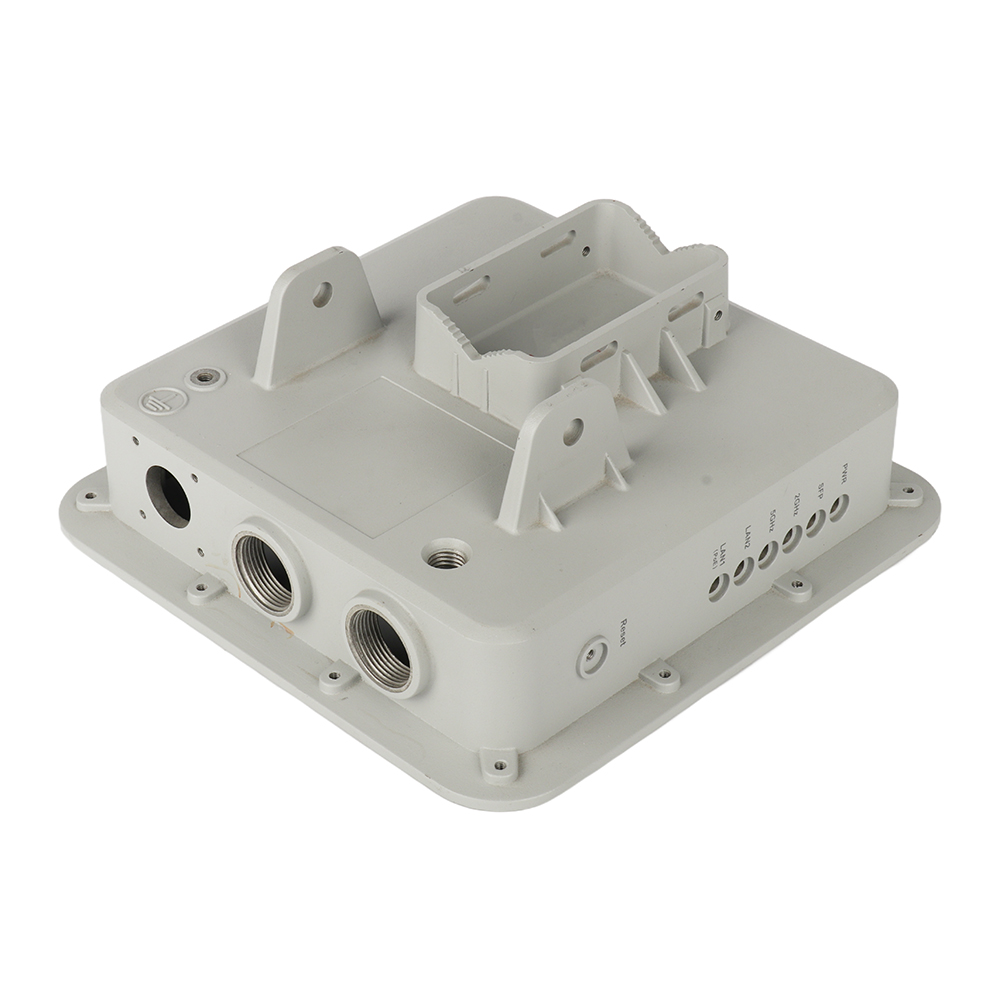
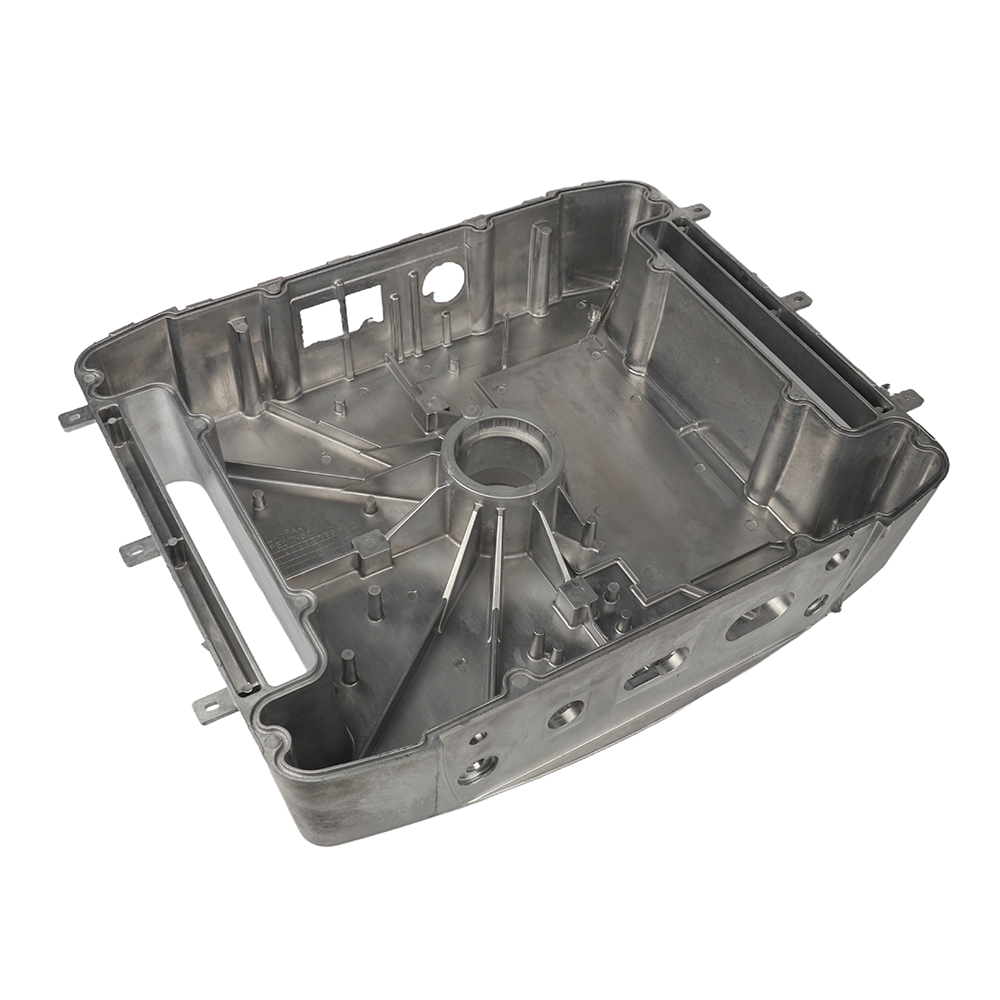
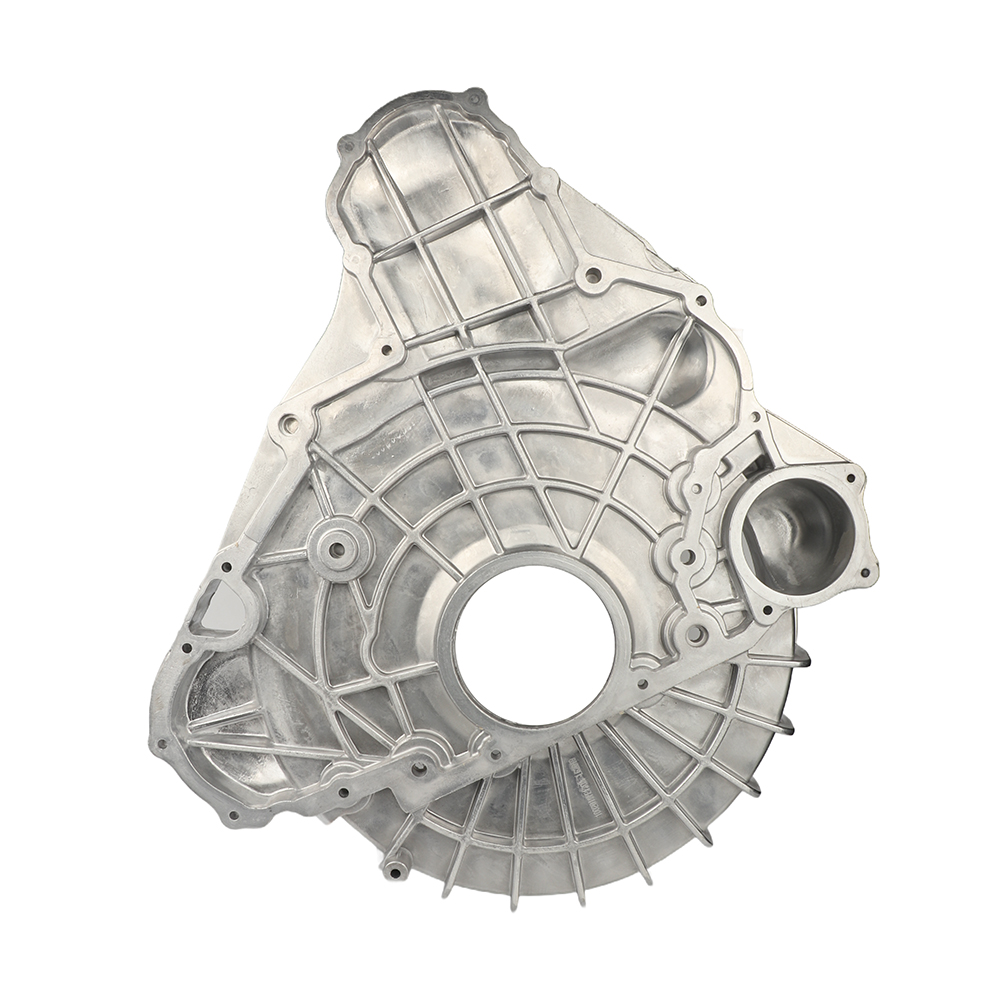
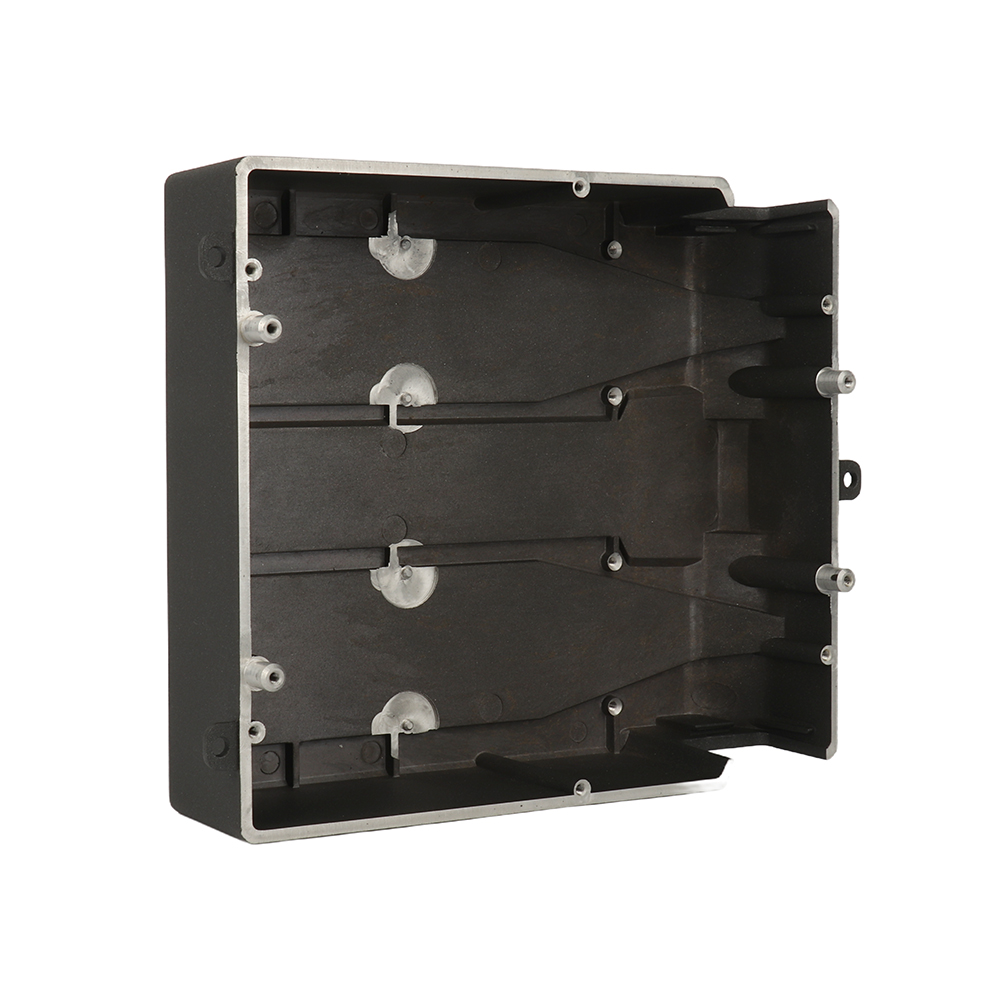
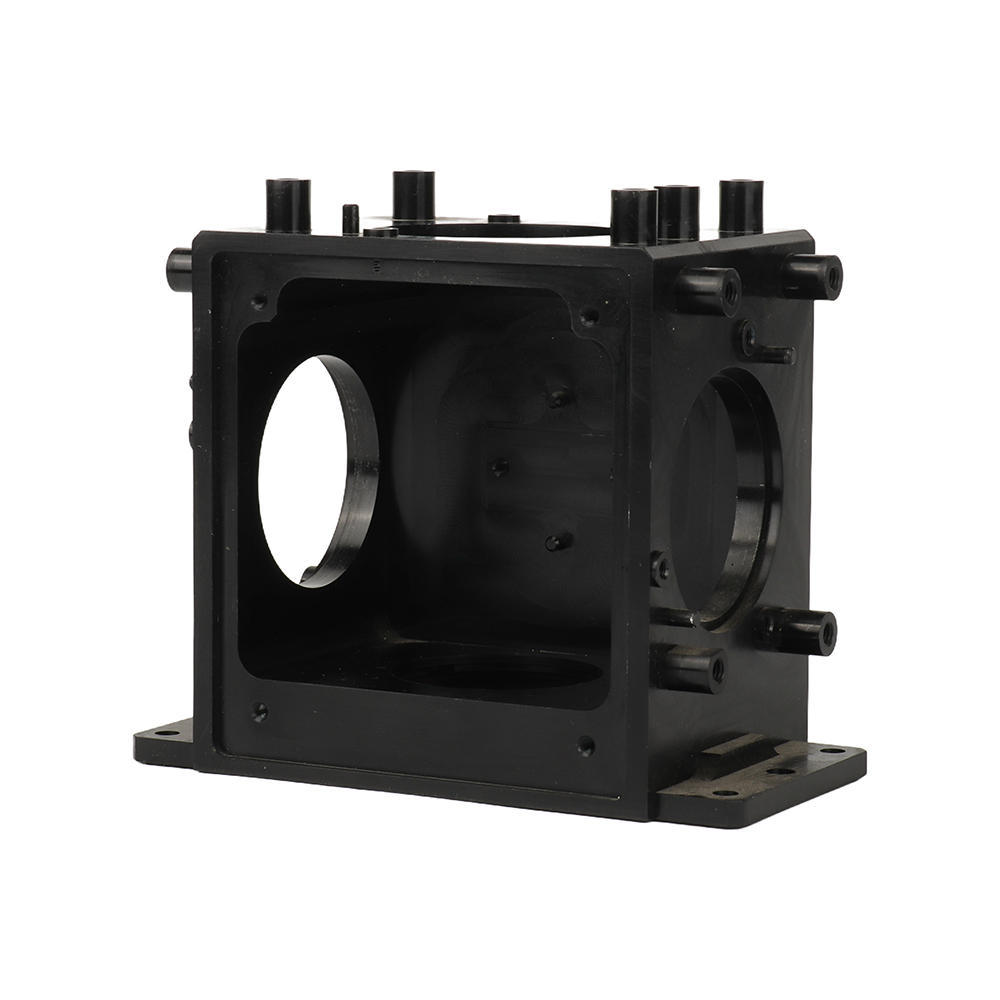
ADC12 aluminium alloy | What is ADC12 aluminium alloy? A Complete Guide for Industrial Applications
What is ADC12 Aluminium Alloy? A Complete Guide for Industrial Applications
Table of Contents
- Introduction: What is ADC12 Aluminium Alloy?
- Core Properties of ADC12 Aluminium Alloy
- Advantages of ADC12 Aluminium Alloy (Key Benefits Highlighted)
- Disadvantages of ADC12 Aluminium Alloy & Comparative Analysis
- Expert Insights on ADC12 Aluminium Alloy
- Frequently Asked Questions (FAQs) About ADC12 Aluminium Alloy
- Conclusion: Industry Trends of ADC12 Aluminium Alloy & How to Choose a Quality Hardware Supplier
1. Introduction: What is ADC12 Aluminium Alloy?
In the field of aluminum die casting and industrial manufacturing,ADC12 aluminium alloy is a widely used and highly recognized material. As a typical Al-Si-Cu series die-casting aluminum alloy, it is standardized under the Japanese JIS H 5302:2006 standard, with its Chinese equivalent being YL113 (YZAlSi11Cu3) complying with GB/T 15115-2024. ADC12 is specially engineered for high-volume, precision die-casting applications, balancing castability, mechanical performance, and cost-effectiveness—making it the first choice for countless industrial components worldwide. This blog will dive deep into ADC12, covering its properties, pros and cons, expert opinions, and how to choose a reliable processing supplier.
2. Core Properties of ADC12 Aluminium Alloy
To understand why ADC12 is so popular, we first need to grasp its core properties, which determine its applicability in various industrial scenarios. These properties are the foundation of its advantages in die casting and manufacturing.
2.1 Chemical Composition (JIS H 5302:2006 Standard)
The unique performance of ADC12 comes from its precise chemical composition, with key elements and their content ranges as follows :
- Silicon (Si): 9.6–12.0% (core element, improving fluidity and wear resistance)
- Copper (Cu): 1.5–3.5% (enhancing strength and hardness)
- Iron (Fe): ≤1.3% (preventing mold sticking, with excessive content reducing toughness)
- Magnesium (Mg): ≤0.3% (strictly controlled to avoid brittleness)
- Zinc (Zn): ≤1.0%, Manganese (Mn): ≤0.5% (assisting in microstructure refinement)
- Aluminum (Al): Remaining (base material, ensuring lightweight and thermal conductivity)
2.2 Typical Mechanical Properties (As-Cast State)
- Tensile Strength: ≥230 MPa
- Yield Strength: ≥150 MPa
- Elongation: ≥1.0%
- Brinell Hardness: 80–100 HB
2.3 Key Process Properties
ADC12 has excellent fluidity and a shrinkage rate of about 0.5–0.7%, making it suitable for casting complex thin-walled parts (wall thickness ≥1.5 mm). It also has good machinability, though its high silicon content may accelerate tool wear. Additionally, it is compatible with common surface treatments such as painting and electroplating, while anodizing may result in a dull color.
3. Advantages of ADC12 Aluminium Alloy (Key Benefits Highlighted)
ADC12’s widespread adoption in industries such as automotive, 3C, and home appliances is due to its unrivaled advantages, which address the core needs of mass production and precision manufacturing.
3.1 Excellent Castability & Dimensional Precision
The high fluidity of ADC12 allows it to fill complex mold cavities quickly and evenly during die casting, achieving high-precision one-time forming with small dimensional deviations. This reduces post-processing workload, improves production efficiency, and ensures consistent assembly accuracy for mass-produced parts.
3.2 Cost-Effective & Environmentally Friendly
As a typical recycled aluminum alloy, ADC12 has significant cost advantages compared to primary aluminum. It can reduce energy consumption by more than 95% and reduce carbon dioxide emissions by about 12 tons per ton of recycled material, aligning with global green and low-carbon development trends. Its cost-effectiveness makes it ideal for large-scale production.
3.3 Lightweight & High Strength
With a density of about 2.72 g/cm³, ADC12 is approximately 1/3 the weight of steel but offers comparable structural strength. This excellent strength-to-weight ratio reduces the overall weight of finished products, lowering transportation and installation costs—especially critical for automotive and aerospace applications pursuing lightweight design.
3.4 Good Machinability & Surface Treatment Compatibility
ADC12 can be easily processed by turning, milling, drilling, and other machining methods, allowing for precise shaping of complex structures. It also adapts well to common surface treatments (painting, electroplating, electrophoresis), which enhance its corrosion resistance and aesthetic appearance, expanding its application scope.
3.5 Wide Application Versatility
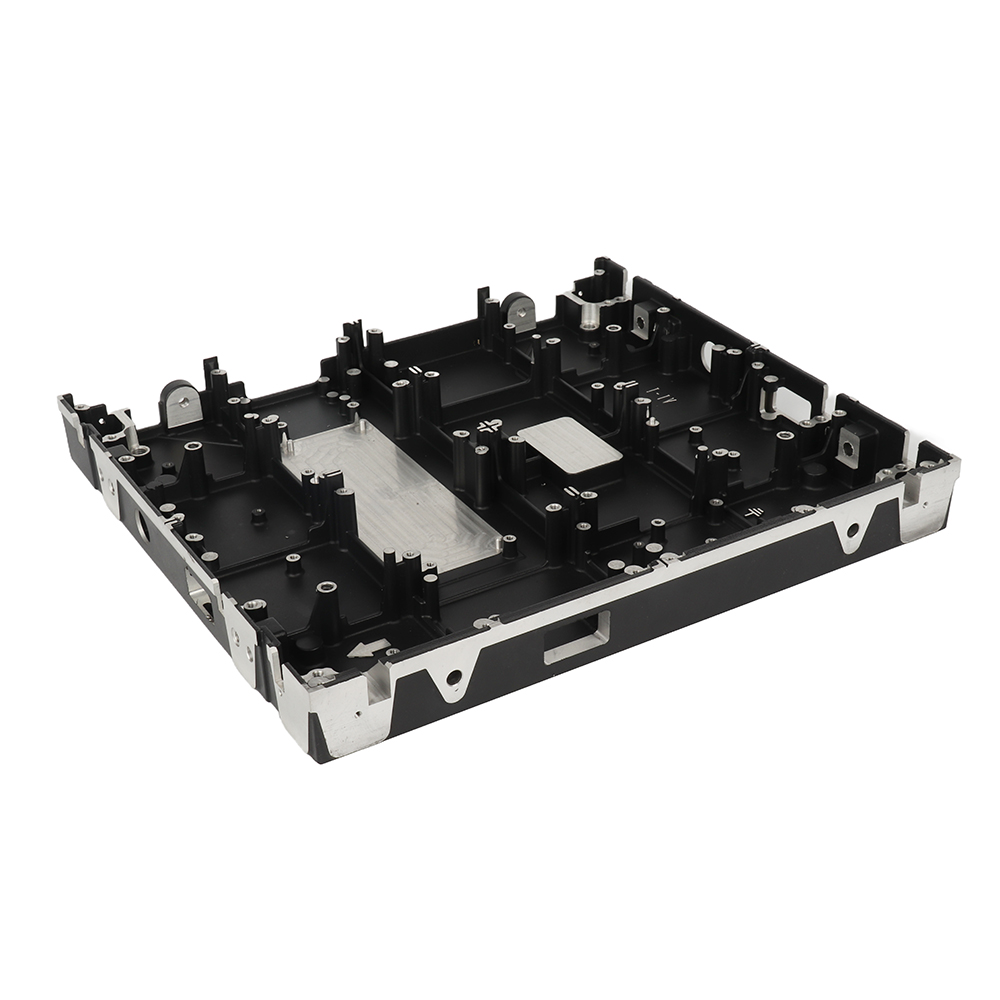
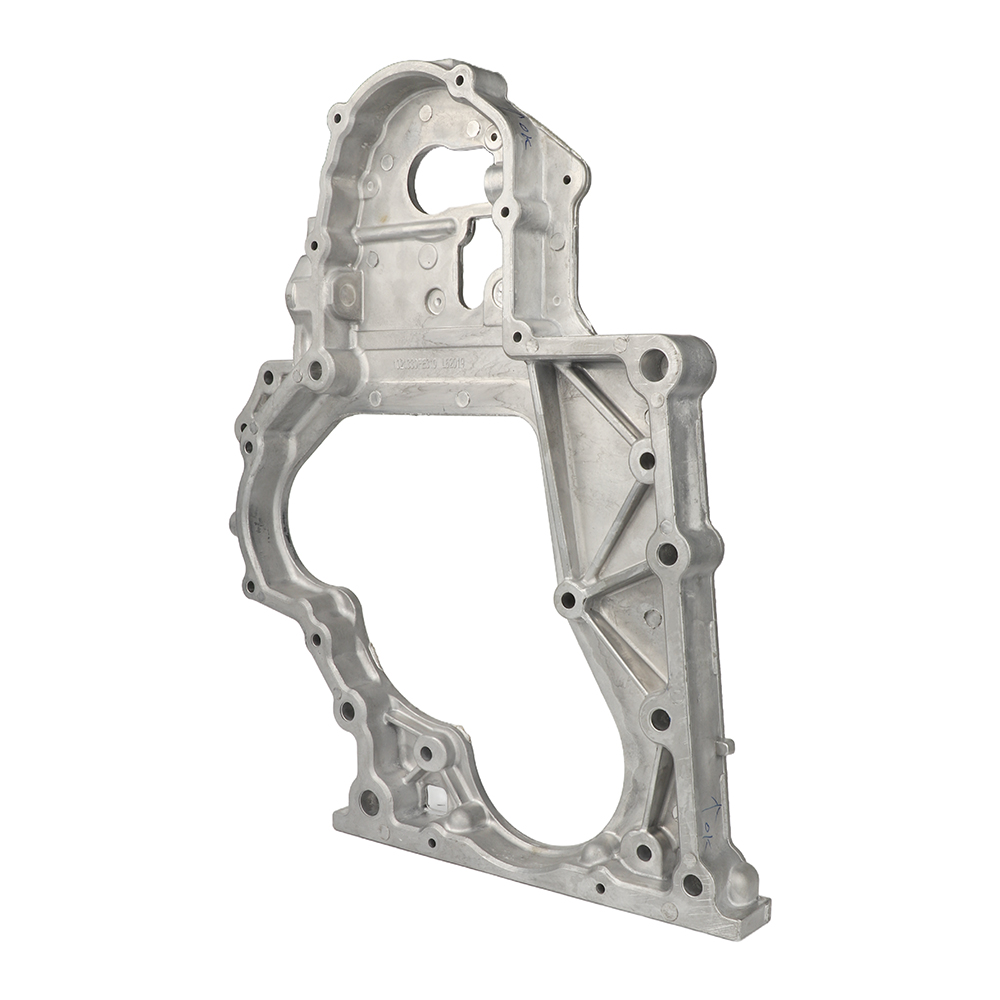
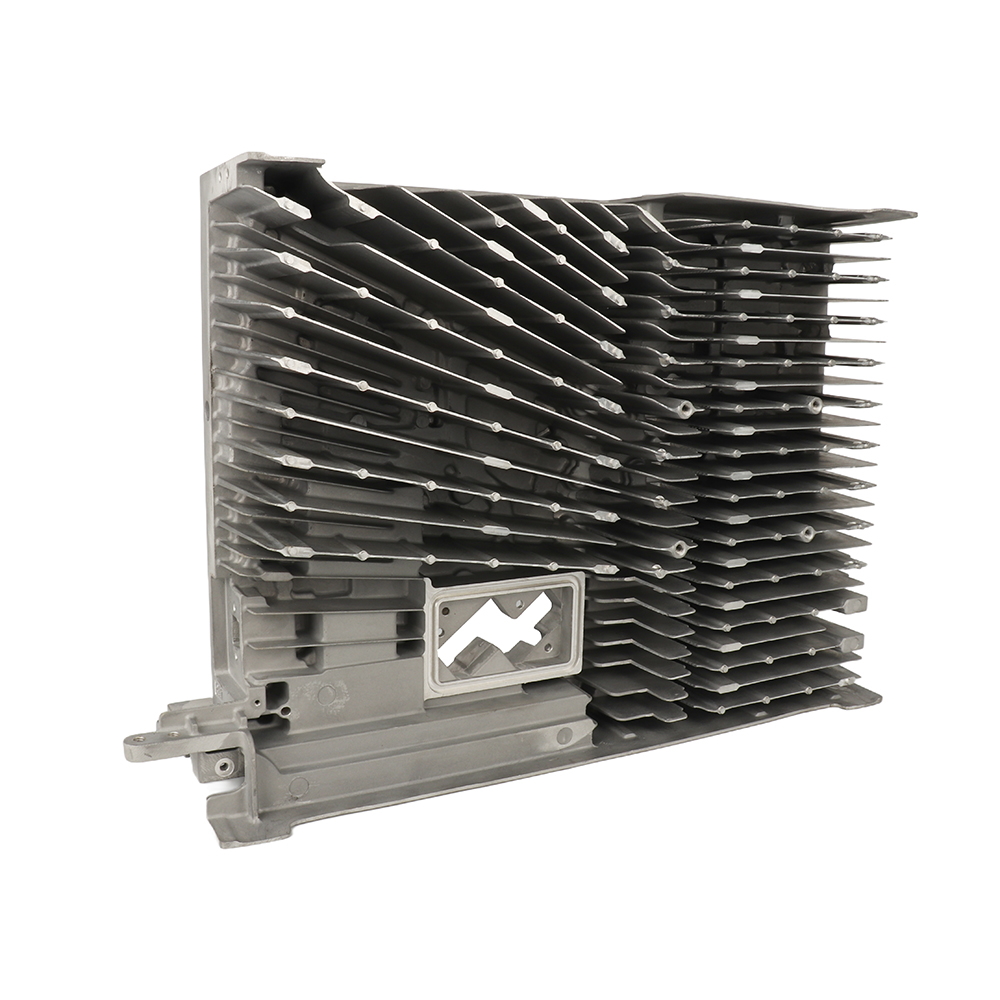
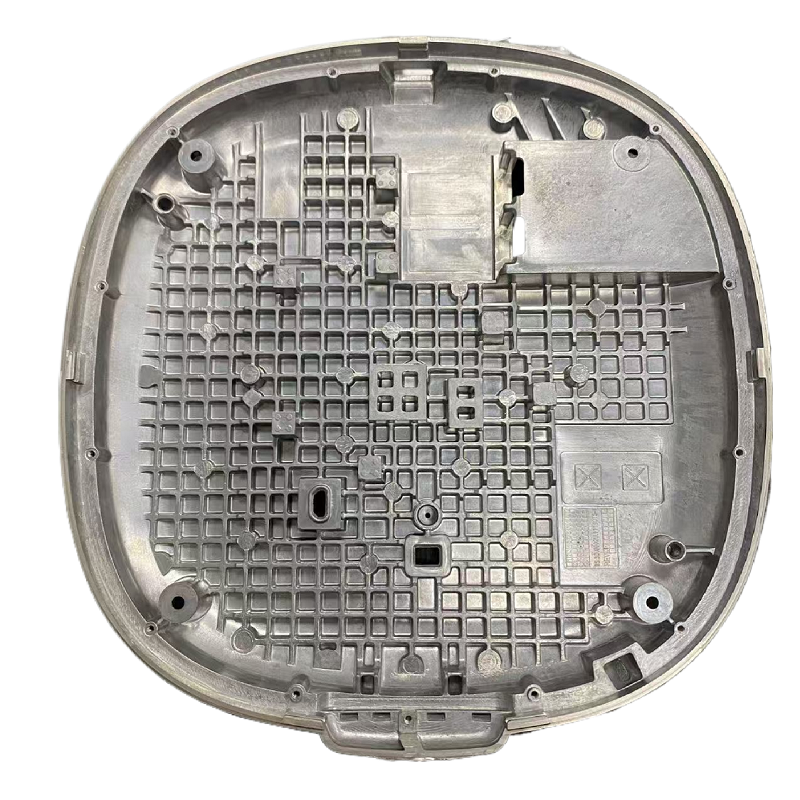
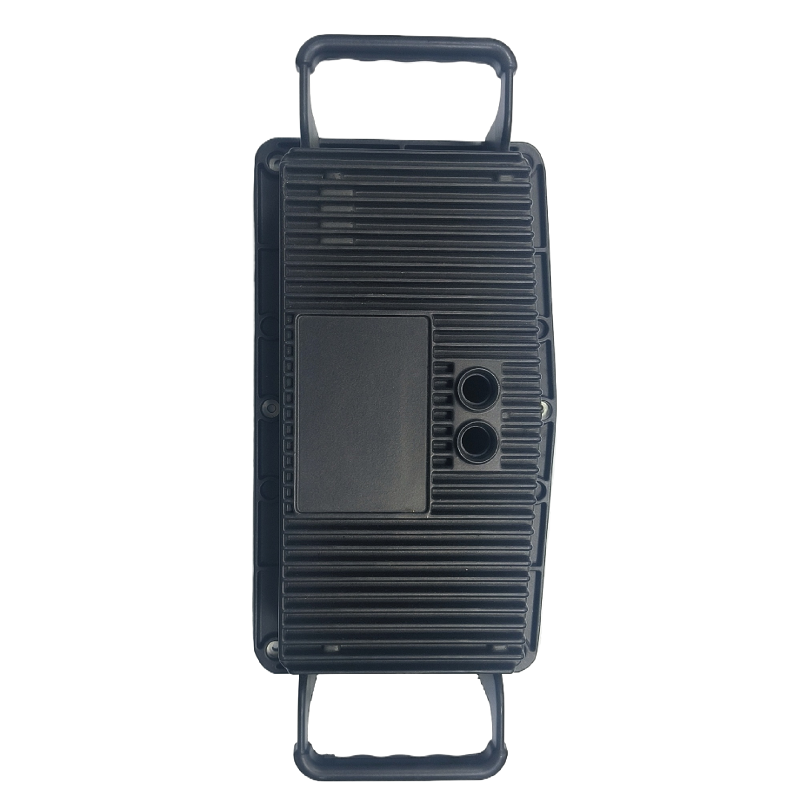
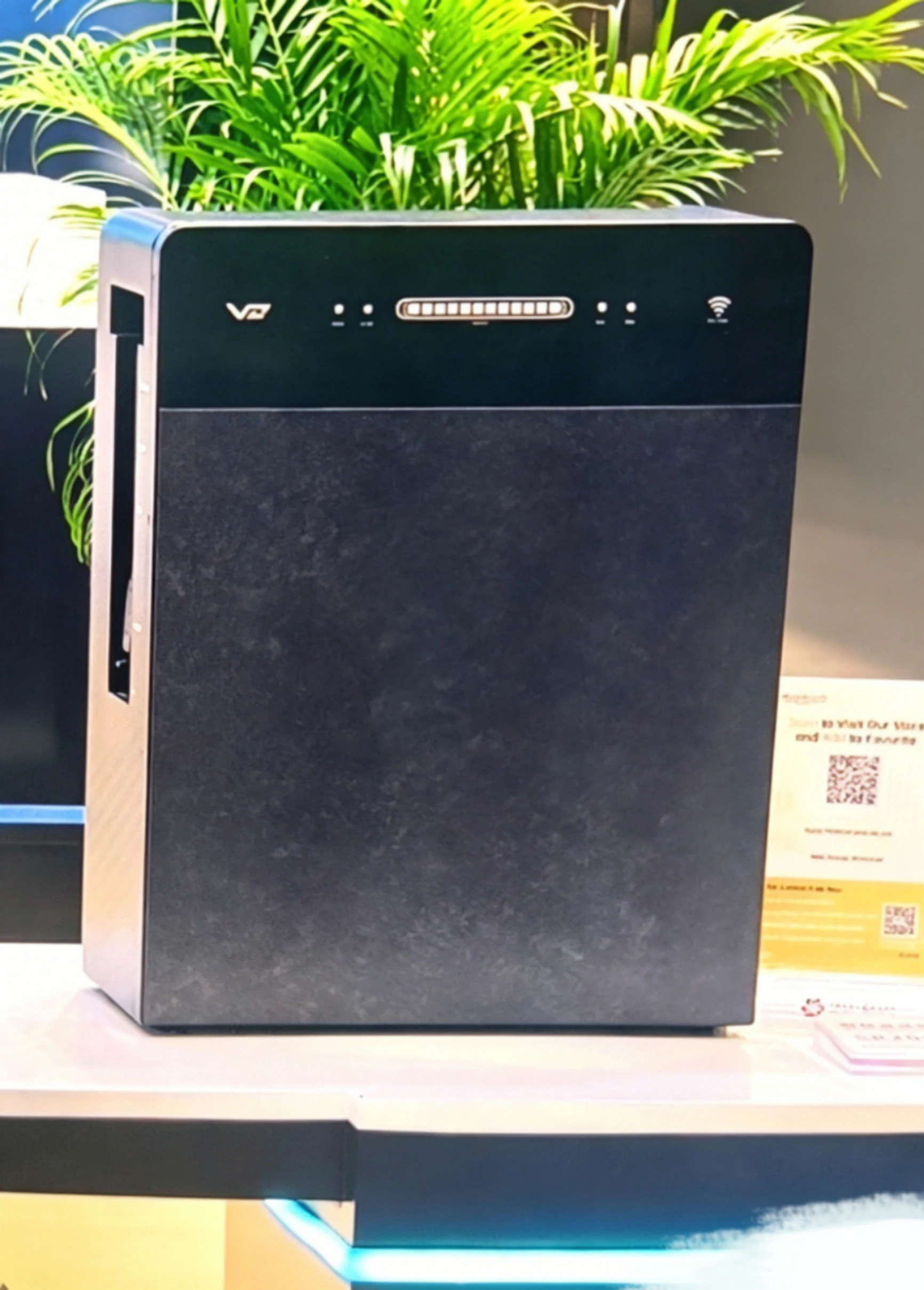
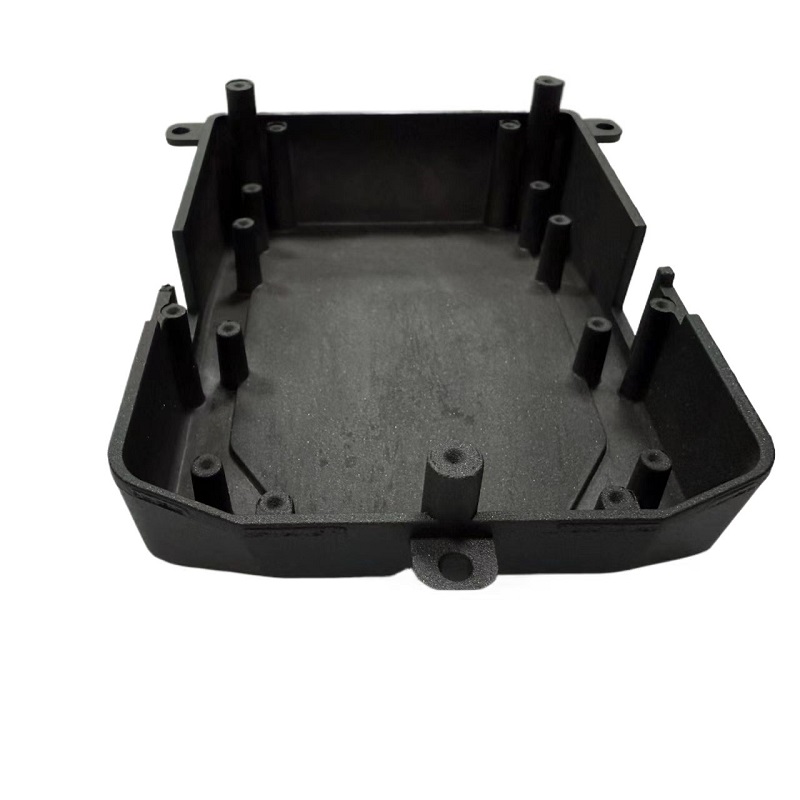
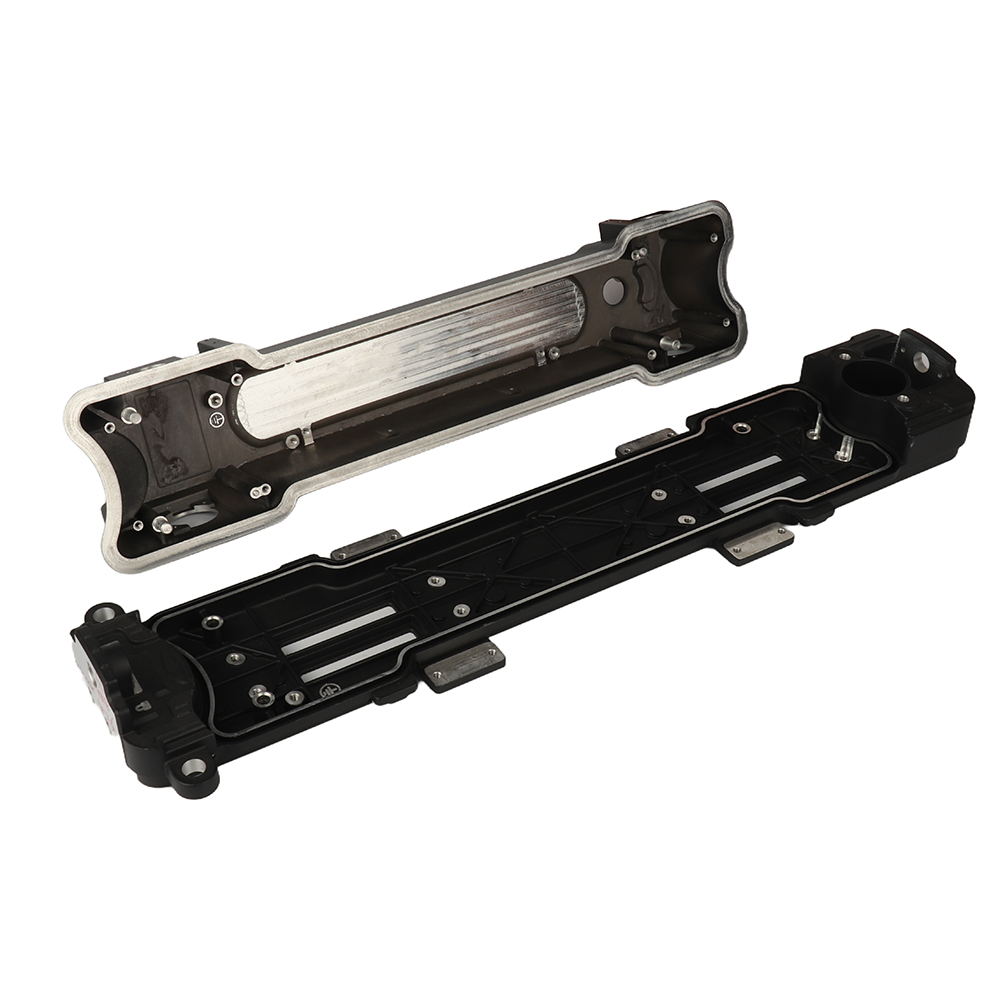
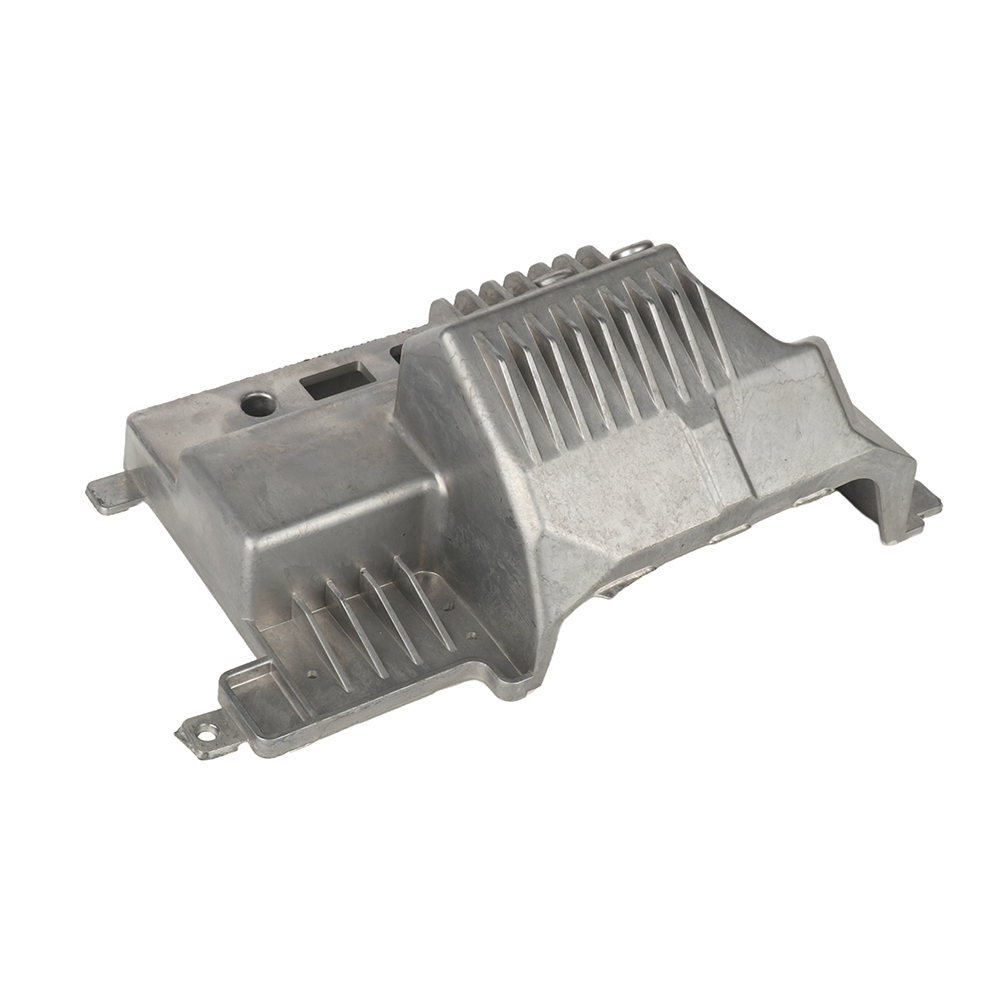
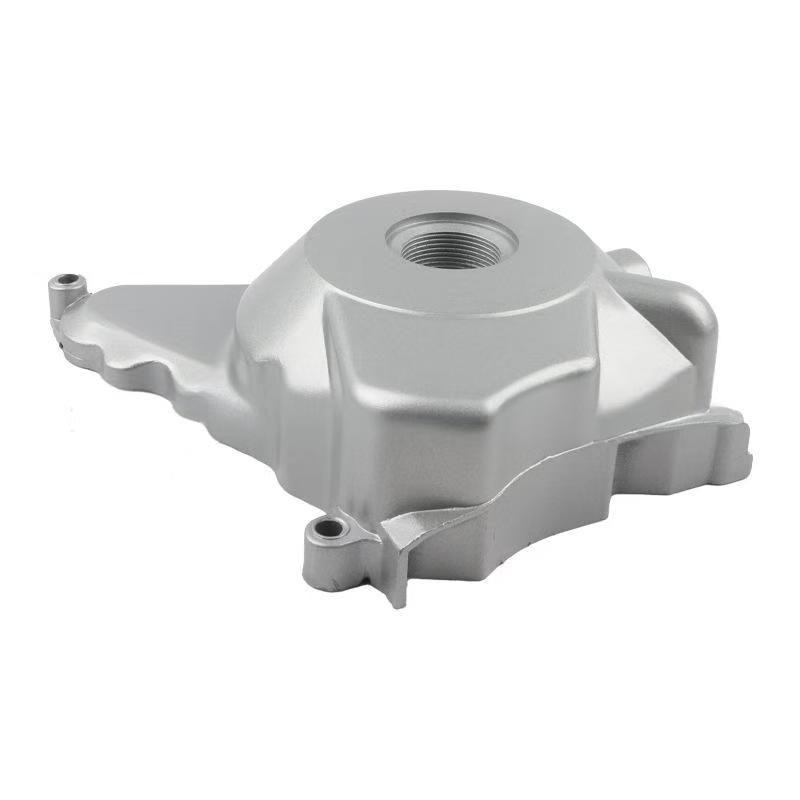
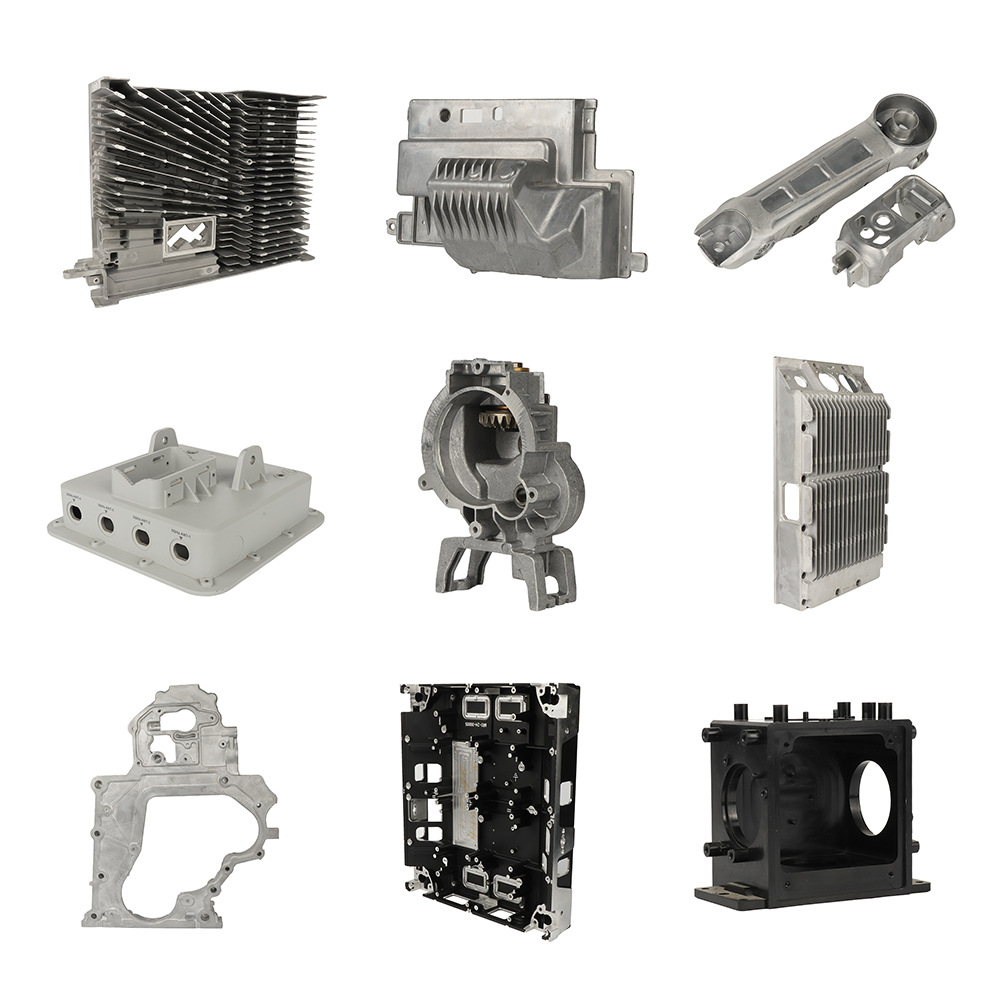
ADC12 is widely used in automotive parts (engine valve covers, gearbox housings), 3C products (5G filter housings, power inverter boxes), home appliances (air conditioner compressor housings), and industrial machinery (hydraulic valves, sensor brackets), meeting the diverse needs of different industries.
4. Disadvantages of ADC12 Aluminium Alloy & Comparative Analysis
While ADC12 has numerous advantages, it also has limitations that need to be considered based on application scenarios. Below is a detailed analysis of its disadvantages and a comparison with other common aluminum alloys to help you make informed choices.
4.1 Disadvantages of ADC12 Aluminium Alloy
- Low Elongation & Poor Toughness: With an elongation of only ≥1.0%, ADC12 is relatively brittle and not suitable for parts subject to high impact loads or frequent vibration.
- Limited Corrosion Resistance: Its copper content reduces natural corrosion resistance, making it vulnerable to rust in harsh environments (e.g., coastal areas, acidic media) without surface treatment.
- Poor Weldability: High silicon and copper content leads to high porosity in die-cast parts, making welding difficult and prone to cracks.
- Dull Anodizing Effect: Compared to other aluminum alloys (e.g., 6063), ADC12’s anodized surface is dull and not suitable for applications requiring high aesthetic requirements for anodizing.
4.2 Comparative Analysis with Common Aluminum Alloys
To better understand ADC12’s positioning, we compare it with A380 (US equivalent) and A356 (high-strength casting alloy):
| Alloy Type | Core Advantages | Core Disadvantages | Suitable Scenarios |
|---|---|---|---|
| ADC12 | High fluidity, low cost, good machinability, suitable for mass production | Low elongation, poor corrosion resistance, poor weldability | Complex thin-walled parts, automotive housings, 3C enclosures |
| A380 | Excellent strength-to-weight ratio, good corrosion resistance, high thermal conductivity | Higher cost than ADC12, slightly lower fluidity | Automotive, aerospace parts requiring durability |
| A356 | High strength, good toughness, excellent corrosion resistance (after heat treatment) | High cost, complex processing, low fluidity | High-load structural parts, aerospace components |
Conclusion: ADC12 is the most cost-effective choice for mass-produced, complex thin-walled parts with moderate strength requirements; for high-strength, high-toughness scenarios, A356 or A380 is more suitable.
5. Expert Insights on ADC12 Aluminium Alloy
To gain a professional perspective on ADC12’s industry value and application prospects, we invited Dr. Mark Wilson, a senior materials engineer with over 20 years of experience in aluminum die casting and industrial material research, to share his insights.
“ADC12 aluminium alloy has become the backbone of the global die-casting industry, especially in the automotive and 3C sectors. Its greatest advantage lies in balancing castability, cost, and performance—something few other die-casting alloys can achieve. With the acceleration of global lightweight and green manufacturing trends, ADC12, as a high-performance recycled aluminum alloy, will see growing demand in new energy vehicles (e.g., battery pack housings, motor end caps) and 5G infrastructure. However, it’s crucial to note that ADC12’s limitations (such as low toughness) require careful matching with application scenarios; proper surface treatment and structural design can effectively make up for its corrosion resistance shortcomings. In the next 5-10 years, with the advancement of die-casting technology, ADC12’s performance will be further optimized, and its application scope will expand to more high-end industrial fields.”
Dr. Wilson also emphasized that choosing a professional hardware processing supplier is key to maximizing ADC12’s performance, as precise die-casting technology and strict quality control can reduce defects such as porosity and dimensional deviations.
6. Frequently Asked Questions (FAQs) About ADC12 Aluminium Alloy
We’ve compiled the most common questions about ADC12 from industry customers to help you solve practical application doubts.
Q1: Can ADC12 aluminium alloy be anodized?
A1: Yes, ADC12 can be anodized, but its high silicon content leads to a dull, uneven color on the anodized surface. It is not suitable for applications requiring bright or uniform anodizing effects; painting or electroplating is recommended for better aesthetic results.
Q2: Is ADC12 suitable for high-temperature environments?
A2: ADC12 has good high-temperature resistance, with a melting point of about 580–650°C, which can meet the working requirements of most industrial scenarios (e.g., automotive engine compartments, home appliance components). However, it is not recommended for long-term use in environments above 200°C, as this may reduce its mechanical properties.
Q3: Can ADC12 be welded to other aluminum alloys?
A3: It is not recommended. ADC12 has high porosity and high silicon/copper content, which makes welding difficult—welds are prone to cracks, pores, and poor strength. If connection is needed, mechanical fastening (e.g., screws, rivets) is a better choice.
Q4: What is the difference between ADC12 and its Chinese equivalent YL113?
A4: ADC12 follows the Japanese JIS H 5302:2006 standard, while YL113 (YZAlSi11Cu3) complies with China’s GB/T 15115-2024 standard. The main difference lies in stricter impurity control: YL113 has lower limits for Fe (≤1.0%) and Mg (≤0.1%) compared to ADC12, resulting in slightly better toughness and corrosion resistance.
Q5: Is recycled ADC12 aluminum alloy as good as primary ADC12?
A5: Yes. With modern recycling technology (precision sorting, melt purification), the mechanical properties of recycled ADC12 can reach 90–95% of primary ADC12. It even has better castability in some cases and is more environmentally friendly and cost-effective.
7. Conclusion: Industry Trends of ADC12 Aluminium Alloy & How to Choose a Quality Hardware Supplier
7.1 Industry Trends of ADC12 Aluminium Alloy
With the global push for green manufacturing, lightweight design, and 5G/new energy development, ADC12 aluminium alloy is facing broad development prospects:
- Growing Demand in New Energy Vehicles: As automotive lightweight accelerates, ADC12 is widely used in battery packs, motor end caps, and electronic control housings, with demand expected to grow at an annual rate of 15–20%.
- Expansion in 5G & Telecom Fields: ADC12’s excellent heat dissipation and precision make it ideal for 5G filter housings, AAU cooling shells, and communication modules, driven by the global 5G infrastructure rollout.
- Continuous Performance Optimization: R&D on modified ADC12 (e.g., reducing impurities, adding alloying elements) will improve its toughness and corrosion resistance, expanding its application to high-end fields.
- Dominance in Recycled Aluminum Market: ADC12 currently accounts for 75% of China’s recycled casting aluminum output, and this proportion is expected to rise to 80% by 2025, driven by environmental policies.
7.2 How to Choose a Quality ADC12 Hardware Processing Supplier
The quality of ADC12 processing directly affects the performance of finished products. When choosing a supplier, focus on the following key points:
- Quality Certification: Ensure the supplier has ISO9001, TS16949, RoHS, and ISO14001 certifications, complying with international quality and environmental standards.
- Technical Strength: Check the supplier’s die-casting equipment, processing technology, and R&D capabilities to ensure they can handle complex precision parts and provide customization services.
- Quality Control System: The supplier should have strict raw material inspection, in-process quality control, and finished product testing (e.g., X-ray inspection for internal defects).
- After-Sales Service: A reliable supplier provides timely technical support, defect handling, and customized solutions to solve practical problems for customers.
7.3 Recommended Supplier: Xinghang Precision Hardware
If you are looking for a professional, reliable ADC12 aluminium alloy processing supplier, Xinghang Precision Hardware is your best choice. We have years of experience in ADC12 die casting and processing, adhering to strict quality standards and providing high-quality products and customized services.
Our advantages:
- Certified by ISO9001, TS16949, RoHS, and ISO14001, ensuring product compliance with global standards.
- Advanced die-casting equipment and professional technical team, capable of handling complex precision ADC12 parts and providing one-stop customization services.
- Strict quality control system, from raw material selection to finished product delivery, ensuring zero defects.
- Perfect after-sales service, providing timely technical support and problem-solving solutions.
Contact us today to discuss your ADC12 processing needs:
Mobile/WeChat: +86 18819502691
Email: liqine@xinghangcn.com
In summary, ADC12 aluminium alloy is a cost-effective, versatile die-casting material that will play an increasingly important role in global industrial development. Choosing the right supplier like Xinghang Precision Hardware will help you maximize the value of ADC12 and gain a competitive edge in the market.
Automotive aluminum die casting | We produce all kinds of automotive aluminum die castings | High-Precision Solutions by XingHang
Communication shell | Die-cast aluminium telecom equipment enclosure | The Reliable Communication Shell for Industrial Excellence
Related Article


