
HOT PRODUCTS
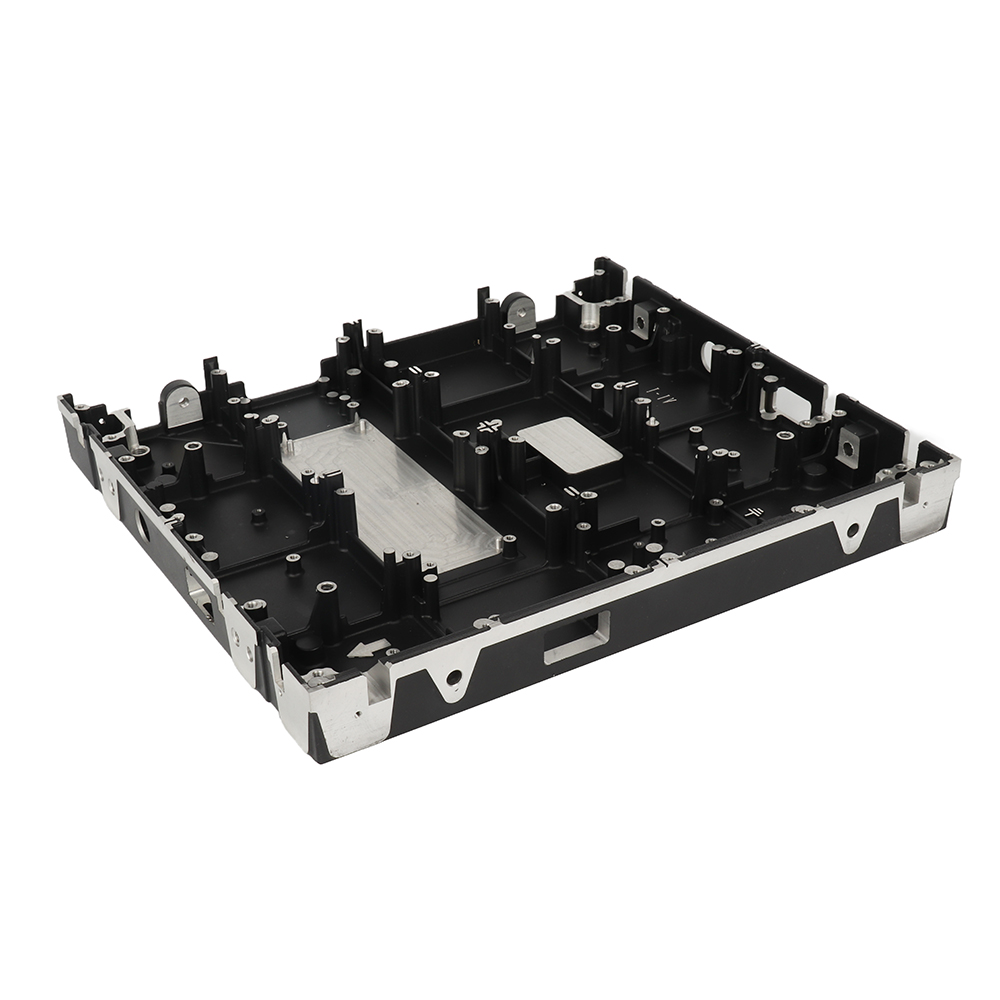
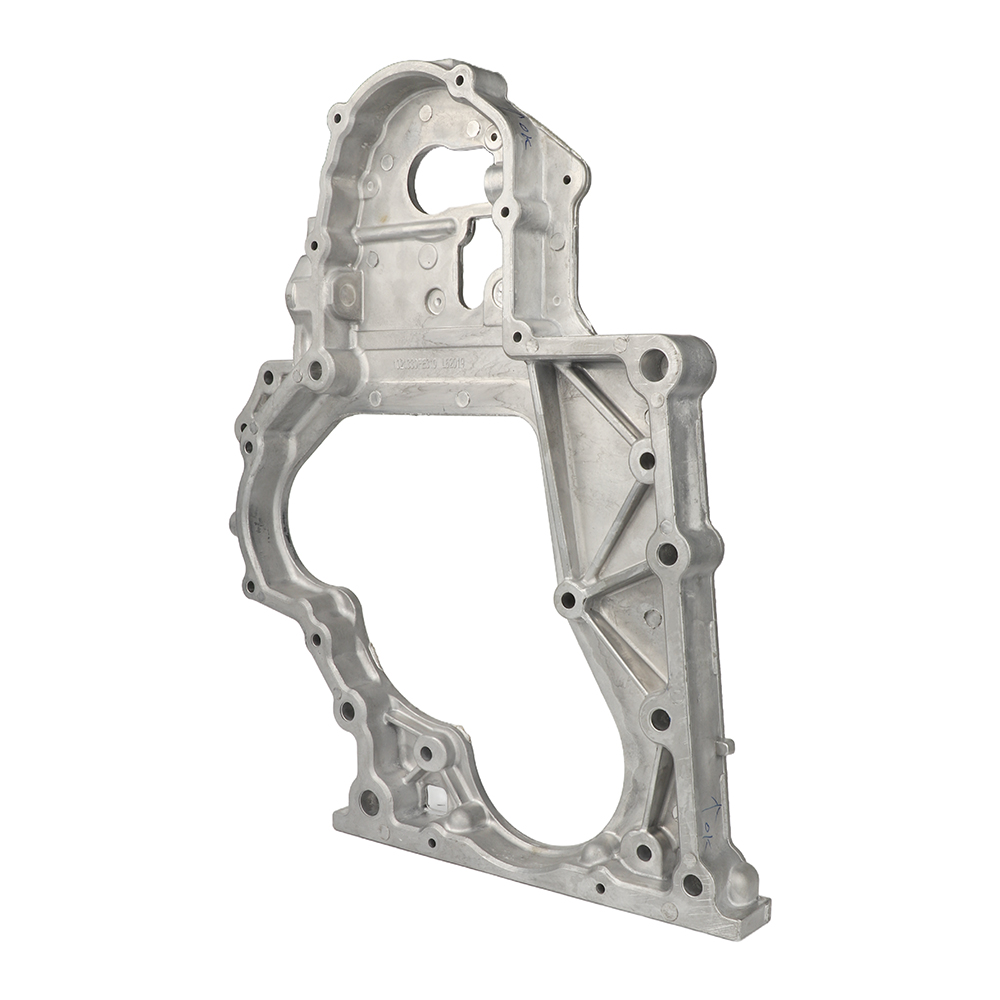
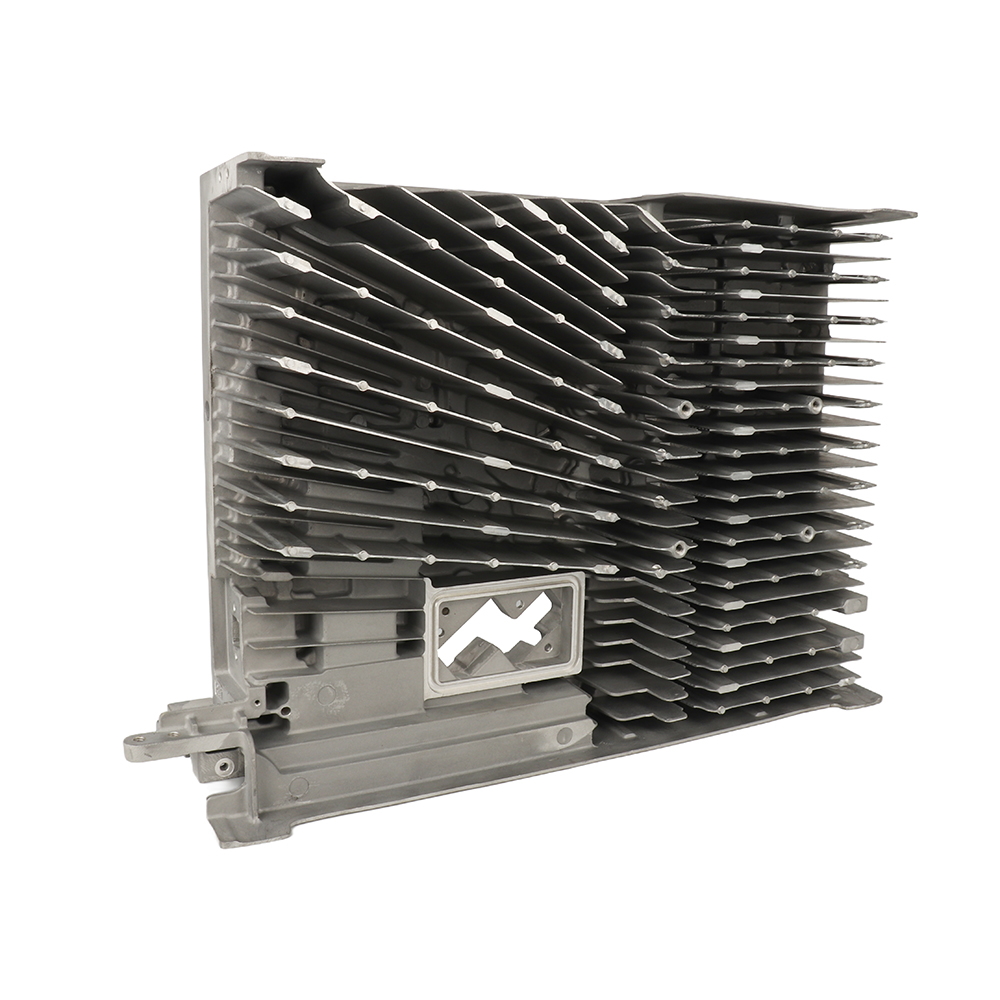
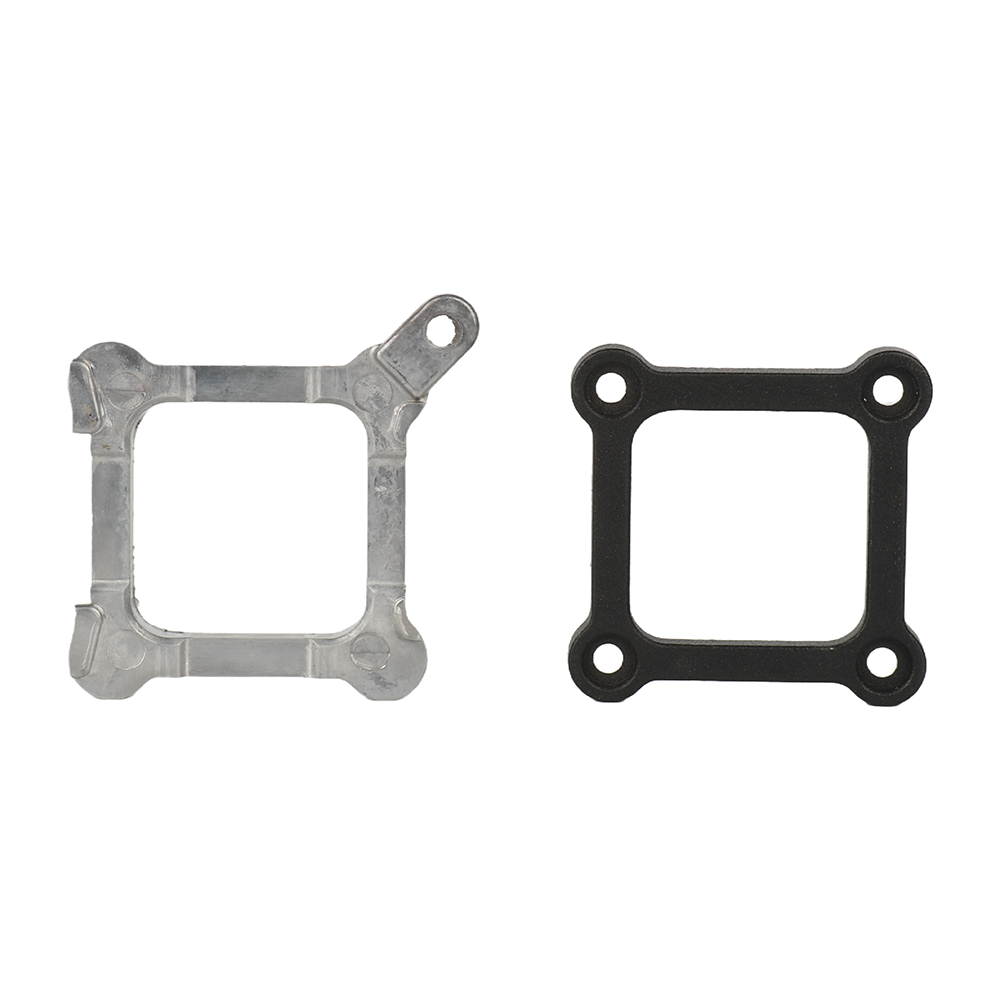
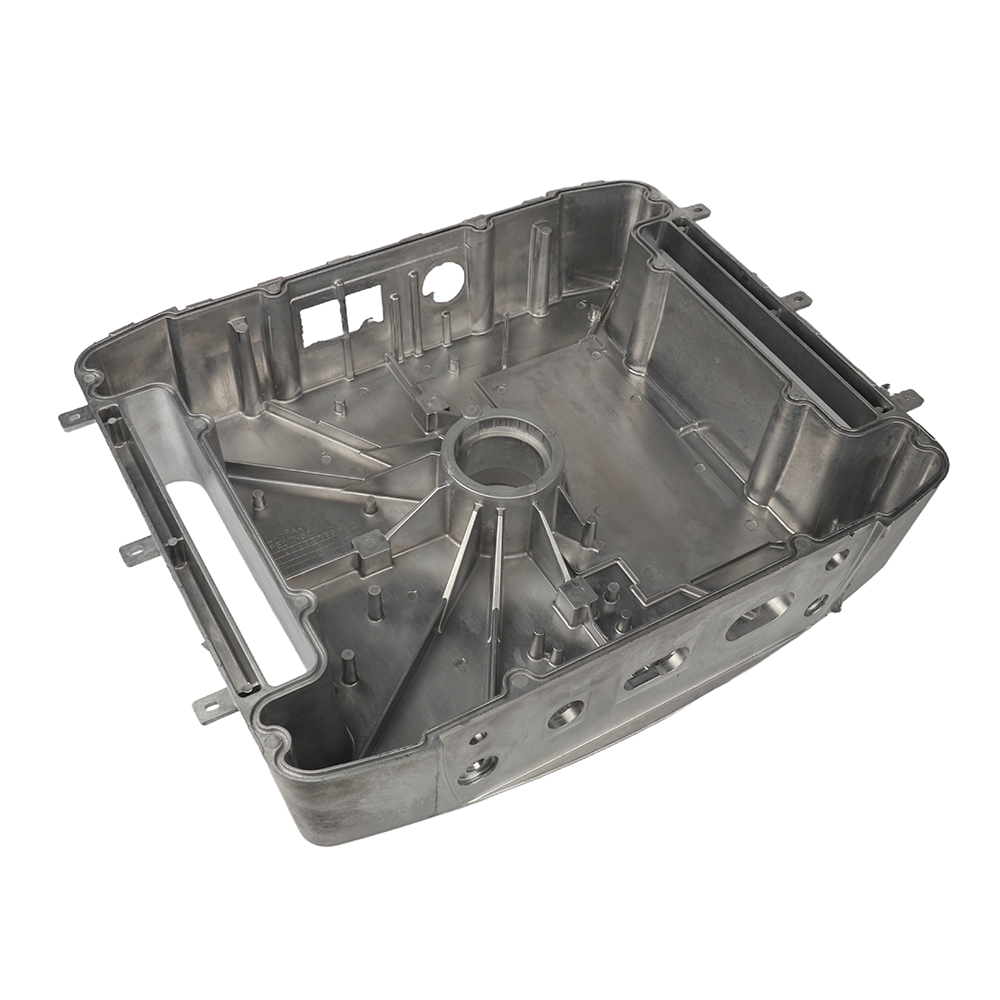
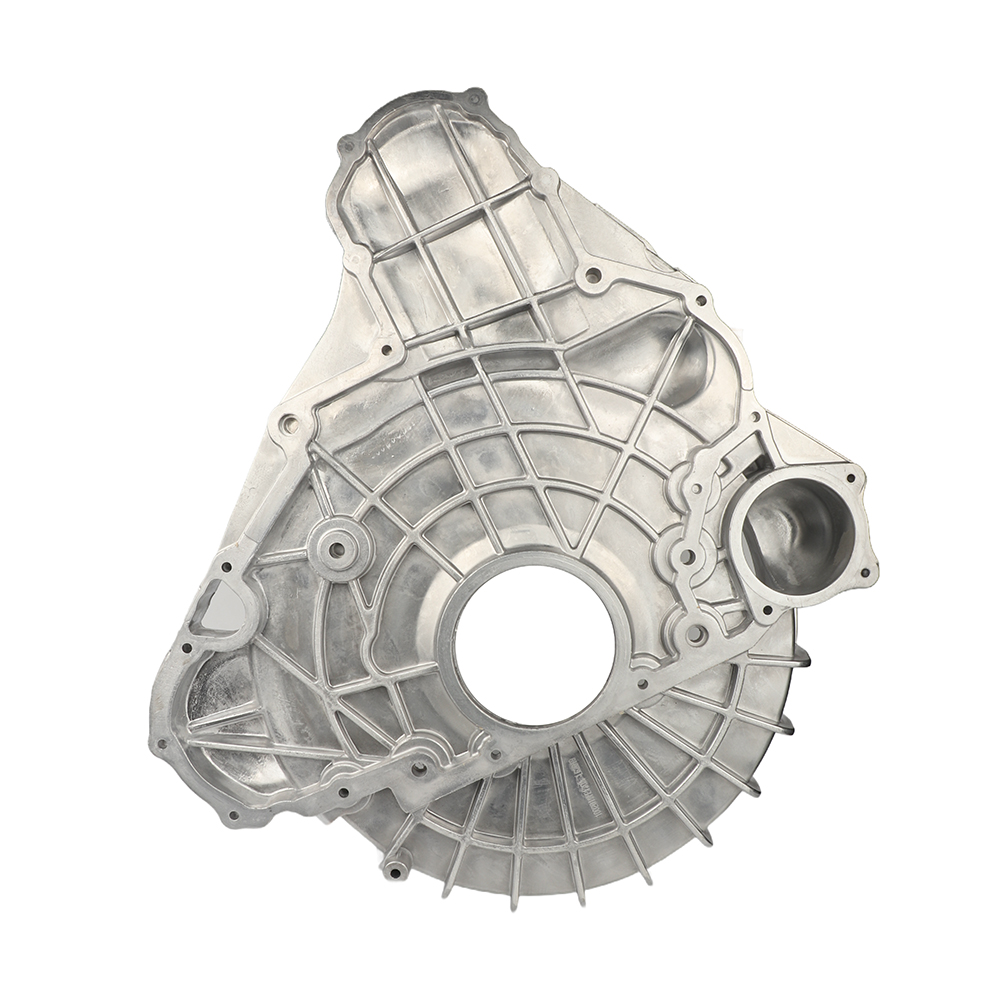
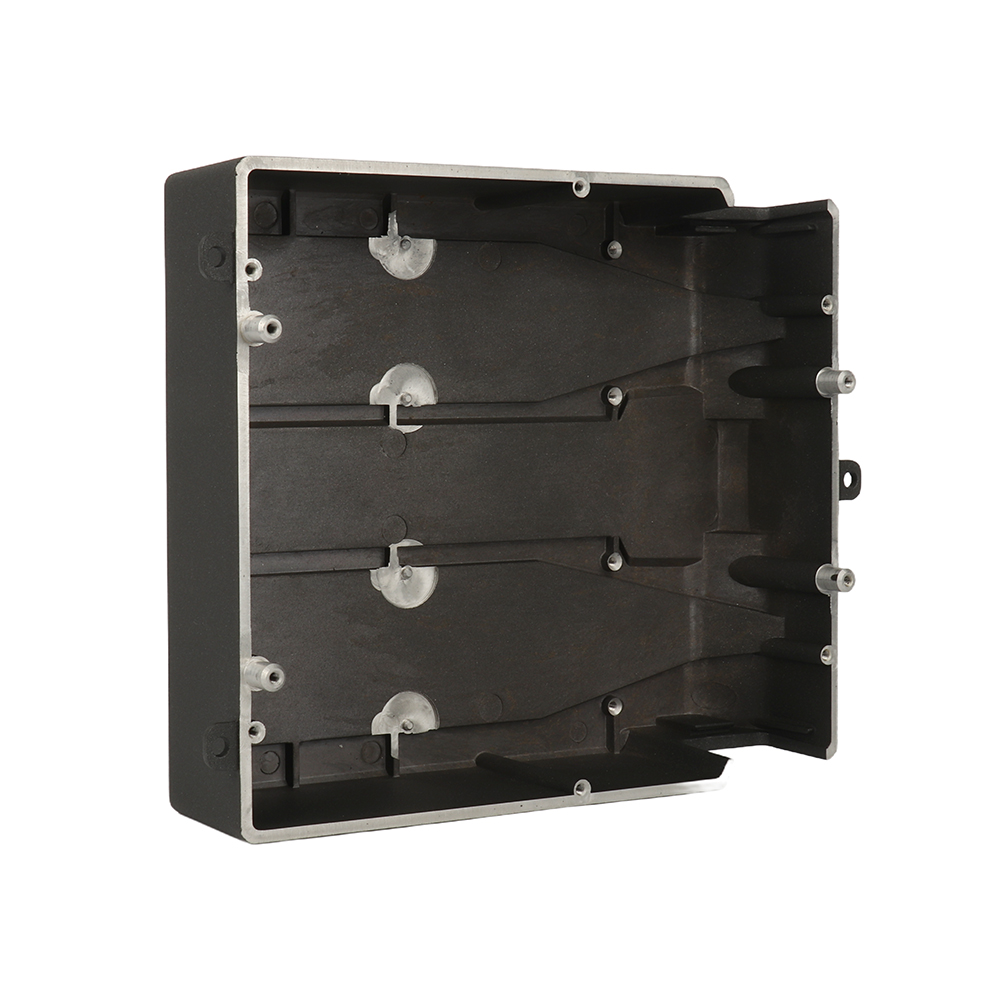
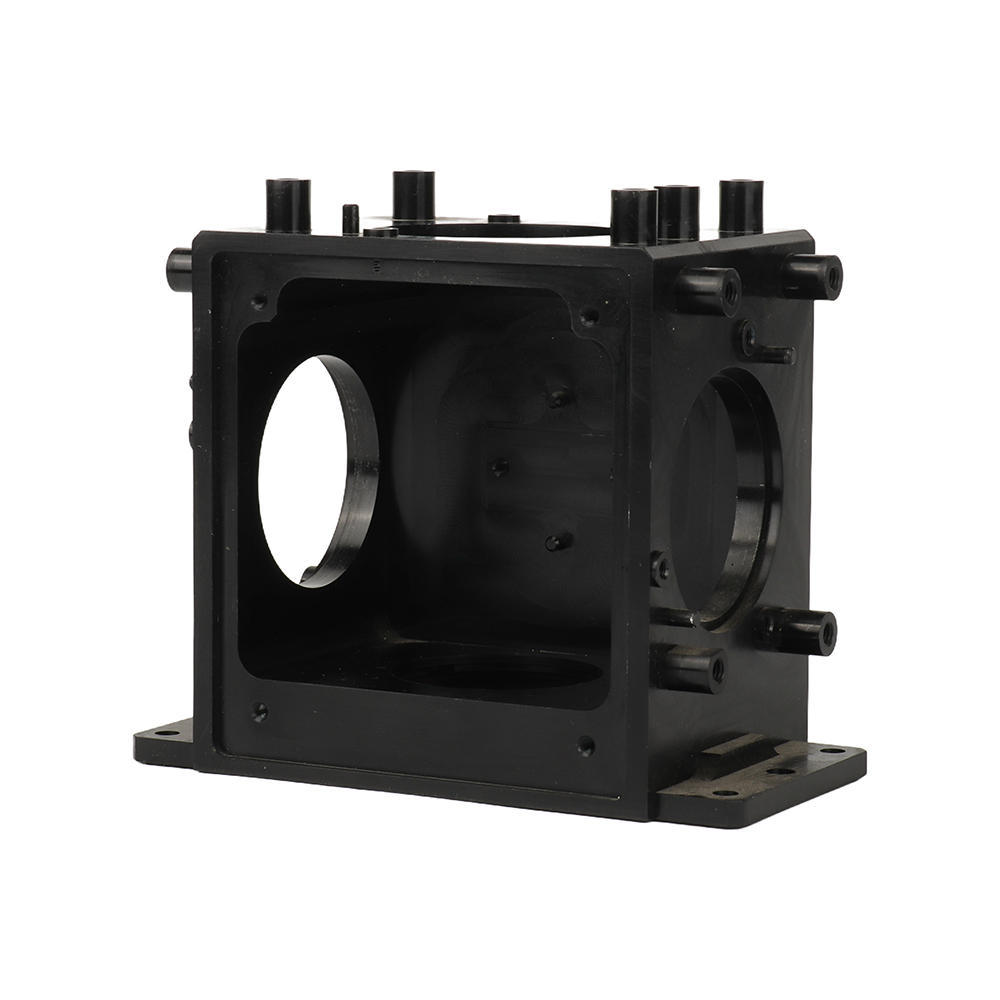
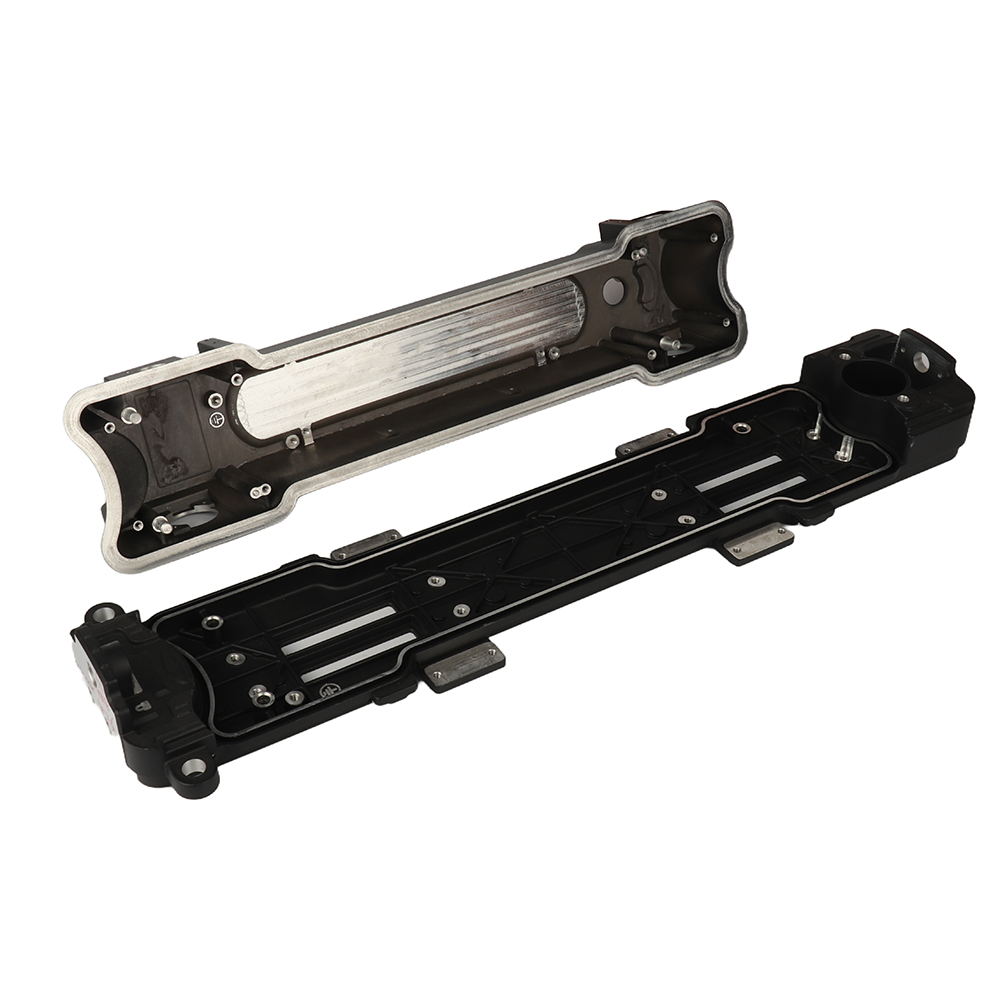
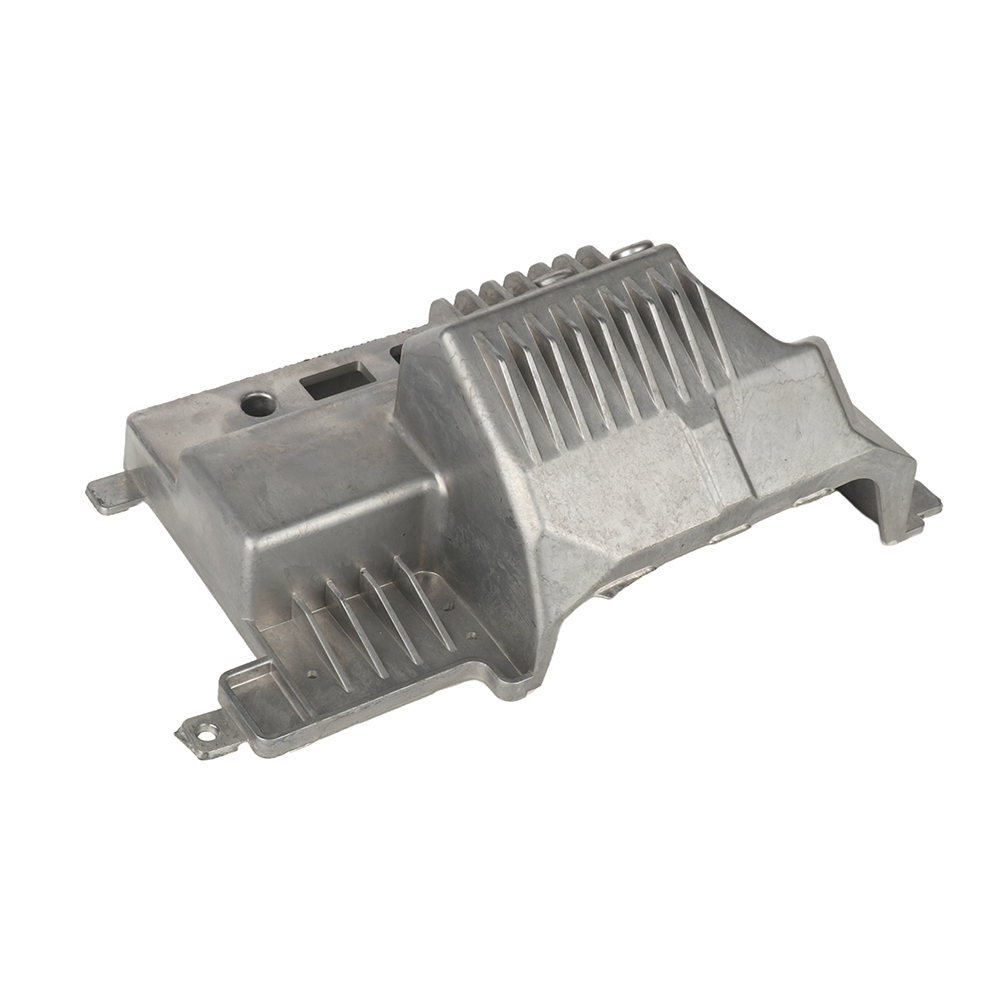
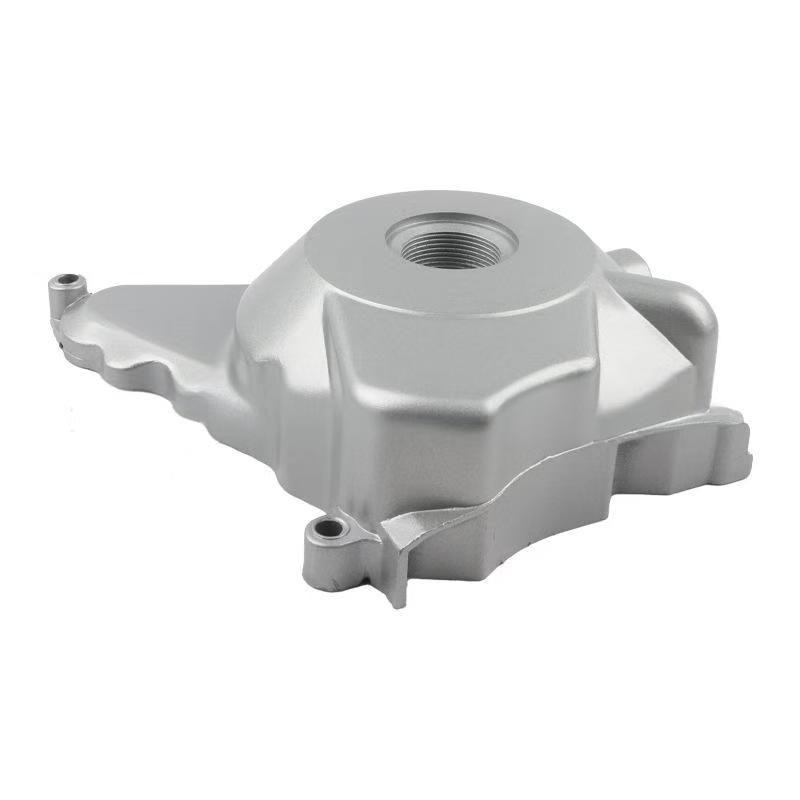
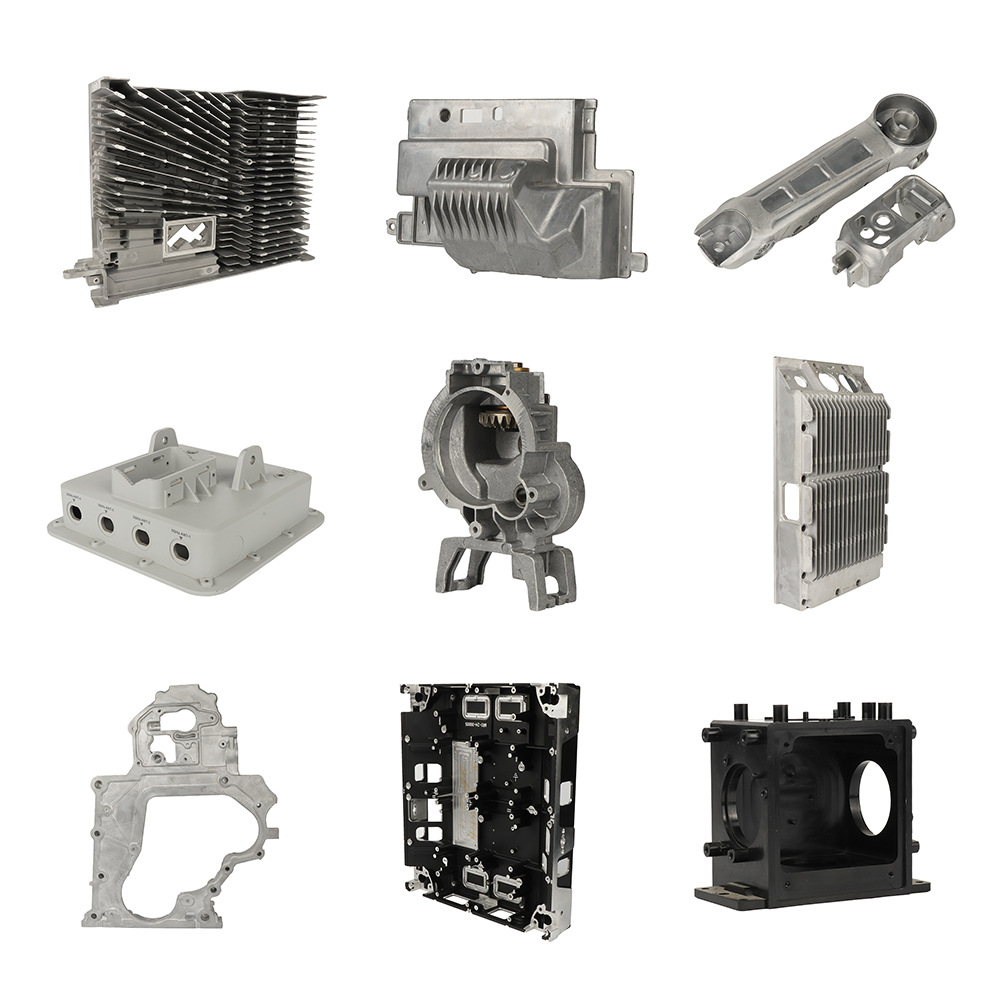
Aluminium alloy for casting | What are aluminum alloys used for die casting? Types, Benefits & Applications
2026-05-08
What are Aluminum Alloys Used for Die Casting? Types, Benefits & Applications
Table of Contents
- 1. What Are Die-Casting Aluminum Alloys?
- 2. Core Functions of Aluminium Alloy for Casting
- 3. Main Types & Common Grades of Die-Casting Aluminum Alloys
- 4. Key Benefits of Using Aluminium Alloy for Die Casting
- 5. Industrial Application Scenarios of Die-Casting Aluminum Alloys
- 6. Expert Opinions on Die-Casting Aluminum Alloys
- 7. Xinghang Precision Hardware: Reliable Aluminum Alloy Die Casting Supplier
- 8. FAQs About Aluminum Alloys for Die Casting
- 9. Conclusion: Industry Trends & Supplier Selection Guide
1. What Are Die-Casting Aluminum Alloys?
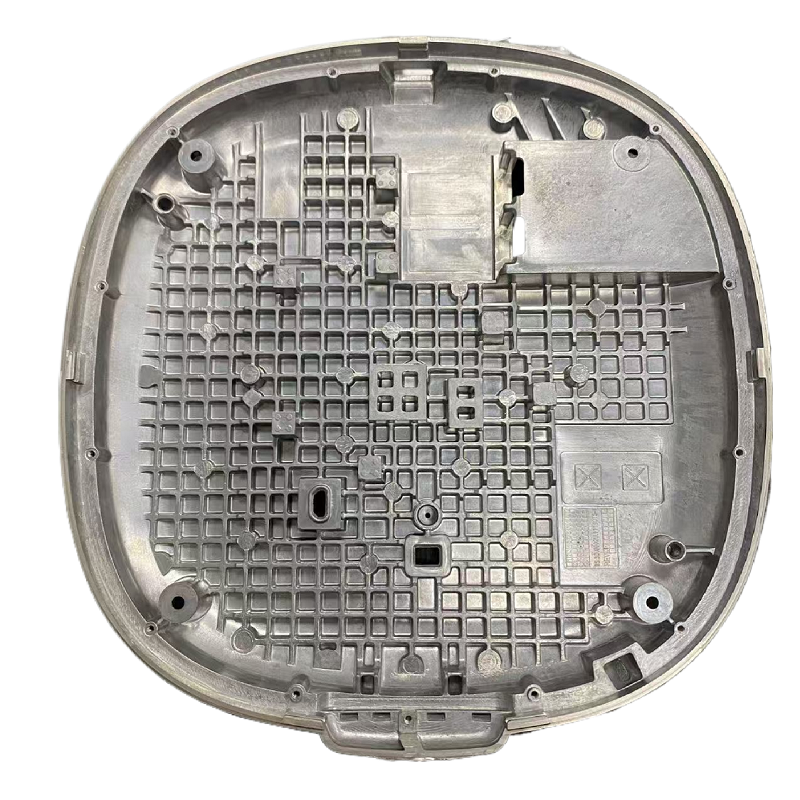
Aluminum alloys for die casting are specialized metal composite materials designed exclusively for high-pressure die casting processes. Mixed with silicon, copper, magnesium, and zinc elements, these alloys feature excellent fluidity, low shrinkage rate, and outstanding mold-filling performance. Unlike ordinary industrial aluminum, aluminium alloy for casting is optimized to adapt to rapid injection, high pressure, and fast cooling in die-casting production, making it the most widely used raw material in the global die casting industry.
Due to its balanced mechanical properties, low density, and mature processing technology, aluminum alloy accounts for more than 70% of the total output of global die-cast parts. It has gradually replaced traditional iron, steel, and zinc alloys to become the mainstream material for industrial precision components.
2. Core Functions of Aluminium Alloy for Casting
2.1 Ensure Smooth Molding & Dimensional Stability
Die-casting aluminum alloys have good melt fluidity, which can quickly fill complex mold cavities, including thin walls, deep grooves, and irregular structures. It effectively reduces casting defects such as air holes and cold shuts, ensuring finished parts with stable dimensions and high consistency.
2.2 Improve Structural Strength & Wear Resistance
Through scientific alloy proportioning, aluminum materials obtain upgraded hardness, tensile strength, and impact resistance. The alloy can bear continuous mechanical vibration and load pressure, providing reliable structural support for industrial equipment housings, brackets, and frames.
2.3 Optimize Heat Dissipation & Corrosion Resistance
Aluminum alloys own natural thermal conductivity and anti-corrosion performance. They can quickly dissipate heat generated by mechanical operation and resist oxidation, moisture, and chemical erosion, greatly extending the service life of die-cast components.
2.4 Reduce Overall Weight of Finished Products
The density of aluminum alloy is only one-third of iron and steel. It realizes lightweight production without sacrificing strength, which is critical for energy saving and emission reduction in automotive, new energy, and automated equipment industries.

3. Main Types & Common Grades of Die-Casting Aluminum Alloys
According to different alloy compositions and usage scenarios, die-casting aluminum alloys are mainly divided into Al-Si, Al-Cu, Al-Mg, and Al-Zn series. Among them, Al-Si aluminum alloy is the most commonly used type in industrial manufacturing. The three mainstream grades adopted by Xinghang Precision Hardware are as follows:
3.1 ADC12 Aluminum Alloy
ADC12 is a classic Al-Si-Cu alloy with excellent casting performance and low production cost. It features good fluidity and air tightness, suitable for mass production of general industrial parts such as equipment shells, sensor brackets, and motor housings. It is the most cost-effective universal die-casting aluminum material.
3.2 A380 Aluminum Alloy
A380 has balanced mechanical strength and machining performance. With high temperature resistance and compression resistance, it is widely used in auto parts, transmission shells, and electrical equipment chassis. It is favored for its smooth surface and excellent CNC machining adaptability.
3.3 A383 Aluminum Alloy
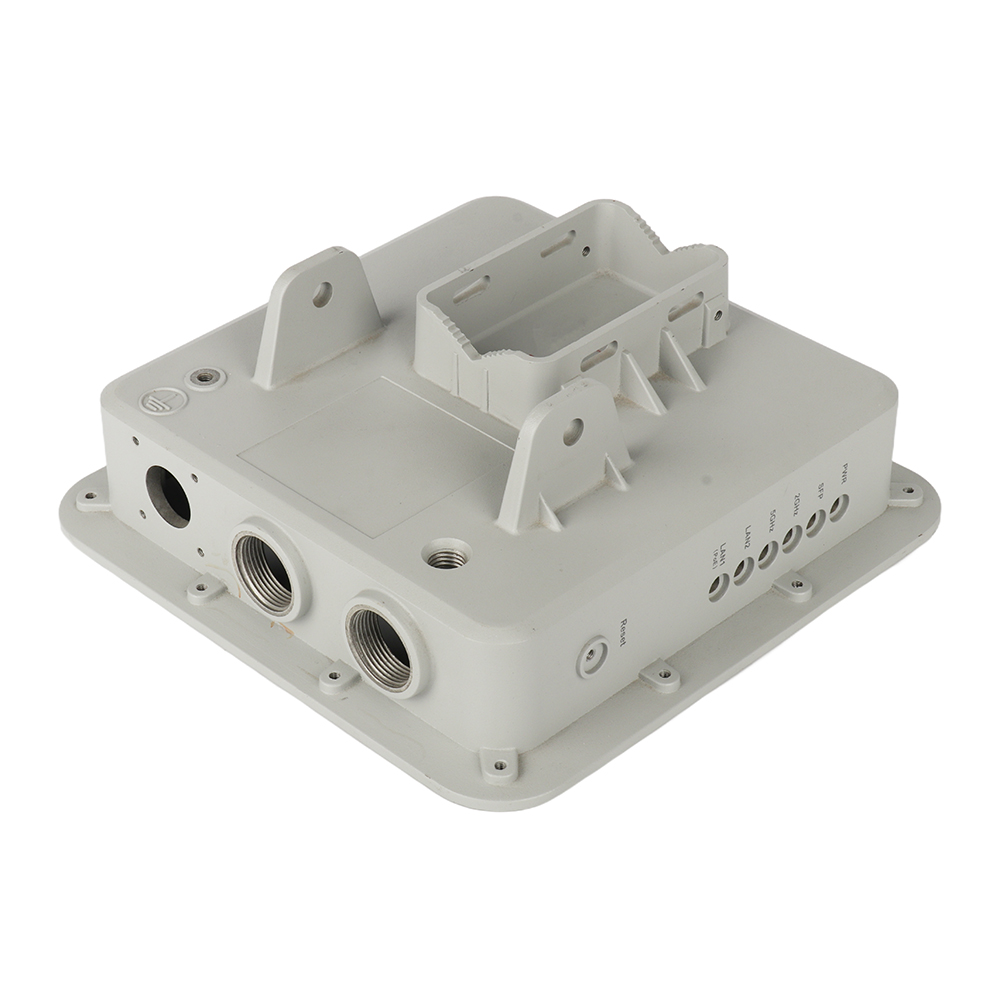
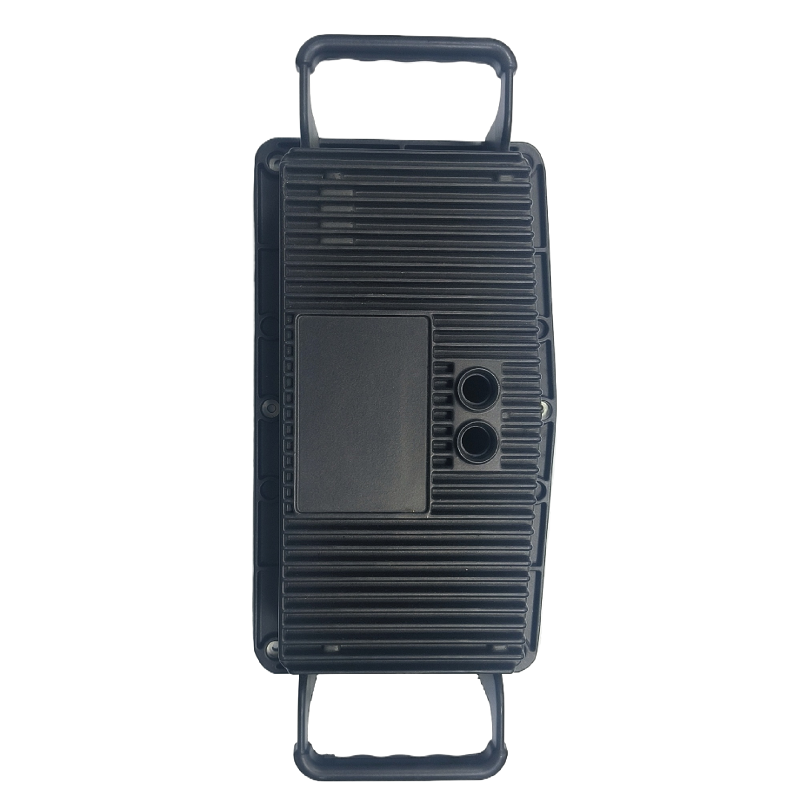
A383 is an upgraded thin-wall casting aluminum alloy. It has better liquidity and mold filling ability, perfect for thin-wall, complex, and lightweight precision parts. It is commonly applied in precision electronic enclosures and mini industrial structural components.
4. Key Benefits of Using Aluminium Alloy for Die Casting
4.1 Excellent Casting & Machining Compatibility
Aluminum alloy is compatible with high-pressure die casting and CNC precision machining. After one-time die casting, it can be processed into precise holes, threads, and grooves through secondary cutting. It fits perfectly with automated production lines and meets high-precision tolerance requirements.
4.2 Lightweight & High Specific Strength
Compared with zinc alloy and cast iron, aluminum alloy reduces equipment weight effectively while maintaining sufficient structural rigidity. It helps customers reduce transportation costs and energy consumption during equipment operation.
4.3 Outstanding Surface Finishing Performance
Die-cast aluminum parts support multiple surface treatments including powder coating, anodizing, sandblasting, and polishing. The finished surface is smooth without burrs, realizing both anti-corrosion protection and beautiful appearance.
4.4 Eco-Friendly & 100% Recyclable
Aluminum is a recyclable green metal. The energy consumption of recycled aluminum is only 5% of primary aluminum smelting. It complies with RoHS and ISO14001 environmental standards, matching global low-carbon manufacturing trends.
4.5 Stable Cost & Mass Production Adaptability
Raw material supply of aluminum alloy is sufficient and stable. It is suitable for high-volume continuous die-casting production, effectively reducing the unit production cost of industrial parts.
5. Industrial Application Scenarios of Die-Casting Aluminum Alloys
With diverse grades and stable performance, die-casting aluminum alloys cover almost all mainstream industrial manufacturing fields:
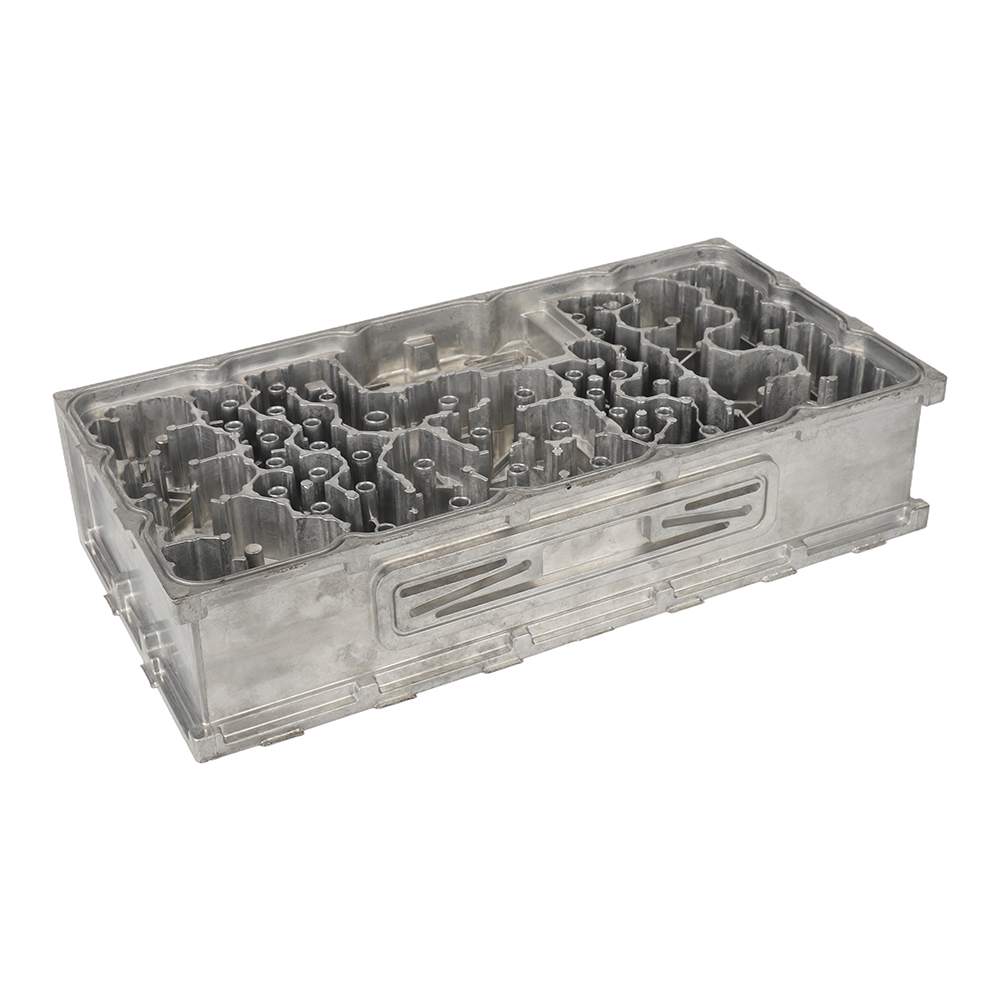
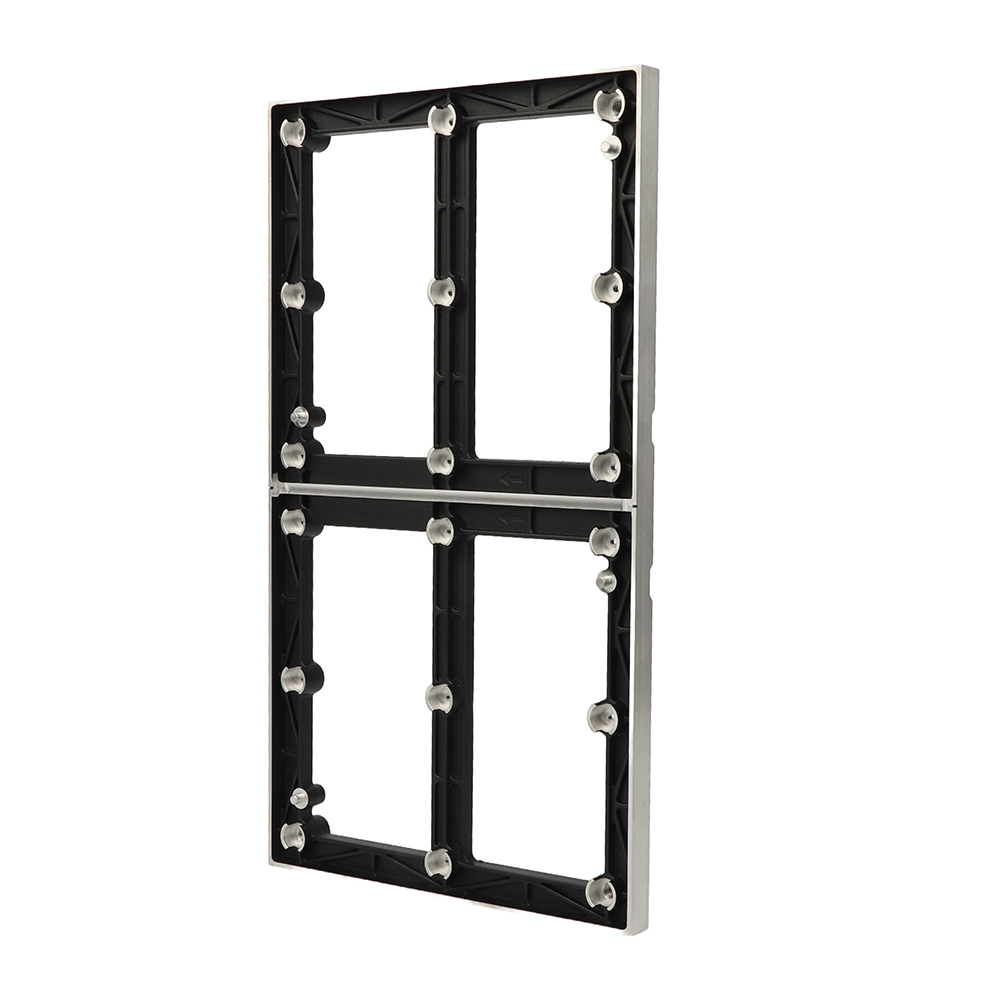
- Industrial Equipment: Equipment frames, cabinet shells, pump body accessories, and fixed brackets.
- Automotive Industry: EV battery housings, motor brackets, engine shells, and transmission components.
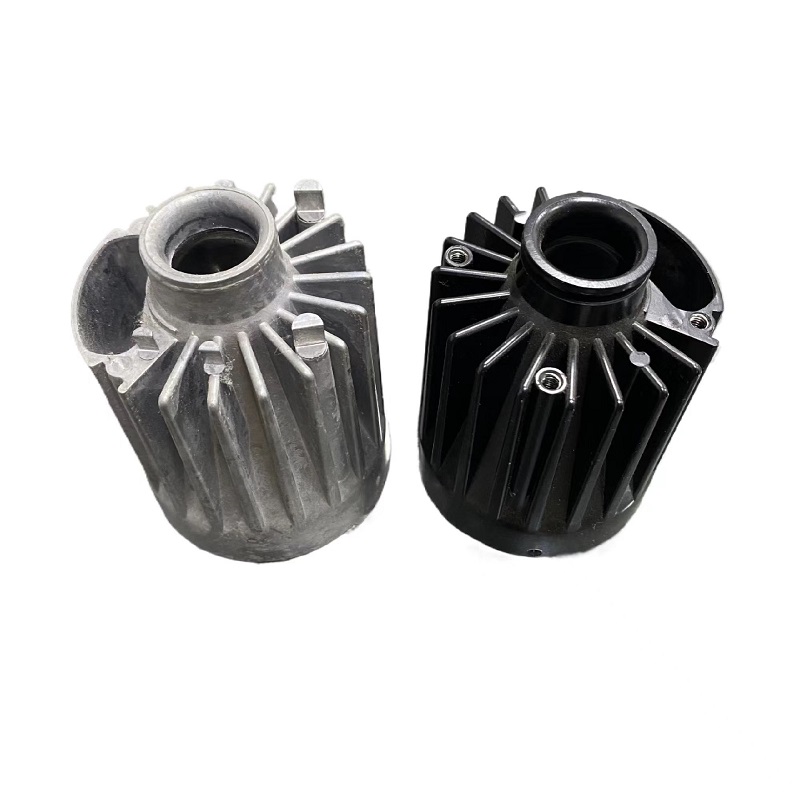
- Electronic Appliances: Heat sinks, conductive shells, and precision electronic enclosures.
- New Energy Industry: Solar panel brackets and wind power auxiliary structural parts.
- Smart Automation: Robotic arm accessories and automated mechanical connectors.
6. Expert Opinions on Die-Casting Aluminum Alloys
To objectively analyze the application value and development potential of aluminum alloys in the die casting industry, we interviewed Mr. Jason Miller, a senior material engineer with 25 years of experience in metal alloy research and industrial die casting optimization.
“Aluminum alloy has become the irreplaceable core raw material of the die casting industry. Compared with other metal materials, its biggest advantage is the perfect balance of casting performance, weight, cost and environmental protection. In the future industrial manufacturing field, lightweight and low carbon will be the core competition points. Aluminum alloys such as ADC12, A380 and A383 will continue to dominate the market. Manufacturers that can strictly control alloy purity and stabilize casting parameters will gain long-term competitive advantages.”
Mr. Miller also mentioned: “Many customers ignore raw material quality. Unqualified aluminum alloy will cause air holes, deformation and low durability of finished parts. Reliable suppliers like Xinghang Precision Hardware insist on using high-purity standard aluminum alloys and implement 100% inspection, which is very valuable for industrial long-term cooperation.”
7. Xinghang Precision Hardware: Reliable Aluminum Alloy Die Casting Supplier
Located in Dongguan, China’s manufacturing hub, Xinghang Precision Hardware is a high-tech enterprise focusing on high-quality aluminum alloy die casting, CNC precision machining, and surface treatment. We deeply understand the material characteristics of die-casting aluminum alloys and provide customized raw material matching solutions for industrial customers.
7.1 Our Advantages in Aluminum Alloy Die Casting
- Standard Alloy Selection: Adopt high-purity ADC12, A380, A383 aluminum alloys to ensure stable mechanical properties of parts.
- Advanced Production Equipment: Equipped with 300-2000 tons die-casting machines and nearly 100 high-speed vertical CNC machines.
- Full-Automated Production: Robotic arms realize automatic feeding, casting and picking to reduce material defects.
- Authoritative Certifications: ISO9001, IATF16949, RoHS, ISO14001 certified to meet global industrial standards.
- Strict Quality Control: 100% full inspection for finished products to eliminate defective alloy castings.
7.2 Service Scope
We provide one-stop services including alloy material selection, mold development, high-pressure die casting, CNC machining, powder coating, and assembly. All aluminum alloy die-cast parts can be customized according to customer drawings and tolerance requirements, widely used in various industrial equipment.
8. FAQs About Aluminum Alloys for Die Casting
Q1: Why are aluminum alloys the first choice for die casting?
A: Aluminum alloys have excellent fluidity, low density, good thermal conductivity, and recyclability. They are low-cost, easy to machine and surface treat. Compared with zinc, magnesium and copper alloys, aluminum alloys have the best comprehensive performance and are most suitable for large-scale industrial die casting.
Q2: What is the difference between ADC12 and A380?
A: ADC12 has better casting fluidity and lower cost, suitable for ordinary industrial shells and non-stress-bearing parts. A380 has higher hardness and temperature resistance, more suitable for auto parts and high-load mechanical components.
Q3: Are die-casting aluminum alloys corrosion-resistant?
A: Yes. Aluminum alloys have natural oxidation anti-corrosion ability. After powder coating or anodizing treatment, the corrosion resistance can be further improved, adapting to humid and complex industrial environments.
Q4: Can aluminum alloy die-cast parts achieve ultra-tight tolerance?
A: Yes. After die casting + CNC secondary processing, the tolerance can fully meet customer drawing requirements. Xinghang can achieve high-precision dimensional control for customized industrial components.
Q5: Are your aluminum alloy materials environmentally friendly?
A: All aluminum alloys used by Xinghang comply with RoHS environmental protection standards, containing no harmful heavy metals. The materials are 100% recyclable and meet global green manufacturing requirements.
9. Conclusion: Industry Trends & Supplier Selection Guide
9.1 Development Trends of Die-Casting Aluminum Alloy Industry
In recent years, driven by lightweight manufacturing and low-carbon policies, the die-casting aluminum alloy industry presents three obvious trends. First, high-purity and customized alloys become mainstream; manufacturers continuously optimize alloy formulas to adapt to high-precision industrial parts. Second, automated casting production replaces manual processes to stabilize alloy molding quality and reduce defect rates. Third, the market demand for recycled aluminum alloys keeps rising, and green and low-carbon production becomes the core competitiveness of suppliers.
9.2 How to Choose a Qualified Aluminum Alloy Die Casting Supplier
When selecting a hardware processing supplier, customers should focus on four core points: qualified and stable aluminum alloy raw materials, complete production equipment and automated production lines, complete international certifications, and strict full-process quality inspection. Only standardized manufacturers can avoid material defects, delivery delays and unstable product quality.
9.3 Choose Xinghang Precision Hardware as Your Long-Term Partner
If you are looking for a reliable supplier of aluminium alloy for casting and customized die-cast parts, Xinghang Precision Hardware is your best choice. We adhere to high-standard aluminum alloy raw materials, automated production processes, and strict quality management to provide cost-effective, high-precision industrial die-casting components for global customers.
For alloy selection consultation, sample testing, and customized die casting solutions, please contact us today:
Mobile/WeChat: +86 18819502691
Email: liqine@xinghangcn.com
Email: liqine@xinghangcn.com
Die cast aluminum enclosure | What is an aluminum housing for electronic equipment? Guide to Die-Cast Aluminum Enclosure
Die casting industry | Analysis on the development trends of the die casting industry
Related Article

Residential energy storage systems have become increasingly popular as homeowners pursue energy independence, solar self-consumption and backup power for grid outages.
Energy storage enclosure | What Are the Benefits of Die-Cast Home Energy Storage Enclosures?

A custom LED display frame is the core structural carrier for LED screen modules, widely manufactured with ADC12 aluminum alloy via high-pressure die casting.
LED display frame | What Are the Benefits of Custom LED Display Frames?

