
HOT PRODUCTS
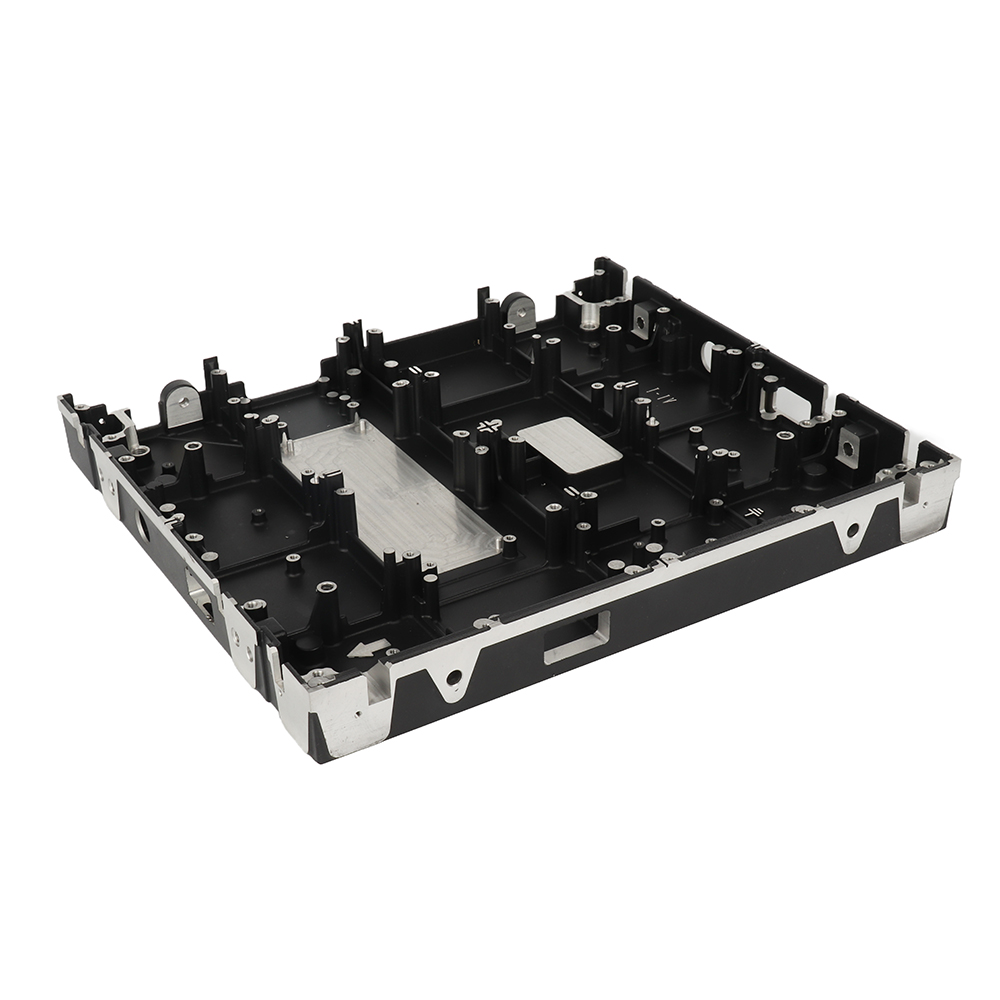
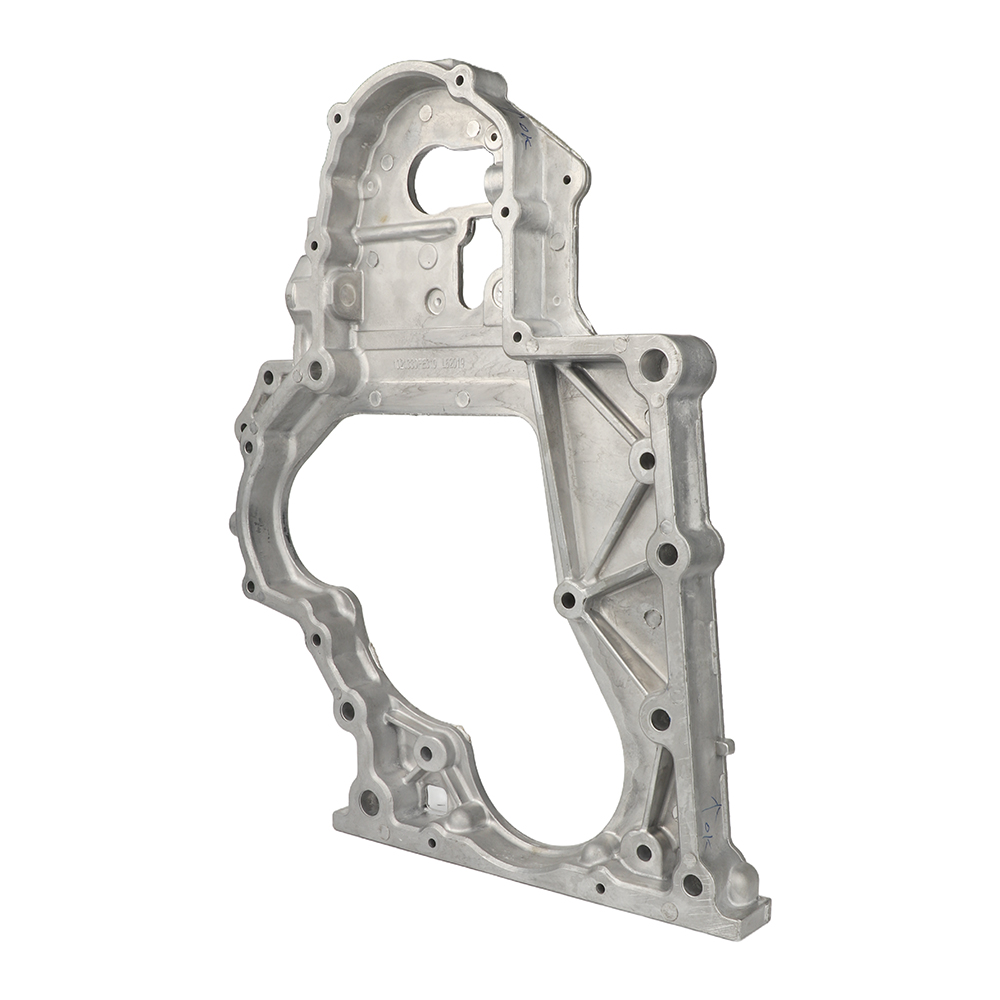
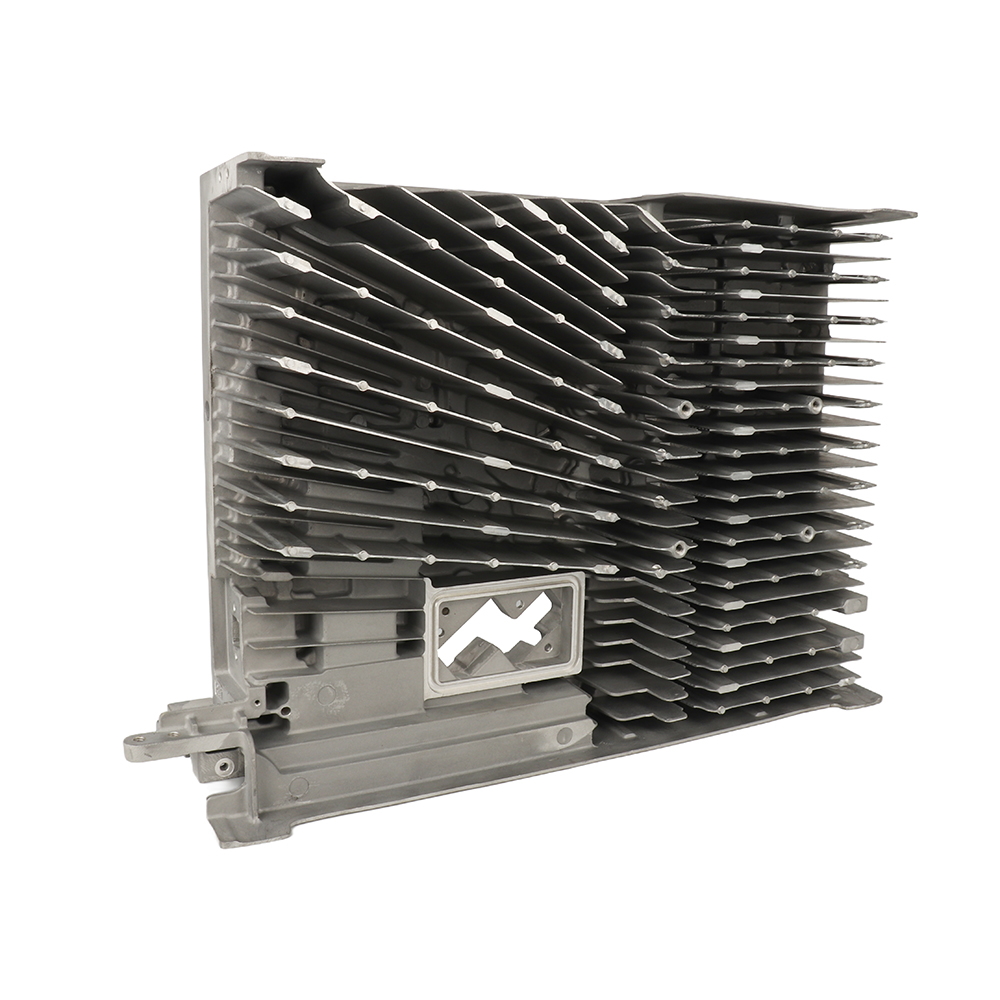
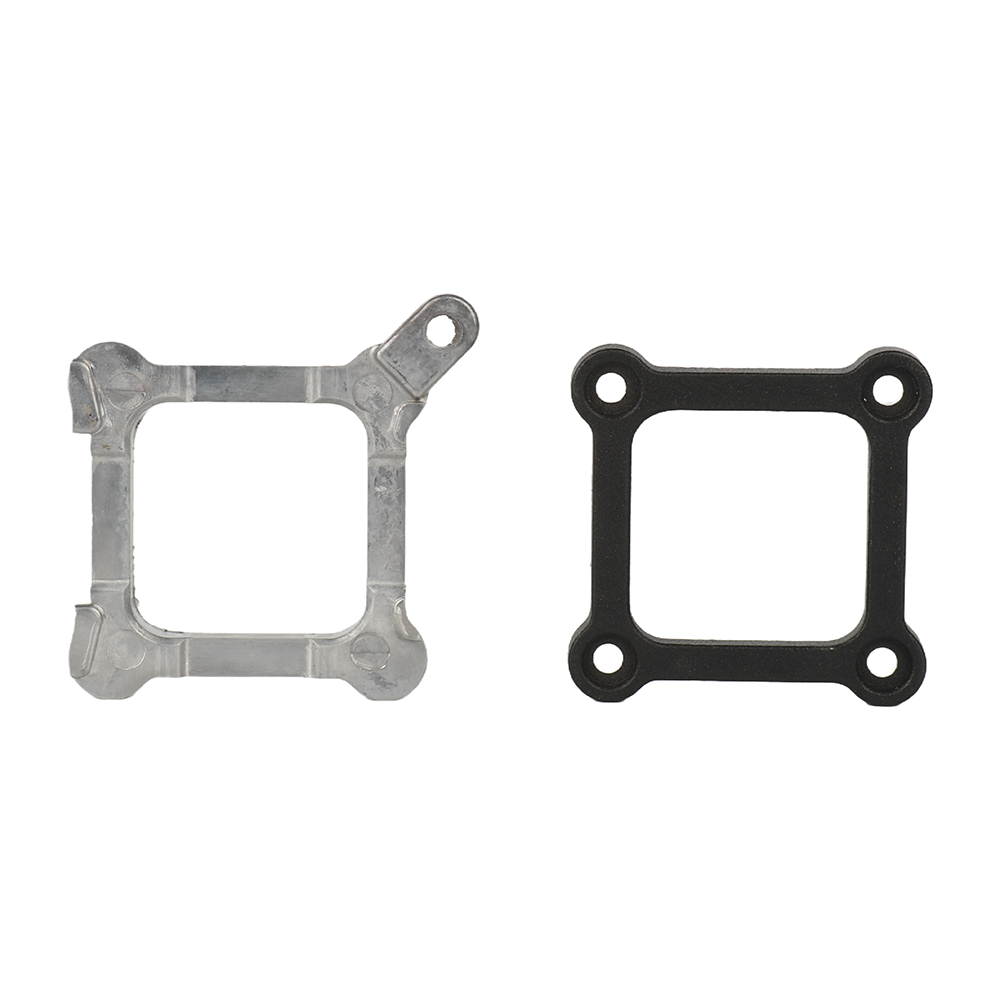
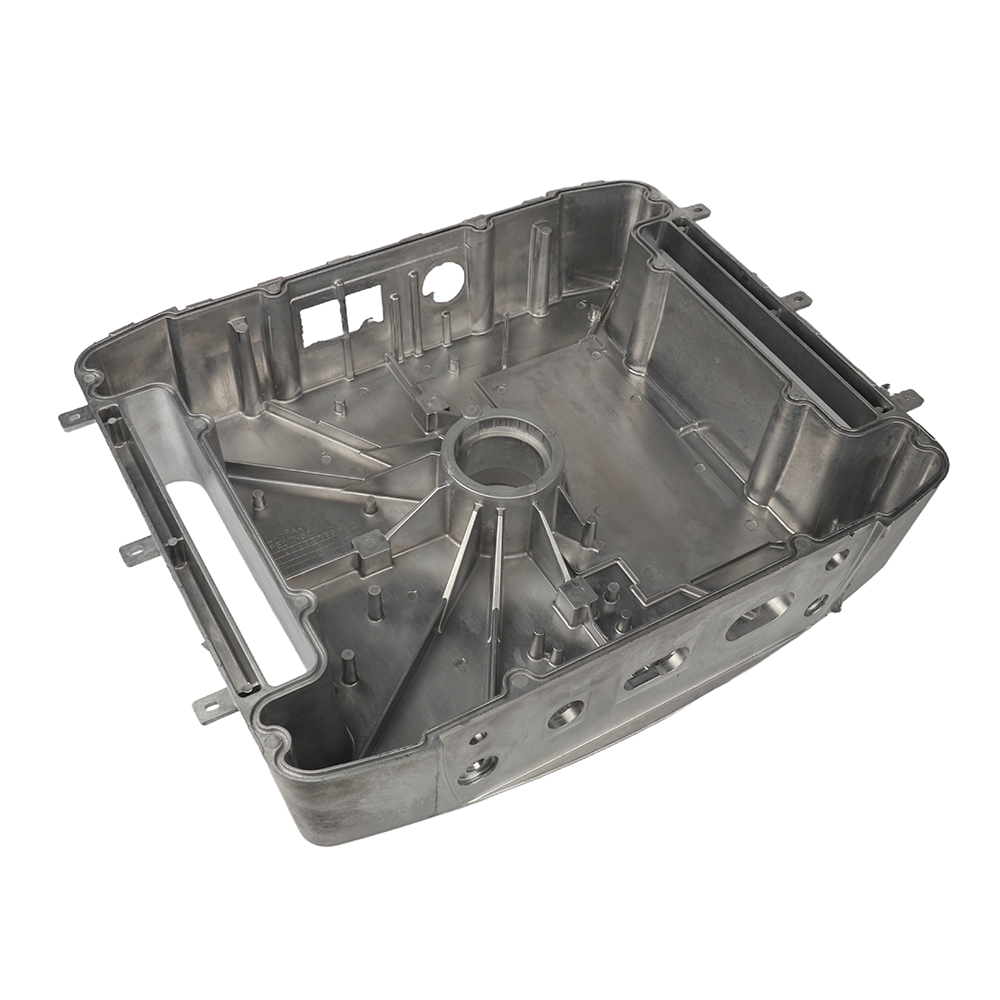
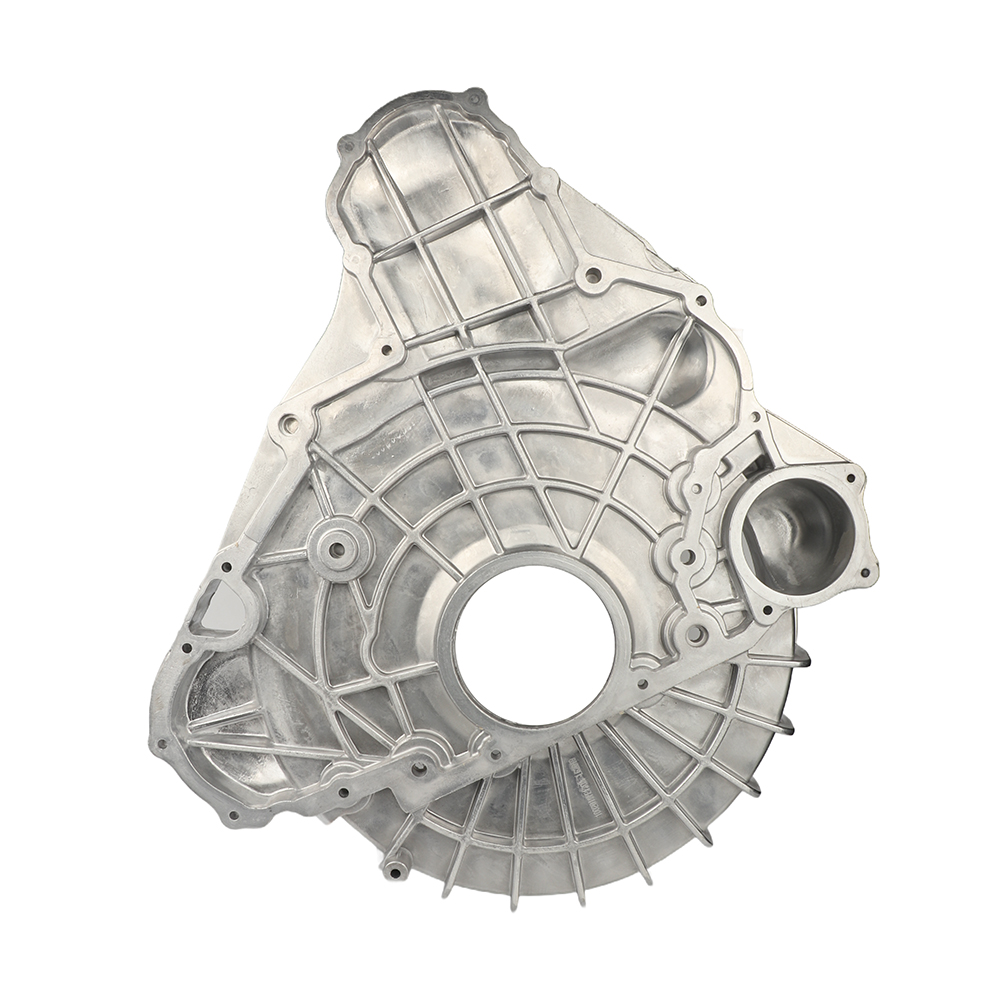
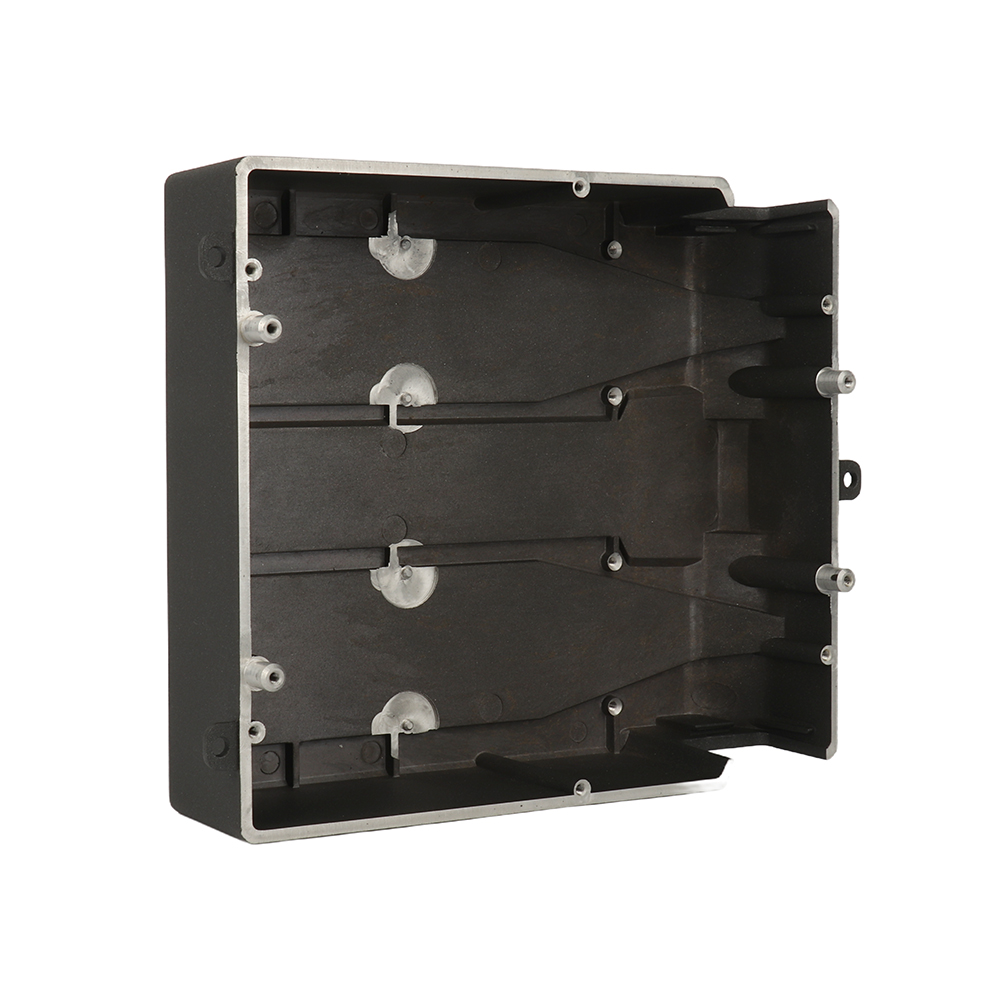
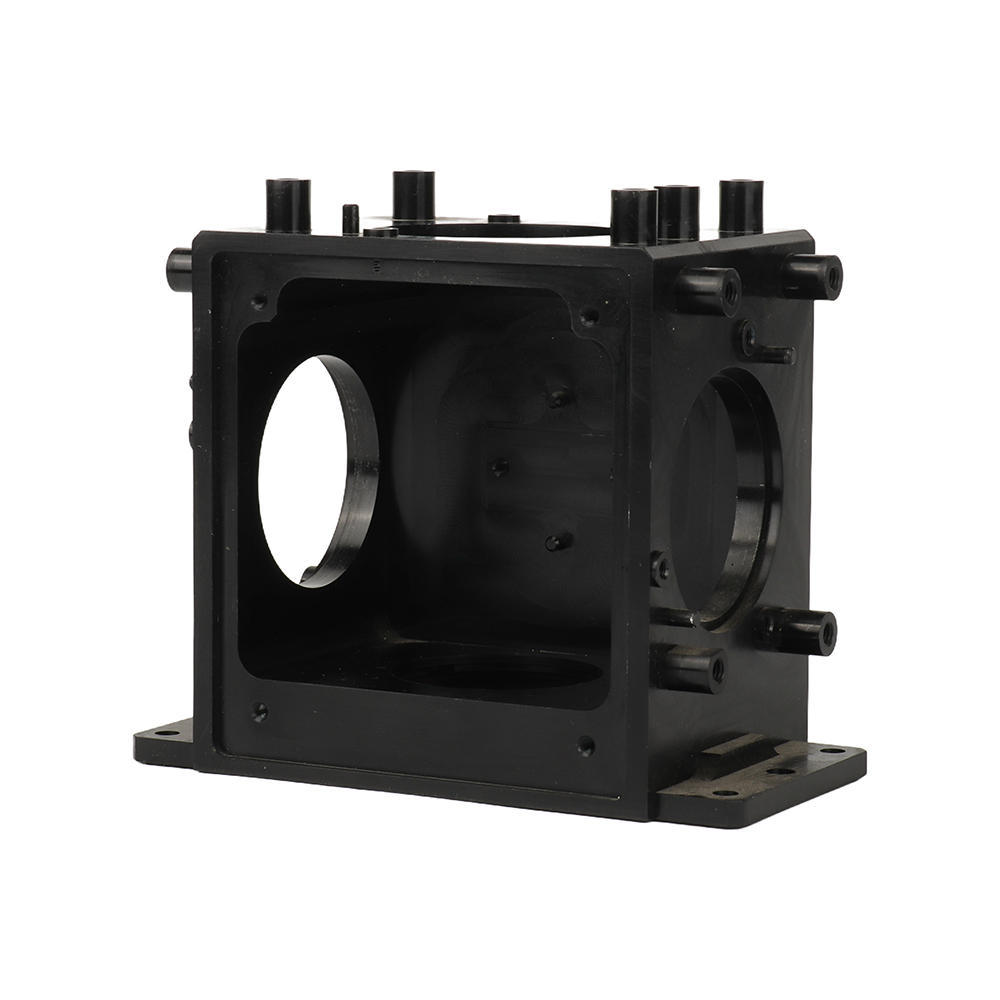
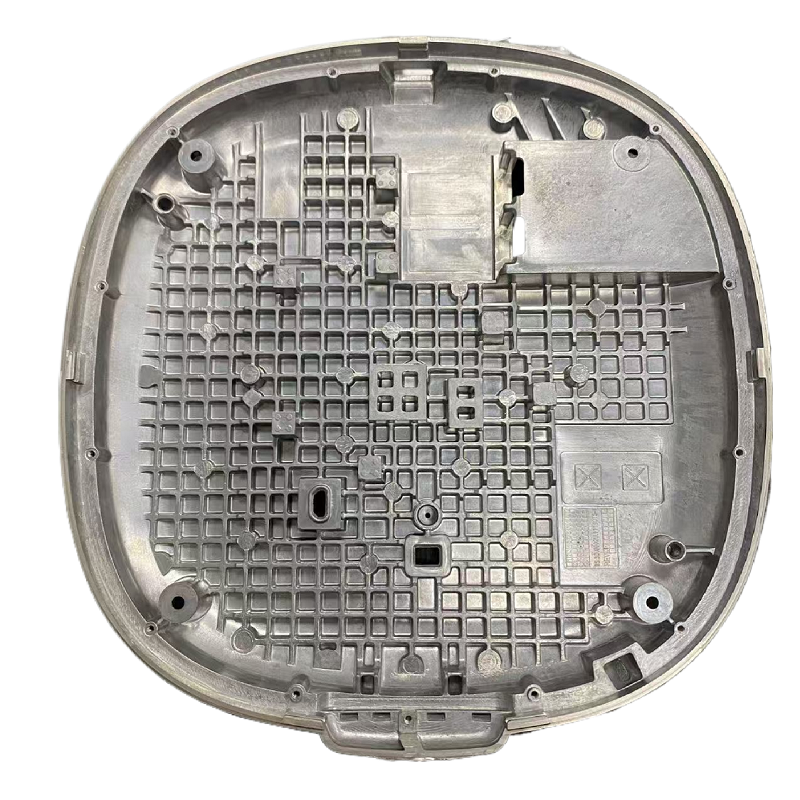
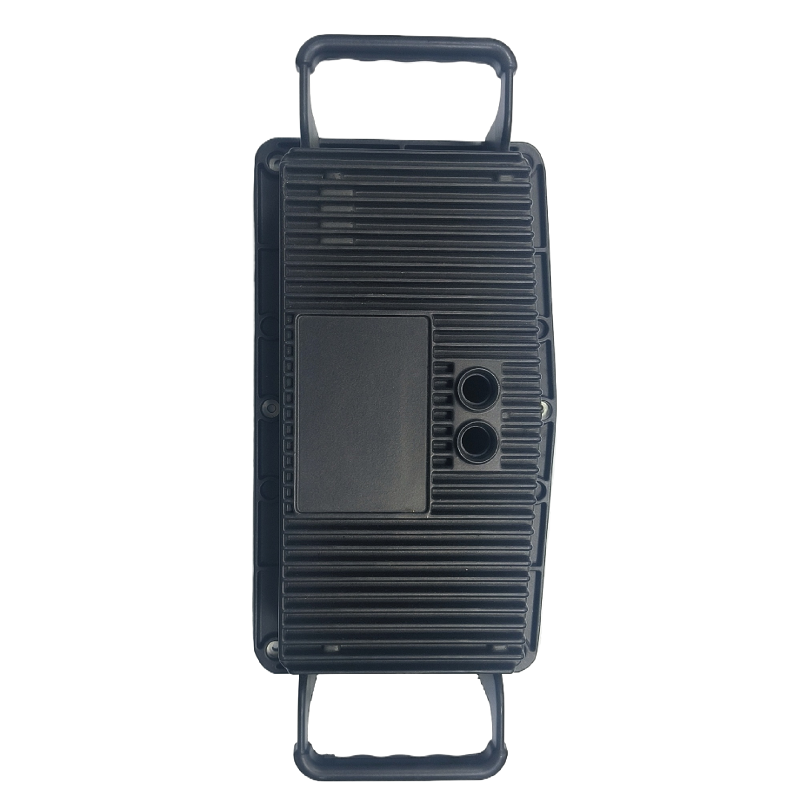
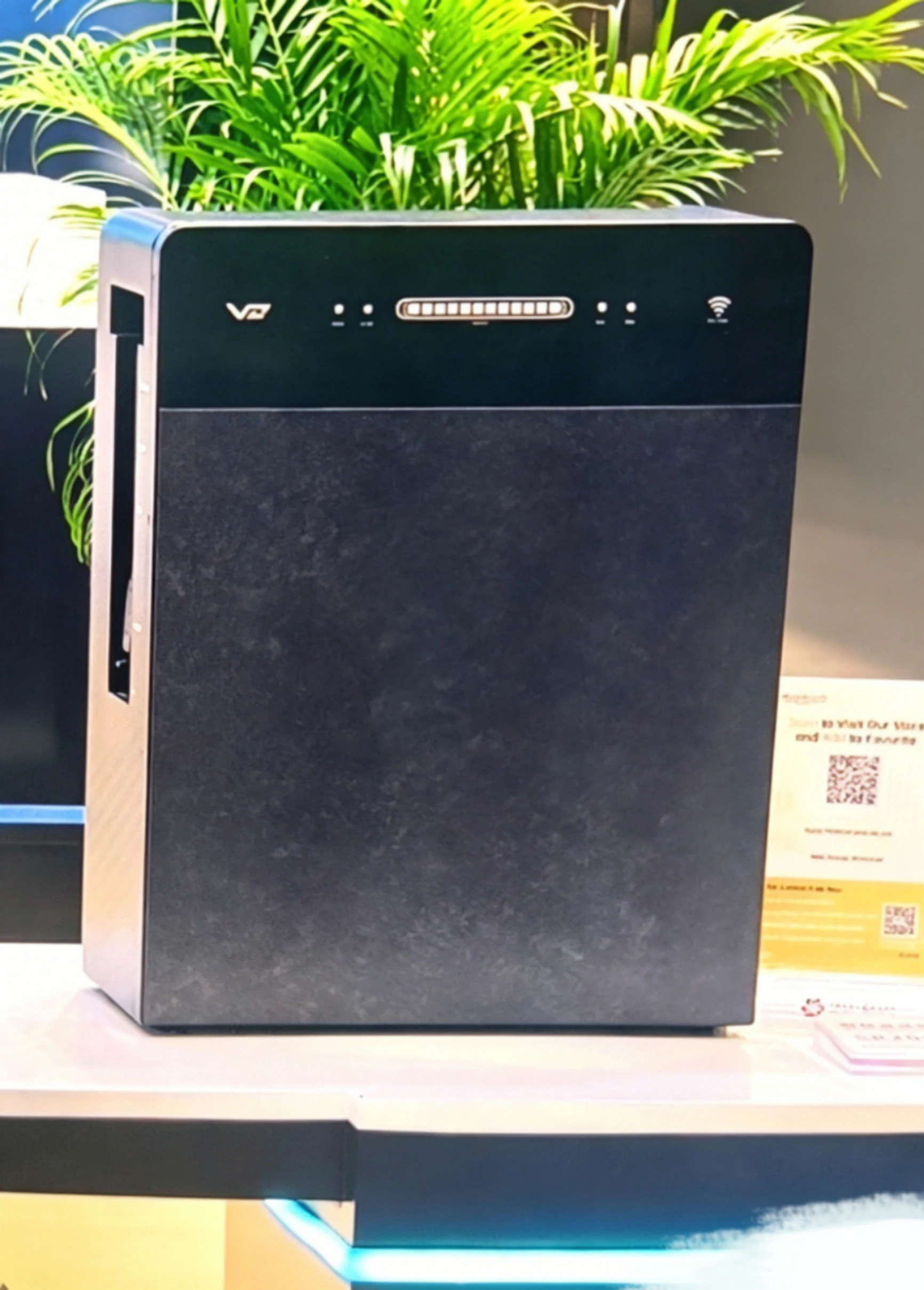
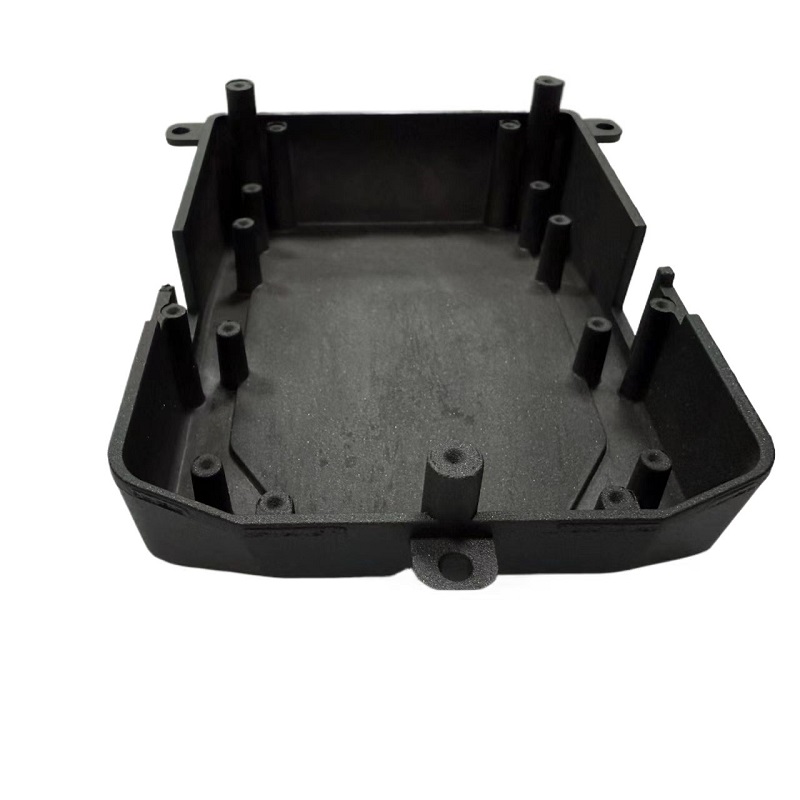
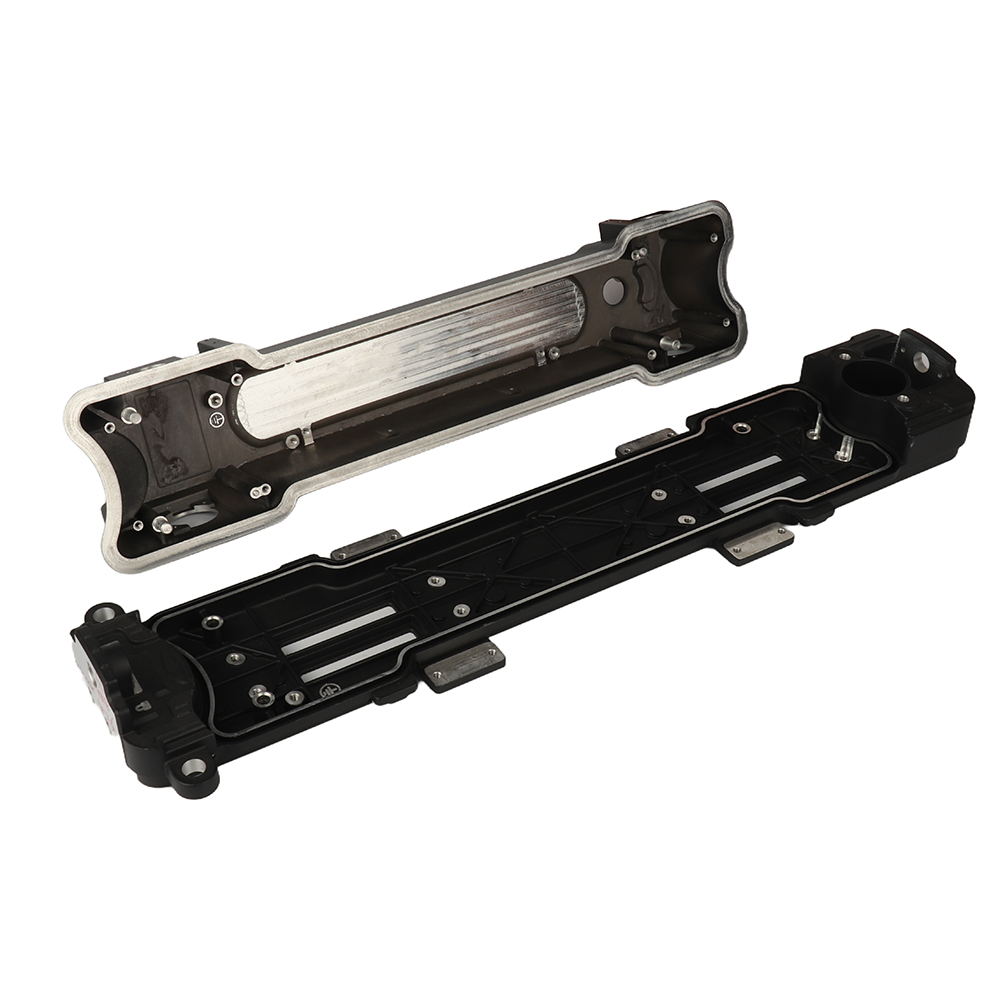
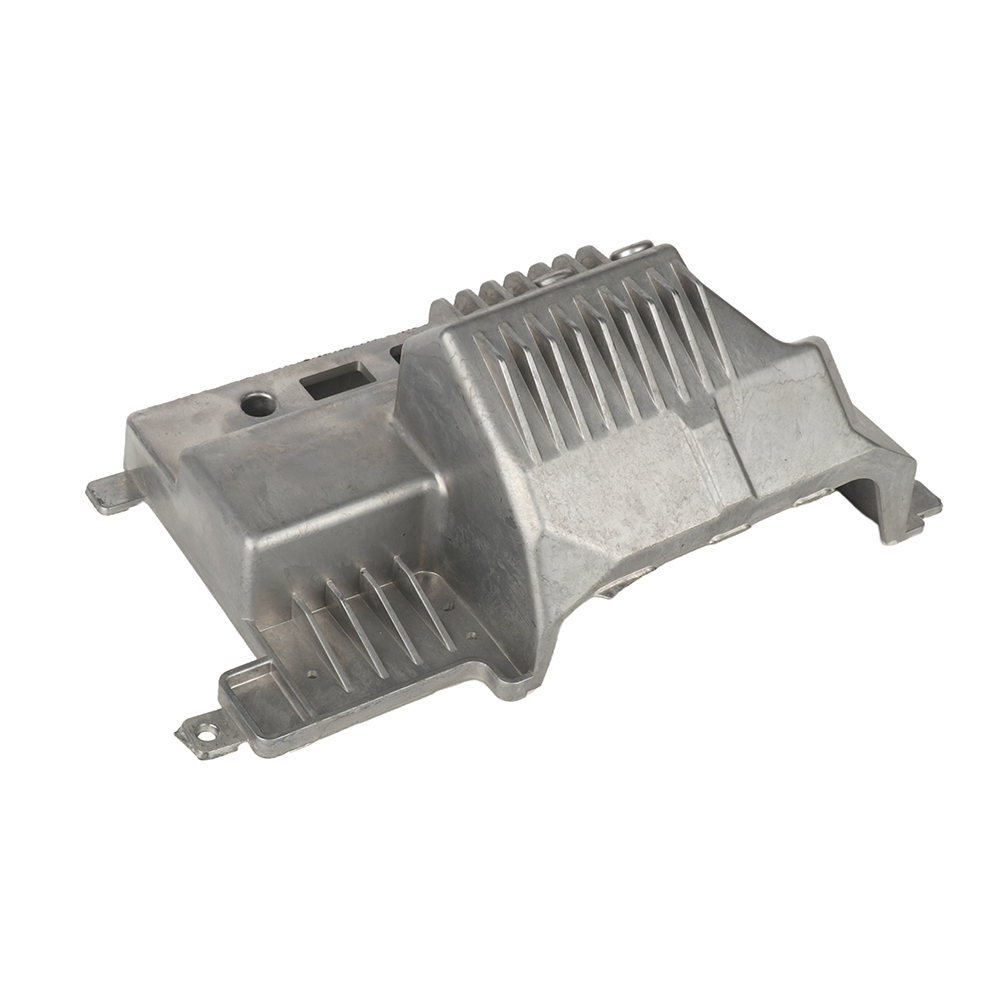
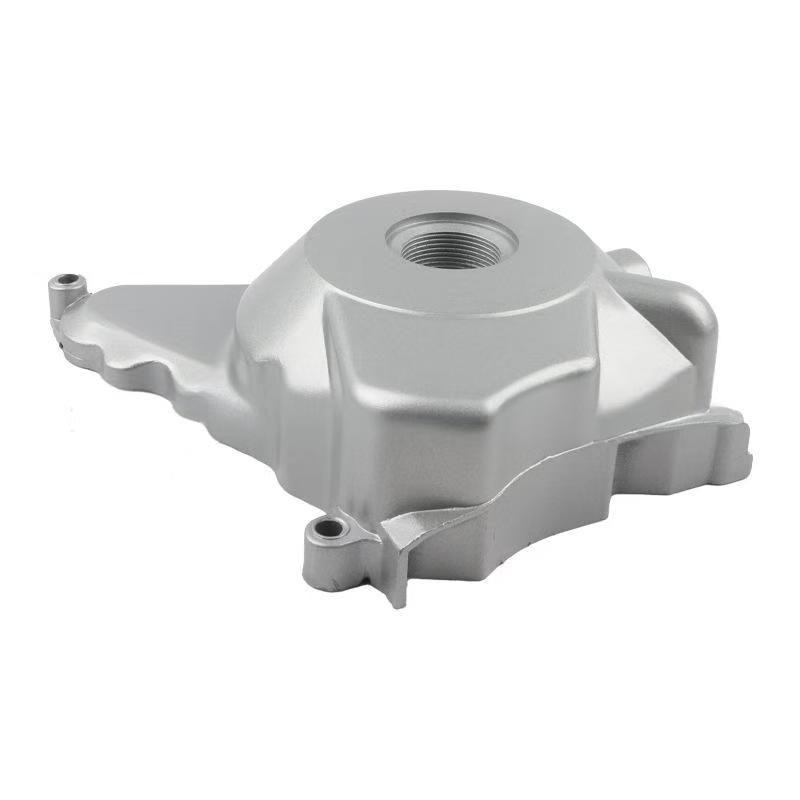
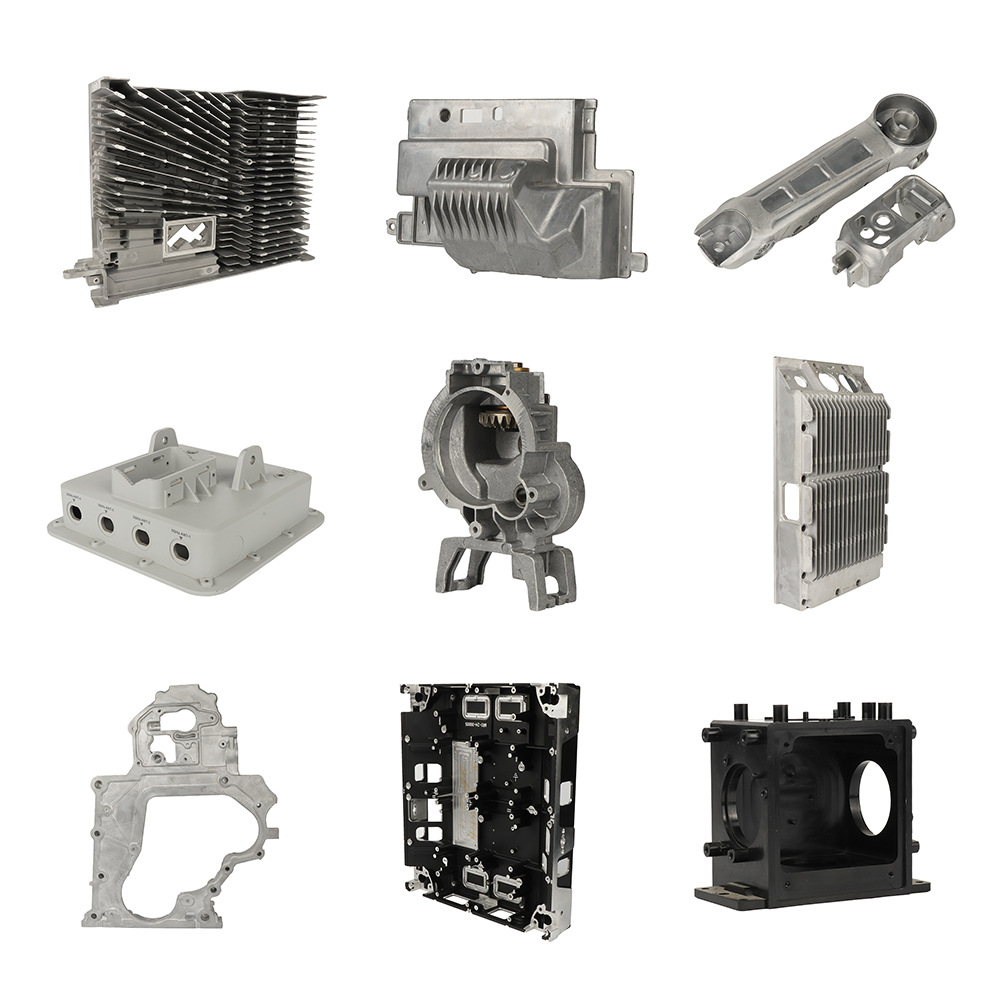
Aluminium casting manufacturers | What is milling and oxidation service? Focus on Aluminium Die Casting Process
What is Milling and Oxidation Service? Focus on Aluminium Die Casting Process
Table of Contents
- 1. Introduction: Milling, Oxidation Service and Their Connection with Aluminium Die Casting
- 2. What is Aluminium Die Casting Process? (Key Steps & Core Functions)
- 2.1 Key Steps of Aluminium Die Casting Process
- 2.2 Core Functions of Aluminium Die Casting Process
- 3. Key Benefits of Aluminium Die Casting Process
- 4. What is Milling Service? (Role in Aluminium Die Casting)
- 4.1 Basic Definition of Milling Service
- 4.2 Core Role of Milling Service in Aluminium Die Casting
- 5. What is Oxidation Service? (Role in Aluminium Die Casting)
- 5.1 Basic Definition of Oxidation Service
- 5.2 Core Role of Oxidation Service in Aluminium Die Casting
- 6. Expert Insights on Aluminium Die Casting, Milling & Oxidation Services
- 7. Frequently Asked Questions (FAQs) About the Services
- 8. Conclusion
1. Introduction: Milling, Oxidation Service and Their Connection with Aluminium Die Casting
In the field of precision hardware manufacturing, milling service and oxidation service are two essential post-processing technologies that complement the Aluminium Die Casting Process. While aluminium die casting lays the foundation for producing high-precision, complex-shaped aluminium components, milling and oxidation services enhance the product’s precision, surface quality, and durability. This blog will delve into the definitions of milling and oxidation services, focus on the core of the Aluminium Die Casting Process—its key steps, functions, and advantages—and explain how these three elements work together to deliver high-quality aluminium products for various industries such as automotive, electronics, and aerospace. As a universal manufacturing solution, this combination has become the cornerstone of modern precision component production, catering to the diverse needs of global industries.
2. What is Aluminium Die Casting Process? (Key Steps & Core Functions)
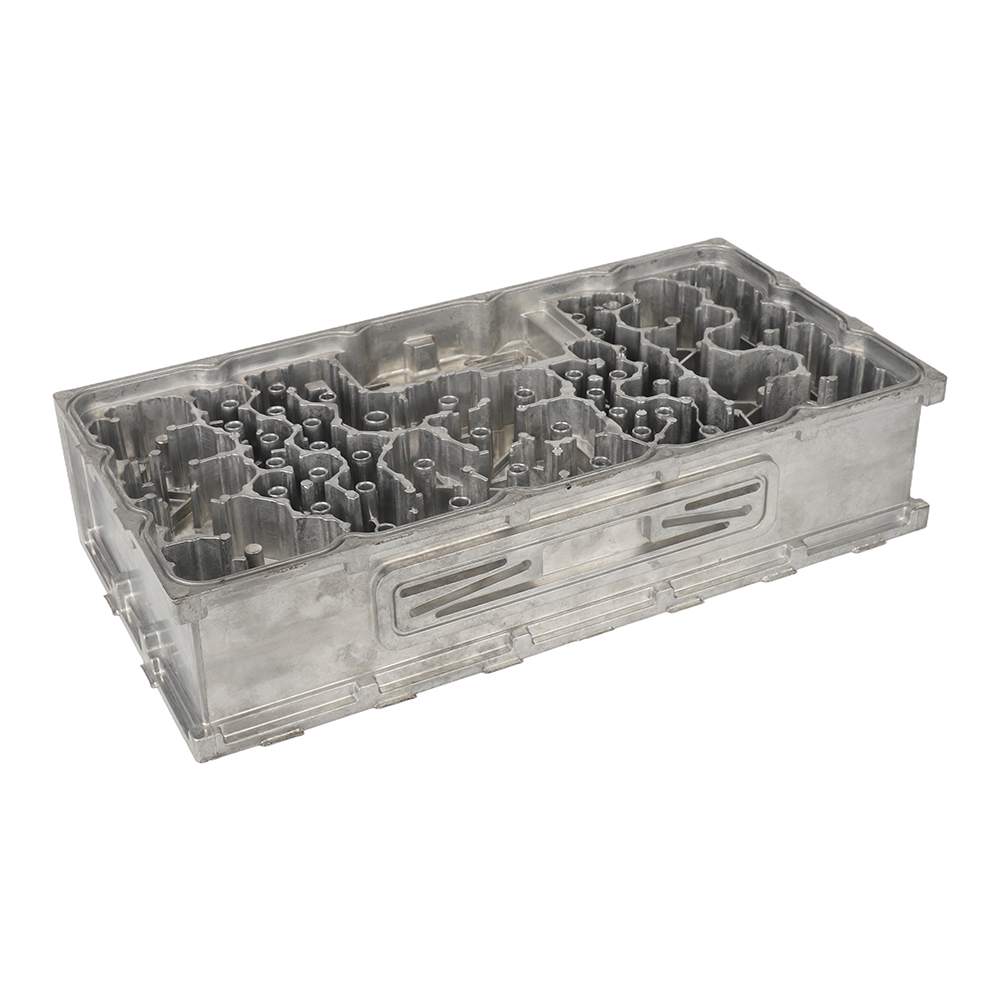
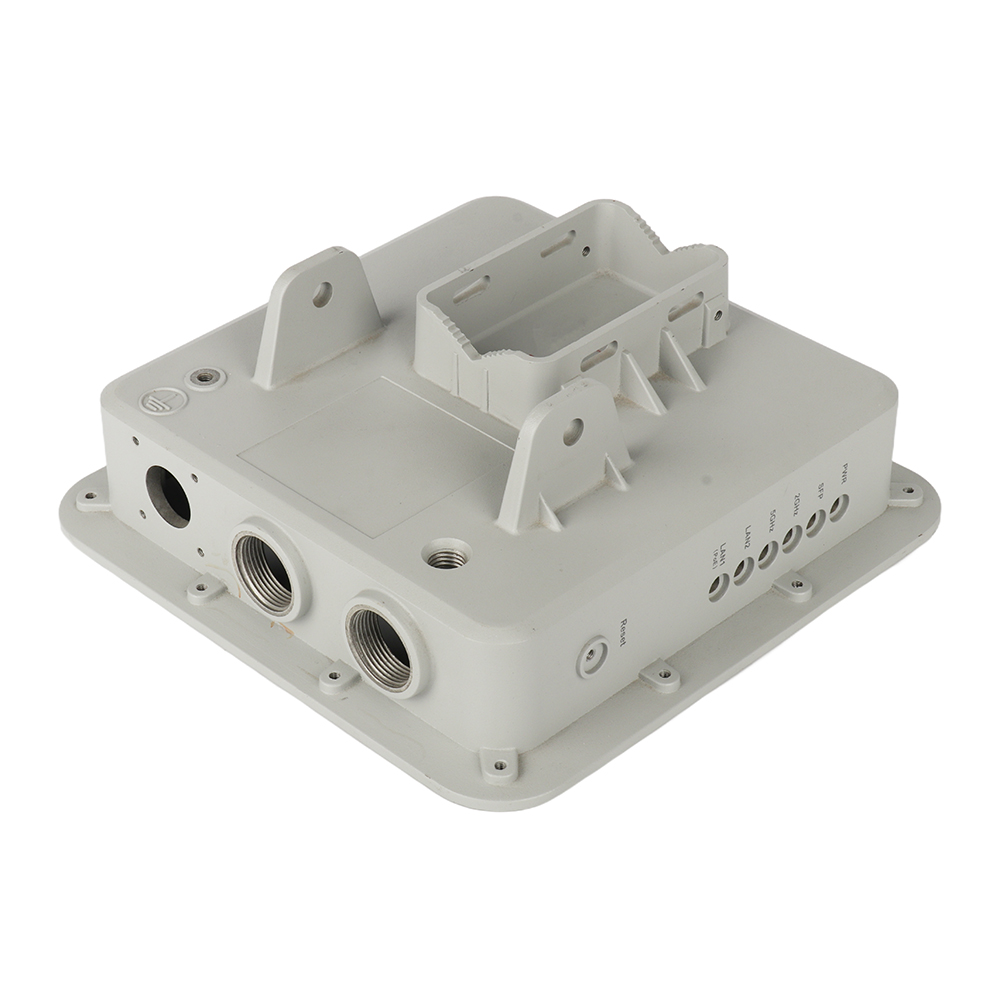
The Aluminium Die Casting Process is a high-efficiency, high-precision metal forming technology that injects molten aluminium alloy into a precision mold (die) under high pressure and speed, then cools and solidifies it to form the desired component. It is the core link in producing aluminium parts, with strict process control to ensure product consistency and performance. As a universal process, it is widely applied across industries, from small electronic components to large automotive parts, and its rational operation directly determines the quality and usability of the final product. Below are the key steps and core functions of the process, along with a visual overview of the entire workflow:
2.1 Key Steps of Aluminium Die Casting Process
The Aluminium Die Casting Process follows a strict, sequential workflow to ensure precision and efficiency, with each step closely linked to the next:
- Mold Preparation: The process begins by preparing the die—a reusable, precision-machined steel mold consisting of two halves. Before casting, the die is cleaned and lubricated, usually with a water-based lubricant, to ensure easy part removal, minimize wear, and prolong die life.
- Melting and Alloy Preparation: High-quality aluminium alloys (such as A380, ADC12, A360, etc.) are melted in a furnace at controlled temperatures typically ranging between 680–700 °C, slightly above the alloy’s melting point. Precise temperature control is critical to avoid casting defects and ensure good flow properties.
- High-Pressure Injection: Once molten aluminum reaches the ideal temperature, it’s rapidly injected into the die under pressures ranging from 10 MPa to over 150 MPa. This high-pressure injection ensures the molten metal fills every intricate detail and thin-wall sections of the mold, achieving precise geometries and consistent dimensional accuracy.
- Cooling and Solidification: The molten aluminium in the mold is cooled rapidly to solidify into the shape of the mold cavity. The cooling rate is strictly controlled to prevent defects such as shrinkage, cracks, or uneven density, ensuring the component’s structural integrity.
- Demolding and Trimming: After solidification, the mold is opened, and the cast component is removed. Excess materials (such as gate residues and flash) are trimmed off to meet the required dimensional standards, forming the initial semi-finished product.
- Quality Inspection: The semi-finished product undergoes strict quality testing, including dimensional measurement, surface defect inspection, and mechanical performance testing, to eliminate unqualified products and ensure consistency.
2.2 Core Functions of Aluminium Die Casting Process
The Aluminium Die Casting Process plays an irreplaceable role in precision manufacturing, with three core functions that support the production of high-quality aluminium components:
- Shape Forming: It converts molten aluminium alloy into complex-shaped components that are difficult or impossible to produce with traditional machining methods, such as thin-wall parts, intricate cavities, and integrated structures, meeting the design needs of various industries.
- Precision Control: Through strict control of mold precision, injection pressure, and cooling speed, it ensures the cast components have high dimensional accuracy (tolerance up to ±0.01mm) and consistent surface quality, reducing the need for subsequent post-processing.
- Efficiency Improvement: As a one-step forming process, it is suitable for mass production, with high production efficiency and low unit cost. It can produce thousands of identical components per day, meeting the large-scale demand of industries such as automotive and electronics.

3. Key Benefits of Aluminium Die Casting Process
Compared with other metal forming technologies (such as forging, casting, and machining), the Aluminium Die Casting Process has unique advantages, making it the preferred choice for precision aluminium component production in various industries:
- High Strength-to-Weight Ratio: Aluminium alloys are lightweight yet strong, and the die casting process further enhances their structural density, making the components lightweight and durable. This is particularly important for the automotive and aerospace industries, as it helps reduce product weight and improve energy efficiency.
- Cost-Effective for Mass Production: The one-step forming process reduces the number of production steps, lowers labor costs, and minimizes material waste (material utilization rate up to 95% or more). For large-scale production, the unit cost of die-cast components is significantly lower than that of machined or forged parts.
- Excellent Surface Finish: The precision mold ensures that the cast components have a smooth surface (Ra value up to 0.2 μm with additional polishing) without obvious burrs or defects, reducing the workload of post-processing and improving production efficiency.
- Strong Versatility: It can produce components of various sizes and shapes, from small electronic connectors (a few millimeters) to large automotive engine casings (over 1 meter), and is compatible with various aluminium alloys to meet different performance requirements (such as corrosion resistance, high temperature resistance, and wear resistance).
- Good Thermal and Electrical Conductivity: Aluminium die-cast components retain the excellent thermal and electrical conductivity of aluminium, making them suitable for electronic products (such as heat sinks) and electrical components, ensuring efficient heat dissipation and stable electrical performance.
- High Recyclability: Aluminium is highly recyclable, and the die casting process produces minimal waste, which can be recycled and reused, conforming to global environmental protection policies and reducing the environmental impact of manufacturing.
4. What is Milling Service? (Role in Aluminium Die Casting)
4.1 Basic Definition of Milling Service
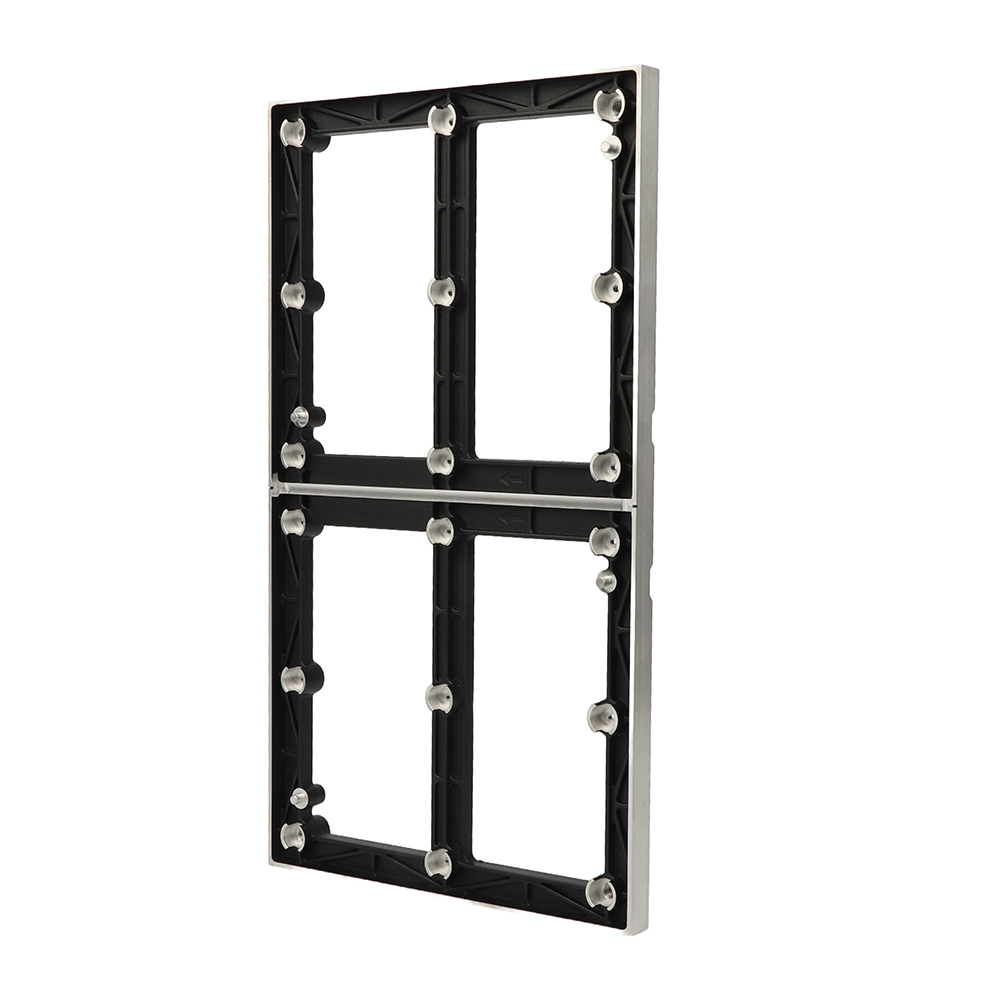
Milling service is a precision machining technology that uses a rotating milling cutter to remove excess material from the surface of a workpiece, thereby achieving the required dimensional accuracy, surface roughness, and geometric shape. It is a common post-processing technology in the manufacturing industry, widely used in the processing of metal and non-metal workpieces. For aluminium die-cast components, milling service is mainly used to process key surfaces (such as mating surfaces, mounting holes, and precision grooves) that cannot be achieved by the die casting process alone.
4.2 Core Role of Milling Service in Aluminium Die Casting
Milling service is an important complement to the Aluminium Die Casting Process, and its core role is to improve the precision and usability of die-cast components, specifically reflected in the following aspects:
- Compensating for Die Casting Precision Defects: Although the die casting process has high precision, some key surfaces (such as sealing surfaces and mating interfaces) may have slight dimensional deviations or surface unevenness. Milling service can precisely remove excess material to ensure these surfaces meet the strict dimensional and flatness requirements, achieving 0.01mm ultra-precision finishing for critical parts.
- Processing Complex Features: For complex geometric features such as precision grooves, inclined planes, and stepped holes that cannot be formed by the die casting process, milling service can process them accurately, expanding the design and application scope of aluminium die-cast components. 5-axis simultaneous machining, a type of milling technology, efficiently handles deep-cavity parts and complex undercut geometries.
- Improving Surface Quality: Milling service can remove burrs, flash, and surface defects left by the die casting process, making the surface of the component smoother and more uniform, which not only improves the appearance but also enhances the wear resistance and corrosion resistance of the component.
5. What is Oxidation Service? (Role in Aluminium Die Casting)
5.1 Basic Definition of Oxidation Service
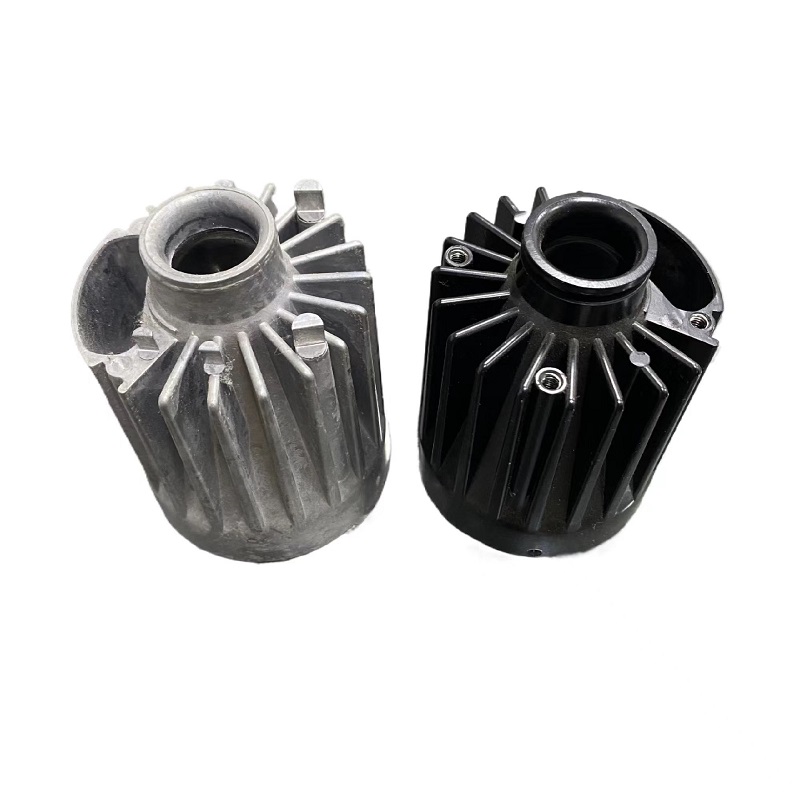
Oxidation service (also known as anodizing service) is a surface treatment technology that forms a dense oxide film on the surface of aluminium components through electrochemical reactions. The oxide film is usually aluminum oxide (Al₂O₃), which has excellent corrosion resistance, wear resistance, and insulation performance. It can also be colored according to needs, enhancing the decorative effect of the product. There are three common types of oxidation service: Type I (chromic acid), Type II (sulfuric acid), and Type III (hard anodizing), each suitable for different application scenarios.
5.2 Core Role of Oxidation Service in Aluminium Die Casting
Oxidation service is a key post-processing step for aluminium die-cast components, which can significantly improve the service life and performance of the product, and its core role is reflected in the following aspects:
- Enhancing Corrosion Resistance: Aluminium is prone to oxidation in the air, forming a loose oxide layer that cannot effectively protect the internal metal. The dense oxide film formed by oxidation service can isolate the aluminium component from air, water, and other corrosive media, preventing corrosion and extending the service life of the product. For outdoor products such as LED outdoor lamps, oxidation service can form a better protective layer to prevent natural oxidation.
- Improving Wear Resistance: The oxide film has high hardness (up to 1,200 HV with PVD coating), which can enhance the wear resistance of the aluminium die-cast component, reducing wear and tear during use, especially for components that are frequently rubbed or collided.
- Enhancing Decorative Effect: The oxide film can be colored in various colors (such as black, silver, gold, and red) through dyeing treatment, meeting the decorative needs of different industries. For example, perfume caps converted from zinc alloy to aluminium alloy often use oxidation service for surface decoration to meet environmental protection and aesthetic requirements.
- Improving Insulation Performance: The oxide film has good insulation performance, making it suitable for aluminium die-cast components used in electronic and electrical products, preventing short circuits and ensuring the safe operation of the product.
6. Expert Insights on Aluminium Die Casting, Milling & Oxidation Services
To gain a deeper understanding of the synergy between aluminium die casting, milling, and oxidation services, we invited two industry experts to share their insights:
6.1 Expert Opinion 1: Sarah Johnson, Senior Die Casting Engineer with 15 Years of Experience
“The Aluminium Die Casting Process is the core of modern precision aluminium component production, and its advantages of high efficiency, high precision, and cost-effectiveness are irreplaceable. However, many manufacturers ignore the importance of post-processing—milling and oxidation services are not optional, but necessary. Milling ensures the precision of key surfaces, while oxidation extends the service life of the product. In fact, many factories are reluctant to undertake die-cast aluminum alloy oxidation treatment due to technical difficulties, such as ensuring surface cleanliness and handling high-silicon alloys, but with professional process control, these issues can be solved. Only by combining the three technologies can we produce high-quality aluminium components that meet the strict requirements of automotive, electronics, and aerospace industries.”
6.2 Expert Opinion 2: Michael Lee, Technical Director of a Global Precision Manufacturing Company
“In the context of global industrial upgrading, the demand for precision aluminium components is increasing, and the synergy between aluminium die casting, milling, and oxidation services has become a key competitive advantage for manufacturers. The die casting process lays the foundation for shape and efficiency, milling improves precision, and oxidation enhances performance. We have found that components processed through this combination have a 30% longer service life and 20% higher precision than those without post-processing. For high-silicon die-cast aluminium alloys, which are difficult to anodize, we can optimize the process to achieve acceptable oxidation effects, expanding the application scope of aluminium die casting. In the future, with the development of intelligent manufacturing, the integration of these three technologies will become more close, bringing higher efficiency and better quality to the industry.”
7. Frequently Asked Questions (FAQs) About the Services
Below are the most common questions about aluminium die casting, milling, and oxidation services, answered in detail to help you better understand the related technologies:
Q1: What is the difference between aluminium die casting and other casting technologies (such as sand casting)?
A1: Compared with sand casting, aluminium die casting has higher precision (dimensional tolerance up to ±0.01mm vs. ±0.1mm for sand casting), better surface quality (smooth surface without sand holes), and higher production efficiency (suitable for mass production vs. small-batch production for sand casting). Additionally, aluminium die-cast components have higher structural density and better mechanical performance, while sand casting components are prone to defects such as sand holes and shrinkage. However, die casting has higher mold costs, making it more suitable for large-scale production, while sand casting is more suitable for small-batch, large-size components.
Q2: Is milling service necessary for all aluminium die-cast components?
A2: No, milling service is not necessary for all aluminium die-cast components. For components with low precision requirements (such as non-critical decorative parts), the precision of the die casting process can meet the requirements, and no milling is needed. However, for components with high precision requirements (such as automotive engine parts, electronic connectors, and precision instruments), milling service is necessary to compensate for die casting defects and ensure key surfaces meet the required standards. In-process CMM inspection after milling can further guarantee compliance with GD&T standards for every production batch.
Q3: What factors affect the quality of oxidation service for aluminium die-cast components?
A3: The quality of oxidation service is mainly affected by three factors: ① The surface cleanliness of the die-cast component: If there are oil stains, burrs, or oxide layers on the surface, the oxide film will be uneven or fall off easily. Therefore, the component must be thoroughly cleaned before oxidation. ② The composition of the aluminium alloy: High-silicon aluminium alloys (such as ADC12) are more difficult to oxidize, and the oxide film may be gray or have black spots, requiring stricter process control. ③ The parameters of the oxidation process: The concentration of the electrolyte, temperature, and current density directly affect the thickness and density of the oxide film. Properly adjusting these parameters can ensure the quality of the oxide film.
Q4: What industries are aluminium die casting, milling, and oxidation services mainly used in?
A4: These three technologies are widely used in various industries, mainly including: ① Automotive industry: Production of engine casings, gearboxes, steering components, and decorative parts. ② Electronics industry: Production of heat sinks, connectors, and shell components. ③ Aerospace industry: Production of lightweight structural components and precision instruments. ④ Medical industry: Production of precision medical equipment components (requiring high precision and corrosion resistance). ⑤ Home appliance industry: Production of air conditioner compressors, refrigerator door handles, and other components. ⑥ Outdoor lighting industry: Production of LED lamp housings that require corrosion resistance.
Q5: How to reduce the cost of aluminium die casting, milling, and oxidation services?
A5: There are three main ways to reduce costs: ① Optimize the die design to reduce the difficulty of die casting and post-processing, reducing material waste and processing time. ② Adopt mass production to spread the mold cost and reduce the unit cost. ③ Choose the appropriate aluminium alloy and process parameters to avoid unnecessary processing steps (such as choosing low-silicon alloys to simplify oxidation treatment). Additionally, integrating the three processes into a one-stop service can reduce transportation and management costs, further lowering the overall production cost.
8. Conclusion
In summary, milling service and oxidation service are indispensable post-processing technologies for the Aluminium Die Casting Process, and the three work together to form a complete precision manufacturing system. The Aluminium Die Casting Process lays the foundation for high-efficiency, high-precision component production, with unique benefits such as high strength-to-weight ratio, cost-effectiveness, and versatility. Milling service enhances precision and processes complex features, while oxidation service improves corrosion resistance, wear resistance, and decorative effect.
As experts point out, the synergy of these three technologies is the key to producing high-quality aluminium components that meet the needs of modern industries. Whether in automotive, electronics, aerospace, or other fields, this combination has become the core solution for precision aluminium component production. By understanding the key steps, functions, and benefits of each technology, manufacturers can optimize the production process, reduce costs, and improve product quality, gaining a competitive advantage in the global market. In the future, with the continuous development of technology, the integration of aluminium die casting, milling, and oxidation services will become more intelligent and efficient, promoting the progress of the precision manufacturing industry.
Medical housing | What is a die-cast medical housing? Key Focuses, Roles & Benefits
Die casting mold | How do you customize a die casting mold? A Complete Guide
Related Article


