
HOT PRODUCTS
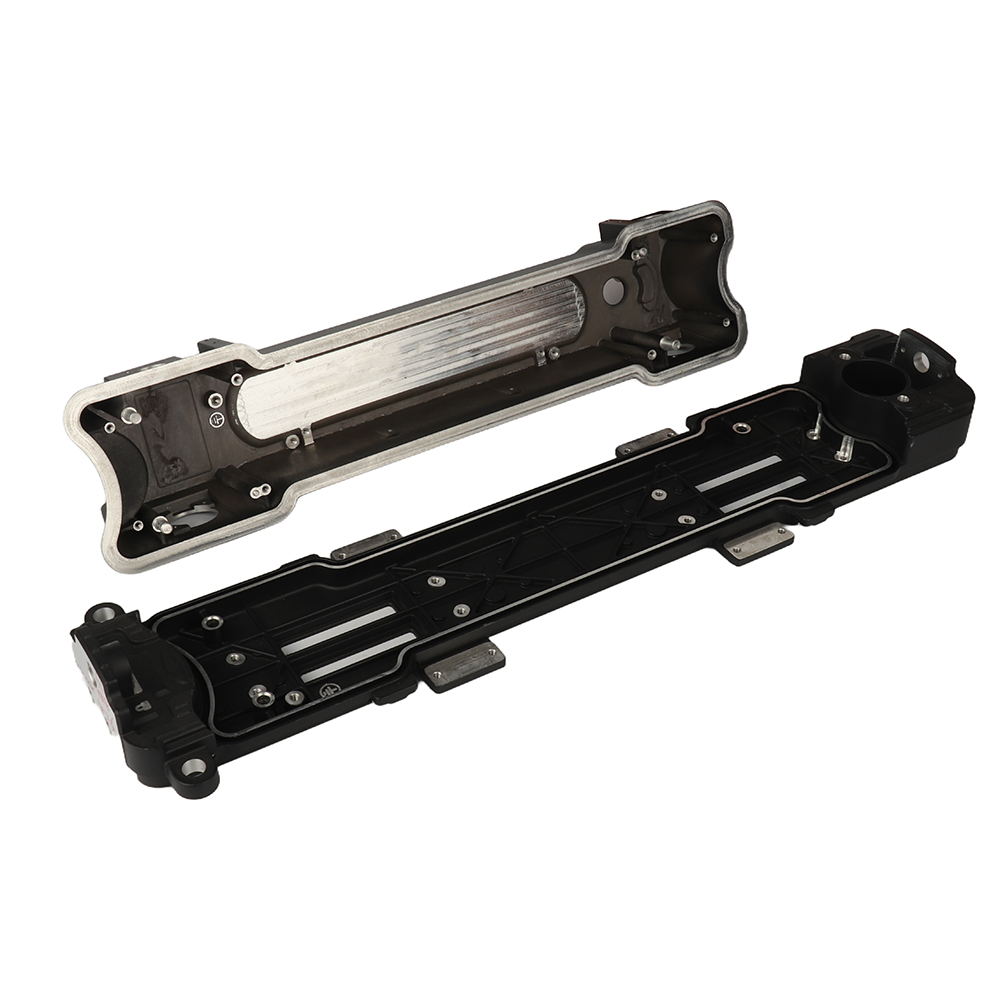
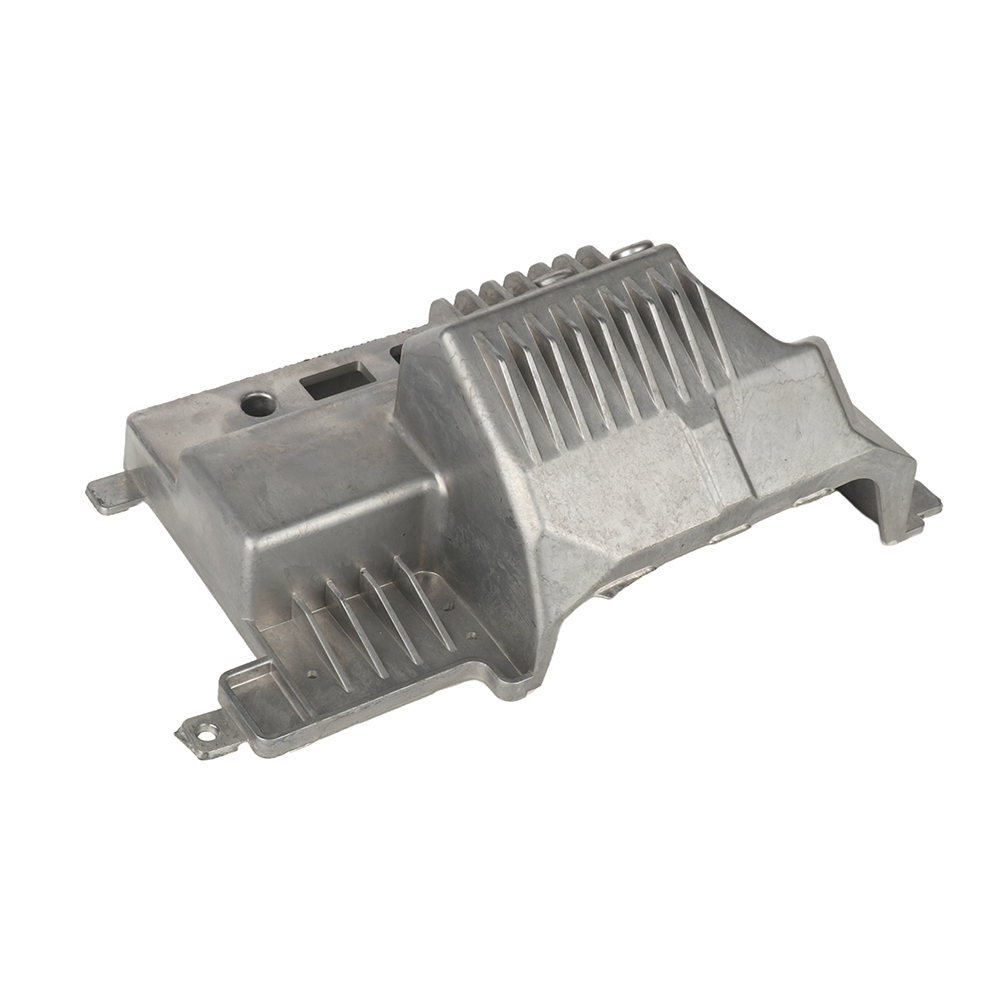
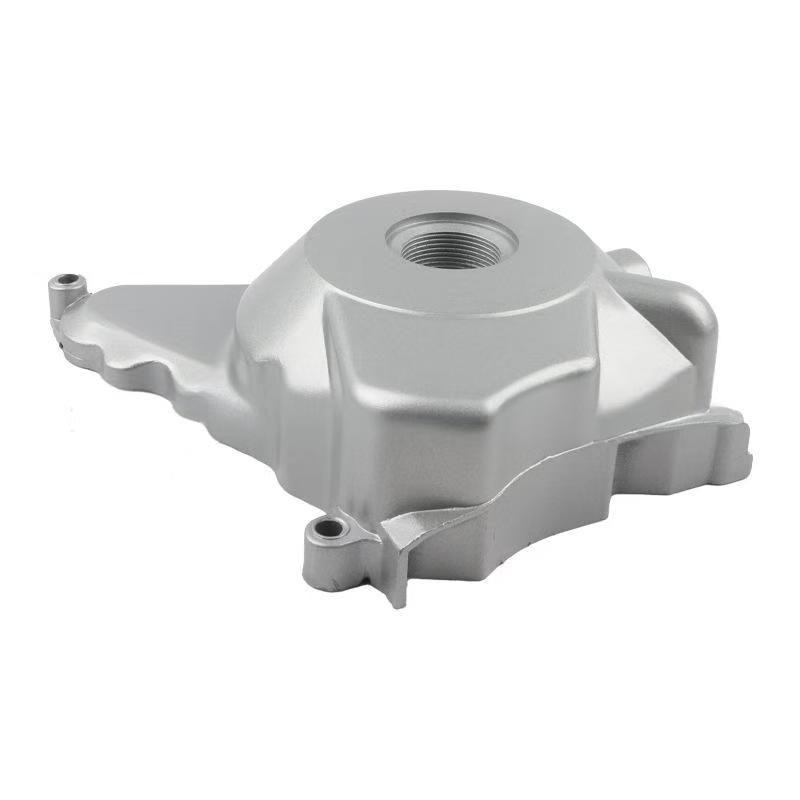
Aluminium high pressure die casting | What is aluminum high pressure die casting? A Complete Guide to Its Benefits & Uses
What Is Aluminum High Pressure Die Casting? A Complete Guide to Its Benefits & Uses
Table of Contents
- Introduction: Why Aluminum High Pressure Die Casting Matters in Modern Manufacturing
- Core Definition: What Is Aluminum High Pressure Die Casting? (Key Focus)
- How Aluminum High Pressure Die Casting Works (Simplified Process)
- Aluminum High Pressure Die Casting Image: Process & Finished Parts
- Pros & Cons of Aluminum High Pressure Die Casting (Focus on Benefits)
- Key Benefits of Aluminum High Pressure Die Casting (Critical Highlight)
- Expert Insights: The Value of Aluminum High Pressure Die Casting in Industry
- FAQs: Common Questions About Aluminum High Pressure Die Casting
- Conclusion: Why Aluminum High Pressure Die Casting Is a Top Manufacturing Choice
Introduction: Why Aluminum High Pressure Die Casting Matters in Modern Manufacturing
In the world of precision manufacturing, aluminum high pressure die casting (HPDC) stands out as a game-changing process for producing high-quality, complex aluminum components at scale. From automotive engine parts and electronic enclosures to aerospace components and industrial machinery, aluminum high pressure die casting is the go-to method for manufacturers seeking a balance of precision, efficiency, and cost-effectiveness.
Aluminum’s inherent advantages—lightweight, corrosion resistance, and excellent conductivity—paired with the high-pressure die casting process’s speed and accuracy, make aluminum high pressure die casting indispensable in industries where performance and scalability matter. But what exactly is this process? How does it work, and why is it preferred over other manufacturing methods? This guide breaks down everything you need to know, with a focus on its core benefits, pros and cons, expert insights, and answers to common industry questions.
Core Definition: What Is Aluminum High Pressure Die Casting? (Key Focus)
Aluminum high pressure die casting is a precision metal forming process that involves injecting molten aluminum (or aluminum alloys) into a hardened steel mold (called a die) under high pressure and high speed. The pressure—typically ranging from 10 to 150 MPa—and rapid filling speed (up to 50 m/s) ensure the molten aluminum fills every detail of the die cavity, creating complex, dimensionally accurate parts with minimal post-production machining.
Unlike traditional casting methods (e.g., sand casting or gravity casting), aluminum high pressure die casting leverages aluminum’s excellent fluidity when molten, allowing for the creation of parts with thin walls (as thin as 0.5 mm), intricate geometries, and tight tolerances (typically IT 8-IT 12). Most parts produced via this process use aluminum alloys like ADC12, A380, or EN AC-46000, which are tailored for optimal castability and mechanical performance.
Crucially, aluminum high pressure die casting is not just a “casting process”—it’s an engineered solution that combines aluminum’s natural properties with the efficiency of high-pressure forming, making it ideal for mass production of high-performance aluminum components. It is most commonly performed using cold chamber machines, which are specially adapted to handle the high melting point of aluminum alloys, unlike hot chamber machines which are better suited for lower-melting-point metals.
How Aluminum High Pressure Die Casting Works (Simplified Process)
The aluminum high pressure die casting process is straightforward but precise, consisting of 5 key steps that ensure consistency and quality. Below is a simplified breakdown of how it works, tailored for easy understanding:
Step 1: Die Preparation
A two-piece steel die (split into a fixed half and a moving half) is precision-machined to match the exact shape of the desired aluminum part. The die cavity is coated with a release agent to prevent the molten aluminum from sticking and to extend the die’s lifespan. Modern dies are designed to last thousands of cycles, making them cost-effective for large-scale production, though complex dies (like those for engine blocks) can be extremely expensive to manufacture.
Step 2: Melting Aluminum Alloy
Aluminum alloy (often ADC12 or A380, chosen for their fluidity and strength) is melted in a furnace at temperatures between 650°C and 700°C. The molten aluminum is then transferred to the die casting machine’s cold chamber—a separate compartment that keeps the metal in a molten state without exposing the machine’s components to extreme heat, a critical feature for handling aluminum’s high melting point.
Step 3: High-Pressure Injection
The molten aluminum is injected into the die cavity at high pressure (10–150 MPa) and high speed (0.5–50 m/s). This pressure ensures the molten metal fills every intricate detail of the die, including small holes, grooves, and threads, without gaps or defects. The high speed reduces cooling time and ensures uniform filling of complex geometries, a key advantage over low-pressure or gravity casting methods.
Step 4: Cooling & Solidification
The molten aluminum cools and solidifies quickly inside the die (typically in seconds to tens of seconds), thanks to the die’s steel construction, which conducts heat efficiently. This rapid cooling ensures the part retains its shape, dimensional accuracy, and mechanical properties. The cooling time is carefully controlled to prevent defects like shrinkage or porosity, which can compromise part integrity.
Step 5: Part Ejection & Finishing
Once the aluminum part has solidified, the die opens, and ejector pins push the part out. Most aluminum high pressure die casting parts require minimal post-production finishing (e.g., trimming excess material or minor polishing) because of their high precision. Some parts may undergo additional processes like anodizing or powder coating for enhanced durability or aesthetics, while a trimming die is often used to remove flash where the two die halves meet.
Aluminum High Pressure Die Casting Image: Process & Finished Parts
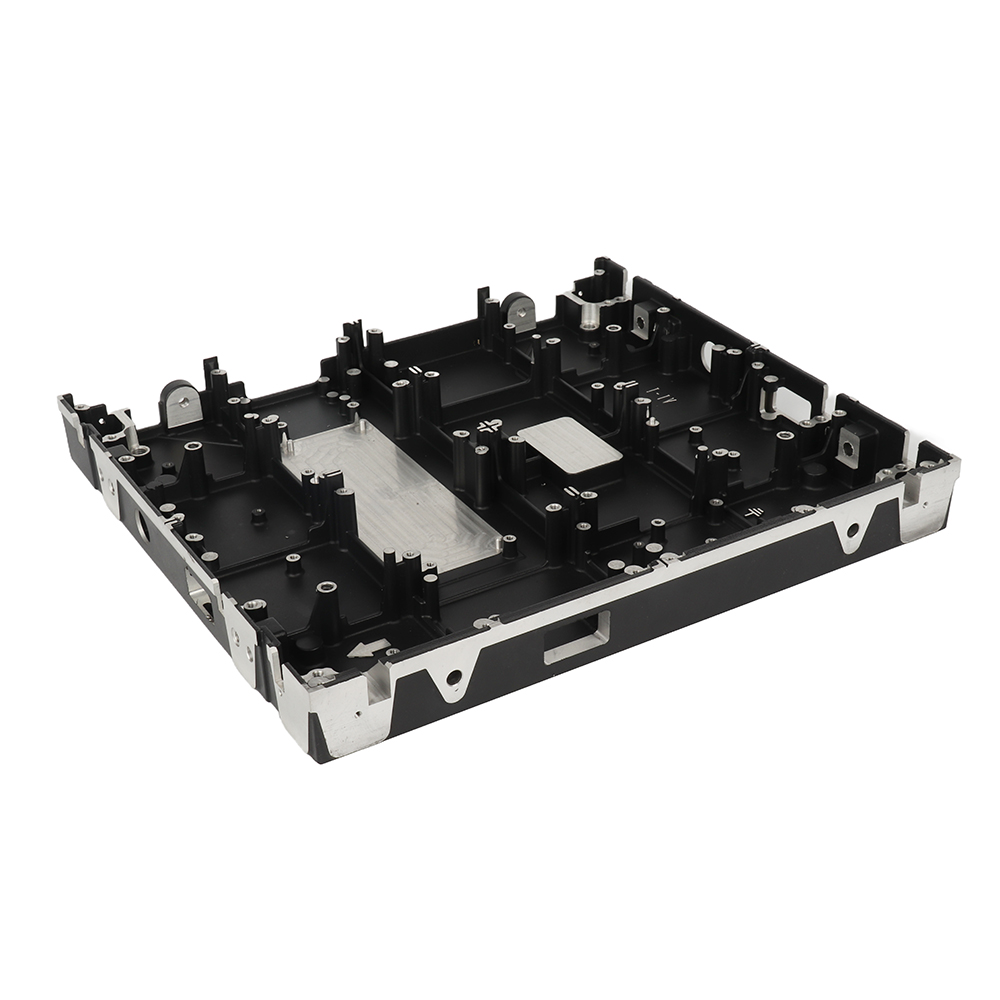
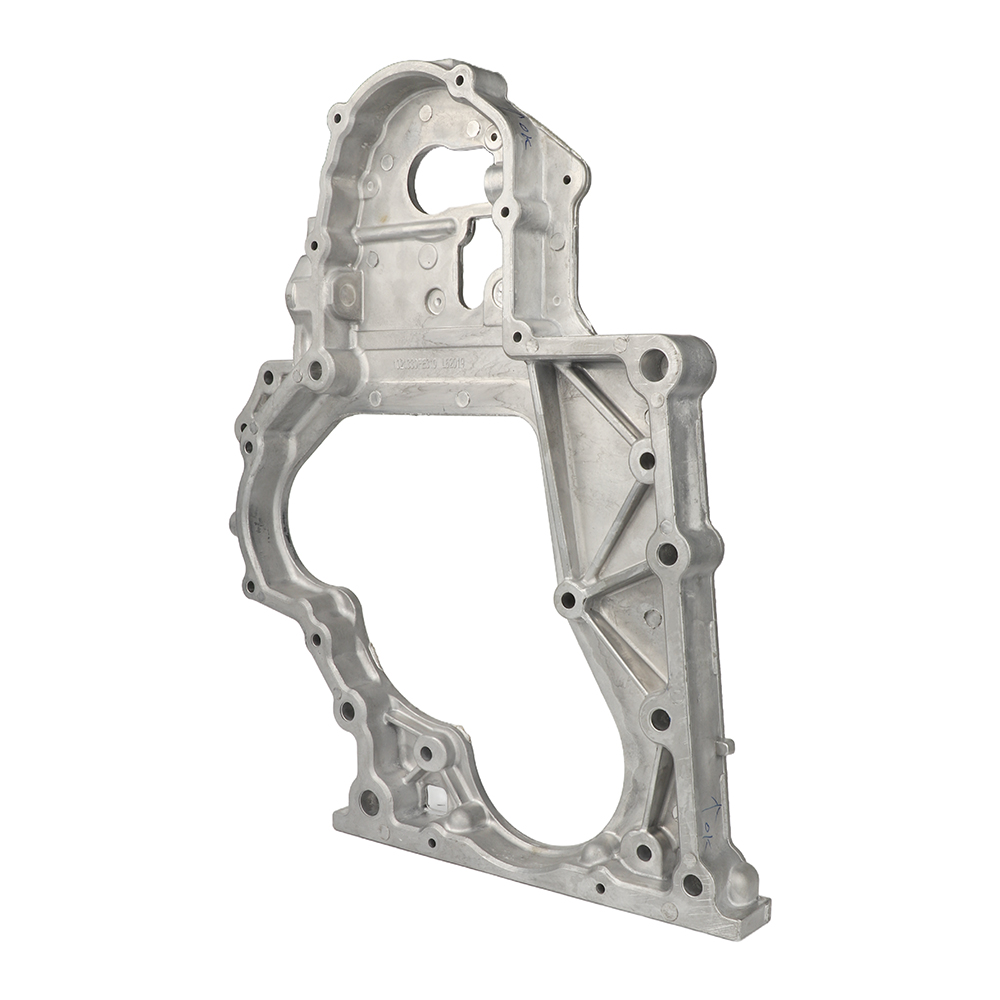
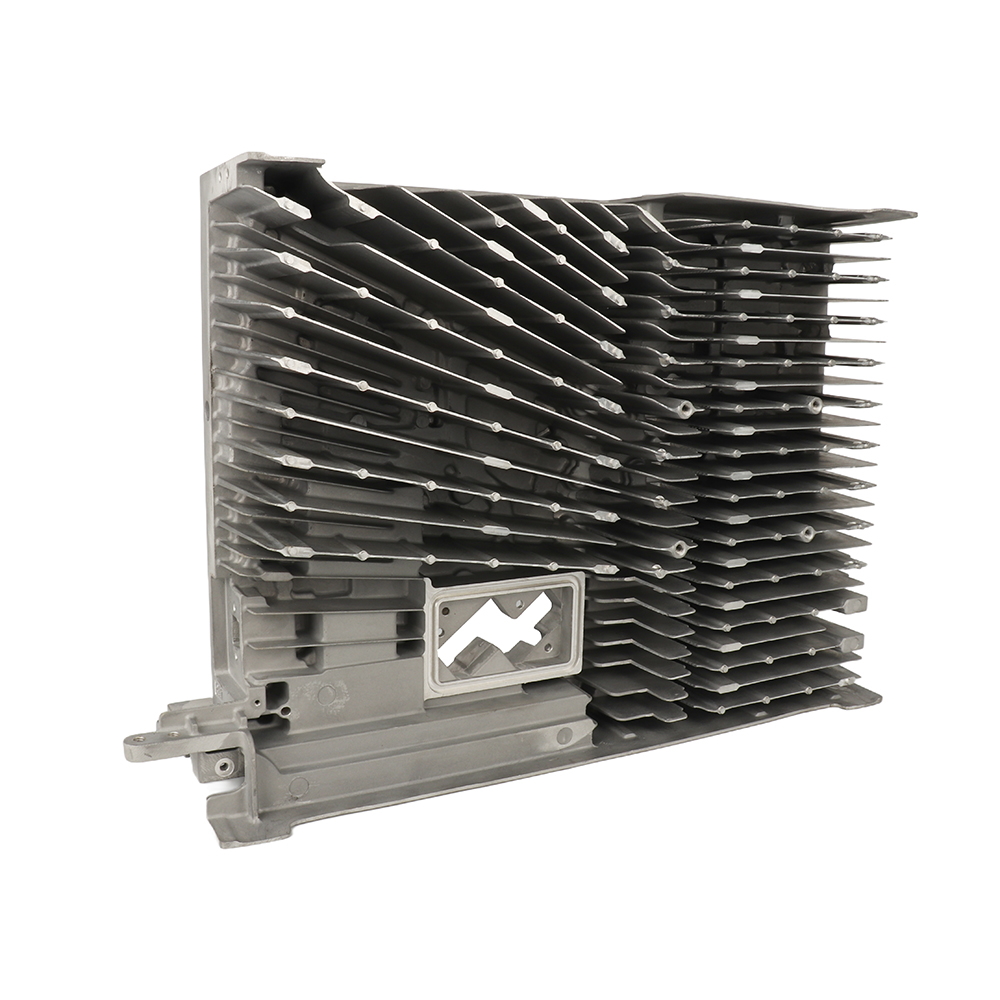
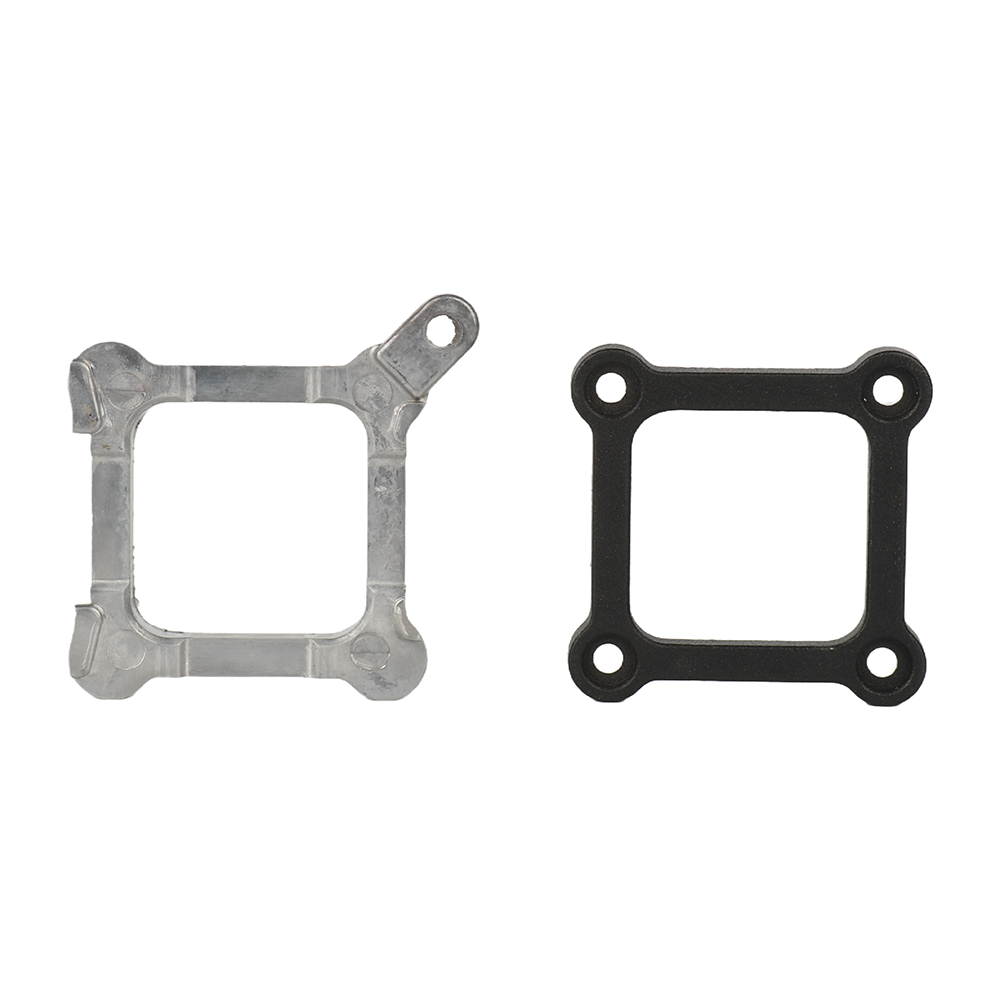
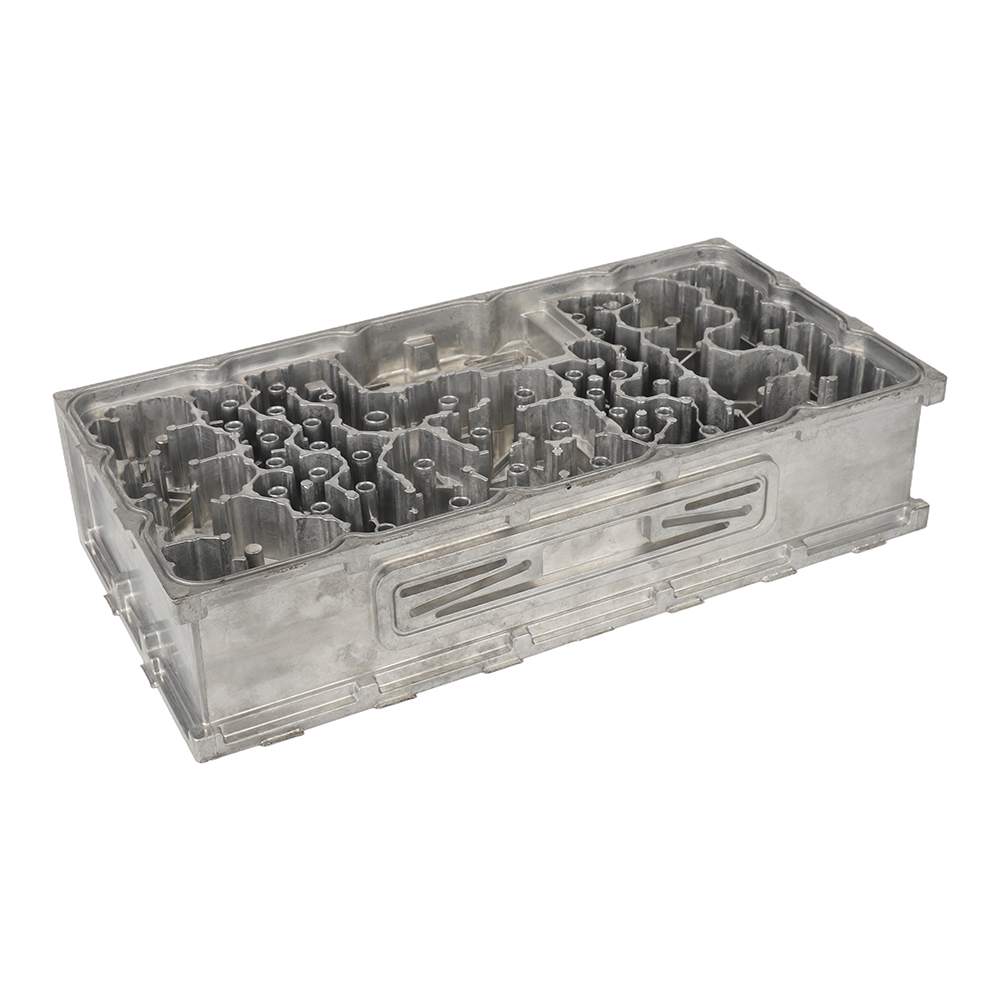
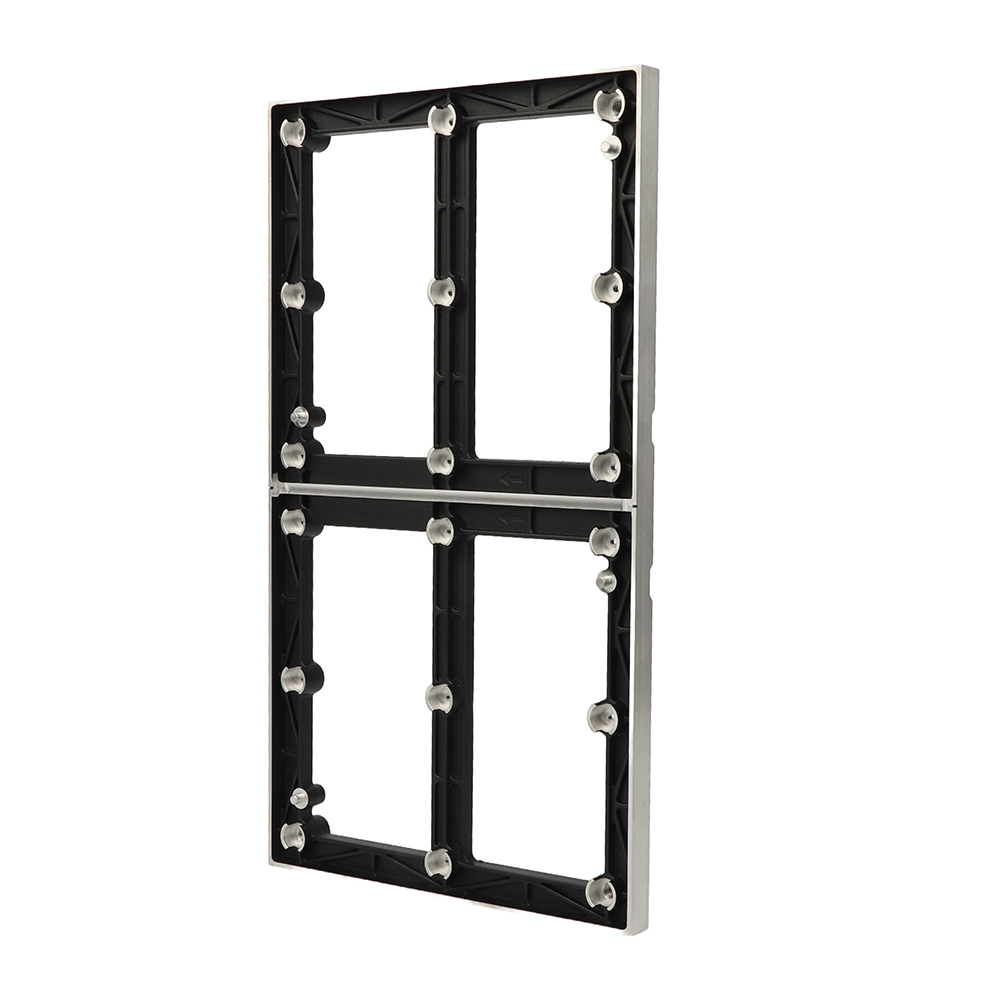
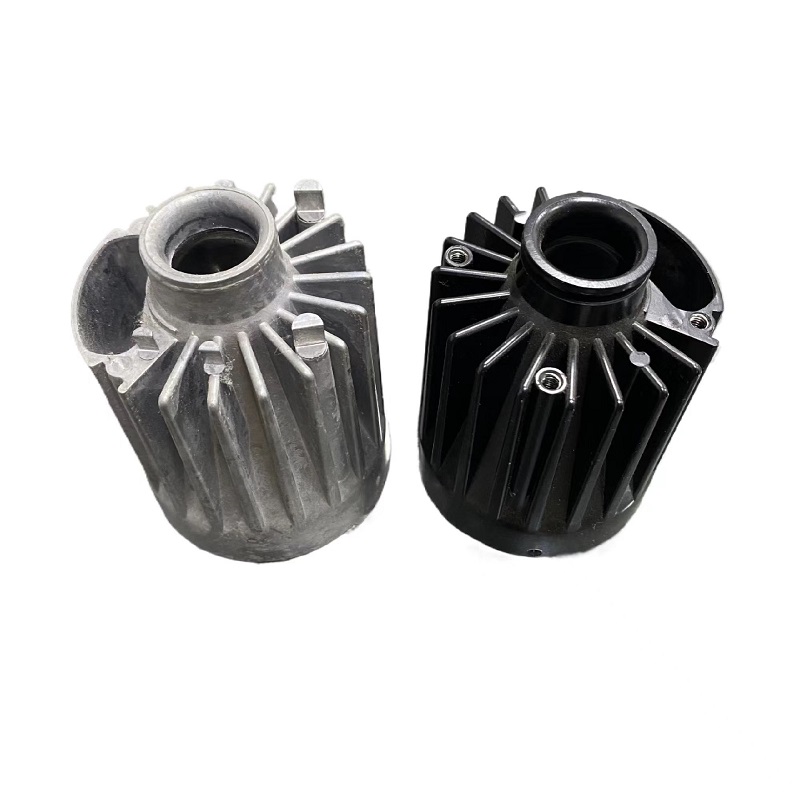
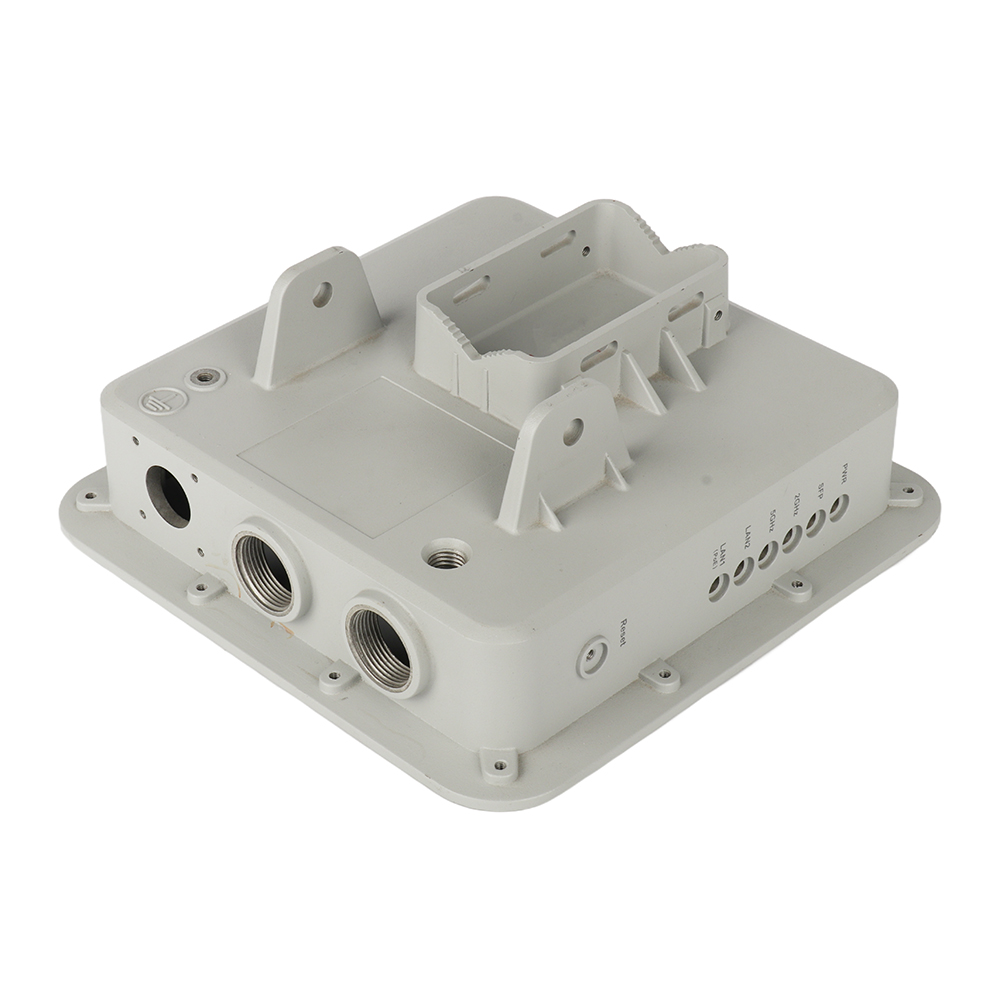
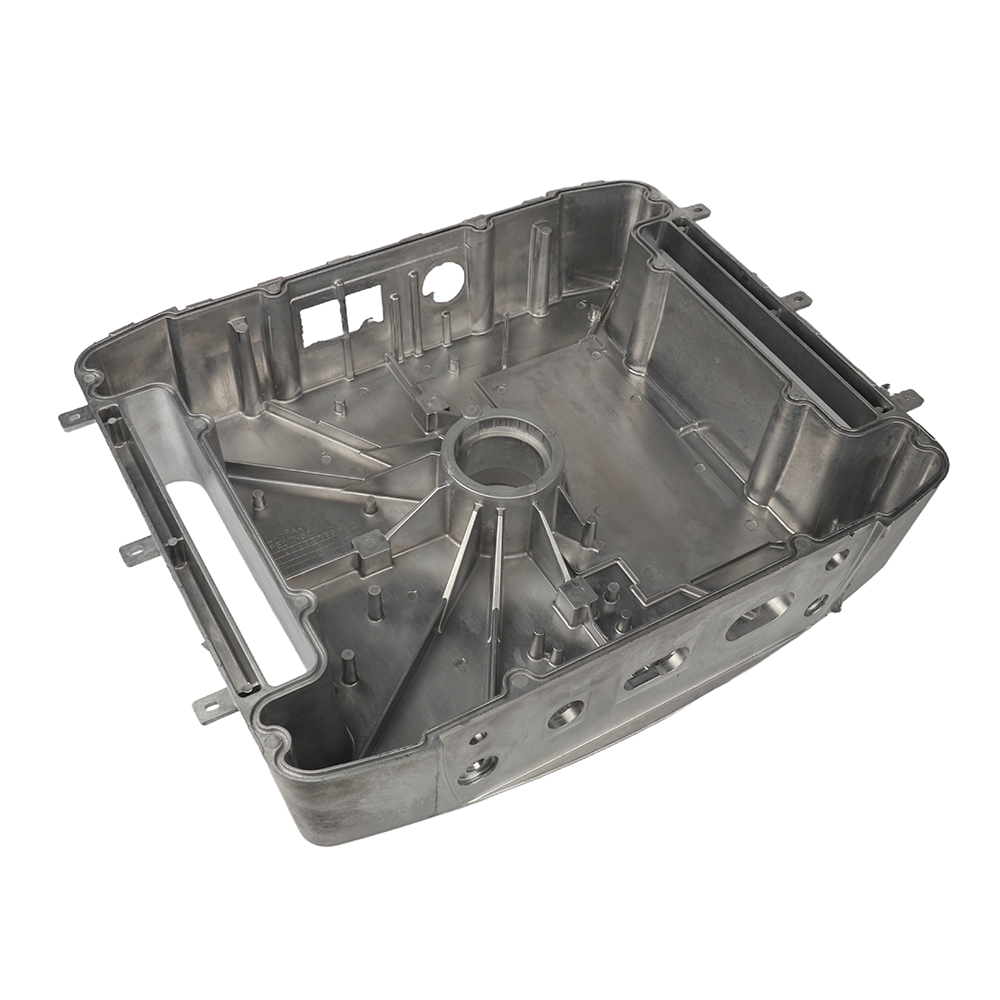
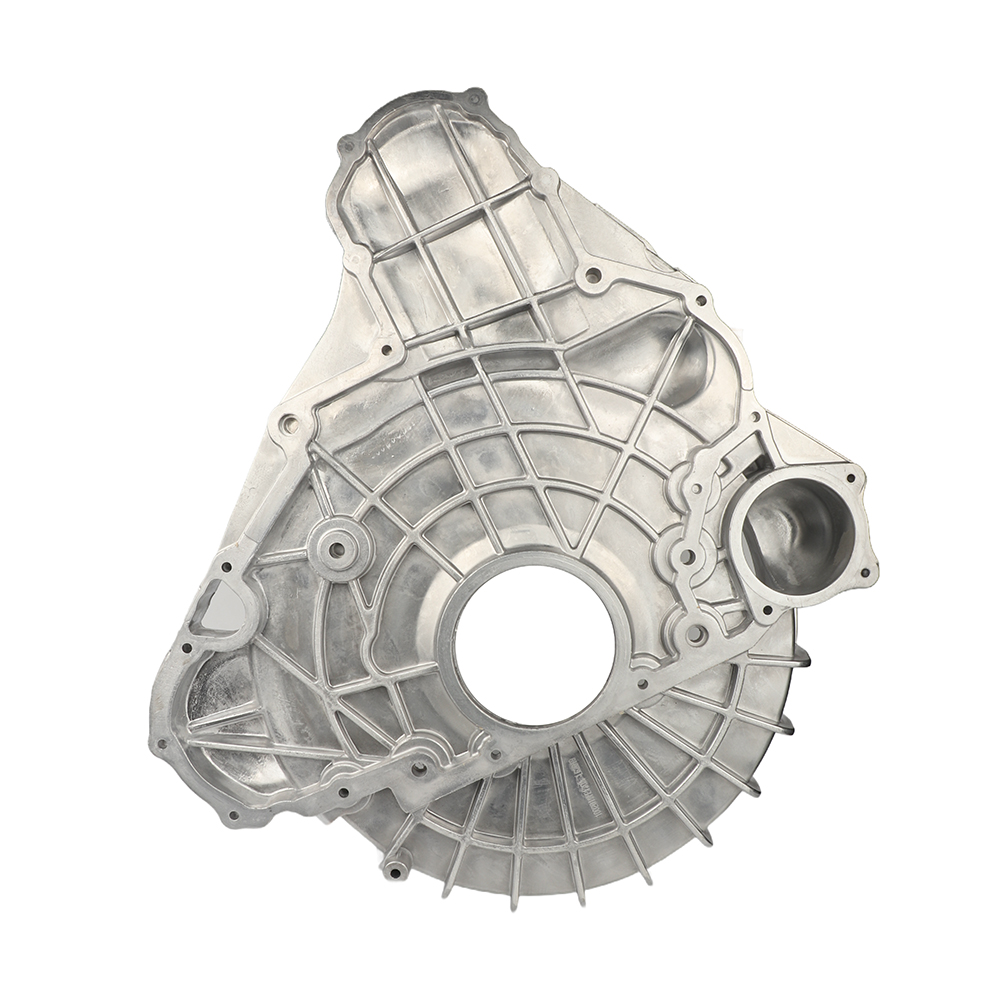
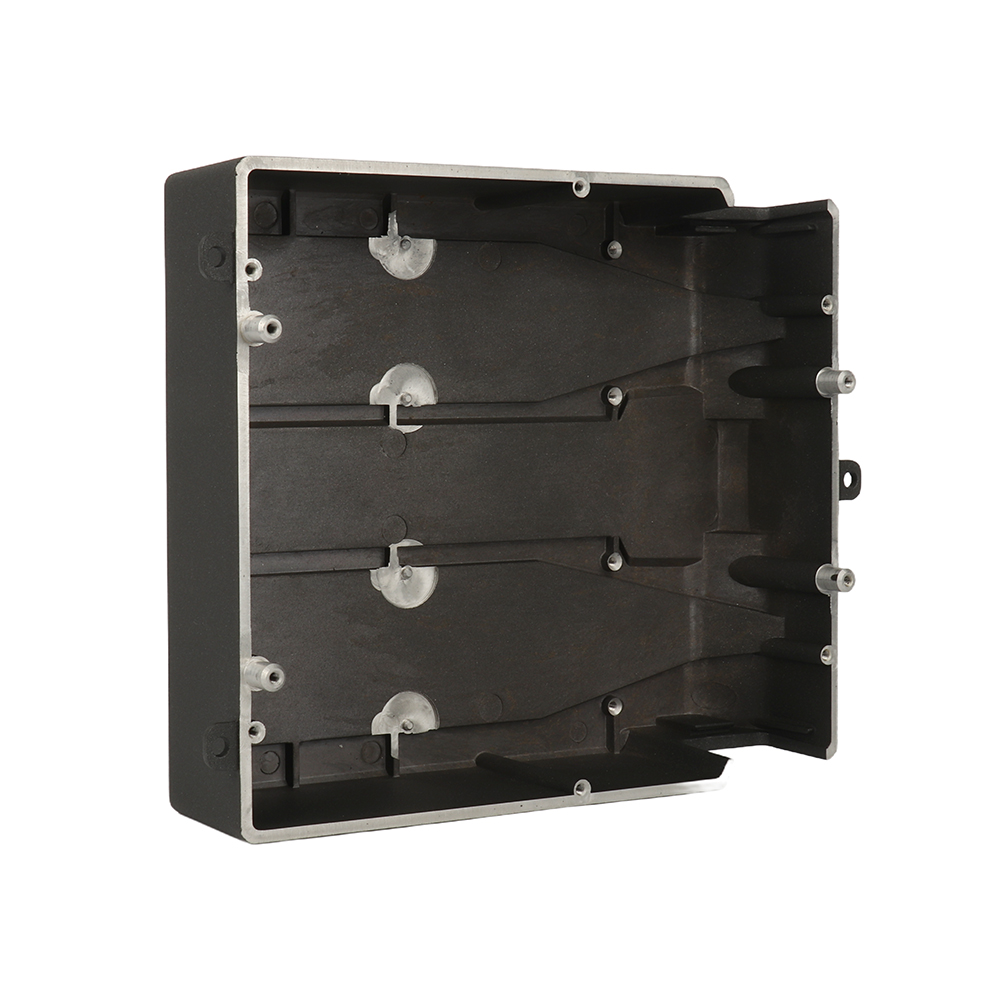
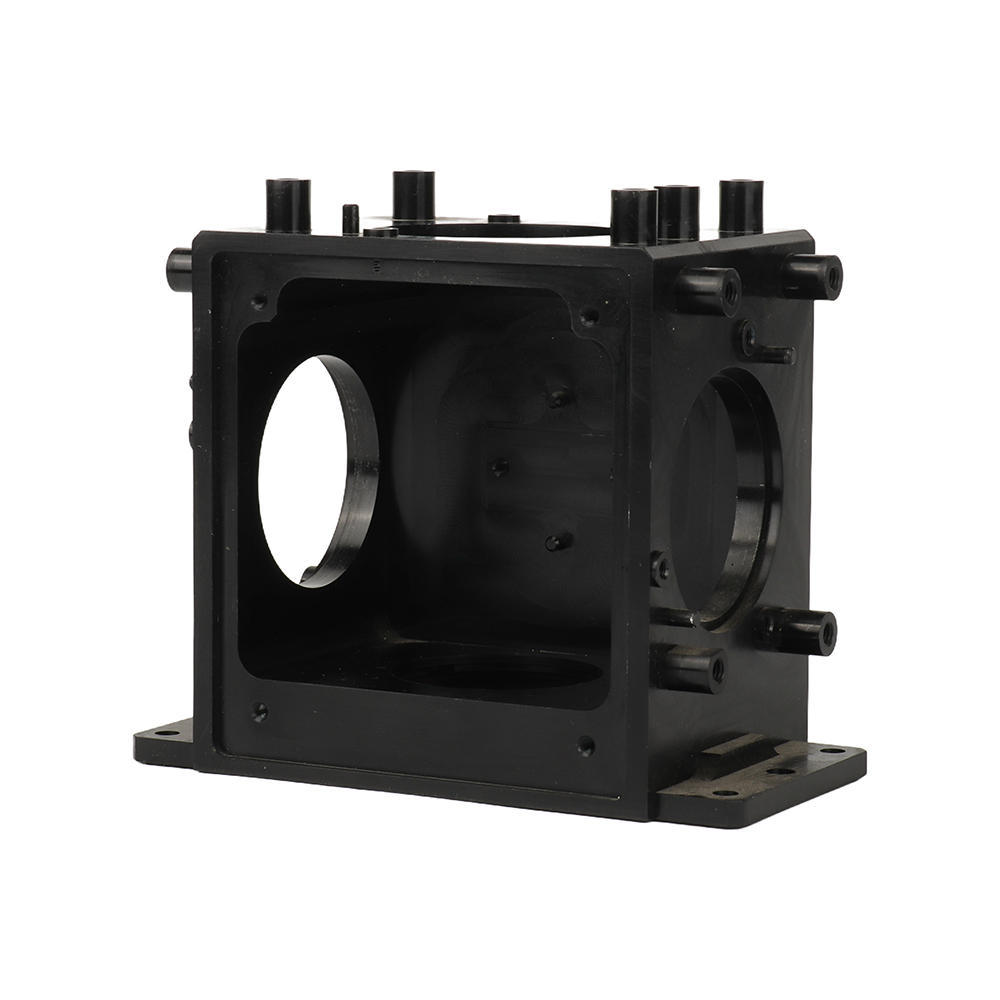
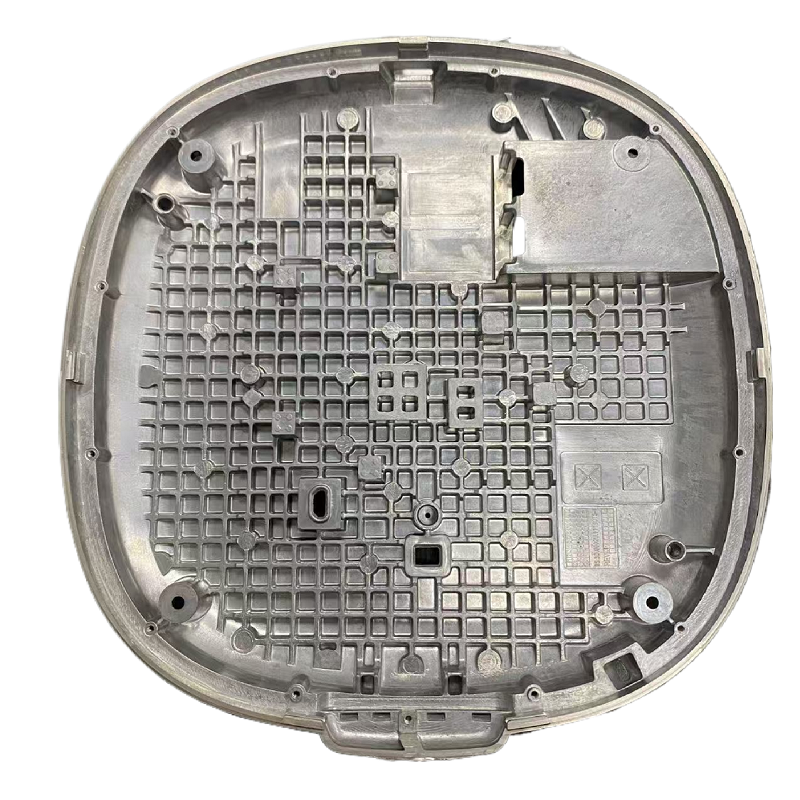
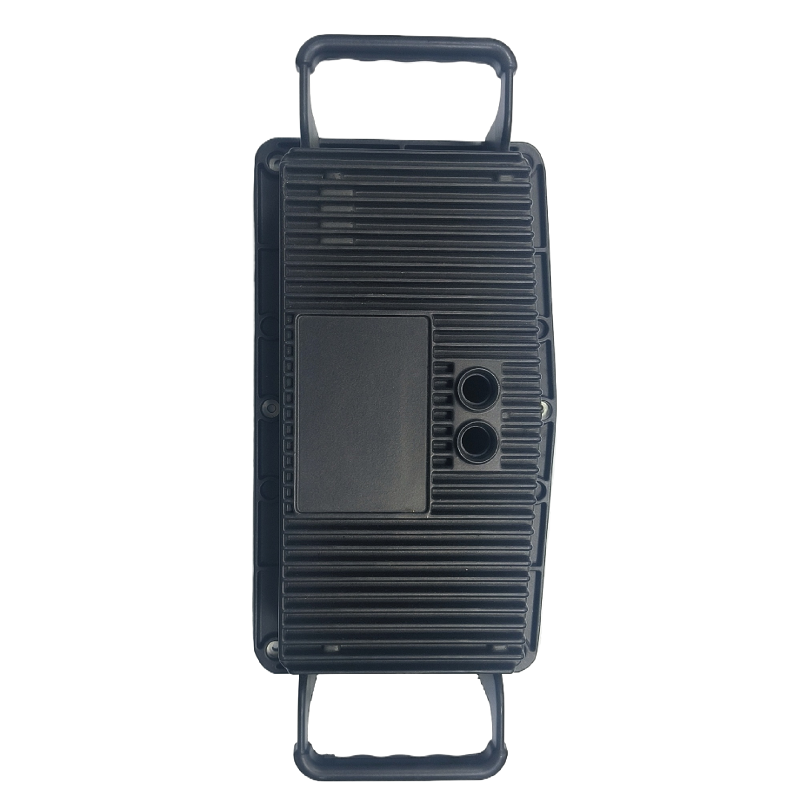
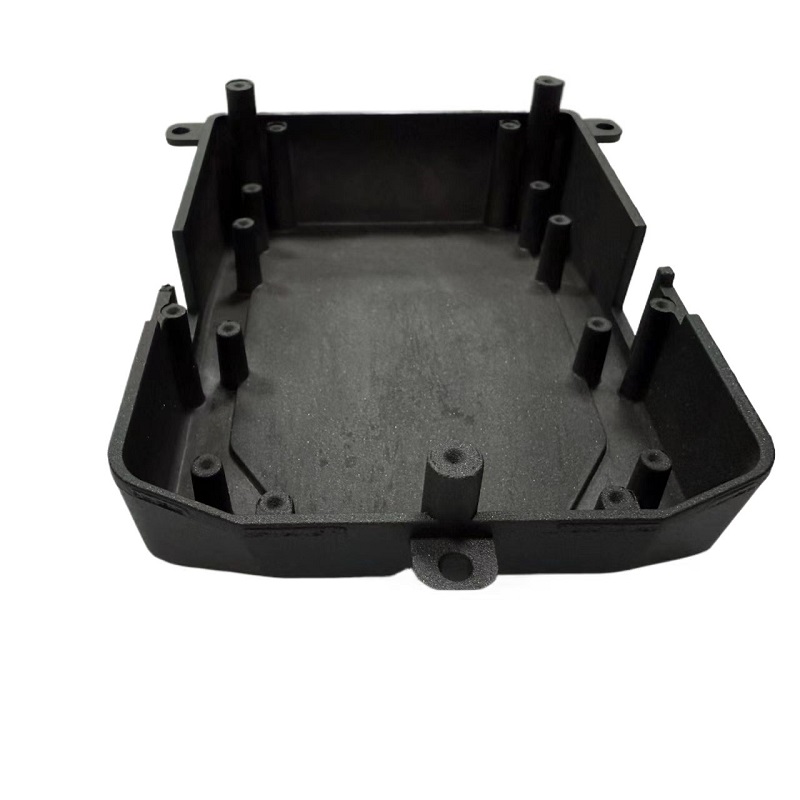
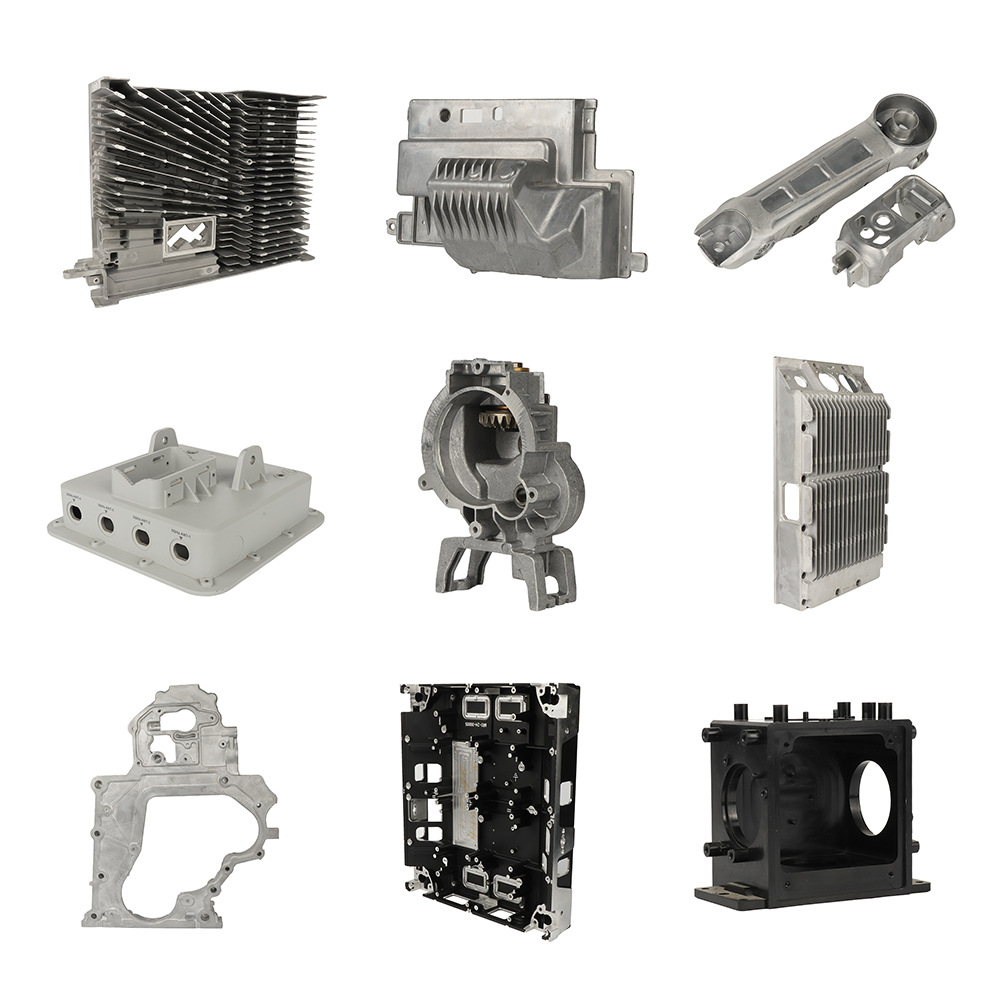
Below is an image showcasing the aluminum high pressure die casting process, from molten aluminum injection to finished parts. It highlights the precision of the process and the diversity of components that can be produced, including automotive parts, electronic enclosures, and industrial components—all hallmarks of the process’s versatility in modern manufacturing.

Aluminum High Pressure Die Casting: Molten aluminum being injected into a steel die and finished precision parts —including automotive motor housings, electronic enclosures, and industrial brackets.
Pros & Cons of Aluminum High Pressure Die Casting (Focus on Benefits)
Like any manufacturing process, aluminum high pressure die casting has its advantages and limitations. However, its benefits far outweigh its drawbacks for most mass-production applications—especially when compared to traditional casting methods like sand or gravity casting. Below is a clear breakdown of its pros and cons, with a focus on why it’s a preferred choice for manufacturers:
Pros (Core Benefits)
1. Exceptional Precision & Dimensional Accuracy
Aluminum high pressure die casting produces parts with tight tolerances (±0.05 mm for precision parts) and smooth surface finishes (Ra 1.6–6.3 μm), eliminating the need for extensive post-machining. This precision ensures parts fit perfectly in assemblies, reducing assembly time and costs. The high-pressure filling ensures consistent wall thickness and intricate details that other casting methods cannot achieve, making it ideal for complex components like electronic enclosures and automotive parts.
2. High Production Efficiency & Scalability
The process is extremely fast, with cycle times ranging from 10 seconds to 2 minutes per part (depending on size and complexity). This makes aluminum high pressure die casting ideal for mass production—manufacturers can produce thousands of identical parts per day with consistent quality. The reusability of steel dies (which can last for hundreds of thousands of cycles) further enhances scalability and cost-effectiveness for high-volume orders, aligning with the growing demand for high-volume aluminum components in global markets.
3. Lightweight & High-Strength Parts
Aluminum’s inherent lightweight property (density of ~2.7 g/cm³, 35% lighter than steel) combined with the die casting process’s ability to create strong, durable parts makes aluminum high pressure die casting perfect for weight-sensitive applications (e.g., automotive, aerospace). By using aluminum alloys, parts can achieve high tensile strength while remaining lightweight, improving fuel efficiency and performance in vehicles and machinery—a key driver of the process’s popularity in the automotive industry.
4. Cost-Effective for High Volume
While the initial cost of steel dies is high, the low unit cost for high-volume production makes aluminum high pressure die casting cost-competitive. The minimal post-production work, high material utilization rate (80–95%), and fast cycle times reduce overall production costs. For manufacturers producing 1,000+ parts, the die cost is quickly offset by savings in labor and material waste, making it a cost-efficient choice for large-scale production compared to other methods.
5. Versatility in Part Design
Aluminum high pressure die casting can create complex geometries—including internal cavities, thin walls, and intricate details—that are impossible or expensive to produce with other methods (e.g., machining, forging). This versatility allows engineers to design lightweight, compact parts that meet strict performance requirements, such as automotive motor housings, electronic enclosures, and aerospace components. Unlike gravity casting, it can produce parts with thin walls (as thin as 0.5 mm), expanding design possibilities.
6. Excellent Corrosion Resistance & Durability
Aluminum parts produced via high pressure die casting retain aluminum’s natural corrosion resistance (thanks to a protective oxide layer) and can be further enhanced with surface treatments like anodizing or powder coating. This makes them suitable for outdoor, marine, or harsh industrial environments where other metals (e.g. steel) would degrade quickly. The parts are also durable and can withstand extreme operating conditions, extending their lifespan and reducing replacement costs.
Cons (Limitations)
1. High Initial Die Cost
Steel dies for aluminum high pressure die casting are expensive to design and manufacture (ranging from thousands to tens of thousands of dollars, and even over $1 million for complex dies like transmission or engine block molds) and have a long lead time (weeks to months). This makes the process less cost-effective for small-batch production (fewer than 1,000 parts), as the die cost cannot be offset by unit savings.
2. Wall Thickness Limitations
The process is best suited for parts with wall thicknesses between 0.5 mm and 5 mm. Parts with excessively thick walls are prone to defects like shrinkage, porosity, or uneven cooling, which can compromise strength and durability. This limits the process for very large or thick-walled components, where gravity casting or low-pressure die casting may be more suitable.
3. Welding Challenges
Some aluminum high pressure die casting parts contain internal porosity (small air bubbles) from the rapid cooling process. These pores can cause cracks or holes during welding, requiring specialized welding techniques (e.g., TIG welding) to ensure quality. This adds complexity and cost for parts that need to be welded into assemblies, though advances in process technology are reducing this limitation.
Key Benefits of Aluminum High Pressure Die Casting (Critical Highlight)
While the previous section covers pros and cons, it’s important to emphasize the unique benefits that make aluminum high pressure die casting stand out from other manufacturing processes. These benefits are why it’s the preferred choice for industries like automotive, electronics, and aerospace, and why its market is expected to grow at a CAGR of 7.5% from 2026 to 2033:
1. Unbeatable Strength-to-Weight Ratio
The biggest advantage of aluminum high pressure die casting is its ability to produce parts that are both lightweight and strong. Aluminum alloys used in HPDC (e.g., A380, ADC12) have excellent mechanical properties, with tensile strengths ranging from 200 to 400 MPa. This strength-to-weight ratio is critical for automotive and aerospace applications, where reducing weight without sacrificing performance directly improves fuel efficiency and reduces emissions—key priorities in modern manufacturing.
2. Consistent Quality & Repeatability
The high-pressure, automated nature of the process ensures every part is identical in size, shape, and performance. This consistency eliminates variability, reduces waste, and ensures parts fit perfectly in assemblies. For manufacturers, this means fewer defects, lower rework costs, and faster time-to-market for products. The precision of the process also reduces the need for quality control inspections, saving time and resources—especially valuable in high-volume production.
3. Seamless Integration with Modern Manufacturing
Aluminum high pressure die casting integrates seamlessly with other modern manufacturing processes, such as CNC machining, anodizing, and powder coating. This flexibility allows manufacturers to create finished parts in a single, streamlined workflow, reducing lead times and improving efficiency. Additionally, advances in AI and IoT have made the process more intelligent, with real-time monitoring of die tension and process parameters to ensure consistent quality.
4. Sustainability & Material Efficiency
Aluminum is 100% recyclable, and aluminum high pressure die casting has a high material utilization rate (80–95%), reducing waste and environmental impact. This aligns with global sustainability mandates and circular economic practices, making it a more eco-friendly choice compared to other manufacturing methods. The lightweight parts produced also contribute to lower energy consumption in end products (e.g., vehicles), further enhancing its sustainability credentials.
Expert Insights: The Value of Aluminum High Pressure Die Casting in Industry
To provide professional guidance, we consulted David Carter, a senior manufacturing engineer with 25+ years of experience in die casting technology, who has worked with leading automotive and aerospace companies to optimize production processes. Here’s his expert perspective on the value of aluminum high pressure die casting:
“In today’s fast-paced manufacturing landscape, aluminum high pressure die casting is not just a process—it’s a strategic advantage. The biggest misconception I see is that manufacturers view it as a ‘commodity process,’ but it’s far more than that. Its ability to produce complex, high-precision parts at scale, while leveraging aluminum’s lightweight and corrosion-resistant properties, makes it irreplaceable for industries where performance and cost-effectiveness go hand in hand.
Many manufacturers compare it to sand casting or forging, but the gap in efficiency and precision is substantial. For example, a component that takes hours to produce via sand casting can be made in seconds with aluminum high pressure die casting, with better consistency and lower post-processing needs. The initial die cost is a barrier for small batches, but for high-volume production, it’s the most cost-effective option by far—especially when you factor in reduced labor, material waste, and assembly time.
I also see a growing trend in the industry: the integration of smart technology into HPDC machines, which allows for real-time monitoring of pressure, temperature, and die wear. This not only improves quality but also extends die life, further reducing costs. For any manufacturer looking to scale production of aluminum components, aluminum high pressure die casting is the gold standard—it’s why it’s the backbone of the automotive and electronics industries, and its growth shows no signs of slowing.”
David adds: “The choice of aluminum alloy is also critical—alloys like A380 and ADC12 are tailored for HPDC, offering the perfect balance of fluidity and strength. Too often, manufacturers cut corners with the wrong alloy, leading to defects and reduced part performance. When paired with the right alloy and process optimization, aluminum high pressure die casting delivers parts that outperform those made with any other method.”
FAQs: Common Questions About Aluminum High Pressure Die Casting
Q1: What is aluminum high pressure die casting (HPDC), and how is it different from other casting methods?
A: Aluminum high pressure die casting is a precision metal forming process that injects molten aluminum alloy into a steel die under high pressure (10–150 MPa) and high speed. It differs from traditional methods (sand casting, gravity casting) by using forced high-pressure filling, which enables thinner walls, tighter tolerances, faster cycle times, and better surface finishes. Unlike low-pressure die casting, it is ideal for high-volume production of complex parts.
Q2: What aluminum alloys are most commonly used in high pressure die casting?
A: The most common aluminum alloys for HPDC are ADC12, A380, and EN AC-46000. These alloys are chosen for their excellent fluidity (critical for filling complex die cavities), good mechanical strength, and castability. A380 is widely used for general-purpose parts, while ADC12 is preferred for parts requiring high precision and surface quality. These alloys are specifically formulated to perform well in the high-pressure, rapid-cooling environment of HPDC.
Q3: What are the main benefits of aluminum high pressure die casting over other manufacturing methods?
A: The key benefits include exceptional precision and dimensional accuracy, high production efficiency (fast cycle times for mass production), lightweight yet strong parts (unbeatable strength-to-weight ratio), cost-effectiveness for high-volume orders, versatility in part design (complex geometries and thin walls), and excellent corrosion resistance. These benefits make it superior to sand casting (lower precision, slower) and forging (higher cost, less design flexibility) for most high-volume applications.
Q4: Is aluminum high pressure die casting suitable for small-batch production?
A: Generally, no. The high initial cost of steel dies (and long lead time) makes aluminum high pressure die casting less cost-effective for small batches (fewer than 1,000 parts). For small-batch or custom parts, sand casting or low-pressure die casting is often a better choice, as they have lower upfront tooling costs. HPDC shines when producing thousands of identical parts, where the die cost is offset by low unit costs.
Q5: Can aluminum high pressure die casting parts be welded or heat-treated?
A: Welding HPDC parts can be challenging due to internal porosity from rapid cooling, but it is possible with specialized techniques (e.g., TIG welding) to avoid cracks or holes. Most HPDC aluminum alloys (like ADC12) are not heat-treatable, but some alloys (e.g., A380) can undergo limited heat treatment to improve strength. Surface treatments like anodizing, powder coating, or plating are commonly used to enhance durability and aesthetics, regardless of weldability.
Q6: What is the typical tolerance and surface finish of HPDC parts?
A: Aluminum high pressure die casting parts typically have tolerances of IT 8-IT 12, with precision parts achieving ±0.05 mm. Surface finishes range from Ra 1.6–6.3 μm, which is smooth enough for most applications without extensive post-machining. This level of precision is far superior to sand casting, which has rougher surfaces and looser tolerances, requiring additional grinding or machining.
Q7: Why is cold chamber equipment used for aluminum high pressure die casting?
A: Cold chamber machines are used because aluminum has a high melting point (650°C–700°C), which would damage the injection mechanism of hot chamber machines (designed for lower-melting-point metals like zinc or magnesium). The cold chamber keeps the molten aluminum separate from the machine’s components, preventing overheating and wear, ensuring consistent performance and longer machine lifespan.
Conclusion: Why Aluminum High Pressure Die Casting Is a Top Manufacturing Choice
Aluminum high pressure die casting is more than just a casting process—it’s a versatile, efficient, and cost-effective solution for producing high-quality aluminum components at scale. Its unique combination of precision, speed, and material benefits makes it indispensable in industries ranging from automotive and aerospace to electronics and industrial machinery.
While it has limitations (high initial die cost, wall thickness restrictions, welding challenges), these are far outweighed by its core benefits: unbeatable strength-to-weight ratio, consistent quality, high production efficiency, design versatility, and sustainability. As expert David Carter noted, it’s a strategic advantage for manufacturers looking to scale production while maintaining performance and cost-effectiveness.
With the global market for aluminum high pressure die casting expected to grow steadily in the coming years, driven by demand for lightweight, high-precision parts and sustainable manufacturing practices, it’s clear that aluminum high pressure die casting will remain a cornerstone of modern manufacturing. Whether you’re producing automotive components, electronic enclosures, or industrial parts, this process delivers the quality, efficiency, and value that today’s manufacturers need.
Zinc alloy die casting | What is zinc alloy die casting? A Complete Guide
What is the cover under the engine called | A Complete Guide to Its Roles & Benefits
Related Article


