
HOT PRODUCTS
aluminum alloy casting | What is aluminum alloy casting? Complete Industrial Guide
2026-05-10
What is Aluminum Alloy Casting? Complete Industrial Guide
Table of Contents
- 1. What is Aluminum Alloy Casting?
- 2. Common Types of Aluminum Alloy Casting Processes
- 3. Advantages & Disadvantages of Aluminum Alloy Casting
- 4. Industrial Application Scenarios of Aluminum Casting Parts
- 5. Xinghang Aluminum Alloy Casting (Model XH-013) Product Introduction
- 6. Industry Expert Viewpoints on Aluminum Alloy Casting
- 7. Frequently Asked Questions (FAQs)
- 8. Conclusion: Industry Trends & Supplier Selection Guide
1. What is Aluminum Alloy Casting?
Aluminum alloy casting is a mature metal forming manufacturing process that melts aluminum alloy raw materials into liquid molten metal and injects them into customized molds under gravity or high pressure. After cooling, solidification, and demolding, intact aluminum alloy components with fixed shapes and stable structures are produced.
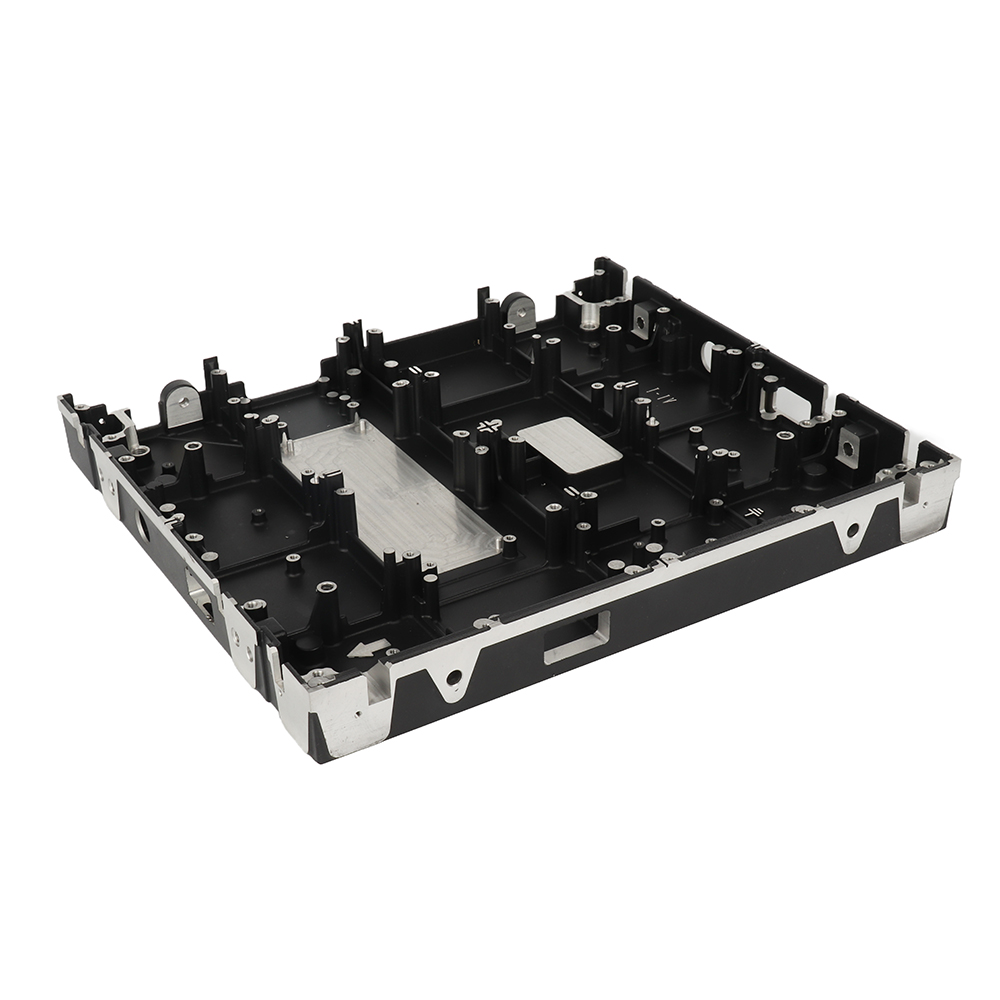
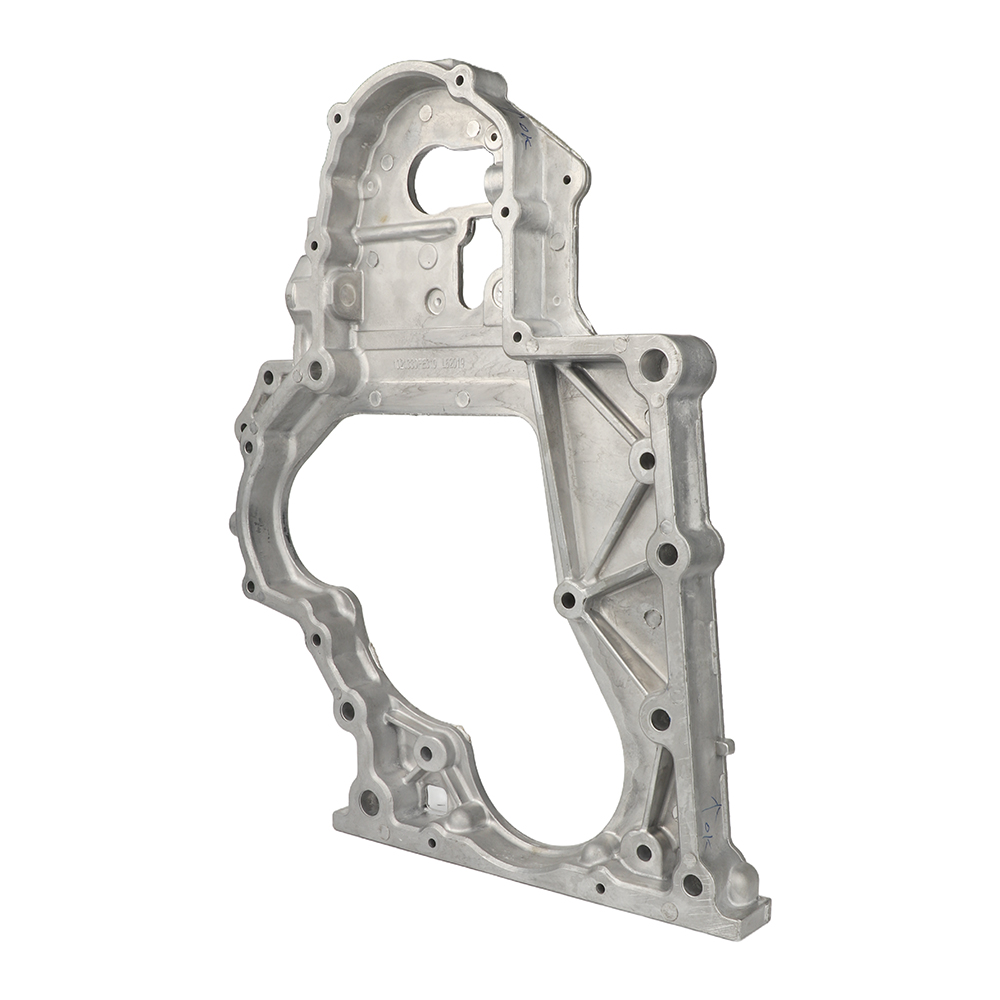
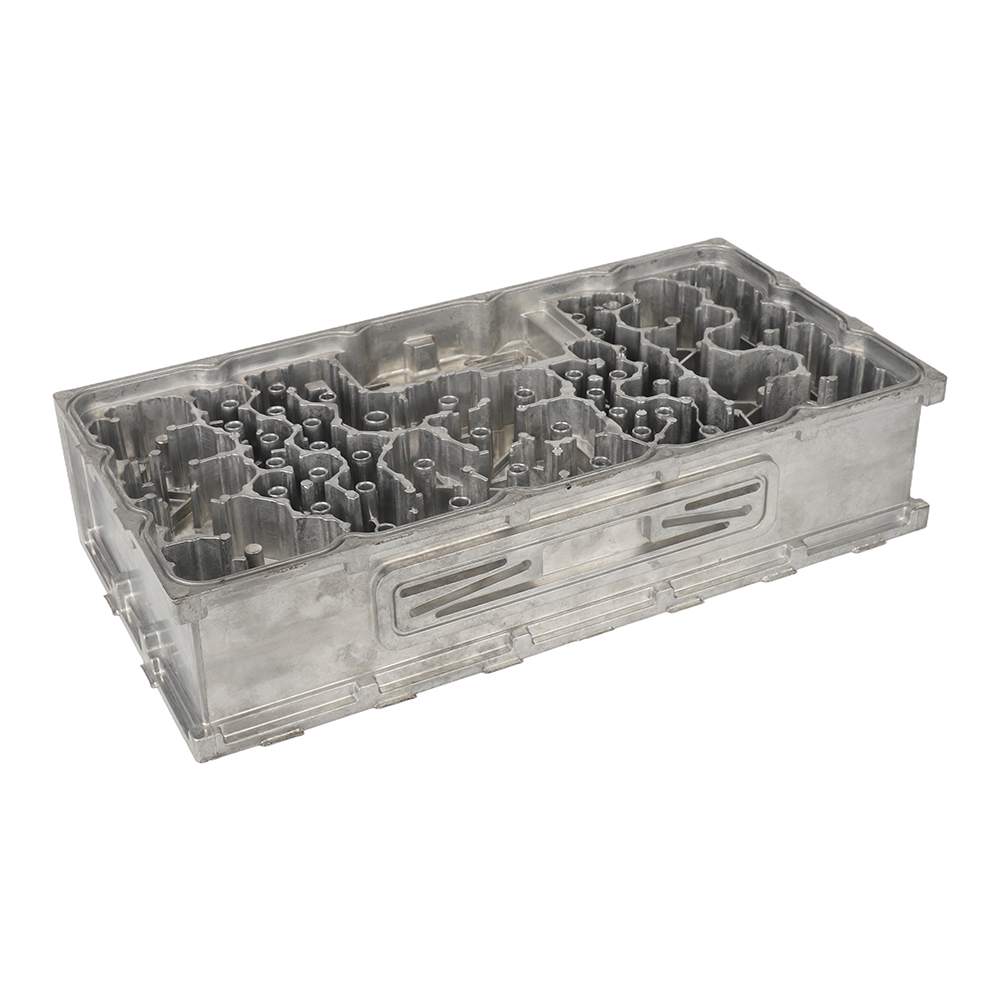
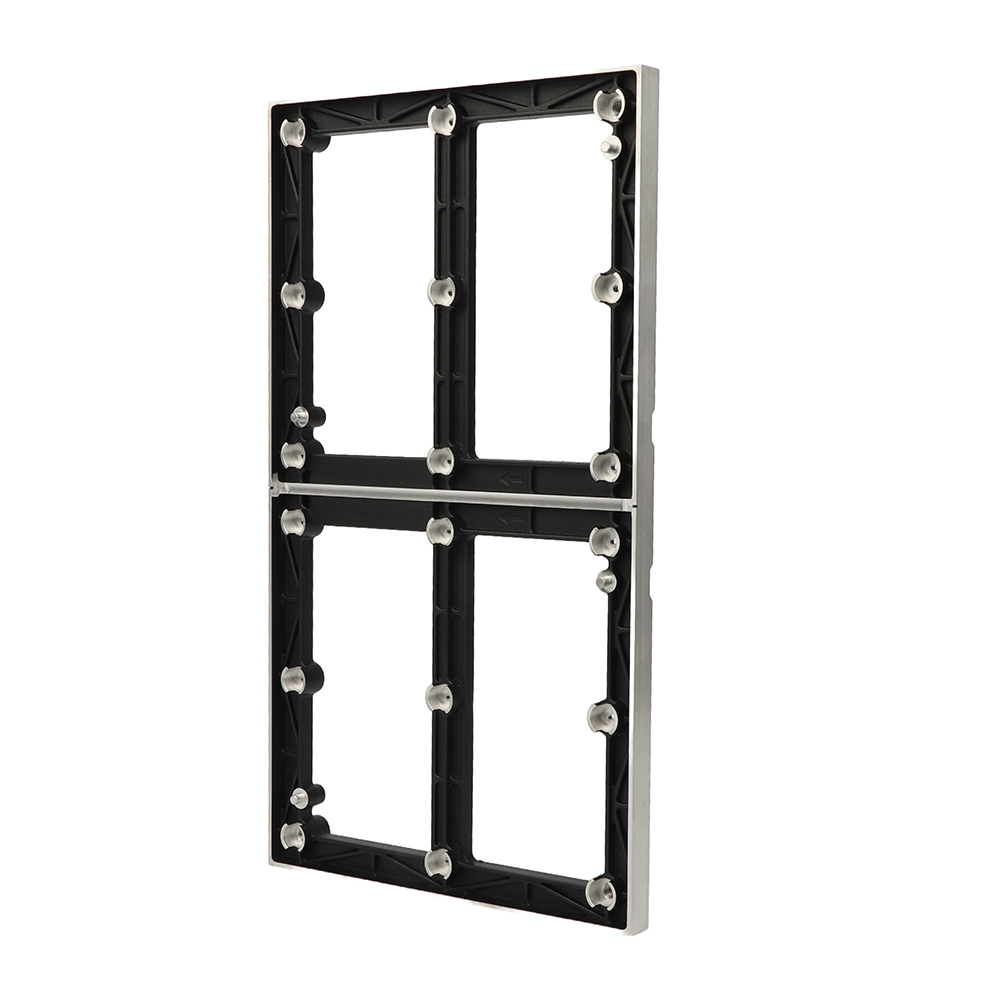
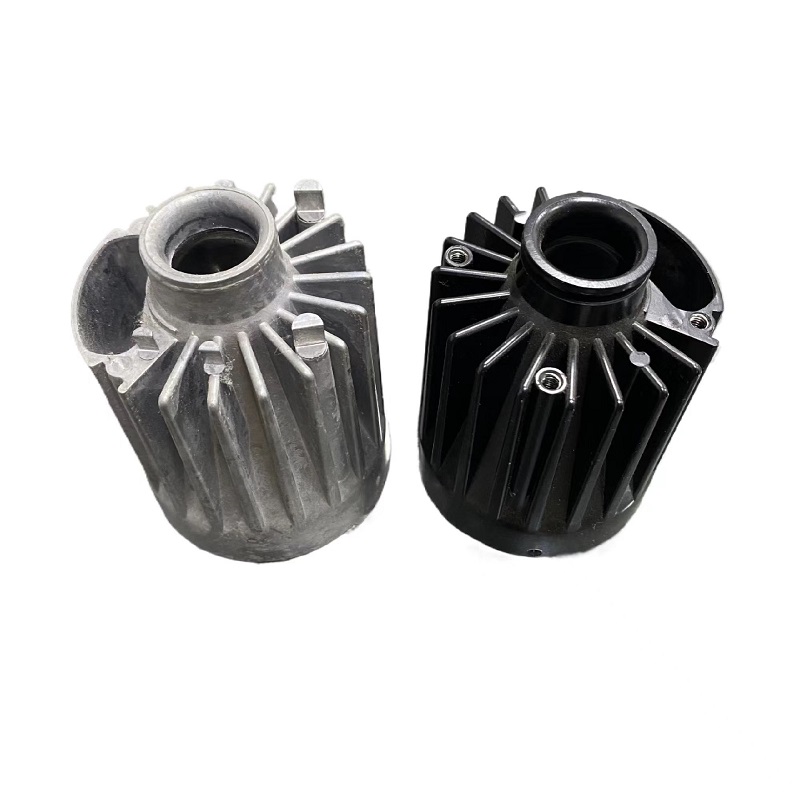
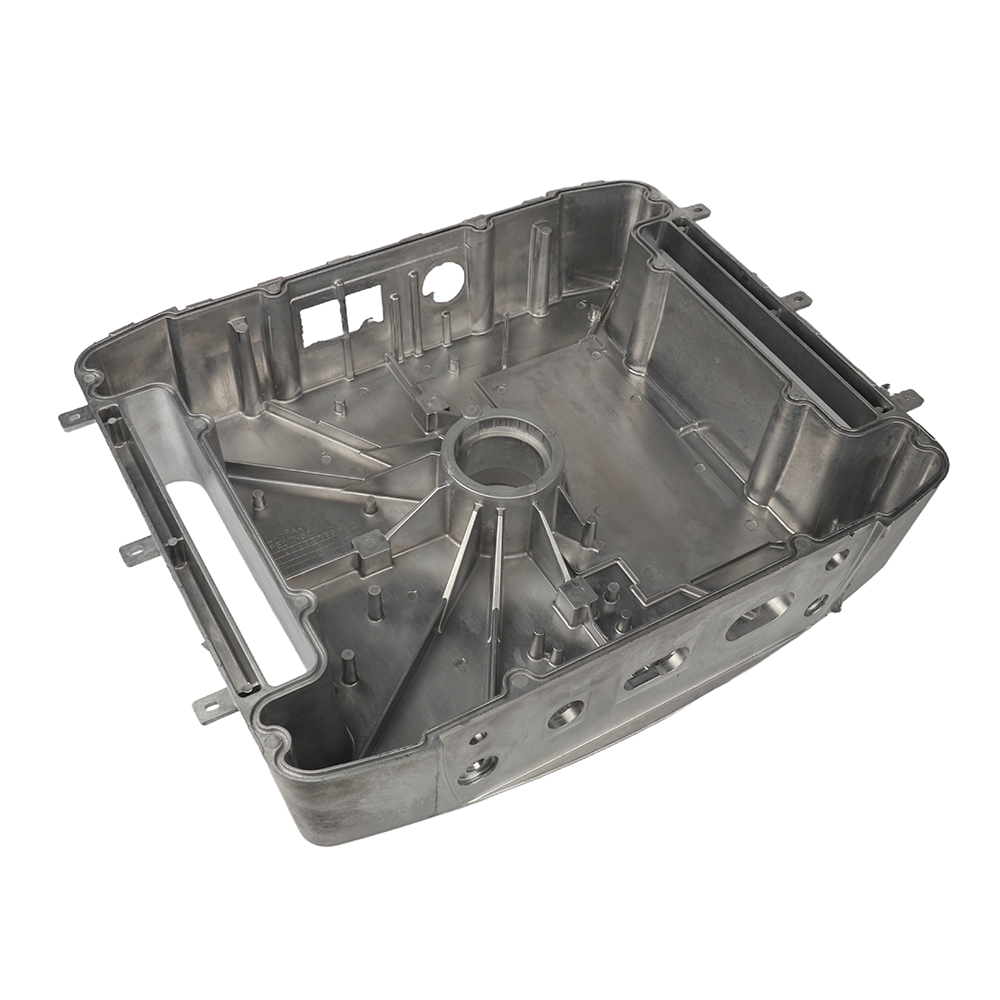
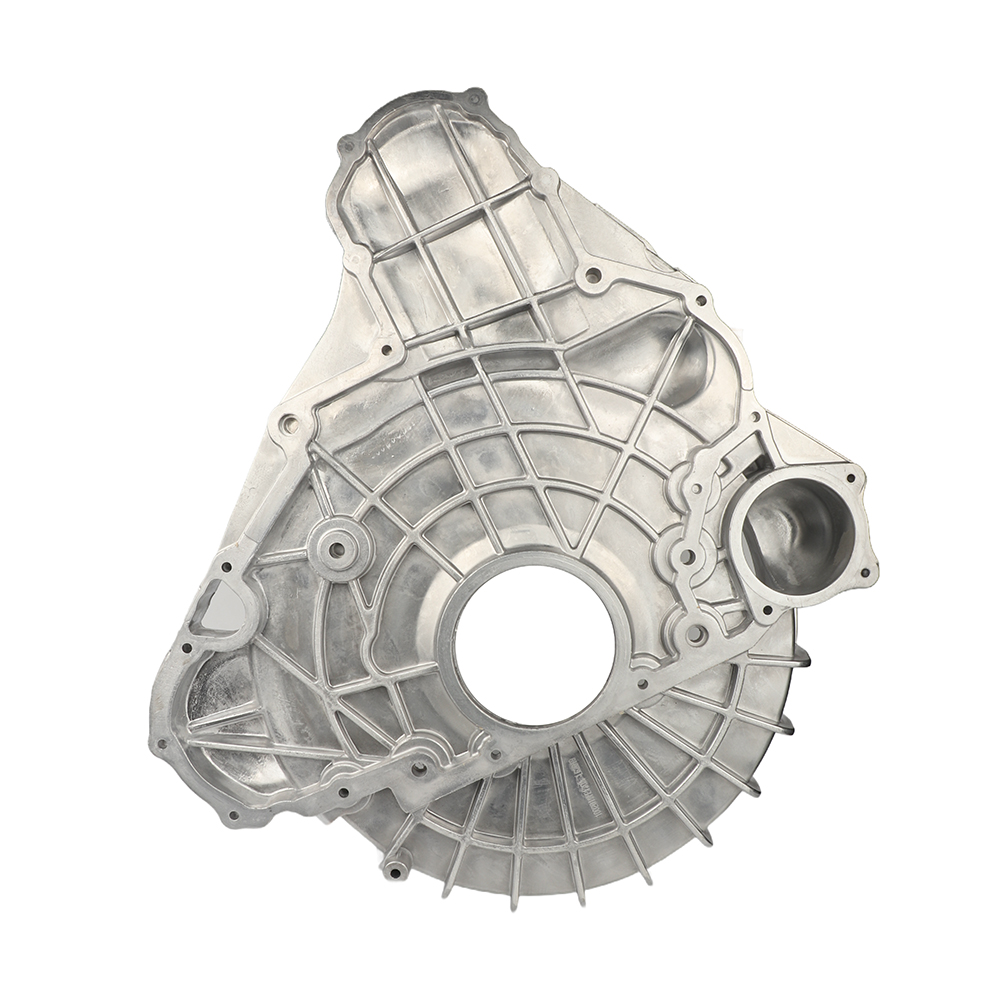
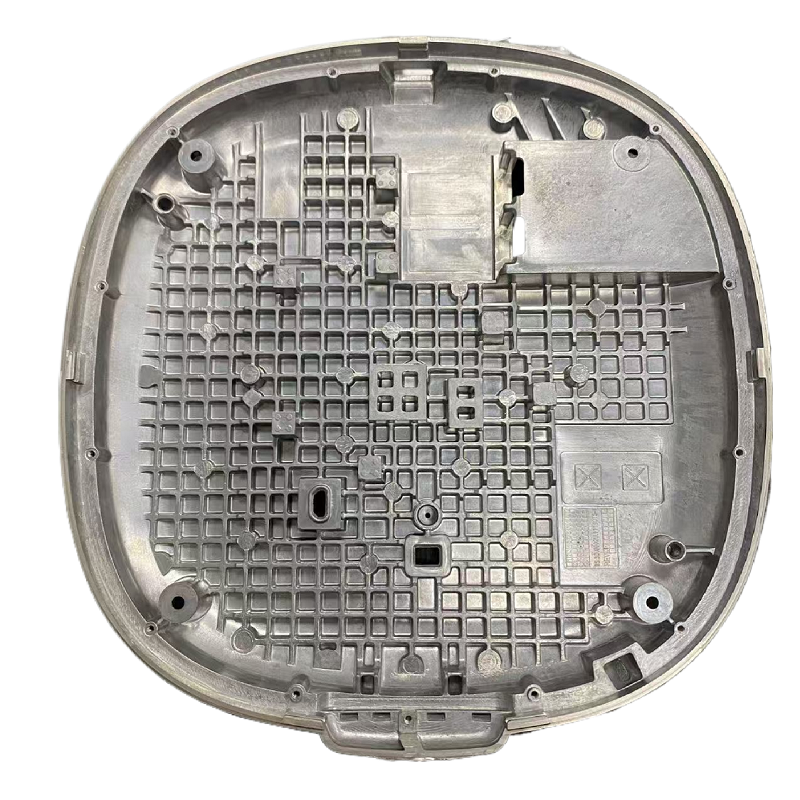
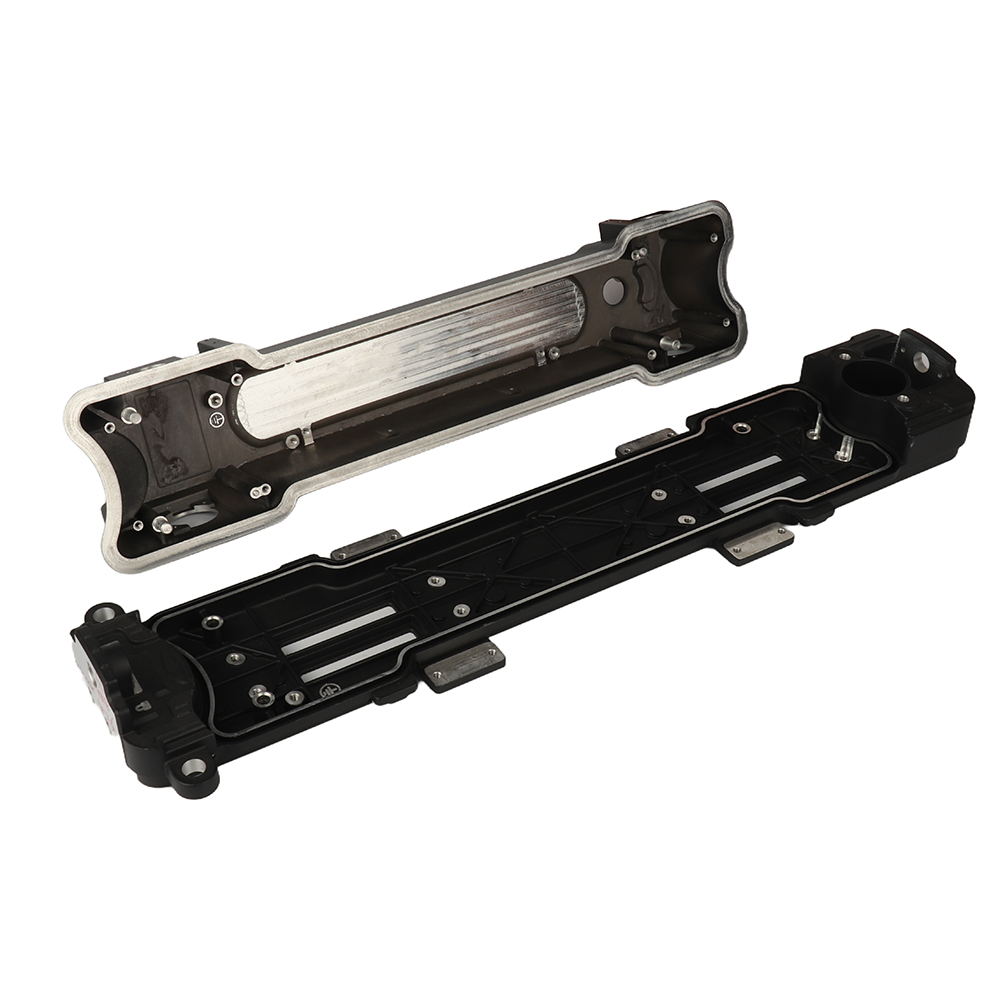
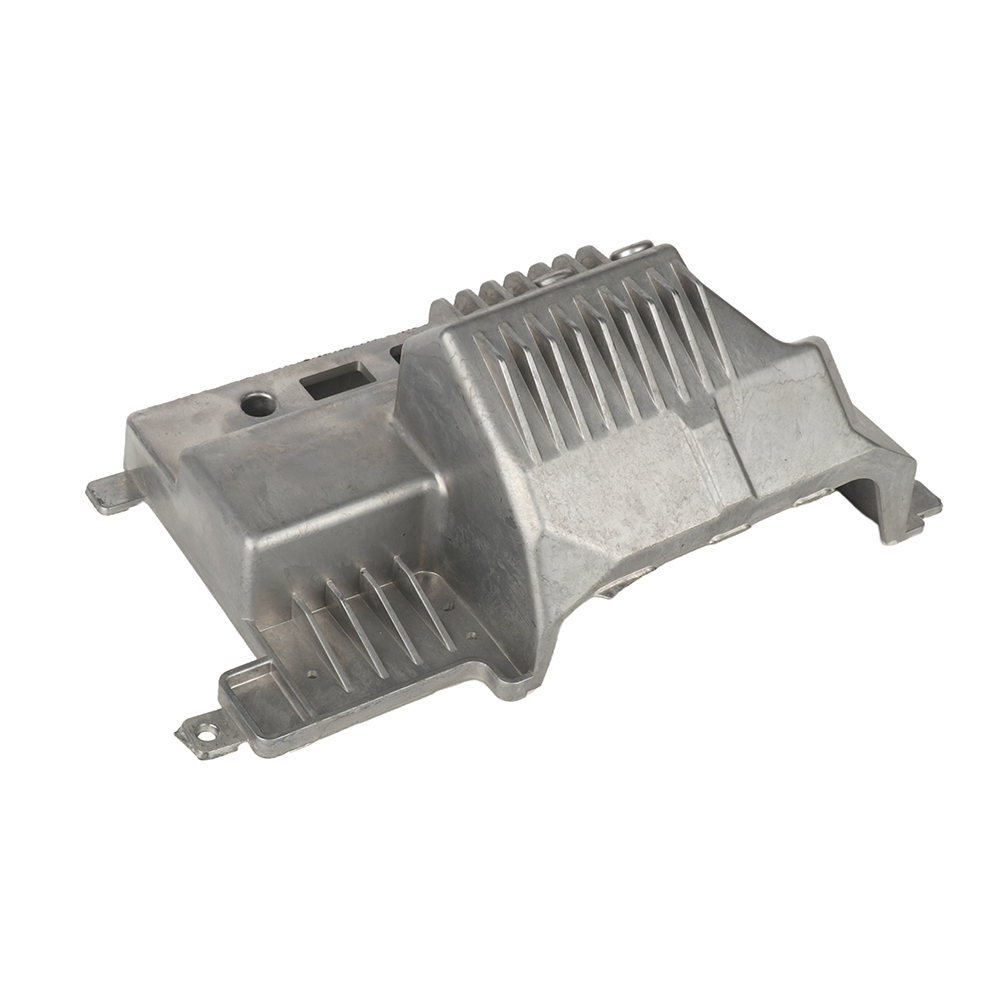
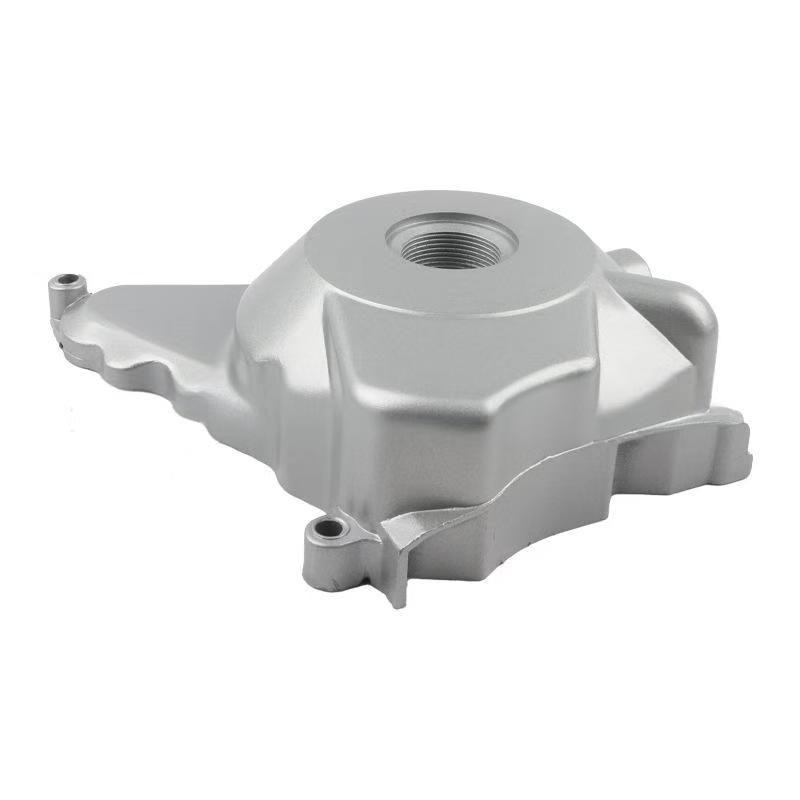
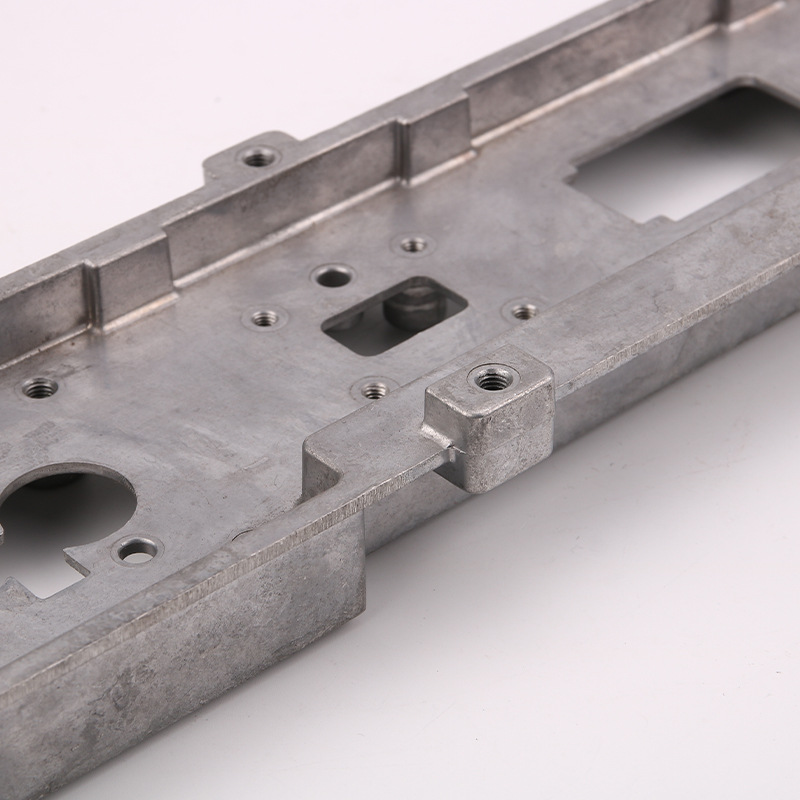
As one of the most widely used metal processing technologies in modern industry, aluminum alloy casting covers multiple molding methods. Among them, high-pressure die casting is the mainstream process for industrial precision components. At Xinghang Precision Hardware, we adopt professional die-casting technology to produce high-quality control shell aluminum alloy castings (Model XH-013), providing durable and high-stability structural parts for industrial equipment.
2. Common Types of Aluminum Alloy Casting Processes
Different casting processes adapt to diverse production batches, precision requirements, and usage scenarios. The three most mainstream industrial casting methods are listed below:
2.1 High-Pressure Die Casting
This is the most popular process for mass industrial production. Molten aluminum is injected into precision steel molds under high pressure (30–70 MPa). It features fast molding speed, smooth surface, high dimensional accuracy, and dense internal structure. It is suitable for mass production of control shells, mechanical housings, and automation parts—this is the core process adopted by Xinghang for XH-013 products.
2.2 Sand Casting
Using sand as the molding medium, sand casting has low mold cost and is suitable for large-sized and simple-structured aluminum parts. However, it has obvious defects such as rough surface, low precision, and poor batch consistency, so it is rarely used for high-precision industrial control components.
2.3 Gravity Die Casting
Molten aluminum flows into the mold by its own gravity. The production cost is moderate, and the product has good toughness. Nevertheless, the production cycle is long, and the efficiency cannot meet the demand for large-volume industrial orders.
3. Advantages & Disadvantages of Aluminum Alloy Casting
To help industrial buyers make material selection decisions quickly, we systematically sort out the pros and cons of aluminum alloy casting and compare it with iron casting and copper casting:
3.1 Core Advantages of Aluminum Alloy Casting
- Lightweight & High Specific Strength: Aluminum alloy has low density, 35% lighter than cast iron. It maintains excellent structural strength, effectively reducing the overall weight of industrial equipment and lowering transportation and operation energy consumption.
- Excellent Corrosion Resistance: Aluminum naturally forms a dense oxide protective film on the surface. Without additional complex treatment, it can resist oxidation and moisture erosion, perfectly adapting to complex factory working environments.
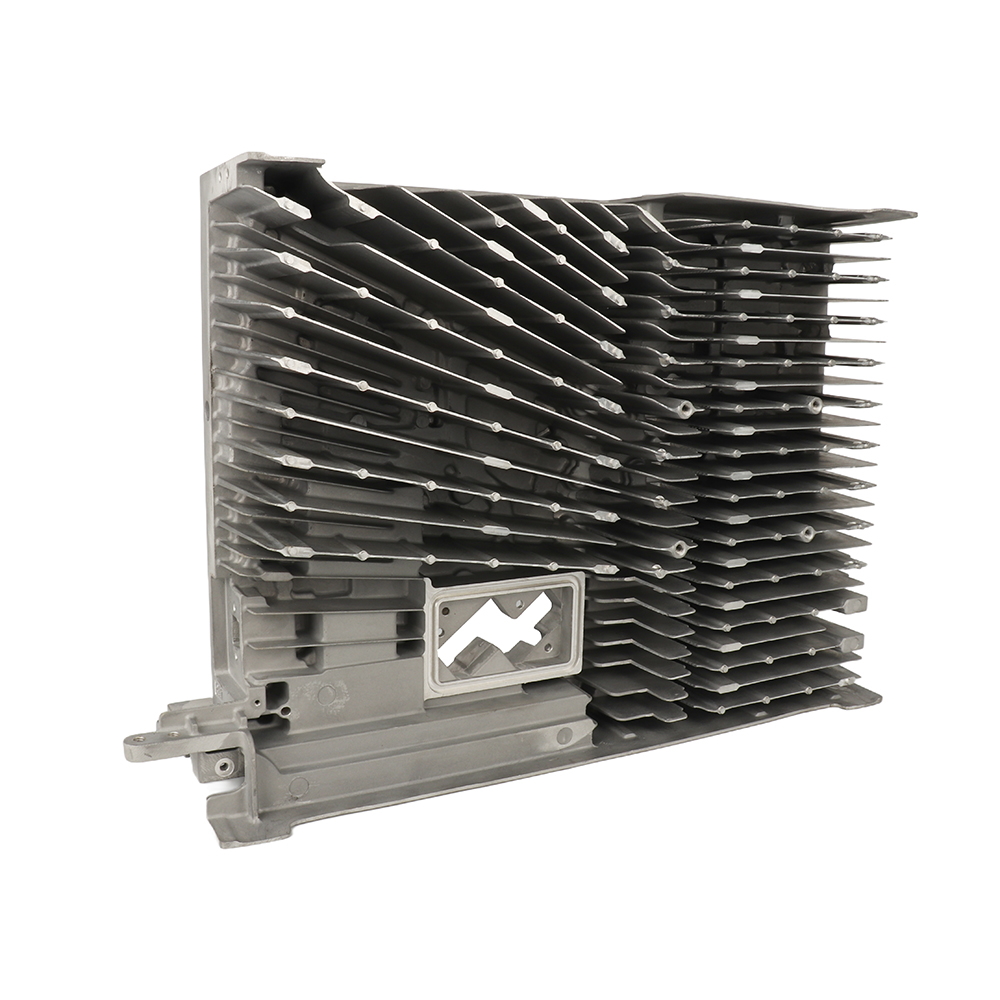
- Good Thermal Conductivity & Ductility: Aluminum castings have outstanding heat dissipation performance, which is very suitable for industrial control shells that need continuous heat dissipation to avoid equipment overheating failure.
- High Production Efficiency & Low Batch Cost: High-pressure die casting supports automated mass production. After one mold is opened, thousands of consistent parts can be produced, greatly reducing the unit cost of industrial bulk orders.
- 100% Recyclable & Eco-Friendly: Aluminum materials can be recycled repeatedly without performance degradation, complying with global industrial environmental protection standards such as RoHS and ISO14001.
- Rich Post-Processing Performance: Cast blanks can be processed by CNC machining, sandblasting, powder coating, and anodizing to meet customized appearance and assembly requirements.
3.2 Disadvantages of Aluminum Alloy Casting
- Limited High-Temperature Resistance: Compared with cast iron and copper parts, aluminum alloy has a lower melting point and is not suitable for long-term ultra-high-temperature working scenarios above 200℃.
- High Initial Mold Cost: Precision die-casting molds require high manufacturing costs, making it uneconomical for ultra-small-batch customized prototypes.
- Casting Defect Risks: Improper process control may cause pores, shrinkage cavities, and burrs, which require strict full inspection to eliminate defective products.
4. Industrial Application Scenarios of Aluminum Casting Parts
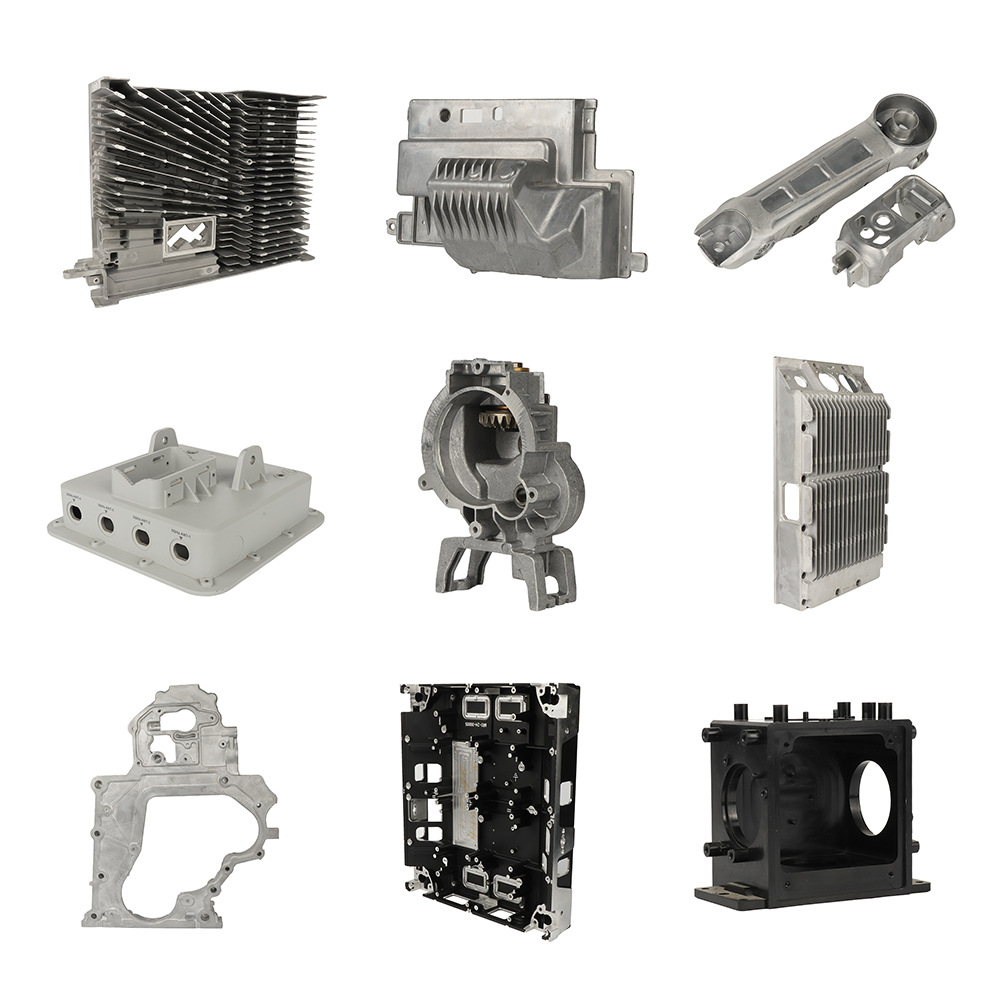
Relying on balanced mechanical properties and stable chemical characteristics, aluminum alloy castings are widely applied in various industrial fields, especially for precision equipment that requires lightweight and heat dissipation:
4.1 Industrial Control Components
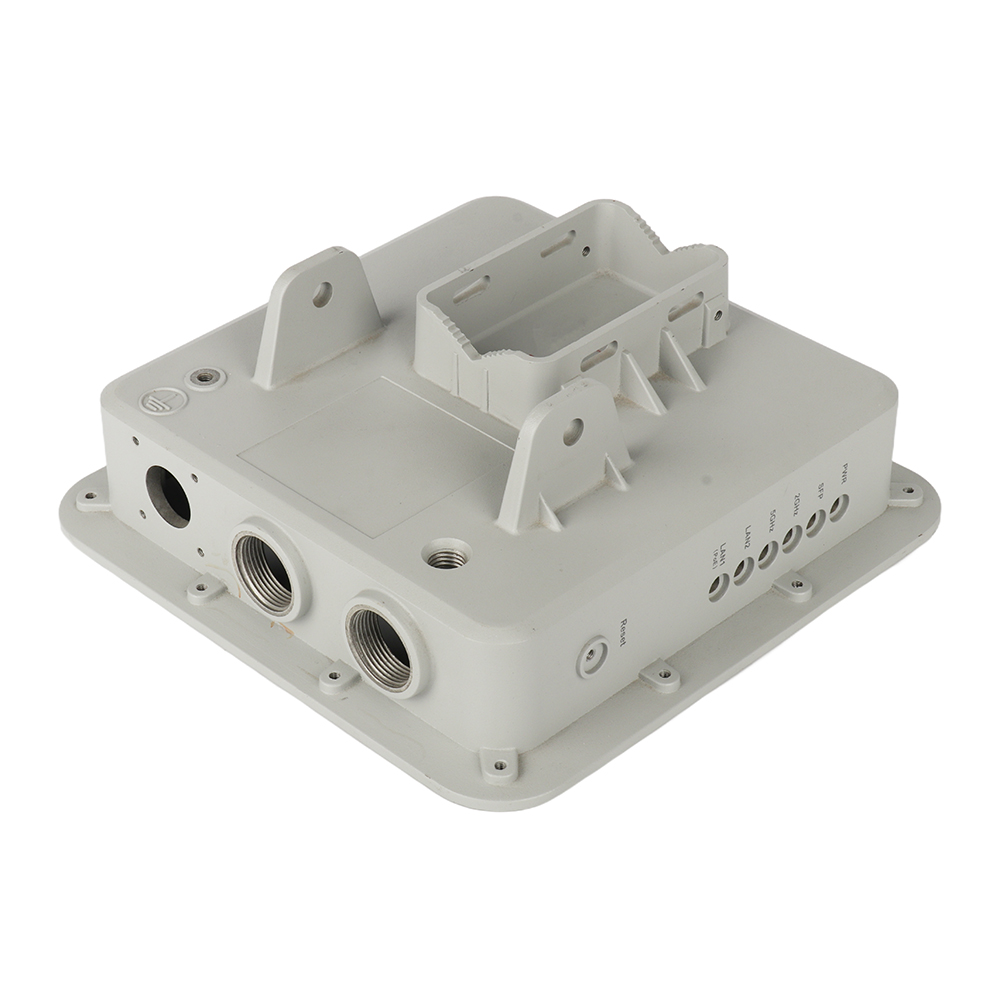
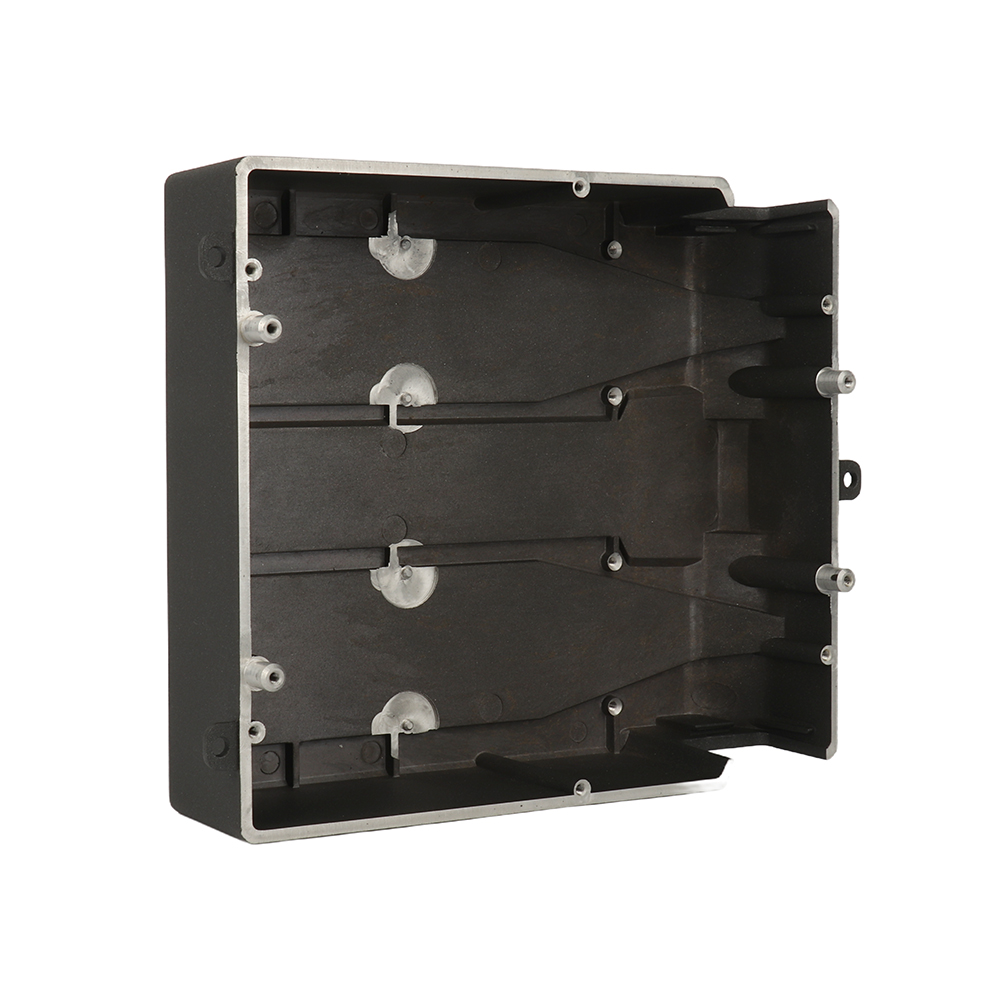
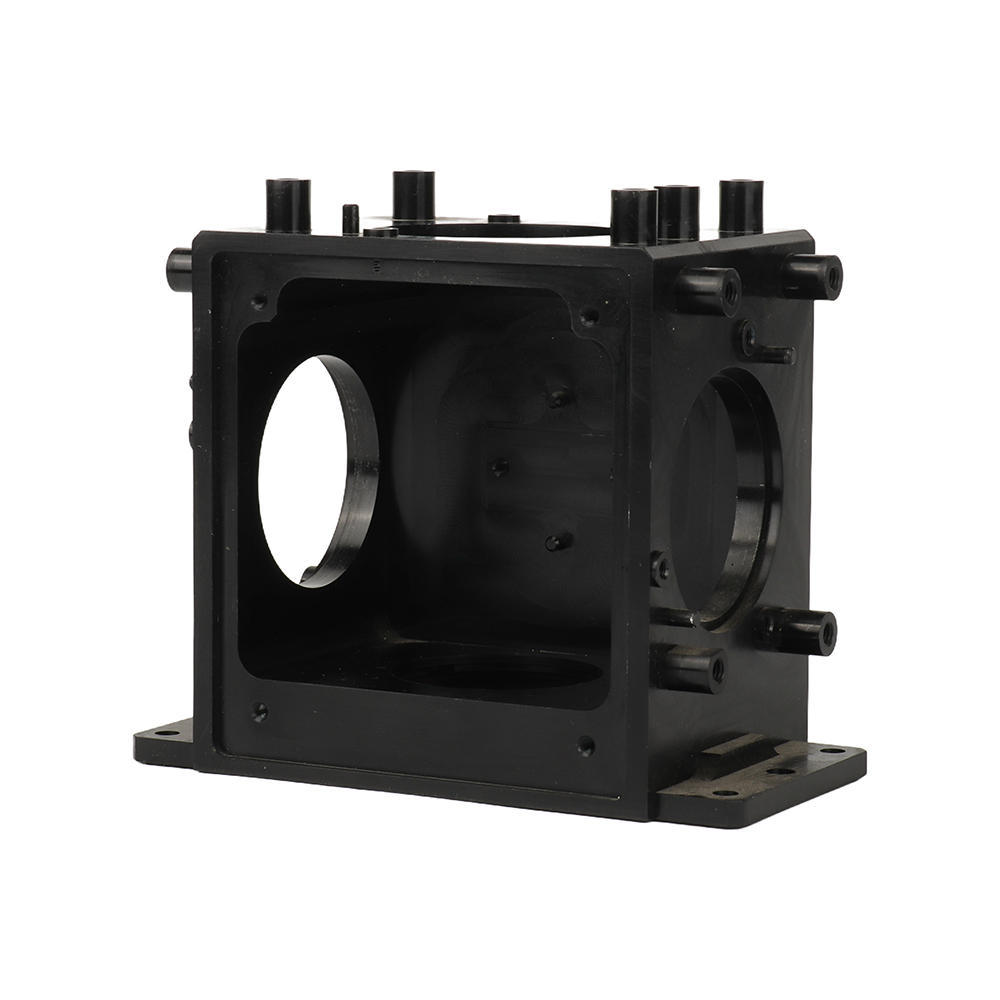
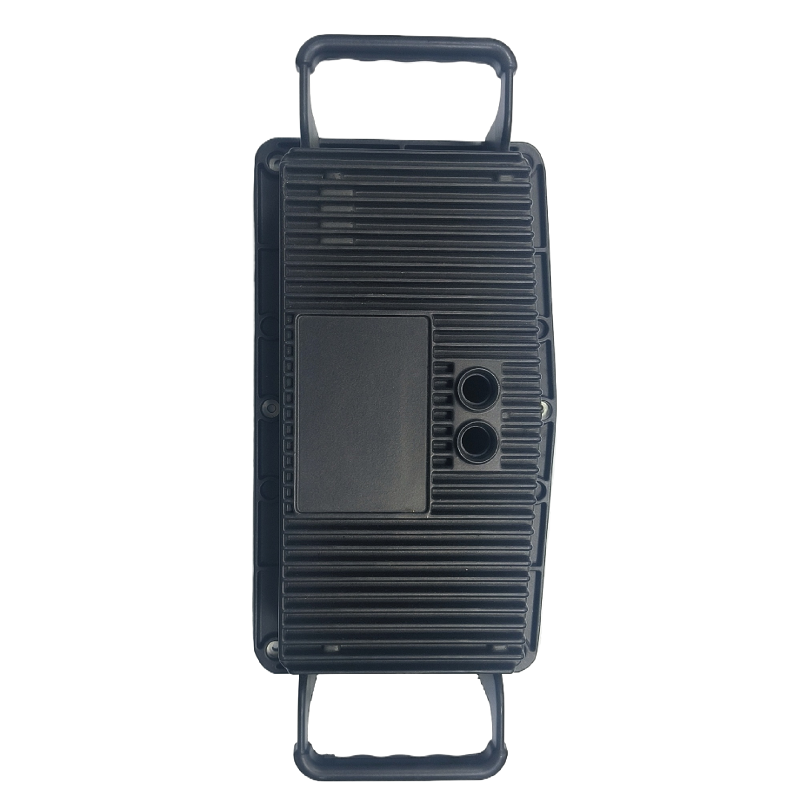
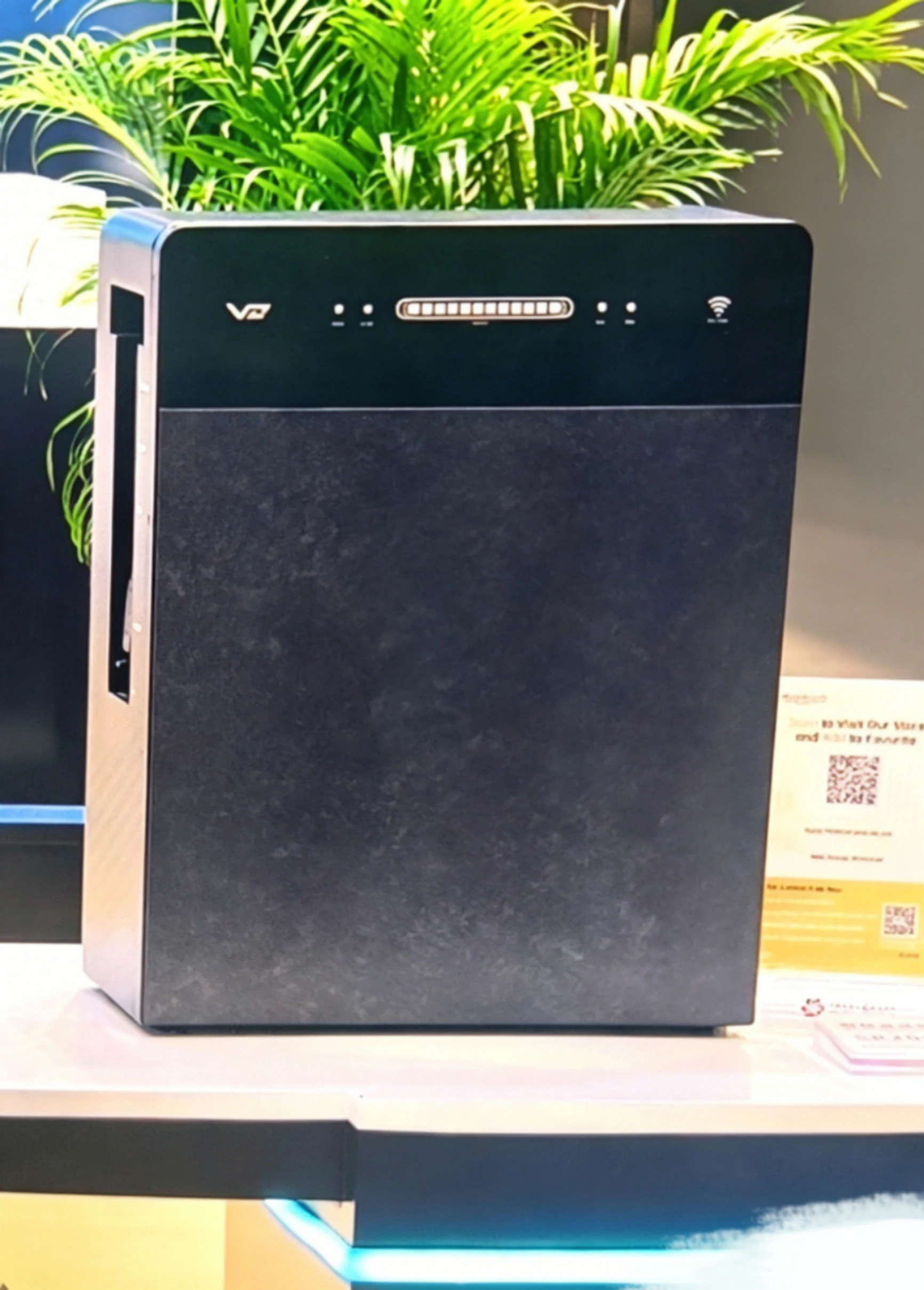
Control shells, sensor housings, and electrical box casings are the most common applications. The airtight and durable structure can protect internal electronic components from dust and vibration, which is the main application of Xinghang XH-013 aluminum alloy casting parts.
4.2 Automated Production Equipment
Mechanical brackets, connecting bases, and transmission structural parts adopt aluminum castings to reduce equipment load and improve operation flexibility.
4.3 New Energy & Communication Equipment
High thermal conductivity aluminum castings are used for power battery shells and communication signal shells to realize rapid heat dissipation and ensure stable equipment operation.
5. Xinghang Aluminum Alloy Casting (Model XH-013) Product Introduction
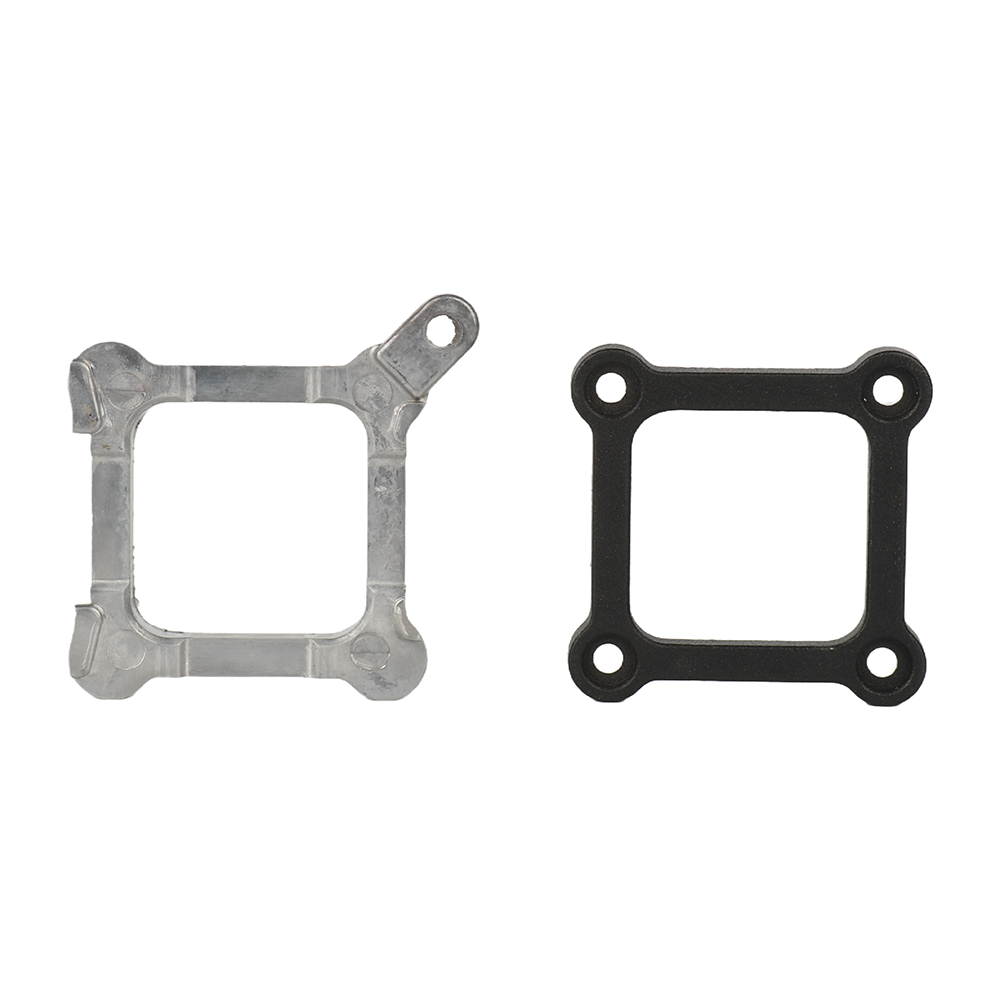
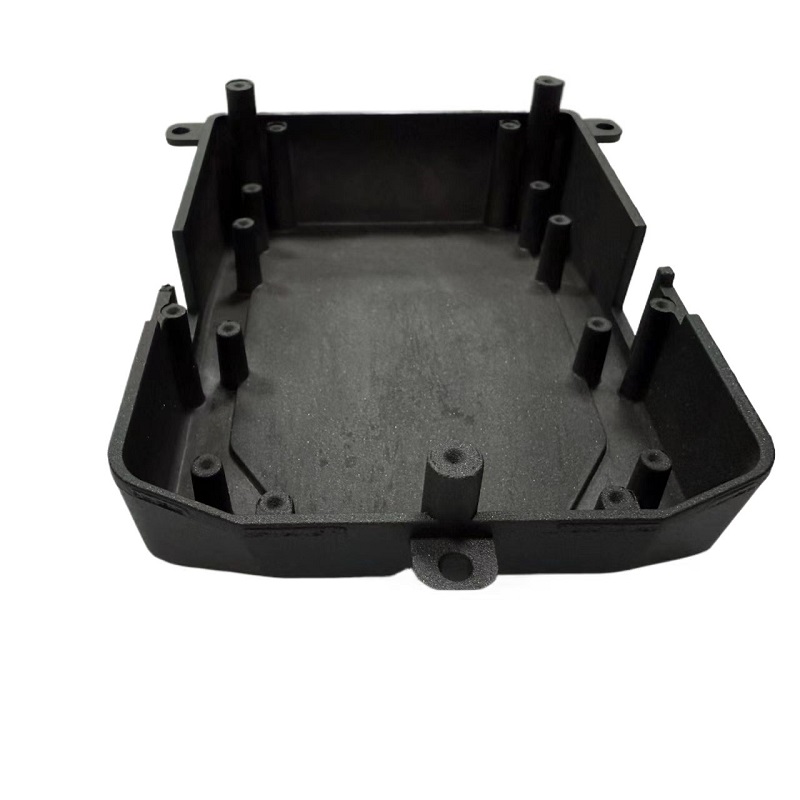
Xinghang Precision Hardware focuses on high-standard aluminum alloy die casting services. Our hot-selling XH-013 control shell aluminum alloy casting is specially designed for industrial control components, featuring high precision, firm structure, and stable quality, which has won long-term recognition from global industrial buyers.
| Item | Product Specifications |
|---|---|
| Product Name | Control Shell Aluminum Alloy Casting |
| Brand Name | XingHang |
| Model Number | XH-013 |
| Place of Origin | Guangdong, China |
| Certification | ISO9001/TS16949/RoHS/ISO14001 |
| Core Process | High-Pressure Aluminum Alloy Die Casting |
| Application | Industrial Equipment, Industrial Control Components |
| Product Features | High precision, durable structure, seamless surface, reliable stability |
XH-013 aluminum alloy casting parts adopt automated molten metal feeding and multi-axis robotic demolding technology. The internal metal structure is dense without pores. After CNC finishing and surface treatment, the product has tight tolerance and smooth appearance. It is widely used in industrial control shells, electrical equipment casings, and automation protection components.
6. Industry Expert Viewpoints on Aluminum Alloy Casting
We invited Robert Taylor, a senior metallurgical engineer with 28 years of experience in metal casting and industrial material research, to share professional industry insights:
“Aluminum alloy casting has become the backbone of modern industrial lightweight manufacturing. Compared with iron and copper castings, its comprehensive cost performance is irreplaceable. For industrial control components such as equipment shells, aluminum alloys balance heat dissipation, shock resistance and corrosion resistance perfectly. In the current market, high-pressure die casting is the most reliable production method for medium and large batches.”
Robert Taylor further emphasized: “Quality control determines the service life of aluminum castings. Many small factories ignore internal pore detection, leading to unstable product performance. Standard manufacturers like Xinghang insist on 100% full inspection for each batch of XH-013 castings. Their complete certification system and automated production lines are the core standards for high-quality aluminum casting suppliers.”
7. Frequently Asked Questions (FAQs)
Q1: What is the difference between aluminum die casting and sand casting?
A: Aluminum die casting uses high-pressure injection and steel molds, featuring high precision, smooth surface, and fast production speed, suitable for mass production of industrial control parts. Sand casting uses sand molds with rough surface and low precision, only applicable for simple and low-demand industrial parts.
Q2: What aluminum alloys are commonly used for industrial casting?
A: ADC12, A380 and A383 are the most mainstream industrial casting aluminum alloys. These materials have excellent fluidity, castability and thermal conductivity, which can meet the daily working needs of industrial equipment and control components.
Q3: Are aluminum alloy castings easy to rust and damage?
A: No. Aluminum alloy has natural anti-rust and anti-corrosion properties. After powder coating or anodizing surface treatment, the service life can reach more than 15 years in conventional industrial environments.
Q4: What are the main uses of Xinghang XH-013 castings?
A: XH-013 is a professional industrial control shell aluminum alloy casting. It is mainly used for equipment control boxes, sensor shells, electrical protection casings and other industrial equipment components to achieve dustproof, shockproof and heat dissipation protection.
Q5: Is aluminum alloy casting suitable for customized production?
A: Yes. Xinghang supports personalized customization of aluminum alloy castings, including size, tolerance, hole position, surface treatment and logo engraving. We can produce strictly according to customer 2D/3D drawings to meet unique industrial application requirements.
8. Conclusion: Industry Trends & Supplier Selection Guide
8.1 Development Trends of Aluminum Alloy Casting Industry
Driven by industrial upgrading and lightweight manufacturing, the global aluminum alloy casting industry maintains a steady growth rate of 6.2%. Three major trends are obvious: First, automation intelligence, robotic feeding and demolding replace manual operations to improve product consistency; Second, high-precision customization, industrial buyers have higher requirements for tolerance and surface finish of castings; Third, green environmental protection, recyclable aluminum materials and pollution-free surface treatment become the industry entry threshold. In addition, integrated manufacturing (casting + machining + surface treatment) has become the core competitiveness of excellent suppliers.
8.2 How to Choose a High-Quality Hardware Processing Supplier
Excellent suppliers directly determine the yield rate and service life of aluminum castings. Industrial buyers need to focus on four core standards: Complete international authoritative certifications; Automated die-casting and processing equipment; Strict 100% full inspection system; Mature one-stop integrated production capacity. Avoid low-cost small factories with backward processes to prevent batch defects and delayed delivery.
8.3 Choose Xinghang Precision Hardware as Your Reliable Partner
Xinghang Precision Hardware is a professional high-tech aluminum alloy casting manufacturer located in Dongguan, Guangdong. Founded in 2017, we own a 9,410-square-meter standardized factory, equipped with 300-2000 tons die-casting machines and nearly 100 high-speed CNC equipment. We hold ISO9001/TS16949/RoHS/ISO14001 full certifications. Our hot-selling XH-013 control shell aluminum alloy casting has stable quality and batch consistency, providing one-stop casting customization solutions for global industrial equipment buyers.
Contact Us for Free Drawing Evaluation & Quotation:
Mobile/WeChat: +86 18819502691
Email: liqine@xinghangcn.com
Mobile/WeChat: +86 18819502691
Email: liqine@xinghangcn.com
Indoor telecom cabinet | What is the function of an indoor telecom cabinet? A Complete Guide
Cast and die | What are casting and die? A Complete Guide for Industrial Metal Parts
Related Article

Residential energy storage systems have become increasingly popular as homeowners pursue energy independence, solar self-consumption and backup power for grid outages.
Energy storage enclosure | What Are the Benefits of Die-Cast Home Energy Storage Enclosures?

A custom LED display frame is the core structural carrier for LED screen modules, widely manufactured with ADC12 aluminum alloy via high-pressure die casting.
LED display frame | What Are the Benefits of Custom LED Display Frames?

