
HOT PRODUCTS
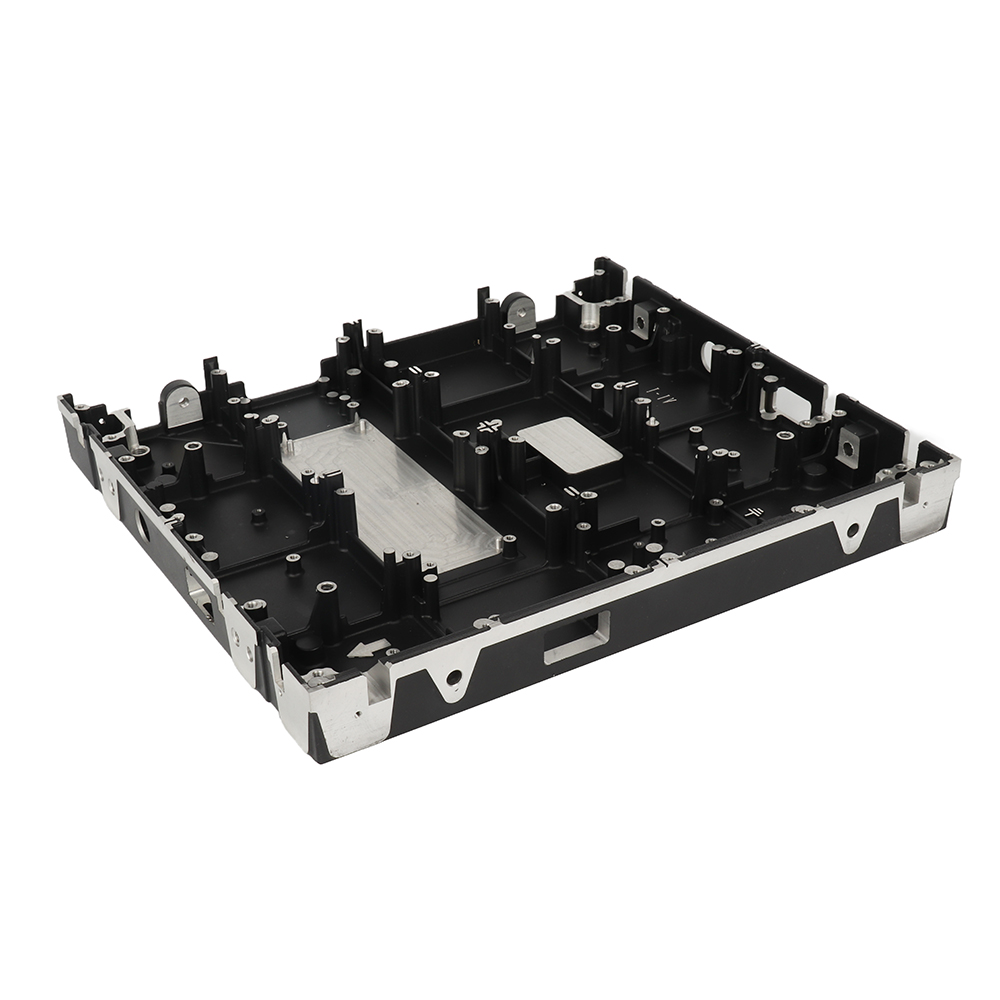
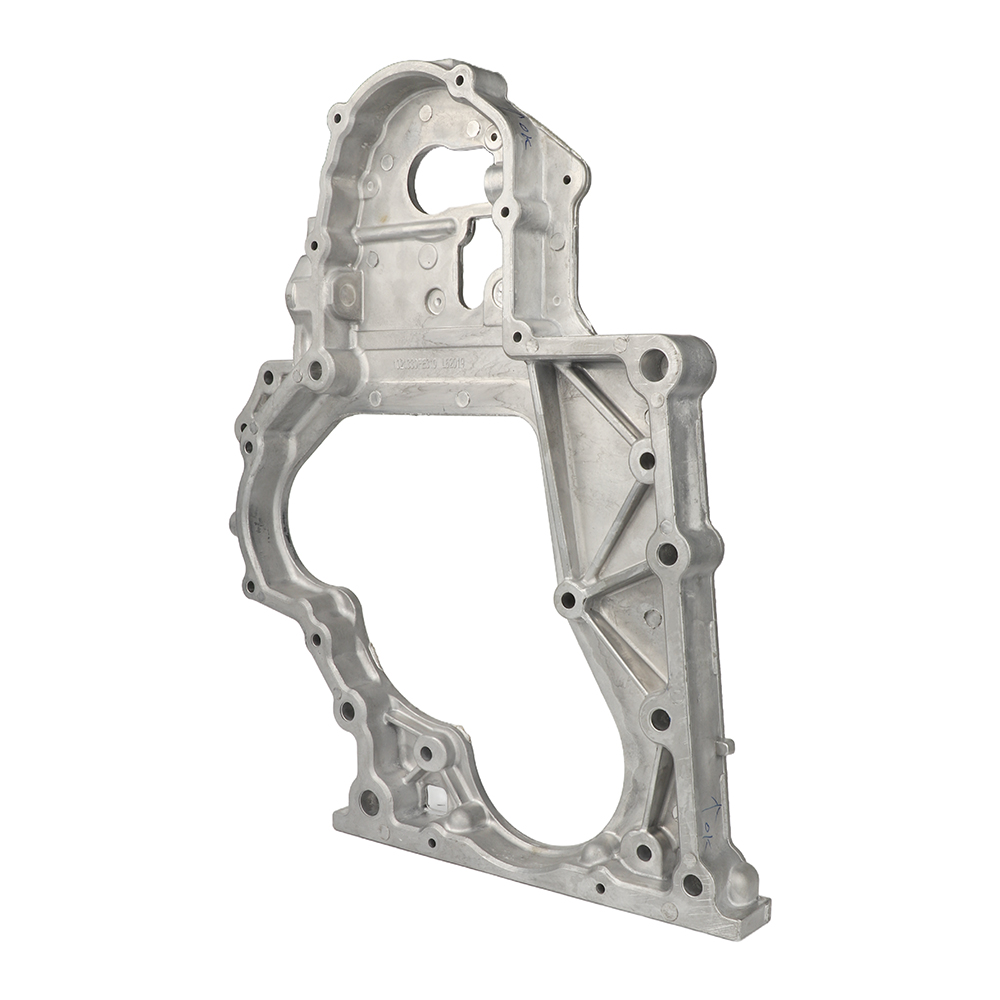
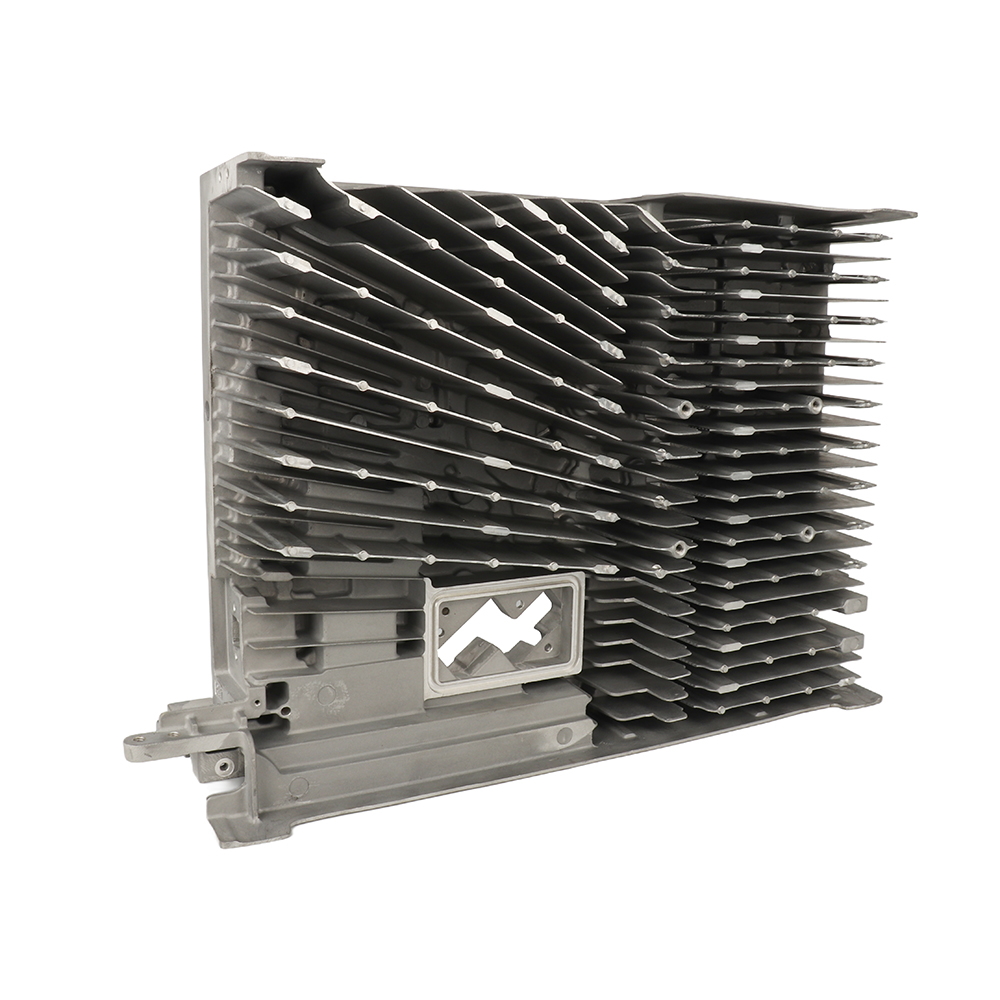
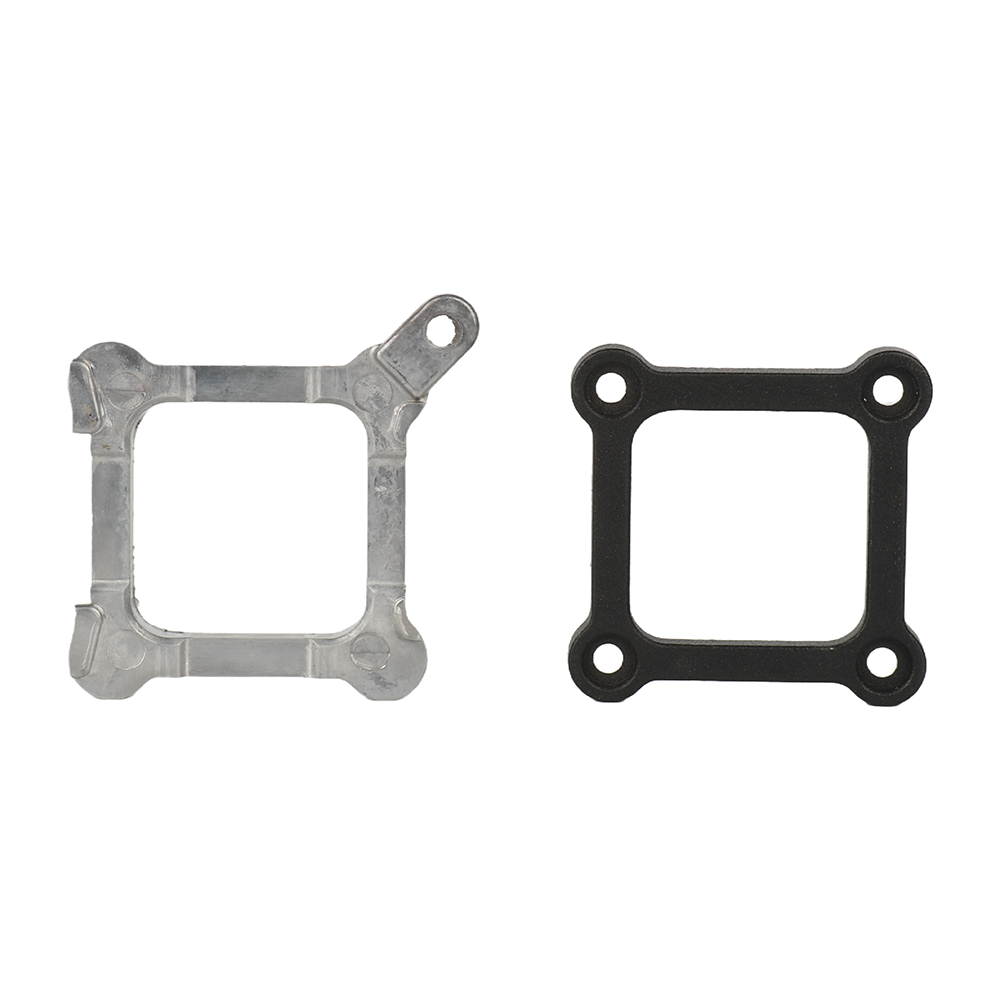
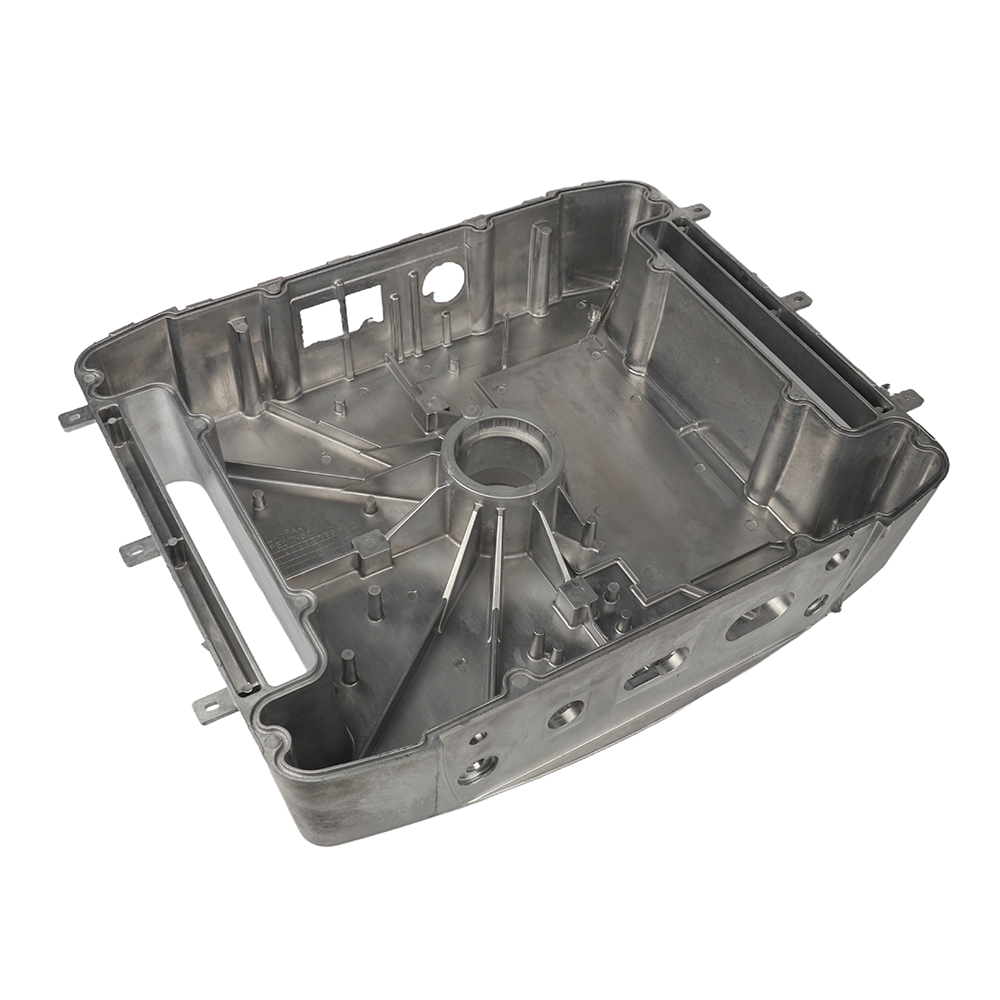
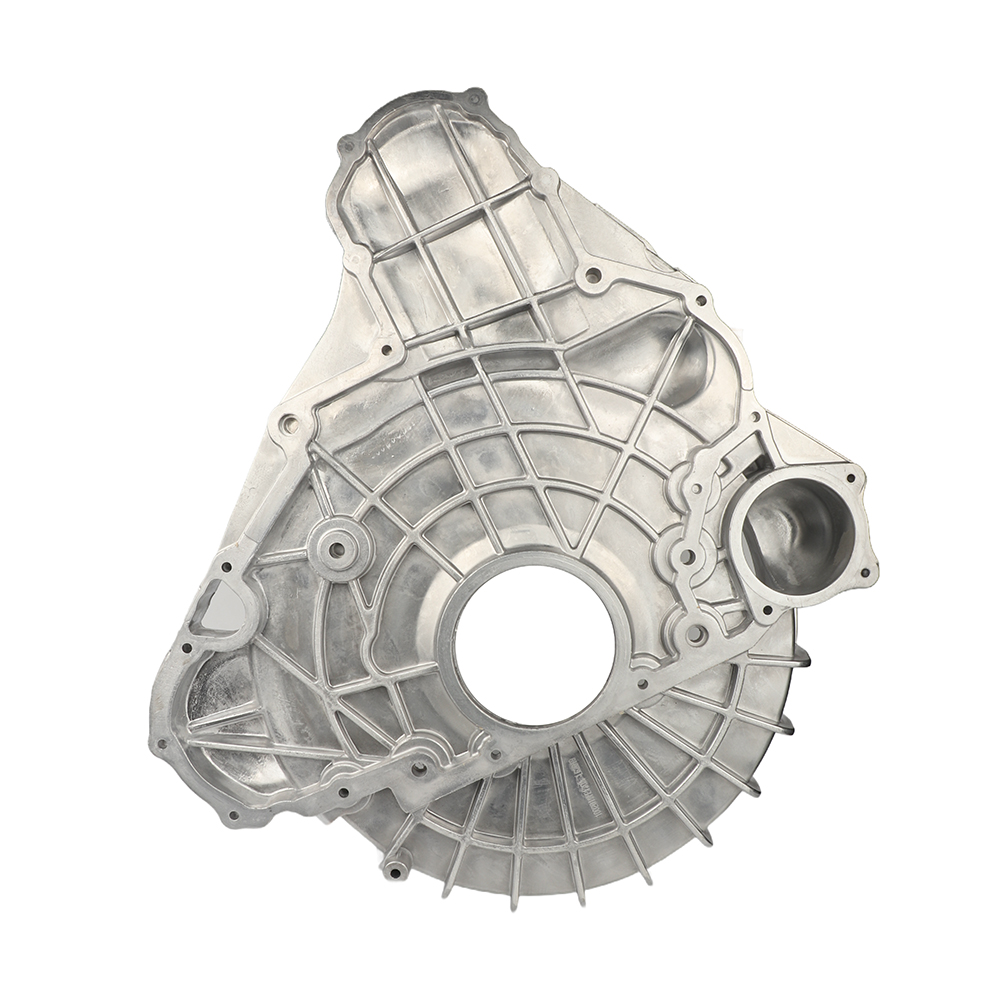
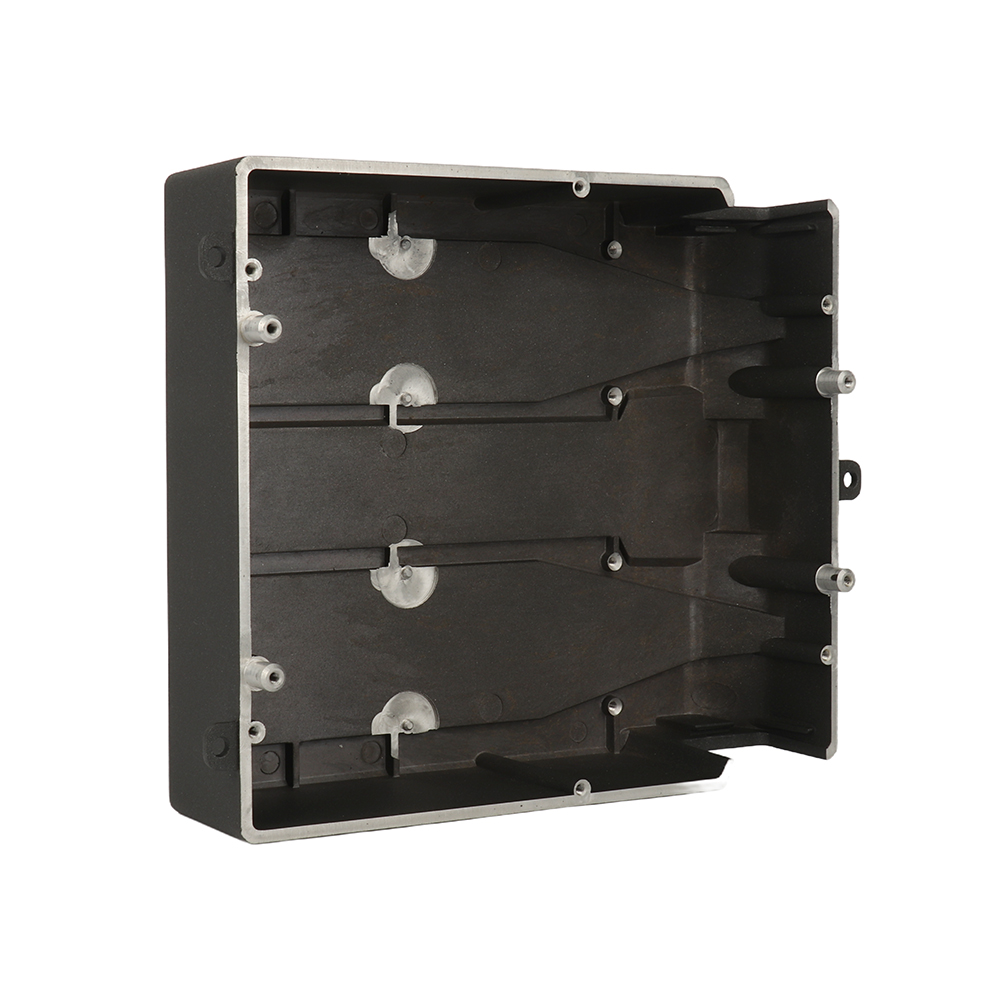
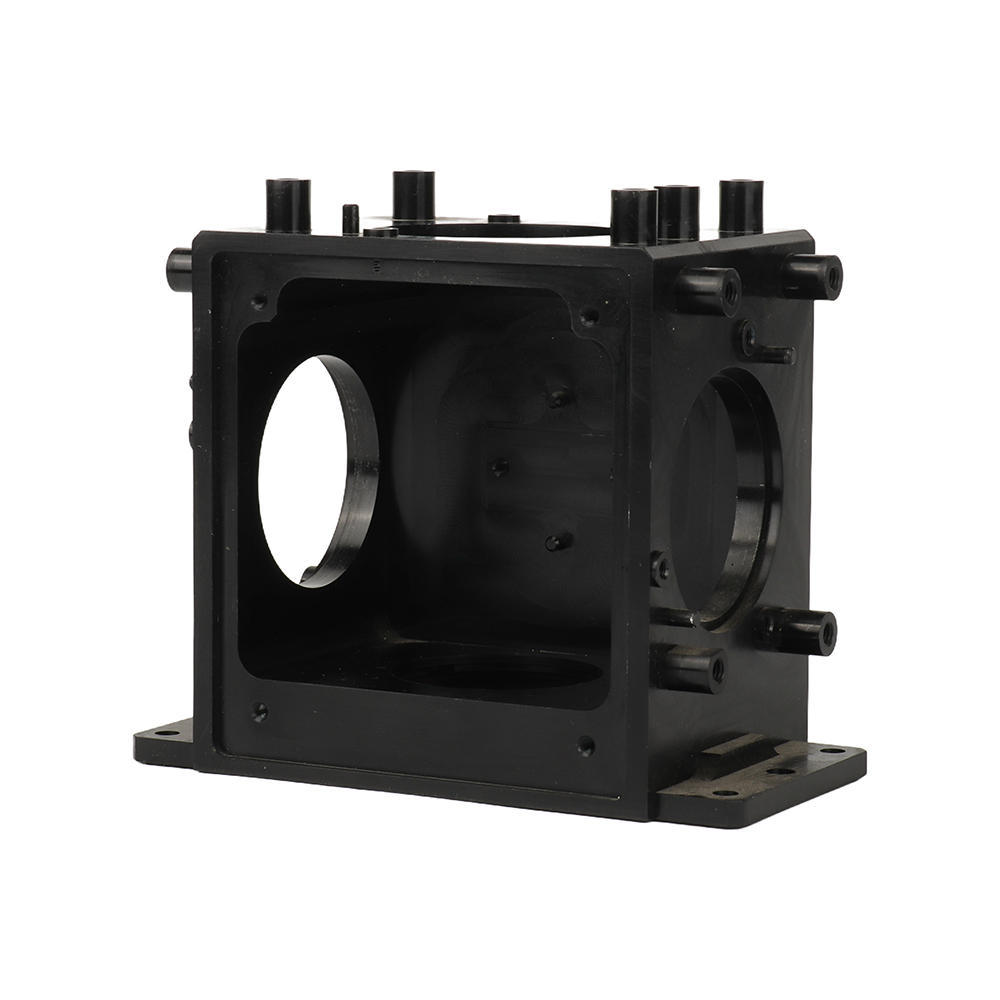
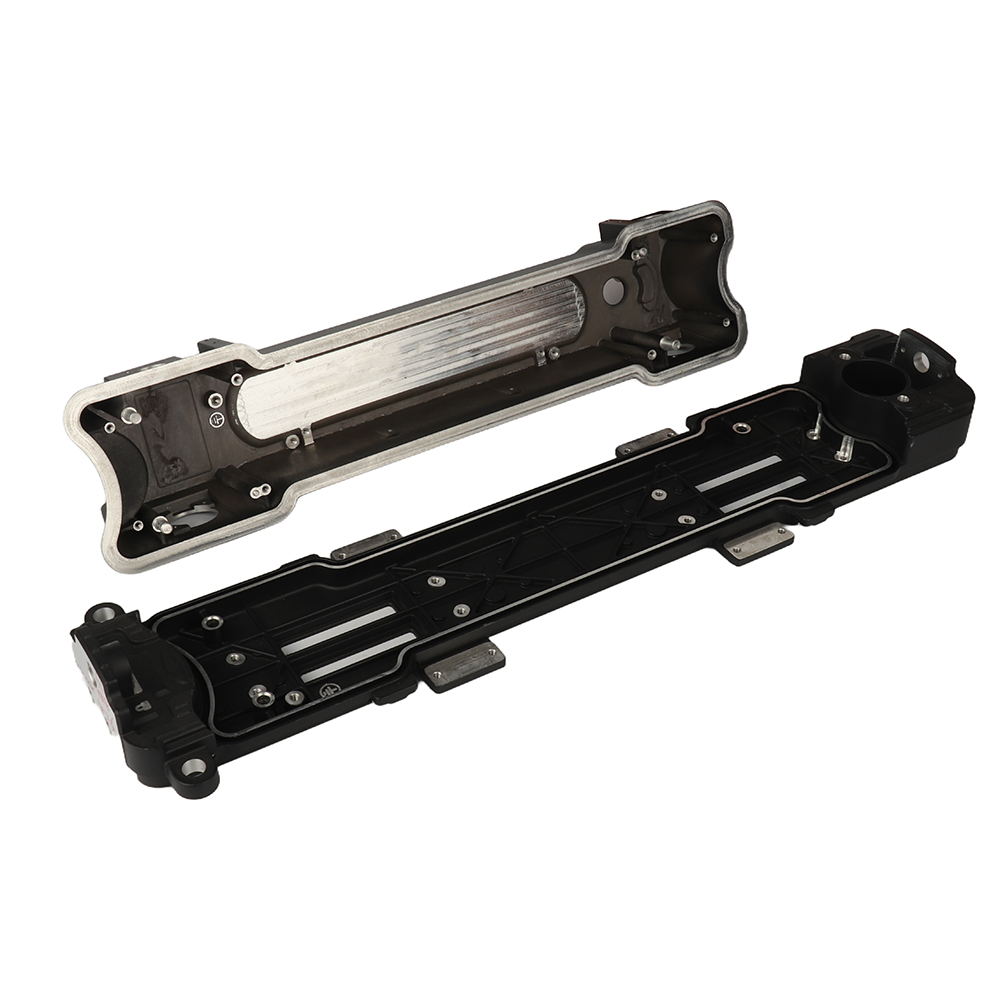
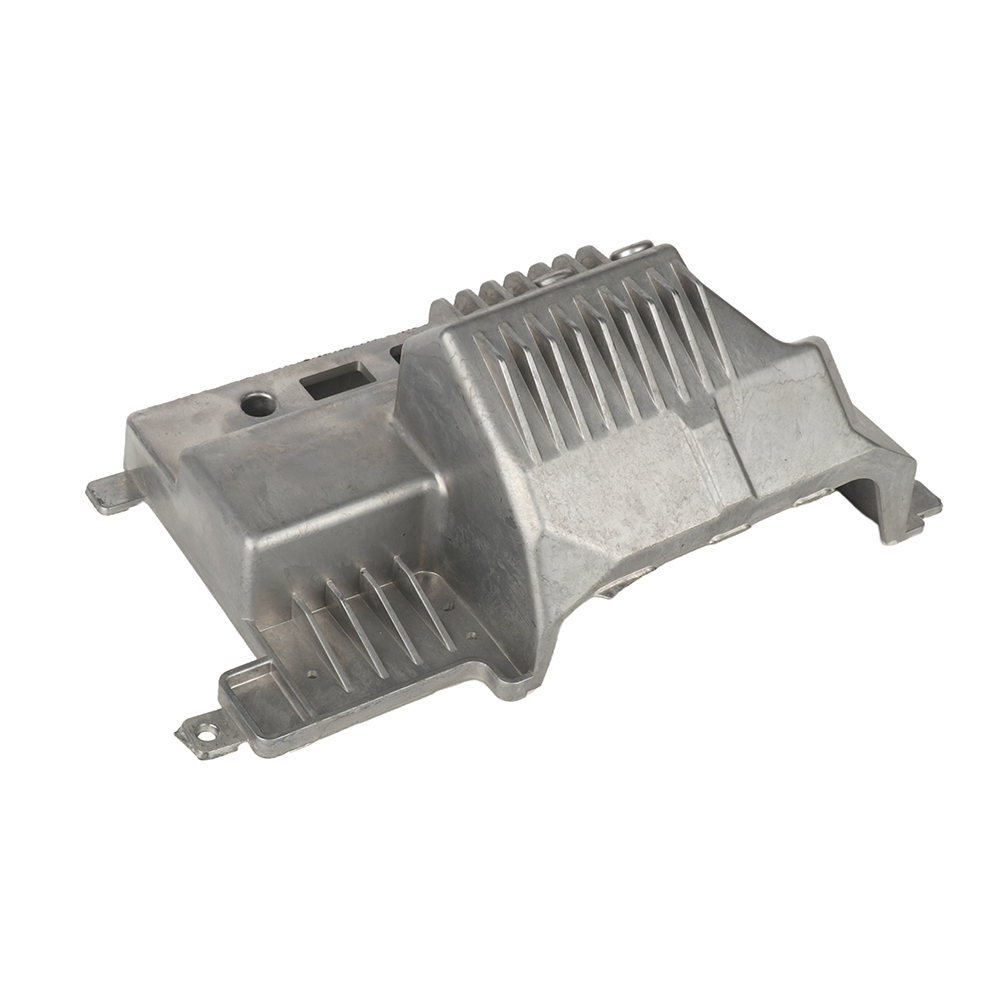
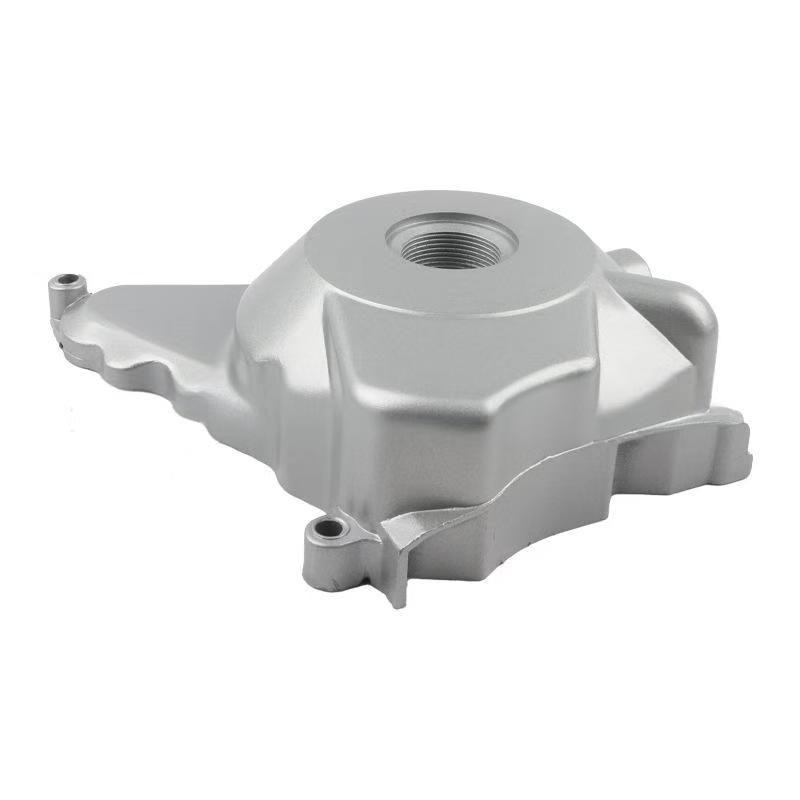
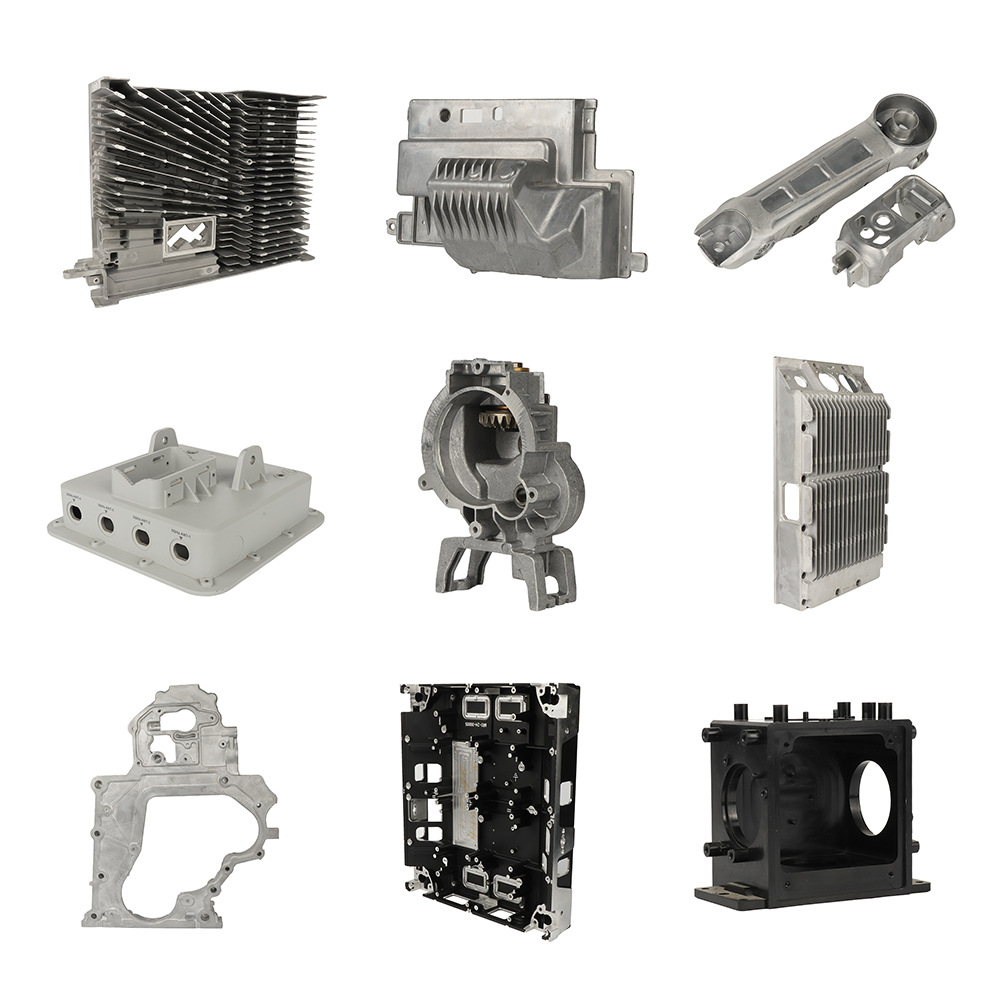
Aluminum boxes for electronics | What is an aluminum enclosure? Focus on Aluminum Boxes for Electronics
What is an Aluminum Enclosure? Focus on Aluminum Boxes for Electronics
Table of Contents
- 1. What is an Aluminum Enclosure? Basic Definition
- 2. Aluminum Boxes for Electronics: Core Applications & Key Roles
- 3. Key Benefits of Aluminum Boxes for Electronics (Highlighted)
- 4. Expert Opinions on Aluminum Enclosures for Electronic Devices
- 5. FAQs About Aluminum Boxes for Electronics
- 6. Conclusion
1. What is an Aluminum Enclosure? Basic Definition
An aluminum enclosure is a protective, functional housing crafted from aluminum or aluminum alloys, engineered to encase, safeguard, and support various components across industries. Among all its applications, aluminum boxes for electronics stand out as the most common and critical—serving as the backbone for protecting sensitive electronic parts while enhancing device performance. Unlike enclosures made of plastic, steel, or other materials, aluminum enclosures leverage aluminum’s unique inherent properties (lightweight, durable, thermally efficient, and conductive) to meet the strict operational demands of electronic devices, ranging from small consumer gadgets to large industrial equipment[2][3].
Aluminum enclosures are typically manufactured through three core processes: aluminum die casting, extrusion, and sheet metal forming—each tailored to specific electronic use cases[2]. For electronics, aluminum boxes are the most widely adopted type: compact, sealed (or semi-sealed) structures designed to shield delicate components (such as circuit boards, sensors, power supplies, and microchips) from external damage while enabling optimal functionality. These boxes are highly customizable in size, shape, and surface treatment, making them versatile for a broad spectrum of electronic applications, from household appliances to industrial control systems and medical devices[4][5].
2. Aluminum Boxes for Electronics: Core Applications & Key Roles
Aluminum boxes for electronics are far more than just protective casings—they are integral to the functionality, reliability, and longevity of electronic devices. Their core roles span protection, performance optimization, and practicality, making them indispensable in modern electronics manufacturing. Below is a detailed breakdown of their key applications, roles, and a real-world example:
2.1 Core Applications of Aluminum Electronic Boxes
Aluminum boxes for electronics are widely used across consumer, industrial, and specialized industries, covering both indoor and harsh outdoor scenarios. Key applications include:
- Consumer Electronics: Housings for routers, power adapters, portable chargers, audio equipment, smart home devices, and gaming consoles—where compact size, aesthetic appeal, and lightweight design are as important as protection[2][4].
- Industrial Electronics: Enclosures for industrial control panels, sensors, power supplies, automation equipment, and PLCs (programmable logic controllers)—engineered to withstand dust, vibration, and extreme temperatures in factory environments[5].
- Automotive Electronics: Boxes for on-board electronic systems, such as GPS modules, battery management systems (BMS), engine control units (ECUs), and sensor housings—requiring lightweight, vibration-resistant, and heat-dissipating properties[2][5].
- Medical Electronics: Housings for portable medical devices (e.g., blood pressure monitors, glucose meters) and laboratory equipment—needing sterility, corrosion resistance, and precise dimensional accuracy to meet medical industry standards[4][5].
- Outdoor Electronics: Enclosures for outdoor displays, surveillance systems, weather monitoring equipment, and solar inverters—designed to resist UV exposure, moisture, and harsh weather conditions[2][4].
2.2 Key Roles of Aluminum Boxes for Electronics
2.2.1 Protection of Sensitive Components
The primary role of aluminum electronic boxes is to shield internal components from external threats, including physical impact, dust, moisture, chemical corrosion, and UV radiation. Thanks to aluminum’s inherent durability and customizable sealing designs (such as gaskets and flange covers), these boxes can meet IP (Ingress Protection) ratings and NEMA standards, ensuring reliable protection even in harsh environments like coastal areas, industrial workshops, or outdoor settings[5]. For example, aluminum boxes with IP65 or IP68 ratings can effectively prevent water and dust ingress, safeguarding components from damage and ensuring long-term operational stability[2].
2.2.2 Performance Optimization
Aluminum boxes do not just protect—they actively enhance the performance of electronic devices. Their excellent thermal conductivity (nearly six times faster than ABS plastic) helps dissipate heat generated by components (e.g., microchips, power supplies), preventing overheating and extending the service life of devices[4][5]. Additionally, aluminum’s conductive properties create a natural EMI/RFI shielding effect (acting as a Faraday cage), blocking electromagnetic and radio frequency interference that could disrupt the normal operation of sensitive electronics like sensors or communication modules[4][5]. This shielding is critical for devices that require high precision, such as medical monitors and industrial control systems.
2.2.3 Practicality and Customization
Aluminum boxes are highly customizable, allowing manufacturers to tailor size, shape, and surface treatments (such as anodizing, powder coating, or silk-screen printing) to meet specific product requirements[4][5]. Anodizing, in particular, enhances corrosion resistance and adds an attractive finish, while powder coating provides additional protection and color options. They are also lightweight—about one-third the weight of steel enclosures—reducing the overall weight of devices, which is critical for portable electronics and automotive applications[5]. Furthermore, aluminum’s excellent machinability makes it easy to add holes, slots, and mounting points for connectors, switches, and DIN rails, simplifying assembly and maintenance[2][4].
2.3 Example of Aluminum Electronic Box
A typical example is the Econobox series aluminum box from Bud Industries, made of ADC-12 die-cast aluminum. It features a compact design (e.g., model CU-123: 3.62×1.50×1.21 inches external size) with a tight-fitting flange cover, providing excellent EMI shielding and IP-rated protection for small electronic components like circuit boards and switches. This type of aluminum box is widely used in instrument panels, filtering networks, and indoor concealed installations. Another example is the custom aluminum enclosures from HTS-ALU, which are extruded and machined to fit complex electronic layouts, suitable for industrial control systems and medical devices[2][4].

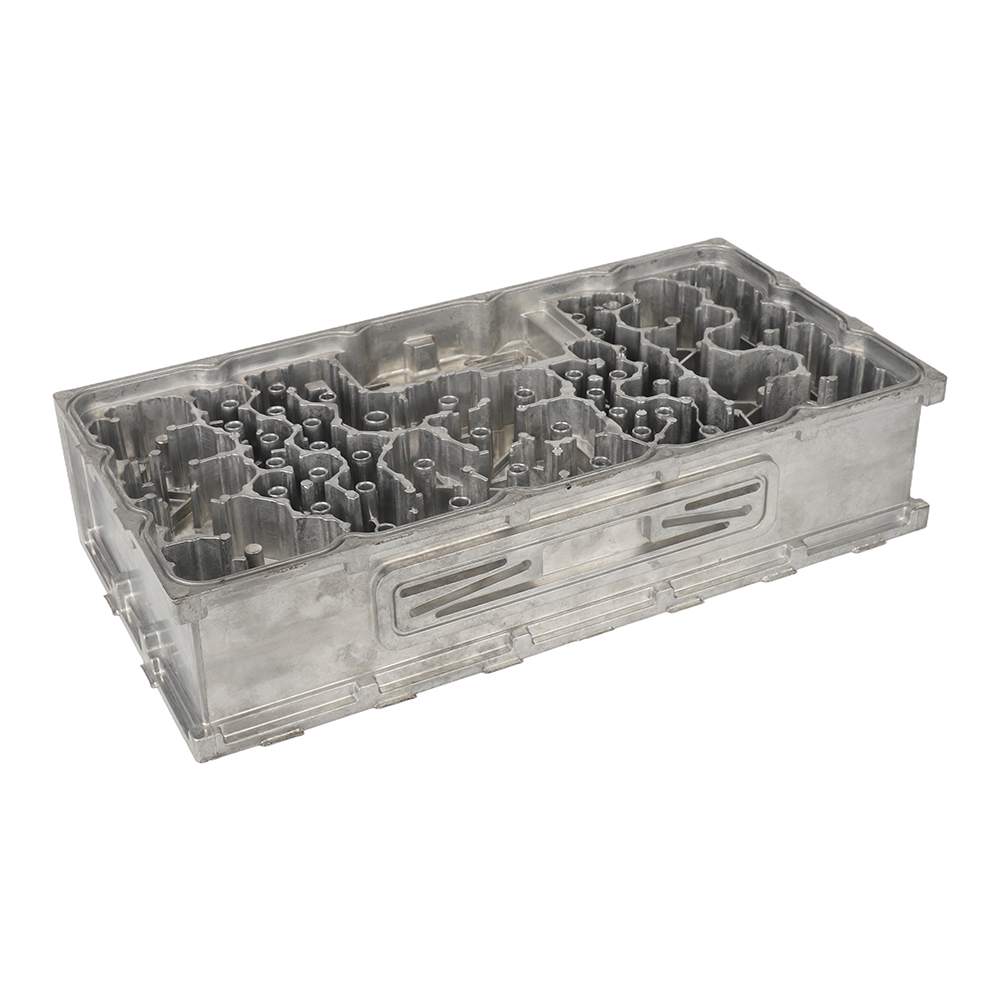
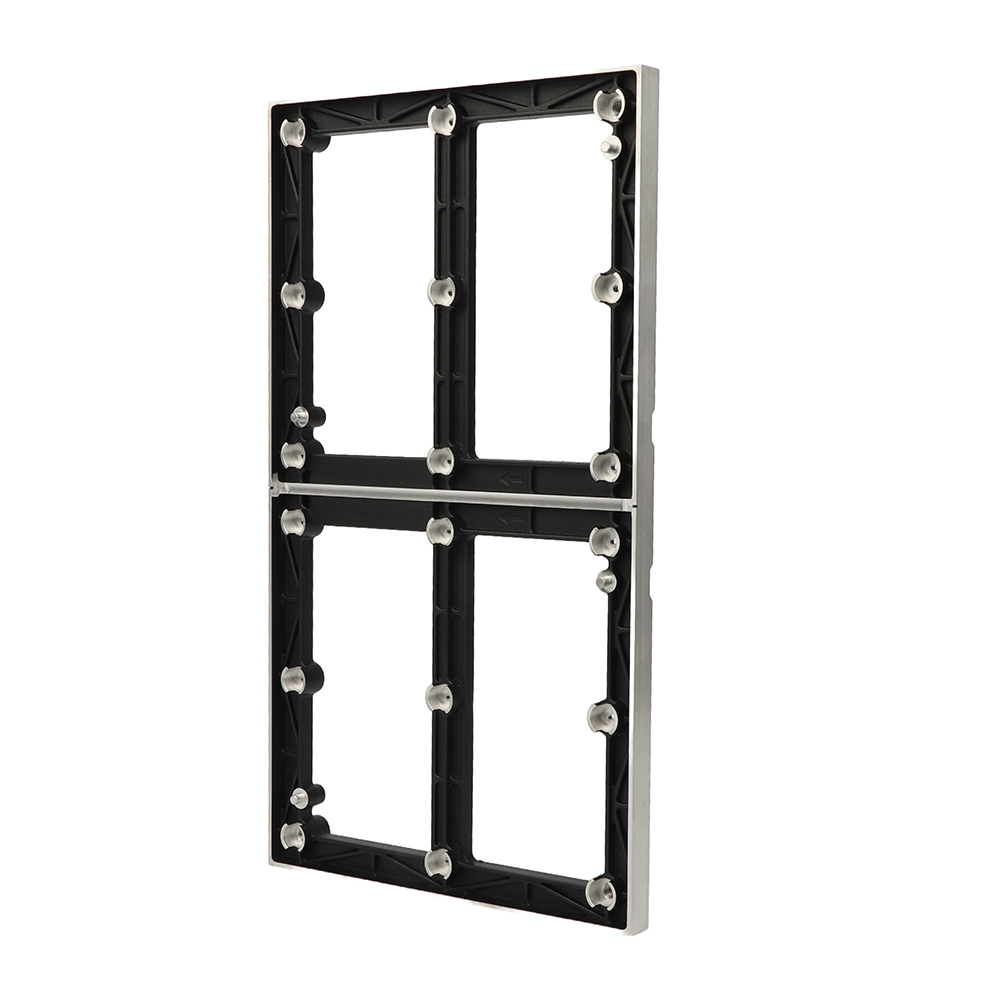
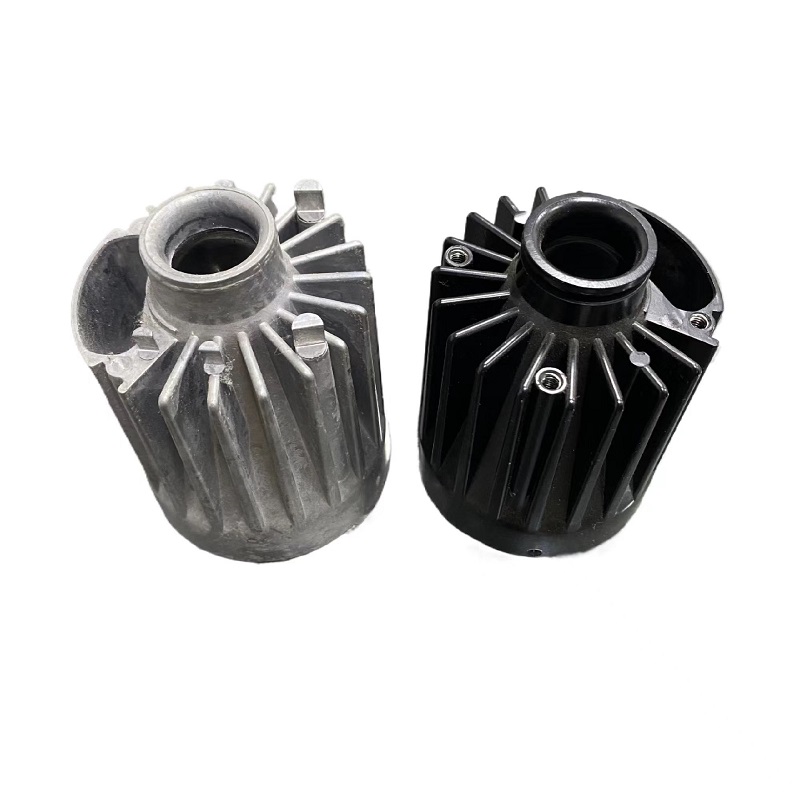
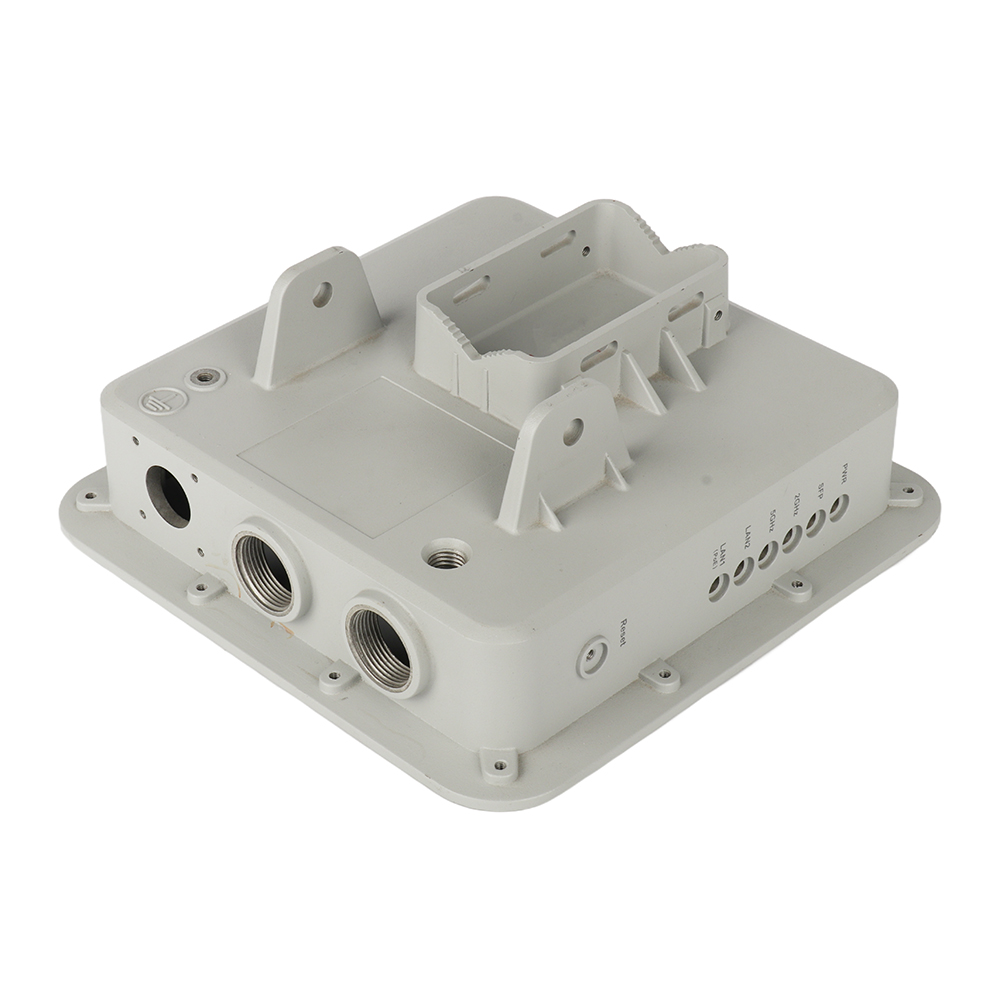
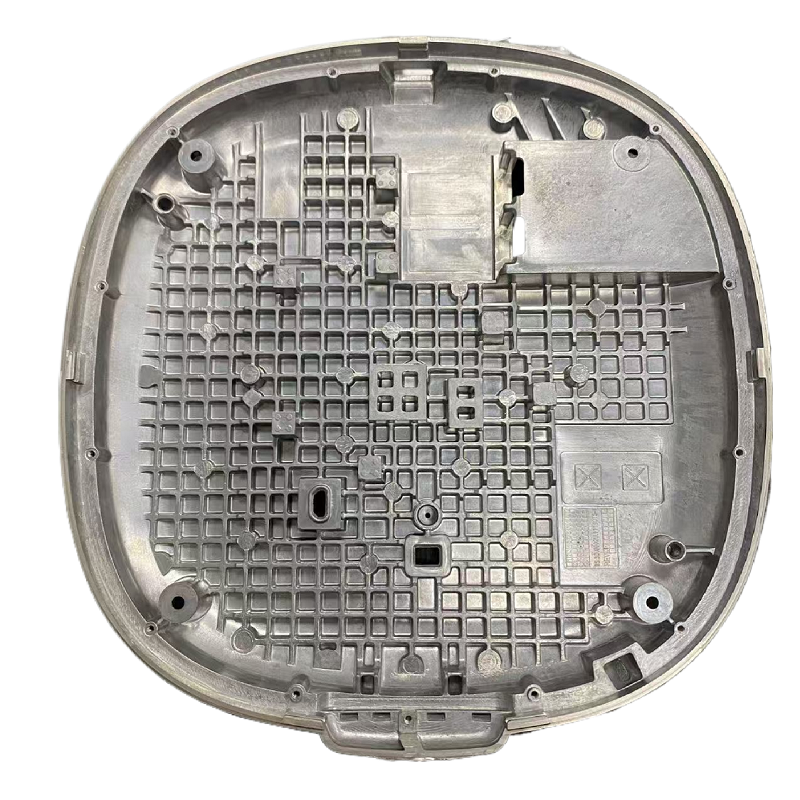
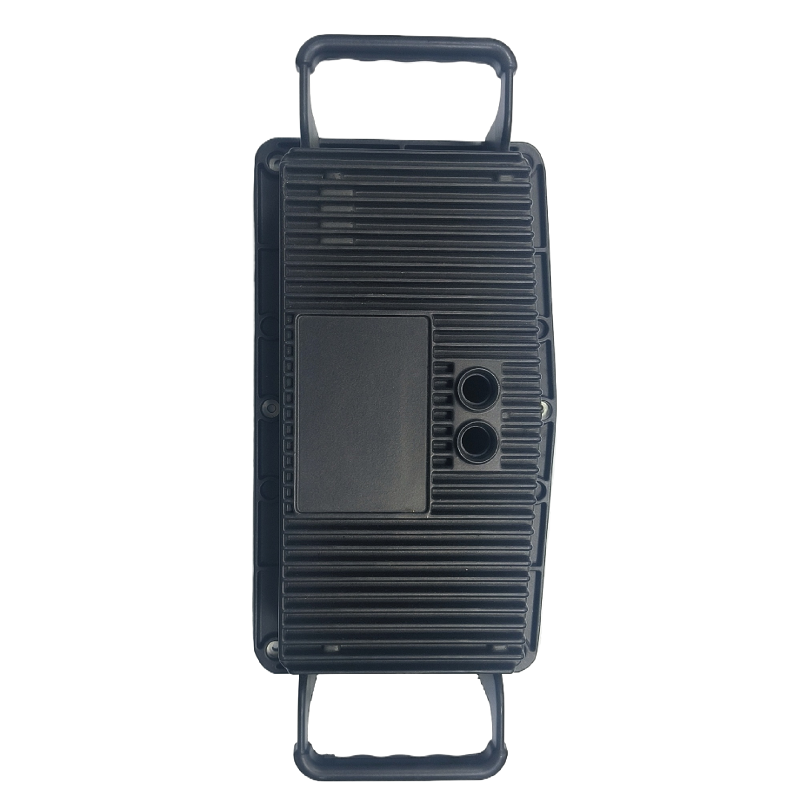
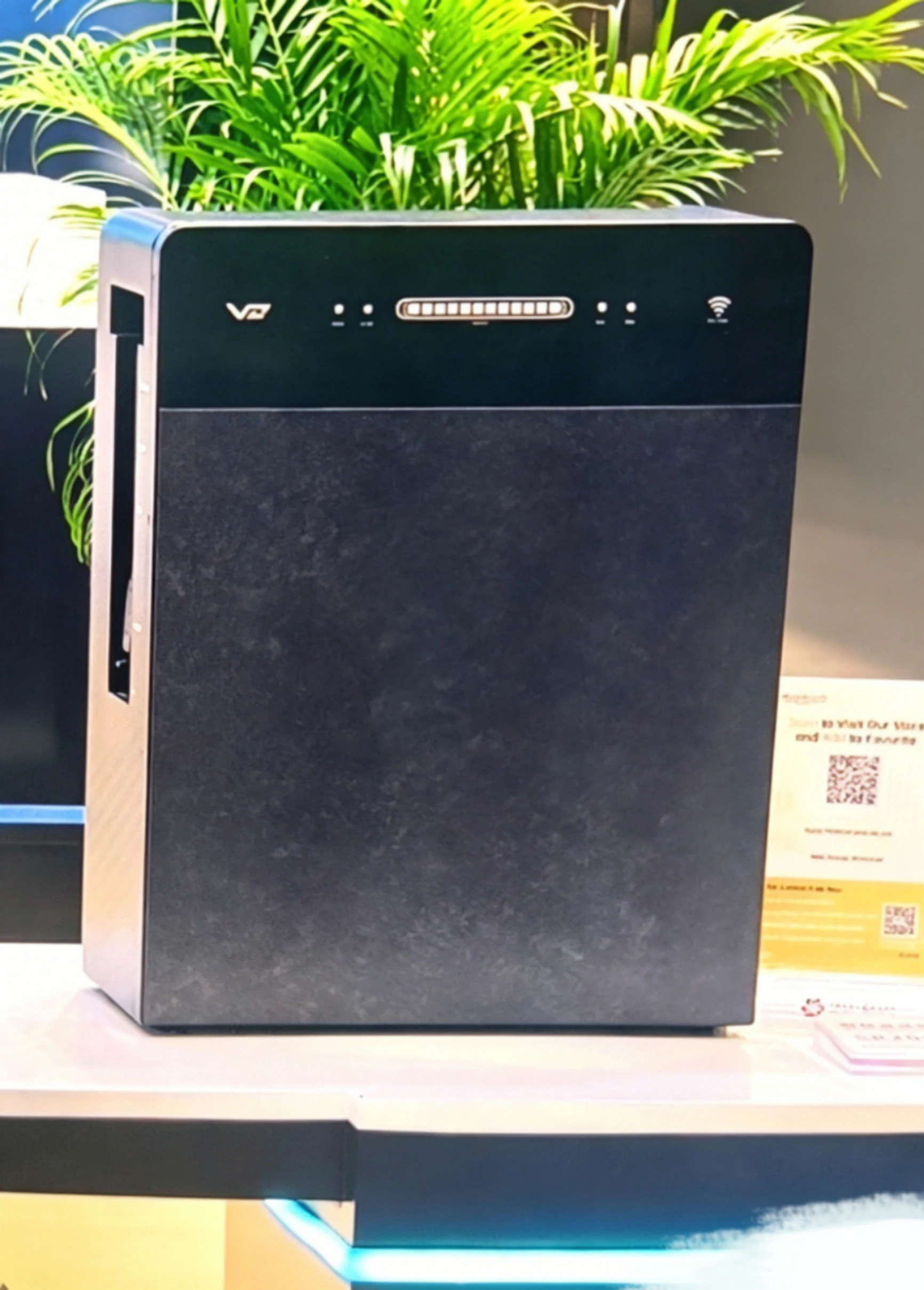
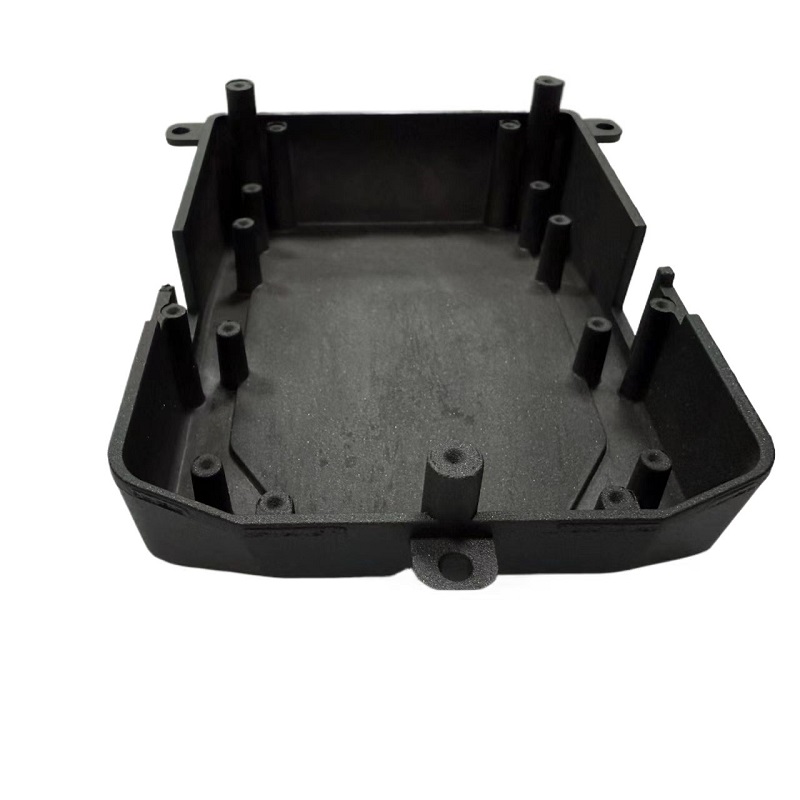
Typical aluminum boxes for electronics, showing compact design, sealed structure, and integrated mounting features for circuit boards and component
3. Key Benefits of Aluminum Boxes for Electronics (Highlighted)
Compared to enclosures made of plastic, steel, or other materials, aluminum boxes for electronics offer unique advantages that make them the preferred choice for most electronic device manufacturers. These benefits directly address the core needs of electronic devices—protection, performance, and cost-effectiveness:
3.1 Superior Durability & Corrosion Resistance
Aluminum naturally forms a thin oxide layer on its surface, which provides inherent corrosion resistance, making it suitable for both indoor and outdoor use[5]. Unlike steel, it does not rust, and unlike plastic, it can withstand physical impact without cracking or deforming. This durability ensures that electronic components are protected for years, even in harsh environments such as industrial workshops or coastal areas with high humidity[2][4]. Additionally, surface treatments like anodizing further enhance this resistance, extending the service life of the enclosure.
3.2 Excellent Thermal Management
Heat dissipation is a critical challenge for electronic devices—overheating can damage components and reduce performance. Aluminum’s high thermal conductivity (approximately 205 W/m·K) allows it to quickly transfer heat from internal components to the outside environment[5]. This eliminates the need for additional cooling systems (such as fans) in many cases, reducing device size, weight, and cost. For high-heat components like power supplies or microprocessors, aluminum boxes with integrated heat sinks can further improve thermal performance[2][4].
3.3 Effective EMI/RFI Shielding
Sensitive electronic components (e.g., sensors, communication modules) are easily disrupted by electromagnetic interference (EMI) and radio frequency interference (RFI) from other devices or external sources. Aluminum’s conductive properties create a Faraday cage effect, blocking 99% of EMI/RFI signals from entering or exiting the enclosure[4][5]. This ensures that electronic devices operate stably and accurately, which is essential for medical equipment, industrial control systems, and communication devices.
3.4 Lightweight & Cost-Effective
Aluminum is significantly lighter than steel (about 30% of steel’s weight), which reduces the overall weight of electronic devices[5]. This is particularly important for portable electronics (e.g., handheld medical devices, portable chargers) and automotive electronics, where weight reduction improves efficiency and usability. Additionally, aluminum is abundant and easy to manufacture, making aluminum boxes cost-competitive compared to stainless steel enclosures. The low maintenance requirements (no rust prevention needed) also reduce long-term costs[2][3].
3.5 High Customization Flexibility
Aluminum’s excellent machinability and formability allow manufacturers to create custom aluminum boxes in any size, shape, or configuration[2][4]. Whether it’s a compact box for a small sensor or a large enclosure for an industrial control panel, aluminum can be easily shaped through die casting, extrusion, or sheet metal forming. Surface treatments like anodizing, powder coating, and silk-screen printing also allow for branding and aesthetic customization, helping devices stand out in the market[4][5].
4. Expert Opinions on Aluminum Enclosures for Electronic Devices
To provide authoritative insights into the value of aluminum boxes for electronics, we’ve gathered opinions from industry experts with decades of experience in electronic enclosure design and manufacturing:
4.1 Wilson Chen, Senior Engineer at Ya Ji Aluminum (Specialized in Aluminum Enclosure Design)
“Aluminum has become the primary material choice for modern electronic enclosures thanks to its unbeatable balance of lightweight structure, corrosion resistance, heat conductivity, and excellent machinability[2]. For electronic devices, the ability to dissipate heat efficiently while providing reliable EMI shielding is non-negotiable—and aluminum delivers on both fronts. We’ve seen a 40% increase in demand for aluminum die-cast enclosures in automotive and industrial electronics over the past two years, as manufacturers prioritize performance and durability without sacrificing cost-effectiveness. Unlike plastic, aluminum enclosures don’t degrade under UV exposure, making them ideal for outdoor electronic applications like solar inverters and surveillance systems.”
4.2 Sarah Miller, Product Manager at Maidatech Enclosure (B2B Enclosure Expert)
“When clients come to us looking for electronic enclosures, they often start with ‘we just need a shell’—but what they really need is a solution that protects their components, enhances performance, and aligns with their brand[3]. Aluminum boxes for electronics check all these boxes. The key advantage of aluminum is its versatility: it works for small consumer gadgets and large industrial equipment alike, and its customization options allow manufacturers to create a unique identity for their products. We regularly recommend aluminum over steel for portable devices because of its lightweight design, and over plastic for high-performance applications because of its thermal and shielding capabilities. In short, aluminum enclosures are not just a housing—they’re a critical part of a product’s success.”
4.3 Dr. Li Wei, Materials Science Expert (Focus on Electronic Enclosure Materials)
“From a materials science perspective, aluminum’s unique combination of properties makes it perfect for electronic enclosures. Its thermal conductivity is six times higher than ABS plastic, which is essential for preventing component overheating—especially in compact devices where space for cooling systems is limited[4]. Additionally, aluminum’s natural oxide layer provides corrosion resistance without the need for expensive coatings, and its conductive properties ensure effective EMI shielding, which is increasingly important as electronic devices become more interconnected. While steel is stronger, its weight and poor thermal conductivity make it impractical for most modern electronic applications. Aluminum strikes the perfect balance between strength, weight, and performance.”
5. FAQs About Aluminum Boxes for Electronics
Below are the most common questions we receive about aluminum boxes for electronics, answered by our industry experts to help you make informed decisions:
5.1 Q: Are aluminum boxes for electronics more expensive than plastic enclosures?
A: While the initial cost of aluminum boxes may be slightly higher than plastic enclosures, they offer better long-term value[3][5]. Aluminum enclosures are more durable, require less maintenance, and have a longer service life—reducing replacement costs over time. Additionally, aluminum’s thermal and shielding capabilities eliminate the need for additional components (e.g., cooling fans, EMI shields), which can lower overall device costs. For high-performance or outdoor applications, aluminum is often more cost-effective than plastic in the long run.
5.2 Q: Can aluminum boxes for electronics be used in outdoor environments?
A: Yes—aluminum boxes are an excellent choice for outdoor electronics[2][5]. Aluminum’s natural corrosion resistance and customizable sealing designs (e.g., gaskets, flange covers) allow it to meet high IP ratings (IP65 to IP68), protecting against water, dust, and UV radiation. Surface treatments like anodizing or powder coating further enhance UV resistance and corrosion protection, ensuring the enclosure remains durable even in harsh outdoor conditions (e.g., rain, snow, high temperatures). Common outdoor applications include solar inverters, surveillance cameras, and weather monitoring equipment.
5.3 Q: How can I customize an aluminum box for my electronic device?
A: Aluminum boxes offer extensive customization options[2][4]. You can customize the size, shape, and thickness to fit your specific components, and add features like holes, slots, mounting points, or cutouts for connectors and switches. Surface treatments include anodizing (available in various colors, enhances corrosion resistance), powder coating (adds color and protection), and silk-screen printing (for branding or labels). Additionally, manufacturing processes like die casting (for complex shapes) and extrusion (for long, uniform profiles) allow for further customization to meet your device’s unique needs.
5.4 Q: Do aluminum boxes provide better EMI shielding than steel or plastic?
A: Aluminum provides excellent EMI/RFI shielding—better than plastic and comparable to steel[4][5]. Aluminum’s conductive properties create a Faraday cage effect, blocking most electromagnetic and radio frequency signals from entering or exiting the enclosure. While steel also offers good shielding, it is much heavier and less thermally efficient, making aluminum a better choice for most electronic devices. Plastic enclosures, on the other hand, are non-conductive and provide no inherent EMI shielding, requiring additional conductive coatings or inserts to achieve similar results.
5.5 Q: What is the difference between die-cast, extruded, and sheet metal aluminum boxes?
A: The three main manufacturing processes produce aluminum boxes with different characteristics[2]:
- Die-cast aluminum boxes: Made by injecting molten aluminum into a mold, ideal for complex shapes, tight tolerances, and high-volume production. They offer excellent strength, sealing, and EMI shielding—perfect for automotive and industrial electronics.
- Extruded aluminum boxes: Created by forcing aluminum through a die to form continuous profiles, which are then cut and machined. They are cost-effective for medium to high-volume production and often feature integrated heat sinks, making them suitable for power supplies and LED drivers.
- Sheet metal aluminum boxes: Fabricated from flat aluminum sheets through cutting, bending, and welding. They are flexible for large or custom shapes, have lower tooling costs, and are ideal for server cases and industrial control panels.
5.6 Q: Are aluminum boxes recyclable?
A: Yes—aluminum is 100% recyclable with no loss of quality[5]. Recycling aluminum requires only 5% of the energy needed to produce new aluminum, making it an environmentally friendly choice. For electronics manufacturers looking to reduce their carbon footprint, aluminum boxes are a sustainable alternative to plastic or steel enclosures. Many aluminum enclosure manufacturers also offer recycled aluminum options to further support eco-friendly practices.
6. Conclusion
An aluminum enclosure is more than just a protective housing—it is a critical component that enhances the performance, reliability, and longevity of electronic devices. Among all aluminum enclosure types, aluminum boxes for electronics stand out for their unique combination of durability, thermal efficiency, EMI shielding, lightweight design, and customization flexibility. Whether for consumer gadgets, industrial equipment, automotive systems, or medical devices, aluminum boxes meet the strict demands of modern electronics while offering long-term cost value.
As industry experts emphasize, aluminum’s balance of properties makes it the preferred material for electronic enclosures, outperforming plastic and steel in most key areas. From protecting sensitive components to optimizing device performance, aluminum boxes play an indispensable role in the electronics industry. By understanding their applications, roles, and benefits, you can make informed decisions when choosing an enclosure for your electronic device—ensuring it stands the test of time and delivers optimal performance.
Die casting applications | What are the application fields of die-casting products?
GPU housing | What is aluminium die casting? Focus on GPU Housing Applications
Related Article


